Sheikh al-Asadi warns of Iraqi government compliance with US demands
Al Mayadeen | September 29, 2026
Head of the Political Council of the Iraqi Harakat Hezbollah al-Nujaba, Sheikh Ali al-Asadi, criticized Baghdad’s decision to prevent Iranian aircraft from landing at Iraqi airports, stressing that it constitutes compliance with US pressure and warning that popular action could follow if the decision is not reversed.
Speaking to Al Mayadeen, al-Asadi said, “We regret the decision by the Iraqi authorities to prevent Iranian aircraft from landing in Iraq.” He described the decision as “submission to American bullying,” adding, “The Iraqi decision-maker must reconsider it; otherwise there will be popular pressure aimed at changing the decision.”
He said the issue extends beyond Iraqi airports, invoking longstanding ties between Iraq and Iran. “The issue goes beyond airports. There are close relations with Iran, and therefore we must not bow to an irresponsible decision by America,” he said. “Popular options will be the most pressing, and all possibilities are on the table.”
Sheikh al-Asadi attributed growing US influence in Iraq to weaknesses among domestic political actors. “The weakness of the domestic political actor has allowed the American occupation to impose its decisions in Iraq,” he said, adding, “The decision-maker can choose not to implement American decisions, as some countries do.”
He stressed that “the decision must be sovereign and independent politically, economically, and in terms of security,” defining sovereignty as “complete independence, with Iraq being the decision-maker in all aspects of life.
According to Sheikh al-Asadi, “There are personal and partisan interests behind the absence of independence in decision-making.” He also accused Iraq’s political class of adopting contradictory positions toward Washington, slamming duality in the political class: on the one hand, it agrees to American decisions, while on the other, it condemns them.
He added, “The Resistance’s positions have been clear from the beginning, while the Iraqi politicians have ambiguity and complications.”
Iraq’s main problem is corruption
Turning to the issue of weapons and the debate over their regulation, Sheikh al-Asadi said his movement had held discussions with the Coordination Framework and rejected the term “weapons confinement”. “We discussed the matter with the Coordination Framework and rejected the term ‘weapons confinement.’ We established that the term is harmful and changed it to ‘weapons regulation,’” he said. “Iraq’s biggest problem is corruption, not weapons,” he asserted.
“We are in favor of the Dawn Strike against corruption, but we want it to continue. There are clearly identified corrupt figures, and the law must be applied to them,” the Iraqi leader said. He also expressed deep distrust of Washington, saying, “We do not trust the Americans one iota, and they do not keep their word.” He added, “What happened with Iran is the biggest proof that the Americans do not keep their word. They struck Iran during negotiations, and this is proof of their treachery.”
US assassination unit, like Blackwater
Shikh al-Asadi said Iraq should remain free of US interference in its internal affairs. “Iraq must be free, and the American envoy must not interfere in economic, security, or political affairs,” he said. He added that his movement had information about US activities in Iraq, saying, “We have information about all the American movements and about the division they established, which includes Iraqis under their supervision.”
“We know where this division is located and what its duties will be in the coming phase, and all of this is being monitored,” Sheikh al-Asadi warned. He revealed that the goal behind the creation of this division is to carry out assassinations and create discord, saying, “It is like ‘Blackwater’ under another name.”
He added, “The American movement is suspicious, and they have security companies that entered to compensate for the American military withdrawal.”
Al-Nujaba rejects political participation under current system
Sheikh al-Asadi said Nujaba had no decision to participate in Iraq’s political process. “We in Harakat Hezbollah al-Nujaba have no decision to engage in the political process, and we are not convinced by the way it is being managed,” he said.
On the issue of weapons, he told Al Mayadeen, “The conditions for handing over weapons are ending the American occupation and all foreign presence, including the Turkish presence.”
He added that the Peshmerga should fall under the command of Iraq’s commander-in-chief of the Armed Forces and warned that “the separatist factions are one of Iraq’s problems, and whenever Resistance intervention is necessary, we will intervene in every inch of Iraqi territory.”
Sheikh al-Asadi further argued that the continuation of armed resistance was linked to the circumstances that justify it: “The resistance has its justifications for resistance, and when these justifications end, so does resistance,” reminding that the justifications do not end with the mere withdrawal of the remaining foreign troops in the country.
Iraq’s leadership must use its leverage
Al-Nujaba’s top official said Iraq’s political leadership must understand the country’s sources of strength and leverage and use them to advance its independence and sovereignty.
Speaking about Iraq’s leadership, Sheikh al-Asadi said he believed the current political figure in question “wants to serve the public interest and do the required work,” describing him as someone who is acting “based on his Shia identity, if I may put it that way.” However, he said the figure is “new to politics” and lacks advisors genuinely committed to helping him succeed.
“Unfortunately, he does not have advisors who are genuinely committed to making his experience successful. Rather, his advisors are concerned with making themselves successful,” Sheikh al-Asadi said.
He stressed that the advisors attempt to influence the political leadership based on what they receive from Washington, adding, “They do not want to help him become a successful figure who can lead during this stage and perhaps the next stage.”
“Whoever leads Iraq must understand what Iraq truly is and what the cards of strength and leverage in Iraq are,” he said. He questioned the interests of foreign powers in Iraq, asking, “Who needs Iraq? Does Europe not need Iraq? Does Turkey not need Iraq?”
Sheikh al-Asadi also pointed to the Development Road project, asking, “Doesn’t the Development Road that they are talking about need Iraq?”
“All of these are leverage cards a political actor can use to achieve what he wants,” he said. “He can even use the cards held by the Resistance factions as leverage. We are offering him this card and telling him: Use us for the sake of serving Iraq.”
Al-Asadi says US sought to persuade factions to give up weapons
According to Sheikh al-Asadi, several US allies had contacted his movement seeking a truce. “Many of America’s allies sent us messages asking for a truce, including the American chargé d’affaires who “tried to contact us through one of the politicians and asked to meet with us.”
He also said US officials had offered projects and incentives in exchange for abandoning strategic weapons. “The Americans offered projects and incentives on condition that we give up our strategic weapons that reach Israel, but we rejected them,” the Iraqi official said. He warned that US pressure would continue even if armed factions surrendered their weapons, saying, “American pressure does not stop at any point. Even if the factions hand over their weapons, they will move on to the Popular Mobilization Forces and then to the Defense Ministry.”
He concluded by highlighting that Washington had sought for years to alter the leadership of the Popular Mobilization Forces. “The main American project for years has sought to change the leadership of the Popular Mobilization Forces and dilute it, but the religious authority and some politicians rejected that,” Sheikh al-Asadi said.
There’s a drought in academia: A drought in honest research on the subject of drought and other weather extremes
By Thomas J Shepstone | Energy Security and Freedom | September 24, 2026
A little over a year ago, a study titled “Warming Accelerates Global Drought Severity” was published in Nature, a climate-consumed journal that has lost all credibility among serious folks. The authors included multiple academics from the University of Oxford in the UK, an elitist institution if there ever was one.
The abstract of the study said this (emphasis and paragraphing added):
Drought is one of the most common and complex natural hazards affecting the environment, economies and populations globally. However, there are significant uncertainties in global drought trends, and a limited understanding of the extent to which a key driver, atmospheric evaporative demand (AED), impacts the recent evolution of the magnitude, frequency, duration and areal extent of droughts.
Here, by developing an ensemble of high-resolution global drought datasets for 1901–2022, we find an increasing trend in drought severity worldwide. Our findings suggest that AED has increased drought severity by an average of 40% globally.
Not only are typically dry regions becoming drier, but also wet areas are experiencing drying trends.
During the past 5 years (2018–2022), the areas in drought have expanded by 74% on average compared with 1981–2017, with AED contributing to 58% of this increase. The year 2022 was record-breaking, with 30% of the global land area affected by moderate and extreme droughts, 42% of which was attributed to increased AED. Our findings indicate that AED has an increasingly important role in driving severe droughts and that this tendency will likely continue under future warming scenarios.
The study also produced numerous headlines in popular media such as these:
- The New York Times (4 June 2025): “Higher Temperatures and a Thirsty World.”
- The Guardian (3 July 2025): “Weatherwatch: how ‘thirstier’ atmosphere is making droughts more severe.”
- ScienceAlert : “Our Atmosphere’s Growing Thirst Is a Hidden Cause of Worsening Droughts.”
Lead author Solomon Gebrechorkos wrote that atmospheric thirst caused ~40% - Earth.com :
- “How a thirsty atmosphere is making global droughts much worse.”
- Later follow-up: “Earth has become a planet where the air is always thirsty, and that’s quickly drying out the land.”
- Oxford / UC Santa Barbara / Cardiff University press releases (widely picked up): “Earth’s growing thirst is making droughts worse, even where it rains” and “The atmosphere’s growing thirst is making droughts worse, even where it rains.”
These used the same 40% figure and an “invisible sponge” metaphor. - Climate Central (October 2025): “Warmer, Thirstier Air Worsens Drought.”
Now, the whole thing has been retracted. Here’s that story, translated from the German publication Science Files:
Drought Catastrophe Cancelled: The Next Climate Change Junk Paper Has Been Retracted
By Michael Klein
September 16, 2026Because the climate is changing, the atmosphere drinks more [perhaps out of frustration]; because the atmosphere drinks more, it becomes drier on Earth…
Most of the authors from the not fully named “author pack” make their living at the University of Oxford, and they all announced the apocalypse by drying out in 2025:
Since 1981, they calculated, droughts on Earth have become more severe and more intense;
- An increased “thirst” of the atmosphere made droughts from 2018 to 2022 40% more severe than in the 37 years before that.
- Comparing the two periods: 5 years since 2018 versus 37 years since 1981, the area affected by drought has become 74% larger, 58% of that due to an increased “thirst of the atmosphere.”
- Since 2022, 30% of the Earth’s land surface has been affected by moderate to extreme drought;
- With further climate change, all of this will become much worse.
These are the results that Gebrechorkos and his co-authors spread via the mainstream media, and these are the results that are all wrong.
The authors miscalculated, mixed up data, weighted them incorrectly, compared apples at the equator with dry ice in the Arctic. The comparison periods on which all the results that made it into the media are based are incorrectly coded, so data were assigned incorrectly…
The fact that the junk study has been withdrawn does not change the fact that the articles in the mainstream media, such as the one from ZEIT that we presented above, are still there, have not been provided with any correction, and even if they had been provided with a correction, it would remain largely without effect, because contributions like that of Gebrechorkos et al. (2025) are, in my view, only written in order to be distributed by the media and to hype up the climate apocalypse.
This is not a claim made off the cuff, but one that can be demonstrated from the original contribution by Gebrechorkos et al. (2025), a contribution that was designed in such a way that the “dryness” of the Earth and its soils estimated at the end — a largely arbitrary value, the result of an absurd calculation — is maximized.
This is why the entire climate movement is collapsing. It’s all built on hype by those with special interests in perpetuating a grift, in this case, a pursuit of academic praise and, no doubt, research money put up by other grifters.
Department of War Awards $20.7 Billion Contract to Raytheon for Air-to-Air Missiles
By Kyle Anzalone | The Libertarian Institute | September 29, 2026
The Department of War announced a nearly $21 billion, five-year contract to produce Advanced Medium-Range Air-to-Air Missiles (AMRAAM). While AIM-120 missiles are designed for warplanes in air-to-air combat, they can also be used as ground-launched missile interceptors.
The Pentagon announced the contract on Monday. “We are working across the defense industry to ramp production and build the Arsenal of Freedom,” said Under Secretary of War for Acquisition and Sustainment Michael P. Duffey. “This award strengthens our ability to equip the Joint Force and our allies with a proven air-to-air capability, ensuring our warfighters maintain a decisive advantage.”
Raytheon, or RTX, is the primary beneficiary of the contract. The deal was issued as an undefinitized contract action, meaning details of the cost and number of missiles could change. Under the contract, Raytheon will produce up to 1,900 AMRAAM missiles annually.
The AMRAAM, or AIM-120, missiles are designed to be fired from America’s fleet of fighter jets. There are multiple variants of the AIM-120 missile, and the Pentagon announcement did not disclose how many of each variant Raytheon has been contracted to produce.
While the AIM-120 is primarily an air-to-air missile, it can also be fired from the National Advanced Surface-to-Air Missile System (NASAMS), a ground-based air defense system. The AMRAAM-ER is an extended-range variant designed specifically for ground-based air defense.
Ukraine has relied heavily on the NASAMS system for air defenses. In April, the Center for Strategic and International Studies estimated the US has between 4,000 and 4,500 AIM-120 missiles in its stockpile. It noted that the US could use the AIM-120s as a cheaper option to down Iranian drones compared to Patriot or Standard Missiles. However, the AIM-120s still cost $1 million each.
‘Distance yourselves from Israel’: IRGC urges US population to question govt policies
The Cradle | September 29, 2026
Iran’s Islamic Revolutionary Guard Corps (IRGC) released a letter on 29 September addressing the US population – urging it to “force” Washington to “distance” itself from Israel, and expressing a readiness for “coexistence and peace,” while also vowing to continue fighting for Iran’s rights.
“Our purpose in sending a letter to the US people goes beyond media propaganda and creating familiarity with Iran’s reasoning. This is not a short-term or purely promotional move … Choosing a ‘letter’ as a tool to convey our message directly and clearly was a method selected based on the realities on the ground,” said IRGC spokesman Hossein Mohebbi.
“The countries neighboring or located near the US, whether along its land or maritime borders, do not possess the military and security capabilities to pose a serious threat to the US,” he added following the letter’s release, urging US citizens to question Washington’s military expansionism and the presence of hundreds of its military bases across the globe.
Mohebbi went on to ask, “What is the purpose of deploying 800 US military bases around the world?”
The letter itself poses several questions to the US people, while urging them to “see through” the official claims made by Washington.
This included US, as well as Israeli, claims regarding the Iranian nuclear program.
“For 25 years … the [US] claimed that Iran is only … months or weeks away from building a nuclear bomb … If this were true, why has Iran not yet gone through with its plan to build a bomb? If Iran was only a little while away from making the bomb 25 years ago, when it was far less technologically advanced … then it should possess dozens of nuclear bombs today.”
It also pointed to US intelligence reports acknowledging that Tehran is not looking to weaponize its program.
Additionally, it slams US official claims and declares to the US people that Washington’s bases were “decimated” throughout the war.
This has been confirmed through satellite imagery and western media, not just Iranian outlets.
Tehran, through the letter, also repeated its longstanding declarations to the people of the US that Iran is opposed to their government and not them themselves.
“The people who burn the American flag are not hostile to the American people; it is the oppression and aggression of the American government that they are denouncing,” the letter reads.
“We can live together in peaceful coexistence. Remove from power the evil, deceitful, and violent politicians who are responsible for America’s current state. Entrust your affairs to the wise, not the wily. Make sure your politicians understand that the world has changed,” it adds.
The letter also urges the US people to “distance itself from Israel, as the occupiers of Palestine will, sooner or later, have to leave the land they occupy and return to their countries of origin.”
The letter stresses that Tehran will “continue fighting” despite “all the hardships that our enemies impose on us.”
It comes as reports indicate Washington is planning to renew bombing against Iran. Tehran has vowed much wider retaliation than before in the event of such actions.
America’s Greenland deal has a radioactive backstory
By Evgeny Norin | RT | September 29, 2026
The US, Denmark, and Greenland have signed a new agreement to expand American military activity on the island. Washington calls Greenland vital to its security, but an expanded military presence also raises an older question: What risks does the Arctic island take on in return?
The agreement builds on a defense partnership dating back to 1951. That history includes an episode that brought the risks of Washington’s Cold War strategy into sharp focus: An American mission over Greenland that ended in a nuclear disaster.
The nuclear patrols over Greenland
In the 1960s, in the middle of the Cold War, the US Air Force launched Operation Chrome Dome. This mission implied keeping bombers armed with nuclear weapons on continuous airborne alert, ready to strike the USSR if necessary. If you’ve seen the film ‘Dr. Strangelove’, you’ll remember that Major T.J. ‘King’ Kong’s crew was involved in such a patrol mission.
Theoretically, this strategy was feasible: It would have made it impossible for the USSR to disarm the US with a single blow. However, in practice, as the number of nuclear-armed aircraft patrols increased, so did the number of incidents involving nuclear weapons.
Then-US Secretary of Defense Robert McNamara advocated for ending this program, arguing that Americans had already established an effective early warning system for ballistic missile launches, so the US could take fewer risks and cut costs. However, the Strategic Air Command resisted this idea, fearing it would decrease their importance and result in budget cuts.
A horrific incident occurred in 1966 over Spain when a bomber collided with a refueling tanker aircraft, resulting in several fatalities and nuclear bombs landing on beaches and in the Mediterranean Sea. Despite this incident, the US considered the nuclear threat from the USSR a matter of primary importance, one which justified any security measures.
Eventually, after intense debates, a compromise was reached: The number of patrolling bombers would be reduced, but the airborne patrols would continue.
Thule Air Base in northern Greenland was established in the 1950s. A Mercator projection map gives a distorted sense of distance; in reality, its location was very convenient for potentially launching missiles at the USSR and monitoring missile launches from there. It also provided a convenient vantage point for reconnaissance of the Novaya Zemlya Soviet nuclear test site.
Thus, the US Strategic Air Command built a military base in northern Greenland. The name referred to ‘Ultima Thule’ (farthest Thule) – a mythical island at the edge of the world. The base housed bombers, reconnaissance planes, radar systems, missile launch sites, and early-warning radars. In its most active period, Thule base housed about 10,000 personnel. Additionally, the US launched the highly classified Project Iceworm, which aimed to build a wide network of nuclear missile launch sites concealed in tunnels beneath the ice. One could say Greenland became thoroughly inhabited.
Seven men, four hydrogen bombs, and a fire in the sky
On January 21, 1968, a B-52 bomber rose into the air, carrying four megaton bombs. It took off from New York to visually monitor the nuclear alert system, bearing four thermonuclear bombs, each with a yield exceeding one megaton.
The standard crew consisted of five members; however, a third pilot and a substitute navigator were included on the mission.
Everything started out smoothly. But eventually, the factor of human error came into play.
The third pilot, Major Alfred d’Amario, took aboard a few cloth-covered foam cushions to make his flight more comfortable. He placed the cushions under the instructor navigator’s seat and went to replace co-pilot Leonard Svitenko, who went to take his rest period. The cushions remained in place.
Not long after, the pilots opened an engine bleed valve which channeled hot air from the engine to the heater. Unfortunately, the heater was defective and quickly became dangerously hot.
At some point, the pilots noticed the smell of burning rubber filling the cockpit. While they searched for the source of the burning, a fire had already started onboard. The navigator went looking for the flames, and, on discovering the fire, attempted to extinguish it using two fire extinguishers. However, he was unable to put it out.
Captain Haug, the aircraft commander, requested an emergency landing at the airbase. All the extinguishers had been used, but the fire continued to spread. Smoke thickened to the point that the crew could hardly see each other in the cockpit. Ultimately, as the plane neared Thule Air Base, Haug ordered everyone to abandon it.
Out of the seven crew members, six managed to eject relatively safely. Tragically, co-pilot Leonard Svitenko sustained fatal head injuries while trying to escape.
Haug and d’Amario landed directly on the airbase grounds. The base personnel immediately mobilized to search for the remaining crew. A polar night enveloped Greenland, and the weather was dreadful. A representative of the Royal Greenland Trade Department, Jens Zinglersen, significantly eased the search efforts by contacting local Inuit residents who organized dog sled teams. Thanks to their collective efforts, three other aviators were found – they had landed within a mile and a half of the base and were quickly located.
Gunner Staff Sergeant Calvin Snapp was less fortunate. He ejected first and landed nearly 10 km from the base in -30C degree temperatures. Wrapping himself in his parachute, he waited for help for 21 hours before being rescued by a search team. Miraculously, they found him alive, though severely hypothermic.
But the worst was yet to come. The aircraft carrying thermonuclear munitions was still flying northward and burning up. Finally, it crashed onto the ice about 12 km west of the airbase. There was still plenty of fuel onboard; it ignited on the ice, causing spectacular pyrotechnic effects. The bomb’s non-nuclear explosives detonated, partially melting the ice and scattering radioactive debris everywhere.
There was another poignant detail, however. Greenland belonged to Denmark, which had declared its entire territory a nuclear-free zone. And now, a bomber armed with nuclear weapons had crashed there – though the Danes (at least those who didn’t work in the government) were unaware that there was also radioactive debris all over the ground. The Danish government quickly issued a statement claiming that the aircraft was not in Greenland’s airspace and had only entered it due to an onboard emergency. This was a complete fabrication, but it served as a cover-up for the situation.
The US found itself in a delicate situation that urgently needed fixing.
Cleaning up a nuclear disaster in the Arctic night
The cleanup operation was dubbed Project Crested Ice (or unofficially, ‘Project Doctor Freezelove’). The operation was led by General Richard Overton Hunziker, a seasoned veteran and WWII hero.
A team of scientists, nuclear specialists, and a massive number of troops were dispatched to Greenland. Their mission was to remove all radioactive materials before spring arrived and the contaminated ice would be carried off into the ocean. The polar night brought fierce winds and bitterly cold temperatures, making the task even more challenging.
Radioactive elements were scattered across a 1-mile (1.6 km) by 3-mile (4.8 km) area. In the midst of it was an ice hole measuring 50 meters in diameter. A blackened patch measuring 670 by 120 meters and heavily contaminated with uranium and plutonium was clearly visible from the air.
The US suggested to the Danish authorities that they should just wait for spring when the ice would melt and everything would sink into the Arctic waters. But Denmark was outraged. The Americans were given a choice: Either clean up their mess or close down the Thule base and leave Danish territory.
It must be said that Hunziker and his team worked heroically. They established a small town on the ice, complete with igloos, a power station, a runway, a communications hub, and a decontamination chamber. An icy road connected them to the airbase.
Thousands of people toiled under the harsh conditions, illuminated by floodlights as they cut through the contaminated ice, loaded it onto transports, and hauled it to storage, where it was boxed up in tanks for shipping back to the US. Ice was collected using graders, packed into wooden crates, which were then loaded into steel tanks and onto ships. Debris was recovered manually – some pieces were sizable, but the smallest were no bigger than a battery. Contaminated areas were identified using simple Geiger counters.
The cleanup crew worked with minimal protective clothing. Most people simply wore their regular Arctic expedition clothing.
By mid-September 1968, the operation was officially concluded. In total, 1,700 Danes and 700 Americans participated in it. While the disaster was a stark illustration of the consequences of foolish and irresponsible behavior, the cleanup crew – which braved the harsh cold and literally gathered radioactive waste by hand – accomplished real feats, which, however, remained largely forgotten.
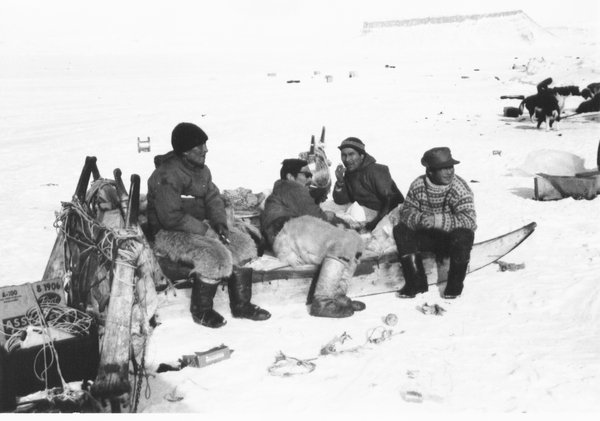
Inuit people near Thule Air Base, Greenland, 1968 © Joseph Thomas / Wikimedia Commons / Public Domain
What the ice couldn’t bury
It’s believed that around 93% of the radioactive materials were collected, but some remnants remained on the seabed. One hydrogen bomb likely sank among other debris. Attempts to locate it with a submersible were unsuccessful. A heap of wreckage was discovered on the ocean floor, and somewhere down there, it appears that the remains of the nuclear weapon still lie undisturbed.
In the 1980s and ‘90s, a scandal erupted. Danish cleanup workers launched a legal battle against the American government. Though they lost the case, they succeeded in forcing the release of numerous classified documents. Subsequent investigations revealed that cancer mortality rates among Danish workers involved in the cleanup operation were about one and a half times higher than those of the general population. It also turned out that the health monitoring of the cleanup crews after the incident was inadequate. Ultimately, officials concluded that radiation exposure wasn’t significant and found no link between the increased cancer rate and the 1968 accident.
A heated debate arose around the actions of Danish prime ministers Jens Otto Krag and H. C. Hansen. Krag portrayed himself as a naïve yet honest figure, insisting that he wasn’t aware of aircraft carrying nuclear weapons over Greenland. However, declassified US documents indicated that the Danish government was aware of everything. As for Hansen, he was the one who secretly approved the US to use Thule Air Base as part of its nuclear shield. However, by then, both prime ministers had passed away, and were unable to answer to the population.
After the incident, Operation Chrome Dome was officially shut down. After all, it was the second nuclear disaster in three years, and that was too much even for the ‘hawks’. Secondly, both Russians and Americans already had plenty of missiles, and the use of bombers seemed somewhat archaic. Finally, the USSR and the US initiated another period of détente and developed protocols for handling any accidental incidents involving nuclear weapons. While this didn’t help those who suffered or died from cancer as a result of the accident in Greenland, it did significantly reduce the risk of similar events in the future.
Evgeny Norin is a Russian journalist and historian focused on war and conflict in the former Soviet Union.
The RAF Fairford ‘terror plot’: Unpacking escalation in the UK echo-chamber
RT | September 29, 2026
Five young men from London who were caught near a British airbase heavily used by the US in its war against Iran have triggered a media frenzy across the London establishment’s mainstream media. The so-called “Fairford incident” lit up the British deep state media echo chamber.
However, what was initially reported as a possible Iranian or Russian-backed plot to blow up the RAF’s Fairford airbase, has so far revealed a farcical attempt to warn the British Army of a possible threat, and produced complaints from Washington, a lot of unanswered questions, and no explosives.
What happened at Fairford?
The drama in Gloucestershire, southwest England, began after a local resident noticed three vans blocking a road after midnight on Saturday near RAF Fairford, and a group of “hooded and ‘balaclava’d’ men” running from her car headlights.
Having failed to get an answer at the Ministry of Defence security hotline she dialed 999 and alerted police to “three suspicious vehicles.”
Armed counter-terror police swooped in, detained five men near the nearby village of Whelford, and found three white vans bearing fuel company insignia, raising fears they could contain explosives.
How did British security services react?
A counter-terrorism emergency was declared. About 85 local homes were evacuated, a 400-meter cordon was thrown around the scene, and military bomb disposal experts sent in a robot to examine the vehicles – which found no viable explosives.
The British mainstream security state press went into speculative overdrive, “monitoring” an incident near the key RAF base.
Who are the Fairford incident suspects?
Police have not named the five men but say all – photographed while sitting shirtless after their arrest – are British nationals from London aged between 23 and 25. They were initially arrested on suspicion of offenses under the Explosives Act and were later detained on suspicion of preparing a terrorist act.
Then, less than 24 hours after their detention, all five were released on bail.
What do British police officially suspect?
UK counterterrorism chief Laurence Taylor stressed that releasing the men did not mean the case was over. The suspects remain under “stringent” restrictions while investigators pursue “multiple new lines of enquiry,” he insisted.
US President Donald Trump, who initially claimed the men had already been under observation and were “looking to do big damage,” later complained about their release.
“We know everything about them,” he told reporters. “I would not have released them.”
Britain can hold terrorism suspects without charge for up to 14 days, meaning police were not legally forced to release the five when they did.
Who declared a foreign power was involved?
US Secretary of State Marco Rubio told Fox News that the incident “clearly involves the hands of a foreign actor.”
Tehran has warned that military facilities used for US attacks on Iran could be treated as legitimate military targets. However, it has never claimed responsibility for any strikes outside of the Middle East.
British media reports have cited anonymous sources suggesting investigators were examining possible Iranian involvement. Russia and an “islamist state” were also mentioned by Reuters, citing anonymous sources.
Tehran’s embassy in London slammed the suggestions of Iranian involvement as “unfounded and malicious speculations” that fueled Iranophobia in Britain.
How is Britain escalating war rhetoric?
British Foreign Secretary Ed Miliband used his Labour Party conference speech on Monday to call for more preparedness against growing security threats, opening his speech by pointing directly to the Fairford incident.
The media machine has been playing its part in whipping up the war hysteria. Sky News aired a mockumentary titled ‘The Wargame’ playing out a crisis leading to a possible nuclear conflict with Russia. The BBC also urged readers to ask themselves whether they are “psychologically prepared for war”.
British authorities last year arrested four Iranian nationals over what was described as a major suspected terrorist plot. Police eventually released all four from custody without charge.
Is the Fairford incident a false flag?
There is no evidence of that, and watching the story move from a worrying local incident, through to a counter-terror operation involving “possible truck bombs,” to the release of five men on bail within 24 hours and an admission that the vans involved contained no explosives, can hardly count as a well-executed false flag plot.
Can the British government be believed?
That does not mean the British government deserves blind trust on intelligence claims.
The obvious historical example is the 2003 invasion of Iraq, . Prime Minister Tony Blair strongly backed US President George W. Bush’s false claims that Iraq had weapons of mass destruction. RAF Fairford itself was used by US bombers during that war.
Trump may be saying plenty about Tehran that echoes Bush’s rhetoric. But there is currently no evidence that UK Prime Minister Andy Burnham has decided to follow Blair down the same road.
What is the last refuge of a scoundrel?
When facts run out of road the British commentariat will reach the Hybrid War refueling post.
Hybrid war is by definition almost impossible to verify. Sky News, for instance, interviewed Martin Gallagher, a former police superintendent, who argued that masterminds are trying to manipulate British authorities by making them “cry wolf” now, before a “real attack” could happen in the future
Is Western Europe caught in its own echo-chamber?
Last week, Spain’s El Mundo, citing anonymous Latvian security sources, reported that the CIA had warned of a Russian kamikaze drone plot targeting Spain, France or Italy, involving merchant ships in the Mediterranean. The story raced around Europe before senior officials in Italy and France debunked it.
Last month in Sweden, a Russian couple vacationing from Spain became the focus of a security scare after camping near a property connected to the CEO of arms manufacturer Saab. Quickly labeled as possible spies or assassins in the press, the tourists were cleared of any wrongdoing and told to leave Sweden, their holiday ruined.
Germany has taken a much firmer line over an August drone incident at Leipzig/Halle Airport, which Berlin formally called a failed hybrid attack carried out by Russia. The German government has refused to disclose the evidence underlying its claim, however, fuelling speculation that the situation was staged for political reasons.
The great European drone scare of 2025 also produced some awkward endings. No evidence has been produced of any malign operation around the multiple allegations, and most have been disproven by mainstream journalists in Belgium, the Netherlands and Denmark, where the army is thought to have actually shot at a passenger plane.
And then there is “Havana Syndrome.” US officials were looking for some kind of Russian, Chinese or other foreign directed-energy weapon, but only found an argument that CIA agents who were purportedly victimized should be paid compensations for the damage they suffered, regardless of its cause.
EU Council Advances Chat Control 2.0 Scanning Proposal
By Ken Macon | Reclaim The Net | September 28 2026
EU’s Council is again pushing for the new chat control regulation to allow the bloc’s police to order internet companies to scan people’s private communications for illegal content in “parts of a service” for a period of time, rather than having to obtain a warrant to target a specific suspect.
This is one of the three key points from a note (PDF) prepared for the sixth and potentially final trilogue on the legislation, also known as Chat Control 2.0, that is to take place on Tuesday, 29 September. The document, dated September 18, was leaked from the Council and is marked as a “presidency note.”
The Council, the European Parliament (EP) and the European Commission (EC) will be negotiating behind closed doors, with the latter represented by Commissioner for Internal Affairs Magnus Brunner.
The other two key points are that the Council believes limiting searches to specific suspects would “not generate any added value compared to the possibilities already existing under criminal law,” and that it wants the scope of the new rules to remain broad, covering not only known illegal photo and video content, but also new material, and “the solicitation of children.”
The note is based on previous discussions and reveals that the EP is willing to accept an approach that requires search plans, but with the caveat that they must be “targeted” and subject to review by judicial or independent administrative authorities.
The Council, however, wants searches to be authorized in “parts of a service or, where possible, to individual users,” and that the search plan would have to include the technologies used and other relevant safeguards, again subject to review.
The note reveals that the Council also wants to make sure that any mechanism to review and possibly suspend searches “should operate in a manner that does not deter providers from carrying out own-initiative searches.”
As a last resort, the Council will ask member states if they would be willing to drop “own-initiative searches or detection orders on non-public content” from the scope of the regulation – but only if no other compromise can be found “providing at least for the same level of effectiveness as the current voluntary practice.”
Former German member of the European Parliament for the Pirate Party Patrick Breyer has no doubt that what is being proposed is “mass surveillance by another name,” and that the goal of the Council, Commission and some member states is to “permanently normalize mass surveillance across Europe.”
Breyer said that the proposal to scan “parts of a service” would in reality mean that “every user in the EU” would be subject to this.
And, he noted, this is not a new system that would replace the old one, but would rather exist in parallel with it. The old system, meanwhile, “is a proven disaster,” the former MEP said, revealing that in Germany, over half of investigations target minors for “consensual sexting” while 75 percent of flagged chats are “not actionable.”
The Council’s own legal service has in the past said that scanning an entire service or parts of it is “highly probable” to be found “general and indiscriminate” surveillance, and therefore unlawful.
Ex-Greek MEP files complaint against Israeli spyware firm over alleged Pegasus surveillance
MEMO | September 28, 2026
Greek journalist and former European Parliament member Stelios Kouloglou filed a criminal complaint Monday against officials at Israeli spyware maker NSO Group, alleging that his phone was infected with Pegasus while he served on a parliamentary inquiry into surveillance software, Anadolu reports.
The complaint was submitted to the Athens prosecutor’s office, Greek public broadcaster ERT reported. Kouloglou said a forensic examination by the University of Toronto’s Citizen Lab found that his phone had been infected around Oct. 21, 2022, and again on March 6 and 7, 2023.
At the time, he was a substitute member of the European Parliament committee investigating the use of Pegasus, Predator and similar spyware. The complaint said the infections coincided with significant phases of the committee’s work.
Kouloglou alleges the spyware could have given those responsible access to communications, contacts, documents, location information and data related to his political work. The complaint seeks an investigation into alleged breaches of communications privacy, unauthorized access to data and violations of personal data law.
Speaking after filing the complaint, Kouloglou said surveillance was an issue affecting all citizens and expressed hope that Greek prosecutors would investigate the case.
His lawyer, Zacharias Kesses, said no action had previously been taken despite the allegations being known.
Troubling ideas throughout the Torah, Talmud, Mishneh Torah and Tanya
The future of the planet depends on uprooting Jewish supremacy

By Nahida Exiled Palestinian | September 28, 2026
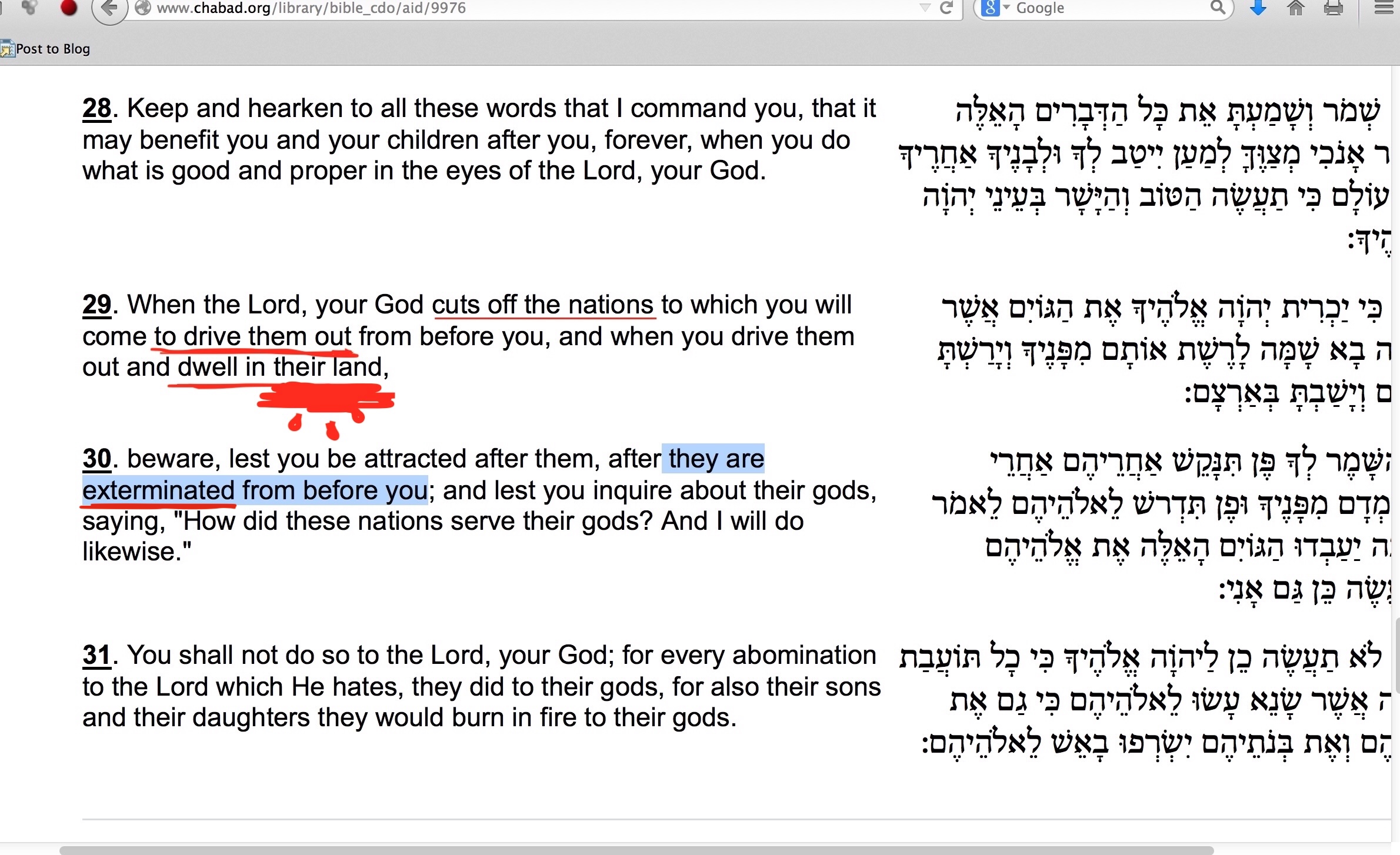
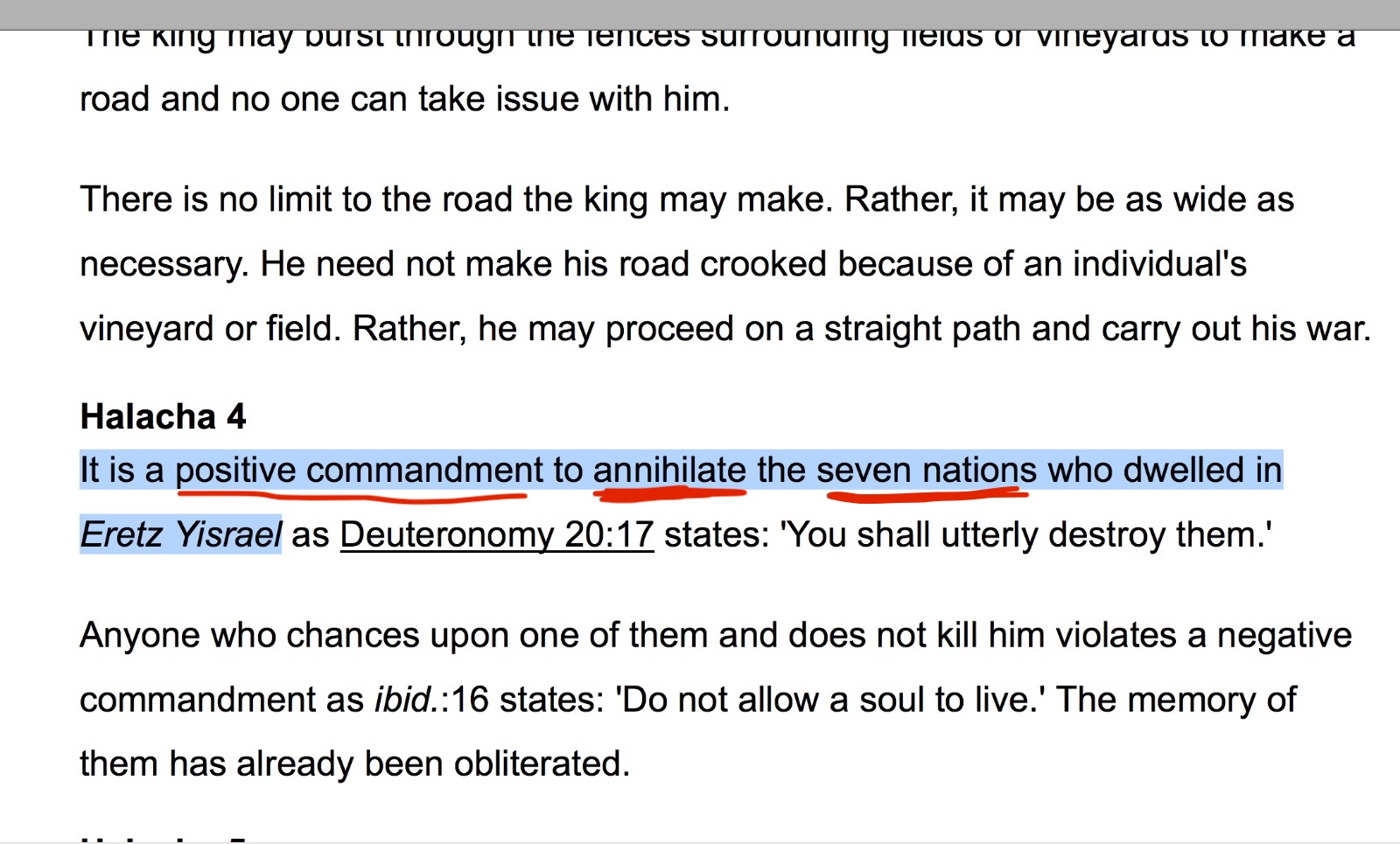
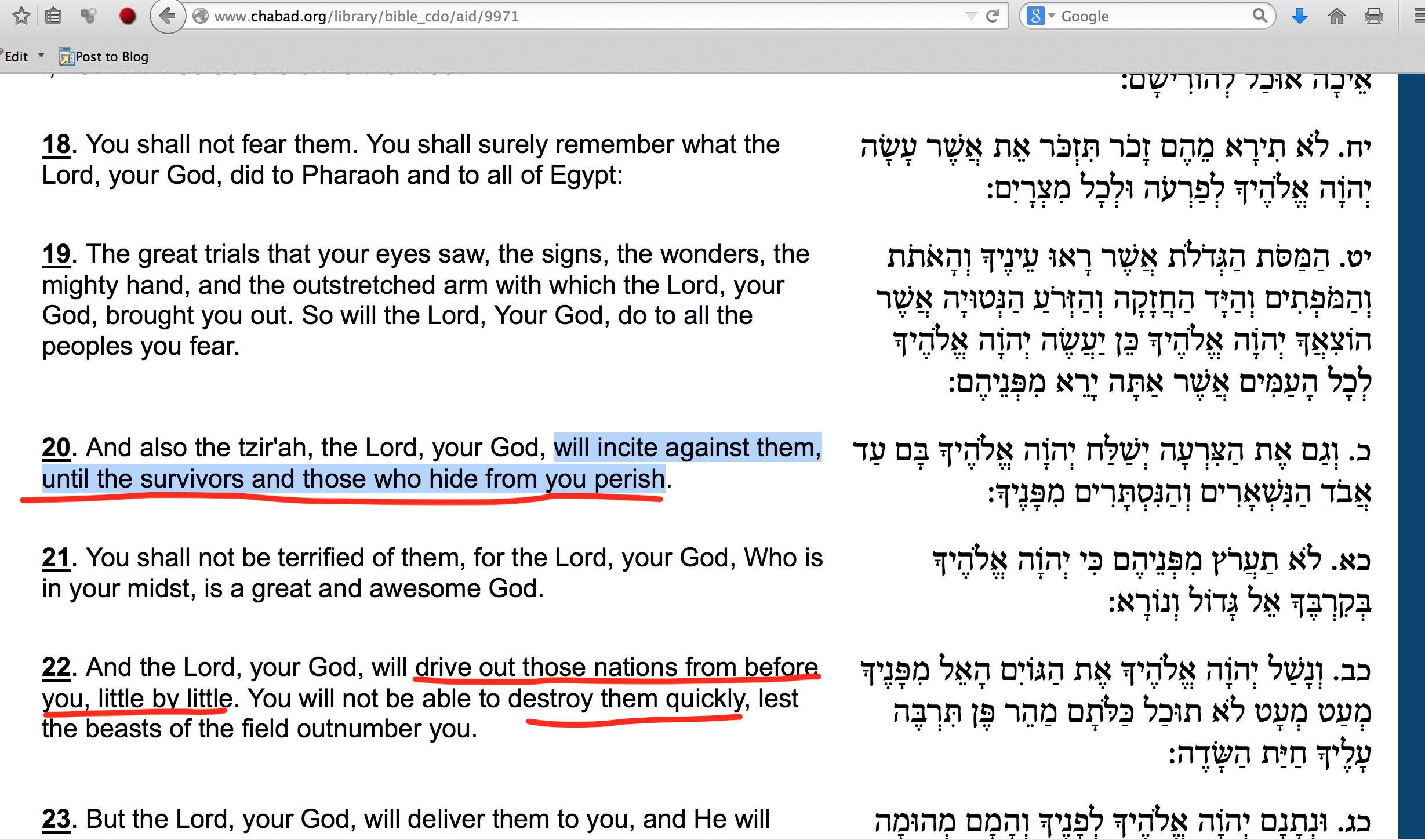
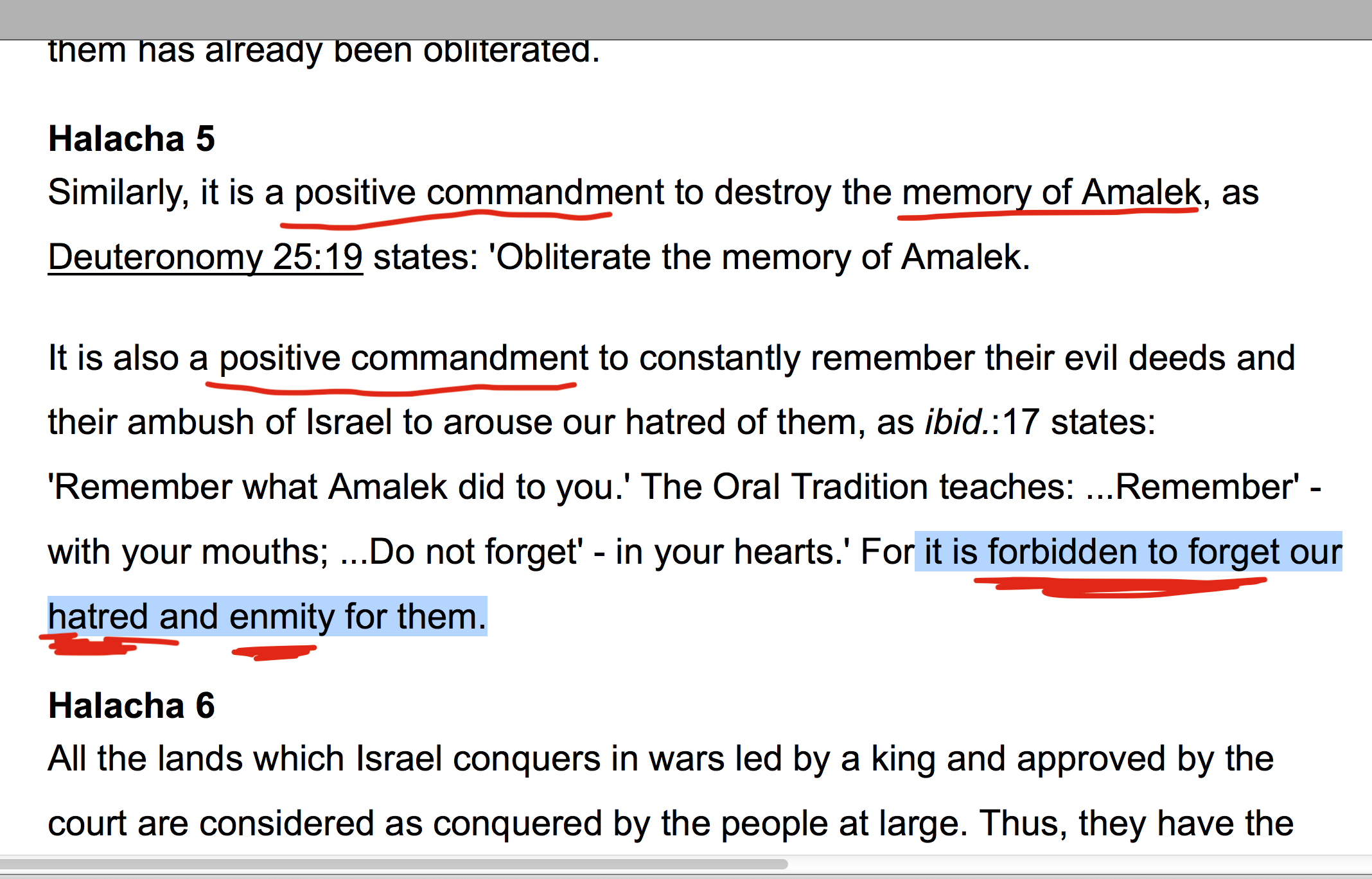
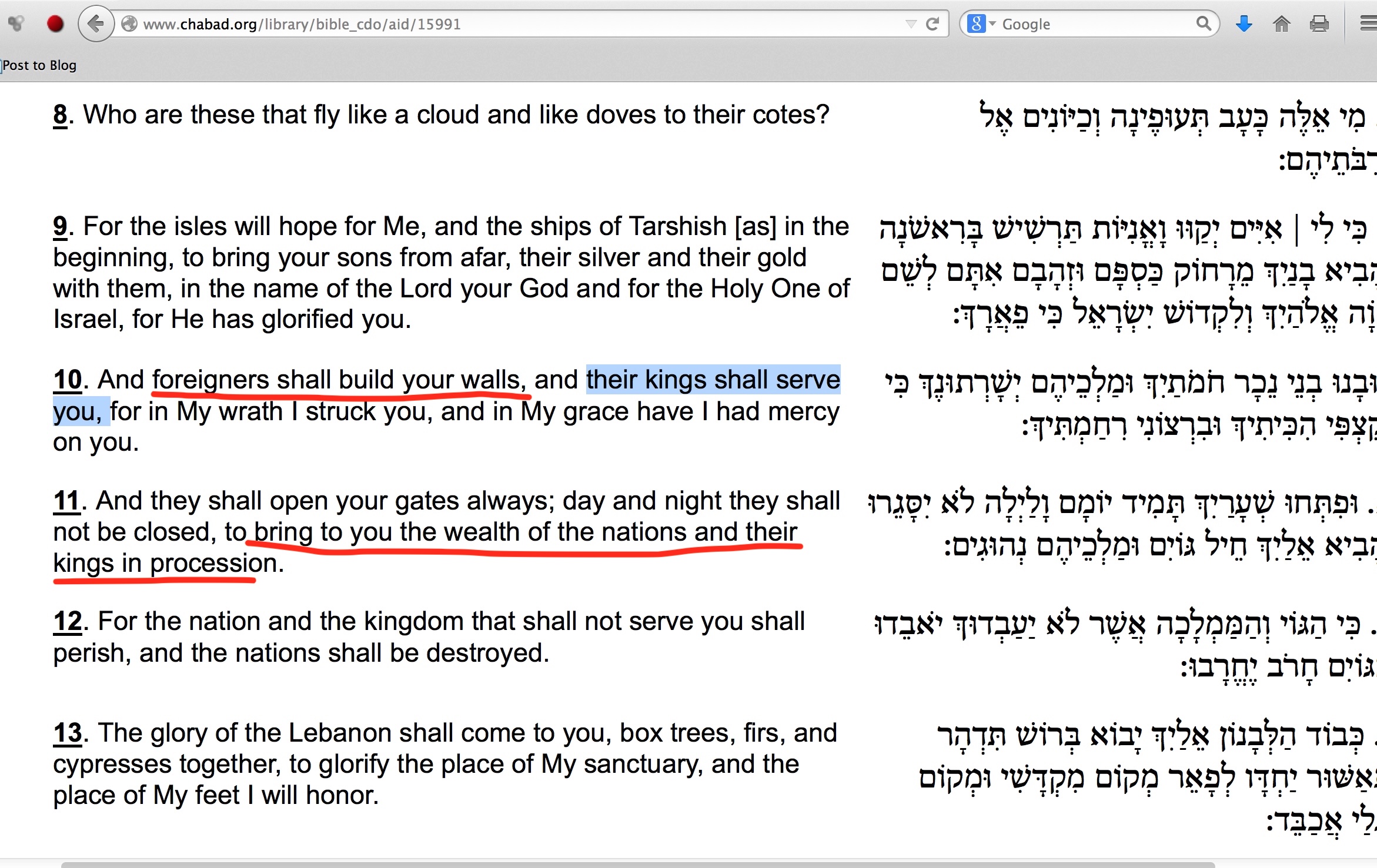
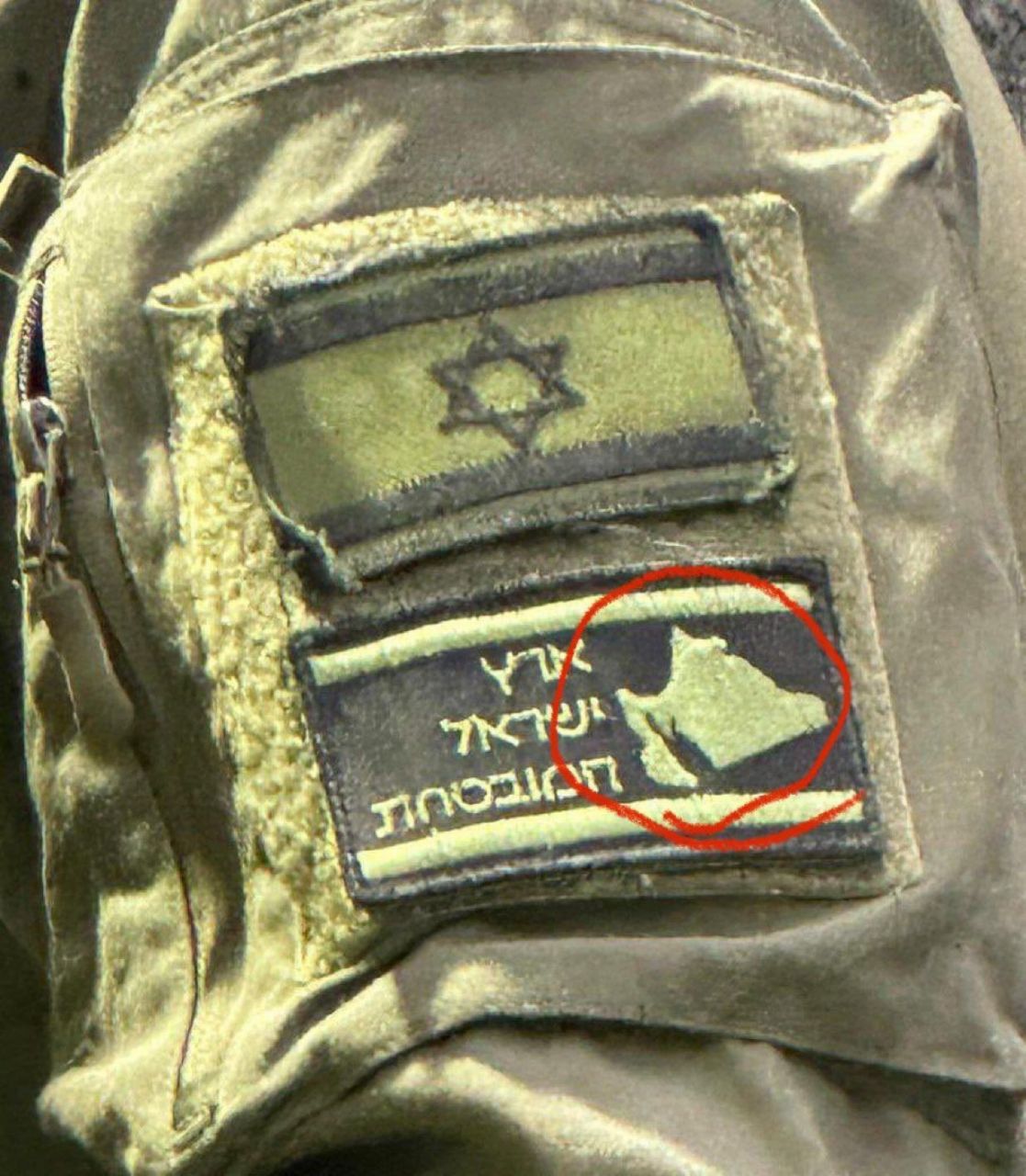
There is no running away from the fact that there are extremely troubling ideas throughout the Torah, Talmud, Mishneh Torah and Tanya.
Ideas like “choseness”, “promised land”, “return to Zion”, “building the temple”, “tikkun olam”… etc come from no other than Torah itself, soaked in supremacy, dominance aspiration, deception and mass-killing.
We can no longer hide our heads in the sand, pretending not to know, pretending not to see.
Jewish anti-Zionists should move on now, and use all their activism outside the Palestine solidarity movement, direct their work towards their people where serious discussions happen, plans are drawn, funds are raised, weapons are shipped and is genocide plotted and enacted. They should work with their own Jewish communities to try to get them out of the mess of supremacy and genocide they got themselves into.
Instead of wasting their time denying any links between Judaism and Zionism, instead of throwing their energy on controlling the Palestinian discourse, and instead of relentlessly monitoring us, Semite Palestinians lest we slip and “conflate Zionism with Judaism”or say something “antisemitic”, that may offend a Jew, Anti-Zionist Jews should change course and adopt a different role to play.
They should shift their activism within, try to effect change within their own Jewish communities who by vast majority are still supporting the Genocide with all their wealth, their leverage, all their influence and all their might.
They should leave us Palestinians to lead our Liberation Movement, and to narrate our authentic, untamed, unfiltered, unkosherised story without censoring, blacklisting, slandering or intimidation.
The future of the planet depends on the uprooting of Jewish supremacy, deception, hatred and violence from their ideology, and joining the human race as equals not as “chosen”.
Failing to confront the elephant in the room would end up in a World Nakba, like nothing we have ever seen before.
This is a WARNING, a mere WARNING of a brewing global disaster, I see in the horizon, and I am praying that together we would be able to prevent before it’s too late.










‘Grave, alarming’: Iran mission on Trump’s UNGA ‘annihilation’ threats
Al Mayadeen | September 28, 2026
Iran has warned the United Nations that US President Donald Trump’s threats to “annihilate” the Islamic Republic constitute a grave development, particularly because the remarks were made from the podium of the UN General Assembly.
Gholamhossein Darzi, Iran’s ambassador and chargé d’affaires to the UN in New York, raised the issue in a September 27 letter addressed to UN Secretary-General António Guterres and the President of the Security Council, Jérôme Bonnafont.
Darzi’s letter came in response to Trump’s September 22 address to the 81st session of the UN General Assembly, during which the US president said he could “annihilate the Islamic Republic” if no agreement was reached with Tehran. The wording appears in the official UN transcript of Trump’s speech.
Iran says threats made at UN carry wider implications
Darzi said Trump’s remarks were neither isolated nor ambiguous, arguing that they form part of a continuing pattern of public threats against Iran by the president of a permanent member of the UN Security Council.
“These repulsive statements are not ambiguous remarks or isolated utterances. They are rather part of a sustained pattern of public threats against Iran by the head of a permanent member state of the Security Council,” Darzi wrote.
“This latest development is particularly grave and alarming because the United Nations General Assembly is not a venue for threats of annihilation,” he added.
The Iranian envoy stressed that the General Assembly serves as the UN’s principal universal forum and was established to promote international peace, cooperation, and relations among states.
In the letter, Darzi referred to several previous statements by Trump that he said demonstrated a broader pattern of threats against Iran.
He cited remarks on March 22 in which Trump threatened to “hit and obliterate” Iranian power plants, followed by statements on March 30 threatening destruction of Iran’s energy facilities and other vital infrastructure, including desalination facilities.
Iran calls for UN response to threats
Darzi argued that the issue extends beyond political rhetoric, saying an explicit threat against a sovereign UN member state raises questions concerning the UN Charter, international peace and security, and the prohibition on the threat or use of force.
He further linked the latest remarks to ongoing US-Israeli aggression against its sovereignty and territorial integrity since February 28, as well as attacks that targeted civilians and civilian infrastructure.
“The issue before the Organization is therefore not merely one of political rhetoric,” Darzi wrote, arguing that failure by the international community to respond could normalize threats against entire nations and undermine the authority of the UN Charter.
The UN has itself emphasized the need for restraint and adherence to international law during the current high-level week. In his September 22 opening address, Secretary-General António Guterres said the principle that force cannot determine whose lives and rights matter was under “profound strain” and called on world leaders to use the week for de-escalation and dialogue.
Iran reiterates right to self-defense
Darzi said Iran would continue to defend itself against any further aggression and reserved its “full and unimpeachable right to self-defense.”
He also said Tehran reserves the right to pursue legal avenues to seek accountability from states and individuals it holds responsible for losses and damage inflicted on the Iranian people.
“Regardless of whether these threats are merely delusional fantasies, they will, as in the past, never materialize or be put into action in the face of the resolute resistance and determined defense of the Iranian people and armed forces,” Darzi wrote.
The Iranian envoy requested that his letter be circulated as an official document of the UN Security Council.
Najaf airport to reopen to Iranian flights within 24 hours: Ambassador
Al Mayadeen | September 28, 2026
Iraq’s Ambassador to Tehran, Yasser Abdul-Zahra al-Hajjaj, announced that Najaf International Airport will reopen to Iranian flights within 24 hours, according to the Iraqi News Agency.
Al-Hajjaj confirmed the airport will resume receiving flights from Iran within the stated timeframe.
The suspension of Iranian flights to and from Iraqi airports, particularly Najaf International Airport, had triggered a wave of condemnation from official, factional, and religious authorities in Iraq. They called for the decision to be reversed, rejecting US dictates.
Iran submits formal complaint to ICAO over US aviation restrictions
Meanwhile, Iran has submitted a formal complaint to the International Civil Aviation Organization (ICAO) regarding US restrictions imposed on Iran’s aviation sector, the head of Iran’s Civil Aviation Organization, Abouzar Shiroudi, announced on Monday.
Shiroudi said the organization held consultations with the Ministry of Foreign Affairs before filing the complaint, as part of efforts aimed at restoring air routes. In remarks carried by the Iranian news agency IRNA, he said, “It is necessary to use diplomatic and legal potential to protect the rights of the country’s aviation sector.”
He added that “Iran’s Civil Aviation Organization, using all legal tools and in close coordination with the country’s diplomatic apparatus, prioritizes the follow-up of necessary measures to remove obstacles and resume all flights on routes that previously operated.”
The remarks follow US Treasury Secretary Scott Bessent’s announcement on September 21 that Iranian airlines “will effectively be forced to cease operations as of September 23, due to secondary sanctions imposed on aviation service providers.”
Featured Video
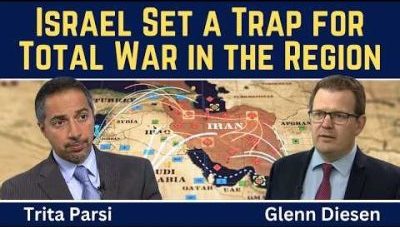
Trita Parsi: Israel Set a Trap for Total War in the Region
or go to
Aletho News Archives – Video-Images
From the Archive
Zionism’s Violent Legacy
By Donald Neff | Washington Report On Middle East Affairs | January 1996
On January 4, 1948, Jewish terrorists drove a truck loaded with explosives into the center of the all Arab city of Jaffa and detonated it, killing 26 and wounding around 100 Palestinian men, women and children.[1] The attack was the work of the Irgun Zvai Leumi – the “National Military Organization,” also known by the Hebrew letters Etzel – the largest Jewish terrorist group in Palestine. The Irgun was headed by Revisionist Zionist Menachem Begin and had been killing and maiming Arabs, Britons and even Jews for the previous ten years in its efforts to establish a Jewish state.
This terror campaign meant that at the core of Revisionist Zionism there existed a philosophical embrace of violence. … continue
Blog Roll
 Aletho News
- Trita Parsi: Israel Set a Trap for Total War in the Region
- Trump’s Iran war is on an Israeli leash
- Saudi oil boss issues global supply warning
- Riyadh Says Its Oil System Is Intact. The Numbers Say Otherwise.
- Trump and Netanyahu Want to “Finish the Job” on Iran
- US ‘one-sided dictation’ not Iran’s beliefs makes rational talks impossible: Baghaei
- Iran’s Next Strike May Not Explode. It Could Shut You Down /Col Doug Macgregor
- Iran: US political targets legitimate if assassinations return
- Iraq shuts key border crossing with Iran under US pressure: Report
- Undersea Internet cables could be targeted in retaliation for attacks on Iran: IRGC deputy chief
- If Americans Knew
- The Israel Lobby’s Changing Fortunes
- AIPAC has become such a political liability that it’s shifting to a more “nimble” approach to buying politicians
- At least 160 Israeli settler attacks in 2 weeks
- Will Gaza’s Ancient Christian Community Disappear Forever?
- Israel’s vision of regional security rests on keeping Arab states weak
- Heidi Levine recounts how Palestinian youths helped save her in settler attack
- DAILY UPDATE: Latest essential news on Palestine, Israel, & region
- Trump’s Intensifying Sabotage of the ICC, for Israel’s Sake
- Israeli military detain US and UK volunteers in West Bank including Democratic NY politician Brad Lander
- Americans at National Conservatism Conference held in Israel this year criticize Israel
- No Tricks Zone
- E-Cars Reduce CO2 Emissions By Only 41% Compared To Internal Combustion Engine Vehicles
- Predictions Made By Renowned Climate Professor Over Past Decades Have Been Proven To Be Poor
- New Study Suggests Large Regions Of The Pacific Ocean Have Been Cooling For The Last 80 Years
- Germany’s Green Energy Debacle: High Energy Costs Force Kahla Porzellan to Close After 182 Years!
- New Study: 50 Years Of The Most Aggressive ‘Net Zero’ Policies Can Only Affect The Global Climate By 0.03°C
- US September “Heat” Was No Record…Many Records Set Decades Ago
- Latest European Green Energy Debacle; Portugal’s Largest Flagship Solar Park Insolvent!
- Green Energy Debacle: German Expert Professor Fritz Vahrenholt Warns Of Severe Economic And Social Consequences
- Two More Paleo Reconstructions Affirm Meters-Higher Sea Levels Across Ireland, Brazil 7000-6000 Years Ago
- New Study: Earth And Venus Surface Warmth Largely Explained By Convection And Lapse Rate, Not CO2 Or Radiation

