A U.S. Department of Health and Human Services (HHS) official on Wednesday evaded lawmakers’ questions about her agency’s response to the pandemic and its failure to produce requested documents related to COVID-19 vaccine approvals, vaccine mandates and booster guidance.
“When the Select Subcommittee requested documents, HHS ignored our letters and provided suspect excuses,” said Rep. Brad Wenstrup (R-Ohio), chair of the subcommittee, in a statement released before the hearing. “When we asked for important testimony, HHS seemed to purposefully mislead Select Subcommittee investigators.”
“This pattern of avoiding accountability to the American people can not, and should not, be tolerated any longer,” Wenstrup added.
In his opening remarks, Wenstrup launched into a scathing criticism of HHS and Egorin, who heads the office that responds to legal requests the agency receives.
“I’ve read your opening statement,” Wenstrup said. “Frankly, it’s somewhat insulting. There’s no significantly relevant facts or data in there. There are no explanations for the questions we have. In fact, it raises more questions than it does answers.”
Remarking on the November 2023 subpoena, Wenstrup said HHS “assured us things would improve and your testimony was unnecessary. The department’s compliance has not improved to this day.”
Wenstrup cited documents HHS provided “with unnecessary and some illegitimate redactions” and “documents that are simply unrelated to our request,” including “hundreds of pages of news articles,” which Wenstrup said, “simply seems to be a tactic to inflate your productive page count.”
Egorin claimed that redactions in records HHS provided to the subcommittee were meant to protect “personal information” of “government officials” and “public servants” mentioned in the documents, “for their personal safety.”
“The COVID-19 pandemic should not be partisan, it should not be controversial, but it needs to be based on facts — facts that you have that we are not getting,” Wenstrup said.
Noting that Congress created HHS, funds the agency and “has the absolute right” to oversee it, Wenstrup said, “The department’s honesty and cooperation is non-negotiable.”
Wenstrup outlined instances when the subcommittee requested documentation from HHS, including information about the origins of COVID-19, the process of approving the COVID-19 vaccine, the Biden administration’s school reopening guidance, the implementation of COVID-19 mandates, COVID-19 booster guidance and other issues.
HHS was largely unresponsive, Wenstrup said.
Regarding requests for HHS records on COVID-19’s origins, for instance, Wenstrup said the documents the subcommittee received were “more redacted than FOIA [Freedom of Information Act] productions” or were “non-responsive to the questions or [were] copies of press articles.”
Wenstrup said it took “two follow-ups, a subpoena threat and scheduling transcribed interviews” before HHS delivered documents regarding the Biden administration’s school reopening guidance.
For requests related to the implementation of COVID-19 vaccine mandates and booster recommendations, Wenstrup said HHS has “not produced a single document.”
In response to a request for records related to the use of personal email by an employee of the National Institute of Allergy and Infectious Disease (NIAID), Wenstrup said HHS did not deliver documents on the basis that “It was an internal investigation.”
Wenstrup said that’s “an excuse that’s not founded” because the subcommittee is conducting its own investigation and has “oversight over HHS.”
Egorin acknowledged that her office “serves as the primary link between the department and Congress, which includes facilitating responses to Congressional oversight.” But she also frequently relied on pre-prepared talking points.
“HHS has a demonstrated record of working diligently across a broad range of oversight requests from Congress including this subcommittee and is committed to continuing to engage in good faith,” she said, adding, “We have produced 35 productions totaling more than 10,000 pages, including a production just this week.”
Egorin also praised her agency’s mission to enhance “the health and well-being of all Americans.” She said:
“We accomplish this mission every day by providing effective health and human services by fostering sound sustained advances in the sciences, underlining health medicine and the social services.
“We protect Americans from health, safety and security threats both foreign and domestic and we oversee the safety, effectiveness and quality of foods, drugs, vaccines, and medical devices.”
Egorin also used the hearing as an opportunity to praise the Biden administration, saying that HHS would “continue to work to ensure Americans are safe and have access to care and support they need,” citing the agency’s administration of “more than 7 million COVID vaccines.”
HHS accused of ‘intimidating witnesses and interfering with their testimony’
Wenstrup brushed aside Egorin’s claims, arguing that she and her agency have attempted to “run out the clock” of the current Congressional session.
In one exchange, Wenstrup asked Egorin whether the 274 pages the subcommittee received “regarding the approval of the Pfizer COVID vaccine” was “the entirety of responsive documents in the department’s possession.”
Egorin replied, “We did produce documents and we are happy, if that is a priority for the subcommittee, to go back and continue to work with your committee to respond to that request.”
When Wenstrup pressed for an answer as to whether HHS would “produce every responsive document in the department’s possession,” Egorin said, “What I commit to you is to continue to work with the staff’s priorities and to continue to do productions. Some of the requests that we got were incredibly broad.”
Wenstrup countered:
“You argue that our search terms are too broad despite the fact that we have continually negotiated with your staff to scope these requests.
“If you don’t want to answer my questions about process, that’s fine, but I’m going to continue to ask them and the record will show that you’re not answering.”
Wenstrup also accused Egorin and HHS of obstructing witness testimony. “The night before each interview, you personally issue a memo to the subcommittee and the witness, instructing the witness as to what they can and cannot testify to.”
Rep. John Joyce (R-Penn.) accused HHS of “stonewalling” multiple House committees, including the Committee of Energy and Commerce, saying that requests from both bodies “have been ignored repeatedly” by HHS.
Joyce mentioned an Aug. 1, 2023 request concerning the development and implementation of vaccination policies and mandates, saying the subcommittee received no documents.
“And yet you told me that you have been responsive. Is there a reason why this information has not yet been produced?” Joyce asked.
“We have shown a good faith accommodation to work with this subcommittee and the Committee on Energy and Commerce,” Egorin claimed. “We did provide a response and if it is a priority for the subcommittee, I’m happy to continue to work with you and work with the staff.”
“We on this side don’t see that responsiveness,” Joyce said.
Regarding documents pertaining to an NIAID employee’s use of personal email, which Wenstrup described as an “illegal … evasion of transparency laws,” Egorin said that she “cannot speak to internal investigations and timelines, but I’m happy to get back to you.”
Wenstrup, pressing Egorin, produced a memo in which she appeared to instruct the NIAID employee not to divulge information regarding his official work.
Egorin acknowledged that she personally approved the memo, saying it was “a longstanding practice of the department” to provide such memos, which she claimed were “advisory.”
“It seems the department council treats these memos as mandatory and I think there is an argument to be made that even by issuing them, the department is intimidating witnesses and interfering with their testimony in violation of the law,” Wenstrup said.
Subcommittee accused of obstructing preparations for ‘the next pandemic’
In contrast to Wenstrup’s animated opening statement and line of questioning, the subcommittee’s standing member, Rep. Raul Ruiz (D-Calif.) posed a softer set of questions, appearing to praise the work of HHS while claiming Republican subcommittee members were obstructing preparations for “the next pandemic.”
“The department has also worked to make a dozen current and former federal officials available for more than 80 hours of testimony, correct?” Ruiz asked. “And just to confirm, you’ve made all these efforts on a voluntary basis, correct?”
“I’ve called for a focus on the forward-looking work of preventing and preparing for future pandemics,” Ruiz said, “But instead of doing this work, our first hearing of the new year is focused on creating a false narrative … for Republicans’ partisan gain.”
“This is not putting people over politics, this is putting politics over people and the critically important work of preparing for future pandemics,” Ruiz added.
In one instance, he asked Egorin, “What steps has HHS taken to prevent, control and respond to the emergence of zoonotic diseases?”
Egorin responded, “One of the things coming out of the COVID pandemic and other lessons learned is really looking at how we do better at data collection and coordination across the department.”
“There is no consensus as to whether this leaked from a lab or whether it was a zoonotic origin,” Ruiz later claimed. “We should be focusing on what the administration is doing to help prevent a future pandemic, whether it’s a lab leak or whether it’s zoonotic.”
“We have not seen or heard so much as a shred of evidence substantiating their claims of a coverup of the pandemic’s origins or suppression of the lab leak theory on the part of Dr. Fauci,” Rep. Jill Tokuda (D-Hawaii) said.
“We wonder why HHS has blocked witnesses from discussing EcoHealth’s current grant status,” Wenstrup said.” Rep. Marianette Miller-Meeks (R-Iowa) claimed HHS is “covering for EcoHealth and for NIAID,” which Egorin denied.
Referring to the Journal’s report, in which Egorin was quoted and which was entered into the Congressional record at Wednesday’s hearing, Miller-Meeks asked Egorin why HHS did not share information about the genome, despite being aware of it in December 2019.
“Is it not important, if a genetic sequence was released on Dec. 28, that that would be important to developing vaccines, important to developing testing?” Miller-Meeks asked. “And why wasn’t that information shared? When did you know about the sequence? … Why wasn’t the committee informed or Congress informed?”
Egorin responded, “The documents related to this in the letter that you quote was when we informed Congress, when we came across a responsive document, I believe, and I need to double check that that was provided.”
“You’ve yet to say when you had access to the document, when HHS knew of this and why it was not reported,” Miller-Meeks said. “I would say this is extraordinarily important for preparing for the next pandemic.
Miller-Meeks added, “I find your response to be lacking and I think it, in fact, creates impediments to us going forward to prepare for the next pandemic.”
Democrats accuse Republicans of vaccine ‘skepticism’, promoting ‘unhinged conspiracies’
Other Republican members of the subcommittee also expressed frustration with HHS.
“It’s both unfortunate and unacceptable that you and HHS do not take your accountability to Congress and, by extension, to the American people seriously,” Miller-Meeks said. Rep. Ronny Jackson (R-Texas) said Egorin’s “inability to provide the pertinent information is either deliberate or it is complete incompetence.”
“When agencies like HHS refuse to cooperate with requests from Congress, you are not only insulting this institution, you are insulting and disrespecting the American people,” Joyce said.
“I find it very hard to believe that somebody that is in charge of this, that knows that they’re coming in front of a committee that has, for a year, requested information, knows nothing and will just get back to us, even though you probably won’t get back to us because you haven’t for a year,” Rep. Debbie Lesko (R-Ariz.) said.
But Ruiz praised Egorin:
“I’ve had the pleasure of working with Assistant Secretary Egrin on numerous fronts and she’s been nothing but forthcoming and cooperative in all aspects of our work.
“To characterize the department’s behavior as intentional obstruction when it has time and time again been responsive to this committee’s request is a gross politically calculated mischaracterization.”
“Under the guise of determining COVID-19’s origins, the majority has pursued a politically motivated probe, vilifying our nation’s public health officials and politicizing the intelligence community in the process.”
Rep. Robert Garcia (D-Calif.) said, “These investigations into the Biden administration and our public health officials are really quite shameful.” He characterized them as a “hatchet job on our nation’s health officials,” accusing Republicans of spreading “unhinged conspiracies” and “forcing their extreme ideology on the American people.”
Garcia said:
“This is the same majority that encourages skepticism … and attacks on our healthcare system … even [the] COVID vaccination process and vaccines in general.
“They’ve encouraged … followers on social media to ignore recommendations of doctors, to ignore vaccinations for children, comparing getting vaccines to essentially causing mass harm to the American public, which we all know is both shocking and incredibly irresponsible.”
Along similar lines, Ruiz said, “We have a debilitating distrust in our nation’s public health systems that was manufactured, and we have childhood vaccination rates at an all-time low.”
Rep. Deborah Ross (D-N.C.) also appeared to speak for HHS, saying it “has consistently worked to address the majority’s requests and expedite their stated priorities.”
HHS threatened with new subpoena
Unsatisfied with Egorin’s testimony, Republican members of the subcommittee threatened HHS and Egorin with new subpoenas and other potential sanctions.
“I just hope that we get ourselves in a situation pretty soon … where we can do something to make you take the oversight of Congress seriously,” Jackson said, promising to find ways to “fence off some money to your organization. We’re going to have to do something drastic.”
In his closing remarks, Wenstrup said, “If we don’t receive explicit answers for the record, unfortunately we’ll be forced to evaluate a subpoena to receive the outstanding documents and further testimony.”
A press release the subcommittee issued today stated that “further congressional action” is “on the horizon.”
Michael Nevradakis, Ph.D., based in Athens, Greece, is a senior reporter for The Defender and part of the rotation of hosts for CHD.TV’s “Good Morning CHD.”
During COVID, the public was fed fearful numbers showing exaggerated death rates in unvaccinated populations. Where did they get this data and how accurate was it?
As politicians and the Anti-Defamation League call for crackdowns on Middle East peace protesters, the ADL’s undue influence within the FBI as a trainer is finally exposed.
The Department of Justice released the Anti-Defamation League’s Basic Field Training Course (PDF). The course is mandatory for all FBI New Agent Trainees (NATs) and New Intelligence Analyst Trainees (NIATs). This release follows a decade of Freedom of Information Act requests and denials by the Department of Justice (PDF) and evasion by publicly funded content contributors.
The ADL course is developed and conducted by Anti-Defamation League (ADL) instructors. It selects materials from the United States Holocaust Memorial Museum (USHMM) and Martin Luther King, Jr. Memorial. Marcus Appelbaum, Museum Director of Law, Justice and Society Initiatives in 2014 resisted any public review of the curriculum, stating, “Unfortunately we do not randomly send out the curriculum.” Appelbaum also denied that any of the large amounts of U.S. taxpayer funding supporting the museum paid for the curriculum.
Museum Director of Law, Justice and Society Initiatives Marcus Appelbaum denied curriculum release in 2014.
The ADL course facilitates a discussion of the USHMM video The Path to Nazi Genocide by asking trainees to watch and then consider “the challenges that police officers faced, and decisions they made in Germany during the Nazi era.” The video depicts the rise of Nazi Germany from WWI to the final WWII liberation of concentration camps replete with emaciated images of the dead and barely living.
The final question the video puts to agents in training is why the word “genocide” had to be coined in the aftermath. “As the world struggled to understand what had happened, a new word, genocide, was needed for these crimes — crimes committed by ordinary people from a society not unlike our own.”
The ADL training also requires viewing the civil rights documentary Eyes on the Prize: No Easy Walk. Supplemental reading exposes new FBI agents to the bureau’s past role undermining Martin Luther King Jr. and documents Bull Connor’s relentless fire hosing and mass arrests of black protesters engaged in civil disobedience. The video ends with the triumphant 1963 March on Washington and JFK’s proposal for a Civil Rights Act.
Taken in context, the entirety of the Basic Field Training Course makes it clear that FBI trainees are ADL subordinates who must strive to meet with its approval. Page 9 of the guide even states, “as a new hire, we would like you….”
The unstated purpose of the course is positioning Israeli activities in the US and the ADL itself outside the purview of law enforcement and especially FBI counterintelligence. The ADL today is framed as trusted trainers and civil rights partners. That was not always the case. The ADL’s current privileged insider role training all new FBI special agents is the result of a secretive influence campaign that began more than eight decades ago. Internal FBI files about that campaign reveal the ADL’s true reasons for infiltrating the FBI.
In 1940 the ADL launched an intense effort to liaise with the FBI by offering a list of undercover ADL investigators to FBI Director J. Edgar Hoover. The FBI was reluctant to accept the ADL list. One FBI special agent told Hoover he found a proposed investigator resource to be “mentally unbalanced.” Others offered up by ADL, such as longtime political campaign donation bundler Abraham Feinberg, was known to the FBI as a WWII surplus conventional weapons smuggler for Israel and alleged unregistered foreign agent. Feinberg later financed Israel’s clandestine nuclear weapons program.
The ADL offered to investigate persons of interest to the FBI. FBI Assistant Director P. E. Foxworth nixed that idea, telling Hoover the ADL was engaged in “shakedowns” of “loyal and innocent” Americans and “interested only in their own material benefit…”
This did not keep the ADL from announcing in 1942 it had conducted “373 investigations” on behalf of the FBI. This prompted Hoover to respond that private investigative agencies had “no excuse for existence” and that the FBI “had never asked the ADL to conduct an investigation.” On June 30, 1943, Luigi S. Crisculo, an American investment banker involved in Italian American causes, reported being baited by Anti-Defamation League operatives who claimed to be “unofficial auxiliaries of the Department of Justice” and were attempting to link him to Nazism.
The ADL also wanted to directly seed its operatives into the FBI. Arnold Forster (AKA Fastenberg) began developing ADL’s legal team in 1938 while simultaneously applying to become an FBI special agent in 1937 and 1939. Forster was formally rejected because in the view of the FBI he “dressed poorly, did not appear resourceful and would probably not develop.” Forster then became ADL’s chief investigator in 1940 and held formal and informal positions until 2003. Another longtime ADL investigator and operative named Frank Prince even campaigned to replace Hoover as FBI director. When caught out in 1942, the ADL offered to “disband within 24 hours.” The FBI did not take the ADL up on this offer since “we [the FBI] are not running the Anti-Defamation League.”
Throughout the 1940s the ADL continuously lobbied FBI field offices for meetings and joint events which befuddled some bureau insiders. One special agent in command reported to Hoover he could not “understand the insistence of the ADL that a representative of this Bureau address this group.” He felt, “there is some ulterior motive that causes them to be so insistent.”
One ADL motive was gaining privileged access to FBI files. In 1944 ADL’s Nissan Gross asked to periodically check FBI files to avoid “duplication of investigation.” Special Agent in Command Drayton rebuffed the ADL because “under the procedure…ADL would have an opportunity to learn of the informants being utilized…and those under investigation.”
In 1968 FBI Director J Edgar Hoover finally dropped his longstanding opposition and ordered field offices “to immediately make certain that you have established liaison with the head of the ADL regional office in your territory…” Such liaisons continue to this day. Since then, joint public events, training sessions and even FBI director “love letters” to the ADL have been ongoing.
Given its insider status at the FBI, growing piles of Palestinian corpses in Gaza and resultant mass protests and civil disobedience in the U.S. may not be a challenge for the ADL which, along with other nodes of the Israel affinity ecosystem, works to censor open debate and protests of concern to Israel. As an FBI trainer, the ADL has finally transcended scrutiny. The FBI previously, acting on credible evidence, investigated ADL for domestic spying before political pressure on former Attorney General Janet Reno quashed the investigation. Such investigations of the ADL today would be unthinkable.
Even before the October 7, 2023 Hamas attacks on Israel and Israel’s attack on Gaza and settler rampages in the West Bank, the ADL was seeding the FBI with false threat reports conflating peaceful US based Palestinian rights groups with white nationalist movements.
ADL statistics and reports also attempt to reframe pro-Palestinian protests and civil disobedience in the United States as Antisemitism and “hate crimes” rather than anything resembling legitimate Civil Rights era nonviolent action. Under its forced “liaison” with the ADL, the FBI must pay close attention to and respond to all the ADL’s false and misleading allegations lest other nodes of the Israel affinity ecosystem work in concert to threaten its funding, political appointees or mundane issues such as a new headquarters.
The ADL and Israel lobby ecosystem acted quickly to compel Congressional “genocide threat” hearings—focused not on the reality of tens of thousands of dead in Gaza, but rather the discomfort felt by American Zionist students at elite Ivy league universities encountering campus cease fire rallies.
Following the ADL worldview, former Speaker of the House Nancy Pelosi recently alleged that pro-Palestinian protesters picketing her home were acting on behalf of Russia and China and demanded that the FBI investigate them as foreign agents.
It is ironic that Pelosi, who has benefited all her career from support from AIPAC, an Israeli foreign influence operation set up with $60 million in foreign funds laundered into the US in the 1950s and 1960s, hurls foreign agent accusations at peaceful protesters.
Former Speaker of the House Nancy Pelosi speaking at Israel’s Knesset in 2022
However, the threat of looming FBI crackdowns, covert or overt, on protesters calling for Middle East peace should not be discounted given the ADL’s success infiltrating its worldview into the bureau. Although FBI Director Christopher Wray has promised the FBI will not investigate or surveil peaceful pro-Palestine protests, his promise leaves out entrapment operations. The pressure for the bureau to “get results” by seeding plots, weapons and entrap mentally unbalanced individuals in “Palestinian terror plots” may soon become overwhelming. Such “successes” would instantly gain uncritical, widespread mainstream media diffusion and touch off more congressional hearings for further operations and funds to Israel.
One certainty is that even as the International Court of Justice demands Israel refrain from violations of the Genocide Convention, the ADL will certainly not teach such relevant current day lessons to new generations of special agents.
I am thinking of a certain industry. See if you can guess what it is.
This industry is huge, constituting a large portion of the nation’s GDP. Millions of people earn their living through it, directly or indirectly. The people at the top of this industry (who operate mostly behind the scenes, of course) are among the super-rich. This industry’s corporations lobby the nation’s government relentlessly, to the tune of billions of dollars per year, both to secure lucrative contracts and to influence national policy in their favor. This investment pays off richly, sometimes reaching trillions of dollars.
The corporations supplying this industry with its materiel conduct advanced, highly technical research that is far beyond the understanding of the average citizen. The citizens fund this research, however, through tax dollars. Unbeknownst to them, many of the profits gained from the products developed using tax dollars are kept by the corporations’ executives and investors.
This industry addresses fundamental, life-or-death issues facing the nation. As such, it relentlessly promotes itself as a global force for good, claiming to protect and save countless lives. However, it kills a lot of people too, and the balance is not always a favorable one.
The operational side of this industry is emphatically top-down in its structure and function. Those who work at the ground level must undergo rigorous training that standardizes their attitudes and behavior. They must follow strict codes of practice, and they are subject to harsh professional discipline if they deviate from accepted policies and procedures, or even if they publicly question them.
Finally, these ground-level personnel are handled in a peculiar manner. Publicly, they are frequently lauded as heroes, particularly under declared periods of crisis. Privately, they are kept completely in the dark regarding high-level industry decisions, and they are often lied to outright by those at higher levels of command. The “grunts” even significantly forfeit some fundamental civil liberties for the privilege of working in the industry.
What industry am I describing?
If you answered, “the military,” of course you would be correct. However, if you answered “the medical industry,” you would be every bit as right.
In President Eisenhower’s farewell speech of January 17, 1961, he stated that “…in the councils of government, we must guard against the acquisition of unwarranted influence, whether sought or unsought, by the military-industrial complex.” Sixty-three years on, many Americans understand what he was referring to.
They see the endless cycle of undeclared wars and decades-long foreign occupations that are undertaken on nebulous or even outright false pretenses. They see the ever-hungry mega-industry that produces super-expensive, high-tech killing devices of every imaginable form, as well as the steady stream of traumatized soldiers that it spits out. War (or, if you prefer its Orwellian nickname, “defense”) is big business. And as Eisenhower warned, as long as those profiting from it drive the policy and the money stream, it will not only continue, it will continue to grow.
Other mega-industries – the medical industry in particular – have generally fared better in public perception than the military-industrial complex. Then came Covid.
Among its many harsh lessons, Covid has taught us this: if you substitute Pfizer and Moderna for Raytheon and Lockheed Martin, and swap the NIH and CDC for the Pentagon, you get the same result. The “medical-industrial complex” is every bit as real as its military-industrial counterpart, and it is every bit as real a problem.
As a physician, I am embarrassed to admit that until Covid, I possessed only an inkling that this was so – or more accurately, I knew it, but didn’t realize how bad it was, and I didn’t worry about it too much. Sure (I thought), Pharma engaged in dishonest practices, but we’d known that for decades, and after all, they do make some effective drugs. Yes, physicians were increasingly becoming employees, and protocols were dictating care more and more, but the profession still seemed manageable. True, healthcare was far too expensive (gobbling up a reported 18.3 percent of the US GDP in 2021), but healthcare is inherently expensive. And after all, we’re saving lives.
Until we weren’t.
By early-to-mid 2020, it became obvious to those paying attention that the Covid “response,” while promoted as a medical initiative, was in fact a military operation. Martial law had effectively been declared approximately on the Ides of March 2020, after President Trump was mysteriously convinced to cede the Covid response (and practically speaking, control of the nation) to the National Security Council. Civil liberties – freedom of assembly, worship, the right to travel, to earn one’s living, to pursue one’s education, to obtain legal relief – were rendered null and void.
Top-down diktats on how to manage Covid patients were handed down to physicians from high above, and these were enforced with a militaristic rigidity unseen in doctors’ professional lifetimes. The mandated protocols made no sense. They ignored fundamental tenets of both sound medical practice and medical ethics. They shamelessly lied about well-known, tried-and-true medicines that were known to be safe and appeared to work. The protocols killed people.
Those physicians and other professionals who spoke out were effectively court-martialed. State medical boards, specialty certification boards, and large healthcare system employers virtually tripped over each other in the rush to delicense, decertify, and fire dissenters. Genuine, courageous physicians who actually treat patients, such as Peter McCullough, Mary Talley Bowden, Scott Jensen, Simone Gold, and others, were persecuted, while non-practicing bureaucrats like Anthony Fauci were hailed with false titles like “America’s Top Doctor.” The propaganda was as nauseating as it was blatant. And then came the jabs.
How did this happen to medicine?
It all seemed so sudden, but in fact it has been in the works for years.
Covid taught us (by the way, Covid has been such a harsh tutor, but haven’t we learned somuch from her!) that the medical-industrial complex and military-industrial complex are deeply connected. They are not just twins, or even identical twins. They are conjoined twins, and so-called “Public Health” is the tissue shared between them.
The SARS CoV-2 virus, after all, is a bioweapon, developed over a period of years, funded by US tax dollars in a joint effort between Fauci’s NIH and the Department of Defense to genetically manipulate the transmissibility and virulence of coronaviruses (all done in the name of “Public Health,” of course).
Once the bioweapon was out of the lab and into the population, the race was on within the medical-industrial complex to develop and market the supremely profitable antidote to the bioweapon. Cue the full-on military takeover of medicine: the martial law lockdowns, the suppression of cheap and effective treatments, the persecution of dissidents, the ceaseless propaganda and anti-science, and the unabashed whoring of most hospital systems for CARES Act money.
We know the rest. The ill-conceived, toxic, gene-therapy antidote, falsely billed as a “vaccine,” was foisted upon the population by blackmail (“the vaccine is how we end the pandemic”), the effective bribery of medical authorities and politicians, as well as other Deep-State directed psyops designed to divide the population and scapegoat dissenters (“pandemic of the unvaccinated”).
The end result even sounds like the aftermath of a gigantic military operation. Millions are dead, many millions more are psychologically traumatized, economies are in tatters, and a few warmongers are fantastically rich. Moderna CEO Stephane Bancel (who, incidentally, oversaw the construction of the Wuhan Institute of Virology years ago) is a freshly minted billionaire. And not one of those who caused all the mischief are in prison.
At this writing, virtually all the major healthcare systems, specialty regulatory boards, specialty associations, and medical schools are standing at attention, still in lockstep with the received – and by now, clearly false – narrative. Their funding, after all, be it from Pharma or the Government, depends upon their obedience. Barring dramatic change, they will respond in the same fashion when orders come down from above in the future. Medicine has been fully militarized.
In his farewell address, Eisenhower said something else that I believe is most prescient here. He described that a military-industrial complex fostered “a recurring temptation to feel that some spectacular and costly action could become the miraculous solution to all current difficulties.”
Enter Disease X.
C.J. Baker, M.D. is an internal medicine physician with a quarter century in clinical practice. He has held numerous academic medical appointments, and his work has appeared in many journals, including the Journal of the American Medical Association and the New England Journal of Medicine. From 2012 to 2018 he was Clinical Associate Professor of Medical Humanities and Bioethics at the University of Rochester.
The Global Disinformation Index (GDI), a US government-funded pro-censorship organization, has come under fire for lacking transparency, ironically the same issue it labels non-mainstream websites for.
Despite hypocritically casting aspersions on sites that reject the mainstream narrative on many issues, the GDI, as per a report by the Washington Examiner, exhibits a conspicuous absence of this very transparency in its operations.
Billing itself as nonpartisan and objective while routinely favoring leftist narratives, the GDI has received over $100k from the State Department’s Global Engagement Center. Part of the score it assigns to online platforms stems from the possibility of controversial interests emerging from shadowy ownership structures—a principle it doesn’t appear to abide by itself.
According to Mike Davis, founder and president of the Internet Accountability Project, the GDI is in breach of the law by keeping its disclosures hidden. The Washington Examiner also mentioned that the GDI is currently under congressional investigation. Adding to the mystery is the GDI’s refusal to disclose its “dynamic exclusion list,” a tool reportedly used by businesses like Microsoft and Oracle to hamstring ad placements on right-leaning outlets, thereby achieving a sort of financial strangulation of these sites.
Despite providing heavily concealed tax information for its two U.S. subsidiaries, Disinformation Index Inc. and the AN Foundation, upon request from the Examiner, details from the GDI’s tax filings on ProPublica reveal a closer relationship between the organization, the US Government, and left-wing donors.
The report discloses that the State Department-funded National Endowment for Democracy and the billionaire George Soros together donated a grand total of $465,750 to the GDI in 2022.
In 2023, Texas along with media outlets The Daily Wire and The Federaliststarted legal proceedings against the State Department’s Global Engagement Center, alleging governmental attempts to silence the American press through funding the GDI. The action taken was based on GDI’s activities which reportedly included blacklisting conservative media.
The expression is, “you can’t make that up” – to signal the level of the absurdity of a situation.
Meanwhile, groups calling themselves “fact checkers” and those bankrolling them keep making things up. And becoming used to it aside, their work still feels as if – “you can’t make that up.”
When names like the Omidyar Network, George Soros’ Open Society Foundations, and Meta start cropping up in the same sentence, you start believing anything could come out of an “alliance” of the sort.
Here we have yet another supposedly “fact-checking” effort that turned into a smear campaign against people engaged in lawful protest regarding economic, social, and political issues.
In this instance, in Germany. There the economy, and with it the government, has been in serious trouble ever since Germany, for political reasons, cut itself off from affordable gas. Those with the most to lose, such as farmers, have been hit the hardest.
One of the recent consequences, though you may not hear much about it in legacy media, have been mass and ongoing farmer protests. At the same time, efforts are under way to ban one of the country’s most popular parties, AfD. Both have been labeled as right-wing conspiracy theorists, Covid “misinformationists,” and even Russia supporters.
And this labeling work is being done by something called “Correctiv” – a group that says it is a news and fact-checking site. Correctiv gets its money from Omidyar, Soros, Meta, but also the current German government.
In a report on Public, US-based author Gregor Baszak goes into the weeds of the situation, that shows a beleaguered government resorting to decidedly undemocratic moves and pondering shockingly undemocratic ideas, such as banning political opposition.
Baszak talks about a Correctiv article that goes after the farmers as some sort of right wing menace, supposedly spreading not only Russian propaganda and Covid disinformation – just because of expressing anger over their business becoming unsustainable with the government’s fuel and vehicle subsidy cuts.
“The (Correctiv) article does not specify what ‘Covid disinformation’ the farmers spread,” Baszak writes. “Nor does it offer any evidence of ties between the farmers and the Russian government, only that ‘some X accounts’ that support the farmers wrote posts that ‘coincided with the methods of a pro-Russian propaganda network.’”
However, at least for the time being, what left-leaning German politician Sahra Wagenknecht has described as “the stupidest government in Europe” is succeeding in keeping its opponents divided by throwing damning, even false, accusations their way.
The Israeli military granted CNN a three-hour tour inside the Gaza Strip to view the destruction of Palestinian cemeteries. The outlet explained that the evidence presented by the Israeli Defense Forces (IDF) did not confirm Tel Aviv’s claims about tunnels under the graveyard. Across Gaza, Israel has damaged over a dozen cemeteries.
An IDF general gave CNN’s Jeremy Diamond a guided tour of the Bani Suheila cemetery. Israel claimed it needed to dig up the bodies buried at the graveyard because a Hamas tunnel ran under it. However, the IDF was not able to show CNN evidence supporting that claim.
Diamond explained the evidence presented by the IDF actually suggested that there was no tunnel beneath the cemetery. The IDF invited Diamond into Gaza after he reported that the Israeli military operations in Gaza had damaged 16 Gazan cemeteries. Palestinian officials report that 2,000 graves in the Strip have been damaged or destroyed by the Israeli military.
Janina Dill, co-director at Oxford University’s Institute for Ethics, Law and Armed Conflict, told CNN that the desecration of burial sites could be evidence of genocide. The International Court of Justice (ICJ) ruled last week it was plausible that Israel was committing a genocide against Palestinians.
Throughout the Israeli war on Gaza, Tel Aviv has attempted to justify destroying civilian infrastructure by claiming below the buildings, Hamas has dug tunnels. Similar to the Bani Suheila cemetery, the IDF has been unable to produce conclusive evidence that the tunnel networks existed.
Still, Washington has not condemned the destruction of hospitals, cemeteries, and universities. The White House has even repeated Israel’s unproven claims regarding the tunnels. President Joe Biden backed the assertion that the Shifa Hospital was above a Hamas headquarters. Additionally, State Department Spokesman Matthew Miller suggested the IDF conducted a controlled demolition of Israa University in Gaza because a tunnel was under the building.
The title above “Just Get Your Damn Shots” is a verbatim quote taken from any number of seriously uninformed TV physicians, paid trolls and paid celebrities as they have gleefully joined the popular CDC, WHO, AAP, AAFP and AMA-sponsored campaigns that have denigrated (and therefore infuriated) the witnesses of the hundreds of thousands of over-vaccinated, vaccine-injured, vaccine-disabled or vaccine-killed infants, children, adults and soldiers.
Particularly angered are the parents, siblings, neighbors and other loved ones of the vaccine-traumatized victims, for they KNOW FOR CERTAIN THAT THE VACCINES POISONED THEIR LOVED ONES BECAUSE THEY SAW WHAT WAS HAPPENING BEFORE THEIR VERY EYES.
These witnesses knew the truth, even though their physicians (especially, apparently, pediatricians) and their clinics refused to listen to them and often fired them and their families when they logically refused to accept “coincidence” as the reason for the catastrophic vaccine-induced illness that suddenly changed their normal baby into a chronically ill or dead one.
Well-informed parents are beginning to realize – despite the aggressive propaganda campaigns from Big Pharma, Big Medicine and Big Media – that vaccines are NOT necessarily safe. Indeed they are seeing that they can be lethal.
Many parents are also beginning to see that vaccines are NOT necessarily effective long-term either. As opposed to natural childhood infections giving life-long immunity, vaccines for such mild infections as measles, mumps and chickenpox need frequent booster shots to theoretically provide partial immunity.
Parents who can’t expect to get thorough information about the CDC’s and AAP’s over-vaccination mandates from their clinics are having to do their own research on neurotoxicology, and they are beginning to realize (no thanks to their too-busy and relatively un-informed physicians) that the vaccines that are planned for their precious kids contain varieties of neurotoxic ingredients in the cocktails of baby shots. As many as 3 injections at one sitting are supposed to go into the tiny muscles of 6 or 8 or 10 pound babies at their 2, 4 and 6 month well baby check-ups. These injections may contain live viruses, aluminum, mercury or unintended contaminants all of which the vaccine manufacturers admit may cause brain inflammation or infection.
The most brain toxic vaccine ingredient in this era since the year 2000 is aluminum, which is increasingly in many infant vaccines. The most brain toxic metal that was in vaccines in the latter two generations of the 20th century was mercury (thimerosal) – a preservative that was removed from many vaccines around 2000 because pediatricians KNEW that it was the major cause of the pediatric autism spectrum disorder (ASD) epidemic that had no other plausible explanation.
Because of that knowledge, the AAP (the American Academy of Pediatrics that now infamously denies the connection between vaccines and ASD), with no help from the CDC, eventually helped convince the vaccine manufacturers to remove mercury from most vaccines.
Babies, most notably the premature ones, always have immature, leaky blood-brain barriers (and leaky guts) that allow some of these toxic vaccine ingredients to enter the brain. Both aluminum and mercury – even in “trace” amounts – are known to adversely affect both the blood-brain barrier and the placental barrier, with serious implications for pregnant women who are increasingly prompted to submit to expensive and probably fetotoxic vaccinations.(!).
Paid Trolls are Behind Much of the Smearing of the Vaccine-injured
The ubiquitous smear campaigns against what paid trolls pejoratively call “anti-vaxxers” target any and all rational and scholarly skeptics of America’s blatantly over-vaccination agenda – a American national agenda that
1) over-vaccinates the most children in the entire developed world,
2) has the worst infant mortality rate in the entire developed world and
3) has the largest percentage of autistic kids in the entire developed world.
But Big Pharma’s toxic over-vaccination agenda is highly profitable for
1) Big Pharma,
2) Big Medicine,
3) pediatricians,
4) medical clinics and
5) Big Media (which makes billions of dollars per year from Big Pharma advertisers).
The propagandistic smear has been orchestrated by organizations (and their paid trolls) representing the 5 corporate institutions named above, who are drafting laws to make more and more of these toxic vaccines compulsory, as has happened in California in 2016. Even Big Pharma-bribed politicians – all totally ignorant of the neurotoxicology of America’s over-vaccination agenda – are joining the irrational campaign.
What is saddest is how vicious have been the attacks against the independent, non-pharma scientist-scholars who have actually done well-designed toxicology research that PROVES (to any unbiased physician or otherwise smart person that isn’t conflicted and immobilized by financial or professional conflicts of interest) that what the CDC and AAP is saying about vaccine safety is untrue.
Sadly, every major media outlet seems to employ attractive, highly indoctrinated, financially- and professionally-conflicted full-time celebrity physicians to only report on medical issues that are favorable to the network’s Big Pharma advertisers. Therefore no news will be effectively reported that might expose any of Big Pharma’s many blatantly fraudulent practices.
Don’t Criticize What You Can’t Understand
And then there are ignorant celebrities who have joined the well-financed and well-organized smear campaign who know nothing about the science of vaccine neurotoxicology, a science that proves beyond a shadow of a doubt that intramuscularly-injected aluminum (which is in most infant vaccines as an “adjuvant” – look it up) and intramuscularly-injected mercury (thimerosal) are common causes of childhood brain damage that can be diagnosed as Autism Spectrum Disorder (ASD), Asperger’s Disorder, Attention Deficit Hyperactivity Disorder (ADHD), Autoimmune/inflammatory Syndrome Induced by Adjuvants (ASIA), Autoimmune Disorders, Amyotrophic Lateral Sclerosis (ALS), Allergies (and that’s just the list of vaccine-induced disorders that start with the letter “A”), tic disorder, seizure disorder, dementia, Parkinson’s, multiple sclerosis, etc, etc, depending on what age the brain was sufficiently poisoned and what location in the brain was most seriously affected.
The sad reality is that most physicians (including my own) had woefully inadequate medical school training about neurotoxicology, immunology, vaccinology and nutrition, at least partly because Big Pharma has devious influences on medical education – hoping to create endless supplies of prolific prescription-writers and vaccine supporters.
A couple of years ago, prior to his pregnant wife (highly likely) receiving her mercury-laden prenatal flu shot and her aluminum-laden prenatal DTaP shot, ABC’s Jimmy Kimmel chimed in with the CDC/AMA/AAP’s “just get your damn shots” campaign that demonized
1) parents and loved ones of vaccine-injured babies and children,
2) unbiased research immunologists,
3) unbiased neurotoxicologists,
4) the 10 – 15% of pediatricians who actually listen sympathetically to their patients, and
5) other scholarly and critically-thinking science-minded folks who know that toxic vaccine ingredients commonly sicken many of America’s over-vaccinated children.
Knowing that the most common neurotoxic vaccine ingredients (aluminum and mercury)
1) are both mitochondrial toxins,
2) are both blood-brain barrier toxins,
3) are both capable of crossing the placental barrier and
4) are both exponentially more poisonous when given together,
it shouldn’t surprise any logical thinker that bad outcomes should be expected when metal-containing vaccines are given in cocktails at the same time, whether they are given to a soldier, a baby, a child, a pre-pubertal girl or an adult heading towards dementia.
Quotes
I conclude with some appropriate quotes that should give some uncertain or blind pro-vaccinators pause and give them interest and the willingness to go to the massive volume of unbiased medical literature to learn the truth about the dangers of over-vaccinating children.
I don’t expect changing the minds of those who have been indoctrinated by Big Pharma and Big Medicine. I also don’t expect influencing paid or unpaid trolls to actually go to the many references and scholars that I have referred to in the past. You can lead a horse to water but you can’t make him drink. And you can point out the conflicts of interest of the ignorant naysayers and trolls but that won’t stop them from continuing to criticize the science that they are either incapable of understanding or unwilling to listen to.
“You might as well consult a butcher on the value of vegetarianism as a doctor on the worth of vaccination.” – George Bernard Shaw
“It is difficult to get a man to understandsomething, when his salary depends upon his not understanding it!” – Upton Sinclair, American anti-fascist, anti-imperialist author
“No vaccine manufacturer shall be liable…for damages arising from a vaccine-related injury or death.” – President Ronald Wilson Reagan, as he signed TheNational Childhood Vaccine Injury Act(NCVIA) of 1986,absolving drug companies, pediatricians and all vaccine providers from all medico-legal liability when children die, become chronically ill with vaccine-induced autoimmune disorders or are otherwise disabled from vaccine injuries. (That law has led directly to an expected reckless, liability-free development of scores of new, over-priced, potential block-buster vaccines, now numbering over 250. The question that must be asked of Big Medicine’s practitioners: How will the CDC, the AMA, the AAFP and the American Academy of Pediatrics fit any more potentially neurotoxic vaccines into the current well-baby over-vaccination schedule?)
“By Nov. 1, 2016, $3.5 billion had been awarded to more than 3,500 vaccine victims through the federal vaccine injury compensation program (VICP) created under the 1986 NCVIA law.”
“When a well-packaged web of lies has been sold gradually to the masses … the truth will seem utterly preposterous and its speaker, a raving lunatic.”— Dresden James
“In a time of universal deceit, telling the truth is a revolutionary act.” – George Orwell
Is the Childhood Vaccine Schedule Safe?
1976: 1 child in 30 was learning disabled → 2013: 1 child in 6 is learning disabled.
1980: 1 child in 27 had asthma → 2013: 1 child in 9 has asthma.
1992: 1 child in 500 developed autism → 2013: 1 child in 50 develops autism.
2001: 1 child in 555 had diabetes → 2013: 1 child in 400 has diabetes.
THREE TIMES AS MANY VACCINATIONS FOR CHILDREN
1953: CDC recommended 16 doses of 4 vaccines (smallpox, DPT) between two months and age six.
1983: CDC recommended 23 doses of 7 vaccines (DPT, MMR, polio) between two months and age six.
2013: CDC recommended 50 doses of 14 vaccines between day of birth and age six and 69 doses of 16 vaccines between day of birth and age 18.
MULTIPLE VACCINATIONS GIVEN SIMULTANEOUSLY
In 1983, the CDC directed doctors to give a child no more than 4 vaccines (DPT, polio) simultaneously.
By 2013, the CDC directed that a child can receive 8 or more vaccines at once.
The Institute of Medicine published a report in 2013 stating that “key elements of the entire [CDC recommended childhood vaccine] schedule – the number, frequency, timing, order and age of administration of vaccines – have not been systematically examined in research studies.”
VACCINATIONS DURING PREGNANCY
A new CDC policy directs doctors to give pregnant women one dose of influenza vaccine in any trimester and one dose of pertussis containing Tdap vaccine after 20 weeks during every pregnancy. The Food and Drug Administration (FDA) has determined that large, well-controlled long term studies have not been conducted to confirm that influenza and Tdap vaccination during pregnancy is safe.
“The evidence strongly suggests that it is the vaccines and the vaccinated who are spreading the diseases for which vaccines are given.”
“The real issue is viral shedding. Viral vaccines are vaccines containing live viruses, even if they are weak or attenuated strains. These live viruses shed for varying amounts of time in the body fluids of a vaccinated individual – and can be transmitted to others. You can absolutely catch the virus (or bacterium) from someone who has just been vaccinated against that disease. Not only that, but viral shedding from vaccines is leading to viral and bacterial mutations, helping to create a phenomenon of new and dangerous strains of disease which can evade treatment by becoming accustomed to whatever drugs get thrown at them.”
“The U.S. has maintained one of the world’s highest child vaccination rates and lowest infectious disease rates, even as public health officials have been unable to explain why so many of today’s highly vaccinated children are so sick and disabled. Also unexplained, is why America has the worst infant mortality rate of all developed nations, with 6 out of 1,000 babies dying before their first birthday.
“Maternal mortality in the U.S. has also become one of the worst of all industrialized nations, with between 12 and 28 women in 100,000 dying within one year of giving birth, a maternal mortality rate that more than doubled between 1990 and 2013. According to the World Health Organization (WHO), annually an estimated 1,200 women in America suffer fatal complications during pregnancy and childbirth and another 60,000 suffer near-fatal complications.
“Women having babies in the U.S. today, who represent the most vaccinated generations in our nation’s history, are now also being given influenza, diphtheria, pertussis and tetanus vaccines during pregnancy, a federal maternal vaccination policy that was launched in 1997 with administration of influenza vaccine during any trimester and was widened in 2011 with the addition of a pertussis containing TDaP shot after 20 weeks gestation.
“As of 2015, about half of the nation’s pregnant women or nearly 2 million women, were either vaccinated with TDaP vaccine during pregnancy (42 percent) or influenza vaccine before or during pregnancy (50 percent) or received both vaccines.” – Barbara Loe-Fischer, co-founder and president of the National Vaccine Information Center (NVIC)
What has happened to the health of children in America since the National Childhood Vaccine Injury Act was passed in 1986?
“After drug companies, pediatricians and all vaccine providers were shielded from accountability and liability for vaccine injuries and deaths, U.S. health officials tripled the numbers of vaccinations recommended for children – from 23 doses of seven vaccines in 1986 to 33 doses of nine vaccines by 1997, which has escalated to a current 69 doses of 16 vaccines. States also increased the numbers of vaccinations required for children to attend school and, by 1997, it was obvious that a growing number of highly vaccinated children in America were never well anymore.
“The new and unprecedented child chronic disease and disability epidemic that has perfectly coincided with the expansion of the child vaccine schedule over the past 30 years is having a devastating effect on children, their families and our nation. Today, 1 child in 6 in the U.S. is learning disabled; 1 in 9 has asthma; 1 in 10 has ADHD; 1 in 50 develops autism; and 1 in 400 has diabetes. Millions more are suffering with severe allergies epilepsy, anxiety and depression, and other kinds of brain and immune disorders marked by chronic inflammation in the body.” – Barbara Loe-Fischer
“If we listen to present-day wisdom, we are all at risk of resurgent massive epidemics should the vaccination rate fall below 95%. Yet, we have all lived for at least 30 to 40 years with 50% or less of the population having vaccine protection. That is, herd immunity has not existed in this country for many decades and no resurgent epidemics have occurred. Vaccine-induced herd immunity is a lie used to frighten doctors, public-health officials, other medical personnel, and the public into accepting vaccinations.” – Russell Blaylock, MD
“The live polio vaccine… contains live attenuated polioviruses. Those polioviruses, when you take that [live] vaccine, you shed them in your body fluids – your saliva, urine, and stool… Whether you have the a viral infection or you get the live attenuated vaccine, you shed live viruses in your body fluids and you are able to transmit the virus to other people who come in contact with your body fluids.” — Barbara Loe-Fisher
”Curbing civil liberties under the guise of protecting the public health and national security has become big business. In 1982, when the pharmaceutical industry threatened to stop producing government licensed and recommended vaccines for children unless vaccine manufacturers got a product liability shield, Congress gave Big Pharma most of what it wanted in the National Childhood Vaccine Injury Act of 1986. It was tort reform legislation sold to parents and the American public on the backs of children legally required by states to get federally recommended vaccines to attend school.
“Even though by Nov. 1, 2016, $3.5 billion had been awarded to more than 3,500 vaccine victims through the federal vaccine injury compensation program (VICP) created under the 1986 law, two out of three claims have been denied throughout the entire history of the law’s implementation. Most of the compensation awards today are for adults injured by flu vaccine – not for children required to get vaccines to go to school.
“While the government denies compensation to many children, whose lives have been destroyed by state mandated vaccines, in the past five years liability-free drug companies have joined forces with politically powerful medical trade groups to change state vaccine laws. They are lobbying state legislatures to severely restrict the medical exemption and eliminate the non-medical religious, philosophical and conscientious belief exemptions for children attending school.” — Barbara Loe-Fisher
“…our current results are consistent with the existing evidence on the toxicology and pharmacokinetics of aluminum adjuvants which altogether strongly implicate these compounds as contributors to the rising prevalence of neurobehavioral disorders in children. Given that autism has devastating consequences in a life of a child, and that currently in the developed world over 1% of children suffer from some form of ASD, it would seem wise to make efforts towards reducing infant exposure to aluminum from vaccines.“— C A Shaw, PhD
“There is a serious problem with vaccine safety. Vaccine aluminum adjuvant has adverse neurological effects, at dosages that are recommended by the US CDC. Vaccine critics are supported by the science. Parents refusing to vaccinate according to the recommended CDC schedule are supported by the science. Use aluminum-containing vaccines with great caution, or not at all.” – C. A. Shaw, PhD
“Aluminum is an experimentally demonstrated neurotoxin and the most commonly used vaccine adjuvant…research clearly shows that aluminum adjuvants have a potential to induce serious immunological disorders in humans. In particular, aluminum in adjuvant form carries a risk for autoimmunity, long-term brain inflammation andassociated neurological complications and may thus have profound and widespread adverse health consequences.” (From Tomljenovic and Shaw’s journal article “Aluminum Vaccine Adjuvants: Are They Safe?”, published in Curr Med Chem 2011;18(17):2630-7.)
“The CDC says that 36,000 people die from the flu every year in the US. But actually, it’s closer to 20. However, we can’t admit that, because if we did, we’d be exposing our gigantic psyop. The whole campaign to scare people into getting a flu shot would have about the same effect as warning people to carry iron umbrellas, in case toasters fall out of upper-story windows…and, by the way, we’d all be put in prison for fraud.” – Jon Rappoport
“A 2007 [Zika] outbreak on Yap Islands in Micronesia is estimated to have affected nearly 75% of the (island’s) population of some 12,000 people, and a 2013 outbreak in French Polynesia affected nearly 28,000 of 270,000 residents. Neither epidemic caused a spike in microcephaly.” — qz.com
“The correlation between a) the presence of Zika and b) babies with the microcephaly birth defect is so weak and sparse, it constitutescounter-evidencefor Zika as the cause…the overwhelming majority of birth-defect cases show no presence of Zika. Therefore, the Zika-carrying mosquitoes have no business being the target of toxic spraying. But they are. And the spraying increases the risk of neurological damage in babies.” – Jon Rappoport
“Microcephaly may result from any insult that disturbs early brain growth…Annually, approximately 25,000 infants in the United States will be diagnosed with microcephaly…” – From the Report of the Quality Standards Subcommittee of the American Academy of Neurology and the Practice Committee of the Child Neurology Society. (Neurology 2009 Sep 15; 73(11) 887-897)
“…even the ideal influenza vaccine, matched perfectly to circulating strains of wild influenza and capable of stopping all influenza viruses, can only deal with a small part of the ‘flu’ problem because most ‘flu’ appears to have nothing to do with influenza. Every year, hundreds of thousands of respiratory specimens are tested across the US. Of those tested, on average 16% are found to be influenza positive.” – Dr Peter Doshi (from a British Medical Journal review article, “Influenza: marketing vaccines by marketing disease” 2013 (BMJ 2013; 346:f3037)
“…It’s no wonder so many people feel that ‘flu shots’ don’t work: for most flus, they can’t, work because most diagnosed cases of the flu aren’t the flu.” – Jon Rappoport
“[According to CDC statistics], ‘influenza and pneumonia’ took 62,034 lives in 2001—61,777 of which were attributable to pneumonia and 257 to flu, and in only 18 cases was the flu virus positively identified.” – Dr Peter Doshi, from in his 2005 BMJ report, titled, “Are US flu death figures more PR than science?” (BMJ 2005; 331:1412
“Between 1979 and 2001, [CDC] data showed an average of 1348 [flu] deaths per year (range 257 to 3006).” – Dr Peter Doshi
“Official data shows that large scale vaccination has failed to obtain any significant improvement of the diseases against which they were supposed to provide protection” — Dr Sabin, developer of Polio vaccine
“The greatest threat of childhood diseases lies in the dangerous and ineffectual efforts made to prevent them through mass immunisation…..There is no convincing scientific evidence that mass inoculations can be credited with eliminating any childhood disease.” — Dr Robert Mendelsohn, MD
“The only safe vaccine is one that is never used.” — Dr. James A. Shannon, National Institutes of Health
“No batch of vaccine can be proved safe before it is given to children.” – Dr Leonard Scheele, Surgeon General of the United States, addressing an AMA convention in 1955
“It is pathetic and ludicrous to say we ever vanquished smallpox with vaccines, when only 10% of the population was ever vaccinated.” — Dr Glen Dettman
“The decline in infectious diseases in developed countries had nothing to do with vaccinations, but with the decline in poverty and hunger.” — Dr Buchwald, MD
“There is a great deal of evidence to prove that immunisation of children does more harm than good.” – Dr. J. Anthony Morris (formerly Chief Vaccine Control Officer at the US Federal Drug Admin.)
“There is insufficient evidence to support routine vaccination of healthy persons of any age.” — Paul Frame, MD, Journal of Family Practice
“I think that no person would permit anybody to get close to them with an inoculation if they would really know how they are made, what they carry, what has been lied to them about and what the real percent of danger is of contracting such a disease which is minimal.” — Dr Eva Snead
“The evidence for indicting immunisations for SIDS is circumstantial, but compelling. However, the keepers of the keys to medical-research funds are not interested in searching this very important lead to the cause of an ongoing, and possibly preventable, tragedy. Anything that implies that immunisations are not the greatest medical advance in the history of public health is ignored or ridiculed. Can you imagine the economic and political import of discovering that immunisations are killing thousands of babies?” — Dr William C. Douglass, MD (Honored twice as America’s ‘Doctor of the Year’)
“Sudden Infant Death Syndrome has been reported following the administration of DPT. The significance is unclear. 85% of SIDS cases occur in the period 1 through 6 months of age, with the peak incidence at age 2 to 4 months.” (From the accompanying insert to Connaught Labs’ DPT vaccine) — Jane Orient, MD, executive director of the Association of American Physicians and Surgeons (AAPS)
“If you want the truth on vaccination you must go to those who are not making anything out of it…My aim has been to show that you have a powerful body to fight in the medical profession. We cannot be stirred without great effort. We are a kind of Juggernaut; we have to be dragged; we will not go. Let each one take his doctor, or, if he be so fortunate as not to need one, the doctor who lives nearest to him, and try and instruct him (about the dangers of vaccination). Send him the literature of the subject; he may not read it, but he may. Every little helps. – Instruct the people by means of public lectures and meetings. Show them as plainly as you can the uselessness and dangers of vaccination. Teach them that they must not go to the medical profession for counsel on the matter. If cases of small-pox were isolated and the clothes of the sufferers disinfected, the disease would not spread. If you wish to avoid smallpox, you must live pure and simple lives. If we crowd together we must expect disease; if we keep our skins closed, the impurities of the body are retained, and these impurities are the food upon which small-pox thrives. If your constitution is in a bad, state and you come in contact ‘with small-pox, you will probably have it.” — Dr T. R. Allinson
“The greatest threat of childhood diseases lies in the dangerous and ineffectual efforts made to prevent them through mass immunisation…There is no convincing scientific evidence that mass inoculations can be credited with eliminating any childhood disease.” — Dr Robert Mendelsohn, MD
“Vaccine-induced herd immunity is a lie used to frighten doctors, public-health officials, other medical personnel, and the public into accepting vaccinations.” – Russell Blaylock, MD
“the 271 vaccines in development span a wide array of diseases, and employ exciting new scientific strategies and technologies. These potential vaccines – all in human clinical trials or under review by the Food and Drug Administration (FDA) – include 137 for infectious diseases, 99 for cancer, 15 for allergies and 10 for neurological disorders.” — PhRMA (the Pharmaceutical Research and Manufacturers of America), the pharmaceutical industry’s trade association and powerful lobbying group
***
Dr Kohls is a retired physician from Duluth, MN, USA. He writes a weekly column for the Duluth Reader, the area’s alternative newsweekly magazine. His columns deal with the dangers of American fascism, corporatism, militarism, racism, malnutrition, Big Pharma’s psychiatric drugging and over-vaccination regimens, and other movements that threaten the environment, prosperity, democracy, civility and the health and longevity of the planet and the populace. Many of his columns are archived at
More than 100 candidates for public office and nearly as many current officeholders across 35 states have publicly declared that they believe the COVID-19 vaccines should be “immediately discontinued” in the interest of public safety, according to a group of medical freedom advocates.
Dr. Mary Talley Bowden, an otolaryngology and sleep medicine specialist who is also president of the group Americans for Health Freedom (AHF), announced Sunday that the tally of public figures who have signed their COVID declaration is up to “106 candidates, 103 elected officials and 1 Surgeon General [Dr. Joseph Ladapo of Florida] from 35 states.”
“Many are also pledging not to take donations from Big Pharma,” she added. “Over 17,000 physicians stand behind them.”
She shared the list of the newest signatories in her announcement post on X (Twitter). Most were state-level candidates, though three are currently running for Congress.
January 28, 2024 🚨We now have 106 candidates, 103 elected officials and 1 Surgeon General from 35 states publicly stating the COVID shots must be pulled off the market. Many are also pledging not to take donations from Big Pharma. Over 17,000 physicians stand behind… pic.twitter.com/HqbSxlPfBv
“We declare, and the data confirms that COVID-19 experimental genetic therapy injections must end,” it reads. “All COVID-19 and other modified mRNA ‘vaccines’ must be immediately discontinued. We demand that Covid-19 vaccines be removed from the pediatric vaccine schedule […] We declare injury from COVID-19 ‘vaccines’ must be recognized. Compensation must be provided for those injured by these injections. Funding must be allocated to the study of these syndromes and the development of diagnostics and treatments should be pursued.”
“We declare Pfizer, Moderna, BioNTech, Janssen, Astra Zeneca studies were severely flawed, and they withheld safety and efficacy information from patients and physicians. They should face legal consequences for their dereliction of scientific duty which resulted in countless unnecessary disability and deaths,” the declaration also says. “We declare governments, media, global regulatory bodies, and medical agencies, such as CDC, FDA, NIH, NIAID, MHRA, NHS, TGA, SAPRA etc., and unelected international bodies including but not limited to WHO, WEF, UN, GAVI, and EcoHealth Alliance must be held accountable for mandating policies and procedures, and directing funding for reckless gain of function research that resulted in massive harms.”
The public health establishment has been overwhelmingly averse to investigating problems with the mRNA-based COVID vaccines from Pfizer and Moderna, which were developed and reviewed in a fraction of the time vaccines usually take under former President (and likely 2024 Republican presidential nominee) Donald Trump’s Operation Warp Speed initiative, yet concerns persist thanks to a large body of evidence affirming they carry significant health risks.
Jab defenders are quick to stress that reports submitted to VAERS are unconfirmed, as anyone can submit one, but U.S. Centers for Disease Control and Prevention (CDC) researchers have recognized a “high verification rate of reports of myocarditis to VAERS after mRNA-based COVID-19 vaccination,” leading to the conclusion that “under-reporting is more likely” than over-reporting.
A 2010 report submitted to the U.S. Department of Health & Human Services’ (HHS’s) Agency for Healthcare Research and Quality (AHRQ) warned that VAERS caught “fewer than 1% of vaccine adverse events.” On the problem of under-reporting, the VAERS website offers only that “more serious and unexpected medical events are probably more likely to be reported than minor ones” (emphasis added).
In 2021, Project Veritas shed light on some of the reasons for such under-reporting with undercover video from inside Phoenix Indian Medical Center, a facility run under HHS’s Indian Health Service program in which emergency room physician Dr. Maria Gonzales laments that myocarditis cases go unreported “because they want to shove it under the mat,” and nurse Deanna Paris attests to seeing “a lot” of people who “got sick from the side effects” of the COVID shots, but “nobody” is reporting them to VAERS “because it takes over a half hour to write the damn thing.”
Further, VAERS is not the only data source containing red flags. Data from the Pentagon’s Defense Medical Epidemiology Database (DMED) shows that 2021 saw drastic spikes in a variety of diagnoses for serious medical issues over the previous five-year average, including hypertension (2,181%), neurological disorders (1,048%), multiple sclerosis (680%), Guillain-Barre syndrome (551%), breast cancer, (487%), female infertility (472%), pulmonary embolism (468%), migraines (452%), ovarian dysfunction (437%), testicular cancer (369%), and tachycardia (302%).
Leading COVID shot manufacturer Pfizer donated more than $8.5 million to political candidates, leadership PACs, trade associations, and party committees representing both parties in 2022, fueling suspicion as to why only a handful of nationally prominent GOP officeholders, such as U.S. Sen. Ron Johnson of Wisconsin and Gov. Ron DeSantis of Florida, are opposed to the company’s vaccine.
There’s a great scene in the 1986 film Manhunter in which the protagonist—an FBI behavioral sciences profiler named Will Graham—correctly postulates that the fingerprints of a remarkably twisted serial killer will be found on the corneas of his female victim. The Bureau and the guys in the latent print lab are skeptical and think that Will is himself being a weirdo, and are then astonished to discover that he is right.
To put Will Graham’s character in Jungian terms: he is an excellent detective because he possesses a keen understanding of the Shadow—that is, the archaic, aggressive, lustful, power-hungry side of human nature that lurks in all of us. All humans are capable of evil, above all those who walk around with the smug, unexamined belief that they never would be.
I was reminded of this scene today as I read an extraordinary report by “Right to Know” investigative reporter, Emily Kopp, who obtained early drafts of the DEFUSE grant proposal, authored by EcoHealth Alliance President Peter Daszak et al., and submitted to the Defense Advanced Research Projects Agency (DARPA) in 2018.
The documents reveal for the first time that a virologist working with the Wuhan lab planned to engineer new spike proteins – in contrast with the collaboration’s public work to insert whole spike proteins into viral backbones. Language in the proposal indicates this work may have involved unpublished viruses, generating unpublished engineered spike proteins.
This American virologist, University of North Carolina Prof. Ralph Baric, was set to engineer twenty or more “chimeric” SARS-related viral spike proteins per year of the proposal, and two to five full-length engineered SARS-related viruses. Documents previously reported by U.S. Right to Know show that some of the experimentation could secretly occur in Wuhan at a lower biosafety level than specified in the grant, apparently to save costs.
The proposal for Professor Baric to perform Dr. Frankenstein work on SARS-related viruses will come as no surprise to those who are familiar with his seminal papers on creating chimeric SARS-related viruses using gain-of-function procedures. The real fireworks revelation in an early draft of the DEFUSE proposal is the following passage:
At the time Bruttel et al. published their paper, it was met with ridicule by prominent virologists Edward Holmes and Kristian Anderson, who called it “confected nonsense” and “kindergarten molecular biology.” Holmes and Anderson would say this, wouldn’t they? With stunning criminal energy, they have been key players in concealing the lab origin of SARS-CoV-2 since February 2020.
At the risk of tooting my own horn, I was not all surprised to read about this development. As a true crime author, I’ve spent the last twenty-five years studying criminal behavior, conspiracies, and criminal investigations. For years, Peter Daszak and his virologist compadres have obviously been in the business of modifying and enhancing bat coronaviruses in order to make them infectious and pathogenic to humans. I suspect the creation of SARS-CoV-2 and its accidental or deliberate release from a lab will eventually be regarded as the greatest true crime story in history.
It’s going to take a while for our dummy politicians and knucklehead mainstream media journalists to recognize it, “but at the length, truth will out.”
A US base near the Syria-Jordan border was struck by an overnight drone attack in the latest demonstration of widespread rejection of the United States’ role in the region.
The attack killed three US Army soldiers and injured more than 30, according to the latest reports from US officials Sunday.
There is dispute over whether the targeted US installation was in Jordan or Syria. US officials have claimed the attack hit Tower 22 in Jordan, which US media describes as a “small US outpost” in the northeast of the country. Meanwhile Jordanian government spokesman Muhannad al Mubaidin told a local television channel the strike was actually against the Al-Tanf base, which hosts a substantial US military presence in Syria.
The distinction is significant as the Syrian government and other countries consider the US presence in Syria to be illegal.
The instance is the first known time US troops have been killed in attacks targeting the country’s presence in the Middle East since US backing of Israel provoked retaliatory strikes starting in October. US strikes are thought to have produced casualties as recently as four days ago, when the White House reported that an attack on Kataib Hezbollah likely killed several members of the militia.
Although the United States has never formally declared war on Syria, the country has been involved in efforts to oust President Bashar al-Assad for more than a decade. Here, Sputnik takes a look at the controversial US role in the country, which has contributed to the death of at least half a million people.
Covert Operations
Many of the details surrounding the genesis of US presence in Syria are still shrouded in mystery. The intervention is thought to have begun in 2012 or 2013 as a classified program of the US Central Intelligence Agency (CIA) known as Timber Sycamore. The program was launched by the agency’s infamous Special Activities Center, a division that conducts secret paramilitary activity, psychological operations, and economic warfare without oversight from the US public.
Launched at a time of mass US public opposition to unpopular wars in Iraq and Afghanistan, CIA officials hoped they could topple Syria’s government through the arming and training of rebel forces in the country. Ironically, many of the militants backed by the CIA had ties to ISIS, a force the United States has ostensibly fought to defeat in the region. This led former US President Donald Trump to claim former President Barack Obama was the “founder of ISIS.”
Former Afghan President Hamid Karzai has also claimed ISIS is a tool of US foreign policy, claiming he cannot distinguish between the United States and ISIS. Meanwhile Israel admitted in 2019 to arming ISIS-linked Syrian rebels in its shared desire with the US to eliminate al-Assad. Ex-US State Department official Michael Maloof has claimed US foreign policy in the Middle East is oriented around eliminating Israel’s enemies in Syria, Iran, and Libya, among other countries.
Hefty Pricetag
The CIA’s Timber Sycamore program is thought to be one of the most expensive efforts in the agency’s history. It’s been reported that more than $1 billion in weaponry has been sent to Syrian rebels, although the exact figure is not known. Thousands of tons of arms have been shipped from allied US countries.
The Al-Tanf base on the Syria-Jordan border is one of at least ten that the United States operates in Syria without the approval of the country’s government, which has ordered US forces to leave the country. Thousands of US troops have been stationed in the country and an unknown number of Special Operations Forces. The US military has worked to keep details of the US presence secret, and responded angrily when a Turkish news agency published a map of US installations.
US politicians have typically sold the US military presence as necessary to combat ISIS, despite the country’s cooperation with ISIS-linked Islamic radicals in the country. The United States has long sought to expand its presence in the oil-rich region more broadly, to the exclusion of others. The US has criticized the presence of Russian forces in the country, who assist Syria’s military at the invitation of the allied country’s government.
In a rare moment of candor of the type that earns him opposition from members of the US intelligence community, former US President Donald Trump once proclaimed the United States maintains a presence in Syria “only for oil.”
Legalities Be Damned
Many observers claim the American presence in Syria is contrary to US law and the so-called “rules-based order” often purportedly championed by the United States.
US Senator Rand Paul has sought to end the war, which he points out has never been declared by Congress in line with the US Constitution. The war’s backers insist US presidents have the authority to oversee action in Syria based on the 2001 Authorization for the Use of Military Force (AUMF) which gives the executive branch broad latitude in the so-called “War on Terror.” Others say the AUMF itself is an unconstitutional abrogation of Congress’s defined constitutional powers.
“The United States cannot fix Syria,” said Robert Ford, Obama’s former ambassador to Syria, recently. “Yet we still have 900 troops in eastern Syria for eight years, going on nine. I’m puzzled that we haven’t had a national debate on what U.S. troops are doing in Syria.”
“We need to have that debate about the authorization of military force,” he added. “There needs to be a definition of the mission of U.S. forces. There needs to be a set of metrics to measure their success or failure.”
Given that the CIA’s intervention in the country may have begun without even informing the US president at the time, America’s decade-long presence in Syria raises questions about the sprawling US deep state’s lack of accountability.
Nitrogen 2000 is a 45 minute documentary on the Dutch Farmer struggle of 2019-23. 70% of Holland is owned by small cattle farmers and since 2019, the Dutch government has been advocating a 50% forced buy out of their land. This amounts to a nationalization of a third of the territory of Holland. Will this plan play out? Will the farmers be able to resist this encroachment? Watch and share the film to raise awareness of this important issue.
ENCOURAGING UPDATE: Dutch Agriculture Minister Adema puts bomb on nitrogen policy: ‘Totally out of control model of reality’ https://lc-nl.translate.goog/frieslan…
By Mahdi Darius NAZEMROAYA | Strategic Culture Foundation | 30.03.2015
The United States and the Kingdom of Saudi Arabia became very uneasy when the Yemenese or Yemenite movement of the Houthi or Ansarallah (meaning the supporters of God in Arabic) gained control of Yemen’s capital, Sanaa/Sana, in September 2014. The US-supported Yemenite President Abd-Rabbuh Manṣour Al-Hadi was humiliatingly forced to share power with the Houthis and the coalition of northern Yemenese tribes that had helped them enter Sana. Al-Hadi declared that negotiations for a Yemeni national unity government would take place and his allies the US and Saudi Arabia tried to use a new national dialogue and mediated talks to co-opt and pacify the Houthis.
The truth has been turned on its head about the war in Yemen. The war and ousting of President Abd-Rabbuh Manṣour Al-Hadi in Yemen are not the results of «Houthi coup» in Yemen. It is the opposite. Al-Hadi was ousted, because with Saudi and US support he tried to backtrack on the power sharing agreements he had made and return Yemen to authoritarian rule. The ousting of President Al-Hadi by the Houthis and their political allies was an unexpected reaction to the takeover Al-Hadi was planning with Washington and the House of Saudi. … continue
This site is provided as a research and reference tool. Although we make every reasonable effort to ensure that the information and data provided at this site are useful, accurate, and current, we cannot guarantee that the information and data provided here will be error-free. By using this site, you assume all responsibility for and risk arising from your use of and reliance upon the contents of this site.
This site and the information available through it do not, and are not intended to constitute legal advice. Should you require legal advice, you should consult your own attorney.
Nothing within this site or linked to by this site constitutes investment advice or medical advice.
Materials accessible from or added to this site by third parties, such as comments posted, are strictly the responsibility of the third party who added such materials or made them accessible and we neither endorse nor undertake to control, monitor, edit or assume responsibility for any such third-party material.
The posting of stories, commentaries, reports, documents and links (embedded or otherwise) on this site does not in any way, shape or form, implied or otherwise, necessarily express or suggest endorsement or support of any of such posted material or parts therein.
The word “alleged” is deemed to occur before the word “fraud.” Since the rule of law still applies. To peasants, at least.
Fair Use
This site contains copyrighted material the use of which has not always been specifically authorized by the copyright owner. We are making such material available in our efforts to advance understanding of environmental, political, human rights, economic, democracy, scientific, and social justice issues, etc. We believe this constitutes a ‘fair use’ of any such copyrighted material as provided for in section 107 of the US Copyright Law. In accordance with Title 17 U.S.C. Section 107, the material on this site is distributed without profit to those who have expressed a prior interest in receiving the included information for research and educational purposes. For more info go to: http://www.law.cornell.edu/uscode/17/107.shtml. If you wish to use copyrighted material from this site for purposes of your own that go beyond ‘fair use’, you must obtain permission from the copyright owner.
DMCA Contact
This is information for anyone that wishes to challenge our “fair use” of copyrighted material.
If you are a legal copyright holder or a designated agent for such and you believe that content residing on or accessible through our website infringes a copyright and falls outside the boundaries of “Fair Use”, please send a notice of infringement by contacting atheonews@gmail.com.
We will respond and take necessary action immediately.
If notice is given of an alleged copyright violation we will act expeditiously to remove or disable access to the material(s) in question.
All 3rd party material posted on this website is copyright the respective owners / authors. Aletho News makes no claim of copyright on such material.

 Basic Field Training Course
 Museum Director of Law, Justice and Society Initiatives Marcus Appelbaum denied curriculum release in 2014.
 Former Speaker of the House Nancy Pelosi speaking at Israel’s Knesset in 2022
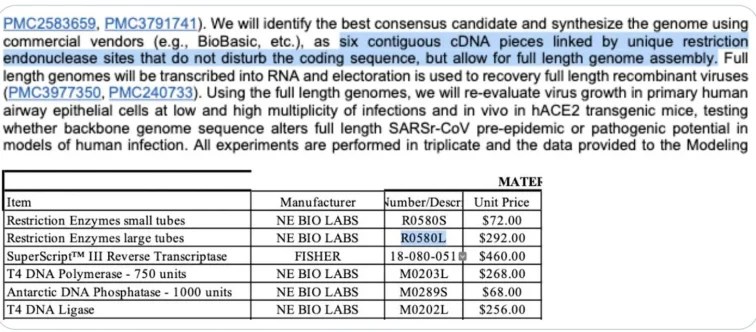
 Aletho News
 Aletho News