Pfizer Classified Almost All Severe Adverse Events During COVID Vaccine Trials ‘Not Related to Shots’
By Michael Nevradakis, Ph.D. | The Defender | June 22, 2022
The latest release by the U.S. Food and Drug Administration (FDA) of Pfizer-BioNTech COVID-19 vaccine documents reveals numerous instances of participants who sustained severe adverse events during Phase 3 trials. Some of these participants withdrew from the trials, some were dropped and some died.
The 80,000-page document cache includes an extensive set of Case Report Forms (CRFs) from Pfizer Phase 3 trials conducted at various locations in the U.S., in addition to other documentation pertaining to participants in Pfizer-BioNTech vaccine trials in the U.S. and worldwide.
The FDA on June 1 released the documents, which pertain to the Emergency Use Authorization (EUA) of the vaccine, as part of a court-ordered disclosure schedule stemming from an expedited Freedom of Information Act (FOIA) request filed in August 2021.
Public Health and Medical Professionals for Transparency (PHMPT), a group of doctors and public health professionals, submitted the FOIA request.
CRFs show deaths, severe reactions to the vaccines during Phase 3 trials
The CRFs included in this month’s documents contain often vague explanations of the specific symptoms experienced by the trial participants.
They also reveal a trend of classifying almost all adverse events — and in particular severe adverse events (SAEs) — as being “not related” to the vaccine.
For example:
- A female in her early 50s (randomization number 86545) who participated in the trial at the Sterling Research Group in Cincinnati, Ohio, died of an apparent myocardial infarction on Nov. 4, 2020. She had received two doses of the vaccine, on Sept. 10 and Sept. 29, 2020.
The patient had a medical history of chronic obstructive pulmonary disease, hypertension, hypothyroidism, osteoarthritis of the knees and attention deficit disorder. Her death was listed as “not related” to the vaccine, and was instead attributed to “hypertensive cardiovascular disease.”
- A female in her late 50s (randomization number 220496), who participated in the trial at Cincinnati Children’s Hospital Medical Center, died of cardiac arrest on Oct. 21, 2020. Her death, however, was indicated as “not related” to her vaccinations (which occurred on July 30, 2020, and Aug. 20, 2020) as it “occurred 2 months after last receipt of study agent,” according to her CRF.
The participant’s medical history included obesity, placement of a gastric sleeve, gastroesophageal reflux, sleep apnea, supraventricular tachycardia, hypothyroidism, depression and asthma.
- A male in his mid-60s (randomization number 221076) who participated in the trial operated by the Texas-based Ventavia Research Group died of an apparent myocardial infarction on Nov. 28, 2020. He had received the two doses of the vaccine on July 31, 2020, and Aug. 19, 2020.
The participant had a medical history that included a previous myocardial infarction, high blood pressure, high cholesterol, anxiety, bilateral hip pain, type 2 diabetes, fluid retention, angina (intermittent), restless leg syndrome, Vitamin D deficiency, tobacco dependency and the placement of a coronary arterial stent in 2017.
According to the CRF, he sustained the myocardial infarction on Oct. 27, 2020, and was diagnosed with pneumonia the following day. While both diagnoses were classified as “serious” in his CRF, they were both listed as “not related” to the vaccination, with his myocardial infection attributed to a “failed cardiac stent” and the pneumonia simply attributed to “infection.”
- A female in her teens (randomization number 104650) was diagnosed with right lower extremity deep vein thrombosis on Nov. 15, 2020, which was still ongoing as of Mar. 29, 2021, the date of the CRF. She was hospitalized and her condition was classified as “serious,” but it was indicated as “not related” to the vaccine, instead attributed to a “fracture” occurring prior to her vaccination on Sept. 11, 2020.
The patient had a medical history including asthma, attention deficit hyperactivity disorder, Charcot-Marie-Tooth disease and obesity.
- A male in his mid-70s (randomization number 227629) participating in the trial at Clinical Neuroscience Solutions Inc. (operating in Florida and Tennessee) sustained a series of adverse events following his vaccinations on Aug. 13 and Oct. 7, 2020.
He was diagnosed with COVID-19 on Aug. 30, 2020, which coincided with several other diagnoses classified as “serious,” including abdominal adhesions (Aug. 29, 2020), altered mental status (Aug. 29, 2020, lasting through Sept. 16, 2020), and acute hypoxic respiratory failure (Aug. 30, 2020). These diagnoses required his hospitalization.
He was also listed as having suffered from congestive heart failure on Aug. 30, 2020, but this diagnosis was listed as “not serious” and as “not related” to the vaccine, but to “prior surgery,” with no further details given. Similarly, his other serious adverse events were listed as being related to “prior” or “previous” surgery, or to “concomitant non-drug treatment.”
Other “non-serious” adverse events listed in this patient’s CRF include hypokalemia, anemia, acute renal failure, sepsis, hyponatremia, leukopenia, small bowel obstruction, aspiration pneumonia, mild concentric left ventricular hypertrophy (symptoms of which were still ongoing as of the CRF date of Mar. 29, 2021) and urinary tract infection.
The patient had a medical history encompassing ongoing hypertension, hypercholesterolemia, gastroesophageal reflux disease, constipation, hiatal hernia and previous diagnoses of small bowel resection, small bowel perforation, inguinal hernia, osteoarthritis in both knees and knee replacement (both knees).
- A male in his mid-70s (randomization number 266982) participating in the trial at Boston Medical Center suffered a series of adverse events following vaccination, including pneumonia and peripheral edema. He had received two doses of the vaccine, on Oct. 2, 2020, and Oct. 27, 2020.
The patient was hospitalized for pneumonia on Jan. 20, 2021, in an event classified as “serious” but also as “not related” to the vaccine. However, the cause of his pneumonia was listed in the CRF simply as “un-related to vaccine,” while his peripheral edema diagnosis was attributed to “existing neuropathy.”
During his hospitalization with pneumonia, his blood pressure was measured as high as 179/72, with a heart rate reaching 105 beats per minute and an oxygen saturation level that fell to 92.0. In total, he had three emergency room visits during the observation period.
The patient had a medical history that included type 2 diabetes, alcoholic cirrhosis, hypothyroidism, asthma, sleep apnea, hypertension, diabetic neuropathy, congestive heart failure, generalized anxiety disorder, depression, insomnia, excessive urination, chronic obstructive pulmonary disease and HIV-positive status.
A protocol deviation also occurred involving this patient, as his diary was not activated following administration of the first dose of the vaccine.
- A male in his early 40s (randomization number 68489) who participated in the trial at Cincinnati Children’s Hospital Medical Center sustained chronic myelogenous leukemia on Sept. 24, 2020, with the condition ongoing as of the date of the CRF on Mar. 29, 2021.
This was classified as a “serious” and “life-threatening” adverse event, albeit one that did not require hospitalization, but it was listed as “not related” to the vaccination but instead to a “genetic change in stem cells.”
The patient had been vaccinated on Aug. 26, 2020, and Sept. 17, 2020, and had a medical history of asthma and seasonal allergies. Other “non-serious” adverse events he sustained included leukocytosis and thrombocytosis.
- A female in her mid-40s (randomization number 49018) who participated in the trial at Clinical Neuroscience Solutions Inc. was diagnosed with kidney stones on Jan. 4, 2021.
This was classified as a “serious” adverse event that required hospitalization, but was listed as “not related” to the vaccine, instead being related, again, to “kidney stone” (sic). She had received the two doses of the vaccine on Aug. 17, 2020, and Sept. 8, 2020.
The patient was diagnosed with COVID-19 on Jan. 27, 2021. Her prior medical history included migraine headaches, hypercholesterolemia and a Tarlov cyst.
- A female approximately 30 years old (randomization number 53307) participating in the trial at Boston Medical Center, with nothing to report in her medical history, sustained a shoulder injury related to vaccine administration (SIRVA) on Sept. 9, 2020, with symptoms continuing until Feb. 8, 2021.
This injury was listed as being related to the second dose of the vaccine, which she received on Sept. 9, 2020 (she had previously received her first dose on Aug. 17, 2020).
- A female in her late 50s (randomization number 260125) participating in the trial at Clinical Neuroscience Solutions Inc., suffered from acute exacerbation of asthma. The symptoms appeared in mid-December 2020, following her vaccination on Sept. 16, 2020, and Oct. 5, 2020.
Her symptoms were classified as serious but not life-threatening, and she was hospitalized. However, her asthma symptoms were listed as “not related” to the vaccine, instead being related to “asthma” with no further explanation provided. On Jan. 12, 2021, her blood pressure was recorded as 183/130, with a heart rate of 98 beats per minute.
Other less serious adverse events sustained by the patient included injection site pain, body pain, chills and a low-grade fever.
Her medical history included cholecystitis (and a cholecystectomy), herniated disc, total abdominal hysterectomy, bilateral oophorectomy, bilateral salpingectomy, endometriosis, hypertension, hypercholesterolemia, rheumatoid arthritis in remission, asthma, seasonal allergies, irritable bowel syndrome and obesity.
- A male in his late 20s (randomization number 48413) who participated in the trial at Clinical Neuroscience Solutions Inc., sustained a bilateral pulmonary embolism on Dec. 14, 2020, with symptoms still ongoing as of the CRF date of Mar. 29, 2021.
This was listed as a “serious” adverse event that required hospitalization, but was attributed to the patient’s habit of vaping and his “sedentary lifestyle.” He had received the two doses of the vaccine on Aug. 13, 2020, and Sept. 2, 2020.
Other post-vaccination symptoms listed for the patient included fever, fatigue, headache, chills, vomiting, diarrhea, new/worsened muscle pain, new/worsened joint pain and swelling.
The patient had a medical history that included elevated triglycerides, genital herpes and seasonal allergies, in addition to a vaping habit.
The many serious adverse events – and several deaths – recorded during the Phase 3 trials are also apparent in a separate, massive document, exceeding 2,500 pages, cataloging such adverse events.
This document lists a wide range of adverse events suffered by trial participants classified as toxicity level 4 — the highest and most serious such level.
However, not one of the level 4 (most severe) adverse events listed in this particular document is classified as being related to the vaccination.
Level 4 adverse events listed in the document include but are not limited to the following, many of which occurred in multiple patients:
- Acute cholecystitis
- Acute respiratory failure
- Adrenal carcinoma
- Anaphylactic shock
- Aortic valve incompetence
- Appendicitis
- Arrhythmia, supraventricular
- Arteriosclerosis
- Brain abscess
- Cardiac arrest
- Chronic myeloid leukemia
- Complicated appendicitis/acute appendicitis with necrosis
- Congenital heart disease/heart anomaly
- Coronary artery occlusion
- COVID-19 illness
- Deep vein thrombosis
- Diverticulitis
- Hemiplegic migraine
- Hemorrhagic stroke
- Interstitial lung disease
- Myocardial infarction
- Orthostatic hypotension/possible postural hypotension
- Osteoarthritis
- Pericolic abscess
- Peritoneal abscess
- Renal colic
- Ruptured diverticulum
- Small bowel obstruction/small intestinal obstruction
- Spontaneous coronary artery dissection
- Subarachnoid hemorrhage
- Suicidal ideation (and suicidal ideation with attempt)
- Syncope
- Type 2 diabetes
- Worsening of abdominal pain
- An “unevaluable event/“unknown of unknown origin”
Similarly, only a small number of toxicity level 3 adverse events were indicated as having been “related” to vaccination. Such adverse events included but are not limited to the following, some of which occurred in multiple trial participants:
- Arthralgia
- Blood glucose increase/glucose spike
- Deafness/hearing loss
- Dyspepsia
- Hypotension
- Lymph node pain
- Lymphadenopathy/lymph node swelling
- Musculoskeletal chest pain (non-cardiac)
- Neutropenia
- Pain in fingers/bilateral hands
- Pruritus
- Pyrexia/febrile syndrome
- Severe headache
- Shoulder injury related to vaccine administration
- Sleep disorder/sleep disturbance
- Tachycardia
- Urticaria
- Ventricular arrhythmia
- Vertigo
Page 2,525 of the document in question also lists six trial participant deaths, with causes of death including arteriosclerosis, cardiac arrest, hemorrhagic stroke and myocardial infarction.
The small number of adverse events listed as being connected to the vaccine follows a trend noted in the previous tranche of Pfizer-BioNTech documents, released in May.
An additional document released in this month’s tranche catalogs patients who discontinued their participation in the Phase 3 trial, or whose participation was discontinued by physicians or other medical professionals.
While many patients were discontinued because they could not be located, because of a physician’s orders, because they moved to another region or for other personal reasons, numerous patients ended their participation due to adverse events, including but not limited to the following symptoms:
- Acute myocardial infarction
- Amnesia
- Anorexia
- Atrial fibrillation
- Cerebral infarction
- Congestive cardiac failure
- Coronary artery disease
- Deafness (unilateral)
- Depression
- Diabetic foot
- Diverticular perforation
- Exposure during pregnancy
- Eye pain
- Gait instability
- Gastric adenocarcinoma
- Gastrointestinal hemorrhage
- Hypertension
- Irregular heart rate
- Loss of taste and smell
- Myalgia
- Paraparesis
- Parkinsonism
- Presyncope
- Pulmonary embolism
- Pyrexia
- Swelling face
- Tachycardia
- Transient ischaemic attack
- Urticaria
- Vaccine allergy
- Vertigo
In other instances, subjects withdrew because of fears connected to safety concerns related to the vaccine, or discomfort in receiving the second dose.
Clinical review document glosses over adverse events during trials
Also included in June’s FDA document dump was a 334-page “clinical review” document, which appears to have been approved by the FDA on Apr. 30, 2021, and which presents “pivotal data” from Phase 1/2/3 Study C4591001, conducted in the U.S., along with “supporting” Phase 1/2 data from Study BNT162-01, performed in Germany.
This document refers to both Pfizer-BioNTech vaccine, which received an EUA from the FDA, and the Pfizer Comirnaty vaccine, which received full FDA approval but is reportedly almost impossible to find at vaccination locations in the U.S.
As previously reported by The Defender, a federal judge found the Pfizer-BioNTech and Pfizer Comirnaty vaccines are legally distinct.
The clinical review document states:
“BNT162b2 has received temporary authorizations for emergency supply in 28 countries and conditional marketing authorizations in 39 countries globally.
“The name of the product supplied under emergency/temporary use authorization for all applicable regions is Pfizer-BioNTech COVID-19 Vaccine.
“The name of the product supplied under conditional marketing authorization for all applicable regions is COMIRNATY [COVID-19 mRNA Vaccine (nucleoside modified)].”
The document states that trial participants were administered one of two candidate vaccines, labeled BNT162b1 and BNT162b2 (the latter of which ultimately received an EUA from the FDA), or a placebo. A variety of dosage levels were also tested, ranging from 10 μg to 100 μg for BNT162b1, and 10 μg to 30 μg for BNT162b2.
In Phase 1 of Study BNT162-01, the clinical review reports that “40% to 45% of participants who received BNT162b1 and BNT162b2 across age groups and across dose levels reported one or more AEs [adverse events] from Dose 1 through 28 days (i.e., 1 month) after Dose 2.”
In what will turn out to be a general pattern throughout the clinical review, we are told that “most AEs were considered by the investigator as not related to study intervention and mild to moderate in severity, and all AEs were reported as resolved.”
Some specific adverse events highlighted in this part of the clinical review include:
“Among BNT162b1 recipients, 1 younger participant in the 10 μg group discontinued the study due to a moderate AE of malaise (considered as not related to study intervention) after Dose 1 and 1 younger participant in the 60 μg group discontinued due to a dose-limiting toxicity of pyrexia after Dose 1.
“One older participant in the 20 μg group had an SAE of severe syncope (considered as not related to study intervention) after Dose 1 and study treatment was withdrawn.
“Among BNT162b2 recipients, 1 younger participant in the 10 μg group discontinued the study due to a moderate AE of nasopharyngitis (considered as not related to study intervention) after Dose 1.
“One older participant in the 20 μg group had an SAE of ankle fracture (considered as not related to study intervention) after receiving both doses, was listed as recovering, and remains in follow-up.”
The clinical review also states “no deaths occurred in the Phase 1 part of Study BNT162-01.”
The review adds that “from Dose 1 of BNT162b2 30 μg to the unblinding date, 6 (50.0%) participants in the younger age group and 3 (25.0%) participants in the older age group reported at least 1 AE.”
Specifically, in this portion of the study, “two (16.7%) participants in the BNT162b2 30 μg younger age group and 1 (8.3%) participant in the BNT162b2 30 μg older age group reported at least 1 severe AE,” and “in the BNT162b2 30 μg younger age group, 3 (25.0%) participants reported at least 1 related AE and 1 (8.3%) participant reported 1 severe SAE.”
These specific adverse events, according to the review, were reported in “the system organ class (SOC) of nervous system disorders (3 [25.0%] participants in the younger age group and 1 [8.3%] participant in the older age group), followed by musculoskeletal and connective tissue disorders (1 [8.3%] participant in each age group). All AEs by preferred term (PT) were reported by no more than 1 participant.”
The review adds, “from Dose 1 to the unblinding date, 1 participant in the BNT162b2 30 μg younger age group reported a severe SAE (neuritis) that was assessed by the investigator as not related to study intervention,” and “there were no Phase 1 participants randomized to BNT162b2 30 μg or corresponding placebo who died through the data cutoff date of 13 March 2021.”
Review of results from Study C4591001
While “incidences in the BNT162b2 and placebo were similar within the age groups for younger (9.1% vs 11.1%) and older (4.3% vs 8.9%) participants, among those who received BNT162b2 instead of the placebo, “two severe events of myalgia and gastric adenocarcinoma (which was also an SAE) were reported for 2 participants in the … younger age group, both assessed by the investigator as not related to study intervention.”
It is further mentioned that “the only discontinuation due to an AE during this time was the participant in the BNT162b2 younger age group who reported an SAE of gastric adenocarcinoma (discontinued from the study on Day 23 after Dose 1 of BNT162b2).”
Ultimately, from dose 1 to 1 month after dose 2 for participants during the blinded safety follow-up of study C4591001, “the numbers of overall participants who reported at least 1 AE and at least 1 related AE were higher in the BNT162b2 group (30.2% and 23.9%, respectively) as compared with the placebo group (13.9% and 6.0%, respectively).”
Specifically, “severe AEs were reported by 1.2% and 0.7% in in the BNT162b2 and placebo groups respectively, and life-threatening AEs were similar (0.1% in both groups),” and “SAEs and “AEs leading to withdrawal were reported by ≤0.6% and ≤0.2%, respectively, in both groups,” while “discontinuations due to related AEs were reported in 13 participants in the BNT162b2 group and 11 participants in the placebo group (0.1% in both groups).”
Overall, as reported for this part of the study, “in the younger age group, the number of participants who reported at least 1 AE from Dose 1 to 1 month after Dose 2 was 4233 (32.6%) and 1871 (14.4%) in the BNT162b2 and placebo groups, respectively. In the older age group, the number of participants who reported at least 1 AE from Dose 1 to 1 month after Dose 2 was 2384 (26.7%) and 1177 (13.2%) in the BNT162b2 and placebo groups, respectively.”
The review specifies that “the most frequently reported AEs in the BNT162b2 group … were injection site pain (2915 [13.3%]), pyrexia (1517 [6.9%]), fatigue (1463 [6.7%]), chills (1365 [6.2%]), headache (1339 [6.1%]), and myalgia (1239 [5.7%]),” however, some more serious adverse events that were reported during this stage of the trial included facial paralysis, cardiac disorders, hepatic cirrhosis, cholecystitis/cholecystitis acute, biliary colic, bile duct stone, biliary dyskinesia, lymphadenopathy, appendicitis, optic neuritis and hypersensitivity/anaphylaxis.
Overall, according to the review, “from Dose 1 to 1 month after Dose 2, severe AEs reported during the blinded follow-up period were low in frequency, reported in 1.2% of BNT162b2 recipients and 0.7% of placebo recipients.”
During the “open-label follow-up period,” referring to the period when the initial trial has been completed but participants are invited to continue taking the study drug for an additional period, the review states “three participants originally randomized to BNT162b2 died during open-label follow-up.”
While one of these deaths was reportedly due to a road accident, the other two were attributed to lung metastases and myocardial infarction. However, none of these deaths “were assessed by the investigator as related to study intervention.”
Furthermore, according to the report, during this period “there were 12,006 participants who had at least 6 months of follow-up. Among these, 3,454 participants (28.8%) reported at least 1 AE and 2245 participants (18.7%) reported at least 1 related AE. Severe AEs and SAEs were reported by 2.1% and 1.6%, respectively.”
The review provides data for participants from dose 3 (first dose of BNT162b2) to the data cutoff date. The severe adverse event incidence rate (IR) was 6.0 per 100 PY (patient-years), with specific conditions reported including pulmonary embolisms, thrombosis, urticaria, a cerebrovascular accident and COVID-19 pneumonia.
Here, the review adds that the IR for original placebo participants who had at least 1 life-threatening AE from Dose 3 to the data cutoff date was 0.5 per 100 PY. Only one such life-threatening event, an instance of anaphylactoid reaction, was considered to be related to the vaccination. Other life-threatening, serious adverse events included cardio-respiratory arrest, gastrointestinal necrosis, deep vein thrombosis and pulmonary embolism.
The report also notes, “There were 15 deaths in the BNT162b2 group and 14 deaths in the placebo group from Dose 1 to the unblinding date during the blinded placebo-controlled follow-up period.”
However, the report does not appear to go into detail about the causes of death for either group, other than to state, “None of these deaths were assessed by the investigator as related to study intervention.”
In the “Blinded Follow-Up Period from Dose 1 Through 1 Month After Dose 2,” in the BNT162b2 group, “SAE [serious adverse events] was similar in the BNT162b2 group (0.6%) and in the placebo group (0.5%),” with three SAEs in the non-placebo group deemed to be related to the vaccine. These included ventricular arrhythmia, lymphadenopathy and SIRVA.
During the “open-label follow-up period” for “original BNT162b2 participants,” the report states “one younger participant with no past medical history had a life-threatening SAE of myocardial infarction 71 days after Dose 2 that was assessed by the investigator as related to study intervention.”
However, despite its life-threatening nature, this condition “lasted 1 day and resolved the same day.”
Overall, “from Dose 1 to 6 months after Dose 2, during the blinded and open-label follow-up periods, 190 (1.6%) participants in the BNT162b2 group reported at least 1 SAE,” and “the number of participants who reported at least 1 SAE was 73 (1.1%) and 117 (2.2%) in the younger and older age groups, respectively.”
These SAEs were categorized as neoplasms, infections and infestations, gastrointestinal disorders, hepatobiliary disorders, respiratory/thoracic/mediastinal disorders and injury/poisoning/procedural complications.
An original placebo participant who received BNT162b2 for Dose 3 experienced a severe adverse event that “was assessed by the investigator as related to study intervention; specifically, “an anaphylactoid reaction 2 days post Dose 3” leading to the participant’s withdrawal from the study, despite a reported resolution.
A separate subsection in the report specifically addressed cases of Bell’s palsy and facial paralysis among trial participants. Specifically, “during the blinded placebo-controlled follow-up period, 6 participants developed one-sided facial paralysis (Bell’s palsy): 4 were randomized to BNT162b2 (all male) and 2 were randomized to placebo (1 male; 1 female),” according to the review.
Regarding the four vaccinated trial participants, their ages ranged from 40 to 70, with symptoms appearing three to 48 days after their last dose. Their symptoms were recorded as “mild to moderate in severity,” with duration ranging “from 3 to 68 days,” and with two of these cases “considered by the investigator to be related to study intervention.”
Moreover, “during the open-label follow-up period, 3 participants who received BNT162b2 as Dose 3 or Dose 4 (after originally being randomized to placebo) experienced facial paralysis,” according to the review. These patients were all female, with an age range between 19 and 34. Events were recorded as beginning two to eight days after administration of the third dose, and “were mild to severe.” One case had a duration of 12 days, while the other two cases were ongoing as of the cutoff date of the trial.
Notably, according to the review, “all these events of facial paralysis were considered by the investigator as related to study intervention.”
The review adds, “during the open-label follow-up period for participants originally randomized to BNT162b2, a male participant 51 years of age developed Bell’s Palsy 154 days after receiving Dose 2.” No indication is given as to whether this was deemed to be related to the vaccination or not.
From dose 1 to the unblinding date, heart-related adverse events included “6 acute myocardial infarctions, 4 myocardial infarctions group, and 1 acute coronary syndrome” in the BNT162b2 group.
According to the review, “most of these events had onset distant (ie, >30 days following) to receipt of vaccine or placebo. None of these events were assessed by the investigator as related to study intervention.”
Moreover, “there was 1 participant in the older BNT162b2 age group with pericarditis. The event had an onset of 28 days after Dose 2, was ongoing at the data cutoff date, and was assessed by the investigator as not related to the study intervention.”
Additionally, “there were 8 cases of pulmonary embolism in the BNT162b2 group,” in addition to four hemorrhagic strokes and “2 ischemic strokes, 4 cerebral vascular accidents, 2 transient ischemic attacks” in this group, plus “1 case of thrombocytopenia and 1 case of platelet count decreased.”
Furthermore, “there were 9 thrombotic events in the BNT162b2 group,” including seven instances of deep vein thrombosis, one case of coagulopathy and one case of ophthalmic vein thrombosis.
Regarding autoimmune issues in the BNT162b2 group, the review states “there were 10 autoimmune disease cases identified,” with one case each of “autoimmune thyroiditis, ulcerative colitis, Crohn’s disease, reactive arthritis, fibromyalgia, systemic lupus erythematosus, alopecia areata, psoriasis,” and two cases of psoriatic arthropathy.
Pregnancies were largely glossed over in the review, which states:
“At the time of the data cutoff date (13 March 2021), a total of 50 participants who had received BNT162b2 had reported pregnancies, including 42 participants originally randomized to the BNT162b2 group and 8 participants originally randomized to the placebo group who then received BNT162b2.”
“In total, 12 participants (n=6 each in the randomized BNT162b2 and placebo groups) withdrew from the blinded placebo-controlled vaccination period of the study due to pregnancy, and 4 participants originally randomized to placebo who then received BNT162b2 withdrew from the open-label vaccination period due to pregnancy.
“These participants continue to be followed for pregnancy outcomes. No births have been reported from individuals who have become pregnant in Study C4591001 as of the time of this submission.
“All pregnancies have a risk of birth defect, loss, or other adverse outcomes. Available data on BNT162b2 administered to pregnant women are insufficient to inform vaccine-associated risks in pregnancy.”
Pfizer concludes vaccines are ‘safe and well-tolerated’
Overall, despite the incidence of severe adverse events — some of which were admitted to be related to the vaccine — and deaths, as well as an admitted lack of data regarding outcomes for pregnant women who participated in the trial, the “safety conclusions” of the review indicate the following:
“Based on Phase 1 data from the FIH Study BNT162-01, BNT162b1 and BNT162b2 were safe and well-tolerated in healthy adults 18 to 55 years of age, with no unanticipated safety findings … and the AE profile and clinical laboratory results did not suggest any safety concerns.
“Based on Phase 1 data from Study C4591001 and Study BNT162-01, BNT162b1 and BNT162b2 were safe and well-tolerated in younger healthy adults 18 to 85 years of age, with no unanticipated safety findings … and the AE profile did not suggest any safety concerns, including up to approximately 6 months after Dose 2 for BNT162b2 30 μg groups.
“Based on Phase 2/3 data from approximately 44,000 participants ≥16 years of age with up to at least 6 months of follow-up after Dose 2 in Study C4591001, BNT162b2 at 30 μg was safe and well-tolerated across age groups … and the AE profile did not suggest any serious safety concerns. The incidence of SAEs and deaths were low in the context of the number of participants enrolled and comparable in BNT162b2 and placebo. The incidence of discontinuations due to AEs was also generally low and similar between BNT162b2 and placebo groups.
“Cumulative safety follow-up to at least 6 months after Dose 2 for approximately 12,000 Phase 2/3 participants originally randomized to BNT162b2, comprising the combined blinded and open-label periods, showed no new safety signals or suggested [any] new safety concerns arising from this period of follow-up.
“Similarly, open-label follow-up of participants originally randomized to placebo from the time of unblinding to receive BNT162b2 until the data cutoff date showed no new safety signals or concerns.
“The AE profile among approximately 44,000 participants ≥16 years of age enrolled to date as of the most recent safety cutoff date (13 March 2021), was mostly reflective of reactogenicity events with low incidences of severe and/or related events. The incidence of SAEs was low and similar in the vaccine and placebo groups. Few participants withdrew from the study due to AEs. Few deaths occurred overall in both the vaccine and placebo groups with no imbalance.
“For participants randomized to placebo and then unblinded to receive BNT162b2 vaccination, open-label data from the time of unblinding to the data cutoff date (13 March 2021) showed no new safety findings or signals.
“Taken together, efficacy and immunogenicity data suggest the BNT162b2 (30 μg) 2-dose regimen induces a strong immune response and provides durable protection from COVID-19 across a spectrum of individuals representative of the population at large for individuals ≥16 years of age: those with or without prior exposure to SARS-CoV-2 and those in higher-risk categories based on age, race, ethnicity, and/or comorbidity.”
As a result, and based on the above data, the review makes a case for the approval of BNT162b2:
“A vaccine program must be implemented expediently and rapidly expanded to have a significant impact on the pandemic course. Licensure of BNT162b2 is likely to enhance vaccine uptake by facilitating supply of vaccine from Pfizer/BioNTech directly to pharmacies and healthcare providers/facilities.
“The greatest impact of BNT162b2 licensure may be direct supply to healthcare providers who serve vulnerable populations such as elderly patients and those who live in rural and underserved communities (i.e., individuals who might be unable to navigate the challenges of securing vaccine access using the systems in place for EUA).
“Expansion of vaccine via licensure would ultimately improve the prospect of achieving population herd immunity to bring the pandemic under control.
“Overall, the potential risks and benefits, as assessed by the safety profile and the efficacy and immunogenicity of BNT162b2 (30 μg), are balanced in favor of the potential benefits to prevent COVID-19 in immunized individuals.
“Likewise, the BNT162b2 30 μg benefit and risk profile support further development in pediatric, maternal, and other at-risk populations.”
Michael Nevradakis, Ph.D., is an independent journalist and researcher based in Athens, Greece.
© 2022 Children’s Health Defense, Inc. This work is reproduced and distributed with the permission of Children’s Health Defense, Inc. Want to learn more from Children’s Health Defense? Sign up for free news and updates from Robert F. Kennedy, Jr. and the Children’s Health Defense. Your donation will help to support us in our efforts.
Ivermectin Study’s Negative Conclusion is at Odds With Its Findings of Significant Clinical Benefit
BY WILL JONES | THE DAILY SCEPTIC | JUNE 21, 2022
A new study on cheap, repurposed Covid treatment ivermectin has concluded that its findings “do not support the use of ivermectin to treat mild to severe forms of COVID-19”. However, this conclusion is at odds with its findings.
The study, “Non-effectiveness of Ivermectin on Inpatients and Outpatients With COVID-19; Results of Two Randomised, Double-Blinded, Placebo-Controlled Clinical Trials”, is published in Frontiers in Medicine. It includes among its authors Dr. Andrew Hill, who last year appeared to suggest to Dr. Tess Lawrie that pressure had been applied to him not to find in support of ivermectin in an earlier paper. He told her, “I’m in a very sensitive position here”, and “I don’t really want to get into” revealing who from Gates-funded charity Unitaid, which funded the study, really wrote the conclusion of the paper downplaying the benefits of the treatment.
The new study gives a helpful introduction to the drug.
Ivermectin is a low-cost established drug with clinical benefits and minimal safety concerns, which has been shown to inhibit SARS-CoV-2 in vitro in studies. Ivermectin has rapid oral absorption, with high lipid solubility is widely circulated in the body, metabolised in the liver, and excreted in faeces. The adequate concentration of ivermectin inhibiting SARS-CoV-2 in the in vitro experiment is higher than the approved dose of ivermectin concentration in plasma and the lungs of humans. However, a meta-analysis demonstrated that the administration of a standard FDA-approved dose shows a positive clinical response in COVID-19 patients.
The study is a follow-up to an earlier, smaller study which showed promise. However, the promise has not, the authors say, been borne out.
Despite our previous more favourable results from a multicentre, randomised clinical trial in 69 COVID-19 patients at the beginning of the pandemic which noted the effectiveness of ivermectin in recovery and decreasing duration of hospital stay, the current results of this extensive study on 609 admitted patients with moderate to severe form of COVID-19 and 549 outpatients with a mild form of COVID-19, did not show adequate support for the effectiveness of this drug.
Despite this downbeat assessment, the new study did actually find a significant 32% improvement in ivermectin hospital patients achieving complete recovery, with 37% of ivermectin patients vs 28% of placebo patients achieving the outcome [95% CI, 1.04–1.66].
A number of the other key outcomes, including ICU admission and death, were also better in the ivermectin group, though the study was underpowered (not large enough) for these results to be statistically significant (i.e., we can’t be sure they weren’t coincidence). These were:
- ICU admission: 28 ivermectin vs 32 placebo patients; 9% vs 11%; 16% improvement [95% CI, 0.52–1.36].
- Invasive mechanical ventilation: 3% ivermectin vs 6% placebo; 50% improvement [95% CI, 0.24 –1.07].
- Supplemental oxygen by non-invasive ventilation: 244 ivermectin vs 252 placebo; 78% vs 85%; 7% improvement [95% CI, 0.86–1.00].
- Death: 13 ivermectin vs 18 placebo; 4% vs 6%; 33% improvement [95% CI, 0.35–1.39].
The fact that all these outcomes showed an improvement, and mechanical ventilation and death considerably so, is a signal that the benefit is unlikely to be solely due to chance. Thus the conclusion should really have been that a larger study is needed to see if the promising results can achieve statistical significance.
For outpatients, there were also some significant clinical benefits:
- Fever duration: 2.02 (± 0.11) days ivermectin vs 2.41 (± 0.13) days placebo; 16% improvement.
- On the day seventh of treatment, fever, cough and weakness were significantly higher in the placebo group compared to the ivermectin group.
A few results went the other way, though none of these were statistically significant. For inpatients:
- Length of hospital stay: 7.98 (± 4.4) days ivermectin vs 7.16 (± 3.2) days placebo; 20% worse [95% CI, 0.15–1.45]. The study claims this finding is “significant”, but the wide confidence interval going through 1.0 indicates not. The authors write that “delays in discharging patients to other facilities such as rehabilitation centres… might be the reason for more extended hospital stay other than treatment for COVID-19”.
- Mean oxygen saturation at day seven: 92.01 (Range: 72–99) ivermectin vs 93 (Range: 48–99) placebo; 1% worse [95% CI, –2.89 to 0.91].
- Relative recovery (where some symptoms persist on discharge): 53% ivermectin vs 60% placebo; 13% worse [95% CI, 0.76–1.00].
- Persistent dry cough (until seventh day): 5 ivermectin vs 10 placebo; 3% vs 9%; 36% worse [95% CI, 0.13–1.03].
For outpatients:
- Hospitalisation: 7% ivermectin vs 5% placebo; 36% worse [95% CI, 0.65–2.84].
- PCR negative on day five after treatment: 26% ivermectin vs 32% placebo; 19% worse [95% CI, 0.60–1.09].
The authors write that “no evidence was found to support the prescription of ivermectin on recovery, reduced hospitalisation and increased negative RT-PCR assay for SARS-CoV-2 five days after treatment in outpatients”. However, it’s important to note that this was for ivermectin given more than a week after symptoms began. Proponents of ivermectin often argue that treatment should be given within five days of exposure, i.e., as soon as possible.
The paper does mention this issue, though in a strange sentence with typographical errors perhaps indicative of a late addition: “Ivermectin may be going to be effective if it is given at the earliest possible time that clinical symptoms appear whiles [sic] the mean duration of symptoms before randomisation was 7.36 ± 3.43 days in the ivermectin group and 6.98 ± 3.63 days in the placebo group.” Typographical errors aside, the point is correct; an outpatient study really needs to start the treatment sooner.
There may also be a dosage issue. While the trial gave a dose of 0.4 mg per kg per day over a duration of three days, some have suggested a higher dose is required. The paper nods at this where it says: “Krolewiecki et al. assessed antiviral activity and safety of a five-day regimen of high dose ivermectin, comparing the control group in 45 patients with COVID-19. The findings support the hypothesis that ivermectin has a concentration-dependent antiviral activity against SARS-CoV-2.”
A further potential problem with the study, which was conducted in Iran where ivermectin has been popular as a Covid treatment, is the question of how many of the placebo group were also secretly taking ivermectin anyway. In the limitations the authors note that “after the allocation of ivermectin or placebo, a significant number of patients declined to be participants”, which may be because they realised they wanted to be sure they were taking the drug. Taking an antiviral medication was an exclusion criterion for outpatients – 18 admitted to it, but how many continued with the trial (for which they were presumably paid) but took such drugs anyway? Furthermore, previously taking an antiviral does not appear to have been an exclusion criterion for inpatients, so it is unknown how many placebo-arm inpatients had taken ivermectin or another medication prior to hospitalisation. Once in hospital, I imagine they would not have been able to continue taking any medication secretly, and perhaps that explains why nearly a third of the inpatient participants were lost to follow up, most due to voluntary withdrawal or “incomplete intervention” (31.6%, 282 of 891; 136 ivermectin and 146 placebo).
Overall, I find the conclusion baffling given the findings. There were statistically significant benefits of ivermectin for complete recovery, shorter duration of fever and quicker clearing up of cough and weakness. There were also large but not-statistically-significant benefits for mechanical ventilation and death. The negative findings were mostly small and none were statistically significant. This is for a study which didn’t start the treatment until over a week into symptoms, and may have been confounded by people in the placebo arm also taking the drug.
Perhaps we will never get to the bottom of exactly how effective ivermectin is against COVID-19. But since it’s a safe drug (to quote U.K. Chief Medical Officer Chris Whitty, “Ivermectin has proven to be safe. Doses up to 10 times the approved limit are well tolerated by healthy volunteers”) and this study shows once again that it gives some benefit – other studies show much greater benefit – why not be honest about that, allow medics to include it in their treatment protocol, and stop making such a fuss about stopping them?
The Lockdown Advocacy of Devi Sridhar
By Jeffrey A. Tucker | Brownstone Institute | June 20, 2022
The Covid era gave rise not only to popular mania but also to astonishing intellectual pretension. The experts were everywhere. They had all the answers. They knew for certain that a path never tried in anyone’s lifetimes was the certain way to go in order to control a virus. And this fanatical attachment to one goal caused all other considerations to be pushed aside.
The end of the story was baked in from the start. The experts were proven to have massively exaggerated their prowess and understanding of events. On point after point, their models blew up. The epidemic would end the way they always have, through acquired immunity and endemicity. Nowhere did the methods of the vaunted experts achieve the goal; at best they delayed the end point and created tremendous destruction along the way.
Now there is a problem: how to dial it all back without admitting profound error. This is a particular problem for those who wrote books before the story was complete. And by complete I am referring especially to the tremendous waves of infections that came 20 months after lockdowns were first imposed.
A paradigmatic case is Devi Sridhar, professor and chair of global public health at the University of Edinburgh, Scotland. During the pandemic, she became a ubiquitous presence on television for two years both in the UK and the US. Her main message was to advocate and defend lockdowns, masking, mandates, and the entire apparatus of compulsion that characterized the pandemic response in nearly every country in the world. Her message was always geared toward what is called eliminationism or zero Covid.

As a Rhodes scholar in a high prestige position, she was well positioned to be this messenger. She has a compelling way and presents well in the medium. Plus, the message she delivered was the one that earned an official stamp of approval from all mainstream media. She was also a pro at delivering an attitude of disdain toward anyone who dared question the zero Covid story.
Now she has a book out that further elaborates on her point of view. It has the right title: Preventable: How a Pandemic Changed the World and How to Prevent the Next One. It’s a pretentious title, presuming that she knows for certain that the pandemic was preventable and therefore she should be trusted to tell us what to do next time.
What’s striking is the contrast between the certitude of the body of the book in which she is an unapologetic defender of China-style lockdowns and the afterword, which must have been written only days before the book went to print. Here we have a very different tone, discussed toward the end of this review.
Sadly for her, the book came out just before a wave of new lockdowns came to China that wrecked the lives and liberties of hundreds of millions of people and made an enormous mess of the entire economic mission of the country. She must not have had time to revise the manuscript.
Of China, her book says:
The way China set about eliminating SARS-CoV-2 could be described as draconian. It undertook house-to-house testing and removed individuals to quarantine facilities if they tested positive (sometimes against their will); it used tracking technology to trace 99–100 per cent of those who had had contact with the infected; it locked down entire buildings so individuals could not leave their flats or have free movement; and it constructed completely new hospitals within days…
The Chinese government understood well that the virus moves when people move. So it stopped people moving internally…
The efforts to contain the spread within Wuhan were effective and focused on reducing the R number…
These measures to contain spread worked…
[China showed that] containment strategies (however draconian) could be effective at stopping this respiratory pathogen…
The evidence in February 2020 showed that containment was successful…
Within the span of three months, China had eliminated the virus fully within its borders…
This is the same message she delivered to millions day after day for two years.
We could just stop this review here, observing that none of the above turns out to be true. Currently, China faces an enormous problem. If we are to believe the data, vast swaths of China’s population still lack acquired immunity to Covid. Millions or billions need the exposure, and, as with all places in the world, the result for nearly everyone moderately healthy and not elderly will be recovery. This will happen with or without lockdowns.
President Xi Jinping, however, became convinced either by virtue of his ego or his circle of sycophants that his lockdowns two and a half years ago were his greatest achievement. He was celebrated by the World Health Organization and nearly every country in the world copied his brutal methods of virus suppression. He regarded it then as evidence that the CCP was destined to rule the future, by virtue of its masterful social, economic, and now medical management of society.
So of course the CCP cannot turn back now. He has stated repeatedly that there will be no compromise of the zero Covid stance that both he and Dr. Sridhar have long advocated. He must now either continue to threaten and enact lockdowns or figure out some clever way to back away from the position without admitting past error. He may in fact figure it out at some point.
After all, nearly every other government in the world has finally figured it out. Even under the best of assumptions that lockdowns offer some contribution to mitigate the ill-effects of a pathogen, the costs far outweigh those benefits. And those costs not only include economic, educational, and nutritional ones but also costs in terms of deaths from overdoses, despair, and self-harm from the inevitable demoralization from being treated like a prisoner or lab rat.
So I did read Dr. Sridhar’s book in search of some insight as to why she could have made such a profound error. All I found was a relentless and single-minded attachment to a zero Covid agenda, or some version of it, a genuine belief that the right deployment of human force could somehow make a virus go away. It truly boggles the mind.
The rest of the narrative is utterly predictable.
Countries that locked down are good, especially New Zealand and Australia. Countries that did not are bad, especially Sweden but also the UK and the US after reopening. Countries that kept lockdowns longer are good. Countries that opened up too soon are corrupt and rejecting “the science.” The Great Barrington Declaration is bad. Ramdesivir is good while Ivermectin is bad. And so on.
Her hard-core bias extends even to a rousing defense of Rebekah Jones, the low-level data employee in Florida who wrongly accused the Governor’s office of manipulating data in a case that was later tossed out.
The book is so partisan that she sometimes lets her politics even race ahead of her epidemiological position. For example, and this probably won’t surprise you, she comes to the defense of the George Floyd protests even in the midst of lockdowns:
In late May 2020, I was asked whether protesters were wrong to take to the streets. I replied that racism is also a pandemic, and one that Black Americans feel can’t be swept under the carpet any longer. While clearly mass gatherings during a pandemic are risky, I could understand that people were willing to take this risk in order to effect change for their children and the children of their children. This is how the civil rights movement has attempted to progress racial equality over decades.
In any case, you get the point here. She has a tribe and she wants to be its messenger. Still, I struggled through the entire text to see if I could find insight. This one jumped out at me:
While WHO was at the forefront of press briefings and leading technical and normative guidance to the pandemic, the World Bank had the financial power to help governments respond with key policies, whether through building up health systems and testing, putting in place economic packages to support lockdown measures, or in acquiring and distributing vaccines.
There we go: the World Bank subsidized lockdowns. Fascinating. That I did not know. This is a serious problem that needs to be fixed. How many millions face malnutrition as a result?
So much for the body of the book.
Probably the most telling part of the book is the afterword, written January 2022. Here our author jumps in with the latest information, namely that China had not in fact eradicated the virus and now keeps locking down, which she says is due to inferior vaccines. Within a few paragraphs, she – for the first time in the book – recognizes that even the best vaccines do not stop infection and do not stop the spread..
Whoops. Is she willing to rewrite the entire book in light of this last-minute realization that lockdown eliminationism and even mass vaccination cannot achieve the goal? No. Is she willing to rethink? Perhaps a bit but not enough.
While some say we should adapt normal social relations and mixing for the foreseeable future, I struggle with this line of thought. Humans are social: we need to hug, talk, dance, sing, kiss and be around others. We’re not bears or rhinos or other solitary creatures. We like seeing each other’s faces. And we know that a sense of community and connection are vital to wellbeing too. A holistic approach to public health is vital, and this includes not just people’s mental health but also their ability to pay rent, feed their family, stay warm through the winter and have a meaningful role in society, be that going to church or being part of a glee club. For a certain period of time, altering these made sense, so that we could avoid preventable illness and deaths; allow vaccines to be created, trialled and distributed in 2020 and into 2021; allow clinicians to better understand how to treat COVID-19; and allow a better understanding of transmission and risk.
Again, very interesting, especially because the change in tone from the rest of the book is so sharp. She doesn’t come close to repudiating her entire book – and she still believes that totalitarian measures somehow make sense for a “period of time” – but she does say that she is tired and exhausted and perhaps ready for some rethinking.
“I’ve taken a step back from media work… I’ve been testing several times a week, and, while I cautiously avoid crowded spaces, and wear masks on public transport and in shops, I continue to go to the gym and to hot yoga and to see friends outside or in small groups. I’ve found a sustainable way to live alongside COVID-19 for now… You’ve heard enough from me.
These are hopeful signs. It’s possible that even Devi Sridhar might eventually come to see the error of her ways. Or perhaps like most of the exalted experts who assisted in driving the world into the greatest calamity of the modern era, she will quietly disappear from the op-ed pages and television screens and go back to her prior life as a public health professor with degrees in anthropology. At some point, too, she will get Covid and discover with millions of others that it is part of the human experience to get sick and get well and become stronger as a result.
We will wait in vain for any sort of extended literary mea culpas. Not even the pensive afterword comes close. After all, when the next great health crisis presents itself, the WHO pushes for lockdowns again, and the major media empires need some great excuse to order people back home to be glued to the screen, the expertise of these compelling pundits – now with real media experience – will need to be called upon again.
Jeffrey A. Tucker is Founder and President of the Brownstone Institute and the author of many thousands of articles in the scholarly and popular press and ten books in 5 languages, most recently Liberty or Lockdown.
CDC Admits It Never Monitored VAERS for COVID Vaccine Safety Signals
By Josh Guetzkow, Ph.D. | The Defender | June 21, 2022
In a stunning development, the Centers for Disease Control and Prevention (CDC) last week admitted — despite assurances to the contrary — the agency never analyzed the Vaccine Adverse Event Reporting System (VAERS) for safety signals for COVID-19 vaccines.
The admission was revealed in response to a Freedom of Information Act (FOIA) request submitted by Children’s Health Defense (CHD).
In September 2021, I published an article in The Defender in which I used the CDC’s published methodology to analyze VAERS for safety signals from COVID-19 vaccines.
The signals were loud and clear, leading me to wonder “why is nobody listening?”
Instead, I should have asked, “Is anybody even looking for them?”
After that article was published, I urged CHD’s legal team to submit a FOIA request to the CDC about its VAERS monitoring activities.
Since CDC officials stated publicly that “COVID-19 vaccine safety monitoring is the most robust in U.S. history,” I had assumed that at the very least, CDC officials were monitoring VAERS using the methods they described in a briefing document posted on the CDC website in January 2021 (and updated in February 2022, with minor changes).
I was wrong.
The lynchpin of their safety monitoring was to mine VAERS data for safety signals by calculating what are known as proportional reporting ratios (PRR’s).
This is a method of comparing the proportion of different types of adverse events reported for a new vaccine to the proportion of those events reported for an older, established vaccine.
If the new vaccine shows a significantly higher reporting rate of a particular adverse event relative to the old one, it counts as a safety signal that should then trigger a more thorough investigation.
The briefing document states, “CDC will perform PRR data mining on a weekly basis or as needed.”
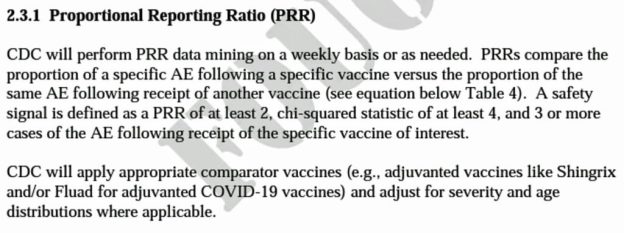
And yet, in the agency’s response to the FOIA request, it wrote that “no PRRs were conducted by CDC. Furthermore, data mining is outside of the agency’s purview.”
The agency suggested contacting the U.S. Food and Drug Administration (FDA), which was supposed to perform a different type of data mining, according to the briefing document.

CDC officials repeatedly claimed they have not seen safety signals in VAERS.

For example, on April 27, 2021, CDC Director Dr. Rochelle Walensky stated the CDC did not see any signals related to heart inflammation.
But a PRR calculation I did using the number of myo/pericarditis reports listed in the first table produced by the CDC obtained via the FOIA request reveals clear and unambiguous safety signals relative to the comparator vaccines mentioned in the briefing document (i.e., flu vaccines, FLUAD and Shingrix).
The table is dated April 2, 2021, almost four weeks before she made those remarks.
In fact, among the 15 adverse events for adults included in that week’s tabulations, PRRs I calculated also show loud-and-clear safety signals for acute myocardial infarction, anaphylaxis, appendicitis, Bell’s palsy, coagulopathy, multisystem inflammatory syndrome in adults (MIS-A), stroke and death.
The actual monitoring the CDC did diverges from the one promised in the briefing document in other ways.
For example, the CDC never created tables of the top 25 adverse events reported in the previous week, tables comparing different vaccine manufacturers, or tables of auto-immune diseases.
And it only began monitoring in early April 2021, even though reports from COVID-19 vaccines had been flooding VAERS since mid-December of the previous year.
To be clear, VAERS is not the only database the CDC uses to monitor COVID-19 vaccine safety.
For example, the CDC sponsored several studies of COVID-19 safety using the Vaccine Safety Datalink (VSD), which is comprised of millions of medical records from HMO’s across several states.
Those studies do not raise many safety concerns. However, they make many questionable methodological choices.
To give one example, a major safety study based on VSD data published in September 2021, in “JAMA,” compares adverse event rates that occur within 1-21 days of vaccination to the rate of occurrence from 22 to 42 days after vaccination.
It makes no comparison between vaccinated and unvaccinated individuals, or before vaccination versus after in the same individuals.
Moreover, the VSD is far from infallible, having failed initially to detect the increase in myocarditis rates.
In contrast, although calculating PRR’s is a blunt pharmacovigilance tool and far from perfect, it nevertheless has the advantage of being straightforward and difficult to manipulate with statistical sleight of hand.
PRRs are one of the oldest, most basic and most well-established tools of pharmacovigilance. The calculations are so straightforward that the CDC automated it several years ago, so it could have been done at the press of a button.
It simply beggars belief that the CDC failed to do this simple calculation. Even now, a paper published by CDC staff in March on the safety of the mRNA COVID-19 vaccines remains purely descriptive with no PRR calculation.
Meanwhile, a study published by a researcher not affiliated with the CDC in February in “Frontiers in Public Health” analyzes VAERS and EudraVigilance data using a method similar to PRRs, revealing clear and concerning safety signals.
And while it is true that VAERS is not the only database the CDC can use to monitor COVID-19 vaccine safety, it is of critical importance because it can reveal signals much faster than any other method — if anybody cares to look for them.
It remains to be seen if the FDA was properly monitoring VAERS. That will be the subject of a future FOIA request.
But even if it was, it doesn’t change the fact that the CDC completely failed in its promise to monitor VAERS for safety signals.
© 2022 Children’s Health Defense, Inc. This work is reproduced and distributed with the permission of Children’s Health Defense, Inc. Want to learn more from Children’s Health Defense? Sign up for free news and updates from Robert F. Kennedy, Jr. and the Children’s Health Defense. Your donation will help to support us in our efforts.
Covid vaccines more likely to put you in hospital than keep you out: BMJ editor’s analysis of Pfizer and Moderna trial data
BY WILL JONES | THE DAILY SCEPTIC | JUNE 22, 2022
A new paper by BMJ Editor Dr. Peter Doshi and colleagues has analysed data from the Pfizer and Moderna Covid vaccine trials and found that the vaccines are more likely to put you in hospital with a serious adverse event than keep you out by protecting you from Covid.
The pre-print (not yet peer-reviewed) focuses on serious adverse events highlighted in a WHO-endorsed “priority list of potential adverse events relevant to COVID-19 vaccines”. The authors evaluated these serious adverse events of special interest as they were observed in “phase III randomised trials of mRNA COVID-19 vaccines”.
A serious adverse event was defined as per the trial protocols as an adverse event that results in any of the following conditions:
- death;
- life-threatening at the time of the event;
- inpatient hospitalisation or prolongation of existing hospitalisation;
- persistent or significant disability/incapacity;
- a congenital anomaly/birth defect;
- medically important event, based on medical judgement.
Dr. Doshi and colleagues found that the Pfizer and Moderna mRNA COVID-19 vaccines were associated with an increased risk of serious adverse events of special interest of 10.1 events per 10,000 vaccinated for Pfizer and 15.1 per 10,000 for Moderna (95% CI -0.4 to 20.6 and -3.6 to 33.8, respectively). When combined, the mRNA vaccines were associated with a risk increase of serious adverse events of special interest of 12.5 per 10,000 vaccinated (95% CI 2.1 to 22.9).
The authors note that this level of increased risk post-vaccine is greater than the risk reduction for COVID-19 hospitalisation in both Pfizer and Moderna trials, which was 2.3 per 10,000 participants for Pfizer and 6.4 per 10,000 for Moderna. This indicates that the Pfizer vaccine results in a net increase in serious adverse events of 7.8 per 10,000 vaccinated and the Moderna vaccine of 8.7 per 10,000 vaccinated.
Addressing the difference between their findings and those of the FDA when it approved the vaccines, the authors note that the FDA’s analysis of serious adverse events “included thousands of additional participants with very little follow-up, of which the large majority had only received one dose”. The FDA also counted people affected rather than individual events, despite there being twice as many individuals in the vaccine group than the placebo group who experienced multiple serious adverse events.
The authors wonder where the U.S. Government’s own studies of adverse events are. They note that in July 2021 the FDA reported detecting four potential adverse events of interest following Pfizer vaccination – pulmonary embolism, acute myocardial infarction, immune thrombocytopenia and disseminated intravascular coagulation – and stated it would further investigate the findings. However, no update has yet appeared.
They also note that “while CDC published a protocol in early 2021 for using proportional reporting ratios for signal detection in the VAERS database, the agency has not yet reported such a study”.
Their results are compatible, they point out, with a recent pre-print analysis of COVID-19 vaccine trials by Benn et al., which found “no evidence of a reduction in overall mortality in the mRNA vaccine trials”, with 31 deaths in the vaccine arms versus 30 deaths in the placebo arms (3% increase; 95% CI 0.63 to 1.71).
Noting that their study is limited by the fact that the raw data from COVID-19 vaccine clinical trials are not publicly available, they stress that “given the global public health implications, there is an urgency to make all COVID-19 trial data public, particularly regarding serious adverse events, without any further delay”.
They conclude that there is a need for formal harm-benefit analyses for Covid vaccines, taking into account the different levels of risk of serious Covid and adverse events that exist between demographic groups. Ideally, this would be based on individual participant data, they add, though such data remain frustratingly unavailable.
Biden predicts ‘second pandemic’
Samizdat – June 22, 2022
The US needs more money to plan for “the second pandemic,” President Joe Biden said during a press briefing on Tuesday, as he praised his government’s efforts to ensure children under five can get Covid-19 vaccines.
Biden also hailed as “a very historic milestone” that the US has become the first country in the world to offer “safe and effective” Covid-19 vaccines for children as young as six months old.
When asked about how long the administration could keep up the new vaccine campaign, Biden suggested that the current budget would be enough to “get through at least this year” but stressed that “we do need more money.”
He went on to insist that he needed even more money for an unspecified “second pandemic.” “We need more money to plan for the second pandemic. There’s going to be another pandemic,” the president warned, without going into detail about what this new wave might entail.
Biden also took the opportunity to take a swipe at his predecessor, implying that Donald Trump’s lack of preparation increased the impact of the Covid pandemic. “We have to think ahead. That’s not something the last outfit did very well and that’s something we’ve been doing fairly well. That’s why we need the money,” surmised Biden.
Some health experts and agencies such as the World Health Organization have also warned of the likelihood of future pandemics. The WHO had previously announced that it plans to confirm a global pandemic treaty at the 2024 World Health Assembly, which it hopes will help “set out the objectives and fundamental principles in order to structure the necessary collective action to fight pandemics.”
The agreement, which heavily focuses on increased surveillance, vaccinations and “restoring trust in the international health system,” would legally bind its members under international law, superseding regulations of individual countries in an effort to get all nations to act as one in the face of a future outbreak.
Millions Face New Fluoridation Threats
By Stuart Cooper | Fluoride Action Network | June 21, 2022
The published science over the past decade has taught us a lot about water fluoridation, about both the very real and significant side effects inflicted on the public, but also about the credibility of those who continue to vouch for its safety.
At this point, the question we must ask isn’t whether the overwhelming risks outweigh the theoretical scant benefits, or whether more research is needed to draw strong conclusions. No, the only appropriate question now is: How much more harm will the promoters and regulators of fluoridation allow the practice to inflict on the public?
Without the Fluoride Action Network, our coalition partners, and people like you taking a stand, their answer will be a resounding, “a lot more harm!” With their credibility and influence at stake after defending fluoridation for more than 75 years, they’ve sadly shown that they’ll not only be the last to act, but that they plan to double down until we stop them.
As we speak, tens of millions of residents currently living on community water systems with no added fluoride throughout the United States, Canada, the United Kingdom, Australia and New Zealand are facing the imminent threat of having their water dosed with hazardous fluoridation chemicals.
The CDC has announced a new strategy and helped develop a new technology to fluoridate an addition 19+ million Americans, which will also eventually expand to Canadians, Australians and likely others.
Meanwhile, the governments in the U.K. and New Zealand have exploited the recent pandemic to pass sweeping health care reform bills that effectively include nationwide fluoridation mandates due to decades of strong pushback from residents and elected officials at the local level, keeping fluoridation at bay.
Fluoride Has Already Damaged the Teeth of Millions
The U.S. Centers for Disease Control’s own data taken from the National Health and Nutrition Examination Surveys (NHANES) has repeatedly found that our children in the United States are significantly overexposed to fluoride, evidenced by skyrocketing rates of dental fluorosis.
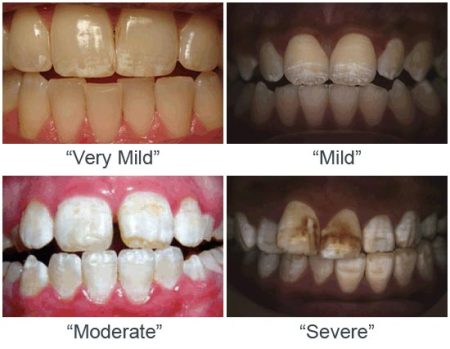
Fluorosis is a biomarker of toxicity from ingested fluoride, and is a permanent tooth defect, causing unsightly discoloration and mottling of the teeth, weakening the enamel and resulting in increased dental decay.
Ingesting fluoridated water — particularly in reconstituted infant formula — and processed foods made with fluoridated water are recognized as the primary sources of exposure, though swallowing toothpaste and fluoride prescriptions also contribute.
A 2015 review of the practice of fluoridation by the Cochrane Collaboration, the gold standard for evidence-based reviews of health interventions, found that “there is a significant association between dental fluorosis (of aesthetic concern or all levels of dental fluorosis) and [water] fluoride level.”
The CDC reported that 41% of adolescents (12 to 15) had dental fluorosis in 2004. At the time this was an increase of over 400% from the rates found 60 years prior. Then the 2012 survey found that the rate jumped significantly to 65+% of adolescents with dental fluorosis.
Now, according to a recent study (Yang, June 2021) published in the journal Ecotoxicology and Environmental Safety using the data from the NHANES 2015-16 survey, the “prevalence of dental fluorosis was 70% in the U.S. children.”
This means that the teeth of millions of children, teens and adults have already been damaged by overexposure to fluoride during development, and the CDC, along with the other promoters of fluoridation are fully aware. However, the teeth are not the only tissues in the body that are harmed by or accumulate fluoride. There is no apparent reason, therefore, why fluoride’s effects on the body would be limited to the teeth. As noted by renowned dentist and researcher Dr. Hardy Limeback:
… it is illogical to assume that tooth enamel is the only tissue affected by low daily doses of fluoride ingestion.
NHANES data has been used in recent published and peer-reviewed studies to link fluoridated water with a number of additional side-effects, including earlier onset of menstruation for black teens, sleep disorders in adolescents, increase uric acid levels in the blood, and kidney and liver impairment in adolescents.
Additional studies on fluoridation have also recently found higher rates of hip fractures, disruption of the endocrine system, and increased rates of hypothyroidism.
Fluoride Is the New Lead
There is now a large body of government-funded research indicating that fluoride is neurotoxic, and is associated with lowered IQ in children and a significant increase in ADHD diagnosis and related behaviors in children at doses experienced in fluoridated communities. Experts in the toxicology have likened the size of the effect to that from lead.
To date, 69 human studies, most from endemic fluorosis areas in China, have associated lowered IQ with fluoride exposure. The highest quality fluoride brain studies have been published since 2017, when the first of five NIEHS-NIH (National Institutes of Health) funded prospective-cohort studies was published (Bashash et al., 2017) finding an association between fetal exposure to fluoride and lowered IQ in Mexico.
A year later, another NIH-funded study found an increase in ADHD symptoms associated with in utero exposure to fluoride (Bashash et al., 2018).
Over the next two years, two more of these government-funded studies found similar results, linking fetal exposure to fluoridated water in Canada to lowered IQ (Green et al., 2019), and finding that bottle-fed infants in fluoridated communities in Canada had a significantly lowered IQ compared to bottle-fed infants in non-fluoridated communities (Till et al., 2020).
And just last year, the fifth NIH-funded study (Cantoral et al, 2021), found that for every 0.5 mg increase in dietary fluoride intake during pregnancy was associated with a 3.10 to 3.46-point lower cognitive score in boys. The authors stated:
“Fluoride is not an essential nutrient and … fluoride ingestion in pregnancy does not strengthen enamel during tooth formation in the fetus but has been associated with increased risk of neurotoxicity, even at optimal exposure levels …
These findings suggest that the development of nonverbal abilities in males may be more vulnerable to prenatal fluoride exposure than language or motor abilities, even at levels within the recommended intake range.”
I strongly urge you to watch and share this recent 20-minute PowerPoint presentation by professor Christine Till, Ph.D., lead author of some of these landmark fluoride studies, explaining her team’s research and findings.
In 2021, the first benchmark dose analysis conducted on maternal fluoride exposure and neurotoxicity to the fetus was published in the journal Risk Analysis (Grandjean, 2021). Benchmark doses analyses are used by the EPA and toxicologist to determine at what level a substance starts to cause harm. It is well established that a loss of one IQ point leads to a reduced lifetime earning ability of $18,000.
The analysis confirmed that extremely low fluoride exposure during pregnancy impairs fetal brain development, finding that a maternal urine fluoride concentration of only 0.2mg/L — which coincides with the level in water (0.2ppm) — was enough to lower IQ by at least 1 point.
This is four times lower than the current government “recommended” level of 0.8ppm in fluoridated communities. It’s also six times lower than the level that was recommended as “safe” by the CDC, HHS, and the American Dental Association for over 60-years up until 2011 (1.2ppm).
For perspective, A urinary fluoride (UF) concentration of 0.2mg/L is far below what a pregnant woman in a fluoridated community would have, as confirmed by two recent studies. A recent study of pregnant women in fluoridated San Francisco, California, found a mean UF concentration of 0.74mg/L. A second study with participants in fluoridated communities across Canada found a mean UF concentration of 1.06mg/L.
Both studies also found that the UF levels were significantly lower for the participants living in the non-fluoridated communities. The authors of the benchmark dose analysis stated:
“These findings suggest that fetal brain development is highly vulnerable to fluoride exposure … and provide additional evidence that fluoride is a developmental neurotoxicant (i.e., causing adverse effects on brain development in early life).
Given the ubiquity of fluoride exposure, the population impact of adverse effects from fluoride may be even greater than for other toxic elements like lead, mercury, and arsenic … and the benchmark results should inspire a revision of water fluoride recommendations aimed at protecting pregnant women and young children.”
These authors are hardly alone in comparing fluoride’s neurotoxic impact to the well-established harm of lead:
- Dr. Dimitri Christakis, MPH, and Dr. Frederick Rivara, MPH, editors for the Journal of the American Medical Association (JAMA) on their podcast (around 4:25): “[The 4.5 IQ loss is] An effect size which is sizeable — on par with lead.”
- Christine Till, PhD, co-author of several landmark fluoride/neurotoxicity studies, on Canada’s CTV: “4.5 points is a dramatic loss of IQ, comparable to what you’d see with lead exposure.”
- David Bellinger, Ph.D., MSc, Harvard professor of neurology, on NPR: “It’s actually very similar to the effect size that’s seen with childhood exposure to lead.”
Other experts, including Linda Birnbaum PhD, former Director of the National Toxicology Program, stress the need to avoid fluoride:
“Given the weight of evidence that fluoride is toxic to the developing brain, it is time [to] protect pregnant women and their children [and recommend they] reduce their fluoride intake.”
There are now nine fluoride mother-offspring studies linking fluoride exposure to harm, and 23 studies published on the association between fluoride exposure and reduced IQ since 2017.
How FAN Responded to the Science
Because of the growing list of published fluoride-IQ studies, and the downplaying of their importance by pro-fluoridation advocates such as the Division of Oral Health at the CDC and the American Dental Association, FAN embarked on two initiatives in 2016.
First, we requested the National Toxicology Program undertake a systematic review of ALL the studies (animal, human and cellular) pertaining to fluoride’s potential to damage the brain. The NTP agreed with our request, and they plan to publish the final results of their multiyear review of fluoride neurotoxicity any day now. In the two first drafts the NTP concluded, “that fluoride is presumed to be a cognitive neurodevelopmental hazard to humans …”
The review drafts identified over 100 studies showing adverse effects including IQ loss and increased ADHD. Among 27 studies designated as high quality, 15 show fluoride injury at the same exposure levels found in community fluoridation programs.
Second, we petitioned the EPA under provisions in the Toxic Substances and Control Act to ban the deliberate addition of fluoridation chemicals to the drinking water supply because it poses an unreasonable risk to the developing brains of children. The EPA’s lack of action led to FAN suing them in federal court.
The initial phase of the trial was held in June 2020, concluding with the judge saying, “I don’t think anyone disputes that fluoride is a hazard.” However, the court is awaiting the final NTP report before moving forward with the final phase of the trial. Here is a short video update on the lawsuit from FAN’s attorney.
This past year, FAN embarked on a two more initiatives. We communicated with the U.S. surgeon general about the risk posed by fluoridation to developing children, and asked that he take action to warn parents.
We also initiated a dialogue with CDC officials (see initial letter signed by 112 professionals) that ultimately led to them organizing presentations for their leadership from several fluoride/neurotoxicity study authors, Dr. Bruce Lanphear, Christine Till, Ph.D., and Dr. Philippe Grandjean on their research.
How Promoters Have Responded to the Science: A New Threat
It has been six months since the CDC heard the presentations on neurotoxicity from the three veteran researchers, and it’s been over a decade since the CDC acknowledged that fluoridation has damaged the teeth of millions.
Yet, the CDC, along with the EPA, World Health Organization, American Academy of Pediatrics, American Dental Association and their state level peers not only have failed to warn residents about the dangers posed by fluoridation, but have continued advocating for fluoridation expansion in spite of the science.
The CDC has partnered with the chemical industry to target 19 million residents in 32,000 small and medium sized communities across the United States that do not add fluoridation chemicals to the public drinking water. Using your tax dollars, the CDC provided upward of $2 million dollars in funds to private business to develop a fluoridation delivery product for water systems serving between 50 and 10,000 people.
The widespread sale and promotion of this new product began in January throughout the U.S., but is also planned for Canada and Australia in the near future. The American Dental Association has joined the CDC in pushing this new strategy.
In July of 2021, the CDC held a “Public Health Grand Rounds” presentation on fluoridation. While there was no mention of the large number of new studies linking low levels of fluoridated water to neurotoxicity, it was an infomercial for a new technology that the CDC and ADA were calling “a game changer” in their efforts to expand fluoridation.
Below is a slide from that presentation, where you can see they intend to increase the percentage of fluoridated water systems from 73% to 77% — representing 19 million people on 32,000 water systems — by 2030.

This goal isn’t exactly new. The CDC and ADA have utilized a number of strategies over the past decade to expand the practice, but largely due to FAN and our network of local volunteers and professionals, the number of fluoridating communities has actually decreased, while the population served has increased slightly due to urban growth.
To accomplish this significant increase over the next eight years, they intend to utilize a new fluoridation system specifically designed to be simple and cheap enough for even the smallest water systems, which could include private systems, or even colleges and public schools.
They’re calling it the “New Wave Fluoridation System.” It utilizes compacted sodium fluorosilicate in a tablet form designed to dissolve over time in a small amount of water, much like the deodorizer tablets used in urinals.

We have learned that this process started in 2013, when CDC’s chief fluoridation engineer, Kip Duchon, suggested that the CDC help develop a product that was feasible for small and rural communities. Soon thereafter the CDC announced a Small Business Innovation Research grant opportunity — providing upward of $2 million — for private business to develop and test the idea.
KC Industries, of Mulberry, Florida, was awarded at least two large grants, one to develop the tablet and the other to develop the injection/feeder system.
KC Industries is a small chemical manufacturer with a handful of employees. According to their website, “The plant was built by Kaiser Aluminum & Chemical Corporation and began producing Sodium Fluorosilicate in 1957 as a raw material to manufacture aluminum.”
KC Industries purchased the facility in 1999 and appears to have focused heavily on the “dry” fluoride drinking water additive market with sodium fluoride. Here is their page on their sodium fluoride product; it’s worth a quick look.
Over the past 20 years, more communities have switched their additive to fluorosilicic acid, which is an incredibly dangerous and corrosive liquid, but is cheaper. This led to a massive decline in sales of dry additives, and KC Industries’ profits.
According to their press release, they were struggling until the CDC’s grant, which they say provided “a new lease on life” for the chemical company. They’re expecting “an immediate return on investment” as communities clamor for the new system.
KC Industry representatives have said that interest in the system has come from around the world. The first community to use the product as part of a free pilot project is Cleveland, Georgia. Other communities that have signed on include Marathon, Wisconsin; Center, Colorado; and Aulander, North Carolina. The Missouri state legislature has also included nearly $4 million in funding over the next few years to go toward grants to expand the program in their state.
The CDC employee who initiated this process, Kip Duchon, has retired from the CDC and is now a consultant to the ADA’s National Fluoridation Advisory Committee.
The ADA has already called it a “game-changer” and lobbied Congressional members to include taxpayer funding for this technology in the recent infrastructure bill intended to help economy out of the pandemic.
Meanwhile, the CDC also continues to give very large taxpayer-funded grants to states to pay for public relations campaigns to promote fluoridation.
Pandemic Exploited to Mandate Fluoridation in UK, New Zealand
Even worse than what is happening in North America with the new tablet fluoridation system, is the recent passage of legislation in both the United Kingdom and New Zealand, transferring authority over fluoridation from local officials (and indirectly the public) to unelected public health bureaucrats who have vowed to mandate the practice throughout their respective nations without concern for what the public wants.
Both nations include fluoridation resolutions as part of a much broader legislative effort to centralize public health decisions in response to the pandemic. The U.K. and New Zealand will now join Ireland and Singapore as the four public health outliers in a world that has overwhelmingly rejected fluoridated water.
Last year, the New Zealand government revived, amended and passed a bill that was introduced in 2016, but lacked enough support for passage. As introduced, the bill would have moved fluoridation decisions from local councils — where they reside presently — to district health boards.
However, the current government amended the language to centralize fluoridation authority even further, by giving full control to the director-general of health, Dr. Ashley Bloomfield. Using this process defied the normal democratic process, with no select committee, community consultation or public input. Local councils (and local taxpayers) will be responsible for all capital and operational costs.
Like the CDC, government officials and public health officials were warned in advance of the harm their decision would cause, yet they ignored it.
Some local leaders have quickly made their opposition to this proposal heard, including the mayor of Whangarei, Sheryl Mai, who said, “People who drink water from the tap will be mass medicated whether they want to be or not.”
Mayor Greg Lang of Carterton, and Mayor Alex Beijen of South Wairarapa, both opposed the measure because it took councils, consumers and ratepayers out of the decision. Officials in Christchurch and Southland have also recently voiced opposition, saying safety is a greater priority than fluoride. Clearly, there is still a chance for those communities that push back against this proposal.
In the U.K., decades of efforts by the government to expand fluoridation stalled having reached only 10% of the population. Efforts to fluoridate Northern Ireland failed miserably with 22 councils voting against the measure. Scotland too remained unfluoridated. Efforts over the last two decades to fluoridate Southampton, Manchester, and Hull also failed.
As a result, Prime Minister Boris Johnson proposed an addition to the large Health and Care Act that would effectively mandate fluoridation by giving the health secretary, Sajid Javid, unilateral power to force communities throughout the country to add fluoridation chemicals to the public water supplies.
FAN coordinated with locals to mount opposition to this proposal, including a series of public letters from British scientists accusing public health officials of ignoring the science. The opposition culminated on the floor of the House of Lords, where a number of members spoke out against the proposal, including Lord Reay, who warned of the dangers posed to developing children.
Since passage into law, FAN has made an official submission to the government urging the Department of Health and Social Care to perform a health risk assessment on the effects of fluoridated water on the pregnant woman, the fetus and the formula-fed infant, before implementing fluoridation into the U.K. No regulatory agency in any fluoridating country has ever done this.
However, as the U.K. is contemplating expanding fluoridation to the whole country, it is essential that this is done before they embark on this program.
The Last Line of Defense
I want to conclude by asking the same question I asked at the beginning of this article, but rephrased: How much more harm will YOU allow the promoters and regulators of fluoridation to inflict on the public?
As I write this, millions of developing babies and infants are being overexposed to fluoride from their fluoridated tap water. The research has shown that there is no safe amount of fluoride for the fetus or infant. All will be impacted, some significantly more than others.
Please help us defend these vulnerable children and give them the gift of normal brain development. Help us also protect other vulnerable subpopulations, including those with hypersensitivities, dental fluorosis, bone brittleness and kidney, liver, or thyroid impairment.
The Fluoride Action Network is a nonprofit advocacy group set up in 2000 to broaden awareness among citizens, scientists and policymakers on the toxicity of fluoride compounds. It maintains the largest online database for fluoride toxicity studies, and has helped many of the 300+ communities that have ended or rejected fluoridation chemicals since 2010.
We’re amplifying the voices of a growing chorus of renowned international experts in toxicology, neurology and environmental toxins, warning the public about fluoridation, and educating and recruiting more to speak out.
We’ve captured the surgeon general’s and the CDCs’ attention, made progress with our federal lawsuit against the EPA, helped communities come together to fight fluoridation, and worked with state legislators to defeat mandate bills and support prohibition efforts.
Can you help us continue defend our water and our health, and expand our efforts as new threats arise here in North America and around the world in the United Kingdom and New Zealand? Will you stand with FAN?
Fluoride Awareness Week – Your Help Is Needed
On June 20 to June 26, we launch Fluoride Awareness Week. We set aside an entire week dedicated to ending the practice of fluoridation. There’s no doubt about it: Fluoride should not be ingested. Even scientists from the Environmental Protection Agency’s (EPA) National Health and Environmental Effects Research Laboratory have classified fluoride as a “chemical having substantial evidence of developmental neurotoxicity.”
The only real solution is to stop the archaic practice of artificial water fluoridation in the first place. Fortunately, the Fluoride Action Network (FAN), has a game plan to END fluoridation worldwide.
Clean pure water is a prerequisite to optimal health. Industrial chemicals, drugs and other toxic additives really have no place in our water supplies. So please, protect your drinking water and support the fluoride-free movement by making a tax-deductible donation to the Fluoride Action Network today.
The Covid vaccine paper on declining sperm counts is even worse than it seems at first
By Alex Berenson | Unreported Truths | June 20, 2022
On Friday, the journal Andrology published a peer-reviewed paper showing large decreases in sperm counts among men after the second dose of Pfizer’s mRNA Covid jab.
Based on counts from men who donated sperm to three fertility clinics in Israel, this finding is devastating – medically and politically.
It cuts to the heart of the hottest button question of all about the mRNA shots, whether they have hidden fertility risks. That issue has simmered since early 2021, following my reporting that data showed the shots had caused excess miscarriages in rats – and other reports showing that measurable amounts of vaccine reached the ovaries and testes in tests in rats.
Ever since, media “fact-checkers” and public health authorities have dismissed and mocked the concerns and anyone who raises them:
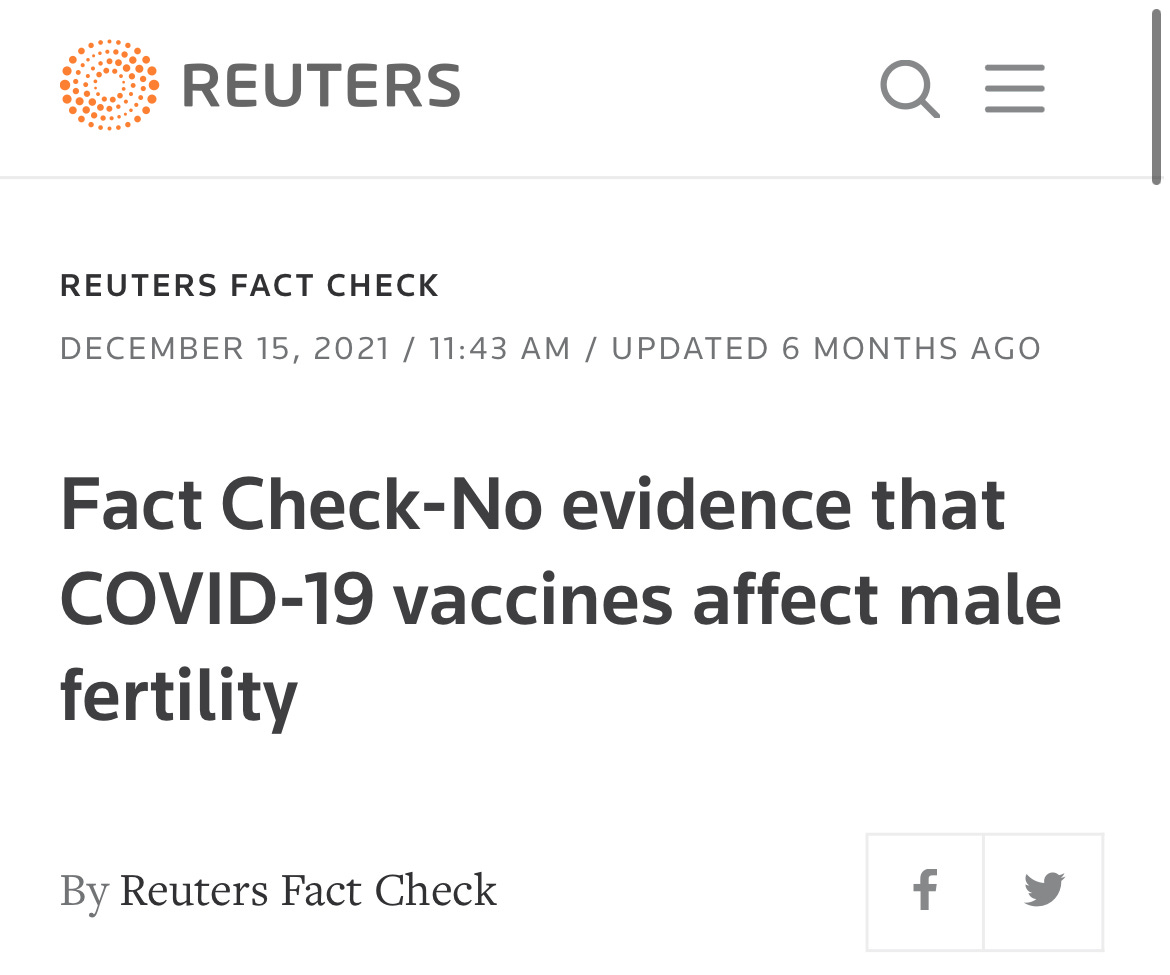
—
Now – after a half-billion men have received mRNA shots – the skeptics appear to be right. Again. The Israeli paper offers hard evidence that the vaccines may present a systemic risk to men’s sperm counts. What was a conspiracy theory is now just a theory. AGAIN.
The paper raises questions about mechanism of action that must be answered immediately. And on top of the myocarditis risk, the finding is more evidence that encouraging – much less forcing – men under 40 to take the mRNA vaccines was a catastrophic mistake.
—
However, the authors qualified their findings by reporting that after five months, sperm levels recovered. Thus the decreases were only temporary, they wrote.
Put aside the fact that a five-month decrease hardly qualifies as temporary for someone trying to start a family – or compared to a “vaccine” that loses effectiveness against Omicron within weeks or months.
As other writers have pointed out, the actual data in the paper do not really support the argument that sperm levels returned to normal after five months. In fact, by some measures, levels continued to decline.
Rather than acknowledging this fact, the authors offered the best possible spin on their data, while at the same time publishing the figures themselves near the end of the paper so that other researchers could see the reality for themselves.
This tactic is now commonplace among researchers putting out data that might raise concerns about the mRNA shots. It is likely a response to the overwhelming political pressure to hide the deepening crisis around the safety and efficacy of shots that governments have given to over a billion people worldwide.
Below is the crucial chart, which shows that “total motile count” – the number of sperm in the ejaculated semen – plunged 22 percent three to five months after the second shot (T2) and barely recovered during the final count (T3), when it was still 19 percent below the pre-shot level.
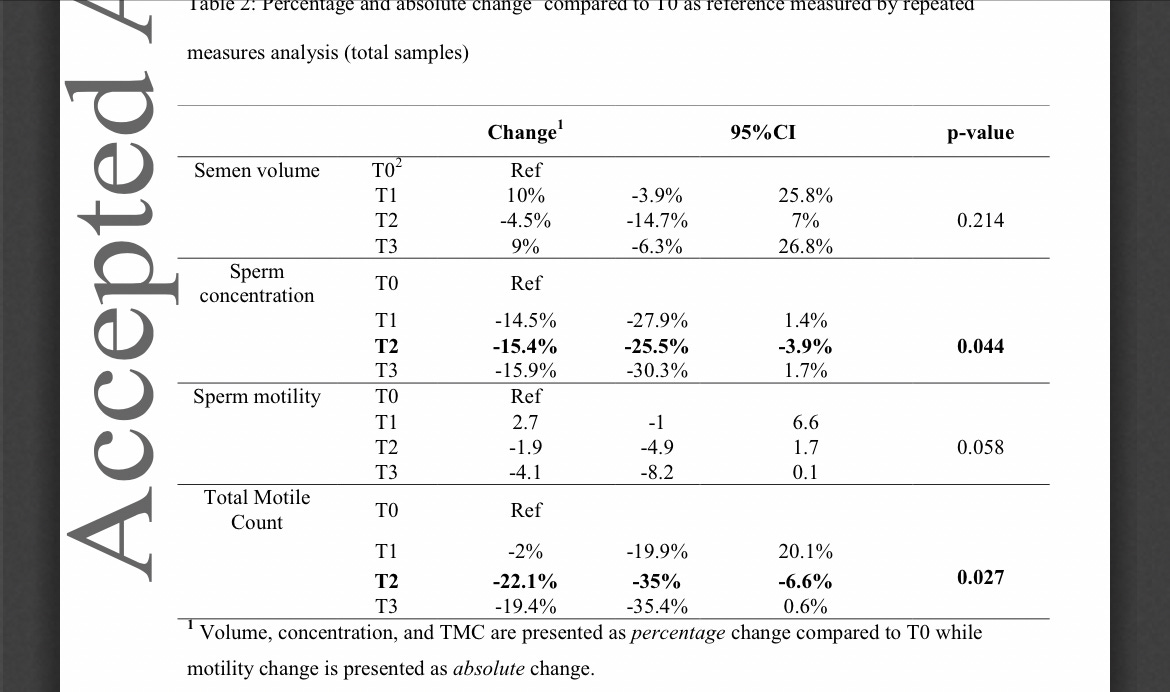
SOURCE
Even more importantly, the fall in sperm counts CANNOT be blamed on short- or even medium-term inflammation as mRNA-generated spike proteins causes our immune cells to ramp up the systemic production of anti-spike antibodies. If that were the case, one would expect to see a short term decrease in sperm count that reverses over time. Instead, total sperm counts are unaffected shortly after the mRNA shots, then decrease months later and hardly recover.
To play down this unpleasant reality, the researchers instead focused on the fact that median rather than average counts did recover after five months. (The median is the numerical midpoint of a series; If a series goes 1, 2, 3, 4, 20, the median will be 3, but the average will be 30 divided by 5, or 6.)
Both the median and the average can be valuable statistics. Using the median rather than the average will hide extreme outliers. In this case, the fact that the average fell much more than the median is a sign that some of the men probably had near-zero sperm counts in both the second and third time periods – and that fact is arguably more important than the median change.
All of which is to say that this data cannot be easily explained away and should not be ignored, as badly as the media would like to do so. The fall in sperm counts is part of an emerging and increasingly dark picture about the long-term health impacts of the mRNA shots – and should all by itself convince parents not to risk exposing their children to these powerful biotechnologies.
Punishing Dissident Physicians
CA Assembly Bill 2098 would muzzle physicians and severely punish those who challenge covid public health measures
By Aaron Kheriaty, MD | Human Flourishing | June 21, 2022
I will be heading to Sacramento next Monday to testify at a Senate committee hearing on California Assembly Bill 2098. The bill, sponsored by Senator Pan—who has been in Pharma’s back pocket for years and the source of much legislative health policy mischief in my home state—would give the medical board the authority to punish any physicians who challenge the safety and efficacy of covid vaccines. This bill is advanced even as evidence continues to emerge of safety problems with the mRNA shots, including a study this week showing the vaccines lower sperm counts in men:

But this proposed measure seeks to enshrine in law “scientific” conclusions which are highly dubious:
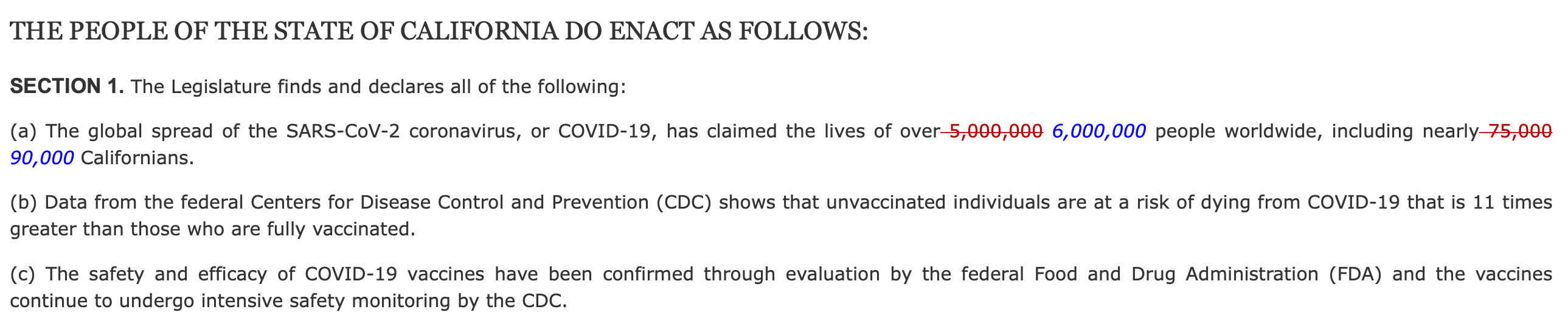
All three of these statements are demonstrably false: (a) The death count figures cited are grossly overestimated by hospitals failing to distinguish dying from covid vs. dying with covid and the financial incentives from the Centers for Medicare and Medicaid Services (CMS) to overestimate covid deaths; (b) the efficacy of vaccines has declined with time and new variants, so the statistic cited here is no longer true of the vaccines against omicron; (c) the CDC has consistently failed to follow-up on serious safety signals, apart from myocarditis, and the post-marketing surveillance data acquired from our FOIA request showed serious safety issues in the first three months of vaccine rollout.
If this bill passes, any physician who raises these or other inconvenient scientific facts or study findings could be disciplined by the medical board, as the text of the bill explains:
It shall constitute unprofessional conduct for a physician and surgeon to disseminate misinformation or disinformation related to COVID-19, including false or misleading information regarding the nature and risks of the virus, its prevention and treatment; and the development, safety, and effectiveness of COVID-19 vaccines.
The supposed scientific “facts” mentioned in the bill make it clear just what information will be considered “misinformation” under this law. This bill will spell the end of scientific integrity and medical freedom in California. I worry that if it passes, other states could follow suit. As I have said before, California is the tip of the spear:
Here is the text of a letter I submitted last week to the committee where the bill is currently being reviewed:
13 June 2022
To: California Legislators and Committee Members
RE: AB 2098: Physicians and Surgeons: Unprofessional Conduct – OPPOSE
As a licensed physician in California I strongly oppose the proposed California bill AB 2098 and urge you to vote no and oppose as well.
Advances in science and medicine typically occur when doctors and scientists challenge conventional thinking or settled opinion. This is the very nature of scientific progress. Fixating any current medical consensus as “unchallengeable” by physicians will stifle medical and scientific advances and give undue authority to a few gatekeepers who act as guardians of the consensus. As I testified in January at a U.S. Senate panel on Covid policy: “The scientific method suffered [during the pandemic] from a repressive academic and social climate of censorship and silencing of competing perspectives. This projected the false appearance of a scientific consensus—a ‘consensus’ often strongly influenced by economic and political interests.”
One need only look at the last two years to see how frequently public health recommendations and consensus thinking about Covid changed from one month to the next with the advent of new information. It was frontline ICU physicians who discovered and spoke out about bad outcomes when patients were prematurely placed on ventilators. This shifted the consensus in the direction of avoiding ventilation as much as possible. Likewise, it was frontline physicians who discovered that placing covid patients face-down in the prone position while they were ventilated could improve outcomes, challenging another consensus. Both of these advances came by way of challenging the way things were currently being done. Other physicians challenged the early consensus, which did not recommend the use of steroids to treat Covid. Eventually, this dissenting opinion gained ground and now represents conventional thinking: corticosteroids for critically ill covid patients are now standard care. Many other examples regarding guidelines on masks, social distancing, and other Covid policies could be cited here.
Allowing the free interchange among competing perspectives is absolutely necessary for scientific and medical progress. Good science is characterized by conjecture and refutation, lively deliberation, often fierce debate, and always openness to new data. The censorship of free speech in AB 2098 spells not only the demise of civil liberties and constitutional rights, but the end of the scientific enterprise when it comes to dealing with Covid in CA.
Patients will not trust physicians if they believe their physician has been muzzled by the law and cannot speak his or her mind honestly. Patients want to know that if they ask their physician a question, including a question about Covid, they will get their doctor’s honest opinion—regardless of whether they follow that opinion, seek a second opinion, or whatever. Patients will not trust physicians if they know their doctor is simply parroting a consensus judgment that he may or may not agree with or endorse.
This bill will not help us to deal with Covid more effectively. Doctors will be punished for practicing medicine according to their best judgment. Informed consent, the foundation of good medical ethics, will be seriously compromised, and the trust necessary for the doctor-patient relationship will be shattered. I strongly urge you and your fellow lawmakers must oppose AB 2098. It will harm not only physicians and medical institutions in California, but even more concerningly, it will harm patients.
Sincerely,
Aaron Kheriaty, MD
Here is a link to information from The Unity Project on what you can do to oppose this bill—especially important if you happen to live in California. Please spread the word.
Dr. Clare Craig from the HART group explains the clinical trial used to justify vaccinating kids
Steve Kirsch | June 19, 2022
The HART group is a group of highly respected independent doctors and scientists. My friend, Professor Norman Fenton, is a member of this group.
In this 4 minute video, Dr. Clare Craig, co-chair of the HART group, explains the clinical trial that was used to justify vaccinating our kids. She was appalled.
The only conclusion you can draw after watching this video is that the people running the FDA, CDC and the members of the outside committees approving these vaccines are either completely incompetent or totally bought off.
Everyone should watch this video. It should be required viewing for any parent who is considering vaccinating their child.
Here is the report Pfizer submitted to the FDA referenced in her video. You can see the numbers on page 39 (look in the column headings for the N= numbers).
Wake up, everyone!

By Paul Weston | TCW Defending Freedom | June 21, 2022
AFTER two years of Covid-19 insanity, the West has several new crises to deal with. Rampant inflation, coming food shortages and fuel shortages, monkeypox, a mystifying confusion about XX and XY chromosomes and a strange war in Ukraine which appears to be a proxy war between nuclear armed America and nuclear armed Russia.
I say a strange war because no one seems remotely interested in stopping it, no matter that it could lead to Armageddon. I think this is because Putin can be blamed for some of the deliberately engineered crises we are currently experiencing, so don’t expect it to end soon. Our armchair warrior political class seems more than happy to supply weapons to prolong the inevitable and are valiantly prepared to fight to the last surviving Ukrainian.
I feel as though we no longer exist as human beings in the eyes of our overlords. We are now just cattle being herded toward a dystopian future by a small number of immensely powerful individuals and global organisations who make no secret of the future they wish to build for us. This global coup d’état is driven by lies and corruption at every level of our national and international institutions. Nothing we have been told over the last couple of years is true.
For example, over the last thirty years in England and Wales an average 1.2 per cent of the population died every year, the vast majority of them old and ill. In 2020, the year of the alleged Covid-19 killer pandemic, just 1 per cent of the population died, and again the vast majority were old and ill. Yet despite experiencing a lower-than-average death rate, a Covid-19 emergency was declared which saw the biggest power grab by the state over the lives of its citizens since the dictatorships of Lenin, Hitler and Mao.
The most chilling aspect of this totalitarian takeover is that Western countries acted in unified lockstep as they tore up every tried and trusted historical public health protocol related to airborne viruses and replaced them with a tyranny that had no basis in medical or scientific reality.
People who recognised what was happening publicly protested and were met with state enforced paramilitary brutality never previously seen in the West. In Australia rubber bullets were used against peaceful protesters. In Canada, Justin Trudeau invoked the War Measures Act to beat, jail and pauperise peaceful protesters who preferred to live their lives according to the Nuremberg Code rather than Trudeau’s Mengele Code. In New Zealand huge posters of a beaming Jacinda Ardern were ruthlessly displayed on advertising hoardings across the country.
The biggest issues I can see in all this criminal insanity are two-fold. Firstly, our ruling class now know they can do whatever they want to us if they terrorise us sufficiently, as in carry out acts of genuine terrorism against their own citizens to achieve a political ambition. Secondly, we now know exactly what they want to do to us because they meet up in Davos every year and shamelessly talk about it in very loud voices.
Their power is immense, and for the first time in history they have the ability to build a revolutionary new society without having to carry out violent street revolutions. All they need is electronic data and digital IDs linked to a government-controlled central bank digital currency, which all Western governments are currently implementing. Covid-19, mass vaccinations and digital Covid passes – please don’t think they have been consigned to history – were a necessary pre-condition of course if a Digi-Tyranny could ever become a reality.
Western governments are also working on legislation to both silence dissent on social media and stifle physical public protest. New Ministries of Truth are being formed which will disappear and memory-hole any written and spoken words our ruling class considers to be misinformation or disinformation. This is Orwell’s 1984 and it is happening before our very eyes.
Who are the people/organisations enacting this totalitarian Western coup d’état? Well, it is primarily the World Economic Forum, the United Nations, the World Health Organisation, the World Bank, the International Monetary Fund, the EU, Big Tech social media, the pharmaceutical industry, the entire Western political class and three gargantuan financial institutions called BlackRock, Vanguard and State Street, along with a handful of monumentally wealthy billionaires including Soros and Gates.
The concerted power and wealth held by the above has completely corrupted politics, science, journalism, the judiciary, academia and medicine. There are still some brave souls from those professions who risk their careers by speaking out, but you will never see them via the mainstream media or the biggest social media platforms. Those we are allowed to see are bought and paid for propagandists who tell us nothing other than the revolutionary line.
I am fifty-eight years old now. I was born a long time after World War Two and my entire life – up until 2020 at least – was one of unimaginable ease and freedom compared to most humans who have ever lived. But the freedom I enjoyed is over now. Our future could be very grim indeed. Another pandemic will soon be coming our way and I suspect this one will be necessarily much more lethal than the last.
Also coming our way are ever rising interest rates to counter the deliberately engineered inflation. If these interest rates hit double figures, every average earning mortgage holder will lose their house. The manufacture of petrol and diesel cars will soon be phased out and extortionate taxes will be introduced to keep older ones on the road. Air travel for the masses is not part of the New World Order’s Green Agenda, nor is heating our homes with oil or gas.
They have told us what they want. A smaller population. A lower carbon footprint. A digital ID surveillance/social credit state capable of bending us to their dictatorial will. No more meat, just bugs; lots and lots of delicious bugs. The apparatchiks of the Green New World Order will still have their private jets, their beachside mansions, their haunches of venison and their champagne whilst we will own nothing, which I rather suspect will fail to induce delirious happiness whatever Herr Schwab might purportedly believe.
Can they achieve their publicly oft-stated agenda? Yes, they simply have to continue doing what they are already doing, although it will need to be substantially ramped up, hence my belief another pandemic is on the cards. In America they have the problem of gun ownership in the hands of ordinary citizens, so I think we will see huge efforts – by means more foul than fair – to urgently rectify this problematic issue for the New World Order.
Is it all doom and gloom? Not really. They have shown their hand and despite their seemingly limitless power and wealth there are only a few thousand of them whilst there are billions of us. I see our future as one of only two credible possibilities: freedom for us and jail for them, or slavery for us and even bigger yachts, private jets and sizzling steaks for them. It is up to us in other words. The very first thing the average person needs do is wake up. Before it is too late.
Featured Video

Trita Parsi: Middle East Unraveling — Are We on the Path to World War?
or go to
Aletho News Archives – Video-Images
New Book
Trans agenda is ‘normalization of sadism’ – US author

RT | September 23, 2026
The US Democratic Party has embraced a transgender agenda that amounts to “the normalization of sadism,” author A.J. Rice has said, warning that radical trans policies would return if the party is allowed to regain power.
Speaking to RT’s America First host Scotty Nell Hughes about his new book, ‘The Curse of the Bearded Lady: How the Trans Mafia Whacked American Sanity’, Rice argued that activists have gained significant influence in schools, medicine, and corporate America while people who questioned the agenda have faced pressure to stay silent.
The author described the “trans mafia” as the sprawling network of people and institutions that have helped the movement gain influence. He singled out parts of academia, wealthy backers, and corporations, and stated that providers of transition-related treatment also have a financial incentive to keep young people in their care indefinitely.
Rice argued that the consequences of these policies ultimately fall on children who are being drawn toward gender-affirming medical treatments and on girls who are expected to share locker rooms or compete in sports with biological males.
He noted that while voters rejected the Democrats’ approach to gender in 2024, the party, which has been “captured by madness,” has since only doubled down and is seeking what is effectively “the normalization of sadism.” … Full article
Blog Roll
 Aletho News
- French-Lebanese man files war crimes complaint over Israeli attacks
- Mahan Air Flight Lands in China Despite US Threat against Iranian Airlines
- US eyes $10bn fund to rebuild war-battered Gulf infrastructure
- Trump meets Rodríguez near Maduro’s prison as Venezuela’s oil flows to US
- Trita Parsi: Middle East Unraveling — Are We on the Path to World War?
- Iran FM meets with US envoy on UN meeting’s sidelines at American side’s insistence: Report
- Qatar PM calls for Gulf security framework with Iran, says war must be ‘wake-up call’
- China condemns US extortion of Iranian airlines, rejects Washington’s ‘illegal’ sanctions threats
- Italy to move military personnel from Taif base after missile strike
- Finland’s Stubb tells European leaders to calm down
- If Americans Knew
- Winter could turn Gaza’s treacherous, war-damaged buildings into deathtraps
- Majority of Democratic Voters Want to Prosecute Both Biden and Trump Administration Officials Over Gaza
- As Gaza languishes, world leaders gather at the UN – Daily Update
- Sanctions are collective punishment: immoral and self-defeating
- Phosphorus Munitions Fired by Israel Burn Groves, Orchards in Southern Lebanon
- Israel Carries Out New Ceasefire Violations Across Gaza
- AI – Emphasis on the ‘I’: Israel Is Funding AI Chatbot Propaganda
- Israel Blocking Hundreds of Wheelchairs for Injured Children From Entering Gaza
- Israel Is Expanding and Upgrading Compounds for Palestinian Militias in Gaza
- The Palestinian-American Residents of This West Bank Town Are Wondering: Where Is Trump?
- No Tricks Zone
- New Study: Earth And Venus Surface Warmth Largely Explained By Convection And Lapse Rate, Not CO2 Or Radiation
- 2025 Nature Paper Claiming Worsening Global Drought Gets RETRACTED …Heavily Flawed
- New Study: ‘Global Drought Shows No Detectable Recent Acceleration Under Climate Warming’
- Economic Masterminds: German Socialists Suggest Taxing Productivity Gains Stemming From Using AI
- The South China Sea Has Not Been Cooperating With The Climate Change Narrative
- Energy Crisis: Germany Enters Heating Season With Historically Low Gas Reserve Fill Levels
- New Study: The Antarctic Ice Sheet Gained Mass From 2020-2024 Due To Staggering Snow And Ice Accumulation
- Study: Ocean Heating Rates From Thousands Of Years Ago ‘Dwarf’ Modern Ocean Heating Rates
- Climate Extremists Target, Attack Large-Scale Power Grid Infrastructure In Germany!
- New Study: Antarctic Ice Melt Has Contributed Less Than 1 Centimeter To Sea Level Rise In The Last 30 Years

