FDA ordered to produce all Moderna C-19 vaccine & Pfizer adolescent C-19 vaccine data by mid-2025
BY AARON SIRI | INJECTING FREEDOM | MAY 12, 2023
As you may recall, we obtained a court order in January 2022 forcing FDA to produce all of its data on Pfizer’s covid vaccine for those 16 years and older at a rate of 55,000 pages per month, as opposed to the 75 years FDA sought. That production should be completed in a few more months.
In a second lawsuit we brought, the same judge just ordered FDA to produce the documents it relied on to license and Moderna’s covid vaccine AND Pfizer’s covid vaccine for 12-to-15-year-olds at an average rate of at least 180,000 pages per month.
In this second lawsuit, this time also on behalf of the parents of Maddie de Garay, a young girl grievously injured in Pfizer’s clinical trial for 12-to-15-year-olds, we explained to the Court the importance of timely production. Once again, FDA claimed it would be “impractical” to release the estimated 4.8 million pages at more than between 1,000 to 16,000 pages per month, or in other words at least 23.5 years. We countered, demanding FDA produce all documents by mid-2025.
The federal judge, in an amazing decision, started by stating that “Democracy dies behind closed doors” and ordered them to produce the files – millions of pages – in just 2 years, amounting to a rate of at least 180,000 pages per month.
Indeed, it is another blow for transparency and accountability. The Judge’s decision is just that good that I am including below a copy of the entire decision – it is a short four pages.


FDA Approves First RSV Vaccine, But Some Experts Say Weak Safety, Efficacy Data Suggest Benefits Don’t Outweigh Risks
By Michael Nevradakis, Ph.D. | The Defender | May 4, 2023
Describing it as a “long-sought scientific achievement,” the U.S. Food and Drug Administration (FDA) on Wednesday approved Arexvy, the first vaccine for respiratory syncytial virus (RSV).
GlaxoSmithKline Biologicals (GSK) developed Arexvy under the FDA’s Priority Review designation. The FDA approved it for people ages 60 and older.
According to CNBC, the U.S. “suffered an unusually severe RSV season” this past winter. The New York Times reported on a “tripledemic” involving RSV, flu and COVID-19, “that swamped children’s hospitals and some I.C.U. wards.”
One U.S. county — Orange County, California — declared a local health emergency and issued a proclamation of local emergency in November 2022, citing rising RSV cases among children in the region.
GSK described results from clinical trials for Arexvy as “positive,” and the company said the U.S. launch of the vaccine is planned before the 2023-24 RSV season.
Other RSV vaccines, including one produced by Pfizer, are in the pipeline and expectations are that the FDA will approve them.
During clinical trials for both the GSK and Pfizer vaccines, several participants were diagnosed with rare conditions such as Guillain-Barré syndrome (GBS) and acute disseminated encephalomyelitis (ADEM). One of the individuals who developed ADEM later died, according to the FDA.
Aside from concerns over potential serious adverse events related to RSV vaccines, some experts have questioned the need for such a vaccine in the first place.
According to the journal Science, “RSV is a common respiratory infection” with symptoms “similar to a cold,” adding that “The majority of individuals recover within a few days from an uncomplicated RSV infection, although occasionally the virus can cause lower respiratory infections requiring medical attention.”
Dr. Peter McCullough, a cardiologist, told The Defender:
“Respiratory syncytial virus is a negligible threat to even the most frail elderly adults. The effort of widespread vaccination is simply not worth it. Even rare side effects will outweigh any theoretical benefit.”
And in a November 2022 episode of “RFK Jr. The Defender” podcast, several medical and public health experts expressed concerns about RSV vaccines.
“We have to stop these shots,” said Dr. Meryl Nass, an internist and biological warfare epidemiologist. “It’s just extraordinary that we’re still vaccinating people … we have a lot of work to do.”
Robert F. Kennedy Jr., then-chairman and chief litigation counsel for Children’s Health Defense (now chairman on leave), described RSV as “a vehicle for re-implementing the COVID-19 playbook all over the country and responding with vaccines.”
And according to the National Vaccine Information Center (NVIC), “Cost analysis data presented to the ACIP [Advisory Committee on Immunization Practices] did not show the RSV vaccines to be cost-effective at reducing the burden of costs associated with RSV illness.”
Nevertheless, more RSV vaccines are expected to receive FDA approval this year — including a Pfizer RSV vaccine for pregnant women that led to a high incidence of adverse events for both the women and their infants during clinical trials, as well as several deaths and stillbirths.
Arexvy approval ushers in new ‘highly competitive and lucrative vaccine market’
The RSV vaccine market is estimated to be worth up to $10 billion by 2030.
According to Endpoints News, the FDA’s approval of Arexvy ends “half a century of failed efforts against the elusive, shape-shifting virus” and “officially start[s] what analysts expect will be a highly competitive and lucrative new vaccine market.”
In getting Arexvy approved, “GSK beat a crowded field of competitors to cross the finish line first.”
Arexvy “showed strong efficacy in stopping lower-respiratory tract infections as well as more severe disease” and will be administered as a single dose, according to Endpoints News.
STAT reported that a “vaccine that was developed by Pfizer and aimed at the same demographic [adults 60 and over] is expected to be approved by the end of the month,” while other RSV vaccines and therapeutics, including some intended for children and pregnant women, are in the pipeline and also are close to receiving FDA approval.
The FDA’s approval of Arexvy came after an FDA advisory panel reviewed data from GSK’s and Pfizer’s clinical trials on March 1. The panel unanimously agreed that GSK’s vaccine is effective and, in a 10-2 vote, deemed it “safe,” according to The Washington Post.
The same panel also approved Pfizer’s candidate vaccine, Abrysvo, but with a 7-4 vote.
On June 21 or 22, ACIP, which advises the Centers for Disease Control and Prevention (CDC), will convene to “make recommendations on the appropriate use of the vaccine in the U.S.,” according to GSK’s announcement. The ACIP must recommend the vaccines before they are marketed.
According to STAT, there is a likelihood that ACIP may not approve Arexvy for its intended age group, stating:
“Though Arexvy’s approval is for adults 60 and older, it remains to be seen if the CDC will recommend it for that entire group.
“At an advisory committee meeting in February, members of a work group studying the adult vaccines that will soon come before ACIP indicated that at present, they don’t believe the vaccine would be cost-effective in people aged 60 to 64 and they would not recommend to the wider committee that it include people 60 to 64 in its recommendation for the use of the vaccine. (The group held the same position for the Pfizer RSV vaccine.)”
In April, the European Medicines Agency (EMA) issued its own recommendation for Arexvy, for adults 60 and over, according to the Times. However, a final EMA regulatory decision is anticipated later this year. GSK is also awaiting licensure for Arexvy in Australia, China, Japan and other countries, STAT reported.
In an earnings presentation April 26, GSK said it has “millions of doses” of Arexvy “ready to be shipped.”
“GSK’s RSV vaccine works by using a small piece of the virus: a protein that sticks out on its surface called the fusion, or F, protein, which helps the virus glom onto and infect cells in the body’s upper airways. The protein pieces in the vaccine are made in a lab, using cells specially programmed to manufacture them.”
CNN noted that the vaccine “builds on a pivotal discovery made a decade ago” by National Institutes of Health researchers, “including some of the same scientists who helped make the COVID-19 vaccines.” Specifically, the researchers figured out how to freeze the otherwise “wiggly” F protein, “in the shape it takes before it fuses onto a cell.”
STAT, quoting Phil Dormitzer, GSK senior vice president and global head of vaccines research and development, reported that although Arexvy “contains only one of the two RSV subtypes, RSV A,” studies showed that it is “virtually equally protective against both RSV A and RSV B” as the F protein on both subtypes is similar.
Dormitzer acknowledged natural immunity, telling STAT, “because older adults have all had RSV probably multiple times by the time they get [the vaccine], they’re primed against both A and B. So you’re able to get very solid boosting against both subtypes with a single adjuvanted F antigen.”
According to GSK, the Arexvy vaccine does not use mRNA technology, but “contains a recombinant subunit prefusion RSV F glycoprotein antigen (RSVPreF3) combined with GSK’s proprietary AS01E adjuvant.”
GSK, FDA claim Arexvy clinical trial data show vaccine is ‘safe and effective’ but annual shot may be needed
The FDA announcement stated:
“The safety and effectiveness of Arexvy is based on the FDA’s analysis of data from an ongoing, randomized, placebo-controlled clinical study conducted in the U.S. and internationally in individuals 60 years of age and older.”
According to the FDA, “approximately 12,500 participants … received Arexvy and 12,500 participants … received a placebo. Among the participants who have received Arexvy and the participants who have received a placebo, the vaccine significantly reduced the risk of developing RSV-associated LRTD [lower respiratory tract disease] by 82.6% and reduced the risk of developing severe RSV-associated LRTD by 94.1%.”
LRTD was “defined as two or more symptoms including shortness of breath, wheezing, cough, increased mucus production, crackles, low oxygen saturation, or need for oxygen supplementation,” according to CNBC, while according to CNN, “People were considered to have severe disease if they needed supplemental oxygen or needed mechanical help to breathe, like a ventilator.”
According to the FDA, half of the 25,000 participants received Arexvy, while the other half received a placebo.
The results of GSK’s clinical trials for Arexvy were published in the New England Journal of Medicine on Feb. 16.
FDA and GSK officials provided glowing reviews of the new vaccine. Peter Marks, M.D., Ph.D., director of the FDA’s Center for Biologics Evaluation and Research, said in a statement:
“Older adults, in particular those with underlying health conditions, such as heart or lung disease or weakened immune systems, are at high risk for severe disease caused by RSV.
“Today’s approval of the first RSV vaccine is an important public health achievement to prevent a disease which can be life-threatening and reflects the FDA’s continued commitment to facilitating the development of safe and effective vaccines for use in the United States.”
Tony Wood, GSK’s chief scientific officer, described Arexvy’s approval as “a turning point in our effort to reduce the significant burden of RSV,” adding that “Our focus now is to ensure eligible older adults in the U.S. can access the vaccine as quickly as possible and to progress regulatory review in other countries.”
In turn, Dormitzer said, “There’s just the broad excitement of finally, after all these years, having good options emerging for RSV,” describing this as a “triumph of the basic science.”
While GSK is first out of the gate in the RSV vaccine race with Arexvy, Pfizer’s candidate vaccine has also completed clinical trials, which found it to be “nearly 67 percent effective in preventing R.S.V. – related illness,” according to the Times.
The FDA and GSK announcements did not mention the vaccines’ waning effectiveness. An analysis by the NVIC found that the effectiveness of the GSK vaccine peaked after two months and offered no protection after one year. This may result in recommendations for adults to receive annual doses of the vaccine.
Trial participant died from a rare inflammatory condition, others developed GBS
Despite positive comments from FDA and GSK officials, clinical trial data for Arexvy revealed instances of GBS and other rare conditions.
In its announcement Wednesday, GSK claimed:
“The vaccine was generally well tolerated with an acceptable safety profile. The most frequently observed solicited adverse events were injection site pain, fatigue, myalgia, headache, and arthralgia. These were generally mild to moderate and transient.”
The announcement did not mention GBS.
According to the FDA announcement Wednesday:
“The most commonly reported side effects by individuals who received Arexvy were injection site pain, fatigue, muscle pain, headache and joint stiffness/pain.
“Among all clinical trial participants, atrial fibrillation within 30 days of vaccination was reported in 10 participants who received Arexvy and 4 participants who received placebo.”
However, the FDA noted that in two other Arexvy studies involving approximately 2,500 participants 60 and over, “two participants developed acute disseminated encephalomyelitis (ADEM), a rare type of inflammation that affects the brain and spinal cord, seven and 22 days, respectively, after receiving Arexvy and the influenza vaccine.”
“One of the participants who developed ADEM died,” according to the FDA.
In another Arexvy study conducted by GSK, “one participant developed Guillain-Barré syndrome (a rare disorder in which the body’s immune system damages nerve cells, causing muscle weakness and sometimes paralysis) nine days after receiving Arexvy,” the FDA stated.
According to an FDA briefing document cited by CNBC:
“A 78-year-old woman in Japan was diagnosed with Guillain-Barré syndrome nine days after receiving GSK’s vaccine … She was hospitalized for six months before being released.”
CNBC reported that GSK claimed in February “There is insufficient evidence to confirm the woman got Guillain-Barre as a result of GSK’s shot.” However, the FDA “considers the case to be related to GSK’s vaccine.”
According to the FDA’s announcement:
“The FDA is requiring the company to conduct a postmarketing study to assess the signals of serious risks for Guillain-Barré syndrome and ADEM. In addition, although not an FDA requirement, the company has committed to assess atrial fibrillation in the postmarketing study.”
According to the Times, “Once the shots become available to the public, the agency said it would require GSK to monitor the incidence of Guillain-Barré and another rare condition that was possibly related to the shot.”
The FDA similarly flagged GSK “as a potential safety issue with Pfizer’s RSV vaccine for older adults,” CNBC reported after two clinical trial participants developed GBS. According to the Post, both participants — one man and one woman — were 66 years old.
CNBC in February reported that Pfizer “will conduct a safety study to further address Guillain-Barré syndrome if the FDA approves its vaccine.”
GSK’s chief commercial officer, Luke Miels, said the vaccine would cost upwards of $120 a dose, according to the Post, which also reported that private insurers may cover “many costs” associated with the vaccine, while Medicare patients with Part D coverage “won’t pay anything out of pocket” for the vaccine.
“Shares of GSK rose nearly 2% Wednesday following the approval,” CNBC reported.
GSK is also pressing forward with “A clinical trial that aims to expand the population who may benefit from RSV vaccination into adults aged 50-59, including participants with underlying comorbidities,” according to the company’s Wednesday announcement, with results “expected in 2023.”
Is there a need for an RSV vaccine?
According to the FDA:
“RSV is a highly contagious virus that causes infections of the lungs and breathing passages in individuals of all age groups. RSV circulation is seasonal, typically starting during the fall and peaking in the winter.
“In older adults, RSV is a common cause of lower respiratory tract disease (LRTD), which affects the lungs and can cause life-threatening pneumonia and bronchiolitis (swelling of the small airway passages in the lungs).”
The FDA cited CDC figures claiming each year in the U.S., RSV leads to approximately 60,000-120,000 hospitalizations and 6,000-10,000 deaths among adults 65 years of age and older.”
STAT reported that “RSV season has been unpredictable in the wake of the COVID-19 pandemic, though some experts believe RSV activity is moving back toward the seasonality seen in the pre-COVID days,” noting that “there was little transmission in 2020, when people were wearing masks and social distancing.”
But RSV “returned abnormally early in 2021,” STAT reported, but without an explanation for why this occurred, despite widespread masking and social distancing that year, too.
In the U.S., pediatric deaths from RSV are not common but the infection is the No. 1 cause of hospitalizations for children under the age of 1, STAT reported. Globally, however, it is the second leading cause of death in children under 1, after malaria.
According to STAT, “All but the youngest of children have had RSV multiple times, but few of us would know with any certainty that this bad cold was caused by that bad virus.”
Nevertheless, Pfizer is proceeding with the development of an RSV for infants as young as 6 months — “the age group at highest risk of being hospitalized with RSV,” STAT reported, noting that the vaccine for this age group is expected to gain FDA approval later this year and will be administered to pregnant women “to generate antibodies that protect both the pregnant person and their newborn.”
Data reported by Pfizer to the CDC indicated that 14% of pregnant women who participated in Pfizer’s trial sustained an adverse event, with 4.2% sustaining a “serious” adverse event, 1.7% experiencing a “severe” adverse event and 0.5% suffering a “life-threatening” adverse event.
Similarly, the same data showed that 37.1% of infants whose mothers received the experimental Pfizer vaccine experienced adverse events within one month of birth — with 15.5% classified as “serious,” 4.5% as “severe” and 1% as “life-threatening,” while efficacy waned within months of vaccination.
According to the NVIC, “The RSV clinical trial data also included the death of one pregnant woman, 18 still births (10 in vaccinated pregnant women and 8 in unvaccinated pregnant women), and 17 infant deaths (five from the vaccinated pregnancy group and 12 in unvaccinated pregnancy group).”
In its report to the CDC, Pfizer claimed the deaths were unrelated to the vaccine.
The FDA’s Vaccines and Related Biological Products Advisory Committee will meet virtually on May 18 to discuss approval of this vaccine. The meeting is open to the public, and a public comment period is open until May 17. A final FDA decision is expected in August.
According to the Times, “Moderna is also developing an RSV vaccine for adults 60 and over, with authorization expected in the first half of this year. The Times referenced clinical trial data released by Moderna claiming 82% efficacy, with “no safety concerns identified.”
Bavarian Nordic, known for its development of a vaccine in response to last year’s monkeypox outbreak, is also developing an RSV vaccine for adults 60 and over,” expecting to release Phase 3 clinical trial data by midyear, according to the Post and CNN.
AstraZeneca and Sanofi also are seeking FDA approval, but for nirsevimab, a monoclonal antibody treatment for RSV that would be administered to infants and toddlers up to age 2, according to the Times, which referenced clinical trial results claiming a reduction of illness of up to 75%.
According to the Post, nirsevimab “is already approved in Europe, the United Kingdom and Canada.”
However, the NVIC reported that the effectiveness of nirsevimab “is not known beyond 150 days” and it is unclear if the drug prevents ICU stays or deaths. It is being reviewed by ACIP, which according to the NVIC, is “a federal advisory committee charged with making vaccine use recommendations.”
“It is unclear why the ACIP … has chosen to go beyond its charge of making vaccine use recommendations,” NVIC states.
Safety concerns related to RSV vaccines nevertheless linger. According to CNN, an RSV vaccine developed in the 1960s for children initially delivered promising results during trials in children and animals.
However, once administered to children in the general population, “many of the children who were vaccinated required hospitalization and got more severe RSV disease than what would have normally occurred” — and two of the initial trial participants died.
Michael Nevradakis, Ph.D., based in Athens, Greece, is a senior reporter for The Defender and part of the rotation of hosts for CHD.TV’s “Good Morning CHD.”
This article was originally published by The Defender — Children’s Health Defense’s News & Views Website under Creative Commons license CC BY-NC-ND 4.0. Please consider subscribing to The Defender or donating to Children’s Health Defense.
FDA chief spruiks misinformation while vowing to fight misinformation
BY MARYANNE DEMASI, PHD | APRIL 25, 2023
Robert Califf, commissioner of the Food and Drug Administration (FDA) is hell bent on ridding the internet of misinformation.
In a series of public appearances, Califf has claimed that “misinformation is now our leading cause of death.”
When I asked the FDA for evidence to support his claim, the agency drew a blank, admitting that Califf’s statement “cannot be proven.”
Califf has since made attempts to tweak his public statement.
This week, CBS News reporter Alexander Tin pressed him for an explanation, to which Califf replied, “I want to modify my statement. And I’ll keep working on this, to try to get it right. I would say I actually believe it is the leading cause of premature death…”
Jessica Adams, an expert in drug regulatory affairs said, “It’s ironic. Califf is spreading misinformation about the leading cause of premature death in the US, while promoting the need to counter misinformation.”
“It’s unbelievable for him to make these assertions with no scientific backing,” she added.
Adams said it’s not the FDA’s job to police medical misinformation online.
“The FDA should be assessing drug approvals, overseeing post-marketing studies and ensuring product labels are up to date – not promoting vaccines and antivirals as if it’s the marketing arm of the drug industry,” said Adams.
The FDA sent me its website providing Califf’s reasoning for why he believes misinformation is the leading cause of premature death. It states:
“Most of the COVID-19 deaths since vaccines and antivirals became available were preventable if people had gotten updated on their vaccination status and, if high risk and infected, had they been treated with an authorized antiviral.”
“He’s failed to cite any sources to substantiate his claims and Califf keeps saying that it is just his ‘belief’…Are we supposed to just accept that?” said Adams, criticising his “obsession” over the boosters.
“It’s as if the FDA thinks that people don’t want the vaccines because they are misinformed, when it might just be that they are not persuaded by the data,” she added.
Adams also said the FDA is misinforming the public by “over-inflating” the benefit of the more recent bivalent vaccines.
“They’re now promoting the bivalent boosters which are based on much less data than the original [monovalent] vaccines and authorised on the basis of antibodies, which is not a fully validated correlate of protection,” said Adams.
This is not the first time the FDA has made misleading scientific claims to the public.
In August 2021, the FDA attempted to dissuade people from using ivermectin as an off-label, early treatment for COVID-19 by suggesting it was a livestock drug. The agency tweeted “You are not a horse. You are not a cow. Seriously, y’all. Stop it.”
But critics were quick to condemn the misinformation by pointing out that ivermectin is not only a medicine used to deworm livestock, it is also FDA-approved for parasitic treatment in humans.
Califf also spread misinformation in a Nov 2022 tweet which stated, “preliminary epidemiological findings point to the distinct possibility of the bivalent vaccines and antivirals reducing risk of long Covid.”
Vinay Prasad, Professor of Epidemiology and Biostatistics, and a practicing Haematologist Oncologist at San Francisco General Hospital wrote a scathing criticism of the tweet.
“For bivalent vaccines, he’s making things up. There are no relevant clinical data in human beings for bivalent vaccines, certainly not for the end points of long covid symptoms. Ergo that claim is 100% false; essentially a lie,” wrote Prasad.
“For antivirals, such as Paxlovid, this endpoint has not been assessed in randomized control trials. There are some poorly done observational studies that conflate ICD-10 codes with long covid symptoms and make bold, unsupported claims, but there is no robust evidence,” he added.
Traditionally, the FDA has regulated health misinformation to protect consumers from misbranded and adulterated products, but this new proposed “misinformation oversight” seems to extend to overseeing any online health-related issue.
“The FDA has always maintained that it does not want to regulate the practice of medicine, but lately it’s behaving as if it’s the Surgeon General – America’s doctor – making drug recommendations and promoting vaccines,” said Adams.
If the FDA wants to curb the spread of misinformation, it should start by looking at its own behaviour.
Despite the criticism, Califf remains defiant. Recently, he boasted to a crowd of journalists that he is “relatively impervious to critique.”
Perhaps, that’s where he is going wrong.
Novel Vaccine Technologies in Veterinary Medicine: A Herald to Human Medicine Vaccines
Explosion of Genetic Vaccines in Animals Gets Human Attention
By Peter A. McCullough, MD, MPH | Courageous Discourse | April 16, 2023
The mRNA and adenoviral DNA COVID-19 vaccine debacle in humans has set populations on edge, distrustful of poorly conceived genetic technology. Meanwhile the field has advanced considerably in veterinary medicine. While these shots may protect animals from pathogens over the short term, what are the implications for our food supply? Any of the genetic material transmissible to humans through consumption? Raw or cooked? These and other questions are coming up as more information is being brought forward.
Aida and colleagues have graphically summarized the genetic technologies in use as of 2021 in veterinary medicine. In the consumer meat category at present, only swine are of concern given the use of plasmid DNA, replication incompetent viral vector, and RNA replicon products. Do these technologies cause noninfectious diseases in the animals? Can any of the genetic material survive denaturing during curing and cooking? How about pork intestines harvested for the production of heparin widely used in human medicine? It is conceivable that genetic incorporation of foreign RNA or DNA into humans and production of antigens for example, porcine endemic diarrhea or influenza A, could have untoward effects including autoimmunity similar to that with the COVID-19 vaccines?

Aida V, Pliasas VC, Neasham PJ, North JF, McWhorter KL, Glover SR, Kyriakis CS. Novel Vaccine Technologies in Veterinary Medicine: A Herald to Human Medicine Vaccines. Front Vet Sci. 2021 Apr 15;8:654289. doi: 10.3389/fvets.2021.654289. PMID: 33937377; PMCID: PMC8083957.

Now is a good time for veterinary and human medicine including the FDA and USDA, to come together and review the published studies of these new products on genetic transmissibility to humans and its potential implications. The Aida paper does not even mention the possibility of collateral impact to humans. One can see that developers, sponsors, and authors are blinded with infatuation for molecular biology and have lost sight of biological product safety in the food supply.
FDA Commissioner says regulation is needed to target “misinformation” which harms life expectancy
Speech regulation
By Cindy Harper | Reclaim The Net | April 12, 2023
In an interview with CNBC, FDA Commissioner Dr. Robert Califf said that online misinformation was harming the life expectancy of people, there is a need for “better regulation” on how to handle health misinformation and that “specific authorities at FDA, FTC, and other areas are going to be needed.”
“We know more and more about misinformation. It relates back to this life expectancy,” Califf said. Why aren’t we using knowledge of diet? It’s not that people don’t know about it. Why aren’t we using medical products as effectively and efficiently as our peer countries? A lot of it has to do with choices that people make because of the things that influence their thinking. The COVID vaccines and the antivirals give us an easy way to talk about it, but this is not limited to those areas. In heart disease, so many people don’t take their medicines, even though they’re now generic and very low-cost, often [they’re] deluded into taking things that are sold over the Internet that aren’t effective.”
According to the FDA commissioner, one of the solutions is telling the “truth is a louder volume.”
“In the good old days, when I was a practicing cardiologist, for the most part, people developed products, they got through the FDA, the label determined what was talked about, the Internet didn’t exist, you advertised in medical meetings and journals. There was sort of a hierarchy of information that went through the prescriber or the implanter in the case of devices to the patient. Of course, the problem in that system is it left a lot of people out. We now know about that. Now, everyone’s included because everyone’s connected to the Internet. But we can put out a statement about what we’ve determined based on the highest level of evidence, within ten minutes, someone who’s thought ten minutes about it can reach a billion people. And there’s nothing that restricts them from telling things that are not true. This has always existed. … But they couldn’t reach so many people,” he explained.
He added that there isn’t enough regulation on health information and that is “impacting our health in very detrimental ways.” As such, he thinks “there is a real need for better regulation of how to deal with this complex information.”
Califf noted that the FDA already has regulatory authority over advertisements content on tech platforms. But he feels the agency could do it better.
“And there are so many avenues now by which that information goes around that we have to think hard about what the right regulation is,” he added.
Using COVID-19 vaccination to explain his point, he said: “I’m highly aware that, in our society, people don’t want the government to have too much power, but I think specific authorities at FDA, FTC, other areas are going to be needed. I’m not saying what they are, because I don’t really know, but I do believe we’re going to need to, when we see people being harmed — like, let’s look at vaccination again, very few people are dying from COVID who are up to date on their vaccination. And if – beyond that, even if they get infected, almost no one is dying if they’ve been vaccinated up to date and they’ve gotten an antiviral that’s approved by or cleared by the FDA. So, why is this not happening? We need to work on this.”
Reiterating that misinformation should be countered with truthful information, he said that those who are succumbing to COVID “are the people that are not up to date on their vaccination and don’t encounter clinicians who are up-to-date on the advantages of antivirals. But they’re also people who have been heavily influenced by people on the Internet telling untruthful things about the vaccination. And I’m not arguing here that we should suppress free speech, that’s not — the First Amendment is the First Amendment. But we have to counter that information with truthful information and reach many, many more people.”
Pfizer’s RSV Vaccine for Older Adults Linked to Guillain-Barré Syndrome, But Drugmaker Says It’s ‘Safe’
By Brenda Baletti, Ph.D. | The Defender | April 7, 2023
People who receive Pfizer’s respiratory syncytial virus (RSV) vaccine should be monitored for Guillain-Barré syndrome, according to the authors of a Pfizer-funded study published this week in the New England Journal of Medicine (NEJM).
The paper — one of several published Wednesday reporting interim analyses for Pfizer’s phase 3 clinical trials for the RSV vaccine — concluded the vaccine was effective in preventing RSV in adults age 60 and over “without evident safety concerns.”
But that same article also flagged Guillain-Barré syndrome as a safety concern moving forward with the vaccine.
“If RSVpreF vaccine [Pfizer’s RSV vaccine] is approved and recommended, these adverse events warrant close monitoring in future studies and with real-world data and post-marketing surveillance,” the authors of the NEJM study said.
The U.S. Food and Drug Administration (FDA) is expected to approve Pfizer’s RSV vaccine for older adults in May.
Safe and effective?
Guillain-Barré syndrome is a rare disorder in which the body’s immune system attacks its own nerves. Symptoms can range from brief weakness to paralysis.
The FDA asked Pfizer to include the condition as an “important potential risk” of the vaccine and to develop a safety study to monitor for potential cases if the shot is approved, CNBC reported.
When the FDA vaccine advisory panel met in February to review Pfizer’s data pre-publication, there was substantial disagreement about the data on safety and effectiveness, although the majority of the committee voted to recommend the vaccine for approval.
Four of 12 committee members voted that the safety data was not adequate for approval — and one abstained — because of their concerns with the Guillain-Barré cases.
Four committee members also voted the evidence of vaccine effectiveness was not adequate for approval, while seven said it was and one member abstained.
In the NEJM study, one person developed Guillain-Barré syndrome and another developed Miller Fisher syndrome, a subset of Guillain-Barré. The symptoms appeared six and seven days post-vaccination, respectively.
The person with Miller Fisher syndrome recovered. The person diagnosed with Guillain-Barré continues to suffer from loss of motor function.
CNBC reported:
“In the New England Journal of Medicine article, the scientists said the two cases occurred in patients who were in an age group that has an increased risk of developing Guillain-Barré. Potential factors other than the vaccine also could have caused the individuals to develop the syndrome, they added.
“But the FDA said the agency views the Guillain-Barré cases as possibly related to the vaccine because the patients developed the syndrome shortly after receiving the shot, according to briefing documents published in February.
“Pfizer concluded that the cases were unrelated, and the clinical trial’s data monitoring committee did not identify any safety concerns with the vaccine.”
Dr. Hana El Sahly, the FDA committee chair and professor of molecular virology and microbiology and infectious diseases at the Baylor College of Medicine, said Guillain-Barré has an incidence of about 1 in 100,000 among people ages 60 and older. But in the vaccine trial, the rate was closer to 1 in 9,000, which is significantly higher.
“It’s significant in terms of incidence,” she said. The FDA advisors told Pfizer that safety monitoring for Guillain-Barré after FDA approval “would be crucial,” CNBC reported.
There is currently no vaccine approved to prevent RSV, a lower respiratory disease that is one of the most common causes of childhood cold-like illness and was first discovered in humans in 1956.
The illness is mild for most people.
In children under age 5, RSV causes 58,000 to 80,000 hospitalizations per year and 100 to 300 deaths.
In adults ages 65 and older, RSV causes 6,000 to 10,000 deaths and 60,000 to 160,000 hospitalizations per year, according to the Centers for Disease Control and Prevention.
Research shows the virus originated in monkeys housed in a Maryland facility where they were used to conduct polio vaccine research.
Brian Hooker, Ph.D., P.E., chief scientific officer for Children’s Health Defense (CHD), told The Defender :
“I find it ironic that Pfizer is creating a vaccine for RSV, an illness that was created due to the development of the polio vaccine. It seems like vaccine manufacturers are paid to prevent diseases that they already created.
“The incidence of Guillain-Barré is very troubling and although many patients recover, there is nerve damage associated with it leading to permanent weakness, numbness and fatigue.”
The NEJM study reported that the vaccine was 86% effective at preventing lower respiratory tract illness with three or more symptoms, and 66% effective at preventing the illness with two or more symptoms, among adults over age 60.
The study determined there were not enough cases of severe RSV-associated lower respiratory tract illness — meaning cases needing hospitalization or ventilation or extra oxygen — to determine whether the vaccine was effective for those cases, CNN reported.
RSV vaccines for pregnant women failed to meet major goal in trials
Pfizer is also seeking FDA approval for its vaccine to protect infants from RSV by vaccinating pregnant mothers.
However, in the interim data on clinical trials, also published Wednesday in the NEJM, the vaccine failed to meet one of its two main goals.
Last year, Pfizer reported that its vaccine was highly effective at protecting newborns from RSV. The drugmaker also sought rapid FDA approval for the vaccine for pregnant mothers.
The FDA is expected to decide by August.
According to the study published Wednesday, the vaccine was 82% effective in preventing severe lower respiratory tract illness — such as very low oxygen levels or need for ventilator support — in infants in the first 90 days of life, but that dropped to 69% efficacy up to 180 days after a baby is born.
But the vaccine failed to meet its second big goal: reducing non-severe RSV-associated lower respiratory illness in infants.
The study enrolled 7,128 women — half received the RSV vaccine and half received the placebo.
Severe illness occurred within three months in six infants whose mothers received the vaccine, compared with 33 infants from the placebo group who contracted serious RSV infections.
The company evaluated 3,570 infants as part of the study, Reuters reported.
Big Pharma’s race for the RSV vaccine
The RSV virus causes annual outbreaks of respiratory illnesses in all age groups, typically during the fall, winter and spring in most regions of the U.S. It has existed for decades and doesn’t usually spark alarm.
But RSV made headlines last fall as part of a “tripledemic” — COVID-19, flu and RSV — scare, just as these new RSV products were preparing to come on the market.
Robert F. Kennedy, Jr., CHD chairman-on-leave, said at the time, “fear sells,” tweeting:
As The Defender reported, pharmaceutical companies have been working on the development of a vaccine for RSV since the 1960s — at times with deadly outcomes.
After a disastrous attempt at producing a vaccine, where 80% of vaccinated children were hospitalized, RSV vaccine development was put on hold.
Over the last several years, “lured by the prospect of a large untapped global RSV vaccine market,” four manufacturers set their sights on RSV vaccine development for infants, pregnant women and the elderly.
Initially, Johnson & Johnson and Bavarian Nordic also were developing RSV vaccines, but the former dropped out of the race last month and Bavarian Nordic’s clinical trials are in progress.
That leaves Pfizer and GlaxoSmithKline (GSK), who have been in a tight race to be the first Big Pharma player to tap into the RSV vaccine market, which is estimated to be over $5 billion and could exceed $10 billion by 2030, Reuters reported last month.
Both companies have RSV vaccines under regulatory review with the FDA.
The FDA advisory committee voted unanimously in favor of GSK’s vaccine’s effectiveness in preventing lower respiratory tract disease caused by RSV in adults aged 60 and above, and voted 10 to 2 for its safety last month, based on interim data presented last October, Reuters reported.
Brenda Baletti Ph.D. is a reporter for The Defender. She wrote and taught about capitalism and politics for 10 years in the writing program at Duke University. She holds a Ph.D. in human geography from the University of North Carolina at Chapel Hill and a master’s from the University of Texas at Austin.
This article was originally published by The Defender — Children’s Health Defense’s News & Views Website under Creative Commons license CC BY-NC-ND 4.0. Please consider subscribing to The Defender or donating to Children’s Health Defense.
Court Orders Merck to Turn Over Gardasil Adverse Event Databases
By Brenda Baletti, Ph.D. | The Defender | April 3, 2023
A North Carolina district court ordered Merck to turn over all of its Gardasil adverse events databases to plaintiffs suing the pharmaceutical giant for injuries allegedly caused by the human papillomavirus (HPV) vaccine.
The databases, which include information from the Merck Adverse Event Reporting and Review System (MARRS) — Merck’s version of the Vaccine Adverse Event Reporting System (VAERS) — should contain all of the reports pertaining to Gardasil adverse events submitted by physicians, patients and publications, plaintiffs’ attorney Michael Baum told The Defender.
In his March 20 order, U.S. District Judge Robert J. Conrad, Jr., said, “Plaintiffs’ and their experts should have the same opportunity as Merck to review and analyze the entirety of the data.”
Merck until now has refused to make the entire MARRS databases available to the plaintiffs’ attorneys.
Gardasil is a widely used vaccine commonly administered to teens and young adults before they are sexually active to protect against HPV infections, which can be sexually transmitted later in life.
HPV infections may lead to the development of cervical cancer. However, most infections are benign and resolve on their own.
The firm Baum Hedlund Aristei & Goldman and Robert F. Kennedy, Jr., Children’s Health Defense chairman-on-leave, have filed more than two dozen lawsuits on behalf of young people injured by Gardasil, alleging Merck knowingly and fraudulently concealed the vaccine’s risks.
The lawsuits are some of the more than 80 pending in the federal court system, and that number is expected to grow. In August 2022, a judicial panel consolidated the lawsuits into a single federal courtroom.
Some of the signature impacts observed following HPV vaccination — which afflict a number of the plaintiffs — include permanently disabling autoimmune and neurological conditions such as postural orthostatic tachycardia syndrome (POTS), fibromyalgia and myalgic encephalomyelitis/chronic fatigue syndrome, The Defender reported.
There have been thousands of reports of adverse events worldwide, peer-reviewed scientific literature from the U.S., Australia, Denmark, Sweden, France and Japan, and statistics published by public health agencies in each of these countries that demonstrate plausible associations between HPV vaccination and autoimmune conditions.
Merck maintains there is no safety signal in the data for autoimmune conditions. The plaintiffs allege Merck made this argument by discounting reports.
Baum told The Defender access to this full database of adverse event reports should allow experts to better analyze the full extent of post-Gardasil autoimmune symptom clusters, and demonstrate there is a “statistically significant causal connection between Gardasil and autoimmune conditions.”
Gardasil’s long history of autoimmune adverse events
While Merck markets Gardasil as “safe and effective,” safety signals emerged even early, during the vaccine’s clinical trials. However, the U.S. Food and Drug Administration (FDA) granted the vaccine Fast Track approval after only a six-month review process.
In 2006, Gardasil was licensed across the U.S. and Europe. But within a few years, reports of serious adverse events appeared — first in the media and then in academic journals.
In 2013, Gardasil was responsible in the U.S. for three-fifths of all serious vaccine reactions reported in young women under age 30, including 64% of deaths and 81% of cases of permanent disability.
Similarly, disproportionately high rates of adverse events were reported in Australia, Japan, and other European countries at that time.
Yet in 2014, the FDA approved a new version of the vaccine, the nine-valent Gardasil 9. And in 2016 — when GlaxoSmithKline (GSK) withdrew its poorly competing bivalent HPV vaccine Cervarix from the U.S. market — Gardasil 9 became “the only game in town.”
Gardasil 9 is FDA-approved for males and females ages 9 through 45 years.
In 2015, because of the high number of serious adverse events reports in Denmark and around the world, the Danish Health and Medicines Authority asked the European Commission to investigate the relationship between Gardasil and serious adverse events.
Several months later, the European Medicines Agency (EMA) — a European equivalent to the FDA — issued a report concluding there was no link between HPV vaccines and serious neurological adverse events.
But a leaked, confidential EMA document showed substantial disagreement among the agency’s experts.
An article published in The BMJ Evidence-Based Medicine also revealed the EMA made its evaluation based on flawed data and analysis provided by vaccine manufacturers, dismissed compelling evidence from independent researchers and the Uppsala Monitoring Centre, and sought input from experts with financial conflicts of interest, in violation of its own rules.
Given the ongoing safety concerns associated with the revelations of the EMA’s flawed study, Rebecca Chandler et al. conducted further research on the link between the HPV vaccine and autoimmune disorders, which was published in Drug Safety in 2017.
Autoimmune disorders can be difficult to identify and take a long time to diagnose because they are typically characterized by combinations of a wide range of symptoms that can be linked to a number of illnesses.
Any one symptom on its own may not provide enough information to alert a physician to the underlying cause.
To identify autoimmune disorders associated with the HPV vaccine, Chandler and her team did a cluster analysis of VigiBase, the World Health Organization (WHO) international database of suspected adverse drug reactions.
They conducted a statistical analysis of reports on HPV adverse events, looking for clusters of symptoms associated with autoimmune conditions like POTS, CRPS and CFS — rather than looking only for cases where an autoimmune disorder was definitively diagnosed — and found statistically significant rates of serious adverse events associated with Gardasil.
It is one of several recent studies linking Gardasil with autoimmune issues.
As part of this now-consolidated lawsuit, the plaintiffs have been seeking access to Merck’s database for several years in order to do a cluster analysis on all of the data Merck has collected.
Suing Big Pharma for vaccine injury difficult — but possible
Vaccine makers can be held liable for injuries caused by a fully licensed vaccine — unless that vaccine is added to the CDC’s childhood vaccination schedule.
The HPV vaccine is listed on that schedule.
People injured by vaccines listed on the childhood schedule can seek compensation through the taxpayer-funded National Vaccine Injury Compensation Program (VICP), a no-fault alternative to the traditional legal system for resolving vaccine injury claims.
But many people are unaware that claimants who are dissatisfied with the outcome of the VICP process can sue the pharmaceutical company directly in civil court as long as that claimant completed the VICP process.
Baum told The Defender that the VICP has paid out more than $70 million to people making claims regarding Gardasil, but that over the last few years, they stopped making payments for autoimmune conditions, without explanation.
The lawsuits against Merck alleging the HPV vaccine caused debilitating autoimmune complications are a result of this process.
Baum also told The Defender that a claimant has only three years from the onset of symptoms to file a complaint, but because autoimmune disorders are challenging to diagnose, many people are not diagnosed until the statute of limitations has expired.
Brenda Baletti Ph.D. is a reporter for The Defender. She wrote and taught about capitalism and politics for 10 years in the writing program at Duke University. She holds a Ph.D. in human geography from the University of North Carolina at Chapel Hill and a master’s from the University of Texas at Austin.
This article was originally published by The Defender — Children’s Health Defense’s News & Views Website under Creative Commons license CC BY-NC-ND 4.0. Please consider subscribing to The Defender or donating to Children’s Health Defense.
FDA and CDC Assertions in Doubling Down on COVID-19 Vaccination
Letter to Florida Surgeon General Tells America to Expect More Tension Over Injuries, Disabilities, and Deaths
By Peter A. McCullough, MD, MPH | Courageous Discourse | March 12, 2023
I am frequently asked: why are the government agencies still pushing COVID-19 vaccination after there have been calls in the US Senate and all around the world to pull them off the market for lack of safety and efficacy?
In a March 10, 2023 letter from FDA Commissioner Robert Califf, MD, and CDC Director Rochelle Walensky, MD, MPH, to Florida Surgeon General Joseph Ladapo, MD, PhD, the agencies give their rationale. While Walensky does not have a compelling academic track record, her FDA counterpart Califf has been considered a staunch advocate of randomized trials and a hawk on safety of cardiovascular drugs over his career which was notable for building the Duke Clinical Research Institute, one of the most impressive academic research organizations in the world.

Here are 10 assertions that Califf and Walensky make to Ladapo and Americans on why the COVID-19 vaccines should be “pushed.”
- “The claim that the increase of VAERS reports of life-threatening conditions reported from Florida and elsewhere represents an increase of risk caused by the COVID-19 vaccines is incorrect, misleading and could be harmful to the American public.” They are assuming unproven benefit at the start. The Bradford Hill criteria have been applied to VAERS and causality has been met. Autopsy studies have conclusively demonstrated causality for fatal syndromes. Doctors use the VAERS system when they believe COVID-19 vaccines caused the death, NOT when the death is unrelated to the vaccine in practice.
- “The FDA-approved and FDA-authorized COVID-19 vaccines have met FDA’s rigorous scientific and regulatory standards for safety and effectiveness and these vaccines continue to be recommended for use by CDC for all people six months of age and older.” The FDA has relied on the false surrogate of antibody elevations after injection eight times. This is neither rigorous nor valid. Large randomized, double blind placebo controlled trials with hospitalization/death as the primary endpoint are required to prove efficacy in all age groups.
- “Despite increased reports of these events, when the concern was examined in detail by cardiovascular experts, the risk of stroke and heart attack was actually lower in people who had been vaccinated, not higher.” They cite a nonrandomized study with inadequate control for the known determinants of cardiovascular disease. Both selection bias and confounding eliminate any valid claims of benefit. There is no mechanism by which COVID-19 vaccination would reduce cardiovascular events. There are >200 published manuscripts on COVID-19 vaccines mechanistically causing cardiovascular events including myocarditis, accelerated atherosclerotic cardiovascular disease, aortic dissection, hypertensive crisis, etc.
- “FDA and CDC physicians continuously screen and analyze VAERS data for possible safety concerns related to the COVID-19 vaccines. For signals identified in VAERS, physicians from FDA and CDC screen individual reports, inclusive of comprehensive medical record review. Most reports do not represent adverse events caused by the vaccine and instead represent a pre-existing condition that preceded vaccination or an underlying medical condition that precipitated the event.” The agencies have not produced a report giving their analysis of what caused death after vaccination. Since many deaths occur on the day of the shot or in the next few days that follow, the public deserves to see regulatory evidence for cause of death.
- “In addition to VAERS, FDA and CDC utilize complementary active surveillance systems to monitor the safety of COVID-19 vaccines.” CDC V-safe is one of the active systems mentioned. The CDC refused to release to the public until ordered by the courts, demonstrated an unacceptable 7-8% rate of hospitalization, emergency care, or urgent office visit caused by vaccine side effects. So agency use of systems demonstrate lack of safety and are not reassuring to the public.
- “Based on available information for the COVID-19 vaccines that are authorized or approved in the United States, the known and potential benefits of these vaccines clearly outweigh their known and potential risks. Additionally, not only is there no evidence of increased risk of death following mRNA vaccines, but available data have shown quite the opposite: that being up to date on vaccinations saves lives compared to individuals who did not get vaccinated.” There are no randomized placebo controlled trials demonstrating hospitalization/death are reduced as primary endpoints. Thus the agencies cannot make an efficacy claim from a regulatory perspective. Nonrandomized studies have the following threats to validity: 1) selection bias—healthier more health conscious people take vaccines, 2) vaccinated are more likely to seek early treatment which reduces hospitalization/death, 3) no control over prior COVID-19 infection which greatly influences risk of hospitalization/death, 4) no adjudication of COVID-19 endpoints.
- “Another study using mathematical modeling estimated that the vaccines saved an estimated 14 million lives from COVID-19 in 185 countries and territories between December 8, 2020, and December 8, 2021.” Modeling studies start with the unproven assertion that vaccination reduces death which has not been demonstrated in proper randomized trials, hence extrapolations to large populations are invalid.
- “The most recent estimate is that those who are up to date on their vaccination status have a 9.8 fold lower risk of dying from COVID-19 than those who are unvaccinated and 2.4 fold lower risk of dying from Covid-19 than those who were vaccinated but had not received the updated, bivalent vaccine. Roughly 90% of deaths from COVID-19, as carefully classified by the CDC, in recent months have occurred among those who were not up to date on their vaccines.” This estimate did not account for the two known determinants of COVID-19 mortality: early treatment and natural immunity.
- “Over the course of the pandemic, FDA and CDC have held numerous public meetings to discuss the safety and effectiveness of the COVID-19 vaccines where detailed safety data are shared with outside experts and public comment is encouraged. Further, FDA publishes the full regulatory action package containing hundreds of pages summarizing clinical studies and review for each COVID-19 approval on FDA’s website (see “COVID-19 Vaccines Authorized for Emergency Use or FDA Approved”) and CDC publishes an extensive amount of information on their clinical use in Interim Clinical Considerations. Complete information about both benefits and risks helps health care providers better care for their patients.” The FDA/CDC have never reviewed or commented on the Pfizer 90-day post-marketing data which reported 1223 deaths shortly after the shot. The FDA attempted to block these data to the public for 55 years. The agencies have never conducted a symposium to review the >1000 peer-reviewed published papers on serious adverse events and death after COVID-19 vaccination.
- “Unfortunately, the misinformation about COVID-19 vaccine safety has caused some Americans to avoid getting the vaccines they need to be up to date.” The Rasmussen Report indicates 28% of Americans know someone who has died after the vaccine. Nothing in that report suggested “misinformation” was leading to hesitancy, moreover it was word of mouth on the horrifying outcomes Americans are witnessing among their family and friends that is leading to refusal rates of boosters.
There are easily another ten invalid assertions made by the agency that could be handled by experienced clinical investigators. Take a look at the letter yourself. Keep in mind the FDA/CDC deceived America by asserting that SARS-CoV-2 did not come out of the Wuhan Laboratory and just a few days ago the US House of Representatives voted to declassify our documents from the laboratory after multiple agencies and witnesses capitulated on the lab origin. This casts doubts on truthfulness of any agency public health assertions during the crisis.
The important message to Americans is that our agencies have no intention of carefully considering vaccine safety or changing course on their relentless pursuit of frequent, mass, indiscriminate COVID-19 vaccination down to 6-month old babies. It will be up to you to protect yourself and your family.
Califf R, Walensky R, letter to Dr. Joseph Ladapo, Florida Surgeon General, March 10, 2023
McCullough PA. US FDA Willfully Blind on the Safety of COVID-19 Vaccination
McCullough PA. Found Dead at Home after COVID-19 Vaccination
McCullough PA. Modeling Study Makes False Conclusions on COVID-19 Vaccination
McCullough PA. McCullough Protocol©: Risk Stratification
McCullough PA. Good News on Omicron Outcomes from Prison
Public Health and Medical Professionals for Transparency
National Survey Finds finds 28% Personally know of a Death Caused by COVID-19 Vaccines
Top Scientists Find ‘Substantial Scientific Evidence’ RF Radiation Causes Cancer
By Suzanne Burdick, Ph.D. | The Defender | March 3, 2023
Four of the world’s top experts in environmental health are calling for prevention and precaution when it comes to public exposure to radiofrequency (RF) radiation.
The scientists — including the former director of the U.S. National Toxicology Program (NTP) — last month published a preprint review of the most recent studies on the effects of electromagnetic radiation (EMR) and RF radiation on different life forms and humans, and the epidemiological evidence for cancer due to RF radiation from cellphone use.
The authors concluded there is “substantial scientific evidence” that “RF radiation causes cancer, endocrinological, neurological and other adverse health effects” — and that the U.S. Federal Communications Commission (FCC) has failed to protect public health.
They accused the FCC of ignoring the “Precautionary Principle,” commonly used in toxicology, and also the Bradford Hill criteria, a set of principles commonly used in epidemiology for establishing a causal relationship, in evaluating the risks of RF radiation.
“This article is a clarion call for prevention and precaution,” said Devra Davis, Ph.D., M.P.H., a toxicologist and epidemiologist who co-authored the paper.
“We know enough now to take steps to reduce exposure to this. … It’s time,” said Davis, who also is founder and president of the Environmental Health Trust, and founding director of the Center for Environmental Oncology and the University of Pittsburgh Cancer Institute.
The paper’s other authors are:
- Paul Ben Ishai, Ph.D., a physicist at Ariel University in Israel.
- Hugh Taylor, M.D., a professor and department chair of Obstetrics Gynecology and Reproductive Sciences at Yale School of Medicine.
- Linda Birnbaum, Ph.D., a toxicologist and former director of the National Institutes of Health’s National Institute of Environmental Health Sciences and the NTP.
Birnbaum and Taylor are members of the U.S. National Academy of Medicine, the nation’s premier association of distinguished researchers.
Davis was founding director of the Board on Environmental Studies and Toxicology of the U.S. National Research Council for the National Academy of Sciences, a private society of distinguished scholars.
Cumulatively, the four authors have published more than 1,600 peer-reviewed articles.
Davis told The Defender there is a “plethora” of experimental and epidemiological evidence that establishes a causal relationship between EMR-RF and cancer.
Studies also have shown that EMR/RF can cause DNA damage, and that it can adversely affect fetal development and the endocrine system.
“EMF/RF functions like a classic endocrine disruptor by impairing both male and female reproductive functions,” the authors said.
They pointed out that senior advisers to the World Health Organization, including Dr. Lennart Hardell, have said that if RF radiation were evaluated based on more current studies, it would likely be upgraded to a probable — if not confirmed — human carcinogen.
Davis said the paper is a “landmark” article — “but the landmark is built on the shoulders of a number of others,” she added.
Many researchers — including James Lin, Ph.D., Louis Slesin, Ph.D., Joel Moskowitz, Ph.D., Lennart Hardell, M.D., Ph.D., Cindy Sage, M.A. and Dr. David Carpenter — have worked “relentlessly” on the issue of RF radiation, she said.
‘Industry-affiliated scientists’ distort public discourse on RF radiation
According to the authors, the public discourse around RF radiation has been distorted by some “fundamentally flawed” yet widely publicized reports — written by “industry-affiliated scientists” — purporting to show “no health risk.”
The paper evolved from the authors’ discussions of “several peer-reviewed papers that provided biased analysis, most notably the 2021 review by David Robert Grimes, Ph.D. published in JAMA Oncology,” Davis told Microwave News.
“It is imperative to insist on a complete picture of the evidence and not the whitewashed or distorted version currently promoted,” the authors said.
More independent research on RF radiation — free from bias by the telecom industry — is required. Without this, the authors said, “We are effectively conducting an uncontrolled experiment on ourselves, our families, and our children.”
The authors also criticized the U.S. Food and Drug Administration (FDA) for dismissing many of the studies that have shown adverse effects from RF radiation, including the $30 million NTP study done in 2018, which showed “clear evidence” that electromagnetic radiation is associated with cancer and DNA damage.
According to Davis, the FDA’s rejection of the NTP study was “deeply flawed” and “deeply hypocritical.”
The FDA in 1999 requested the NTP study cellphone radiation, she said. FDA officials were intimately involved in reviewing the study design plans.
“Then when the results came out and some people didn’t like it, the FDA began to trash talk their own study,” Davis said.
 Davis said the scientific and regulatory battle around RF radiation today reminded her and her co-authors of the earlier battle around tobacco.
“We were there in the early days when — believe it or not — 70% of surgeons smoked. And in the 1970s and 1980s, the tobacco industry gave the National Cancer Institute $11 million to study how to make a safe cigarette,” Davis said.
There was a scientific debate “that went on for years longer than it should have” about whether or not tobacco was safe for the environments of children.
“In 1983, when I was the executive director for the National Academy of Sciences Board on Environmental Studies and Toxicology, we put together a committee to answer the question of whether it was okay to have smoking on airplanes,” Davis said.
At the time, that was a scientific question, she said, adding that the committee — after reviewing the research — became the first in the world to issue a ban on smoking in airplanes.
Davis said scientists and the public realized the studies suggesting tobacco was safe were “manufactured” by the tobacco industry — and the same thing is happening now with RF radiation and the telecom industry, she added.
Suzanne Burdick, Ph.D., is a reporter and researcher for The Defender based in Fairfield, Iowa. She holds a Ph.D. in Communication Studies from the University of Texas at Austin (2021), and a master’s degree in communication and leadership from Gonzaga University (2015). Her scholarship has been published in Health Communication. She has taught at various academic institutions in the United States and is fluent in Spanish.
This article was originally published by The Defender — Children’s Health Defense’s News & Views Website under Creative Commons license CC BY-NC-ND 4.0. Please consider subscribing to The Defender or donating to Children’s Health Defense.
‘Worst Public Health Mistakes in History,’ Witness Tells COVID Pandemic Oversight Committee
By Michael Nevradakis, Ph.D. | The Defender | March 1, 2023
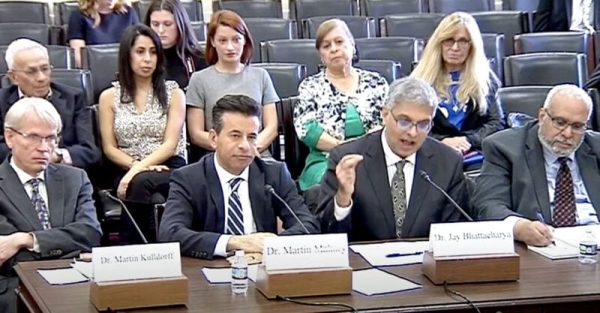
Convening for the first time on Tuesday, the Select Subcommittee on the Coronavirus Pandemic presented the testimony of four public health experts, as part of a roundtable: “Preparing For the Future By Learning From the Past: Examining COVID Policy Decisions.”
The agenda for the subcommittee, chaired by Rep. Brad Wenstrup (R-Ohio), focused on government policy pertaining to COVID-19, including vaccine mandates and other public health guidance.
In his opening remarks, Wenstrup said the subcommittee will examine the origins of COVID-19, policies surrounding gain-of-function, research, the impacts of lockdowns and other government policies, including school closures, and “vaccine and therapeutic development and the subsequent mandates.”
“We are here to deliver an after-action review of the past three years,” said Wenstrup. “To learn from the past, not just what went wrong, but what was done right, and to prepare for the future. This is work that must be done, must be done thoroughly, and must be done with reverence with an eye toward the truth and based on facts.”
The experts who testified included Jay Bhattacharya, M.D., Ph.D., professor of medicine at Stanford University; Martin Kulldorff, Ph.D., professor of medicine at Brigham and Women’s Hospital; Marty Makary, M.D., M.P.H., chief of islet transplant surgery and professor of surgery at Johns Hopkins University; and Georges C. Benjamin, M.D., M.A.C.P., executive director of the American Public Health Association.
In introducing the experts, Wenstrup said they can “help us chart a path forward; to help us understand what policies went wrong and how we, as a country, can improve.”
Wenstrup cited examples like the vaccine mandates imposed by the Biden administration, ignoring natural immunity, the harm caused to elders forced into nursing homes, and the consequences of stopping in-person learning and implementing remote work, particularly in the public sector.
“The American people deserve to know and understand how and why these impactful decisions were made,” said Wenstrup. “Did we create unnecessary fear in some, and dangerous ambivalence in others?”
“At the end of this process, our goal is to produce a product, hopefully bipartisan, based on knowledge and lessons learned,” he stated.
Ranking member Rep. Raul Ruiz (D-Calif.) focused on American lives lost during the pandemic, stating that it “was real and not a hoax” and “laid bare vulnerabilities and inequities in our public health infrastructure and our economy.”
“We need to understand the lessons, learn all the barriers of misinformation, disinformation, the politicization of this and avoid those for the fake of our nation, in order to save more lives,” Ruiz said.
Most of the witnesses shared critical words about the overall public health response to COVID-19, which Kulldorff described as “the worst public health mistakes in history.”
Makary said “public health officials have made many tragic mistakes during the pandemic,” including:
“Ignoring natural immunity, dismissing the lab leak as a conspiracy, closing schools, masking toddlers … pushing boosters for young people, bypassing FDA [U.S. Food and Drug Administration] expert panel customary votes that we’ve been using for decades, telling people to wash their hands like crazy.”
Bhattacharya said:
“The American people deserve answers to fundamental questions about the pandemic. On what empirical basis were schools closed? Did public health decision-makers consider the harms of their policies as thoroughly as their putative benefits? Why did authorities ignore recovered immunity or failure of the vaccine to prevent disease transmission?”
“Scientists and people vehemently disagreed about the wisdom of lockdowns, school closures, vaccine mandates and discrimination and so much else,” he added. “There’s near-universal agreement that what we did failed.”
Benjamin, the only expert who was generally supportive of the overall public health response, said, “We must remember the limited information we had when we made those decisions … and also the fact that our knowledge base and science continues to evolve over time.”
He added, “We created a safe and effective vaccine by every standard that we understand safety and efficacy today, in record time.”
Wenstrup praised the quick development of vaccines, describing it as “amazing,” but added, “but we knew from the trials that even people that were vaccinated got COVID” and “we also knew that vaccines produce variants and we should be expecting that.”
Citing the early public health response focusing on COVID-19 at the expense of other patients and health issues, he said one of his constituents, an elderly man, had an operation for “a painful hernia” canceled, ultimately resulting in his death.
Several experts addressed this type of inflexibility. Makary said that while “public health officials are not wrong for making recommendations based on the knowledge that they had at the time … that’s not actually what happened.”
“They were wrong because they refused to evolve their positions as the data became abundantly clear,” he said.
Nursing home policies, hospital visitation restrictions ‘a human rights violation’
Kulldorff said one of the two “major failures” of the public health response was “the failure to properly and optimally protect older Americans,” including “nursing home residents.” He described “sending sick people to nursing homes” as “criminal.”
“We also didn’t protect older working-age Americans in their 60s and 70s, while the ‘laptop class’ was often working from home, whether they were in their 20s or 30s or 40s,” he said. “The way we dealt with the pandemic was the worst assault on poor people, working Americans, the middle class [since] segregation and the Vietnam War.”
Kulldorff, who along with Bhattacharya helped draft the “Great Barrington Declaration” on “the damaging physical and mental health impacts of the prevailing COVID-19 policies,” said that when the group “proposed very concrete things for how to better protect older Americans” they were “slandered.”
Bhattacharya, in turn, said “the public health establishment … abandoned an essential commitment to science” in “sending COVID-19-infected patients back to nursing homes.”
Experts also addressed broader restrictions on hospital visitation during the pandemic. “To date, no randomized controlled trial has been conducted … against the cruel and inhumane hospital visitation policies that prevented people from seeing their dying loved ones,” said Makary, who described this failure as “a human rights violation.”
‘A house of cards that’s now falling apart’
Several of Tuesday’s witnesses focused on pandemic lockdown policies.
According to Bhattacharya, “By early 2022, about 95% of Americans had contracted COVID, despite the harsh countermeasures in most states.”
Bhattacharya described the policies as a “widespread violation of civil liberties.” He referenced a “Johns Hopkins University meta-analysis [finding] that lockdowns had failed to contain the spread of COVID.”
“At best, [lockdowns] temporarily protected the ‘laptop class’ who could work from home without losing their jobs, perhaps 30% of the population, while being served by the working class,” he added.
Kulldorff said such measures were themselves responsible for many deaths.
“Lockdown harms, school closures, people not going to medical visits … has killed many Americans and will continue to do so in the next few years,” he said, adding that “the lockdowns had enormously negative consequences on public health.”
For example, screening and treatment on cardiovascular disease and other ailments “plummeted,” Kulldorff said.
“The pandemic response is a house of cards that’s now falling apart,” he added.
Several of the experts focused on school closures, with Kulldorff stating, “I don’t think there’s anybody left who thinks that school closures were a good idea.”
Bhattacharya said school closures helped create “tremendous collateral harm” and “have set kids behind in ways that will lead them to worse outcomes as adults, including shorter, poorer lives.”
Mandates ‘ignored clear scientific data’
Bhattacharya questioned why “public health authorities ignore[d] clear scientific data that COVID infection [and] acquired immunity is as strong or stronger than vaccine-acquired immunity.”
“Vaccine mandates forced many frontline workers … to choose between their careers and a vaccine that provides less protection than the natural immunity they already had,” he said.
According to Makary, “Young healthy people were essentially spared from this pandemic,” with “an infection fatality rate no worse than influenza.” However, he said, the Centers for Disease Control and Prevention (CDC) denied knowledge of studies confirming these findings.
Benjamin said, “We were all kind of surprised the kids did kind of well,” although “there were some children that got … multisystem inflammatory syndrome.”
Defending the COVID-19 vaccines, Benjamin said:
“We have learned that if you do get native infection — meaning you aren’t immunized [and get infected], and then if you get vaccinated — you have a really, really, really robust response, and that’s great science and I’m glad we’re learning about that.”
Makary took a different view, saying, “The greatest perpetrator of misinformation during the pandemic has been the United States government” when it claimed “vaccinated immunity was far greater than natural immunity” and that “masks were effective.”
Makary referred to the recently published Cochrane meta-analysis showing that masks did not prevent the spread of COVID-19 while pointing out that myocarditis is “four to 28 times more common after the vaccine” but that the government has said “young people benefit from a booster.”
Kulldorff referred to the example of Sweden, describing it as the “one Western country who did very well during the pandemic” and that had “mostly voluntary measures” and a “very light approach,” instead of lockdowns and mandates.
“Sweden, together with other Scandinavian countries, [had] the least excess death in the world,” said Kulldorff.
Prompted by Rep. Mariannette Miller-Meeks, M.D. (R-Iowa), who said, “It wasn’t until I came to Congress that I found out infection-acquired immunity was a novel concept,” Kulldorff stated, “I guess we knew about it since 430 B.C., the Athenian Plague, until 2020, and then we didn’t know about it for three years, and now we know about it again.”
Makary said that since the time of the Athenian Plague, natural immunity had been observed, “and yet it was considered a conspiracy theory or something we couldn’t trust or believe in because we didn’t know the long-term protection. Well, we didn’t know the long-term protection of the vaccines either.”
“There has not been recognition that there is immunity after having had an infection,” said Kulldorff. There “was never a reason to mandate that vaccine for people that all had COVID. There was recently a study of mass vaccinations that shows [they] had zero or very little benefit.”
Benjamin, however, argued that in terms of natural immunity, “We generally don’t do that in medicine, particularly when we have a therapeutic option that will prevent it.”
“Many faced with these anti-scientific choices will never trust public health authorities again,” Bhattacharya said. “Public health bureaucrats operated more like dictators than scientists during the pandemic, sealing themselves off from credible outside criticism.”
As a result, said Bhattacharya, “I’ve seen a rise in vaccine hesitancy for essential vaccines like measles [and] DPT,” describing this as “quite alarming.”
Kuldorff concurred. “By forcing children to have a vaccine that they don’t need because they’ve already had the disease, that undermines the trust in other vaccines,” he said, characterizing this as “very, very serious.”
“It’ll take decades to restore some of this damaged trust” in public health authorities, added Makary.
Kulldorff said, “These failures are due to abandonment of basic principles of public health,” including an exclusive focus on one disease at the expense of all others, and “trying to suppress or eradicate COVID, which was impossible.”
Makary asked, “Why do we have the same policies for everybody?” He noted the “biases” of COVID-19 policy decision-makers, whom he described as “a small, non-diverse, like-minded group making all the decisions, and they were HIV researchers” even though “in HIV, there’s no natural immunity.”
“CDC and the FDA and people at the NIH [National Institutes of Health] made up their mind before the trials were completed,” said Makary. “They decided babies were going to get vaccines before the study was done. And then [they] found no statistically significant difference in efficacy between the two groups and they just authorized it anyway.”
“Why are we even doing trials? Why do we even have an FDA?” asked Makary.
Where do scientists whose careers were destroyed go to get their reputations back?
Ruiz said, “We are still dealing with the long-term implications of this public health crisis,” citing “the spread of misinformation or disinformation” as having “undermined the American people’s trust in our nation’s public health institutions and in each other.”
Ruiz said “misinformation” and “disinformation” may “lead to non-compliance or failure of therapeutics where people are making decisions that put themselves and their families in harm’s way.” But most of the experts took a different view.
Bhattacharya said that “under the banner of combating misinformation, government health agencies use their power to collaborate with social media companies to control the public conversation about COVID science and policy,” noting that he was put on a “trends blacklist” by Twitter as a result, leading to his participation in a lawsuit against the Biden administration based on censorship claims.
“I personally have faced censorship,” Bhattacharya said, “from government sources during the pandemic, including … slander and denigration. You need to involve outside voices respectfully in order to get the full set of people … or else bad decisions will get made, just as they were during this pandemic,” he added.
Kulldorff referred to the Great Barrington Declaration, saying that when it was presented, he and its authors were “slandered instead of taking it seriously,” while Bhattacharya said there was “a media campaign to take down our proposal, which tens of thousands of doctors, epidemiologists and scientists endorsed.”
“Where do the scientists whose careers were destroyed … go to get their reputations back?” he asked.
While Benjamin claimed, “There are many people out there who have a large bullhorn who have made it worse,” he conceded that “nobody should be censored.”
Michael Nevradakis, Ph.D., based in Athens, Greece, is a senior reporter for The Defender and part of the rotation of hosts for CHD.TV’s “Good Morning CHD.”
This article was originally published by The Defender — Children’s Health Defense’s News & Views Website under Creative Commons license CC BY-NC-ND 4.0. Please consider subscribing to The Defender or donating to Children’s Health Defense.
COVID-19 Vaccines Remain Pregnancy Category X
Products Should Never Have Been Administered in Pregnant Women and Those of Childbearing Age
By Peter A. McCullough, MD, MPH | Courageous Discourse | March 2, 2023
All drugs have a pregnancy category designation giving mothers and doctors guidance on what is known and how safe products are during pregnancy.
- Category A: The possibility of fetal harm appears remote. Extremely few drugs exist in this category (e.g., multiple vitamins).
- Category B: If there is a clinical need for a drug in this category, they are considered safe to use. Examples: acetaminophen, amoxicillin.
- Category C: These drugs should be given only if the potential benefit justifies the potential risk to the fetus. Examples: fluoroquinolones, gentamicin, saccharin, aspirin.
- Category D: There is positive evidence of human fetal risk, but the benefits from use in pregnant women may be acceptable despite the risk. They should only be used in pregnancy when the alternatives are worse. Examples: tetracyclines, ACE inhibitors, and most antineoplastics.
- Category X: The risk of use of the drug in pregnant women clearly outweighs any possible benefit. The drug is contraindicated in women who are or may become pregnant. Examples: thalidomide, oral contraceptives, statins, all COVID-19 vaccines.
I published an article in 2021 with Dr. Raphael Stricker, who advises one of the largest fetal loss centers in the country, warning women that the COVID-19 vaccine should be considered pregnancy category X. This designation should have been assigned by the vaccine manufacturers and agreed to by the FDA and properly placed on all vaccine program documents since pregnancy and childbearing age without contraception were exclusions from the EUA registration trials.
Shockingly, in the very first week of mass vaccination in December of 2020, news reels depicted well-intentioned pregnant mothers getting injected with synthetic lipid nanoparticles laced with long-lasting mRNA coding for the Wuhan Institute of Virology Spike protein. How could this be happening with no mutagenicity or teratogenicity studies? How could good clinical practice by doctors be abandoned?
Pregnant mothers and vaccine center workers didn’t seem to care. There were no assurances of gestational, peripartum, or long-term safety. Would the baby be affected by this brand-new technology? The regulatory agencies and medical colleges appeared to be in a tranced oblivion.
There are more than a dozen papers that extoll the virtues of mass vaccination and quickly conclude that COVID-19 vaccines are “safe” in pregnancy. Each paper has critical flaws including: 1) not randomized, 2) no comparator group, 3) limited time window and not entire term with continued follow-up, 4) incomplete capture of clinical events, 5) conflict of interest with American College of Obstetrics and Gynecology (ACOG) who received an undisclosed sum of money from the White House HHS COVID-19 Community Core Fund to promote vaccination.
In drug safety research, even if it is only one abstract, manuscript, or monograph that raises a serious safety concern, it should be pursued over those which failed to find the signal. Thorp and colleagues used CDC VAERS and compared COVID-19 vaccines to influenza vaccines and found in US cases, a 27-fold higher risk of miscarriage and more than a twofold increased risk across six categories of adverse fetal outcomes. Because the mRNA is now known to circulate for 28 days or more and the Spike protein causes clotting, bleeding, and is known to damage tissues, my conservative conclusion is that COVID-19 vaccination remains pregnancy category X—contraindicated.

McCullough PA. Lack of Compelling Safety data for mRNA COVID Vaccines in Pregnant Women
Featured Video

Racist Seinfeld Dances for Joy as Bibi Unveils His New Map
or go to
Aletho News Archives – Video-Images
TV Drama Review
Japanese drama projects Japan’s wartime atrocities onto Chinese characters

Global Times | October 25, 2026
By portraying Chinese characters as perpetrators of ruthless violence while casting Japanese Self-Defense Forces (SDF) intelligence operatives as defenders, the season 2 of the Japanese drama Vivant has recently drawn criticism from Chinese netizens, who argue that its depiction turns historical reality on its head while ignoring Japan’s wartime atrocities.
The TBS drama series – a spy suspense story in which an alleged unofficial intelligence unit of the SDF operates across the globe — has attracted a passionate fanbase. Its currently airing season 2 opened with a household rating of 18.8 percent, the highest for a TV drama this year, according toa commentary article by Japanese media Toyo Keizai.
What draws attention is the portrayal of the enemies in the series, the article noted. Scenes in which the Chinese organization subjects kidnapped members of the SDF unit to brutal torture are repeated with unrelenting intensity.
It is rare for Japanese TV dramas to explicitly portray a real-life country as the enemy, the article noted.
Japanese Prime Minister Sanae Takaichi also made a reference to the drama, saying that she has been recording Vivant and hopes to binge-watch it over the year-end and New Year holidays, according to Japanese media outlets.
China’s CCTV News report on Sunday revealed that the drama features scenes in which Chinese personnel cut off the fingers of and stab Japanese intelligence operatives in the abdomen. Such acts bear striking similarities to the torture inflicted on Chinese nationals by invading Japanese troops during the World War II.
The drama distorts the truth by attributing these atrocities to modern Chinese characters. Beneath the surface, it subtly glorifies Japan’s cross-border overseas operations, blurs the functional boundaries of the SDF and implicitly promotes an expansionist narrative, per CCTV News. … continue
Blog Roll
 Aletho News
- EU facing trillion-euro debt hole while seeking more cash for Kiev
- How US, Europe, Persian Gulf states exhausted missile stockpiles, splurged billions to defend Israel
- Up in arms… Koreans reject U.S. empire’s plan to make South Korea the next Ukraine
- Iran, Turkey, Pakistan, Saudi Arabia could advance region-led security framework in Tehran: FM spox
- Netizens condemn Japanese drama for projecting Japan’s wartime atrocities onto Chinese characters
- Racist Seinfeld Dances for Joy as Bibi Unveils His New Map
- A West Bank War for Netanyahu’s Election Campaign, Could It Backfire?
- Yemen denounces European Parliament’s ‘hypocritical’ push to blacklist Ansarullah
- Qalibaf: UAE’s UN bid aims to ‘clear the runway’ for ‘Greater Israel’, whitewash genocide
- Pakistan reopens Iran border after boosting security: Report
- If Americans Knew
- An error has occurred; the feed is probably down. Try again later.
- No Tricks Zone
- Sudden Stratospheric Warming, Powerful El Niño Combination May Lead To Extreme Europe Cold, Energy Crisis!
- Two New Studies Find Thwaites Glacier Melt Cannot Be Driven By Human Activity Or A Warming Ocean
- E-Cars Reduce CO2 Emissions By Only 41% Compared To Internal Combustion Engine Vehicles
- Predictions Made By Renowned Climate Professor Over Past Decades Have Been Proven To Be Poor
- New Study Suggests Large Regions Of The Pacific Ocean Have Been Cooling For The Last 80 Years
- Germany’s Green Energy Debacle: High Energy Costs Force Kahla Porzellan to Close After 182 Years!
- New Study: 50 Years Of The Most Aggressive ‘Net Zero’ Policies Can Only Affect The Global Climate By 0.03°C
- US September “Heat” Was No Record…Many Records Set Decades Ago
- Latest European Green Energy Debacle; Portugal’s Largest Flagship Solar Park Insolvent!
- Green Energy Debacle: German Expert Professor Fritz Vahrenholt Warns Of Severe Economic And Social Consequences

