New Report: “Scholasticide and Genocide in Gaza: Assessment, Testimonies and Legal Analysis”
Palestinian Center for Human Rights – September 28, 2026
In cooperation with the Centre for Palestine Studies at SOAS University London and Friends of Palestinian Universities, the Palestinian Centre for Human Rights (PCHR) has released a new report, “Scholasticide and Genocide in Gaza: Assessment, Testimonial and Legal Analysis,” documenting Israel’s systematic destruction of Gaza’s educational system and examining how this policy forms an integral part of Israel’s ongoing three-year genocide against Palestinians in the Gaza Strip.
The report demonstrates that Israel’s attacks on education in Gaza, including on UNRWA educational faciltiies and staff, go far beyond the destruction of schools and universities or the killing of Palestinian teachers. They constitute a comprehensive policy aimed at dismantling the educational, intellectual, social and cultural foundations necessary for the continued existence and development of Palestinian society.
Drawing on dozens of testimonies and affidavits collectd by PCHR field researchers and lawyers in Gaza, alongside PCHR’s extensive documentation, open-source material, United Nations reports, academic research and relevant international jurisprudence, the report identifies five interconnected patterns of scholasticide: the killing of students, teachers and academics; causing serious bodily and mental harm to them; destroying of educational facilities; obstructing the establishment alternative educational structures; and imposing genocidal conditions that prevent students from accessing education.
By July 2026, PCHR had documented the killing of approximately 20,051 students, more than 830 teachers and educational staff, and over 194 scholars, academics and researchers. Nearly the entire educational infrastructure in in Gaza has been extensively damaged or destroyed, while hundreds of thousands of students have endured prolonged interruption of their education amid displacement, starvation, bombardment, loss of family members, destruction of homes, lack of electricity and internet access, and the collapse of essential services.
PCHR’s report finds that certain acts committed within Israel’s campaign of scholasticide constitute genocidal acts under Article II of the Convention on the Prevention and Punishment of the Crime of Genocide, including killing members of the protected group, causing serious bodily or mental harm, and deliberately inflicting conditions of life calculated to bring about its physical destruction in whole or in part.
The report further highlights the long-term impact on Palestinian children and young Palestinians, including psychological harm, educational loss, diminished future opportunities and intergenerational trauma. Israel’s erasure of the educational infrastructure and broader civilian life in Gaza does not only constitute an attack on the rights of the present generation but also on the future generations.
Education has historically played a central role in sustaining Palestinian identity, knowledge, social cohesion and cultural continuity, particularly in the context of prolonged displacement and occupation. Israel’s destruction of universities, schools, libraries, academic records and cultural institutions therefore carries consequences far beyond the loss of physical infrastructure. It seeks to sever Palestinians from their history and intellectual life, diminish their capacity to rebuild their society, and deprive future generations of the means to learn, develop and participate fully in their community.
PCHR stresses that the destruction of Gaza’s education system did not begin on 7 October 2023. For decades, Palestinian schools, universities and educational institutions have been subjected to attacks, restrictions and destruction during successive Israeli military operations. The unprecedented scale of destruction since October 2023 however represents the culmination and intensification of this longstanding pattern.
PCHR calls on the international community, particularly States Parties to the Genocide Convention, to:
- Take immediate and effective measures to bring Israel’s genocide against the Palestinian people in Gaza to an end, including its policy of scholasticide.
- Ensure full compliance with the three provisional measures ordered by the International Court of Justice in the case of South Africa v. Israel.
- Impose a comprehensive arms embargo on Israel and halt all military, financial and other assistance that may contribute to the commission of international crimes.
- Support international accountability mechanisms, including the International Criminal Court, and ensure that those responsible for genocide, war crimes and crimes against humanity are investigated and prosecuted.
- Take concrete measures to protect Palestinian students, teachers, academics and educational institutions and guarantee the restoration of the right to education in Gaza.
- Provide sustained support for the reconstruction of Gaza’s schools, universities, libraries and educational infrastructure, while ensuring that reconstruction does not substitute for accountability.
- Address the long-term psychological, educational and developmental consequences suffered by Palestinian children and young people and ensure their access to rehabilitation, mental-health support and inclusive education.
Yes, the Iran war has destroyed Trump’s presidency
By Andrew Day | The American Conservative | September 29, 2026
No one would claim that the Iran War has been a political godsend for President Donald Trump and the Republican Party. But some Israel-First conservatives are willing to say—and lately have been incessantly saying—that the Iran War hasn’t been a political scourge.
Those Israel-First conservatives are wrong, even if the devil is, at least partly, hidden in the details. The Iran War has damaged Trump’s approval ratings, consumed his presidency, and darkened the GOP’s prospects in the upcoming midterm elections.
A chief proponent of the argument that Trump hasn’t suffered all that much from the Iran War is Ben Shapiro of the Daily Wire. Shapiro’s political analysis is plainly motivated by the fact that he was a loud and influential proponent of the war who promised—falsely, as it turned out—that Iran couldn’t close the Strait of Hormuz, a chokepoint for the global energy trade.
“There’s an op right now to pretend that the real reason for President Trump’s unpopularity is foreign policy, but that is not true, by the polling data, it is not true,” said Shapiro on a recent episode of his podcast. “The reality is that Americans have affordability concerns, President Trump came into office saying he was going to alleviate the affordability concerns. He has not in fact alleviated the affordability concerns, and therefore, his polling numbers have consistently slid since Liberation Day.”
This is a bit like me saying my wife isn’t mad at me because of the drinking, but because I drunkenly crashed the car.
The Iran War, as everyone now knows, has driven up prices at the pump—prices which, unfortunately for Trump, are prominently displayed on every major street across the country. On the eve of the war, regular gasoline averaged $2.98 per gallon. Today, at the time of writing, the average price is $4.48. Americans are notoriously averse to high gasoline prices and tend to punish presidents over the issue, sometimes even when the president can’t justifiably be blamed.
But make no mistake: Virtually every sentient adult understands that 1) oil comes from the Middle East, 2) Trump started a big war in the region, and 3) gas prices shot up right afterwards. And again, even if Americans didn’t grok the connection between the war and the gas-price spike, the latter would still have hurt Trump politically, and it would still be a knock-on effect of the former.
It’s not just prices at the pump that have gone up because of the war. Groceries and other consumer goods travel across this vast land on tractor-trailers that run on diesel and get a lot fewer miles per gallon than even your Uncle Larry’s F-350. Diesel prices have smashed records and now sit at around $6.50, up from $3.76 before the war.
No wonder truckers are furious, prompting rumors of an imminent strike.
And no wonder the Iran War has contributed to general inflation in America. Anyone who has been reading the official economic reports knows the war is responsible for more than a third of recent inflation.
Before the war, inflation was trending down, only a couple ticks away from the Federal Reserve’s target of 2 percent. It seems likely that Trump, if he hadn’t started his dumb war in the Middle East, would have garnered praise for presiding over declining inflation and that the Fed would have cut interest rates, juicing economic growth. Instead, inflation now sits at 3.4 percent.
(As an aside, this weekend I traveled to Istanbul, where many Middle Easterners of various nationalities complained to me that Americans only oppose the war because of the gas prices. That’s simply not true. The war has been unpopular since day one, when all that Americans knew was the American-Israeli strikes had killed Iranian leaders including the Supreme Leader Ali Khamenei.)
Shapiro, ever the neoconservative, insinuated in the quote above that the decline in Trump’s approval rating owes more to his tariffs than to his war. The data doesn’t back that up, as the conservative commentator and election analyst Ryan Girdusky noted on X in response to new survey data. “The most eye opening part of this poll is that Trump’s approval rating and the strength of the economy went up right after Liberation Day,” Girdusky said. “Fell slightly afterward and then plummeted at the start of the Iran War.”
Shapiro has unwittingly helped uncover another, subtler, way in which the Iran War has indirectly damaged Trump’s approval ratings and, by extension, the Republican Party brand. Shapiro recently went on Fox News to commiserate with the host Mark Levin—another Israel-Firster and warmonger—over all those dastardly antiwar conservatives blaming the Iran War for everything.
“Iran is a 4-percent issue with the American people,” Levin said, as Shapiro nodded in agreement. Levin was referring to Fox News polling that shows not many Americans name the Iran War as their top issue. “So, whatever happens in the midterms, it doesn’t appear that Iran’s going to drive anything one way or another.”
“I think that’s exactly right,” Shapiro replied.
Part of the problem with Levin’s analysis has already been covered above. In the Fox poll, a plurality of Americans—34 percent—named the cost of living as the most important issue, and the Iran War has made living costlier.
But the subtler problem is perhaps even more illuminating. Simply put, Americans believe Trump is too focused on foreign policy at the expense of the problem they really care about, which, in fact, his Iran War has exacerbated. This is a PR disaster for the Trump administration and the GOP. Americans don’t prioritize the war that has dominated the headlines and distracted the White House, even as Trump claims to have boldly prevented Iran from unleashing nuclear apocalypse.
It may be grotesque to find silver linings in this dumb and deadly war, but here’s one: Americans no longer buy the war narratives. That is certainly not, however, a silver lining for Republican candidates in this year’s election, no matter how cynically they try to distance themselves from the war. In fact, it’s a good bet they’ll do much worse than if Trump hadn’t launched this unnecessary war, despite what Shapiro and his ilk may tell you.
Sheikh al-Asadi warns of Iraqi government compliance with US demands
Al Mayadeen | September 29, 2026
Head of the Political Council of the Iraqi Harakat Hezbollah al-Nujaba, Sheikh Ali al-Asadi, criticized Baghdad’s decision to prevent Iranian aircraft from landing at Iraqi airports, stressing that it constitutes compliance with US pressure and warning that popular action could follow if the decision is not reversed.
Speaking to Al Mayadeen, al-Asadi said, “We regret the decision by the Iraqi authorities to prevent Iranian aircraft from landing in Iraq.” He described the decision as “submission to American bullying,” adding, “The Iraqi decision-maker must reconsider it; otherwise there will be popular pressure aimed at changing the decision.”
He said the issue extends beyond Iraqi airports, invoking longstanding ties between Iraq and Iran. “The issue goes beyond airports. There are close relations with Iran, and therefore we must not bow to an irresponsible decision by America,” he said. “Popular options will be the most pressing, and all possibilities are on the table.”
Sheikh al-Asadi attributed growing US influence in Iraq to weaknesses among domestic political actors. “The weakness of the domestic political actor has allowed the American occupation to impose its decisions in Iraq,” he said, adding, “The decision-maker can choose not to implement American decisions, as some countries do.”
He stressed that “the decision must be sovereign and independent politically, economically, and in terms of security,” defining sovereignty as “complete independence, with Iraq being the decision-maker in all aspects of life.
According to Sheikh al-Asadi, “There are personal and partisan interests behind the absence of independence in decision-making.” He also accused Iraq’s political class of adopting contradictory positions toward Washington, slamming duality in the political class: on the one hand, it agrees to American decisions, while on the other, it condemns them.
He added, “The Resistance’s positions have been clear from the beginning, while the Iraqi politicians have ambiguity and complications.”
Iraq’s main problem is corruption
Turning to the issue of weapons and the debate over their regulation, Sheikh al-Asadi said his movement had held discussions with the Coordination Framework and rejected the term “weapons confinement”. “We discussed the matter with the Coordination Framework and rejected the term ‘weapons confinement.’ We established that the term is harmful and changed it to ‘weapons regulation,’” he said. “Iraq’s biggest problem is corruption, not weapons,” he asserted.
“We are in favor of the Dawn Strike against corruption, but we want it to continue. There are clearly identified corrupt figures, and the law must be applied to them,” the Iraqi leader said. He also expressed deep distrust of Washington, saying, “We do not trust the Americans one iota, and they do not keep their word.” He added, “What happened with Iran is the biggest proof that the Americans do not keep their word. They struck Iran during negotiations, and this is proof of their treachery.”
US assassination unit, like Blackwater
Shikh al-Asadi said Iraq should remain free of US interference in its internal affairs. “Iraq must be free, and the American envoy must not interfere in economic, security, or political affairs,” he said. He added that his movement had information about US activities in Iraq, saying, “We have information about all the American movements and about the division they established, which includes Iraqis under their supervision.”
“We know where this division is located and what its duties will be in the coming phase, and all of this is being monitored,” Sheikh al-Asadi warned. He revealed that the goal behind the creation of this division is to carry out assassinations and create discord, saying, “It is like ‘Blackwater’ under another name.”
He added, “The American movement is suspicious, and they have security companies that entered to compensate for the American military withdrawal.”
Al-Nujaba rejects political participation under current system
Sheikh al-Asadi said Nujaba had no decision to participate in Iraq’s political process. “We in Harakat Hezbollah al-Nujaba have no decision to engage in the political process, and we are not convinced by the way it is being managed,” he said.
On the issue of weapons, he told Al Mayadeen, “The conditions for handing over weapons are ending the American occupation and all foreign presence, including the Turkish presence.”
He added that the Peshmerga should fall under the command of Iraq’s commander-in-chief of the Armed Forces and warned that “the separatist factions are one of Iraq’s problems, and whenever Resistance intervention is necessary, we will intervene in every inch of Iraqi territory.”
Sheikh al-Asadi further argued that the continuation of armed resistance was linked to the circumstances that justify it: “The resistance has its justifications for resistance, and when these justifications end, so does resistance,” reminding that the justifications do not end with the mere withdrawal of the remaining foreign troops in the country.
Iraq’s leadership must use its leverage
Al-Nujaba’s top official said Iraq’s political leadership must understand the country’s sources of strength and leverage and use them to advance its independence and sovereignty.
Speaking about Iraq’s leadership, Sheikh al-Asadi said he believed the current political figure in question “wants to serve the public interest and do the required work,” describing him as someone who is acting “based on his Shia identity, if I may put it that way.” However, he said the figure is “new to politics” and lacks advisors genuinely committed to helping him succeed.
“Unfortunately, he does not have advisors who are genuinely committed to making his experience successful. Rather, his advisors are concerned with making themselves successful,” Sheikh al-Asadi said.
He stressed that the advisors attempt to influence the political leadership based on what they receive from Washington, adding, “They do not want to help him become a successful figure who can lead during this stage and perhaps the next stage.”
“Whoever leads Iraq must understand what Iraq truly is and what the cards of strength and leverage in Iraq are,” he said. He questioned the interests of foreign powers in Iraq, asking, “Who needs Iraq? Does Europe not need Iraq? Does Turkey not need Iraq?”
Sheikh al-Asadi also pointed to the Development Road project, asking, “Doesn’t the Development Road that they are talking about need Iraq?”
“All of these are leverage cards a political actor can use to achieve what he wants,” he said. “He can even use the cards held by the Resistance factions as leverage. We are offering him this card and telling him: Use us for the sake of serving Iraq.”
Al-Asadi says US sought to persuade factions to give up weapons
According to Sheikh al-Asadi, several US allies had contacted his movement seeking a truce. “Many of America’s allies sent us messages asking for a truce, including the American chargé d’affaires who “tried to contact us through one of the politicians and asked to meet with us.”
He also said US officials had offered projects and incentives in exchange for abandoning strategic weapons. “The Americans offered projects and incentives on condition that we give up our strategic weapons that reach Israel, but we rejected them,” the Iraqi official said. He warned that US pressure would continue even if armed factions surrendered their weapons, saying, “American pressure does not stop at any point. Even if the factions hand over their weapons, they will move on to the Popular Mobilization Forces and then to the Defense Ministry.”
He concluded by highlighting that Washington had sought for years to alter the leadership of the Popular Mobilization Forces. “The main American project for years has sought to change the leadership of the Popular Mobilization Forces and dilute it, but the religious authority and some politicians rejected that,” Sheikh al-Asadi said.
‘Distance yourselves from Israel’: IRGC urges US population to question govt policies
The Cradle | September 29, 2026
Iran’s Islamic Revolutionary Guard Corps (IRGC) released a letter on 29 September addressing the US population – urging it to “force” Washington to “distance” itself from Israel, and expressing a readiness for “coexistence and peace,” while also vowing to continue fighting for Iran’s rights.
“Our purpose in sending a letter to the US people goes beyond media propaganda and creating familiarity with Iran’s reasoning. This is not a short-term or purely promotional move … Choosing a ‘letter’ as a tool to convey our message directly and clearly was a method selected based on the realities on the ground,” said IRGC spokesman Hossein Mohebbi.
“The countries neighboring or located near the US, whether along its land or maritime borders, do not possess the military and security capabilities to pose a serious threat to the US,” he added following the letter’s release, urging US citizens to question Washington’s military expansionism and the presence of hundreds of its military bases across the globe.
Mohebbi went on to ask, “What is the purpose of deploying 800 US military bases around the world?”
The letter itself poses several questions to the US people, while urging them to “see through” the official claims made by Washington.
This included US, as well as Israeli, claims regarding the Iranian nuclear program.
“For 25 years … the [US] claimed that Iran is only … months or weeks away from building a nuclear bomb … If this were true, why has Iran not yet gone through with its plan to build a bomb? If Iran was only a little while away from making the bomb 25 years ago, when it was far less technologically advanced … then it should possess dozens of nuclear bombs today.”
It also pointed to US intelligence reports acknowledging that Tehran is not looking to weaponize its program.
Additionally, it slams US official claims and declares to the US people that Washington’s bases were “decimated” throughout the war.
This has been confirmed through satellite imagery and western media, not just Iranian outlets.
Tehran, through the letter, also repeated its longstanding declarations to the people of the US that Iran is opposed to their government and not them themselves.
“The people who burn the American flag are not hostile to the American people; it is the oppression and aggression of the American government that they are denouncing,” the letter reads.
“We can live together in peaceful coexistence. Remove from power the evil, deceitful, and violent politicians who are responsible for America’s current state. Entrust your affairs to the wise, not the wily. Make sure your politicians understand that the world has changed,” it adds.
The letter also urges the US people to “distance itself from Israel, as the occupiers of Palestine will, sooner or later, have to leave the land they occupy and return to their countries of origin.”
The letter stresses that Tehran will “continue fighting” despite “all the hardships that our enemies impose on us.”
It comes as reports indicate Washington is planning to renew bombing against Iran. Tehran has vowed much wider retaliation than before in the event of such actions.
Ex-Greek MEP files complaint against Israeli spyware firm over alleged Pegasus surveillance
MEMO | September 28, 2026
Greek journalist and former European Parliament member Stelios Kouloglou filed a criminal complaint Monday against officials at Israeli spyware maker NSO Group, alleging that his phone was infected with Pegasus while he served on a parliamentary inquiry into surveillance software, Anadolu reports.
The complaint was submitted to the Athens prosecutor’s office, Greek public broadcaster ERT reported. Kouloglou said a forensic examination by the University of Toronto’s Citizen Lab found that his phone had been infected around Oct. 21, 2022, and again on March 6 and 7, 2023.
At the time, he was a substitute member of the European Parliament committee investigating the use of Pegasus, Predator and similar spyware. The complaint said the infections coincided with significant phases of the committee’s work.
Kouloglou alleges the spyware could have given those responsible access to communications, contacts, documents, location information and data related to his political work. The complaint seeks an investigation into alleged breaches of communications privacy, unauthorized access to data and violations of personal data law.
Speaking after filing the complaint, Kouloglou said surveillance was an issue affecting all citizens and expressed hope that Greek prosecutors would investigate the case.
His lawyer, Zacharias Kesses, said no action had previously been taken despite the allegations being known.
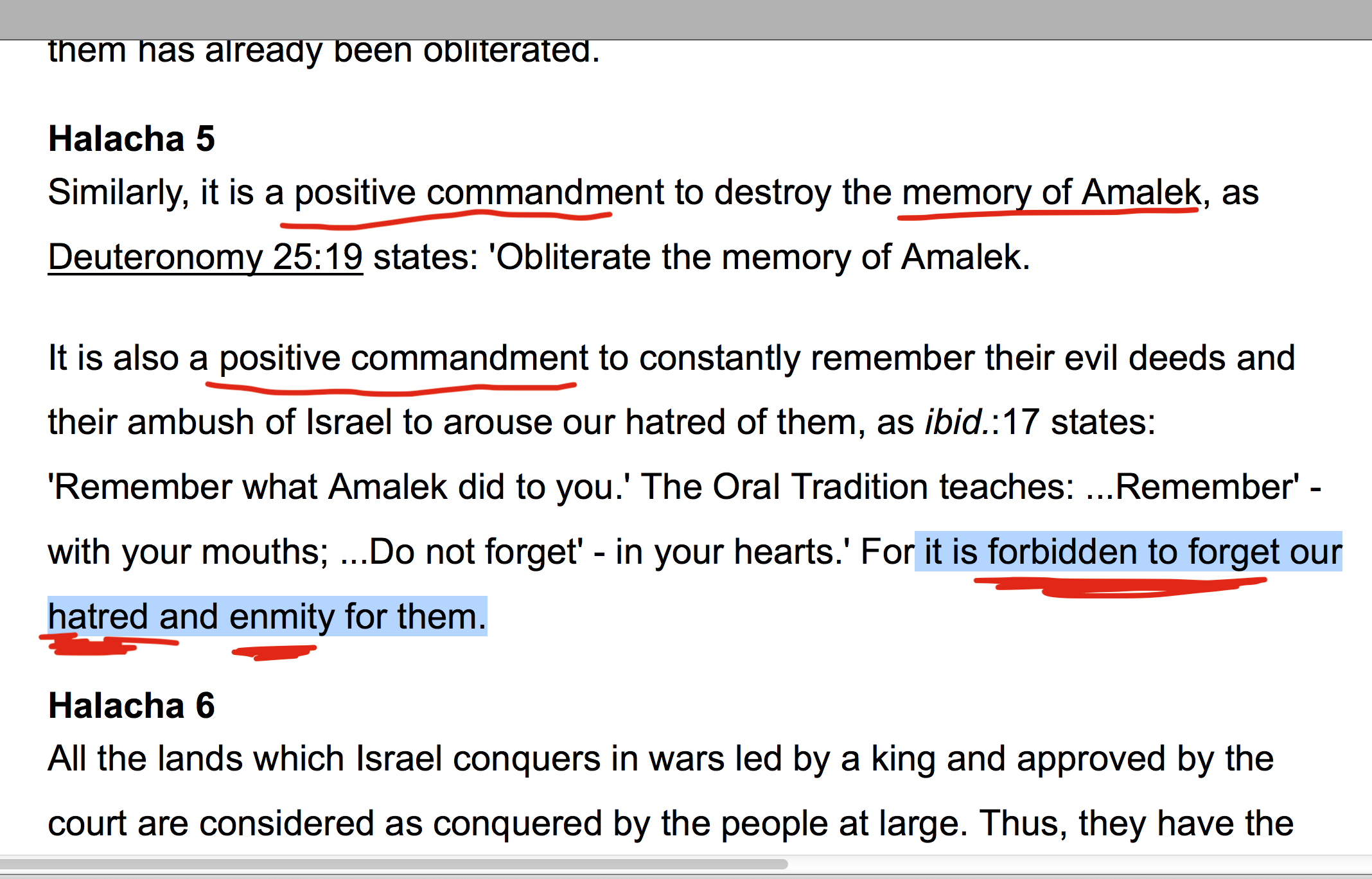
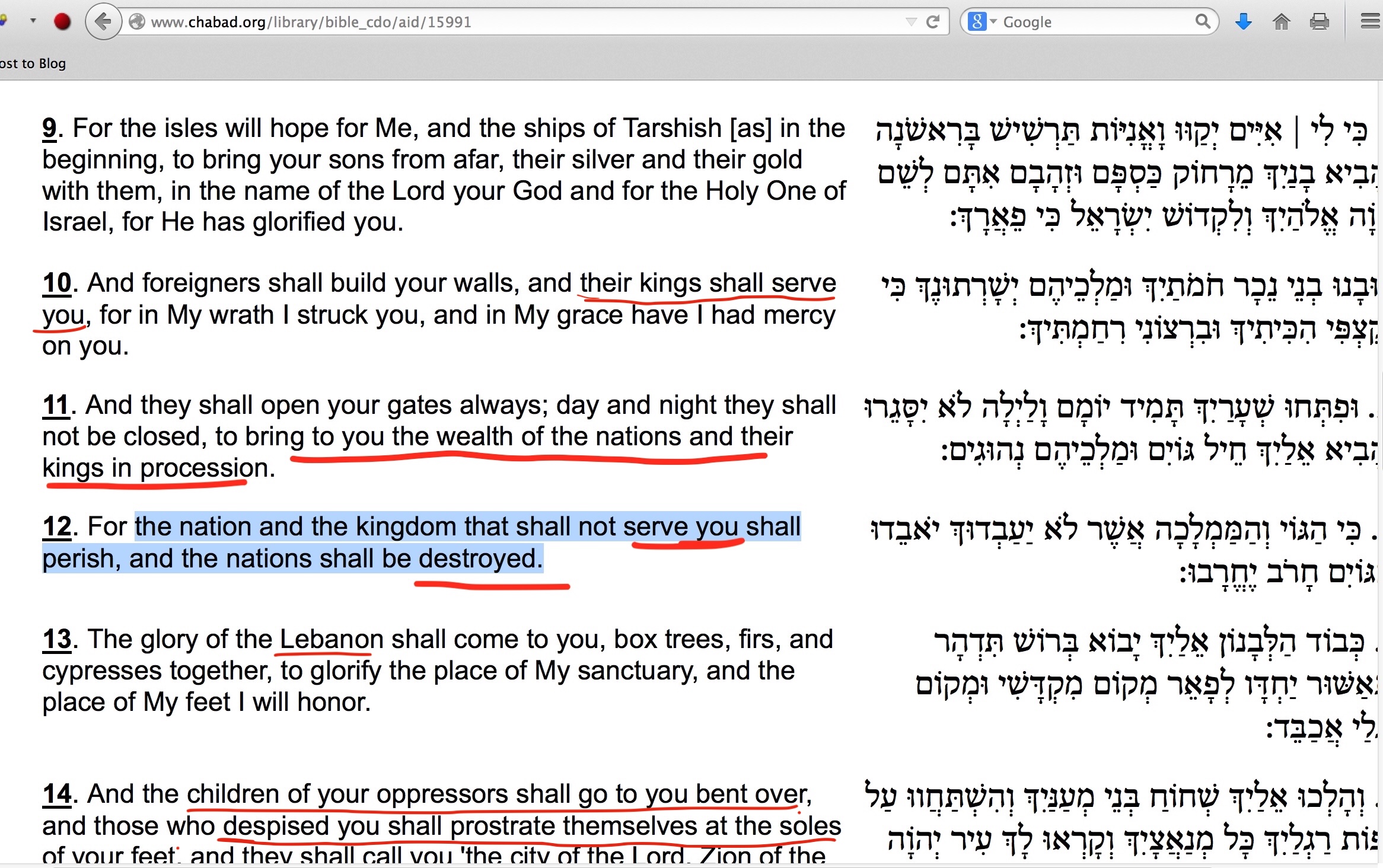
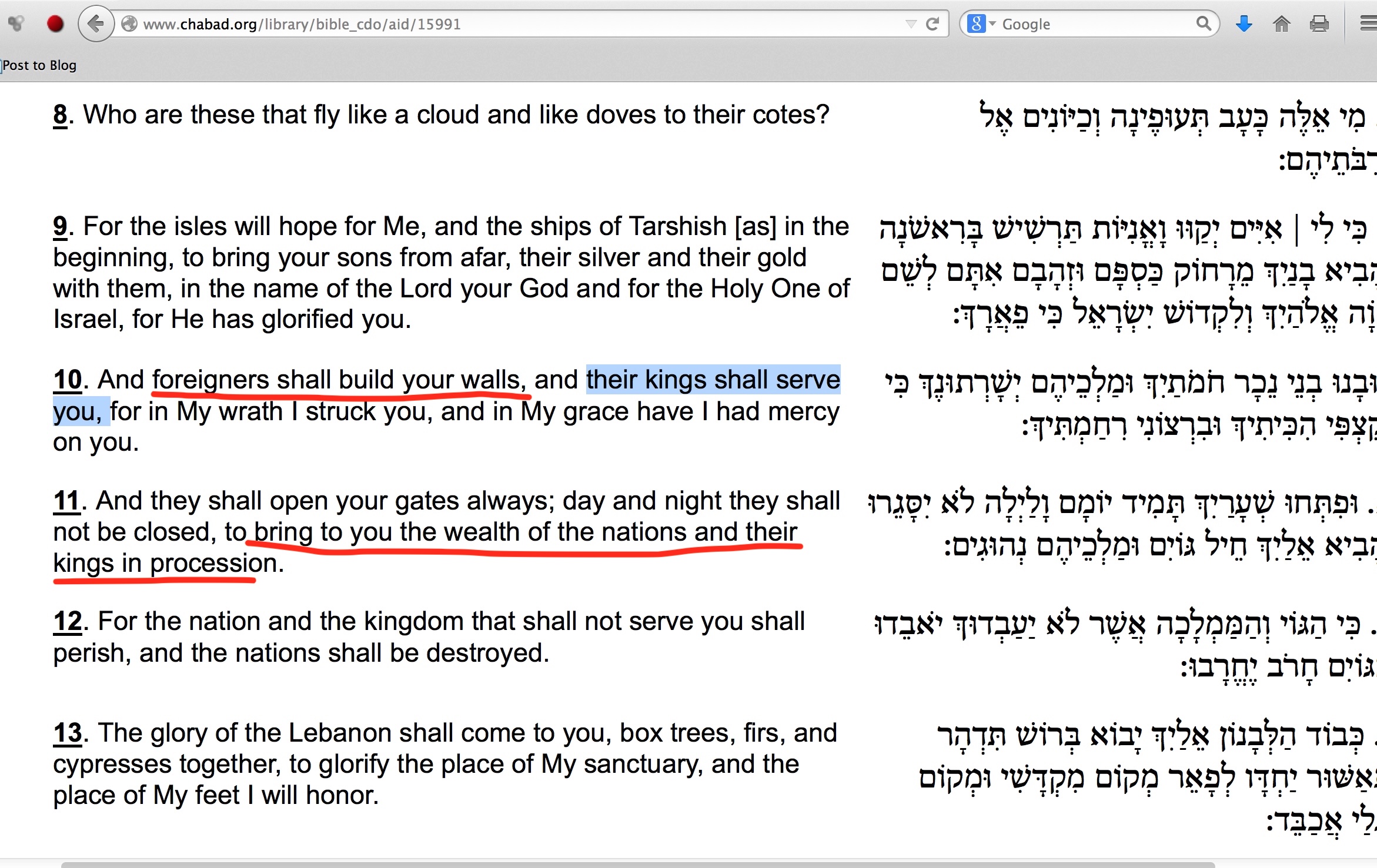
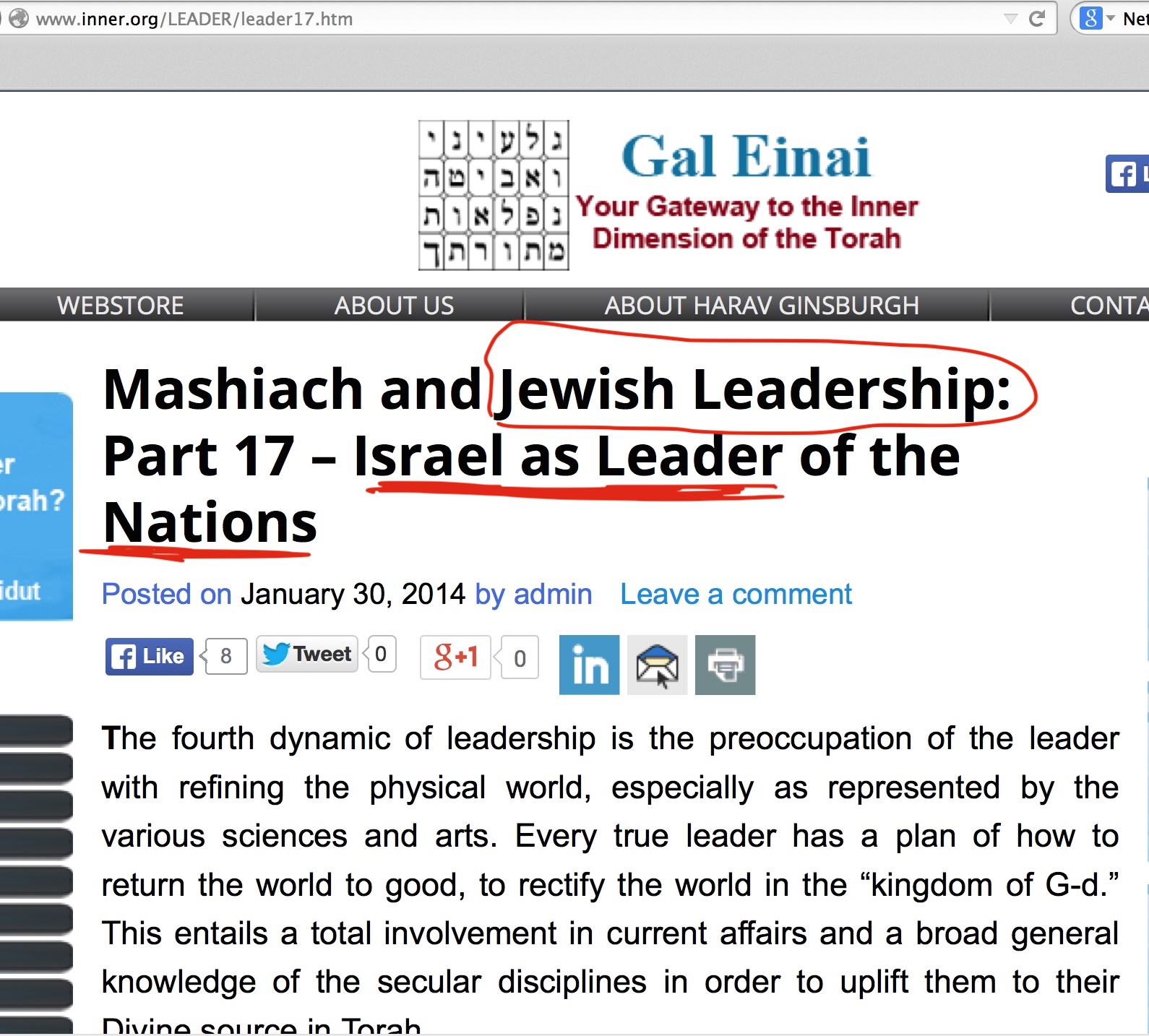
Troubling ideas throughout the Torah, Talmud, Mishneh Torah and Tanya
The future of the planet depends on uprooting Jewish supremacy

By Nahida Exiled Palestinian | September 28, 2026
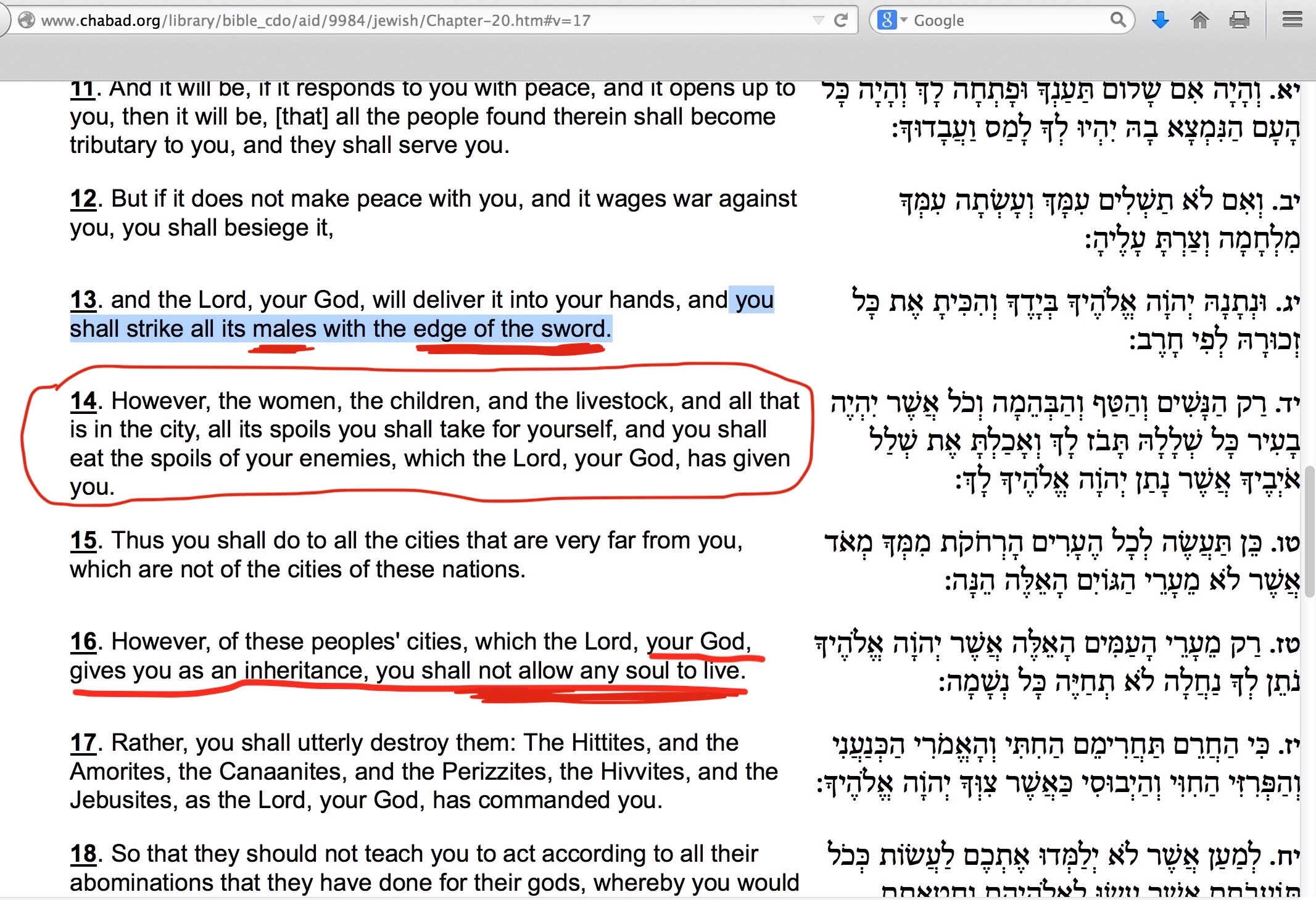
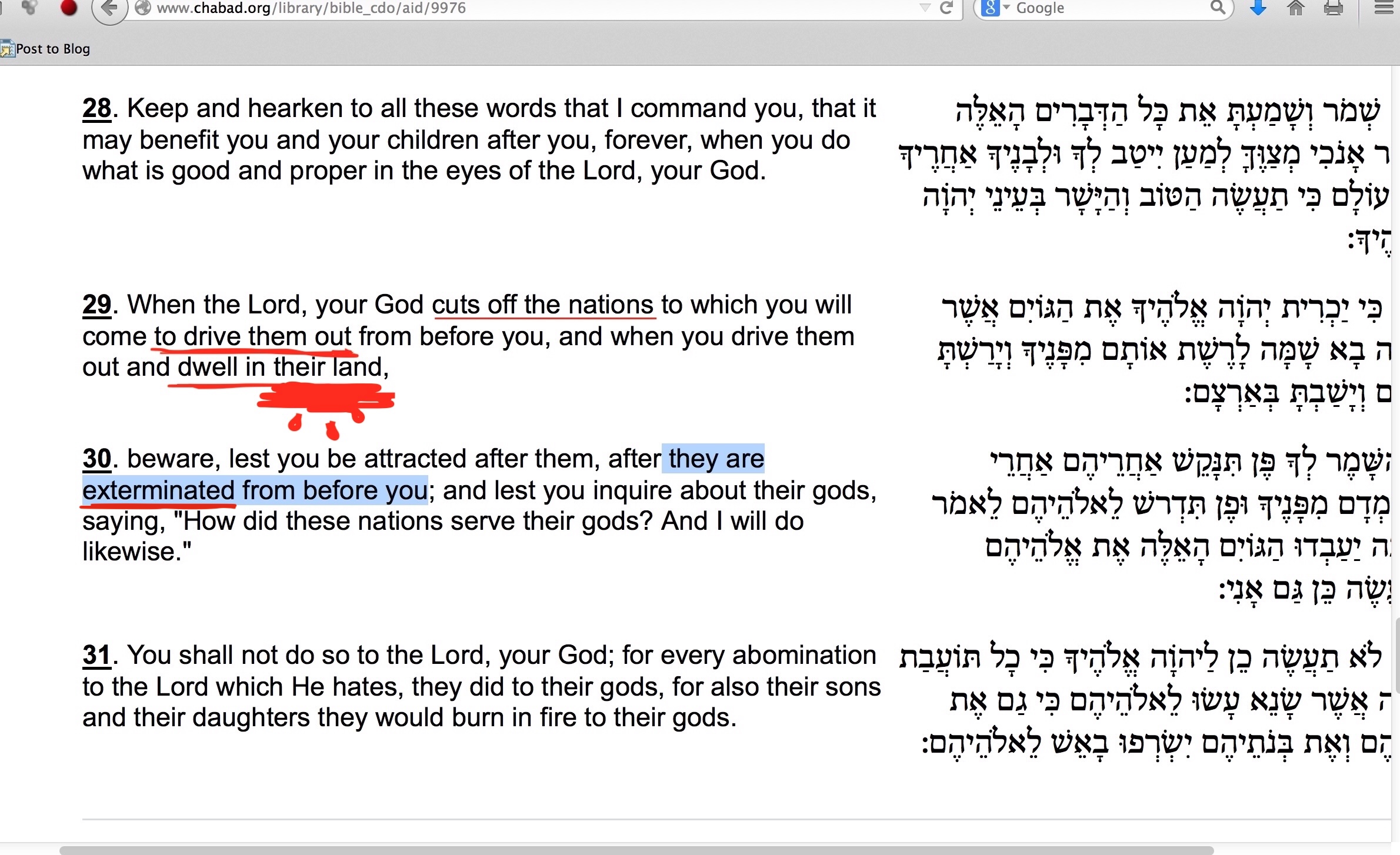
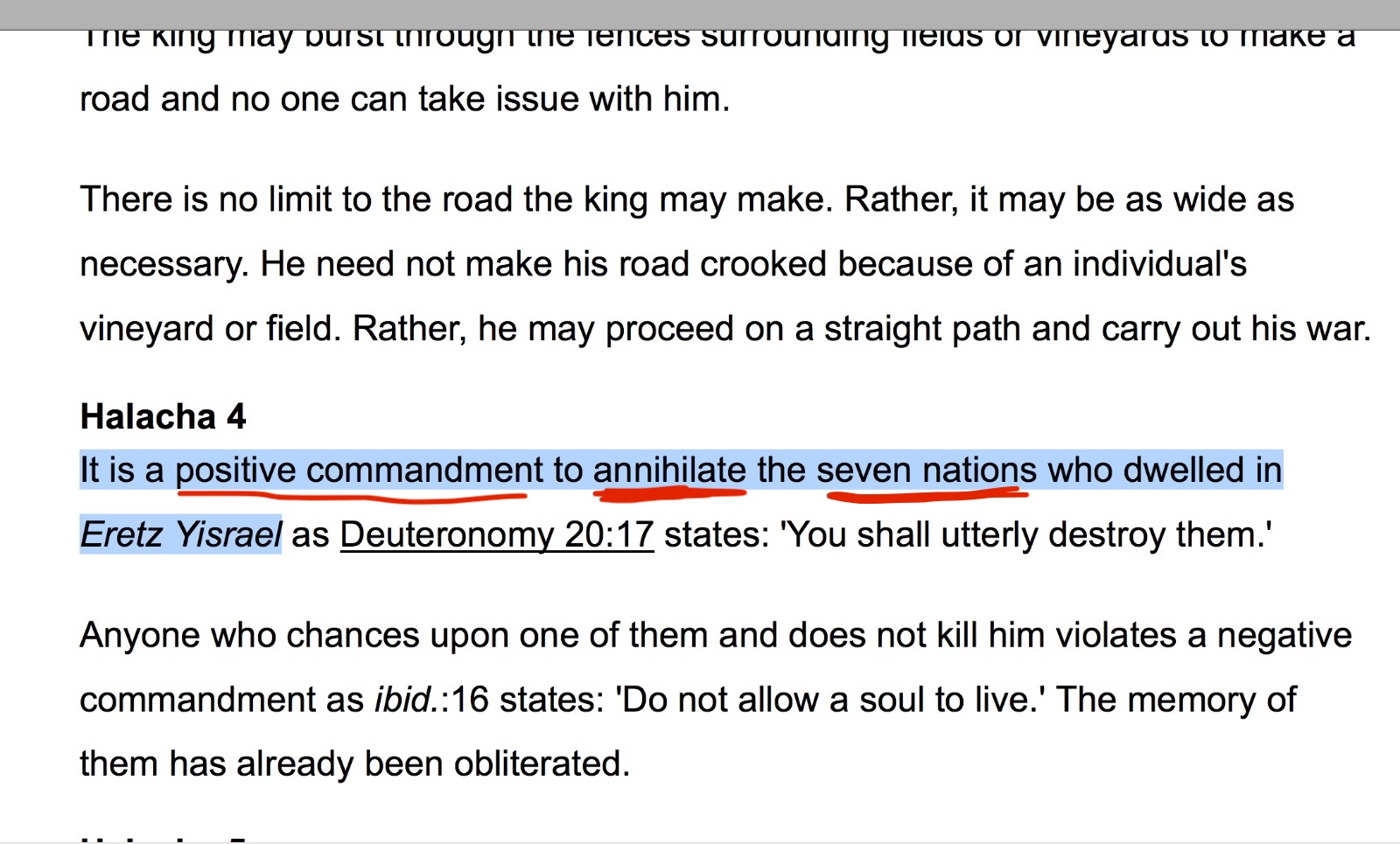
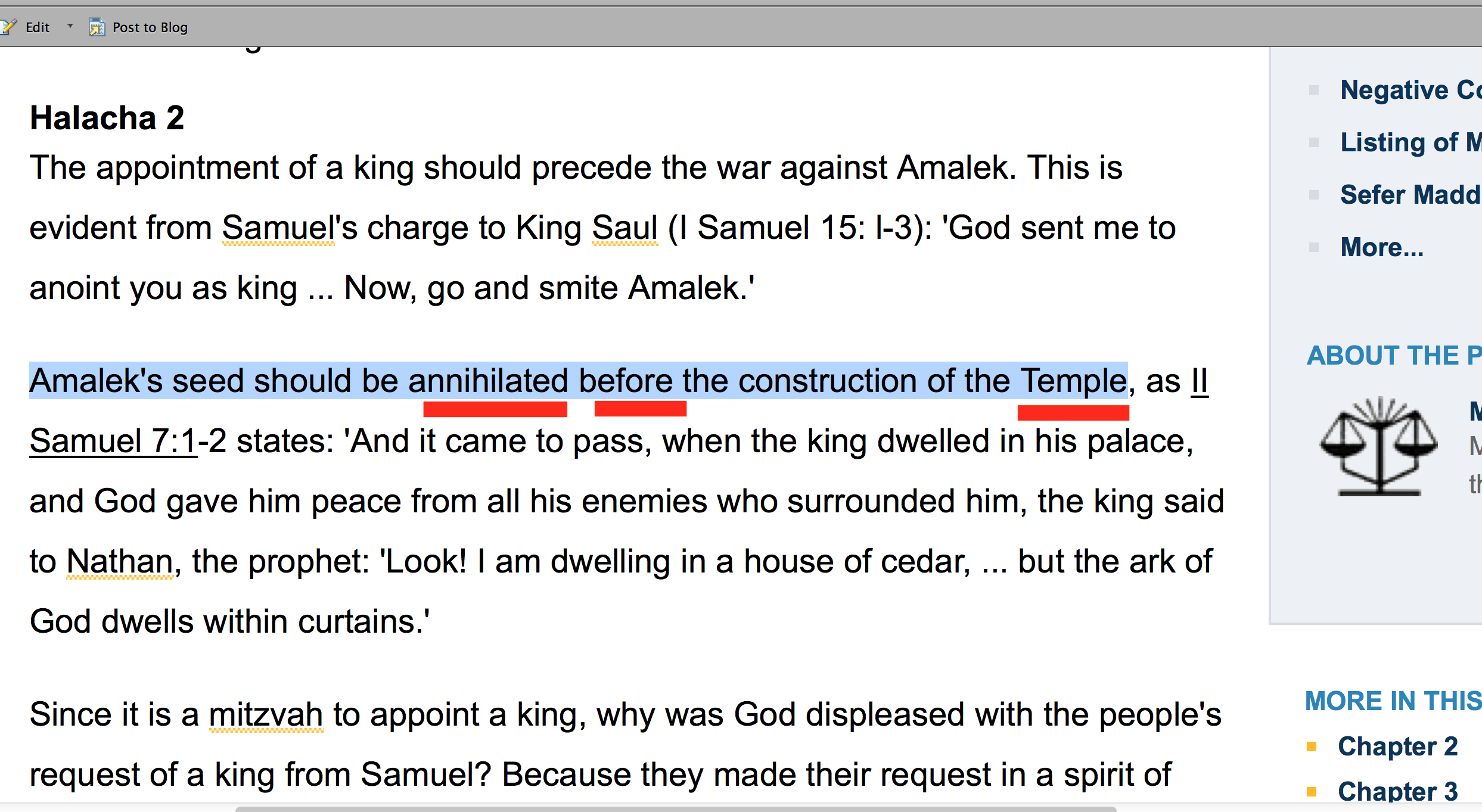
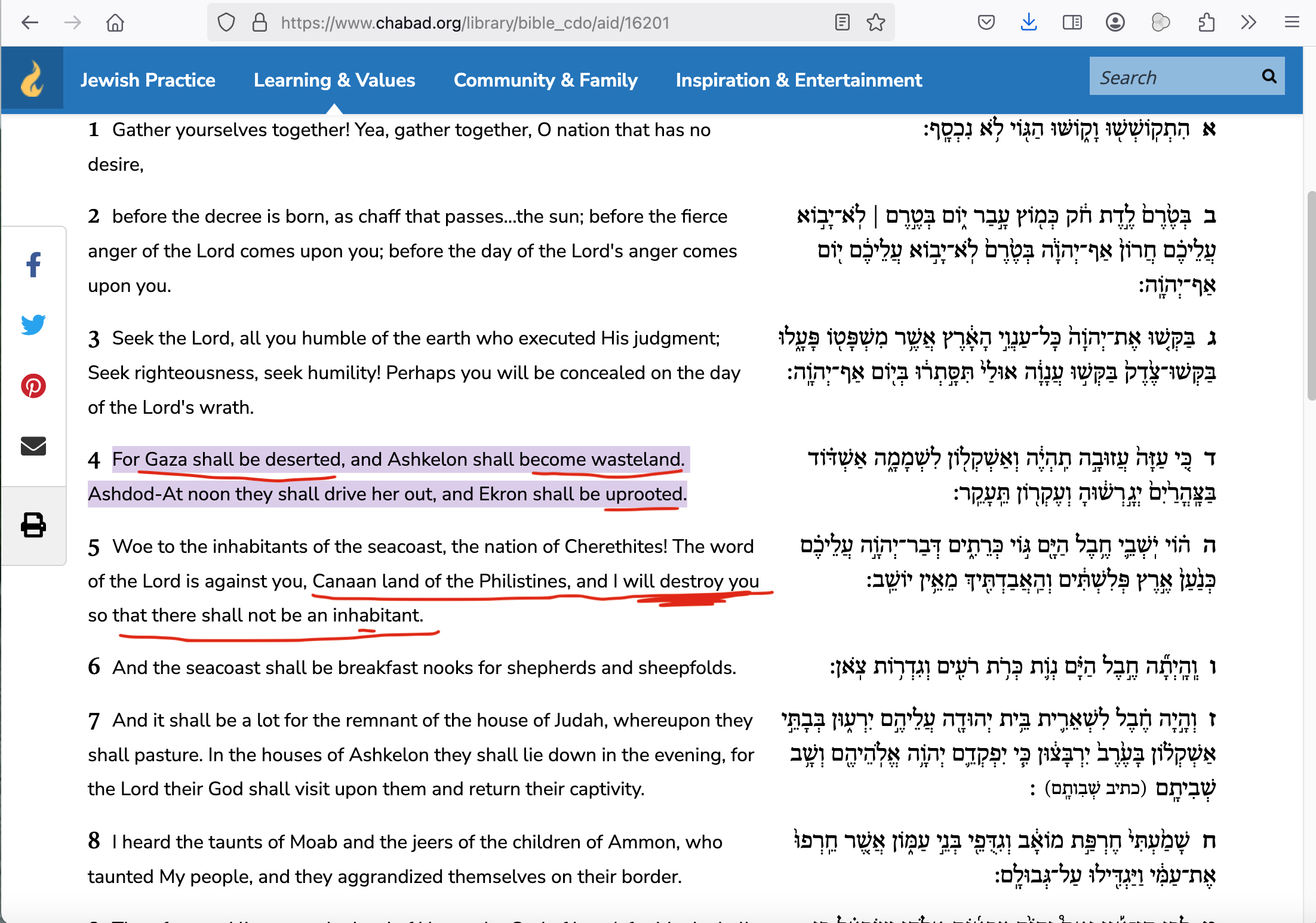
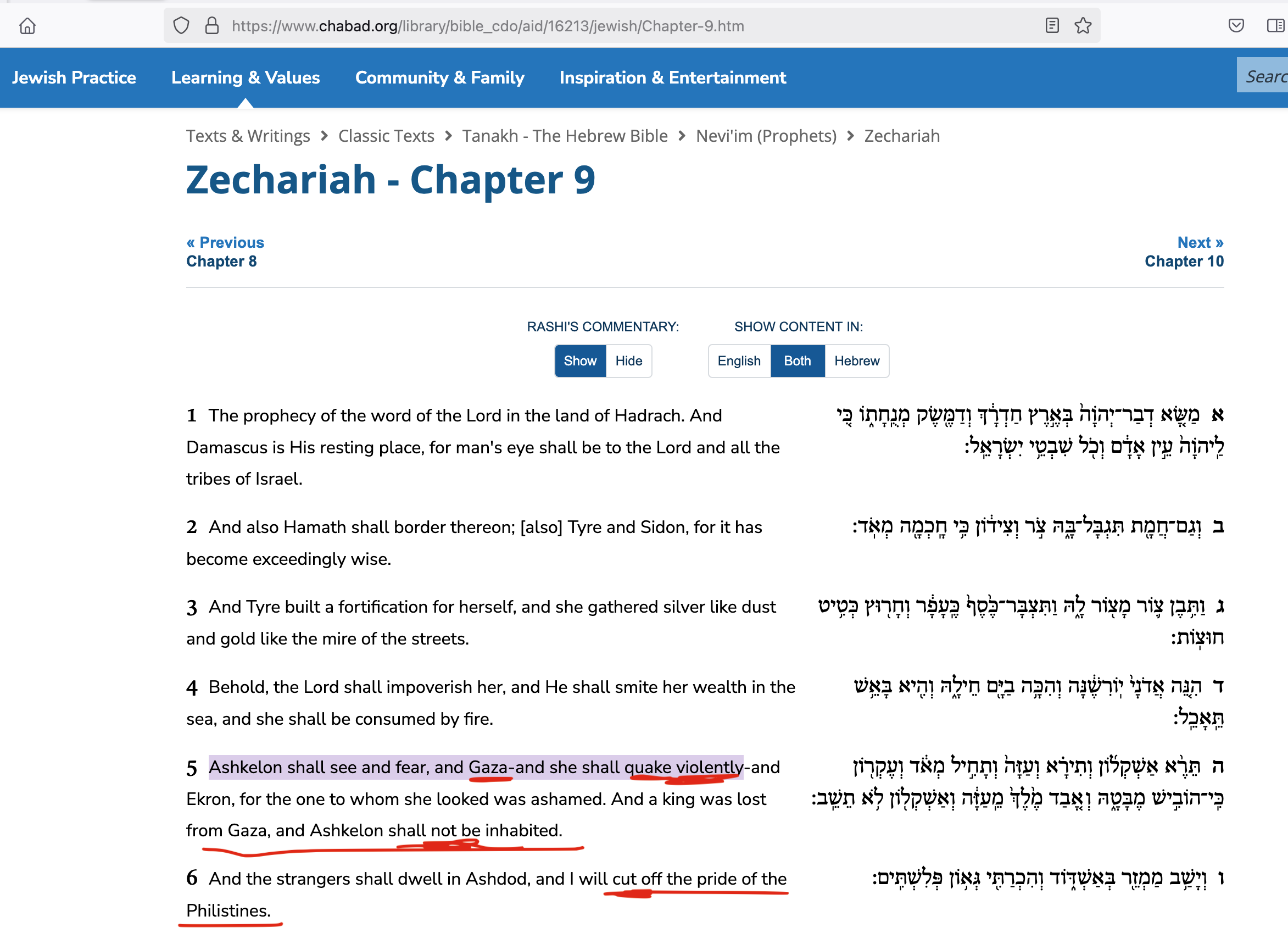
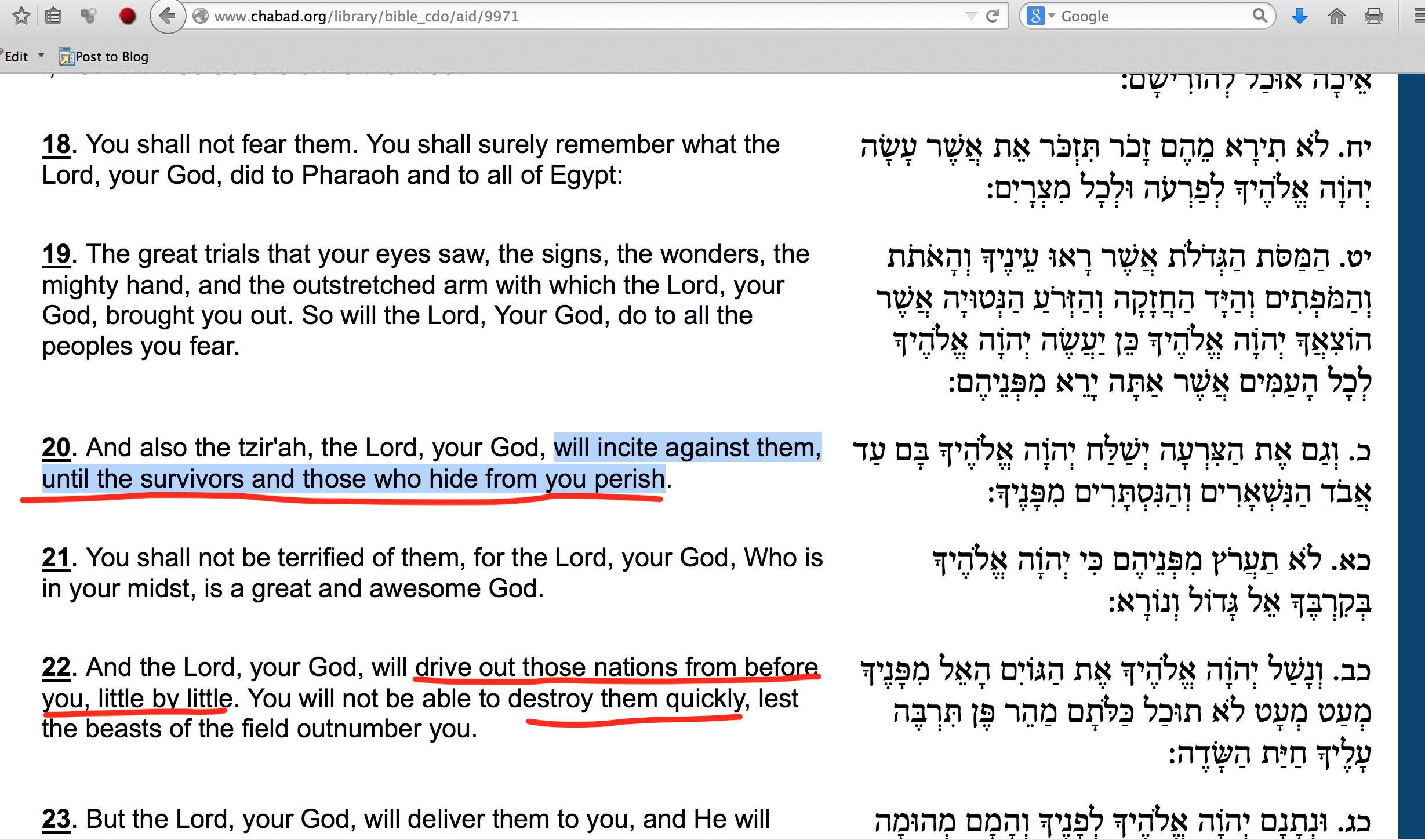
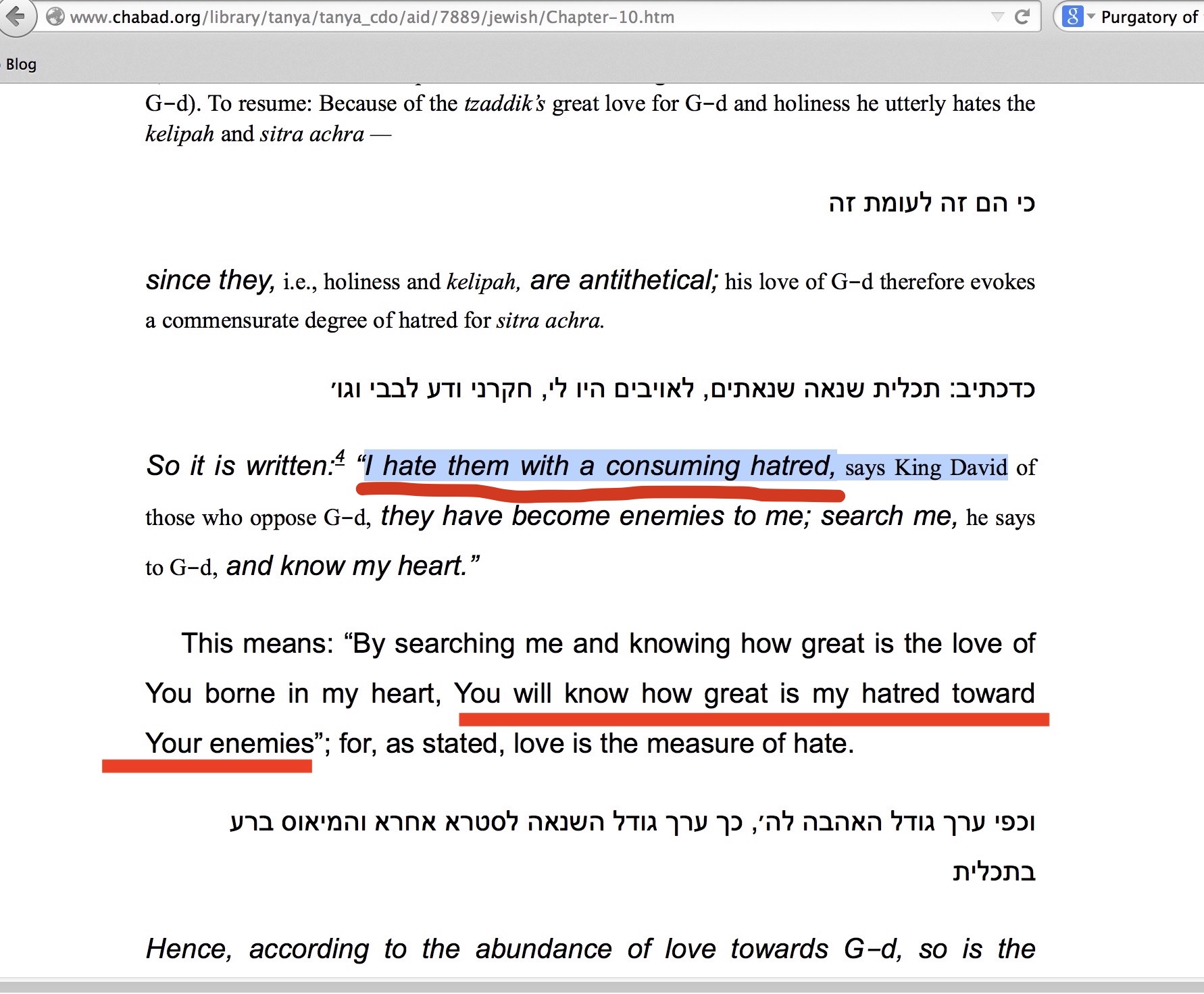
There is no running away from the fact that there are extremely troubling ideas throughout the Torah, Talmud, Mishneh Torah and Tanya.
Ideas like “choseness”, “promised land”, “return to Zion”, “building the temple”, “tikkun olam”… etc come from no other than Torah itself, soaked in supremacy, dominance aspiration, deception and mass-killing.
We can no longer hide our heads in the sand, pretending not to know, pretending not to see.
Jewish anti-Zionists should move on now, and use all their activism outside the Palestine solidarity movement, direct their work towards their people where serious discussions happen, plans are drawn, funds are raised, weapons are shipped and is genocide plotted and enacted. They should work with their own Jewish communities to try to get them out of the mess of supremacy and genocide they got themselves into.
Instead of wasting their time denying any links between Judaism and Zionism, instead of throwing their energy on controlling the Palestinian discourse, and instead of relentlessly monitoring us, Semite Palestinians lest we slip and “conflate Zionism with Judaism”or say something “antisemitic”, that may offend a Jew, Anti-Zionist Jews should change course and adopt a different role to play.
They should shift their activism within, try to effect change within their own Jewish communities who by vast majority are still supporting the Genocide with all their wealth, their leverage, all their influence and all their might.
They should leave us Palestinians to lead our Liberation Movement, and to narrate our authentic, untamed, unfiltered, unkosherised story without censoring, blacklisting, slandering or intimidation.
The future of the planet depends on the uprooting of Jewish supremacy, deception, hatred and violence from their ideology, and joining the human race as equals not as “chosen”.
Failing to confront the elephant in the room would end up in a World Nakba, like nothing we have ever seen before.
This is a WARNING, a mere WARNING of a brewing global disaster, I see in the horizon, and I am praying that together we would be able to prevent before it’s too late.

Pro-Palestine protesters arrested outside UK’s ruling Labour Conference in Liverpool
MEMO | September 27, 2026
British police on Sunday arrested two demonstrators during a pro-Palestine protest outside the ruling Labour Party’s annual conference in Liverpool, Anadolu reports.
Protesters gathered outside the conference venue, with several holding homemade signs expressing support for Palestine Action, a group banned by the UK government.
Police officers moved to arrest an elderly man who was sitting beneath a tree, before making a second arrest involving a protester holding a sign supporting the banned group.
A spokesperson for Defend Our Juries, which organized the protest, said it had hoped the new prime minister, Andy Burnham, “would do the sensible thing and bin the ban on Palestine Action given the weight of public pressure to do so and the escalating amount of resources required in enforcing it.”
Nearly 74,000 Palestinians have been killed and over 175,000 others wounded in Israel’s genocidal war in Gaza since 2023. The offensive has also destroyed around 90% of the enclave’s infrastructure.
Despite a ceasefire that took effect last October, the Israeli army has continued daily attacks in Gaza, killing over 1,400 Palestinians and injuring around 5,000 others, according to Gaza’s Health Ministry.
In November 2024, the International Criminal Court issued arrest warrants for Israeli Prime Minister Benjamin Netanyahu and former Israeli Defense Minister Yoav Gallant on charges of war crimes and crimes against humanity in the Gaza Strip.
Mauritius denies landing permit to flight from Israel, forcing cancellation: Tour operator

MEMO | September 27, 2026
Mauritius on Saturday refused landing clearance for a scheduled flight from Israel, forcing its cancellation after efforts to secure approval failed, Israeli media reported, Anadolu reports.
The Ynet news website said the Air Seychelles flight was due to depart Israel for Mauritius but was called off after authorities did not grant permission for it to land.
Spirit World Productions, the Israeli tour operator behind the trip, said the flight had received approvals several months earlier.
The company said it had been informed that the refusal was based on “political and diplomatic considerations.”
Mauritian authorities have yet to comment on the decision.
Separately, sources familiar with the matter told Israel’s Channel 12 that the refusal was linked to absence of the Mauritius delegation during this week’s address by Israeli Prime Minister Benjamin Netanyahu at the UN General Assembly.
Spirit World Productions said it was working with Air Seychelles and authorities on arrangements for affected passengers.
Israeli finance minister calls for genocidal war on West Bank, annexation of south Lebanon
The Cradle | September 27, 2026
Israeli Finance Minister and settler leader Bezalel Smotrich has called on Israel to “go to war” in the occupied Palestinian West Bank and “do there what we did in Gaza,” Israeli media reported on 27 September.
“I certainly have solutions” to the situation in the West Bank, he said. “I think we need to go to war in Judea and Samaria, to do there what we did in Gaza, to dismantle the Palestinian Authority, which is a terror authority.”
The Religious Zionism Party leader also called on Israel to annex the areas of southern Lebanon and Gaza occupied by Israeli troops.
“I would very much like to annex at least up to the Yellow Line in Gaza and up to the Litani [River] in Lebanon,” he says.
As part of its genocide of Palestinians since 2023, Israel has occupied an estimated 70 percent of Gaza, which is divided by a yellow line demarcating areas under direct Israeli occupation from those remaining under Hamas control.
Israel has also occupied territory in Lebanon amounting to 7 percent of the entire country.
Israel carries out demolition campaigns in both, seeking to wipe out any trace of Palestinian and Lebanese villages and cities already largely destroyed by Israeli bombing.
Smotrich made the comments after he was asked on a podcast how to advance Israel’s project in the West Bank amid Palestinian resistance.
Israel has accelerated its construction of illegal Jewish settlements and outposts in the West Bank this year, including in the E1 settlement.
E1 is designed to cut the West Bank in half and separate it from occupied East Jerusalem, making the establishment of a territorially contiguous Palestinian state impossible.
At the same time, Jewish settlers enjoying protection of the army regularly carry out violent pogrom-style attacks on Palestinian villages in hopes of forcing Palestinians to abandon their homes and agricultural lands.
In response, Palestinians have carried out several car ramming and shooting operations targeting Jewish settlers in recent weeks.
Smotrich also repeated his call to dismantle the Palestinian Authority (PA), which provides civil administration to parts of the West Bank, including the Palestinian cities such as Ramallah, Nablus, Jenin and Bethlehem.
The PA was established following the Oslo Accords in 1993 to serve as an interim government until the establishment of a Palestinian state.
However, the PA has in practice served as an arm of the Israeli occupation, assisting the Israeli military in suppressing Palestinian resistance.
Smotrich has previously called on Israel to annex more than 80 percent of the West Bank, which Israel conquered in 1967.
Since then, Israel has established some 160 Jewish settlements and 360 outposts, housing more than 700,000 Jewish settlers as part of a long-term campaign to colonize and Judaize the Palestinian territories.
In his campaign for next month’s Knesset election, Smotrich has touted the expansion of Israeli settlements under the current coalition government, which includes Smotrich, Prime Minister Benjamin Netanyahu, and National Security Minister Itamar Ben Gvir.
As head of the Likud Party, Netanyahu is seeking his seventh term as prime minister. Ben Gvir leads a religious nationalist party, Jewish Power, known for its extremism and calls for violence against Palestinians.
Meanwhile, Israeli authorities decided to impose a week-long “comprehensive closure” on the occupied West Bank, closing crossings to the territory until Saturday for the Jewish religious holiday of Sukkot.
The order will prevent Palestinians with work permits from entering Israel and Jewish settlements to go to their jobs.
Local sources told the Wafa News Agency that the entrance gate to Turmus Ayya, north of Ramallah, was closed and residents were “harassed.”
Wafa also reported that entrances to Aboud, Nabi Saleh, Atara and Taybeh were closed, while military checkpoints were set up at the entrances to Yabroud and Ein Sinyah.
Ireland goalkeeper refuses to play ‘Israel’ as squad weighs boycott
Al Mayadeen | September 26, 2026
Ireland’s preparations for Sunday’s Nations League match against “Israel” have been thrown into uncertainty after goalkeeper Gavin Bazunu reportedly told teammates that he did not want to participate in the fixture, prompting further discussions within the squad.
The players missed their scheduled training session and press conference in Debrecen, Hungary, as they held lengthy meetings over whether individual players should proceed with the match.
The Ireland squad was due to train at the Nagyerdei Stadium in Debrecen and hold a press conference ahead of Sunday’s Nations League encounter.
Instead, the players remained at their hotel for discussions with head coach Heimir Hallgrímsson and his coaching staff. They had earlier met with Football Association of Ireland (FAI) CEO David Courell.
The scheduled press conference was postponed with only 19 minutes’ notice. Irish and Israeli media had already assembled at the stadium when Irish journalists were informed that the event could be delayed by up to two hours.
The UEFA match delegate was also informed of the delay but was reportedly not given a reason. The team ultimately did not arrive for the scheduled training session.
The disruption followed an initial squad meeting on Friday intended to establish the players’ position on the “Israel” fixture and discuss whether they would stage a protest.
According to reports, a collective boycott was not initially the purpose of the meeting. During the discussions, however, Bazunu indicated that he did not want to participate in the match, with other players subsequently considering whether to join him.
The extent of opposition within the squad remains unclear, and no final collective decision had been announced at the time of reporting.
The developments mark a significant escalation in the controversy surrounding Ireland’s Nations League meetings with “Israel”.
Earlier this week, Ireland captain Dara O’Shea said the squad intended to fulfill the two fixtures, while any decision over a separate protest was to be discussed following Ireland’s opening Nations League match against Kosovo.
The position has since become less certain following the latest internal discussions.
Hallgrímsson had previously acknowledged that Ireland’s players did not share identical views or the same intensity of feeling regarding the “Israel” fixtures. He also said that he would respect a player’s decision if an individual did not want to take part.
Ireland’s match against “Israel” is scheduled for Sunday, September 27, at the Nagyerdei Stadium in Debrecen.
FAI faces pressure over ‘Israel’ games
The latest dispute follows months of controversy over the FAI’s decision to proceed with the fixtures.
In July, an FAI motion endorsing the fulfillment of the Nations League matches against “Israel” passed by 68% to 32%. The association had argued that failing to fulfill the fixtures could expose Irish football to sporting and financial consequences.
The FAI has also acknowledged the strength of public opposition to the fixtures. In September, CEO David Courell said the organization was in a “really difficult position,” arguing that UEFA’s failure to take action over “Israel’s” participation had left the FAI with limited options.
The controversy has extended beyond the football establishment. More than 160 Irish athletes have signed an open letter urging the national team to refuse to participate in the “Israel” fixtures, while protests have been held outside the team’s hotel.
The Geopolitical Balance in the Red Sea: The UAE Being Displaced by New Players
By Samyar Rostami – New Eastern Outlook – September 26, 2026
The persistence of current geopolitical alignments, the attention of Eastern actors to the region, the strengthening of Sanaa’s position in the Red Sea, and the expansion of regional opposition to the UAE’s role will diminish Abu Dhabi’s role in the region.
For the past ten years, the Southern Red Sea has been a pivotal factor in the UAE’s foreign policy. Over the past decade, the UAE has built a layered maritime, air, and commercial infrastructure network, including military bases, in the Red Sea or near Yemen, Somaliland, Somalia and Sudan, starting from 2015.
According to some estimates, the value of UAE investments along Africa’s coastal regions and the Arabian Peninsula amounts to $60 billion.
In September 2015, the UAE established its first military base in Africa, in Eritrea. These bases possessed strategic advantages: the ‘protection of interests’ and control over the security and economic architecture of international maritime routes.
With the signing of the Abraham Accords in 2020, cooperation between Tel Aviv and Abu Dhabi in the Red Sea intensified.
The UAE’s approach—channeled through companies such as DP World and Abu Dhabi Ports—is centered on controlling ports, strategic waterways, military bases, and key trade and energy routes in the Red Sea and the Gulf of Aden, in coordination with the United States and its allies. Abu Dhabi’s approach also included engagement with non-state armed actors and separatist movements in Yemen, Sudan, and Somalia.
Factors Behind the UAE’s Diminishing Role
Over the past decade, the UAE emerged as a party to the conflicts in the southern Red Sea. However, geopolitical developments over the past year signal a gradual decline in the UAE’s role in the southern Red Sea.
Several factors are also significant, stemming from US and Israeli military strikes against Iran, the war between Sanaa and Saudi Arabia, Saudi-Emirati rivalry in the region, and disputes among African states.
Sudan’s value lies in its geopolitics. With 853 kilometres of coastline and several key ports, Sudan constitutes a vital link in the Red Sea.
The Sudan war since April 2023 has created conditions for the expansion of the UAE’s role. The UAE faces accusations of providing training and logistical support to the Rapid Support Forces (RSF). Human rights and political demands against the UAE has increased.
The UAE also maintains bases inside Sudanese territory. However, the ongoing war in Sudan and the support of allies for the Sudanese government have led to increased pressure on the UAE.
Riyadh regards the Red Sea as part of its strategic interests and its exclusive backyard. Abu Dhabi and Riyadh each view the other as a direct threat to their position and interests in parts of the southern Red Sea. Thus, the reduction of the UAE’s footprint in the southern Red Sea constitutes a strategic gain for Riyadh. Riyadh has effectively sought to weaken Abu Dhabi’s role.
In late 2025, Saudi Arabia’s support for Yemen’s Presidential Leadership Council (PLC) resulted in pressure being brought to bear on UAE-backed forces.
In July 2026, Saudi Arabia hosted talks among 14 countries—including Egypt, Djibouti, Sudan, and Somalia—which established a multinational maritime defence alliance. The UAE and Ethiopia were excluded from the list.
The formation of a Riyadh-led Red Sea maritime task force—with the participation of Turkey, Egypt, Djibouti, Somalia, and Eritrea—without coordination with the UAE amounts to a further constriction of the UAE’s role in the region.
Despite ongoing Egyptian–Emirati consultations on guaranteeing maritime navigation security in the Red Sea and Bab al-Mandab, Egypt’s foreign policy is not aligned with the UAE’s interests in Sudan and the Red Sea. Additionally, the alignment and coordination among Israel, India, the UAE, and Ethiopia are not particularly consonant with Egypt’s interests in Ethiopia and the Red Sea.
Until last September, the UAE played a significant role in the southern Yemeni islands of the Red Sea and in southwestern Yemen. However, Sanaa’s advance in the eastern Red Sea—the port of Mokha, Mayun Island, and other archipelagos north of the Bab al-Mandab Strait—in September 2026 inflicted negative and fundamental consequences on the UAE’s regional role.
Sanaa’s advance amounts to the nullification of the presence of Emirati actors in Yemen’s future political sphere. Sanaa is seeking to consolidate itself as a strategic “node” within the Iran-led Axis of Resistance.
Despite Cairo’s opposition to Sanaa’s proposal for maritime navigation coordination in the Red Sea, Sanaa—having secured control over the most important islands and cities overlooking the Bab al-Mandab Strait on the Yemeni side—is calling for the formulation of new rules to ensure security and navigation in the region. Ansar Allah’s control over Bab al-Mandab could put the UAE under pressure. Any expansion of Sanaa’s role in Sudan could likewise prove detrimental to the UAE.
Amid tensions between the United States and Iran, Abu Dhabi finds itself facing a more constrained strategic space.
The UAE’s alignment with the United States is, in a sense, also an intensification of Abu Dhabi’s tensions with Iran in areas such as the Red Sea. Unlike the UAE, Iran is seeking better relations with the Sudanese government. Many in Iran believe that Israel and the UAE are devising an economic and geopolitical plan to control the vital routes of the Red Sea and Yemen’s ports.
With Israel’s formal recognition of Somaliland in December 2025, many in the countries of the southern Red Sea have linked it to the UAE.
After years, Eritrea revoked the UAE’s access to its military infrastructure. Eritrean officials have recently made sharp statements about the UAE and Israel—particularly regarding Tel Aviv’s recognition of Somaliland.
Eritrea is providing frontline support to the Sudanese Armed Forces. Any deeper alliance between Eritrea and Sudan, Iran, Russia, China, and Sanaa could diminish the UAE’s regional role in the Red Sea. Additionally, some countries and actors near the Red Sea also hold a negative view of the UAE’s regional role.
The Somali government’s decision in January 2026 to sever relations with the UAE is, in a sense, a counter to the UAE’s role in the Somaliland and Puntland regions. Somalia has revoked all agreements with the UAE, including cooperation as well as security and defence arrangements. This move has negative implications for the UAE’s role in the southern Red Sea.
Moreover, the southern Red Sea plays a pivotal role in the regional strategy of Russia and Beijing. For example, apart from China’s role in Djibouti, Beijing is Eritrea’s principal creditor and has expanded its influence in Sudan.
The developments of the past year have also contributed to a decline in the standing of the UAE’s allies in the region.
Outlook
The US presence in the Red Sea’s African states is rooted in counter-terrorism and anti-piracy operations.
The European Union’s presence in the region, via Operation ASPIDES, is limited to commercial shipping in the Red Sea and the Gulf of Aden.
Despite the UAE’s formal withdrawal from some bases, its economic and security influence, as well as its soft-power instruments, remain strong.
A decrease in UAE military deployments in the region could negatively impact its support for allies in Yemen, Libya, and Sudan.
The UAE continues to have significant economic potential, secure partnerships, and influence in the southern Red Sea. In a way, this is considered a threat and a risk to certain African nations in the Red Sea region.
Certainly, a more extensive Sanaa presence over Bab al-Mandab, strategic coasts, and islands could confront Abu Dhabi’s maneuver and role in the southern Red Sea with a structural challenge.
The UAE’s approach in ports, logistics, energy, and other strategic infrastructure—along with deeper defense and security coordination with the West in the southern Red Sea—is likely to continue. However, the expansion of the UAE’s role also requires an extensive US presence in the Red Sea.
Moreover, the persistence of current geopolitical alignments, the attention of Eastern actors to the region, the strengthening of Sanaa’s position in the Red Sea, and the expansion of regional opposition to the UAE’s role will diminish Abu Dhabi’s role in the region.
Samyar Rostami is а political observer and senior researcher in international relations.
Follow new articles on our Telegram channel
Featured Video

Iran’s Next Strike May Not Explode. It Could Shut You Down
or go to
Aletho News Archives – Video-Images
From the Archive
Zionism’s Violent Legacy
By Donald Neff | Washington Report On Middle East Affairs | January 1996
On January 4, 1948, Jewish terrorists drove a truck loaded with explosives into the center of the all Arab city of Jaffa and detonated it, killing 26 and wounding around 100 Palestinian men, women and children.[1] The attack was the work of the Irgun Zvai Leumi – the “National Military Organization,” also known by the Hebrew letters Etzel – the largest Jewish terrorist group in Palestine. The Irgun was headed by Revisionist Zionist Menachem Begin and had been killing and maiming Arabs, Britons and even Jews for the previous ten years in its efforts to establish a Jewish state.
This terror campaign meant that at the core of Revisionist Zionism there existed a philosophical embrace of violence. … continue
Blog Roll
 Aletho News
- Trump’s Iran war is on an Israeli leash
- Saudi oil boss issues global supply warning
- Riyadh Says Its Oil System Is Intact. The Numbers Say Otherwise.
- Trump and Netanyahu Want to “Finish the Job” on Iran
- US ‘one-sided dictation’ not Iran’s beliefs makes rational talks impossible: Baghaei
- Iran’s Next Strike May Not Explode. It Could Shut You Down /Col Doug Macgregor
- Iran: US political targets legitimate if assassinations return
- Iraq shuts key border crossing with Iran under US pressure: Report
- Undersea Internet cables could be targeted in retaliation for attacks on Iran: IRGC deputy chief
- EU sending ‘biased’ observers to interfere in Serbian election – president
- If Americans Knew
- The Israel Lobby’s Changing Fortunes
- AIPAC has become such a political liability that it’s shifting to a more “nimble” approach to buying politicians
- At least 160 Israeli settler attacks in 2 weeks
- Will Gaza’s Ancient Christian Community Disappear Forever?
- Israel’s vision of regional security rests on keeping Arab states weak
- Heidi Levine recounts how Palestinian youths helped save her in settler attack
- DAILY UPDATE: Latest essential news on Palestine, Israel, & region
- Trump’s Intensifying Sabotage of the ICC, for Israel’s Sake
- Israeli military detain US and UK volunteers in West Bank including Democratic NY politician Brad Lander
- Americans at National Conservatism Conference held in Israel this year criticize Israel
- No Tricks Zone
- E-Cars Reduce CO2 Emissions By Only 41% Compared To Internal Combustion Engine Vehicles
- Predictions Made By Renowned Climate Professor Over Past Decades Have Been Proven To Be Poor
- New Study Suggests Large Regions Of The Pacific Ocean Have Been Cooling For The Last 80 Years
- Germany’s Green Energy Debacle: High Energy Costs Force Kahla Porzellan to Close After 182 Years!
- New Study: 50 Years Of The Most Aggressive ‘Net Zero’ Policies Can Only Affect The Global Climate By 0.03°C
- US September “Heat” Was No Record…Many Records Set Decades Ago
- Latest European Green Energy Debacle; Portugal’s Largest Flagship Solar Park Insolvent!
- Green Energy Debacle: German Expert Professor Fritz Vahrenholt Warns Of Severe Economic And Social Consequences
- Two More Paleo Reconstructions Affirm Meters-Higher Sea Levels Across Ireland, Brazil 7000-6000 Years Ago
- New Study: Earth And Venus Surface Warmth Largely Explained By Convection And Lapse Rate, Not CO2 Or Radiation

