Doctors Told To Prescribe Less Antidepressants Because They Don’t Work
By Richie Allen | December 21, 2021
A review has found that there is little evidence that antidepressants are effective and that doctors should prescribe them less frequently and for shorter time periods. One in six adults in the UK were on antidepressants in 2020.
According to The Times :
…. many patients had side effects and withdrawal symptoms, which could be severe, researchers said.
Trial data had failed to show a “clinically relevant” difference between the drugs and a placebo, according to the findings, published online in the Drug and Therapeutics Bulletin.
An estimated 7.8 million people in England — roughly one adult in six — were given at least one prescription for antidepressants in 2019-20. Rates were 50 per cent higher in women and the number of youngsters aged between 12 and 17 who were prescribed the drugs more than doubled between 2005 and 2017.
The researchers, from University College London and Royal Cornwall Hospitals NHS Trust, said the balance between benefit and harm from the drugs was uncertain and that “we should revisit the widespread — and growing — prescription of antidepressants”.
Doctors have known for years that antidepressants are useless and come with potentially harmful side-effects. Why do they continue to prescribe them then?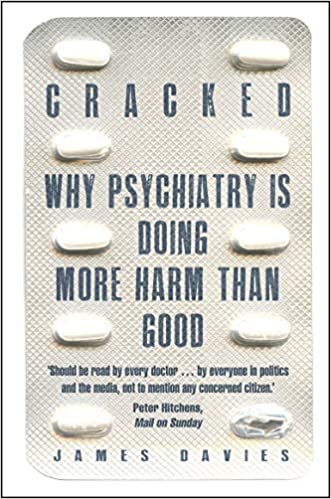
Dr. James Davies is the author of “Cracked: Why Psychiatry Is Doing More Harm Than Good.” Back in 2014, he told Channel 4:
“The so-called advantages of these medicines have been oversold and overplayed by the pharmaceutical industry and by members of the medical profession who have been recruited by the industry to sell up the advantages to other doctors and to their patients.
This has led to a belief that people in the general public tend to have that these pills tend to work. They don’t work better than placebo for most people.
I think what we have seen is a cultural shift in how we manage and respond to emotional discontent. There is a growing suspicion of emotional discontent and a growing need to get rid of it as soon as possible. Pills seem to offer us a solution.
Most people taking antidepressants are not mentally ill. They are suffering from natural, normal – albeit painful – human responses to the different things they have got themselves caught up in – things that these medicines were never designed to treat.
People are presenting to their GPs with common life problems and the GPs don’t want to send them away empty-handed.”
GP’s who prescribe antidepressants, simply because they don’t want to send a patient home empty-handed, should be struck off. Those GP’s are little more than drug dealers.
Davies is right. The pharmaceutical industry has oversold and overplayed the benefits of antidepressants. In fact, they’ve lied about the benefits. They know their drugs don’t work. They’ve spent billions bribing legislators and regulators to get their useless and dangerous drugs approved in every country in the world.
These are the same gangsters pushing covid jabs today. How could you possibly believe them when they declare their jabs to be safe and effective?
I don’t.
Complaint to Ofcom

Source: BIT
By Laura Dodsworth | 21st December 2021
Dear Melanie Dawes,
We are writing to alert you to a broadcast license complaint we have made about Sky UK. Our complaint concerns a partnership between Sky and Behavioural Insights U.K., Known as the Behavioural Insights Team (BIT), a limited company partly owned by the Government. We believe this partnership – and, in particular, Sky’s adoption of BIT’s recommendations about how to help the Conservative Government successfully implement one of its most political contentious policy, namely, Net Zero – contravenes the Broadcasting Code.
The partnership we’re referring to resulted in the publication of ‘The Power of TV: Nudging Viewers to Decarbonise their Lifestyles’ and the launch of Sky’s ‘Sky Zero’ campaign, which recommended that broadcasters make use of “behavioural science principles”, including subliminal messaging (“nudging” in the parlance of BIT, which is colloquially known as the Nudge Unit), to encourage viewers to endorse and comply with Conservative Government policy. Alarmingly, the report recommends broadcasters utilize sophisticated psychological techniques to change the behaviour of children “because of the important influence they have on the attitude and behaviours of their parents”.
Summary
We are concerned that this partnership and Sky’s adoption of BIT’s recommendations:
- Will affect the political impartiality of news and wider programming on Sky’s channels;
- Reveals an inappropriate relationship between a company which, when the report was published, was part owned by the U.K. Government, and a licensed U.K. broadcaster. Sky referred to BIT as “independent” in its video to promote this partnership, yet Sky will be aware that BIT was at the time part owned by the U.K. Cabinet Office. Until the Cabinet Office’s share was bought by NESTA earlier this month, the company was commonly referred to as “the Government’s Nudge Unit” and advised the Government on how to influence the public using sophisticated psychological techniques, particularly when it comes to getting people to comply with Government policies;
- Is an attempt to affect viewers’ attitudes and behaviour, including those of children, through the use of indirect, subliminal messaging (“nudging”) with a view to securing their support and compliance with one of the most politically contentious policy of the Conservative Government, namely, Net Zero.
- Reveals a historic relationship between behavioural scientists employed by the U.K. Government and broadcasters to promote Government policies: “behaviour change via broadcasting and traditional media has historically been aimed at improving public health, boosting gender equality, and reducing violence. Imagine the potential for emissions reductions if the same methods were used to encourage sustainable behaviours!” This historic relationship warrants further investigation since it may include historic breaches of the Broadcasting Code by Sky and other broadcasters.
The Complaint
Below are the specific contraventions of Ofcom’s Broadcasting Code that we are concerned about:
2.11 Broadcasters must not use techniques which exploit the possibility of conveying a message to viewers or listeners, or of otherwise influencing their minds without their being aware, or fully aware, of what has occurred. [Section two: Harm and Offence, The Broadcasting Code.]
The jointly-published report by BIT and Sky reveals their intention to subtly influence viewers’ attitudes and behaviour in indirect, subliminal ways by using sophisticated psychological techniques based on behavioural science. The aim is to change viewers minds, including the minds of children, about a politically contentious issue by using these techniques so viewers aren’t fully aware that an attempt is being made to change their minds. The underlying assumption is that this subtle, indirect messaging is a more effective way of changing people’s attitudes and behaviour than more overt messaging since the messages will be absorbed semi-consciously – catching viewers off guard, as it were, and bypassing their critical faculties. The use of this “nudging” would be less objectionable if these techniques were being recommended to promote an apolitical, uncontentious agenda. But the recommendation of the joint report is that these sophisticated psychological techniques be used to persuade viewers to endorse one of the Conservative Government most politically contentious policies, namely, Net Zero.
The foreword to the report, authored by David Halpern, the CEO of BIT, says:
Societal-level behaviour change is needed to tackle climate change… From changing what we buy and what we eat, to changing the technologies we use to heat our homes and travel, reaching Net Zero is conditional on large numbers of people taking up green behaviours and products.
Broadcast organisations and content creators therefore have a unique opportunity to make a difference for the planet. Through the programs that they produce, the characters that they create, the plot-lines that they develop, and the adverts that they broadcast, content creators have the potential to have a far-reaching impact on the knowledge, attitudes and behaviours of citizens, and to spark conversations in boardrooms and political arenas alike. They are also pivotally placed to help people sift through the maze of choices and claims, to adopt behaviours – and products – that can get us to a greener future.
The BIT report goes on to recommend a variety of subtle psychological techniques that broadcasters can use to promote this agenda, including using celebrities, on-screen presenters and dramatic characters as “role models”, e.g. advocates for the Net Zero policy, plot-lines, product placement, and editorially endorsing the Net Zero policy in news and current affairs programmes, as well as in drama programmes, travel programmes, DIY programmes and cookery programmes. Indeed, no area of Sky’s output across its various channels is to be left unaffected by this agenda.
Dana Strong, Group Chief Executive, Sky, agrees with this aim. She says in her foreword:
As Europe’s largest media and entertainment organisation, we also want to accelerate our industry’s efforts to drive global progress towards net zero.
However, it is now widely accepted that we must shift the behaviour of millions of people to deliver on our collective net zero goals…
We know that what we broadcast has the power to change how we as consumers feel and act. What we see on our screens can shock us, inspire us, educate us, and entertain us. [Our emphasis.]
5.1: News, in whatever form, must be reported with due accuracy and presented with due impartiality. [Section five: Due impartiality and due accuracy, The Broadcasting Code.]
The report suggests that, “Audiences’ knowledge on what to do and how can be improved by documentaries; DIY, travel, and cookery shows; and news coverage.”
This is an explicit call for broadcasters to encourage viewers to comply (“what to do and how”) with a controversial Conservative Government policy in news programmes, which is a breach of the Broadcasting Code’s “due impartiality” requirement.
In addition, the Climate Content Pledge (undertaken by 12 major U.K. media companies, including Sky) promises:
We will incorporate climate change considerations into all our editorial processes, informed by science and behavioural insight.
It is a breach of the “due impartiality” requirement for “climate change considerations”, e.g. promotion of the Government’s Net Zero policy, to be woven into all editorial processes, which include those in news and current affairs.
5.5: Due impartiality on matters of political or industrial controversy and matters relating to current public policy must be preserved on the part of any person providing a service (listed above). This may be achieved within a programme or over a series of programmes taken as a whole. [Section five: Due impartiality and due accuracy, The Broadcasting Code.]
As well as news and current affairs, other programming – such as DIY, travel and cookery programmes – must maintain “due impartiality on matters of political and industrial controversy and matters relating to current policy”. Yet the joint report by BIT and Sky encourages broadcasters to persuade viewers to comply with a controversial political (and industrial) policy, namely, Net Zero, which is a breach of this requirement. No balance of views and opinions or debate about this controversial Government policy is proposed, only suggestions as to how best to get viewers to change their attitudes and “behaviours” to align with the policy.
5.12: In dealing with matters of major political and industrial controversy and major matters relating to current public policy an appropriately wide range of significant views must be included and given due weight in each programme or in clearly linked and timely programmes. Views and facts must not be misrepresented. [Section five: Due impartiality and due accuracy, The Broadcasting Code.]
A commitment to promoting the Conservative Government’s goal of Net Zero will necessitate the exclusion of a wide range of alternative views, including those of numerous members of Parliament, other elected representatives, as well as distinguished climate scientists, experts on energy policy and environment correspondents. Excluding or marginalizing people who dissent from the Net Zero policy is surely a breach of this requirement. Broadcasters have an obligation to ensure viewers are exposed to a wide range of different viewpoints about this politically contentious policy.
9.1: Broadcasters must maintain independent editorial control over programming. [Section nine: Commercial references on TV, The Broadcasting Code.]
The report’s suggestion – that U.K. broadcasters incorporate the recommendations of a company partly owned by the U.K. Government, as it was at the time – implicitly undermines independent editorial integrity.
Product placement
The report recommends product placement to encourage people to support the Net Zero policy. Below are two examples:
Product placement directly impacts behaviour, it can influence key outcomes such as brand attention, knowledge, interest, recall, recognition, and purchase intent, which is encouraging for the potential impact that background green content could have on viewers. This can be explained by the “mere exposure effect”, where people often develop preferences for things simply because they are familiar with them.
Use green product placement and model green actions in the background to improve familiarity, create positive attitudes and norms.
This contravenes Ofcom’s rules which state that “product placement must not impair broadcasters’ editorial independence and must always be editorially justified. This means that programmes cannot be created or distorted so that they become vehicles for the purposes of featuring product placement.”
Conclusion
We find the collaboration between a major U.K. broadcaster and a company that was part-owned by the Cabinet Office until earlier this month to promote one of the most politically contentious policies of the current Conservative Government deeply alarming. The report jointly published by BIT and Sky seems to be unaware of the obligations imposed on broadcasters by the Broadcasting Code to maintain “due impartiality” across all their output, particularly news and current affairs, and the need to expose viewers to a wide range of views when it comes to “matters of major political and industrial controversy and major matters relating to current public policy”. On the contrary, Sky recommends that all U.K. broadcasters adopt a hard editorial bias when it comes to the promotion of the Government’s controversial Net Zero policy, and proudly boasts that it is adopting these recommendations itself.
We are particularly concerned about Sky’s enthusiastic embrace of subtle and sophisticated psychological techniques, rooted in behavioural science, to promote endorsement of and compliance with the Net Zero policy, as well as its evangelism in trying to get other broadcasters to use these techniques. To take just one example, the use of product placement to try and influence viewers’ attitudes and behaviour towards this controversial policy is a flagrant breach of Section Two of the Broadcasting Code, which explicitly prohibits the use of “techniques which exploit the possibility of conveying a message to viewers or listeners, or of otherwise influencing their minds without their being aware, or fully aware, of what has occurred”. Far from being concerned that the use of product placement may persuade viewers to endorse a politically controversial policy without their being fully aware of it, BIT and Sky appear to be recommending its use for precisely that reason. The recommendation in the report that such techniques are deployed to change the behaviour of children – and the implication that Sky is currently doing precisely that across all its channels – is unconscionable.
We hope you will investigate our complaint with the urgency we believe it merits.
Yours sincerely,
Laura Dodsworth
Toby Young
CC: The RT Hon Nadine Dorries MP, Secretary of State for Digital, Culture, Media and Sport; Lucy Powell MP, Shadow Secretary of State for Digital, Culture, Media and Sport
“Do Not Discriminate” Against the Unvaccinated, Japanese Government Tells Citizens
By Noah Carl | The Daily Sceptic | December 21, 2021
At this point, almost all Western countries have introduced some form of vaccine passport or vaccine mandate. Despite repeated assurances from the Vaccines Minister that this wouldn’t happen here, Britain is no exception.
Things may go further in some European countries. Austria is set to make vaccination mandatory from 1st February next year. And beginning in January, Greece will impose a monthly fine of €100 on all over 60s who remain unvaccinated.
Even the United States – supposedly the ‘land of the free’ – has not bucked the trend toward use of passports and mandates. Several states have introduced them, including some of the biggest like New York, California and Virginia. Healthcare workers with natural immunity have already been fired for refusing to comply.
You might conclude that introducing passports and mandates is just something that all advanced countries do. But that isn’t true, as there’s one major exception: Japan.
Nobody can doubt Japan’s credentials as an advanced country. It’s a member of the ‘Group of Seven’, along with the U.K., U.S., Canada, France, Italy and Germany. And it boasts the world’s third largest economy overall. Japan is known for its technologically advanced society, where the high-speed trains never run more than a few minutes late.
So what is the country’s stance on passports and mandates? So far, it’s completely eschewed them. Not only that, but the Government and Prime Minister have explicitly told citizens not to discriminate against the unvaccinated.
The following notice appears on the website for the Ministry of Health, Labour and Welfare:
Although we encourage all citizens to receive the COVID-19 vaccination, it is not compulsory or mandatory. Vaccination will be given only with the consent of the person to be vaccinated after the information provided. Please get vaccinated of your own decision, understanding both the effectiveness in preventing infectious diseases and the risk of side effects. No vaccination will be given without consent. Please do not force anyone in your workplace or those who around you to be vaccinated, and do not discriminate against those who have not been vaccinated.
And a similar notice appears on the website for the Prime Minister:
Vaccines will never be administered without the recipient’s consent. We urge the public never to coerce vaccinations at the workplace or upon others around them, and never to treat those who have not received the vaccine in a discriminatory manner.
Western countries still claim to be the foremost defenders of civil liberties. But in the era of Covid safetyism, it seems that mantle has passed to Japan. Perhaps the country will send a delegation of human rights experts to teach the West about individual freedom.
Witches executed 300 years ago to be posthumously pardoned
FILE PHOTO. © Getty Images / ZU_09
RT | December 19, 2021
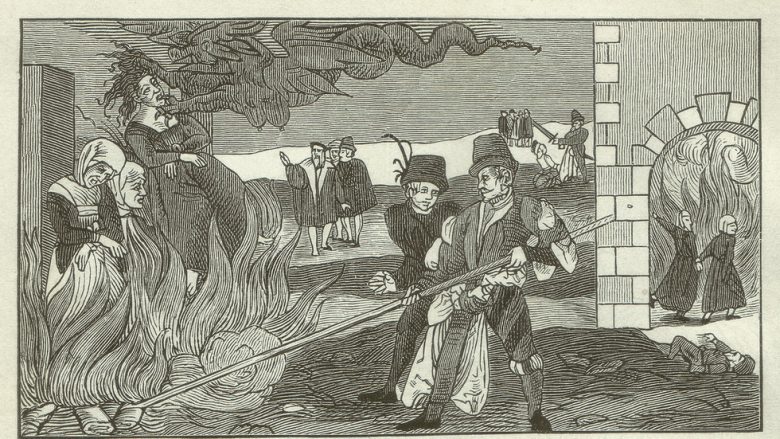
Thousands of people, mostly women and girls, who were accused of witchcraft in Scotland hundreds of years ago are set to be pardoned following a two-year long campaign by the Witches of Scotland activist group.
The women’s alleged crimes were reportedly as varied as causing hangovers to meeting with the Devil — and more than half of those accused under the Witchcraft Act between 1563 and 1736 were executed. According to estimates cited by the Sunday Times, some 85% of the victims were female.
Scottish First Minister Nicola Sturgeon’s administration has reportedly backed a bill proposed in parliament which calls on the government to posthumously clear the victims’ names. The likely pardon comes after a two-year long campaign led by a group named ‘Witches of Scotland’.
Activists Claire Mitchell QC and Zoe Venditozzi launched a petition on International Women’s Day 2020, demanding that the authorities pardon, apologize, and memorialize those killed as witches in Scotland. On September 1, a parliamentary committee agreed to pass the issue on to the Scottish government.
The bill granting the pardon could be passed as early as summer 2022, according to media reports. Natalie Don, a Scottish National Party lawmaker, told the Sunday Times that it was right that “this wrong should be righted, that these people who were criminalised, mostly women, should be pardoned.”
Religion and superstition-fueled witch-hunts were not unique to Scotland, with similar practices seen in west Germany, France, northern Italy, and Switzerland, and what would later become the US. Tens of thousands of women accused of witchcraft were burned at the stake or hanged over a span of several centuries.
And while in the West, the prosecution of witches ceased by the late 18th century, elsewhere in the world witchcraft is still considered a crime. Saudi Arabia, for example, established an anti-witchcraft unit in 2009 and accused women have even been put to death. Similarly, the Central African Republic doles out extremely harsh punishments to those accused of being witches.
Piers Corbyn arrested for ‘inciting violence’
RT | December 19, 2021
Former Labour leader Jeremy Corbyn’s brother Piers has been arrested for allegedly calling for the offices of pro-lockdown MPs to be burnt down during a protest against vaccination mandates in Westminster.
Corbyn was arrested in Southwark, London on Sunday at 1.45am local time, according to The Guardian, which cited Metropolitan police sources. Police had previously mentioned they were investigating a video in which the anti-lockdown protest leader appeared to be advocating arson.
The brother of former Labour leader Jeremy Corbyn can be seen on the video, shot at Saturday’s protest outside Downing Street, calling on supporters to “hammer to death those scum who have decided to go ahead with introducing new fascism.” Informing his audience that there are websites with lists of MPs who fit that description, he recommended their constituents “go to their offices and — well, I would recommend burning them down, but I can’t say that on air.”
Audience members laugh in response, suggesting the remark was not made in seriousness, but Corbyn appears to realize he’s gone too far, repeating, “I hope we’re not on air.”
Corbyn also calls for anti-mandate protesters to “get a bit more physical,” urging demonstrators to “take down these lying vaccinators and we’ve got to take down these lying MPs.” Protesters, he said, should “support and welcome” those who have rebelled against PM Boris Johnson’s Covid-19 control measures in either party. Legislation to introduce vaccination certificates passed on Tuesday despite 99 Conservative MPs breaking with the party line to vote against it.
The protest attracted thousands of demonstrators who subsequently marched through the capital. Doctors have characterized the Omicron variant as comparatively mild, but that has not prevented governments from undergoing the now-routine process of locking down, renewing calls for vaccination and/or boosters, denouncing the unvaccinated, and unleashing the police on protesters.
Home Secretary Priti Patel demanded that police investigate the “sickening” video, urging them to “take the strongest possible action” against Corbyn. The 74-year-old was arrested on “suspicion of encouragement to commit arson.” A fixture at anti-lockdown protests since London began implementing Covid-19 restrictions, Corbyn has been arrested several times for breaching government pandemic orders.
A week of life under the Ministry of Fear. This time, we locked ourselves down.
By Laura Dodsworth | December 18, 2021
Last Sunday evening, Boris Johnson interrupted the nation’s TV viewing with an announcement about the new Covid-19 variant. “Fighting Omicron is the most important thing we can do,” he said. It’s early days, and in the absence of clinical data or indeed any rise in hospitalisations and deaths, it remains to be seen if this is true.
We were left in no doubt about how to fight – get boosted. In retrospect, the triadic structure of previous press briefings (“Hands, Face, Space” and “Stay Home, Protect the NHS, Save Lives”) was the ultimate in sophistication compared to the frequent repetition of “boosted” (eight times), “booster” (eight times) and “vaccination” (four times) in one short speech.
This past week exemplifies nearly two years of life under the “Ministry of Fear”, as Sir Desmond Swayne MP termed it. Amid a Tory rebellion, he delivered a tirade in the House of Commons on the day that MPs voted on Covid Passes, the expansion of mask mandates and compulsory jabs for NHS workers. He accused the UK government of “twisting the fear lever” and unleashing “the dogs of war”.
He is not alone. Andrew Bridgen MP said that, in his opinion, “the most dangerous epidemic sweeping the world and sweeping our country is an epidemic of fear”. I agree Pandemics come and eventually go, but our basic psychology is here to stay. The UK government has relied upon the use of fear, nudges, behavioural science techniques and propaganda to subliminally encourage people to comply with the regulations, as I set out in my book A State of Fear: how the UK government weaponised fear in the Covid-19 pandemic.
These techniques work so well that, this time, we have essentially locked ourselves down. Without so much as a new law, statutory instrument, or prime ministerial request, Nativity plays, office Christmas parties and pub bookings are cancelled. Stocks of lateral flow test ran dry. People queued for eight hours for their boosters. The media enthusiastically obliged with a new “tidal wave” of articles and programmes prophesying catastrophic cases and demonising the “selfish” unjabbed. Journalists asked for more restrictions, sooner.
I spoke to Swayne who told me he believes the fear is driven very much by the doom-mongering scientists on SAGE and Independent SAGE whose worst case scenarios necessitate action, and then “the media hams it up”.
One of the government’s early concerns was that some people actually understood that the risk from Covid-19 to their demographic is low, hence fear was leveraged to ensure everyone feel at risk so that they would follow the rules. Similarly, last Sunday, Johnson acknowledged that “some people” would believe Omicron to be less severe than previous variants – and at this point there is little clinical data to prove Omicron will be more serious or able to evade our natural immunity and vaccine-derived antibodies – but he warned “scientists cannot say that Omicron is less severe”. Essentially we were told to ignore the lack of scientific evidence and instead embrace fear and follow instructions.
So, how to convince us of a threat, before the threat has actually manifested? By using the same methods they have honed throughout the pandemic, including the use of big scary numbers, advertising, subtle messaging, alarmist language and the most punitive fines since the Dark Ages.
I dedicated a chapter of my book to the metrics of fear – daily death tolls, the reproduction number, cases and worst case modelling. This week’s numbers have crumbled like icing sugar.
Sajid Javid estimated that there were 200,000 infections, which appears to have been a back of the envelope calculation, based upon assumptions and extrapolations. Dominic Raab said there were 250 people in hospital with Omicron, when there were 10. Dr Jenny Harries, head of the UKHSA, warned the Omicron variant is “probably the most significant threat” of the pandemic and we should expect a “staggering” growth rate, but her dire warning was juxtaposed with acknowledging it’s too early a stage to be clear about the clinical severity.
These speed-generated pessimistic numbers and contradictions give the rational mind whiplash and leave you vulnerable to fear. As Swayne put it, “It’s designed to make your flesh creep. Even if you then ameliorate it, the first scary bit is out there.”
To lay the groundwork, masks were re-introduced as a “softening up exercise for Plan B,” according to a government advisor who sits on a government Covid taskforce. He anonymously confided that, “Masks are a behavioural psychology policy. We need to stop pretending that it’s about public health. Nudge is a big thing in government.” Masks turn us into walking billboards advertising danger.
I have already argued that the whole point of the Winter Plan was Plan B and Covid Passes. The government has not provided convincing scientific evidence for vaccine passports, but they are widely understood to be a ‘tool’ to drive take-up. Now, fines of up to £10,000 can be imposed for falsifying Covid Passports – a life-destroying amount designed to strike fear into your heart.
The advisor shared internal documents with me that show Covid Passes were ready to go in early November. Worryingly, they also show that government is also working with analysts to see whether “mandatory vaccination would hit the right target or not”.
The government has launched new advertising campaigns. One TV advertisement, intended to encourage ventilation has frightened children. One father wrote to tell he had complained to his MP and the Advertising Standards Authority because the “sinister black mist” snaking out of people’s mouths terrified his four and six year old in the ad break of a Christmas film. His daughter had nightmares and was still crying about “germs” the next day. He is angry about the “intentionally fear-inducing piece of Gov media forced in their face”.
Martin Kemp played the part of Santa Claus preparing for Christmas by getting his booster jab in a government advertisement. Santa has a long history of being enlisted for propaganda purposes from Soviet space missions to selling World War Two US government bonds. Even Tesco got in on the act this year in their festive ad, making Santa brandish a Covid Pass QR code to enter the country. However, this badly misjudged public mood and #BoycottTesco trended on Twitter.
Press and social media ads have returned to the red and yellow ‘danger’ style chevons, although they feature smiling younger people presumably boosted against Omicron. The “O” in boosted is golden and enlarged, presumably to echo “O-micron” and also evoke the circle of protection Johnson wants the booster to deliver. The people are surrounded with a warming Ready Brek-style glow.
I warned in The Telegraph in October that I would not be surprised to see ministers on television, urging us to follow restrictions in order or to “save Christmas”, once again. I’ll be on Santa’s ‘Nice List’ for getting that right.
Some polls are used as both a nudge and a spoiler of public policy. When you see a result such as 76% of Britons want to see the return of compulsory face masks in shops and on public transport (Yougov) you are meant to identify with the group and imagine yourself in the majority – “ah yes, that is what I think too!” The poll was also a signal to seed the idea of the ensuing policy change. This mutually influential relationship between polls and policy is especially clear in the case of questions such as “If someone has had two doses of a Covid-19 vaccine, but it has been over six months since their second dose, would you consider that person to be ‘fully vaccinated’?” (also Yougov) which should have nothing to do with public opinion.
Polls don’t always go the ‘right way’ though. Good Morning Britain ran a Twitter poll which asked “With Omicrom cases doubling every two days, is it time to make vaccines mandatory?” After 89% of 44,533 respondents voted no, the Twitter poll was pulled. Presumably it was not the answer that GMB wanted and, curtain pulled back, they knew that we knew it.
There is less fear in the air this time despite the “tidal wave” of fear-mongering. Redfield and Wilton Strategies latest research into public attitudes found that 81% of people plan to have a normal Christmas and New Year and feelings of safety in public have only marginally declined. Once you have seen the nudges you cannot un-see them, and fear cannot be sustained indefinitely.
When the government resorts to fear and hyperbole to gain compliance, it shows what they think of us. We are emotionally kettled rather than treated as responsible individuals with agency. As a Nudge Unit report said, we have a “powerful tendency to conform” and the government relentlessly exploits this human feature. I suspect that this time, the government is keen to address concerns that it has not acted swiftly enough in the past, and believes the strong warnings are in our best interests. Perhaps Ministers are themselves in thrall to the anxiety-inducing steep-lined graphs.
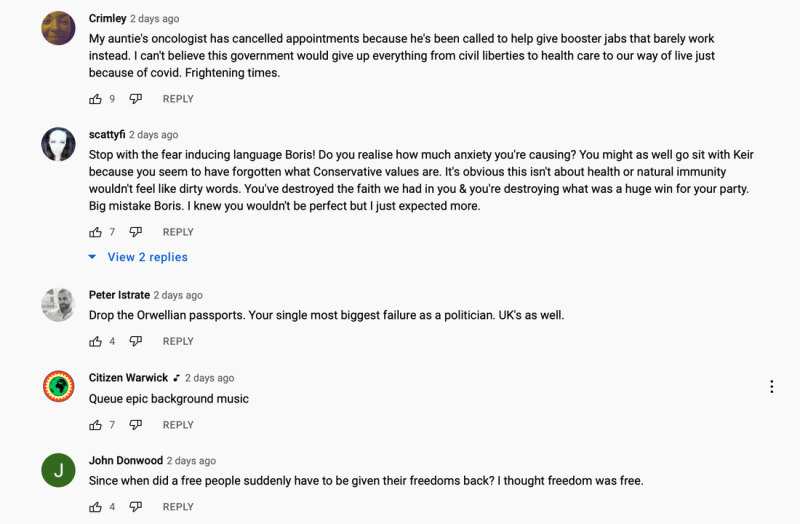
10 Downing Street released a nugget sized version of Johnson’s Omicron announcement on Youtube, with a tight crop and dramatic music. The selected few dramatic sentences could have been borrowed from a disaster genre ‘B’ movie. I’m not sure if Youtube comments are more or less valid than Yougov, but they are certainly revealingly scathing about “fear inducing language”, “Orwellian passports” and NHS queues.
I think there is a sense that people will do quite a lot to have a normal Christmas and get life back to normal, but fear of Covid and trust in the messaging are running out, just like those lateral flow tests.
Meet Ghislaine: Daddy’s Girl

BY WHITNEY WEBB |
UNLIMITED HANGOUT| DECEMBER 16, 2021
Absent from mainstream discourse on Ghislaine Maxwell’s ongoing trial is any mention of the ties, not only of herself, but her family, to Israeli intelligence. Those ties, forged by Ghislaine’s father Robert Maxwell, are critical to understanding Ghislaine’s history and her role in Jeffrey Epstein’s sexual blackmail and trafficking network.
The trial of Ghislaine Maxwell, the alleged madam of Jeffrey Epstein’s sexual blackmail and sex trafficking network, has attracted considerable mainstream and independent media attention, though not as much as one might expect given the level of media attention that surrounded Epstein’s 2019 arrest and death or given the public interest in the Epstein/Maxwell scandal and its broader implications.
Unsurprisingly, the broader implications of the Epstein/Maxwell scandal have been largely, if not entirely absent, from mainstream media (and some independent media) coverage of Ghislaine Maxwell’s trial as well as absent from the case itself. For example, despite physical evidence of sexual blackmail stored at Epstein’s residences being shown by the prosecution (with the names of those incriminated being notably redacted), the prosecution chose not to mention even the potential role of blackmail in Ghislaine Maxwell’s activities and motives as it related to her involvement in sex trafficking activities alongside Jeffrey Epstein. Not only that, but the names of Ghislaine’s close contacts and even some of her defense witnesses, along with considerable information about her role in Epstein’s network that is very much in the public interest, is due to be filed under seal and forever hidden from the public, either due to “deals” made between the prosecution and the defense in this case or due to rulings from the judge overseeing the case.
Going hand in hand with the blackmail angle of this case is the specter of Ghislaine Maxwell’s family ties to intelligence agencies, as well as the intelligence ties of Jeffrey Epstein himself. Given that blackmail, particularly sexual blackmail, has been used by intelligence agencies – particularly in the US and Israel – since the 1940s and beyond, it is deeply troubling that neither the blackmail or intelligence angle has played any role in the prosecution’s case or in the mainstream media’s coverage of the trial.
To remedy this lack of coverage, Unlimited Hangout is publishing a 2-part investigative report entitled “Meet Ghislaine”, which is adapted from this author’s upcoming book on the subject. This investigation will detail key aspects of Ghislaine Maxwell’s links to intelligence agencies and sexual blackmail activities that are relevant to the case against her and perhaps explain the silence from the prosecution and their interest in sealing potentially incriminating evidence against Ghislaine from public scrutiny. Part 1 of this article will focus on Ghislaine’s father, Robert Maxwell, a “larger than life” figure who straddled the worlds of both business and espionage and whose daughters inherited different aspects of his espionage contacts and activities as well as his influence empire following his 1991 death.
The Making of a Maxwell
To understand Ghilaine Maxwell’s history, one must start with a hard look at the rise of her father, Robert Maxwell. Born in what is now part of Ukraine, “Robert Maxwell” was the last in a series of names he used, with Abraham Hoch, Jan Ludvick, and Leslie Du Marier among his earlier aliases. The name Robert Maxwell emerged at the behest of one of his superiors in the British military. Maxwell had joined the British military during World War II, having left the village of his birth prior to the war, when the Third Reich began its expansion. Maxwell’s parents and his siblings are believed to have died in the Holocaust.
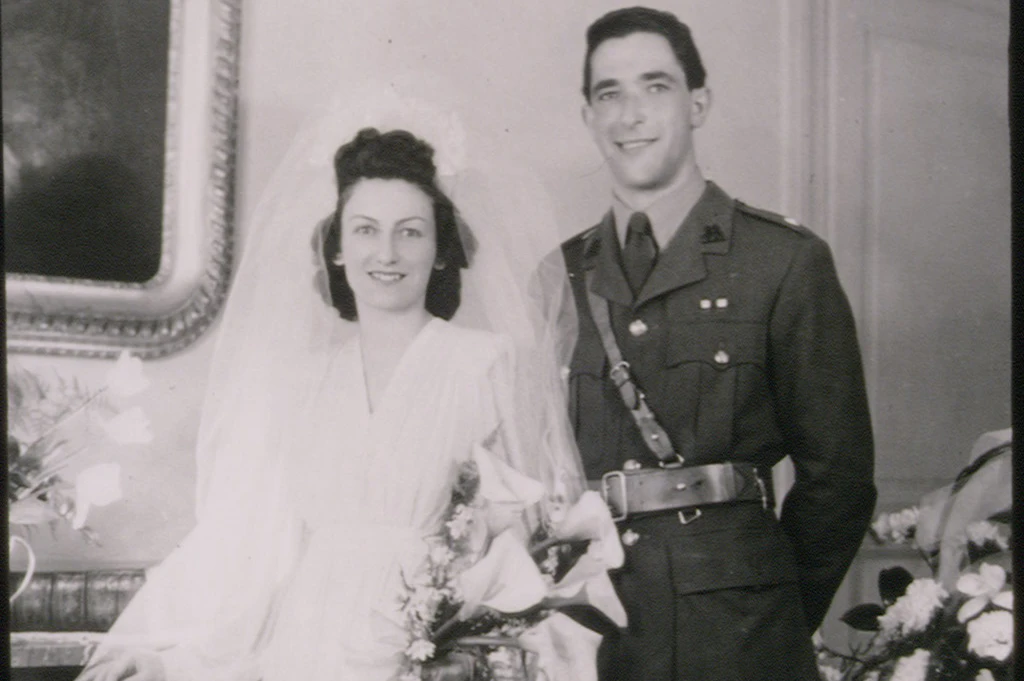
Robert and Betty Maxwell pose at their 1945 wedding; Source
Robert Maxwell was involved with the British intelligence service MI6 during the war and, after the war, was befriended by Count Frederich vanden Huevel, who had worked closely with Allen Dulles during the war. Dulles went on to be the first director of the Central Intelligence Agency (CIA) and, during the war, was busy running interference for prominent Nazis and actively undermining FDR’s “total surrender” policy for senior Nazi leadership.
The chaos of postwar Europe allowed Maxwell to plant the seeds for what would become his future media empire. Thanks to his contacts with Allied Forces in postwar Berlin, he was able to acquire the publishing rights for prominent European scientific journals and, in 1948, those interests were folded into the British publishing company Butterworth, which had long-standing ties to British intelligence. In the early 1950s, the company was renamed Pergamon Press, and this company became the cornerstone of Maxwell’s media empire.
Pergamon’s access to prominent academics, scientists, and government not only led to Maxwell acquiring great wealth but also attracted the interest of various intelligence agencies— British, Russian, and Israeli among them—all of which attempted to recruit Maxwell as an asset or as a spy. When MI6 attempted to recruit Maxwell for the service, it concluded, after conducting an extensive background check, that Maxwell was a “Zionist—loyal only to Israel.” His subsequent relationship with MI6 was choppy and largely opportunistic on both sides, with Maxwell later laying some of the blame for his financial troubles on MI6’s alleged attempts to “subvert” him.
Maxwell was not officially recruited to work for Israeli intelligence until 1961, but his critical role in securing weapons and airplane parts for the 1948 war that created the state of Israel suggests a strong relationship with prominent politicians and military figures in the nation from its beginning, as this was certainly the case with other prominent businessmen who had helped arm Zionist paramilitaries before and during 1948. In the early 1960s, Maxwell was formally approached by Israeli intelligence to make use of his access to the variety of prominent businessman and world leaders that he had cultivated while growing his media empire.
A few years after being officially recruited as an asset of Israeli intelligence, Maxwell ran for public office, becoming a member of the British Parliament for the Labour Party in 1964. His bid for re-election failed, which left him out of office by 1970. Around that same time, he also lost control of Pergamon Press, though he reacquired it a few years later.
Having nearly lost everything, Maxwell devoted his time to consolidating control over his ever-growing web of interlocking companies, trusts, and foundations that now encompassed much more than media concerns, while also developing his ties to prominent politicians, businessmen, and their fixers, a group that Maxwell proudly referred to as his “sources.” Among these early “sources” were soon-to-be UK prime minister Margaret Thatcher; Israel’s biggest arms dealer and one of its powerful oligarchs, Saul Eisenberg; financial behemoths such as Edmund Safra; and master manipulators such as Henry Kissinger. Another early “source” was George H. W. Bush, who was then part of the Nixon administration and soon served as CIA director before becoming Reagan’s vice president and then US president himself.
Maxwell’s sources and influence extended well beyond the West, with many of his most prominent contacts found in Eastern Europe and in the Soviet Union. He had cozy relationships with dictators, intelligence officials, and even organized crime lords such as Semion Mogilevich, sometimes referred to as the “boss of the bosses” of the Russian mafia. It was none other than Robert Maxwell who orchestrated the entry of Mogilevich-connected companies into the United States, a move that was accomplished after Maxwell successfully lobbied the state of Israel to grant Mogilevich and his associates Israeli passports, thereby allowing them easier access to US financial institutions.
The expansion of Maxwell’s prominent contacts paralleled the growth of his media empire. By 1980, he had acquired the British Printing Corporation, which he renamed the Maxwell Communication Corporation. Just a few years later, he bought the Mirror Group, publisher of the British tabloid the Daily Mirror. This was followed by his acquisition of US publishers Prentice Hall and MacMillan and later the New York Daily News. Much of the money Maxwell used to acquire the Mirror Group and several of these other companies came from financial backers of Israeli intelligence. Money “borrowed” from Maxwell-owned media outlets such as the Mirror Group and its pension fund was used to finance Mossad activities in Europe and elsewhere; then, the funds were restored before the absence was noticed by company employees not privy to these operations. Maxwell later derailed this well-oiled system by dipping into these same funds to finance his own ostentatious and salacious habits.
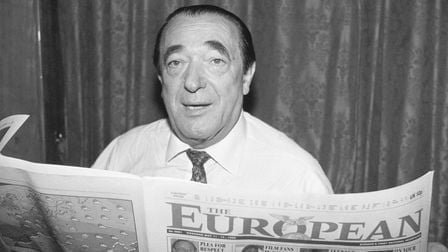
Robert Maxwell poses with the first edition of “The European” newspaper he founded in 1990; Source
During this period, Maxwell’s ties to Israeli intelligence deepened in other ways, particularly during the time when Yitzhak Shamir was prime minister. Shamir, previously a leader of the Zionist terrorist group known as Lehi or the Stern Gang, deeply loathed the United States, a sentiment he confided to Maxwell during one of Maxwell’s visits to Israel. Shamir told Maxwell that he blamed the Americans for the Holocaust because of US failure to support the transfer of European Jews to Palestine prior to the war. Shamir’s views on the US likely informed Israel’s more aggressive espionage targeting the US that emerged during this time and in which Maxwell prominently figured.
Maxwell and the PROMIS Affair
Maxwell’s prominent roles in the PROMIS software scandal and the Iran-Contra affair during the 1980s were facilitated by his purchase of numerous Israeli companies, several of which were either fronts or “providers of services” for Israeli intelligence. The most notable of these was Scitex, where Yitzhak Shamir’s son Nachum was a major executive throughout the 1990s and early 2000s, and Degem, a computer company with a large presence in Central and South America as well as Africa.
Even before Maxwell’s purchase of Degem, it had been used by Mossad as a cover for agents, and particularly assassins, who would use its offices as a cover before conducting kidnappings and murders of individuals linked to groups with ties to or sympathies for Israel’s enemies, particularly the PLO. Some of the most notable events occurred in Africa, where Mossad assassins used Degem as cover to launch killings of members of the African National Congress. In Latin America, Degem was also used as cover for the Mossad to infiltrate terrorist and nacroterrorist organizations such as Peru’s Sendero Luminoso (known in English as the Shining Path) and Colombia’s National Liberation Army or ELN.
After Maxwell’s purchase of Degem, it served as the main vehicle through which Israel conducted what was arguably its most brazen and successful espionage operation of the era—the bugging and then mass marketing of the stolen software program known as PROMIS.
Rafi Eitan, the notorious Israeli spymaster who served as Jonathan Pollard’s handler and who played a key role in the creation of the Talpiot program, was serving as the head of the (now defunct) Israeli intelligence service known as Lekem when he heard of a revolutionary new software program being used by the US Department of Justice. The program was known as the Prosecutors Information Management System, better known by its acronym PROMIS.

Rafi Eitan with Israeli politician Ariel Sharon in 1987; Source
Eitan had learned of PROMIS from Earl Brian, a longtime associate of Ronald Reagan who had previously worked for the CIA. PROMIS is often considered to be the forerunner of the PRISM software used by US and allied spy agencies today and was developed by former NSA official Bill Hamilton. Hamilton had leased the software to the US Department of Justice through his company, Inslaw Inc., in 1982.
Eitan and Brian hatched a plan to install a “trapdoor” into the software and then sell PROMIS throughout the world, providing Israel with invaluable intelligence on the operations of its enemies and allies while also netting Eitan and Brian massive profits. According to the testimony of former Israeli intelligence officer Ari Ben-Menashe, Brian provided a copy of PROMIS to Israeli military intelligence, which contacted an Israeli American programmer living in California. That programmer then planted a trapdoor or back door into the software.
Once the back door was installed, Brian attempted to use his company Hadron Inc. to market the bugged PROMIS software around the world. Having been unsuccessful at trying to buy out Inslaw, Brian turned to his close friend Attorney General Ed Meese, whose Justice Department abruptly refused to make payments to Inslaw that were stipulated by contract, essentially using the software for free. Hamilton and Inslaw claimed that this was theft. Some have speculated that Meese’s role in that decision was shaped not only by his friendship with Brian but also by the fact that his wife was a major investor in Brian’s business ventures.
Meese’s actions forced Inslaw into bankruptcy, and Inslaw subsequently sued the Justice Department, with the court finding that the Meese-led department “took, converted, [and] stole” the software through “trickery, fraud and deceit.” Meanwhile, with Inslaw seemingly out of the way, Brian sold the bugged software to Jordan’s intelligence service, which was a major boon for Israel, and to a handful of private companies. Eitan, nevertheless, was unsatisfied with Brian’s progress and quickly turned to the person he thought could most effectively sell PROMIS to governments of interest all over the world—Robert Maxwell.
Salesman and Spy
Through Degem and other fronts, Maxwell marketed PROMIS so successfully that Israeli intelligence soon had access to the innermost workings of innumerable governments, corporations, banks, and intelligence services around the world. Many of Maxwell’s biggest successes came in selling PROMIS to dictators in Eastern Europe, Africa, and Latin America. Following the sales, and after Maxwell collected a handsome paycheck, PROMIS, with its unparalleled ability to surveil anything from cash flows to human movement, was used by these governments to commit financial crimes with greater finesse and to hunt down and “disappear” dissidents.
In Latin America, Maxwell sold PROMIS to military dictatorships in Chile and Argentina. It was used to facilitate the mass murder that characterized Operation Condor, as the friends and families of dissidents and so-called subversives were easily identified using PROMIS. PROMIS was so effective for this purpose that, just days after Maxwell sold the software to Guatemala, this US-backed dictatorship rounded up twenty thousand “subversives” who were never heard from again. Of course, thanks to the back door in PROMIS, Israeli intelligence knew the identities of Guatemala’s disappeared before the victims’ own families. Both the US and Israel were also intimately involved in the arming and training of many of the Latin American dictatorships that had been sold the bugged PROMIS software. It is worth noting that Israel’s government and military-industrial complex was simultaneously involved in selling arms to many of these same governments.
Though Israeli intelligence immediately found obvious uses for the steady stream of sensitive and classified information, their biggest prize was yet to come. Eitan soon tasked Maxwell with selling PROMIS to top secret US government labs in the Los Alamos complex, including Sandia National Laboratories, which was and is at the core of the US nuclear weapons system. In order to plot how he would accomplish such a feat, Maxwell met with none other than Henry Kissinger, who told him that he needed to enlist the services of Texas senator John Tower, who was then head of the Senate Armed Services Committee. Kissinger has never been charged or even challenged for his role in facilitating a foreign-espionage operation targeting highly sensitive US national security information.
Maxell, using Mossad-derived money, paid Tower $200,000 for his services, which included opening doors — not just to the Los Alamos complex but also to the Reagan White House. PROMIS was then sold to the laboratories through a US-based company that Maxwell had purchased in 1981 and transformed into a front for Mossad. That company, called Information on Demand, was headed by Maxwell’s daughter Christine Maxwell beginning in 1985 until Robert’s death in 1991, during which period she helped sell the bugged PROMIS software to several Fortune 500 companies. Isabel Maxwell, sister to Ghislaine and Christine, would also work at the company before its closure in 1991.
After the attacks of September 11, 2001, Christine Maxwell teamed up with CIA official Alan Wade to market homeland-security software known as Chiliad to the US national security state, while Isabel would work closely at the intersection between Israeli intelligence and its private technology sector around that same period. Ghislaine, along with her two intelligence and technology-connected sisters, would hold a significant stake in a technology company that appears to be the actual origin of the Bill Gates-Jeffrey Epstein relationship, as explained in this Unlimited Hangout investigative report from May.
A few years after its acquisition by the Maxwells, Information on Demand was investigated by the FBI for its intelligence links beginning in 1983. However, that investigation was repeatedly shut down by higher-ups in the Meese-led Department of Justice, which, as previously mentioned, had been complicit in the whole sordid PROMIS affair. The investigation was shut down for good in 1985. The cover-up, oddly enough, continues today, with the FBI still refusing to release documents pertaining to Robert Maxwell and his role in the PROMIS scandal.
At the time, the halting of the FBI investigation green-lighted Information on Demand’s sale of PROMIS to Sandia National Laboratories, which provided Israeli intelligence with direct access to the core of the US nuclear weapons programs and nuclear weapons technology. This was a boon for Israel’s still-undeclared trove of nuclear missiles and warheads and helped ensure that Israel would remain the only nuclear power in the Middle East. Israel’s acquisition of nuclear weapons, seen in the light of the PROMIS scandal and the Pollard spy affair, shows that it was largely accomplished through trickery, deception and espionage rather than Israeli technical or scientific prowess.
This same year, 1985, is also when the CIA finally caught up with their Israeli equivalent and created its own back door into PROMIS, which it sold mostly to allied intelligence services in the UK, Australia, New Zealand, and elsewhere. It wasn’t nearly as successful as Maxwell, who sold an estimated $500 million in bugged PROMIS programs for Israel. The CIA, on the other hand, only sold around $90 million.
Heiress to an Espionage Empire
After Maxwell’s wild success in selling PROMIS on behalf of Israeli intelligence, he was recruited for another Israeli intelligence-driven operation—the Iran-Contra deal. It was through his Iran-Contra dealings that Robert Maxwell reportedly met Jeffery Epstein, whom he brought into the fold of Israeli intelligence that same year with the personal approval of the “higher ups” of Israeli military intelligence. The head of Israeli military intelligence at this time was Ehud Barak, who later come under fire for his well-documented and close ties to Epstein. The year 1985 was also the year when, conveniently enough, Epstein met Ohio billionaire Leslie Wexner and became intimately involved with his finances and affairs after Wexner’s previous fixer, Arthur Shapiro, was shot in the face in broad daylight before he was set to testify to the IRS on matters related to Wexner’s finances. Wexner would go on to co-found the Mega Group in 1991, several prominent members of which have close ties to Israeli political and intelligence figures and/or US-based organized crime networks like the National Crime Syndicate.
Epstein’s entry into this world was facilitated through his romantic ties to Ghislaine Maxwell, which had allegedly preceded Robert Maxwell’s successful efforts to bring him into the fold of Israeli military intelligence. Epstein was only one of several boyfriends Ghislaine is said to have had in the 1980s, but Epstein was certainly the most similar in terms of both behavior and “talents” to her father.
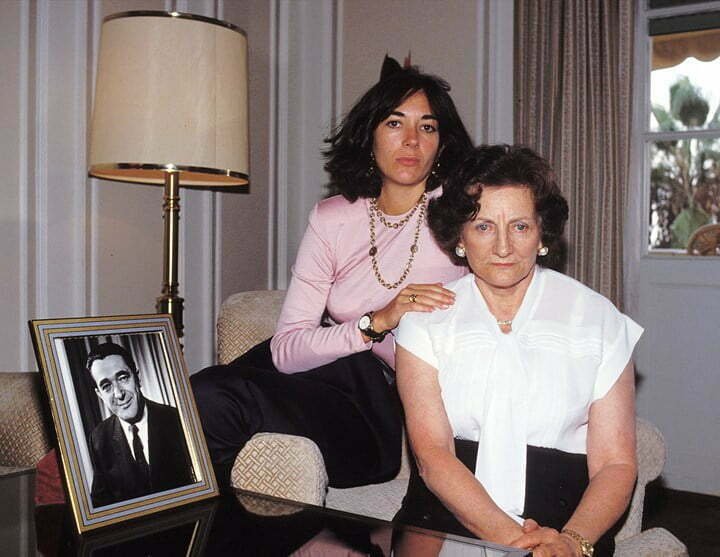
Ghislaine Maxwell and her mother Betty pose next to a framed picture of Robert Maxwell in Jerusalem, November 1991; Source
Ghislaine’s other boyfriends during and prior to this period certainly deserve mention. One of the more interesting was an Italian aristocrat named Count Gianfranco Cicogna, whose grandfather was Mussolini’s finance minister and the last doge of Venice. Cicogna also had ties to both covert and overt power structures in Italy, particularly to the Vatican, the CIA’s presence in Italy, and to the Italian side of the National Crime Syndicate. The other half of that syndicate, of course, was the Jewish American mob with its ties to the Mega Group, itself deeply connected to the Epstein scandal and whose members were frequent business partners of Robert Maxwell. It’s worth noting that Gianfranco Cicogna met a grisly end in 2012 when the plane he was flying exploded in a giant fireball during an air show, a morbid spectacle that can surprisingly still be viewed on YouTube.
Ghislaine and Robert Maxwell also had odd ties to the Harvey Proctor scandal in the United Kingdom, whereby a tabloid of Robert Maxwell’s—with Maxwell’s full approval—ran a story claiming that efforts were being made to blackmail Robert Maxwell with information regarding Ghislaine’s alleged relationship with the future Duke of Rutland. Maxwell clearly wanted the information linking Ghislaine to the duke put out into the public sphere, but the story is odd for a few reasons. The motive of the blackmailer was ostensibly to prevent Maxwell-owned papers from covering the Harvey Proctor scandal. But the son of the duke who was allegedly involved with Ghislaine was also a close friend and later the employer of Harvey Proctor.
The appearance of Harvey Proctor, a Conservative member of Parliament, in this tabloid spectacle is interesting for a few reasons. In 1987, Proctor pleaded guilty to sexual indecency with two young men who were sixteen and nineteen at the time, and several witnesses interviewed in that investigation described him as having a sexual interest in “young boys.” Later, a controversial court case saw Proctor accused of having been involved with well-connected British pedophile and procurer of children Jimmy Savile; he was alleged to have been part a child sex abuse ring that was said to include former UK prime minister Ted Heath. Savile’s close relationship with Prince Charles of the British Royal family is well known and, as will be mentioned shortly, Ghislaine is alleged to have been cozy with the Royals before Prince Andrew’s frequent public appearances with Ghislaine and Epstein, beginning around the year 2000.
Of course, the Maxwell-owned papers, in covering the alleged efforts to blackmail Robert Maxwell, did not mention the “young boys” angle at all, instead focusing on claims that distracted from the then-credible accusations of pedophilia by claiming that Proctor was merely into “spanking” and was “whacky”, among other things. It is hard to know exactly what was going on in this particular incident, but the whole bizarre affair paints an interesting picture of Ghislaine’s social circle at the time.
In this same 1985 period, Ghislaine also became involved with “philanthropy” tied to her father’s business empire by hosting a “Disney day out for kids” and benefit dinner on behalf of the Mirror Group for the Save the Children NGO. Part of the event took place at the home of the Marquess and Lady of Bath, a gala that was attended by members of the British Royal family. It’s worth noting that the Marquess of Bath at the time was an odd person, having accumulated the largest collection of paintings made by Adolf Hitler and having said that Hitler had done “great things for his country.” The same evening that the Ghislaine-hosted bash concluded, the Marquess of Bath’s son was found hanging from a bedspread tied to an oak beam at the Bath Arms in what was labeled a suicide.
The attendance of Royals at this Ghislaine-hosted gala was not some lucky break for Ghislaine or her “philanthropic” efforts, as Ghislaine had already been close to the royals for years, with subsequent employees and victims of Ghislaine having personally seen pictures of her “growing up” with the royals, a relationship allegedly facilitated by the Maxwell family’s ties to the Rothschild banking family. Ghislaine was heard on more than one occasion as describing the wealthy and influential Rothschilds as her family’s “greatest protectors,” and they were also among Robert Maxwell’s most important bankers, who helped him finance the construction of his vast media empire and web of companies and untraceable trusts.
It was also during this period that Ghislaine learned some unusual skills, including how to pilot airplanes, helicopters, and submarines, and became fluent in several languages.
Then, abruptly in 1991, Ghislaine and her entire remaining family saw their fortunes shift dramatically—at least in public—with the death of Robert Maxwell, a death that most of the Maxwell family and most of his biographers regard as a murder, an act allegedly performed by the very intelligence agency that employed him.
According to journalist John Jackson, who was present when Ghislaine and her mother Betty boarded her father’s yacht shortly after his death, it was Ghislaine who “coolly walked into her late father’s office and shredded all incriminating documents on board.” Ghislaine denies the incident, though Jackson has never retracted the claim, which was reported in a 2007 article published in the Daily Mail. If Jackson is to believed, it was Ghislaine – out of all of Robert Maxwell’s children – who was most intimately aware of the incriminating secrets of her father’s financial empire and espionage activities.
As Part 2 of this series will show, the evidence points to this being the case, particularly with Ghislaine’s entry into New York’s elite social circles having been planned by her father before his 1991 death. Of course, those social connections in New York, as well as those in Europe and elsewhere, would prove instrumental in the operation and protection of Jeffrey Epstein’s sexual trafficking and blackmail network. Ghislaine’s slippery behavior in the years that followed, including activities both related and unrelated to the sex trafficking of minors, show that Ghislaine inherited much more than her personality from her father as she, along with several of her siblings, played a key role in keeping alive various aspects of her father’s legacy, including his espionage activities.
Whitney Webb has been a professional writer, researcher and journalist since 2016. She has written for several websites and, from 2017 to 2020, was a staff writer and senior investigative reporter for Mint Press News. She currently writes for The Last American Vagabond.
UK approves vaccine passes and mandatory jabs for healthcare workers
OffGuardian | December 15, 2021
Last night the UK Parliament voted through a bill forcing NHS workers to either get vaccinated or lose their jobs, as well bringing in “vaccine passports” for some events and venues.
Over 70,000 NHS workers are officially counted as “unvaccinated”, if you trust government numbers. Considering the NHS employs well over a million people, I wouldn’t be surprised if that number were actually much higher.
If just half of the unvaccinated workers resign it could put a lot of pressure on the always-over-burdened healthcare system.
The government wouldn’t mind that, of course, because it will make it easier to claim the NHS is being “overwhelmed” with Covid patients, and this will be blamed on the unvaccinated and used to justify further mandates and coercion.
Any deaths resulting from the under-staffed health system can be PCR tested and added to the “died with Covid” tally.
It’s a win-win.
The vaccine passport element of the bill is likewise concerning, even if it currently only applies to nightclubs and venues with a capacity of more than 10,000. That’s the thin edge of a rapidly-expanding wedge.
An interesting aspect of the vote was that it passed entirely thanks to the Labour party. Labour leader Sir Keir Starmer announced on Tuesday, in a bizarre-looking televised speech, that his party would support the government.
As a result all but eight “opposition” MPs voted with the government, whilst Tory rebel votes counted an even 100. If Labour had opposed the bill, it would not have passed.
Jeremy Corbyn, now an independent, voted against the government and emerged from his Covid hibernation to (finally) make a statement.
Much too little, and far too late, but it does illustrate why they needed to get rid of him in December 2019, just before the Covid roll-out, and why they so obviously rigged that election.
If he, as leader of the opposition, had been offering even this small amount of resistance from the beginning, the Covid narrative would never have made it this far.
Labour voting with the government, without even asking for concessions on sick pay or pay rises for NHS workers, is a sign that a changing of the guard may be on the horizon, with Keir Starmer being groomed to be the next PM, perhaps in the very near future.
That would explain the sudden emergence of the Christmas party scandal, which had further fuel added to its fire just today by yet another leak.
That, combined with the massive rebellion by his own MPs, is a massive knock on his authority.
Official polls, always a tool for controlling opinion rather than a scale for measuring it, are already putting Starmer 13 points ahead as the nations “most capable Prime Minister”.
Don’t be surprised if there are calls for another election, probably sometime soon. And they won’t be rigging this one for Boris.
Is Vaccine Effectiveness Against Death Mostly a Statistical Illusion?
By Will Jones | The Daily Sceptic | December 12, 2021
One of the big challenges in analysing the data on Covid has been definitions. What is a Covid death, what is a Covid case or infection? What the data appears to say can change radically depending on the definitions adopted.
This has been a particular issue with vaccination, as vaccination status is subject to a variety of conflicting definitions. In particular, when does someone count as vaccinated? Is it as soon as they have the needle in their arm, or do they remain ‘unvaccinated’ after that for a period of time, say seven, 14 or 21 days?
For instance, the recent ICNARC report stated the number of ICU admissions by vaccination status. But it also clarified that ‘unvaccinated’ includes those who received a jab less than 14 days prior to testing positive. This means that some (an unknown number) who were counted as unvaccinated had in fact received a dose.
This may be more than just a minor problem. For one thing, there is now a lot of evidence that people are more vulnerable to infection in the days following their jab, likely due to temporary immune suppression. This means a significant proportion of the vaccinated who are susceptible to infection with the current dominant variant are infected in the immediate post-jab period when in many studies and reports they don’t count as vaccinated. This creates a ‘survivorship bias‘ in the remaining vaccinated group that exaggerates vaccine efficacy. For instance, in a study of the U.S. nursing home population published in NEJM, once the post-jab period was included – when the vaccinated experienced higher incidence than the unvaccinated – the overall proportion of vaccinated and unvaccinated groups testing positive was the same at 6.8%. This makes it essential that all the data is presented, including for past-jab periods, and definitions are clear.
A similar problem occurs with the classification of deaths as vaccinated and unvaccinated. New analysis led by Norman Fenton, Professor in Risk Information Management, and Martin Neil, Professor in Computer Science and Statistics, both at Queen Mary, University of London, has highlighted a strange anomaly in the ONS deaths data that may be indicative of a deeper problem. They noticed that if non-Covid deaths in the unvaccinated were plotted against time over the course of the vaccine rollout then a strange spike appeared during the rollout in which the mortality rate among the unvaccinated shot up to well above the background level. The same thing happened with the non-Covid mortality rate in the single-dosed as second doses were rolled out, and the phenomenon was repeated in each age group as vaccines were administered.
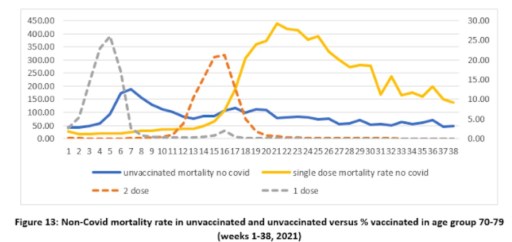
Since there is no obvious reason that vaccination should impact on non-Covid mortality in this way, Prof Fenton, Prof Neil and team argue that this is evidence of a problem in the way the data is recorded or defined. In particular, if it is assumed that the unvaccinated in fact continue to die of non-Covid causes at the background rate and that the additional non-Covid deaths above that are deaths that are actually in the vaccinated but have been misclassified (owing, say, to not counting those who die within 14 days of their jab) then, they argue, a more realistic pattern emerges (see below).
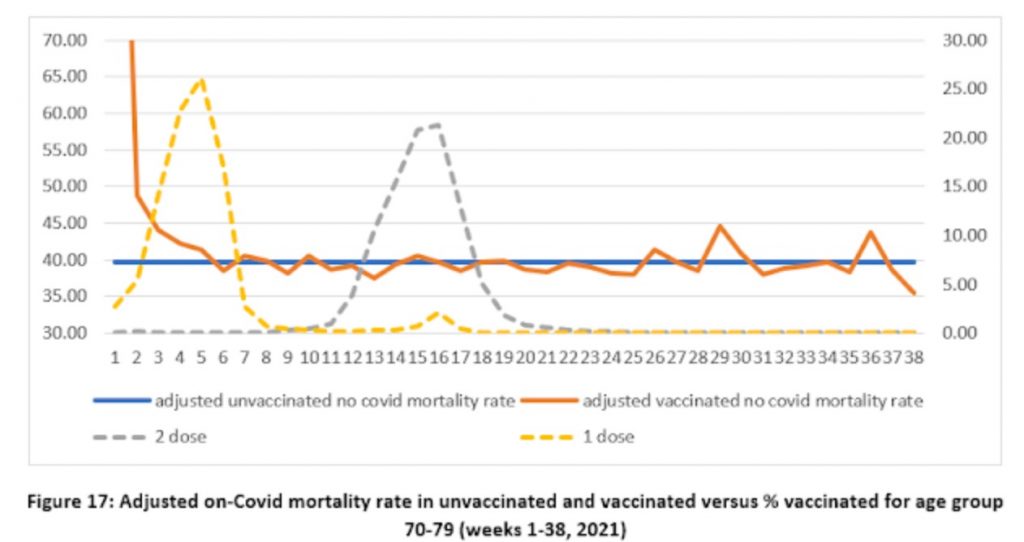
In each age group there is now a spike in non-Covid deaths in the vaccinated right at the start of the rollout, which the team argue makes sense as vaccination was prioritised for the most vulnerable who are more likely to die of any cause. Indeed, it was confusing in the original data that this initial spike was absent and the vaccinated died of non-Covid causes at a lower rate than the unvaccinated despite the most vulnerable being prioritised for vaccination.
The team discovered a different problem when they looked at Covid deaths by vaccination status. Here, the vaccines appear to be highly efficacious, but there is an anomaly that may again be indicative of deeper problems in the data.
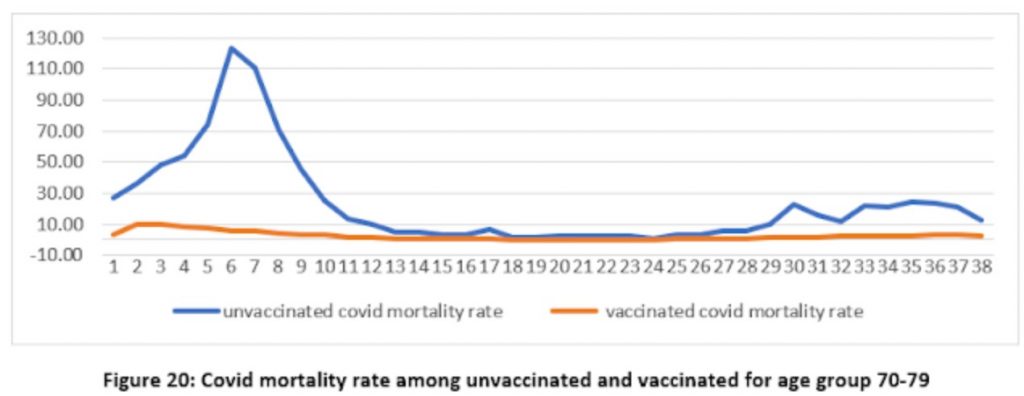
Again a spike appears in the unvaccinated mortality rate where there is none in the vaccinated. Fair enough, you might think, as the vaccines are protecting the vaccinated. However, it’s important to remember that the vaccines are not expected to work until 21 days after the first jab, yet here we have a spike in unvaccinated Covid mortality in the middle of the rollout before most of the vaccines should take effect – referring to figure 17 above we can see that the vaccine rollout in the age group peaked in week five, around the same time as the mortality rate in the unvaccinated peaked (week six), which all seems much too early.
Prof Fenton, Prof Neil and team suggest that the problem here may be in the denominator, that is to say, in how many people are supposed to be in the vaccinated and unvaccinated populations when calculating the mortality rate each week. It’s important to realise that the populations here are changing fast as tens of thousands of people get vaccinated each week. Using the right figure for the right week therefore makes a big difference to the mortality rate reported. Could this anomalous spike in unvaccinated Covid deaths be an artefact of this kind of problem?
Professor Fenton thinks so. He and his team suggest that the problem may be that the relevant denominator or number of people vaccinated for each week is not how many are vaccinated in the week a person dies but in the week they were infected, which is around three weeks earlier on average. What happens if the denominators are shifted by three weeks to allow for this? (Prof Fenton demonstrates the effect of shifting denominators in a short video of a hypothetical example here.)
The effect is remarkable, as shown below (note the change of scale on the y-axis).
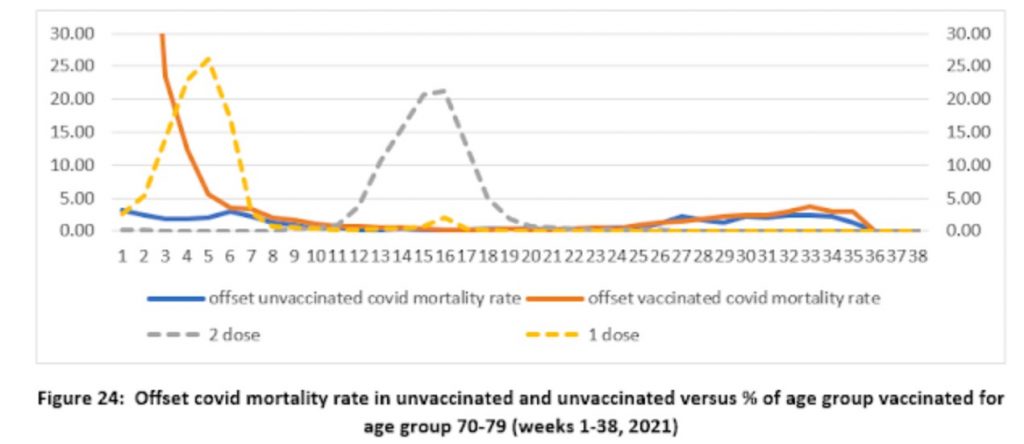
Shifting the population denominator estimates by three weeks means that the number of vaccinated for calculating the vaccinated mortality rate becomes much smaller, making the mortality rate much higher, while the denominator for the unvaccinated becomes much larger, making the mortality rate much lower. This massively reduces the mortality rate in the unvaccinated to low levels – to under five deaths per 100,000 people throughout the period, rather than as many as 125 per 100,000 in week six previously. Instead, a mortality spike appears in the vaccinated at the start of the vaccine rollout (though note that the scale is smaller so it only reaches 30 per 100,000 people), which makes some sense as the vulnerable were prioritised for vaccination and at this point the population of vaccinated was small, so contained a high proportion of vulnerable people. Prof Fenton and team remark that it also tallies with what we know of the increased vulnerability of the recently-vaccinated to infection, as noted above.
The shift in population estimates also greatly reduces the implied effectiveness of the vaccines in the autumn wave, where the lines are now much closer to one another, which is in line with findings from Sweden and elsewhere as vaccine efficacy wanes. Prof Fenton and team suggest that once you take into account the initial spike in the vaccinated, then this new analysis suggests there is “no reliable evidence that the vaccines reduce all-cause mortality”.
So is this what’s going on? There are certainly anomalies that need to be explained, and the analysis by Professor Fenton, Professor Neil and team makes a lot of sense. It deserves to be taken seriously by the ONS and UKHSA.
Stop Press: Watch Prof Fenton discussing his team’s findings with Maajid Nawaz on LBC radio.
The most detailed evidence yet of the devastating damage Covid vaccines can do
By Neville Hodgkinson | TCW Defending Freedom | December 13, 2021
INJECTING millions of people with countless copies of a gene that instructs the body to produce a toxic protein might not seem very sensible. But it was hoped that this approach, the basis of the Covid vaccine, would help minimise damage caused by the protein – the ‘spike’ that the genetically engineered SARS-CoV-2 uses to invade our body cells – when we meet the actual virus.
Last month we reported an American heart specialist’s finding that most of his patients showed biochemical changes signalling increased cardiovascular risk in the weeks following their Covid mRNA jab. Markers for inflammation, cell death and an immune response to coronary artery injury all increased compared with results from a few months previously. The overall results indicated a ‘dramatic’ rise, from 11 per cent to 25 per cent, in the likelihood of a heart attack or similar event occurring some time over the next five years should those changes persist.
The report was presented as an abstract to a meeting of the American Heart Association (AHA), and subsequently published in Circulation, the AHA’s journal. After being made public, an ‘expression of concern’ was added to the abstract, saying there are ‘potential errors’ and it may not be reliable.
There is however every reason to take it seriously – apart from UK researchers reportedly having found similar results, which they are not prepared to publish for fear of losing research money.
Last Friday the most detailed evidence yet of the damage the vaccine can do was presented at an online symposium on Covid science organised by Doctors for Covid Ethics. This is an international group that has long opposed the mass rollout of the Covid jab, arguing in particular that the immune system may attack our own tissues when it detects the presence of the spike protein.
Thousands of deaths have been reported in the wake of the jab, but regulators claim most of these are coincidental, and have neglected detailed investigation of whether or not the vaccine was responsible.
Exactly that kind of investigation was carried out by German pathologist Professor Dr Arne Burkhardt, who has 40 years of experience in the field. He examined the tissues and organs of 15 patients where a post-mortem had been performed, an exceptional opportunity that came about because the bodies were in institutes of legal medicine and institutes of pathology.
There were seven men and eight women aged between 28 and 95. They died between seven days and six months post-injection.
In essence, Burkhardt found internal damage in most of the deceased, caused by a self-destruct process in which immune cells – lymphocytes – had invaded different parts of the body.
In five of the 15 cases, it was concluded that the correlation with the vaccination was very probable; in seven, it was probable; and in two cases it was not clear, but possible. ‘In one case we did not find any of these changes of any significance,’ Burkhardt said.
He presented slides showing how the lymphocytes infiltrated heart muscle in particular, causing inflammation. Resulting lesions were small and easily overlooked, ‘but the destruction of just a few muscle cells may have a devastating effect’, he said. ‘If the inflammatory infiltration is found where the impulse for the contraction of the heart is given, this may lead to heart failure.’
Another finding, also easily missed, was lung damage caused by the lymphocyte invasion, seen in nearly half the cases. Liver, kidney, uterus, brain, thyroid and skin also showed signs of autoimmune damage.
Summarising Burkhardt’s presentation, Canadian microbiologist Professor Dr Michael Palmer said: ‘Anybody with a medical training will see just how devastating the effect of these vaccines can be, at least in those who die after the vaccination . . . we also now know why the authorities were very hesitant to have autopsies performed on such victims.’
Elsewhere, Palmer has argued that even though deaths after vaccination are few compared with the numbers who have received the jab, ‘the total lifetime dose of these messenger RNA vaccines that you can tolerate before you die is limited. We don’t know the exact amount because there is simply not enough experimental data. That’s one of the great scandals of these vaccines, that no proper toxicity studies have been carried out.’
Animal studies have shown clearly that the jab does not just stay at the site of the injection. It circulates widely, such that the spike protein can combine with receptors in many parts of the body, and especially cells that line our blood vessels, causing both clotting and excessive bleeding. Many sudden clusters of deaths (see here and here) have been reported in the immediate wake of the vaccine drives, also observed in athletes.
Burkhardt’s findings, highlighting immune cell infiltration of tissues where the vaccine-induced spike protein has manifested, come in the wake of many warnings of such a mechanism and are supported by various studies suggesting long-term risks. These include:
· US physician Dr Patrick Whelan warned the US Food and Drug Administration a year ago, before the vaccine rollouts, that jabs based on the spike protein may themselves trigger symptoms of severe Covid, including blood clots, brain inflammation and damage to the heart, liver and kidneys. Whelan, a paediatric specialist caring for children with multisystem inflammatory syndrome, urged particular caution over giving the vaccine to children and young adults, as they normally fight off the infection in its early stages. Before any of the vaccines were approved for widespread use in humans, he said, there should be an assessment of the effects on the heart.
· The vaccine includes a modification in the RNA code aimed at synthesising abundant copies of the spike protein – running into trillions of molecules, according to this visual display produced by Dr Charles Hoffe, a Canadian doctor. He says the majority of people who receive the Covid shot ‘are getting blood clots that they have no idea they’re even having.’ The modification, along with a device that protects the RNA mechanism against immediate destruction by the body, may enable the jabs to present a bigger risk in some recipients than natural infection, since this is usually dealt with successfully by a healthy immune system. No one knows exactly how much of the protein is produced by the jab, nor how long it lasts in the body.
· Dr Robert Malone, inventor of the mRNA technology, says ‘multiple peer-reviewed references’ demonstrate that the virus’s spike protein poisons body cells (see for example here), but the vaccine developers have not demonstrated the safety of their version of the protein. Proper evaluation of the risks is still not being carried out, he says.
· Another German pathologist found from autopsies conducted on 40 people who died in the wake of the jab that 30-40 per cent were vaccine-related. Professor Peter Schirmacher believes many such deaths are missed, with doctors attributing them to natural causes.
· American cardiologist and journal editor Dr Peter McCullough has warned that the vaccine can damage heart tissue in ways that go unnoticed at first, but which create scar tissue liable to cause permanent cardiac dysfunction later in life. ‘This will go down as the most dangerous biological medicinal product rollout in human history,’ he says. McCullough has also highlighted an increase in deaths among children in the UK since the NHS began vaccinating teenagers aged 12 and over against Covid.
· An analysis of UK ‘Yellow Card’ adverse reaction data by Dr Tess Lawrie’s Evidence-Based Medicine Consultancy found thousands of reports of blood clotting after the Covid jabs. Almost every vein and artery was affected, and every organ including parts of the brain, lungs, heart, spleen, kidneys, ovaries and liver, ‘with life-threatening and life-changing consequences’. Lawrie urged the UK regulators as long ago as last June to declare the vaccine unsafe for use in humans because of the deaths and adverse reactions being reported.
· A ‘chilling’ acknowledgement of the specific risks of mycocarditis (inflammation of the heart muscle) and pericarditis (swelling in tissue surrounding the heart) following Covid vaccination was issued this month by the UK Health Security Agency. The agency still insists such cases are rare and that most patients recover fully, but evidence such as Burkhardt’s suggests many deaths may go unrecognised as vaccine-related.
It’s a terrible mess, and there is a desperate need for a review of the entire Covid vaccine strategy. UK pathologists, please come to the rescue!
Whilst you were distracted by a Christmas Party the UK Gov. released a report confirming the Fully Vaccinated account for 4 in every 5 Covid-19 Deaths in England since August
THE EXPOSÉ | DECEMBER 11, 2021
Serious questions need to be answered as to why Boris Johnson’s Government have decided to restrict the freedoms of the unvaccinated population through the introduction of Vaccine Passports, when the latest official data shows that the vaccinated population have accounted for 3 in every 5 Covid-19 cases, 3 in every 5 Covid-19 hospitalisations, and 4 in every 5 Covid-19 deaths, in England since August 16th 2021.

During a national Covid-19 briefing that took place on Tuesday December 8th, the Prime Minister of the United Kingdom announced that ‘Plan B’ would be implemented in England from Wednesday December 15th, which would entail ‘working from home’ (if you can) orders, and the introduction of Vaccine Passports.
The reason given for the commencement of ‘Plan B’ is that it has to be done to protect the public from the alleged new Omicron variant of the Covid-19 virus. A variant which as of December 11th, has failed to cause a single fatality in the UK, with just several hundred cases allegedly being confirmed.
A new law will come into effect from Wednesday December 15th, which will state that Vaccine Passports will become mandatory for entry to nightclubs and other large venues, including Premier League football matches and concerts. We’re told they will be required for indoor settings of 500 people or more, outdoor settings of 4,000 people or more, and any setting with 10,000 attendees or more.
There will be many in England who believe Vaccine Passports are the answer to their prayers. Two years of misinformation, and disinformation mixed with propaganda published by the mainstream media can do that to people. But unfortunately the official data published by the UK Government proves that they are far from it, and suggests Vaccine Passports have absolutely nothing to do with protecting public health, and instead everything to do with controlling the nation.

The UK Health Security Agency (PHE) is an executive agency of the Department of Health and Social Care and recently replaced Public Health England. The Chief Executive of the agency is Dr Jenny Harries OBE, who you may recognise from the television as she has served as Deputy Chief Medical Officer for England throughout the pandemic.
The UKHSA publish a weekly ‘Vaccine Surveillance’ report which contains data on Covid-19 cases, hospitalisations, and deaths by vaccination status over a period of four weeks, and unfortunately for the vaccinated population, the official data shows that they have accounted for the majority of Covid-19 cases, hospitalisations, and deaths for at least the past four months.
We have used the following official reports for our analysis –
- COVID-19 vaccine surveillance report – Week 37 (Covers Week 33-36)
- COVID-19 vaccine surveillance report – Week 41 (Covers Week 37-40)
- COVID-19 vaccine surveillance report – Week 45 (Covers Week 41-44)
- COVID-19 vaccine surveillance report – Week 49 (Covers Week 45-48)
Covid-19 Cases
Table 8 of the latest report shows the number of Covid-19 cases by vaccination status in England. The table may have been attributed a different number in previous reports published by the UKHSA, but the following chart shows cases by vaccination status over a period of 16 weeks from 16 Aug 21 to 05 Dec 21.

The chart shows that between August and early September, the vaccinated population accounted for the majority of Covid-19 cases. However, between the middle of September and early October this switched to the not-vaccinated population accounting for the majority of cases. This is most likely due to children returning to school in September and being “encouraged” to test on a regular basis.
But between October 11th and December 5th the roles reversed again, and it is the fully vaccinated population that have accounted for the majority of Covid-19 cases in England.
This data alone puts an end to the myth that it is selfish to not be vaccinated, because it’s quite clear the jabs do not prevent infection or transmission. Which begs the question as to why Boris Johnson has decided to implement Vaccine Passports in England?

The above chart shows the cumulative number of cases by vaccination status between 16 Aug 21 and 05 Dec 21, and illustrates quite clearly that the fully vaccinated have accounted for the majority of cases since August.
What we can see from the above is that the unvaccinated had accounted for the majority of cases up to October 10th, however since this date there has been a switch with the fully vaccinated taking the lead, hitting a cumulative total of 1.5 million confirmed cases by Dec 5th.
When including the 258,387 confirmed cases among the partly vaccinated during this period, the total cases among the vaccinated population rises to 1,757,444. Whilst the number of cases among the unvaccinated population during this period of 16 weeks has amounted to 1,403,100.
Covid-19 Hospitalisations
Table 9 of the latest report shows the number of Covid-19 hospitalisations by vaccination status in England. The table may have been attributed a different number in previous reports published by the UKHSA, but the following chart shows cases by vaccination status over a period of 16 weeks from 16 Aug 21 to 05 Dec 21.

You may have heard several times this week on national television from people such as Dr Hilary, Lorraine Kelly, and Martin Kemp that “90% of the people currently in hospital with Covid-19 have not been vaccinated”.
Well it looks like they have been lying to you because the official UK Government data the fully vaccinated population have accounted for the majority of Covid-19 hospitalisation every month since at least August.

The above chart shows the cumulative number of hospitalisations by vaccination status between 16 Aug 21 and 05Dec 21, and shows just how bad things have actually been for the vaccinated population compared to the unvaccinated.
Between Aug 16 and Dec 05, the unvaccinated population accounted for 11,767 Covid-19 hospitalisations. But the vaccinated population have accounted for nearly double the amount, recording 19,730 hospitalisations, with 18,406 of those being among the 2/3 dose vaccinated population. This means the vaccinated population have accounted for 63% of Covid-19 hospitalisations since August 2021.
Covid-19 Deaths
Table 10 (b) of the latest report shows the number of Covid-19 hospitalisations by vaccination status in England. The table may have been attributed a different number in previous reports published by the UKHSA, but the following chart shows cases by vaccination status over a period of 16 weeks from 16 Aug 21 to 05 Dec 21.

The above chart proves that the fully vaccinated population have accounted for the majority of Covid-19 deaths every single month since August 2021, with things really taking a turn for the worse in October.
The highest number of Covid-19 deaths in single four week period among the fully vaccinated population has been 3,284, whereas the highest number of Covid-19 deaths among the unvaccinated population in a four week period has been just 850. That’s a 286% difference.

The above chart shows the cumulative number of deaths by vaccination status between 16 Aug 21 and 05 Dec 21, and illustrates quite clearly that this is very much a pandemic of the fully vaccinated.
Between 16 Aug 21 and 05 Dec 21 there were 3,070 Covid-19 deaths among the unvaccinated population in England, compared to 12,058 deaths among the vaccinated population during the same time frame. That is a 293% difference.
Covid-19 Fatality Rates by Vaccination Status
The official data shows the the vaccinated population have accounted for 56% of Covid-19 cases, 63% of hospitalisations, and 80% of deaths over the past 16 weeks in England.

It’s quite clear that the jabs do not prevent infection or transmission, but they are alleged to reduce the risk of hospitalisation and death. However, if this were the case then should we not be seeing a graph that looks more like this?

So why aren’t we?
It could have something to do witht he fact that the data suggests the Covid-19 injections are actually increasing the risk of death due to Covid-19 rather than reducing it by the claimed 95%.
The following graph shows the case-fatality rate among the not-vaccinated population, and the case-fatality rate among the 2/3 dose vaccinated population over the past 16 weeks.

The case-fatality rate is calculated by dividing the number of known deaths by the number of known cases among the population. As we can see from the above the case-fatality rate among the not-vaccinated population is just 0.2%, which is what is in line with the average case-fatality rate in 2020 before a Covid-19 injection was introduced to the masses.
However, the case-fatality rate among the fully vaccinated population is much higher, equating to 0.8%. Therefore the fully vaccinated are 4 times / 300% more likely to die if exposed to the Covid-19 virus based on official UK Government figures.
The following graph shows the hospitalisation-fatality rate among the not-vaccinated population, and the hospitalisation-fatality rate among the 2/3 dose vaccinated population over the past 16 weeks.

The hospitalisation-fatality rate is calculated by dividing the number of known deaths by the number of known hospitalisations among the population. As we can see from the above the hospitalsiation-fatality rate among the not-vaccinated population is 26%.
But the hospitalisation-fatality rate among the fully vaccinated population is frighteningly higher equating to a shocking 63%. This means the fully vaccinated population are 2.4 / 142% more likely to die once hospitalised with Covid-19.
So now that you know that the double / triple jabbed population have accounted for 3 in every 5 cases, 3 in every 5 hospitalisations, and 4 in every 5 Deaths over the past 4 months in England, and that the UK Government has been laughing at you since at least Christmas 2020 through their alleged Christmas parties, are you going to allow them to take away your freedom yet again in response to an alleged variant that has so far caused zero fatalities, or are you going to stand up, carry on living, and say “no” this time around?
Because this will not end until we all say it does.
Featured Video

Seyed M. Marandi: Toward Total War in the Middle East
or go to
Aletho News Archives – Video-Images
From the Archives
The Geopolitics behind the War in Yemen (I)
By Mahdi Darius NAZEMROAYA | Strategic Culture Foundation | 30.03.2015
The United States and the Kingdom of Saudi Arabia became very uneasy when the Yemenese or Yemenite movement of the Houthi or Ansarallah (meaning the supporters of God in Arabic) gained control of Yemen’s capital, Sanaa/Sana, in September 2014. The US-supported Yemenite President Abd-Rabbuh Manṣour Al-Hadi was humiliatingly forced to share power with the Houthis and the coalition of northern Yemenese tribes that had helped them enter Sana. Al-Hadi declared that negotiations for a Yemeni national unity government would take place and his allies the US and Saudi Arabia tried to use a new national dialogue and mediated talks to co-opt and pacify the Houthis.
The truth has been turned on its head about the war in Yemen. The war and ousting of President Abd-Rabbuh Manṣour Al-Hadi in Yemen are not the results of «Houthi coup» in Yemen. It is the opposite. Al-Hadi was ousted, because with Saudi and US support he tried to backtrack on the power sharing agreements he had made and return Yemen to authoritarian rule. The ousting of President Al-Hadi by the Houthis and their political allies was an unexpected reaction to the takeover Al-Hadi was planning with Washington and the House of Saudi. … continue
Blog Roll
 Aletho News
- HE SAVED LIVES. NOW HE FACES PRISON.
- Israeli lobby seeks to bind US fate to ‘Israel’: Araghchi
- Pakistan-Iran talks secure LNG shipment to Islamabad through Hormuz
- Black Sea grain crisis puts global wheat supplies under pressure
- IRGC air defenses destroy another US MQ-1 drone over Strait of Hormuz
- Imran Khan’s entire immediate family detained in Pakistan ahead of mass protest demanding his release
- EU nation detains former presidential frontrunner
- Leaked: Britain’s Sham Conviction Of Hashim Thaci
- Seyed M. Marandi: U.S. Strike Imminent – Toward Total War in the Middle East
- Russia Voted Under Fire. Washington Is Loading the Tankers.
- If Americans Knew
- Israeli Attacks in Gaza Kill at Least Seven Palestinians Over Three Days, including Woman and Child
- Trump’s militarization of Washington DC as he pursues Israel’s war against Iran
- Why Israel Fears This Searing New Documentary
- Huckabee aide solicited cash gifts from Israelis
- This isn’t sci-fi, AI is already killing people
- ‘The Most Brutal Thing’: Investigation Reveals Execution of Elderly Woman in Rafah
- Inside Israel’s ‘soft’ ethnic cleansing plan for Gaza through the eyes of its victims
- New online database tracks pro-Israel political donations in the United States
- Israeli president pardons soldier convicted for killing wounded Palestinian
- Singer Ed Sheeran says his ‘heart broken’ by Gaza devastation, addresses Macklemore controversy
- No Tricks Zone
- 2025 Nature Paper Claiming Worsening Global Drought Gets RETRACTED …Heavily Flawed
- New Study: ‘Global Drought Shows No Detectable Recent Acceleration Under Climate Warming’
- Economic Masterminds: German Socialists Suggest Taxing Productivity Gains Stemming From Using AI
- The South China Sea Has Not Been Cooperating With The Climate Change Narrative
- Energy Crisis: Germany Enters Heating Season With Historically Low Gas Reserve Fill Levels
- New Study: The Antarctic Ice Sheet Gained Mass From 2020-2024 Due To Staggering Snow And Ice Accumulation
- Study: Ocean Heating Rates From Thousands Of Years Ago ‘Dwarf’ Modern Ocean Heating Rates
- Climate Extremists Target, Attack Large-Scale Power Grid Infrastructure In Germany!
- New Study: Antarctic Ice Melt Has Contributed Less Than 1 Centimeter To Sea Level Rise In The Last 30 Years
- Fear Of Debate: Alarmist German Climate Scientist Calls On Mainstream Media To Discredit Skeptic Voices
 Aletho News