The Fall of Canada, The Danger in the US
Understanding Martial Law

By Dr Naomi Wolf | February 19, 2022
The world has watched, in pain, as images of police violence from Ottawa, and of a bid for Canadian tyranny (that I would ever write those words!) are flashed around the world.
As usual, I hate to be Cassandra; but the chessboard ahead is all too clear. On Feb 12, 2022, I warned, during an appearance on Steve Bannon’s WarRoom, that we all must all now brace for a period during which the powers that now clearly seek to enslave our planet, and subdue our human species, will be broadcasting scenes of civil society mayhem, and of shocking violence against protesters.
I also predicted that there would be food shortages and other economic harms that would be blamed on the protesting truckers, and I warned too that people should print out their bank and any liquid asset records, as there would be cyberattacks on financial institutions and the freezing of accounts. All of that, of course, took place in the week that followed.
I recently received a kind note on social media thanking me for my bulletins about the near future as it helped people, the writer explained, to stave off shock and disorientation. I have often spoken about how tyrants rely on just these effects of shock and disorientation to “tenderize” a targeted population, so I will keep alerting you all to the near future, as unpleasant as that task can be.
So in this essay I wish to explain, especially to Canadians, what martial law really is, and how very dangerous it is, since many leaders there, especially Parliamentarians, appear to be in the treacherous “hangover” state of thinking that they still inhabit the old world that died when Justin Trudeau declared emergency law. I also wish to warn what happens historically at this moment in the decline of a formerly democratic nation, and what the murder of Canadian democracy — at least for now — means to the rest of the world.
Parliamentarians in Canada do not seem to understand that now their former colleague, Justin Trudeau, can arrest not just truckers, whose lawful protest has been declared illegal, but also the Parliamentarians themselves. This is, sadly, the next step in this kind of drama, historically. It is an extraordinarily dangerous sign that Parliament is not seated. When the Australian Parliament was suspended, by the time they reconvened, their powers had been dramatically curtailed. Tyrants seek to normalize the convening of Parliaments as “optional” or to suspend normal Parliamentary processes long enough to hollow out a legislative body’s deliberative powers, and to ensure that when and if a Parliament (or a Congress, for that matter) meets again, it will be merely a ceremonial assembly.
Parliamentarians in Canada also do not seem to understand that “dictator” is no longer rhetorical. A member of Parliament was shushed when he cried out this epithet, but the fact is that this is not a slur at this point. Justin Trudeau is by definition now in fact a dictator.
At this stage in history, you do not go back to a previous state of civil society order without arrests, though hopefully you can do so without civil war. Historically, when a would-be dictator has reached this point in the suspension of democratic processes and has sought this level of a power grab, his arrests of the opposition’s leaders, on trumped-up charges, come next. Also arrested at this point are labor leaders, outspoken members of the clergy, and independent journalists and editors.
Beware the word “incitement”; the next stage is an edict that casts criticism of what Trudeau is doing, as a crime, or an act of violence.
At this stage in history, too, the identity of the security forces are at issue. Who are these frighteningly gas-masked, uniformed, extremely violent men represented as police in the streets of Ottawa? For that matter, who are the masked, black-uniformed, extremely violent men represented as police beating the protesters in Paris, a week ago?
It is not easy to get police and military to enforce violence upon their own people, their own neighbors and community members. A real danger at this point in the overthrow of a democracy (for that is what happened in Canada in this past week) is the deployment of militias accountable not to the people but to the newly minted dictator. This happened in Italy when Mussolini sought control, in Germany when the National Socialists sought power, and so on. Remember that there are mercenary armies around the world, such as those run by Xe, formerly Blackwater, for hire; remember that the Southern border of the United States is wide open and many observers have reported a massive influx of young adults of military age traveling alone . With an open border in North America, a mercenary army can flow not just into Canada, if permitted by border guards directed by a would-be dictator; they can also flow into strategic points in the United States.
But Parliamentarians and heads of provinces in Canada should be aware that those violent entities in the streets of Ottawa may be loosed against them, as well as against other hapless citizens trying to make use of their Charter of Rights and Freedoms. The Canadian Charter of Rights and Freedoms, of course, guarantees freedom of speech and expression, peaceful protest, and assembly. The Charter of Rights and Freedoms also guarantees Canadians the right to a democracy itself, so what Justin Trudeau has done is unlawful on its face. Canadians, any Canadians, according to the Charter, can take him to court for having suspended their democracy unlawfully.
There is also the criminal charge at stake. Justin Trudeau may well be guilty of an act of treason, which is defined in Canadian law as preparing to levy war against Canada, which is what I personally see in the Ottawa livestreams; and treason in Canadian law is also defined in other broad ways, including this: “(a) uses force or violence for the purpose of overthrowing the government of Canada or a province”;
“High treason
- 46 (1) Every one commits high treason who, in Canada,
- (a) kills or attempts to kill Her Majesty, or does her any bodily harm tending to death or destruction, maims or wounds her, or imprisons or restrains her;
- (b) levies war against Canada or does any act preparatory thereto; or
- (c) assists an enemy at war with Canada, or any armed forces against whom Canadian Forces are engaged in hostilities, whether or not a state of war exists between Canada and the country whose forces they are.
- Marginal note: Treason
(2) Every one commits treason who, in Canada,
- (a) uses force or violence for the purpose of overthrowing the government of Canada or a province;
- (b) without lawful authority, communicates or makes available to an agent of a state other than Canada, military or scientific information or any sketch, plan, model, article, note or document of a military or scientific character that he knows or ought to know may be used by that state for a purpose prejudicial to the safety or defence of Canada;
- (c) conspires with any person to commit high treason or to do anything mentioned in paragraph (a);
- (d) forms an intention to do anything that is high treason or that is mentioned in paragraph (a) and manifests that intention by an overt act; or
- (e) conspires with any person to do anything mentioned in paragraph (b) or forms an intention to do anything mentioned in paragraph (b) and manifests that intention by an overt act.”
What I must share with sincere regret is that at this point in history, it is a situation of either “arrest or be arrested.” I am not advocating; simply describing a consistent pattern in history.
At this point in a power grab, either Parliamentarians and patriotic heads of the military peacefully arrest an out-of-control leader who has sought to overthrow a democracy, or else they must be aware that history shows that their own arrests may be nigh.
I also note that we down South of the Canadian border are far from safe. It is alarming that our own President has not spoken out against Justin Trudeau’s militaristic power grab, or against his violence against peaceful protesters using their lawfully protected freedoms of speech and assembly. It is even more alarming that the Biden administration is seeking to extend our own state of emergency.
The COVID-19 State of Emergency in the US was declared almost two years ago, at the start of the pandemic; now that the virus is “endemic”, against all science and reason the State of Emergency has been extended.
This situation – that the United States is operating under emergency powers – is the biggest underreported story of the century to date. Emergency law means that President Biden has powers he does not have under non-emergency law; specifically, the COVID-19 emergency powers acts, extended eight times already, give HHS powers that it did not have before. President Biden declared a year ago the:
“Continuation of the National Emergency Declared by Proc. No. 9994
Notice of President of the United States, dated Feb. 24, 2021, 86 F.R. 11599, provided:
[…] For this reason, the national emergency declared on March 13, 2020, and beginning March 1, 2020, must continue in effect beyond March 1, 2021. Therefore, in accordance with section 202(d) of the National Emergencies Act (50 U.S.C. 1622(d)), I am continuing the national emergency declared in Proclamation 9994 concerning the COVID–19 pandemic.
This notice shall be published in the Federal Register and transmitted to the Congress.”
And the current declaration by President Biden, as of this past week, that the Emergency Act must be extended, is about an Act that is open-ended in duration.
What this declaration does, going around Congress, is to continue to allocate billions of dollars to HHS, which billions in effect flow to constituencies to create a massive economic incentive for stakeholders to keep the drama of the pandemic, including forcible masking, pressure for vaccine passports, the possibility of closing businesses again, and all the misery of the past two years, ongoing forever. A state of emergency also allows the President to update the next Emergency Powers act in the future, with the kinds of suspension of democratic processes that we saw further North.
We are in a highly precarious situation in the US, when it comes to the restoration of the rule of law.
Sorry for this bleak bulletin, but this is where we are in the world. What is happening in Ottawa and in Paris is two to three weeks ahead of what will be attempted against us in the United States.
Washington State’s Board of Health tried to pass a regulation to create a detention camp for those exposed to a contagious disease; fierce citizen pressure, including from readers of my site DailyClout.io, stopped that action.
Then New York State under emergency law tried to pass the same kind of regulation. They will not stop coming at us.
Boards of Health are exactly what are empowered to do whatever is deemed necessary by — Boards of Health, under the COVID-19 Emergency Powers Act. They are our Trojan horse. If we are to be brought to our knees here in the US currently, it will be via these bland-sounding agencies and the master agency, HHS.
Beware of the focus now moving to “mental health”, as empowering Boards of Health with detention powers, with a focus of policing mental health, means that your and my dissident commentary can lead to our being entangled by these hyper-empowered and now-lawless entities in the near future.
In every direction, the WEF has staked its alumni and speakers in national leadership roles, or, as in Boston, at the helm of local leadership; in every direction, they are cracking the totalitarian whip via “health” or in Canada, via the “emergency” of lawful peaceful protest.
The people’s mass noncompliance, the leadership of the opposition in taking on tyrants, and hopefully too the people’s quickly-mastered knowledge of their own Constitution, their own Charter of Rights, and their own legislative processes, alone can save us all.
The image of the great conflict of the 60s was of a young woman placing a daisy in a rifle barrel. The image of our great conflict, is that of scores of truckers on their knees, in the snow, praying, surrounded by unidentifiable standing thugs.
We have been here before. God have mercy on us; and as for us men and women, may we only remember in time that we are free people.
Joe Biden Regime One Year On… America Is Back, With More Aggression Than Ever
Biden hasn’t started a war yet. But he’s still got three years to go and the first one fills the outlook with dread.
By Finian Cunningham | Strategic Culture Foundation | February 19, 2022
This weekend marks Joe Biden’s first year in office since his inauguration on January 20, 2021, as 46th president of the United States. In that time, it’s quite staggering how rapidly relations have deteriorated between the U.S. and Russia on the one hand and China on the other.
Right now, Europe is on the cusp of a war breaking out between a U.S.-backed regime in Ukraine and Russia. The volatile situation has the potential to drag the U.S. and other NATO powers into a proxy war with Russia, if not a full-blown international military conflict that could escalate into a nuclear conflagration.
Washington’s baleful relations with Beijing have been eclipsed by the recent stand-off with Russia. But make no mistake, U.S.-China tensions have also been heightened with the attendant risk of war. Much of the tension has been increased by the Biden administration’s provocations towards China over the breakaway island province of Taiwan. Under Biden, U.S. arms sales to Taiwan have burgeoned as have the large-scale maneuvers of American military forces near Chinese territory – in the name of “freedom of navigation”.
Let’s rewind to Biden’s inauguration on that cold, sunny day of January 20 last year. There was the usual jamboree that often accompanies a new Democrat president. We saw it when Bill Clinton and Barack Obama were installed in the White House. Likewise, with Biden’s tenure, there were expectations of a more professional president, a more multilateral president, a more proficient president on foreign policy, and, dare we say, a more refined and law-abiding president. As usual, there was rosy rhetoric about how Biden would recover America’s international image that had been tarnished under his boorish predecessor, Donald Trump.
Biden declared over and over again that “America was back” as he took office. European leaders swooned at the prospect of again having an American ally who respected them. The expectation was that the “adults were back in control” of U.S. policy (whatever that’s supposed to mean) and that the feathers ruffled by Trump would be smoothed.
Strategic Culture Foundation can take pride in not having bought into any of the wishful thinking regarding a Biden administration. We predicted in several articles at an early stage of his presidency that international relations would take a serious turn for the worse under Joseph Robinette Biden Jr.
Take, for example, this interview on November 23, 2020, with Christopher Black. It was headlined: “A Biden Administration Will Be Dominated by More U.S. Aggression”. It predicted that the world “would see more intensified militarism and aggression under a Joe Biden presidency than under the outgoing Trump administration.”
Another observation in the same interview was “the Biden administration will be bent on war… in particular against Russia and China… we can expect U.S. provocations to accelerate.”
See also our weekly editorial on January 22, 2021, entitled: “President Biden’s New Administration, Old Aggression”.
In a subsequent column, on January 28, 2021, Strategic Culture Foundation highlighted how the Biden administration would ramp up efforts to sabotage the Nord Stream 2 gas project between Russia and the European Union. This unspoken objective has come to a head in the present crisis over Ukraine. It is driving the geopolitical dynamics behind the conflict between the U.S. and Russia, as explained in a later SCF article published on June 8, 2021, – some five months before the crisis erupted in Western media coverage.
Virtually every U.S. president has gone to war or overseen some form of criminal foreign aggression. Barack Obama – the “hope and change president” went on to unleash American wars and bombing in seven countries. Obama’s vice president was Joe Biden who owns some of the past criminality. Donald Trump didn’t start any new American wars but he too was up to his neck in waging aggression abroad.
Republican and Democrat presidents are all the same. They are tools of U.S. imperialism.
So far, Biden hasn’t actually started a new war. He has continued some of the existing militarism. And if he keeps going in the same mode, a war against either Russia or China or both is a “distinct possibility” to use Biden’s words this week about an alleged Russian invasion of Ukraine.
Underpinning the intensified aggression under Biden is the objective historic condition of failing U.S. imperial power. This has nothing to do with whether the president is Democrat or Republican. From the early post-Cold War years we had the Wolfowitz Doctrine, coined under a Republican president as it happened, that set out the objective of staving off U.S. imperial decline and in particular staving off the challenge to U.S. power from a resurgent Russia or an ascendant China.
Under prevailing U.S. establishment politics and the national security state, the Cold War policy against Russia and China would inevitably continue. American power relies fundamentally and intrinsically on confrontation with perceived rivals who must be treated as enemies to be subjugated.
It just so happens that Biden and his administration are more in tune with the U.S. political establishment and the national security state than, for example, the maverick egomaniac Trump. That’s why there has been a more determined and discernible deterioration in U.S. relations with Russia and China over the last year.
Biden hasn’t started a war yet. But he’s still got three years to go and the first one fills the outlook with dread.
One final note: Strategic Culture Foundation has come under fire from the U.S. authorities who have banned America-based writers from publishing articles in our journal. The U.S. government accuses SCF of being an agent of Russian foreign intelligence. See this recent hit-job on ABC news which cites some of our headlines without providing links to the articles. SCF is not an agent of the Russian government. It is an independent journalistic forum for analysis and comment. The prescience of our articles cited above on exposing the criminality of U.S. imperial power would suggest that is the real reason why SCF is being targeted with American slander and sanctions.
How a false hydroxychloroquine narrative was created, and more

Meryl Nass, MD
Alliance for Human Research Protection | June 28, 2020
Below, Dr. Meryl Nass reviews a long list of corrupt practices that undermine the integrity of medical science and the practice of medicine during the current medical crisis. The coronavirus crisis has been made significantly worse by stakeholders who are preventing doctors from prescribing for their patients, existing, safe and effective medicines, because the stakeholders are invested on garnering projected future profits from not-yet-developed vaccines and “countermeasures” specifically developed against COVID-19.
The stakeholders who influence and issue medical practice guidelines, include public health officials, global public health institutions, government advisory committees, and clinical trialists who design trials to provide commercially beneficial results. Editors of prestigious high impact, medical journals contribute to the corruption of medicine by publishing fraudulent studies, and reports of clinical trials that were designed to cause foreseeable deaths, The focus of Dr. Nass’ J’Accuse post are clinical trials that deliberately subjected some patients to toxic doses of Hydroxychloroquine. [Dr. Nass is a longtime member of the AHRP Board of Directors].
These collaborators engaged in an orchestrated effort to prevent physicians from utilizing an existing, off-patent, cheap and affordable drug, that thousands of clinicians attest to its therapeutic benefit.
- The problem with Hydroxychloroquine, a drug with a 70-year safety track record, is that there is no profit to be made from this cheap, off-patent drug!
*****************
It is remarkable that a series of events taking place over the past 3 months produced a unified message about hydroxychloroquine, and produced similar policies about the drug in the US, Canada, Australia, NZ and western Europe. The message is that generic, inexpensive hydroxychloroquine is dangerous and should not be used to treat a potentially fatal disease, Covid-19, for which there are no (other) reliable treatments.
- Hydroxychloroquine had been used safely for 65 years in millions of patients. And so the message was crafted that the drug is safe for its other uses, but dangerous when used for Covid-19. It doesn’t make sense, but it seems to have worked.
Were these acts carefully orchestrated? You decide.
Might these events have been planned to keep the pandemic going? To sell expensive drugs and vaccines to a captive population? Could these acts result in prolonged economic and social hardship, eventually transferring wealth from the middle class to the very rich? Are these events evidence of a conspiracy?
Here is a list of what happened, in no special order. Please help add to this list if you know of additional acts I should include. This will be a living document. I have penned this as if it is the “to do” list of items to be carried out by those who pull the strings. The items on the list have already been carried out. One wonders what else might be on their list, yet to be carried out, for this pandemic.
1. You stop doctors from using the drug in ways it is most likely to be effective (in outpatients at onset of illness). You prohibit use outside of situations you can control.
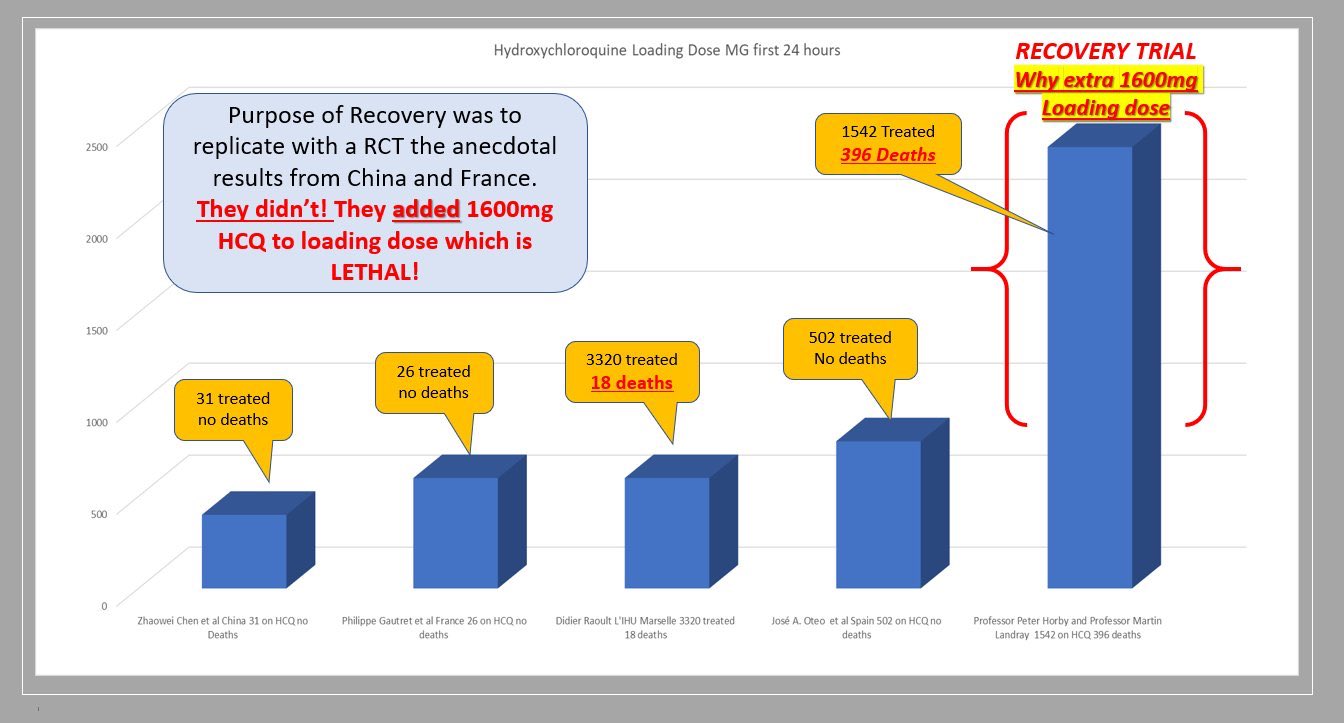
Situations that were controlled to show no benefit included 3 large, randomized, multi-center clinical trials (Recovery, Solidarity and REMAP-Covid), which are generally believed to yield the most reliable evidence. However, each of them used excessive doses that were known to be toxic; see my previous articles here and here.
2. You prevent or limit use in outpatients by controlling the supply of the drug, using different methods in different countries and states. In NY state, by order of the governor, hydroxychloroquine could only be prescribed for hospitalized patients. France has issued a series of different regulations to limit prescribers from using it. France also changed the drugs’ status from over-the-counter to a drug requiring a prescription.
3. You play up the danger of the drug, emphasizing side effects that are very rare when the drug is used correctly. You make sure everyone has heard about the man who died after consuming hydroxychloroquine in the form of fish tank cleaner.
4. You limit clinical trials to hospitalized patients, instead of testing the drug in outpatients, early in the illness, when it is predicted to be most effective.
5. You design clinical trials to give much too high a dose, ensuring the drug will cause harm in some subjects, sufficient to mask any possible beneficial effect. You make sure that dozens of trials in dozens of countries around the world use these dangerous doses.
6. You design clinical trials to collect almost no safety data, so any cause of death due to drug toxicity will be attributed to the disease instead of the drug.
7. You issue rules for use of the drug based on the results of the unethical, overdosing Recovery study.
8. You publish, in the world’s most-read medical journal, the Lancet, an observational study from a huge worldwide database that says use of chloroquine drugs caused significantly increased mortality. You make sure that all major media report on this result. Then 3 European countries announce they will not allow doctors to prescribe the drug. And Sanofi announces it will no longer supply the drug for use with Covid, and will halt its own clinical trials, based on a fabricated study.
9. Even after hundreds of people renounce this observational study due to easily identified fabrications–which, as James Todaro, MD, wrote was a “study out of thin air“–the Lancet held firm for two weeks, serving to muddy the waters about the trial, until finally 3 of its 4 coauthors (but not the journal) retracted the study. You make sure few media report that the data were fabricated and the “study” a fraud. You let people believe the original story: that hydroxychloroquine routinely kills.
10. You ensure federal agencies like FDA and CDC hew to your desired policies. For example, FDA advised use only in hospitalized patients (too late) or in clinical trials (which are limited, are difficult to enroll in, or use excessive doses). As of mid June, FDA now advises patients and doctors to only use the drug in a clinical trial!
Another example: you have FDA make unsubstantiated and false claims, such as: “Hospitalized patients were likely to have greater prospect of benefit (compared to ambulatory patients with mild illness)” and claim the chloroquine drugs have a slow onset of action. If that were really true, they would not be used for acute attacks of malaria or in critically ill patients with Covid. (Disclosure: I once dosed myself with chloroquine for an acute attack of P. vivax malaria, and it worked very fast.). Providing no other treatment advice, CDC refers clinicians to the NIH guidelines, discussed below.
11. You make sure to avoid funding/encouraging clinical trials that test drug combinations like hydroxychloroquine with zinc, with azithromycin, or with both, although there is ample clinical evidence that such combinations provide a cumulative benefit to patients.
12. You have federal and UN agencies make false, illogical claims based on models rather than human data. For example, you have the FDA state on June 15 that the dose required to treat Covid is so high it is toxic, after the Recovery and Solidarity trials have been exposed for toxic dosing. This scientific double-speak gives some legal cover to the clinical trials that overdosed their patients.
According to Denise Hinton, RN, the FDA’s Chief Scientist, or a clumsy FDA wordsmith:
”Under the assumption that in vivo cellular accumulation is similar to that from the in vitro cell-based assays, the calculated free lung concentrations that would result from the EUA suggested dosing regimens are well below the in vitro EC50/EC90 values, making the antiviral effect against SARS-CoV-2 not likely achievable with the dosing regimens recommended in the EUA. The substantial increase in dosing that would be needed to increase the likelihood of an antiviral effect would not be acceptable due to toxicity concerns.”
13. You have a WHO report claim toxic doses are needed. This of course is nonsense since
a) CDC researchers showed strong effects against SARS-1 at safely achievable concentrations,
b) the drug at normal doses is being tested in over 30 different medical conditions (see clinicaltrials.gov), and
c) reports from many different countries say that the drug is effective for Covid-19 at normal doses, while
a high dose chloroquine treatment arm was halted in Brazil and a preprint of the study was posted April 11, after finding the toxic effects were causing ventricular arrhythmias and deaths.
- Toxicity was noted after only 3 days of treatment, during which 3.6 grams of chloroquine were administered. But the Solidarity (3.2 grams of hydroxychloroquine in 3 days), Recovery (3.6 grams of hydroxychloroquine in 3 days) and REMAP-Covid trials (3.6 grams of hydroxychloroquine in 3 days) continued overdoing patients until June, despite Brazil’s evidence of deaths by overdose.
- Tellingly, JAMA editor Gordon Rubenfeld wrote about the Brazilian study, “if you are prescribing HCQ after these JAMA results, do yourself and your defense lawyer a favor. Document in your medical record that you informed the patient of the potential risks of HCQ including sudden death and its benefits (???).”
14. You create an NIH Guideline committee for Covid treatment recommendations, in which 16 members have or had financial entanglements with Gilead, maker of Remdesivir. The members were appointed by the CoChairs. Two of the three CoChairs are themselves financially entangled with Gilead. Are you surprised that their guidelines recommend specifically against the use of hydroxychloroquine and in favor of Remdesivir, and that they deem this the new “standard of care”?
15. You frighten doctors so they don’t prescribe hydroxychloroquine, if prescribing it is even allowed in their jurisdiction, because prescribing outside the “standard of care” leaves them open to malpractice lawsuits. You further tell them (through the FDA) they need to monitor a variety of lab parameters and EKG when using the drug, although this was never advised before, which makes it very difficult to use the drug in outpatients. You have the European Medicines Agency issue similar warnings.
16. You manage to control the conduct of most trials around the world by designing the WHO-managed Solidarity trials, currently conducted in 35 countries. WHO halted hydroxychloroquine clinical trials around the world, twice.
The first time, May 25, WHO claimed it was in response to the (fraudulent) Lancet study.
The second time, June 17, WHO claimed the stop was in response to the Recovery trial results.
Recovery used highly toxic doses of hydroxychloroquine in over 1500 patients, of whom 396 died.
You stop the trial before the data safety monitoring board has looked at your data, a move that is unlikely to be consistent with trial protocol. WHO’s trial in over 400 hospitals overdosed patients with 2.0 g hydroxychloroquine in the first 24 hours.
WHO’s trial in over 400 hospitals was unlikely to provide useful results, as it too overdosed patients with hydroxychloroquine. The trial was halted days after the toxic doses were exposed.
17. You have the WHO pressure governments to stop doctors prescribing hydroxychloroquine.
18. You have the WHO pressure professional societies to stop doctors prescribing hydroxychloroquine.
19. You make sure that the most-consulted medical encyclopedia, UptoDate, provides bad guidance to physicians, advising them to restrict hydroxychloroquine to only patients in clinical trials, citing the above sources of information.
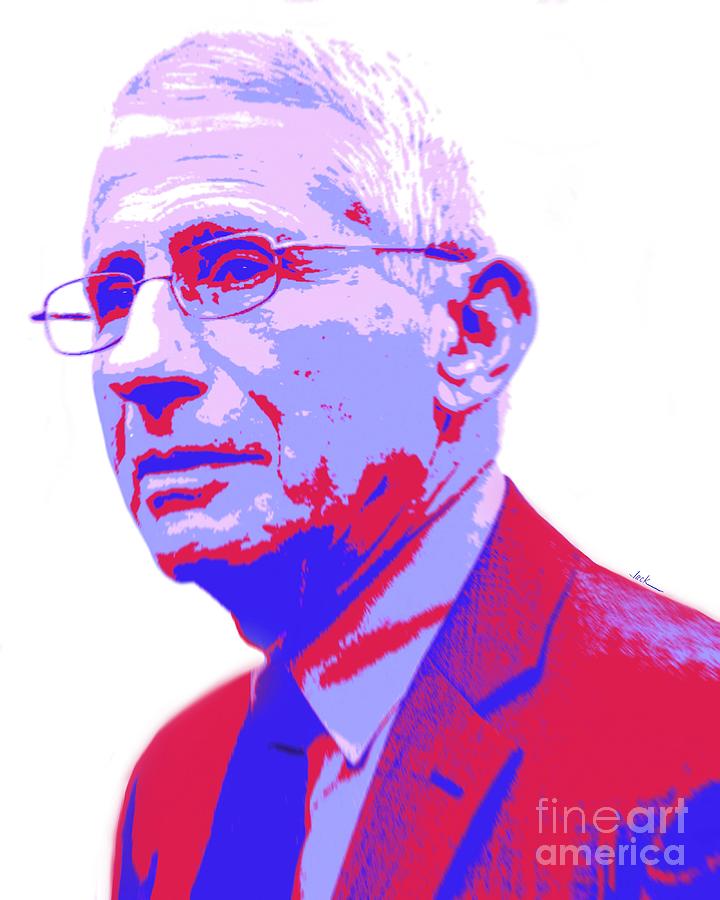
Anthony Fauci, MD
20. You have the head of the Coronavirus Task Force, Dr. Tony Fauci, insist the drug cannot be used in the absence of strong evidence… while he insisted exactly the opposite in the case of the MERS coronavirus outbreak several years ago, when he recommended an untested drug combination for use… which had been developed for that purpose by his agency.
And while he was bemoaning the lack of evidence, he was refusing to pay for trials to study hydroxychloroquine. And he was changing the goalposts on the Remdesivir trial, not once but twice, to make Remdesivir show just a tiny bit of benefit, but no mortality benefit. And don’t forget, Fauci was thrilled to sponsor a trial of a Covid vaccine in humans before there was any data from animal trials. So much for requiring high quality evidence before risking use of drugs and vaccines in humans!
21. You convince the public that the crisis will be long-lasting. You have the 2nd richest man in the world, and biggest funder of the WHO, Bill Gates, keep repeating to the media megaphone that we cannot go back to normal until there is a vaccine. (The Gates Foundation helped design the WHO clinical trials, and Gates is heavily invested in pharmaceuticals and vaccines.)

Bill Gates
- You have CDC (with help from FDA) prevent the purchase of coronavirus test kits from Germany, China, WHO, etc, and fail to produce a valid test kit themselves. The result was that during January and February, US cases could not be reliably identified, and for several months thereafter insufficient and unreliable test kits made it impossible to track the epidemic and stop the spread.
- You have trusted medical spokesmen lie to the public about the pandemic’s severity, so precautions weren’t taken when they might have been more effective and less long-lasting. Congress was repeatedly briefed about the pandemic in January and February, which scared several Congress members enough that they sold off large amounts of stock, risking insider trading charges. Senator Burr is one of them, currently under investigation for major stock sales on February 13.
Yet Dr. Fauci told USA Today on February 17 that Americans should worry more about the flu than about coronavirus, the danger of which was “just miniscule.” Then on February 28, Drs. Fauci and Robert Redfield (CDC Director) wrote in the New England Journal :
“… the overall clinical consequences of Covid-19 may ultimately be more akin to those of a severe seasonal influenza (which has a case fatality rate of approximately 0.1%) or a pandemic influenza (similar to those in 1957 and 1968) rather than a disease similar to SARS or MERS, which have had case fatality rates of 9 to 10% and 36%, respectively.”
 You destroy the reputation of respected physicians who stand in your way. Professor Didier Raoult and his team in Marseille have used hydroxychloroquine on over 4,000 patients, reporting a mortality rate of about 0.8%. (The mortality rate of patients given hydroxychloroquine in the Recovery trial was 25.7%.) Raoult is very famous for discovering over 100 different microorganisms, and finding the long-sought cause of Whipple’s Disease. With this reputation, Raoult apparently thought he could treat patients as he saw fit, which he has done, under great duress. Raoult was featured in a New York Times Magazine article, with his photo on the cover, May 12, 2020. After describing his accomplishments, the Times very unfavorably discussed his personality, producing a detailed hit piece. He is now considered an unreliable crank in the US.

- You have social media platforms ban content that does not agree with the desired narrative. As YouTube CEO and ex-wife of Google founder Sergey Brin, Susan Wojcicki said,
“YouTube will ban any content containing medical advice that contradicts World Health Organisation (WHO) coronavirus recommendations. Anything that would go against World Health Organisation recommendations would be a violation of our policy.”
- When your clinical trials are criticized for overdosing patients, you have Oxford-affiliated, Wellcome Trust-supported scientists at Mahidol University publish papers (a literature review with modeling and a modeling study) purporting to show that the doses used were not toxic. You develop a new method to measure hydroxychloroquine in a handful of Recovery patients who were not poisoned. However, there are 2 problems you forgot with this approach:
- The Brazilian data, including 16 deaths, extensive clinical information and documented ventricular arrhythmias, are much more valuable than theoretical models of what might be happening in the body.
- Either the drug is too toxic to use for a life-threatening disease, or even extremely high doses are safe. You can’t have it both ways.
Oxford is the institution running the Recovery trial, and invented a Covid vaccine that already has 400 million doses on order. The Wellcome Trust funded the Recovery trial.
- You change your trial’s primary outcome measures after the trials have started, in order to prevent detection of drug-induced deaths (Recovery) or to make your drug appear to have efficacy (NIAID Remdesivir trial).
- You stop manufacturers from supplying the drug. Shortly after the fraudulent Lancet paper came out, Sanofi announced it would no longer supply the drug for use with Covid, and would halt its two hydroxychloroquine clinical trials. One of the cancelled Sanofi trials was expected to test 210 outpatients early in the course of disease. The trial remains suspended at the time of writing, while the Lancet paper was retracted 13 days after publication.
- You surely don’t want a trial of hydroxychloroquine treatment early in the disease, since it might show an excellent effect.
THE AFTERMATH…
Computing Forever | February 14, 2022
Follow Millennial Woes on Telegram: https://t.me/millennialwoes
Support my work on Subscribe Star: https://www.subscribestar.com/dave-cullen
Support my work via crypto: https://computingforever.com/donate/
Follow me on Bitchute: https://www.bitchute.com/channel/hybM74uIHJKg/
Buy How is This a Thing Mugs here: https://teespring.com/stores/computing-forever-store
http://www.computingforever.com
KEEP UP ON SOCIAL MEDIA:
Gab: https://gab.ai/DaveCullen
Subscribe on Gab TV: https://tv.gab.com/channel/DaveCullen
Minds.com: https://www.minds.com/davecullen
Subscribe on Odysee: https://odysee.com/@TheDaveCullenShow:7
Telegram: https://t.me/ComputingForeverOfficial
The War Party Wants a New Cold War, and the Money That Comes with It
By Ryan McMaken | Mises Wire | February 12, 2022
In perhaps the most predictable column of the year, the Wall Street Journal this week featured a column by Walter Russell Mead declaring it’s “Time to Increase Defense Spending.”
Using the Beijing Olympics and the potential Ukraine war to push for funneling ever more taxpayer dollars into military spending, Mead outlines how military spending ought to be raised to match the sort of spending not seen since the hot days of the Cold War.
Mead claims that “[t]he world has changed, and American policy must change with it.” The presumption here is that the status quo is one of declining military spending, in which Americans have embraced some sort of isolationist foreign policy. But the reality doesn’t reflect that claim at all. The status quo is really one of very high levels of military spending, and even outright growth in most years. This sort of gaslighting by military hawks is right up there with left-wing attempts to portray the modern economy as one of unregulated laissez-faire.

Rather, according to estimates from the White House’s Office of Management and Budget, military spending is set to reach a post–World War II high in 2022, rising to more than $1.1 trillion. That includes $770 billion spent on the Pentagon plus nuclear arms and related spending. Also included is current spending on veterans. Keeping veteran spending apart from defense spending is a convenient and sneaky political fiction, but veteran spending is just deferred spending for past active-duty members—necessary to attract and retain personnel. And finally, we have the “defense” portion of the interest of the debt, estimated to be about 20 percent of total interest spending. Taking all this together, we find military spending has increased thirteen years out of the last twenty and is now at or near the highest levels of spending seen since the Second World War.
This, not surprisingly, is not enough for Mead, who would like to see military spending much closer to the Cold War average of 7 percent of gross domestic product (GDP), up from today’s spending of a little less than 4 percent. To get this average back up would require at least an extra $300 billion in spending, and possibly even spending levels not seen since the bad old days of the Vietnam War. In those days, of course, the US was busy spending enormous amounts of taxpayer wealth on a losing war that cost tens of thousands of American lives. The spending was so enormous that the US regime was driven to breaking the dollar’s last link to gold and subjecting ordinary Americans to years of price controls, inflation, and other forms of economic crisis.
But none of that will dissuade hawks like Mead, who pound the drum incessantly for more military spending. Note also that Mead uses the “spending as a percentage of GDP” metric, which is a favorite metric of military hawks. They use this metric because as the US economy has become more productive, wealthy, and generally larger, the US has been able to maintain sky-high military spending levels without growing the amount of spending in relation to GDP. The use of this metric allows hawks to create the false impression that military spending is somehow going down and that the US is being taken over by peaceniks. In reality, spending levels remain very high—it’s just that the larger economy has been robust.
Yet even if we use this metric—and then compare it to those of other states with large militaries—we find that Mead’s narrative doesn’t quite add up. These numbers in no way suggest that the US regime is being eclipsed by rivals in terms of military spending.

For example, according to the World Bank, China—with a GDP comparable to that of the US—has military spending amounting to about 1.7 percent of GDP (as of 2020). Meanwhile, the total was at 3.7 percent of GDP in the United States. Russian military spending rose to 4.2 percent of GDP in 2020, but that’s based on a GDP total that’s a small fraction of the US’s GDP. Specifically, the Russian economy is less than one-tenth the size of the US economy.
Thus, when we look at actual military spending, we find the disconnect to be quite clear.
According to the SIPRI Military Expenditure Database, in 2020 total Chinese military spending totaled approximately $245 billion in 2019 dollars. In Russia, the total was $66 billion. In the US, the total—which in the SIPRI database excludes veteran spending and interest—amounted to $766 billion in 2020.

In other words, total military spending by these presumed rivals amounts to mere fractions of total spending in the US. Moreover, as China scholar Michael Beckley has noted, the US benefits from preexisting military capital—think military know-how and productive capability—built up over decades. Even if the US and China (or Russia) were spending comparable amounts on military capability right now, this would not demonstrate any sort of actual military superiority in real terms.
But, as usual, Mead’s strategy is to claim that financial prudence is in fact imprudence with the usual refrain of “you can’t afford to not spend boatloads of extra money!” This claim is premised on the new domino theory being offered by anti-Russia hawks today. This theory posits that if the US does not start wars with every country that has pushed back against US hegemony—i.e., Iran or Russia—then China will see this “weakness” and start conquering countless nations within its own periphery.
The old cold warriors were telling us this back in 1965 also, insisting that a loss in Vietnam would place all the world under the Communist boot. Needless to say, that didn’t happen, and it turned out Vietnam had nothing to do with American national security.
But none of this will convince the usual hawks—for example, the Heritage Foundation—that there’s never enough military spending.
Prudence, however, suggests the US should be going in the opposite direction. At its most belligerent, the US regime should be adopting a doctrine of restraint—focusing on naval defense and cutting back troop deployments—while changing its nuclear posture to one that is less costly and more defensive.
The ideal solution is far more radically anti-interventionist than that, but a good start would be eliminating hundreds of nuclear warheads and freezing military spending indefinitely. After all, the US’s deterrent second-strike capability does not at all depend on keeping an arsenal of thousands of warheads, as many hawks insist. And geography today continues to favor US conventional defense, just as it always has.
Unfortunately, we’re a long way from a change toward much more sane policy, but at the very least we must reject the latest opportunistic calls for a new cold war and trillions more taxpayer dollars burned in the name of “defense.”
How the Charter of Rights let Canada down
BY YUAN YI ZHU | UNHERD | FEBRUARY 18, 2022
If Canada has a sacred cow, akin to the NHS in the UK, it is the Canadian Charter of Rights and Freedoms — a constitutional bill of rights added to our constitution in 1982. As a national symbol, it is more popular than the national flag, the national anthem, and even hockey. Many Canadians can barely imagine that other, more benighted, lands might also have put some fundamental rights down in writing.
This would normally be harmless enough. Canada is after all a young nation, and nations need symbols. But the Charter, though full of admirable sentiments, has also infantilised Canadian politics and public discourse. A vague document full of broad promises coupled with important qualifications (rights are subject to limits as “can be demonstrably justified in a free and democratic society”) and exceptions (judicial interpretations of rights may be subject to legislative override under s. 33, the notwithstanding clause), it has enabled generations of Canadian judges to act as supreme legislators by interpreting it in all sorts of creative ways, striking down disfavoured legislation at a whim.
Only a few months ago, for instance, a Canadian court ruled that it was unconstitutional to require prospective schoolteachers to pass a basic maths test — the Charter, you see, forbids this, because equality rights something-something. No policy of any importance is implemented without the courts, and usually the Supreme Court of Canada, chiming in, which suits politicians admirably because they can fob awkward issues to the judges in that way.
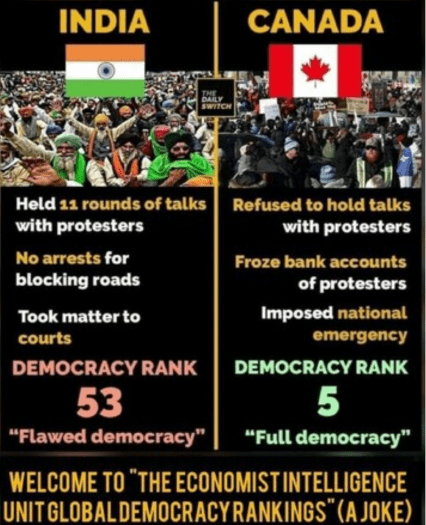
This is where the Canadian trucker protests come in. Earlier this week, the Trudeau government invoked the Emergencies Act to stop these protests, which have now lasted for almost two months. The Emergencies Act, which replaced the bluntly but honestly named War Measures Act in 1988, gives the power to the Governor-in-Council (in practice the Cabinet) to declare an emergency. Once an emergency is declared, the government can impose a host of drastic measures by executive fiat, subject to parliamentary review within seven days.
The measures the Canadian government have imposed make for uneasy reading, whatever your view on the trucker protests. They not only make it illegal to participate in or travel to the protests, but also to give money to any protester or to provide them with car insurance — while making it legal to freeze their bank accounts without a court order. In effect it makes it impossible for many of them to earn their livelihoods, or simply to live (Canada being such a large country, large parts of it are unliveable without an automobile, and driving legally requires car insurance). They also give the government the power to force tow truck drivers to provide their services to the government. Breach of these regulations carries a maximum of five years’ imprisonment.
The international reaction was distinctly queasy. Even outlets such as the New York Times, hardly the natural ally of protesters against Covid restrictions, saw those measures for what they were: a “temporary suspension of civil liberties”. But the Times quickly backed down after being bombarded with tweets by Canadian journalists and politicians angry with that description.
Bob Rae, Canada’s ambassador to the United Nations who was once one of Canada’s leading politicians, tweeted out the following representative gem:
The Preamble to the Emergencies Act states clearly that it is subject to the Charter of Rights. Contrary to what the NY Times has stated, civil liberties have not been suspended in Canada. Get a grip. – BOB RAE, TWITTER
But by any definition, freezing someone’s assets without due process is a violation of civil liberties. Likewise depriving people of their livelihoods or taking away people’s right to refuse to perform work for the government. You may think that these violations are justified, but that doesn’t change the fact that they are violations.
But Canadians’ grasp of the constitutional facts have been so atrophied by decades of unthinking Charter worship that many are no longer able to think about rights independently of it, to see that rights do not begin and end with a piece of paper with an impressive title. Just because the emergency decrees pay lip service to the Charter doesn’t make them any less rights-violating.
Ultimately, the best protection for rights is not any particular piece of legislation, but a robust societal consensus in their favour, as well as active thinking and discussion about their parameters. Through the Charter, Canadians have gained a constitutional guarantee for certain rights formulated in abstract terms, but may have lost much of the cultural wherewithal necessary to sustain a broader culture of rights. Would-be constitutional tinkerers in the United Kingdom and elsewhere might want to take note.
Russian-led military bloc could send peacekeepers to Ukraine – top general
By Layla Guest | RT | February 19, 2022
With fears of an all-out military conflict in Ukraine’s war-torn Donbass region, troops from a major Moscow-led military faction could be sent on a mission to stabilize the tense situation if Kiev and the international community agree on the plan, the bloc’s secretary general has said.
Speaking as part of an exclusive interview to Reuters, published on Saturday, Stanislav Zas weighed in on which measures the Collective Security Treaty Organization could take if given the go-ahead.
“We have colossal potential in our hands. We all understand that we need to be very careful with this sharp instrument,” he said.
According to the lieutenant-general, the CSTO has the capacity for a large-scale deployment. “Believe me, we can send as many as needed.”
“If we need 3,000, we’ll send them. If we need 17,000 we’ll send them. If we need more there’ll be more. As many as are needed,” he continued.
However, he added the caveat that such a move would need to be given the greenlight from multiple sides, including Kiev, which is not a member of the bloc.
“Hypothetically you can imagine it … if there were goodwill from Ukraine – it is after all their territory – if there was a U.N. Security Council mandate, and if it was needed and such a decision was supported by all our governments,” he explained.
The interview, which was conducted before the Donetsk and Lugansk people’s republics began mass evacuations of civilians to Russia, comes amid clashes erupting in the Donbass in the past few days. Ukrainian soldiers and those loyal to the two self-declared separatist regions have accused one another of aggression along contact lines, with claims of heavy shelling coming from both sides.
In January, units from the multinational CSTO were sent to Kazakhstan after street protests decrying the government’s removal of price controls on liquified petroleum gas, a fuel that many use to power their cars, turned violent.
US Secretary of State Antony Blinken suggested that Moscow could have ulterior motives with the troop deployment, stating “I think one lesson in recent history is that once Russians are in your house, it’s sometimes very difficult to get them to leave.” However, the forces left just days after their arrival having completed their mission.
Canada wants to make financial aspects of Emergencies Act permanent
By Dan Frieth | Reclaim The Net | February 19, 2022
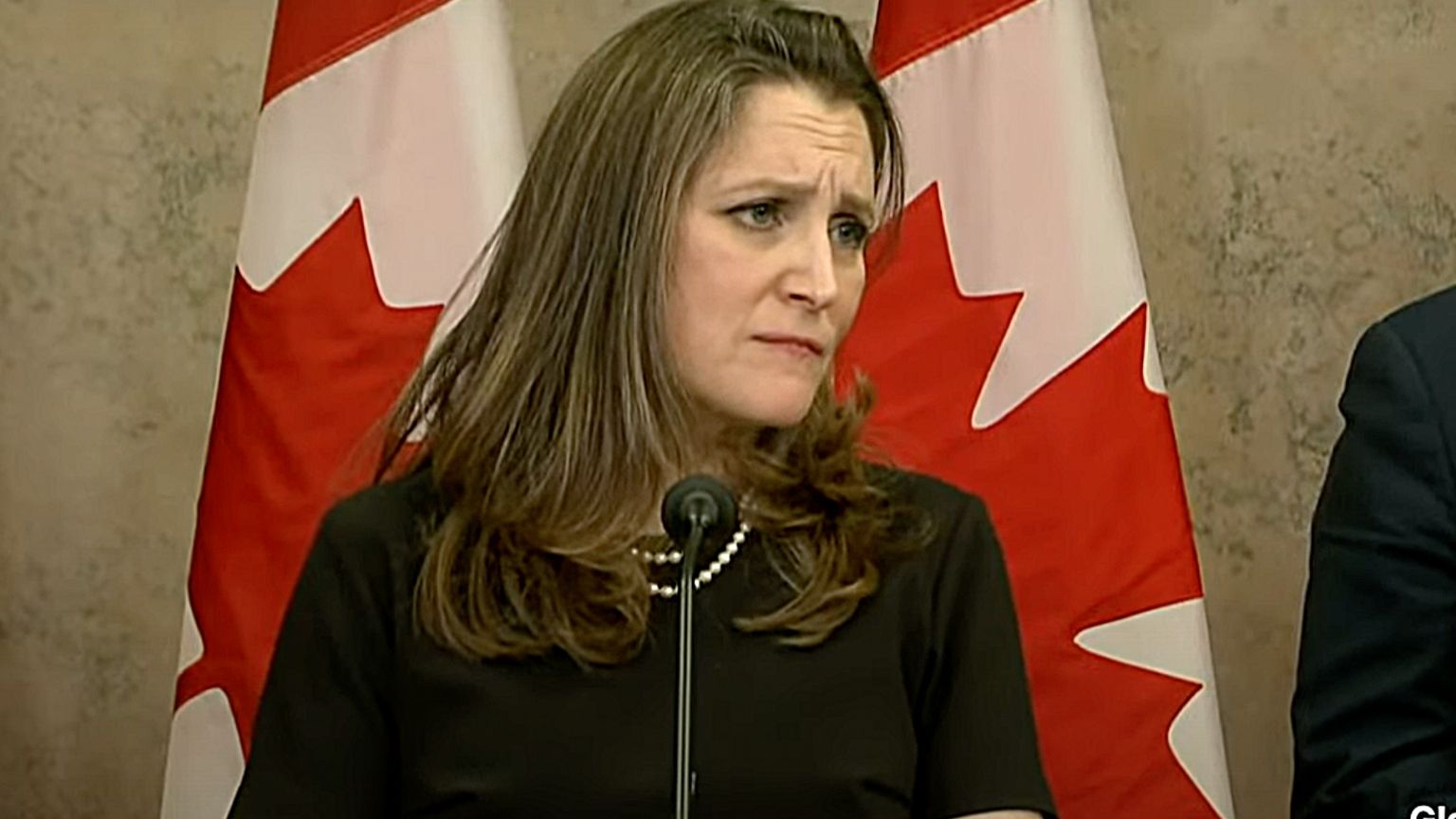
Canada’s Deputy Prime Minister Chrystia Freeland wants to make permanent the invasive financial surveillance system introduced as part of the “Emergencies Act” to crush the civil liberties protests.
Freeland had announced the initial powers earlier this week to freeze the bank accounts of those who support the protests.
“As of today, all crowdfunding platforms, and the payment service providers they use, must register with FINTRAC and must report large and suspicious transactions to FINTRAC (Financial Transactions and Reports Analysis Centre of Canada),” Freeland said at the time. “This will help mitigate the risk that these platforms receive illicit funds; increase the quality and quantity of intelligence received by FINTRAC; and make more information available to support investigations by law enforcement into these illegal blockades.”
“This is about following the money. This is about stopping the financing of these illegal blockades. We are today serving notice, if your truck is being used in these illegal blockades your corporate accounts will be frozen.”
Under the Emergencies Act, banks are required to freeze accounts without the need for a court order.
Freeland explained: “The government is issuing an order with immediate effect under the Emergencies Act, authorizing Canadian financial institutions to temporarily cease providing financial services where the institution suspects that an account is being used to further the illegal blockades and occupations. This order covers both personal and corporate accounts.”
But now, Freeland has announced that she plans to make some of the emergency measures permanent.
The government also intends to introduce new legislation to make new authorities for FINTRAC.
“We used all the tools that we had prior to the invocation of the Emergencies Act and we determined we needed some additional tools,” Freeland announced in a panel interview on Zoom.
“Some of those tools we will be putting forward measures to put those tools permanently in place. The authorities of FINTRAC, I believe, do need to be expanded to cover crowdsourcing platforms and payment platforms.”
LETTER TO MP ON EMERGENCIES ACT
Thank you Spencer Latu for writing this letter.
Friends, please consider sharing widely, & if Canadian sending the letter to your respective MP:
LETTER TO MP ON EMERGENCIES ACT
Please copy/paste the following letter, or add your own flair, and email it to your local parliamentary representative regarding the vote on the Emergencies Act in Parliament. Since we are in a minority government, emailing NDP MPs has a huge impact.
You can add any subject line. You can find the contact information of your representative here: https://www.ourcommons.ca/Members/en/search
Letter-writing works, so please share widely and with your friends!
Dear [MP],
I write to you as a concerned citizen from your riding, asking you to represent me and many others in Parliament and to oppose Justin Trudeau’s federal invocation of the Emergencies Act, RSC 1985, c 22 (4th Supp) (“Emergencies Act”). This measure comes in response to demonstrations in Ottawa and across the country regarding COVID-19 restrictions, including vaccine mandates. I urge you to instead approach this situation by listening to the demands of countless Canadians and removing the restrictions provincially. Many provinces have begun doing so. I also urge you to vote against the Emergencies Act.
On February 15, 2022, the Canadian Civil Liberties Association (“CCLA”), a nonpartisan organization dedicated to the defense of civil liberties and constitutional rights, wrote: “The federal government has not met the threshold necessary to invoke the Emergencies Act. This law creates a high and clear standard for good reason: the Act allows government to bypass ordinary democratic processes. This standard has not been met.” They noted that implementing the Act at this time “threatens our democracy and our civil liberties.”
Please defend our democracy and civil liberties. Canadian banks have begun freezing assets of those who have donated to the aforementioned demonstrations and their personal information is being shared. The Emergencies Act will legalize a further invasion of privacy, which is a dangerous slippery slope. Trudeau has also suspended Parliament, violating the law requiring uninterrupted debate concerning the implementation of a new emergency power.
You have the opportunity to represent Canadians in Parliament and defend us against a severe overreach of power. I urge you to vote against the Emergencies Act and to represent your constituents.
Sincerely,
[Name]
Featured Video
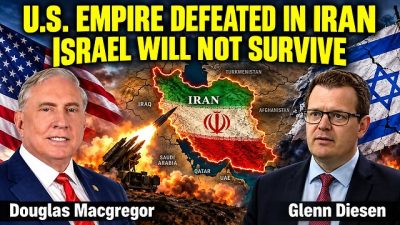
U.S. Defeated in Iran & Israel Will Not Survive
or go to
Aletho News Archives – Video-Images
From the Archives
Did Israel Kill the Kennedys?

By Laurent Guyénot • Unz Review • June 3, 2018
Introduction
Just after midnight of June 6, 1968, Senator Robert Kennedy was assassinated in a backroom of the Ambassador Hotel in Los Angeles. He had just been celebrating his victory at the California primaries, which made him the most likely Democratic nominee for the presidential election. His popularity was so great that Richard Nixon, on the Republican side, stood little chance. At the age of 43, Robert would have become the youngest American president ever, after being the youngest Attorney General in his brother’s government. His death opened the way for Nixon, who could finally become president eight years after having been defeated by John F. Kennedy in 1960.
John had been assassinated four and a half years before Robert. Had he survived, he would certainly have been president until 1968. Instead, his vice-president Lyndon Johnson took over the White House in 1963, and became so unpopular that he retired in 1968. Interestingly, Johnson became president the very day of John’s death, and ended his term a few months after Robert’s death. He was in power at the time of both investigations.
And both investigations are widely regarded as cover-ups. In both cases, the official conclusion is rife with contradictions. We are going to sum them up here. But we will do more: we will show that the key to solving both cases resides in the link between them. And we will solve them beyond a reasonable doubt. … continue
Blog Roll
 Aletho News
- US tanker strikes fail to deter Iran, drain interceptors: Bloomberg
- Yemeni Official Underlines Safety of Navigation after Expelling of Pro-Saudi Mercenaries from Coastal Areas
- Yemeni forces recapture strategic port city of Mokha from Saudi-backed troops
- Algeria cuts ties with UAE over interference, destabilization
- Russia, China clash with West at UNSC over legality of Iran ‘snapback’ sanctions
- Washington demands NATO allies help ‘systematically dismantle’ ICC: Report
- Alternative ‘Führer’ Deutschland? Alarmism over AfD win is absurd
- Nonsense Drones and Novichok
- Lithuania Plans to Remove Nuclear Weapons Ban From Constitution – Parliament Speaker
- Moldova debunks drone threat to Zelensky’s plane
- If Americans Knew
- Secret systems used by Israel in mass killings of Gaza civilians revealed in new film
- Israel Bombs South Lebanon as Report Documents 23 White Phosphorus Attacks
- Nakba and Gaza: Zionism’s Century-Long History of Genocide
- ISRAELI MEDIA: ‘Baby, an Update: He’s Just Died’: Israeli Prison Guards’ Texts Expose a Routine of Abuse
- Three Major Revelations About The Gaza Holocaust In The Israeli Press
- Israel starved Gaza. Now doctors fear it has permanently damaged a generation.
- Swarming the battlefield: Elbit-FUSE reveals mass drone and robot armies as IDF plans new AI branch
- Out of Israel, stories of terror, thirst, takeover, torture, racism – Daily Update
- ISRAELI MEDIA: Revealed: Netanyahu Received an Explicit Warning Days Before Oct. 7. He Didn’t Brief Israel’s Security Chiefs
- “Israel is a wonderful, safe place,” according to this totally objective expert
- No Tricks Zone
- New Study: The Antarctic Ice Sheet Gained Mass From 2020-2024 Due To Staggering Snow And Ice Accumulation
- Study: Ocean Heating Rates From Thousands Of Years Ago ‘Dwarf’ Modern Ocean Heating Rates
- Climate Extremists Target, Attack Large-Scale Power Grid Infrastructure In Germany!
- New Study: Antarctic Ice Melt Has Contributed Less Than 1 Centimeter To Sea Level Rise In The Last 30 Years
- Fear Of Debate: Alarmist German Climate Scientist Calls On Mainstream Media To Discredit Skeptic Voices
- End-Of-August Arctic Sea Ice Extent Hasn’t Fallen In 20 Years, Official Data Show!
- News-Making Nepal Region Has Had As-Warm Or Warmer Periods Than The 2000s In The 1600s, 1700s, 1800s
- 2025 Study: ‘There Exists No Unequivocal Experimental Evidence For The CO2 Greenhouse Effect’
- 2026 Atlantic Cyclone Energy Index Running At 85% Below Normal!
- New Research Shows Soil Respiration And Temperature Drive CO2 Change, Not Humans
 Aletho News