Hunter Biden Sought ‘Lucrative’ Deal for Himself, His ‘Family’ With Chinese Firm, New Emails Suggest
By Tim Korso – Sputnik – 15.10.2020
Bombshell emails obtained by the New York Post made headlines on 14 October, as they suggested that Joe Biden was involved in his son’s overseas business affairs after all. The rapid spread of the story was, however, impeded by Facebook and Twitter, both of which limited users from sharing it under various pretexts.
Hunter Biden, son of former Vice President and current Democratic presidential candidate Joe Biden, previously pursued an agreement with a Chinese energy giant that would be “interesting” to him and his “family”, a new trove of emails published by the New York Post suggests.
The emails come from the same MacBook Pro laptop that contained the purported correspondence of Biden that rocked media outlets and social media on 14 October. The computer, which had a Beau Biden Foundation sticker on it, was dropped off at a repair shop in the state of Delaware in April 2019, but was never collected. The shop’s owner handed it over to the FBI, but not before copying its contents and sending it to former Mayor Rudy Giuliani, who, in turn, provided the material to the NYP.
Sputnik could not independently verify the authenticity of the emails.
Twenty Percent for H[unter] and Ten More for ‘Big Guy’?
The newly released emails from the alleged correspondence of Hunter Biden suggest that the latter was engaged in negotiations involving the company CEFC China Energy, a former top 10 firm in China, and continued between May and September 2017. The first piece from the new trove of emails, dated 13 May 2017, concerned Hunter becoming either the chair or vice-chair of an unnamed company with a “remuneration package” worth “850”, when he already had a paid position on the board of Ukrainian gas company Burisma.
In addition, the same letter suggested that the shares in the company would be divided between six people, identified mostly by their initials. At least three sets of initials refer to the author and the recipients of the email, James Gilliar, Rob Walker, and Tony Bobulinski. The remaining names on the list are “Jim” and “H”, the latter of which may stand for Hunter Biden, another alleged recipient of the mail. “H” was supposed to get 20% of the shares for himself and hold 10% more “for the big guy”. Who the “big guy” is remains unclear from either the alleged email or the New York Post report.
Alleged ‘Lucrative Arrangement’ for Biden ‘Family’
The next piece of correspondence unearthed by the NYP was purportedly sent by Hunter Biden to Gongwen Dong, a Chinese citizen who allegedly had ties to his country’s authorities and was an associate of the now-arrested chairman of the CEFC, which went bankrupt in 2020 after a series of scandals involving fake deals and inflated financial results, Ye Jianming. In the alleged email, dated 2 August 2017, Hunter purportedly reveals that a person, whom he only refers to as “chairman”, had at first offered him a payment of $10 million per year in “consulting fees” for three years, but later made a “much more lasting and lucrative arrangement” where he would receive 50% of the shares in an unnamed holding company.
In the mail, Hunter allegedly indicates that the offer of getting a 50% share in the joint venture was “so much more interesting to me and my family”. The remaining 50% were supposed to be held by the chairman, which may refer to CEFC Chairman Ye Jianming, who was arrested by the Chinese authorities back in 2018.
A photo, taken a day prior to the alleged email regarding the “lucrative arrangement” and which was also found on the MacBook laptop, purportedly shows the proposed structure of a company called Hudsonwest, which would be jointly owned by Hunter Biden and the “chairman” in equal parts. A company with a similar name, Hudson West III LLC, was mentioned in reports presented by two US Senate committees – on Homeland Security and Governmental Affairs, and on Finance – in regards to Hunter Biden’s business affairs in China, Russia, and Ukraine.
According to these reports, Hudson West III had a credit line with Cathay Bank that was opened by Hunter Biden and Gongwen Dong in September 2017. With this line of credit, the company issued several credit cards with collateral of $99,000. These cards were authorised to be used by Hunter Biden, his uncle James Biden, and the latter’s wife, Sara Biden. The Senate reports state that these cards were used to buy $101,291 worth of goods and services, including airline tickets, hotel bookings, as well as purchases made at pharmacies and Apple Stores. The company Hudson West III has since been dissolved, the Senate reports say.
Leak of Scandalous Laptop Emails
The new revelations come a day after a bombshell report by the NYP that suggested Hunter Biden had arranged a meeting between an adviser to the board of the Ukrainian gas firm Burisma, Vadym Pozharskyi, and his father, Joe Biden, in 2015 – when the latter was still serving as vice president. Almost a year after the purported meeting, Joe Biden convinced Ukrainian authorities to sack Prosecutor-General Viktor Shokin, who was allegedly investigating crimes by Burisma, by threatening to withhold a $1 billion US loan to Kiev.
Joe Biden has repeatedly claimed he did not discuss Hunter’s overseas business affairs with his son and insists he did not pressure Kiev into sacking Shokin, despite openly boasting of playing a role in getting him fired at the Council on Foreign Relations in 2018. The Biden campaign denies that the 2015 meeting between Pozharskyi and the former vice president took place, while Hunter Biden’s lawyer has refused to comment on the NYP report. The lawyer insisted that information received from Rudy Giuliani cannot be trusted and thus doesn’t deserve to be commented on.
Social Media Platforms Under Fire for Taking Down Hunter Biden Email Story
The bombshell NYP story about Joe Biden’s alleged meeting with Pozharskyi gained so much traction online that two social media platforms, Facebook and Twitter, limited its spread by forbidding users from sharing it. Apart from this, Twitter took the original post down for good and blocked several accounts that had reposted it, including those of the New York Post and White House Press Secretary Kayleigh McEnany. The decision met with furious reactions from both netizens and Republican politicians, who accused the social media platforms of censoring the information, which is potentially damning to the Democratic presidential candidate that the platforms allegedly favour.
The move against the NY Post’s story was not immediately followed by an explanation from the two platforms, which only added to the outrage of netizens. Facebook later clarified that the spread of the story would be limited until third-party fact-checkers confirm its veracity. Twitter, in turn, justified its action by stating that the article violates its rules, as it contains personal data of the people involved in the story, as well as “hacked materials” – although all the information had been obtained without the need to bypass the security barriers on the laptop.
38 billion reasons to vote for Joe Biden – If you’re Israeli

Israeli Prime Minister Benjamin Netanyahu (L) watches Vice President Joe Biden sign his guestbook, March 9, 2010.
By Alison Weir | If Americans Knew | October 14, 2020
The Jewish Forward has just published an article saying that Joe Biden’s long loyalty to a foreign country is a reason to vote for him. The article is entitled “38 billion reasons to vote for Joe Biden.”
The title refers to the $38 billion aid package to Israel, which works out to $7,000 per minute from American taxpayers and is approximately $23,000 per each Jewish Israeli family of four.*
This money is going to Israel even while the U.S. economy has been crippled by COVID-19 closures – 163,735 US businesses have closed down and millions of Americans have lost jobs.
The article celebrating this aid to Israel is by Robert Wexler, who was a Democratic member of the House of Representatives from 1997 to 2010, allegedly representing Florida’s 19th district.
Wexler fails to mention that Israel has a long, thoroughly documented record of human rights violations, beginning with its founding war of ethnic cleansing against the Muslims and Christians who had been the large majority of the region’s inhabitants.
Israeli violence against Palestinian men, women, and children occurs every day, though it’s rarely reported by U.S. media.
In addition, the Forward fails to inform readers that Israel is known for a system of supremacy in which unwelcome religious/ethnic groups, such as Muslims and Christians, are discriminated against and oppressed.
While Israelis reap the benefit of massive US aid packages, these drain much-needed money from American taxpayers and can lead to job losses. Israel has a history of stealing US technology, sometimes selling it to American adversaries.
For former U.S. Congressman Wexler, however, Biden’s leading role in siphoning US tax money to Israel is a reason to vote for him. Below is an excerpt of Wexler’s article published in the Forward:
“…I want to assure these voters that we can count on Joe Biden to fight for Israel’s safety and security. Under his administration, the United States will take steps to strengthen our ties with Israel and enhance Israel’s ability to survive and flourish as a democratic, Jewish state.
Elections are binary choices. We don’t pick and choose the best qualities of each candidate. Regardless of your assessment of President Trump’s performance on Israel, you can vote for Biden with confidence, knowing that his presidency will reflect the deep friendship he has shown toward Israel throughout five decades in public service.
As Vice President, Biden took a leading role in negotiating the 10-year, $38 billion U.S. aid package to Israel that Congress passed in 2016 — the largest in U.S. history. Biden opposes conditioning aid to Israel, even when the U.S. and Israel disagree on policy. Biden is also committed to maintaining Israel’s qualitative military edge. Based on Biden’s past support for Israel’s QME, it is unlikely that a Biden administration would authorize the sale of F-35s or any sophisticated arms to Israel’s neighbors without consulting with Israel and ensuring that safeguards were in place to protect Israel’s security.
Since the 1960s, American presidents have made commitments to Israel’s security and qualitative military edge, a core pillar of Israel’s security strategy that allows the Jewish state to defend itself despite its adversaries’ advantages in size, population, and resources. [Editor’s note: Israel has one of the most powerful militaries in the world, and is the only country in the Middle East with nuclear weapons.] The Trump Administration’s promise of advanced weapon systems tied to the normalization agreement with the United Arab Emirates has made reaffirming this principle all the more important.
Biden has been a strong friend of Israel since his first trip there in 1973. He opposed the sale of AWACs to Saudi Arabia in the 1980s because of his commitment to maintaining Israel’s QME, and within the Obama administration, he advocated providing Israel with crucial missile-defense systems like Iron Dome, David’s Sling, and Arrow 3.
Biden supports humanitarian assistance to the Palestinian people, which will stabilize the Palestinian Authority and enhance Israel’s security. But Biden has been clear that this aid must comply with the Taylor Force Act, which means that the Palestinian Authority must end payments to Palestinian prisoners and families of “martyrs” and eliminate any financial reward for committing acts of terror. [Editor’s note: To understand this legislation for Israel read this and this.]
Biden would restart a positive dialogue with the Palestinians by unequivocally stating that U.S. policy is anchored in a vision of two nation-states — Israel, and a new Palestinian state — living side by side in peace and security. Taking steps with both parties designed to simultaneously improve lives, narrow the conflict, and build a two-state reality would strengthen Israel’s security and bolster bipartisan support for Israel in the U.S. [Editor’s note: In reality, the “state” proposed for Palestinians would be a nonviable entity composed of non-contiguous cantons on, at most, 20 percent of the land; also see this.]
Republicans claim Trump even more dedicated to Israel
While Wexler favors Biden, the Republican Jewish Coalition is promoting Trump, dropping $3.5 million on TV ads for Trump in South Florida. In one ad the narrator says: “Only one candidate has stood with the Jewish community: President Donald Trump, the most pro-Israel president in history.”
Israel partisan Sheldon Adelson is often credited with driving Trump’s policies on the Middle East.
Adelson has said that he regrets that he served in the US military rather than the Israeli one:
* A bill to set the agreement into U.S. law is currently before Congress. It would increase the amount to Israel and provide additional perks to the Jewish state.
Alison Weir is executive director of If Americans Knew, president of the Council for the National Interest, and author of Against Our Better Judgment: The Hidden History of How the U.S. Was Used to Create Israel.
Japan Leads the Way: No Vaccine Mandates and No MMR Vaccine = Healthier Children
The Promise of Good Health; Are We Jumping Off the Cliff in the U.S.?
By Kristina Kristen | Children’s Health Defense | April 23, 2019
In the United States, many legislators and public health officials are busy trying to make vaccines de facto compulsory—either by removing parental/personal choice given by existing vaccine exemptions or by imposing undue quarantines and fines on those who do not comply with the Centers for Disease Control and Prevention’s (CDC’s) vaccine edicts. Officials in California are seeking to override medical opinion about fitness for vaccination, while those in New York are mandating the measles-mumps-rubella (MMR) vaccine for 6-12-month-old infants for whom its safety and effectiveness “have not been established.”
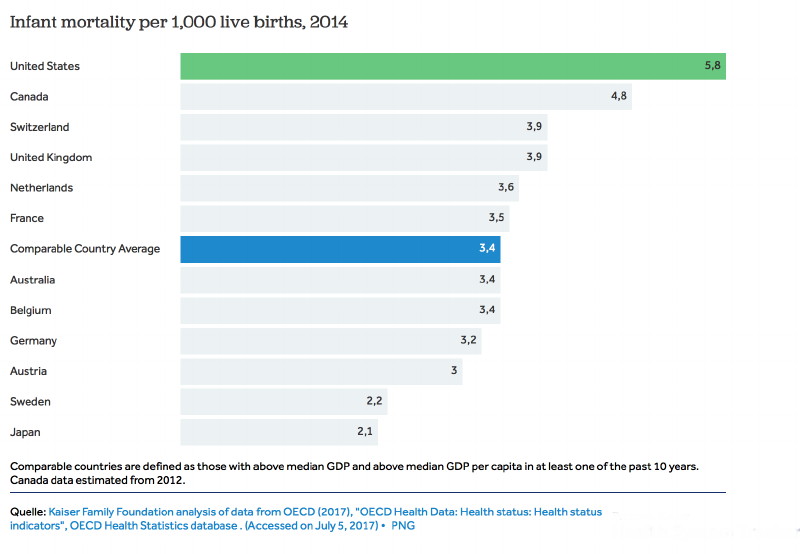
American children would be better served if these officials—before imposing questionable and draconian measures—studied child health outcomes in Japan. With a population of 127 million, Japan has the healthiest children and the very highest “healthy life expectancy” in the world—and the least vaccinated children of any developed country. The U.S., in contrast, has the developed world’s most aggressive vaccination schedule in number and timing, starting at pregnancy, at birth and in the first two years of life. Does this make U.S. children healthier? The clear answer is no. The U.S. has the very highest infant mortality rate of all industrialized countries, with more American children dying at birth and in their first year than in any other comparable nation—and more than half of those who survive develop at least one chronic illness. Analysis of real-world infant mortality and health results shows that U.S. vaccine policy does not add up to a win for American children.
Japan and the U.S.; Two Different Vaccine Policies
In 1994, Japan transitioned away from mandated vaccination in public health centers to voluntary vaccination in doctors’ offices, guided by “the concept that it is better that vaccinations are performed by children’s family doctors who are familiar with their health conditions.” The country created two categories of non-compulsory vaccines: “routine” vaccines that the government covers and “strongly recommends” but does not mandate, and additional “voluntary” vaccines, generally paid for out-of-pocket. Unlike in the U.S., Japan has no vaccine requirements for children entering preschool or elementary school.
Japan also banned the MMR vaccine in the same time frame, due to thousands of serious injuries over a four-year period—producing an injury rate of one in 900 children that was “over 2,000 times higher than the expected rate.” It initially offered separate measles and rubella vaccines following its abandonment of the MMR vaccine; Japan now recommends a combined measles-rubella (MR) vaccine for routine use but still shuns the MMR. The mumps vaccine is in the “voluntary” category.
Here are key differences between the Japanese and U.S. vaccine programs:
- Japan has no vaccine mandates, instead recommending vaccines that (as discussed above) are either “routine” (covered by insurance) or “voluntary” (self-pay).
- Japan does not vaccinate newborns with the hepatitis B (HepB) vaccine, unless the mother is hepatitis B positive.
- Japan does not vaccinate pregnant mothers with the tetanus-diphtheria-acellular pertussis (Tdap) vaccine.
- Japan does not give flu shots to pregnant mothers or to six-month-old infants.
- Japan does not give the MMR vaccine, instead recommending an MR vaccine.
- Japan does not require the human papillomavirus (HPV) vaccine.

In contrast, the U.S. vaccine schedule (see Table 1) prescribes routine vaccination during pregnancy, calls for the first HepB vaccine dose within 24 hours of birth—even though 99.9% of pregnant women, upon testing, are hepatitis B negative, and follows up with 20 to 22 vaccine doses in the first year alone. No other developed country administers as many vaccine doses in the first two years of life.
The HepB vaccine injects a newborn with a 250-microgram load of aluminum, a neurotoxic and immune-toxic adjuvant used to provoke an immune response. There are no studies to back up the safety of exposing infants to such high levels of the injected metal. In fact, the Food and Drug Administration’s (FDA’s) upper limit for aluminum in intravenous (IV) fluids for newborns is far lower at five micrograms per kilogram per day (mcg/kg/day)—and even at these levels, researchers have documented the potential for impaired neurologic development. For an average newborn weighing 7.5 pounds, the HepB vaccine has over 15 times more aluminum than the FDA’s upper limit for IV solutions.
Unlike Japan, the U.S. administers flu and Tdap vaccines to pregnant women (during any trimester) and babies receive flu shots at six months of age, continuing every single year thereafter. Manufacturers have never tested the safety of flu shots administered during pregnancy, and the FDA has never formally licensed any vaccines “specifically for use during pregnancy to protect the infant.”
U.S. vaccine proponents claim the U.S. vaccine schedule is similar to schedules in other developed countries, but this claim is inaccurate upon scrutiny. Most other countries do not recommend vaccination during pregnancy, and very few vaccinate on the first day of life. This is important because the number, type and timing of exposure to vaccines can greatly influence their adverse impact on developing fetuses and newborns, who are particularly vulnerable to toxic exposures and early immune activation. Studies show that activation of pregnant women’s immune systems can cause developmental problems in their offspring. Why are pregnant women in the U.S. advised to protect their developing fetuses by avoiding alcohol and mercury-containing tuna fish, but actively prompted to receive immune-activating Tdap and flu vaccines, which still contain mercury (in multi-dose vials) and other untested substances?
Japan initially recommended the HPV vaccine but stopped doing so in 2013 after serious health problems prompted numerous lawsuits. Japanese researchers have since confirmed a temporal relationship between HPV vaccination and recipients’ development of symptoms. U.S. regulators have ignored these and similar reports and not only continue to aggressively promote and even mandate the formerly optional HPV vaccine beginning in preadolescence but are now pushing it in adulthood. The Merck-manufactured HPV vaccine received fast-tracked approval from the FDA despite half of all clinical trial subjects reporting serious medical conditions within seven months.
Best and Worst: Two Different Infant Mortality Results
The CDC views infant mortality as one of the most important indicators of a society’s overall health. The agency should take note of Japan’s rate, which, at 2 infant deaths per 1,000 live births, is the second lowest in the world, second only to the Principality of Monaco. In comparison, almost three times as many American infants die (5.8 per 1,000 live births), despite massive per capita spending on health care for children (see Table 2). U.S. infant mortality ranks behind 55 other countries and is worse than the rate in Latvia, Slovakia or Cuba.
To reiterate, the U.S. has the most aggressive vaccine schedule of developed countries (administering the most vaccines the earliest). If vaccines save lives, why are American children “dying at a faster rate, and… dying younger” compared to children in 19 other wealthy countries—translating into a “57 percent greater risk of death before reaching adulthood”? Japanese children, who receive the fewest vaccines—with no government mandates for vaccination—grow up to enjoy “long and vigorous” lives. International infant mortality and health statistics and their correlation to vaccination protocols show results that government and health officials are ignoring at our children’s great peril.
Among the 20 countries with the world’s best infant mortality outcomes, only three countries (Hong Kong, Macau and Singapore) automatically administer the HepB vaccine to all newborns—governed by the rationale that hepatitis B infection is highly endemic in these countries. Most of the other 17 top-ranking countries—including Japan—give the HepB vaccine at birth only if the mother is hepatitis B positive (Table 1). The U.S., with its disgraceful #56 infant mortality ranking, gives the HepB vaccine to all four million babies born annually despite a low incidence of hepatitis B.
Is the U.S. Sacrificing Children’s Health for Profits?
Merck, the MMR vaccine’s manufacturer, is in court over MMR-related fraud. Whistleblowers allege the pharmaceutical giant rigged its efficacy data for the vaccine’s mumps component to ensure its continued market monopoly. The whistleblower evidence has given rise to two separate court cases. In addition, a CDC whistleblower has alleged the MMR vaccine increases autism risks in some children. Others have reported that the potential risk of permanent injury from the MMR vaccine dwarfs the risks of getting measles.
Why do the FDA and CDC continue to endorse the problematic MMR vaccine despite Merck’s implication in fraud over the vaccine’s safety and efficacy? Why do U.S. legislators and government officials not demand a better alternative, as Japan did over two decades ago? Why are U.S. cities and states forcing Merck’s MMR vaccine on American children? Is the U.S. government protecting children, or Merck? Why are U.S. officials ignoring Japan’s exemplary model, which proves that the most measured vaccination program in the industrialized world and “first-class sanitation and levels of nutrition” can produce optimal child health outcomes that are leading the world?
A central tenet of a free and democratic society is the freedom to make informed decisions about medical interventions that carry serious potential risks. This includes the right to be apprised of benefits and risks—and the ability to say no. The Nuremberg Code of ethics established the necessity of informed consent without “any element of force, fraud, deceit, duress, over-reaching, or other ulterior form of constraint or coercion.” Forcing the MMR vaccine, or any other vaccine, on those who are uninformed or who do not consent represents nothing less than medical tyranny.
© 2019 Children’s Health Defense, Inc. This work is reproduced and distributed with the permission of Children’s Health Defense, Inc. Want to learn more from Children’s Health Defense? Sign up for free news and updates from Robert F. Kennedy, Jr. and the Children’s Health Defense. Your donation will help to support us in our efforts.
How to kill a thriving metropolis in 7 months: NYC’s Covid-19 failure is a vicious spiral directed by sadists

By Helen Buyniski | RT | October 12, 2020
Seven months into the pandemic, as many US states inch back toward ‘normal’, New York is in the grips of a crime wave, reinvigorated lockdowns, and widespread fear of pretty much everything. Thank local government.
New York City has lost billions of dollars in tax revenues on tourism, music, art, theatre, restaurant dining, and everything else that once fueled its mammoth economy over the seven-month Covid-19 pandemic shutdown. It’s in worse shape than most US states, and unlike many others, its continued misfortunes are largely of its own making.
The shuttering of the city’s iconic Broadway theaters alone has sent hundreds of thousands out of work and signaled to both wealthy city inhabitants and out-of-town visitors that their cash is better spent elsewhere. Theaters announced just weeks ago that performances would be cancelled through March 2021, and the Metropolitan Opera House canceled its entire season through 2021.
New York’s famed restaurant scene isn’t faring any better. The ‘lucky’ establishments are finally – as of two weeks ago – allowed to operate at 1/4 capacity indoors, which given the amount of money they’ve lost over the last 6 months is a band-aid on a cannonball wound. The unlucky ones in New York Governor Cuomo’s newly-invoked ‘red zones’ must continue to seat patrons outdoors in the freezing cold as summer gives way to a damp, chilly autumn. To make matters worse, there’s no Thanksgiving parade, no Black Friday shopping, no fun allowed.
Perhaps pandemic-fearing wealthy New Yorkers would have left anyway, taking their tax dollars with them. But tourism might have filled some of the gap. What city in its right mind would turn up its nose at $11.5 billion, the estimated total spent by out-of-town visitors to the city’s famed theatrical productions alone? Why leave that money on the table, especially when the virus that had held the industry hostage for months has been steadily on the wane? With Governor Cuomo demanding billions in relief from the federal government to make up an economic shortfall that stems from his own policies, surely he can’t afford to keep the state (and its largest city)’s biggest draws closed down indefinitely?
Pleas to cancel rent have fallen on deaf ears, and starving artists’ efforts at workarounds have been squashed. Cuomo even passed an executive order in August – with the coronavirus “peak” safely receding in the rearview mirror – to ban ticketed live performances, and has revoked liquor licenses from bars that failed to serve food with their takeaway drinks. Is it any wonder the city is hemorrhaging cash, as well as the creative and interesting people who put it on the map?
MURDER, SHE COUGHED
To understand the motivation someone like Cuomo could have for destroying the city whose economy once kept his state alive, it helps to grasp the concept of the “self-licking ice-cream cone,” a phrase that has been attributed to NASA scientists but can in general describe any system that exists for little reason other than to continually justify its own existence.
Every politician who’s ever harbored dreams of becoming a totalitarian dictator has embraced the directive “never let a crisis go to waste,” and both Cuomo and NYC mayor Bill de Blasio are true believers. After attaining unprecedented powers through the emergency measures passed under cover of Covid-19, they aren’t about to let them go quietly, and have seemingly set up a perpetual motion machine of crisis that – accidentally or otherwise – ensures NYC will remain forever financially in the hole. The type of cash lifelines that might get the city back on its feet – as a post-9/11 tourism blitz did – are blocked (no one’s going to visit a New York where dancing, drinking, and taking in a show are off-limits). Average New Yorkers, too, are paralyzed by the thought of the scary virus lurking just outside their door, ultimately learning to love their captors, Stockholm-Syndrome-style – if this month’s fawning New Yorker profile of Cuomo is any indication.
With the virus no longer nearly as much of a danger as it was back in April, the would-be dictators have put together what looks for all the world like a diabolical plan to empty out the city and take advantage of artificially-lowered property values.
First, the criminals are unleashed. Bogged down with a directive to enforce the ever-growing range of social-distancing and mask-related offenses, New York’s police are no match for the flood of actual criminals released into the streets under statewide “bail reform” that all but guarantees the “catch and release” of muggers, rioters, and other criminals whose offenses stop short of rape and murder. Even more miscreants have been paroled early due to Covid-19-related overcrowding excuses.
Next, the threats are broadcast 24/7 over every media outlet. CCTV videos of horrific, unprovoked attacks on old women, small children, everyday middle-aged types, a jazz pianist, a would-be rape victim on a subway platform – the point is made that everyone is a potential victim. The solution is presented as a paradox: do New Yorkers who’ve just spent months demanding the city rein in its police want more cops patrolling the streets? Surely that’s not very “woke” of them. While they hem and haw, the rampage continues, and the debate ends with helpless, fear-crazed city dwellers throwing up their hands and begging Cuomo and de Blasio to Do Something, Anything, to Make the Bad Men Stop. Both men play dumb – there’s nothing they can do! Better get used to crime, or flee!
TERROR IN THE TUNNELS
The plight of the subway is instructive. The city’s legendary 24-hour train system was ordered to close down service from 1am to 5am back in May, ostensibly for “cleaning” because of the virus. The homeless people who’d taken to sleeping on the cars in the wee hours were a health risk, New Yorkers were told, and the city promised free transit alternatives for those whose jobs required them to be able to move around during those times (promises which in many cases did not materialize). Ridership, already severely curtailed due to pandemic fears, was down 90 percent at one point, sending the already cash-strapped system deep into the red.
Now, we’re told, the lack of people (and cops) on the subway has made it a predator’s playground. The lack of witnesses makes it easy for unscrupulous crooks to nab a wallet, attack an innocent commuter, and otherwise strike fear into the hearts of those New Yorkers who still think there’s a future for their city. “We need more cops!” the law and order types cry, only to find the MTA is deeper in the financial hole than ever and de Blasio is leery of upping the police budget. Presumably, the next move will be to decrease operating hours still further, guaranteeing the downward spiral continues indefinitely.
A tourism and entertainment-based city without so much as a public transit system is, quite simply, doomed. The only question, then, is why are de Blasio and Cuomo so determined to run New York into the ground?
Cuomo’s “economic reopening council” is guided by private equity partners who actually make their profits off the carcasses of dead and dying businesses, so it’s no mystery why he’s eager to see restaurants and theaters crash and burn. Private equity stands to make billions on all the vacant office space and abandoned properties from city institutions forced to pull up stakes. If Cuomo does what his deep-pocketed donors tell him – he’s not called “Governor 1 Percent” by progressives for nothing – he might even get that rumored Attorney General spot he’s being reportedly considered for in a Democratic Joe Biden administration. And perhaps de Blasio – despite never polling above 0.1 percent during the 2020 primaries – actually thinks he has a shot at the governor role.
Better to reign in hell than to serve in heaven, as the saying goes.
Helen Buyniski is an American journalist and political commentator at RT. Follow her on Twitter @velocirapture23
Why the Dems Can’t Have Nice Things (Like the White House)

By Peter Van Buren | We Meant Well | October 10, 2020
Here’s why the Democrats can’t have nice things. Like the White House.
Though by now the media has awarded Biden all 270 electoral votes and taped a transcript of his debate performance on the national refrigerator door, it is unclear Joe Biden really wants to be president. He barely campaigns and usually ends his working day at noon. Since mid-August Biden logged 22 days where he either didn’t make a public campaign appearance (during the same period Trump visited 19 states.) Biden has slept at home every night of the campaign. He has no signature policy initiative. He often appears overwhelmed. He simply presents his waxy self as the embodiment of the empty and depressing strategy of I’m the Lesser of Two Evils and marks off the days until it will all be over.
The Democratic party itself seems to feel much the same way. After four years of complaining Trump is an old white draft dodging man linked to corruption, the best the Dem process could cough up was an even older white draft dodging man linked to corruption. On a rare Biden visit outside his own yard to Charlotte, North Carolina, local organizers only turned out 16 people to meet the candidate. The chairwoman of the African American caucus only learned of the event from TV. Meanwhile, the party insists on its own demographic illusion. Latinos, key in crucial states like Arizona and Florida, have shown less support for Biden than for past Democratic nominees, resistant to a campaign defining them as “people of color.” Some 98 percent of Latinos don’t want to be called “Latinx” even as the Democrats continue to do so pandering to the two percent. Ideology over reality, though it may not matter: 38 percent of Hispanic voters Dem imagine they control in battleground states are ambivalent about voting at all. A Telemundo poll shows 68.7 percent believe Trump won the first presidential debate.
The Dems ignore other demographic bad news. In Michigan, Pennsylvania, and Wisconsin net Democratic registrations are down by 38 percent from 2016. More to the point, registration among whites without college degrees is up 46 percent while registration by people of color is up only four percent. Turnout looks to be in trouble as well; in Wisconsin while 79 percent of black voters participated in the 2012 general election, in 2016 it was down to 47 percent. The risk of low turnout is even greater when one factors in age. About 78 percent of blacks age 60+ are likely to vote, compared to only 29 percent for blacks age 18-29.
Meanwhile, in this final stretch when they should be clawing for every vote, Dems are sending out scattered messages on in-person voting (“You might die of COVID but it’s so important you guys!!!! LOL”) and planning on relying on a 19th century mail in system run by local yokels that works poorly under the best of circumstances. Plan B is to claim the system they told everyone to use didn’t work and the president needs to be selected by Netflix users.
If Democrats really wanted to win some swing states they should have found a way to fix the water in Flint. They might have persuaded Mike Bloomberg instead of buying felons’ votes in Florida to have created the equivalent in new jobs in Ohio. Dems never talked to the voters they needed the most. In fact, quite the opposite. They stomped their feet and held their breath in a four year tantrum and called them racists and haters when unmasked Midwesterners never got appropriately offended by Trump. These people worked hard for what they have only to hear that dismissed as privilege. Dems attack people as much for who they are as what they believe and still expect a vote for Biden. The NYT calls them “the worst of us.” Call them the missing whites on election day.
Democrats also believe their own self-illusion. Instead of understanding social media as a winnowed, mob-enforced minority of confirmational people, Dem strategists believe it all makes a difference. They came to think listening to podcasts, wearing cute #Resistance gear, retweeting and liking, holding Pink Hat marches and flash mobs, making $25 donations to GoFundMes, signing online petitions before going on Etsy to buy snarky t-shirts about vaginas, forwarding propaganda videos from the Lincoln Project, all while talking about NPR in line at Trader Joe’s, matter. All the devices don’t add up to a single vote. It isn’t a barometer, it’s a mirror.
Voting Dem may just be too much of an ask for thinking people. Review the near-endless emotional hemophilia, hypocrisy, cognitive dissonance, and fake news kudzu a Dem voter is asked to ignore. For example, a Trump rally, or a wedding, is a deadly super-spreader event but a BLM rally is not. Schools and businesses are open or closed at the discretion of governors and mayors but Trump is to blame. Demonstrations which devolve into riots are acceptable but a couple of rednecks open carrying at a statehouse is a precursor to civil war. BLM when the killer is a cop, a lot less so when the killer is a black gang member. The new Supreme Court will limit our rights, except if they extend our 2A rights and then more rights are bad. Kids in cages means Nazism but Biden bringing back the Obama national security advisors who created millions of refugees flowing out of Syria and Libya is no matter. Choosing a Supreme “too close” to an election is the end of democracy but Dems promising revenge by adding states, deep-sixing the Electoral College, and packing the court to jam through their own one party eternal majority is not. A Muslim woman in Congress is revered for her adherence to sexist Islamic doctrine but a Catholic woman who honors her spouse is Handmaid’s Tale in Biblical proportions. #BelieveWomen applies to accusers of Republicans but not Democrats. We must have more women in government, except if they’re Republicans. Andrew Cuomo, governor of New York, claims he will block any FDA-approved COVID vaccine from his state until his own scientists check it out, fearing a dangerous chemical will be released so that Trump can win the election. We must reawaken our democracy but if you vote for a third party you are working for Putin.
More?
When the stock market was soaring it didn’t matter because most people did not own stock yet when it fell during COVID it was the end of the economy but when it recovered it no longer mattered. None of the desperate warnings of war — Iran, China, North Korea, Venezuela, civil war in America — came to be. No one did anything bad after the embassy moved to Jerusalem or the Iranian agreement ended. All the things which were to disappear — the ACA, Roe, LGBT rights, same sex marriage — did not. Martial law was not declared, though the MSM signaled numerous times they would be OK with a military coup to depose Trump. Puerto Rico did not descend into genocide. Trump did not launch nuclear weapons in a fit of psychosis. The Democrats over and over made insta-heroes of miserable people who then had to be disowned like Michael Avenatti, Michael Cohen, Robert Mueller, James Comey, and every former general who was going to flip and tell all but didn’t. I honestly have no idea anymore if Dr. Fauci is seen as a good guy or a bad guy by Dems. The Democratic party claimed insubordination by government officials is to be honored if it is called #Resistance. We needed to see Trump’s taxes bad enough that it was OK someone stole them and even then the NYT won’t let anyone see the actual documents. Pee tape anyone? And in the final months before the election, the principle Democratic strategy is to claim if Trump wins it was all unfair. Update: the Reichstag is still standing.
How can a thinking person look at all that and conclude “these are the people I want running the country.”
Too many readers will see this article as pro-Trump. Where does it praise Trump? And that’s the last point here. Democrats and the MSM (let’s call it MSDNC) have divorced themselves from earth gravity. The rules of their home planet are any criticism of the party means you love Trump, are a hater, racist, Nazi, Russian or a bot. Inquiry is not allowed, so you must accept the Dossier, Russiagate, Ukraine, whatever crazy story is “reported” by “sources” and vote Biden or else.
Maybe if a little introspection had been allowed amid demands for conformity of thought the Democrat party would not be imploring voters to believe the end justifies the means. Maybe they would not have cried wolf again and again until only the true crazies are still listening. Maybe they would have foregone the public humiliation of the Mueller report and the failed impeachment. Maybe they’d be running a candidate that represented, well, something to vote for. Maybe they would not be so worried their voters will stay home on November 3.
If Trump wins again, it will be safe to say Dems lost this election in 2016 when they failed to see the change the nation wanted, pushed Bernie aside, and demanded we coronate Hillary. That gave Trump his first term. But rather than learn anything in the cold morning and seek redemption, the Dems basically did the same thing in 2020, albeit with the more likeable Joe Biden. But Biden carries most of the same old school baggage, inherits the same wounds of the Obama years, and has that lasting taint of corruption after 47 years in government.
Yes, Joe’ll win the popular vote, the Electoral College are racist cheaters, Mrs. Jones’ ballot was lost in Raleigh, PutinPutinPutin, all a rich gumbo but whenever the end of the day comes, Trump will likely have his second term. More because the Democrats lost than because he won.
When Will the Truth About the Bidens’ Ukraine Deals & Financial Bonanza Come Out?
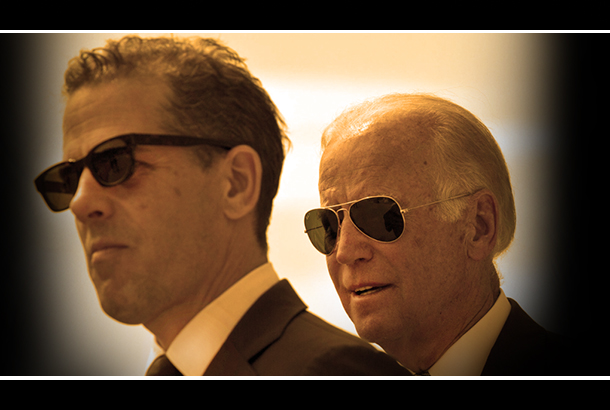
By Ekaterina Blinova – Sputnik – 10.10.2020
Despite the US mainstream media and the FBI appearing uninterested in the latest GOP study concerning Hunter Biden’s financial transactions and occupations during his father’s vice presidency, the investigation may go full throttle if Joe Biden is defeated in the 2020 campaign, suggests US investigative journalist George Eliason.
The FBI has refused to either confirm or deny the existence of any ongoing investigations concerning Hunter Biden, the son of former Vice President and Democratic presidential nominee Joe Biden, The Federalist reported on 8 October, citing an exclusively obtained bureau letter written in response to a 24 September request by Republican Congressman Jim Jordan, the ranking member on the House Judiciary Committee.
Why FBI Unlikely to React Before the Election
On 24 September, Jordan sent a letter to FBI Director Christopher Wray asking what investigative steps – if any – the intelligence agency had taken in response to the GOP report detailing misconduct and suspicious financial transactions involving Hunter Biden, his family, and his associates.
Nevertheless, the FBI has yet to respond to Jordan’s questions concerning potential inquiries into:
· Hunter Biden receiving millions of dollars from foreign nationals with questionable background and funding individuals “involved in human trafficking and organised prostitution”;
· Hunter’s Chinese transactions “involv[ing] potential criminal activity”;
· a bribe allegedly paid by Ukrainian gas firm Burisma’s owner to the country’s officials to stop investigations against him while Hunter served on the company’s board.
Although Republican congressmen are urging the FBI to look into the Bidens’ potential misconduct, there is little if any chance of the Senate pressuring Wray into launching a formal investigation before the November election, believes George Eliason, a Donbass-based American investigative journalist.
“The last thing the Senate will do is make any move that looks partisan or trying to influence the election”, Eliason stresses. “After the election it is possible, if Biden loses. On the chance of a Biden win, the investigation will be mute”.GOP Report Sheds Light on Hunter Biden’s Gains
The GOP report indicates that Hunter Biden’s financial gains from foreign sources substantially increased during his father’s tenure as US vice president and after, citing a potential conflict of interest.
Referring to Treasury records, the document also alleges “potential criminal activity relating to transactions among and between Hunter Biden, his family, and his associates with Ukrainian, Russian, Kazakh and Chinese nationals”.
Several days before the release of the committee’s findings, Just the News reported that the Financial Crimes Enforcement Network (FinCEN), a bureau of the US Treasury Department, had “flagged several foreign transactions to Hunter Biden-connected businesses as ‘suspicious’ during the end of the Obama administration and the beginning of the Trump administration”. These findings were highlighted in the agency’s Suspicious Activity Reports (SARs) which, according to the media outlet, “is [per se] not evidence of wrongdoing, but it is usually a starting point for investigation”.
In addition to receiving $4 million in “questionable financial transactions” with foreign financiers, Hunter Biden was spotted sending funds to individuals “linked to what ‘appears to be an Eastern European prostitution or human trafficking ring'”, the GOP report reads.
Republican investigators specifically turned the spotlight on Hunter Biden’s role in the Ukrainian gas firm Burisma when his father served as the Obama administration’s “public face” of its policy towards the Eastern European state. In May 2014, Hunter joined the firm’s board of directors, despite having no experience in energy, and was paid as much as $50,000 per month.
“The Bidens were in the front seat [of the Obama administration’s Ukraine politics] the entire time”, Eliason recollects. “Joe Biden’s support for the Ukrainian diaspora and fulfilling their wants in Ukraine has been unwavering. The fact that Ukraine became a cash cow for his family that early makes it very clear”.
Thus, in December 2014, the owner of Burisma, Mykola Zlochevsky, reportedly gave a $7 million bribe to Ukrainian officials to have the case against him closed and his $23-million assets in the UK unfrozen while Hunter Biden was on Burisma’s board. According to the GOP document, the case was reported to the FBI by a DOJ official at the US Embassy in Kiev in 2015, but no action seemingly followed. While US State Department officials considered Zlochevsky “corrupt” at the time, then Vice President Biden avoided denouncing the Ukrainian oligarch, the document says.
More Facts May Emerge After 2020 Campaign
While the FBI keeps silent, the US left-leaning mainstream media have downplayed the study, saying that it does not show whether Hunter Biden’s actions influenced US government policy in any way.
CBS News, in particular, has drawn attention to the fact that “the report does not assert that the former vice president pushed for the firing of a Ukrainian prosecutor in order to protect Burisma, a central claim made by President Trump and his allies”. For its part, the Biden campaign denounced the GOP research as a political attack amid the 2020 presidential campaign.
“The MSM has been firmly behind Biden and has to step back further than is now possible with credibility”, says Eliason referring to the mainstream media’s previous efforts to bury the anti-Biden sexual harassment allegations put forward by Tara Reade, a former staff assistant in Biden’s US Senate office. “As far as not affecting US policy, it’s a fogging ploy to relieve Biden from any culpability in crimes the evidence is very strong pointing to his involvement”.
Meanwhile, the Ukrainian probe into the alleged Biden-Poroshenko tapes, concerning the ouster of then Ukrainian Prosecutor General Viktor Shokin – who was investigating Burisma Holdings – in exchange for a $1 billion loan, is still ongoing, the journalist emphasises.
Ukrainian Prosecutor General Iryna Venediktova confirmed in mid-September that the tapes are being examined: “We are waiting for the results of the research. We will react only where it is prescribed by law … Ukraine does not interfere in the affairs of other states. We remain in the field of criminal justice”, she stated on Savik Shuster’s YouTube podcast on 12 September.
Eliason believes that more facts concerning the Bidens may surface when the presidential campaign is over, as it will no longer be seen as an attempt to interfere in the elections. Furthermore, in case Biden loses and Trump retains office, the situation “would be cut and dry”, which would help US investigators to eventually sort things out.
Pelosi & husband invest up to $1 million in CrowdStrike, tech firm that launched Russiagate – report
RT | October 10, 2020
Newly-filed financial disclosures show House Speaker Nancy Pelosi and her husband have invested up to $1 million in CrowdStrike, American cybersecurity technology company and the originator of ‘Russian hacking’ claims.
Financial disclosures show Pelosi (D-California) and her husband Paul buying CrowdStrike shares on September 3, according to a RealClearInvestigations report by journalist Aaron Mate. Since then, the stock went from $129.25 a share to $142.97.
Reached for comment, Pelosi’s spokesman Drew Hammill insisted she was “not involved” in her husband’s investments and “not aware of the investment until the required filing was made.” Pelosi invests in publicly traded companies all the time and “fully complies with House Rules and the relevant statutory requirements,” Hammill added.
CrowdStrike seems like a lucrative investment prospect, according to Mate’s report. The company’s valuation went from $1 billion in 2017 to $6.7 billion in 2019, when they went public – and then almost doubled to $11.4 billion. Its revenue rose from $52.75 million in 2017 to $481.41 million in 2020, Mate reports.
The company was hired by the DNC to address the breach of its email system in 2016. It blamed “Russia” for the alleged hack, but never provided the actual servers to the FBI, offering instead images and redacted reports.
CrowdStrike President Shawn Henry testified to the House Intelligence Committee in December 2017 that the company never had “concrete evidence” the data was actually “exfiltrated” from the servers. Instead, he said, they “saw activity that we believed was consistent with activity we’d seen previously and had associated with the Russian Government.”
This testimony was kept classified until May this year, when it was released to the public under pressure from Acting Director of National Intelligence Richard Grenell. In the intervening years, the claim that ‘Russia hacked the DNC’ became an article of faith in Washington, underlying the investigation into President Donald Trump’s “collusion” with the Kremlin led by Robert Mueller.
Prior to joining CrowdStrike, Henry worked under Mueller at the FBI. The company’s co-founder and chief technology officer, Dmitry Alperovitch, used to be a senior fellow at the Atlantic Council, the pro-NATO think tank which thrives on hostility towards Russia.
In addition to feeding the Russiagate frenzy and profiting from it, CrowdStrike also donated to Democrats – about $100,000 to the Democratic Governors Association in 2016 and 2017, according to Mate.
Engineering Contagion: UPMC, Corona-thrax and “the Darkest Winter”
Researchers at a BSL-3 lab tied to the organizers of the 2001 Dark Winter simulation, DARPA, and the post-9/11 biodefense industrial complex are genetically modifying anthrax to express Covid-19 components, according to FOIA documents.
By Whitney Webb | The Last American Vagabond | September 25, 2020
Soon after having been fired from his post as secretary of the treasury in December 2002, after a policy clash with the president, Paul O’Neill became a trustee of the University of Pittsburgh Medical Center. Despite having just worked under and clashed with George W. Bush and Dick Cheney, it wasn’t until O’Neill began answering to UPMC CEO Jeffrey Romoff as a member of the Center’s board that he chose to publicly denounce a superior as “evil.”
“He wants to destroy competition. He wants to be the only game in town,” O’Neill would later state of Romoff, adding that “after 18 months I quit [the UPMC board] in disgust” due to Romoff’s “absolute control” over the board’s actions. O’Neill subsequently noted that UPMC “board members who have wealth of hundreds of millions of dollars are not willing to take this guy on.” When pressed by a local reporter, O’Neill further elaborated that he had been told by other board members that they were “afraid” of Romoff because Romoff might “harm them in some way.”
O’Neill’s criticisms of Romoff are hardly an outlier, as local community activists and even a state attorney general have noted that UPMC’s board lets Romoff do as he pleases.
Jeffrey Romoff has ruled UPMC with an iron fist since his predecessor, Thomas Detre, had a heart attack in 1992. As a result of the Center’s massive wealth accumulation, at first spurred by his magic touch for receiving National Institutes of Health (NIH) grants, Detre was able to use the financial power afforded to him to consolidate control over enough of the University of Pittsburgh to create his “own personal fiefdom,” which is now the stand-alone corporation known as UPMC.
Not long after Romoff took over the Center’s reins, he made his intentions clear to faculty and staff, stating at one 1995 UPMC meeting that his “vision” for the future of American health care was “the conversion of health care from social good to a commodity.” Motivated by profit above all else, Romoff aggressively expanded UPMC, gobbling up community hospitals, surgery centers, and private practices to create a “health-care network” that has expanded throughout much of Pennsylvania and even abroad to other countries, including China. Under Romoff, UPMC has also expanded into the health-insurance business, with 40 percent of the medical claims it pays out going straight back into places of care that are owned by UPMC—meaning UPMC is essentially paying itself.
In addition, since UPMC is officially a “charitable nonprofit corporation,” it is exempt from property taxes and has special access to the tax-exempt municipal bond market. UPMC can also solicit tax-deductible grants from private individuals and organizations, as well as governments. These grants totaled over $1 billion dollars between 2005 and 2017.
Despite these perks being officially justified because of UPMC’s “charitable institution” status, the UPMC board, with Romoff at the top, have seen their own multimillion-dollar-per-year salaries continue to climb. Perhaps this perk also comes from UPMC being a nonprofit corporation, as there are no stockholders to whom Romoff and the board must explain their increasingly exorbitant salaries. For instance, Romoff made $8.97 million last year as UPMC’s CEO, a marked increase over the $6.12 million he had raked in the prior year.
UPMC’s financial chicanery is so out of control that even Pennsylvania’s attorney general has taken action against it, suing UPMC in February 2019 for violations of the state’s charity laws based on their “unjust enrichment” and engaging in “unfair, fraudulent or deceptive acts or practices.” Though UPMC decided to settle out of court, the Center and Romoff came out of the affair relatively unscathed.
Now, thanks to the crisis caused by Covid-19, UPMC is once again on the path toward growing even larger and more powerful in pursuit of Romoff’s ultimate goal, which is, in his own words, to make UPMC the “Amazon of health care.”
In this fourth installment of the The Last American Vagabond series “Engineering Contagion: Amerithrax, Coronavirus and the Rise of the Biotech-Industrial Complex”, the “nonprofit” health-care behemoth that is UPMC is squarely placed at the intersection of post-9/11 “biodefense” public-private partnerships; corporate-funded academics who shape public policy on behalf of their private-sector benefactors; and risky research on dangerous pathogens that threatens to unleash the very “bioterror” that these institutions claim to guard against.
The Odd Trajectory of UPMC’s Covid-19 Vaccine Efforts
In January 2020, when much of the world remained blissfully unaware of the coming global pandemic, UPMC was already at work developing a vaccine to protect against the novel coronavirus that causes Covid-19, known as SARS-CoV-2. That month, before the state of Pennsylvania had a single case of Covid-19, UPMC formed a “coronavirus task force,” which was initially focused on lobbying the US Centers for Disease Control and Prevention (CDC) to obtain samples of live SARS-CoV-2 for research purposes. That research was to be conducted at the Biosafety Level 3 (BSL-3) Regional Biocontainment Laboratory (RBL) housed within UPMC’s Center for Vaccine Research. A day after the director of UPMC’s Center for Vaccine Research, W. Paul Duprex, revealed UPMC’s efforts to access the SARS-CoV-2 virus, he announced that the virus samples, containing an estimated 50 to 60 million coronavirus particles, were already en route to the university. At the time, UPMC was one of only a handful of institutions on the CDC’s short list to receive live SARS-CoV-2 samples.
UPMC later stated that they began work on a vaccine for Covid-19 on January 21st, weeks before the February 14th announcement that the virus was on its way to the university. That original vaccine candidate used the published genetic sequence of SARS-CoV-2, released in early January 2020 by Chinese researchers, to synthetically produce SARS-CoV-2 spike proteins that would be transported into cells by an adenoviral vector, which is commonly used in a variety of vaccines. The vaccine candidate was nicknamed PittCoVacc, short for Pittsburgh Coronavirus Vaccine.
A little over a month after the live SARS-CoV-2 samples were received by UPMC’s Center for Vaccine Research, UPMC received a $5 million grant from the Coalition for Epidemic Preparedness Innovations (CEPI), an international organization founded in 2017 by the governments of Norway and India along with the World Economic Forum and the Bill and Melinda Gates Foundation. The grant was officially awarded to “an international academic-industry partnership” that the Center for Vaccine Research had recently formed with the Institut Pasteur in France and Austrian vaccine manufacturer Themis. Soon after, in May, Themis was acquired by vaccine giant Merck, which began recruiting volunteers for human trials earlier this month on September 11. Merck has incredibly close ties with UPMC, particularly its commercialization arm known as UPMC Enterprises.
The CEPI grant seems to have drastically altered the Center for Vaccine Research’s interest in the original adenovirus-vector vaccine candidate, PittCoVacc, as the CEPI grant was specifically aimed at funding a different vaccine candidate that instead uses the measles virus as a vector. The measles virus and the genetic manipulation of measles for use in the measles vaccine is, notably, the principal research interest and expertise of Center for Vaccine Research director Paul Duprex.
This measles-based vaccine candidate has been described as “a modified [genetically altered] measles virus that delivers bits of the new coronavirus into the body to prevent Covid-19” as well as an “attenuated [genetically modified yet weakened] measles virus as a vector with which to introduce genetic material from SARS-[CoV-]2 to the immune system.” The combination of this weakened measles virus and SARS-CoV-2, per Duprex, will produce a “more benign version of coronavirus [that] will acquaint a person’s immune system” with SARS-CoV-2. No vaccine using this modality has ever been licensed.
On April 2nd, less than a week after the CEPI award had been announced, the UPMC researchers who had developed the original vaccine candidate using the more traditional adenovirus-vector approach published a study in EBioMedicine (a publication of the medical journal Lancet) that reported promising results of their vaccine candidate in animal studies. The news that a US institution was among the first in the world to develop a Covid-19 vaccine candidate with promising results from an animal study was heavily amplified by mainstream US media outlets, with those reports noting that UMPC was requesting government permission to quickly move onto human trials.
This original vaccine candidate, however, was mysteriously dropped from subsequent reports and statements from UPMC regarding its Covid-19 vaccine efforts. Indeed, in recent months, Duprex’s statements on the center’s Covid-19 vaccine candidates no longer mention the once-promising PittCoVacc at all. Instead, new reports, citing Duprex, claim that the only UPMC vaccine candidates are the CEPI-funded measles-vaccine candidate and another, more mysterious vaccine candidate, whose nature has only been recently revealed by documents obtained through a Freedom of Information Act (FOIA) request.
Equally odd is that recent media reports on the original vaccine candidate have stopped mentioning UPMC at all, instead citing only Themis, its new owner Merck, and France’s Institut Pasteur. There are no reports indicating a break-up of the original “academic-industry partnership” that had received the CEPI grant. It seems that this is what may have come to pass, as Duprex stated that the UPMC measles-vector vaccine candidate had partnered with the Serum Institute of India for mass production, first for trials and then for public use, depending on how the vaccine advances through the regulatory process. In contrast, Themis/Merck have stated that their vaccine is being produced in France. It remains unclear what the relation is between these two, and apparently analogous, vaccine candidates.
Though Duprex has been relatively forthcoming about the nature of the first UPMC vaccine candidate (i. e., the CEPI-funded measles-vector vaccine), he has been much more tight-lipped about its second vaccine candidate. In late August, he told the Pittsburgh Business Times that the second vaccine candidate that UPMC was developing “works by delivering genetic material coding for a viral protein instead of the entire weakened or killed virus as is standard in other vaccines.” Yet Duprex declined to state what vector will be used to deliver the genetic material into human cells. Recent FOIA revelations, nevertheless, have revealed that UPMC’s second vaccine candidate involves genetically engineering a combination of SARS-Cov-2 and anthrax, a substance better known for its potential use as a bioweapon.
Corona-thrax
The recently obtained documents reveal that the BSL-3 lab that is part of UPMC’s Center for Vaccine Research is conducting eyebrow-raising research involving combining SARS-CoV-2 with Bacillus anthracis, the causative agent of anthrax infection. Per the documents, anthrax is being genetically engineered by a researcher, whose name was redacted in the release, so that it will express the SARS-CoV-2 spike protein, which is the part of the coronavirus that allows it to gain access into human cells. The researcher asserts that “the [genetically engineered anthrax/SARS-CoV-2 hybrid] can [be] used as a host strain to make SARS-CoV-2 recombinant S protein vaccine,” and the creation of said vaccine is the officially stated purpose of the research project. The documents were produced by the University of Pittsburgh’s Institutional Biosafety Committee (IBC), which held an emergency meeting on June 22nd of this year to “discuss specific protocols involving research with the coronavirus,” which included a vote on the aforementioned proposal.
Edward Hammond, the former director of the Sunshine Project, an organization that opposed chemical and biological weapons and the expansion of “dual use” biodefense/bioweapon research, obtained the documents. Other FOIA documents recently obtained by Hammond have revealed an “explosion” of risky Covid-19-related research at other academic institutions, such as the University of North Carolina, which has already had lab accidents involving genetically engineered variants of SARS-CoV-2.
Hammond told The Last American Vagabond that the experiment, which he dubs “Corona-thrax,” is “emblematic of the pointless research excesses that often characterize the response of scientists to the federal government throwing billions of dollars at health crises.” Hammond added, “While I don’t think that Corona-thrax would be infectious, it falls into the categories of pointless and crazy. The biggest immediate risk of all this activity is that a researcher will deliberately or inadvertently create a modified form of SARS-CoV-2 that is even more difficult to treat, or more deadly, and this virus will escape the lab. It only takes a stray droplet.”
Jonathan Latham, a virologist who previously taught at the University of Wisconsin and who is the current editor of Independent Science News, agreed with Hammond that the Corona-thrax experiment is odd and said that he was “concerned here specifically about the research process and the risks of these specific experiments at Pittsburgh.” In an interview with The Last American Vagabond, Latham asserted that it is “unusual by historical standards . . . the combining of two highly pathogenic organisms in a single experiment.” He did note, however, that such studies for the purposes of vaccine research have become more common in recent years, as is made clear in a 2012 study.
Few experiments have been conducted that specifically utilize anthrax in this way. Since 2000, the studies that have examined the use of genetically modified anthrax as a potential vaccine vector have been affiliated with Harvard University. One of these studies was on the use of anthrax as a vector in a potential HIV vaccine and was jointly conducted in 2000 by Harvard researchers and the vaccine company Avant Immunotherapeutics (now part of Celldex).
Despite reporting positive preliminary results in their experiments, Avant/Celldex did not fund further experiments into a vaccine that used this anthrax-based modality, and it does not currently market or have any such vaccine in its product pipeline. This suggests that, for whatever reason, this company did not see much value in this vaccine, despite the preliminary study with Harvard claiming that the methodology was safe and effective.
The Harvard researchers involved in that 2000 study, however, continued to investigate the possibility of an anthrax-based HIV vaccine in 2003, 2004, and 2005, though without corporate sponsorship. Related yet different research has explored the use of “disarmed” anthrax components as an adjuvant in vaccines and as the basis for enzyme-linked immunospot assays.
The aforementioned Harvard researchers patented their methodology of using anthrax in this way for the production of a vaccine in 2002. This means that the anthrax-based “vaccine” currently being developed by UPMC’s Center for Vaccine Research would have to develop a new method that utilizes anthrax in much the same way so as not to infringe on the patent, which is unlikely. The other alternative is that UPMC would pay the patent holders for use of their methodology if they want to commercialize it in a vaccine. Yet, given UPMC’s business model in general, as well as that of UPMC’s Center for Vaccine Research specifically, this also seems unlikely.
Also odd is what sort of incentive UPMC’s Center for Vaccine Research possesses for the Corona-thrax experiment. There are currently over a hundred vaccine candidates that use existing and tested vaccine platforms in pursuit of a Covid-19 vaccine, a fact Duprex himself has acknowledged. As Hammond told The Last American Vagabond, “It is perfectly obvious that there are numerous existing vaccine platforms for Covid-19 and that some of them will, sooner or more likely later, succeed. There is no serious need for some sort of quite strange bacterial platform, much less one that happens to be anthrax. It’s completely unnecessary and frankly bizarre.”
The Crown Jewel of the Biotech-Industrial Complex

Ribbon cutting for the Center for Vaccine Research – From left: Donald S. Burke, U. S. Congressman Mike Doyle, Arthur S. Levine, Dan Onorato, Mark A. Nordenberg.
The Corona-thrax experiment is being conducted at the Center for Vaccine Research’s Regional Biocontainment Laboratory (RBL), where the center’s work with pathogenic agents, such as anthrax and SARS-CoV-2, is conducted.
The creation of UPMC’s RBL was first announced in 2003, when the National Institute of Allergy and Infectious Diseases (NIAID, then and currently led by Anthony Fauci) stated it would fund the laboratory’s construction with an $18 million grant. It was originally planned to be mainly “dedicated to research on agents that cause naturally occurring and emerging infections, as well as potential agents of bioterrorism.” The plan to create the lab was part of the US government decision to dramatically ramp up “biodefense” research in the wake of the 2001 anthrax attacks.
The lab was also intended to work on “developing a vaccine program focusing on basic and translational research” related to viruses of pandemic potential that are at risk of being “weaponized,” including SARS. After the creation of the lab was initially announced, the project expanded, eventually becoming UPMC’s Center for Vaccine Research, which was launched in 2007. The Center for Vaccine Research was the second such institution to be officially added to the NIAID’s “biodefense” RBL network.
The opening of both this lab and UPMC’s Center for Vaccine Research was made reality thanks to the efforts of the main authors of the June 2001 Dark Winter bioterror simulation, a controversial exercise that eerily predicted the 2001 anthrax attacks as well as the initial, yet bogus, narrative that Iraq and Islamic extremist terror groups were responsible for those attacks. However, the anthrax used in the attacks was later revealed to be of US military origin. As noted in Part I of this series, participants in the Dark Winter exercise had foreknowledge of the anthrax attacks and others were involved in the subsequent “investigation,” which many experts and former FBI investigators describe as a cover-up.
Dark Winter was largely written by Tara O’Toole, Thomas Inglesby, and Randall Larsen, all three of whom played integral roles in the founding or operations of UPMC’s Center for Biosecurity, along with O’Toole’s mentor, D. A. Henderson. UPMC’s Center for Biosecurity was launched in September 2003, just days before the NIAID announced it would fund the RBL lab that would later become the UPMC’s Center for Vaccine Research.
Notably, just days after the attacks on September 11, 2001, O’Toole, Inglesby, and Larsen personally briefed Vice President Cheney on Dark Winter. Simultaneously, Cheney’s office at the White House began taking the antibiotic Ciprofloxacin to prevent anthrax infection. In the weeks between that briefing and the 2001 anthrax attacks, Dark Winter participants and several associates of Cheney, namely members of the Project for a New American Century (PNAC) like Donald Kagan and Richard Perle, asserted that a bioterror attack involving anthrax would soon take place.
In the aftermath of the 2001 anthrax attacks, Henderson “was tapped by the federal government to vastly increase the number of [biodefense] labs, both to detect suspected pathogens like anthrax and to conduct bio-defense research, such as developing vaccines,” with the announcement of UPMC’s RBL being part of the launch of the O’Toole-led Center for Biosecurity at UPMC, where Henderson was named senior adviser. In 2003, the Center for Biosecurity was set up at UPMC partially at the request of Jeffrey Romoff to be “the country’s only think tank and research center devoted to the prevention and handling of biological attacks,” with UPMC’s Center for Vaccine Research being the hub of a new “biodefense research” lab network Henderson was setting up and managing at the time. That network remains technically managed by the Fauci-led NIAID.
Also noteworthy is that the Center for Vaccine Research’s director, from its opening in 2007 until 2016, was Donald Burke. Burke is a former biodefense researcher for the US military at Fort Detrick and other installations and, immediately prior to heading the UPMC center, was a program director at the Johns Hopkins Bloomberg School of Public Health, where he worked closely with O’Toole and Inglesby.
At the time of the 2003 announcement regarding the creation of what would become UPMC’s Center for Vaccine Research, Tara O’Toole stated:
“This new laboratory will enable University of Pittsburgh medical researchers to delve further into possible treatments and to develop vaccines against diseases that might result from bioterrorist attack or from natural outbreaks.”
A few years later, after she was nominated to a top post at the Department of Homeland Security, O’Toole was slammed by experts over her excessive lobbying “for a massive biodefense expansion and relaxation of provisions for safety and security.” Rutgers microbiologist Richard Ebright remarked at the time that “she makes Dr. Strangelove look sane.” It was also noted in hearings that O’Toole had worked as a lobbyist for several “life sciences” companies specializing in the sale of biodefense products to the U.S. government, including Emergent Biosolutions – a very controversial company and a key suspect in the 2001 anthrax attacks.
The history of the Center for Vaccine Research’s RBL, particularly the network of people who prompted the lab’s creation, raises concerns about the nature of the Corona-thrax experiment currently being conducted within the facility. This is especially true because the researcher conducting the experiment appears to be ignorant about key parts of the research he or she is conducting.
For instance, the FOIA-redacted researcher incorrectly states that a recombinant virus proposed for use in the study is incapable of infecting human cells, while the IBC members note that this is not the case. In addition, the unnamed researcher falsely claimed that one of the viral vectors for use in the investigator’s study did not express Cas9 (a protein associated with CRISPR gene editing) and gRNA (“guide RNA,” also used in CRISPR) and was unaware that handling those agents requires an enhanced BSL-2 lab (BSL-2+) as opposed to a typical BSL-2 lab.
Apparently such errors among researchers involved in Covid-19 research at UPMC is not an anomaly. During another UPMC IBC meeting included in the FOIA release, the IBC noted the following about a separate research proposal:
“In the investigator’s notes in responses to changes requested by the IBC pre-reviewers, the investigator indicates that RNA from SARS-CoV-1 and SARS-CoV-2 infected cells will be obtained from BEI resources. Genomic RNA isolated from cells infected with SARS-CoV-1 is regulated as a Select Agent by the Federal Select Agent Program and neither the University nor this investigator are registered for possession and use of these materials [emphasis added] (SARS-CoV-1). The investigator must NOT obtain SARS-CoV-1 genomic RNA without prior consultation with the University’s RO/AROs for Select Agents.”
This part, in particular, caught the attention of Jonathan Latham, who noted that it was odd that “a university researcher is trying to obtain approval for an experiment which no one at the university is allowed to do.” Latham added in an interview that “apparently this applicant is totally ignorant of the regulatory environment and by extension the risks of SARS-CoV, which is a highly infectious virus whose escape from a lab has already led to at least one death.”
While Latham assumed that this was a “university researcher,” it is worth noting that the use of the UPMC Center for Vaccine Research’s RBL is not exclusive to researchers affiliated with the university. Indeed, as noted on the NIH website, “Investigators in academia, not-for-profit organizations, industry, and government studying biodefense and emerging infectious diseases may request the use of biocontainment laboratories,” including the RBL managed by the Center for Vaccine Research.
In addition, the Center for Vaccine Research website notes that “scientists from outside the University of Pittsburgh can work in the RBL through a collaboration or contract. Outside scientists must comply with all University of Pittsburgh training, documentation, regulatory, and medical requirements.” This means that outside scientists using the facility are also subject to IBC review. Both the NIH and Center for Vaccine Research sites note that, for an outside researcher to use the UPMC RBL facility, approval from the center’s director must be obtained.
Since the name of the Corona-thrax researcher is redacted, there is no way of knowing if he or she is affiliated with the university or a separate institution, corporation, or government agency. Regardless of who is conducting this experiment, however, it is possible to examine the history and motivations of the man who ultimately signed off on it—the Center for Vaccine Research’s director, Paul Duprex.
Paul Duprex: DARPA-Funded Researcher and Gain-of-Function Enthusiast

Director of UPMC’s Center for Vaccine Research, W. Paul Duprex
Paul Duprex is a former chief scientist for Johnson & Johnson whose subsequent foray into academia was largely funded with research grants from the NIH and the Pentagon’s Defense Advanced Research Projects Agency (DARPA). Much of Duprex’s research has focused on recombinant (i. e., genetically engineered) viruses or viral evolution.
In terms of his research funded by DARPA, Duprex was most closely associated with DARPA’s “Prophecy” program, the creation of which was overseen by Michael Callahan. Callahan’s suspect past and his ties to the origin of the current Covid-19 crisis in Wuhan, China, were the subject of a recent Unlimited Hangout article by Raul Diego.
In that article, Diego notes that the now-defunct Prophecy program had “sought to ‘transform the vaccine and drug development enterprise from observational and reactive to predictive and preemptive’ through algorithmic programming techniques” and that the program further “proposed that ‘viral mutations and outbreaks’ could be predicted in advance to more rapidly counter the unknown disease with preemptive drug and vaccine development.”
By all indications, Prophecy was DARPA’s first major foray into “predictive” AI-powered health care, which has expanded considerably in the years since. It also involved a component, which Duprex was particularly involved in advancing, whereby the “predictive” viral evolutions algorithms would be “validated and tested . . . by using multiple selective pressures on at least three closely related virus strains in an experimental setting.”
Such experiments, like this study by Duprex, involved the genetic engineering of three viral pathogen strains and then seeing which would become most transmissible and virulent in an animal host. Such studies are often referred to as gain-of-function (GOF) research and are incredibly controversial given that they often create pathogens that are more virulent and/or transmissible than they otherwise would be. It is also worth noting that UPMC, before Duprex joined the center, had also received millions in funding from DARPA’s Prophecy program “to develop in vitro and computational models for predicting viral evolution under selection pressure from multiple evolutionary stressors.”
Duprex has also been involved in conducting research for DARPA’s current INTERfering and Co-Evolving Prevention and Therapy (INTERCEPT) program, a successor to Prophecy that “aims to harness viral evolution to create a novel, adaptive form of medical countermeasure—therapeutic interfering particles (TIPs)—that outcompetes viruses in the body to prevent or treat infection.” TIPs are genetically engineered viruses with defective genomes that theoretically compete with real viruses for viral components in the human body but “evolve with” the viruses they are meant to protect the body against and are “susceptible to mutation over time.”
The goal of the INTERCEPT program is to use TIPs as “therapeutics” and have them injected into the human body to “preemptively” protect against the virus from which a particular TIP was developed. It is worth noting that, while DARPA frames much of its gene-editing research (including its “genetic extinction” technology research) as being aimed at promoting either human or environmental health, it has also openly admitted that these same technologies are of interest to DARPA for their ability to “subvert” the genes of human adversaries of the US military via “genetic weapons.”
Duprex led an INTERCEPT study published in February of this year in which he and his coauthors explored how to create a synthetic TIP of the Nipah virus, a deadly virus with a fatality rate of over 70 percent. In that study, they used both wild and genetically engineered strains of Nipah virus. Notably, the Clade X pandemic simulation, which will be discussed in detail in the next installment of this series, involved a genetically engineered combination of the Nipah virus and a parainfluenza disease.
Clade X took place in 2018 and was led by much of the same team that was responsible for the 2001 Dark Winter bioterrorism simulation, including former FDA commissioner Margaret Hamburg and Tara O’Toole and Thomas Inglesby of the UPMC Center for Biosecurity. Another notable participant at Clade X was Julie Gerberding, former CDC director and current executive vice president at Merck, which has close ties to UPMC as well as the Center for Biosecurity’s failed “21st Century Biodefense” project.
A few months after publishing the study funded by DARPA’s INTERCEPT program, Duprex coauthored another study on the use of synthetic “nanobodies” (i. e., bioengineered synthetic nanoparticles acting as antibodies) that was published in August. This effort mirrors other DARPA “health-focused” projects. That study was funded by the University of Pittsburgh, the NIH, and Israel’s Ministry of Science and Technology.
In addition to his ties to DARPA programs involving the genetic engineering of viral pathogens, Duprex is a leading advocate for controversial gain-of-function research and was appointed to direct UPMC’s Center for Vaccine Research less than three months after the federal moratorium on GOF research ended.
In October 2014, five days after that moratorium was first imposed, Duprex gave a talk to the National Science Advisory Board for Biosecurity entitled “Gain-of-Function Studies: Their History, Their Utility, and What They Can Tell Us.” In the talk, he asserted that “cross-species infection studies have already helped to improve surveillance in the field, have shed new light on basic influenza virus biology, and could assist in growing vaccine viruses better” and argues against the recently imposed moratorium.
In 2014, Duprex also wrote in a paper published in Nature that “GOF approaches are absolutely essential in infectious disease research; although alternative approaches can be very useful, these can never replace GOF experiments.” He added that, in his view, there were only two reasons for GOF research, the first being to “improve surveillance or to develop therapeutics” and the second being merely to learn “interesting biology.”
In that same paper, he also argued that “genetic engineering that is intended and likely to endow a low-pathogenicity, low-transmissibility agent with either enhanced pathogenicity or enhanced transmissibility may be appropriate if the benefits are substantial.” He also suggested in this 2014 paper that it “might” be necessary “to enhance pathogenicity of coronaviruses in order to develop a valid animal model for coronaviruses.” Years later, during the current coronavirus crisis, Duprex and other officials from the UPMC’s Center for Vaccine Research co-developed a Covid-19 research and development “blueprint” for the UN’s World Health Organization.
In addition, Duprex’s work for DARPA’s Prophecy program involved GOF research, as noted above, and the creator of that program, Michael Callahan – former head of DARPA’s biodefense therapeutics initiatives, is also a proponent of GOF who believes that such risky research is inseparable from “the research and development enterprise in the life sciences and for biotechnology.”
Duprex is also a founding member of Scientists for Science, a group of researchers (most of whom are involved in GOF research) who opposed the GOF moratorium and were “confident that biomedical research on potentially dangerous pathogens can be performed safely and is essential for a comprehensive understanding of microbial disease pathogenesis, prevention and treatment.” Another of the group’s founding members is Yoshihiro Kawaoka, whose controversial GOF experiments that made pathogenic viruses more deadly have garnered considerable media attention.
When the moratorium on GOF was lifted in December 2017, Duprex called it a “sign of progress,” adding that “on a personal level I’m really pleased these NIH funded scientists [conducting GOF research] get some clarity.” As previously mentioned, he became the Center for Vaccine Research’s director less than three months later, in March 2018.
The “Darkest Winter” Looms

After a cursory examination of the background of UPMC, its Regional Biocontainment Laboratory, and the man directing its Center for Vaccine Research, the question about the nature of the Corona-thrax experiment becomes: Is this yet another ill-advised experiment by a lab led by a GOF enthusiast and fueled by a feeding frenzy over the billions of dollars thrown by the government and other entities into Covid-19 research? Or is there perhaps a more nefarious motive to genetically engineering something as bizarre as Corona-thrax?
While the latter question may appear conspiratorial, it is worth pointing out that the institutions most likely to have been the sources for the anthrax used in the 2001 anthrax attacks were conducting GOF research on anthrax funded by the Pentagon and the CIA that was justified as “improving” the controversial anthrax vaccine known as BioThrax.
For instance, Battelle Memorial Institute—a Pentagon and CIA contractor—began genetically engineering a more virulent form of anthrax “to see if the [anthrax] vaccine the United States intends to supply to its armed forces is effective against that strain.” While these experiments were going on, the embattled manufacturer of the anthrax vaccine now known as Emergent Biosolutions, entered into a contract with Battelle that gave Battelle “immediate exposure to the vaccine” it was using in connection with the genetically modified anthrax program.
As noted in Part II of this series, BioPort was set to lose its Pentagon contract for anthrax vaccine entirely in September 2001, and the entirety of its anthrax vaccine business was rescued by the 2001 anthrax attacks, which saw concerns over BioPort’s corruption and its horrendous safety track record replaced with fervent demands for more of its anthrax vaccine. Furthermore, as noted in detail in Part III of this series, Battelle was the most likely source of the anthrax used in the 2001 attacks. The ties between UPMC’s Center for Biosecurity, Battelle, and Emergent Biosolutions will be discussed in the next installment in the series.
What is also notable about these Corona-thrax experiments occurring at UPMC are the ties of UPMC’s RBL and Center for Vaccine Research to another key component of the center’s “biodefense” complex, the UPMC Center for Biosecurity. As previously mentioned, the people recruited to head this center at its founding in 2003 were intimately involved in the 2001 bioterror simulation Dark Winter, namely Tara O’Toole and Thomas Inglesby.
While leading the UPMC’s Center for Biosecurity, O’Toole and/or her successor Inglesby engaged in other notable bioterror simulations, including one that took place last year— Event 201, which eerily predicted the coronavirus crisis that began this year. Inglesby, who is also the director of the Johns Hopkins Center for Health Security in addition to his post at UPMC, was the moderator at Event 201.
Though Event 201 has garnered considerable scrutiny in recent months, another but less well-known exercise in 2018 that involved O’Toole and Inglesby, examined how a bioterror attack involving a genetically engineered pathogen could trigger a Continuity of Government (CoG) scenario, a government roadmap for the imposition of martial law in the United States. As other investigative series of mine have noted, there have recently been a myriad of intelligence agency–linked simulations that predict the imminent imposition of martial law in the United States following the 2020 election.
It is also notable that George W. Bush’s controversial and classified update to CoG plans in 2007, known as Executive Directive 51, was directly inspired by Dark Winter, and Barack Obama’s subsequent executive orders on CoG gave near-complete control of American infrastructure to the Department of Homeland Security in a such a situation. At the time Obama issued those executive orders, O’Toole was the DHS undersecretary for science and technology and also influenced those updates to the CoG plans. O’Toole is currently the executive vice president of the CIA’s In-Q-tel.
The simulation known as Clade X will be examined in greater detail in the next installment of this series as will the numerous and recent “predictions” from US government sources, controversial billionaires such as Bill Gates, and a web of individuals tied to UPMC who have warned that a bioterror attack or related public health catastrophe is set to take place in the United States in the latter half of 2020. As one high-ranking government official put it earlier this year, this allegedly imminent event will result in “the darkest winter in modern history.”
The UN Ignores NGO’s Warnings About Mandated Vaccines
Planetary Association for Clean Energy, Inc. | August 20, 2020
Planetary Association for Clean Energy, Inc. is an NGO in Special Consultative status with the Economic and Social Council of the United Nations (ECOSOC) New York / Geneva / Vienna / Addis Ababa

Vaccine Mandates Violate the Right to Informed Consent
On 11 March 2020, the World Health Organization (WHO) declared pandemic status for COVID-19, the disease caused by severe acute respiratory syndrome 2 (SARS-CoV-2). Governments responded by implementing unprecedented “lockdown” measures globally with no clear exit strategy apart from the stated goal of rapidly developing a vaccine. Concurrently, advocates of this hypothetical solution have called for lawmakers to make COVID-19 vaccinations compulsory.
However, compulsory vaccination violates the right to informed consent, one of the most fundamental ethics in medicine and a human right recognized under international law, including the United Nations International Covenant on Civil and Political Rights of 1966, the Universal Declaration on Bioethics and Human Rights of 2005, the Convention on the Rights of Persons with Disabilities and its Optional Protocol of 2006 and under internationally recognized agreements such as the Council for International Organizations of Medical Sciences International Ethical Guidelines for Biomedical Research Involving Human Subjects of 2002, and the World Medical Association Declaration Of Helsinki of 1964, revised in 2013.
The United Nations (UN) and WHO are legally obligated to uphold the right to informed consent yet have instead been complicit in violating it.
For example, the United Nations Children’s Fund (UNICEF) praised the Maldives government for passing a law in November 2019 that effectively outlawed the exercise of the right to informed consent by threatening parents with prosecution for non-compliance with public vaccine policy.
In January 2020, two articles in The BMJ (formerly British Medical Journal ) revealed that the WHO had been sponsoring a malaria vaccine trial that included 720,000 children in three African countries without having ensured that the prior informed consent of the parents had been obtained. Most egregiously, parents had not been informed that earlier trials had found the vaccine to be associated with an increased risk of childhood mortality, particularly among girls.
WHO also promotes the diphtheria, tetanus, and whole-cell pertussis (DTP) vaccine in global vaccination campaigns, despite the best available scientific evidence showing it to be associated with an increased rate of childhood mortality. While the vaccine may protect against the target diseases, it appears to detrimentally affect the immune system in a way that makes children more vulnerable to other diseases. This “non-specific effect” has been found to be true for non-live vaccine generally
WHO is aware of the evidence, but has dismissed it on the grounds that it comes from observational studies, which are prone to selection bias. However, WHO accepts the findings of observational studies showing beneficial non-specific effects of measles vaccination.
Additionally, the members of the WHO committee tasked with reviewing the evidence had conflicts of interest, including three having ties to GlaxoSmithKline (GSK), one of the manufacturers of DTP vaccines and the manufacturer of the experimental malaria vaccine.
WHO also receives funding from vaccine manufacturers, including GSK, Sanofi, and Merck. The single largest source of funding for WHO presently is the Bill and Melinda Gates Foundation, which promotes vaccines while holding investments in vaccine manufacturers including GSK, Sanofi, and Merck.
The public is repeatedly assured by public health officials and the media that “vaccines are safe and effective”, but in the absence of randomized placebo-controlled trials comparing long-term health outcomes, including mortality, between vaccinated and unvaccinated individuals, that statement is not justifiable. Vaccines do not undergo such trials before licensing. Nor are whole vaccine schedules studied for safety. With respect to the routine childhood vaccine schedule recommended by the United States of America (US) Centers for Disease Control and Prevention (CDC), the Institute of Medicine in 2013 observed that “studies designed to examine the long-term effects of the cumulative number of vaccines or other aspects of the immunization schedule have not been conducted.”
There are many legitimate concerns about vaccines in addition to their non-specific effects. Policymakers do not consider the opportunity costs of vaccination, such as the superiority of immunity acquired naturally compared to that conferred by vaccination.
For example, studies have found that having a flu shot annually could increase the risk of infection with novel influenza strains, as well as with non-influenza viruses, in part due to the lost opportunity to acquire the cross-protective, cell-mediated immunity conferred by infection.
A complementary hypothesis is the phenomenon of “original antigenic sin”, whereby the first experience of the immune system with an antigen determines future responses. Priming the immune system with antigen components of the influenza vaccine could potentially cause a mismatched antibody response to strains that the vaccine is not designed to protect against, thereby increasing the risk of infection as compared to an immune response in which naive T and B cells are instructed to fight off the infecting virus.
This phenomenon might help explain an increased risk of serious dengue infection among Filipino children who received the dengue vaccine and who had not already experienced a prior infection. This finding led the Philippines to the withdrawal of the vaccine, which the government had implemented into its childhood schedule upon the recommendation of WHO, despite earlier data having indicated that the vaccine might cause precisely that outcome.
A related hypothesis is that of “antibody dependent enhancement” (ADE), whereby vaccine-induced antibodies, instead of protecting the individual from subsequent infection, enhance the infection and thereby increase the risk of severe disease.
Attempts to develop a vaccine for severe acute respiratory syndrome coronavirus (SARS) were impeded by this phenomenon, whereby vaccinated animals were found to be at increased risk of viral infection. This past experience has raised concerns about the potential for ADE with vaccines under development for SARS-CoV-2.
As another example of opportunity cost, surviving measles is associated with a reduced rate of all-cause mortality in children, and this survival benefit appears to more than offset measles deaths in populations with a low mortality rate from acute measles infection.
Additionally, measles infection has been observed to cause regression of cancer in children and has been associated with a decreased risk of numerous diseases later in life, including degenerative bone disease, certain tumours, Parkinson’s disease, allergic disease, chronic lymphoid leukaemia, both non-Hodgkin lymphoma and Hodgkin lymphoma, and cardiovascular disease.
Other infections have also been associated with health benefits, such as a reduced risk of leukaemia among children who experience Haemophilus influenzae type b infection during early childhood.
There is also the potential for mass vaccination to put evolutionary pressure on pathogens, as has been seen with the diphtheria, tetanus and acellular pertussis (DTaP) vaccine, and the emergence of pertussis strains lacking pertactin, a key antigen component of the vaccine. According to CDC, such strains “may have a selective advantage in infecting DTaPvaccinated persons.”
Population effects of vaccination must be considered in addition to their effects on individuals. Data suggest that the varicella (chicken pox) vaccine has not been cost-effective but has rather increased health care costs due to the inferiority of vaccine-conferred immunity. This is because mass vaccination appears to have shifted the risk burden away from children, in whom it is generally a benign illness, and onto adolescents and adults, who are at greater risk of complications. Due to the loss of immunologic boosting from repeated exposures, elderly people who had chicken pox as children are at greater risk of shingles. But rather than reconsider existing recommendations, policymakers respond to this problem by recommending a shingles vaccine for the elderly
In the US, many parents are concerned that manufacturers of vaccines recommended by CDC for routine use in childhood enjoy legal immunity from injury lawsuits because this represents a disincentive to pharmaceutical companies in terms of developing safer and more effective means of disease prevention. The Vaccine Injury Compensation Program (VICP) of the US government effectively shifts the financial burden for vaccine injuries away from the industry and onto taxpaying consumers.
Another major problem is that policymakers treat vaccination as a one-size-fits-all solution to disease prevention, when the science is unequivocal in establishing that a risk-benefit analysis must be carried out for each vaccine and each individual. Not everyone is at the same risk from the target disease, and not everyone is at the same risk of harm from the vaccine.
For example, children with a mitochondrial disorder may be at increased risk of vaccine injury. In one case adjudicated under the VICP, the US government acknowledged that vaccinations can cause brain damage manifesting as symptoms of autism.
In a 2018 interview, the director of the CDC Immunization Safety Office acknowledged the possibility that vaccines could cause autism in genetically susceptible children but stated that it was “hard to predict who those children might be.”
Legislators do not have the specialized knowledge required to conduct the necessary risk/benefit analysis of the individual. Only the individual, or in the case of a child, the parents, possess that knowledge.
All vaccines carry risks. Compulsory vaccination constitutes a gross violation of the right to informed consent. Governments urgently need to orient health policies towards protecting rather than violating this human right.
Download original report here…
Peruvian president wins impeachment process, but opposition grows
By Lucas Leiroz | September 28, 2020
The political crisis in Peru is far from over. Despite the fact that President Martín Vizcarra won the first stage of his dispute against the Congress mainly formed by Fujimori’s supporters, the expectation is that his opponents will continue to try to overthrow him through an institutional coup that “respects” the limits of “legality” and “democracy”.
In September 2019, Vizcarra resorted to the Constitution to legitimately dissolve the National Congress, after a series of clashes between the Legislative and the Executive, with parliamentarians denying cooperation with the government in a boycott gesture. In response, Congress intensified its opposition to the government and, even though suspended, illegally “deposed” President Vizcarra, recognizing his former vice president, Mercedez Araóz, as the country’s leader. For one day, Peru had two presidents – similar to the Venezuelan case: one legitimate and one artificially chosen by the opposition. However, Araóz resigned the next day.
Martín Vizcarra was elected in 2018 with a speech based on “fighting corruption”, as it could not be otherwise: Peru was one of the countries most affected by the “Operation Car Wash “, which started in Brazil and spread to several countries in Latin America, dismembering billion-dollar corruption schemes between governments and private companies. In Peru, four former presidents were investigated in the Operation and the leader of the largest congressional party, Keiko Fujimori, was arrested. Keiko is the daughter of Alberto Fujimori, a former president who ruled the country for ten years. She, under her father’s command, leads the opposition against Vizcarra and has a majority of supporters in the Congress. In July last year, Vizcarra asked Congress to vote on a legal reform to change the process of choosing judges for the Constitutional Court. But, instead of carrying out the reform, parliamentarians chose the judges themselves, which is why Vizcarra chose to close the Congress.
Thus began the conflict between the Executive and the Legislative, which has remained since then. Opponents recently launched an impeachment process against Vizcarra alleging his “moral inability” to exercise the position of president. The reason for such “moral incapacity” would be an alleged irregular hiring made by the president for the Ministry of Culture, a topic of extremely low political relevance for the country. But the reforms carried out by Vizcarra partially reversed the scenario in Congress after its restoration, increasing the number of parliamentarians who support the President (his supporters are still a minority, though). Thus the impeachment request was rejected this September.
The head of state denounced that the impeachment request is part of a plot against him, planned by sectors of Congress that wish to take control of the country. Such sectors are said to be reminiscent of opponents who led Vizcarra to close Congress last year and have the support of a large political wing outside the legislative branch. The party with the greatest influence in Congress is still the “Fuerza Popular” of Alberto Fujimori and his daughter, who is now back in politics.
Keiko Fujimori is the main name of the opposition at the moment. Prosecuted for integrating the corruption schemes investigated by Operation Car Wash, Keiko has been arrested twice in recent years and is currently under house arrest, which is not preventing her from acting politically. Days ago, the daughter of the former dictator (who is also in prison), announced in her account on a social network that she is back to politics in a “100% active” way and “under her father’s command”. Apparently, Keiko intends to run for the 2021 elections – if she is no longer under judicial penalty – or at least to support some strong opposition candidate. This will inevitably increase internal tensions and the political crisis until next year’s elections, considering that Keiko Fujimori is president of Fuerza Popular, which is the country’s strongest party.
The scenario is worrying for Vizcarra from all points of view. Despite increasing the number of his supporters in Congress, Fujimori’s party is still the strongest one and could mobilize parliamentarians to overthrow him if the reason for the impeachment request was a stronger accusation than mere “moral incapacity”. And, with the recent history of Latin America, we can see that events like this have occurred with great frequency. In 2016, Brazilian President Dilma Rousseff was overthrown in an impeachment process without any material evidence of her crimes being presented. Also, last year Bolivian President Evo Morales was the victim of an explicit coup d’état orchestrated by the opposition, which led to the presidency the then vice-president of the Senate, Jenine Áñez, who still leads the country. In fact, the fragility of the legal and democratic structure of the Latin countries is immense, since these countries are going through a moment of special political crisis, possibly influenced by external factors and agents.
Vizcarra’s victory does not have real political relevance, in practice, as the Peruvian president has not been strengthened with it. Most Likely, there will be more pressure and the opposition trying to get him out of office even though the elections are only six months away.
Lucas Leiroz is a research fellow in international law at the Federal University of Rio de Janeiro.
Featured Video

HE SAVED LIVES. NOW HE FACES PRISON.
or go to
Aletho News Archives – Video-Images
From the Archives
NATO Sanctions and the Coming Global Diesel Fuel Disaster
By F. William Engdahl – New Eastern Outlook – 11.04.2022
Amid the ongoing global inflation crisis, NATO heads of state and mainstream media repeat a mantra that high energy prices are a direct result of Putin’s actions in Ukraine since end of February. The reality is that it is the western sanctions that are responsible. Those sanctions including cutting SWIFT interbank access for key Russian banks and some of the most severe sanctions ever imposed, are hardly having an impact on the military actions in Ukraine. What many overlook is the fact that they are increasingly impacting the economies of the West, especially the EU and USA. A closer look at the state of the global supply of diesel fuel is alarming. But Western sanctions planners at the US Treasury and the EU know fully well what they are doing. And it bodes ill for the world economy.
While most of us rarely think about diesel fuel as anything other than a pollutant, in fact it is essential to the entire world economy in a way few energy sources are. The director general of Fuels Europe, part of the European Petroleum Refiners Association, stated recently, “… there is a clear link between diesel and GDP, because almost everything that goes into and out of a factory goes using diesel.” … continue
Blog Roll
 Aletho News
- Trita Parsi: Middle East Unraveling — Are We on the Path to World War?
- Iran FM meets with US envoy on UN meeting’s sidelines at American side’s insistence: Report
- Qatar PM calls for Gulf security framework with Iran, says war must be ‘wake-up call’
- China condemns US extortion of Iranian airlines, rejects Washington’s ‘illegal’ sanctions threats
- Italy to move military personnel from Taif base after missile strike
- Finland’s Stubb tells European leaders to calm down
- Defeating Russia on battlefield impossible – Fico
- Finland’s Gender Clinic Reversal
- Massachusetts Wants Mental Health Visits, Why Does Government Use ‘Health’ to Enter Our Homes & Families?
- US lawmaker admits American people footing bill for Trump’s failed aggression against Iran
- If Americans Knew
- Sanctions are collective punishment: immoral and self-defeating
- Phosphorus Munitions Fired by Israel Burn Groves, Orchards in Southern Lebanon
- Israel Carries Out New Ceasefire Violations Across Gaza
- AI – Emphasis on the ‘I’: Israel Is Funding AI Chatbot Propaganda
- Israel Blocking Hundreds of Wheelchairs for Injured Children From Entering Gaza
- Israel Is Expanding and Upgrading Compounds for Palestinian Militias in Gaza
- The Palestinian-American Residents of This West Bank Town Are Wondering: Where Is Trump?
- Gaza desperately needs tents, wheelchairs, fuel… and everything else (Israel blocks it all) – Daily Update
- Israeli Attacks in Gaza Kill at Least Seven Palestinians Over Three Days, including Woman and Child
- Trump’s militarization of Washington DC as he pursues Israel’s war against Iran
- No Tricks Zone
- 2025 Nature Paper Claiming Worsening Global Drought Gets RETRACTED …Heavily Flawed
- New Study: ‘Global Drought Shows No Detectable Recent Acceleration Under Climate Warming’
- Economic Masterminds: German Socialists Suggest Taxing Productivity Gains Stemming From Using AI
- The South China Sea Has Not Been Cooperating With The Climate Change Narrative
- Energy Crisis: Germany Enters Heating Season With Historically Low Gas Reserve Fill Levels
- New Study: The Antarctic Ice Sheet Gained Mass From 2020-2024 Due To Staggering Snow And Ice Accumulation
- Study: Ocean Heating Rates From Thousands Of Years Ago ‘Dwarf’ Modern Ocean Heating Rates
- Climate Extremists Target, Attack Large-Scale Power Grid Infrastructure In Germany!
- New Study: Antarctic Ice Melt Has Contributed Less Than 1 Centimeter To Sea Level Rise In The Last 30 Years
- Fear Of Debate: Alarmist German Climate Scientist Calls On Mainstream Media To Discredit Skeptic Voices

