We the people, demand to see the data!
CDC withholding evidence concerning COVID vaccine safety is scientific fraud
By Robert W Malone MD, MS | February 21, 2022
The C.D.C. Isn’t Publishing Large Portions of the Covid Data It Collects New York Times, February 21, 2022
The agency has withheld critical data on boosters, hospitalizations…
“Two full years into the pandemic, the agency leading the country’s response to the public health emergency has published only a tiny fraction of the data it has collected, several people familiar with the data said. Much of the withheld information could help state and local health officials better target their efforts to bring the virus under control”…
Two full years into the pandemic, the agency leading the country’s response to the public health emergency has published only a tiny fraction of the data it has collected, several people familiar with the data said…
“The C.D.C. is a political organization as much as it is a public health organization,” said Samuel Scarpino, managing director of pathogen surveillance at the Rockefeller Foundation’s Pandemic Prevention Institute. “The steps that it takes to get something like this released are often well outside of the control of many of the scientists that work at the C.D.C.”
Let me translate that quote for you. Basically, a non-governmental spokesperson for the “official” public health scientific community is throwing Rochelle Walinsky under the bus, and saying that the politicians forced us to commit scientific fraud by withholding key data.
The Global Summit Doctors and other brave medical practitioners who have stood up to the lies and tyranny – who have been harassed, jobs lost, medical licenses lost, smeared and libeled are right. The data are being withheld.
The main stream media owes a whole lot of us scientists and physicians a huge apology. The main stream media has to stop being the mouthpiece for the government. This is not communist China!
The government owes the American people a huge apology. People in the government who have lied to the American people need to be charged and must be held legally accountable. We the people must demand to see ALL of the data from the CDC and the FDA.
Let’s talk data. The CDC is using cumulative data from the beginning of the vaccine roll-out in early 2021 to prop up the lie that these vaccines are effective against Omicron.
The CDC is clearly hiding the data about safety. The (thoroughly biased) NYT piece above writes further on this.
Pfizer’s data supported the safety of the vaccine, but researchers said the effectiveness wasn’t there with two shots.
“It was effective in the younger kids so those six months to two years but in the two to four-year-old age group it didn’t quite meet the levels of antibody response they expected to see,” said Dr. Christina Canody, BayCare Pediatric Service Line Medical Director.
Now instead of just having an EUA meeting about two doses, Pfizer is continuing their trial for three doses and will present that data once they have it.
Precisely what we have been saying.
Why is this important?
The FDA have not revealed what the efficacy of the boosters for children is. They have not released the safety data. They have withheld the safety data on the vaccines for children and adults.
This must stop. We are deep into outright Scientific Fraud territory.
Let’s remember where this started… We have been manipulated from the VERY start of this pandemic. The government has been deciding what has been written, removed, censored by media and the big tech giants. This is propaganda.
I am posting the HISTORIC references from the beginning of 2020 to show that our government has been involved in scientific fraud from the beginning. Do not forget – this goes back to 2020.
1. World Health Organization holds secretive talks with tech giants Google, Facebook and Amazon to tackle the spread of misinformation on coronavirus. February 17, 2020.
Google, Facebook, Amazon and other tech giants spent a day in secretive talks with the World Health Organization to tackle the spread of coronavirus misinformation.
Social media companies including Twitter and Youtube have already been working to remove post about the virus that are proved to be fake.
The World Health Organization (WHO) has offered to work directly with the companies on fact checking in a bid to speed up the process.
Posts on the virus that needed to be removed have ranged from those calling it a fad disease or created by the government to claims it can be treated with oregano oil.
Companies at the meeting agreed to work with WHO on collaborative tools, better content and a call centre for people to call for advice, CNBC reported.
2. Bloomburg. Amazon, Alphabet among tech firms meeting with White House on coronavirus response. LA Times. March 11, 2020.
White House officials discussed combating online misinformation about the coronavirus and other measures during a teleconference Wednesday with tech companies including Alphabet Inc.’s Google, Facebook Inc. and Twitter Inc.
U.S. Chief Technology Officer Michael Kratsios led the call, which also included representatives from Amazon.com Inc., Apple Inc., Microsoft Corp., IBM Corp. and other companies and tech trade groups.
The discussion focused on information-sharing with the federal government, coordination regarding telehealth and online education and the creation of new tools to help researchers review scholarship, according to a statement from the White House’s Office of Science and Technology Policy.
“Cutting edge technology companies and major online platforms will play a critical role in this all-hands-on-deck effort,” Kratsios said in a statement. He said his office would unveil a database of research on the virus in coming days
3. White House asks Silicon Valley for help to combat coronavirus, track its spread and stop misinformation. Washington Post. March 11, 2020.
The White House on Wednesday sought help from Amazon, Google and other tech giants in the fight against the coronavirus, hoping that Silicon Valley might augment the government’s efforts to track the outbreak, disseminate accurate information…
The requests came during a roughly two-hour-long meeting between top Trump administration aides, leading federal health authorities and representatives from companies including Cisco, Facebook, IBM, Microsoft and Twitter, as Washington sought to leverage the tech industry’s powerful tools to connect workers and analyze data to combat an outbreak that has already infected more than 1,000 in the United States.
Three participants described the phone-and-video conversation on the condition of anonymity because the session was private. Most tech companies in attendance either did not respond or declined to comment.
The evidence above makes it crystal clear that the government has been manipulating data from the start. Now that Omicron is here and the vaccines are clearly not working. That we have data from other countries that there are issues, we much demand transparency and put a stop to the manipulation of the American people. Free speech is free speech.
Scientists and physicians must be allowed to discuss data on the Internet. We ALL must be allowed to discuss data. It is time to stop the madness.
How this all ties into the globalists is becoming more and more clear.
The Next Step for the World Economic Forum Brownstone Institute, February 20, 2022
It has been obvious since early 2020 that there has been an organized cult outreach that has permeated the world as a whole. It’s possible that this formed out of a gigantic error, rooted in a sudden ignorance of cell biology and long experience of public health. It is also possible that a seasonal respiratory virus was deployed by some people as an opportunity to seize power for some other purpose.Follow the money and influence trails and the latter conclusion is hard to dismiss.
The clues were there early. Even before the WHO declared a pandemic in March 2020 (at least several months behind the actual fact of a pandemic) and before any lockdowns, there were media blitzes talking about the “New Normal” and talk of the “Great Reset” (which was rebranded as “Build Back Better”).
Pharmaceutical companies such as Pfizer, Johnson & Johnson, Moderna, and Astra-Zeneca were actively lobbying governments to buy their vaccines as early as February 2020, supposedly less than a month after the genetic sequence (or partial sequence) was made available by China.
As a person who spent his whole professional career in pharmaceutical and vaccine development, I found the whole concept of going from scratch to a ready-to-use vaccine in a few months simply preposterous.
Something did not add up. … Read more at Brownstone
My last thought for the day: The US government appears be complicit in the creation of this virus. Again, the people are being manipulated. The NIH and the Defense Threat Reduction Agency at the US Department of Defense must be held accountable and they must release the data as to what they have funded and what they knew when – about the creation of SARS-CoV-2. It is time for our government to come clean. It is time for an investigation. Congress must lead the way. They can not shirk their responsibility any longer.
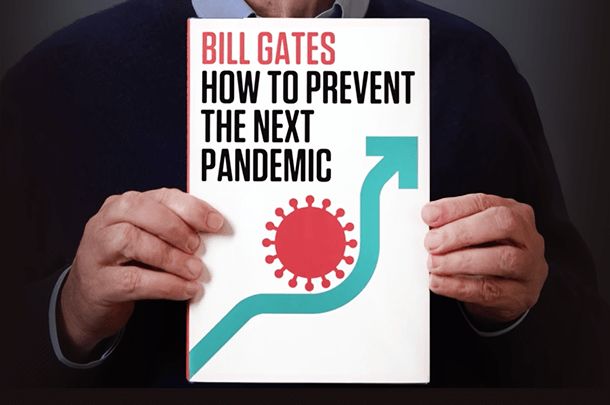
Bill Gates is Ready to Capitalize on ‘The Next Pandemic’
21st Century Wire | February 20, 2022
As the old says goes: “there’s no rest for the wicked.”
That’s certainly the case with vaccine mogul Bill Gates.
As the world finally gets an opportunity to take a breath easy – after being suffocated by two years of pandemic theatre and 24/7 government and corporate pharmaceutical propaganda, the notorious architect the global COVID-19 ‘vaccine’ roll-out, billionaire tech monopolist turned pharmaceutical scion, Bill Gates, is still determined to realize his life’s ambition of achieve 100% global vaccine compliance.
To keep the game going, Gates has reemerged from the shadows this week to prepare the public for “the next pandemic.”
CNBC reports…
Bill Gates said Friday that the risks of severe disease from Covid-19 have “dramatically reduced” but another pandemic is all but certain.
Speaking to CNBC’s Hadley Gamble at Germany’s annual Munich Security Conference, Gates, co-chair of the Bill & Melinda Gates Foundation, said that a potential new pandemic would likely stem from a different pathogen to that of the coronavirus family.
But he added that advances in medical technology should help the world do a better job of fighting it — if investments are made now.
“We’ll have another pandemic. It will be a different pathogen next time,” Gates said.
Initially, Gates had been actively promoting each and every ‘variant’ – constantly talking-up the crisis in order to help maintain the perception of a constant demand for the highly controversial experimental COVID-19 ‘vaccine’ gene-jabs. This includes the most recent media creation known as the “Omicron” variant. But as the public began shunning the booster shots en masse, the media gradually began the abandon the Omicron narrative. Gates has clearly read the propaganda tea leaves, and has since started backtracking from some of his previous positions – and is even admitting that natural immunity is more effective than the dubious pharmaceutical-based synthetic immunity he’s been pushing for the last two years through the media and his proxy organizations the World Health Organization (WHO) and the GAVI vaccine alliance.
Two years into the coronavirus pandemic, Gates said the worst effects have faded as huge swathes of the global population have gained some level of immunity. Its severity has also waned with the latest omicron variant.
However, Gates said that in many places that was due to virus itself, which creates a level of immunity, and has “done a better job of getting out to the world population than we have with vaccines.”
In order to further shield him from an increasing public backlash for his role in shamelessly promoting the ‘global pandemic’ and vaccine narratives, Gates has also carefully admitted the existence of comorbidities among the alleged COVID deaths.
“The chance of severe disease, which is mainly associated with being elderly and having obesity or diabetes, those risks are now dramatically reduced because of that infection exposure,” he said.
However, the vaccine kingpin is still lamenting his failure to reach 70% ‘penetration’ of the experimental mRNA toxic injections into the arms of the global population.
Gates said it was already “too late” to reach the World Health Organization’s goal to vaccinate 70% of the global population by mid-2022. Currently, 61.9% of the world population has received at least one dose of a Covid-19 vaccine.
He added that the world should move faster in the future to develop and distribute vaccines, calling on governments to invest now.
“Next time we should try and make it, instead of two years, we should make it more like six months,” Gates said, adding that standardized platforms, including messenger RNA (mRNA) technology, would make that possible.
It’s important for people to realize that Gates and his network are not finished in their plan to establish a global conveyor belt for experimental gene-based pharmaceutical injections – and he is already eyeing ‘the next pandemic’ in order to roll out the next phase of this globalist agenda. There is no shortage of funds either:
“The cost of being ready for the next pandemic is not that large. It’s not like climate change. If we’re rational, yes, the next time we’ll catch it early.”
Gates, through the Bill & Melinda Gates Foundation, has partnered with the U.K.’s Wellcome Trust to donate $300 million to the Coalition for Epidemic Preparedness Innovations, which helped form the Covax program to deliver vaccines to low- and middle-income countries.
The CEPI is aiming to raise $3.5 billion in an effort cut the time required to develop a new vaccine to just 100 days.
It’s no coincidence either that Gates has just begun marketing his latest manifesto entitled, How to Prevent the Next Pandemic.
“I’ve been following COVID since the early days of the outbreak, working with experts from inside and out of the Gates Foundation who are championing a more equitable response and have been fighting infectious diseases for decades. I’ve learned a lot in the process—both about this pandemic and how we stop the next one—and I want to share what I’ve heard with people. So, I started writing a book about how we can make sure that no one suffers through a pandemic ever again.”
To mark the occasion, Gates released this disturbing propaganda video – littered with many of the staged images and government tropes used to reinforce the COVID ‘global pandemic’ crisis narrative since the winter of 2020. Watch:
An Open Letter to the Professional Bodies of Counsellors and Psychological Therapists in the UK
Therapists for Medical Freedom | February 17, 2022
We write as a group of registered counsellors, psychotherapists and psychologists in clinical practice in the United Kingdom.
We are contacting you to express our grave concerns around Vaccines as a Condition of Deployment (VCOD) mandates for health and social care professionals, and the implications that these could have for our profession.
Whilst we welcome the recent suspension of the NHS vaccine mandate [1] to allow space for further public consultation, we are also aware that Sajid Javid, the Secretary of State for Health and Social Care, has made it clear that the debate on mandatory vaccination is far from over. He was quoted in The Times on 7th February as demanding that medical regulators send the “clear message” that healthcare workers must be vaccinated against coronavirus. [2]
The implication here is that the onus of enforcing and policing the vaccination status of healthcare workers could be shifted from employers to professional/regulatory bodies. We are concerned about the silence of our professional bodies on this matter and now seek urgent clarification on their positions.
We call upon our professional bodies to publicly reject any policy of mandating COVID-19 vaccines as a condition of registration and/or deployment amongst their membership – either now or at a future point. Furthermore, we urge them to commit to protecting the right to informed consent and bodily autonomy, both for their professional membership and the clients we serve.
In particular, we would like the professional bodies to consider and respond to our professional concerns on the following points:
1. Mandatory vaccination policies conflict with our professional ethics as counsellors and psychological therapists.
One of the core principles common to the Ethical Frameworks of all our professional bodies is that of upholding client autonomy and their right to informed consent to treatment.
As health practitioners, we rightly understand that no medical or clinical intervention can be considered universally safe. We know from our own practice that even authorised, regulated and ethically sound medical treatments can still pose significant risks and have the potential to cause harm at an individual level.
As such, suitability for any medical treatment needs to be assessed on a case-by-case basis and can only be authorised with informed consent from the client (so long as they have the capacity to do so), after they have been given full and accurate information around any potential risks.
This principle of informed consent is not only vital to our ethical practice, it is upheld as a central principle within wider medical ethics and international human rights law. For example, in the UK all medical interventions in the NHS must be fully voluntary and in line with this principle of informed consent:
The decision to either consent or not to consent to treatment must be made by the person, and must not be influenced by pressure from medical staff, friends or family… If an adult has the capacity to make a voluntary and informed decision to consent to or refuse a particular treatment, their decision must be respected. [3]
In March 2015, a significant judgement about the nature of informed medical consent was made in the UK Supreme Court. [4] The court clarified that doctors must: “take reasonable care to ensure that the patient is aware of any material risks involved in any treatment,” in which, “a reasonable person in the patient’s position would be likely to attach significance to the risk, or the doctor is aware that the particular patient would be likely to attach significance to it”.
The court ruled that UK doctors can no longer rely on simply sharing the consensus of a body of medical opinion (‘the Bolam test’) as a basis for a patient’s informed consent, but a personalised risk assessment must be given. In the case of COVID-19 mandates, this means that generic claims that ‘the science is settled’ or ‘vaccines are safe and effective’ – cannot be used to justify their safety for an individual. [5]
The public and professional discourse on COVID-19 vaccination mandates are an example of how social pressure can be exerted on individuals to have a particular health intervention, even without a full individual risk assessment or any long-term safety data. As such, mandates can be considered medically coercive and in direct violation of the legal principle of informed consent.
We call on our professional bodies to recognise that coercion does not equal informed consent.
2. COVID-19 vaccines are far from universally ‘safe and effective’.
COVID-19 vaccinations use novel technologies which have been in widespread use for little more than a year, are still in clinical trials and for which by definition no long-term safety data is available.
Since the start of the vaccine rollout, we have already seen a significant shift from the COVID-19 jabs being promoted as being ‘safe and 100% effective’ [6][7][8][9] – to a recognition that there can be serious, even fatal side effects for a small minority of people. Their overall efficacy, especially in reducing transmission and preventing the spread of Coronavirus, is also far from what was originally hoped for.
Furthermore, since their general release, some COVID-19 injections have now been discontinued for use within certain demographics due to safety concerns. For example, the AZ and Moderna vaccines have been discontinued for young people in several countries after safety concerns arose around the risks of blood clots, following several high-profile deaths. In more recent months there have been emerging scientific studies showing the risks, particularly to younger males, of serious side effects such as myocarditis and pericarditis following vaccination, as well as ongoing concerns about the impact of vaccines on the female menstrual cycle. Both concerns have led to the commissioning of major safety investigations through additional clinical trials.
Whatever the outcome of these investigations, the fact remains that our understanding of these novel COVID-19 vaccines and the risks they pose to human health is far from comprehensive or complete.
Whenever there is risk of significant harm from a medical intervention, especially when the treatment is newly developed and those harms could be life-threatening, it is imperative that there is free choice for the individual to refuse that treatment without fear of negative consequences.
For professional bodies to require mandatory vaccination as a condition of professional registration, for acceptance on professional training courses, or as a condition of employment, would amount to unethical coercion of its professional members. To do so would place the professional bodies in direct violation of the principle of informed consent.
We ask that the professional bodies join us in speaking out against the unethical nature of mandatory vaccination policies, and publicly affirm their commitment to the ethical principle of informed medical consent.
3. Informed consent goes beyond issues of safety and risk.
As counsellors and therapists, we recognise that assessing the safety profile of a specific intervention is only one aspect of the complex decision-making process that informs our consent to medical treatment.
An individual’s moral, spiritual and political beliefs, as well as their cultural practices, life experiences and approach to managing their health, will also have an impact on their willingness to give, or withhold, informed medical consent.
Many of us take a holistic, person-centred approach to working with our clients. As such, we believe in the validity, authority and importance of these broader factors that can be drawn upon to inform medical consent. We see these wider factors as valuable, essential and equal; individuals have a right to refuse a medical treatment on wider grounds than its official safety profile or potential side effects. We are particularly concerned about the impact of mandates on those who have complex health conditions, those who have prior experiences of being harmed by medical treatments, those who favour their natural immunity, and those with religious or ethical concerns about the development process of the vaccines.
Current government guidelines for vaccine mandates only grant ‘medical exemption’ to staff with a tiny number of officially permitted medical conditions [10], with no allowance for many broader concerns that could be central to someone deciding not to consent to a COVID-19 injection. We believe that the government has no lawful right or moral authority to draw up a set of very limited medical criteria and then insist that these are the only permitted circumstances in which someone can be officially ‘exempted’ from vaccine mandates without facing redeployment or job loss.
As counsellors and psychological therapists, we uphold the right of every individual to make an informed choice about whether to take a COVID-19 vaccination, or indeed any other medical intervention, based on their own personal circumstances and medical history. We call on our professional bodies to uphold that right for practitioners and the clients we serve.
4. Professional bodies are failing in their duty of care to members who are affected by NHS vaccination mandates.
It would be incongruent for professional bodies to enshrine the principle of informed consent within their ethical codes of conduct for working with clients, whilst their professional members are not permitted to make autonomous decisions about their own medical treatment.
Mandatory vaccination policies, and the loss of the right to informed medical consent, is causing significant psychological distress to many UK counsellors and therapists, especially those working in the NHS. Many of these affected practitioners have been loyal, paying members of their respective professional bodies for decades. The silence and seeming lack of engagement from our professional bodies around this issue is both disturbing and disappointing given how severe the consequences are for members who face job loss.
The exact number of counsellors and psychological therapists who stand to be affected by NHS vaccine mandates is uncertain, as to our knowledge, there has been no formal consultation process around this issue by any of the professional bodies.
However, Therapists for Medical Freedom have now facilitated numerous free, volunteer-run support workshops for affected therapists, which have often been full to capacity. We have also had hundreds of communications from distressed members who are under significant stress from the vaccine mandate process. Many have complained to us about experiencing an utter lack of clarity, guidance or support from their professional body.
Professional bodies have a duty to represent the interests of their paying members, especially at times where their human and employment rights are under threat in a professional context.
Therapists affected by vaccine mandates deserve better treatment and representation than they are currently getting from professional bodies. This situation must change, and we appeal to professional bodies to address this with the utmost urgency.
5. Vaccine mandates will have negative consequences for clients accessing therapeutic services.
NHS England estimated that had the vaccine mandate policy been implemented in April as planned, this would have left the NHS down by at least 80,000 staff, as many planned to leave the profession rather than comply with the policy. [11]. This number would increase exponentially if vaccines were mandated as part of the professional registration process, thereby affecting health professionals working outside of NHS services, which applies to most therapists and counsellors in the UK.
To lose a significant number of counsellors and therapists at a time of national crisis could pose significant harm to clients. COVID-19 and the wide-ranging impact of restrictions on the population has left a legacy of new and worsening existing mental health problems. The Centre for Mental Health estimates that 8 million adults and 1.5 million children will need mental health support in the years following the pandemic. [12]
Those of us who have worked to provide psychological therapies throughout this challenging time are now seeing an unprecedented rise in demand for NHS and voluntary sector counselling and therapy services, to the point where people in need now face dangerously long waiting times. [13] Across the UK, even private therapy services and individual practitioners are in short supply, with many having to make difficult decisions to turn away people in need because they simply do not have the resources to treat them. At a time of increased mental health need, vaccine mandates would therefore be detrimental for current and future clients.
We call upon the professional bodies to provide reassurance that clients’ access to therapeutic support will not be restricted based on vaccination status, either now or in the future. We also call on them to reject policies that will risk the loss of experienced practitioners, put further strain on existing services and staff, and potentially dissuade others from training to enter the field.
6. It is essential to consider the wider context to mandatory vaccination policies and to remember the lessons of history.
As counsellors and psychological therapists, when faced with an ethical dilemma, we are encouraged to look beyond the issue itself and consider the wider field and context – including any relevant historical, sociological and political factors. Therefore, when considering the ethics of vaccine mandates, we must consider more than just the risk posed by COVID-19 vs the benefits and risks of vaccination.
When we step back and consider the wider socio-political context, we can clearly see that:
- Governments do not always act in the best interests of the public they are appointed to serve, whatever their political rhetoric might be. We are seeing numerous examples of this emerging now, for example the conflicts of interests in the awarding of PPE contracts and the flouting of COVID-19 rules by senior government figures. [14]
- There have been numerous instances in human history, especially at times of ‘national emergency’, where government bodies have actively lied to the population, exploited the situation to further their own aims, or have sought to conceal important information, especially when it could harm their wider political agenda. [15][16][17]
- The health care system has a long history of being vulnerable to exploitation by political lobbyists, corporate donors or becoming compromised by internal pressures from within government or from regulatory bodies. Consider examples from our recent history – public health advice given to reassure the public of the safety of tobacco, pesticides, GMOs – which have later been proven to be manifestly unsafe, despite the proclamations of the government-sanctioned public health experts of the time. [18][19][20]
- Many authorised medical treatments have later been discovered to be causing significant harm to human health and have been withdrawn from public use, despite having passed required safety checks and being widely embraced by the medical orthodoxy of the time. [21][22][23]
- We are being exhorted to “trust the science” when there is no such thing as ‘the’ science. Rather, science has always comprised a breadth of opinions, conclusions, methods and ethical standpoints. History has shown us that public trust has not always been as safe as we would hope for in the hands of scientists and medical professionals, especially when there are financial interests at stake. [24][25]
- Politicians, pharmaceutical companies, peer-reviewed medical research, clinical trials, regulatory bodies and individual expert opinion – all of these are vulnerable to human error, corruption and conflicts of interest which are not always declared or formalised. [26][27][28]
In the context of our collective history, as ethical health practitioners, we have a responsibility to ask difficult questions if we see draconian policies such as vaccination mandates being introduced in our society. We must continue to think critically about who would profit and benefit most from such policies. Might there also be vested interests, whether in government, science and medicine or the pharmaceutical industry, that could stand in the way of open and transparent discussion? [29][30]
It is not the terrain of ‘conspiracy theory’ for therapists and other health professionals to demand that government and medical experts are scrutinised and held to account for the policies they impose upon the public. As a profession, we must make room for alternative perspectives and difficult questions without these legitimate concerns being dismissed or slandered as ‘anti vax’, ‘dangerous disinformation’ or even more alarmingly, as ‘far-right extremism’.
It is not acceptable for our Professional Bodies to simply dismiss or silence any dissenting voices within their membership, or to ignore these difficult questions. Nor is it acceptable for heavy-handed policies such as COVID-19 vaccine mandates to be supported and justified by our professional bodies on the sole basis that they are acting in line with ‘official legislation or government guidance’ without any independent analysis of the actual effectiveness, ethics, or impact of the guidelines – or any acknowledgement that governments do not always act solely in the public interest.
Our professional bodies have a duty to carefully scrutinise any mandated public health measures that compromise our medical autonomy. They must not be accepted on face value as being in the public interest simply based on the assurances of government and its approved health advisors, or pharmaceutical companies with vested interests.
Recommended Actions:
It is time for the professional bodies who represent counsellors and psychological therapists in the UK to show courage and break their collective silence on the issue of mandatory vaccination in our profession.
In light of all the above, we call on our professional bodies to:
- Uphold the values that are written and protected within their own ethical codes by publicly affirming their commitment to protecting the right of therapists and clients to freely give or withhold their consent to medical treatment without fear of coercion or punishment.
- Affirm that their commitment to upholding the right to informed consent will stand regardless of the emergence of new future variants, waves of disease or novel medical treatments.
- Engage with Therapists for Medical Freedom and other groups of concerned professionals in a process of dialogue around the ethics and legality of vaccine mandates in our profession.
- Pledge to protect the rights of therapists and clients who have exercised their lawful right to informed consent to refuse COVID-19 vaccinations.
- Use their authority as professional membership bodies to prohibit the implementation of discriminatory policies around COVID-19 vaccinations within their organisational membership and associated training institutes – and to publicly speak out against such discriminatory practices in the wider field.
- Remind their members that we each have an ethical responsibility to think critically for ourselves when assessing any government health advice, especially when it is mandated. Professional bodies should help facilitate this broader risk assessment process within their membership, especially the potentially negative impact that any existing or future public health advice might have on practitioners and clients.
- Take into account the broader historical, social and political context when assessing the ethics of mandatory health interventions. We cannot forget the harm that has been caused to human health and civil liberties when the right to refuse medical treatment has been denied to populations at other times in history.
We await to hear your considered responses on these important matters of professional ethics, legislation and human rights, and look forward to beginning a process of dialogue with you.
Yours sincerely,
Therapists for Medical Freedom
Principal Signatories:
Jennifer Ayling, Psychotherapeutic Counsellor, UKCP
Clare Beatson, Counsellor, BACP
Elizabeth Bentley, Psychotherapist, BACP
Johann Burton, Counsellor, NCS
Paula Charnley, Counsellor, BACP
Ben Harris, Psychotherapist, MBACP
Julie Horsley, Counsellor, NCS
Frances Kandler-Singer, Psychotherapist, BACP
Naintara Land, Psychotherapist, UKCP
Rachel Maisey, Counsellor, BACP
Kate Morrissey, Psychotherapist, BACP
Melanie Pickles, Counsellor, BACP
Dr. Bruce Scott, Psychoanalyst, UKCP & CP-UK
Dr. Gary Sidley, Clinical Psychologist (Retired)
Deborah Short, Psychotherapist, UKCP
Elizabeth Smith, Psychotherapist, Pre-Accred
Leanne Ward, Clinical Psychologist, HCPC
Sarah Waters, Psychotherapist, MBACP
Supporting Signatories:
Marc Allen, Trainee Therapist, Pre-Accred
John Bates, Psychotherapist, UKCP
Antoine Bowes, Counsellor, BACP
Dr. Faye Bellanca, Clinical Psychologist, HCPC
Caroline Brett, Psychotherapist, BACP
Jacqueline O’Brien, Psychotherapist, (retired)
Sheila Burchell, Clinical Psychologist, HCPC
Dr. Erika Filova, Clinical Psychologist, HCPC
Dr. June Golding, Psychotherapist, UKCP
Andrew Harry, Counsellor, UKPTA
Susan Hayes, Psychotherapist
Jessica Horton, Counsellor, BACP & BPS
Isla Hunter, Psychotherapist, BABCP
Gabrielle Lake Mitchell, Trainee Therapist, BACP
Maggie Leathley, Psychotherapist, BACP
Jane Margerison, Psychotherapist, BACP
Jonathan Martin, Psychotherapist, UKCP
Gary McKeever, Counsellor, BACP
Caroline Montanaro, Psychotherapist, UKCP
Dr. Naomi Murphy, Clinical Psychologist, HCPC & A-CP
Dr. Rachel Newton, Clinical Psychologist, HCPC & BPS
Sue Parker Hall, Psychotherapist, UKCP
Kay Parkinson, Psychotherapist, UKCP
Dr. Helen Payne, Psychotherapist, UKCP & ADMP UK
Carolyn Polunin, Psychotherapist, UKCP
Dr. Kate Porter, Clinical Psychologist, HCPC
Tracy Rees, Trainee Therapist, Pre-Accred
Dr. Helen Ross, Clinical Psychologist, HCPC
David Scott, Clinical Psychologist, HCPC
Patricia Taddei, Psychotherapist, UKCP
Dr. Lucie Turner, Clinical Psychologist, HCPC
Dr. Alice Welham, Clinical Psychologist, HCPC
Tracy Williams, Counsellor, BACP
Dominique Wynn, Psychotherapist, (Retired)
Sign the Open Letter
Are you a Counsellor, Psychotherapist or Clinical Psychologist based in the UK who is concerned about the impact of vaccine mandates on the profession? (whether you are personally vaccinated or not).
If so, please sign the letter.
Most Published Studies Exaggerated the Effects of Ocean Acidification – and Covid, Etc.
By Jennifer Marohasy | February 20, 2022
The concept of ocean acidification, and human-caused global warming more generally, could be described as containing a grain of truth embedded in a mountain of nonsense. Indeed, the projected large increase in atmospheric CO2 will at most cause a small reduction in pH – it will not turn the ocean acidic. Yet this is what is implied by the term ocean acidification. True acidification would require average pH to be reduced below 7.0, at which point seashells would indeed begin to dissolve. This is an impossible scenario, however, because of the ocean’s effectively limitless buffering capacity.
There is a newly published study by Jeff Clements and team that concludes many of the published studies on ocean acidification, especially those studies published in high impact journals and accompanied by sensational media reporting, have turned-out to be wrong, or at least exaggerated.
My colleague Peter Ridd describes the situation:
This problem with exaggeration of threats applies to many areas of science and has a name: The Decline Effect.
The Decline Effect goes like this: an early report, usually attracting huge media interest, predicts some sort of catastrophe. But when follow up work is done, usually with far better experimental procedure and far greater numbers of samples, the original report turns out to be wrong.
Jeff Clements’ team included Timothy Clark, Josefin Sundin and Frederik Jutfelt who were involved in a study last year proving that numerous reports by James Cook University’s coral reef centres on reef fish was totally wrong.
I co-authored a book chapter with John Abbot some years ago that explained:
Initial concerns about ocean acidification focused on organisms that construct their shells or skeletons from calcium carbonate. Such organisms are referred to as marine calcifiers and include not only corals, but also crabs, clams and conchs (sea snails).
Theoretically, and according to popular science magazines, all corals are already severely and negatively affected by ocean acidification. But this is not evident from methodologically sound studies undertaken at the Great Barrier Reef. A review of the growth rates of six, hard coral species at Lord Howe Island (Anderson et al. 2015) found marked variation in the growth rates of branching coral, while growth rates of the massive Porites coral were unchanged. The researchers suggested that a decline in the growth rates of the branching species could be attributable to a reduction in the calcium carbonate saturation state as a consequence of higher summer temperatures. A study measuring calcification rates for 41 long-lived Porites corals from seven reefs from the central Great Barrier Reef (D’Olivio et al. 2009), showed good recovery from the major 1998 bleaching event, with no significant trend in calcification rates for the inner reefs. Corals from the mid-shelf central Great Barrier Reef, however, did show a decline of 3.3%.
While most ocean acidification research has been focused on physiological processes, in particular calcification, there have also been studies on three common hard corals to look at their fertilisation, embryonic development, larval survivorship, and metamorphosis (Chua et al. 2013a; Chua et al. 2013b). These studies have found the early life-history stages were unaffected by reduced pH; there was no consistent effect of elevated CO2 alone, nor in combination with temperature.
Studies of the effect of very high CO2 levels (up to 2,850 ppm) on molluscs – including oysters, clams, scallops and conchs – have shown that these species will generally build their shells more slowly as CO2 levels increase (Ries et al. 2009). This same study showed that crabs and lobsters respond quite differently to the same elevated CO2 levels, showing a general increase in calcification rates.
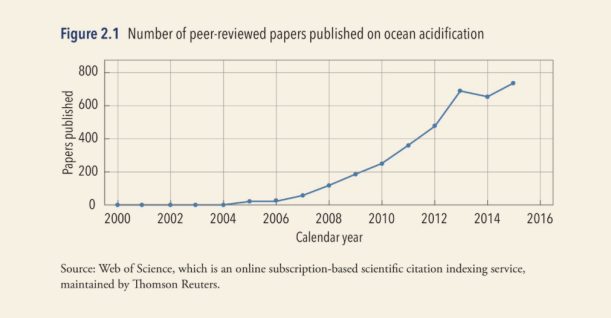
This chart shows how quickly scientists could meet the demand for commentary in the new area of ocean acidification, including to support the theory of human-caused global warming.
The varied responses among different organisms reflect their differing abilities to regulate pH at the site of calcification, and:
- the extent to which their outer shell layer is protected by an organic covering
- the solubility of their shell, or skeletal mineral
- the extent to which they use photosynthesis (Ries et al. 2009).
Of course, many marine organisms are not calcifiers, and some of these organisms have also been tested for a response to ocean acidification.
When seagrasses collected from three locations in the Great Barrier Reef region – Cockle Bay, Magnetic Island, and Green Island – were exposed to four different CO2 concentration levels for two weeks – with water temperature and salinity in the experimental tanks near-constant throughout – all three seagrass species exhibited enhanced photosynthetic responses (Ow et al. 2015). That is growth rates, observed after two weeks of exposure to an enriched CO2 environment in an indoor aquarium, were higher. This suggests that ocean acidification could mean more seagrass, which would be good for large marine mammals like dugongs (dugongs are vulnerable to extinction because of issues unrelated to changing ocean chemistry).
Also, contrary to expectations, laboratory investigations into the effects of three different CO2 treatments on anemonefish (commonly known as the clownfish) found that higher CO2 levels stimulated breeding activity (Miller et al. 2013). The breeding pairs from the fringing reefs of Orpheus Island on the Great Barrier Reef, where they are exposed to the highest CO2 levels, produced double the number of clutches per breeding pair, and 67% more eggs per clutch than the control. However, young anemonefish that were bred in high CO2 levels and high temperatures showed decreases in their length, weight, condition, and survival (Miller et al. 2012). Though these effects were absent or reversed when their parents also experienced the higher concentrations (Miller et al. 2013).
We concluded:
Most studies have been on single species in contrived laboratory conditions. They have been of short duration, and they have not considered the potential for adaptation. In the few instances where adaptation has been considered, it has been shown to significantly modify the impact of varying pH as a consequence of elevated levels of CO2.
All of this needs to be assessed against the reality that along the length and breadth of the Great Barrier Reef there are naturally occurring large daily fluctuations in pH, and that it is unclear as to what extent the current trends of apparent pH decline are part of existing natural cycles.
Most of the articles describe the effects of changes of pH on biological organisms; many of the claims are based exclusively on laboratory experiments (Riebesell & Gattuso 2015). However, a problem with laboratory experiments is that they cannot capture the complexities of the real world, not even the tremendous natural variability in ocean pH – which is a measure of ocean acidification.
Statistician John P.A. Ioannidis published a review of medical research back in 2005 entitled ‘Why most published research findings are false’ (Plos Medicine ). It included a comment that:
The majority of modern biomedical research is operating in areas with very low pre- and post-study probability for true findings.
The review by John Ioannidis is a devastating critic of the sad state of biomedical research. It is this same profession, biomedical research, that concluded we should fear Covid-19 and get vaccinated – with the results from the Pfizer trials withheld while emergency approvals were granted for the mass vaccination of citizens across the world against Covid-19.
We will no doubt have better insights, when studies like those by Jeff Clements into ocean acidification, are undertaken into the recent Covid-19 vaccine research. We may then be in a position to judge whether the apparent ineffectiveness of these particular Covid-19 vaccines, despite all the promises, can be best explained by corporate greed and mendacity, or simply flaws in the scientific method. Certainly there was pressure on medical researchers to find a quick cure, that could be administered as part of a global public health response, to what appeared in the beginning to be a deadly new virus much worse than the seasonal flu.
The British Medical Journal in an editorial dated 19thJanuary includes commentary that we don’t know enough about Covid-19 vaccines.
‘Today, despite the global rollout of Covid-19 vaccines and treatments, the anonymised participant-level data underlying the trials for these new products remain inaccessible to doctors, researchers, and the public—and are likely to remain that way for years to come,’ the editorial states. ‘This is morally indefensible for all trials, but especially for those involving major public health interventions.’
The editorial also accuses pharmaceutical companies of ‘reaping vast profits without adequate independent scrutiny of their scientific claims,’ pointing to Pfizer, whose Covid vaccine trial was ‘funded by the company and designed, run, analysed, and authored by Pfizer employees’.
Of course, Peter Ridd lost his job at James Cook University for speaking truth to power. Those who continue to publish studies on ocean acidification, especially those studies published in high impact journals and accompanied by sensational media reporting, have most recently been rewarded by the Australian government with an additional $1billion in funding. Some of this money will end-up funding more nonsense ocean acidification projects at James Cook University. It is unlikely that any of this grant money will be used to ensure that there is some quality assurance of the same research.
The Next Step for the World Economic Forum

BY ROGER KOOPS | BROWNSTONE INSTITUTE | FEBRUARY 20, 2022
It has been obvious since early 2020 that there has been an organized cult outreach that has permeated the world as a whole. It’s possible that this formed out of a gigantic error, rooted in a sudden ignorance of cell biology and long experience of public health. It is also possible that a seasonal respiratory virus was deployed by some people as an opportunity to seize power for some other purpose.
Follow the money and influence trails and the latter conclusion is hard to dismiss.
The clues were there early. Even before the WHO declared a pandemic in March 2020 (at least several months behind the actual fact of a pandemic) and before any lockdowns, there were media blitzes talking about the “New Normal” and talk of the “Great Reset” (which was rebranded as “Build Back Better”).
Pharmaceutical companies such as Pfizer, Johnson & Johnson, Moderna, and Astra-Zeneca were actively lobbying governments to buy their vaccines as early as February 2020, supposedly less than a month after the genetic sequence (or partial sequence) was made available by China.
As a person who spent his whole professional career in pharmaceutical and vaccine development, I found the whole concept of going from scratch to a ready-to-use vaccine in a few months simply preposterous.
Something did not add up.
I knew of the names with which everyone has become familiar. Bill Gates, Neil Ferguson, Jeremy Farrar, Anthony Fauci, and others had either been lobbying for or pursuing the lockdown strategies for many years. But still, the scope of the actions seemed too large to even be explained by those names alone.
So, the fundamental questions that I have been asking myself have been why and who? The “Why” seems to always come back to issues besides public health. Of course the “Who” had the obvious players such as the WHO, China, CDC, NIH/NIAID, and various governments but there seemed to be more behind it than that. These players have been connected to the “public health” aspect but that seemed to be only scratching the surface.
I am not an investigative journalist and I would never claim that role, but even I can do some simple internet searches and start to see patterns evolve. The searches that I have done have yielded some very interesting “coincidences.”
If I give you the names of the following people – Biden, Trudeau, Ardern, Merkel, Macron, Draghi, Morrison, Xi Jinping – what do you think that they have in common? Yes, they are all pampered and stumble over themselves, but that is also not the connection.
One can see very quickly that these names certainly connect to lockdown countries and individuals who have ignored their own laws and/or tried in some way to usurp them. But, there is more to it than that and I will give a hint by providing a link with each name.
- Joseph Biden, President, United States
- Boris Johnson, PM of United Kingdom
- Jacinda Ardern, PM of New Zealand
- Angela Merkel, Former PM of Germany
- Emmanuel Macron, President of France
- Justin Trudeau, PM of Canada
- Xi Jinping, CCP Leader, China
- Mario Draghi, PM of Italy
- Scott Morrison, PM of Australia
They are all associated with the World Economic Forum (WEF), a “nonprofit” private organization started (in 1971) and headed by Klaus “You will own nothing and be happy” Schwab and his family. This is a private organization that has no official bearing with any world governance body, despite the implication of the name. It could just as well have been called the “Church of Schwabies.” The WEF was the origin of the “Great Reset” and I would guess that it was the origin of “Build Back Better” (since most of the above names have used that term recently).
If you think that the WEF membership ends with just leaders of countries, here are a few more names:
- Gavin Newsom, Governor of California
- Jay Inslee, Governor of Washington State
- Anthony Fauci, Director NIAID
- Nancy Pelosi, Speaker of the House
Allow me to introduce more of the WEF by giving a list of names for the Board of Trustees.
- Al Gore, Former WP of the US
- Mark Caney, UN Special Envoy for Climate Action
- T. Shanmugaratnam, Seminar Minister Singapore
- Christine Lagarde, President, European Central Bank
- Ngozi Okonja-Iweala, Director General, WTO
- Kristalian Georggieva, Managing Director, IMF
- Chrystia Freeland, Deputy Minister of Canada
- Laurence Fink, CEO, BlackRock
You can see a cross section of political and economic leaders on the board. The leader of the organization, that is the leader of the Board, is still Klaus Schwab. He has built an impressive array of followers.
If you want to really see the extent of influence, go to the website and pick out the corporate name of your choice; there are many to choose from: Abbott Laboratories, Astra-Zeneca, Biogen, Johnson & Johnson, Moderna, Merck, Novartis, Pfizer, Serum Institute of India, BASF, Mayo Clinic, Kaiser Permanente, Bill and Melinda Gates Foundation, Wellcome Trust, Blackrock, CISCO, Dell, Google, Huawei, IBM, Intel, Microsoft, Zoom, Yahoo, Amazon, Airbus, Boeing, Honda, Rakuten, Walmart, UPS, Coca-Cola, UBER, Bank of China. Bank of America. Deutsche Bank, State Bank of India, Royal Bank of Canada, Lloyds Banking, JP Morgan-Chase, Equifax, Goldman-Sachs, Hong Kong Exchanges, Bloomberg, VISA, New York Times, Ontario (Canada) Teacher’s Pension Plan
The extent of reach is huge even beyond the worldwide leader network. For example, we all know what Bill Gates has been doing with his wealth via the Bill and Melinda Gates Foundation (BMGF). But, the Wellcome Trust is equal to the task. Who is the Director of the Wellcome Trust? One named Jeremy Farrar, of the United Kingdom SAGE and lockdown fame – arguably the architect of the US-UK lockdowns in 2020 – is closely associated with WEF.
Concerning the reach that can occur, let me give some examples from the BMGF alone, and it comes from the time that I spent in 2020 reading their extensive funding list.
A few years ago, the BMGF awarded the Institute for Health Metric Evaluation (IHME) a ten-year, almost $280 million award. IHME (associated with the University of Washington in Seattle) was at the forefront of the computer modeling that was driving the lockdowns and the nonpharmaceutical Interventions during 2020. People have seen their name often in print or on MSNBC or CNN.
In 2019, IHME awarded the Editor of the Lancet (Dr. Richard Horton) a $100,000 award and described him as an “activist editor.” The Lancet, once considered one of the best medical journals, has been at the forefront of censoring opposing scientific viewpoints since 2020 and publishing “papers” that were not fit to be published. I never could understand what it meant to be an “activist” editor in a respected scientific/medical journal because, stupid me, I always thought that the first job of the editor was to be impartial. I guess I learned in 2020 how wrong I was.
Of course, the Lancet is also heavily funded from pharmaceutical companies such as Pfizer (also a member of the WEF).
But, the BMGF reach goes far beyond just IHME and these connections have been quite recognizable. Here are some examples of the organizations and moneys received during 2020 alone broken down by areas.
Bill and Melinda Gates Foundation Grants 2020
| Organization Name | Amount USD |
|---|---|
| Johns Hopkins Bloomberg School of Public Health | 20+ million |
| World Health Organization (WHO) | 100+ million |
| Oregon Health Sciences Univ. | 15+ million |
| CDC Foundation | 3.5+ million |
| Imperial College of London | 7+ million |
| Chinese CDC | 2+ million |
| Harvard TH Chan School of Public Health | 5+ million |
| Institute of Health Metric Evaluation (IHME) | 28 million (part of a 10 yr/279 million USD grant) |
| Nigeria CDC | 1.1 million |
| Deutsche Gesellschaft für Internationale Z. (Gmbh) | 5+ million |
| Novartis | 7+ million |
| Lumira Dx UK LTD | 37+ million |
| Serum Institute of India | 4+ million |
| Icosavac | 10 million |
| Novavax | 15 million |
| BBC | 2 million |
| CNN | 4 million |
| Guardian | 3+ million |
| NPR | 4 million |
| Financial Times LTD | 0.5 million |
| National Newspaper Publishers Assoc. | 0.75 million |
Bill Gates has also invested heavily in Moderna and his investments have paid out nicely for him. The BMGF has also given close to $100 million to the Clinton Health Access Initiative.
The questions now have to be asked:
- Is this some beginning of a controlled authoritarian society intertwined via the WEF?
- Has the Covid panic been staged to set the stage? Please note, I am not a “Covid Denier” since the virus is real. But, has a normal seasonal respiratory virus been used as an excuse to activate the web?
The next questions, for those of us who at least pretend to live in “Democratic” societies, have to be:
- Is this what you expected and/or want from the people you elect?
- How many people knew of the “Associations” of the people that they voted for? (I certainly did not know of the associations until I did the searches but maybe I am just out of touch)
Can we anticipate their next moves? There may be some hints.
The Next Move
Jeremy Farrar of The Wellcome Trust recently wrote an article for the WEF with the CEO of Novo Nordisk Foundation, Mads Krogsgaard Thomsen. It is a summary of a larger piece written for and published by the Boston Consulting Group.
In this article, they propose that the way to “fix” the problem of antibiotic resistant bacteria is via a subscription service. That is, you pay a fee and when you need an antibiotic, presumably an effective one will be available for you.
My guess is that they have the same philosophy for vaccines and that certainly seems to be the approach with Coronavirus. Keep paying for and taking boosters.
In view of this philosophy, the vaccine mandates make sense. Get society “addicted” to an intervention, effective or not, and then keep feeding them. This becomes especially effective if you can keep the fear going.
This approach is so shortsighted, from a scientific viewpoint, it astounds me. But, like much of recent history, I think science has little to do with it. The goal is not scientifically founded but control founded.
After the discovery of penicillin almost one century ago, there were scientists who warned that antibiotic usage should be considered very carefully in practice because evolutionary pressures would lead to antibiotic resistant species of bacteria. At that time, they were considered to be rogue scientists; after all, didn’t we suddenly have a miracle cure for many deadly problems?
From the time of discovery, it took over a decade before fermentation methods were developed to produce sufficient quantities of antibiotics to be practical. These methods allowed for the use of penicillin on the battlefield towards the end of WWII and undoubtedly saved many lives then and later in subsequent wars (Korea and Vietnam) by preventing serious infections resulting from wounds sustained during battle.
However, it did not take long before the medical establishment was handing out antibiotics like candy. I experienced this myself when I was a child in the 1960s. It seemed like every time we went to the doctor, no matter what the problem, I was given a series (not just one) of injections of penicillin. There were never any attempts to determine if I had a virus, bacteria, or even an allergy. The answer was: in with the needle. I cannot count how many times I was “jabbed” as a child.
It didn’t take long before resistant species started to appear. The result was that more and more money was pumped into R&D for antibiotics. When I was in graduate school during the 1980s, one sure way to get some NIH funding was to tie the research into the “antibiotic” search. Antibiotics became big business.
We now have several classes of antibiotics that are used for specific cases. We have Aminoglycosides (Streptomycin, Neomycin, etc.), Beta-Lactams Cephalosporins (four generations including Cefadroxil-G1, Cefaclor-G2, Cefotaxime-G3, Cefepime-G4 , Beta-Lactams Penicillins (including Ampicillin, Amoxicillin, and Penicillin), Other Beta-Lactams (Meropenem), Fluoroquinolones (Levofloxacin, Gemifloxicin, etc.), Macrolides (Azithromycin, Clarithromycin, etc.), Sulfonamides (Sulfisoxazole, etc.), Tetracyclines, and others such as Clindamycin and Vancomycin (typically reserved for resistant bacteria). All in all, physicians have over 50 different choices for antibiotics.
The most common place to encounter antibiotic resistant bacteria is in a hospital. Most people who get some sort of infection in the normal routine of life, like a sinus infection or skin infection, will not likely encounter an antibiotic resistant species.
Except there has been another source of the problem and that has been in the food supply. Antibiotics have become very popular with large scale meat production facilities of all types including beef, poultry, swine, and even fish. These include actual farms where the animals are raised as well as in the processing of the meat. The overuse of antibiotics in these industries has also produced resistant forms of bacteria.
For example, in attempts to limit the bacteria e. coli, common to mammalians, antibiotics have been used and this has resulted in some antibiotic resistant forms of e. coli. An infection via e. coli (antibiotic resistant or not) can be avoided by proper cooking and handling of meats. However, sometimes that does not happen and there are e. coli outbreaks (also from improperly washed vegetables that may use contaminated irrigation water).
For most healthy people, experiencing e. coli (either resistant or not) is only a passing discomfort that includes intestinal cramps, diarrhea, and other GI complaints. Depending on the amount of contamination, a person may suffer for a day or two or for several days.
But, with some people, it can be serious or deadly (such as in elderly people in poor health and young children). If that occurs, then the presence of an antibiotic resistant form can be a serious matter. Presence of a non-resistant form can be treated more readily.
A few years ago I had pneumonia; a relatively mild case. I was given a choice of in-patient treatment or out-patient and it was a no-brainer. If I wanted to make sure that my pneumonia could be handled by the normal course of antibiotics (I was given a quinolone), staying at home and away from the hospital was important. I knew that hospital-acquired pneumonia could be a much more serious situation. So, I stayed at home and easily recovered. That did not mean I was guaranteed getting a more serious resistant form in the hospital but I understood that the risk was much greater.
Producing more antibiotics and giving them on subscription to the users is not the answer. That will only lead to more resistant forms and there will be this continuing loop of antibiotic use. But, if the actual goal is societal addiction to antibiotics out of fear, just like addiction to universal Covid vaccines out of fear, then it makes sense.
Finding a few universal antibiotics that deal with the resistant forms is important and it is also important to use those sparingly and only as a last resort. In addition, better management of antibiotic use in our society would go a long way to attenuating the problem.
There is nothing particularly controversial about that observation. It was accepted by nearly every responsible health professional only two years ago. But we live now in different times of extreme experimentation, such as the deployment of world-wide lockdowns for a virus that had a highly focused impact, with catastrophic results for the world.
It was the WEF on March 21, 2020 that assured us “lockdowns can halt the spread of Covid-19.” Today that article, never pulled much less repudiated, stands as probably the most ridiculous and destructive suggestion and prediction of the 21st century. And yet, the WEF is still at it, suggesting that same year that at least lockdowns reduced carbon emissions.
We can easily predict that the WEF’s call for a universal and mandated subscription plan for antibiotics – pushed with the overt intention of shoring up financial capitalization of major drug manufacturers – will meet the same fate: poor health outcomes, more power to entrenched elites, and ever less liberty for the people.
Roger W. Koops holds a Ph.D. in Chemistry from the University of California, Riverside as well as Master and Bachelor degrees from Western Washington University. He worked in the Pharmaceutical and Biotechnology Industry for over 25 years. Before retiring in 2017, he spent 12 years as a Consultant focused on Quality Assurance/Control and issues related to Regulatory Compliance. He has authored or co-authored several papers in the areas of pharmaceutical technology and chemistry.
How a false hydroxychloroquine narrative was created, and more

Meryl Nass, MD
Alliance for Human Research Protection | June 28, 2020
Below, Dr. Meryl Nass reviews a long list of corrupt practices that undermine the integrity of medical science and the practice of medicine during the current medical crisis. The coronavirus crisis has been made significantly worse by stakeholders who are preventing doctors from prescribing for their patients, existing, safe and effective medicines, because the stakeholders are invested on garnering projected future profits from not-yet-developed vaccines and “countermeasures” specifically developed against COVID-19.
The stakeholders who influence and issue medical practice guidelines, include public health officials, global public health institutions, government advisory committees, and clinical trialists who design trials to provide commercially beneficial results. Editors of prestigious high impact, medical journals contribute to the corruption of medicine by publishing fraudulent studies, and reports of clinical trials that were designed to cause foreseeable deaths, The focus of Dr. Nass’ J’Accuse post are clinical trials that deliberately subjected some patients to toxic doses of Hydroxychloroquine. [Dr. Nass is a longtime member of the AHRP Board of Directors].
These collaborators engaged in an orchestrated effort to prevent physicians from utilizing an existing, off-patent, cheap and affordable drug, that thousands of clinicians attest to its therapeutic benefit.
- The problem with Hydroxychloroquine, a drug with a 70-year safety track record, is that there is no profit to be made from this cheap, off-patent drug!
*****************
It is remarkable that a series of events taking place over the past 3 months produced a unified message about hydroxychloroquine, and produced similar policies about the drug in the US, Canada, Australia, NZ and western Europe. The message is that generic, inexpensive hydroxychloroquine is dangerous and should not be used to treat a potentially fatal disease, Covid-19, for which there are no (other) reliable treatments.
- Hydroxychloroquine had been used safely for 65 years in millions of patients. And so the message was crafted that the drug is safe for its other uses, but dangerous when used for Covid-19. It doesn’t make sense, but it seems to have worked.
Were these acts carefully orchestrated? You decide.
Might these events have been planned to keep the pandemic going? To sell expensive drugs and vaccines to a captive population? Could these acts result in prolonged economic and social hardship, eventually transferring wealth from the middle class to the very rich? Are these events evidence of a conspiracy?
Here is a list of what happened, in no special order. Please help add to this list if you know of additional acts I should include. This will be a living document. I have penned this as if it is the “to do” list of items to be carried out by those who pull the strings. The items on the list have already been carried out. One wonders what else might be on their list, yet to be carried out, for this pandemic.
1. You stop doctors from using the drug in ways it is most likely to be effective (in outpatients at onset of illness). You prohibit use outside of situations you can control.
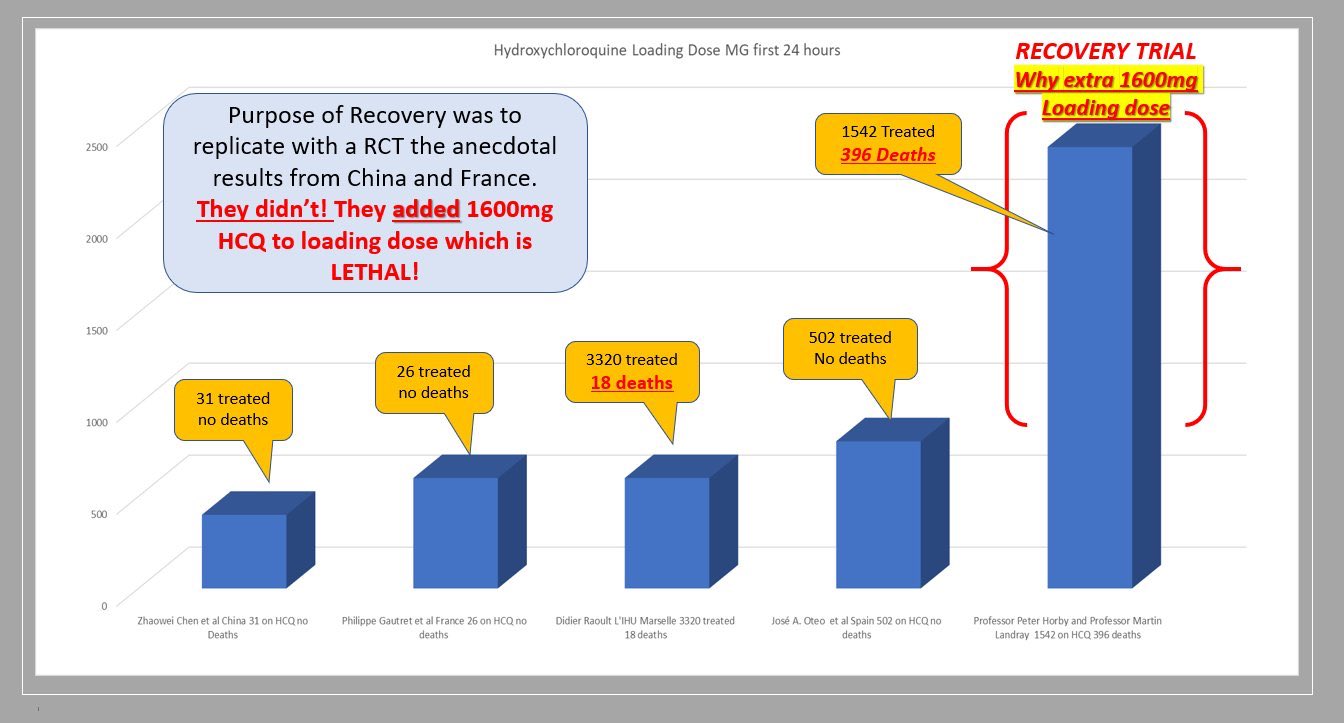
Situations that were controlled to show no benefit included 3 large, randomized, multi-center clinical trials (Recovery, Solidarity and REMAP-Covid), which are generally believed to yield the most reliable evidence. However, each of them used excessive doses that were known to be toxic; see my previous articles here and here.
2. You prevent or limit use in outpatients by controlling the supply of the drug, using different methods in different countries and states. In NY state, by order of the governor, hydroxychloroquine could only be prescribed for hospitalized patients. France has issued a series of different regulations to limit prescribers from using it. France also changed the drugs’ status from over-the-counter to a drug requiring a prescription.
3. You play up the danger of the drug, emphasizing side effects that are very rare when the drug is used correctly. You make sure everyone has heard about the man who died after consuming hydroxychloroquine in the form of fish tank cleaner.
4. You limit clinical trials to hospitalized patients, instead of testing the drug in outpatients, early in the illness, when it is predicted to be most effective.
5. You design clinical trials to give much too high a dose, ensuring the drug will cause harm in some subjects, sufficient to mask any possible beneficial effect. You make sure that dozens of trials in dozens of countries around the world use these dangerous doses.
6. You design clinical trials to collect almost no safety data, so any cause of death due to drug toxicity will be attributed to the disease instead of the drug.
7. You issue rules for use of the drug based on the results of the unethical, overdosing Recovery study.
8. You publish, in the world’s most-read medical journal, the Lancet, an observational study from a huge worldwide database that says use of chloroquine drugs caused significantly increased mortality. You make sure that all major media report on this result. Then 3 European countries announce they will not allow doctors to prescribe the drug. And Sanofi announces it will no longer supply the drug for use with Covid, and will halt its own clinical trials, based on a fabricated study.
9. Even after hundreds of people renounce this observational study due to easily identified fabrications–which, as James Todaro, MD, wrote was a “study out of thin air“–the Lancet held firm for two weeks, serving to muddy the waters about the trial, until finally 3 of its 4 coauthors (but not the journal) retracted the study. You make sure few media report that the data were fabricated and the “study” a fraud. You let people believe the original story: that hydroxychloroquine routinely kills.
10. You ensure federal agencies like FDA and CDC hew to your desired policies. For example, FDA advised use only in hospitalized patients (too late) or in clinical trials (which are limited, are difficult to enroll in, or use excessive doses). As of mid June, FDA now advises patients and doctors to only use the drug in a clinical trial!
Another example: you have FDA make unsubstantiated and false claims, such as: “Hospitalized patients were likely to have greater prospect of benefit (compared to ambulatory patients with mild illness)” and claim the chloroquine drugs have a slow onset of action. If that were really true, they would not be used for acute attacks of malaria or in critically ill patients with Covid. (Disclosure: I once dosed myself with chloroquine for an acute attack of P. vivax malaria, and it worked very fast.). Providing no other treatment advice, CDC refers clinicians to the NIH guidelines, discussed below.
11. You make sure to avoid funding/encouraging clinical trials that test drug combinations like hydroxychloroquine with zinc, with azithromycin, or with both, although there is ample clinical evidence that such combinations provide a cumulative benefit to patients.
12. You have federal and UN agencies make false, illogical claims based on models rather than human data. For example, you have the FDA state on June 15 that the dose required to treat Covid is so high it is toxic, after the Recovery and Solidarity trials have been exposed for toxic dosing. This scientific double-speak gives some legal cover to the clinical trials that overdosed their patients.
According to Denise Hinton, RN, the FDA’s Chief Scientist, or a clumsy FDA wordsmith:
”Under the assumption that in vivo cellular accumulation is similar to that from the in vitro cell-based assays, the calculated free lung concentrations that would result from the EUA suggested dosing regimens are well below the in vitro EC50/EC90 values, making the antiviral effect against SARS-CoV-2 not likely achievable with the dosing regimens recommended in the EUA. The substantial increase in dosing that would be needed to increase the likelihood of an antiviral effect would not be acceptable due to toxicity concerns.”
13. You have a WHO report claim toxic doses are needed. This of course is nonsense since
a) CDC researchers showed strong effects against SARS-1 at safely achievable concentrations,
b) the drug at normal doses is being tested in over 30 different medical conditions (see clinicaltrials.gov), and
c) reports from many different countries say that the drug is effective for Covid-19 at normal doses, while
a high dose chloroquine treatment arm was halted in Brazil and a preprint of the study was posted April 11, after finding the toxic effects were causing ventricular arrhythmias and deaths.
- Toxicity was noted after only 3 days of treatment, during which 3.6 grams of chloroquine were administered. But the Solidarity (3.2 grams of hydroxychloroquine in 3 days), Recovery (3.6 grams of hydroxychloroquine in 3 days) and REMAP-Covid trials (3.6 grams of hydroxychloroquine in 3 days) continued overdoing patients until June, despite Brazil’s evidence of deaths by overdose.
- Tellingly, JAMA editor Gordon Rubenfeld wrote about the Brazilian study, “if you are prescribing HCQ after these JAMA results, do yourself and your defense lawyer a favor. Document in your medical record that you informed the patient of the potential risks of HCQ including sudden death and its benefits (???).”
14. You create an NIH Guideline committee for Covid treatment recommendations, in which 16 members have or had financial entanglements with Gilead, maker of Remdesivir. The members were appointed by the CoChairs. Two of the three CoChairs are themselves financially entangled with Gilead. Are you surprised that their guidelines recommend specifically against the use of hydroxychloroquine and in favor of Remdesivir, and that they deem this the new “standard of care”?
15. You frighten doctors so they don’t prescribe hydroxychloroquine, if prescribing it is even allowed in their jurisdiction, because prescribing outside the “standard of care” leaves them open to malpractice lawsuits. You further tell them (through the FDA) they need to monitor a variety of lab parameters and EKG when using the drug, although this was never advised before, which makes it very difficult to use the drug in outpatients. You have the European Medicines Agency issue similar warnings.
16. You manage to control the conduct of most trials around the world by designing the WHO-managed Solidarity trials, currently conducted in 35 countries. WHO halted hydroxychloroquine clinical trials around the world, twice.
The first time, May 25, WHO claimed it was in response to the (fraudulent) Lancet study.
The second time, June 17, WHO claimed the stop was in response to the Recovery trial results.
Recovery used highly toxic doses of hydroxychloroquine in over 1500 patients, of whom 396 died.
You stop the trial before the data safety monitoring board has looked at your data, a move that is unlikely to be consistent with trial protocol. WHO’s trial in over 400 hospitals overdosed patients with 2.0 g hydroxychloroquine in the first 24 hours.
WHO’s trial in over 400 hospitals was unlikely to provide useful results, as it too overdosed patients with hydroxychloroquine. The trial was halted days after the toxic doses were exposed.
17. You have the WHO pressure governments to stop doctors prescribing hydroxychloroquine.
18. You have the WHO pressure professional societies to stop doctors prescribing hydroxychloroquine.
19. You make sure that the most-consulted medical encyclopedia, UptoDate, provides bad guidance to physicians, advising them to restrict hydroxychloroquine to only patients in clinical trials, citing the above sources of information.
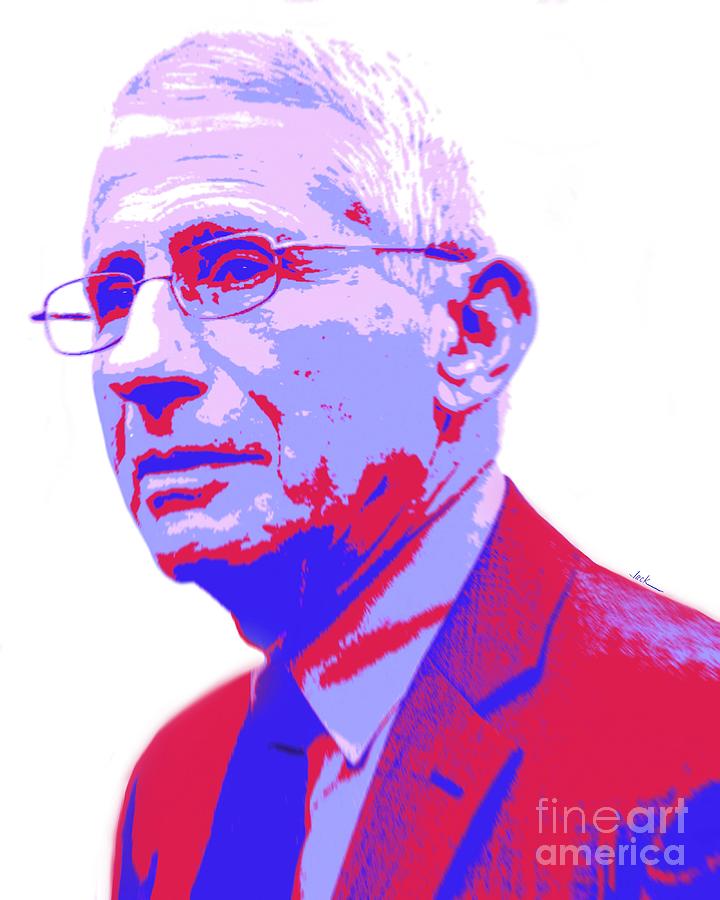
Anthony Fauci, MD
20. You have the head of the Coronavirus Task Force, Dr. Tony Fauci, insist the drug cannot be used in the absence of strong evidence… while he insisted exactly the opposite in the case of the MERS coronavirus outbreak several years ago, when he recommended an untested drug combination for use… which had been developed for that purpose by his agency.
And while he was bemoaning the lack of evidence, he was refusing to pay for trials to study hydroxychloroquine. And he was changing the goalposts on the Remdesivir trial, not once but twice, to make Remdesivir show just a tiny bit of benefit, but no mortality benefit. And don’t forget, Fauci was thrilled to sponsor a trial of a Covid vaccine in humans before there was any data from animal trials. So much for requiring high quality evidence before risking use of drugs and vaccines in humans!
21. You convince the public that the crisis will be long-lasting. You have the 2nd richest man in the world, and biggest funder of the WHO, Bill Gates, keep repeating to the media megaphone that we cannot go back to normal until there is a vaccine. (The Gates Foundation helped design the WHO clinical trials, and Gates is heavily invested in pharmaceuticals and vaccines.)
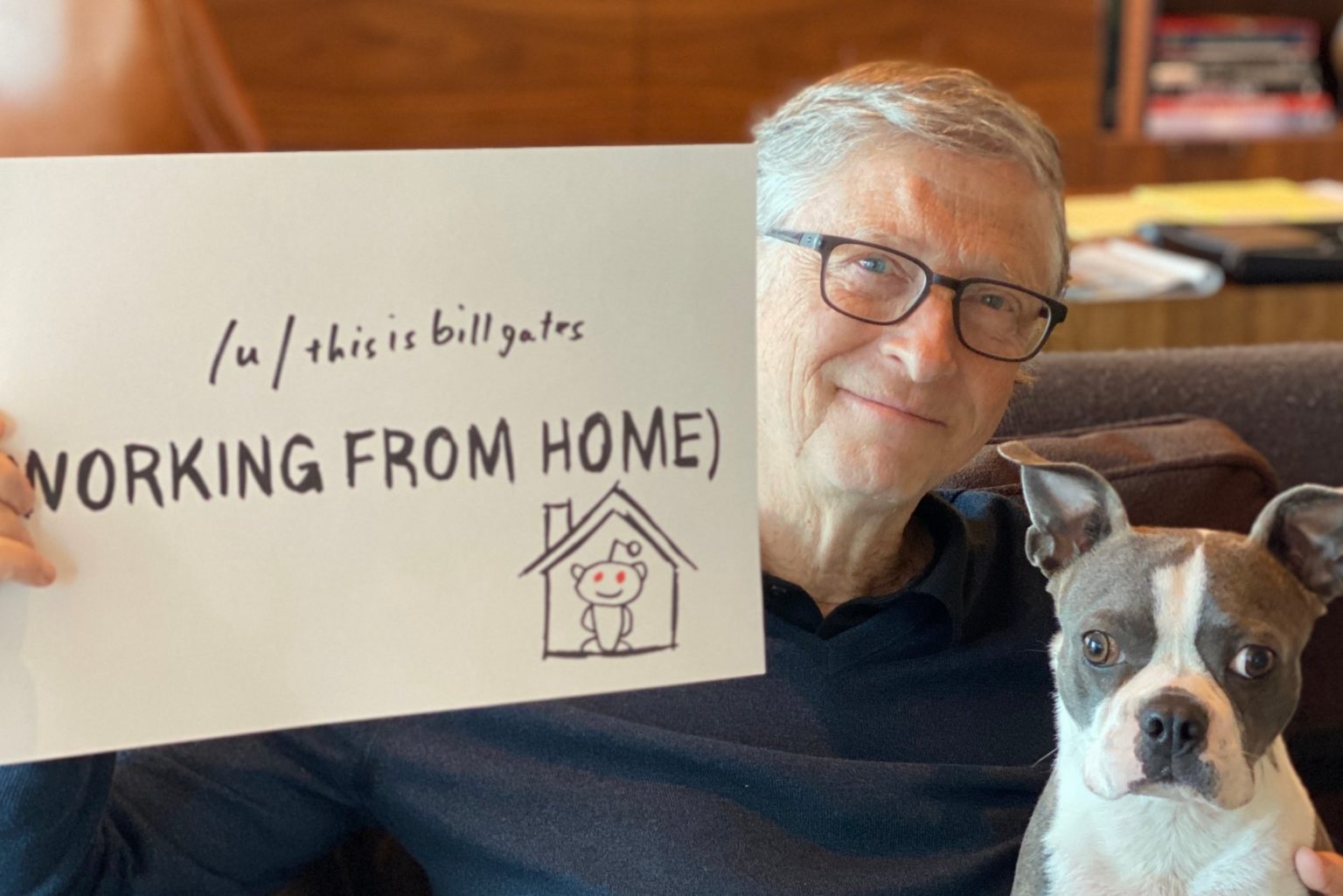
Bill Gates
- You have CDC (with help from FDA) prevent the purchase of coronavirus test kits from Germany, China, WHO, etc, and fail to produce a valid test kit themselves. The result was that during January and February, US cases could not be reliably identified, and for several months thereafter insufficient and unreliable test kits made it impossible to track the epidemic and stop the spread.
- You have trusted medical spokesmen lie to the public about the pandemic’s severity, so precautions weren’t taken when they might have been more effective and less long-lasting. Congress was repeatedly briefed about the pandemic in January and February, which scared several Congress members enough that they sold off large amounts of stock, risking insider trading charges. Senator Burr is one of them, currently under investigation for major stock sales on February 13.
Yet Dr. Fauci told USA Today on February 17 that Americans should worry more about the flu than about coronavirus, the danger of which was “just miniscule.” Then on February 28, Drs. Fauci and Robert Redfield (CDC Director) wrote in the New England Journal :
“… the overall clinical consequences of Covid-19 may ultimately be more akin to those of a severe seasonal influenza (which has a case fatality rate of approximately 0.1%) or a pandemic influenza (similar to those in 1957 and 1968) rather than a disease similar to SARS or MERS, which have had case fatality rates of 9 to 10% and 36%, respectively.”
 You destroy the reputation of respected physicians who stand in your way. Professor Didier Raoult and his team in Marseille have used hydroxychloroquine on over 4,000 patients, reporting a mortality rate of about 0.8%. (The mortality rate of patients given hydroxychloroquine in the Recovery trial was 25.7%.) Raoult is very famous for discovering over 100 different microorganisms, and finding the long-sought cause of Whipple’s Disease. With this reputation, Raoult apparently thought he could treat patients as he saw fit, which he has done, under great duress. Raoult was featured in a New York Times Magazine article, with his photo on the cover, May 12, 2020. After describing his accomplishments, the Times very unfavorably discussed his personality, producing a detailed hit piece. He is now considered an unreliable crank in the US.
- You have social media platforms ban content that does not agree with the desired narrative. As YouTube CEO and ex-wife of Google founder Sergey Brin, Susan Wojcicki said,
“YouTube will ban any content containing medical advice that contradicts World Health Organisation (WHO) coronavirus recommendations. Anything that would go against World Health Organisation recommendations would be a violation of our policy.”
- When your clinical trials are criticized for overdosing patients, you have Oxford-affiliated, Wellcome Trust-supported scientists at Mahidol University publish papers (a literature review with modeling and a modeling study) purporting to show that the doses used were not toxic. You develop a new method to measure hydroxychloroquine in a handful of Recovery patients who were not poisoned. However, there are 2 problems you forgot with this approach:
- The Brazilian data, including 16 deaths, extensive clinical information and documented ventricular arrhythmias, are much more valuable than theoretical models of what might be happening in the body.
- Either the drug is too toxic to use for a life-threatening disease, or even extremely high doses are safe. You can’t have it both ways.
Oxford is the institution running the Recovery trial, and invented a Covid vaccine that already has 400 million doses on order. The Wellcome Trust funded the Recovery trial.
- You change your trial’s primary outcome measures after the trials have started, in order to prevent detection of drug-induced deaths (Recovery) or to make your drug appear to have efficacy (NIAID Remdesivir trial).
- You stop manufacturers from supplying the drug. Shortly after the fraudulent Lancet paper came out, Sanofi announced it would no longer supply the drug for use with Covid, and would halt its two hydroxychloroquine clinical trials. One of the cancelled Sanofi trials was expected to test 210 outpatients early in the course of disease. The trial remains suspended at the time of writing, while the Lancet paper was retracted 13 days after publication.
- You surely don’t want a trial of hydroxychloroquine treatment early in the disease, since it might show an excellent effect.
THE AFTERMATH…
Computing Forever | February 14, 2022
Follow Millennial Woes on Telegram: https://t.me/millennialwoes
Support my work on Subscribe Star: https://www.subscribestar.com/dave-cullen
Support my work via crypto: https://computingforever.com/donate/
Follow me on Bitchute: https://www.bitchute.com/channel/hybM74uIHJKg/
Buy How is This a Thing Mugs here: https://teespring.com/stores/computing-forever-store
http://www.computingforever.com
KEEP UP ON SOCIAL MEDIA:
Gab: https://gab.ai/DaveCullen
Subscribe on Gab TV: https://tv.gab.com/channel/DaveCullen
Minds.com: https://www.minds.com/davecullen
Subscribe on Odysee: https://odysee.com/@TheDaveCullenShow:7
Telegram: https://t.me/ComputingForeverOfficial
300 medics demand halt to child vaccination as ‘all risk and no benefit’
TCW Defending Freedom – February 18, 2022
FOLLOWING the decision to roll-out Covid vaccines to healthy children aged 5-11 from April, the Children’s Covid Vaccine Advisory Group (CCVAG), comprising a wide range of senior health professionals, have issued a statement urging an immediate halt to the policy.
Dr Ros Jones, chairwoman of the CCVAG, said: ‘Why are the governments of the four nations announcing a rollout of Covid vaccines to healthy children aged 5-11 when they still have not answered urgent questions about safety in 12-17-year-olds?
‘Presumably this “offer” is being made on a “non-urgent” basis because the government has not finished its investigation into the growing evidence of harms to children.
‘This has never been a more urgent matter. We must halt the vaccine roll out while further investigations take place.’
Since yesterday morning, more than 300 healthcare professionals have co-signed a letter to the government and its advisers, in a growing critique of policy by Britain’s medical establishment.
The letter, which you can read here with the full list of signatories, calls for an immediate halt to the UK Covid vaccine roll-out to children to allow time for a thorough investigation.
Data from Hong Kong shows the myocarditis (heart inflammation) risk to teenage boys as high as 1 in 2,680, and they have ceased giving a 2nd dose. ONS figures for the UK have shown a significant rise in non-Covid deaths, representing at least two young men aged 15-19 dying each week, the cause of which has yet to be investigated and correlating with the vaccine roll-out.
The CCVAG says: ‘Vaccinating children is all risk and no benefit. Yet governments are recommending vaccinating healthy 5-11s, most of whom have already had SARS-CoV-2 infection, providing excellent natural immunity.’
About the CCVAG
The Children’s Covid Vaccine Advisory Group comprises a wide number of health professionals and scientists including several of the country’s leading professors in medicine, microbiology and risk, as well as specialists in public health, emergency medicine, paediatrics, infectious disease and primary care.
Zuckerberg’s Facebook empire collapsing
RT | February 18, 2022
Once the world’s sixth largest firm with a valuation of over $1 trillion, Facebook’s parent company Meta finished Thursday’s trading with a value of $565 billion. According to data compiled by Bloomberg, the social media giant has tumbled out of the world’s 10 largest companies by market value, hammered by its worst monthly stock decline ever.
The stock rout has placed Mark Zuckerberg’s company in 11th place behind Chinese Tencent Holdings. Chip giant Taiwan Semiconductor Manufacturing Company (TSMC) holds the ninth spot. The list of the world’s most-valuable companies, ranked by market capitalization, includes Apple, Microsoft, Aramco, Alphabet, Amazon, Tesla, Berkshire Hathaway, and Nvidia.
Data shows that the value wiped out by the selloff in Meta’s shares exceeds the market caps of all but eight companies in the S&P 500 Index. Meta’s share price is down about 40% year-to-date after the company reported two weeks ago that its social media platform Facebook lost about one million users from the third quarter to the fourth quarter of 2021. That’s the first such decline for the company in its 18-year history.
Meta’s stock plummeted 26.4% on February 3 after the company released its weaker-than-expected outlook. The $240 billion loss in market capitalization was the largest one-day loss in US corporate history. CEO Mark Zuckerberg’s personal net worth is down more than $46 billion from the beginning of the year, he’s currently worth $78.8 billion.
Since then, Meta’s share price has extended losses, losing another 13% to date. The company has warned that the rest of the year is shaping up to be a choppy one as it deals with “macroeconomic challenges” and continues its long-term strategic shift “towards building the metaverse.”
FDA Executive Officer: “Almost a Billion Dollars a Year Going into FDA’s Budget from the People we Regulate”
Health Impact News | February 17, 2022
Project Veritas published Part Two of its series on the FDA on Wednesday night which featured FDA Executive Officer, Christopher Cole, speaking about the inner workings of the agency including the FDA’s conflicts of interest, overspending, and why it’s hard for those within the agency to speak out on such abuses.
https://www.bitchute.com/video/WT4CuKhKW6N9/
In the footage, Cole talks about the impact that pharmaceutical companies have on the agency including the process for approving drugs.
“A long time ago, Congress approved user fees for [the] FDA. Basically, we charge the industry millions of dollars in order to hire more drug reviewers and vaccine reviewers, which will speed up the approval process, so they make more money,” Cole says in the hidden camera footage.
He then reveals that the FDA tones down the impact that these user fees have on the agency’s operations because, “they’re dependent on the drug companies, and the vaccine companies and these other companies for their agency to operate.”
The incendiary footage, which features Cole talking about how the additional money the FDA brings in “gets banked” to be spent on “whatever you can, whether it’s right or wrong,’’ also features Cole discussing reasons why it’s difficult for anyone in government to speak out about practices he sees as “probably excessive.”
“I don’t think there’s enough people saying they’re, like, ‘Look, that’s fine, but that’s not right. So, we’re not going to charge that.’ You don’t want to be that person. You’re not going to have a long shelf life in the agency if you’re always that person,” Cole said.
“There’s not an incentive to speak out in government, surprisingly. You would think there would be, but there’s not. It’s better just to just not say anything and just ignore it. The whistleblower, well, it’s high-profile whistleblower statutes and everything, that’s kind of ridiculous,” Cole said before adding “it’s better to just stay quiet and accept.”
Cole’s LinkedIn page lists him as an Executive Officer within the agency’s Countermeasures Initiatives, which plays a critical role in ensuring that drugs, vaccines, and other measures to counter infectious diseases and viruses are safe. He made these revelations on a hidden camera to an undercover Project Veritas reporter.
A spokesperson for FDA issued a statement yesterday saying, “The person purportedly in the video does not work on vaccine matters and does not represent the views of the FDA.”
This statement appears to contradict a phone call released Wednesday afternoon by Project Veritas wherein Cole reiterated, during the conversation with Project Veritas Founder and CEO, James O’Keefe, that he is “a manager in the office that helps oversee the approval of the COVID vaccines for emergency approval.”
See also: Part One
Featured Video

Trita Parsi: Middle East Unraveling — Are We on the Path to World War?
or go to
Aletho News Archives – Video-Images
New Book
Trans agenda is ‘normalization of sadism’ – US author
RT | September 23, 2026
The US Democratic Party has embraced a transgender agenda that amounts to “the normalization of sadism,” author A.J. Rice has said, warning that radical trans policies would return if the party is allowed to regain power.
Speaking to RT’s America First host Scotty Nell Hughes about his new book, ‘The Curse of the Bearded Lady: How the Trans Mafia Whacked American Sanity’, Rice argued that activists have gained significant influence in schools, medicine, and corporate America while people who questioned the agenda have faced pressure to stay silent.
The author described the “trans mafia” as the sprawling network of people and institutions that have helped the movement gain influence. He singled out parts of academia, wealthy backers, and corporations, and stated that providers of transition-related treatment also have a financial incentive to keep young people in their care indefinitely.
Rice argued that the consequences of these policies ultimately fall on children who are being drawn toward gender-affirming medical treatments and on girls who are expected to share locker rooms or compete in sports with biological males.
He noted that while voters rejected the Democrats’ approach to gender in 2024, the party, which has been “captured by madness,” has since only doubled down and is seeking what is effectively “the normalization of sadism.” … Full report
Blog Roll
 Aletho News
- Integrity Initiative: UK-funded network framed dissent as Russian disinformation for years
- ‘We don’t seek permission to defend our country’: Snippets from President Pezeshkian’s UNGA address
- NATO chief wants Europeans to fight American wars [for Israel]
- German chemicals giant reveals details of downsizing
- Refaat Al-Areer Was The Canary In The Coal Mine In Israel’s War On The Truth
- Israeli election committee bars candidate from Knesset race over Gaza war opposition
- French-Lebanese man files war crimes complaint over Israeli attacks
- Mahan Air Flight Lands in China Despite US Threat against Iranian Airlines
- US eyes $10bn fund to rebuild war-battered Gulf infrastructure
- Trump meets Rodríguez near Maduro’s prison as Venezuela’s oil flows to US
- If Americans Knew
- Caught on Tape: AIPAC CEO Boasted of Controlling Trump’s National Security Officials
- Why Hamas Attacked Israel in October 2023 – Israeli professor Ilan Pappé
- They see them, then kill them: Israeli quadcopters track, deliberately target civilians in Gaza
- Winter could turn Gaza’s treacherous, war-damaged buildings into deathtraps
- Majority of Democratic Voters Want to Prosecute Both Biden and Trump Administration Officials Over Gaza
- As Gaza languishes, world leaders gather at the UN – Daily Update
- Sanctions are collective punishment: immoral and self-defeating
- Phosphorus Munitions Fired by Israel Burn Groves, Orchards in Southern Lebanon
- Israel Carries Out New Ceasefire Violations Across Gaza
- AI – Emphasis on the ‘I’: Israel Is Funding AI Chatbot Propaganda
- No Tricks Zone
- New Study: Earth And Venus Surface Warmth Largely Explained By Convection And Lapse Rate, Not CO2 Or Radiation
- 2025 Nature Paper Claiming Worsening Global Drought Gets RETRACTED …Heavily Flawed
- New Study: ‘Global Drought Shows No Detectable Recent Acceleration Under Climate Warming’
- Economic Masterminds: German Socialists Suggest Taxing Productivity Gains Stemming From Using AI
- The South China Sea Has Not Been Cooperating With The Climate Change Narrative
- Energy Crisis: Germany Enters Heating Season With Historically Low Gas Reserve Fill Levels
- New Study: The Antarctic Ice Sheet Gained Mass From 2020-2024 Due To Staggering Snow And Ice Accumulation
- Study: Ocean Heating Rates From Thousands Of Years Ago ‘Dwarf’ Modern Ocean Heating Rates
- Climate Extremists Target, Attack Large-Scale Power Grid Infrastructure In Germany!
- New Study: Antarctic Ice Melt Has Contributed Less Than 1 Centimeter To Sea Level Rise In The Last 30 Years

