POPPY HARLOW: Ten billion dollars. I mean, just speak about the magnitude of that. That is by far the biggest commitment of the foundation, isn’t it, Bill? I mean this is by far the largest.
BILL GATES: That’s right, we’ve been spending a lot on vaccines. With this commitment, over eight million additional lives will be saved. So it’s one of the most effective ways that health in the poorest countries can be dramatically improved.
In January of 2010, Bill and Melinda Gates used the World Economic Forum at Davos to announce a staggering $10 billion commitment to research and develop vaccines for the world’s poorest countries, kicking off what he called a “decade of vaccines.”
GATES: Today we’re announcing a commitment over this next decade, which we think of as a decade of vaccines having incredible impact. We’re announcing that we’ll spend over $10 billion on vaccines.
. . . and applauded by the pharmaceutical companies who stood to reap the benefits of that largesse, the record-setting commitment made waves in the international community, helping to underwrite a Global Vaccine Action Plan coordinated by the Gates-funded World Health Organization.
But contrary to Gates’ own PR spin that this $10 billion pledge was an unalloyed good and would save 8 million lives, the truth is that this attempt to reorient the global health economy was part of a much bigger agenda. An agenda that would ultimately lead to greater profits for big pharma companies, greater control for the Gates Foundation over the field of global health, and greater power for Bill Gates to shape the course of the future for billions of people around the planet.
Given Gates’ pledge to make this a “Decade of Vaccines,” it should come as no surprise that, since the dawn of this coronavirus crisis, he has been adamant that the world will not go back to normal until a vaccine has been developed.
GATES: We’re gonna have this intermediate period of opening up, and it won’t be normal until we get an amazing vaccine to the entire world.
GATES: The vaccine is critical, because, until you have that, things aren’t really going to be normal. They can open up to some degree, but the risk of a rebound will be there until we have very broad vaccination.
GATES: They won’t be back to normal until we either have that phenomenal vaccine or a therapeutic that’s like over 95% effective. And so we have to assume that’s going to be almost 18 months from now.
More interestingly, since Gates began delivering this same talking point in every one of his many media appearances of late, it has been picked up and repeated by heads of state, health officials, doctors and media talking heads, right down to the scientifically arbitrary but very specific 18-month time frame.
ZEKE EMANUEL: Realistically, COVID-19 will be here for the next 18 months or more. We will not be able to return to normalcy until we find a vaccine or effective medications.
DONALD TRUMP: Obviously, we continue to work on the vaccines, but the vaccines have to be down the road by probably 14, 15, 16 months. We’re doing great on the vaccines.
The fact that so many heads of state, health ministers and media commentators are dutifully echoing Gates’ pronouncement about the need for a vaccine will not be surprising to those who saw last week’s exploration of How Bill Gates Monopolized Global Health. As we have seen, the Gates Foundation’s tentacles have penetrated into every corner of the field of public health. Billions of dollars in funding and entire public policy agendas are under the control of this man, an unelected, unaccountable software developer with no medical research experience or training.
And nowhere is Gates’ control of global public health more apparent than in the realm of vaccines.
One of the Gates Foundation’s core funding areas is “vaccine development and surveillance,” which has resulted in the channeling of billions of dollars into vaccine development, a seat at the table to develop vaccination campaigns in countries around the globe, and the opportunity to shape public thinking around Bill Gates’ pet project of the past five years: preparing rapid development and deployment of vaccines in the event of a globally-spreading pandemic.
GATES: If anything kills over 10 million people in the next few decades, it’s most likely to be a highly infectious virus.
GATES: Whether it occurs by a quirk of nature or at the hand of a terrorist, epidemiologists show through their models that a respiratory spread pathogen would kill more than 30 million people in less than a year and there is a reasonable probability of that taking place in the years ahead.
BABITA SHARMA: Many high-profile personalities have been meeting at this week’s World Economic Forum in Davos, which aims to discuss the globe’s most pressing issues. Amongst them is Microsoft founder Bill Gates, whose foundation is investing millions in the Coalition for Epidemic Preparedness Innovations to help combat infectious diseases. Here’s some of what he had to say about his push to develop new vaccines.
GATES: Unfortunately, it takes many years to do a completely new vaccine. The design, the safety review, the manufacturing; all those things mean that an epidemic can be very widespread before that tool would come along. And so after ebola the global health community talked a lot about this, including a new type of vaccine platform called DNA/RNA that should speed things along.
And so this Coalition for Epidemic Preparedness Initiative [sic], CEPI, is three countries—Japan, Norway, Germany—and two foundations—Wellcome Trust, [who] we work with on a lot of things, and our foundation, the Gates Foundation—coming together to fund . . . actually trying to use that platform and make some vaccines. And so that would help us in the future.
NARRATORS: We know vaccines can protect us. We just need to be better prepared. So let’s come together, let’s research and invest. Let’s save lives. Let’s outsmart epidemics.
What should be surprising is that this strangely specific and continuously repeated message—that we will not go “back to normal” until we get a vaccine in 18 months—has no scientific basis whatsoever. Medical researchers have already conceded that a vaccine for SARS-CoV-2 may not even be possible, pointing to the inability of researchers to develop any kind of immunization against previous coronavirus outbreaks, like SARS or MERS.
But even if such a vaccine were possible, serious concerns remain about the safety of developing, testing and delivering such an “amazing vaccine” to “the entire world” in this remarkably short timeframe. Even proponents of vaccine development openly worry that the rush to vaccinate billions of people with a largely untested, experimental coronavirus vaccine will itself present grave risks to the public.
One of these risks involves “disease enhancement.” It has been known for over a decade that vaccination for some viral infections—including coronaviruses—actually enhances susceptibility to viral infection or even causes infections in healthy vaccine recipients.
ANTHONY FAUCI: Now, the issue of safety. Something that I want to make sure the American public understand: It’s not only safety when you inject somebody and they get maybe an idiosyncratic reaction, they get a little allergic reaction, they get pain. There’s safety associated. “Does the vaccine make you worse?” And there are diseases in which you vaccinate someone, they get infected with what you’re trying to protect them with, and you actually enhance the infection.
This is no mere theoretical risk. As researchers who were trying to develop a vaccine for the original SARS outbreak discovered, the vaccine actually made the lab animals subjected to it more susceptible to the disease.
PETER HOTEZ: One of the things we are not hearing a lot about is potential safety problems of coronavirus vaccines. This was first found in the 1960s with Respiratory Syncytial Virus vaccines done in Washington with the NIH and Children’s National Medical Center. Some of those kids who got the vaccine actually did worse, and I believe there were two deaths as a consequence of that study. Because what happens with certain types of respiratory virus vaccines, you get immunized and then when you get actually exposed to the virus you get this kind of paradoxical immune enhancement phenomenon and what—and we we don’t entirely understand the basis of it. But we recognize that it’s a real problem for certain respiratory virus vaccines. That killed the RSV program for decades. Now the Gates Foundation is taking it up again. But when we started developing coronavirus vaccines—and our colleagues—we noticed in laboratory animals that they started to show some of the same immune pathology that resembled what had happened 50 years earlier.
This specific issue regarding coronavirus vaccines is exacerbated by the arbitrary and unscientific 18-month timeframe that Gates is inisisting on for the vaccine’s development. In order to meet that deadline, vaccine developers are being urged to use new and largely unproven methods for creating their experimental immunizations, including DNA and mRNA vaccines.
KELLY O’DONNELL: For a self-described wartime president victory over COVID-19 equals a vaccine.
TRUMP: I hope we can have a vaccine and we’re going to fast-track it like you’ve never seen before.
O’DONNELL: Adding Trump-style branding, the administration launched “Operation Warp Speed,” a multi-billion dollar research and manufacturing effort to shorten the typical year-plus vaccine development timeline.
ANTHONY FAUCI: We’re gonna start ramping up production with the companies involved, and you do that at risk. In other words, you don’t wait until you get an answer before you start manufacturing. You at risk proactively start making it, assuming it’s going to work.
BECKY QUICK: You’re thinking 18 months even with all the work that you’ve already done to this point and the planning that you are taking with lots of different potential vaccinations and building up for that now
GATES: Yeah, so the there’s an approach called RNA vaccine that people like Moderna, CureVac and others are using that in 2015 we identified that is very promising for pandemics and for other applications as well. And so if everything goes perfectly with the RNA approach we could actually beat the 18 months. We don’t want to create unrealistic expectations.
RHIJU DAS: So the concept of an RNA vaccine is: Let’s inject the RNA molecule that encodes for the spike protein.
ANGELA RASMUSSEN: It’s making your cell effectively do the work of creating this viral protein that is going to be recognized by your immune system and trigger the development of these antibodies.
DAS: Our bodies won’t make a full-fledged infectious virus. They’ll just make a little piece and then learn to recognize it and then get ready to destroy the virus if it then later comes and invades us.
[. . .]
DAS: It’s a relatively new, unproven technology. And there’s still no example of an RNA vaccine that’s been deployed worldwide in the way that we need for the coronavirus.
RASMUSSEN: There is the possibility for unforeseen, adverse effects.
AKIKO IWASAKI: So this is all new territory. Whether it would elicit protective, robust immune response against this virus is just unknown right now.
Rushing at “Warp Speed” to develop a new vaccine using experimental technology and then mass producing and delivering billions of doses to be injected into “basically the entire world” before adequate testing is even done amounts to one of the most dangerous experiments in the history of the world, one that could alter the lives of untold numbers of people.
That an experimental vaccine—developed in a brand new way and rushed through with a special, shortened testing regime—should be given to adults, children, pregnant women, newborn babies, and the elderly alike, would be, in any other situation, unthinkable. To suggest that such a vaccine should be given to the entire planet would have been called lunacy mere months ago. But now the public is being asked to accept this premise without question.
Even Gates himself acknowledges the inherent risks of such a project. But his concern is not for the lives that will be irrevocably altered in the event that the vaccines cause damage to the population. Instead, he is more concerned that the pharmaceutical companies and the researchers are given legal immunity for any such damage.
GATES: You know, if we have you know, one in 10,000 side effects, that’s, you know, way more, 700,000, you know, people who will suffer from that. So really understanding the safety at gigantic scale across all age ranges—you know, pregnant, male, female, undernourished, existing comorbidities—it’s very very hard. And that actual decision of, “OK, let’s go and give this vaccine to the entire world,” governments will have to be involved because there will be some risk and indemnification needed before that can be decided on.
As we have already seen, in the arena of global health, what Bill Gates wants is what the world gets. So it should be no surprise that immunity for the Big Pharma vaccine manufacturers and the vaccination program planners is already being worked on.
In the US, the Department of Health and Human Services issued a declaration that retroactively provides “liability immunity for activities related to medical countermeasures against COVID-19,” including manufacturers, distributors and program planners of “any vaccine, used to treat, diagnose, cure, prevent, or mitigate COVID-19.” The declaration was issued on March 17th but retroactively covers any activity back to February 4, 2020, the day before the Bill & Melinda Gates Foundation announced an emergency $100 million to fund treatment efforts and to develop new vaccines for COVID-19.
The plan to inject everyone on the planet with an experimental vaccine is no aberration in Bill Gates’ envisioned “Decade of Vaccines.” It is its culmination.
The Decade of Vaccines kicked off with a Gates-funded $3.6 million observational study of HPV vaccines in India that, according to a government investigation, violated the human rights of the study participants with “gross violations” of consent, and failed to properly report adverse events experienced by the vaccine recipients. After the deaths of seven girls involved in the trial were reported, a parliamentary investigation concluded that the Gates-funded Program for Appropriate Technology in Health (PATH), which ran the study, had been engaged in a scheme to help ensure “healthy markets” for GlaxoSmithKline and Merck, the manufacturers of the Gardasil and Cervarix vaccines that had been so generously donated for use in the trial:
“Had PATH been successful in getting the HPV vaccine included in the universal immunization program of the concerned countries, this would have generated windfall profit for the manufacturer(s) by way of automatic sale, year after year, without any promotional or marketing expenses. It is well known that once introduced into the immunization program it becomes politically impossible to stop any vaccination.”
Chandra M. Gulhati, editor of the influential Monthly Index of Medical Specialities, remarked that “It is shocking to see how an American organization used surreptitious methods to establish itself in India” and Samiran Nundy, editor emeritus of the National Medical Journal of Indialamented that “This is an obvious case where Indians were being used as guinea pigs.”
Throughout the decade, India’s concerns about the Bill & Melinda Gates Foundation and its corporate partners’ influence on the country’s national immunization programs grew. In 2016, the steering group of the country’s National Health Mission blasted the government for allowing the country’s National Technical Advisory Group on Immunisation—the primary body advising the government on all vaccination-related matters—to be effectively purchased by the Gates Foundation.
As one steering group member noted: “The NTAGI secretariat has been moved out of the [government’s health] ministry to the office of Public Health Foundation of India and the 32 staff members in that secretariat draw their salaries from the BMGF. There is a clear conflict of interest—on one hand, the BMGF funds the secretariat that is the highest decision making body in vaccines and, on the other, it partners the pharma industry in GAVI. This is unacceptable.”
In 2017, the government responded by cutting all financial ties between the advisory group and the Gates Foundation.
Similar stories play out across the Gates Foundation’s Decade of Vaccines.
There’s the Gates-founded and funded Meningitis Vaccine Project, which led to the creation and testing of MenAfriVac, a $0.50 per dose immunization against meningococcal meningitis. The tests led to reports of between 40 and 500 children suffering seizures and convulsions and eventually becoming paralyzed.
There’s the 2017 confirmation that the Gates-supported oral polio vaccine was actually responsible for the majority of new polio cases, and the 2018 follow up showing that 80% of polio cases are now vaccine-derived.
There’s the 2018 paper in the International Journal of Environmental Research and Public Health concluding that over 490,000 people in India developed paralysis as a result of the oral polio vaccine between 2000 and 2017.
There’s even the WHO’s own malaria chief, Dr. Arata Kochi, who complained in an internal memo that Gates’ influence meant that the world’s leading malaria scientists are now “locked up in a ‘cartel’ with their own research funding being linked to those of others within the group,” and that the foundation “was stifling debate on the best ways to treat and combat malaria, prioritizing only those methods that relied on new technology or developing new drugs.”
Kochi’s complaint, written in 2008, highlights the most common criticism of the global health web that Gates has spun in the past two decades: That the public health industry has become a racket run by and for Big Pharma and its partners for the benefit of big business.
At the time that Kochi was writing his memo, the executive director of the Gates Foundation’s Global Health program was Tachi Yamada. Yamada left his position as Chairman of Research and Development at GlaxoSmithKline to take up the position at the Gates Foundation in 2006, and left the foundation five years later to become Chief Medical and Scientific Officer at Takeda Pharmaceuticals. Yamada’s replacement as head of Gates’ Global health program, Trevor Mundel was himself a clinical researcher at Pfizer and Parke-Davis and spent time as head of development with Novartis before joining the foundation.
This use of foundation funds to set public policy to drive up corporate profits is not a secret conspiracy. It is a perfectly open one.
When the Center for Global Development formed a working group to “develop a practical approach to the vaccine challenge,” they concluded that the best way to incentivize pharmaceutical companies to produce more vaccines for the third world was for governments to promise to buy vaccines before they were even developed. They titled their report “Making Markets for Vaccines.”
ALICE ALBRIGHT: The project “Making Markets for Vaccines” was really designed to address a problem that’s existed for a long time, which is insufficient research and development budgets as well as investment capacity in vaccine development and production for the third world. How do you create better incentives to get the pharma community—the vaccine community—to produce products that are specifically dedicated for the developing world.
RUTH LEVINE: Michael Kramer, a professor at Harvard, had been thinking about this problem for many years.
OWEN BARDER: He realized that if the rich countries of the world were to make a promise that they would buy a malaria vaccine if somebody produced it, that would give an incentive to the pharmaceutical industry to go and do the research and development needed to make one. But this idea was unfamiliar. No government had made a commitment to buy a product that didn’t already exist.
When the first such “Advanced Market Commitment” was made in 2007—a $1.5 billion promise to buy yet-to-be-produced vaccines from Big Pharma manufacturers—there was the Gates Foundation as the only non-nation sponsor.
If “introducing new vaccines” and ensuring healthy markets for them was the aim of Gates’ “Decade of Vaccines,” there can be no doubt that COVID-19 has seen that goal realized in spectacular fashion.
URSULA VON DER LEYEN: Let’s start the pledging.
KATIE STEPHENS: The EU kicked off its fundraising drive with 1 billion euros. In the hours that followed, pledges were beamed in from across the globe.
TAWFIG ALRABIAH: The Kingdom of Saudi Arabia has pledged 500 million dollars.
STEPHENS: Even pop icon Madonna made a last-minute donation of a million euros.
MELINDA GATES: By combining the world’s expertise and brainpower and resources, we can attack this disease in the way it’s attacking us: globally. Our foundation is proud to partner with you and I’m pleased to announce today that we will pledge a hundred million dollars towards this effort.
KATIE STEPHENS: Germany was one of the leading donors, pledging over five hundred million euros. The money is earmarked for international health organizations and research networks in a bid to speed up the development of a vaccine.
And there, at the center of this web, is the Gates Foundation, connected to every major organization, research institution, international alliance and vaccine manufacturer involved in the current crisis.
Certainly, the Gates—like the Rockefellers—have profited from their years as “the most generous people on the planet.” As curious as it might seem to those who don’t understand the true nature of this monopoly cartel, despite all of these grants and pledges—commitments of tens of billions of dollars—Bill Gates’ personal net worth has actually doubled during this Decade of Vaccines, from $50 billion to over $100 billion.
But once again we come back to the question: Who is Bill Gates? Is he motivated simply by money? Is this incessant drive to vaccinate the entire population of the planet merely the result of greed? Or is there something else driving this agenda?
As we shall see next time, money is not the end goal of Gates’ “philanthropic” activities. Money is just the tool that he is using to purchase what he really wants: control. Control not just of the health industry, but control of the human population itself.
Are these researchers proposing a kind of reverse greenhouse effect in the tropics?
Conventional knowledge has it that warm air rises while cold air sinks, says Phys.org.
But a study from the University of California, Davis, found that in the tropical atmosphere, cold air rises due to an overlooked effect—the lightness of water vapor.
This effect helps to stabilize tropical climates and buffer some of the impacts of a warming climate.
The study, published today in the journal Science Advances, is among the first to show the profound implications water vapor buoyancy has on Earth’s climate and energy balance.
“It’s well-known that water vapor is an important greenhouse gas that warms the planet,” said senior author Da Yang, an assistant professor of atmospheric sciences at UC Davis and a joint faculty scientist with Lawrence Berkeley National Laboratory.
“But on the other hand, water vapor has a buoyancy effect which helps release the heat of the atmosphere to space and reduce the degree of warming. Without this lightness of water vapor, the climate warming would be even worse.”
Humid air is lighter than dry air under the same temperature and pressure conditions. This is called the vapor buoyancy effect. This study discovered this effect allows cold, humid air to rise, forming clouds and thunderstorms in Earth’s tropics.
Meanwhile, warm, dry air sinks in clear skies. Earth’s atmosphere then emits more energy to space than it otherwise would without vapor buoyancy.
The study found that the lightness of water vapor increases Earth’s thermal emission by about 1-3 watts per square meter over the tropics. That value compares with the amount of energy captured by doubling carbon dioxide in the atmosphere.
The authors’ calculations further suggest that the radiative effects of vapor buoyancy increase exponentially with climate warming.
The lightness of water vapor helps to stabilize tropical climate
Seth D. Seidel and Da Yang
Science Advances 06 May 2020
Quote from the article:
Here, we offer a different explanation of the tropics’ climate stability by way of a robust clear-sky feedback. The magnitude of this feedback may be estimated with greater certainty than for feedbacks depending on changes in clouds and circulation.
. . .
This paper will show that the lightness of water vapor has a profound impact on Earth’s energy balance and climate stability.
Nowadays, as the attention of the global community is drawn to discussions about whether the Coronavirus is man-made or not and the potential involvement of US biolabs in its creation, it is certainly worth mentioning the latest invention: a new “mutant enzyme that breaks down plastic bottles for recycling in hours.”
According to The Guardian, scientists from the company Carbios created a mutant bacterial enzyme “that recycles plastic bottles in hours.” An article about this research was even published in Nature, a highly respected journal. “It’s a real breakthrough in the recycling and manufacturing of PET (polyethylene terephthalate),” said Dr. Saleh Jabarin, a Professor at The University of Toledo, Ohio and a member of Carbios’ Scientific Committee. “Our goal is to be up and running by 2024, 2025, at large industrial scale,” Martin Stephan, the Deputy Chief Executive at Carbios, stated. With that in mind, the Consortium, Carbios and L’Oréal, has partnered with other companies, such as Pepsi and Nestlé Waters, which will “help support the circular plastics economy using Carbios’ breakthrough enzyme-based enhanced recycling technology.”
Considering the fact that billions of tonnes of “plastic waste have polluted the planet, from the Arctic to the deepest ocean trench”, the bacterial enzyme is already being promoted as a novel solution to a global problem. According to the article in The Guardian, 100,000 micro-organisms were screened to find promising candidates, such as the “leaf compost bug”. Mutations were subsequently introduced into it “to improve its ability to break down the PET plastic from which drinks bottles are made.” It also said that the research team had “used the optimized enzyme to break down a tonne of waste plastic bottles, which were 90% degraded within 10 hours.”
In 2018, another team of scientists revealed “that they had accidentally created an enzyme that breaks down plastic drinks bottles.” A separate report has stated that German researchers identified a strain of bacterium that can metabolize some of the chemical components that make up polyurethane (PU). PU in landfills decomposes slowly releasing toxic and carcinogenic chemicals that usually kill most bacteria. It was, therefore, surprising that the identified strain not only survived, but also used polyurethane to thrive. “This finding represents an important step in being able to reuse hard-to-recycle PU products,” said microbiologist Hermann Heipieper from the Helmholtz Centre for Environmental Research-UFZ in Germany.
In light of recent developments, a cautionary tale comes to mind. It is about the creation of another “Chimera” in the United States: Mycoplasma laboratorium or Synthia, a synthetic species of bacterium. It can self-replicate and has numerous uses. Although there have not been many reports in mainstream media that Synthia was used to clear an oil spill in the Gulf of Mexico, some suspect that it was. Apparently, in 2011, synthetic bacteria were introduced into the ocean to eliminate oil droplets that posed a threat to the environment. The poorly researched and thought through decision soon resulted in disastrous consequences, as the microorganisms became uncontrollable. There were several reports about diseases caused by bacteria, and deaths of marine life in the Gulf of Mexico. Incidentally, all the aforementioned articles about the negative impact of the measures taken to deal with the oil spill were published by media outlets and not by scientific journals.
A number of news sources printed photographs that showed the effect of the cleanup on people and marine life. And according to The Huffington Post, the number of oil-eating bacteria, including the genetically modified strains, had been expected to soar as a result of the oil leak. Vibrio vulnificus (a species of Gram-negative bacteria) was suspected of proliferating in ocean waters polluted with oil and chemicals used to clear it. Vibrio can infect humans through contact with a cut or wound. Once in the body, “the bacteria infiltrates the layer of flesh between muscle and skin, where it releases a toxin that destroys the tissue.”
There were also reports about people whose deaths were attributed to Vibrio. Some of them passed away after having swum in the Gulf of Mexico. According to The Guardian, Vibrio vulnificus had “infected the shores of the Gulf Coast”, from Texas to Florida. In fact, there is no central authority tracking such infections in the USA, as individual states are not “required to report cases to the Centers for Disease Control (CDC), in Atlanta” but can do so voluntarily. The article stated that several people got sick after swimming in the Gulf of Mexico. Vibrio can also cause sickness in humans who consume raw seafood, such as oysters. According to experts, the potentially lethal bacteria can infect people through raw or undercooked shellfish or through scratches and open wounds.
The scale of the impact of the efforts to clear the oil spill in the Gulf of Mexico has been covered up by the US government.
There is no known treatment for Vibrio vulnificus and people can die as a result of infection with this pathogen. Having entered the blood stream via a small wound, the bacteria proceeds to damage tissue unless the infected part of the body is amputated.
Vibrio vulnificus, which can adapt to different environments, can eventually spread to the rest of the world via the Atlantic Ocean and rain clouds, and then cause fear among swimmers in oceans, seas and even rivers, and among those who consume raw sea food (including oysters and sushi).
As for Synthia, researchers who had created it said that they were creating new life from existing life. The synthetic bacterial cell can be utilized to develop more effective pharmaceuticals and efficient new biofuels, etc. However, experts also believe that the knowledge used to synthesize Mycoplasma laboratorium could also be employed to create a pathogen.
Researchers are currently studying the rate at which the novel coronavirus, SARS-CoV-2, mutates.
Microbiologists are well aware of spontaneous mutations caused by chance errors during replication of bacteria and viruses that can lead to changes in structural or colony characteristics.
Hence, we sincerely hope that the latest Chimera from Carbios does not play a similar dirty trick on us.
Members of the scientific community have recently come to the Wuhan Institute of Virology’s defense, as US officials and prominent individuals around the world have accused the facility of manufacturing or accidentally releasing the COVID-19 coronavirus. Despite the protests, one microbiologist tells Sputnik there may be some truth in the attacks.
Dr. Dady Chery, a microbiologist, co-editor-in-chief of News Junkie Post and author of “We Have Dared to Be Free,” joined Radio Sputnik’s Political Misfits on Monday to discuss why she disagrees with the assertion that the novel coronavirus is a product of nature, rather than a lab.
“China is not the only place to be blamed for this,” Chery noted to hosts Bob Schlehuber and Jamarl Thomas. “I think the Wuhan Institute of Virology was almost certainly involved in the SARS-CoV-2 research, but the Wuhan Institute of Technology was actually built with French help for $42.4 million.” (SARS-CoV-2 is the virus strain that causes COVID-19.)
She asserted that, from the start, China has had a number of international partners assisting in endeavors at the Wuhan Institute of Virology. Chery explained that according to the lab’s website, scientists from France, the US, Canada, the UK, Australia, Spain, Germany, the Netherlands, Japan, Singapore, Pakistan and Kenya have all been within the highly secure facility.
Furthermore, its list of financial partners includes the European Union, United Nations’ Food and Agriculture Organization, World Health Organization and the EcoHealth Alliance established under a project by the United States Agency for International Development.
Chery highlighted that the EcoHealth Alliance “finances to go and find very, very nasty pathogens in animals, and in humans, and bring them to biosafety level four [BSL-4] labs for research.” She added that there are only around 30 BSL-4 labs, featuring the highest level of biosafety precautions, that deal with that type of research.
“No legitimate scientist can really verify their research unless they also have access to a BSL-4 lab and want to take those kinds of risks,” she said.
When it comes to the virus itself, Chery explained that of the 16 proteins present in it, the spike protein is the focal point for scientists. This particular protein is the one responsible for recognizing the receptor protein on the surface of human cells so that it can enter them.
According to the WHO, the novel coronavirus is of “animal origin” and has not been “manipulated or constructed in a lab or somewhere else.” While many have attributed US President Donald Trump’s dismissal of the WHO statement and his anti-China rhetoric as nothing more than xenophobia, it’s possible that he may be correct about the virus’s origin.
Chery noted that when it comes to SARS-CoV-2, it was believed that its closest relative is SARS-CoV, which was identified back in 2002 and causes severe acute respiratory syndrome (SARS). However, genetic sequence data published by Chinese researchers showed that RaTG13, a type of bat coronavirus, is the closest relative to SARS-CoV-2.
“The only problem with that is that the main resemblance between [RaTG13] and SARS-CoV-2 is in the spike protein,” she pointed out. “There’s a whole lot more to the virus.”
Chery asserted that the scientists in Wuhan sit on the editorial boards of six different scientific journals and are incredibly powerful in the scientific community, because they “give money to scientists all over the world.”
However, she said, French virologist and medicine Nobel laureate Luc Montagnier has argued that there are HIV sequences present in SARS-CoV-2, which is not likely to happen in something that occurs in nature.
“I did not just take his word for it,” Chery stressed. “I went and I actually read the papers [referenced].”
It’s worth noting that Montagnier’s comments have been opposed by many of his colleagues, including Jean-Francois Delfraissy, an immunologist and head of the French government’s advisory council for COVID-19.
Delfraissy, speaking to France’s BFM TV, said the hypothesis that the SARS-CoV-2 was made in a lab sounds like “a conspiracy vision that does not relate to the real science.”
This April 16th, Dr. Luc Montagnier became a household name around the world. This occurred as the controversial virologist decided to publicly state his support for the theory that Covid-19 is indeed a laboratory-generated creation and not a naturally occurring effect of viral evolution.
Referring to a study published at the Kusama School of Biology in New Dehli on January 31st, Montagnier (the 2008 Nobel Prize winner for his 1983 discovery of the HIV virus) made the point that the specific occurrence of HIV RNA viral segments spliced surgically within the COVID-19 genome could not have originated naturally and he described it in the following words:
“We have carefully analyzed the description of the genome of this RNA virus. We weren’t the first, a group of Indian researchers tried to publish a study showing that the complete genome of this virus that has within the sequences of another virus: that of HIV.”
While the Indian team was induced to retract their publication under immense pressure from the mainstream medical establishment (which never bothered to seriously refute the content of the study’s research but rather used the “random-mutation-makes-anything-possible” argument), Montagnier stated “scientific truth always emerges”.
Not China: Montagnier Misdiagnoses the Culprit
Montagnier’s political ignorance became all too clear when he was asked who the culprit could possibly be.
By asserting his belief that China’s BSL4 lab in Wuhan was the source, Montagnier has fallen into a trap set by Anglo-American Intelligence circles which have been promoting a military confrontation between the USA and China for a very long time.
Now even though Montagnier denies that China released this virus with malicious intent (unlike many fanatical droves of neoconservatives currently itching for war), the “Wuhan Lab origin” hypothesis completely ignores the reality of the Pentagon’s globally extended 25 bioweapons laboratories which have openly created novel coronaviruses including varieties that arose in bats as journalist Whitney Webb’s remarkable February 2020 paper demonstrated.
Even though a 2014-2017 temporary ban on “dual-use” funding was imposed onto America’s bioweapons research, nothing prevented this work from occurring internationally or even covertly within the 11 military labs on American soil itself and tied to the same Fort Detrick that was shut down in July 2019 under suspicious circumstances. As I pointed out in my previous paper The Project for a New American Century, 9/11 and Bioweapons, over $50 billion has been spent on bioweapons research since 2001 which the Project for a New American Century manifesto claimed would play a major role in the arsenal of 21st century warfare stating: “advanced forms of biological warfare that can “target” specific genotypes may transform biological warfare from the realm of terror to a politically useful tool”.
Luc Montagnier’s Wave Therapy: Quackery or Brilliance?
The most powerful aspect of Montagnier’s April 16th intervention into world politics in my view is not really found in his support for the laboratory-origins theory, but rather in the scientist’s often overlooked proposition for an international crash program in something called electromagnetic wave therapy. Rather than investing in vaccines, Montagnier has explained that it would be much wiser for nations of the world to launch a crash project into a very different approach to viral treatments than is currently common in polite society saying:
“I think we can make interference waves which are behind the RNA sequences that can eliminate those sequences with waves and consequently stop the pandemic”
Before brushing this off as “quackery” as so many are wont to do, one should keep in mind that President Trump himself has indicated his interest in Montagnier’s approach in his April 23rd briefing telling reporters:
“Supposing we hit the body with a tremendous … whether it’s ultraviolet or just very powerful light. And I think you said that hasn’t been checked, but you are going to test it… And then I said supposing you brought the light inside the body, which you can do either through the skin or in some other way. And I think you said you are going to test it.”
While Trump has been vilely attacked as “unscientific” for these utterances, it is only due to the vast ignorance of Montagnier’s incredible discoveries into the electromagnetic properties of life that such mockery can go unchallenged. Montagnier’s innovations into “bleaching therapy” which Trump referenced in the same speech are also much more complex than mainstream detractors assume and has nothing to do with simply “injecting”disinfectants into the blood stream. These therapies are highly interconnected with the electromagnetic waves emitted by certain types of bacteria which Montagnier has discovered to be the most likely driving mechanism to many of the diseases both chronic and acute plaguing humanity. More will be said on that below.
What is Optical Biophysics and What did Montagnier Discover?
Optical biophysics is the study of the electromagnetic properties of the physics of life. This means paying attention to the light emissions and absorption frequencies from cells, DNA, and molecules of organic matter, how these interface with water (making up over 75% of a human body) and moderated by the nested array of magnetic fields located on the quantum level and stretching up to the galactic level.
Not to discount the bio-chemical nature of life which is hegemonic in the health science realm, the optical biophysician asks: which of these is PRIMARY in growth, replication, and division of labor of individual cells or entire species of organisms? Is it the chemical attributes of living matter or the electromagnetic properties?
Let me explain the paradox a bit more.
There are approximately 40 trillion highly differentiated cells in the average human body, each performing very specific functions and requiring an immense field of coherence and intercommunication. Every second approximately 10 million of those cells die, to be replaced by 10 million new cells being born. Many of those cells are made up of bacteria, and much of the DNA and RNA within those cells is made up of viruses (mostly dormant), but which can be activated/deactivated by a variety of methods both chemical and electromagnetic.
Here’s the big question:
HOW might this complex system be maintained by chemical processes alone- either over the course of a day, month or an entire lifetime?
The simple physics of motion of enzymes which carry information in the body from one location to another simply doesn’t come close to accounting for the information coordination required among all parts. This is where Montagnier’s research comes in.
After winning the 2008 Nobel Prize, Dr. Montagnier published a revolutionary yet heretical 2010 paper called “DNA Waves and Water” which took the medical community by storm. In this paper, Montagnier demonstrated how low frequency electromagnetic radiation within the radio wave part of the spectrum was emitted from bacterial and viral DNA and how said light was able to both organize water and transmit information! The results of his experiments were showcased wonderfully in this 8 min video:
Using a photo-amplifying device invented by Dr. Jacques Benveniste in the 1980s to capture the ultra low light emissions from cells, Montagnier filtered out all particles of bacterial DNA from a tube of water and discovered that the post-filtered solutions containing no material particles continued to emit ultra low frequency waves! This became more fascinating when Montagnier showed that under specific conditions of a 7 Hz background field (the same as the Schumann resonance which naturally occurs between the earth’s surface and the ionosphere), the non-emitting tube of water that had never received organic material could be induced to emit frequencies when placed in close proximity with the emitting tube! Even more interesting is that when base proteins, nucleotides and polymers (building blocks of DNA) were put into the pure water, near perfect clones of the original DNA were formed!
Dr. Montagnier and his team hypothesized that the only way for this to happen was if the DNA’s blueprint was somehow imprinted into the very structure of water itself resulting in a form of “water memory” that had earlier been pioneered by Jacques Benveniste, the results of which are showcased in this incredible 2014 documentary “Water Memory”.
Just as Benveniste suffered one of the most ugly witch hunts in modern times (led in large measure by Nature Magazine in 1988), Montagnier’s Nobel prize did not protect him from a similar fate as an international slander campaign has followed him over the past 10 years of his life. Nearly 40 Nobel prize winners have signed a petition denouncing Montagnier for his heresy and the great scientist was forced to even flee Europe to escape what he described as a culture of “intellectual terror”. In response to this slander, Montagnier stated to LaCroix magazine: “I’m used to attacks from these academics who are just retired bureaucrats, closed off from all innovation. I have the scientific proofs of what I say”.
Describing the greatest challenges to advancing this research, Montagnier stated:
“We have chosen to work with the private sector because no funds could come from public institutions. The Benveniste case has made it so that anyone who takes an interest in the memory of water is considered… I mean it smells of sulphur. It’s Hell.”
Casting Montagnier’s Research in a New Light
In a 2011 interview, Dr. Montagnier recapitulated the consequences of his discoveries:
“The existence of a harmonic signal emanating from DNA can help to resolve long-standing questions about cell development, for example how the embryo is able to make its manifold transformations, as if guided by an external field. If DNA can communicate its essential information to water by radio frequency, then non-material structures will exist within the watery environment of the living organism, some of them hiding disease signals and others involved in the healthy development of the organism.”
With these insights in mind, Montagnier has discovered that many of the frequencies of EM emissions from a wide variety of microbial DNA is also found in the blood plasmas of patients suffering from influenza A, Hepatitis C, and even many neurological diseases not commonly thought of as bacteria-influenced such as Parkinsons, Multiple Sclerosis, Rheumathoid Arthritis and Alzheimers. In recent years, Montagnier’s teams even found certain signals in the blood plasmas of people with autism and several varieties of cancers!
These results imply again that certain hard-to-detect species of light emitting microbes are closer to the cause of these ills than the modern pharmaceutical industry would like to admit.
A New Domain of Thinking: Why Big Pharma Should Be Afraid
As the filmed 2014 experiment demonstrated, Montagnier went even further to demonstrate that the frequencies of wave emissions within a filtrate located in a French laboratory can be recorded and emailed to another laboratory in Italy where that same harmonic recording was infused into tubes of non-emitting water causing the Italian tubes to slowly begin emitting signals! These DNA frequencies were then able to structure the Italian water tubes from the parent source a thousand miles away resulting in a 98% exact DNA replica!
Standing as we are, on the cusp of so many exciting breakthroughs in medical science, we should ask: what could these results mean for the multi-billion dollar pharmaceutical industrial complex which relies on keeping the world locked into a practice of chemical drugs and vaccines?
Speaking to this point, Montagnier stated:
“The day that we admit that signals can have tangible effects, we will use them. From that moment on we will be able to treat patients with waves. Therefore it’s a new domain of medicine that people fear of course. Especially the pharmaceutical industry… one day we will be able to treat cancers using frequency waves.”
Montagnier’s friend and collaborator Marc Henry a professor of Chemistry and Quantum Mechanics at the University of Strasbourg stated:
“If we treat with frequencies and not with medicines it becomes extremely cost effective regarding the amount of money spent. We spend a lot of money to find the frequencies, but once they have been found, it costs nothing to treat.”
Whether produced in a lab as Montagnier asserts or having appeared naturally as Nature Magazine asserts, the fact remains that the current coronavirus pandemic has accelerated a collapse of the world financial system and forced the leaders of the world to discuss the reality of a needed new paradigm and new world economic order. Whether that new system will be driven by Pharmaceutical cartels, and sociopathic bankers running global health policy for a technocratic elite of social engineers or whether it will be driven by nation states shaping the terms of that new system around human needs, remains to be seen.
If nation states manage to stay in the driver’s seat of this new system, then it will have to be driven by certain fundamental principles of healthcare for all, science practice reform and broader political/economic reform whereby the sacredness of human life is placed above all considerations of monetary profit. In this light, such crash programs into long term projects in space science, asteroid defense, and Lunar/Mars development will be as necessary in the astrophysical domain as crash programs in fusion energy will be in the atomic domain. Uniting both worlds, is the domain of life sciences that intersects the electromagnetic properties of atoms, cells and DNA with the large scale electromagnetic properties of the Earth, Sun and galaxy as a whole.
In 2019 bird researchers published Rosenberg et al “Decline of the North American Avifauna”, reporting a decline in 57% of the bird species. They estimated a net loss of nearly 2.9 billion birds since 1970, and urged us to remedy the threats, claiming all were “exacerbated by climate change”, and we must stave off the “potential collapse of the continental avifauna.” Months before publication the researchers had organized an extensive media campaign. Typical doomsday media like the New York Times piled on with “Birds Are Vanishing From North America” and Scientific American wrote, “Silent Skies: Billions of North American Birds Have Vanished.”
As I have now been sheltering in place, I finally had ample time to thoroughly peruse Rosenberg’s study. I had a very personal interest in it, having professionally studied bird populations for over 20 years and had worked to restore their habitat. I also had conducted 20 years of surveys which were part of the study’s database. Carefully looking at their data, a far more optimistic perspective is needed. So here I join a chorus of other ecologists, as reported in Slate, that “There Is No Impending Bird Apocalypse”. As one ecologist wrote, it’s “not what’s really happening. I think it hurts the credibility of scientists.”
First consider since 1970 many species previously considered endangered such as pelicans, bald eagle, peregrine falcon, trumpeter swan, and whooping crane have been increasing due to enlightened management. Despite being hunted, ducks and geese increased by 54%. Secondly, just 12 of the 303 declining species account for the loss of 1.4 billion birds, and counterintuitively their decline is not worrisome.
Three introduced species – house sparrows, starlings and pigeons – account for nearly one half billion lost birds. These birds were pre-adapted to human habitat and are considered pests that carry disease and tarnish buildings and cars with their droppings. Across America, companies like Bird-B-Gone are hired to remove these foreign bird pests. Furthermore, starlings compete with native birds like bluebirds and flickers for nesting cavities, contributing to native bird declines. The removal of starlings is not an omen of an “avifauna collapse”, but good news for native birds.
When European colonists cleared forests to create pastures and farmland or provide wood for heating, open-habitat species “unnaturally” increased. Previously confined to the Great Plains, brown‑headed cowbirds quickly invaded the newly opened habitat. Unfortunately, cowbirds parasitize other species by laying its eggs in their nests. A cowbird hatchling then pushes out all other nestlings, killing the parasitized species’ next generation. The loss of 40 million cowbirds only benefits our “continental avifauna”.
Several bird species had evolved to colonize forest openings naturally produced by fire, or floods or high winds. Those species “unnaturally” boomed when 50% to 80% of northeastern United States became de-forested by 1900. Still, eastern trees will reclaim a forest opening within 20 years, so open habitat species require a constant supply of forest openings. However as marginal farms and pastures were abandoned, fires were suppressed and logging reduced, forests increasingly reclaimed those openings. With a 50% decline in forest openings, their bird species also declined; now approaching pre-colonial numbers. Accordingly, birds of the expanding forest interior like woodpeckers are now increasing.
White-throated Sparrows and Dark-eyed Juncos quickly colonize forest openings but then disappear within a few years as the forest recovers. Those 2 species alone accounted for the loss of another quarter of a billion birds; not because of an ecosystem collapse, but because forests were reclaiming human altered habitat. Nonetheless those species are still 400 million strong, and juncos remain abundant in the open habitat maintained by suburban back yards. If environmentalists want to reclaim the abundance of their boom years, they must manage forest openings with logging or prescribed burns.
Insect outbreaks also create forest openings. For hundreds of years forests across Canada and northeastern US have been decimated every few decades by spruce bud worm eruptions. So, forest managers now spray to limit further outbreaks. Today there are an estimated 111 million living Tennessee Warblers that have specialized to feed on spruce bud worms. But the warbler’s numbers have declined by 80 million because insect outbreaks are more controlled. Still they have never been threatened with extinction. Conservationists must determine what is a reasonable warbler abundance while still protecting forests from devastating insect infestations.
The grassland biome accounted for the greatest declines, about 700 million birds. Indeed, natural grasslands had been greatly reduced by centuries of expanding agriculture and grazing. But in recent times more efficient agriculture has allowed more land to revert to “natural” states. However fossil fuel fears reversed that trend. In 2005 federal fuel policies began instituting subsidies to encourage biofuel production. As a result, 17 million more acres of grassland have been converted to corn fields for ethanol since 2006.
Although still very abundant, just 3 species account for the loss of 400 million grassland birds: Horned Larks, Savannah Sparrows and Grasshopper Sparrows. Horned Larks alone accounted for 182 million fewer birds due to a loss of very short grass habitats with some bare ground. To increase their numbers, studies show more grazing, mowing or burning will increase their preferred habitat.
It must be emphasized that the reported cumulative loss of 2.9 billion birds since 1970, does not signify ecosystem collapses. But there are some legitimate concerns such as maintaining wetlands. And there are some serious human-caused problems we need to remedy to increase struggling bird populations. It is estimated that cats kill between 1 to 3 billion birds eachyear. Up to 1 billion birds eachyear die by crashing into the illusions created by window reflections. Collisions with cars and trucks likely kill 89 to 350 million birds a year. Instead of fearmongering ecosystem collapse, our avifauna would best be served by addressing those problems.
Questioning Bird Models
Population estimates for most land birds are based on data from the US Geological Surveys Breeding Bird Surveys (BBS). I conducted 2 BBS surveys on the Tahoe National Forest for 20 years. Each survey route consists of 50 stops, each a half‑mile apart. At each stop for a period of just 3 minutes, I would record all observed birds, the overwhelming majority of which are heard but not seen. Many birds can be missed in such a short time, but the BBS designers decided a 3-minute observation time allowed the day’s survey to cover more habitat. Each year on about the same date, the BBS survey was repeated.
Each BBS route surveys perhaps 1% the region’s landscape. To estimate each species’ population for the whole region, the survey’s observations are extrapolated and modeled. However, models rely on several assumptions and adjustments, and those assumptions can inflate final estimates. For example, in 2004 researchers estimated there were 6,500,000 Rufous Hummingbirds. By 2017, researchers estimated there were now 21,690,000. But that larger population cannot be deemed a conservation success. That tripling of abundance was mostly due to new adjustments.
Because singing males account for most observations, the number of observed birds is doubled to account for an unobserved female that is most likely nearby. Furthermore, it is assumed different species are more readily detected than others. The models assume that each stop will account for all the birds within a 400‑meter radius. Because a crow is readily detected over that distance, no adjustments are made to the number of observed crows. But hummingbirds are not so easily detected. The earlier surveys assumed a hummingbird could only be detected if it was within an 80‑meter radius. So, to standardize the observations to an area with a 400‑meter radius, observations were multiplied by 25. Recent survey models now assume hummingbirds can only be detected within 50 meters, so their observations are now adjusted by multiplying by 64.
Thus, depending on their detection adjustments, one real observation could generate 50 or 128 virtual hummingbirds. That number is further scaled up to account for the time‑of‑day effects and the likely number of birds in the region’s un-surveyed landscapes.
Setting aside assumptions about the regional homogeneity of birds’ habitat, one very real problem with these adjustments that has yet to be addressed. If one bird is no longer observed at a roadside stop, the model assumes that the other 127 virtual birds also died.
Survey routes are done along roadsides and up to 340 million birds are killed by vehicles each year. Many sparrows and warblers are ground nesters and will fly low to the ground. Many seed eating birds like finches will congregate along a roadside to ingest the small gravel needed to internally grind their seeds. Every year I watched a small flock of Evening Grosbeaks ingesting gravel from the shoulder of a country road, get picked off one by one by passing cars. Roadside vegetation often differs from off-road vegetation. Roads initially create openings that are suitable for one species but are gradually grown over during the lifetime of a survey to become unsuitable habitat. So, it should never be assumed that the loss of roadside observations represents a decline for the whole region.
The larger the models’ detectability adjustments are for a given species, the greater the probability that any declining trend in roadside observations will exaggerate a species population loss for the region. The greatest population losses were modeled for warblers and sparrows and most warbler and sparrow data are adjusted for detectability by multiplying actual observations 4 to 10-fold. It is worth reporting good news from recent studies in National Parks that used a much greater density of observation points and were not confined to roadsides. Their observation points were also much closer together and thus required fewer assumptions and adjustments. Of the 50 species they observed, all but 3 populations were stable.
Pushing a fake crisis, Rosenberg et al argued that declining numbers within a species that is still still very abundant doesn’t mean they are not threatened with a quick collapse. He highlighted the Passenger Pigeon was once one of the most abundant birds in North America and they quickly went extinct by 1914. That doomsday scenario was often repeated by the media. But comparison to the Passenger Pigeon’s demise is a false equivalency. Passenger Pigeons were hunted for food when people were suffering from much greater food insecurity.
Rosenberg et al summarized their study with one sentence: “Cumulative loss of nearly three billion birds since 1970, across most North American biomes, signals a pervasive and ongoing avifaunal crisis.” But it signals no such thing. Wise management will continue. With better accounting of the natural causes of each species declines, plus more accurate modeling, it will be seen that Rosenberg’s “crisis” was just another misleading apocalyptic story that further erodes public trust in us honest environmental scientists.
The New York Times is attempting to panic people with an article today claiming alarming ice loss in Antarctica. However, as recently as 2015, NASA reported satellite measurements show Antarctic ice mass has been growing since at least 1992, when satellites began taking measurements. Clearly, either the New York Times story is wrong or the Times is telling an unnecessarily alarmist story about a few years of minor ice loss after many more years of ice gain.
The Times article claims, “Researchers have known for a long time that, while the continent is losing mass over all as the climate changes, the change is uneven.” The assertion is only half true. Given that less than five years ago, NASA satellite instruments reported long-term and continuing growth in Antarctic ice mass, it is factually inaccurate for the Times to state, “Researchers have known for a long time that … the continent is losing mass….”
On the other hand, the Times is correct that any current asserted ice loss is “uneven.” The ice-change map accompanying the Times article shows that a much larger portion of Antarctica is gaining ice than is losing ice. The asserted overall ice-mass loss comes primarily from a relatively few locations along the very edge of the West Antarctic ice shelf. Those locations line up almost perfectly with locations where scientists have recently discovered volcanoes under the ice.
The more accurate overall picture is that scientists have documented long-term growth in the Antarctic ice sheet, even during most of the past 40 years. If there is a recent trend of ice loss, the trend is minor, confined to just a small portion of West Antarctica, has been occurring for less than five years, and is likely due in significant part to undersea volcanoes rather than climate change.
Fifty years ago, I helped organize Earth Day #1 programs on my college campus, calling attention to serious pollution problems that afflicted much of the USA. Over the ensuing decades, laws, regulations, and changed attitudes, practices and technologies reduced most of that pollution, often dramatically.
I didn’t buy the 1970 end-is-nigh, doom-and-gloom, billions-will-die hysteria that Ron Stein and Ron Bailey recapture so deliciously, including the manmade global cooling crisis. I don’t buy it today, either – certainly not this year’s Earth Day focus on the alleged manmade global warming crisis, also blamed on emissions of carbon dioxide and water vapor, the same gases that humans and animals exhale, and plants use to grow. We’re told the crisis is unprecedented, and poses existential threats to humanity and planet.
What I find fascinating in all this is the steadfast, often nasty determination of scientists, politicians and interest groups promoting alarmist themes – and profiting immensely from them – to reject and deny any science, history and evidence that undermines their claim that nothing like this ever happened before.
The “highest ever” temperatures may be just a few tenths or even hundredths of a degree above previous records set many decades ago. The United States may have enjoyed a record 12-year respite from Category 3-5 hurricanes, ended finally by Harvey and Irma in 2017. Violent tornadoes may be far fewer during the last 35 years than during the 35 years before that, and the complete absence of violent twisters in 2018 may have been truly unprecedented. Modern day floods and droughts may be nothing compared to past floods or the multi-decade droughts that devastated Anasazi, Mayan and other civilizations.
However, alarmists insist, Earth’s climate and weather were stable and unchanging until humans began using coal, oil and natural gas. We must eradicate fossil fuels now, they say, regardless of what impacts biofuel, battery, wind and solar replacements (and mining for raw materials to manufacture them) might have on wildlife, scenery, environmental values or human rights. The disconnect from reality is truly amazing.
Equally fascinating is the notion that melting glaciers are something new. It amounts to asserting that everything was just peachy until American, European and Greenland glaciers started melting a few decades ago, threatening us with catastrophic sea level rise. It amounts to claiming the glacial epochs never happened; their mile-high ice sheets never blanketed a third of the Northern Hemisphere, multiple times, with balmy periods in between; and seas haven’t risen some 400 feet since the Pleistocene ice age.
It amounts to claiming the Roman and Medieval Warm Periods never happened, and weren’t followed by the Little Ice Age, when priests performed exorcisms, asking God to keep glaciers from inundating villages in the Alps of Europe. It’s as though we couldn’t possibly be finding what we are finding today.
In the latest example, government and university researchers recently found numerous Viking-era artifacts along a Norwegian mountain pass that had been heavily traveled for at least 700 years, but then was buried beneath the ice and lost to history for 1,000 years. Locals used the rough 2,200-foot-long pass to travel between summer and winter lodgings, while long-distance trekkers used it as a trade route.
Among the treasure trove were tunics, mittens, horse shoes and bits, remnants of sleds used to haul food and gear over winter snow, a small shelter, and even the remains of a dog with a collar and leash. They all came to light because the glacial ice is again receding, as Earth continues its post Little Ice Age warming.
Alarmists insist the warming is due to fossil fuels, and deny that it is just part of natural climate cycles. Much more evidence of past warming and cooling periods has also come to light in recent years.
In 1991, German hikers found the incredible mummified and heavily tattooed remains of “Oetzi the Ice Man” sticking out of the ice in the Oetzal Alps near the Italian-Austrian border, at an altitude of some 10,000 feet. A partial longbow, bearskin hat and other artifacts were found nearby. He had died about 5,300 years ago from an arrow wound and had the blood of four different people on his clothes and weapons. He is further evidence of human habitation in these alpine areas during past warm periods.
Tourists and archeological teams have also discovered parts of shoes, leather clothing, fragments of a wooden bowl and numerous other items from 3000 to 4500 BC (BCE) that have emerged from the alpine ice. They are among the oldest objects ever found in the Alps. A Bronze Age pin, Roman coins and early Medieval artifacts have also been found. They show how these mountain passes and trails, impassible during cold, more glaciated periods, served as vital trade routes in periodic warmer centuries.
Norwegian ice fields show shrinkage and growth patterns similar to those of the alpine glaciers, says Norwegian glacial scientist Atle Nesje. The archaeological findings “seem to fit quite nicely with our glacier reconstructions,” he adds, which helps us understand past, present and future climate changes.
Years of research by Swiss and other scientists have produced similar findings – sometimes human artifacts, but also plant and animal remains, in areas of newly melted ice. In one location in the Swiss Alps, University of Berne geology professor Christian Schluechter found pieces of wood 12-24 inches thick and the remains of a moor. Melting waters had flushed them out from under the glacier. That means the ice there is hardly “perpetual,” he says. There were multiple periods of warmer weather and less ice.
In fact, carbon-14 dating shows ten “clearly definable time windows” over the last 10,000 years – times when glaciers were limited to regions up to 1,000 feet higher in the Alps than today. This means that, for multiple long periods of time, “the Alps were greener than they are today,” Schluechter concludes.
Inca children sacrificed 500 years ago in Argentina’s Andes have also emerged from melting glaciers.
Off the Florida coast, the Mel and Deo Fisher archeological diving team didn’t just find the famous Spanish galleon Nuestra Senora de Atocha, which sank during a ferocious 1622 hurricane, or only the British slave ship Henrietta Marie, which went down during a 1700 hurricane, after leaving 190 Africans in Jamaica, to be sold as slaves. They also found charred tree branches, pine cones and other remnants from a forest fire 8,400 years ago, when this vast ocean area was still well above present day sea levels!
Even an entire forest has been discovered, protruding from the melting Mendenhall Glacier near Juneau, Alaska – an area I visited several years ago. Roots, stumps and large segments of entire upright spruce or hemlock trees have been found across several acres already. They are the remains of a forest that thrived there for as long as 2,350 years, until it was buried by glacial ice around 1,000 years ago.
The chronicle of amazing discoveries yielded by melting glaciers goes on and on. Their most important lesson is that our current climate is but a snapshot in time, on a vibrant planet where climate change and extreme weather have been “real” since time began. Only a science-denying climate alarmist would refuse to recognize this. Simply put, there is nothing “unprecedented” about what we are seeing today.
Now it may be that carbon dioxide and water vapor from wheezing, snorting horses, oxen and humans – laboring at the edge of exhaustion doing what our fossil-fuel-powered vehicles and equipment do for us today – caused these past climate changes. But it’s far more likely that they were due to a complex and still poorly understood combination of solar and other powerful natural forces.
Climate alarmists may not want to recognize or discuss these natural fluctuations. But the rest of us should. Improving our knowledge of what these forces are and how they work together will enable us to better predict, prepare for and adapt to future climate changes. Continuing to focus on carbon dioxide and other “greenhouse gases,” as the primary or sole cause of climate changes and weather events, will ensure that we never get beyond the politically driven battles in which we are now engaged.
But just last year, the National Institute for Allergy and Infectious Diseases, the organization led by Dr. Fauci, funded scientists at the Wuhan Institute of Virology and other institutions for work on gain-of-function research on bat coronaviruses.
In 2019, with the backing of NIAID, the National Institutes of Health committed $3.7 million over six years for research that included some gain-of-function work. The program followed another $3.7 million, 5-year project for collecting and studying bat coronaviruses, which ended in 2019, bringing the total to $7.4 million.
…
Many scientists have criticized gain of function research, which involves manipulating viruses in the lab to explore their potential for infecting humans, because it creates a risk of starting a pandemic from accidental release.
…
The NIH research consisted of two parts. The first part began in 2014 and involved surveillance of bat coronaviruses, and had a budget of $3.7 million. The program funded Shi Zheng-Li, a virologist at the Wuhan lab, and other researchers to investigate and catalogue bat coronaviruses in the wild. This part of the project was completed in 2019.
A second phase of the project, beginning that year, included additional surveillance work but also gain-of-function research for the purpose of understanding how bat coronaviruses could mutate to attack humans. The project was run by EcoHealth Alliance, a non-profit research group, under the direction of President Peter Daszak, an expert on disease ecology. NIH canceled the project just this past Friday, April 24th, Politico reported. Daszak did not immediately respond to Newsweek requests for comment.
The project proposal states: “We will use S protein sequence data, infectious clone technology, in vitro and in vivo infection experiments and analysis of receptor binding to test the hypothesis that % divergence thresholds in S protein sequences predict spillover potential.”
In layman’s terms, “spillover potential” refers to the ability of a virus to jump from animals to humans, which requires that the virus be able to receptors in the cells of humans. SARS-CoV-2, for instance, is adept at binding to the ACE2 receptor in human lungs and other organs.
According to Richard Ebright, an infectious disease expert at Rutgers University, the project description refers to experiments that would enhance the ability of bat coronavirus to infect human cells and laboratory animals using techniques of genetic engineering. In the wake of the pandemic, that is a noteworthy detail.
…
A decade ago, during a controversy over gain-of-function research on bird-flu viruses, Dr. Fauci played an important role in promoting the work. He argued that the research was worth the risk it entailed because it enables scientists to make preparations, such as investigating possible anti-viral medications, that could be useful if and when a pandemic occurred.
The work in question was a type of gain-of-function research that involved taking wild viruses and passing them through live animals until they mutate into a form that could pose a pandemic threat. Scientists used it to take a virus that was poorly transmitted among humans and make it into one that was highly transmissible—a hallmark of a pandemic virus. This work was done by infecting a series of ferrets, allowing the virus to mutate until a ferret that hadn’t been deliberately infected contracted the disease.
The work entailed risks that worried even seasoned researchers. More than 200 scientists called for the work to be halted. The problem, they said, is that it increased the likelihood that a pandemic would occur through a laboratory accident.
During the past month, the fear of coronavirus had spurred political leaders to close parks and nature areas throughout the country.
In Washington State, all state parks and state lands managed by the Department of Natural Resources are closed through at least May 4. Here in Seattle, all major city parks were closed last weekend and parking lots for city parks are still shuttered. Picnicking, barbecuing, and any sports are illegal in Seattle parks. In California, hundreds of state parks, including many major beach areas, have been closed, and parking has been blocked off for all state recreation facilities.
All of these closures are predicated upon the assumption that coronavirus infection is a serious threat in outside air and that virus spread is significant outdoors. As documented in this blog, such an assumption is not consistent with the best science. Furthermore, there is strong evidence that restriction of public access to parks and natural areas threatens both the physical and mental well being of the population and thus is counterproductive. Many politicians claim that parks must be closed to prevent large groups from gathering and spreading the virus. As we will see, such worries appear to have little basis in fact.
Torrey Pine Beach north of San Diego Is closed
Is Outside Air Safe? After searching through the literature and talking to a number of doctors and researchers, I could not find a single paper suggesting significant outdoor transmission of COVID-19 or any coronavirus. But there is a huge literature and long historical experience suggesting that outside air is immensely safer than indoor air within constrained spaces. Here are a few examples and some quotes from medical experts on this point:
Qian et al., 2020: Examined 1245 confirmed cases in 120 cities in China and identified only a single outbreak in an outdoor environment, which involved two cases.
Nishiura et al., 2020: Transmission of COVID-19 in a closed environment was 18.7 times greater compared to an open-air environment (95% confidence interval).
Lidia Morawska, professor and director of the International Laboratory for Air Quality and Health at Queensland University of Technology in Brisbane, Australia.”: Outdoors is safe, and there is certainly no cloud of virus-laden droplets hanging around… Firstly, any infectious droplets exhaled outside would be quickly diluted in outdoor air, so their concentrations would quickly become insignificant. “In addition, the stability of the virus outside is significantly shorter than inside. So outside is not really a problem… It is safe to go for a walk and jog and not to worry about the virus in the air”
Influenza patients were moved into the sunny, outside air to promote recovery during the 1918-1919 pandemic.
There is deep experience during other pandemics that placing patients outdoors greatly enhanced their recoveries and lessened spread to others. In fact, during some pandemics (like 1918-1919) open-air hospitals were built and patients were moved outside into the sun, with very positive impacts. To quote one paper on the subject (“The Open Air Treatment of Pandemic Influenza”, which documented the reduction of mortality and morbidity in the open air: “more might be gained by introducing high levels of natural ventilation or, indeed, by encouraging the public to spend as much time outdoors as possible.”
There is an extensive literature that ultraviolet radiation from the sun can quickly degrade the viability of viruses in the air (e.g., Schuit et al. 2020: The Influence of Simulated Sunlight on the Inactivation of Influenza Virus in Aerosols). As noted by Lytle et al., 2005: “Sunlight or, more specifically, solar UV radiation (UV) acts as the principal natural virucide in the environment.” Duan et. al. 2003 found that “UV irradiation can efficiently eliminate the viral infectivity”
A fascinating study of virus transmission in dorms at the University of Maryland compared students in rooms with poor ventilation, with those who kept their windows open all the time (Zhu et al., 2020). Those with open windows had one-fourth the rate of respiratory infections. Some did complain of being cold, though.
Virus particles rapidly disperse in the open air as noted by Case Western Reserve University Hospitals infectious disease specialist Dr. Amy Edwards: “When someone coughs or sneezes, most of the virus drops to the ground within 6 feet pretty quickly. That’s why doctors recommend social distancing. If a few particles remained in the air, they would be killed off by UV light in the sun, or blown away by the wind”
I could quote a lot more literature and from additional specialists, but you get the point. Being in fresh, outside air, particularly when the sun is out, is clearly a good place to lessen one’s exposure to COVID-19.
The risk of transmission of COVID-19 is extraordinarily less in outside air compared to within buildings. There is essentially no background concentrations of the virus in outside air. Ultraviolet radiation from the sun is destructive to the virus. There is rapid dispersion of any source of virus (e.g., an infected coughing individual) by the wind in the vast outside volume of air. And there is a substantial literature that concentration matters: the more exposure to viral particles the greater the chance of infection. Viral concentrations will be very low outside, if they are measurable at all.
Another issue is humidity. Viral transmission is degraded by high humidities and enhanced by lower humidities (check out this excellent recent review article: Moriyama et al. 2020); several papers suggest that relative humidities above 40% degrade transmission. During the cool season, humidity inside building tends to be very low (check my earlier blog for an explanation), but outside humidities are generally much higher. For example, below is a plot of the relative humidity in Seattle over the past three years. Outside relative humidity only rarely drops below 40% around here. Inside RH is often below 40% during the cool season.
Recently, there has been a lot of media attention regarding a simulation of particle dispersion from a coughing runner, with recommendations not to run directly behind him/her and particularly in the wake region behind the runner. There was some dramatic imagery (see below), but the risk from sick runners is really quite small.
First, there are not many runners coughing and sneezing while running–when someone is sick with the virus they have great fatigue and if they were asymptomatic carriers they would not be coughing! (Note: there are some folks that cough after intense exercise). Furthermore, the large virus-laden droplets tend to fall quickly and the smaller particles/droplets tend to follow the streamflow around an obstacle (that’s you). Most importantly, the droplets ejected from a sick runner would rapidly disperse in the free atmosphere and the UV radiation would work to lessen the viability of a virus. Yes, there is a slipstream of air immediately behind a runner in which concentrations could be greater…. but how many people are running immediately behind a sick runner? Even in the video, little of the particles reach the face of the runner following immediately behind. Folks, this is a very small risk.
So let’s get back to the policy decision to ban folks from parks and why it is illogical and contrary to common sense.
Hopefully, you are convinced that outside air is immensely more healthful with far less COVID-19 risk than the air we breathe inside of buildings. You really want folks outside for that reason alone.
But what about social distancing? If that is good, you want folks to spread out as much as possible. Thus, they should be ENCOURAGED to get their fresh air in vast open public spaces and particularly ones with lots of air motion (i.e. wind).
But yet that is exactly the opposite of what our political leadership is doing. Here in Seattle, the Parks Department closed the largest parks in the city (like Magnuson, Lincoln and Discovery) last weekend, parks that afford great opportunities for social distancing (see map). Many of these large parks (red X in the above figure) are near the water and experience stronger winds that are particularly favorable for virus dispersal. In contrast, the city left the smaller parks open, concentrating folks in small areas. Just as bad is the closing of park parking lots, which forced folks to leave their cars outside of parks and to walk in narrow corridors (less social distancing) to enter the parks.
Magnuson Park was closed and everyone is forced to walk on the crowded path to the left.
In California, vast beach areas are closed, again forcing folks to stay indoors or crowd onto limited walkways.
All these park closures are based on fears of transmission within groups enjoying the parks. But such closures do not make sense. First, there is little evidence of viral spread in outdoor spaces, even when crowded. Second, there is little evidence for such crowding in Washington State and California parks in other than the most isolated incidents. I have been to several Seattle parks during the past weeks– folks are generally careful and respectful, without large collections of folks in close proximity. Obviously, park officials can make it clear that closely packed large crowds are not appropriate and that there will be warnings and citations if such crowds occur. To put it succinctly, park closure is a solution in search of a problem that has never been shown to exist. And it hurts exactly the people it is meant to help.
More Issues
Going to parks is extraordinarily good for physical and mental health. Being outside exposes folks to the sun’s UV rays that facilitate production of vitamin D, which bolsters the immune system and reduces the chance of infection by COVID-19 and other pathogens. Recently, I got a call from a UW professor of medicine who is working on exactly this important relationship with COVID (he needed global UV/solar radiation data), confirming the above. Vigorous exercise and even walking enhance the immune system, reducing chances of infection. And exercise and fresh air have a very positive effect on mood, reducing stress and anxiety–both of which weaken the immune system,
And in a progressive city like Seattle, or in the progressive states of Washington or California, there are simple equity ideas that should be compelling. Closing parks or making entry difficult hurts low income people the most. Folks that live in small apartments or in crowded environments greatly enjoy the physical and emotional release of our wonderful large parks. They are the ones who are most deprived by the park closings, both mentally and physically, in comparison to those with large homes and extensive garden areas. And the closing of parking lots deprives the elderly and physically handicapped from the healthful conditions in our parks and the emotional salve of enjoying the outdoors. I have noted the demographic shift in the park when the parking lots were closed.
In some ways, this is all about risk. There is an extraordinarily small risk of catching COVID-19 while enjoying parks and natural areas. I mean really, really small. But park closures provide substantial risks that clearly threaten one’s physical and mental health. Our society is not particularly good in qualifying and acting upon risks, and the park closures are a prime example of this failure.
Sunset at Shoreline’s Richmond Beach Park.
Parking is closed and many cannot enjoy this view anymore.
Governors Inslee, Cuomo, and Newsom have all stated that in dealing with the COVID-19 crisis it is essential to “follow the science.” It is time that they follow their own advice, reopening all the parks and nature areas, including the restoration of all parking facilities and access.
Addendum: A few commenters (and some politicians) have said that the parks should be closed because a few individuals did not practice sufficient social distancing in their evaluation. So should everyone be punished and denied access to the parks because of a very small minority (the overwhelming number of park visitors are not gathering in groups)?
Such communal punishment seems something out of a non-democratic society. Plus, the dangers of isolated groups in the outside air is totally speculative and not based on any evidence. Consider the situation on the highways. Because some people are speeding and endangering others, do we stop EVERYONE from driving. Of course not. We warn them and give them tickets. We can do the same thing in parks.
PSS: There are reasonable measures that could be done in parks, like closing active playgrounds and perhaps the bathrooms. Places where many people are physically touching the same objects.
CytoSolve provides the world’s first computational systems biology platform for scalable integration of molecular pathway models to enable predictive and quantitative understanding of complex biomolecular processes and diseases to determine risk, toxicity, and efficacy UPFRONT in the product development process. CytoSolve’s technology platform is enabling innovative and visionary manufacturers to develop and deliver products to end-consumers that truly advance health and well-being, faster, cheaper, and safer. http://www.CytoSolve.com
Beirut – During his visit with US Secretary of State, Mike Pompeo, Lebanese President Michael Aoun reportedly received a US-Israeli document detailing plans for creating a civil war in Lebanon with covert false flag operations and possible Israeli invasion.
Although the source of the document is Israeli and created in partnership with Washington, no one knows who presented it to Aoun. The Lebanese TV station, Al-Jadeed, initially reported the document on Lebanese TV and a video on its website. Geopolitics Alert translated the report for this article. … continue
This site is provided as a research and reference tool. Although we make every reasonable effort to ensure that the information and data provided at this site are useful, accurate, and current, we cannot guarantee that the information and data provided here will be error-free. By using this site, you assume all responsibility for and risk arising from your use of and reliance upon the contents of this site.
This site and the information available through it do not, and are not intended to constitute legal advice. Should you require legal advice, you should consult your own attorney.
Nothing within this site or linked to by this site constitutes investment advice or medical advice.
Materials accessible from or added to this site by third parties, such as comments posted, are strictly the responsibility of the third party who added such materials or made them accessible and we neither endorse nor undertake to control, monitor, edit or assume responsibility for any such third-party material.
The posting of stories, commentaries, reports, documents and links (embedded or otherwise) on this site does not in any way, shape or form, implied or otherwise, necessarily express or suggest endorsement or support of any of such posted material or parts therein.
The word “alleged” is deemed to occur before the word “fraud.” Since the rule of law still applies. To peasants, at least.
Fair Use
This site contains copyrighted material the use of which has not always been specifically authorized by the copyright owner. We are making such material available in our efforts to advance understanding of environmental, political, human rights, economic, democracy, scientific, and social justice issues, etc. We believe this constitutes a ‘fair use’ of any such copyrighted material as provided for in section 107 of the US Copyright Law. In accordance with Title 17 U.S.C. Section 107, the material on this site is distributed without profit to those who have expressed a prior interest in receiving the included information for research and educational purposes. For more info go to: http://www.law.cornell.edu/uscode/17/107.shtml. If you wish to use copyrighted material from this site for purposes of your own that go beyond ‘fair use’, you must obtain permission from the copyright owner.
DMCA Contact
This is information for anyone that wishes to challenge our “fair use” of copyrighted material.
If you are a legal copyright holder or a designated agent for such and you believe that content residing on or accessible through our website infringes a copyright and falls outside the boundaries of “Fair Use”, please send a notice of infringement by contacting atheonews@gmail.com.
We will respond and take necessary action immediately.
If notice is given of an alleged copyright violation we will act expeditiously to remove or disable access to the material(s) in question.
All 3rd party material posted on this website is copyright the respective owners / authors. Aletho News makes no claim of copyright on such material.

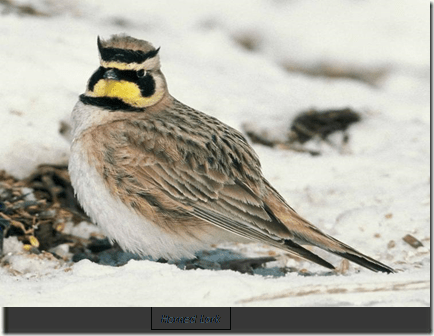




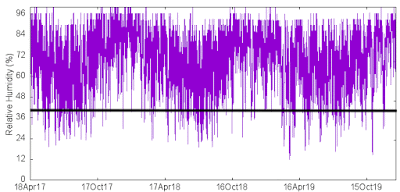

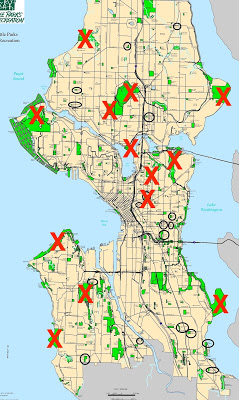

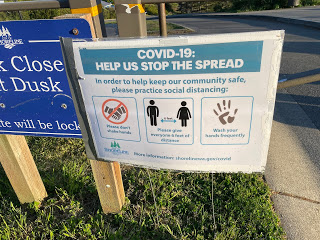


 Aletho News
