Yesterday, a jury in Washington, DC awarded renowned climate scientist Michael E. Mann more than $1,000,000 in damages in a defamation lawsuit he brought against two bloggers.1 I was a witness in the case and testified on Tuesday.2 Here, I’ll offer my thoughts on the case and some personal reflections on my experience.
Mann’s case alleged that he was defamed by statements made the bloggers more than a decade ago, which harmed his reputation and career (I won’t rehash the details here, but you can get a full accounting of the trial at this comprehensive podcast).3
The defense built their case around making three points to the jury.
One was to bring in experts to testify that Mann’s methods in producing the so-called “Hockey Stick” graph were manipulative, and thus critics of the Hockey Stick were factually correct in saying so. The second point was to demonstrate that the debate over climate during the time that the blog posts were written was intense and vitriolic, with Mann saying things about others that were worse than what the defendants said about him.4 Finally, the defense argued that Mann hardly put on a case — he provided no evidence or witnesses supporting his claims of damage to reputation or career.
In contrast, the prosecution was — in the words of the court, “disjointed” — and was reprimanded on multiple occasions by the judge, most notably for knowingly providing false information to the jury on alleged damages suffered by Mann.5 When I was cross-examined, Mann’s lawyer had considerable trouble getting basic facts right like timelines and who said what.6
Even so, in a trial that most neutral observers would surely see as favoring the arguments of the defense, Mann walked away with a resounding, comprehensive victory.7 How did that happen?
In my view, there were two absolutely pivotal moments in the trial.
One occurred when Mann was testifying and he explained that he felt that the bloggers were not just criticizing him, but they were attacking all of climate science, and he could not let that stand. As the world’s most accomplished and famous climate scientist, Mann intimated that he was simply the embodiment of all of climate science.
For the jury, this set up the notion that this trial was not really about Mann, but about attacks on all of climate science from climate deniers.
The second pivotal moment occurred when in closing arguments Mann’s lawyer asked the jury to send a message to right-wing science deniers and Trump supporters with a large punitive damage award.
Here is how an advocacy group called “DeSmog” accurately reported these dynamics:
Mann sued Simberg and Steyn for defamation, but the trial proved to be about much more than statements that harmed the scientist’s reputation — the entire field and validity of climate science was under scrutiny.
In closing arguments, Mann’s lawyer John Williams compared the climate deniers in this case to election deniers overall. “Why do Trumpers continue to deny that he won the election?” he asked the jury. “Because they truly believe what they say or because they want to further their agenda?”
He asked the jury to consider the same question about Steyn and Simberg: Did they believe what they wrote was the truth, or did they just want to push their agenda? . . .
“Michael Mann is tired of being attacked,” Williams told the jury. “You have the opportunity to serve as an example to prevent others from acting in a similar way” to Simberg and Steyn.
An underlying current throughout this trial has been that climate denialism, like what the two defendants practice, isn’t really about the science. It’s more about politics and policy that drives organizations and individuals to “attack the science and confuse the public . . .
This framing — climate deniers versus climate science — has also characterized mainstream media coverage. For instance, The Washington Post announced, on the day that the case went to the jury, that this case was part of a “mounting campaign” against “right-wing trolls” (below).
Prominent climate scientist or right-wing trolls? Which side are you on?
The case was formally about defamation, but in reality it was not at all about defamation.
As Michael Mann stated after the verdict, the case was really about politics and ideology:
Take a victory lap, Dr. Mann
This is about the defense of science against scurrilous attacks, and dishonest efforts to undermine scientists who are just trying to do our job … whose findings might prove inconvenient to certain ideologically driven individuals and outlets. It’s about the integrity of the science and making sure that bad actors aren’t allowed to make false and defamatory statements about scientists in their effort to advance an agenda.
The defense made a big mistake in thinking that it would be sufficient to win by proving their case while Mann chose not to put one on. That was wrong.
There is no equivalence here between the “renowned” Michael Mann and the “right-wing trolls” who deny climate science and support Donald Trump. The case, at least in this particular venue, was simply unwinnable no matter what cases were put on by the prosecution and the defense. Mann simply had to show up.
The fact that the jury awarded him only $2 in actual damages and $1,001,000 in punitive damages (send a message!) supports this interpretation — The defense won on merits, and Mann won on the framing and the politics.
What does the case mean for discourse about politically contentious issues that involve science? Science magazine reports that it means that we now need to be circumspect in how we engage these issues:
In a statement, Mann said, “I hope this verdict sends a message that falsely attacking climate scientists is not protected speech.”8
At the same time, the ruling could end up having a chilling effect on necessary public criticism of science, says Gene Policinski, a senior fellow at the Freedom Forum, a nonpartisan foundation focused on First Amendment protections. People will need “to be more judicious in commentary. They might be more vague or circumspect.” And that could be to the detriment of the public, he says. “It’s important in today’s world for people to be aware of research that’s going on and having people both praise and criticize it openly.”
For Mann’s part, he signals that he is just getting started in his legal campaign against his opponents:
Asked about Competitive Enterprise Institute and National Review, [Mann’s lawyer] John Williams said, “They’re next.”
I would not be surprised to now see a flurry of lawsuits against people who have been critical of climate science or climate scientists. Such legal action may not be limited to climate — debate over Covid-19 also presents a target-rich environment for unwanted speech to silence. Watch this space.
Finally, let me offer some personal reflections on my experiences.
Form the start, my view was that this entire lawsuit was unnecessary and a waste of everyone’s time. People who I still would not recognize on the street said some mean things about Michael Mann on the internet. Welcome to public discourse in the 21st century. People say mean, false things about me on the internet every day — it goes with the many privileges of having outsized impact and voice. The case was never about the integrity of science or the political impact of right-wing trolls — it was always about Michael Mann.
As I stood in line with dozens of other people on Tuesday waiting to go through security to enter the courthouse, I wondered how we got here — how leading scientists and institutions of climate science became totally consumed with a battle against minor bloggers and political boogeymen.
When I entered the courtroom, I had a profound sense of sadness for Mann. He was alone with his lawyer — no family, no friends, no university officials, no adoring fans, no mainstream media. Totally alone. There were just a handful of observers in the room. As I said at the trial, Mann has not been the best colleague to me, but I am fine even so. Who knows what demons haunt him and why he behaves the way that he does. I do hope he can find peace at some point.
The larger issues here are not about Mann, but rather the continued failures within the climate science community to uphold fundamental norms of conduct among its own ranks. For instance, in the trial we learned that Penn State’s committee looking into Mann’s conduct following Climategate wanted to censure him for his behavior — apparently that was overturned upon the intervention of the Penn State president. There have been so many similar opportunities for leaders to take the off-ramp from escalated conflict and politicization, and the community instead chose to further conflict.
Like I said, it is just sad. And it is not over yet.
Research into vaccines for Staphylococcus aureus (S. aureus), the most common type of staph infection, has led to experimental vaccines that protect mice but fail in humans. A paper published Jan. 16 in Cell Reports Medicine explained why.
When a person first encounters staph, the bacterium fools the human immune system into releasing ineffective antibodies instead of the neutralizing antibodies typically associated with robust immunity. That “trick” allows S. aureus to colonize us, usually harmlessly.
When a colonized person’s immune system is later challenged with a staph vaccine it does not make new, effective antibodies. Instead, it calls up more of the same ineffective antibodies that allowed the bug to colonize the individual in the first place.
Vaccine developers have tried at least three different approaches to S. aureus vaccination but all were met with the same issue.
The immune system is willing …
S. aureus is one of 30 Staphylococcus species in nature and 11 that colonize humans as part of the human microbiome. It is found in the nostrils, skin and other reservoirs in healthy people and is only dangerous when it enters the bloodstream, particularly in immunocompromised individuals.
The human immune system makes antibodies against S. aureus as it does against other microbial invaders. But instead of neutralizing antibodies that fight colonization and infection, S. aureus tricks the immune system into producing ineffective antibodies that allow the bug to continue colonizing us.
When the colonized person is challenged with either S. aureus infection or vaccination, these dummy antibodies reemerge in force but do nothing to help the patient. Vaccination amplifies this effect — which is why S. aureus infections must be treated with antibiotics.
Vaccination “only works when the initial immune response to that pathogen was actually protective,” said J.R. Caldera, Ph.D., a co-author of the paper, in a news release.
Since 80% of staph infections are caused by the invasion of the same strain colonizing the individual’s nose or skin, their “initial immune response” was not protective so subsequent responses will not be either.
“What sets SA [Staphylococcus aureus] apart is that the bacteria themselves have ways of evading the immune system from the moment they encounter us, and these evasive strategies are only reinforced by vaccination,” Caldera said.
… but the antibodies are weak
Anti-staph vaccines generate strong immune responses to vaccination and infection but those responses are directed toward bacterial features that S. aureus uses to fool its host into accepting peaceful coexistence.
This is a case of vaccine-induced immune system priming or “original antigenic sin” — the process by which a vaccine locks in the response vaccinated people make when confronted with the pathogen.
This failure eventually led vaccine researchers down another dark alley, toward vaccines targeting the S. aureus toxin instead of the bacterium. So-called “toxoid” strategies are the basis of tetanus, diphtheria and DTP vaccines.
But “remarkably, both active [vaccine-based] and passive [antibody-based] platforms of immunization against SA toxins were also met with failures,” said senior author George Liu M.D., Ph.D., professor of pediatrics at the University of California San Diego School of Medicine.
For example, a 2021 AstraZeneca-funded study of suvratoxumab, a monoclonal antibody targeting the S. aureus toxin, found that progression to pneumonia in staph-infected patients was no lower in treated than in untreated subjects.
Most pathogens, especially bacteria, are complex organisms carrying several different antigens. Vaccine developers usually target the most prominent antigen to trigger the strongest, most relevant immune response.
On that basis, Liu considered a third possible S. aureus vaccine strategy: targeting minor cell wall antigens on S. aureus instead of its toxins or the main antigen.
This approach would tend to induce weaker immune responses requiring high vaccine or adjuvant doses, but it fell short as well.
Antibiotic resistance leads to ‘super-bugs’
Nostrils are the main staph reservoir in humans and a significant source of infection, but the bug also colonizes the skin, perineum, vagina, throat and gastrointestinal tract.
Staph infections occur when the bacteria enter the bloodstream, joints, heart or skin, usually when the person’s immune system is weakened. Standard antibiotics usually cure staph infections.
However, over the past 70 years, bacteria that colonize humans have found ways to counter the use or overuse of antibiotics and antimicrobials designed to kill them. Some bacteria have developed resistance to these agents, making antibiotics less effective or completely ineffective.
One type of antibiotic-resistant S. aureus, “methicillin-resistant” S. aureus or “MRSA,” is of particular concern.
The most common MRSA outcome outside of hospitals is a skin infection. But serious cases can lead to pneumonia or other serious organ infections. Untreated MRSA infections can cause sepsis — an extreme, system-wide response to an infection.
Hospitalized patients are more susceptible to severe, life-threatening outcomes since they are exposed to fellow patients’ staph strains as well as the ones they carry. Surgical site infections are a significant source of serious, systemic staph infections.
The negative effects of S. aureus on human health are fairly well understood.
We know staph bacteria colonize us, are tolerated by the immune system and cause disease when they enter the bloodstream or invade the skin. We also know that S. aureus antibody responses do not clear the bacterium or eliminate either colonization or infection.
But the role of S. aureus as part of a normal, healthy microbiome has not been extensively investigated.
A 2022 study on components of the skin microbiome suggested that at least one Staphylococcus species, S. hominis — the bug mostly responsible for body odor — may prevent skin infections.
Another species that mainly colonizes skin, S. epidermis, is both anti-inflammatory and antibacterial.
A 2015 study found that chronic S. aureus infection prevented the development of autoimmune encephalomyelitis in a rat model of multiple sclerosis. Encephalomyelitis is inflammation of the brain and spinal cord. Although infection itself caused some types of inflammatory markers to rise it reduced the severity of nerve cell and central nervous system inflammation.
“SA [S. aureus] has been with humans a long time, so it’s learned how to be part-time symbiont, part-time deadly pathogen,” Liu said. “If we’re going to develop effective vaccines against SA, we need to understand and overcome the strategies it uses to maintain this lifestyle.”
Angelo DePalma, Ph.D., is a science reporter/editor for The Defender.
Speaker 2 [I believe that’s Mark Esser]: Excellent! So, thank you for the introduction, Mark, and it’s really a pleasure to share with all of you a little bit of the journey that the “long-acting antibody” team has taken in 2020, but actually our story begins back in 2017 in the basement of a Quality Inn in Tysons Corner VA at the Defense Department Industry Day [BARDA runs “industry days” on regular basis]. There, I met Col. Matt Hepburn, who is actually the architect of the Pandemic Prevention Program or P3, and the goal of P3 was going from the discovering a novel virus to producing drugs in less than 60 days – something that would normally take 6 years at best. To me that sounded more like science fiction than science, but we signed up in a small and committed team of virologists and molecular biologists and engineers and started working in 2018 on new technologies to discover and manufacture antibodies against viruses.
His statement reminds of something a mediocre prizefighter might say if a mafia boss tells him: “We’ve selected you to win the title from the reigning division champion?”
“Really, I can do that?” he would probably reply.
In this case, the capo (Col. Matt Hepburn) is a leading member of the DoD/HHS Countermeasure Racket that was erected following the passage of the PREP Act in 2005.
The second, highly notable statement was made by AstraZeneca’s CEO, Pascal Soriot:
Thank you, Mark, and congratulations again to you and the team. This long-acting antibodies are quite unique because this is the only combination that potentially will last more than 6 months, up to potentially 12 months and protect people for a long period of time. And for those of you who may not be totally familiar with antibodies, you know, you have to know a number of people cannot be vaccinated, like if you have an immune disease, lupus or some other immune condition… or multiple sclerosis, you cannot be vaccinated. So, there are millions of people in the world that will need the protection that cannot be coming from a vaccine, so the long-acting antibody has the enormous potential.
Soriot clearly understood that the so-called COVID-19 vaccines would, best case scenario, only provide some protection for six months. He also understood that these injections were NOT appropriate for all of humanity, and would pose a serious health risk to people with or at risk of developing auto-immune syndromes.
A concerned reader sent in this letter inviting him for more covid and flu injections, as he was considered a ‘priority’ case:
The fact that the NHS is wasting millions of taxpayer pounds continuing to promote and administer these ineffective and harmful products is symbolic of what the health service has become; another cog in the medical industrial machine, whirring to improve Pharma profits with little or no concern for end-user health. In a service allegedly crushed by lack of resources, why on earth are they still pushing these products on an unsuspecting public?
There is no mention that the injections stop infection;
There is no mention that the injections stop transmission;
They make the dubious claim that injections lead to “less severe illness” without backing up this statement.
They use the misleading statement that ‘seasonal vaccines have proven safety records‘. This is certainly not the case for covid injections as they have not existed long enough and no-one has bothered to collect the data.
It seems that even the NHS has abandoned the mendacious claims originally attached to the ‘Safe and Effectives™’ probably because they know it would open them up to legal action. The propaganda job is complete. For those poor souls still unquestioningly worshipping at the alter of the quasi-religious NHS, a promise of real benefit is now surplus to requirements in the ad campaign. It has seamlessly transformed into an annual ritual to benefit drug companies whilst causing insidious harm to the collective health of the nation. What a clever spell they have cast to make entire populations believe that good health is only achievable by injecting unidentified substances into their body on a seasonal basis. And if they feel awful directly afterwards?It means its working!!
Evil genius.
If anyone can find the time and has received such a letter, the claim of “proven safety records” deserves a Freedom of Information request to “please supply all reports memos papers statistical analyses etc supporting the claim of “proven safety records”. We would love to see the response should one be forthcoming. We won’t hold our breath.
Raoult … has made a great career assailing orthodoxy, in both word and practice. “There’s nothing I like more than blowing up a theory that’s been so nicely established,” he once said. He has a reputation for bluster but also for a certain creativity. He looks where no one else cares to, with methods no one else is using, and finds things.14
A tireless researcher, he has published 2,300 papers and is the most cited microbiologist in Europe. He and his team have discovered 468 species of bacteria—about 1/5 of all those named and described. The bacteria genus Raoultella was named in his honor. He is probably best known as the discoverer of the so-called giant virus, so large it had previously been mistaken for an intracellular bacterium. He has won 13 major awards and is a Commander of the National Order of Merit.
Like Dr. McCullough, Professor Raoult strongly advocated early treatment of COVID-19, and he conducted multiple studies demonstrating the efficacy of hydroxychloroquine combined with azithromycin, especially when administered early. In return for his efforts to save his patients, he has been relentlessly persecuted by France’s official medical establishment in Paris.
Now comes the news that Professor Raoult is calling for a moratorium on COVID-19 vaccines. The following is a translation from his recent, French language post on X:
Propaganda and knowledge. We’re the good guys, but we’re not ignorant! When vaccines were developed against Covid, 3 types of vaccines were proposed: – Traditional vaccines (as quickly available as the others) made in China with the entire inactivated virus. These vaccines have not been authorized in France for reasons that escape me. This type of vaccine, comparable to that against the flu, carries fewer unknown risks and does not fight against a single target of the virus: the Spike. I feared, and this happened, that the mutations of the virus and its respiratory specificity would not provide lasting immunity and that the vaccine would not have a very long duration of protection because I published the first known case of reinfection with covid. The disease being poorly immunizing, the vaccine would not do any better.
The second vaccine (the English one from Astra Zeneca, that from Johnson and Johnson, and the Russian Sputnik) is a vaccine based on a virus (Monkey Adenovirus for Astra Zeneca), transformed by integrating the Spike gene. It doesn’t integrate or replicate. I was the first in France to report an accident of cerebral venous thrombosis, this phenomenon is well described in particular in young women and England stopped its prescription for those under 50, followed by many countries and finally it is no longer used in France. There are millions of expired doses left.
The 3rd group of vaccine (Pfizer, Moderna) consists of the injection of RNA coding for the Spike whose elements have been modified so as not to be eliminated quickly. This vaccine is included in a lipid nanoparticle to be able to enter cells. This vaccine, in addition to the disadvantages common to the others, presented unforeseen side effects: extremely frequent menstrual disorders (now recognized by the CDC) of which no one can say whether they will be associated with consequences on fertility, myocarditis and sometimes fatal pericarditis in young people (mainly boys, now recognized by the CDC) and rare thromboses of the veins (recognized by all scientific authorities).
None of these vaccines had been evaluated for mild or asymptomatic forms and therefore for the prevention of contagion. They could not claim to eradicate a disease which, moreover, was circulating among animals. Vaccination was then only justified in those who were at risk of serious forms (subjects over 65 years of age and fragile subjects (obese, immunocompromised). Now we see that the quality controls on batches of Pfizer vaccines do not appear to meet required standards. There should be no DNA or minute doses due to the risk of introducing it into cells through nanoparticles, because DNA easily enters the nuclei and integrates into the chromosomes like a virus with consequences unknown because lymph node cancers can be the natural consequence (Epstein Barr virus, HTLV virus and Helicobacter pylori). The quantity of DNA in the vaccine doses is much higher than that announced in the samples tested. Each batch of Pfizer should be tested, it is easy in any laboratory to do a DNA PCR to check the quantity. Let those who don’t believe it do so!
Finally, we cannot inject a drug without knowing what it will produce in the body. A very unpleasant surprise published in Nature in December 2023 shows that modified RNAs can produce unknown proteins. This should be explored on a large scale because among the proteins that could be created in this way, one of them is an amyloid which would be released while it is in the natural Spike, coated in a protein and without danger. These free amyloids, which can be produced by vaccines through reading errors, can be the cause of amyloidosis plaques which cause various diseases, including neurological ones. All this is knowledge for the knowers, not opinions for scavengers. Given the demonstration of this phenomenon, the consequence of vaccination must be studied in humans, which has not been done.
At this stage of knowledge, it is reasonable to follow Denmark into a moratorium on Covid vaccination. Indeed, the effectiveness is doubtful because new variants appear which make current vaccines ineffective (millions of doses have been thrown away) and the manufacturing of new vaccines based on current variants will be outdated when they are available because new variants will circulate. Other countries are reaching these conclusions, the “surgeon general” of Florida has called for a total stoppage of the Pfizer vaccine, the attorney general of Texas (Mr. Paxton) has just attacked Pfizer for disinformation and censorship (what a reversal!). American and English parliamentarians question administrative and political leaders about their decisions, where we are surprised to see Fauci, the head of covid management in the USA, saying that social measures (masks, confinement, curfew) do not serve to nothing and B. Johnson apologize for his management in England! Humans are not stupid, covid vaccination rates and Pfizer shares are plummeting. It is time to take up the problem, de-dramatize it and treat the patients, re-evaluating it by competent people. At least ten molecules have shown effectiveness on the disease and do not cost much. This must stop being an opportunity for the industry and become a problem for doctors again!
None of these patients of mine presented with the classic prodrome of relapse that I had always noticed previously, such as severe depression due to bereavement, divorce or bankruptcy. Indeed the only thing I found they had in common was to have had a recent booster mRNA covid vaccine. I phoned around my colleagues not only in the UK but also in Australia to check their experience. In no case did they deny such a link. Indeed, they were equally alarmed at the association between booster vaccines and relapse that they too were witnessing, as well an increase in new cancers, particularly in those below 50 years old. In addition to melanoma these colleagues were also very concerned about a sudden big increase in young patients with colorectal cancer.
Rather than instigating a proper inquiry to investigate this when we raised these concerns, the medical authorities told us all that what we were witnessing was a coincidence, that we had to prove it and above all, not to upset our patients.
Recently the American Cancer Society (ACS) has warned of a surge in new cancer cases in the US this lastyear of over 2million, with many of these cases occurring in younger patients. Indeed, the chief scientific officer of the ACS, William Dahat, announced in addition that cancers were presenting with more aggressive disease and larger tumours at the time of diagnosis, especially in younger patients. Of further interest it noted a difference in the microbiome (the community of micro-organisms such as fungi, bacteria and viruses that exist in a different environment) between patients under 50 compared with those over 50.
This surge mirrors a report from Phinance Technologies of late last year which analysed in detail data from the UK Office for National Statistics (ONS) which showed that disability and deaths in 2021 and 2022 had increased dramatically in all age groups, but especially in the 15-44 age group.
The Lancetalso published an article before Christmas reporting excess deaths post covid pandemic to be up by 11-15 per cent over than expected for under-25s and for between 25-49 year olds. This is in fact the pattern found in many countries that have looked at the data. Germany for example has reported excess deaths rising from 7 per cent in 2020 to 24 per cent in 2023.
What makes this all the more surprising is that negative deaths should be the norm after a pandemic as you cannot die twice!
The link between covid vaccines and myocarditis and early death particularly in the young, highlighted by Peter McCullough and colleagues as well as by Aseem Malhotra here in the UK, is incontestable. Now we have a confirmatory report from the CDC in the US, data that the authorities here have refused to act on so as not to alarm vaccinated patients!
Although it is obvious that these excess deaths are real and are continuing to rise, all we get from our Chief Medical Officer, Sir Chris Whitty, are risible attempts to explain away the increase, such as that it is a result of patients not getting their statins in lockdown (hey, patients under 55 do not get statins routinely!) The situation is no better in the US where Harvard researchers have put the blame on sleep disturbance!
The first obvious candidate is lockdown itself when the National Health Service became the National Covid Service and all screening was cancelled or delayed, resulting in an increase in cancer detection and late presentation. Many negative lifestyle factors almost certainly increased as a result of lockdown, such as a lack of exercise and too much food, especially takeaways.
What very few of these reviews consider is that this rise in excess deaths could be a result of the booster vaccine programme, even it clearly follows the vaccine rollout programme starting in 2021 and increasing in 2022 and 2023.
With regards to the link to cancer, there are numerous reports in the literature of cancers arising within days of the vaccines being administered, especially in the case of lymphomas and leukaemias. There are several reports of PET scan mapped tumours exploding at the site and draining area of covid injections with the advice to inject covid vaccines away from known cancers! Outside my clinical observations, several friends have developed cancer after a totally unnecessary covid booster taken only to facilitate travel.
For a possible association between a booster vaccine and the appearance of cancer we need a plausible scientific causal explanation. Unfortunately for those who still insist that these cases are mere coincidences, there are several compelling ones to choose from:
Firstly, it has been reported that T cell responses are suppressed after the boosters (not the first two injections) and that this is especially marked in some cancer patients.
Secondly, the antibody repertoire switches after the first booster from a protective IgG1 and IgG3 dominant B cell response to a tolerising IgG4 one, made worse by further boosters, as reported in a recent Science Immunology paper. As many cancers are controlled by effective T cell led immunity, the sudden perturbation of this control would clearly explain the development of B cell leukaemia and lymphomas, melanoma renal cell cancers and colorectal ones, all tumours which can respond to immunotherapy.
Another report by Loacker et al in Clin Chem Lab Med shows that mRNA vaccines increase PD-L1 on granulocytes and monocytes, which means they effect the very opposite of what the immunotherapy agents do against these tumours, and whichin turn explains why many of these tumours appear to be resistant to this otherwise effective therapy. Taken together, the effect on the immune response of these boosters can easily explain the relapses and so-called turbo-charged cancers appearing.
Other reports document the presence of DNA plasmids and SV 40 (a known cancer-inducing gene) sequences, as well as the ability of mRNA to bind to important suppressor genes. Although this is controversial and has been challenged, it has led to the realisation of significant batch-to-batch variation that could enhance the cancer process yet probably not manifest itself for a few years. The very possibility that we could be sitting on a vaccine-inducing cancer time bomb means that we must never again get involved into a mass vaccine programme for another possible Disease X.
But unless the government wakes up to this now, we will be at the mercy of the World Health Organization doing the very same thing when they decide to release the Disease X virus in order to take back control and destroy our lives all over again.
After a nearly four-year delay, federal Judge Edward Chen on Wednesday heard opening statements in a lawsuit seeking to compel the U.S. Environmental Protection Agency (EPA) to prohibit water fluoridation in the U.S. due to fluoride’s toxic effects on children’s developing brains.
Food and Water Watch sued the EPA in 2017 — after the agency denied its petition to end water fluoridation under the Toxic Substances Control Act (TSCA). This week’s trial is the first to challenge the dismissal of such a petition. Other plaintiffs include Fluoride Action Network (FAN), Moms Against Fluoridation and other advocacy groups and individuals.
Fluoride’s neurotoxic effects on children’s brain development were not in dispute during opening statements and in testimony delivered by the plaintiffs’ first expert witness, Dr. Howard Hu, an internist and preventive medicine specialist, with a doctoral degree in epidemiology.
Instead, attorneys for both sides faced off over the question of what level of fluoride in the water supply poses a risk to the developing brain of fetuses and children.
Levels of fluoride found in drinking water in the U.S. are typically 0.7 milligrams per liter (mg/L), which is lower than the 1.5 mg/L levels found to be neurotoxic by the key reports discussed in the trial.
Attorneys for FAN argued that according to the EPA’s own guidelines for chemical risk evaluation — which they allege the EPA is failing to implement — fluoridating water at a dose that is so close to a known hazard level is too risky, especially given that children are exposed to fluoride from other sources in their daily lives.
They also argued the EPA’s failure to follow its own guidelines is unprecedented. The agency bans other regulated toxic chemicals, such as methylene chloride or trichloroethylene at levels much lower than the known hazard level to ensure the chemicals won’t pose a risk to human health.
And, they said, water fluoridation is unnecessary because the benefits to dental health come from the topical application of fluoride, not from its ingestion.
The EPA argued there is no compelling evidence that fluoride is a neurotoxin at the current levels used for fluoridation in the U.S. and that therefore water fluoridation doesn’t pose a risk to children.
Over two hundred million Americans drink fluoridated water, a practice that has been backed by public health officials and dental associations for decades.
If Chen decides fluoride poses an unreasonable risk, the EPA will have to revisit its rules on water fluoridation.
Fluoride regulation ‘long overdue’
Wednesday’s trial was picked after a June 2020 ruling by Chen that placed the trial on hold pending the release of the National Toxicology Program’s (NTP) report on the link between fluoride exposure and neurodevelopment effects.
The report was released in draft form under court order in March 2023, after top public health officials at the U.S. Department of Health and Human Services (HHS) tried for almost a year to block its publication.
The NTP report concluded that fluoride exposure at levels equivalent to 1.5 mg/L is associated with lower IQ in children.
The second phase of the trial is scheduled to take place over nine days at the federal courthouse in San Francisco, with a Zoom feed available for up to 1,000 viewers to watch live.
FAN member Clint Griess told The Defender that fluoride regulation was long overdue, but he had confidence Chen was carefully considering the science. He said:
“This [phase of the trial] is long overdue. We won after the first trial in my opinion. The judge is being extremely cautious. He has recognized, in his own words, that ‘justice delayed is justice denied.’
“Here we are in 2024, and we are still delaying and denying justice to millions of Americans. I’m very glad we are finally here and our lawyers are doing a great job. And I have every confidence that we will be victorious.”
EPA must apply its own guidelines to fluoride
In his opening arguments, the plaintiffs’ attorney Michael Connett told the court it faced an issue of national importance, “whether the widespread addition of fluoride to water presents a risk of neurodevelopmental harm to children, including IQ loss.”
The EPA faced a similar question in the 1970s, he said, when it had to address the question of adding lead to gasoline.
The EPA was in a quandary, he said, because, at the time, there was no clear evidence that lead was damaging at the levels used. But the EPA decided the margin between the hazard level and the exposure level posed too great a risk — leading the agency to outlaw lead in gasoline.
Connett said that properly applying the EPA’s risk assessment framework for existing chemicals under TSCA is at the heart of the decision the court is facing regarding water fluoridation.
During the first part of the trial in 2020, the agency used the wrong standard to assess the evidence, he said, holding the plaintiffs to a burden of proof the EPA had never held anyone else.
Connett said:
“What you see in this trial is the clash of fundamentally different paradigms. On one hand, you have the sort of 70-year-old longstanding approach by the CDC [Centers for Disease Control and Prevention] and dental interests where basically it’s not a risk until you prove beyond a reasonable doubt that 0.7 [mg/L] fluoride water is causing harm, and that’s been their approach.
“But that’s not how the EPA does business. They use risk assessment. And we are in a position where the plaintiffs are the ones explaining how the EPA is supposed to do risk assessment.”
The EPA’s risk assessment framework, he said, begins with determining whether and at what level a chemical poses a hazard through a dose-response analysis. Then it assesses community exposure. The third piece, he said, is that the EPA looks at the margin between the hazard level and exposure level.
Connett said there are two types of risk. The first is when human exposure exceeds the hazard risk, but that is very rare. For example, the EPA didn’t have that type of data when it decided to ban lead in gasoline.
Then, he said, there is inferred risk, where exposure is lower than the hazard level. This scenario focuses on whether that margin between hazard and exposure may put some people at risk. TSCA mandates the EPA protect the most susceptible people from risk, he said.
The EPA typically requires a margin of 30-fold to determine whether something has a risk. However, some are much higher — for example, tetrachloroethylene is banned at levels 89 times lower than the hazard level, and methylene chloride exposure is not allowed at levels 27 times lower.
In this case, he said, rather than inferring risk as it ought to, the EPA is requiring a risk hazard at the exposure level, which for fluoride is 0.7 mg/L.
Connett outlined the evidence the plaintiffs will present. It includes undisputed evidence that fluoride passes through the placenta and gets into the fetal brain. FAN also will present data from animal studies and human studies, including the NTP report at the center of the trial.
“The NTP found that a large number of studies have been published on fluoride and human IQ. In total, they identified 72 human studies, of which 64 found a connection between fluoride and IQ deficiency. Of the 19 highest quality studies, 18 found lowered IQ, a 95% consistency,” he said.
Connett introduced the first witnesses, Hu and Dr. Bruce Lanphear, professor of health sciences at Canada’s Simon Fraser University.
Connett also previewed evidence the EPA would introduce to attempt to show fluoride is not neurotoxic at low levels, namely a study conducted in coastal Spain by Jesus Ibarluzea, Ph.D., and published in 2022 after the NTP finished its systematic review.
That study did not find evidence that fluoride is neurotoxic at low levels. Instead, it found fluoride increased IQ for boys by 15 points — a finding Connett called “implausible.”
Connett told The Defender, “The EPA has never applied the principles of risk assessment to fluoridation and this case is finally getting them to confront the principles on this issue.”
Chen pushed back on EPA during opening comments
In its opening statement, the EPA argued that anything can be toxic at high levels. The agency’s attorney laid out the EPA’s core argument that there is not enough data showing fluoride’s neurotoxicity at low levels present in drinking water and the law requires a “preponderance of evidence” of risk.
He highlighted a line in the NTP report indicating that more studies at lower exposure levels were needed to fully understand the potential associations with neurotoxicity.
Chen paused the remarks to ask the EPA to confirm the NTP report did establish that with moderate confidence that fluoride caused neurotoxicity at 1.5 mg/L, a relatively low level, which the EPA attorney confirmed.
“Do you disagree with the NTP’s use of 1.5 [mg/L as a hazard level]?” Chen asked. The EPA’s lawyer said they did not.
The EPA also argued that TSCA says “must be a preponderance of the evidence that the chemical substance presents an unreasonable risk.”
According to the EPA, studies of fluoride’s neurotoxicity at low levels have mixed findings — some show there are statistically significant adverse effects at low levels and others found there are not.
Given that, EPA’s attorneys argued the data is “too inconsistent” to conclude that low-level fluoride exposure presents an unreasonable risk.
Chen interrupted the opening comments again to ask whether, as the plaintiffs argued, that uncertainty is precisely what should inform the discussion of risk. “If the outcome wasn’t lowered IQ but cancer or death,” he asked, “would that change things?”
The EPA closed by telling the judge that what matters for TSCA is whether 0.7 mg/L presents an unreasonable risk. Chen pushed back again, “Shouldn’t we consider that in context,” he asked, because fluoride exposure occurs through sources other than water?
The EPA named the expert witnesses it will call later in the case, including David Savitz, Ph.D., and the EPA’s Stan Barone.
‘The evidence is quite persuasive’
The first witness, Dr. Howard Hu, an environmental epidemiologist and chair of the Department of Population and Public Health Sciences, Keck School of Medicine, University of Southern California took the stand yesterday to begin the trial’s deep dive into the science.
Hu has authored more than 300 papers in peer-reviewed journals and published several studies on fluoride. He also advises the EPA and collaborates with its scientists on issues related to lead exposure.
In 1993, Hu co-founded the ELEMENT research project, a pregnancy and birth cohort funded by the EPA and the National Institutes of Health and used to study how prenatal exposure to environmental toxins, including lead, mercury and fluoride affects children’s neurodevelopment.
In such cohorts, researchers collect epidemiological data during pregnancy and then from children over their lifetimes to study a variety of health outcomes tied to environmental exposures.
More recently at San Diego, Hu analyzed data on fluoride and neurotoxicity from the MADRES cohort, comprised of Los Angeles County residents, largely Latino. That research is not yet published.
Hu testified about his research, which consistently finds a link between fluoride and lowered IQ in children.
One of his fluoride studies examined the ELEMENT cohort and found that prenatal levels of fluoride that appeared in maternal urine predicted offspring intelligence scores at ages 4 and 12, with IQ levels lower with incremental increases in maternal fluoride levels.
A second paper expanded the analysis of the 2017 paper and made similar findings. Hu said the neurotoxic effects of fluoride were the strongest in the nonverbal domains, which he said is similar to lead.
Hu also addressed other cohort studies that have different findings, such as the MIREC study in Canada or the Danish study referred to as Odense where the research was conducted, which Hu also used in some of his research.
For example, the MIREC study found sex-specific findings whereas the ELEMENT study did not. The Danish cohort study did not find statistically significant toxic effects.
Hu told the court that different sexes and demographics can have different life experiences that can account for different outcomes.
Overall, he said, his research supports the idea that fluoride at current exposure levels in drinking water is toxic.
Hu also discussed his concerns about the Spanish study the EPA is using as a basis to argue fluoride is not toxic at low levels. He testified it did not control for seafood consumption, which creates high levels of fluoride exposure. He testified it did not control for seafood consumption by pregnant mothers, which creates high levels of fluoride exposure and also has been shown to confer IQ benefits, so it could be a confounding factor in an analysis.
He also criticized the EPA’s opening statements. He said the EPA was presenting data as black and white. Epidemiology, he said, is moving away from characterizing things in that way. Even when a study, like the Danish Odense study, is “negative,” as the EPA put it, the data in the study can indicate a more nuanced reality.
On cross-examination, the EPA asked Hu to concede that the Spanish study was well done. Hu agreed but said he had serious reservations about it, which he had previously discussed.
The EPA also challenged the work he did with Grandjean reporting the Danish study. The results of the Danish study, which did not identify neurotoxic effects, were only published in 2023 as part of a “pooled” study where he and his colleagues used the Danish, Mexican and Canadian data to characterize the dose-effect of fluoride exposure, which the EPA’s lawyer implied was a form of selectively reporting results.
Hu told the court combining the studies increased the power of the analysis and the ability of the research to address questions of public health.
After his testimony, Hu told journalist Derrick Broze, “The evidence is quite persuasive that there is a negative impact of fluoride exposure on the neurodevelopment of children.”
Yes, There is an Association Between Higher Fluoride Exposure & Lower IQ in Children
Dr. Hu: "Yes. I would say that, in my view, the evidence is quite persuasive that there is a negative impact of fluoride exposure on the neurodevelopment of children."https://t.co/MMQE2Am3GBpic.twitter.com/oZTXYlkqYb
The Defender is providing daily updates on the landmark trial pitting Fluoride Action Network against the U.S. Environmental Protection Agency taking place in San Francisco, beginning Feb. 1.
Brenda Baletti Ph.D. is a reporter for The Defender. She wrote and taught about capitalism and politics for 10 years in the writing program at Duke University. She holds a Ph.D. in human geography from the University of North Carolina at Chapel Hill and a master’s from the University of Texas at Austin.
During COVID, the public was fed fearful numbers showing exaggerated death rates in unvaccinated populations. Where did they get this data and how accurate was it?
I am thinking of a certain industry. See if you can guess what it is.
This industry is huge, constituting a large portion of the nation’s GDP. Millions of people earn their living through it, directly or indirectly. The people at the top of this industry (who operate mostly behind the scenes, of course) are among the super-rich. This industry’s corporations lobby the nation’s government relentlessly, to the tune of billions of dollars per year, both to secure lucrative contracts and to influence national policy in their favor. This investment pays off richly, sometimes reaching trillions of dollars.
The corporations supplying this industry with its materiel conduct advanced, highly technical research that is far beyond the understanding of the average citizen. The citizens fund this research, however, through tax dollars. Unbeknownst to them, many of the profits gained from the products developed using tax dollars are kept by the corporations’ executives and investors.
This industry addresses fundamental, life-or-death issues facing the nation. As such, it relentlessly promotes itself as a global force for good, claiming to protect and save countless lives. However, it kills a lot of people too, and the balance is not always a favorable one.
The operational side of this industry is emphatically top-down in its structure and function. Those who work at the ground level must undergo rigorous training that standardizes their attitudes and behavior. They must follow strict codes of practice, and they are subject to harsh professional discipline if they deviate from accepted policies and procedures, or even if they publicly question them.
Finally, these ground-level personnel are handled in a peculiar manner. Publicly, they are frequently lauded as heroes, particularly under declared periods of crisis. Privately, they are kept completely in the dark regarding high-level industry decisions, and they are often lied to outright by those at higher levels of command. The “grunts” even significantly forfeit some fundamental civil liberties for the privilege of working in the industry.
What industry am I describing?
If you answered, “the military,” of course you would be correct. However, if you answered “the medical industry,” you would be every bit as right.
In President Eisenhower’s farewell speech of January 17, 1961, he stated that “…in the councils of government, we must guard against the acquisition of unwarranted influence, whether sought or unsought, by the military-industrial complex.” Sixty-three years on, many Americans understand what he was referring to.
They see the endless cycle of undeclared wars and decades-long foreign occupations that are undertaken on nebulous or even outright false pretenses. They see the ever-hungry mega-industry that produces super-expensive, high-tech killing devices of every imaginable form, as well as the steady stream of traumatized soldiers that it spits out. War (or, if you prefer its Orwellian nickname, “defense”) is big business. And as Eisenhower warned, as long as those profiting from it drive the policy and the money stream, it will not only continue, it will continue to grow.
Other mega-industries – the medical industry in particular – have generally fared better in public perception than the military-industrial complex. Then came Covid.
Among its many harsh lessons, Covid has taught us this: if you substitute Pfizer and Moderna for Raytheon and Lockheed Martin, and swap the NIH and CDC for the Pentagon, you get the same result. The “medical-industrial complex” is every bit as real as its military-industrial counterpart, and it is every bit as real a problem.
As a physician, I am embarrassed to admit that until Covid, I possessed only an inkling that this was so – or more accurately, I knew it, but didn’t realize how bad it was, and I didn’t worry about it too much. Sure (I thought), Pharma engaged in dishonest practices, but we’d known that for decades, and after all, they do make some effective drugs. Yes, physicians were increasingly becoming employees, and protocols were dictating care more and more, but the profession still seemed manageable. True, healthcare was far too expensive (gobbling up a reported 18.3 percent of the US GDP in 2021), but healthcare is inherently expensive. And after all, we’re saving lives.
Until we weren’t.
By early-to-mid 2020, it became obvious to those paying attention that the Covid “response,” while promoted as a medical initiative, was in fact a military operation. Martial law had effectively been declared approximately on the Ides of March 2020, after President Trump was mysteriously convinced to cede the Covid response (and practically speaking, control of the nation) to the National Security Council. Civil liberties – freedom of assembly, worship, the right to travel, to earn one’s living, to pursue one’s education, to obtain legal relief – were rendered null and void.
Top-down diktats on how to manage Covid patients were handed down to physicians from high above, and these were enforced with a militaristic rigidity unseen in doctors’ professional lifetimes. The mandated protocols made no sense. They ignored fundamental tenets of both sound medical practice and medical ethics. They shamelessly lied about well-known, tried-and-true medicines that were known to be safe and appeared to work. The protocols killed people.
Those physicians and other professionals who spoke out were effectively court-martialed. State medical boards, specialty certification boards, and large healthcare system employers virtually tripped over each other in the rush to delicense, decertify, and fire dissenters. Genuine, courageous physicians who actually treat patients, such as Peter McCullough, Mary Talley Bowden, Scott Jensen, Simone Gold, and others, were persecuted, while non-practicing bureaucrats like Anthony Fauci were hailed with false titles like “America’s Top Doctor.” The propaganda was as nauseating as it was blatant. And then came the jabs.
How did this happen to medicine?
It all seemed so sudden, but in fact it has been in the works for years.
Covid taught us (by the way, Covid has been such a harsh tutor, but haven’t we learned somuch from her!) that the medical-industrial complex and military-industrial complex are deeply connected. They are not just twins, or even identical twins. They are conjoined twins, and so-called “Public Health” is the tissue shared between them.
The SARS CoV-2 virus, after all, is a bioweapon, developed over a period of years, funded by US tax dollars in a joint effort between Fauci’s NIH and the Department of Defense to genetically manipulate the transmissibility and virulence of coronaviruses (all done in the name of “Public Health,” of course).
Once the bioweapon was out of the lab and into the population, the race was on within the medical-industrial complex to develop and market the supremely profitable antidote to the bioweapon. Cue the full-on military takeover of medicine: the martial law lockdowns, the suppression of cheap and effective treatments, the persecution of dissidents, the ceaseless propaganda and anti-science, and the unabashed whoring of most hospital systems for CARES Act money.
We know the rest. The ill-conceived, toxic, gene-therapy antidote, falsely billed as a “vaccine,” was foisted upon the population by blackmail (“the vaccine is how we end the pandemic”), the effective bribery of medical authorities and politicians, as well as other Deep-State directed psyops designed to divide the population and scapegoat dissenters (“pandemic of the unvaccinated”).
The end result even sounds like the aftermath of a gigantic military operation. Millions are dead, many millions more are psychologically traumatized, economies are in tatters, and a few warmongers are fantastically rich. Moderna CEO Stephane Bancel (who, incidentally, oversaw the construction of the Wuhan Institute of Virology years ago) is a freshly minted billionaire. And not one of those who caused all the mischief are in prison.
At this writing, virtually all the major healthcare systems, specialty regulatory boards, specialty associations, and medical schools are standing at attention, still in lockstep with the received – and by now, clearly false – narrative. Their funding, after all, be it from Pharma or the Government, depends upon their obedience. Barring dramatic change, they will respond in the same fashion when orders come down from above in the future. Medicine has been fully militarized.
In his farewell address, Eisenhower said something else that I believe is most prescient here. He described that a military-industrial complex fostered “a recurring temptation to feel that some spectacular and costly action could become the miraculous solution to all current difficulties.”
Enter Disease X.
C.J. Baker, M.D. is an internal medicine physician with a quarter century in clinical practice. He has held numerous academic medical appointments, and his work has appeared in many journals, including the Journal of the American Medical Association and the New England Journal of Medicine. From 2012 to 2018 he was Clinical Associate Professor of Medical Humanities and Bioethics at the University of Rochester.
The title above “Just Get Your Damn Shots” is a verbatim quote taken from any number of seriously uninformed TV physicians, paid trolls and paid celebrities as they have gleefully joined the popular CDC, WHO, AAP, AAFP and AMA-sponsored campaigns that have denigrated (and therefore infuriated) the witnesses of the hundreds of thousands of over-vaccinated, vaccine-injured, vaccine-disabled or vaccine-killed infants, children, adults and soldiers.
Particularly angered are the parents, siblings, neighbors and other loved ones of the vaccine-traumatized victims, for they KNOW FOR CERTAIN THAT THE VACCINES POISONED THEIR LOVED ONES BECAUSE THEY SAW WHAT WAS HAPPENING BEFORE THEIR VERY EYES.
These witnesses knew the truth, even though their physicians (especially, apparently, pediatricians) and their clinics refused to listen to them and often fired them and their families when they logically refused to accept “coincidence” as the reason for the catastrophic vaccine-induced illness that suddenly changed their normal baby into a chronically ill or dead one.
Well-informed parents are beginning to realize – despite the aggressive propaganda campaigns from Big Pharma, Big Medicine and Big Media – that vaccines are NOT necessarily safe. Indeed they are seeing that they can be lethal.
Many parents are also beginning to see that vaccines are NOT necessarily effective long-term either. As opposed to natural childhood infections giving life-long immunity, vaccines for such mild infections as measles, mumps and chickenpox need frequent booster shots to theoretically provide partial immunity.
Parents who can’t expect to get thorough information about the CDC’s and AAP’s over-vaccination mandates from their clinics are having to do their own research on neurotoxicology, and they are beginning to realize (no thanks to their too-busy and relatively un-informed physicians) that the vaccines that are planned for their precious kids contain varieties of neurotoxic ingredients in the cocktails of baby shots. As many as 3 injections at one sitting are supposed to go into the tiny muscles of 6 or 8 or 10 pound babies at their 2, 4 and 6 month well baby check-ups. These injections may contain live viruses, aluminum, mercury or unintended contaminants all of which the vaccine manufacturers admit may cause brain inflammation or infection.
The most brain toxic vaccine ingredient in this era since the year 2000 is aluminum, which is increasingly in many infant vaccines. The most brain toxic metal that was in vaccines in the latter two generations of the 20th century was mercury (thimerosal) – a preservative that was removed from many vaccines around 2000 because pediatricians KNEW that it was the major cause of the pediatric autism spectrum disorder (ASD) epidemic that had no other plausible explanation.
Because of that knowledge, the AAP (the American Academy of Pediatrics that now infamously denies the connection between vaccines and ASD), with no help from the CDC, eventually helped convince the vaccine manufacturers to remove mercury from most vaccines.
Babies, most notably the premature ones, always have immature, leaky blood-brain barriers (and leaky guts) that allow some of these toxic vaccine ingredients to enter the brain. Both aluminum and mercury – even in “trace” amounts – are known to adversely affect both the blood-brain barrier and the placental barrier, with serious implications for pregnant women who are increasingly prompted to submit to expensive and probably fetotoxic vaccinations.(!).
Paid Trolls are Behind Much of the Smearing of the Vaccine-injured
The ubiquitous smear campaigns against what paid trolls pejoratively call “anti-vaxxers” target any and all rational and scholarly skeptics of America’s blatantly over-vaccination agenda – a American national agenda that
1) over-vaccinates the most children in the entire developed world,
2) has the worst infant mortality rate in the entire developed world and
3) has the largest percentage of autistic kids in the entire developed world.
But Big Pharma’s toxic over-vaccination agenda is highly profitable for
1) Big Pharma,
2) Big Medicine,
3) pediatricians,
4) medical clinics and
5) Big Media (which makes billions of dollars per year from Big Pharma advertisers).
The propagandistic smear has been orchestrated by organizations (and their paid trolls) representing the 5 corporate institutions named above, who are drafting laws to make more and more of these toxic vaccines compulsory, as has happened in California in 2016. Even Big Pharma-bribed politicians – all totally ignorant of the neurotoxicology of America’s over-vaccination agenda – are joining the irrational campaign.
What is saddest is how vicious have been the attacks against the independent, non-pharma scientist-scholars who have actually done well-designed toxicology research that PROVES (to any unbiased physician or otherwise smart person that isn’t conflicted and immobilized by financial or professional conflicts of interest) that what the CDC and AAP is saying about vaccine safety is untrue.
Sadly, every major media outlet seems to employ attractive, highly indoctrinated, financially- and professionally-conflicted full-time celebrity physicians to only report on medical issues that are favorable to the network’s Big Pharma advertisers. Therefore no news will be effectively reported that might expose any of Big Pharma’s many blatantly fraudulent practices.
Don’t Criticize What You Can’t Understand
And then there are ignorant celebrities who have joined the well-financed and well-organized smear campaign who know nothing about the science of vaccine neurotoxicology, a science that proves beyond a shadow of a doubt that intramuscularly-injected aluminum (which is in most infant vaccines as an “adjuvant” – look it up) and intramuscularly-injected mercury (thimerosal) are common causes of childhood brain damage that can be diagnosed as Autism Spectrum Disorder (ASD), Asperger’s Disorder, Attention Deficit Hyperactivity Disorder (ADHD), Autoimmune/inflammatory Syndrome Induced by Adjuvants (ASIA), Autoimmune Disorders, Amyotrophic Lateral Sclerosis (ALS), Allergies (and that’s just the list of vaccine-induced disorders that start with the letter “A”), tic disorder, seizure disorder, dementia, Parkinson’s, multiple sclerosis, etc, etc, depending on what age the brain was sufficiently poisoned and what location in the brain was most seriously affected.
The sad reality is that most physicians (including my own) had woefully inadequate medical school training about neurotoxicology, immunology, vaccinology and nutrition, at least partly because Big Pharma has devious influences on medical education – hoping to create endless supplies of prolific prescription-writers and vaccine supporters.
A couple of years ago, prior to his pregnant wife (highly likely) receiving her mercury-laden prenatal flu shot and her aluminum-laden prenatal DTaP shot, ABC’s Jimmy Kimmel chimed in with the CDC/AMA/AAP’s “just get your damn shots” campaign that demonized
1) parents and loved ones of vaccine-injured babies and children,
2) unbiased research immunologists,
3) unbiased neurotoxicologists,
4) the 10 – 15% of pediatricians who actually listen sympathetically to their patients, and
5) other scholarly and critically-thinking science-minded folks who know that toxic vaccine ingredients commonly sicken many of America’s over-vaccinated children.
Knowing that the most common neurotoxic vaccine ingredients (aluminum and mercury)
1) are both mitochondrial toxins,
2) are both blood-brain barrier toxins,
3) are both capable of crossing the placental barrier and
4) are both exponentially more poisonous when given together,
it shouldn’t surprise any logical thinker that bad outcomes should be expected when metal-containing vaccines are given in cocktails at the same time, whether they are given to a soldier, a baby, a child, a pre-pubertal girl or an adult heading towards dementia.
Quotes
I conclude with some appropriate quotes that should give some uncertain or blind pro-vaccinators pause and give them interest and the willingness to go to the massive volume of unbiased medical literature to learn the truth about the dangers of over-vaccinating children.
I don’t expect changing the minds of those who have been indoctrinated by Big Pharma and Big Medicine. I also don’t expect influencing paid or unpaid trolls to actually go to the many references and scholars that I have referred to in the past. You can lead a horse to water but you can’t make him drink. And you can point out the conflicts of interest of the ignorant naysayers and trolls but that won’t stop them from continuing to criticize the science that they are either incapable of understanding or unwilling to listen to.
“You might as well consult a butcher on the value of vegetarianism as a doctor on the worth of vaccination.” – George Bernard Shaw
“It is difficult to get a man to understandsomething, when his salary depends upon his not understanding it!” – Upton Sinclair, American anti-fascist, anti-imperialist author
“No vaccine manufacturer shall be liable…for damages arising from a vaccine-related injury or death.” – President Ronald Wilson Reagan, as he signed TheNational Childhood Vaccine Injury Act(NCVIA) of 1986,absolving drug companies, pediatricians and all vaccine providers from all medico-legal liability when children die, become chronically ill with vaccine-induced autoimmune disorders or are otherwise disabled from vaccine injuries. (That law has led directly to an expected reckless, liability-free development of scores of new, over-priced, potential block-buster vaccines, now numbering over 250. The question that must be asked of Big Medicine’s practitioners: How will the CDC, the AMA, the AAFP and the American Academy of Pediatrics fit any more potentially neurotoxic vaccines into the current well-baby over-vaccination schedule?)
“By Nov. 1, 2016, $3.5 billion had been awarded to more than 3,500 vaccine victims through the federal vaccine injury compensation program (VICP) created under the 1986 NCVIA law.”
“When a well-packaged web of lies has been sold gradually to the masses … the truth will seem utterly preposterous and its speaker, a raving lunatic.”— Dresden James
“In a time of universal deceit, telling the truth is a revolutionary act.” – George Orwell
Is the Childhood Vaccine Schedule Safe?
1976: 1 child in 30 was learning disabled → 2013: 1 child in 6 is learning disabled.
1980: 1 child in 27 had asthma → 2013: 1 child in 9 has asthma.
1992: 1 child in 500 developed autism → 2013: 1 child in 50 develops autism.
2001: 1 child in 555 had diabetes → 2013: 1 child in 400 has diabetes.
THREE TIMES AS MANY VACCINATIONS FOR CHILDREN
1953: CDC recommended 16 doses of 4 vaccines (smallpox, DPT) between two months and age six.
1983: CDC recommended 23 doses of 7 vaccines (DPT, MMR, polio) between two months and age six.
2013: CDC recommended 50 doses of 14 vaccines between day of birth and age six and 69 doses of 16 vaccines between day of birth and age 18.
MULTIPLE VACCINATIONS GIVEN SIMULTANEOUSLY
In 1983, the CDC directed doctors to give a child no more than 4 vaccines (DPT, polio) simultaneously.
By 2013, the CDC directed that a child can receive 8 or more vaccines at once.
The Institute of Medicine published a report in 2013 stating that “key elements of the entire [CDC recommended childhood vaccine] schedule – the number, frequency, timing, order and age of administration of vaccines – have not been systematically examined in research studies.”
VACCINATIONS DURING PREGNANCY
A new CDC policy directs doctors to give pregnant women one dose of influenza vaccine in any trimester and one dose of pertussis containing Tdap vaccine after 20 weeks during every pregnancy. The Food and Drug Administration (FDA) has determined that large, well-controlled long term studies have not been conducted to confirm that influenza and Tdap vaccination during pregnancy is safe.
“The evidence strongly suggests that it is the vaccines and the vaccinated who are spreading the diseases for which vaccines are given.”
“The real issue is viral shedding. Viral vaccines are vaccines containing live viruses, even if they are weak or attenuated strains. These live viruses shed for varying amounts of time in the body fluids of a vaccinated individual – and can be transmitted to others. You can absolutely catch the virus (or bacterium) from someone who has just been vaccinated against that disease. Not only that, but viral shedding from vaccines is leading to viral and bacterial mutations, helping to create a phenomenon of new and dangerous strains of disease which can evade treatment by becoming accustomed to whatever drugs get thrown at them.”
“The U.S. has maintained one of the world’s highest child vaccination rates and lowest infectious disease rates, even as public health officials have been unable to explain why so many of today’s highly vaccinated children are so sick and disabled. Also unexplained, is why America has the worst infant mortality rate of all developed nations, with 6 out of 1,000 babies dying before their first birthday.
“Maternal mortality in the U.S. has also become one of the worst of all industrialized nations, with between 12 and 28 women in 100,000 dying within one year of giving birth, a maternal mortality rate that more than doubled between 1990 and 2013. According to the World Health Organization (WHO), annually an estimated 1,200 women in America suffer fatal complications during pregnancy and childbirth and another 60,000 suffer near-fatal complications.
“Women having babies in the U.S. today, who represent the most vaccinated generations in our nation’s history, are now also being given influenza, diphtheria, pertussis and tetanus vaccines during pregnancy, a federal maternal vaccination policy that was launched in 1997 with administration of influenza vaccine during any trimester and was widened in 2011 with the addition of a pertussis containing TDaP shot after 20 weeks gestation.
“As of 2015, about half of the nation’s pregnant women or nearly 2 million women, were either vaccinated with TDaP vaccine during pregnancy (42 percent) or influenza vaccine before or during pregnancy (50 percent) or received both vaccines.” – Barbara Loe-Fischer, co-founder and president of the National Vaccine Information Center (NVIC)
What has happened to the health of children in America since the National Childhood Vaccine Injury Act was passed in 1986?
“After drug companies, pediatricians and all vaccine providers were shielded from accountability and liability for vaccine injuries and deaths, U.S. health officials tripled the numbers of vaccinations recommended for children – from 23 doses of seven vaccines in 1986 to 33 doses of nine vaccines by 1997, which has escalated to a current 69 doses of 16 vaccines. States also increased the numbers of vaccinations required for children to attend school and, by 1997, it was obvious that a growing number of highly vaccinated children in America were never well anymore.
“The new and unprecedented child chronic disease and disability epidemic that has perfectly coincided with the expansion of the child vaccine schedule over the past 30 years is having a devastating effect on children, their families and our nation. Today, 1 child in 6 in the U.S. is learning disabled; 1 in 9 has asthma; 1 in 10 has ADHD; 1 in 50 develops autism; and 1 in 400 has diabetes. Millions more are suffering with severe allergies epilepsy, anxiety and depression, and other kinds of brain and immune disorders marked by chronic inflammation in the body.” – Barbara Loe-Fischer
“If we listen to present-day wisdom, we are all at risk of resurgent massive epidemics should the vaccination rate fall below 95%. Yet, we have all lived for at least 30 to 40 years with 50% or less of the population having vaccine protection. That is, herd immunity has not existed in this country for many decades and no resurgent epidemics have occurred. Vaccine-induced herd immunity is a lie used to frighten doctors, public-health officials, other medical personnel, and the public into accepting vaccinations.” – Russell Blaylock, MD
“The live polio vaccine… contains live attenuated polioviruses. Those polioviruses, when you take that [live] vaccine, you shed them in your body fluids – your saliva, urine, and stool… Whether you have the a viral infection or you get the live attenuated vaccine, you shed live viruses in your body fluids and you are able to transmit the virus to other people who come in contact with your body fluids.” — Barbara Loe-Fisher
”Curbing civil liberties under the guise of protecting the public health and national security has become big business. In 1982, when the pharmaceutical industry threatened to stop producing government licensed and recommended vaccines for children unless vaccine manufacturers got a product liability shield, Congress gave Big Pharma most of what it wanted in the National Childhood Vaccine Injury Act of 1986. It was tort reform legislation sold to parents and the American public on the backs of children legally required by states to get federally recommended vaccines to attend school.
“Even though by Nov. 1, 2016, $3.5 billion had been awarded to more than 3,500 vaccine victims through the federal vaccine injury compensation program (VICP) created under the 1986 law, two out of three claims have been denied throughout the entire history of the law’s implementation. Most of the compensation awards today are for adults injured by flu vaccine – not for children required to get vaccines to go to school.
“While the government denies compensation to many children, whose lives have been destroyed by state mandated vaccines, in the past five years liability-free drug companies have joined forces with politically powerful medical trade groups to change state vaccine laws. They are lobbying state legislatures to severely restrict the medical exemption and eliminate the non-medical religious, philosophical and conscientious belief exemptions for children attending school.” — Barbara Loe-Fisher
“…our current results are consistent with the existing evidence on the toxicology and pharmacokinetics of aluminum adjuvants which altogether strongly implicate these compounds as contributors to the rising prevalence of neurobehavioral disorders in children. Given that autism has devastating consequences in a life of a child, and that currently in the developed world over 1% of children suffer from some form of ASD, it would seem wise to make efforts towards reducing infant exposure to aluminum from vaccines.“— C A Shaw, PhD
“There is a serious problem with vaccine safety. Vaccine aluminum adjuvant has adverse neurological effects, at dosages that are recommended by the US CDC. Vaccine critics are supported by the science. Parents refusing to vaccinate according to the recommended CDC schedule are supported by the science. Use aluminum-containing vaccines with great caution, or not at all.” – C. A. Shaw, PhD
“Aluminum is an experimentally demonstrated neurotoxin and the most commonly used vaccine adjuvant…research clearly shows that aluminum adjuvants have a potential to induce serious immunological disorders in humans. In particular, aluminum in adjuvant form carries a risk for autoimmunity, long-term brain inflammation andassociated neurological complications and may thus have profound and widespread adverse health consequences.” (From Tomljenovic and Shaw’s journal article “Aluminum Vaccine Adjuvants: Are They Safe?”, published in Curr Med Chem 2011;18(17):2630-7.)
“The CDC says that 36,000 people die from the flu every year in the US. But actually, it’s closer to 20. However, we can’t admit that, because if we did, we’d be exposing our gigantic psyop. The whole campaign to scare people into getting a flu shot would have about the same effect as warning people to carry iron umbrellas, in case toasters fall out of upper-story windows…and, by the way, we’d all be put in prison for fraud.” – Jon Rappoport
“A 2007 [Zika] outbreak on Yap Islands in Micronesia is estimated to have affected nearly 75% of the (island’s) population of some 12,000 people, and a 2013 outbreak in French Polynesia affected nearly 28,000 of 270,000 residents. Neither epidemic caused a spike in microcephaly.” — qz.com
“The correlation between a) the presence of Zika and b) babies with the microcephaly birth defect is so weak and sparse, it constitutescounter-evidencefor Zika as the cause…the overwhelming majority of birth-defect cases show no presence of Zika. Therefore, the Zika-carrying mosquitoes have no business being the target of toxic spraying. But they are. And the spraying increases the risk of neurological damage in babies.” – Jon Rappoport
“Microcephaly may result from any insult that disturbs early brain growth…Annually, approximately 25,000 infants in the United States will be diagnosed with microcephaly…” – From the Report of the Quality Standards Subcommittee of the American Academy of Neurology and the Practice Committee of the Child Neurology Society. (Neurology 2009 Sep 15; 73(11) 887-897)
“…even the ideal influenza vaccine, matched perfectly to circulating strains of wild influenza and capable of stopping all influenza viruses, can only deal with a small part of the ‘flu’ problem because most ‘flu’ appears to have nothing to do with influenza. Every year, hundreds of thousands of respiratory specimens are tested across the US. Of those tested, on average 16% are found to be influenza positive.” – Dr Peter Doshi (from a British Medical Journal review article, “Influenza: marketing vaccines by marketing disease” 2013 (BMJ 2013; 346:f3037)
“…It’s no wonder so many people feel that ‘flu shots’ don’t work: for most flus, they can’t, work because most diagnosed cases of the flu aren’t the flu.” – Jon Rappoport
“[According to CDC statistics], ‘influenza and pneumonia’ took 62,034 lives in 2001—61,777 of which were attributable to pneumonia and 257 to flu, and in only 18 cases was the flu virus positively identified.” – Dr Peter Doshi, from in his 2005 BMJ report, titled, “Are US flu death figures more PR than science?” (BMJ 2005; 331:1412
“Between 1979 and 2001, [CDC] data showed an average of 1348 [flu] deaths per year (range 257 to 3006).” – Dr Peter Doshi
“Official data shows that large scale vaccination has failed to obtain any significant improvement of the diseases against which they were supposed to provide protection” — Dr Sabin, developer of Polio vaccine
“The greatest threat of childhood diseases lies in the dangerous and ineffectual efforts made to prevent them through mass immunisation…..There is no convincing scientific evidence that mass inoculations can be credited with eliminating any childhood disease.” — Dr Robert Mendelsohn, MD
“The only safe vaccine is one that is never used.” — Dr. James A. Shannon, National Institutes of Health
“No batch of vaccine can be proved safe before it is given to children.” – Dr Leonard Scheele, Surgeon General of the United States, addressing an AMA convention in 1955
“It is pathetic and ludicrous to say we ever vanquished smallpox with vaccines, when only 10% of the population was ever vaccinated.” — Dr Glen Dettman
“The decline in infectious diseases in developed countries had nothing to do with vaccinations, but with the decline in poverty and hunger.” — Dr Buchwald, MD
“There is a great deal of evidence to prove that immunisation of children does more harm than good.” – Dr. J. Anthony Morris (formerly Chief Vaccine Control Officer at the US Federal Drug Admin.)
“There is insufficient evidence to support routine vaccination of healthy persons of any age.” — Paul Frame, MD, Journal of Family Practice
“I think that no person would permit anybody to get close to them with an inoculation if they would really know how they are made, what they carry, what has been lied to them about and what the real percent of danger is of contracting such a disease which is minimal.” — Dr Eva Snead
“The evidence for indicting immunisations for SIDS is circumstantial, but compelling. However, the keepers of the keys to medical-research funds are not interested in searching this very important lead to the cause of an ongoing, and possibly preventable, tragedy. Anything that implies that immunisations are not the greatest medical advance in the history of public health is ignored or ridiculed. Can you imagine the economic and political import of discovering that immunisations are killing thousands of babies?” — Dr William C. Douglass, MD (Honored twice as America’s ‘Doctor of the Year’)
“Sudden Infant Death Syndrome has been reported following the administration of DPT. The significance is unclear. 85% of SIDS cases occur in the period 1 through 6 months of age, with the peak incidence at age 2 to 4 months.” (From the accompanying insert to Connaught Labs’ DPT vaccine) — Jane Orient, MD, executive director of the Association of American Physicians and Surgeons (AAPS)
“If you want the truth on vaccination you must go to those who are not making anything out of it…My aim has been to show that you have a powerful body to fight in the medical profession. We cannot be stirred without great effort. We are a kind of Juggernaut; we have to be dragged; we will not go. Let each one take his doctor, or, if he be so fortunate as not to need one, the doctor who lives nearest to him, and try and instruct him (about the dangers of vaccination). Send him the literature of the subject; he may not read it, but he may. Every little helps. – Instruct the people by means of public lectures and meetings. Show them as plainly as you can the uselessness and dangers of vaccination. Teach them that they must not go to the medical profession for counsel on the matter. If cases of small-pox were isolated and the clothes of the sufferers disinfected, the disease would not spread. If you wish to avoid smallpox, you must live pure and simple lives. If we crowd together we must expect disease; if we keep our skins closed, the impurities of the body are retained, and these impurities are the food upon which small-pox thrives. If your constitution is in a bad, state and you come in contact ‘with small-pox, you will probably have it.” — Dr T. R. Allinson
“The greatest threat of childhood diseases lies in the dangerous and ineffectual efforts made to prevent them through mass immunisation…There is no convincing scientific evidence that mass inoculations can be credited with eliminating any childhood disease.” — Dr Robert Mendelsohn, MD
“Vaccine-induced herd immunity is a lie used to frighten doctors, public-health officials, other medical personnel, and the public into accepting vaccinations.” – Russell Blaylock, MD
“the 271 vaccines in development span a wide array of diseases, and employ exciting new scientific strategies and technologies. These potential vaccines – all in human clinical trials or under review by the Food and Drug Administration (FDA) – include 137 for infectious diseases, 99 for cancer, 15 for allergies and 10 for neurological disorders.” — PhRMA (the Pharmaceutical Research and Manufacturers of America), the pharmaceutical industry’s trade association and powerful lobbying group
***
Dr Kohls is a retired physician from Duluth, MN, USA. He writes a weekly column for the Duluth Reader, the area’s alternative newsweekly magazine. His columns deal with the dangers of American fascism, corporatism, militarism, racism, malnutrition, Big Pharma’s psychiatric drugging and over-vaccination regimens, and other movements that threaten the environment, prosperity, democracy, civility and the health and longevity of the planet and the populace. Many of his columns are archived at
Governments should endorse a global moratorium on mRNA vaccines until all questions about their safety have been thoroughly investigated, according to the authors of a new, peer-reviewed article on the COVID-19 vaccine trials and the global vaccination campaign published last week in Cureus, Journal of Medical Science.
Cureus is a web-based peer-reviewed open-access general medical journal using prepublication peer review.
The authors surveyed published research on the pharmaceutical companies’ vaccine trials and related adverse events. They also called for the COVID-19 vaccines to be removed immediately from the childhood immunization schedule.
After the first reports from vaccine trials claimed they were 95% effective in preventing COVID-19, serious problems with method, execution and reporting in the trials became public, which the paper reviewed in detail.
Evidence also shows the products never underwent adequate safety and toxicological testing, and since the vaccine rollout, researchers have identified a significant number of adverse events (AEs) and serious adverse events (SAEs).
Authors M. Nathaniel Mead, Stephanie Seneff, Ph.D., Russ Wolfinger, Ph.D., Jessica Rose, Ph.D., Kris Denhaerynck, Ph.D., Steve Kirsch and Dr. Peter McCullough detailed the vaccines’ potential serious harms to humans, vaccine control and processing issues, the mechanisms behind AEs, the immunological reasons for vaccine inefficacy and the mortality data from the registrational trials.
They concluded, “Federal agency approval of the COVID-19 mRNA injectable products on a blanket-coverage population-wide basis had no support from an honest assessment of all relevant registrational data and commensurate consideration of risks versus benefits.”
They also called for the vaccines to be immediately removed from the childhood immunization schedule and for the suspension of the boosters.
“It is unethical and unconscionable to administer an experimental vaccine to a child who has a near-zero risk of dying from COVID-19 (IFR, 0.0003%) but a well-established 2.2% risk of permanent heart damage based on the best prospective data available,” they wrote.
Finally, the authors called for a full investigation into misconduct by the pharmaceutical companies and the regulatory agencies.
It is the first peer-reviewed study to call for a moratorium on the COVID-19 mRNA products, Rose told The Defender.
“Once a proper assessment of the safety and efficacy claims was made herein — upon which the emergency use authorization (EUA)’s and ultimate final authorizations were granted — it was found that the COVID-19 injectable products were neither safe nor effective,” she added.
Lead author Mead told The Defender, “Our view is that any risk-benefit analysis must consider how much the presumed benefit in terms of reduced COVID-19 related mortality is offset by the potential increase in vaccine-induced mortality.”
Here are six takeaways from the review:
1. The COVID-19 ‘vaccines’ are reclassified gene therapies that were rushed through the regulatory process in a historically unprecedented manner
Before the seven-month authorization process for the mRNA vaccines, no vaccine had ever gone to market without undergoing testing of at least four years, with typical timelines averaging 10 years.
To speed the process, the companies skipped preclinical studies of potential toxicity from multiple doses and cut the typical 6-12 month observation period for identifying longer-term adverse effects and the established 10-15-year period for monitoring for long-term effects such as cancer and autoimmune disorders, the authors wrote.
The trials prioritized documenting effective symptom reduction over SAE and mortality. This was particularly concerning, the authors argued, because mRNA products are gene therapy products reclassified as vaccines and then given EUA for the first time ever for use against a viral disease.
However, the gene therapies’ components have not been thoroughly evaluated for safety for use as vaccines.
There is an uninvestigated and major concern that the mRNA could transform body cells into viral protein factories — with no off-switch — that produce the spike protein for a prolonged period causing chronic systemic inflammation and immune dysfunction.
The spike protein in the vaccine, the authors said, is associated with more severeimmunopathology and other AEs than the spike protein in the virus itself.
The authors suggested that massive government investment in mRNA technology, including hundreds of millions before the pandemic and tens of billions once it began, meant, “U.S. federal agencies were strongly biased toward successful outcomes for the registrational trials.”
The financial incentives along with political pressures to deliver a rapid solution likely influenced a series of flawed decisions that compromised the integrity of the trials and downplayed serious scientific concerns about risks with the technology, they added.
2. Steps were taken in trials to overestimate vaccine efficacy
Because the trials were designed to assess whether the mRNA vaccine reduced symptoms, they did not measure whether the vaccines prevented severe disease and death. Yet the vaccine makers repeatedly claimed that they do.
“No large randomized double-blind placebo-controlled trials have ever demonstrated reductions in SARS-CoV-2 transmission, hospitalization, or death,” the authors wrote.
Additionally, the number of people who contracted clinical COVID-19 in both the placebo and intervention groups was “too small to draw meaningful, pragmatic, or broad-sweeping conclusions with regard to COVID-19 morbidity and mortality.”
Pfizer’s 95 % efficacy claims were based on 162 of 22,000 placebo recipients contracting PCR-confirmed COVID-19 compared to eight of 22,000 in the vaccine group. None of the placebo recipients died from COVID-19. In the Moderna trials, only one placebo death was attributed to COVID-19.
There was also a much larger percentage of “suspected COVID-19 cases” in both groups, with participants showing COVID-19 symptoms but a negative PCR test. When factoring in those cases, measures of vaccine efficacy drop to about 19%.
The trial subject pool was comprised of largely young and healthy individuals, excluding key groups — children, pregnant women, elderly and immunocompromised people — which can also obscure the vaccine’s actual efficacy and safety.
Findings from reanalyses of data from the Pfizer trials can be interpreted as showing the vaccines made “no significant difference” in reducing all-cause mortality in the vaccinated versus unvaccinated groups at 20 weeks into the trial, the authors wrote.
Even the six-month post-marketing data Pfizer presented to the U.S. Food and Drug Administration (FDA) showed no reduction in all-cause mortality from the vaccine.
The authors reanalyzed that data, adjusting the analysis of deaths to better account for the fact that when Pfizer unblinded the study people from the placebo group took the vaccine, and found the vaccine group had a higher mortality rate (0.105%) than the unvaccinated group (0.0799%), which they said was a conservative estimate.
One of the most glaring issues with the registrational trials, they noted, was that they exclusively focused on measuring risk reduction — the ratio of COVID-19 symptom rates in the vaccine group versus the placebo group — rather than measuring absolute risk reduction, which is the likelihood someone will show COVID-19 symptoms relative to people in the population at large.
According to FDA guidelines, accounting for both approaches is crucial to avoid the misguided use of pharmaceutical products — but the data were omitted, leading to an overestimation of an intervention’s clinical utility.
While both vaccines touted an approximately 95% risk reduction figure as their efficacy figure, the absolute risk reductions for Pfizer and Moderna’s vaccines were 0.7% and 1.1% respectively.
“A substantial number of individuals would need to be injected in order to prevent a single mild-to-moderate case of COVID-19,” the authors wrote.
As an example, using a conservative estimate that 119 people would need to be vaccinated to prevent infection, and assuming that COVID-19 had a 0.23% infection fatality rate, they wrote that approximately 52,000 vaccinations would be necessary to prevent a single COVID-19-related death.
However, “Given trial misconduct and data integrity problems … the true benefit is likely to be much lower,” they wrote.
And, they added, one would need to assess that benefit along with harms, which they estimate to be 27 deaths per 100,000 doses of Pfizer. That means, using the most conservative estimates, “for every life saved, there were 14 times more deaths caused by the modified mRNA injections.”
They also noted that post-rollout evidence confirmed the efficacy claims were overstated. For example, two large cohort Cleveland clinic studies showed the vaccine could not confer protection against COVID-19 — instead, in those trials, more vaccinated people were more likely to contract COVID-19.
One study showed the risk of “breakthrough” infection was significantly higher among people who were boosted and that more vaccinations resulted in a greater risk of COVID-19.
A second study showed adults who were not “up-to-date” with their shots had a 23% lower incidence of COVID-19 than their “up-to-date” colleagues.
3. The trials underestimated the adverse events, including death, despite evidence in the data.
Harms were also underreported and underestimated for a number of reasons, according to the authors, a practice that tends to be common in randomized industry-sponsored vaccine trials in general and “exceptionally evident” here.
First, because Pfizer unblinded the trial within just a few weeks of the emergency use authorization and allowed people in the placebo group to take the vaccine, there was not sufficient time to identify late-occurring harms because there was no longer a control group.
“Was this necessary, given that none of the deaths in the Pfizer trial were attributed to COVID-19 as the primary cause, and given the very low IFR [infection fatality rate] for a relatively healthy population?” they asked.
Also, trial coordinators were “haphazard” in their approach to monitoring AEs. They prioritized documenting events thought to be related to COVID-19 rather than to the vaccines for the first seven days and only recorded “unsolicited” AEs for 30-60 days. After that period, even very SAEs, like death, were not recorded. Even for the AEs recorded in the first seven days, they only solicited data from 20% of the population.
None of the trial data was independently verified. “Such secrecy may have enabled the industry to more easily present an inflated and distorted estimate of the genetic injections’ benefits, along with a gross underestimation of potential harms,” they wrote.
Subsequent analysis by Michels et al. revealed that deaths and other SAEs — like life-threatening conditions, inpatient hospitalization or extension of hospitalization, persistent or significant disability/incapacity, a congenital anomaly, or a medically significant event — did occur after the cutoff period and before the FDA advisory meeting where emergency authorization was recommended.
During the first 33 weeks of the Pfizer trials, 38 subjects died, according to Pfizer’s own data, although independent research by Michels et al. estimated that that number is only approximately 17% of the actual projected number due to missing data.
And after that, the rate of deaths continued to increase. Michaels et al. found Pfizer failed to report a substantial increase in the number of deaths due to cardiovascular events. They also found a consistent pattern of reporting delays on the date of the death on subjects’ case reports.
Overall, the review authors reported that there were “twice as many cardiac deaths proportionately among vaccinated compared to unvaccinated subjects in the Pfizer trials.”
In their discussion, the authors wrote “Based on the extended Pfizer trial findings, our person-years estimate yielded a 31% increase in overall mortality among vaccine recipients, a clear trend in the wrong direction.”
This raises serious red flags about how the registrational trials were conducted, Mead said. “Assessments of the safety profile of the COVID-19 modified mRNA injections warrant an objective precautionary perspective, any substantial upward trend in all cause mortality within the intervention arm of the trial population reflects badly on the intervention.”
4. Numbers of SAEs in the trials and post-rollout reporting are well-documented, despite claims to the contrary.
Both Pfizer and Moderna found about 125 SAEs per 100,000 vaccine recipients, or one SAE for every 800 vaccines. However, because the trials excluded more vulnerable people, the authors note, even higher proportions of SAEs would be expected in the general population.
The Fraiman et al. reanalysis of the Pfizer trial data found a significant 36% higher risk of SAEs, which included deaths and many life-threatening conditions in the vaccinated participants.
Official SAEs for other vaccines average around only 1-2 per million. Fraiman et alestimated 1,250 SEAs per million vaccines, exceeding that benchmark by “at least 600-fold.”
After the vaccine rollout, analyses of two large drug safety reporting systems in the U.S. and Europe identified signals for myocardial infarction, pulmonary embolism, cardio-respiratory arrest, cerebral infarction, and cerebral hemorrhage associated with both mRNA vaccines, along with ischemic stroke.
And millions of AEs have been reported to those systems.
Another study by Skidmore et al. estimated the total number of fatalities from the vaccines in 2021 alone was 289,789. Autopsy studies have also provided additional evidence of serious harms, including evidence that most COVID-19 mRNA vaccine-related deaths resulted from injury to the cardiovascular system.
In multiple autopsy studies, German pathologist Aren Burkhardt documented the presence of vaccine-mRNA-produced spike proteins in blood vessel walls and brain tissues. This research helps to explain documented vaccine-induced toxicities affecting the nervous, immune, reproductive and other systems.
The Pfizer data also showed an overwhelming number of adverse effects. According to a confidential document released in August 2022, Pfizer had documented approximately 1.6 million AEs affecting nearly every organ system, and one-third of them were classified as serious.
In Pfizer’s trial, Michels and colleagues found a nearly 4-fold increase (OR 3.7, 95%CI 1.02-13.2, p = 0.03) in serious cardiac events (e.g., heart attack, acute coronary syndrome) in the vaccine group. Neither the original trial report nor Pfizer’s Summary Clinical Safety report acknowledged or commented on this safety signal.
“The serious adverse events are all well documented,” Mead said. “Yet it’s surprising to see so many in the medical field continue to ignore or dismiss outright the latter half of the equation when considering all cause mortality trends.”
5. The failure to appropriately test for safety and toxicity poses serious problems.
Researchers have raised concerns that the mRNA technology is inherently unstable and difficult to store, which leads to batch variability and contamination linked to different rates of AEs.
Recent findings by McKernan et al. that found Pfizers’ mRNA vaccines are contaminated with plasmid DNA that shouldn’t be present — and wasn’t present in the vaccines used in the trials – raising serious safety issues.
That’s because “Process 1,” used in the trials to generate the vaccines involved in vitro transcription of synthetic DNA — essentially a “clean” process. However, that process isn’t viable for mass production, so the manufacturers used “Process 2,” which involves using E. coli bacteria to replicate the plasmids.
Removing plasmids E coli. can result in residual plasmids in the vaccines and the effects of their presence is unknown.
McKernan’s work also revealed the presence of DNA from simian virus 40 (SV40), an oncogenic DNA virus originally isolated in 1960 from contaminated polio vaccines, induces lymphomas, brain tumors, and other malignancies in laboratory animals, raising other safety concerns.
Researchers from Cambridge published a paper in Nature in December 2023, where they found an inherent defect in the modified RNA instructions for the spike protein in COVID-19 immunizations that causes the machinery that translates the gene to the spike protein to “slip” about 10% of the time
This process creates “frameshifts” that cause cells to produce “off-target” proteins in addition to the spike. These proteins, which developers either failed to look for or did not report to regulators, cause undesirable immune responses whose long-term effects are unknown.
6. There are many different possible biological mechanisms that cause AEs and vaccine ineffectiveness.
The review points readers to a series of papyrus that explain a number of different theories to explain the high number of AEs from the COVID-19 mRNA vaccines.
“The mechanisms of molecular mimicry, antigen cross-reactivity, pathogenic priming, viral reactivation, immune exhaustion, and other factors related to immune dysfunction all reinforce the biological plausibility for vaccine-induced pathogenesis of malignant and autoimmune diseases,” they wrote. And these mechanisms of immune activation are distinct from the body’s response to a viral infection.
They also note the toxic effects of the primary adjuvant, PEG, and of the spike protein itself.
They close their analysis of the vaccines with a complex explanation for the different immunological basis for protection provided by the vaccines versus natural immunity through infection. They explain the mechanisms for vaccine failure and problems generated by the ability for the mRNA vaccines to perpetuate the emergence of new variants.
Brenda Baletti Ph.D. is a reporter for The Defender. She wrote and taught about capitalism and politics for 10 years in the writing program at Duke University. She holds a Ph.D. in human geography from the University of North Carolina at Chapel Hill and a master’s from the University of Texas at Austin.
Peter Gøtzsche reviewed every randomised mammography screening trial ever conducted for the Cochrane Collaboration. Cochrane’s headline is that, assuming a 15% mortality reduction, one woman in 2000 avoids dying of breast cancer over ten years. Ten are overdiagnosed and treated. Two hundred experience false alarms.
But that headline assumes the reduction. When Gøtzsche looked only at the trials with adequate randomisation — the higher-quality ones — the reduction disappeared. No effect on breast cancer mortality. No effect on all-cause mortality.
This is the Cochrane finding, published in the establishment’s own database of systematic reviews.
No woman being asked to consent to a mammogram this week knows it.
That is why the new Unbekoming paperback exists. … continue
This site is provided as a research and reference tool. Although we make every reasonable effort to ensure that the information and data provided at this site are useful, accurate, and current, we cannot guarantee that the information and data provided here will be error-free. By using this site, you assume all responsibility for and risk arising from your use of and reliance upon the contents of this site.
This site and the information available through it do not, and are not intended to constitute legal advice. Should you require legal advice, you should consult your own attorney.
Nothing within this site or linked to by this site constitutes investment advice or medical advice.
Materials accessible from or added to this site by third parties, such as comments posted, are strictly the responsibility of the third party who added such materials or made them accessible and we neither endorse nor undertake to control, monitor, edit or assume responsibility for any such third-party material.
The posting of stories, commentaries, reports, documents and links (embedded or otherwise) on this site does not in any way, shape or form, implied or otherwise, necessarily express or suggest endorsement or support of any of such posted material or parts therein.
The word “alleged” is deemed to occur before the word “fraud.” Since the rule of law still applies. To peasants, at least.
Fair Use
This site contains copyrighted material the use of which has not always been specifically authorized by the copyright owner. We are making such material available in our efforts to advance understanding of environmental, political, human rights, economic, democracy, scientific, and social justice issues, etc. We believe this constitutes a ‘fair use’ of any such copyrighted material as provided for in section 107 of the US Copyright Law. In accordance with Title 17 U.S.C. Section 107, the material on this site is distributed without profit to those who have expressed a prior interest in receiving the included information for research and educational purposes. For more info go to: http://www.law.cornell.edu/uscode/17/107.shtml. If you wish to use copyrighted material from this site for purposes of your own that go beyond ‘fair use’, you must obtain permission from the copyright owner.
DMCA Contact
This is information for anyone that wishes to challenge our “fair use” of copyrighted material.
If you are a legal copyright holder or a designated agent for such and you believe that content residing on or accessible through our website infringes a copyright and falls outside the boundaries of “Fair Use”, please send a notice of infringement by contacting atheonews@gmail.com.
We will respond and take necessary action immediately.
If notice is given of an alleged copyright violation we will act expeditiously to remove or disable access to the material(s) in question.
All 3rd party material posted on this website is copyright the respective owners / authors. Aletho News makes no claim of copyright on such material.
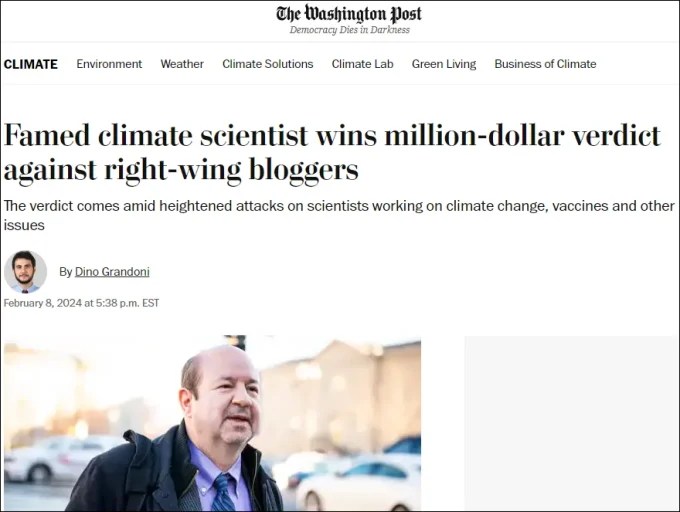
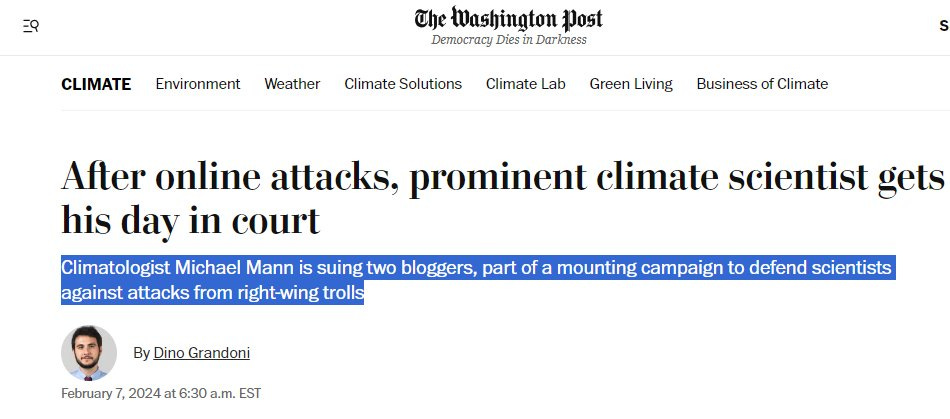

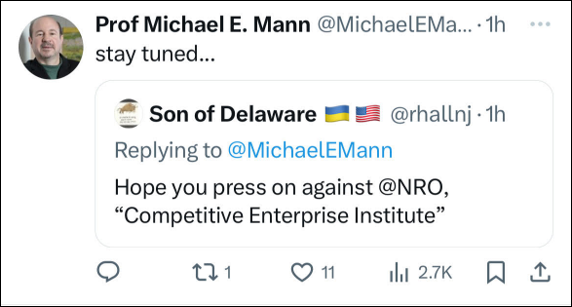
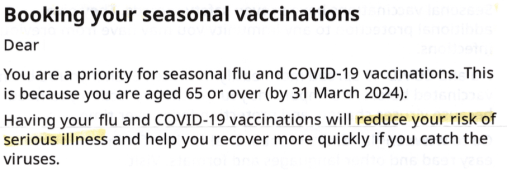

 Aletho News
 Aletho News