Israeli occupation authorities provoked Palestinian factions after allowing Jewish settlers to storm Al-Aqsa Mosque, statements issued yesterday said.
The Israeli government decided to allow Jewish settlers to storm Al-Aqsa Mosque today.
Hamas said: “Allowing Israeli settlers to storm Al-Aqsa Mosque is playing with fire and this could drag the region into a new escalation.”
“We renew our call for the Palestinian people to travel to Al-Aqsa Mosque and be on high alert in Jerusalem in order to defend their identity, religion and first Qibla.”
According to Hamas, “the Israeli occupation must know that all attempts aimed at dividing Al-Aqsa Mosque or Judaising Muslim holy sites will not pass and will not achieve its malicious goals.”
Meanwhile, spokesman of the Islamic Jihad in the West Bank, Tariq Izzedine, said: “The continuation of Israeli violations against Al-Aqsa Mosque is a violation of Palestinian redlines that needs an urgent movement to stop it.”
Fatah called on Palestinians to gather in Al-Aqsa Mosque today to thwart a “planned provocative Israeli plan to raise the Israeli flag and sing the Israeli anthem at the Palestinian holy site.”
GAZA – Hamas Movement’s spokesman Hazem Qassem hailed the Palestinian worshipers’ heroism in confronting Israeli attacks on al-Aqsa Mosque on Thursday morning.
Israeli authorities are witnessing a state of confusion and panic in face of the Palestinian strong determination, he stressed.
Al-Aqsa Mosque was and will remain a pure Islamic and Arabic shrine, he added.
Earlier Thursday, dozens of Palestinian worshipers were injured after Israeli police forces violently stormed al-Aqsa Mosque in Occupied Jerusalem to clear the area for Jewish settlers’ break-ins that had been paused for the Muslim holidays.
The police forces fired rubber-coated bullets and teargas bombs, injuring dozens of Palestinians. At least 12 live-shot injuries were reported.
Ten worshipers were detained during the attack, including a French Muslim woman.
OCCUPIED JERUSALEM – Three Israelis were killed while others were wounded in a stabbing incident in Elad area to the east of Tel Aviv on Thursday night.
Hebrew media reported that a number of those injured were in very serious conditions.
Preliminary reports indicated that the attacker used an axe and a knife in his attack before withdrawing from the area.
The Elad municipality asked citizens to remain indoors as the Israeli police forces set up barriers and launched a large-scale manhunt searching for the attacker with the help of choppers.
Due to its long track record of disinformation, the US government has no right to tell the American people what the truth is, Kentucky Senator Rand Paul has stated. He went to list a number of examples of where Washington had lied to its own people, and the rest of the world.
During a Senate hearing on Wednesday, Paul grilled Secretary of Homeland Security Alejandro Mayorkas over the so-called ‘Disinformation Governance Board’ his agency has announced to supposedly help social media platforms filter out ‘fake news.’
“Here’s the problem: we can’t even agree what disinformation is,” the Republican Senator pointed out. “You can’t even agree if it was disinformation that the Russians fed information to the Steele dossier.”
He was referring to the controversial and largely discredited report that relied on info from anonymous sources to allege collusion between the Donald Trump campaign and Moscow ahead of the 2016 presidential election in the US.
“If you can’t agree to that, how are we ever going to come to an agreement on what is disinformation, so that you can police it on social media?” Paul wondered.
“Do you know who the greatest propagator of disinformation in the history of the world is? The US government!” he insisted.
In order to back his claim, the Senator mentioned several examples of false information being deliberately spread by Washington over the past decades.
Among them were the so-called Pentagon Papers, which revealed that the US government had been misinforming the public about the scale of its military operations during the Vietnam War. The documents were officially declassified in 2011, but the media had been reporting on them since 1971.
Paul also mentioned “George W. Bush and the weapons of mass destruction,” referring to American claims that Saddam Hussein’s regime had been in possession of WMD, claims that were used by the US to justify the invasion of Iraq in 2003, but were never confirmed by findings on the grounds.
His other example was the Iran–Contra affair, which saw top US officials secretly organizing the sale of weapons to Iran in violation of an arms embargo between 1981 and 1986 in order to obtain money to fund the Contras insurgent group in Nicaragua.
“I mean, think over all the debates and disputes we’ve had over the last 50 years in our country. We work them out by debating them. We don’t work them out by the government being the arbiter,” the Senator said.
“I want you to have nothing to do with speech… You think the American people are so stupid they need you to tell them what the truth is?” Paul added.
The creation of the Disinformation Governance Board was announced in late April. According to the Department of Homeland Security (DHS), the new body would help counter disinformation, which is being spread by “foreign states such as Russia, China and Iran,” and by human traffickers operating on the US-Mexico border, among others.
The DHS gave assurances that it won’t be targeting US citizens. But critics were quick to nickname the board ‘The Ministry of Truth,’ after a fictional organization from George Orwell’s iconic dystopian novel ‘1984’.
Australians can probably still get a Pfizer vaccine in chemists and carparks across Australia, but they still need to fly to Iran to get an Australian-made vaccine. The good news is that at least this week it’s legal for Australians to finally fly to Tehran without taking Pfizer or Moderna shot first — as long as they don’t fly on an Australian airline. (Not mentioning any names, Qantas!)
The people mostly responsible for this situation are the TGA (Therapeutic Goods Association). They’re supposed to be looking after Australians health but somehow all their decisions happen to be exactly what a Pfizer CEO would want. Spooky eh? The TGA rushed the approval for the Pfizer vaccines, but still, millions of doses later, won’t release the procurement contracts, even under FOI. Signed on our behalf, and for our own good, yes? Did they even read the documents that Pfizer AND the FDA tried to hide for 75 years?
Now meet Professor Nikolai Petrovsky from Flinders University, Australia, who had already developed protein based vaccines against the original SARS in 2003 and MERS in 2012, so he was the obvious choice to develop an old fashioned protein based vaccine in Australia. (Hey, but it’s not like we want to develop our own vaccine industry, eh?).
So he went on to make a protein vaccine against SARS-2 and has got approval to use it in Iran. Last I heard (months ago) they had sold 6 million doses to Iran, apparently with great results.
With all the makings of a Great Banana Republic Australia promptly sacked Petrovsky for taking his own vaccine instead of one of the foreign ones approved by The Sacred T.G.A committee. We can’t have vaccine experts at uni picking their own vaccines can we?
Somehow the Australian government spent something like $6 billion on foreign vaccines but asked the small Australian company to pay $300,000 to get approved here. So Petrovsky ran a GoFundMe, and it was so popular it raised a million dollars. Finally he has permission and funding to run Australian trials, but now he doesn’t have permission to talk about it. Who knew he needed that? Apparently the TGA says it will fine him $13,000 or maybe one million (convenient, eh?) if he does. (Updated: I hear it’s an $11m threat now).
If only Australians were smart enough to hear the words of Professors without “protection” by unaccountable committees?
Unfortunately, Australians can’t take the Australian vaccine in Australia, and if they fly to Iran to get it, they still can’t return to their jobs in Victoria or WA. Who voted for the TGA? This committee controls what every doctor and medical professor can say in Australia. But doctors don’t even vote for them.
For those who are interested — Petrovsky’s “Spikogen” vax has no RNA or DNA — just protein, and there’s no Furin cleavage site, or TMP (Trans Membrane Protein) either. Those are two parts of the spike that might make it less likely to get into our cells, or to stick in the cell-membrane of our cells and poke out. (When our cells have those viral spikes displayed they will attract the attention of wayward immune cells and thus increase the risk of myocarditis and other autoimmune reactions). As to how well it works, we hear there are very few side effects. I’ve seen no data yet. If only the Australian Government was trying to help Australian researchers?
The Ministry of Medical-Truth are the same agency that also banned all doctors in Australia from prescribing ivermectin for Covid, because it might reduce the sales of Pfizer, I mean — because “people might not get vaccinated”. They actually said that. They also said they banned doctors from using it because some people who weren’t doctors on social media were getting the doses wrong. Like that makes sense. And apparently we were running out of one of the most common drugs on the planet, and still are, because no one in government thought to order any more from Indiamart?
Just in case you wonder who your rulers are Australians
“The Committee is established under Regulation 39F of the Therapeutic Goods Regulations 1990 and the members are appointed by the Minister for Health.” The ACV was established in January 2017…
But make no mistake, the man responsible for the TGA (at least for a few more weeks) is Greg Hunt, Minister of Health. Once upon a time he was Director of Strategy at the World Economic Forum (2000–2001). Curious.
The TGA is a disgrace. It’s time to shut it down.
If it were completely captured by Big Pharma, which decisions would it have made differently?
Being slow to approve competing drugs might be exactly what it was set up to do?
It has been two weeks since a United States district court struck down President Joe Biden’s mandate, imposed through the Centers for Disease Control and Prevention (CDC), that people wear masks when traveling via public transportation, or by taxi or ride-share service, as well as when at related locations, such as airports. After the court decision, most transportation companies and locations have been quick to make clear that people are free to leave their faces uncovered. Many people have been very happy to do just that.
The CDC, however, has not given up on hectoring people to “wear your mask.” On Tuesday, the CDC released a “media statement” titled “CDC Recommendation for Masks and Travel.” Starting off, the media statement declares that the CDC “recommends that everyone aged 2 and older – including passengers and workers – properly wear a well-fitting mask or respirator over the nose and mouth in indoor areas of public transportation (such as airplanes, trains, etc.) and transportation hubs (such as airports, stations, etc.).” Further, the CDC states that it encourages “operators of public transportation and transportation hubs to support mask wearing by all people, including employees.”
Fortunately, the response of many individuals and businesses to this advice ranges from “whatever” to “leave me alone.” More and more people have gotten over inflated fear of coronavirus that never posed a threat of major sickness or death to most people. People have also progressively become aware of the absurdity and destructiveness of forced business closures, “social distancing,” ubiquitous coronavirus testing, experimental coronavirus “vaccines,” mask mandates, and other pseudoscience actions the CDC has pushed since 2020.
America is largely back to the good old days of most people ignoring for the most part when government “public health officials” and people in the media relate CDC guidance that people do this or that. Plus, given the horrid track record of the CDC through the coronavirus scare, more people are now aware of the charade of CDC guidance than ever before. Instead of just ignoring CDC recommendations, many more people than before will feel the urge to research the recommendations and publicly challenge the recommendations when they are found wanting. There should now hopefully also be much more steadfast resistance from the start to any new effort to morph recommendations from the CDC or other so-called health experts into mandates.
Still, the CDC’s media statement this week and the US government hanging on to other coronavirus crackdown measures, including coronavirus shots and testing mandates, to the extent the measures have not been struck down by courts, show that the threat of grand scale tyranny in the name of countering a new purported health crisis remains. In addition, some state and local governments are both holding on to the remnants of coronavirus tyranny and remaining ready to jump back into much more expansive action suppressing freedom in the name of public health.
People must remain vigilant. People must spread the message that the lesson from the coronavirus crackdown is that government violations of individual rights in the name of advancing public health objectives or countering the new disease of the day must be resisted resolutely and vociferously.
People should also keep in mind that, in a variety of circumstances, doctors and other people working the medical field may provide advice that is grounded in the CDC’s priorities and runs counter to the best medical course.
The lure of evil remains strong. To ensure that respect for freedom regained from the coronavirus crackdown tyrants does not fade away, people must remain on guard against and adamantly refuse to accept new encroachment efforts. To keep what has been regained of the good old days, and even expand upon it, people must take action, starting with saying “no” to the health authoritarians at the CDC and elsewhere.
The question is, do they really tell us anything we don’t already know?
The big revelation doing the rounds at the minute is that the vaccines were never trialled with, and were specifically not recommended for, pregnant women.
But is this new information?
When governments started “recommending” the Covid vaccine to pregnant women in the Summer of 2021, everybody who had been paying attention knew that position was not backed up by any data at all.
In a way, the “not recommended for pregnant women” disclosure is actually good for Pfizer.
Behind a facade of being legally mandated to publish these files, it’s now become public knowledge that Pfizer (allegedly) told people not to give the vaccine to pregnant women, but many countries did it anyway.
This shifts the blame (and potential legal liability) away from Pfizer and onto the governments in question.
A good example of how “forced disclosure” can be used to reinforce and direct a narrative, through a pretence of reluctance.
Going further, shouldn’t we be asking: Can we trust anything in these documents at all?
Just because Pfizer has been (apparently) legally “forced” to release them doesn’t mean they are important, relevant or even real. Who’s verifying the documents? Who’s auditing Pfizer to make sure they release everything? The US government? Some other government or agency?
Do you trust them?
The real damning documents – if such ever existed – have likely been shredded, burned and buried in 20 feet of concrete by now…and that doesn’t matter, because we already know everything we will ever need to know about these Covid “vaccines”:
They were not subject to proper long-term testing.
Suppose an individual is infected with a novel pathogen, and then sometime later is infected with a related version of the same pathogen. If ‘original antigenic sin’ is present, the individual’s immune system will respond to the antigens carried by the original version of the pathogen, resulting in weaker immunity.
The idea is that, for certain classes of pathogen, the immune system’s response to any particular exposure depends on an individual’s first exposure. If two versions of a pathogen, A and B, are circulating in a population, individuals who were first exposed to A may develop weaker immunity against B, and vice versa.
There is substantial evidence that original antigenic sin applies to influenza: those who gain immunity to one strain of influenza may develop weaker immunity to other strains.
It can also apply to vaccines. As a recent review notes, “if we only immunise to a single strain or epitope, and if that strain/epitope changes over time, then the immune system is unable to mount an accurate secondary response.”
At the end of last year, ‘mainstream’ commentators began discussing the possibility that original antigenic sin applies to the Covid vaccines. If it does, we may have vaccinated millions of young people against a version of Covid that poses little risk to them, at the cost of weakening their immunity to subsequent variants.
Now ‘original antigenic sin’ has been mentioned in the context of Covid vaccines in the pages of the New England Journal of Medicine – the world’s most ‘prestigious’ medical journal.
Noting that boosters are “not risk-free”, the American immunologist Paul Offit writes: “all age groups are at risk for the theoretical problem of an ‘original antigenic sin’ – a decreased ability to respond to a new immunogen because the immune system has locked onto the original immunogen.”
He cites a recent preprint by Matthew Gagne and colleagues, who carried out an experiment on nonhuman primates. They began by giving two groups of primates the Moderna vaccine. After 41 weeks, they gave each group a booster shot. One group received the Moderna vaccine again, while the other group received an Omicron-specific booster.
Finally, both groups were exposed to Covid. The researchers measured memory B cells and found that the Omicron-specific booster “provided no advantage” over the original Moderna vaccine. Indeed, they “did not observe a population of Omicron-only memory B cells before or after the boost that was clearly distinct from background staining”.
This means the Omicron-specific booster did not produce any detectable Omicron-only memory B cells at all, though it did trigger the production of more memory B cells specific to the original SARS-CoV-2 strain. It’s important to note, however, that both boosters did increase memory B cells (and neutralising antibodies) to some extent. (Neither was totally ineffective.)
As Gagne and colleagues note, the fact that memory B cells were no higher in the group that received the Omicron-specific booster “likely stems from the principle of original antigenic sin”. How serious this problem turns out to be will depend on several factors, not least subsequent viral evolution.
Offit writes in the NEJM that it “could limit our ability to respond to a new variant”.
Russia says Israel is supporting “the neo-Nazi regime in Kiev”, raising the stakes in its tensions with Tel Aviv over the raging war in Ukraine.
The spat began after Russian Foreign Minister Sergei Lavrov, speaking to Italian outlet Mediaset’s Rete 4 channel in an interview released Sunday, said that Adolf Hitler had Jewish origins.
Israeli foreign minister Yair Lapid on Monday accused Lavrov of making an “unforgivable and outrageous statement as well as a terrible historical error” and summoned Moscow’s ambassador for “clarifications”.
“We have paid attention to Foreign Minister Yair Lapid’s anti-historical remarks, which largely explain the current government’s decision to support the neo-Nazi regime in Kiev,” said the Russian foreign ministry in a statement on Tuesday.
“History unfortunately knows tragic examples of cooperation between Jews and Nazis,” it said.
In his interview, Lavrov said Ukrainian President Volodymyr Zelensky “puts forward an argument of what kind of Nazism can they have if he himself is Jewish”.
Lavrov, according to a transcript posted on the Russian foreign ministry website, then added: “I could be wrong, but Hitler also had Jewish blood”.
Israeli prime minister Naftali Bennett characterized Lavrov’s remarks as “lies” that he said effectively “accuse the Jews themselves of the most awful crimes in history”, perpetrated against themselves.
On Tuesday, the Russian foreign ministry said “the Jewish origins of the president (Zelensky) is not a guarantee of protection against rampant neo-Nazism in the country”.
“Ukraine, may it be said in passing, is not the only one in this case,” the ministry said, citing Latvian President Egils Levits who “has also Jewish roots and he also gives cover… to the rehabilitation of the Waffen SS in his country”.
Israel has expressed solidarity with Ukraine but unlike its Western allies, it has refrained from enforcing formal sanctions on Russia over its military operation in the neighboring country.
Last month, Lapid accused Russia of committing war crimes in Ukraine. Moscow hit back, accusing Israel of using Ukraine to “distract” the world from its ongoing aggression against Palestinians.
A week ago I wrote a piece describing how Israel’s power over the US government is such that no American official will confirm that the Israelis have, and have had for years, a secret nuclear arsenal consisting of as many as 200 nukes. The situation is particularly odd in that the United States is on record as being strongly opposed to nuclear proliferation, except for Israel, and the enriched uranium that was used to create Israel’s bombs as well as the nuclear triggers were stolen and exported illegally from the US. Former Israeli Prime Minister Benjamin Netanyahu himself was reportedly involved in the thefts. One lawyer friend has suggested that the reason for the reticence is that under US law by way of the Symington Amendment, no assistance or aid can be given to any country that has not signed the Nuclear Non-Proliferation Treaty (NPT). Israel has not signed and also has a widely acknowledged nuclear arsenal. To preserve Israel’s billions of dollars in annual largesse from the US taxpayer, silence over what goes on when the government breaks its own laws must be maintained. Some might consider that a case of pandering to Israel rather than taking steps to enhance United States security, but when it comes to the Jewish state that argument is a non-starter in Washington as Israel always comes first.
This week I am going to describe another aspect of the Zionist state’s policy that has been invisible if one relies on the mainstream media or the chattering magpies that occupy Capitol Hill and the White House. That is the ongoing elimination of Christianity in the region where it was born being carried out by Israel and its friends. The United States has been the enabler of much of the change in spite of the prevalence of self-described devout Christians in Congress, many of whom ironically are vocal and even enthusiastic supporters of Israeli “security” policies. Killing Palestinians is all too often justified in Congress and the White House with the meaningless expression “Israel has a right to defend itself.”
American power wielded on behalf of Israel has already destroyed a thriving Christian community in Iraq while still laboring to do the same in Syria and possibly even Lebanon. At Christianity’s very birthplace, in what was once Palestine, Israel has been engaged in making the lives of Palestinian so miserable that they frequently choose to emigrate. Israel’s first Prime Minister David Ben-Gurion famously declared in a letter to his son that “We must expel the Arabs and take their places…” and he exploited massacres of unarmed civilians carried out by the Haganah to create terror to accomplish that end. Since that time, Israel has refused to allow Palestinians driven from their homes by the 1948 fighting to return, has destroyed more than 400 Arab villages and confiscated other Palestinian properties, has appropriated additional land and water resources for its illegal settlements, has allowed armed settlers to destroy Palestinians crops and other forms of livelihood, and controlled Palestinian movements through a network of Jews only roads and numerous checkpoints. Even Palestinians who happen to be Israeli citizens are legally and in practice treated like second-class citizens with limited rights. There are more than 60 laws in Israel that discriminate against non-Jews while Israel now legally defines itself as a Jewish state. Israel has also imprisoned without any trial thousands of West Bank and Jerusalem Palestinians, including children, and shot dead hundreds more.
I could go on, but the point is that Israel wants Palestinians gone, a process that has particularly impacted on the Christian community. It has not been done by ethnic cleansing in the classic sense after the initial Nakba massacres and appropriations in 1948, but rather accomplished by creating incentives to leave. And it has been successful. At the end of the Second World War, an estimated one third of the Palestinian population identified as Christian, but the percentage is currently closer to 9% and continuing to decline. The numbers suggest that Christians in the former Palestine are verging on extinction. In fact, Christians have been able to become disproportionately emigrants from their homeland because they more frequently than Muslims have family already established in Europe and the US and have also been able to rely on networking through their churches for resettlement assistance in a new country.
Even by the wretched standards of the past 70 years, Israel’s seeking a “final solution” with the Palestinians recently has become particularly outrageous, focusing as it does on loosening their ties to their religious and cultural institutions while also destroying their livelihoods and appropriating their properties.
Hardly reported in the US media was the use of new Israeli imposed security restrictions to disrupt this year’s Palestinian Christian Orthodox Easter celebrations of Christ’s Resurrection at the Church of the Holy Sepulcher in Jerusalem. This comes on top of similar police action to support the usual crowd of rampaging settlers and other Jewish extremists at the most recent Ramadan services held by Palestinian Muslims at the al-Aqsa Mosque, which included using a drone to fire tear gas at worshipers.
What took place during Holy Week and more particularly on Easter Sunday has been described by Rod Dreher, who writes for The American Conservative. I will confess that I do not much like Dreher as he is fond of celebrating himself in everything he writes, full of navel gazing and smug sanctimonious twaddle, but as he was a participant and eye witness to what occurred his account is of necessity extremely valuable. To be sure, he makes it clear that readers understand that he is not criticizing Israelis in general, nor is he engaging in anything objectionable to Jewish sensitivities when he includes himself in how “we American Christians, especially those who support Israel,” also as “an American who cares about Israel,” and who refers to “my Israeli Jewish friends” and then goes on to assert “I condemn anti-Semitism unreservedly. Criticizing the Jewish settlers and official Israeli policy does not constitute anti-Semitism” before concluding that “most Israeli Jews wouldn’t support these hate-filled radical settlers.”
Actually, the US and other governments as well as many states do believe that criticism of Israel is anti-Semitism as defined by the International Holocaust Remembrance Alliance. And, depending on how the question is phrased many, possibly most Jews worldwide, support firm action against Muslims in particular, who are routinely described in the media and by the Israeli government as “terrorists.” Rod clearly understands that it is a bad idea to veer into areas that Jews are uncomfortable with as they can be surprisingly sensitive and unreasonably reactive to perceived slights. No need to bite the hand that feeds you, as one might put it, particularly if one wants to stay employed.
Dreher reports how he was “staying at a hotel inside the Old City, where I was advised to book a room out of fear that the Jerusalem police would not let Christians into the Old City on Holy Saturday. This turns out to have been very good advice.” Holy Saturday for Orthodox Christians features a “miracle” of the Holy Fire, which is believed to be the first sign of the Resurrection of Jesus. Normally, at 11 am, the Church of the Holy Sepulcher opens and is quickly packed with believers. After noon, the Greek Patriarch the “little house” built directly over the tomb of Christ, prays, and what is referred to as “divine energy” descends from heaven to light the Patriarch’s candles, the flames from which are shared with everyone present. He then emerges and passes the flame to everyone there.
Dreher and a friend reportedly left their hotel early to pray but when they arrived at the end of the street at the Jaffa Gate, two Jewish police officers refused to allow them to pass out of the Old City, warning that if they left they might not be able to come back in. They then walked over to an access point to the Jaffa Gate, and witnessed a large group of Christians behind a barrier on the other side, blocked from entering into the Old City where the Church of the Holy Sepulcher is situated. Dreher observed that at the same time Orthodox Jews wearing white prayer shawls, entered freely into the Old City on their way to the Western Wall to pray on the Jewish Sabbath. Later that morning, Dreher was only allowed to pass into the Church of the Holy Sepulcher because he had obtained a ticket to the “fire” service. The tickets, to control and limit attendance at the church was an innovation by the Israeli police. The Patriarch objected, observing that tickets had never before been required. The tickets allowed entry of only 1,800 worshipers in the church, which normally accommodates 10,000, a reduction of 82% of the faithful permitted to be in attendance on the highest of all holy days.
An Anglican priest from Virginia who spoke to Dreher at the service described that morning’s experience this way: “Police checkpoints were at every corner. Even when we reached the private property of the Greek Patriarchate, police had taken over there as well. They actually turned back nearly a dozen Consuls General and other diplomatic representatives, including ones from the United States. We had to take an alternative route to get inside. If that was the way it worked for VIPs, imagine you’re a local Palestinian Christian simply trying to worship on the holiest of Christian holidays inside the church built over the very Tomb of Christ.”
At issue are demands by radical Jewish groups, most notably the extremist Jewish settlers’ organization Ateret Cohanim, a type of Jewish Taliban, to “cleanse” Jerusalem of all non-Jews. They have been aggressively buying or otherwise occupying properties in and around the traditional Christian and Muslim quarters of the city and often use violence when they are resisted by local residents. Christians, unlike the Muslim community, notably do not tend to resort to violence in support of their property or civic rights even though recourse to the Israeli courts is useless as the judges have consistently sided with the settlers and police.
In Jerusalem there have been regular instances of verbal abuse, vandalism and spitting on Christian clergy, as well as sporadic violent assaults. In the Armenian Christian quarter a monk reports how “[The settlers] destroy the tires of our cars, graffiti ‘death to Christians’, break windows, they desecrate our cemetery, you know… ugly things, and it’s really invasive.” Some Christians have pointed to what happened to the former St John’s Hospice near the Jaffa Gate as a prime example of what the Christian churches fear could happen across the quarter. The building’s lintel still shows the tau-phi monogram of the Greek Patriarchate but in 1990, this pilgrims’ hostel was illegally occupied by Ateret Cohanim, and now the vast building is covered with multiple Israeli flags and houses violent armed Israeli settlers. The local Christians Dreher talked to “believe that this is part of a settler plot to choke off access to Christian holy sites within the city, and force Christians out.”
The Israeli authorities tend to ignore the settler activity as they have powerful supporters, including from the diaspora community in the US and some Evangelicals who help to fund them. Ateret Cohanim’s 2010 annual gathering featured as guest speaker no less than John Bolton and the Kushner Family Foundation has reportedly helped finance its activities. In addition, Israel’s religious conservative parties are a necessary component in the coalition government and their extreme behavior is tolerated and even aided and abetted on the sly. Nor will secular Jews stand up for their Christian brothers in Israel in enough numbers to matter. Also, many Israelis believe that increasingly hardline radical Jewish groups are actually the future of Israel based on demographic trends. All excuses aside, clearly enough of the ruling elite in America, and in Israel, support the radical settlers, or none of this would be happening.
And the situation is little better for Christians in Palestine outside Jerusalem. A Franciscan monk visitor to a monastery outside of the city reported how the Israeli authorities had cut off water to the building while the missionaries themselves were verbally abused and had rocks and other debris hurled at them by settlers. In Bethlehem, a Christian gift shop was deliberately put out of business after nearby Jewish settlements were allowed to erect walls blocking access to it. Other attacks on Christians have included a June 2015 arson incident at the Church of the Multiplication and a nearby Benedictine monastery in Tabgha, located 120 miles north of Jerusalem. The church is built on the site where Christ fed the 5,000 through the multiplication of loaves and fishes. The attackers left Hebrew graffiti on the walls, reading “all idols will be smashed.” In 2014 occurred vandalization of a Romanian Orthodox church, the Benedictine Abbey of the Dormition, and Catholic offices in Jerusalem, as well as a monastery in Beit Shemesh. The year before, more than 20 Christian sites of the Latin Patriarchate were attacked by vandals. And in 2012, a Trappist monastery in Latroun was subject to arson and graffiti, while the Convent of St. Francis on Mt. Zion was vandalized. Non-Jews in Bethlehem and on the West Bank meanwhile live under a system of Israeli military laws and check points established by government order number 101. In Hebron, non-Jews living on Jewish-only streets cannot even walk out their front doors and they are regularly bombarded by feces and other waste hurled down upon them by the settlers.
Israel’s anti-Christian policies are international and includes support of groups the US has called terrorists. Israel has given money and weapons to the jihadists fighting against Syria’s Bashar al-Assad, which includes al-Nusra Front, an al-Qaeda affiliate. Wounded jihadists even have crossed into Israel to received hospital treatment. Once, ISIS accidentally fired into Israel and then publicly apologized. Israel is intent on removing al-Assad, which will lead to an exodus of Christians from Syria, similar to what took place in neighboring Iraq after US forces deposed Saddam Hussein.
There is a certain irony in how the United States doggedly pursues China over its alleged maltreatment of the Uighurs while at the same time rewarding and protecting Israel even though it spies relentlessly on the US and very clearly persecutes Palestinians. Dreher asks the question why the US government, which gives Israel multiple billions of dollars a year, cannot stop Israel’s de facto official punishment of its Christians. The answer is at least in part simple, that most American Christians do not care about the plight of their co-religionists in the Middle East. Millions of true-blue Christians not unlike Dreher, many weaned on the Scofield Bible and its dispensationalism, and many of whom wind up in government or other positions of power, choose to disengage from the problem, accepting that Jews are the “chosen people” of God and, for some, part of End Time prophecy. They are therefore to be given a pass by both the media and government on all their exclusivism and bad behavior even as they meddle in US politics and work to hobble freedom of speech by criminalizing anyone who criticizes Israel or supports Palestinians by urging a boycott against it. Until all that changes, if it even can happen, Christians in the so-called Holy Land will be on the chopping block and when the churches and monasteries no longer have a community to sustain them, it will be the end of Christianity in the place where it was born. And more’s the pity, the United States will have played a major role in enabling that to happen.
Philip M. Giraldi, Ph.D., is Executive Director of the Council for the National Interest, a 501(c)3 tax deductible educational foundation (Federal ID Number #52-1739023) that seeks a more interests-based U.S. foreign policy in the Middle East. Website is councilforthenationalinterest.org, address is P.O. Box 2157, Purcellville VA 20134 and its email is inform@cnionline.org.
The struggle with weight gain and obesity is a common and costly health issue, leading to an increase in risk for heart disease, Type 2 diabetes and cancer, just to name a few.
According to CDC figures for 2017-18, 19.3% of American children1 and 42.4% of adults2 are now obese, not just overweight. That’s a significant increase over the 1999/2000 rates, when just under 16% of children ages 6 to 193 and 30.5% of adults were obese.
Research has linked growing waistlines to a number of different sources, including processed foods, sodas and high-carbohydrate diets. Risks associated with belly fat in aging adults includes an elevated risk of cardiovascular disease and cancer.4
Researchers have actually predicted obesity will overtake smoking as a leading cause of cancer deaths,5 and recent statistics suggest we’re well on our way to seeing that prediction come true as obesity among our youth is triggering a steep rise in obesity-related cancers at ever-younger ages.
Millennials More Prone to Obesity-Related Cancers
As obesity rates rise, so do related health problems, including cancer. According to a report6 published in 2014 on the global cancer burden, obesity is already responsible for an estimated 500,000 cancer cases worldwide each year, and that number is likely to rise further in coming decades.
As reported in a Lancet study7 by the American Cancer Society, rates of obesity-related cancers are rising at a far steeper rate among millennials than among baby boomers. According to the authors,8 this is the first study to systematically examine obesity-related cancer trends among young Americans.
What’s more, while six of 12 obesity-related cancers (endometrial, gallbladder, kidney, multiple myeloma and pancreatic cancer) are on the rise, only two of 18 cancers unrelated to obesity are increasing. As noted in the press release:9
“The obesity epidemic over the past 40 years has led to younger generations experiencing an earlier and longer lasting exposure to excess adiposity over their lifetime than previous generations.
Excess body weight is a known carcinogen, associated with more than a dozen cancers and suspected in several more … Investigators led by Hyuna Sung, Ph.D., analyzed 20 years of incidence data (1995-2014) for 30 cancers … covering 67 percent of the population of the U.S. …
Incidence increased for 6 of the 12 obesity-related cancers … in young adults and in successively younger birth cohorts in a stepwise manner. For example, the risk of colorectal, uterine corpus [endometrial], pancreas and gallbladder cancers in millennials is about double the rate baby boomers had at the same age …
‘Although the absolute risk of these cancers is small in younger adults, these findings have important public health implications,’ said Ahmedin Jemal, D.V.M., Ph.D., scientific vice president of surveillance [and] health services research and senior/corresponding author of the paper.
‘Given the large increase in the prevalence of overweight and obesity among young people and increasing risks of obesity-related cancers in contemporary birth cohorts, the future burden of these cancers could worsen as younger cohorts age, potentially halting or reversing the progress achieved in reducing cancer mortality over the past several decades.
Cancer trends in young adults often serve as a sentinel for the future disease burden in older adults, among whom most cancer occurs.'”
Changes in Diet Are Driving the Obesity Epidemic
Studies10,11,12 have repeatedly demonstrated that when people switch from a traditional whole food diet to processed foods (which are high in refined flour, processed sugar and harmful vegetable oils), disease inevitably follows.
Below are just a few telling statistics. For more, see nutrition researcher Kris Gunnars’ 11 graphs published in Business Insider showing “what’s wrong with the modern diet.”13
Over the past 200 years, our sugar intake has risen from 2 pounds to 152 pounds per year.14 While Americans are advised to get only 10% of their calories from sugar,15 equating to about 13 teaspoons a day for a 2,000-calorie diet, the average intake is 42.5 teaspoons per day.16 It’s important to realize that it’s nearly impossible to achieve that on a processed food diet.
Not only that, you can’t exercise off the excess calories. For example, to burn off the calories in a single 12-ounce soda, you’d have to walk briskly for 35 minutes. To burn off a piece of apple pie, you’d be looking at a 75-minute walk.17
Soda and fruit juice consumption is particularly harmful, studies18,19 show, raising a child’s risk of obesity by 60% per daily serving.20 Research has also shown refined high-carb diets in general are as risky as smoking, increasing your risk for lung cancer by as much as 49%.21
Between 1970 and 2009, daily calorie intake rose by an average of 425 calories, a 20% increase, according to Stephan Guyenet, Ph.D.,22 who studies the neuroscience of obesity. This rise is largely driven by increased sugar and processed food consumption, and the routine advertising of junk food to children.23
To attract customers and compete with other restaurants, companies often add salt, sugar, fat and flavor chemicals to trigger your appetite. Unfortunately, it turns out additives and chemicals supplemented in processing kill off beneficial gut bacteria, which further exacerbates the problems created by a processed food diet.24
According to epidemiology professor Tim Spector, even eating a relatively small number of highly processed ingredients is toxic to your gut microbiome, which start to die off just days after eating a fast food heavy diet, suggesting excess calories from fast food may not be the only factor to blame for rising weight.
Processed vegetable oils, which are high in damaged omega-6 fats, are another important factor in chronic ill health. Aside from sugar, vegetable oils are a staple in processed foods, which is yet another reason why processed food diets are associated with higher rates of heart disease and other diseases.
Soybean oil, which is the most commonly consumed fat in the U.S.,25 has also been sh
“Ultraprocessed diets cause excess calorie intake and weight gain,” research26 concludes, showing that when people are allowed to eat as much as they want of either ultraprocessed foods or unprocessed food, their energy intake is far greater when eating processed fare.
In just two weeks, participants gained between 0.3 and 0.8 kilos (0.166 and 1.76 pounds) on the ultraprocessed diet, and lost 0.3 to 1.1 kilos (0.66 to 2.42 pounds) when eating unprocessed food.
As These Foods Became the Norm, so Did Chronic Illness
Unfortunately, Americans not only eat a preponderance of processed food, but 60% of it is ultraprocessed27 — products at the far end of the “significantly altered” spectrum, or what you could typically purchase at a gas station.
The developed world in general eats significant amounts of processed food, and disease statistics reveal the inherent folly of this trend. There’s really no doubt that decreasing your sugar consumption is at the top of the list if you’re overweight, insulin resistant, or struggle with any chronic disease.
It’s been estimated that as much as 40% of American health care expenditures are for diseases directly related to the overconsumption of sugar.28 In the U.S., more than $1 trillion is spent on treating sugar and junk food-related diseases each year.29
Any foods that aren’t whole foods directly from the vine, ground, bush or tree are considered processed. Depending on the amount of change the food undergoes, processing may be minimal or significant. For instance, frozen fruit is usually minimally processed, while pizza, soda, chips and microwave meals are ultraprocessed foods.
The difference in the amount of sugar between foods that are ultraprocessed and minimally processed is dramatic. Research30 has demonstrated that over 21% of calories in ultraprocessed foods comes from sugar, while unprocessed foods contain no refined or added sugar.
In a cross-sectional study31 using data from the National Health and Nutrition Examination Survey of over 9,000 participants, researchers concluded that “decreasing the consumption of ultraprocessed foods could be an effective way of reducing the excessive intake of added sugars in the USA.”
Definition of Ultraprocessed Food
As a general rule, ultraprocessed foods can be defined as food products containing one or more of the following:
Ingredients that are not traditionally used in cooking.
Unnaturally high amounts of sugar, salt, processed industrial oils and unhealthy fats.
Artificial flavors, colors, sweeteners and other additives that imitate sensorial qualities of unprocessed or minimally processed foods (examples include additives that create textures and pleasing mouth-feel).
Processing aids such as carbonating, firming, bulking, antibulking, defoaming, anticaking, glazing agents, emulsifiers, sequestrants and humectants.
Preservatives and chemicals that impart an unnaturally long shelf-life.
Genetically engineered ingredients, which in addition to carrying potential health risks also tend to be heavily contaminated with toxic herbicides such as glyphosate, 2,4-D and dicamba.
As described in the NOVA classification of food processing,32 “A multitude of sequences of processes is used to combine the usually many ingredients and to create the final product (hence ‘ultraprocessed’).” Examples include hydrogenation, hydrolysation, extrusion, molding and preprocessing for frying.
Ultraprocessed foods also tend to be far more addictive than other foods, thanks to high amounts of sugar (a substance shown to be more addictive than cocaine33), salt and fat. The processed food industry has also developed “craveabilty” into an art form. Nothing is left to chance, and by making their foods addictive, manufacturers ensure repeat sales.
Processed Food Diet Linked to Early Death
In related news, recent research34 involving more than 44,000 people followed for seven years warns that ultraprocessed foods raise your risk of early death. The French team looked at how much of each person’s diet was made up of ultraprocessed foods, and found that for each 10% increase in the amount of ultraprocessed food consumed, the risk of death rose by 14%.
This link remained even after taking confounding factors such as smoking, obesity and low educational background into account. As you’d expect, the primary factors driving the increased death rate was chronic diseases such as heart disease and cancer.
Nita Forouhi, a professor at the MRC Epidemiology Unit at the University of Cambridge, who was not part of the study, told The Guardian :35
“The case against highly processed foods is mounting up, with this study adding importantly to a growing body of evidence on the health harms of ultraprocessed foods … [W]e would ignore these findings at public health’s peril.
A vital takeaway message is that consumption of highly processed foods reflects social inequalities — they are consumed disproportionately more by individuals with lower incomes or education levels, or those living alone.
Such foods are attractive because they tend to be cheaper, are highly palatable due to high sugar, salt and saturated fat content, are widely available, highly marketed, ready to eat, and their use-by dates are lengthy, so they last longer. More needs to be done to address these inequalities.”
Ultraprocessed Foods Linked to Cancer
Another French study36,37 published last year also found that those who eat more ultraprocessed food have higher rates of obesity, heart problems, diabetes and cancer. Nearly 105,000 study participants, a majority of whom were middle-aged women, were followed for an average of five years.
On average, 18% of their diet was ultraprocessed, and the results showed that each 10% increase in ultraprocessed food raised the cancer rate by 12%, which worked out to nine additional cancer cases per 10,000 people per year.
The risk of breast cancer specifically went up by 11% for every 10% increase in ultraprocessed food. Sugary drinks, fatty foods and sauces were most strongly associated with cancer in general, while sugary foods had the strongest correlation to breast cancer.
According to the authors, “These results suggest that the rapidly increasing consumption of ultraprocessed foods may drive an increasing burden of cancer in the next decades.” Study co-author Mathilde Touvier told CNN:38
“It was quite surprising, the strength of the results. They were really strongly associated, and we did many sensitive analysis and adjusted the findings for many cofactors, and still, the results here were quite concerning.”
Diet Is a Key Factor Determining Your Health and Longevity
Research39 published in 2017 linked poor diet to an increased risk of cardiometabolic mortality (death resulting from Type 2 diabetes, heart disease and stroke).
According to the authors, suboptimal intake of key foods such as fruits, vegetables, nuts and seeds, and animal-based omega-3, along with excessive consumption of processed foods such as meats and sugar-sweetened beverages accounted for more than 45% of all cardiometabolic deaths in 2012. In other words, the more processed foods you eat, and the less whole foods you consume, the greater your risk of chronic disease and death.
Other research published that same year found that eating fried potatoes (such as french fries, hash browns and potato chips) two or more times per week may double your risk of death from all causes.40 Eating potatoes that were not fried was not linked to an increase in mortality risk, suggesting frying — and most likely the choice of oil — is the main problem.
In a 2013 presentation41 at the European Ministerial Conference on Nutrition and Noncommunicable Diseases by Dr. Carlos Monteiro,42 professor of nutrition and public health at the University of Sao Paulo, Brazil, Monteiro stresses the importance of creating “policies aiming the reformulation of processed foods,” and limiting children’s exposure to junk food marketing, in order to tackle the rise in diet-related noncommunicable diseases.
In my view, eating a diet consisting of 90% real food and only 10% or less processed foods is an achievable goal for most that could make a significant difference in your weight and overall health. You simply need to make the commitment and place a high priority on it. To get started, consider the following guidelines:
Focus on raw, fresh foods, and avoid as many processed foods as possible (if it comes in a can, bottle or package, and has a list of ingredients, it’s processed).
Severely restrict carbohydrates from refined sugars, fructose and processed grains.
Increase healthy fat consumption. (Eating dietary fat isn’t what’s making you pack on pounds. It’s the sugar/fructose and grains that add the padding.)
You may eat an unlimited amount of nonstarchy vegetables. Because they are so low in calories, the majority of the food on your plate should be vegetables.
Limit protein to less than 0.5 gram per pound of lean body weight.
Replace sodas and other sweetened beverages with pure, filtered water.
Shop around the perimeter of the grocery store where most of the whole foods reside, such as meat, fruits, vegetables, eggs and cheese. Not everything around the perimeter is healthy, but you’ll avoid many of the ultraprocessed foods this way.
Vary the whole foods you purchase and the way you eat them. For instance, carrots and peppers are tasty dipped in hummus. You get the crunch of the vegetable and smooth texture of the hummus to satisfy your taste, your brain and your physical health.
Stress creates a physical craving for fats and sugar that may drive your addictive, stress-eating behavior. If you can recognize when you’re getting stressed and find another means of relieving the emotion, your eating habits will likely improve.
The Emotional Freedom Techniques (EFT) can help reduce your perceived stress, change your eating habits around stress and help you create new, healthier eating habits that support your long-term health. To discover more about EFT, watch the video at this referenced link on substack.43
*This article has been updated with new information.
One of the more pernicious and morally shocking developments surrounding the covid vaccines is hospitals forcing transplant recipients (and sometimes even their families) to be vaccinated with one of the covid vaccines.
I have heard a number of people defend this vile practice, who were genuinely convinced that there was nothing wrong with it. None of these individuals were “evil”, or anything close. Yet, they genuinely did not see a concern or dilemma that would disqualify the whole policy, or even one that would at least counsel a more thoughtful review before taking such a momentous and consequential step.
It is therefore worthwhile to present a clear explanation why, even assuming that transplant recipient vaccination is objectively beneficial as a purely scientific matter, mandating vaccination as a prerequisite for receiving a transplant is destructive to society and evil.
The following are a few of the more salient reasons why mandating recipient vaccination as a condition to remain eligible to receive a transplant, even assuming that transplant recipient vaccination are objectively beneficial as a purely scientific matter, is unjustifiable, destructive, and evil:
Breaks the Social Compact of Society:
Discriminates on the basis of a controversial political/social issue
Politicizes and undermines the trustworthiness of the medical community
Weaponizes the medical community / medical institutions in the “culture wars”
Drives the Balkanization of society
Is Intrinsically Immoral:
Such a mandate inflicts tremendous psychological torment upon people who are already suffering the stress and physical torment of a life-threatening disease
Erodes the ethics and character of medical professionals, so they regard some people as “inferior” and therefore undeserving of or not worth being treated
This is a policy that cannot be plausibly portrayed as being “in the best interests of patients”
Catch-all: Will cause considerable stress to the entire society
The Broader Context that Informs how People View Such a Mandate – The Medical Community no longer possesses the moral authority or credibility to make this sort of policy decision:
The already heavily damaged reputation and image of the medical community due to covid policies so far
A sizable minority today believes (if not outright majority) that hospitals and doctors are possibly complicit in the deaths of millions around the world and the unimaginable suffering of hundreds of millions more
Breaks the Social Compact of Society:
Discriminates on the basis of a controversial political/social issue
The reality of the current situation is that the covid vaccines are one of the preeminent issues at the forefront of the body politic in the country. This is therefore automatically a consideration when making policies on behalf of society, which any decisions regarding the prioritization scheme of transplant recipients are.
Decisions broadly affecting the whole of society that discriminate or persecute a faction/s of society break the social compact and erode or destroy the moral legitimacy of the major institutions through which political and social power and ideology are disseminated and enforced.
Specifically for this point, discriminating against a political or social minority – and surely where it is literally determining by proxy who lives and who dies – is by definition apartheid in both spirit and practice.
It goes without saying that apartheid policies are both harmful to a healthy and functioning society and evil.
Politicizes and undermines the trustworthiness of the medical community
Enacting a policy that is inextricably intertwined with a highly visible social or political controversy unavoidably conveys – regardless of whether it’s true – that the medical community is:
(A) a political actor that has
(B) vested political interests and objectives – such that it will
(C) pursue using the resources at its disposal
(D) even if/when they are in conflict with the neutral practice of medicine.
The damage from such overt political overtones and imaging (to say the least) to the practice of medicine, and the implications for the physical and mental health of the broader society, is something that does not require elaboration.
Importantly, this is true even for many of the people who agree with vaccination, because they also perceive that the medical community is “allying” with them to promote a political cause. The worse the reputation of the medical community is tarnished with political entanglements, the more difficult it becomes to rehabilitate subsequently.
Weaponizes the medical community & medical institutions in the “culture wars”
The participation of the medical community to coerce political compliance at gunpoint transforms the medical community (more than it is already) from a shared societal institution to a partisan one that one side views as a hostile force or enemy and the other views as a means to achieve political or social objectives.
The obvious (i.e. uncontroversial as factual observations regardless of whether one agrees or disagrees with the underlying position of either side here) societal harms that flow from this are manifold. Transforming the shared social institutions of science/medicine into a partisan weapon will cause the following negative consequences (among others; ‘shared’ is an increasingly tenuous proposition these days):
undermines trust in the practice of science
undermines the integrity of medical scientists by creating and incentivizing political objectives that take precedence over scientific integrity
causes a sizeable portion of society to regard doctors and medical professionals as enemies, which is harmful both to patients who will then not receive the same standards of medical care and to doctors who will suffer constant harassment and demoralizing stresses
encourages the propagation of propaganda as everyone is now incentivized to either deify or demonize medical practitioners and institutions regardless of the factual merits of any specific issue or incident
A society must have shared institutions that are not “playable characters” in the everyday social or political maelstroms that are the domain of politics in order to function and survive as a single political entity.
Drives the Balkanization of society
The most prominent consequence of the politicization and weaponization of the medical community and institutions is that it is a Balkanization of society. Regardless of the factual or scientific merits, even the perception by one faction that another faction is trying (and succeeding) in hijacking and corrupting the medical establishment is the fraying of the society as an organized political and social unit. To actually go ahead and do so is more damaging by orders of magnitude. Medical care is possibly the most foundational institution in a society – consider that the most consequential apartheid policy (besides for outright slavery) is the proscription of medical care by political or social affiliation. Thus proscribing medical care for a highly visible and prominent social faction within society – even if it wouldn’t be an outright death sentence for the patients restricted from medical treatment as is the case here – is tantamount to a declaration of [civil] war against anyone politically affiliated with the group targeted by the mandates.
It should also go without saying that you can’t have a functional society if whether your life and your human rights can be legally and socially vindicated depends upon on your political affiliation or ideological coadunation. There is no rational universe where this is an acceptable tradeoff for the conjectured benefits of restricting transplants to vaccinated patients.
Transplant Vaccine Mandates Are Intrinsically Immoral:
Such a mandate inflicts tremendous psychological torment upon people who are already suffering the stress and physical torment of a life-threatening disease
Any policy decision must consider the entire picture, not just the virtues of the preferred course of action.
Transplant vaccine mandates are dealing with a population that is exclusively comprised of people who are already under extreme suffering that is hard to contemplate or understand for someone bereft of this sort of experience. Adding distress to people already so tormented would therefore be warranted only if there was an exceptionally pressing concern. Even if the covid vaccines are somewhat beneficial as a purely scientific matter to patients awaiting an organ transplant, the marginal benefit of vaccination is hardly something that is so massive that imposing a vaccine mandate – in the context of everything else articulated in this article – can even be plausibly entertained let alone imposed. (The marginal benefit is the absolute risk reduction in all-cause morbidity/mortality gained from vaccination, not the “relative” risk reduction which is not relevant to assessing the real-world value of vaccination.)
Erodes the ethics and character of medical professionals, and influences and/or habituates them to regard some people as “inferior” and therefore undeserving of or not worth being treated
A policy of ‘either you acquiesce to vaccination or you die’ conveys to medical practitioners a clear message that people who reject the covid vaccines are not worthy of medical treatment. This is true regardless of the scientific merits of a (theoretically) objective cost/benefit analysis. Contingency of life-or-death treatment upon a political behavior or choice internalizes to medical practitioners and laypeople alike that it is appropriate to proscribe treatment to people because of political affiliation, so much so that we will even consign them to death. Medical apartheid on the basis of political or social faction characteristics is quite literally in the mold of the ideology and policies implemented in Germany in the 1930’s. Such a comparison is sufficient to retire any further consideration by itself of transplant vaccine mandates.
Such a dynamic is also corrosive to compassion and empathy — two attributes that are already in short supply in healthcare settings these days. The deprivation of treatment, especially in circumstances that are exceptionally heartwrenching, forces practitioners at minimum to suppress their sense of compassion. For many, the internal dissonance between their sense of compassion and the cruelty being inflicted on defenseless patients (& the relegation of a political class to “2nd class citizens”) that some would be complicit in will lead them to zealously embrace rationalizing that the unvaccinated are less than fully human. This is precisely how otherwise civilized people can be indoctrinated into an ideology that if unchecked ultimately enables them to commit or be complicit in the commission of atrocities.
(Requiring adherence to personal behavior standards – such as not consuming alcohol or drugs – whose medical rationale is obvious and apparent to everyone and which have already been standard requirements for decades is an entirely separate matter that has nothing to do with this discussion, and is something that requires its own lengthy dissertation to properly explore and flesh out.)
Like every other enumerated argument here, this point is true regardless of the factual merits of vaccination for transplant patients.
This is a policy that cannot be plausibly portrayed as being “in the best interests of patients”
Medical ethics is organized around the proposition that all decisions or policies must be in the best interests of patients. It is hard to imagine more blatant disregard of patients’ welfare than compromising the integrity and viability of the entire edifice of healthcare provision in the country as millions of people are less able and/or willing to seek and receive medical care as a result of all of the other points articulated above and below (and it is also not in the patients’ best interests for medical treatment to be withheld without which the patient will perish).
Contumeliously discarding the millennia-old foundational ethical principium of medicine ominously portends the possibility of medicine and healthcare unanchored to an ethical North Star.
Catch-all: This will cause considerable stress to the entire society
Polls consistently reveal that people of all social and political affiliations are suffering considerable stress. Policies that antagonize or that are erosive to the body politic spur or inflame the already burdened and fraying psyche of the populace. Even those advantaged by politically prejudicial persecution cannot escape the stresses that beset even those that have the upper hand politically, such as the worry that someday you will become a victim to the same social or political forces, or the stresses of living in a society where the social fabric is frazzled and fragmented. Especially in light of the current mental health apocalypse presently afflicting the country, it surely behooves the medical community to avoid further exacerbating the already overwrought stressors in people’s lives.
The Broader Context that Informs how People View Such a Mandate – The Medical Community no longer possesses the moral authority or credibility to make this sort of policy decision:
The reputation and image of the medical community has already been brutally savaged by the performance of the medical establishment throughout the covid crisis, especially the govt health agencies which are the backbone of the medical community’s authority and credibility. Moreover, at least a sizeable minority of the country believes that hospitals and doctors are complicit in the deaths of millions around the world and the unimaginable suffering of hundreds of millions more through draconian isolation of psychologically/emotionally vulnerable patients, denial of covid treatment, society-wide lockdowns, and vaccine carnage.
As a result, the medical community has lost the moral legitimacy and expert authority that until now was taken for granted. This is a monumental shift that is hard to overstate. The medical community previously was accorded the considerable latitude and deference by society they needed to make life-and-death policy decisions that society wouldn’t reflexively view as illegitimate or political. Without unambiguous and widely conceded moral authority to make controversial life-and-death policy decisions, the medical community ceases to be trusted and neutral stewards whose decisions can determine who lives and dies. Instead, they are no better than any other partisan and unobjective actor with their own biases and agenda. Empowering what is rationally perceived by one half of society as a conflicted and dishonest political actor to determine who lives and dies on the basis of a political characteristic is inherently evil and lacks even a semblance of moral credibility.
This last point is worth restating: This is akin to having a republican decide that democrats are not eligible for transplants unless they switch party affiliation or vice versa. The disfavored group would rightly and accurately perceive that a government that proscribes them from receiving lifesaving treatment lacks legitimacy.
Caveats:
It is important to note that there are many heroic doctors and nurses who do not agree with these policies. In a similar vein, the impact of such a policy (and the other covid policies that are similarly evil or just plainly irrational) is not uniform on all healthcare practitioners – there is a wide range of resiliency and resistance to the mental and psychological influence of this sort of policy.
It is also important to note that there is already considerable damage along the lines of everything stipulated above, so for the most part transplant mandates are aggravating already belabored destructive social pathologies as opposed to initiating or creating new ones.
However, this does not detract from the intensity or imperative of the arguments raised. The fact of the already-widespread devastation underscores how critical it is to reverse these developments – meaning that exacerbating them is that much more unconscionable.
Conclusion
Medical institutions are integral to the translation of medical and scientific knowledge into practice in a manner that will be accepted by the various major factions of society (there are always going to be fringe lunatic groups or cults that repudiate any sort of governing political bodies no matter what). A society without a shared epistemology cannot survive, as there can be no agreement on how to determine factual truth. The medical establishment institutions are fiduciaries to the entire population, granted awesome powers over society, and therefore commensurately responsible for the broader social impact of their actions (something that the medical literature en masse freely embraces, one need only look at the hundreds of papers condemning the medical community for their role in promoting “health inequities” and systemic racism).
It is not just prudent but obligatory to consider the political climate when weighing a policy choice that implicates and will resonate through the exigent political and social realities on the ground such as they are. One would think it would be common sense to go to the farthest practical extreme to avoid even the hint of appearing partisan or political, never mind actually further inflaming the divisive and increasingly weaponized political tensions. This is by no means even remotely controversial. The typical standards that society holds critical non-partisan institutions to is that they must avoid “even the appearance of” conflicts of interest, partisanship, etc. – recusals for these reasons are routine in the legal world for instance.
One would also be forgiven for thinking that the medical community would be embarrassed to be caught openly embracing the same fundamental political philosophy that animated the Nazi’s systematic denudement of the medical community back then of the ethical code synonymous with the practice of medicine.
Enacting a policy that in practice is political discrimination is irreconcilable with both basic medical ethics and the responsibility of the medical community to scrupulously avoid even the appearance of partisanship or other non-medical entanglements. There is no justification or defense for such an egregious lapse of judgement.
The ever-sharp Zacki on Twitter points to this intriguing 2018 study out of New York. The authors administered PCR tests to 2,685 people at a tourist attraction in New York City, between the months of January and July. Over 6% tested positive for one of seven common human respiratory viruses. In the winter, human coronaviruses were the most common; in the summer, rhinoviruses took the lead. By design, the study targeted healthy populations, and so we must imagine that it substantially understates the true rate of virus infection.
The authors don’t find a significant difference in the overall prevalence of positivity between winter and summer. In their small sample, it’s only the mix of viruses that changes. This is another piece of evidence in favour of my crazy theory, that a great part – perhaps a majority – of spring and summer allergies are in fact persistent low-grade rhinovirus infections.
Other studies, particularly on rhinovirus, find even larger incidences of infection. There is this paper, which looks at rhinovirus in infants and finds that 20% of their sample are asymptomatic positives; or this case-control study of all ages, which finds rhinovirus in 17% of their asymptomatic controls.
For perspective: At the height of the alpha wave in the United Kingdom, only about 0.3% of the population was testing positive for SARS-2 every day. School antigen testing in Germany, which is done multiple times a week and finds nearly every detectable infection in school-age children, found Delta 7-day incidences of around 1%, and Omicron 7-day incidences peaking in February at near 4% in specific age cohorts (see the the graph on p. 5). The allegedly hypercontagious SARS-2 looks like it was doing substantially worse, in other words, than garden-variety human coronaviruses in the same month in the New York study.
Respiratory viruses are extremely pervasive; they’re everywhere and this is totally normal. What isn’t pervasive, is virus testing. We’ve only ever tested widely for a single virus. So much of Corona mythology depends upon presenting data in isolation from what we know about the behaviour of all the other pathogens we’ve lived with for centuries. Our governments have spent two years hyperventilating about incidences of infection that turn out to be minuscule, or at worst normal, when compared to the other pathogens that infect us. This should also make you very, very sceptical of uncontrolled studies cataloguing alleged Long-Covid symptoms. If we tested this widely for rhinovirus, imagine all the totally unrelated symptoms we’d find in our vast pool of positive results.
Beirut – During his visit with US Secretary of State, Mike Pompeo, Lebanese President Michael Aoun reportedly received a US-Israeli document detailing plans for creating a civil war in Lebanon with covert false flag operations and possible Israeli invasion.
Although the source of the document is Israeli and created in partnership with Washington, no one knows who presented it to Aoun. The Lebanese TV station, Al-Jadeed, initially reported the document on Lebanese TV and a video on its website. Geopolitics Alert translated the report for this article. … continue
This site is provided as a research and reference tool. Although we make every reasonable effort to ensure that the information and data provided at this site are useful, accurate, and current, we cannot guarantee that the information and data provided here will be error-free. By using this site, you assume all responsibility for and risk arising from your use of and reliance upon the contents of this site.
This site and the information available through it do not, and are not intended to constitute legal advice. Should you require legal advice, you should consult your own attorney.
Nothing within this site or linked to by this site constitutes investment advice or medical advice.
Materials accessible from or added to this site by third parties, such as comments posted, are strictly the responsibility of the third party who added such materials or made them accessible and we neither endorse nor undertake to control, monitor, edit or assume responsibility for any such third-party material.
The posting of stories, commentaries, reports, documents and links (embedded or otherwise) on this site does not in any way, shape or form, implied or otherwise, necessarily express or suggest endorsement or support of any of such posted material or parts therein.
The word “alleged” is deemed to occur before the word “fraud.” Since the rule of law still applies. To peasants, at least.
Fair Use
This site contains copyrighted material the use of which has not always been specifically authorized by the copyright owner. We are making such material available in our efforts to advance understanding of environmental, political, human rights, economic, democracy, scientific, and social justice issues, etc. We believe this constitutes a ‘fair use’ of any such copyrighted material as provided for in section 107 of the US Copyright Law. In accordance with Title 17 U.S.C. Section 107, the material on this site is distributed without profit to those who have expressed a prior interest in receiving the included information for research and educational purposes. For more info go to: http://www.law.cornell.edu/uscode/17/107.shtml. If you wish to use copyrighted material from this site for purposes of your own that go beyond ‘fair use’, you must obtain permission from the copyright owner.
DMCA Contact
This is information for anyone that wishes to challenge our “fair use” of copyrighted material.
If you are a legal copyright holder or a designated agent for such and you believe that content residing on or accessible through our website infringes a copyright and falls outside the boundaries of “Fair Use”, please send a notice of infringement by contacting atheonews@gmail.com.
We will respond and take necessary action immediately.
If notice is given of an alleged copyright violation we will act expeditiously to remove or disable access to the material(s) in question.
All 3rd party material posted on this website is copyright the respective owners / authors. Aletho News makes no claim of copyright on such material.

 GAZA – Hamas Movement’s spokesman Hazem Qassem hailed the Palestinian worshipers’ heroism in confronting Israeli attacks on al-Aqsa Mosque on Thursday morning.
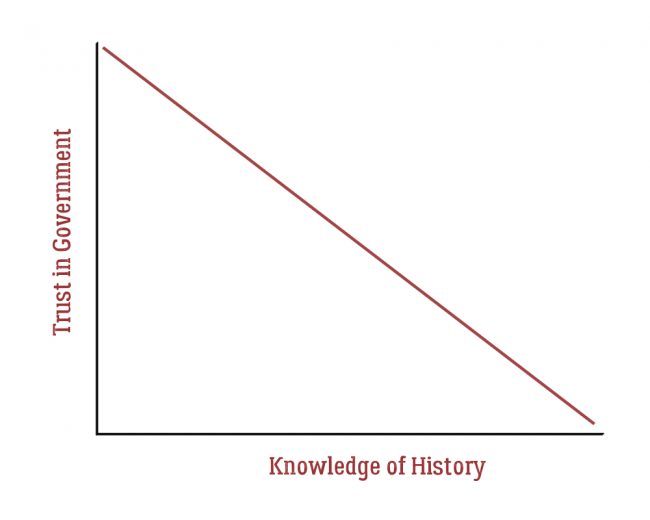

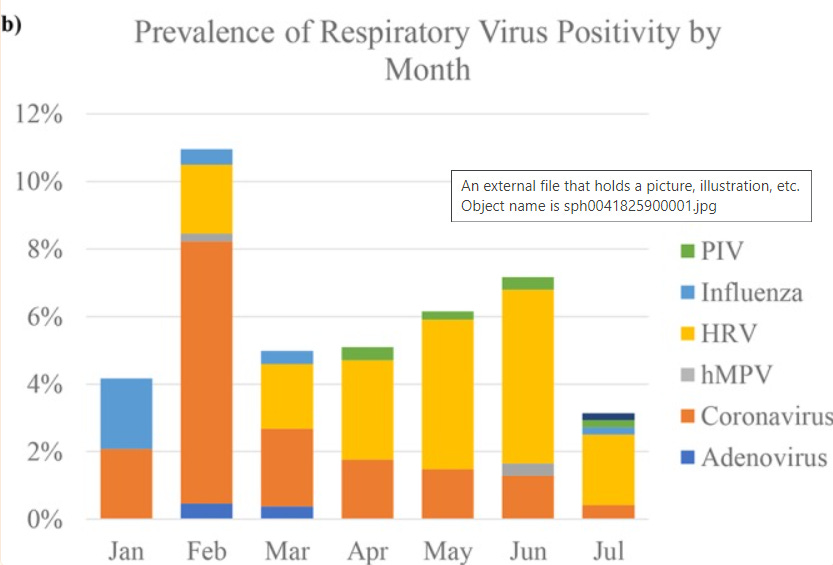

 Aletho News
