Michael Moore is estimated to be worth 50 million dollars. He is a wealthy man. His political support is for the Democratic Party. He has stumped for Alexandria Ocasio Cortez in New York and for Rashida Tlaib in Michigan (does one need to say more?). Moore is essentially a brand.
Moore came to prominence with Roger and Me, but became a part of the cultural zeitgeist with Bowling for Columbine. Moore was satirized in TV cartoons like South Park (a sort of cultural marker for brand success), but despite his celebrity there has been in subsequent films a gradual yet inexorable expression of the law of diminishing (box office) returns.
He has now granted his imprimatur as producer (a bit like Nike is now branding medical face masks. Well… OK… not exactly like that, but still…) on a new documentary by Jeff Gibbs: Planet of the Humans.
Now, the essential and overriding two problems with this film can be generalized as absence of class analysis, and an absent analysis of western Imperialism.
More succinctly, the military is never mentioned, not ever. And the open Malthusian meme ‘we are the problem’, or what is often called ‘the overpopulation argument’ (or Pogo argument) is a profoundly reactionary and racist idea based on classic eugenics, and the one glaring omission and the other rather disturbing ideology, eclipse the genuine (though limited) truths of the film.
And I say limited because while, yes, Al Gore is a ruling class vulture and Bill McKibben an opportunistic self-promoting liar, and pointing this out is correct and even satisfying, these points are subsumed by Gibbs greater political mystifications.
The curious result of these missing ideas and the criticism of them and by extension the film, means that finds oneself aligned, however fleetingly, with people who hate the film for exactly the wrong reasons — the pro capitalist DNC linked pro climate justice. Green energy supporters, among whom one can count Alexandria Ocasio Cortez who producer Michael Moore supports and campaigns for (cognitive dissonance exhibit A) and all the myriad other corporate interests that Cory Morningstar painstakingly catalogues in her Wrong Kind of Green blog.
There have been hysterical attacks on Gibbs from these people, and they are wrong. And their egregious *wrongness* here still doesn’t mean its not a flawed film.
But herein lies the real issues that need to be carefully tweezed apart. Even Cory Morningstar linked to the film on the above-mentioned blog.
On an importantly positive note, the stuff that Gibbs gets right is important and one wishes dearly he were a more sophisticated political thinker. And that he wasn’t working with Moore. But details on industrial energy, palm oil, all the massive destruction caused by solar and wind power. That the hype for renewable energy is dishonest and manipulative. Gibbs is exactly right (though a bit late to the party one has to say).
The attacks on him from the proto-capitalist green energy people are cynical and dishonest.
The film is not without poignancy. The image of an 800-year-old Joshua Tree being ground up will not soon leave you, nor the image of the Orangutan – that Orangutan – this is the future under capitalism. There is no escape from it.
I want to return to the nature of the acute ambivalence this film elicits, but first, another factor needs to be noted. Timing.
That this film (which was rejected, apparently, by major distributors, although I have no direct evidence of this) is released during the Corona panic (for free), during the global house arrest (and this, in turn, means a necessary sidebar on Bill Gates) is troubling.
One of the most prevalent themes being repeated ad nauseam in media is one that depicts the suddenly clean waters of the Venice canals, the return of wildlife to the suburbs of America and northern Europe, and the generally breathable air of previously polluted big cities. And the message is, like the Gibbs film, “we are the problem”. Get rid of people, or keep them inside, and voila… an Edenic Gaia. The film then becomes tantamount to a marketing campaign for depopulation simply by virtue of its release date.
This, in turn, links to another problem with Planet of the Humans, and that is that it is very white. And I find a surprising number of (surprise) white people who either will object to this description, or simply tell you it has no meaning. But it does have meaning and it has history.
A history where twelve presidents owned and worked slaves. A history in which the U.S. Army gave out blankets, infected with smallpox, to native american tribes. Ponder that. The U.S. history is so interwoven with its slave-owning and genocidal past; add Manifest Destiny, and the Monroe doctrine, and sixty years of intense anticommunism and covert CIA coups – many of which targeted post-independence Africa – that history is inseparable from any cultural or political product.
THAT history colours all cultural discussion, it cannot be escaped. And there is an unsettling sense of privilege (even if not literally true) in listening to a white guy intone for a hundred minutes.
So, when white men narrate films where nearly all humans are white, it is ipso facto problematic. White men with apparently no politics beyond ‘trees are nice’.
Now, having said this, the subject Gibbs is tackling is important. Many of his conclusions are correct, but only up to a point because looming over everything is the spectre of de-population. And this Malthusianism is so threadbare at this point, so utterly at odds with the facts, that for Gibbs to promote it means he loses credibility for everything. And it’s sinister.
There are not too many people; thats simply not true, and in fact across the planet birth rates are cratering (why is IVF such big business?) But again, if one reads the reviews in corporate-owned media (Vox, or Salon et al.) it’s enough to make one root for and defend Gibbs… almost.
In fact, reading the mainstream press on the topic of this film is an object lesson in how propaganda is disseminated. It is a perfect illustration of the internalizing of the meta-narrative for climate, as it is for Covid 19. They can’t be separated, just as drone assassination and US/NATO Imperialist wars cannot be separated from SWAT teams kicking in doors in south-central.
The fact that the U.S. has over two million people in prison, which is the most per capita and real in the world, and that two million with a disproportionate number of black prisoners, is also suggestive of a deep intractable terror of a planet with dwindling white power.
But cutting across this, as I say, is the frightening erosion of democracy in the Covid 19 emergency. Never mind Malaria killed 400,000 last year, or that even the slimy frontman for Gates and his friends, Dr Fauci, admits the case mortality rate will be very low. It doesn’t matter because this stopped being about the virus long ago.
Here is essential reading regarding Gates…. two pieces. One from Jake Levich and the next from Alison McDowell.
I read in social media how people are so inspired about ‘frontline medical workers’ (you see there is always a new vocabulary, much like with climate and carrying capacity and wet bulbs and 6th mass extinction etc) and yet, in fact, huge numbers of hospitals are closing (likely to never reopen) and those doctors and nurses and now among the growing mass of unemployed in the US.
It seems the American bourgeoisie want to believe this is a dire threat. They want to self isolate. Perhaps this massive quarantine is a time of leisure that they don’t often get. I have no idea, honestly. But I do know for certain the quarantines will kill far more than the virus, in the long term, and that the new mass upticks in surveillance and invasions of privacy won’t ever be rolled back. But the bigger question is in terms of global travel and the Gates agenda (see Fourth Industrial Revolution, smart cities, etc).
What Gates wants is everyone to carry a certificate (or microchip) that indicates if they have had this or that vaccination. This is exactly what your dog has to have when you fly them out of the country.
I am deeply sorry Gibbs did not resist, or maybe actively joined, the agenda of the eugenicists. And as to the lack of mention of the military, well, I honestly don’t know how that is even possible if you claim to be making a documentary about destruction of the planet. The US war machine cuts across ever aspect of human existence today. That is not hyperbole. And yet Gibbs ignored it. I want to defend Gibbs against the corporate attacks against him, but I find it hard. And a final thought on all this.
The white liberal educated class so hate Trump that all rational perspective is lost. Anything that throws shade on Trump is a good thing. And this hatred is being enjoyed far too much; it is as if Trump came along and answered their unconscious prayers for active exercise of a deep soul-crushing hate. It bonds people, a negative bonding to be sure, but that is better than nothing.
The pimps for lockdown seem impervious to the loss of millions of jobs (just today in Norway SAS airlines cut 5000 jobs, and nobody expects them back. Or in Hollywood, as shooting resumes, crews are decimated. Thousands of jobs that likely won’t return). The importance of specific facts in Planet of the Humans are undeniable. I sincerely hope people will watch it, but watch it with an educated critical eye. For Gibbs is in bed with this man.
Two multi-millionaires performing the role of concerned citizens, and confused, confused I tell you, why people don’t want to lose their jobs and ability to feed their families.
Cory Morningstar wrote just the other day:
A new report from the Institute for Policy Studies found that, while tens of millions of Americans have lost their jobs during the #coronavirus pandemic, America’s ultra-wealthy elite have seen their net worth surge by $282 billion in just 23 days.”
There seems an almost class divide actually, for both climate discourse and corona discourse. The working-class fear loss of food and shelter far more than an only moderately lethal virus. They fear the excesses of federal bureaucracies, and the boot-heel of domestic US city police departments, not to mention custodial supervision. The white educated bourgeoisie fear but are also exhilarated by this contagion. As the lockdown began the top viewing film on Netflix that week was Contagion (Soderbergh, 2011).
This is exciting they think, and it allows yet another new vocabulary. So in social media where once one was confronted with endless white guys who were getting to play being scientists and climatologists, now one is running into a constant stream of Epidemiologists, infectious disease specialists and biologists.
I’m going to quote myself here, with apologies, from a recent blog post:
The pandemic is fetishized and much like the climate alarmism associated with Greta and The Guardian paper, there is a curious fetishized and cultic response in much of the population. And it is the latent masochism of the already terrorized. It also feels like a faint cry of Puritan angst, a call to piety. This is a very American sensibility, this punitive moralism.
And I want to quote Paul Haeder, who is a social worker and writer in Oregon. This is a comment he made on his blog (which you should all read) here:
And the underlying message is population control. The great white hope of Michael Moore and I guess Jeff Gibbs is really the underpinning of the flick – and no credence is given to the millions upon millions of people fighting this bastardization of humanity, of life, called Western Capitalism. There are literally hundreds upon hundreds of groups that Gibbs could have put front and center who are local, indigenous, part of the peasant movement, others, who are real forest protectors and water protectors and life protectors.
The for Evidence-Based Medicine (Oxford University) has the infection fatality rate at between 0.1% and 0.36%. That is pretty much what seasonal flu comes in at. [It should be noted that SARS-CoV-2 is far more transmissible, and that populations still lack immunity, making comparison with influenza based simply on the infection fatality rate fundamentally wrong (.36% of 7 billion is over 25 million)]. Something many of us said a month ago. The comparisons between the climate discourse and the Covid discourse are striking. One might even think there was an agenda here. But such topics are nowhere to be seen in the Gibbs film.
Which is fine, I suppose, if he only had viewed the lies and venality of the boosters for New green capitalism in something like a political frame. His obvious personal disappointment ends up feeling like, again, privilege.
The Fourth Industrial Revolution is one meant to permanently eliminate humans from their work and livelihoods. This is the dream of the 1%. The fact that western capital continues to promote the “we are the enemy” meme should make us suspicious. It does not seem to have made Gibbs suspicious at all.
What is the point of U.S. foreign interventionism?
Why are U.S. troops killing and dying in faraway countries like Afghanistan, Iraq, Syria, and Somalia?
Why does the U.S. government have 165,000 troops stationed in more than 150 foreign countries?
Why is the U.S. government enforcing economic sanctions and embargoes against the people of Iran, North Korea, Cuba, and other countries?
Why are U.S. officials waging trade wars against foreign nations?
Why do the CIA and the Pentagon assassinate foreigners?
Why are U.S. officials provoking conflicts with Iran and Venezuela?
Why is regime change a core feature of U.S. foreign policy?
Why do U.S. officials partner with tyrannical foreign regimes?
Why does the U.S. government tax hard-pressed American citizens in order to send money to foreign regimes, including dictatorial ones?
Why does the U.S. government initiate wars of aggression against countries that have never invaded or even threatened to invade the United States?
Why do U.S. officials spend taxpayer money on foreign interventionism?
Why do U.S. troops inflict death, suffering, and destruction in foreign lands?
What are U.S. troops dying for in faraway lands?
After all, let’s acknowledge the obvious: No nation-state is invading the United States. No nation-state has the money, resources, personnel, equipment, and supplies to cross the ocean and invade and conquer the United States. There is no possibility of an invasion and conquest of the U.S. by Canada or any Latin American country.
Therefore, what is the purpose of all that U.S. meddling in overseas countries? We don’t like foreign regimes meddling in American affairs. Why should U.S. officials be meddling in the affairs of other countries, especially when the meddling involves the infliction of death, suffering, and destruction?
Consider Switzerland. It doesn’t have troops in the Middle East and Afghanistan. It doesn’t send foreign aid to regimes. It doesn’t assassinate people. It doesn’t initiate wars of aggression against Third World countries. It just devotes itself entirely to defending Switzerland against an invasion. And no one ever jacks with the Swiss.
In fact, have you ever wondered why U.S. officials call the Department of Defense by that name? I can see why Switzerland would use such a name. But the U.S.? it seems to me that the more truthful name would be the Department of Foreign Interventionism.
The Swiss model of non-intervention was actually the founding foreign policy of the United States. This was reflected by John’s Quincy Adams’ profound Fourth of July, 1821, speech to Congress entitled “In Search of Monsters to Destroy.” In that speech, Adams observed that if America were ever to abandon her founding foreign policy of non-intervention, “She might become the dictatress of the world: she would be no longer the ruler of her own spirit.”
In fact, that was one of the reasons why the Framers and our American ancestors had such a deep antipathy for what they called “standing armies,” by which they meant large, overgrown military-intelligence establishments, or what President Dwight Eisenhower would later label “the military-industrial complex,” or what we call today a “national-security state.” The Framers and our ancestors didn’t want a “standing army” large enough to engage in foreign interventionism.
Where to go from here? Isn’t the answer obvious?
This post was written by: Jacob G. Hornberger
Jacob G. Hornberger is founder and president of The Future of Freedom Foundation.
Who is Bill Gates? A software developer? A businessman? A philanthropist? A global health expert? This question, once merely academic, is becoming a very real question for those who are beginning to realize that Gates’ unimaginable wealth has been used to gain control over every corner of the fields of public health, medical research and vaccine development. And now that we are presented with the very problem that Gates has been talking about for years, we will soon find that this software developer with no medical training is going to leverage that wealth into control over the fates of billions of people.
For those with limited bandwidth, CLICK HERE to download a smaller, lower file size version of this episode.
For those interested in audio quality, CLICK HERE for the highest-quality version of this episode (WARNING: very large download).
Who is Bill Gates? A software developer? A businessman? A philanthropist? A global health expert?
This question, once merely academic, is becoming a very real question for those who are beginning to realize that Gates’ unimaginable wealth has been used to gain control over every corner of the fields of public health, medical research and vaccine development. And now that we are presented with the very problem that Gates has been talking about for years, we will soon find that this software developer with no medical training is going to leverage that wealth into control over the fates of billions of people.
GATES: [. . .] because until we get almost everybody vaccinated globally, we still won’t be fully back to normal.
Bill Gates is no public health expert. He is not a doctor, an epidemiologist or an infectious disease researcher. Yet somehow he has become a central figure in the lives of billions of people, presuming to dictate the medical actions that will be required for the world to go “back to normal.” The transformation of Bill Gates from computer kingpin to global health czar is as remarkable as it is instructive, and it tells us a great deal about where we are heading as the world plunges into a crisis the likes of which we have not seen before.
This is the story of How Bill Gates Monopolized Global Health.
Until his reinvention as a philanthropist in the past decade, this is what many people thought of when they thought of Bill Gates:
NARRATOR: In the case of the United States vs Microsoft, the US Justice Department contended that the software giant had breached antitrust laws by competing unfairly against Netscape Communications in the internet browser market, effectively creating a monopoly. Bill’s first concern was that the prosecution could potentially block the release of his company’s latest operating system, Windows 98.
STEVE JOBS: We’re going to be working together on Microsoft Office on Internet Explorer on Java and I think that it’s going to lead to a very healthy relationship. So it’s a package announcement today. We’re very, very happy about it, we’re very very excited about it. And I happen to have a special guest with me today via satellite downlink, and if we could get him up on the stage right now.
DAN RATHER: Police and security guards in Belgium were caught flat-footed today by a cowardly sneak attack on one of the world’s wealthiest men. The target was Microsoft chairman Bill Gates, arriving for a meeting with community leaders. Watch what happens when a team of hitmen meet him first with a pie in the face.
[GATES HIT IN THE FACE WITH PIE]
RATHER: Gates was momentarily and understand to be shaken but he was not injured. The hit squad piled on with two more pies before one of them was wrestled to the ground and arrested, the others at least for the moment got away. Gates went inside, wiped his face clean, and made no comment. He then went ahead with his scheduled meeting. No word on the motive for this attack.
But, once reviled for the massive wealth and the monopolistic power that his virus-laden software afforded him, Gates is now hailed as a visionary who is leveraging that wealth and power for the greater good of humanity.
KLAUS SCHWAB: If in the 22nd century a book will be written about the entrepreneur of the 21st century [. . .] I’m sure that the person who will foremost come to the mind of those historians is certainly Bill Gates. [applause]
ANDREW ROSS SORKIN: I don’t think it’s hyperbole to say that Bill Gates is singularly—I would argue—the most consequential individual of our generation. I mean that.
JUDY WOODRUFF: At a time when everyone is looking to understand the scope of the pandemic and how to minimize the threat, one of the best informed voices is that of businessman and philanthropist Bill Gates.
The process by which this reinvention of Gates’ public image took place is not mysterious. It’s the same process by which every billionaire has revived their public image since John D. Rockefeller hired Ivy Ledbetter Lee to transform him from the head of the Standard Oil Hydra into the kind old man handing out dimes to strangers.
MAN OFF CAMERA: Don’t you give dimes, Mr. Rockefeller? Please, go ahead.
More to the point, John D. Rockefeller knew that to gain the adoration of the public, he had to appear to give them what they want: money. He devoted hundreds of millions of dollars of his vast oil monopoly fortune to establishing institutions that, he claimed, were for the public good. The General Education Board. The Rockefeller Institute of Medical Research. The Rockefeller Foundation.
Similarly, Bill Gates has spent much of the past two decades transforming himself from software magnate into a benefactor of humanity through his own Bill & Melinda Gates Foundation. In fact, Gates has surpassed Rockefeller’s legacy with the Bill & Melinda Gates Foundation long having eclipsed The Rockefeller Foundation as the largest private foundation in the world, with $46.8 billion of assets on its books that it wields in its stated program areas of global health and development, global growth, and global policy advocacy.
And, like Rockefeller, Gates’ transformation has been helped along by a well-funded public relations campaign. Gone are the theatrical tricks of the PR pioneers—the ubiquitous ice cream cones of Gates’ mentor Warren Buffett are the last remaining hold-out of the old Rockefeller-handing-out-dimes gimmick. No, Gates has guided his public image into that of a modern-day saint through an even simpler tactic: buying good publicity.
The Bill & Melinda Gates Foundation spends tens of millions of dollars per year on media partnerships, sponsoring coverage of its program areas across the board. Gates funds The Guardian‘s Global Development website. Gates funds NPR’s global health coverage. Gates funds the Our World in Data website that is tracking the latest statistics and research on the coronavirus pandemic. Gates funds BBC coverage of global health and development issues, both through its BBC Media Action organization and the BBC itself. Gates funds world health coverage on ABC News.
When the NewsHour with Jim Lehrer was given a $3.5 million Gates foundation grant to set up a special unit to report on global health issues, NewsHour communications chief Rob Flynn was asked about the potential conflict of interest that such a unit would have in reporting on issues that the Gates Foundation is itself involved in. “In some regards I guess you might say that there are not a heck of a lot of things you could touch in global health these days that would not have some kind of Gates tentacle,” Flynn responded.
Indeed, it would be almost possible to find any area of global health that has been left untouched by the tentacles of the Bill & Melinda Gates Foundation.
It was Gates who sponsored the meeting that led to the creation of Gavi, The Vaccine Alliance, a global public-private partnership bringing together state sponsors and big pharmaceutical companies whose specific goals include the creation of “healthy markets for vaccines and other immunisation products.” As a founding partner of the alliance, the Gates Foundation provided $750 million in seed funding and has gone on to make over $4.1 billion in commitments to the group.
Gates provided the seed money that created The Global Fund to Fight AIDS, Tuberculosis and Malaria, a public-private partnership that acts as a finance vehicle for governmental AIDS, TB, and malaria programs.
When a public-private partnership of governments, world health bodies and 13 leading pharmaceutical companies came together in 2012 “to accelerate progress toward eliminating or controlling 10 neglected tropical diseases,” there was the Gates Foundation with $363 million of support.
When The Global Financing Facility for Women, Children and Adolescents was launched in 2015 to leverage billions of dollars in public and private financing for global health and development programs, there was the Bill & Melinda Gates Foundation as a founding partner with a $275 million contribution.
When the Coalition for Epidemic Preparedness Innovations was launched at the World Economic Forum in Davos in 2017 to develop vaccines against emerging infectious diseases, there was the Gates Foundation with an initial injection of $100 million.
The examples go on and on. The Bill & Melinda Gates Foundation’s fingerprints can be seen on every major global health initiative of the past two decades. And beyond the flashy, billion-dollar global partnerships, the Foundation is behind hundreds of smaller country and region-specific grants—$10 million to combat a locus infestation in East Africa, or $300 million to support agricultural research in Africa and Asia—that add up to billions of dollars in commitments.
It comes as no surprise, then, that—far beyond the $250 million that the Gates Foundation has pledged to the “fight” against coronavirus—every aspect of the current coronavirus pandemic involves organizations, groups and individuals with direct ties to Gates funding.
From the start, the World Health Organization has directed the global response to the current pandemic. From its initial monitoring of the outbreak in Wuhan and its declaration in January that there was no evidence of human-to-human transmission to its live media briefings and its technical guidance on country-level planning and other matters, the WHO has been the body setting the guidelines and recommendations shaping the global response to this outbreak.
But even the World Health Organization itself is largely reliant on funds from the Bill & Melinda Gates Foundation. The WHO’S most recent donor report shows that the Bill & Melinda Gates Foundation is the organization’s second-largest donor behind the United States government. The Gates Foundation single-handedly contributes more to the world health body than Australia, Canada, France, Germany, Russia and the UK combined.
What’s more, current World Health Organization Director-General Tedros Adhanom Ghebreyesus is in fact, like Bill Gates himself, not a medical doctor at all, but the controversial ex-Minister of Health of Ethiopia, who was accused of covering up three cholera outbreaks in the country during his tenure. Before joining the WHO he served as chair of the Gates-founded Global Fund to Fight AIDS, Tuberculosis and Malaria, and sat on the board of the Gates-founded Gavi, the Vaccine Alliance, and the Gates-funded Stop TB Partnership.
The current round of lockdowns and restrictive stay-home orders in western countries were enacted on the back of alarming models predicting millions of deaths in the United States and hundreds of thousands in the UK.
HAYLEY MINOGUE: Imperial College in London released a COVID-19 report and that’s where most of our US leaders are getting the information they’re basing their decision making on.
[. . .]
The report runs us through a few different ways this could turn out depending on what our responses are. If we don’t do anything to control this virus, over 80% of people in the US would be infected over the course of the epidemic, with 2.2 million deaths from Covid-19.
The work of two research groups was crucial in shaping the decision of the UK and US governments to implement wide-ranging lockdowns, and, in turn, governments around the world. The first group, the Imperial College Covid-19 Research Team, issued a report on March 16th that predicted up to 500,000 deaths in the UK and 2.2 million deaths in the US unless strict government measures were put in place.
The second group, the Institute for Health Metrics and Evaluation in Bill Gates’ home state of Washington, helped provide data that corroborated the White House’s initial estimates of the virus’ effects, estimates that have been repeatedly downgraded as the situation has progressed.
Unsurprisingly, the Gates Foundation has injected substantial sums of money into both groups. This year alone, the Gates Foundation has already given $79 million to Imperial College, and in 2017 the Foundation announced a $279 million investment into the IHME to expand its work collecting health data and creating models.
Anthony Fauci, meanwhile, has become the face of the US government’s coronavirus response, echoing Bill Gates’ assertion that the country will not “get back to normal” until “a good vaccine” can be found to insure the public’s safety.
ANTHONY FAUCI: If you want to get to pre-coronavirus . . . You know, that might not ever happen, in the sense of the fact that the threat is there. But I believe with the therapies that will be coming online, and with the fact that I feel confident that over a period of time we will get a good vaccine, that we will never have to get back to where we are right back now.
Beyond just their frequent collaborations and cooperation in the past, Fauci has direct ties to Gates projects and funding. In 2010, he was appointed to the Leadership Council of the Gates-founded “Decade of Vaccines” project to implement a Global Vaccine Action Plan, a project to which Gates committed $10 billion of funding. And in October of last year, just as the current pandemic was beginning, the Gates Foundation announced a $100 million contribution to the National Institute of Health to help, among other programs, Fauci’s National Institute of Allergy and Infectious Diseases’ research into HIV.
Also in October of last year, the Bill & Melinda Gates Foundation partnered with the World Economic Forum and The Johns Hopkins Center for Health Security to stage Event 201, a tabletop exercise gauging the economic and societal impact of a globally-spreading coronavirus pandemic.
NARRATOR: It began in healthy-looking pigs months, perhaps years, ago: a new coronavirus.
ANITA CICERO: The mission of the pandemic emergency board is to provide recommendations to deal with the major global challenges arising in response to an unfolding pandemic. The board is comprised of highly experienced leaders from business Public Health and civil society.
TOM INGLESBY: We’re at the start of what’s looking like it will be a severe pandemic and there are problems emerging that can only be solved by global business and governments working together.
STEPHEN REDD: Governments need to be willing to do things that are out of their historical perspective, or . . . for the most part. It’s really a war footing that we need to be on.
Given the incredible reach that the tentacles of the Bill & Melinda Gates Foundation have into every corner of the global health markets, it should not be surprising that the foundation has been intimately involved with every stage of the current pandemic crisis, either. In effect, Gates has merely used the wealth from his domination of the software market to leverage himself into a similar position in the world of global health.
The whole process has been cloaked in the mantle of selfless philanthropy, but the foundation is not structured as a charitable endeavour. Instead, it maintains a dual structure: the Bill & Melinda Gates Foundation distributes money to grantees, but a separate entity, the Bill & Melinda Gates Foundation Trust, manages the endowment assets. These two entities often have overlapping interests, and, as has been noted many times in the past, grants given by the foundation often directly benefit the value of the trust’s assets:
MELINDA GATES: One of my favorite parts of my job at the Gates Foundation is that I get to travel to the developing world, and I do that quite regularly.
[. . .]
My first trip in India, I was in a person’s home where they had dirt floors, no running water, no electricity, and that’s really what I see all over the world. So in short, I’m startled by all the things that they don’t have. But I am surprised by one thing that they do have: Coca-Cola. Coke is everywhere. In fact, when I travel to the developing world, Coke feels ubiquitous.
And so when I come back from these trips, and I’m thinking about development, and I’m flying home and I’m thinking, we’re trying to deliver condoms to people or vaccinations, you know? Coke’s success kind of stops and makes you wonder: How is it that they can get Coke to these far-flung places? If they can do that, why can’t governments and NGOs do the same thing?
AMY GOODMAN: And the charity of billionaire Microsoft founder Bill Gates and his wife Melinda is under criticism following the disclosure it’s substantially increased its holdings in the agribusiness giant Monsanto to over $23 million. Critics say the investment in Monsanto contradicts the Bill and Melinda Gates Foundation’s stated commitment to helping farmers and sustainable development in Africa.
LAURENCE LEE: The study from the pressure group Global Justice now paints a picture of the Gates Foundation partly as an expression of corporate America’s desire to profit from Africa, and partly a damning critique of its effects.
POLLY JONES: You could have a case where the initial research is done by a Gates-funded institution. And the media reporting on how well that research is conducted is done, the media outlet is a Gates-funded outlet, or maybe a Gates-funded journalist from a media program. And then the program is implemented more widely by a Gates-funded NGO. I mean . . . There are some very insular circles here.
LEE: Among the many criticisms, the idea that private finance can solve the problems of the developing world. Should poor farmers be trapped into debt by having to use chemicals or fertilizers under written by offshoot of the foundation?
This is no mere theoretical conflict of interest. Gates is held up as a hero for donating $35.8 billion worth of his Microsoft stock to the foundation, but during the course of his “Decade of Vaccines,” Gates’ net worth has actually doubled, from $54 billion to $103.1 billion.
The Rockefeller story provides an instructive template for this vision of tycoon-turned-philanthropist. When Rockefeller faced a public backlash, he helped spearhead the creation of a system of private foundations that connected in with his business interests. Leveraging his unprecedented oil monopoly fortune into unprecedented control over wide swathes of public life, Rockefeller was able to kill two birds with one stone: moulding society in his families’ own interests even as he became a beloved figure in the public imagination.
Similarly, Bill Gates has leveraged his software empire into a global health, development and education empire, steering the course of investment and research and ensuring healthy markets for vaccines and other immunisation products. And, like Rockefeller, Gates has been transformed from the feared and reviled head of a formidable hydra into a kindly old man generously giving his wealth back to the public.
But not everyone has been taken in by this PR trick. Even The Lancet observed this worrying transformation from software monopolist to health monopolist back in 2009, when the extent of this Gates-led monopoly was becoming apparent to all:
The first guiding principle of the [Bill & Melinda Gates] Foundation is that it is “driven by the interests and passions of the Gates family.” An annual letter from Bill Gates summarises those passions, referring to newspaper articles, books, and chance events that have shaped the Foundation’s strategy. For such a large and influential investor in global health, is such a whimsical governance principle good enough?
This brings us back to the question: Who is Bill Gates? What are his driving interests? What motivates his decisions?
These are not academic questions. Gates’ decisions have controlled the flows of billions of dollars, formed international partnerships pursuing wide-ranging agendas, ensured the creation of “healthy markets” for big pharma vaccine manufacturers. And now, as we are seeing, his decisions are shaping the entire global response to the coronavirus pandemic.
Next week, we will further explore Gates’ vaccination initiatives, the business interests behind them, and the larger agenda that is beginning to take shape as we enter the “new normal” of the Covid-19 crisis.
This April 16th, Dr. Luc Montagnier became a household name around the world. This occurred as the controversial virologist decided to publicly state his support for the theory that Covid-19 is indeed a laboratory-generated creation and not a naturally occurring effect of viral evolution.
Referring to a study published at the Kusama School of Biology in New Dehli on January 31st, Montagnier (the 2008 Nobel Prize winner for his 1983 discovery of the HIV virus) made the point that the specific occurrence of HIV RNA viral segments spliced surgically within the COVID-19 genome could not have originated naturally and he described it in the following words:
“We have carefully analyzed the description of the genome of this RNA virus. We weren’t the first, a group of Indian researchers tried to publish a study showing that the complete genome of this virus that has within the sequences of another virus: that of HIV.”
While the Indian team was induced to retract their publication under immense pressure from the mainstream medical establishment (which never bothered to seriously refute the content of the study’s research but rather used the “random-mutation-makes-anything-possible” argument), Montagnier stated “scientific truth always emerges”.
Not China: Montagnier Misdiagnoses the Culprit
Montagnier’s political ignorance became all too clear when he was asked who the culprit could possibly be.
By asserting his belief that China’s BSL4 lab in Wuhan was the source, Montagnier has fallen into a trap set by Anglo-American Intelligence circles which have been promoting a military confrontation between the USA and China for a very long time.
Now even though Montagnier denies that China released this virus with malicious intent (unlike many fanatical droves of neoconservatives currently itching for war), the “Wuhan Lab origin” hypothesis completely ignores the reality of the Pentagon’s globally extended 25 bioweapons laboratories which have openly created novel coronaviruses including varieties that arose in bats as journalist Whitney Webb’s remarkable February 2020 paper demonstrated.
Even though a 2014-2017 temporary ban on “dual-use” funding was imposed onto America’s bioweapons research, nothing prevented this work from occurring internationally or even covertly within the 11 military labs on American soil itself and tied to the same Fort Detrick that was shut down in July 2019 under suspicious circumstances. As I pointed out in my previous paper The Project for a New American Century, 9/11 and Bioweapons, over $50 billion has been spent on bioweapons research since 2001 which the Project for a New American Century manifesto claimed would play a major role in the arsenal of 21st century warfare stating: “advanced forms of biological warfare that can “target” specific genotypes may transform biological warfare from the realm of terror to a politically useful tool”.
Luc Montagnier’s Wave Therapy: Quackery or Brilliance?
The most powerful aspect of Montagnier’s April 16th intervention into world politics in my view is not really found in his support for the laboratory-origins theory, but rather in the scientist’s often overlooked proposition for an international crash program in something called electromagnetic wave therapy. Rather than investing in vaccines, Montagnier has explained that it would be much wiser for nations of the world to launch a crash project into a very different approach to viral treatments than is currently common in polite society saying:
“I think we can make interference waves which are behind the RNA sequences that can eliminate those sequences with waves and consequently stop the pandemic”
Before brushing this off as “quackery” as so many are wont to do, one should keep in mind that President Trump himself has indicated his interest in Montagnier’s approach in his April 23rd briefing telling reporters:
“Supposing we hit the body with a tremendous … whether it’s ultraviolet or just very powerful light. And I think you said that hasn’t been checked, but you are going to test it… And then I said supposing you brought the light inside the body, which you can do either through the skin or in some other way. And I think you said you are going to test it.”
While Trump has been vilely attacked as “unscientific” for these utterances, it is only due to the vast ignorance of Montagnier’s incredible discoveries into the electromagnetic properties of life that such mockery can go unchallenged. Montagnier’s innovations into “bleaching therapy” which Trump referenced in the same speech are also much more complex than mainstream detractors assume and has nothing to do with simply “injecting”disinfectants into the blood stream. These therapies are highly interconnected with the electromagnetic waves emitted by certain types of bacteria which Montagnier has discovered to be the most likely driving mechanism to many of the diseases both chronic and acute plaguing humanity. More will be said on that below.
What is Optical Biophysics and What did Montagnier Discover?
Optical biophysics is the study of the electromagnetic properties of the physics of life. This means paying attention to the light emissions and absorption frequencies from cells, DNA, and molecules of organic matter, how these interface with water (making up over 75% of a human body) and moderated by the nested array of magnetic fields located on the quantum level and stretching up to the galactic level.
Not to discount the bio-chemical nature of life which is hegemonic in the health science realm, the optical biophysician asks: which of these is PRIMARY in growth, replication, and division of labor of individual cells or entire species of organisms? Is it the chemical attributes of living matter or the electromagnetic properties?
Let me explain the paradox a bit more.
There are approximately 40 trillion highly differentiated cells in the average human body, each performing very specific functions and requiring an immense field of coherence and intercommunication. Every second approximately 10 million of those cells die, to be replaced by 10 million new cells being born. Many of those cells are made up of bacteria, and much of the DNA and RNA within those cells is made up of viruses (mostly dormant), but which can be activated/deactivated by a variety of methods both chemical and electromagnetic.
Here’s the big question:
HOW might this complex system be maintained by chemical processes alone- either over the course of a day, month or an entire lifetime?
The simple physics of motion of enzymes which carry information in the body from one location to another simply doesn’t come close to accounting for the information coordination required among all parts. This is where Montagnier’s research comes in.
After winning the 2008 Nobel Prize, Dr. Montagnier published a revolutionary yet heretical 2010 paper called “DNA Waves and Water” which took the medical community by storm. In this paper, Montagnier demonstrated how low frequency electromagnetic radiation within the radio wave part of the spectrum was emitted from bacterial and viral DNA and how said light was able to both organize water and transmit information! The results of his experiments were showcased wonderfully in this 8 min video:
Using a photo-amplifying device invented by Dr. Jacques Benveniste in the 1980s to capture the ultra low light emissions from cells, Montagnier filtered out all particles of bacterial DNA from a tube of water and discovered that the post-filtered solutions containing no material particles continued to emit ultra low frequency waves! This became more fascinating when Montagnier showed that under specific conditions of a 7 Hz background field (the same as the Schumann resonance which naturally occurs between the earth’s surface and the ionosphere), the non-emitting tube of water that had never received organic material could be induced to emit frequencies when placed in close proximity with the emitting tube! Even more interesting is that when base proteins, nucleotides and polymers (building blocks of DNA) were put into the pure water, near perfect clones of the original DNA were formed!
Dr. Montagnier and his team hypothesized that the only way for this to happen was if the DNA’s blueprint was somehow imprinted into the very structure of water itself resulting in a form of “water memory” that had earlier been pioneered by Jacques Benveniste, the results of which are showcased in this incredible 2014 documentary “Water Memory”.
Just as Benveniste suffered one of the most ugly witch hunts in modern times (led in large measure by Nature Magazine in 1988), Montagnier’s Nobel prize did not protect him from a similar fate as an international slander campaign has followed him over the past 10 years of his life. Nearly 40 Nobel prize winners have signed a petition denouncing Montagnier for his heresy and the great scientist was forced to even flee Europe to escape what he described as a culture of “intellectual terror”. In response to this slander, Montagnier stated to LaCroix magazine: “I’m used to attacks from these academics who are just retired bureaucrats, closed off from all innovation. I have the scientific proofs of what I say”.
Describing the greatest challenges to advancing this research, Montagnier stated:
“We have chosen to work with the private sector because no funds could come from public institutions. The Benveniste case has made it so that anyone who takes an interest in the memory of water is considered… I mean it smells of sulphur. It’s Hell.”
Casting Montagnier’s Research in a New Light
In a 2011 interview, Dr. Montagnier recapitulated the consequences of his discoveries:
“The existence of a harmonic signal emanating from DNA can help to resolve long-standing questions about cell development, for example how the embryo is able to make its manifold transformations, as if guided by an external field. If DNA can communicate its essential information to water by radio frequency, then non-material structures will exist within the watery environment of the living organism, some of them hiding disease signals and others involved in the healthy development of the organism.”
With these insights in mind, Montagnier has discovered that many of the frequencies of EM emissions from a wide variety of microbial DNA is also found in the blood plasmas of patients suffering from influenza A, Hepatitis C, and even many neurological diseases not commonly thought of as bacteria-influenced such as Parkinsons, Multiple Sclerosis, Rheumathoid Arthritis and Alzheimers. In recent years, Montagnier’s teams even found certain signals in the blood plasmas of people with autism and several varieties of cancers!
These results imply again that certain hard-to-detect species of light emitting microbes are closer to the cause of these ills than the modern pharmaceutical industry would like to admit.
A New Domain of Thinking: Why Big Pharma Should Be Afraid
As the filmed 2014 experiment demonstrated, Montagnier went even further to demonstrate that the frequencies of wave emissions within a filtrate located in a French laboratory can be recorded and emailed to another laboratory in Italy where that same harmonic recording was infused into tubes of non-emitting water causing the Italian tubes to slowly begin emitting signals! These DNA frequencies were then able to structure the Italian water tubes from the parent source a thousand miles away resulting in a 98% exact DNA replica!
Standing as we are, on the cusp of so many exciting breakthroughs in medical science, we should ask: what could these results mean for the multi-billion dollar pharmaceutical industrial complex which relies on keeping the world locked into a practice of chemical drugs and vaccines?
Speaking to this point, Montagnier stated:
“The day that we admit that signals can have tangible effects, we will use them. From that moment on we will be able to treat patients with waves. Therefore it’s a new domain of medicine that people fear of course. Especially the pharmaceutical industry… one day we will be able to treat cancers using frequency waves.”
Montagnier’s friend and collaborator Marc Henry a professor of Chemistry and Quantum Mechanics at the University of Strasbourg stated:
“If we treat with frequencies and not with medicines it becomes extremely cost effective regarding the amount of money spent. We spend a lot of money to find the frequencies, but once they have been found, it costs nothing to treat.”
Whether produced in a lab as Montagnier asserts or having appeared naturally as Nature Magazine asserts, the fact remains that the current coronavirus pandemic has accelerated a collapse of the world financial system and forced the leaders of the world to discuss the reality of a needed new paradigm and new world economic order. Whether that new system will be driven by Pharmaceutical cartels, and sociopathic bankers running global health policy for a technocratic elite of social engineers or whether it will be driven by nation states shaping the terms of that new system around human needs, remains to be seen.
If nation states manage to stay in the driver’s seat of this new system, then it will have to be driven by certain fundamental principles of healthcare for all, science practice reform and broader political/economic reform whereby the sacredness of human life is placed above all considerations of monetary profit. In this light, such crash programs into long term projects in space science, asteroid defense, and Lunar/Mars development will be as necessary in the astrophysical domain as crash programs in fusion energy will be in the atomic domain. Uniting both worlds, is the domain of life sciences that intersects the electromagnetic properties of atoms, cells and DNA with the large scale electromagnetic properties of the Earth, Sun and galaxy as a whole.
In 2019 bird researchers published Rosenberg et al “Decline of the North American Avifauna”, reporting a decline in 57% of the bird species. They estimated a net loss of nearly 2.9 billion birds since 1970, and urged us to remedy the threats, claiming all were “exacerbated by climate change”, and we must stave off the “potential collapse of the continental avifauna.” Months before publication the researchers had organized an extensive media campaign. Typical doomsday media like the New York Times piled on with “Birds Are Vanishing From North America” and Scientific American wrote, “Silent Skies: Billions of North American Birds Have Vanished.”
As I have now been sheltering in place, I finally had ample time to thoroughly peruse Rosenberg’s study. I had a very personal interest in it, having professionally studied bird populations for over 20 years and had worked to restore their habitat. I also had conducted 20 years of surveys which were part of the study’s database. Carefully looking at their data, a far more optimistic perspective is needed. So here I join a chorus of other ecologists, as reported in Slate, that “There Is No Impending Bird Apocalypse”. As one ecologist wrote, it’s “not what’s really happening. I think it hurts the credibility of scientists.”
First consider since 1970 many species previously considered endangered such as pelicans, bald eagle, peregrine falcon, trumpeter swan, and whooping crane have been increasing due to enlightened management. Despite being hunted, ducks and geese increased by 54%. Secondly, just 12 of the 303 declining species account for the loss of 1.4 billion birds, and counterintuitively their decline is not worrisome.
Three introduced species – house sparrows, starlings and pigeons – account for nearly one half billion lost birds. These birds were pre-adapted to human habitat and are considered pests that carry disease and tarnish buildings and cars with their droppings. Across America, companies like Bird-B-Gone are hired to remove these foreign bird pests. Furthermore, starlings compete with native birds like bluebirds and flickers for nesting cavities, contributing to native bird declines. The removal of starlings is not an omen of an “avifauna collapse”, but good news for native birds.
When European colonists cleared forests to create pastures and farmland or provide wood for heating, open-habitat species “unnaturally” increased. Previously confined to the Great Plains, brown‑headed cowbirds quickly invaded the newly opened habitat. Unfortunately, cowbirds parasitize other species by laying its eggs in their nests. A cowbird hatchling then pushes out all other nestlings, killing the parasitized species’ next generation. The loss of 40 million cowbirds only benefits our “continental avifauna”.
Several bird species had evolved to colonize forest openings naturally produced by fire, or floods or high winds. Those species “unnaturally” boomed when 50% to 80% of northeastern United States became de-forested by 1900. Still, eastern trees will reclaim a forest opening within 20 years, so open habitat species require a constant supply of forest openings. However as marginal farms and pastures were abandoned, fires were suppressed and logging reduced, forests increasingly reclaimed those openings. With a 50% decline in forest openings, their bird species also declined; now approaching pre-colonial numbers. Accordingly, birds of the expanding forest interior like woodpeckers are now increasing.
White-throated Sparrows and Dark-eyed Juncos quickly colonize forest openings but then disappear within a few years as the forest recovers. Those 2 species alone accounted for the loss of another quarter of a billion birds; not because of an ecosystem collapse, but because forests were reclaiming human altered habitat. Nonetheless those species are still 400 million strong, and juncos remain abundant in the open habitat maintained by suburban back yards. If environmentalists want to reclaim the abundance of their boom years, they must manage forest openings with logging or prescribed burns.
Insect outbreaks also create forest openings. For hundreds of years forests across Canada and northeastern US have been decimated every few decades by spruce bud worm eruptions. So, forest managers now spray to limit further outbreaks. Today there are an estimated 111 million living Tennessee Warblers that have specialized to feed on spruce bud worms. But the warbler’s numbers have declined by 80 million because insect outbreaks are more controlled. Still they have never been threatened with extinction. Conservationists must determine what is a reasonable warbler abundance while still protecting forests from devastating insect infestations.
The grassland biome accounted for the greatest declines, about 700 million birds. Indeed, natural grasslands had been greatly reduced by centuries of expanding agriculture and grazing. But in recent times more efficient agriculture has allowed more land to revert to “natural” states. However fossil fuel fears reversed that trend. In 2005 federal fuel policies began instituting subsidies to encourage biofuel production. As a result, 17 million more acres of grassland have been converted to corn fields for ethanol since 2006.
Although still very abundant, just 3 species account for the loss of 400 million grassland birds: Horned Larks, Savannah Sparrows and Grasshopper Sparrows. Horned Larks alone accounted for 182 million fewer birds due to a loss of very short grass habitats with some bare ground. To increase their numbers, studies show more grazing, mowing or burning will increase their preferred habitat.
It must be emphasized that the reported cumulative loss of 2.9 billion birds since 1970, does not signify ecosystem collapses. But there are some legitimate concerns such as maintaining wetlands. And there are some serious human-caused problems we need to remedy to increase struggling bird populations. It is estimated that cats kill between 1 to 3 billion birds eachyear. Up to 1 billion birds eachyear die by crashing into the illusions created by window reflections. Collisions with cars and trucks likely kill 89 to 350 million birds a year. Instead of fearmongering ecosystem collapse, our avifauna would best be served by addressing those problems.
Questioning Bird Models
Population estimates for most land birds are based on data from the US Geological Surveys Breeding Bird Surveys (BBS). I conducted 2 BBS surveys on the Tahoe National Forest for 20 years. Each survey route consists of 50 stops, each a half‑mile apart. At each stop for a period of just 3 minutes, I would record all observed birds, the overwhelming majority of which are heard but not seen. Many birds can be missed in such a short time, but the BBS designers decided a 3-minute observation time allowed the day’s survey to cover more habitat. Each year on about the same date, the BBS survey was repeated.
Each BBS route surveys perhaps 1% the region’s landscape. To estimate each species’ population for the whole region, the survey’s observations are extrapolated and modeled. However, models rely on several assumptions and adjustments, and those assumptions can inflate final estimates. For example, in 2004 researchers estimated there were 6,500,000 Rufous Hummingbirds. By 2017, researchers estimated there were now 21,690,000. But that larger population cannot be deemed a conservation success. That tripling of abundance was mostly due to new adjustments.
Because singing males account for most observations, the number of observed birds is doubled to account for an unobserved female that is most likely nearby. Furthermore, it is assumed different species are more readily detected than others. The models assume that each stop will account for all the birds within a 400‑meter radius. Because a crow is readily detected over that distance, no adjustments are made to the number of observed crows. But hummingbirds are not so easily detected. The earlier surveys assumed a hummingbird could only be detected if it was within an 80‑meter radius. So, to standardize the observations to an area with a 400‑meter radius, observations were multiplied by 25. Recent survey models now assume hummingbirds can only be detected within 50 meters, so their observations are now adjusted by multiplying by 64.
Thus, depending on their detection adjustments, one real observation could generate 50 or 128 virtual hummingbirds. That number is further scaled up to account for the time‑of‑day effects and the likely number of birds in the region’s un-surveyed landscapes.
Setting aside assumptions about the regional homogeneity of birds’ habitat, one very real problem with these adjustments that has yet to be addressed. If one bird is no longer observed at a roadside stop, the model assumes that the other 127 virtual birds also died.
Survey routes are done along roadsides and up to 340 million birds are killed by vehicles each year. Many sparrows and warblers are ground nesters and will fly low to the ground. Many seed eating birds like finches will congregate along a roadside to ingest the small gravel needed to internally grind their seeds. Every year I watched a small flock of Evening Grosbeaks ingesting gravel from the shoulder of a country road, get picked off one by one by passing cars. Roadside vegetation often differs from off-road vegetation. Roads initially create openings that are suitable for one species but are gradually grown over during the lifetime of a survey to become unsuitable habitat. So, it should never be assumed that the loss of roadside observations represents a decline for the whole region.
The larger the models’ detectability adjustments are for a given species, the greater the probability that any declining trend in roadside observations will exaggerate a species population loss for the region. The greatest population losses were modeled for warblers and sparrows and most warbler and sparrow data are adjusted for detectability by multiplying actual observations 4 to 10-fold. It is worth reporting good news from recent studies in National Parks that used a much greater density of observation points and were not confined to roadsides. Their observation points were also much closer together and thus required fewer assumptions and adjustments. Of the 50 species they observed, all but 3 populations were stable.
Pushing a fake crisis, Rosenberg et al argued that declining numbers within a species that is still still very abundant doesn’t mean they are not threatened with a quick collapse. He highlighted the Passenger Pigeon was once one of the most abundant birds in North America and they quickly went extinct by 1914. That doomsday scenario was often repeated by the media. But comparison to the Passenger Pigeon’s demise is a false equivalency. Passenger Pigeons were hunted for food when people were suffering from much greater food insecurity.
Rosenberg et al summarized their study with one sentence: “Cumulative loss of nearly three billion birds since 1970, across most North American biomes, signals a pervasive and ongoing avifaunal crisis.” But it signals no such thing. Wise management will continue. With better accounting of the natural causes of each species declines, plus more accurate modeling, it will be seen that Rosenberg’s “crisis” was just another misleading apocalyptic story that further erodes public trust in us honest environmental scientists.
Fifty years ago, I helped organize Earth Day #1 programs on my college campus, calling attention to serious pollution problems that afflicted much of the USA. Over the ensuing decades, laws, regulations, and changed attitudes, practices and technologies reduced most of that pollution, often dramatically.
I didn’t buy the 1970 end-is-nigh, doom-and-gloom, billions-will-die hysteria that Ron Stein and Ron Bailey recapture so deliciously, including the manmade global cooling crisis. I don’t buy it today, either – certainly not this year’s Earth Day focus on the alleged manmade global warming crisis, also blamed on emissions of carbon dioxide and water vapor, the same gases that humans and animals exhale, and plants use to grow. We’re told the crisis is unprecedented, and poses existential threats to humanity and planet.
What I find fascinating in all this is the steadfast, often nasty determination of scientists, politicians and interest groups promoting alarmist themes – and profiting immensely from them – to reject and deny any science, history and evidence that undermines their claim that nothing like this ever happened before.
The “highest ever” temperatures may be just a few tenths or even hundredths of a degree above previous records set many decades ago. The United States may have enjoyed a record 12-year respite from Category 3-5 hurricanes, ended finally by Harvey and Irma in 2017. Violent tornadoes may be far fewer during the last 35 years than during the 35 years before that, and the complete absence of violent twisters in 2018 may have been truly unprecedented. Modern day floods and droughts may be nothing compared to past floods or the multi-decade droughts that devastated Anasazi, Mayan and other civilizations.
However, alarmists insist, Earth’s climate and weather were stable and unchanging until humans began using coal, oil and natural gas. We must eradicate fossil fuels now, they say, regardless of what impacts biofuel, battery, wind and solar replacements (and mining for raw materials to manufacture them) might have on wildlife, scenery, environmental values or human rights. The disconnect from reality is truly amazing.
Equally fascinating is the notion that melting glaciers are something new. It amounts to asserting that everything was just peachy until American, European and Greenland glaciers started melting a few decades ago, threatening us with catastrophic sea level rise. It amounts to claiming the glacial epochs never happened; their mile-high ice sheets never blanketed a third of the Northern Hemisphere, multiple times, with balmy periods in between; and seas haven’t risen some 400 feet since the Pleistocene ice age.
It amounts to claiming the Roman and Medieval Warm Periods never happened, and weren’t followed by the Little Ice Age, when priests performed exorcisms, asking God to keep glaciers from inundating villages in the Alps of Europe. It’s as though we couldn’t possibly be finding what we are finding today.
In the latest example, government and university researchers recently found numerous Viking-era artifacts along a Norwegian mountain pass that had been heavily traveled for at least 700 years, but then was buried beneath the ice and lost to history for 1,000 years. Locals used the rough 2,200-foot-long pass to travel between summer and winter lodgings, while long-distance trekkers used it as a trade route.
Among the treasure trove were tunics, mittens, horse shoes and bits, remnants of sleds used to haul food and gear over winter snow, a small shelter, and even the remains of a dog with a collar and leash. They all came to light because the glacial ice is again receding, as Earth continues its post Little Ice Age warming.
Alarmists insist the warming is due to fossil fuels, and deny that it is just part of natural climate cycles. Much more evidence of past warming and cooling periods has also come to light in recent years.
In 1991, German hikers found the incredible mummified and heavily tattooed remains of “Oetzi the Ice Man” sticking out of the ice in the Oetzal Alps near the Italian-Austrian border, at an altitude of some 10,000 feet. A partial longbow, bearskin hat and other artifacts were found nearby. He had died about 5,300 years ago from an arrow wound and had the blood of four different people on his clothes and weapons. He is further evidence of human habitation in these alpine areas during past warm periods.
Tourists and archeological teams have also discovered parts of shoes, leather clothing, fragments of a wooden bowl and numerous other items from 3000 to 4500 BC (BCE) that have emerged from the alpine ice. They are among the oldest objects ever found in the Alps. A Bronze Age pin, Roman coins and early Medieval artifacts have also been found. They show how these mountain passes and trails, impassible during cold, more glaciated periods, served as vital trade routes in periodic warmer centuries.
Norwegian ice fields show shrinkage and growth patterns similar to those of the alpine glaciers, says Norwegian glacial scientist Atle Nesje. The archaeological findings “seem to fit quite nicely with our glacier reconstructions,” he adds, which helps us understand past, present and future climate changes.
Years of research by Swiss and other scientists have produced similar findings – sometimes human artifacts, but also plant and animal remains, in areas of newly melted ice. In one location in the Swiss Alps, University of Berne geology professor Christian Schluechter found pieces of wood 12-24 inches thick and the remains of a moor. Melting waters had flushed them out from under the glacier. That means the ice there is hardly “perpetual,” he says. There were multiple periods of warmer weather and less ice.
In fact, carbon-14 dating shows ten “clearly definable time windows” over the last 10,000 years – times when glaciers were limited to regions up to 1,000 feet higher in the Alps than today. This means that, for multiple long periods of time, “the Alps were greener than they are today,” Schluechter concludes.
Inca children sacrificed 500 years ago in Argentina’s Andes have also emerged from melting glaciers.
Off the Florida coast, the Mel and Deo Fisher archeological diving team didn’t just find the famous Spanish galleon Nuestra Senora de Atocha, which sank during a ferocious 1622 hurricane, or only the British slave ship Henrietta Marie, which went down during a 1700 hurricane, after leaving 190 Africans in Jamaica, to be sold as slaves. They also found charred tree branches, pine cones and other remnants from a forest fire 8,400 years ago, when this vast ocean area was still well above present day sea levels!
Even an entire forest has been discovered, protruding from the melting Mendenhall Glacier near Juneau, Alaska – an area I visited several years ago. Roots, stumps and large segments of entire upright spruce or hemlock trees have been found across several acres already. They are the remains of a forest that thrived there for as long as 2,350 years, until it was buried by glacial ice around 1,000 years ago.
The chronicle of amazing discoveries yielded by melting glaciers goes on and on. Their most important lesson is that our current climate is but a snapshot in time, on a vibrant planet where climate change and extreme weather have been “real” since time began. Only a science-denying climate alarmist would refuse to recognize this. Simply put, there is nothing “unprecedented” about what we are seeing today.
Now it may be that carbon dioxide and water vapor from wheezing, snorting horses, oxen and humans – laboring at the edge of exhaustion doing what our fossil-fuel-powered vehicles and equipment do for us today – caused these past climate changes. But it’s far more likely that they were due to a complex and still poorly understood combination of solar and other powerful natural forces.
Climate alarmists may not want to recognize or discuss these natural fluctuations. But the rest of us should. Improving our knowledge of what these forces are and how they work together will enable us to better predict, prepare for and adapt to future climate changes. Continuing to focus on carbon dioxide and other “greenhouse gases,” as the primary or sole cause of climate changes and weather events, will ensure that we never get beyond the politically driven battles in which we are now engaged.
But just last year, the National Institute for Allergy and Infectious Diseases, the organization led by Dr. Fauci, funded scientists at the Wuhan Institute of Virology and other institutions for work on gain-of-function research on bat coronaviruses.
In 2019, with the backing of NIAID, the National Institutes of Health committed $3.7 million over six years for research that included some gain-of-function work. The program followed another $3.7 million, 5-year project for collecting and studying bat coronaviruses, which ended in 2019, bringing the total to $7.4 million.
…
Many scientists have criticized gain of function research, which involves manipulating viruses in the lab to explore their potential for infecting humans, because it creates a risk of starting a pandemic from accidental release.
…
The NIH research consisted of two parts. The first part began in 2014 and involved surveillance of bat coronaviruses, and had a budget of $3.7 million. The program funded Shi Zheng-Li, a virologist at the Wuhan lab, and other researchers to investigate and catalogue bat coronaviruses in the wild. This part of the project was completed in 2019.
A second phase of the project, beginning that year, included additional surveillance work but also gain-of-function research for the purpose of understanding how bat coronaviruses could mutate to attack humans. The project was run by EcoHealth Alliance, a non-profit research group, under the direction of President Peter Daszak, an expert on disease ecology. NIH canceled the project just this past Friday, April 24th, Politico reported. Daszak did not immediately respond to Newsweek requests for comment.
The project proposal states: “We will use S protein sequence data, infectious clone technology, in vitro and in vivo infection experiments and analysis of receptor binding to test the hypothesis that % divergence thresholds in S protein sequences predict spillover potential.”
In layman’s terms, “spillover potential” refers to the ability of a virus to jump from animals to humans, which requires that the virus be able to receptors in the cells of humans. SARS-CoV-2, for instance, is adept at binding to the ACE2 receptor in human lungs and other organs.
According to Richard Ebright, an infectious disease expert at Rutgers University, the project description refers to experiments that would enhance the ability of bat coronavirus to infect human cells and laboratory animals using techniques of genetic engineering. In the wake of the pandemic, that is a noteworthy detail.
…
A decade ago, during a controversy over gain-of-function research on bird-flu viruses, Dr. Fauci played an important role in promoting the work. He argued that the research was worth the risk it entailed because it enables scientists to make preparations, such as investigating possible anti-viral medications, that could be useful if and when a pandemic occurred.
The work in question was a type of gain-of-function research that involved taking wild viruses and passing them through live animals until they mutate into a form that could pose a pandemic threat. Scientists used it to take a virus that was poorly transmitted among humans and make it into one that was highly transmissible—a hallmark of a pandemic virus. This work was done by infecting a series of ferrets, allowing the virus to mutate until a ferret that hadn’t been deliberately infected contracted the disease.
The work entailed risks that worried even seasoned researchers. More than 200 scientists called for the work to be halted. The problem, they said, is that it increased the likelihood that a pandemic would occur through a laboratory accident.
Typically over the past 20-30 years, anyone who openly worried about the prospect of international passenger jets carrying contagion, would likely have been called a reactionary Luddite, a xenophobic demagogue, or even a racist for implicitly linking “the foreign” with “danger”. This crisis must be exceedingly embarrassing and inconvenient for the orthodox scribes who attend to the upkeep of the once dominant narrative. We are waiting to be reminded of how globalization has made the world more stable, and made our lives better. Behold how peaceful and prosperous is a world shut down and quarantined by capitalist globalization. Let’s hear three more cheers for capitalism, how it has made everyone safer, and remember: “capitalism works”. The coronavirus also works, and without any of the armies which capitalism used to annihilate alternatives.
“The virus respects no borders”—this is what we heard from both the World Health Organization early on, and governments such as those of Canada, France, etc., that is until they did a radical about face. If borders really did not matter, then why self-isolate? Why the quarantines? Those are border-making processes. The neoliberal option was to transfer the principle of borders from the society-level, down to the individual level, in conformity with the neoliberal dictum that there is no society. Self-responsibilization was thus emphasized, as it too is a cornerstone of the neoliberal ethic. Thus we saw an ideologically-driven commitment to keeping borders open, even while imposing borders between individuals and sites within the society. The virus did not move magically across borders because it had some sort of contempt for borders, as if COVID-19 had been a regular participant at Davos gatherings. The virus had only to move inside people who were allowed to pass through borders. Saying that shutting down travel and restricting entry would be “ineffective” manifested the determined paralysis and deliberate inaction that purposefully sought to undermine basic principles of national sovereignty—at least for as long as it seemed politically feasible (not long at all). If restricting movement was truly ineffective, then so would quarantines and self-isolation.
Neoliberals such as Justin Trudeau did not shut down borders until the virus had been allowed ample entry into Canada, through multiple ports. Only when the virus began to rapidly escalate, and when other countries began restricting travel, did Canada follow suit. In any case, it didn’t matter: keeping borders open to countries that restricted travel made little sense. However, what was detectable for a couple of weeks was the neoliberal preference for open borders, and a society broken down into confined pockets. The primary goal was not in preventing people from getting sick, but preventing them from getting sick all at the same time. Political leaders are the technocratic managers of the transnational capitalist class, so their decisions in a time of crisis are instructive. Trudeau instructed Canadians that the length of the shutdown would “depend on the choices that Canadians make,” thus making individuals responsible for the policies imposed on them. He said so explicitly when he spoke of how Canadians needed to make “responsible choices”. This is the neoliberal idealization of agency. Canadians would need to automate their ability to act as a rational choice calculators, to deploy as informed and vigilant consumers, and to show deference to authority.
Yet in another respect, neoliberal management failed itself, because there is no winning in a crisis such as this one. The failure to enforce borders directly resulted in a shutdown of economic activity—a cardinal sin for any good neoliberal. “Creative destruction” is one thing, but this is starting to look like just destructive destruction. Stocks plunged to the most dramatic degree since the Great Depression, with unemployment skyrocketing to an extent also not seen in many decades. This was neoliberal mismanagement: a combination of dogma and indecision, of being actively deployed in a state of paralysis. There was no better example of this active paralysis than a quarantined prime minister and his infected wife, remaining in seclusion in his residence even after his wife’s recovery, pretending to operate the country via remote control.
One of the additional features of active paralysis has been absentee governance, or something approximating an absence of government at the federal level in Canada in terms of the reluctance to have elected parliamentarians sitting in the legislative assembly in Ottawa to do their jobs. Meanwhile, minimum-wage cashiers in supermarkets are required to risk their lives to serve the public. It is not just fear that would have a ruling party or head of government virtually or actually suspend parliament: it was out of a desire to avoid having to answer for their actions and decisions. Israel has now become a fully fledged dictatorship. Trump wanted to “adjourn” Congress—i.e., suspend parliament—while declaring that his power is total. (Next, he will cancel elections.) In Canada, Trudeau rules from isolation and digs his heels into the ground when it comes to having parliament sit.
What has become painfully evident to all of us is at least two things. One is that globalization, and the globalism that upholds it, have literally sickened people. All have been put in danger, many have already died, and more will die. Such a system cannot be allowed to continue, as a practical matter of survival. Concerns for “cost” and “efficiency” will necessarily have to be tossed aside. Goods may cost more, but it would also mean more local employment, and hopefully at higher rates of return. Emphasizing cheap costs means emphasizing low wages, which in turns means poverty creation and thus the production of a class of people who become especially vulnerable to viruses and to spreading them.
The second facet involves greater reflection on the wasteful, needless nature of the incessant travel that has occurred worldwide in ever increasing volumes over the past years and decades. People were jetting and cruising around as if it had been an ordinary, routine necessity of living—and now the reality that has exploded in everyone’s faces is just how harmful were such consumption patterns. In academia hopefully this will spell an end to the extreme travel culture that has taken hold, with many tens of thousands of academics jetting to-and-fro every week of the year to attend any of the countless conferences in dozens of disciplines, or to appear as guest speakers. Huge amounts of publicly funded research grants have been extinguished as exhaust in the atmosphere, by travellers who directly exposed themselves and their societies to needless exposure to actual or prospective viral outbreaks.
It is important that we become accustomed to Zoom video conferencing, or whatever alternative platform emerges. Personally, I would also recommend that universities move towards a greater mix in the delivery of courses, allowing some to be delivered online, or allowing some faculty (those who wish) to do all of their teaching online. Perhaps the latter move could reduce costs to students: a reduced tuition should follow from lessened demand on space and the various overhead expenses needed to maintain physical spaces. For cash-strapped universities, greater online teaching could free up enough physical space that whole buildings could be sold, or refitted and rented, immediately generating new revenue either way. Every university student and professor in North America today has had direct and recent experience with online teaching—so at least the very concept is no longer unthinkable. Online teaching has just entered the tried and tested column.
Distance Annihilates Globalization
Those in power have done something interesting by introducing the distancing ethic. Distancing is the exact opposite of the ethic of globalization. In Canada some in the media quibble over whether the better term is “physical distancing” instead of “social distancing,” when they amount to the same thing. Liberal Canadian media like to downplay the social impacts, reducing everything to individual human interest stories—they pretend that mediated “togetherness” is what counts most, and in-person distance is merely “physical”. The point is, however, that globalization promised an end to all distancing, particularly physical distancing. How “physical distancing” can become useful to the authorities is by reinforcing some other lessons: that your health is your responsibility; public health is a matter of individual decisions and individual practices. Physical distancing could emphasize individualism, if it magnifies and isolates the “I” and obliterates the “us”. On the other hand, individual distancing, motivated by a concern for the common good, would instead introduce a collectivist principle. In other words, little is really clear-cut in a crisis which has every social sector losing something. What is interesting to see is that globalization itself is proving to be one of the biggest of all the losers.
Among the famous phrases purporting to explain globalization, were ones such as “time-space compression,” and how “time had annihilated distance”. Globalization itself is projected to become one of the main “losers” of the coronavirus, both in the immediate and near-terms. That the new ethics of distancing and isolation, coupled with national self-supply, both mean the annihilation of globalization, is a fact that is now recognized by too many writers for all of them to have been lifelong, hard core anti-globalists. Outlines of the next economic model have come into focus.
However, to be clear not everything one may associate with globalization in all of its multiple forms, will just vanish. Some aspects may be strengthened, particularly the advance of digitization, Internet communication, and automation. Travel, hotels, airlines, international car rentals, AirBnB, all of these may suffer a deep and irreparable decline, and one can reasonably expect some businesses to fail utterly, including AirBnB. While travel and tourism can be expected to go into a deep and enduring decline, the value of the Internet has been enhanced. Thus de-globalization will be as partial and selective as globalization itself was.
Note also how the epicentres of the pandemic were most often the centres of the world economy: China, the US (particularly New York state), Italy and Spain in the EU, the UK. On the other hand, most of the periphery—minus major exceptions like Iran—still remains peripheral to the outbreak. COVID-19 is a disease that follows the pattern of global capitalist integration. The lesson here is a reverse of the globalist dogma taught in development studies for the past 30 plus years: now it’s those with fewer linkages that fare better. That does not mean that Africa, for example, has remained untouched—on the contrary, even the initial effects of the crisis have already been severe.
The new buzzwords in the North American media—still shy about calling it de-globalization—are “onshoring” (instead of the “offshoring” of companies, capital, and jobs), or “reshoring” (as in “bringing it back home” with reference to the production of strategic supplies). “De-coupling” is a rather oblique term, fashionable among Financial Times writers, for essentially speaking of de-globalization: a breaking off of linkages that rendered one country dependent on another. Suddenly it is common to hear about “supply chains,” particularly since it became evident that even supposedly major economies went into this crisis totally naked, without their own production and supply of masks, gloves, and medical gowns, let alone their own domestic supply of key pharmaceuticals. At the very least on the medical front alone, the post-COVID world will be remarkably altered, and it is already altering rapidly. This is not a hypothesis as much as an observation. We can expect that in academia new life will be breathed into Dependency Theory, which now seems much more relevant and useful than four decades of fluffy globalization theories.
As we now collectively begin to speak of national self-reliance, and look to ourselves and our own resources, skills, and abilities in meeting our own needs, another old realization will come back to the fore: we do not need any foreign master. We do not need any foreign master, whether new or old, whether it is China or the US. Some think (wishfully, not analytically) that it is only China’s alleged plan to become the centre of global power that will be harmed from this pandemic—but it is US hegemony that will now meet its fullest and most visible decline.
As an anthropologist I want to challenge readers to stop thinking of the world necessarily being polar, whether uni-polar, bi-polar, or multi-polar. The fact of the matter is that for the vast majority of the time that humans have existed on this planet, our planet was non-polar. Global “poles” are an invention of the last 500 years—not a particularly good invention, rarely a welcome invention, and clearly not a sustainable invention. As we increasingly turn into a New Old World, let’s hope that the “old” part is really old.
Part 3 of this series turns squarely to questions of geopolitical dominance, especially where the two contending powers—China and the US—have both rooted their power in a highly deficient process: globalization.
Jason Mostafa Ali, a New Jersey history teacher of Egyptian descent, had his appeal in a lawsuit alleging discrimination at the hands of the principal at his school tossed out of federal court.
The dispute began in 2017, when Woodbridge High School’s Jewish principal Glenn Lottman lobbied local Superintendant Robert Zega to have him fired.
The students were questioning the Holocaust and the legacy of Hitler on their own. Ali only encouraged the students to engage in critical thinking without ideological input.
Public schools supposedly protect the First Amendment, yet in this case, Ali was punished for merely allowing the students to read their papers out loud.
One of the papers was based on the documentary “Adolf Hitler: The Greatest Story Never Told,” showing just how far revisionists have come in impacting the debate over the Second World War. An English teacher overheard it being discussed and informed on Ali and his students to administrators.
After being interrogated by Zega and Lottman on why he didn’t punish the students for “denying” the Holocaust, Ali affirmed the right to question everything. He was then fired.
During his trial, Ali argued that he had a First Amendment right to set his own lesson plans, and his students had a right to examine history from whatever perspective they saw having the most compelling evidence. The Judge in the case, Madeline Cox Arleo, said he did not and Lottmann had a right to fire him.
Jennifer Rich, a Jewish professor in “Genocide Studies,” was called in to provide expert testimony in the case. She lauded the suppression of ideas she doesn’t like and condemned Ali in an op-ed for the liberal clickfarm Raw Story.
Ali also alleges that Principal Lottman would constantly make discriminatory remarks, like referring to him as a terrorist and “that Egyptian.” Ali put extra emphasis on this part of his case when moving to the appellate court.
Appeals to the Civil Rights Act in politically sensitive cases tends to do better in lower courts than invoking the actual Constitution, but the US Court of Appeals’ 3rd Circuit decided not to give his case any more oxygen. This is yet another blow to free speech.
While this story is being widely reported, neither conservative “free speech” advocates or the ACLU appear to have any problem with this attack on the First Amendment.
CytoSolve provides the world’s first computational systems biology platform for scalable integration of molecular pathway models to enable predictive and quantitative understanding of complex biomolecular processes and diseases to determine risk, toxicity, and efficacy UPFRONT in the product development process. CytoSolve’s technology platform is enabling innovative and visionary manufacturers to develop and deliver products to end-consumers that truly advance health and well-being, faster, cheaper, and safer. http://www.CytoSolve.com
On 19 March two cruise ships with COVID19 infected passengers and crew were evacuated, one in Havana and the other in Sydney. The first evacuation, of the Braemar, was so successful and uneventful that it barely raised a ripple in the world media. The second, of the Ruby Princess, led to at least 21 deaths, 700 infections and a criminal investigation.
Why was there such a big difference and what can we learn from this contrast?
The evacuation of the British-American cruise ship Ruby Princess, with 2,700 passengers and 1,100 crew, was an unmitigated disaster and with the worst outcomes of all 28 cruise ship epidemics in early 2020. The ship returned early to Sydney after 13 passengers reported respiratory problems. COVID19 tests were taken of the sick passengers but on 19 March the other 2,700 were allowed to leave, apparently without proper health checks. Those people are now known to have spread the virus across Australia. A month later 190 crew had become infected and it was reported that this mismanaged evacuation was responsible for more than 10% of all COVID19 infections in Australia.
Responsibility for the Ruby Princess disembarkation was shared between the ship, the Australian Border Force and the NSW State Department of Health. The NSW police investigation of the incident arises because of “discrepancies” between versions of events given by the cruise line and the state agencies. The police will look for breaches of the law, but may not have much of a role in the oversight of failures in public health management.
Evacuation of the British-owned Braemar, on the other hand, was a successful operation. This ship had 682 passengers and 381 crew. After one disembarked passenger in Canada tested COVID19 positive, five more were detected on board. With this public knowledge, the British ship was refused disembarkation permission in Barbados and The Bahamas, even though both island-nations are members of the British Commonwealth. It was also refused access to Sint Maarten, a small Dutch territory. Finally, Cuba allowed access.
On 16 March Cuban Foreign Affairs announced that it would:
“allow the docking of this vessel [Braemar] and will adopt established sanitary measures to receive all citizens on board, in accordance with protocols established by the World Health Organization (WHO) and the Cuban Ministry of Public Health”
That meant thorough testing, sanitary protection measures and contact tracing. At this stage there had only been a handful of COVID19 infections in Cuba, including the death of one Italian tourist. Just a few days earlier Cuba had developed a national strategy to deal with the virus, in coordination with the regional branch of the WHO, the Pan American Health Organisation.
This evacuation of around 700 people involved 43 Cuban doctors, port officials and bus drivers. Passengers were given medical check-ups, protective equipment and then taken to Jose Martí Airport to board four aircraft for the United Kingdom. Cuban authorities said any persons too sick to travel could remain under care in Havana. A British paper said a group of about 80 were sent to a British Ministry of Defence isolation hospital at Boscombe Down in Wiltshire. That group comprised two passengers and four crew plus 28 passengers and 27 crew who had already been quarantined, along with isolated passengers’ partners. There have been no reports of any deaths from the Braemar.
After that evacuation the 43 Cuba workers involved in the operation were placed in an isolation hospital near Matanzas for two weeks. On 2 April, as they returned to their families, the 43 were met with a warm welcome at La Cujae University, 30 kilometres east of Havana, “to avoid large crowds of people” and thus any further infection risk. All tested negative to COVID19 infection and none showed any fever or other symptoms during those 14 days.
Peter Deer, on behalf of the Braemar owners, expressed his “most sincere thanks to the Cuban authorities, the port of Mariel and the Cuban people for their support”. British Ambassador Anthony Stokes was effusive, expressing his “immense gratitude and that of my country” for the Cuban operation. Ambassador Stokes addressed “the 43” in impeccable Spanish, saying:
“I highly appreciate the courage and humanism of those who decided to be in the front line, knowing that this would be a complex and delicate operation, and that later they would have to be two weeks in isolation, separated from their families and dear ones. I am profoundly happy to know that, today, they have returned to their home, safe and sound … During Operation Braemar I was witness to the numerous qualities of the Cuban people, their humanitarian principles, friendliness and industriousness, facets of the Cuban character which I have come to know and love.”
So what are the lessons from the Havana operation, and what made it so different from the Sydney fiasco?
Dr. Francisco Durán García, National Director of Epidemiology in Cuba’s Ministry of Health, said that the final safety of the health workers “demonstrated the effectiveness of the strict measures taken during the operation, amongst others the isolation of the exposed personnel”, which included bus drivers and port workers as well as health professionals. Cuban journalist Jose Díaz Pollán added that “each one of these people had effective protective equipment”.
There are good and well equipped health workers in Sydney, too. However it seems evident that the effective coordination employed in Havana was lacking in Sydney. Cubans often speak of “inter sectoral coordination”, which means strong links between education, health, transport, police and other authorities, in priority matters. This is often decried in western countries as the ‘authoritarian’ nature of socialist systems. But inter-sectoral coordination works well in public health, and that was clearly lacking in Sydney.
References:
[1] Anderson, Tim (2020) ‘Public Health, COVID-19 and Recovery’, American Herald Tribune, 10 April, online.
[2] Anderson, Tim (2020) ‘How Has Cuba Faced the COVID-19 Epidemic?’, American Herald Tribune, 14 April, online.
[3] Bellew, Lesley (2020) ‘’Quarantines and cancelled tours – but at least we get free drinks’: A diary on board a cruise hit by coronavirus’, The Telegraph, 19 March, online.
[4] Cockburn, Paige (2020) ‘How the coronavirus pandemic would look in Australia if Ruby Princess had never docked’, ABC, 23 April, online.
[5] Cubadebate (2020) ‘De alta médica los 43 cubanos que apoyaron la operación del crucero MS Braemar’, 2 April, online.
[6] Díaz Pollán, Jose Guillermo (2020) ‘Sanos y en sus casas trabajadores de Transtur, GEMAR y la aduana vinculados al crucero Braemar’, Cubadebate, 2 April, online.
[7] Granma (2020) ‘De alta médica los 43 cubanos que apoyaron la operación del crucero MS Braemar’, 2 April, online.
[8] Marsh, Sarah and Nelson Acosta (2020) ‘Passengers of British coronavirus-hit cruise ship evacuate in Cuba’, Reuters, 18 March, online.
[9] MINREX (2020) ‘Cuba will accept and assist travelers on British cruise ship MS Braemar’, Granma, 16 March, online.
[10] Nguyen, Kevin and Sarah Thomas (2020) ‘Ruby Princess coronavirus deaths to be subject of criminal investigation by NSW Police homicide squad’, ABC, 5 April, online.
[11] OnCubaNews (2020) ‘In Cuba, British cruise ship with COVID-19 cases; evacuation of passengers underway’, 19 March, online.
[12] Radio Rebelde (2020) ‘UK thanks Cubans for supporting MS Braemar cruise’, 19 March, online.
[13] Rashad Rolle (2020) ‘Virus Ship Told: You Can’t Land – Cruise Liner With Five Infected Not Allowed To Dock’, The Tribune, 12 March, online.
[14] Ross, Monique and Damien Carrick (2020) ‘The Ruby Princess coronavirus saga could lead to homicide charges. These cases offer insight into a key legal issue’, ABC, 23 April, online.
[15] Stone, Jon (2020) ‘UK thanks Cuba for ‘great gesture of solidarity’ in rescuing passengers from coronavirus cruise ship’, Independent, 7 April, online.
[16] Zhou, Naaman (2020) ‘Ruby Princess crew fear for their health as ship leaves Australia’, The Guardian, 23 April, online.
A new documentary, based on an interview with a self-confessed member of the Glennane Gang, gives some insights into allegations that British military intelligence was behind a shocking murder plot to cause the situation in Northern Ireland to “spiral out of control”.
In a documentary, Unquiet Graves: The Story of the Glennane Gang, John Weir, a former officer from the Royal Ulster Constabulary (RUC), alleges that British intelligence tried to persuade paramilitary group Ulster Volunteer Force (UVF) to attack a Catholic primary school at Belleeks in County Armagh.
Weir claimed that the UVF was urged to kill children and teachers in retaliation for the 1976 Kingsmill massacre, in which gunmen stopped a minibus carrying twelve workmen and shot them; only one person survived despite having been shot 18 times.
“The plan that was decided on was to shoot up a school in Belleeks”, he said, adding that the British intelligence plot was to make the situation in Northern Ireland “spiral out of control”. … continue
This site is provided as a research and reference tool. Although we make every reasonable effort to ensure that the information and data provided at this site are useful, accurate, and current, we cannot guarantee that the information and data provided here will be error-free. By using this site, you assume all responsibility for and risk arising from your use of and reliance upon the contents of this site.
This site and the information available through it do not, and are not intended to constitute legal advice. Should you require legal advice, you should consult your own attorney.
Nothing within this site or linked to by this site constitutes investment advice or medical advice.
Materials accessible from or added to this site by third parties, such as comments posted, are strictly the responsibility of the third party who added such materials or made them accessible and we neither endorse nor undertake to control, monitor, edit or assume responsibility for any such third-party material.
The posting of stories, commentaries, reports, documents and links (embedded or otherwise) on this site does not in any way, shape or form, implied or otherwise, necessarily express or suggest endorsement or support of any of such posted material or parts therein.
The word “alleged” is deemed to occur before the word “fraud.” Since the rule of law still applies. To peasants, at least.
Fair Use
This site contains copyrighted material the use of which has not always been specifically authorized by the copyright owner. We are making such material available in our efforts to advance understanding of environmental, political, human rights, economic, democracy, scientific, and social justice issues, etc. We believe this constitutes a ‘fair use’ of any such copyrighted material as provided for in section 107 of the US Copyright Law. In accordance with Title 17 U.S.C. Section 107, the material on this site is distributed without profit to those who have expressed a prior interest in receiving the included information for research and educational purposes. For more info go to: http://www.law.cornell.edu/uscode/17/107.shtml. If you wish to use copyrighted material from this site for purposes of your own that go beyond ‘fair use’, you must obtain permission from the copyright owner.
DMCA Contact
This is information for anyone that wishes to challenge our “fair use” of copyrighted material.
If you are a legal copyright holder or a designated agent for such and you believe that content residing on or accessible through our website infringes a copyright and falls outside the boundaries of “Fair Use”, please send a notice of infringement by contacting atheonews@gmail.com.
We will respond and take necessary action immediately.
If notice is given of an alleged copyright violation we will act expeditiously to remove or disable access to the material(s) in question.
All 3rd party material posted on this website is copyright the respective owners / authors. Aletho News makes no claim of copyright on such material.
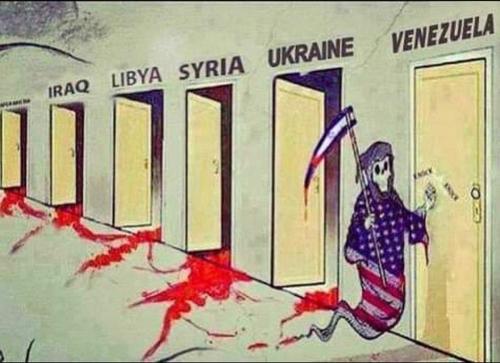



 Aletho News

