Lebanon’s war on ‘hashish’ indistinguishable from war on the poor

A cannabis farmer in the Bekaa Valley prays as Lebanese army men come to destroy his harvest. Al-Akhbar/Rameh Hamieh
By Amer Mohsen | Al-Akhbar | November 27, 2014
The cultivation of cannabis is popular in specific areas that have special characteristics like high altitude and sunlight, similar to the Bekaa region. This differential feature of Lebanon, which can revive the Lebanese countryside, has been overcome by the alternative agricultural policies required from abroad. The health risks associated with the use of cannabis are minimal compared to alcohol and tobacco, and compared with the results of the war on cannabis cultivation which only affects the poor segments of society.
A few years ago, Lebanese organizations, including left-wing movements, launched a media campaign warning against cannabis and the risk of its spread among the youth. The intention behind the campaign was noble, but it had several flaws: The first is related to the medical claims that accompanied the campaign – which are similar to the propaganda that was disseminated in America during the forties to scare people away from marijuana – saying that marijuana drives people crazy, makes them jump out of windows, and causes delinquency and crime. The main problem was in the “central-Beiruti” mentality, which led left-wing movements to claim their devotion to the grievances of the poor and the marginalized, and thus sought to combat and criminalize hashish rather than demand its legalization and lifting the ban on its cultivation.
The issue is very clear. There is a disregard – even contempt – by urban activists for the fates of hundreds of thousands of peasants in their country. They support policies and laws that have impoverished large parts of the Lebanese countryside, either because of their focus on “more important” issues (such as the rejection of the [parliamentary] extension and the “revolt against the sectarian system”), or because of a bourgeois view aimed at preserving morality and normalcy. There is no harm in adopting or defending such a view, but not when it is at the expense of the most vulnerable and disadvantaged segments of society. To date, there are no adequate studies on the social and economic deterioration that affected the villages of Bekaa and Hermel after the prohibition of cannabis cultivation in the nineties, and others on the prosperity witnessed in the region and the local development that resulted from it, while the rest of the country – paradoxically – was experiencing the worst stages of the civil war, and so the government left the farmers alone.
From the history of cannabis
In his book about the history of cannabis, Martin Booth (who also published a well-known book about opium) says that the cannabis is one of the oldest plantations that spread in human societies. He refers to one of the three major species of cannabis today, the “cannabis sativa,” whose name in Latin means “cultivated hemp” because it reached us in its hybrid version, which means that Neanderthals cultivated and hybridized it for thousands of years until the original “wild” seed has been lost and we now have the agriculturally-improved species.
The cultivation of cannabis was widespread not only because of its narcotic effect. Archeological excavations have shown that the consumption of cannabis was also part of religious rituals, and that the plant was an economic asset and resource used in the manufacturing of cloth, linen, ropes, and oils. A conspiracy theory popular among supporters of marijuana in the United States claims that the ban on cannabis cultivation is linked to influential circles in the timber industry, who sought to exclude cannabis as a competitive resource in the paper-manufacturing industry.
We also find many references to hashish and cannabis in Arab and Islamic history, which show its spread and recreational use in our countries through the eras, such as in the writings of chronicler Abdel Rahman al-Jabarti (who talked about his meeting with a mosque orator in Cairo, who claimed to be “under the effect of hashish” to justify his lack of focus during the sermon), as well as in the fatwas of Ibn Taymiyyah, where “Sheikh al-Islam” discussed the topic of hashish and ended up outlawing most of its uses. Based on his jurisprudential arguments, it appears that the people at the time used to consume cannabis either through melting it in tea, eating it directly, or cooking it with food (since the United States had not been discovered yet, and tobacco had not yet reached the ancient world). However, the prolonged explanation provided by Ibn Taymiyyah on the topic and his detailed justification of the prohibition show that the scholars of his day did not have a clear or decisive stance on the matter.
Lebanon and the differential feature
To be able to understand the secret behind the special relationship between Lebanon and hashish, and the differential feature that characterizes the Bekaa Valley and its surrounding hills in this regard, we have to know a few basics about the cultivation of this plant. According to Martin Booth, the “quality” of the hashish – i.e., the concentration of the principal psychoactive constituent Tetrahydrocannabinol (THC) in the female plants – is directly linked to two factors: altitude and sunlight. Cannabis needs large amounts of solar radiation during the maturity period so the plant can grow rapidly, and the growth of its genital parts, which contain the active substance, needs infrared (IR) radiation, whose concentration in the sun increases with altitude.
In other words, high-quality cannabis needs high-altitude mountainous areas, which are, at the same time, hot and exposed to the burning sun during the summer, which is rare in the world. For this reason, the cultivation of cannabis is prominent in specific areas that combine the characteristics of altitude and sunlight, like the Atlas Mountains in Morocco, the hills of Afghanistan … and the Lebanese Bekaa. This is a “geographic gift” that cannot be cloned or bought with money. It is limited to a few regions in the world – Booth says that the best and most expensive types of hashish are grown in India, on the foothills of the Himalayas and over-3,000-meter heights, and due to their rarity are preserved in special leather bags. These qualities have made Lebanon’s Bekaa and Hermel a center for cannabis cultivation since ancient times.
The charming town of Yamuna, which lies in a small internal valley in the highlands of Lebanon’s western mountain range, acquired its “market” reputation in the production of cannabis not because of its special soil, or the magic touch of al-Sharif. It is simply due to its high altitude in the barren areas and abundant water sources, which allows the cultivation of cannabis in perfect conditions. If the Hermel heights – which are rain fed areas today – were covered by irrigation projects – as it was supposed to be decades ago – the whole area would have been like Yamuna.
Lebanon’s gold
In the past two decades, new varieties of marijuana were bred in the West, and plantation techniques were developed in closed spaces under controlled lighting and temperature conditions to produce crops in which the concentration of the psychoactive constituent exceeds any product grown in nature.
However, this pattern of agriculture (which supplies the medical and commercial marijuana market in the West) requires the consumption of large amounts of energy for each plant separately. It is also less competitive – in the commercial sense – compared with lands that are, by nature, ideal for the cultivation of cannabis, and have been inherited by farmers over long years. Millions of meters of these lands can be cultivated at a low cost, and by relying solely on the generosity of the sun and the sky.
From here, we conclude that any kind of agriculture is – naturally – ideal for the marginal areas of Lebanon, and some have real differential features on a global level. A quick look at the labor force working in Lebanon, the price of land, and state policies is enough to understand that Lebanon’s competitive commodity – which will eliminate rural poverty and create development in rural areas – is most likely not potatoes or wheat. In addition, a main characteristic of agricultural property in eastern Lebanon is that [owned lands] are relatively small and fragmented. Also, most farmers own their land, which prevents the emergence of feudal and semi-feudal cartels (as in Afghanistan and South America), or huge agricultural companies that would exploit the peasants as laborers and monopolize profits for the benefit of major landowners. A significant part of proceeds from the cultivation of “contraband” plants in the Bekaa traditionally went to farmers.
This question should be raised, while the country that pressured and forced Lebanon to ban the cultivation of cannabis – the United States – has legalized the use of hashish in several states. The governments of the West no longer have a moral or legal excuse to impose such policies on our country. The general direction in the West is heading toward the legalization of cannabis derivatives, or at least not criminalizing it and prosecuting its users. But Lebanon is required to arrest its farmers who are seeking to avoid hunger and migration.
War on the poor
One of the reasons that triggered the wave of marijuana legalization in the West, even for recreational use, is the absence of a convincing medical argument – i.e. a threat to “public safety” – to justify the prohibition of hashish while allowing the sale of other “drugs” like alcohol and tobacco, which are far more dangerous and harmful than marijuana. As Professor As`ad AbuKhalil once wrote, if whiskey was produced by the countries of the South, while hashish was monopolized by the West, wine would be forbidden and frowned upon in Lebanon while ads by hashish companies would have filled the streets.
Science has become clear in this regard. Serious proven tests have shown that the consumption of cannabis may have side effects and can be dangerous for people who suffer from certain neurological problems. Also, heavy consumption can cause addiction and dependency in one out of 10 cases. However, these risks are insignificant compared with those of alcohol and tobacco, or even stress. Tobacco combustion may be the most dangerous thing in a “marijuana cigarette.” During the writing of this article, I consulted with a professor and researcher of Lebanese origin at Harvard Medical School, who graciously provided me with scientific studies and summaries. He expressed his opposition to the criminalization of cannabis cultivation, adding that its advantages in medical use are “very real,” and that the greatest harm results from the war on cultivation, as evidenced by the American experience, since it mainly affects – in Lebanon, as in America – the poorer classes, which do not have a voice in society.
This is one of the issues that will not be of concern to civil society organizations, and will not receive financing from European governments and institutions. However – unlike a lot of campaigns created by these organizations to justify their existence – it is achievable and can change – in the actual direct sense – many people’s lives.
It is possible to imagine a different future for large areas in Lebanon that are marginalized and disadvantaged today, in which farmers will be able to live in dignity and prosperity in their areas, and land and production will have real value.
The people living on the coast may migrate to internal areas, this time, in search of work and opportunities.
US helping Israel boycott Geneva summit on occupied territories – diplomatic sources
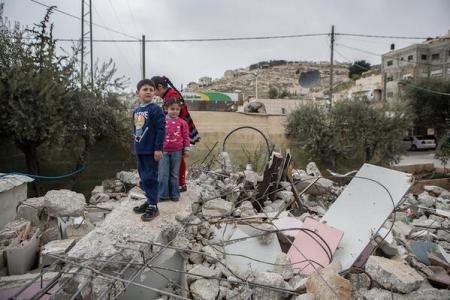
RT | November 27, 2014
Switzerland is under diplomatic pressure from Israel, the US, Canada and Australia, which are trying to prevent an international conference in Geneva from taking place in mid-December on Israel’s occupation of Palestinian territories, Haaretz reports.
Delegations from nearly 200 countries are expected to head to Geneva to discuss the situation in the West Bank, Gaza Strip and East Jerusalem. Yet, according to Haaretz, Israeli and Western diplomats are ready to go for broke to prevent the gathering from taking place.
Switzerland, as the main sponsor of the summit, is bearing the brunt of diplomatic pressure from all sides.
Israeli authorities told the media outlet that Palestinians and Arab states are also pressing Swiss officials to send out letters of invitation to the conference within a matter of days, the Israeli daily reported on Wednesday.
It was in early April when Israel announced plans of constructing 700 new houses in occupied East Jerusalem, a move that pushed Palestinian Authority President Mahmoud Abbas to ask 15 international conventions to join them in the name of the Palestinian state.
One of those was the Fourth Geneva Convention (signed 1949, came into force 1950), which specifically addresses protection of civilians in war zones and territories under military occupation.
Washington finally accepted that its efforts to extend peace talks between Israel and the Palestinians have been torpedoed. Several weeks later, Palestinians and the Arab League sent an official request to Switzerland to hold an international conference of the Fourth Geneva Convention signatory states on the issues of the Israeli occupation of the West Bank and East Jerusalem, together with the damage caused by Israel’s armed forces to civilians in Gaza.
The last time the signatories to the Fourth Geneva Convention gathered in regard to the Israeli-Palestinian conflict was in 2001, after the outbreak of the second intifada. That conference was boycotted by Israel and the United States.
After that summit there have been four fruitless attempts to gather the Fourth Geneva Convention on the issue of Israeli-Palestinian relations. Even the bloody Israeli military Operation Cast Lead in the Gaza Strip in 2009 failed to raise broad international support for holding such a conference, according to the Swiss Foreign Ministry at the time.
The necessity to call the new conference has been not evident this time, too, so Swiss diplomats asked every Fourth Geneva Convention signatory separately whether the time had come to hold a summit.
What the Swiss diplomats have proposed is a three-hour conference at an ambassadorial level, no discussions and no media coverage except for a final press statement. The conference is set to be focused on implementation of the international humanitarian law in troubled Israeli-Palestinian relations.
“We made it clear we didn’t want a political event or debate club, or a conference that would blame or criticize one of the sides,” a Swiss diplomat said.
However small the scale of the proposed event is, Israel strongly objected to it. Israeli diplomats reportedly conducted negotiations in Bern and Geneva, trying to persuade Swiss counterparts to call off the initiative and threatening to boycott it anyway.
“They told us that holding the conference would help a one-sided Palestinian move intended to make Israel look bad and attack it in an international forum,” the Swiss diplomat said.
The US and Canada told Switzerland they are going to boycott the conference, too.
“We strongly oppose the convening of the High Contracting Parties to the Geneva Conventions and have made our opposition unmistakably clear,” a spokesman for the US State Department, Edgar Vasquez, told Haaretz.
It is true that the conference will have no authority to make any binding decisions, yet its work could engender further international criticism of Israel’s settlement policy on the occupied Palestinian territories.
Besides that, once Israeli diplomats received an updated draft of the conference’s proposed contents, they found out that the updated draft text had been phrased in a politicized way, directly naming Israel and going into detail on the issue of West Bank settlements.
Israeli Foreign Minister Avigdor Lieberman has reportedly been ringing colleagues around the globe, attempting to talk them into declaring a boycott to the conference. Part of this work has been delegated to Israeli ambassadors worldwide.
With all due support on the part of the US, Canada and Australia, these efforts are likely to be in vain, and the Swiss diplomacy is decisive to go on with the plan and announce the conference officially soon.
The Fourth Geneva Convention prohibits harming those uninvolved in a conflict, be they civilians, wounded soldiers or POWs, as well as obliging the occupying side to maintain human rights and decent living conditions of an occupied civilian population.
Israel joined the convention, but has never ratified it legislatively. The Israeli government regards the West Bank and East Jerusalem as ‘disputed’, not occupied, areas, therefore considering Israeli settlements as not violating the treaty.
The Politics of Thanksgiving Day
By William Loren Katz | November 5, 2014
Thanksgiving remains the most treasured holiday in the United States, honored by Presidents since Abraham Lincoln initiated the Holiday to rouse patriotism in a war that was not going well.
 Thanksgiving has often served political ends. In 2003, in the current age of US Middle East invasions, President George Bush flew to Bagdad, Iraq to celebrate Thanksgiving Day with U.S. troops. He sought to rally the public behind an invasion based on lies. A host of photographers came along to snap him carrying a glazed turkey to eager soldiers. In three hours he flew home, and TV brought his act of solidarity and generosity to millions of US living rooms. But the turkey the President carried to Baghdad was never eaten. It was cardboard, a stage prop.
Thanksgiving 2003 had a lot in common with the first Thanksgiving Day. In 1620 149 English Pilgrims aboard the Mayflower landed at Plymouth and survived their first New England winter when Wampanoug people brought them corn, meat and other gifts, and taught them survival skills. In 1621 Governor William Bradford of Plymouth proclaimed a day of Thanksgiving – not for his Wampanoug saviors but his brave Pilgrims. Through resourcefulness and devotion to God his Christians had defeated hunger.
We are still asked to see Thanksgiving through the eyes of Governor Bradford. But Bradford’s fable is an early example of “Euro think” — an concoction by Europeans that casts their conquest as heroic.
Bradford claims Native Americans were invited to the dinner. A seat at the table? Really? Since Pilgrims classified their nonwhite saviors as “infidels” and inferiors — if invited at all, they were asked to provide and serve and not share the food.
Pilgrim armies soon pushed westward. In 1637 Governor Bradford sent his troops to raid a Pequot village. As devout Christians locked in mortal combat with heathens, Pilgrims systematically destroyed a village of sleeping men, women and children.
Bradford was overjoyed:
“It was a fearful sight to see them frying in the fire and the streams of blood quenching the same and horrible was the stink and stench thereof. But the victory seemed a sweet sacrifice and they [the Pilgrim militia] gave praise thereof to God.”
Years later Pilgrim Reverend Increase Mather asked his congregation to celebrate the “victory” and thank God “that on this day we have sent six hundred heathen souls to hell.”
School and scholarly texts still honor Bradford. The 1993 edition of the Columbia Encyclopedia [P. 351] states of Bradford, “He maintained friendly relations with the Native Americans.” The scholarly Dictionary of American History [P. 77] said, “He was a firm, determined man and an excellent leader; kept relations with the Indians on friendly terms; tolerant toward newcomers and new religions….”
The Mayflower, renamed the Meijbloom (Dutch for Mayflower), continued to carve its place in history. It became one of the first ships to carry enslaved Africans to the Americas.
Thanksgiving Day celebrates not justice or equality but aggression and enslavement. It affirms the genocidal beliefs that destroyed millions of Native American people and their cultures from the Pilgrim landings to the 20th century.
Americans proudly count themselves among the earliest to fight for freedom and independence. On Thanksgiving Americans could honor the first freedom fighters of the Americas – those who resisted foreign invasion – but they were not Europeans, and they started long before 1776.
Long before Pilgrims landed at Plymouth thousands of enslaved Africans and Native Americans united to fight the European invaders and slavers. In the age of Columbus and the Spanish invasion they were led by Taino leaders such as Anacoana a woman poet who was captured and executed at 29; and a man Hatuey who in 1511 led his 400 followers from Hispaniola to Cuba to warn of the foreigners, and was captured and executed the next year.
Before the Mayflower, thousands of runaway Africans and Indians in northeast Brazil had begun to unite in the Republic of Palmaris, a three walled maroon fortress that enabled Genga Zumba’s 10,000 people of color to defeat Dutch and Portuguese armies. Palmares lasted until 1694, almost a hundred years.
These early nonwhite freedom fighters kept no written records, but some of their ideas about freedom, justice and equality found their way into a sacred parchment Americans celebrate each July 4th.
Sophisticated ‘state-sponsored’ spying tool targeted govts, infrastructure for years
RT | November 24, 2014
A sophisticated malware dubbed Regin has been used to spy on governments, infrastructure operators and other high-profile targets, security company Symantec has revealed. It also targeted private individuals and businesses, particularly in Russia.
A back door-type Trojan displays a “degree of technical competence rarely seen,” Symantec said in a press release. The complexity of the virus enabled the intruder to create a framework for mass surveillance. Targets include private companies, government entities and research think tanks. Attacks on telecoms companies were allegedly carried out to gain access to calls being routed through their infrastructure.

The company believes that the Trojan was likely developed by a nation state as it took months, if not years to develop such a piece of software and cover up its tracks. Analyzing its further capabilities the company has drawn a conclusion that Regin could be one of the main cyber espionage tools used by the implicated nation state.
Almost a third of the confirmed infections were discovered in Russia with a further 24 percent in Saudi Arabia. Mexico, Ireland, India, Afghanistan, Iran, Belgium, Austria and Pakistan are also on the list.
“Regin is a highly complex threat which has been used in systematic data collection or intelligence gathering campaigns. The development and operation of this malware would have required a significant investment of time and resources,” Symantec said.
Symantec found that the virus has been used between 2008 and 2011, before being suddenly withdrawn until a new version of the malware resurfaced from 2013 onwards.

Regin uses a modular approach allowing it to load features that exactly fit the target, enabling a customized spying.“Its design makes it highly suited for persistent, long-term surveillance operations against targets,” the security company says.
And it’s five-stage loading architecture with special and hidden encryption at each stage makes it similar to Duqu/Stuxnet threats, Symantec said. “Executing the first stage starts a domino chain of decryption and loading of each subsequent stage for a total of five stages. Each individual stage provides little information on the complete package. Only by acquiring all five stages is it possible to analyze and understand the threat,” the press release reads. Furthermore Regin is equipped with a number of stealth features so that even after Trojan’s presence is detected, it is “very difficult to ascertain what it is doing.”
Researchers say many components of the virus remain undiscovered while the threat of additional functionality and versions may still exist.

Ben & Jerry’s Israeli Factory and Israel’s Stolen Land and Stolen Water
Vermonters for a Just Peace in Palestine/Israel
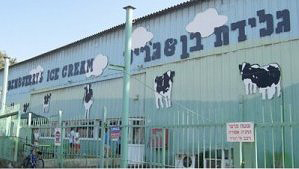
The Ben & Jerry’s factory is in Be’er Tuvia, adjacent to the town of Kiryat Malachi, one of four Israeli localities located on the lands of the former village of Qastina, in territory allotted to the Arab state under the 1947 UN Partition Plan. However on July 9, 1948, after Israel’s declaration of independence and the ensuing war, Qastina and its more than 147 houses were completely destroyed by Israeli forces of the Givati Brigade, and the land incorporated into Israel. (Based on information documented at http://en.wikipedia.org/wiki/Qastina, accessed December 2012).
 Ghatheyya Mifleh al-Khawalda was a 15-year old teenager when she fled to Gaza from her home in the village of al-Qastina, now the town of Kiriyat Malachi and site of the Ben & Jerry’s factory, during the Nakba of 1948. So this woman, a refugee living only a day’s walk from the village that she was driven from, represents a personal and tragic link to the site where now the Ben & Jerry’s factory churns out ‘Peace and Love’ ice cream. Yes, they do profit from this stolen land, and yes, the Nakba was a crime, and yes, the occupation is an affront. Ghatheyya is one of generations of Palestinians in Gaza who are locked away from their land, their families and the world. Some seethe with anger and resort to violence – three people in Kiriyat Malachi died in November 2012 in a rocket attack from Gaza. Ghatheyya said, “We had a very nice house, a big house with marble floors in the hallway. My father was a farmer, and we had farmland with orange trees, apple trees, grapefruit trees and others. We were very happy.” Her life changed dramatically in 1948, when Jewish militias arrived. “Some Jewish militia members were wearing uniform and others had civilian clothes,” Ghatheyya said, “and when they arrived in the village they began firing at people, killing three villagers. We ran away, afraid for our safety, and went to Tal al-Safi, a nearby village. It was within walking distance, and we were in a hurry to leave, so we didn’t take anything with us. It was like Doomsday. It was utter terror. We couldn’t think of anything except leaving, not even simple things like bringing food with us.” After a few days in Tal es-Safi, militias came again and forced them to leave. Ghatheyya and her family fled to Beit Jibrin to spend the night, but were followed and forced to leave again. “If you wanted to die, you stayed. If you wanted to live, you left,” she recalls. “Their main aim was not to kill us, but to get rid of us. If they had wanted us all dead, not one of us would have survived. They used fear to force us to leave our land.” The family walked along the coast until they reached Gaza. “There were thousands of people who fled other villages, sleeping in mosques or on the street,” Ghatheyya says, and UNRWA began to build tents for the families. (From a story “Nakba survivor: If you wanted to live, you left” at Ma’an News )
Water Used by the Factory
When investigating Ben & Jerry’s business dealings in Israel and the occupied territory, we also set out to determine if the company’s franchise was benefiting from Israel’s criminal diversion of Palestinian water. Our inquiry, which included discussions with an international water consultant, led us to the tentative conclusion that Ben & Jerry’s factory in Kiryat Malachi may be drawing water from the Jordan River system and the Mountain Aquifer in the occupied West Bank, the two highest-quality water sources in the region, thus diverting it from Palestinian use.
Palestinians under occupation have been denied access to the Jordan River since 1967, leaving the Mountain Aquifer as their only source of water. A study by The World Bank determined that “Palestinian per capita access to water resources in the West Bank is a quarter of Israeli access and is declining.” This is a result of Israeli government planning and regulation.
To make matters worse, Israeli settlers in the West Bank often obstruct or disconnect the flow of water to Arab communities, while 500,000 settlers consume in total approximately six times more water than three million Palestinians. This difference is even higher when agricultural use is factored in. Regular access to water explains why one commonly sees green lawns and swimming pools in Israeli settlements. In stark contrast, throughout the year, but especially in the summer, Palestinian cities and villages are denied continuous access to water, sometimes for weeks on end. This gross injustice is aggravated by Israel’s policy of denying permits to Palestinians to drill new wells or rehabilitate old ones.
By manufacturing in Israel and marketing in the occupied territory, Ben & Jerry’s is a willing partner to a water system that is grossly inequitable, transgresses international law, and denies Palestinians their fair share of the Mountain Aquifer and the Jordan River. Please see Our Report for more information on Israel’s water crimes in the occupied territory.
Iran’s Ever-Ticking Nuclear Clock: Countdown to Nothing
By Nima Shirazi | Wide Asleep in America | November 22, 2014

Recycled rhetoric that sounds ominous, yet signifies nothing – least of all reality – is standard practice when fear-mongering about, well, anything. But especially about Iran’s nuclear program, constant threats to bomb it, and the dire predictions of how soon Iran will have an atomic weapon.
Time is always running out on diplomacy, a military operation is always around the corner, and Iran is always just months away from decimating Israel and holding the world hostage with a single nuclear bomb that it isn’t even making. The clock, we hear ad nauseum, is ticking.
With nuclear negotiations nearing their latest deadline in Vienna this weekend, we are hearing – once again – that it’s “crunch time” for diplomacy and anything less than a comprehensive deal sets the stage for war.
While a fair and just nuclear deal would certainly be in the best interest of all parties involved, we’ve heard all this before. The “clock” has long been “ticking” when it comes to Iran, or so we’ve been told for over a decade now.
Here’s a little trip down memory-hole lane and here’s hoping that, come Monday and the inking of an multilateral agreement, this talking point’s time will finally be up.
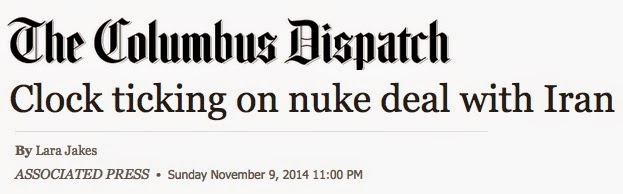
Associated Press / The Columbus Dispatch, November 9, 2014:
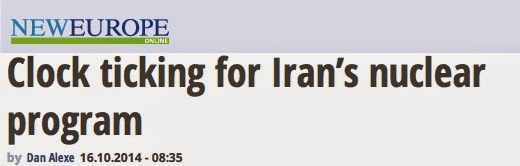
New Europe – October 16, 2014:
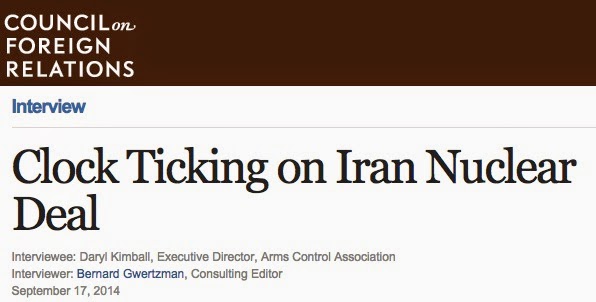
Council on Foreign Relations, September 17, 2014:
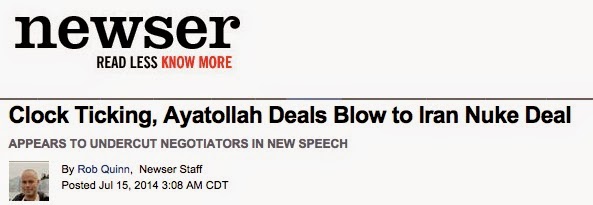
Newser, July 15, 2014:
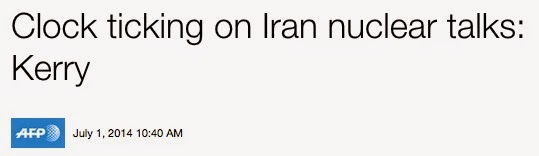
AFP, July 1, 2014:
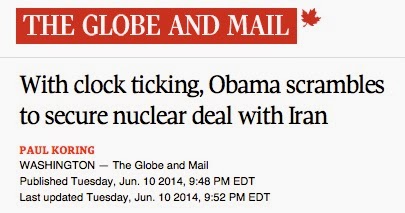
The Globe and Mail, June 10, 2014:
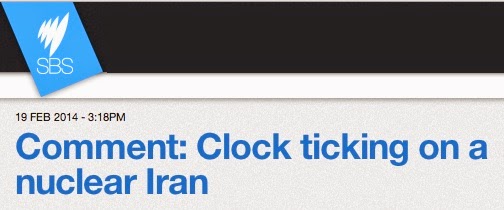
SBS, February 19, 2014:
CNN, January 13, 2014:

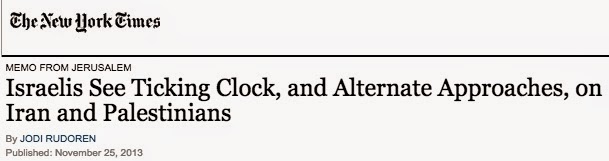
The New York Times, November 25, 2013:
The Jerusalem Post, November 4, 2013:

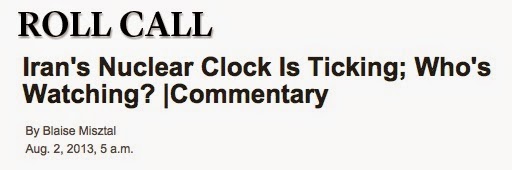
Roll Call, August 2, 2013:
American Enterprise Institute, July 10, 2013:

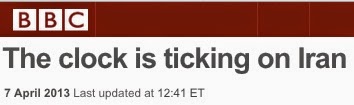
BBC News, April 7, 2013:
The Wall Street Journal, March 13, 2013:

The Hill, March 5, 2013:
The Telegraph, December 26, 2012:

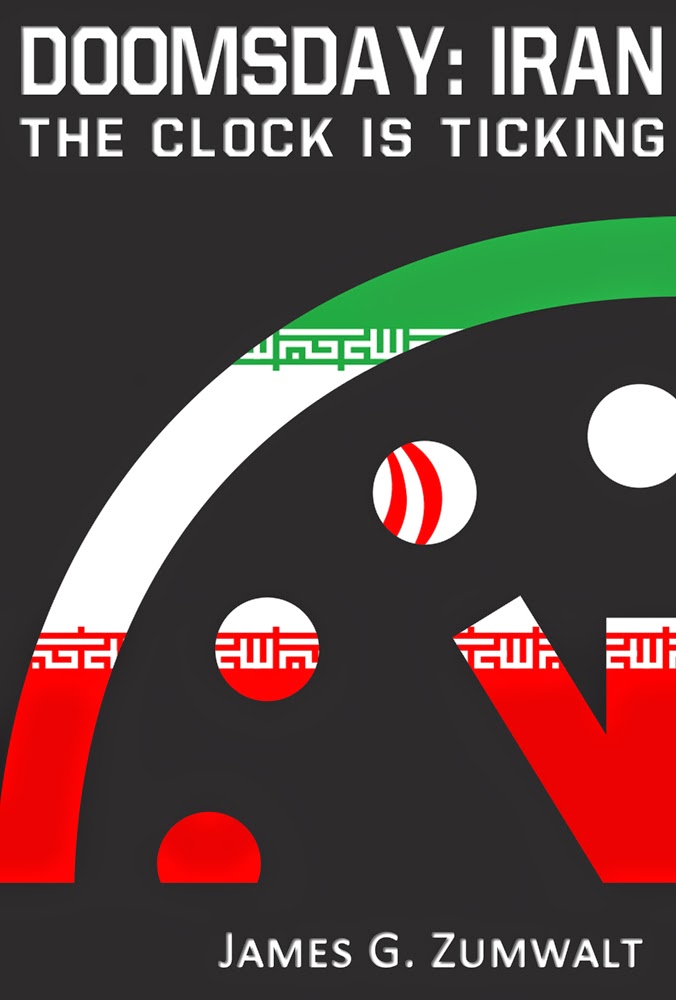
James G. Zumwalt, December 26, 2012:
CBS DC, October 22, 2012:

The Sydney Morning Herald, October 2, 2012:
Foreign Policy, August 30, 2012:
The American Spectator, August 27, 2012:

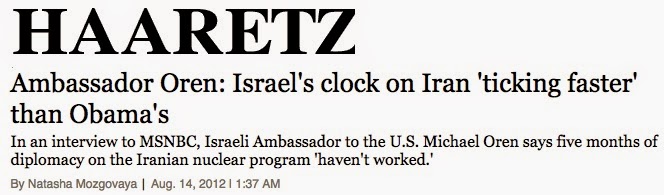
Ha’aretz, August 14, 2012:
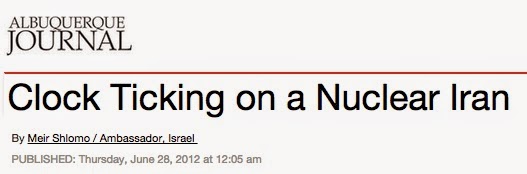
Albuquerque Journal, June 28, 2012:
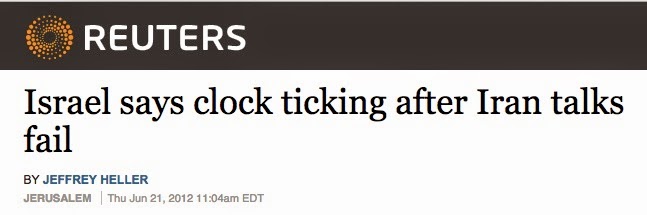
Reuters, June 21, 2012:
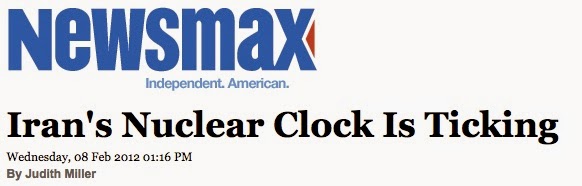
NewsMax, February 8, 2012:
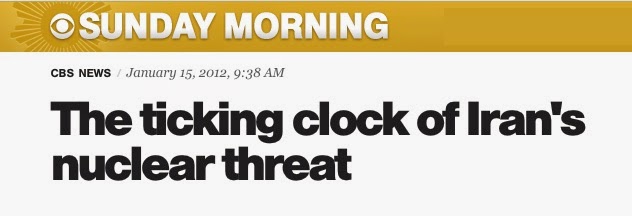
CBS Sunday Morning, January 15, 2012:
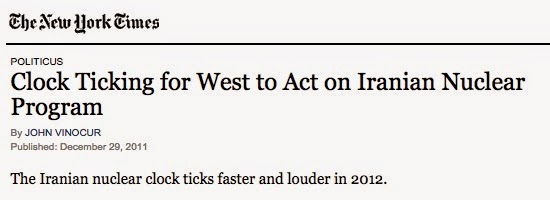
The New York Times, December 29, 2011:
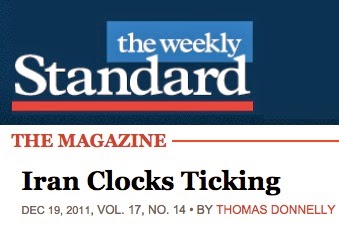
The Weekly Standard, December 19, 2011:
AEI Center for Defense Studies, December 12, 2011:

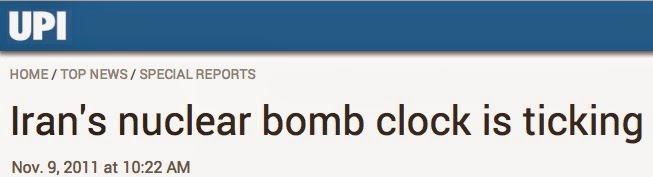
UPI, November 9, 2011:
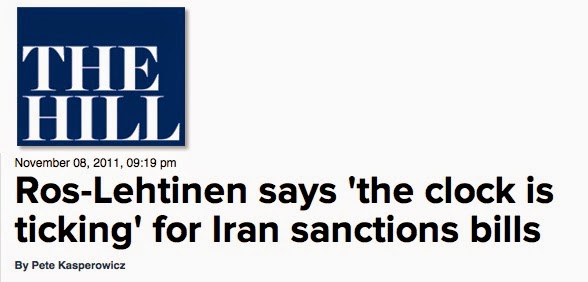
The Hill, November 8, 2011:
Associated Press, November 4, 2011:

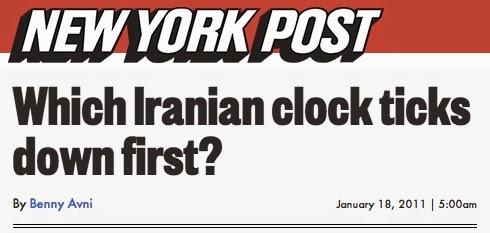
New York Post, January 18, 2011:
The Atlantic, August 20, 2010:

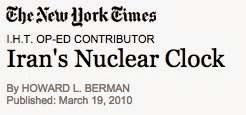
The New York Times, March 19, 2010:
Voice of America, December 6, 2009:

The Spectator (UK), December 1, 2009:

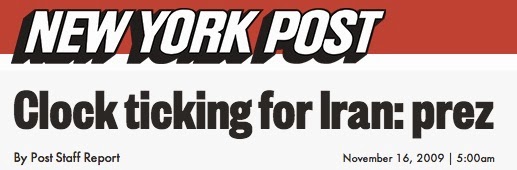
New York Post, November 16, 2009:
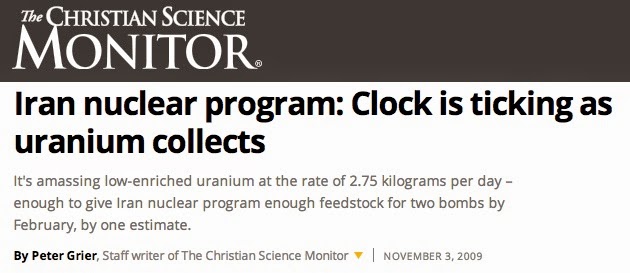
Christian Science Monitor, November 3, 2009:
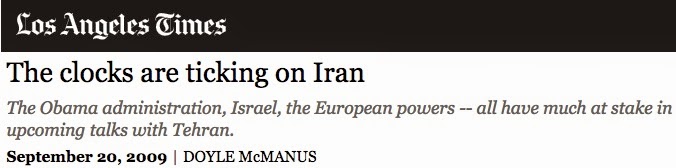
Los Angeles Times, September 20, 2009:
Meet the Press, June 21, 2009:

Politico, June 19, 2009:

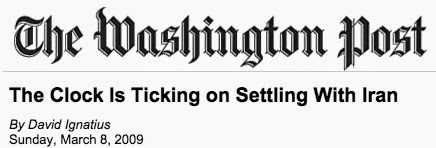
The Washington Post, March 8, 2009:
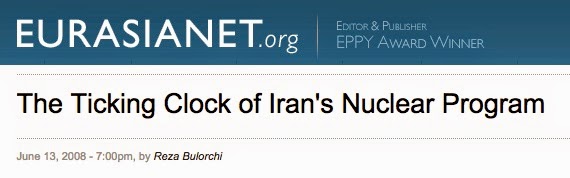
EurasiaNet, June 13, 2008:
Toronto Star, May 17, 2008:
Los Angeles Times, August 2, 2006:
Institute for Science and International Security, March 27, 2006:
Washington Institute for Near East Policy (WINEP), May 26, 2005:
Dawn, March 19, 2005:

Voice of America, September 19, 2004:
*****
Featured Video

Genocide-linked firm handles Britons’ NHS data
or go to
Aletho News Archives – Video-Images
Book Review
Book review: Boiling Point, How America Brought War to Ukraine
By Tim Kirby | Strategic Culture Foundation | November 14, 2026
Did Vladimir Putin just wake up one day on the wrong side of the bed and decide to invade Ukraine in February of 2022 or is there a lot more to this single decision that has been reshaping the 21st century geopolitical landscape?
Obviously, from the way that I just posed the question you can see that I am on the side that views the causes for the war in Ukraine to be very deep, long-term, historical and consciously nefarious, and most importantly, not from within the halls of the Kremlin. So it was a pleasure to take a look at the book “Boiling Point, How America Brought War to Ukraine” by author Stephen Kinzer, who like myself, also believes that the real reasons behind military conflicts around the world are not what CNN and the BBC have been telling you. The main thesis of this book was stated clearly by its creator; the war “may have been illegal, but it was definitely not unprovoked.” … continue
Blog Roll
 Aletho News
- The 10 Disease Renamings That Rescued the Vaccine
- NATO cancels 2027 leaders’ summit
- IAEA’s politicized use of safeguards undermines its impartiality: Russian envoy
- UK must be ready to strike Russian Arctic – ex-PM
- Fico’s Two Red Lines: Russian Energy and the Next Ukraine Loan
- Thousands rally for banned NATO-skeptic presidential candidate
- Ukraine Settlement and New European Security Architecture Must Go Hand in Hand – Kremlin
- Book review: Boiling Point, How America Brought War to Ukraine
- Israel Revives The ‘Iranian Assassination Threat Against Trump’ Deception In A Desperate Bid To Restart The War
- US rewrites history to dodge blame for illegal war on Iran: Foreign Ministry spokesperson
- If Americans Knew
- An error has occurred; the feed is probably down. Try again later.
- No Tricks Zone
- New Study: Barents Sea Temperatures Were Warmer And Sea Ice Less Extensive In The 1700s Than Today
- German Authorities Start Initiative To Evaluate Public Register For Climate “Disinformation” Spreaders!
- Zonal Asymmetry of Temperature Change in the Antarctic Circumpolar Current
- New Study: The Net Fossil Fuel Contribution To Rising Atmospheric CO2 Has Been Zero For 500 Years
- Germany’s Green Energy Transition Becoming Increasingly Expensive…Another 6 Trillion Euros!
- Sudden Stratospheric Warming, Powerful El Niño Combination May Lead To Extreme Europe Cold, Energy Crisis!
- Two New Studies Find Thwaites Glacier Melt Cannot Be Driven By Human Activity Or A Warming Ocean
- E-Cars Reduce CO2 Emissions By Only 41% Compared To Internal Combustion Engine Vehicles
- Predictions Made By Renowned Climate Professor Over Past Decades Have Been Proven To Be Poor
- New Study Suggests Large Regions Of The Pacific Ocean Have Been Cooling For The Last 80 Years

