Ghosts of Olavarría: Human Rights Trial in Argentina Seeks Justice for Victims of Military Dictatorship
By Nick MacWilliam | Upside Down World | August 26, 2014
The central quarter of the Argentine city of Olavarría, with its leafy main square, whitewashed church, and historical architecture, merits its National Heritage status. Thanks to mineral extraction of the rock on which it stands, Olavarría is a prosperous and tranquil place, and home to the social science and engineering schools of the University of Buenos Aires Province. Now, however, this seemingly pleasant city has become the latest battleground in Argentina’s ongoing struggle to bring justice to those guilty of crimes during the military dictatorship of 1976–1983.
Olavarría, a city of around 100,000 inhabitants, is the setting for the upcoming trial of several ex-army officials accused of human rights abuses during the dictatorship. A high level of public interest surrounds the proceedings, due to one of the defendants’ alleged involvement in a case which has dominated national media in recent weeks.
 In early August, the human rights organization Grandmothers of the Plaza de Mayo announced that the long-lost grandson of its president Estela de Carlotto had been identified and was living in Olavarría under a different name. Guido Montoya Carlotto had been taken from his detained mother in 1978 when just a few hours old, one of hundreds of babies born in captivity and then raised by families linked to the military authorities. In most cases, their biological parents were murdered by the military. The Grandmothers of the Plaza de Mayo have campaigned since the 1970s to reunite the stolen babies with their natural families and to expose the guilty parties.
Estela de Carlotto The recent news, a welcome dose of positivity on front pages of the country’s newspapers, has received intense media interest. Estela de Carlotto is highly-respected within Argentine society for her tireless campaigning as president of the famous headscarf-wearing Grandmothers. But, as the story has moved on from its initial feel-good element, there are now many questions over who was responsible for taking Guido from his mother, Estela’s 22-year-old daughter Laura Carlotto, who was killed soon after giving birth. The father, Walmir Montoya, abducted alongside his pregnant partner, had been murdered several months earlier.
The spotlight has shifted to Olavarría, location of the impending trial and the city in which Guido Montoya had lived until recently as Ignacio Hurbán. Although the trial date was set several months ago, it is now alleged that one of the accused participated in the transfer of Laura Carlotto’s baby to an adoptive family. Laura, who was handcuffed to a stretcher throughout the entire labor and birthing process, spent only a few hours with her newborn before being returned to her cell at the La Cacha detention center in La Plata.
On September 22, a court will begin listening to evidence against a number of ex-military officials charged with crimes against humanity, including kidnapping, torture and murder, committed at the Monte Peloni detention center in Olavarría. The officials on trial are: the local commander, Ignacio Verdura; Chief of Intelligence, Walter Grosse; Officer Horacio Leites; and Sub-Officer Omar Ferreyra. All of them are currently serving sentences for earlier convictions. While the trial is not directly connected to the removal of the Montoya Carlotto baby, it is suspected that Verdura was involved in the appropriation of babies.
For the last few years, the Grandmothers of the Plaza de Mayo have claimed that an Olavarría businessman, Carlos Francisco Aguilar, acted as an intermediary between the military and adoptive families. Aguilar, who died earlier this year, owned the land on which Guido Montoya’s adoptive parents worked and was known to have strong links to the armed forces and the church. As a wealthy landowner, he moved in the same social circles as high-ranking military figures, such as Ignacio Verdura, the then-chief of the regional 2nd Tank Regiment.
Throughout the 1970s, Olavarría was a site of left-wing militant activity, which brought the city to the military’s attention. State repression began with worker organizations before targeting the lawyers representing them, and later moving on to the student movement. Those who felt the heavy hand of the state included striking workers at the Loma Negra (Black Hill) cement company. The company’s response to the strike was to call in the military to end the dispute with detentions and other suppressive tactics.
Carlos Moreno was a lawyer who represented the Loma Negra workers. He was detained in Olavarría and tortured before being killed in May 1977. A trial in 2012 exposed links between the military and civilians who had allowed their property to be used for detaining prisoners. The trial also ordered an investigation into the role of Loma Negra, whose president was Amalia Lacroze de Fortabat, one of the world’s wealthiest women until her death two years ago at the age of 90.
Speaking to the Página 12 newspaper, Moreno’s son Matías said companies such as Loma Negra reaped the benefits of military rule.
“Before the dictatorship, Loma Negra was suffering losses, but its profits tripled under the dictatorship. The abduction of my father was intended as a disciplinary measure, after which there was a fall in labor costs,” said Matías. This was the aim of all the abductions.”
He also revealed that Commander Verdura lived next-door to the Moreno family. Any neighborly recognition, however, was irrelevant when it came to the military eliminating its opponents.
The Monte Peloni detention centerThe Monte Peloni detention center, where the majority of those detained in the zone were held, was a farmhouse in the countryside near Olavarría. Several prisoners, many of whom remain disappeared, passed through the center, which was administrated by the 2nd Tank Regiment of Ignacio Verdura.
Among the crimes that Verdura and his cohorts stand accused of are the disappearance of a young couple, Isabel Gutiérrez and Juan Carlos Ledesma, the detention of Isabel’s father Francisco Gutiérrez, and the murders of Jorge Oscar Fernández and Alfredo Serafín Maccarini. The latter was a prison guard whose rumored empathy for political prisoners made him a target for the military. Another ex-prisoner, Lidia Araceli Gutiérrez, who was raped and tortured in Monte Peloni, is to give evidence at the trial.
The Olavarría trial is the latest step in the legal battle to hold those involved in the abuses of the dictatorship accountable. As many as 2,000 people connected to the dictatorship have been accused of complicity in abuses, as, according to Human Rights Watch, Argentina has made “significant progress in prosecuting military and police personnel for enforced disappearances, killings and torture during the country’s ‘Dirty War.’” Yet the fact remains that a great many of those who willingly participated in dictatorship abuses have yet to answer for their crimes.
The stealing of babies from people who were subsequently killed continues to be a matter of great sensitivity, as the majority of stolen babies are now unidentified adults living normal lives in Argentine society. The Guido Montoya case was the 114th positive identification of a baby forcibly removed from its biological parents. However, it is estimated that there are hundreds of other citizens now approaching middle-age with little idea of their true identities. For families of the disappeared, the discovery of lost relatives can serve as an act of closure for their longstanding grief. Having spent decades dwelling on the past, they are finally able to look ahead.
In 2012, the dictator Rafael Videla, already serving a life sentence for human rights abuses, was given a further 50 years for his part in the systematic transfer of babies from prisoners to families linked to the military regime. Several other officials, including the country’s last military leader Reynaldo Bignone, have been convicted and imprisoned for their involvement in abuses. Bignone, who like Videla had already been found guilty of torture and murder in earlier trials, was said by the court to be complicit in “the crimes of theft, retention and hiding of minors, as well as replacing their identities.”
But the campaign of forced removal was perpetrated at all levels of the military hierarchy. As Guido Montoya Carlotto said in a recent interview with the newspaper El Popular de Olavarría, in his hometown “there are people who have to thoroughly explain themselves … I hope that people learn to question that which has been covered up, so that this not only represents my restitution but also the restitution for other people experiencing doubts.”
As Argentina continues to come to terms with the traumas of military rule, stories like the Carlottos’ provide inspiration for the justice movement to keep fighting. Yet, this is a journey that is unlikely to ever be fully resolved. The entrenched political system of brutality and repression was too widespread to hold all the guilty to account. But each small step signifies progress. Many will be closely watching the Olavarría trial in the hope that Argentina continues on its path toward redemption.
Nick MacWilliam is a British freelance writer and editor based in Buenos Aires.
History shows Israel will again fail to implement its agreement with Hamas
By David Morrison | Friends of Lebanon | August 27, 2014
26 August 2014: Palestinian and Israeli leaders have finally agreed an Egyptian-brokered ceasefire to end the seven-week-old Gaza war.
It is appropriate to recall that Israel’s last military offensive against Gaza in November 2012 also ended with an agreement concerning Gaza brokered by Egypt [1]. Under it, both sides were required to cease hostilities and Israel undertook to take steps towards ending its blockade of Gaza. The agreement seemed to have the backing of the US, since Secretary of State Hillary Clinton stood beside the Egyptian Foreign Minister, Mohamad Amr, when he announced it on 21 November 2012.
What happened to the November 2012 agreement?
So, what happened to this agreement? Basically, Israel failed to fulfill its obligations under it, whereas Hamas fulfilled its obligations to the letter for more than eighteen months – and the international community turned a blind eye to Israel’s failure.
Specifically, in the agreement, Israel promised “to stop all hostilities on the Gaza Strip land, sea and air including incursions and targeting of individuals” and the “opening the crossings and facilitating the movement of people and transfer of goods, and refraining from restricting residents free movement”. Israel didn’t fulfill either of these obligations – it continued to make regular incursions into Gaza (killing 20 Palestinians in Gaza in the following 15 months) and took no steps to lift its economic blockade.
The agreement required Hamas and other Palestinian groups to “stop all hostilities from the Gaza Strip against Israel, including rocket attacks, and attacks along the border”. Hamas did so for more than eighteen months from 21 November 2012. Speaking to a Knesset committee on 30 June 2014, Prime Minister Benjamin Netanyahu acknowledged this, accusing Hamas “of involvement, for the first time since a Gaza war in 2012, in rocket attacks on Israel”, according to a Reuters report [2].
Other Palestinian groups did fire rockets into Israel, despite being restrained by Hamas. But, according to Nathan Thrall of the International Crisis Group Middle East and North Africa Programme, in an article dated 1 August 2014 in the London Review of Books[3]:
“During the three months that followed the ceasefire [on 21 November 2012], Shin Bet recorded only a single attack: two mortar shells fired from Gaza in December 2012. …
“[Hamas] set up a new police force tasked with arresting Palestinians who tried to launch rockets. In 2013, fewer were fired from Gaza than in any year since 2003, soon after the first primitive projectiles were shot across the border.”
Israel’s response to quiet along the border
How did Israel respond to this comparative quiet along the border? In his London Review of Books article, Nathan Thrall writes:
“In the three months following the ceasefire, its forces made regular incursions into Gaza, strafed Palestinian farmers and those collecting scrap and rubble across the border, and fired at boats, preventing fishermen from accessing the majority of Gaza’s waters.
“The end of the closure never came. Crossings were repeatedly shut. So-called buffer zones – agricultural lands that Gazan farmers couldn’t enter without being fired on – were reinstated. Imports declined, exports were blocked, and fewer Gazans were given exit permits to Israel and the West Bank.
“Israel had committed [in the November 2012 agreement] to holding indirect negotiations with Hamas over the implementation of the ceasefire but repeatedly delayed them. … The talks never took place. The lesson for Hamas was clear. Even if an agreement was brokered by the US and Egypt, Israel could still fail to honour it.”
If Israel had fulfilled its obligations
Had Israel ceased military incursions into Gaza and taken steps to lift its economic blockade, as it was supposed to do under the agreement, it is virtually certain that Hamas would not have resumed rocket fire. Hamas did resume on 7 July 2014, after Israel made an armed incursion into Gaza and killed seven Hamas members. And if progress was being made towards lifting the blockade, Hamas would have been in a much stronger position to stop other Palestinian groups from firing rockets and mortars into Israel.
So, had Israel fulfilled its obligations under the agreement, it is very likely that rocket and mortar firing into Israel could have been halted altogether without Israeli military action against Gaza.
June 2008 agreement
This is not the first time that Israel has failed to fulfill its obligations under an agreement with Hamas. In June 2008, Egypt brokered an agreement which, like the November 2012 agreement, provided for a cessation of hostilities on both sides and steps by Israel towards ending its blockade [4].
Hamas fulfilled its obligations under this agreement to the letter and, as a result, southern Israel was almost entirely free from firing out of Gaza for four and a half months. But Israel did not ease its economic blockade, let alone lift it, and on the evening of 4 November 2008 (when the world was watching the election of Barack Obama) it made a military incursion into Gaza for the first time since the ceasefire began in June and killed seven members of Hamas. That was the end of that agreement.
A few weeks later Israel embarked on its first major offensive against Gaza, Operation Cast Lead, with the declared objective of suppressing rocket and mortar into Israel.
The lesson of history
The lesson from the above is that the international community will have to ensure that Israel fulfills its obligations in any future agreement with Hamas. Come to think of it, does another agreement need to be negotiated? In reality, all that is necessary is that Israel be persuaded to implement the November 2012 agreement.
References:
[1] http://www.upi.com/blog/2012/11/21/Read-the-Gaza-ceasefire-deal/7401353523034/
[2] uk.reuters.com/article/2014/06/30/uk-palestinian-israel-idUKKBN0F51CZ20140630
[3] http://www.lrb.co.uk/v36/n16/nathan-thrall/hamass-chances
[4] news.bbc.co.uk/1/hi/world/middle_east/7462554.stm
David Morrison is a Political Officer of Sadaka: The Ireland Palestine Alliance and co-author of A Dangerous Delusion: Why the West is Wrong about Nuclear Iran (April 2013). Morrison can be reached at david@sadaka.ie.

For a virtual tour of the destruction of Gaza, see visual journalist Lewis Whyld’s gallery here.
- See also “The Victims of Gaza: A List of Palestinians Killed in Israel’s Ongoing Assault” (26 August 2014)
- See also David Morrison’s “Gaza: Israeli and Palestinian fatalities” (24 July 2014) and “Gaza: Nobody needed to die” (26 July 2014)
Names of Palestinians Killed in the War on Gaza since 8 July

By Saed Bannoura | IMEMC News | August 26, 2014
This list is constantly updated due to the ongoing Israeli assault on Gaza since July 8th. The following 1596 names have been confirmed – the actual death is at least at 2137.
We realize the number of slain Palestinians is higher than this. The Ministry of Health has stated that a total of 2137, been killed. We are still awaiting confirmation of some names.
The number includes 577 children, 263 women, and 102 elderly, since July 8, while more than 11100, including 3374 children, 2088 women and 410 elderly, have been injured.
This site, ‘Beyond Numbers,’ has pictures of many of these victims.
Killed Tuesday, August 26
- Mohammad Mo’in Abu ‘Ajwa, Gaza City.
- Hasan Omar as-Awwad, Gaza City.
- Shadi ‘Oleiwa, 26, Gaza City.
- Salem Mohammaden, 26, Gaza City.
- Mohammad Abdul-Rahman Thaher, 49, Gaza City.
- Samer Midhat Hamad, 24, Gaza City.
- Mohammad Majdi Za’anin, Beit Hanoun.
- Yousef Ghannam, Rafah.
- Mohammad Saleh ar-Ribaty, 18, Rafah.
- Ahmad Kamel Jarboa’, 26, Rafah.
- Omar Husam al-Breem (Child, Rafah.
- Mohammad Husam al-Breem (Child), Rafah
Killed Monday, August 25
- Yassin Ibrahim al-Biltaji, 23, Gaza.
- Farhana Ibrahim al-‘Attrar, 48, Beit Lahia.
- Osama Mohammad Shbeir, 25, Jabalia.
- Hani Mohammad Yassin, 20, Gaza City.
- Raddad Ahmad Tanboura, 78, Beit Lahia.
- Saad Bassem aj-Jour, 21, east of Gaza City
- Abdullah Murtaja, journalist, Sheja’eyya
- Bassem Hassan Hijazi, 36, Gaza City
- Ahmad Taysir Fahmi al-Daali, 28, Gaza City
Killed Sunday, August 24
- Yahia Saber Abu al-‘Omarein, Gaza.
- Bader Hashem Abu Mnei’, 18, Gaza.
- Mohammad Tal’at al-Ghoul, 30, Gaza City.
- Zeinab Bilal Abu Taqiyya, 18 months, Gaza City.
- Mohammad Wa’el al-Khodary, 17, Gaza City.
- Mohammad Ibrahim al-Louqa, 21, Beit Lahia.
- Mo’ayyad al-A’raj, 3, Khan Younis.
- Adam Ahmad Khattab, 26, Deir al-Balah.
- Mahmoud Ahmad al-‘Attar, 30, Deir Al-Balah.
- Tasneem Essam Juda’,Tal al-Zatar.
- Rawiya Juda’, son of Tasneem,Tal al-Zatar.
- Raghad Juda’, son of Tasneem,Tal al-Zatar.
- Osama Juda’, son of Tasneem,Tal al-Zatar.
- Mohammad Juda’, son of Tasneem,Tal al-Zatar.
- Yahia Abu Daqen, 27, Northern Gaza
Killed Saturday, August 23
- Hadi Hayel Abu Dahrouj, 3, Central Gaza.
- Abdullah Hayel Abu Dahrouj, 4, Central Gaza.
- Hayat Abed-Rabbo Abu Dahrouj, 49, Central Gaza.
- Hoda Mohammad Abu Dahrouj, 27, Central Gaza.
- Hayel Shihda Abu Dahrouj, 26, Central Gaza.
- Abdel-Rahman Hadayed, 25, Khan Younis, died of earlier wounds.
- Hussein Khaled Ahmad, 8, Deir al-Balah, Central Gaza
- Nisreen Ahmad, Deir al-Balah (Hussein’s mother)
- Suheir Abu Mdein, Deir al-Balah (body pulled from rubble)
- Salah Isleim, died of earlier wounds.
- Mahmoud Osama Mahmoud Abbas Abu al-Omarain, 28, Sheikh Radwan, Gaza City
- Mohammad Sabr al-‘Ejla, 64, central Gaza
Killed Friday, August 22
- Mahmoud Nasser Qashlan, 24, Nusseirat, Central Gaza.
- Yassin Hamed Abu Hamad, 22, Nusseirat, Central Gaza.
- Ismael Mosallam Abu Bteihan, 75, Nusseirat – Central Gaza
- Ahmad Qassem Al-‘Abadla, 59, Khan Younis
- Mousa Ahmad Al-‘Abadla, 23, Khan Younis
Killed Thursday, August 21
- Mohammad Abu Shammala, commander of Al-Qassam in southern Gaza region.
- Raed al-‘Attar, commander of Al-Qassam in Rafah.
- Mohammad Barhoum, a senior leader of al-Qassam.
- Hasan Hussein Younis, 75, Rafah.
- Amal Ibrahim Younis, (his wife), Rafah.
- Saba Rami Younis, 4, Rafah.
- Ahmad Nasser Kallab, 17.
- Natheera Kallab.
- Aisha Atiyya.
- Jom’a Matar, 27.
- Omar Abu Naddi, 22.
- Abdullah Tareq ar-Reefy, (Child) Gaza.
- Omar Nasr ar-Reefy, (Child) Gaza.
- Mohammad Ziad ar-Reefy, (Child) Gaza.
- Nassr Ziad ar-Reefy, 35, Gaza.
- Srour Mohammad Tamboura, 36. Beit Lahia.
- Hasan Tamboura, 13, Beit Lahia (son of Srour).
- Mohammad Talal Abu Nahl, Gaza.
- Rami Abu Nahl, Gaza.
- Haitham Tafesh, Gaza.
- Abed Talal Shiokh, Gaza.
- Hamdan Salem Hadayed, 40, Khan Younis.
- Mohammad Ahmad Abbas Abu al-Omarain, 45, Gaza City.
- Issam Mohammad al-Hosni, 26, Gaza City.
- Marwan Mohammad Abu Shallouf, 29, Rafah.
- Ibrahim Essam Hammad, 22, Rafah.
- Abdul Rahman Saad Abu Shallouf, 31, Rafah.
- Mahmoud Talaat Shreiteh, 14, central Gaza.
- Bashir Ahmad Shreiteh, 35, central Gaza.
- Sarah Mohammad Deif, child, Gaza City (killed on Wednesday in same attack that killed her mother and brother – body found Thursday)
- Iman al-Louah, Dir al-Balah (killed Wednesday, body found Wednesday)
Killed Wednesday, August 20
- Ahmad Rabah ad-Dalo, 20, Gaza City.
- Mohammad al-Louh, 21, Central Gaza.
- Nabila Eid al-Louh (Ahmad’s Wife – Pregnant, Fetus Died), 35, Central Gaza.
- Their unborn child, Central Gaza.
- Farah Ra’fat al-Louh, Central Gaza.
- Maisara Ra’fat al-Louh, Central Gaza.
- Mustafa Ra’fat al-Louh, Central Gaza.
- Ra’fat Moustafa al-Louh, 32, Central Gaza.
- Mohammad Mustafa al-Louh, 21, Central Gaza.
- Sami Hasan Ayyad, Zeitoun – Gaza City.
- Zaki Suleiman ar-Ra’ey, 54, Gaza City.
- Nour Mohammad Abu Haseera, 2, Gaza City.
- Sufian Abu Mheisin, 49, Northern Gaza.
- Mustafa Sufian Mheisin, 31, Northern Gaza.
- Darwish Mheisin, 52, Northern Gaza.
- Mustafa Rabah ad-Dalo, 14, Gaza City.
- Wafa’ Hussein ad-Dalo, 48, Gaza City.
- Ahmad Mustafa al-Louh, 21, Gaza
- Widad Deif, Gaza City.
- Ali Deif (Child, Widad’s Son)
- Mohammad Imad al-‘Abeet, 16, Central District.
- Saher al-‘Abeet, 11, Central District.
- Haitham Ramadan al-‘Awour, 20, Northern Gaza.
- Abdullah Salah Safy, 33, Northern Gaza.
Killed Tuesday, August 19
- Omar Mohammad Jarghoun, Khan Younis (Died of Wounds Suffered Two Weeks Ago)
- Abdullah Abed-Rabbo, 20, Gaza (Died In Turkish Hospital Of Earlier Wounds)
Killed Wednesday, August 13
- Camille Simon, Italian Journalist, 37.
- Bilal Mohammad Sultan, 27. (Lieutenant)
- Taiseer Ali al-Houm, 40. (Engineering Corps)
- Hazem Abu Morad, 38. (Deputy Head Of The Engineering Corps)
- Ali Shihda Abu Afsh (Reporter).
- Deema Klob, Gaza.
- Kamal ad-Daly, 26, Khan Younis.
Killed Monday, August 11
- Maida’ Mohammad Aslan, 45 Days, Central Gaza (Died of earlier injuries suffered after the army bombarded her family home).
- Mohammad ar-Roumy, Rafah (died at an Egyptian Hospital)
Killed Sunday, August 10
- Ahmad Mohammad Atiyya al-Masri, 17, Deir al-Balah
- Amani Abed al-Bakara, 35, Khan Younis.
- Ahmad Mohammad Atiyya al-Masri, 14, Deir al-Balah.
- Anwar Mustafa Za’anin, 17, Gaza.
- Saqer Abdullah Reehan, 25, Northern Gaza.
- Ehsan Hussein Kaware’, 24, Khan Younis.
Killed Saturday, August 9
- Moath Azzam Abu Zeid, 37, Nusseirat, Central Gaza.
- Nidal Badran, 34, Nusseirat, Central Gaza.
- Tareq Ziad Abdullah, 25, Nusseirat, Central Gaza.
- Abdul-Hakim Suleiman al-Masdar, 65, al-Maghazi, Central Gaza.
- Moath Akram al-Masdar, 19, al-Maghazi, Central Gaza.
- Aaya Nour ash-Sha’er, 13, Rafah.
Killed Friday, August 8
- Ibrahim Zoheir ad-Dawawsa, 10, Northern Gaza.
- Mahmoud Mohammad Abu Haddaf, Khan Younis.
- Suleiman Samir Abu Haddaf, Khan Younis.
- Mahmoud Khaled Abu Haddaf., Khan Younis.
- Ahmad Na’im ‘Okal, 22, Rafah.
Killed Thursday, August 7
- Mohammad Jom’a Najjar, 32, Khan Younis. (Died Of His Wounds At al-Maqassed Hospital in Jerusalem)
Killed Tuesday, August 5
- Nida Raed ‘Oleywa, 12, Gaza (Died Of Earlier Injuries)
- Sha’ban Suleiman ad-Dahdouh, 24, Gaza. (Died on July 21, remains located under rubble)
Killed Monday, August 4
- Dia’ ed-Deen Mohammad al-Madhoun, 23, Gaza.
- Ahmad Banat, 22, Gaza.
- Hamada Khalil al-Qaaq, Beit Lahia.
- Ahmad Khaled al-Qaaq, Beit Lahia.
- Suleiman Mohammad Ma’rouf, Beit Lahia.
- Zaher al-Andah, Beit Lahia.
- Abdul-Nasser al-Ajjoury, Beit Lahia.
- Abdul-Hai Salama al-Qreinawi, 45, Gaza.
- Mohammad Sabri Atallah, 21, Gaza.
- Raghd Mas’oud, 7, Rafah.
- Daniel Abdullah Abu Mansour, 44, Jabalia (Northern Gaza)
- Abdul-Nasser Ajjouri, Jabalia. (Northern Gaza)
- Ashraf Mashal, 25, Rafah.
- Fadi Madhi, 23, Rafah.
- Aseel Mohammad al-Bakri, 8, (Shati’ Refugee camp) Northern Gaza.
- Saher Talal Abu Mohsen, 23, Rafah.
- Aseel Saleh Hussein Abu Mohsen, 18, Rafah.
- Ebtisam Hammad al-Mahmoum, 18, Rafah.
- Hiba Mustafa al-Mahmoum, 7, Rafah.
- Obada Mustafa al-Mahmoud, 3, Rafah.
- Abdullah Hussein Mousa Mubarak, 50, Northern Gaza.
- Mahmoud Zaki Lahham, 25, Khan Younis.
- Ahmad Abdul-Halim Mohammad al-Astal, 26, Khan Younis.
- Walid Darabiyyah, Northern Gaza.
- Amro Mohjez, Northern Gaza.
- Mohammad Saleh Shemaly, 60, Gaza.
- Mohammad Fawzi Bhar, 22, Gaza.
- Mohammad Hosni Sukkar, 20, Gaza.
- Mohammad Amjad Awida’, age 12, Rafah.
- Amal Amjad Awida’, age 5, Rafah.
- Karam Mahrous Dahir, 24, Rafah.
- Ibrahim al-Masharawi, 30, Gaza City.
- Ebtisam al-Bakri, 38, Gaza City.
- Mahmoud Zaki al-Laham, 25, Khan Younis.
- Ahmad Abdel-Halim Mohammad al-Astal, 26, Khan Younis.
- Fayez Ismail Abu Hamad, 34, Khan Younis.
- Saleh Ahmad al-Ghouti, 22, Rafah
Killed Sunday, August 3
- Fares Abu Jazar, 2, Rafah.
- Maria Abu Jazar, 2, (Twins) Rafah.
- Amani Abu Jazar, 23, Rafah.
- Issa Sha’er, Rafah.
- Saed Mahmoud al-Lahwani, Rafah.
- Hatem Abdul-Rahman Wahdan, 50, Jabalia.
- Seniora Wahdan, 27, Jabalia.
- Jamila Jamal Wahdan, Jabalia.
- Mohammad al-Hour, 30, Rafah.
- Nasrallah al-Masry, Rafah.
- Mohammad Ismael al-Ghoul, Rafah.
- Wael Ismael al-Ghoul, Rafah.
- Ismael Mohammad al-Ghoul, Rafah.
- Ismael Wael al-Ghoul, Rafah.
- Khadra Khaled al-Ghoul, Rafah.
- Asma’ Ismael al-Ghoul, Rafah.
- Malak Wael al-Ghoul, Rafah.
- Mustafa Wael al-Ghoul, Rafah.
- Hanadi Ismael al-Ghoul, Rafah.
- ‘Atwa Suleiman Khattab, 64, Rafah.
- Remas ‘Atwa al-‘Attar (Khattab), Rafah.
- Mohammad ‘Atwa Khattab, Rafah.
- Suleiman ‘Atwa Khattab, Rafah
- Nevin Suleiman Khattab, Rafah
- Amira Ahmad Khattab
- Rajab Abdul-Rahman Sharafi, 10, Jabalia
- Mahmoud Abdullah Sharafi, 26, Jabalia
- Najah Rajab Sharafi, 48, Jabalia
- Turkiyya Mahmoud ‘Okal, 60, Rafah
- Elham Mohammad Mahmoud ‘Okal, 34, Rafah
- Mahmoud As’ad Mohammad ‘Okal, 18, Rafah
- Mahmoud Mohammad Na’im ‘Okal, 10, Rafah
- ‘Ahed Badran, Northern Gaza.
- Mohammad Abu Rajal, UN School, Rafah.
- Sami Abdullah Qishta’, UN School, Rafah.
- Sami Ismael Abu Shaouf, UN School, Rafah.
- Ahmad Khaled Abu Harba’, UN School, Rafah.
- Mohammad Mosa’ed Qishta’, UN School, Rafah.
- Hazem Abdel-Baset Hilal, UN School, Rafah.
- Amr Tariq Abu al-Rous, UN School, Rafah.
- Ahmad Kamal al-Nahhal, UN School, Rafah.
- Yousef Akram Skafi, UN School, Rafah.
- Tareq Sa’id Abu al-Rous, UN School, Rafah.
- Abdul-Karim Najm, northern Gaza.
- Bilal Abdul-Karim Najm (son of Abdel-Karim) , northern Gaza.
- Ahmad Abdعl-Karim Najm (son of Abdel-Karim) , northern Gaza.
- Raghd Najm, northern Gaza.
- Soha Najm, northern Gaza.
- Shimaa’ Wael Qassim, northern Gaza.
- Rowan Ahmed Majdalawi, 7 years old, northern Gaza.
- Mohammad Ahmad Majdalawi, 6 years old, northern Gaza.
- Ras Hadi Majdalawi , northern Gaza.
- Mahmoud Abdel-Hadi Majdalawi , northern Gaza.
- Abdullah Majdalawi, northern Gaza.
- Khalil Mohammad Ramadan Abu Daba’a, 42, Rafah.
- Munir Abu Daba’a, Rafah.
- Qassim Mahmoud Qassim, 40, northern Gaza.
- Mohammad Sa’dy Ahmad, 37, northern Gaza.
- Ahmad Qassem, Beit Lahia.
- Qassem Qassem, Beit Lahia.
- Basil Walid at-Tala’a, 23, Nusseirat.
- Abdullah Soheil Abu Shawish, 24, Nusseirat.
Killed Saturday, August 2
- Haitham Yasser Abdel Wahab, 16, Rafah.
- Mohamed Issa Ashaar, Rafah.
- Hossam Yassin Abu Naqira, 20, Rafah.
- Mousa Yasin Abu Naqira, his brother, Rafah.
- Ola Bassam Al-Nairab, Rafah.
- Arwa Mohamed al-Nairab, Rafah.
- Fida Yousef Abu Suleiman, 23, Rafah.
- Mariam Hasan Abu Jazzar, 60, Rafah.
- Maha Raed Abu Suleiman, Rafah.
- Mohammad Rami Abu Suleiman, Rafah.
- Ahmad Rami Abu Suleiman, Rafah.
- Lama Rami Abu Suleiman, Rafah.
- Jana Rami Abu Suleiman, Rafah.
- Mohammad Fouad Al-Dedda, 28, Jabalia.
- Issa Saadi Ashaar, 40, Khan Younis.
- Yasser Yousef Abu Dbagh, 20, Nusseirat, Central Gaza.
- Amro Tareq Hasan Qandil, 17, Central Gaza
- Wael Nihad Sayyed, 23, Central Gaza
- Mohammad Taiseer Hasan Qandil, 20, Central Gaza.
- Hamdi Mohammad Abdul-Aziz Ayyad, Gaza.
- Shadi Hamdi Mohammad Ayyad, Gaza.
- Sadia Abu Taha, 40 , Rafah.
- Mohammed Abu Taha, 27, Rafah.
- Youssef Abu Taha, Rafah.
- Rezeq Abu Taha, two months, Rafah.
- Yousef Daoud Abu Madi, 65, Nusseirat.
- Hassan Yousef Abu Madi, Nusseirat.
- Karim Yousef Abu Madi 24, Nusseirat.
- Amin Yousef Abu Madi, 5, Nusseirat.
- Muhammad Hassan Qeshta, Rafah.
- Ahmed Shtewi Qeshta, Rafah.
- Yahya al-Nems, Rafah.
- Hazem al-Nems , Rafah.
- Mohammad al-Nems, Rafah.
- Osama Abu Nakirah, Rafah.
- Mousa Mohammad Ahmad Abu Rajila, 25, Rafah.
- Salma Suleiman Mohammad Radwan, 86, Rafah.
- Ibrahim Abdel-Hakim Daoud al-Zaqzouq, 22, Rafah.
- Mohammad Foaz Ibrahim Abu Rajilah, 26, Rafah.
- Hazim Khaled Abdel-Maadi Awda’, Rafah.
- Hathifa Abu Teir, Gaza City.
- Nabil al-Najjar, Gaza City.
- Kamal Abu Teir, Gaza City.
- Ahmad Abu Teir, Gaza City.
- Yahya Jamal Musa Shabat, 29, Gaza City.
Killed Friday, August 1
- Abdul-Malek Abdul-Salam al-Farra, 58, Khan Younis.
- Osama Abdul-Malek al-Farra, 34, Khan Younis.
- Emad Abdul-Hafeth al-Farra, 28, Khan Younis.
- Awatef Ezzeddin al-Farra, 29, Khan Younis.
- Mohammad Mahmoud al-Farra, 12, Khan Younis.
- Lojein Bassem al-Farra, 4, Khan Younis.
- Yara Abdul-Salam al-Farra, 8, Khan Younis.
- Nadine Mahmoud al-Farra, Khan Younis.
- Abdullah Awad al-Breem, Khan Younis.
- Mohammad Suleiman al-Breem, Khan Younis.
- Maisoun Ra’fat al-Breem, Khan Younis.
- Raed Abdul-Latif al-Qarra, Khan Younis.
- Sami Suleiman al-Madani, Khan Younis.
- Husam Suleiman al-Madani, Khan Younis.
- Ahmad Salim Abdin, Khan Younis.
- Mohammad Ahmad Hamad, Khan Younis.
- Mousa Hamad Abu ‘Amran, Khan Younis.
- Hilal Eid Abu ‘Amran, Khan Younis.
- Ismael Zuheir Mohammadein, 26, Khan Younis.
- Maher Ja’far Hajjaj, 54, Khan Younis.
- Ahmad Mohammad Hassanein, Gaza.
- Basil Diab al-Basyouni.
- Shadi Mohammad Jom’a Abu Daher, 29, Khan Younis.
- Hasan Abdul-Majid al-Bayyoumi, Deir al-Balah.
- Mohammad Reziq Hassanein, 20, Shuja’eyya, Gaza.
- Ibrahim Sulayman Al-Masri, 50 yrs, Rafah.
- Nadia Yousef Al-Masri, 45 years, Rafah.
- Ibrahim Al-Masri, 6 years, Rafah.
- Mohamed Anas Arafat, 4 months, Rafah.
- Anas Ibrahim Hamad, 5 years, Rafah.
- Sabri Shaykh Al-Eid, 35 years, Rafah.
- Mohammed Khalid Al-Aloul, 30 years, Rafah.
- Ibrahim Mostafa Ghaneem, Rafah.
- Amna Azamaly, Rafah.
- Yahya Abd Al-Karim Lafi, Rafah.
- Musa Mohamed Abu Omran, Rafah.
- Hilal Eid Abu Omran, Rafah.
- Salama Mohamed Al-Zamaly, Rafah.
- Nuha Jamal Abu Ziyada, Rafah.
- Taiseer Ali Moamir’ , Rafah.
- Hussein Salaam Al-Jaafari, Rafah.
- Yousra Mohamed Abu Hazir, Rafah.
- Ataf Hamad Al-Mahmoum, Rafah.
- Mousa Ibrahim Abu Hazir, Rafah.
- Ahmed Wisam Al-Abeed, 4 years, Central Gaza.
- Souad Ali Al-Bahri, 60 years, Beit Lahia.
- Samal Nail Al-Barawi, 8 months, Beit Lahia.
- Osama Abdul-Malik Abu Mualla, 37 years, Nuseirat
- Atif Sohail Kandil 24 years, Maghazi
- Nihad Mohammed Yasin 24 years, Gaza City
- Faiz Tareq Yassin 16 years, Gaza City
- Hassan Ismail Yassin, 32 years old, Gaza City.
- Ambulance officer Atef Zamili, Rafah.
- pathologist Joseph Jameen Sheikh Eid, Rafah.
- ambulance volunteer Yousef Jaber Drabiah, Rafah
- Wajih Sha’ath, Khan Younis.
- Fadi Al-Qawasmi , Khan Younis.
- Ali Barbakh , Khan Younis.
- Aseel Sha’ban Gheith, 3, Rafah.
- Sufian Farouq Gheith, 35, Rafah.
- Farouq Gheith, 65, Rafah.
- Ahlam No’man Zo’rob, 18, Rafah.
- Sabiha Zo’rob, 55, Rafah.
- Amir Ra’fat Zo’rob, 7, Rafah.
- Odai Ra’fat Zo’rob, 7, Rafah.
- Rawan Nath’at Siyam, 12, Rafah.
- Su’ad No’man Zo’rob, 34, Rafat.
- Shahd Ra’fat Zo’rob, 10, Rafah.
- Khaled Ra’fat Zo’rob, 8, Rafah.
- Yousef Darbieh, 25, Rafah (Medic Volunteer)
Killed Thursday, July 31
- Suleiman Baraka, 31, Gaza.
- Aref Baraka, 58, Gaza.
- Ahmed al-Loah, 22, Gaza.
- Baraa’ Yousef, 19. Gaza.
- Maha Abdul-Nabi Salim Abu Hilal, Rafah.
- Majdi Mohammad Ahmad Fseifis, 34, Khan Younis.
- Mohammad Juma’ an-Najjar, 32, Khan Younis.
- Hani Abdullah Abu Mustafa, Khan Younis.
- Hanan Yusef Abu T’aima, Khan Younis.
- Mahar an-Najjar, Khan Younis.
- Mahmoud Fouad an-Najjar, Khan Younis.
- Mohammad Daher, Gaza.
- Fadel Nader Almeghari, 27, Rafah.
- Mahdiyya Suleiman Omar Abu Louly, 58, Khan Younis.
- Tha’er Naji al-Amour, 22, Khan Younis.
- Mohammed Yousef Al-Abadla, 21, Khan Younis.
- Abdullah abu Shabab 20, Khan Younis.
- Alaa’ ‘Alweh 22, Khan Younis.
- Ahmed Salim Abdin , Khan Younis.
- Mohamed Ahmed Hamad, Khan Younis.
- Atiyyeh Salameh al-Hashash, 68, Rafah.
- Hamza Fa’ek Ahmad al-Haddad, 20, , eastern Gaza City.
- Ibrahim Asa’ad Ahmad al-Haddad, 21, eastern Gaza City.
- Mohammad Ammar Sharaf, 10, Gaza City.
- Mohammed Ra’fat Na’eem, Gaza Old City.
- Husam Ra’fat Na’eem, Gaza Old City.
- Kamal Abdul-karim al-Louh, 32, Deir al-Bala.
- Ibrahim Abdul-karim al-Louh, 29, Deir al-Bala.
- Khaled Nasr al-Louh, 46, Deir al-Bala.
- Amaal Abdul-karim al-Masri, 48, Deir al-Bala.
- Ilham Yahya al-Louh, 27, Deir al-Bala.
- Samih Kamal Abu al-Kheir, 63, Khan Younis.
- Othman Fawzi ‘Abdeen, 17, Khan Younis.
- Siham al-Ham, Khan Younis, Nusseirat.
- Mohammad Adel Ashour, Nusseirat.
- Renad Ashraf Ashour, Nusseirat.
- Abeer Nahed al-‘Ata, Nusseirat.
- Naima Darwish Abu Shouq, Nusseirat.
- Zaher Tawfiq Abu Maktoum, Nusseirat.
- Ama’ Rafat al-‘Asa, Nusseirat.
- Hasan Nassr Zaqqout, Nusseirat.
- Labibeh Abu Shouqa, 23, Nusseirat.
Killed Wednesday, July 30
- Ahmad Mohammad Yassin al-Majayda, Khan Younis.
- Ali Mahmoud al-Astal, 23, Khan Younis.
- Khaled Salim al-Astal, 26, Khan Younis.
- Mohammad Salim al-Astal, 26, Khan Younis.
- Ramzi Ibrahim al-Astal, 21, Khan Younis.
- Odah Ahmad al-Astal, 25, Khan Younis.
- Ahmad Mahmoud Suleiman al-Astal, 26, Khan Younis.
- Ahmad Ibrahim Ali al-Astal, Khan Younis.
- Khalil Ibrahim Ali al-Astal, Khan Younis.
- Ezzedddin Jabr Mohammad al-Astal, Khan Younis.
- Mohammad Mahmoud al-Astal, Khan Younis
- Mohammad Abdul-Sattar al-Abadla, 21, Khan Younis.
- Fahd Mahmoud Jaber al-Agha, 23, Khan Younis.
- Asma’ Abu al-Kaas, 16, al-Boreij, Central Gaza.
- Walid Shihda Marzouq Moammar, 51, Rafah.
- Sojoud Abdul-Hakim Oleyyan, 11, Gaza.
- Issam Jaber al-Khatib, Jabalia.
- Sa’id Abu Jalala, Jabalia.
- Taiseer Hammad, Jabalia.
- Lu’ay al-Feery, Jabalia.
- Bassem Khaled Najjar, Jabalia.
- Tha’er Khaled Najjar, Jabalia.
- Osama Mohammad Sohweil, Jabalia.
- Bilal Midhat al-‘Amoudi, Jabalia.
- Abdullah Midhat al-‘Amoudi, Jabalia.
- Mohammad Mousa Ghaban, Jabalia.
- Ramadan Khader Salman, Jabalia.
- Alaa’ Khader Salman, Jabalia.
- Ali Ahmad Shaheen, Jabalia.
- Rami Barakat, Jabalia.
- Adel Mohammad Abu Qamar Jabalia.
- Mohammad Ezzat Abu Sweireh, 34, Central District.
- Hussein Mohammad Abu Rezeq, 36, Rafah.
- ‘Aed Zaqqout, Gaza City (coach of Palestine National Football Team)
- Abdul-Aziz Hosni Abu Hajras, 23, Khan Younis.
- Omar Awad al-Breem, Khan Younis.
- Kamal Ahmad Al-Breem, 57, Khan Younis.
- Jihad Salah Mohammed al-Breem, 28, Khan Younis.
- Mariam Ahmad Hejazi, Khan Younis.
- Salah Hejazi, Khan Younis.
- Sabha Ibrahim Hejazi, Khan Younis.
- Ibrahim Mousa al-Ghalban, Khan Younis.
- Ismael Mahmoud al-Ghalban, Khan Younis.
- Ahmad Suleiman Abu Amer, Khan Younis.
- Mohammad Ahmad Abu Amer, Khan Younis.
- Marwa Ahmad Abu Amer, Khan Younis.
- Marah Ahmad Abu Amer, Khan Younis.
- Yasser Ahmad Abu Amer, Khan Younis.
- Suleiman Ahmad Abu Amer, Khan Younis.
- Mona Hajjaj Abu Amer, Khan Younis.
- Jihad Salah Mohammad Al-Breem, 25, Khan Younis.
- Zeinab Abu Jazar, Khan Younis.
- Maisara Mohammad at-Ta’ban, 35, Deir al-Balah.
- Iftikhar Mohammad Shahin (Abu Zrei’ey) 50.
- Odai Yahia Zaki Abu Jneid, 19, Beit Lahia.
- Abdul-Jalil Mohammad Kamel Abu Shodoq, 35, Beit Lahia.
- Jamal Shihda Abu Shodoq, 40, Beit Lahia.
- Jamalat Mahmoud Dheir, Khan Younis.
- Salama Mahmoud Dheir, Khan Younis.
- Mahmoud Salama Mahmoud Dheir, Khan Younis.
- Yamen Omar Salama Mahmoud Dheir, Khan Younis.
- Shorouq Mahmoud Dheir, Khan Younis.
- Arwa Mahmoud Dheir, Khan Younis.
- Ramadan Mohammad Abu Jazar, Khan Younis.
- Ali Ahmad Shahin, Gaza.
- Taiseer Sababa, 22, Beit Lahia.
- Ammar Suleiman Ali al-Masdar, 31, Gaza.
- Hamza Yasser Mohammad Mheisin, 23, Gaza.
- Wisam Dardouna, Beit Lahia.
- Anwar ‘Adel Abu Nasr, 20, Khan Younis.
- Ismael Walid Abu Nasr, 18. Khan Younis.
- Ahmad Khalil Abu ‘Anza, 32, Khan Younis.
- Shadi Abdullah Abu ‘Anza, 38, Khan Younis.
- Ali Mahmoud Abu ‘Anza, 27, Khan Younis.
- Ahmad Abdullah Abu ‘Anza, Khan Younis.
- Mohammad Suleiman Baraka, Khan Younis.
- Mustafa Ahmad Abu Jalala, Beit Lahia.
- Husam Mohammad an-Najjar, northern Gaza
- Sha’aban Abdul-aziz al-Jamal, northern Gaza
- Alaa’ Joudy Khader, northern Gaza
- Mohammed Mazen Moussa Foda, Sheja’eyya
- Ahmad Abdulkarim Hannoun , Sheja’eyya
- Saadi Saadi Faraj , Sheja’eyya
- Hussein Saeed Kar’re’ra , Sheja’eyya
- Hamdi Sadi Abu Zour , Sheja’eyya
- Abdulkarim Hussein El-Selk , Sheja’eyya
- Aahed Ziad Al Gharabli , Sheja’eyya
- Abdulaziz Ibrahim El-Beltagy , Sheja’eyya
- Lena Ala’a El-Selk , Sheja’eyya
- Abdulaziz Mohammed El-Selk , Sheja’eyya
- Abdel Halim Mohammed El-Selk , Sheja’eyya
- Moataz Bassam Deeb , Sheja’eyya
- Mahmoud Mohamed Ragab , Sheja’eyya
- Moaaz Khaled Tayeh , Sheja’eyya
- Malak Jalal El-Selk , Sheja’eyya
- Amina Mohammed El-Selk , Sheja’eyya
- Layan Nael El-Selk, Sheja’eyya
- Abdullah Fayez Fayad 23, Gaza City
- Suhaib Salleh Salama 23, Gaza City
- Ibrahim Yusuf al-Astal 35, Gaza City
- Aassem Ahmed Baraka 25, Khan Younis.
- Mayar Jamal Abu musbeh, 9 yrs, Deir al-Balah
- Mohammad Tayseer Abu Hazaa’, 25, Deir al-Balah
Killed Tuesday, July 29
- Naji Ahmad al-Raqqab, 19, Khan Younis.
- Ramy Khaled al-Raqqab, 35, Khan Younis.
- Mahmoud Osama al-Qosas, Khan Younis.
- Shadi Abd al-Kareem Farwana, Khan Younis.
- Mustafa Abd al-Samiee al-Ubadala, Khan Younis.
- Yahiya Mohammad Abdullah al-Aqqad, 49, Khan Younis.
- Yusef Emad Qaddoura, child, Jabalia.
- Huna Emad Qaddoura, child, Jabalia.
- Mohammad Musa Alwan, child, Jabalia.
- Mariam Khalil Ruba, 70, Jabalia.
- Hani Abu Khalifa, Jabalia.
- Soheila al-‘Ejel, 70, Gaza City.
- Mo’nes Ahmad, Nusseirat, Central Gaza.
- Ezzat Dheir, 23, Rafah.
- Turkeyya Dheir, 80, Rafah.
- Yasmeen Dheir, 25, Rafah.
- Mary Dheir, 12, Rafah.
- Tasneem Dheir, 8, Rafah.
- Soheil Hasan Nassar, Beit Lahia.
- Anis Abu Shammala, Al-Boreij (Mayor).
- Ayman Samir Qeshta, 30, Rafah.
- Ismael Shahin, 27, Rafah.
- Baha’ ed-Deen al-Gharib, Rafah.
- Ola Baha’ ed-Deen al-Gharib, Rafah.
- Tahrir Nasr Jaber, 15, Northern Gaza.
- Mohammad Ata Najjar, 2, Khan Younis.
- Rafif Ata Najjar, 3, Khan Younis.
- Baha’ ed-Deen Khatib, (Journalist), Rafah.
- ‘Ola Baha’ ed-Deen Khatib, Rafah.
- Waddah Abu Amer, Khan Younis.
- Ahmad Suleiman Ahmad Abu Amer, Khan Younis.
- Mohammed Ahmad Abu Amer, Khan Younis.
- Marwa Ahmad Abu Amer , Khan Younis.
- Marah Ahmad Abu Amer , Khan Younis.
- Yasser Ahmad Abu Amer , Khan Younis.
- Suleiman Ahmad Abu Amer, Khan Younis.
- Moha Hajjaj Abu Amer , Khan Younis.
- Mos’ab Ahmad Sweih, 17, Gaza.
- Nariman Khalil al-Agha, 39, Gaza.
- Ali Mohammad Abu Ma’rouf, 23, Gaza.
- Dr. Bashir al-Hajjar, northern Gaza.
- Samir al-Hajjar, northern Gaza.
- Hana’ Na’im Balata, Jabalia.
- Doa’ Na’im Balata, Jabalia.
- Esra’ Na’im Balata, Jabalia.
- Mariam Na’im Balata, Jabalia.
- Yahia Na’im Balata, Jabalia.
- Sahar Motawe’ Balata, Jabalia.
- Naim Nathmi, Jabalia.
- Zaher Ahmad Najjar, 6, Khan Younis
- Suleiman Mos’ad Barham al-Hishash, 30, Rafah.
- Jamal Ramadan Lafi, 50, Rafah.
- Karam Abu Zeid, 1.
Killed Monday, July 28
- Samih Jebriel Jneid, 4, Jabalia.
- Mohammad Abu Louz, 22, Jabalia.
- Ahmad Abdullah Hasan Abu Zeid, Rafah.
- Widad Ahmad Salama Abu Zeid, Rafah.
- Sham’a Wael Abu Zeid, Rafah.
- Mariam Marzouq Abu Zeid, Rafah.
- Falasteen Mohammad Abu Zeid, Rafah.
- Abdullah Nidal Abu Zeid (child), Rafah.
- Bissan Eyad Abu Zeid, Rafah.
- Abdul-Hadi Abu Zeid (Child9, Rafah.
- Seham Najjar, 42, Khan Younis.
- Abdul-Samad Mahmoud Ahmad Ramadan, 16, Central District.
- Ayman Adnan Mousa Shaker, 25, Central District.
- Issa Kamel Abdul-Rahman Mousa, 61, Central District.
- Salem Mousa Badawi al-Far, 59, Central District.
- Ramzi Hussein Ahmad al-Far, Central District.
- Salem Mohammad al-Far, Central District.
- Azza Abdul-Karim Abdul-Rahman Al-Faleet, 59, Central District.
- Mohammad Jom’a Shaat, 30, Khan Younis.
- Mohammad Fadel al-‘Agha, 30, Khan Younis.
- Marwa Nader al-Agha, Khan Younis.
- Ahmad Nader Al-Agha, Khan Younis.
- Donia Nader al-Agha, 13, Khan Younis.
Killed Sunday, July 27
- Ikram ash-Shinbari, 23, Gaza City, died of earlier injuries.
- Yusef Jamil Sobhi Hammouda, 16, Gaza City, died of earlier injuries.
- Ibrahim Khalil ad-Derawi, 27, central District.
- Ala Nahedh Matar, 26, central District.
- Hazem Fayez Abu Shammala, 33, central District
- Issam Abdul-Karim Abu Sa’ada, Khan Younis.
- Ahmad Abu Sweirej, 23, Nusseirat, Central Gaza.
- Mohammad Abu Haroun, 29, Nusseirat, Central Gaza.
- Fadi Baraka, Gaza, child, died of earlier injuries.
- Baha’ ed-Deen Ahmad Sa’id, al-Maghazi, died of earlier injuries.
- Yousef Abed Shehada al-Masri, 24, Shuja’eyya, Gaza.
- Khaled Abdul-Sattar Samhoud, Khan Younis.
- Jalila Faraj Ayyad, Gaza City.
- Essam Ibrahim Abu Shab 42.
- Mohammad Siyam, 15, Rafah.
- Hussein Hasan Abu an-Naja, 65, Khan Younis.
- Imad Jami al-Abed al-Bardaweel, 44, Gaza.
Killed Saturday, July 26
- Husam Abdul-Ghani Yassin, 17, Gaza.
- Ismael Abdul-Qader al-Kojok, 54, Gaza.
- Mohammad Said Hosni as-Saqqa, 20, Gaza.
- Islam Ibrahim an-Naji, 19. Gaza.
- Mohammad Ahmad Matar al-Abadla, 32, Gaza.
- Yosra Salem Hasan al-Breem, 56, Gaza.
- Mohammad Khalil Mohammad al-Breem, Gaza.
- Ibrahim Salman Qabalan, 34.
- Mohammad Ahmad Abu Wadia, 19, Gaza.
- Abdullah ‘Ayesh Salam Ermeilat, 39, Deir al-Balah.
- Eman Hasan ar-Roqab, Khan Younis.
- Bara’ Mahmoud ar-Roqab, 11, Khan Younis.
- Khalil Mohammad an-Najjar, 59, Khan Younis.
- Jona an-Najjar, Khan Younis.
- Ekhlas Najjar, Khan Younis.
- Amna an-Najjar, Khan Younis.
- Majed Sameer an-Najjar, 19, Khan Younis.
- Ghalia Mohammed an-Najjar, 56, Khan Younis.
- Ahmad Khaled Mohammad an-Najjar,14, Khan Younis.
- Eman Salah Mahmoud an-Najjar, 23, Khan Younis.
- Sumayya Harb Yousef an-Najjar, 50, Khan Younis.
- Kifah Samir Hasan an-Najjar 23, Khan Younis.
- Rawan Khaled Mohammad an-Najjar, 17, Khan Younis.
- Husam Hussein an-Najjar, 7, Khan Younis.
- Samir Hussein an-Najjar, 2, Khan Younis.
- Moa’taz Hussein Samir an-Najjar, 6, Khan Younis.
- Ulfat Hussein Samir an-Najjar, 4, Khan Younis. (sister of Samir and Moa’taz)
- Ikhlas Sameer Hussein Abu Shahla, 30, Khan Younis.
- Amir Hammoudeh Khaled Abu Shahla, 3, Khan Younis.
- Amira Hammoudeh Khaled Abu Shahla, 1, Khan Younis.
- Islam Hammoudeh Abu Shahla, 4, Khan Younis.
- Bassam Khaled Abu Shahla, 44, Khan Younis.
- Riham Fayez al-Breem, 19
- Fadel At-Tawaneh, Gaza City.
- Arafat Salem Abu Oweily, 27, Central District.
- Abdul-Rahman Ouda at-Tilbani, Central District.
- Nidal Ahmad ‘Issa Abu al-‘Asal, 27, Rafah.
- Salim Salaam Abu ath-Thoum, 87, Rafah.
- Naim Abdul Aziz Abu Zaher, 36, Deir al-Balah
- Abdul-Hamid Mohammad Abdul-Hamid Al-Maghrabi, 31.
- Abdul-Majeed Abdullah Abdul-Majeed al-A’ady, 36.
- Hamad Mohammad Ala Sheikh Salim, 30.
- Mohammad Rafiq Said al-Ayeer, 30.
- ‘Amro Abdul-Hakim as-Sheikh Khalil, 25.
- Shadi Kamal Ramadan Yassin, 22.
- Mohammad Issam Deeb Abu Dalfa, 25.
- Walid Said Nassr al-Ijlah, 7.
- Osama Issam Fawzi ‘Azzam, 23.
- Abdullah Ibrahim Abdullah Abu Leila, 51.
- Sami Fathi al-Ar-‘Eir, 49. .
- Fathi Sami Fathi al-Ar-‘Eir, 20.
- Abdul-Karim Ali Abu Shanab, 40, Deir al-Balah.
- Aziza ‘Atiyeh Mohammad Abu Shanab, 77, Deir al-Balah.
- Ahmad Walid Nasrallah Samour, Khan Younis.
- Hasan Abdullah Mustafa al-Athanna, 59.
- Hasan Zaki Hasan at-Tahrawy, 23.
- Omar Ismail Ali Quz’aat, 18. .
- Rami Faisal Matar as-Shishi, 31. .
- Mohammad Abdul Hamid.
- Ghassan Yousef Salem Abu Dabakh, Central District .
- Khadra Ibrahim Salman Abu Bleimy, 55 .
- Nour Mohammad Salameh Abu Dbagh, 13.
- Ahmad Ramzi Mohammad Abu Qadoos, 13.
- Maisara Anwar Suleiman dar-Azzeen, 6.
- Mohammad Anwar Suleiman dar-Azzeen, 13.
- Mohammad Abdul-Hamid Mohammad Shaat, 29.
- Raja’ Hamad Mohammad ad-Daghme, 36.
- Sami Abdullah Ahmad Judeh, 18.
- Husam Abdul-Atif Raady, 42.
- Mohammad Ibrahim Sobhi al-Arheir, 30.
- Wala’ Mohammad Ali al-Qayedh, 15.
- Isam Mohammad Saleh Shamaly, 29.
- Mohammad Abdul-Nassar Ali Abu Zeina, 20.
- Mosab Salah al-Aab Abu al-A’ata, 20.
- Ibrahim Aish Abed Abu Ghneimah, 27.
- Ismail Aish Abed Abu Ghneimah, 24.
- Mohammad Ahmad Khaled Hassouneh, Rafah.
- Mazin Adnan Salman Abdin, 25, Khan Younis.
- Salah Eshtewy Ibrahim Adbin, 42, Khan Younis.
- Mohammed Salameh Mohammed Abu Khousa, 75, northern Gaza (body pulled from rubble).
- Salman Mohammed Ahmed Sama’na, 30, northern Gaza (body pulled from rubble).
- Do’a’ Sani Ibrahim Sama’na, 11, northern Gaza (body pulled from rubble).
- Mohammed Sa’id Sha’ban Baba, 40, northern Gaza (body pulled from rubble).
- Ikram Ahmed Tawfiq al-Shanbari, 23, Beit Hanoun (body pulled from rubble).
- Sami Fathi Ahmed al-‘Ar’ir, 50, Gaza City (body pulled from rubble).
- Mohammed Rafiq Sa’id al-‘Ar’ir, 30, Gaza City (body pulled from rubble).
- Hassan Fathi Ahmad al-‘Ar’ir, 39, Gaza City (body pulled from rubble).
- ‘Abdul Karim Fathi Ahmed al-‘Ar’ir, 34, Gaza City (body pulled from rubble).
- Fathi Sami Fathi al-‘Ar’ir, 20, Gaza City (body pulled from rubble).
- Khaled Yousef Mohammed Badwan, 48, Gaza City (body pulled from rubble).
- Azmi Khaled Yousef Badwan, 16, Gaza City (body pulled from rubble).
- ‘Abdul Rahman Ziad Hassan Abu Hain, 28, Sheja’eyya (body pulled from rubble).
- Mohammed ‘Essam Dib Abu Balta, 28, Sheja’eyya (body pulled from rubble).
- Mahmoud Ra’ed Mahmoud al-‘Eish, 23, Sheja’eyya (body pulled from rubble).
- Fadi ‘Abdul Qader ‘Abdul Malek Habib, 31, Sheja’eyya (body pulled from rubble).
- Farid Abdul-Khader Abdul-Malik Habib, 38, Sheja’eyya (body pulled from rubble).
- Adham Majed Yousef Dhaher, 18, Sheja’eyya (body pulled from rubble).
- Mohammad Mahmoud Rajab Hajjaj, 32, Sheja’eyya (body pulled from rubble).
- Mohammad Ahmed Kamel Abu al-‘Ata, 32, Sheja’eyya (body pulled from rubble).
- Mohammad Mahmoud Sa’id Abu al-‘Ata, 28, Sheja’eyya (body pulled from rubble).
- Mohammed Riad Sha’ban Shabet, 25, at-Tuffah.
- Hisham Abdul-Karim Ahmad Abu Mour, Rafah.
- Mohammad Ibrahim Ahmad az-Zweidi, 30, Beit Lahia.
- Ala’ Maher Juma’ Tamtish, 19, Beit Lahia.
- Abdul-Jawad Ali Abul-Jawad Al-Houm.
- Ehab Sa’dy Mohammad Nassr, 22.
- Mohammad Abdullah Hussein al-Jawajri.
- Wisam Sofyan Omar al-Kilani, 27.
- A’ed Mahmoud Ahmad al-Bura’i, 29, medic, Beit Hanoun.
- Munther Talal Abdul-Karim Nassar, 33, northern Gaza.
- Tamer Talal Abdul-Karim Nassar, 24.
- Ala’ Abdul-Rahman Mohammad Nassar, 25, northern Gaza.
- Taher Ismail Abdul-Rahman Nassar, 18, northern Gaza.
- Sharif Rafiq Mohammad al-Hamdin, 26, Gaza City.
- Ala’ Khaled Najib al-Yaziji, 21, Gaza City.
- Jihad Mahmoud Hamed al-Hilu, 59, Sheja’eyya (body pulled from rubble).
- Siham ‘Ata al-Hilu, 57, Sheja’eyya(body pulled from rubble).
- Mohammad Jihad Mahmoud al-Hilu, 29, Sheja’eyya (body pulled from rubble).
- Tahreer Jihad Mahmoud al-Hilu, 20, Sheja’eyya(body pulled from rubble).
- Najiya Jihad Mahmoud al-Hilu, 15, Sheja’eyya (body pulled from rubble).
- Ahmad Jihad Mahmoud al-Hilu, 27, Sheja’eyya (body pulled from rubble).
- Hidaya Talal al-Hilu, 25, Sheja’eyya (body pulled from rubble).
- Maram Ahmad Jihad al-Hilu, 2, Sheja’eyya (body pulled from rubble).
- Abdul-Kareem Ahmad Jihad al-Hilu, 1, Sheja’eyya (body pulled from rubble).
- Karam Ahmad Jihad al-Hilu, 5 months, Sheja’eyya (body pulled from rubble).
- Ayman Anwar Salem Burai’em 39, central Gaza (died of earlier wounds)
- Suleiman Zaki ‘Abdul Mawla al-Dardissi, 27, Khan Younis.(body pulled from rubble).
- Ahmad Shawqi Mohammad Sa’ada, 37, Khan Younis.(body pulled from rubble).
- Mohammed Ibrahim Hamdan Abu T’aima, 25, Khan Younis.(body pulled from rubble).
- Ra’ed Khalil Hamdan Abu T’aima, 33, Khan Younis.(body pulled from rubble).
- Mamdouh Mallahi Suleiman Abu Naja, 24, Khan Younis.(body pulled from rubble).
- Ayman Akram Ismail al-Ghalban, 22, Khan Younis.(body pulled from rubble).
- Jihad Naji Abu ‘Aamer, 22, Khan Younis.(body pulled from rubble).
- Rabah Rashed Mosallam Fayad, 40, Khan Younis.(body pulled from rubble).
- Fadi Mahmoud Sa’d al-Masri, 22, Khan Younis.(body pulled from rubble).
- Eyad Yousef al-Sadi, 24, Khan Younis.(body pulled from rubble).
- Salem Mustafa al-Hadhidi, 18, Khan Younis.(body pulled from rubble).
- Wassim Nasser ‘Abdu Shurrab, 22, Khan Younis.(body pulled from rubble).
- ‘Ali Mohammed ‘Ali al-Astal, 32, Khan Younis.(body pulled from rubble).
- Fawzi Ahmad Abu Amsha, 67.
- Na’ma Mohammad Hussein Abu Amsha, 64.
- Wassim Salah Abu Riziq Al-Masri.
- Saed Munir Shida Abu Khater, 19.
- Amar Mustafa Rashid Hamdouna, 22.
- Tariq Mohammad Moehsin al-Ajrami, 25.
- Hamza Mazin Khalil Madhi, 23.
- Ismail Younis Abdullah Khalla, 21.
- Abdul-Rahman Yusef Ahmad Saadat, 24.
- Khaled Abdullah Mahmoud Adwan, 30.
- Osama Mohammad Nassr al-Kafarneh, 50.
- Khaled ‘Ata Mohammad Abu Shehadeh, 23.
- Hani ‘Adel Mohammad Abu Hashish, 23.
- Mohammad Ahmad Abu Dawabe’, 19.
- Mohammad Ali Khalil Saidam, 17.
- Ibrahim Mohammad Awad Barak, 19.
- Bilal Bassam Salem al-Masri, 21.
- Anwar Abdul-Khader Hasan Younis, 2.
- Arafat Salem Ahmad Abu Oweily, 27.
- Mohammad Fayez Sha’ban al-Sharif, 23.
- Mahmoud al-Sharif, 24, Central District
- Hossam Mohammad Suleiman Abu Ghneifi, 18.
- Ghassan Taher Suleiman Abu Kamil, 25.
- Ismail Abdul-Jawad Ismail Abu Sa’ada, 26.
- Mahmoud Riyadh Abdul-Khader Miq’dad, 22.
- Mazin Yusef Suleiman Abu Joerban, 31.
- Shaker Ahmad Shaker al-Jamal, 46.
- Faisal Fa’eq al-At-Toame, 31.
- Hazem Yusef Abdul-Rahman al-Moebid, 34.
- Abdullah Nabil Abdul-Khader al-Batsh, 21.
- Sharif Jalal Hasan al-Karshali, 27.
- Mohammad Arafat Saleh Khalil al-Ghamare, 33.
- Abdul-Raziq Shoeban Abed Ommar, 27.
- Amjad Nahedh Ala’ al-Sarefy, 22.
- Adham Majed Yousef Daher, 18.
- Hamza Hassan Mahmoud Halas, 25.
- Ahmad Mousa Ahmad Ahl, 75.
- Mohammad Hussein Hasan al-Nasri.
- Mahmoud Husam Mohammad Mansour, 22.
- Mosab Mustafa Rajeb Ali, 20.
- Mo’amin Mustafa Mahmoud al-Kasha.
- Eyas Ahmad Mohammad Abu Ouda, 28.
- Nidal Khaled Mohammad Khalil, 20.
- Nader Majdi Abdul-Rahman Qassim, 30.
- Eman Ibrahim Suleiman al-Ghandour.
- Salmad Hamad Salmad al-Amour, 32.
- Rifat Nabil Ramadan Oweida, 27.
- Ashraf Qassim Mansour Wafi, 25.
- Baha Rafiq Oweida, 36.
- Ahmad Barham Oleiman Abu Daqqa
- Taysir Mohammad Aish an-Najjar
Killed Friday, July 25
- Maram Rajeh Fayyad, 26, Deir al-Balah
- Shaima’ Hussein Abdul-Qadder Qannan (pregnant), 23, Gaza.
- Abdul-Hadi Salah Abu Hasanen, 9, Rafah.
- Hadi Salah ed-Deen Abu Hassanen, 12. Rafah.
- Salah Ahmad Hassanen, 45, Rafah.
- Abdul-Aziz Salah Ahmad Hassanen, 15, Rafah.
- Abdul-Hadi Salam Ahmad Abu Hassanein, 9.Rafah.
- Mohammad Ibrahim al-Khatib, 27, Khan Younis.
- Mohammad Samir Najjar, 25, Khan Younis.
- Rasmiyya Salama, 24, Khan Younis.
- Suleiman ash-Shawwaf, 21, Khan Younis.
- Rasha Abed-Rabbo ‘Affana, 28, northern Gaza.
- Ali Mohammad Ali Asfour, 58, Khan Younis.
- Eid Mohammad Abu Qteifan, 23, Deir al-Balah.
- Eyad Nassr Sharab, 24, Khan Younis.
- Najat Ibrahim Hamdan an-Najjar, 42, Khan Younis
- Sharif Mohammad Salim Abu Hasan, 25, Khan Younis
- Mohammad Khalil Hamad, 18, Khan Younis.
- Mandouh Ibrahim ash-Shawaf, 25, Khan Younis.
- Walid Sa’id al-Harazin, 5, Gaza
- Tareq Ismail Ahmad Zahd, 22, Meghraqa, Central District
- Salama Abu Kamil, 26. Meghraqa, Central District
- Ahmad Mahdi Abu Zour, 25, Gaza
- Naji Bassem Abu Ammouna, 25, Gaza
- Imad Adnan Mohammad Abu Kamil, 20, Al-Meghraqa
- Tamer Bassam Mohammad Abu Kamil, 19, Al-Meghraqa.
- Mohammad Yassin Siyam, 29, Zeitoun – Gaza
- Rami Mohammad Yassin, 24, Zeitoun, Gaza
- Osama Salim Shaheen, 27, Khan Younis.
- Hamada Suleiman Abu Younis, 25.
- Mohammad Kamel an-Naqa, 34, Khan Younis.
- Kamaal Kamel an-Naqa, 35, Khan Younis.
- Yousef Kamal Mohammed al-Wasify, 26, Gaza City.
- Mazin Abdeen, 23, Rafah.
- Adnan Shahid Ashteiwi Abdeen, 35, Rafah.
- Mohammad Abdel Nasser Abu Zina, 24, al-Zaitoun.
- Abdul Majeed al-Eidi, 35, al-Zaitoun.
- Mohammad Ahmed Abu Wadiya, 19, Gaza City.
- Hani ‘Adel Abu Hassanein, 24, Gaza City.
- Yassin Mustafa al-Astal, 38, Khan Younis.
- Yosra Salem Hasan al-Breem, 65, Khan Younis.
- Mohammad Issa Khaled Hajji, 24, Gaza City.
- Hasan Hussein al-Howwari, 39, Gaza City.
- Hosam Rabhi, Gaza City.
- Hamed al-Bora’ey, a medic, Beit Hanoun.
- Mohammad Matar al-‘Abadla, 32, medic, Khuza’a, Khan Younis.
- Husam Mohammad Najjar, Beit Lahia.
- Sha’ban Abdul-Aziz al-Jamal, Beit Lahia.
- Mohammad Wisam Dardouna, Beit Lahia.
- Ala’ Joudy Khader, Beit Lahia.
Killed Thursday, July 24
- Ahmad Rif’at Ar-Roqab, 23, Khan Younis.
- Salman Salman al-Breem, 27, Khan Younis.
- Mohammad Hasan Abdul-Qader al-Astal, 43, Khan Younis.
- Ismael Mohammad al-Astal, 48, Khan Younis.
- Ahmad Mohammad Ismael al-Astal, 20, Khan Younis.
- Mahmoud Mohammad Ismael al-Astal, 19.
- Mohammad Saleh Mohammad al-Astal, 18.
- Malak Amin Ahmad al-Astal, 24, Khan Younis.
- Tha’er Omran Khamis al-Astal, 30.
- Milad Omran al-Astal, 29, Khan Younis.
- Mohammad Omran Khamis al-Astal, 33, Khan Younis.
- Ahmad Thaer Omran al-Astal, 33, Khan Younis.
- Amin Thaer Omran al-Astal, 3 Khan Younis.
- Nada Thaer Omran al-Astal, 5, Khan Younis.
- Yazid Sa’dy Mustafa al-Batsh, 23, Gaza.
- Ibrahim Abdullah Abu Aita, 67, Jabalia.
- Ahmad Ibrahim Abdullah Abu Aita, 30, Jabalia.
- Jamila Salim Abu Aita, 55, Jabalia.
- Adham Ahmad Abu Aita, 4, Jabalia.
- Mohammad Ibrahim Abu Aita, 32, Jabalia.
- Khalil Nasser Aita Wishah, 21, Central District.
- Ahmad Ibrahim Sa’ad al-Qar’an, 26, Central District.
- Hadi Abdul-Hamid Abdul-Fatah Abdul Nabi, 3, Jabalia
- Abdul-Hadi Abdul-Hamid Abdul Nabi, 2, Jabalia.
- Abdul-Rahman Mahmoud Abdul-Fatah Abdul Nabi, 1, Jabalia.
- Yahia Ibrahim Abu ‘Arbaid, Beit Hanoun
- Mohammad Suleiman an-Najjar, Khuza’a, Khan Younis.
- Bilal Zayad ‘Alwan, 20, Jabalia
- Majed Mahmoud Mohammad Hamid, 28, Jabalia.
- Mohammed Ibrahim Abu Daqqa, 42, Khuza’a, Khan Younis
- Akram Ibrahim Abu Daqqa, 50, Khuza’a, Khan Younis.
- Salameh al-Rade’a, toddler, northern Gaza.
- Ismail Hassan Abu Rjeila, 75, Khan Younis.
- Nafeth Suleiman Qdeih, 45, Khan Younis.
- Nabil Shehda Qdeih, 45, Khan Younis.
- Baker an-Najjar, 13, Khan Younis.
- Shadi Yusef an-Najjar, Khan Younis.
- Mohammad Ahmad Najjar, Khan Younis.
- Anwar Ahmad Najjar, Khan Younis.
- Anwar Ahmad Abu Daqqa, Khan Younis.
- Sami Mousa Abu Daqqa, Khan Younis.
- Adli Khalil Abu Daqqa,Khan Younis.
- ‘Atef Kamal Mahmoud Abu Daqqa, 54, Khan Younis.
- Shoeban Moussa Abu Hiya, 64, Khan Younis.
- Ahmad Abdul-Karim Ahmad Hasan, Khan Younis
- ‘Ola Abu Aida, 27, Zahra – Khan Younis.
- Mohammad Ismael Khader, Zahra – Khan Younis.
- Anas Akram Skafi, 18, Shujaeyya – Gaza.
- Sa’ad Akram Skafi, 18 (twin brother) Shujaeyya – Gaza.
- Mohammad Jihad Matar, Beit Hanoun
- Hanan Jihad Matar, Beit Hanoun.
- Tamam Mohammad Hamad, Beit Hanoun
- Khader Khalil al-Louh, 50, Atatra, Northern Gaza
- Rasmi Mousa Abu Reeda, Khan Younis
- Mohammad Radi Mahmoud Abu Reeda, 22, Khan Younis.
- Mohammad Abu Yousef, Khan Younis
- Ahmad Qdeih, Khan Younis
- Rami Qdeih, Khan Younis
- Badr Hatem Qdeih, 13, Khuza’a, Khan Younis.
- Anas Hatem Suleiman Qdeih, 7, Khuza’a, Khan Younis.
- Hanafi Mahmoud Abu Yousef, 42, Khuza’a, Khan Younis.
- Abdel Aziz Nour El Din Noor, 21, Sheja’eyya.
- Amir Adel Khamis Siam 12, Rafah.
- Issam Faisal Siam, 24, Rafah.
- Mahmoud Silmy Salim Abu Rowaished, 49, Rafah.
- Ahmed Abu Jm’ean Hji’er 19, Al-Bureij.
- Amer Abdul-Raouf Mohamed El Azab, 26, Deir al-Balah.
- Thaer Ahed Owda Shamaly, 17, Sheja’eyya.
- Mohammed Yousef Mansoub Al-Qadi, 19. (had been in Egyptian hospital)
- Yasmin Ahmed Abu Moor, 27(had been in Egyptian hospital)
- Mohammad Suleiman Nimr ‘Oqal, 34
- Mohammed Rateb Abu Jazr, 25, Khan Younis.
- Hisham Mohammad Farhan Abu Jazr, 23, Khan Younis.
- Mohammed Farhan Abu Jazr, 48, Khan Younis.
- Shadi Suleiman Kawar’e, 31, Khan Younis.
- Ra’ed Abu Owda 17, UN School, Beit Hanoun.
- Ashraf Ibrahim Hasan Najjar, 13, Khan Younis
- Mahmoud Jihad Awad Abdin, 12, Khan Younis
- Ahmad Talal Najjar, Khan Younis
- Mohammad Samir Abdul-Al an-Najjar, 25, Khan Younis
- Mahmoud Abdo an-Najjar, Khan Younis.
- Sana’ Hasan Ali al-Astal, Khan Younis
- Nabil Mahmoud Mohammad al-Astal, 12, Khan Younis
- Ashraf Mahmoud Mohammad al-Astal, Khan Younis
- Mahmoud Suleiman al-Astal, 17, Khan Younis
- Laila Ibrahim Zo’rob, 40, Rafah
- Mahmoud As’ad Ghaban, 24, Beit Lahia
- Ibrahim Jihad Abu Laban, 27, Zeitoun – Gaza
- Mahmoud Jihad Awad Abdin, 12, Khan Younis
- Ibrahim Sheikh Omar, 36 months, Gaza
Killed Wednesday, July 23
- Hasan Abu Hayyin, 70, Shejaeyya, Gaza.
- Abdul-Rahman Abu Hayyin, 26, Sheja’eyya, Gaza.
- Osama Bahjat Rajab, 34, Beit Lahia.
- Mohammad Daoud Hammouda, 33, Beit Lahia.
- Hamza Ziyada Abu ‘Anza, 18, Khan Younis.
- Saddam Ibrahim Abu Assi, 23, Khan Younis, was seriously injured Tuesday, died Wednesday.
- Wisam ‘Ala Najjar, 17, Khan Younis
- Mohammad Mansour al-Bashiti, 8, Khan Younis.
- Ali Mansour Hamdi al-Bashiti, 1, Khan Younis.
- Mohammad Riyadh Sha’aban Shabt, 23.
- Mohammad Naim Salah Abu T’aima, 12, Khan Younis.
- Salem Abdullah Mousa Abu T’aima, 36, Khan Younis.
- Ismail Abu Tharifa, Khan Younis.
- Zeinab Abu Teir, child, Khan Younis.
- Mohammad Radi Abu Redya, 22, Khan Younis.
- Shama Shahin, Khan Younis (Mohammad’s wife)
- Mojahed Marwan Skafi, 20, Sheja’eyya, Gaza.
- Adnan Ghazi Habib, 23, central Gaza.
- Ibrahim Ahmad Shbeir, 24, Khan Younis
- Mustafa Mohammad Mahmoud Fayyad, 24, northern Gaza.
- Nidal Hamdi Diab al-‘Ejla, 31, Gaza.
- Khalil Abu Jame’, Khan Younis.
- Husam al-Qarra, Khan Younis
- Rabea’ Qassem, 12, Northern Gaza
- Hasan Salah Abu Jamous, 29, Khan Younis
- Mahmoud Yousef Khaled al-‘Abadla, 22, Khan Younis
- Nour Abdul-Rahim al-‘Abadla, 22, Khan Younis
- Mohammad Farid al-Astal, Khan Younis.
- Mohammad Abdul-Ra’ouf ad-Dadda, 39, Gaza.
- Ahmad Mohammad Darwish Bolbol, 20, Gaza.
- Ahmad Nabil Ahmad Abu Morad, 21, Gaza.
- Ibrahim Omar al-Hallaq, 40, Khan Younis
- Wael Maher Awwad, 23, Khan Younis
- Ahmad Mahmoud Sohweil, 23, Khan Younis
- Issam Ismael Abu Shaqra, 42, Khan Younis
- Abdul-Rahman Ibrahim Abu Shaqra, 17, Khan Younis
- Mohammad Ahmad Akram Abu Shaqra, 17, Khan Younis
- Ahmad as-Saqqa, 17, Khan Younis
- Nayef Fayez Nayef ath-Thatha, 19, Zeitoun – Gaza
- Nayef Maher Nayef ath-Thatha, 24, Zeitoun – Gaza
- Nayef Maher Nayef ath-Thatha, 24, Gaza.
- Jihad Hussein Mahmoud Hamad, 20
- ‘Ala Hamad Ali Khattab, 26, Deir al-Balah<–corrected –>
- Abdul-Qader Jamil al-Khalidi, 23, al-Boreij
- Ayman Adham Yousef Ahmad, 16, Beit Lahia
- Bilal Ali Ahmad Abu ‘Athra, 25, Beit Lahia
- Abdul-Karim Nassar Saleh Abu Jarmi, 24, Beit Lahia
- Rawan Ayman Saoud Suweidan, 9, central Gaza.
- Naim Juma’a Mohammad Abu Nizeid
- Jani Rami Nassr al-Maqat’a, 27, central Gaza.
- Said Ahmad Tawfiq at-Tawil, 22, central Gaza.
- Ola Khalil Ali Abu Obada, 24, central Gaza.
- Do’a Ra’ed Abu Ouda, 17, northern Gaza.
- Amer Abdul Raouf Abu Ozeb, 26, central Gaza.
- Awad Abu Ouda, northern Gaza.
- Bilal ash-Shinbari, northern Gaza.
- Fatima ash-Shinbari, northern Gaza.
- Falasteen ash-Shinbari, northern Gaza.
- Abed Rabo ash-Shinbari, northern Gaza.
- Ali Sha’boub ash-Shinbari, northern Gaza.
- Souha Musleh, northern Gaza.
- Mohammad al-Kafarna, Beit Hanoun.
Killed Tuesday, July 22
- Naji Jamal al-Fajm, 26, Khan Younis.
- Ebtehal Ibrahim ar-Remahi, Deir al-Balah.
- Yousef Ibrahim ar-Remahi, Deir al-Balah.
- Eman Ibrahim ar-Remahi, Deir al-Balah.
- Salwa Abu Mneifi, Khan Younis.
- Abdullah Ismael al-Baheessy, 27, Deir al-Balah.
- Mos’ab Saleh Salama, 19, Khan Younis.
- Ibrahim Nasr Haroun, 38, Nusseirat.
- Mahmoud Suleiman Abu Sabha, 55, Khan Younis.
- Hasan Khader Baker, 60, Gaza City.
- Wa’el Jamal Harb, 32, Rafah.
- Suleiman Abu Daher, 21, Khan Younis.
- Haitham Samir al-Agha, 26, Khan Younis.
- Fatima Hasan Azzam, 70, Gaza.
- Mariam Hasan Azzam, 50, Gaza.
- Yasmeen Ahmad Abu Mour, 2, Rafah.
- Samer Zuheri Sawafiri, 29, Rafah.
- Mohammad Mousa Fayyad, 36, Khan Younis
- Mona Rami al-Kharwat, 4, Gaza.
- Soha Na’im al-Kharwat, 25, Gaza.
- Ahmad Salah Abu Siedo, 17, Gaza.
- Mohammad Khalil Aref Ahl, 65, Gaza, (remains located Tuesday, killed during Sheja’eyya Massacre, Sunday).
- Mahmoud Salim Daraj, 22, Jabalia.
- Radhi Abu Hweishel, 40, Nusseirat.
- Obeida Abu Hweishel, 15, Nusseirat.
- Yousef Abu Mustafa, 27, Nusseirat.
- Nour al-Islam Abu Hweishel, 12, Nusseirat.
- Yousef Fawza Abu Mustafa, 20, Nusseirat.
- Hani Awad Sammour, 27, Khan Younis.
- Ahmad Ibhrahim Shbeir, 24, Nusseirat.
- Mohammad Jalal al-Jarf, 24, Khan Younis.
- Raed Salah, 22, Al-Boreij.
- Ahmad Nassim Saleh, 23, Al-Boreij.
- Mahmoud Ghanem, 22 Al-Boreij.
- Mustafa Mohammad Mahmoud Fayyad, 24.
- Ahmad Issam Wishah, 29, Central District.
- Ahmad Kamel Abu Mgheiseb, 35, Central District.
- Raed Abdul-Rahman Abu Mgheiseb, 35, Central District.
- Nader Abdul-Rahman Abu Mgheiseb, 35, Central District.
- Ahmad Mohammad Ramadan, 30, Central District
- Khalaf Atiyya Abu Sneima, 18, Rafah.
- Khalil Atiyya Abu Sneima, 20, Rafah.
- Samih Abu Jalala, 64. Rafah.
- Hakima Nafe’ Abu ‘Adwan, 75, Rafah.
- Najah Nafe’ Abu ‘Adwan, 85 Rafah.
- Mohammad Shehada Hajjaj, 31, Rafah.
- Fawza Saleh Abdul-Rahman Hajjaj, 66, Rafah.
- Rawan Ziad Jom’a Hajjaj, 28. Gaza City.
- Mos’ab Nafeth al-Ejla, 30. Sheja’eyya Gaza.
- Tareq Fayeq Hajjaj, 22, Gaza.
- Ahmad Ziad Hajjaj, 21 Gaza.
- Hasan Sha’ban Khamisy, 28 al-Maghazi, Gaza.
- Ahmad As’ad al-Boudi, 24, Beit Lahia.
- Ahmad Salah Abu Seedo, 17, Gaza.
- Salem Khalil Salem Shemaly, 22, Sheja’eyya – Gaza (Killed Sunday, Body Located Tuesday)
- Ibrahim Sammour, 38, Khan Younis.
- Atiyya Mohammad Hasan ad-Da’alsa, 34, Nusseirat.
- Atiyya Mohammad Abdul-Raziq, 34, central Gaza.
- Abdullah Awni al-Farra, 25, Khan Younis.
- Hamada ‘Olewa, Zaitoun. (found under the rubble of his home)
- Ibrahim Sobhi al-Fayre, Jabalia
- Rafiq Mohammad Qlub, Jabalia
- Ahmad Abu Salah, Khan Younis.
- Mohammad Abdul-Karim Abu Jame’, Khan Younis.
- Amjad al-Hindi, Gaza City.
Killed Monday, July 21
- Shahinaz Walid Mohammad Abu Hamad, 1, Khan Younis
- Husam Abu Qeinas, 5, Khan Younis
- Somoud Nassr Siyam, 26, Gaza City
- Bader Nabil Siyam, 25, Gaza City
- Ahmad Ayman Mahrous Siyam, 17, Gaza City
- Mustafa Nabil Mahrous Siyam, 12, Gaza City
- Ghaida Nabil Mahrous Siyam, 8, Gaza City
- Dalal Nabil Mahrous Siyam, 8 months, Gaza City
- Kamal Mahrous Salama Siyam, 27, Gaza City
- Mohammad Mahrous Salaam Siyam, 25, Gaza City
- Shireen Mahmoud Salaam Siyam, 32, Gaza City
- Ahmad Suleiman Abu Saoud, 34, Khan Younis
- Manwa Abdul-Baset as-Sabe, 37, Beit Hanoun
- Kamal Balal al-Masri, 22, Beit Hanoun
- Bilal Jabr Mohammad al-Ashab, 22, Gaza City
- Raed Ismail al-Bardawil, 26, Rafah
- Zakariya Masoud al-Ashqar, 24, central Gaza
- Abdullah Matroud Abu Hjeir, 16, central Gaza
- Ahmad Sofyan Abu Hjeir, 23, central Gaza.
- Abdul-Karim Hamad Abdul-Karim Hjeir, 33, central Gaza.
- Ahmad Salhoub, 34, central Gaza
- Raed Issam Daoud, 30, Gaza City
- Younis Ahmad Younis Sheikh al-Eid, 23, Rafah
- Rajae Hammad Mohammad, 38, Gaza
- Ahmad Khale Daghmash, 21, Gaza
- Mahmoud Hasan an-Nakhala, Gaza
- Saleh Badawi, 31, Gaza
- Kamal Mas’oud, 21, Gaza
- Mohammad Samih al-Ghalban, Gaza
- Majdi Mahmoud al-Yazeji, 56, al-Karama, Gaza
- Mayar al- Yazeji, 2, al-Karama, Gaza
- Anas al- Yazeji, 5, al-Karama, Gaza
- Yasmin Naif al-Yazeji, al-Karama, Gaza
- Safinaz al-Yazeji, al-Karama, Gaza
- Tamer Nayef Jundiyya, 30, Gaza
- Kamel Jundiyya, 32, Gaza
- Rahma Ahmad Jundiyya, 50
- Ahed Kamal Mohammad Jundiyya, 31.
- Mohammad Mahmoud al-Maghrebi, 24
- Ibrahim Shaban Bakron, 37
- Yousef Ghazi Hamdiyya, 25, Gaza
- Motaz Jamal Hamdiyya, 18, Gaza
- Aaed Jamal Hamdiyya, 21. Gaza
- Yasmin al-Qisas, Gaza City
- Lamia Eyad al-Qisas, Gaza City
- Nismaa Eyad al-Qisas, Gaza City
- Arwa al-Qisas, Gaza City
- Aya Yassr al-Qisas, Gaza City
- Aisha Yassr al-Qisas, Gaza City
- Aliya Siyam, Gaza City
- Fayza Sabr Siyam, Gaza City
- Samia Siyam, Gaza City
- Fadi Azmi Buryam, Deir al-Balah
- Ayman Salaam Buryam, Deir al-Balah
- Salaam Abdul-Majeed Buryam, Deir al-Balah
- Karim Ibrahim Atiya Barham, 25, Khan Younis
- Nidal Ali Daka, 26, Khan Younis
- Nidal Jamaa Abu Asy, 43, Khan Younis
- Fatima Ahmad al-Arja, Rafah
- Atiya Yusef Dardouna, 26, Jabalia
- Ibrahim Deib Ahmad al-Kilani, 53 (father of Yassr, Elias, Susan, Reem & Yasmeen) , Gaza City
- Yassr Ibrahim Deib al-Kilani, 8, Gaza City
- Elias Ibrahim Deib al-Kilani, 4, Gaza City
- Susan Ibrahim Deib al-Kilani, 11, Gaza City
- Reem Ibrahim Deib al-Kilani, 12, Gaza City
- Yasmeen Ibrahim Deeb al-Kilani, 9, Gaza City
- Taghrid Shoeban Mohammad al-Kilani, 45, Gaza City
- Aida Shoeban Mohammad Derbas, 47, Gaza City
- Mahmoud Shoeban Mohammad Derbas, 37, Gaza City
- Sura Shoeban Mohammad Derbas, 41, Gaza City
- Aynas Shoeban Mohammad Derbas, 30, Gaza City
- Fadi Bashir al-Ablala, 22, Khan Younis
Killed Sunday, July 20
- Salem Ali Abu Saada, Khan Younis
- Mohammad Yusef Moammer, 30, Rafah.
- Hamza Yousef Moammer, 26, Rafah.
- Anas Yousef Moammar, 16, Rafah.
- Fathiyeh Nadi Marzouq Abu Moammer, 72, Rafah.
- Hosni Mahmoud al-Absi, 56, Rafah
- Suheib Ali Joma Abu Qoura, 21, Rafah
- Ahmad Tawfiq Mohammad Zanoun, 26, Rafah
- Hamid Soboh Mohammad Fojo, 22, Rafah
- Najah Saad al-Deen Daraji, 65, Rafah
- Abdullah Yusef Daraji, 3, Rafah
- Mohammed Rajaa Handam 15, Rafah
- Yusef Shaaban Ziada, 44, Al Bureij
- Jamil Shaaban Ziada, 53, Al Bureij
- Shoeban Jamil Ziada, 12, Al Bureij (son of Jamil)
- Soheiib Abu Ziada, Al Bureij
- Mohammad Mahmoud al-Moqaddma, 30, Al Bureij
- Raed Mansour Nayfa, Shujaeyya (Gaza City)
- Fuad Jaber, Medic, Shujaeyya (Gaza City)
- Mohammad Hani Mohammad al-Hallaq, 2, al-Rimal (Gaza City)
- Kenan Hasan Akram al-Hallaq, 6, al-Rimal – Gaza
- Hani Mohammad al-Hallaq, 29, al-Rimal (Gaza City)
- Suad Mohammad al-Hallaq, 62, al-Rimal (Gaza City)
- Saje Hasan Akram al-Hallaq, 4, al-Rimal (Gaza City)
- Hala Akram Hasan al-Hallaq, 27, al-Rimal (Gaza City)
- Samar Osama al-Hallaq, 29, al-Rimal (Gaza City)
- Ahmad Yassin, al-Rimal (Gaza City)
- Ismael Yassin, al-Rimal (Gaza City)
- Aya Bahjat Abu Sultan, 15, Beit Lahia
- Ibrahim Salem Joma as-Sahbani, 20, Shujaeyya – Gaza
- Aref Ibrahim al-Ghalyeeni, 26, Shujaeyya – Gaza
- Osama Khalil Ismael al-Hayya, 30, Shujaeyya – Gaza (father of Umama and Khalil)
- Hallah Saqer Hasan al-Hayya, 29, Shujaeyya – Gaza (mother of Umama and Khalil)
- Umama Osama Khalil al-Hayya, 9, Shujaeyya – Gaza
- Khalil Osama Khalil al-Hayya, 7, Shujaeyya – Gaza
- Rebhi Shehta Ayyad, 31, Shujaeyya – Gaza
- Yasser Ateyya Hamdiyya, 28, Shujaeyya – Gaza
- Esra Ateyya Hamdiyya, 28, Shujaeyya – Gaza
- Akram Mohammad Shkafy, 63, Shujaeyya – Gaza
- Eman Khalil Abed Ammar, 9, Shujaeyya – Gaza
- Ibrahim Khalil Abed Ammar, 13, Shujaeyya – Gaza*
- Asem Khalil Abed Ammar, 4, Shujaeyya – Gaza
- Eman Mohammad Ibrahim Hamada, 40, Shujaeyya – Gaza
- Ahmad Ishaq Yousef Ramlawy, 33, Shujaeyya – Gaza
- Ahmad Sami Diab Ayyad, 27, Shujaeyya – Gaza
- Fida Rafiq Diab Ayyad, 24, Shujaeyya – Gaza
- Narmin Rafiw Diab Ayyad, 20, Shujaeyya – Gaza
- Husam Ayman Mohareb Ayyad, 23, Sheja’eyya, Gaza.
- Ahmad Mohammad Ahmad Abu Zanouna, 28
- Tala Akram Ahmad al-Atawy, 7, Shujaeyya – Gaza
- Tawfiq Barawi Salem Marshoud, 52, Shujaeyya – Gaza
- Hatem Ziad Ali Zabout, 24, Shujaeyya – Gaza
- Khaled Riyadh Mohammad Hamad, 25, Shujaeyya – Gaza (Journalist)
- Khadija Ali Mousa Shihada, 62, Shujaeyya – Gaza
- Khalil Salem Ibrahim Mosbeh, 53, Shujaeyya – Gaza
- Dima Adel Abdullah Eslayyem, 2, Shujaeyya – Gaza
- Dina Roshdi Abdullah Eslayyem, 2, Shujaeyya – Gaza
- Rahaf Akram Ismael Abu Joma, 4, Shujaeyya – Gaza
- Shadi Ziad Hasan Eslayyem, 15, Shujaeyya – Gaza
- Ala Ziad Hasan Eslayyem, 11, Shujaeyya – Gaza
- Sherin Fathi Othman Ayyad, 18, Shujaeyya – Gaza
- Adel Abdullah Salem Eslayyem, 29, Shujaeyya – Gaza
- Fadi Ziad Hasan Eslayyem, 10, Shujaeyya – Gaza
- Ahed Saad Mousa Sarsak, 30, Shujaeyya – Gaza
- Aisha Ali Mahmoud Zayed, 54, Shujaeyya – Gaza
- Abed-Rabbo Ahmad Zayed, 58, Shujaeyya – Gaza
- Abdul-Rahman Akram Sheikh Khalil, 24, Shujaeyya – Gaza
- Mona Suleiman Ahmad Sheikh Khalil, 49
- Heba Hamed Mohammad Sheikh Khalil, 13, Shujaeyya – Gaza
- Abdullah Mansour Radwan Amara, 23, Shujaeyya – Gaza
- Issam Atiyya Said Skafy, 26, Shujaeyya – Gaza
- Ali Mohammad Hasan Skafy, 27, Shujaeyya – Gaza
- Mohammad Hasan Skafy, 53, Shujaeyya – Gaza
- Ala Jamal ed-Deen Barda, 35, Shujaeyya – Gaza
- Omar Jamil Sobhi Hammouda, 10, Shujaeyya – Gaza
- Ghada Jamil Sobhi Hammouda, 10, Shujaeyya – Gaza
- Ghada Ibrahim Suleiman Adwan, 39, Shujaeyya – Gaza
- Fatima Abdul-Rahim Abu Ammouna, 55, Shujaeyya – Gaza
- Fahmi Abdul-Aziz Abu Said, 29, Shujaeyya – Gaza
- Ghada Sobhi Saadi Ayyad, 9, Shujaeyya – Gaza
- Mohammad Ashraf Rafiq Ayyad, 6, Shujaeyya – Gaza
- Mohammad Raed Ehsan Ayyad, 6, Shujaeyya – Gaza
- Mohammad Rami Fathi Ayyad, 2, Shujaeyya – Gaza
- Mohammad Raed Ehsan Akeela, 19, Shujaeyya – Gaza
- Mohammad Ziad Ali Zabout, 23, Shujaeyya – Gaza
- Mohammad Ali Mohared Jundiyya, 38, Shujaeyya – Gaza
- Marah Shaker Ahmad al-Jammal, 2, Shujaeyya – Gaza
- Marwan Monir Saleh Qonfid, 23, Shujaeyya – Gaza
- Maisa Abdul-Rahman Sarsawy, 37, Shujaeyya – Gaza
- Marwa Salman Ahmad Sarsawy, 13, Shujaeyya – Gaza
- Mos’ab el-Kheir Salah ed-Din Skafi, 27, Shujaeyya – Gaza
- Mona Abdul-Rahman Ayyad, 42, Shujaeyya – Gaza
- Halla Sobhi Sa’dy Ayyad, 25, Shujaeyya – Gaza
- Younis Ahmad Younis Mustafa, 62, Shujaeyya – Gaza
- Yousef Salem Hatmo Habib, 62, Shujaeyya – Gaza
- Fatima Abu Ammouna, 55, Shujaeyya – Gaza
- Ahmad Mohammad Azzam, 19, Shujaeyya – Gaza
- Ismael al-Kordi, Shujaeyya – Gaza
- Fatima Ahmad Abu Jame’ (60), the family matriarch, Khan Younis.
- Sabah Abu Jame’ (35), Her daughter-in-law and her family:
- Razan Tawfiq Ahmad Abu Jame’ (14), Khan Younis.
- Jawdat Tawfiq Ahmad Abu Jame’ (13), Khan Younis.
- Aya Tawfiq Ahmad Abu Jame’, (12), Khan Younis.
- Haifaa Tawfiq Ahmad Abu Jame’ (9), Khan Younis.
- Ahmad Tawfiq Ahmad Abu Jame’ (8), Khan Younis.
- Maysaa Tawfiq Ahmad Abu Jame’ (7), Khan Younis.
- Tawfiq Tawfiq Ahmad Abu Jame’ (4), Khan Younis.
- Shahinaz Walid Muhammad Abu Jame’ (29), pregnant. (Fatima’s daughter-in-law, and her family)
- Fatmeh Taysir Ahmad Abu Jame’ (12), Khan Younis.
- Ayub Taysir Ahmad Abu Jame’ (10), Khan Younis.
- Rayan Taysir Ahmad Abu Jame’ (5), Khan Younis.
- Rinat Taysir Ahmad Abu Jame’ (2), Khan Younis.
- Nujud Taysir Ahmad Abu Jame’ (4 months), Khan Younis.
- Yasmin Ahmad Salameh Abu Jame’ (25), pregnant (another of Fatima’s daughter-in-laws, and her family):
- Batul Bassam Ahmad Abu Jame’ (4) , Khan Younis.
- Soheila Bassam Ahmad Abu Jame'(3) , Khan Younis.
- Bisan Bassam Ahmad Abu Jame’ (6 months) , Khan Younis.
- Yasser Ahmad Muhammad Abu Jame’ (27) – Fatima’s son
- Fatima Riad Abu Jame’ (26), pregnant, Yasser’s wife and Fatima’s daughter in law
- Sajedah Yasser Ahmad Abu Jame’ (7), Khan Younis.
- Siraj Yasser Ahmad Abu Jame’ (4), Khan Younis.
- Noor Yasser Ahmad Abu Jame’ (2), Khan Younis.
- Husam Husam Abu Qeinas (7) (another of Fatima’s grandsons)
- Tariq Farouq Mahmoud Tafesh, 37, Gaza.
- Hazem Naim Mohammad Aqel, 14, Gaza.
- Mohammad Nassr Atiyya Ayyad, 25, Gaza.
- Omar Zaher Saleh Abu Hussein, 19, Gaza.
- Ziad Ghaleb Rajab ar-Redya, 23, northern Gaza.
- Wael Bashir Yahia Assaf, 24, northern Gaza.
Killed Saturday, July 19
- Ayad Ismail al-Raqqab, 26, Khan Younis
- Yahia Bassam as-Serry, 20, Khan Younis
- Mohammad Bassam as-Serry, 17, Khan Younis
- Mahmoud Rida Salhiyya, 56, Khan Younis
- Mustafa Rida Salhiyya, 21, Khan Younis
- Mohammad Mustafa Salhiyya, 22, Khan Younis
- Waseem Rida Salhiyya, 15, Khan Younis
- Ibrahim Jamal Kamal Nassr, 13, Khan Younis
- Rushdi Khaled Nassr, 24, Khan Younis
- Mohammad Awad Faris Nassr, 25, Khan Younis
- Ahmad Mahmoud Hasan Aziz, 34, Beit Hanoun
- Said Ali Issa, 30, Juhr ed-Deek, Central Gaza
- Raed Walid Laqan, 27, Khan Younis
- Mohammad Jihad al-Qara, 29, Khan Younis
- Rafat Ali Bahloul, 36, Khan Younis
- Bilal Ismail Abu Daqqa, 33, Khan Younis
- Mohammad Ismail Sammour, 21, Khan Younis
- Eyad Ismael ar-Raqab, 26, Khan Younis
- Mohammad Atallah Odah Saadat, 25, Beit Hanoun
- Mohammad Rafiq ar-Rohhal, 22, Beit Lahia
- Mohammad Ziad ar-Rohhal, 6, Beit Lahia
- Mohammad Ahmad Abu Zanouna, 37, Gaza City
- Mahmoud Abdul-Hamid al-Zweidi, 23, Beit Lahia
- Dalia Abdel-Hamid al-Zweidi, 37, Beit Lahia
- Rowiya Mahmoud al-Zweidi, 6, Beit Lahia
- Naghm Mahmoud al-Zweidi, 2, Beit Lahia
- Mohammad Khaled Jamil al-Zweidi, 20, Beit Lahia
- Amr Hamouda, 7, Beit Lahia
- Mohammad Riziq Mohammad Hamouda, 18, Beit Lahia
- Yousef Kamal Qabdurra Hamouda, 29, Beit Lahia.
- Momen Taysir al-Abed Abu Dan, 24, Central District
- Abdul-Aziz Samir Abu Zaitar, 31, Central District
- Mohammad Ziad Zabout, 24, Gaza City
- Hatem Ziad Zabout, 22, Gaza City
- Fadal Mohammad al-Bana, 29, was killed in Jabalia
- Mohammad Abdul-Rahman Abu Hamad, 25, Beit Lahia
- Maali Abdul-Rahman Suleiman Abu Zeid, 24, Central District
- Mohammad Ahmad as-Saidi, 18, Khan Younis
- Abdul-Rahman Mohammad Odah, 23, Central District
- Tariq Samir Khalil al-Hatou, 26, Central District
- Mohammad Fathi al-Ghalban, 23, Khan Younis
- Mahmoud Anwar Abu Shabab, 16, Rafah
- Ahmad Abu Thurayya, 25, Central District
- Abdullah Ghazi al-Masri, 30, Central District
- Ayman Nasri an-Na’ouq, 23, Central District
- Aqram Mahmoud al-Matouq, 37, Jabalia
Killed Friday, July 18
- Majdi Suleiman Jabara, 22, Rafah
- Faris Juma al-Mahmoum, 5 months, Rafah related article
- Omar Eid al-Mahmoum, 18, Rafah
- Nassim Mahmoud Nassier, 22. Beit Hanoun
- Karam Mahmoud Nassier, 20, Beit Hanoun
- Salmiyya Suleiman Ghayyadh, 70, Rafah
- Rani Saqer Abu Tawila, 30, Gaza City
- Hammad Abdul-Karim Abu Lehya, 23, Khan Younis
- Mohammad Abdul-Fattah Rashad Fayyad, 26, Khan Younis
- Mahmoud Mohammad Fayyad, 25, Khan Younis
- Amal Khader Ibrahim Dabbour, 40, Beit Hanoun
- Ismail Yousef Taha Qassim, 59, Beit Hanoun
- Ahmad Fawzi Radwan, 23, Khan Younis
- Mahmoud Fawzi Radwan, 24, Khan Younis
- Bilal Mahmoud Radwan, 23, Khan Younis
- Monther Radwan, 22, Khan Younis
- Hasan Majdi Mahmoud Radwan, 19, Khan Younis.
- Mohammad Sami as-Said Omran, 26, Khan Younis.
- Hani As’ad Abdul-Karim Shami, 35, Khan Younis
- Mohammad Hamdan Abdul-Karim Shami, 35, Khan Younis
- Husam Musallam Abu Issa, 26. Gaza
- Ahmad Ismael Abu Musallam, 14, Gaza City
- Mohammad Ismael Abu Musallam, 15, Gaza City
- Wala Ismael Abu Musallam, 13, Gaza City
- Naim Mousa Abu Jarad, 23, Beit Hanoun
- Abed Mousa Abu Jarad, 30, Beit Hanoun
- Siham Mousa Abu Jarad, 26, Beit Hanoun
- Raja Oliyyan Abu Jarad, 31, Beit Hanoun
- Haniyya Abdul-Rahman Abu Jarad, 3, Beit Hanoun
- Samih Naim Abu Jarad, 1, Beit Hanoun
- Mousa Abul-Rahman Abu Jarad, 6 months, Beit Hanoun
- Ahlam Mousa Abu Jarad, 13, Beit Hanoun
- Husam Musallam Abu Aisha, 26, Jahr al-Deek
- . Mohammad Saad Mahmoud Abu Sa’da , Khan Younis
- Ra’fat Mohammad al-Bahloul, 35, Khan Younis
- Wala al-Qarra, 20, Khan Younis
- Abdullah Jamal as-Smeiri, 17, Khan Younis
- Ahmad Hasan Saleh al-Ghalban, 23, Khan Younis
- Hamada Abdullah Mohammad al-Bashiti, 21, Khan Younis
- Hamza Mohammad Abu Hussein, 27, Rafah
- Ala Abu Shabab, 23, Rafah
- Mohammad Awad Matar, 37, Rafah
- Bassem Mohammad Mahmoud Madhi, 22, Rafah
- Ahmad Abdullah al-Bahnasawi, 25. Um An-Nasr
- Saleh Zgheidy, 20, Rafah
- Mahmoud Ali Darwish, 40, Nusseirat, Central Gaza
- Yousef Ibrahim al-Astal, 23,Khan Younis
- Imad Hamed E’lawwan, 7, Gaza
- Qassem Hamed E’lawwan, 4, Gaza (brother of Imad)
- Sarah Mohammad Bustan, 13, Gaza
- Rezeq Ahmad al-Hayek, 2, Gaza
- Mustafa Faisal Abu Sneina, 32, Rafah
- Imad Faisal Abu Sneina, 18, Rafah
- Nizar Fayez Abu Sneina, 38, Rafah
- Ismail Ramadan al-Loulahi, 21, Khan Younis
- Ghassan Salem Mousa Abu Azab, 28, Khan Younis
- Ahmad Salem Shaat, 22, Khan Younis
- Mohammad Salem Shaat, 20, Khan Younis
- Amjad Salem Shaat, 15, Khan Younis
- Mohammad Talal as-Sane, 20, Rafah
Killed Thursday, July 17
- Mohammad Mahmoud Al-Qadim, 22, Deir al-Balah
- Mohammad Abdul-Rahman Hassouna, 67, Rafah
- Zeinab Mohammad Said al-Abadla, 71, Khan Younis
- Ahmad Reehan, 23, Beit Lahia
- Salem Saleh Fayyad, 25, Gaza City
- Abdullah Salem al-Atras, 27, Rafah
- Bashir Mohammad Abdul-Al, 20, Rafah
- Mohammad Ziyad Ghanem, 25, Rafah
- Mohammad Ahmad al-Hout, 41, Rafah
- Fulla Tariq Shuhaibar, 8, Gaza City related article
- Jihad Issam Shuhaibar, 10, Gaza Cityrelated article
- Wasim Issam Shuhaibar, 9, Gaza Cityrelated article
- Rahaf Khalil al-Jbour, 4, Khan Younis related article
- Yassin al-Humaidi, 4, Gaza City (died of earlier wounds). related article
- Ismail Youssef al-Kafarna, Beit Hanoun
- Hamza Hussein al-Abadala, 29, Khan Younis
- Abed Ali Ntheir, 26, Gaza City
- Mohammad Shadi Ntheir, 15, Gaza City related article
- Mohammad Salem Ntheir, 4, Gaza City related article
- Salah Saleh ash-Shafe’ey, Khan Younis
Killed Wednesday, July 16
- Mohammad Ismael Abu Odah, 27, Rafah
- Mohammad Abdullah Zahouq, 23, Rafah
- Ahmed Adel Nawajha, 23, Rafah
- Mohammad Taisir Abu Sharab, 23, Khan Younis
- Mohammad Sabri ad-Debari, Rafah
- Farid Mahmoud Abu-Daqqa, 33, Khan Younis
- Ashraf Khalil Abu Shanab, 33, Rafah
- Khadra Al-Abed Salama Abu Daqqa, 65, Khan Younisrelated article
- Omar Ramadan Abu Daqqa, 24, Khan Younisrelated article
- Ibrahim Ramadan Abu Daqqa, 10, Khan Younisrelated article
- Ahed Atef Bakr, 10, Gaza beach.related article
- Zakariya Ahed Bakr, 10, Gaza beach.related article
- Mohammad Ramiz Bakr, 11, Gaza beach.related article
- Ismail Mahmoud Bakr, 9, Gaza beach. related article
- Mohammad Kamel Abdul-Rahman, 30, Sheikh Ejleen, Gaza City
- Husam Shamlakh, 23, Sheikh Ejleen, Gaza City
- Usama Mahmoud Al-Astal, 6, Khan Younis (died of wounds sustained earlier in attack on mosque)
- Hussein Abdul-Nasser al-Astal, 23, Khan Younis
- Kawthar al-Astal, 70, Khan Younis
- Yasmin al-Astal, 4, Khan Younis
- Kamal Mohammad Abu Amer, 38, Khan Younis
- Akram Mohammad Abu Amer, 34, Khan Younis (brother of Kamal, injured in same incident, then later same day died of his injuries)
- Hamza Raed Thary, 6, Jabalia (was injured a few days ago in the incident in which many, including children, were killed while playing in the sand at the beach in Jabalia)
- Abdul-Rahman Ibrahim Khalil as-Sarhi, 37, Gaza City
Killed Tuesday, July 15
- Abdullah Mohammad al-Arjani, 19, Khan Younis
- Suleiman Abu Louly, 33, Rafah
- Saleh Said Dahleez, 20, Rafah
- Yasser Eid al-Mahmoum, 18, Rafah
- Ismael Fattouh Ismael, 24, Gaza City
- Khalil Sh’aafy, Juhr Ed-Deek – Gaza
- Sobhi Abdul-hamid Mousa, 77, Khan Younis
Killed Monday, July 14
- Adham Abdul-Fattah Abdul-Aal, 27
- Hamid Suleiman Abu al-Araj, 60, Deir al-Balah
- Abdullah Mahmoud Baraka, 24, Khan Younis
- Tamer Salem Qdeih, 37, Khan Younis
- Ziad Maher an-Najjar, 17, Khan Younis
- Ziad Salem ash-Shawy, 25, Rafah
- Mohammad Yasser Hamdan, 24, Gaza
- Mohammad Shakib al-Agha, 22, Khan Younis
- Ahmed Younis Abu Yousef, 22, Khan Younis
- Sara Omar Sheikh al-Eid, 4, Rafah
- Omar Ahmad Sheikh al-Eid, 24, Rafah
- Jihad Ahmad Sheikh al-Eid, 48, Rafah
- Kamal Atef Yousef Abu Taha, 16, Khan Younis
- Ismael Nabil Ahmad Abu Hatab, 21, Khan Younis
- Boshra Khalil Zorob, 53, Rafah
- Atwa Amira al-Amour, 63, Khan Younis
Killed Sunday, July 13
- Ezzeddin Bolbol, 25, Rafah
- Rami Abu Shanab, 25, Deir al-Balah
- Fawziyya Abdul-al, 73, Gaza City
- Moayyad al-Araj, 3, Khan Younis*
- Husam Ibrahim Najjar, 14, Jabalia
- Hijaziyya Hamed al-Hilo, 80, Gaza City
- Ruwaida abu Harb Zawayda, 30, central Gaza
- Haitham Ashraf Zorob, 21, Rafah
- Laila Hassan al-Odaat, 41, al-Maghazi
- Hussein Abdul-Qader Mheisin, 19, Gaza
- Qassem Talal Hamdan, 23, Beit Hanoun
- Maher Thabet abu Mour, 23, Khan Younis – related article
- Mohammad Salem Abu Breis, 65, Deir al-Balah
- Moussa Shehda Moammer, 60, Khan Younis
- Hanadi Hamdi Moammer, 27, Khan Younis
- Saddam Mousa Moammer, 23, Khan Younis
Killed Saturday, July 12
- Anas Yousef Qandil, 17, Jabalia
- Islam Yousef Mohammad Qandil, 27, Jabalia
- Mohammad Edrees Abu Sneina, 20, Jabalia
- Abdul-Rahim Saleh al-Khatib, 38, Jabalia
- Husam Thieb ar-Razayna, 39, Jabalia
- Ibrahim Nabil Hamada, 30, at-Tuffah – Gaza City
- Hasan Ahmad Abu Ghush, 24, at-Tuffah – Gaza City
- Ahmad Mahmoud al-Bal’awy, 26, at-Tuffah – Gaza City
- Ali Nabil Basal, 32, at-Tuffah – Gaza City
- Mohammad Bassem al-Halaby, 28, western Gaza City
- Mohammad Sweity (Abu Askar), 20, western Gaza City
- Khawla al-Hawajri, 25, Nuseirat refugee camp
- Ola Wishahi, 31, Mabarra association for the disabled in Jabalia
- Suha Abu Saade, 38, Mabarra association for the disabled in Jabalia
- Mohammad Edrees Abu Sweilem, 20, Jabalia
- Rateb Subhi al-Saifi, 22, Sheikh Radwan – Gaza City
- Azmi Mahmoud Obeid, 51, Sheikh Radwan – Gaza City
- Nidal Mahmoud Abu al-Malsh, 22, Sheikh Radwan – Gaza City
- Suleiman Said Obeid, 56, Sheikh Radwan – Gaza City
- Mustafa Muhammad Inaya, 58, Sheikh Radwan – Gaza City
- Ghassan Ahmad al-Masri, 25, Sheikh Radwan – Gaza City
- Rifat Youssef Amer, 36, al-Saftawi
- Rifat Syouti, western Gaza City*
- Nahedh Naim al-Batsh, 41, Khan Younis
- Baha Majed al-Batsh, 28, Khan Younis
- Qusai Issam al-Batsh, 12, Khan Younis
- Aziza Yousef al-Batsh, 59, Khan Younis
- Ahmad Noman al-Batsh, 27, Khan Younis
- Mohammad Issam al-Batsh, 17, Khan Younis
- Yahia Ala Al-Batsh, 18, Khan Younis
- Jalal Majed al-Batsh, 26, Khan Younis
- Mahmoud Majed al-Batsh, 22, Khan Younis
- Majed Sobhi al-Batsh, Khan Younis
- Marwa Majed al-Batsh, 25, Khan Younis
- Khaled Majed al-Batsh, 20, Khan Younis
- Ibrahim Majed al-Batsh, 18, Khan Younis
- Manar Majed al-Batsh, 13, Khan Younis
- Amal Hussein al-Batsh, 49, Khan Younis
- Anas Ala al-Batsh, 10, Khan Younis
- Qusai Ala al-Batsh, 20, Khan Younis
- Mohannad Yousef Dheir, 23, Rafah
- Shadi Mohammad Zorob, 21, Rafah
- Imad Bassam Zorob, 21, Rafah
- Mohannad Yousef Dheir, 23, Rafah
- Mohammad Arif, 13, eastern Gaza City
- Mohammad Ghazi Arif, 35, eastern Gaza City
- Ghazi Mustafa Arif, 62, eastern Gaza City
- Ahmad Yousef Dalloul, 47, Gaza
- Fadi Ya’coub Sukkar, 25, Gaza
- Qassem Jaber Odah, 16, Khan Younis
- Mohammad Abdullah Sharatha, 53, Jabalia
- Mohammad Ahmed Basal, 19, Gaza City
Killed Friday, July 11
- Wisam Abdul-Razeq Hasan Ghannam, 31, Rafah
- Mahmoud Abdul-Razeq Hasan Ghannam, 28, Rafah
- Kifah Shaker Ghannam, 33, Rafah
- Ghalia Thieb Ghannam, 57, Rafah
- Mohammad Munir Ashour, 26, Rafah
- Nour Marwan an-Ajdi, 10, Rafah
- Anas Rezeq abu al-Kas, 33, Gaza City (doctor)
- Abdullah Mustafa abu Mahrouq, 22, Deir al-Balah
- Mahmoud Waloud, 26, Jabalia
- Hazem Ba’lousha, Jabalia
- Ala Abdul Nabi, Beit Lahia.*
- Ahmed Zaher Hamdan, 24, Beit Hanoun
- Mohammad Kamel al-Kahlout, 25, Jabalia
- Sami Adnan Shaldan, 25, Gaza City
- Salem al-Ashhab, 40, Gaza City
- Raed Hani Abu Hani, 31, Rafah
- Mohammad Rabea Abu- Hmeedan, 65, Jabalia
- Shahrman Ismail Abu al-Kas, 42, Al-Bureij
- Mazin Mustafa Aslan, 63, Al Bureij
- Mohammad Samiri, 24, Deir al-Balah
- Rami Abu Mosaed, 23, Deir al-Balah
- Saber Sokkar, 80, Gaza City
- Hussein Mohammad al-Mamlouk, 47, Gaza City
- Nasser Rabah Mohammad Sammama, 49, Gaza City
- Abdul-Halim Abdul-Moty Ashra, 54, Deir al-Balah
- Sahar Salman Abu Namous, 3, Beit Hanoun
- Odai Rafiq Sultan, 27, Jabalia
- Joma Atiyya Shallouf, 25, Rafah
- Bassam Abul-Rahman Khattab, 6, Deir al-Balah
Killed Thursday, July 10
- Mahmoud Lutfi al-Hajj, 58, Khan Younis (father of six killed)
- Bassema Abdul-fatteh Mohammad al-Hajj, 48, Khan Younis (mother of six killed)
- Asma Mahmoud al-Hajj, 22, Khan Younis
- Fatima Mahmoud al-Hajj, 12, Khan Younis
- Saad Mahmoud al-Hajj, 17, Khan Younis
- Najla Mahmoud al-Hajj, 29, Khan Younis
- Tareq Mahmoud al-Hajj, 18, Khan Younis
- Omar Mahmoud al-Hajj, 20, Khan Younis
- Ayman Adham Yusef al-Hajj,16, northern Gaza.
- Baha Abu al-Leil, 35, Gaza City
- Suleiman Saleem Mousa al-Astal, 17, Khan Younis
- Ahmed Saleem Mousa al-Astal, 24, Khan Younis (Suleiman’s brother)
- Mousa Mohammed Taher al-Astal, 50, Khan Younis
- Ibrahim Khalil Qanan, 24, Khan Younis
- Mohammad Khalil Qanan, 26, Khan Younis (Ibrahim’s brother)
- Ibrahim Sawali, 28, Khan Younis
- Hamdi Badea Sawali, 33, Khan Younis
- Mohammad al-Aqqad, 24, Khan Younis
- Ismael Hassan Abu Jame, 19, Khan Younis
- Hussein Odeh Abu Jame, 75, Khan Younis
- Abdullah Ramadan Abu Ghazal, 5, Beit Hanoun
- Mohammad Ehsan Ferwana, 27, Khan Younis
- Salem Qandil, 27, Gaza City
- Amer al-Fayyoumi, 30, Gaza City
- Raed az-Zourah, 32, Khan Younis
Killed Wednesday, July 9
- Hamed Shihab, Journalist – Gaza
- Salima al-Arja, 53, Rafah
- Miriam Atiya al-Arja, 9, Rafah
- Rafiq al-Kafarna, 30
- Abdul-Nasser Abu Kweik, 60
- Khaled Abu Kweik, 31
- Mohammad Mustafa Malika, 18 months
- Hana Mohammed Fuad Malaka, 28 (Mohammad’s Mother), 27
- Hatem Abu Salem, Gaza City
- Mohammad Khaled an-Nimra, 22
- Sahar Hamdan (al-Masry), 40, Beit Hanoun
- Mohammad Ibrahim al-Masry, 14, Beit Hanoun
- Amjad Hamdan, 23, Beit Hanoun
- Hani Saleh Hamad, 57, Beit Hanoun
- Ibrahim Hani Saleh Hamad, 20, Beit Hanoun
- Mohammad Khalaf Nawasra, 4, al-Maghazi
- Nidal Khalaf Nawasra, 5, al-Maghazi
- Salah Awad Nawasra, 24, al-Maghazi. (father of Mohammad and Nidal)
- Aesha Najm al-Nawasra, 23, al-Maghazi (mother of Mohammad and Nidal, pregnant in the fourth month)
- Naifa Mohammed Zaher Farajallah, 80, al-Mughraqa
- Amal Yousef Abdul-Ghafour, 20, Khan Younis
- Nariman Jouda Abdul-Ghafour, 18 months, Khan Younis
- Ibrahim Daoud al-Bal’aawy
- Abdul-Rahman Jamal az-Zamely
- Ibrahim Ahmad Abdin, 42, Rafah
- Mustafa Abu Murr, 20, Rafah
- Khaled Abu Murr, 22, Rafah
- Mazin Faraj Al-Jarba
- Marwan Eslayyem
- Raed Mohammed Shalat, 37, al-Nussairat
- Yasmin Mohammad Matouq, 4, Beit Hanoun
Killed Tuesday, July 8
- Mohammad Shaban, 24, Gaza
- Amjad Shaban, 30, Gaza
- Khader al-Basheeleqety, 45, Gaza
- Rashad Yassin, 27, Nusseirat
- Mohammad Ayman Ashour, 15, Khan Younis
- Riyadh Mohammad Kaware, 50, Khan Younis
- Bakr Mohammad Joudeh, 50, Khan Younis
- Ammar Mohammad Joudeh, 26, Khan Younis
- Hussein Yousef Kaware, 13, Khan Younis
- Bassem Salem Kaware, 10, Khan Younis
- Mohammad Ibrahim Kaware, 50, Khan Younis
- Mohammad Habib, 22, Gaza
- Ahmed Mousa Habib, 16, Gaza
- Saqr Aayesh al-Ajjoury, 22, Jabalia
- Ahmad Nael Mahdi, 16, Gaza
- Hafeth Mohammad Hamad, 26, Beit Hanoun
- Ibrahim Mohammad Hamad, 26, Beit Hanoun
- Mahdi Mohammad Hamad, 46, Beit Hanoun
- Fawziyya Khalil Hamad, 62, Beit Hanoun
- Donia Mahdi Hamad, 16, Beit Hanoun
- Soha Hamad, 25, Beit Hanoun
- Suleiman Salam Abu Sawaween, 22, Khan Younis
- Siraj Eyad Abdul-Aal, 8, Khan Younis
- Abdul-Hadi Soufi, 24, Rafah
.
* the names with an asterisk have not yet been confirmed by Ministry of Health
Israeli soldiers killed by Palestinian resistance
- Dror Khenin, 37, Erez military base, Tuesday, July 15th.
- Major Tsafrir Bar-Or, 32, killed Thursday, July 17th
- Captain Zvika Kaplan, 28, a resident of an illegal Israeli settlement in the West Bank, killed Thursday, July 17th
- Sergeant Oz Mendelovich, 21, killed Thursday, July 17th
- Sergeant Nissim Sean Carmeli, 21, killed Thursday, July 17th
- Sergeant Gilad Yaakobi, 21, killed Thursday, July 17th
- Eitan Barak, soldier killed Friday July 18th while invading Gaza.
- Major Amotz Greenberg, 45, killed Sat. July 19th while invading Gaza.
- Sergeant Adar Bersano, 20, killed Sat. July 19th while invading Gaza.
- Second Lieutenant Bar Rahav, 21, killed Sat. July 19th while invading Gaza.
- Sergeant Bnaya Rubel, 20, killed Sat. July 19th while invading Gaza.
- Ya’er Ashkenazi, killed 7/25 while invading Gaza.
- Shon Mondshine, 19, Israeli soldier, killed while invading Gaza.
- Oren Simcha Noach, 22, Israeli soldier, killed while invading Gaza.
- Ben Itzhak Oanouno, 19, Israeli soldier, killed while invading Gaza.
- Daniel Pomerantz, 20, Israeli soldier, killed while invading Gaza.
- Shachar Tase, 20, Israeli soldier, killed while invading Gaza.
- Max Steinberg, 24, US citizen volunteering in the Israeli army, killed while invading Gaza.
- Nissim Sean Carmeli, 21, US citizen volunteering in the Israeli army, killed while invading Gaza .
- Tzafrir Baror, 32, Israeli soldier, killed while invading Gaza.
- Tsvi Kaplan, 28, Israeli soldier, killed while invading Gaza.
- Gilad Rozenthal Yacoby, 21, Israeli soldier, killed while invading Gaza.
- Moshe Malko, 20, Israeli soldier, killed while invading Gaza.
- Jordan Bensemhoun, 22, Israeli soldier, killed while invading Gaza.
- Yuval Dagan, 22, Israeli soldier, killed while invading Gaza.
- Tal Ifrach, 21, Israeli soldier, killed while invading Gaza.
- Nadav Goldmacher, 23, Israeli soldier, killed by Palestinian fighters in Israel.
- Yuval Haiman, 21, Israeli soldier, killed by Palestinian fighters in Israel.
- Bayhesain Kshaun, 39, Israeli soldier, killed by Palestinian fighters in Israel.
- Dolev Keidar, 38, Israeli soldier, killed by Palestinian fighters in Israel.
- Oded Ben Sira, 22, Israeli soldier, killed while invading Gaza.
- Ohad Shemesh, 27, Israeli soldier, killed while invading Gaza.
- Avitar Moshe Torjamin, 20, Israeli soldier, killed while invading Gaza.
- Dmitri Levitas, 26, Israeli soldier, killed while invading Gaza.
- Natan Cohen, 23, Israeli soldier, killed while invading Gaza.
- Paz Elyahu, 22, Israeli soldier, killed while invading Gaza.
- Li Mat, 19, Israeli soldier, killed while invading Gaza.
- Shahar Dauber, 20, Israeli soldier, killed while invading Gaza.
- Guy Boyland, 21, Israeli soldier, killed while invading Gaza.
- Barak Refael Degorker, 27, Israeli soldier, killed while invading Gaza.
- Liad Lavi, 22, Israeli soldier, killed while invading Gaza.
- Rami Chalon, 39, Israeli soldier, killed while invading Gaza.
- Amit Yeori, 20, Israeli soldier killed while invading Gaza.
- Guy Levy, 21, Israeli soldier killed in Gaza, apparently by other Israeli soldiers to prevent his capture.
- Roy Peles, 21, Israeli soldier killed while invading Gaza.
- Avraham Grintzvaig, 21, Israeli soldier killed while invading Gaza.
- Gal Bason, 21, Israeli soldier killed while invading Gaza.
Israeli civilians killed by Palestinian shells:
- Auda al-Wadj, 32, Saturday July 19th
- Narakorn Kitiyangkul, 36, Thai worker, killed by rocket fired from Gaza.
This is Palestine – Shadia Mansour
Shadia Mansour
~
Still from the music video for the song, Somos Sur. The song is a collaboration between Chilean MC, Ana Tijoux (pictured in the back), and Palestinian MC, Shadia Mansour (pictured in front of Tijoux). Somos Sur is a powerful track establishing solidarity between Latin America and Palestine for their independence from imperialist and colonizing forces.
Picture courtesy of Absenta Musical.
Ana Tijoux – Somos Sur (Featuring Shadia Mansour)
Supporting ‘terror tourism’ to Israel gets Canadian tax credits
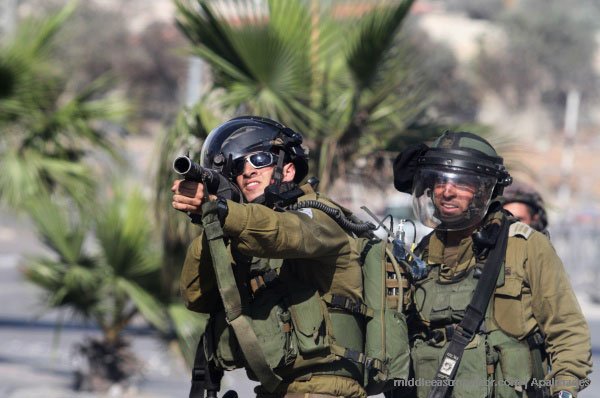
By Yves Engler | August 23, 2014
When is a Canadian who leaves this country to join a foreign military force and participate in the killing of innocent civilians, including children, called a “terror tourist” and sent to jail? The answer is: Only when that person joins a military force the Conservative government disagrees with.
Numerous ministers in the current federal government have loudly denounced the radicalization of Canadian youth in foreign wars. Last year, the Conservatives passed a law that sets a maximum fifteen year prison sentence for “leaving or attempting to leave Canada” to commit terrorism. Jason Kenney, the minister for multiculturalism, recently said the government is trying “to monitor networks that recruit and radicalize youth.”
Last month, Somali-Canadian Mohamed Hersi was sentenced to ten years in prison for attempting to join the al-Shabab militia in Somalia. Arrested at Toronto’s Pearson airport before leaving, Hersi was not found guilty of committing or plotting a specific act of violence, but according to the presiding judge, was “poised to become a terror tourist.”
Yet our government does nothing to hundreds of other Canadians who join a different foreign military force which daily terrorizes millions of people and often uses explosives to kill thousands — most of whom are civilians.
It’s unknown exactly how many Canadians are participating in Israel’s ongoing attacks on Gaza but an Israeli military spokesperson has said there were 139 Canadians in the Israeli military in 2013. The Nefesh B’Nefesh Lone Soldiers Program, an organization supporting the Israeli military, has referred to 145 Canadians in the Israeli military. That figure, however, only refers to what the organization calls Canadian “lone soldiers” — soldiers without family in Israel.
Breaking the stereotype of radicalized youth who join terror groups, recent media reports suggest that most of the Canadians joining the Israeli military are children of lawyers, doctors and other professionals. When thirty individuals attended the 2012 launch of a Toronto support group for Parents of Lone Soldiers, it took place at the home of Perla and Ron Riesenbach. The latter is a vice-president at the University of Toronto’s Baycrest Health Sciences Centre.
Earlier this month the French language website La Presse quoted a McGill University law student, Menachem Freedman, who recently completed a stint with the Israeli military and now does legal work for the British Columbia Civil Liberties Association.
A partner in a Toronto law firm, Audrey Shecter has two kids with Israeli military experience. According to the National Post, Shecter’s son completed 27 months with the Israeli military in February and her daughter, Orli Broer, currently serves on a base in the illegally occupied West Bank.
Broer, a 19-year-old Torontonian, who is in a unit that processes visas and other paperwork, helps to deny Palestinians freedom of movement in their own homeland. “It’s my home and I have to protect my home,” the Canadian born and raised Broer told the National Post.
While the Foreign Enlistment Act technically prohibits Canadians from recruiting for a foreign army, there are a number of organizations that help individuals enlist in the Israeli military. At its Toronto office, the Friends of Israeli Scouts’ Garin Tzabar program provides Hebrew lessons and support services, as well as help with transport and accommodation in Israel, for twenty-five to thirty Canadian “lone soldiers” each year.
According to a Garin Tzabar spokesperson who spoke to La Presse, the recent killing and destruction in Gaza has prompted a flood of inquiries about joining the Israeli military.
Part of the tab for lone soldier support services is picked up by Canadian taxpayers through tax credits for “charitable” donations. The Israel-based Lone Soldier Center has Canadian charitable status through the Ne’eman Foundation. So does the International Christian Embassy Jerusalem, which has, according to its website, sponsored “fun activities” for “lone soldiers.”
Financial backing for lone soldiers reaches the top echelons of the Canadian business world. Billionaire Toronto couple Gerry Schwartz and Heather Reisman created the Heseg Foundation for Lone Soldiers. Reisman and Schwartz provide up to $3 million per year for post-military scholarships for these non-Israeli soldiers.
Members of the Israeli high command — Heseg’s board has included a number of generals and a former head of the secret service Mossad — say “lone soldiers” are of value beyond their military capacities. Foreigners volunteering to fight for Israel are a powerful symbol to reassure Israelis weary of their country’s violent behavior. Schwartz and Reisman’s support for Heseg has spurred a campaign to boycott the Indigo, Chapters and Cole bookstore chain they own.
Canadians in the Israeli military benefit from various Canadian-financed support programs and may also find other Canadians stocking their equipment. Approximately 150 Canadians serve as volunteers on Israeli army supply bases each year through the Zionist organization Sar-El. That organization takes out ads in the Canadian Jewish News calling on individuals to “Express your Zionism by serving as a civilian volunteer on an Israeli army supply base.”
There are a number of other registered Canadian “charities” that aid the Israeli army. Money sent to Disabled Veterans of Israel or Beit Halochem (Canada) and Canadian Magen David Adom for Israel support the Israeli military in different ways. Established in 1971, the Association for the Soldiers of Israel – Canada, which gives tax receipts through the Canadian Zionist Cultural Association, provides financial and “moral” support to active duty soldiers.
Various Canadian organizations have long supported the Israeli military and individuals from this country have directly participated in its violence. At least 25 volunteers from the Greater Toronto Area fought in Gaza during Operation Cast Lead, the three-week assault in late 2008 and early 2009, which left some 1,400 Palestinians dead.
Canada’s military contribution to the conquest of Palestine predates the creation of Israel.
During the First World War, Québec City-born Lieutenant General Sir Charles MacPherson Dobell, fresh from leading the Anglo-French conquest of German West Africa, was given a command position in the 1917 Egyptian expeditionary force sent to seize Gaza from the Ottomans. Additionally, as many as four hundred Canadians (approximately half recruited specifically for the task) fought in British General Edmund Allenby’s Jewish Legion that helped conquer Palestine.
A number of Canadians, with at least tacit support from the Ottawa authorities, played a direct role in “de-Arabizing” Palestine in 1947 and 1948. Representatives from the Haganah, the primary Zionist military force behind the Nakba — the ethnic cleansing leading to Israel’s foundation — recruited three hundred experienced Canadian soldiers.
The heir to the menswear firm Tip Top Tailors, Ben Dunkelman, was Haganah’s main recruiter in Canada. He claimed that “about 1,000” Canadians “fought to establish Israel.” During the Nakba, Israel’s small air force was almost entirely foreign, with at least 53 Canadians, including 15 non-Jews, enlisted.
Given this country’s past, perhaps today’s double standard about “terror tourism” is not surprising. But those of us who want a just Canadian foreign policy must nonetheless expose our government’s hypocrisy.
While al-Shabab has committed many reprehensible acts and espouses a terribly repressive ideology, the group’s growth and radicalization is largely a response to the 2006 US-sponsored foreign invasion of Somalia that has left tens of thousands of Somalis dead and hundreds of thousands displaced.
On the other hand, it’s as if the Canadians fighting with Israel are unsatisfied with their and their ancestors’ dispossession of First Nations in North America and now want to help colonize yet another indigenous people.
The double standard is extreme. It is illegal for Somali Canadians to fight in that country but it is okay for Canadian Jews to kill Palestinians in Gaza. And the government will give you a charitable tax credit if you give money to support the latter.
Fortunately, activists in one country have made strides on this issue. A Palestine solidarity group in South Africa recently launched a case against citizens of that country who have served in the Israeli military.
Some have suggested another solution. Eminent Canadian historian Jack Granatstein recently said: “In my view, no one who is a Canadian should be able to enlist in some other country’s military and keep his Canadian citizenship.”
Canadians of good conscience must at least insist upon fairness and an end to an outrageous double standard.
US Law Requiring Annual Report on Excessive Force by Police has been Ignored for 20 Years
By Steve Straehley | AllGov | August 22, 2014
The circumstances of the death of Michael Brown in Ferguson, Missouri, have brought that one police shooting into the national conscience. But many other Americans are killed by police and their deaths go unnoticed and mostly uncounted, despite a Congressional mandate.
In 1994, Congress passed the Violent Crime Control and Law Enforcement Act. Among its provisions was the order that “the Attorney General shall, through appropriate means, acquire data about the use of excessive force by law enforcement officers.” The Justice Department was also required to publish an annual report on the data collected.
And… that’s pretty much the last anyone heard of that. The work of collecting the data was shuffled off to the International Association for Chiefs of Police, which made a few efforts at collecting data and put together a report in 2001, but has produced nothing since.
“That’s a clear, clear problem,” Matthew Hickman, an associate professor of criminal justice at Seattle University, told Michael Doyle of McClatchy. “When it comes to use of force, we have almost nothing.”
Part of the reason is that the term “excessive force” is open to interpretation. Even a shooting ending in the death of an unarmed pedestrian could be judged by a jury to be justified. In addition, police departments are expected to report on their own incidences of excessive force, which some might be reluctant to do.
The Justice Department began to compile statistics on police shootings in 2001, according to the International Business Times. However, their reports cover only the years from 2003 to 2009 and don’t tell the whole story because of incomplete reporting and problems with research methods.
Wikipedia has tried to crowd-source a shootings database and blogger Jim Fisher, who scours the internet for information on police shootings, has had some success.
For now, Congress is still waiting for the statistics, although the head of the Senate Judiciary Committee that sought the data has moved on. His name is Joe Biden and he’s now Vice President of the United States.
To Learn More:
Data On Police Shootings Is Hard To Find (by Michael Doyle, McClatchy)
How Many Police Shootings Have There Been? (by Ross Keith, International Business Times)
How Many People are Killed by Police in U.S.? Who Knows? (by Steve Straehley, AllGov)
Featured Video

Genocide-linked firm handles Britons’ NHS data
or go to
Aletho News Archives – Video-Images
Book Review
Book review: Boiling Point, How America Brought War to Ukraine
By Tim Kirby | Strategic Culture Foundation | November 14, 2026
Did Vladimir Putin just wake up one day on the wrong side of the bed and decide to invade Ukraine in February of 2022 or is there a lot more to this single decision that has been reshaping the 21st century geopolitical landscape?
Obviously, from the way that I just posed the question you can see that I am on the side that views the causes for the war in Ukraine to be very deep, long-term, historical and consciously nefarious, and most importantly, not from within the halls of the Kremlin. So it was a pleasure to take a look at the book “Boiling Point, How America Brought War to Ukraine” by author Stephen Kinzer, who like myself, also believes that the real reasons behind military conflicts around the world are not what CNN and the BBC have been telling you. The main thesis of this book was stated clearly by its creator; the war “may have been illegal, but it was definitely not unprovoked.” … continue
Blog Roll
 Aletho News
- The 10 Disease Renamings That Rescued the Vaccine
- NATO cancels 2027 leaders’ summit
- IAEA’s politicized use of safeguards undermines its impartiality: Russian envoy
- UK must be ready to strike Russian Arctic – ex-PM
- Fico’s Two Red Lines: Russian Energy and the Next Ukraine Loan
- Thousands rally for banned NATO-skeptic presidential candidate
- Ukraine Settlement and New European Security Architecture Must Go Hand in Hand – Kremlin
- Book review: Boiling Point, How America Brought War to Ukraine
- Israel Revives The ‘Iranian Assassination Threat Against Trump’ Deception In A Desperate Bid To Restart The War
- US rewrites history to dodge blame for illegal war on Iran: Foreign Ministry spokesperson
- If Americans Knew
- An error has occurred; the feed is probably down. Try again later.
- No Tricks Zone
- New Study: Barents Sea Temperatures Were Warmer And Sea Ice Less Extensive In The 1700s Than Today
- German Authorities Start Initiative To Evaluate Public Register For Climate “Disinformation” Spreaders!
- Zonal Asymmetry of Temperature Change in the Antarctic Circumpolar Current
- New Study: The Net Fossil Fuel Contribution To Rising Atmospheric CO2 Has Been Zero For 500 Years
- Germany’s Green Energy Transition Becoming Increasingly Expensive…Another 6 Trillion Euros!
- Sudden Stratospheric Warming, Powerful El Niño Combination May Lead To Extreme Europe Cold, Energy Crisis!
- Two New Studies Find Thwaites Glacier Melt Cannot Be Driven By Human Activity Or A Warming Ocean
- E-Cars Reduce CO2 Emissions By Only 41% Compared To Internal Combustion Engine Vehicles
- Predictions Made By Renowned Climate Professor Over Past Decades Have Been Proven To Be Poor
- New Study Suggests Large Regions Of The Pacific Ocean Have Been Cooling For The Last 80 Years

