Why the World should be very concerned about New Zealand under the Jacinda government
By Guy Hatchard | Waikanae Watch | May 19, 2022
The New Zealand government relies upon a science body known as Te Punaha Matatini (Centre for Science in Society) whose work is funded directly by the office of the Prime Minister and cabinet.
Yesterday, Te Punaha Matatini published a 21-page document entitled “The Murmuration of Information Disorders” (see attached release from the Science Media Centre) designating those opposed to the government’s pandemic policies as violent right wing insurrectionists planning the weaponised storming of parliament and the execution of public servants, academics, journalists, politicians, and healthcare workers.
This is an utterly false characterisation worthy of the worst excesses of historical propaganda.
This 21-page document, represented to the public as a scientific paper, contains not a single discussion of the scientific concerns being raised in opposition to government pandemic policy.
It omits for example analyses of the government’s own official figures which show that the vaccinated are more vulnerable to infection, hospitalisation, and death than the unvaccinated, a fact that has been deliberately hidden from the public.
Prime Minister Jacinda Ardern introduced yesterday’s Te Punaha Matatini report with the words:
“One day it will be our job to try and understand how a group of people could succumb to such wild and dangerous mis- and disinformation. And while many of us have seen that disinformation and dismissed it as conspiracy theory, a small portion of our society have not only believed it, they have acted upon it in an extreme and violent way that cannot stand. We have a difficult journey in front of us to address the underlying cause.”
Since when do reasonable scientifically-based questions asked of the government in good faith constitute violent insurrection?
I am tempted to think that Ardern could just as well be talking about her own government. The Prime Minister and the social scientists(?) working at Te Punaha Matatini might do well to read the New York Times, (although they probably don’t do so because the official policy of the New Zealand government is to discourage any information that is not sanctioned and edited by themselves).
A NYT article on 10 May 2022 entitled “Emergent Hid Evidence of Covid Vaccine Problems at Plant” reports that
“Emergent BioSolutions, a longtime government contractor hired to produce hundreds of millions of coronavirus vaccine doses, hid evidence of quality control problems from Food and Drug Administration inspectors in February 2021 — six weeks before it alerted federal officials that 15 million doses had been contaminated.”
A reasonable observer might conclude that early (and later) concerns being voiced about vaccine safety were justified, but the New Zealand government is far from reasonable.
A succession of scientific papers published in reputable journals during recent weeks (which we and many others have reported extensively and communicated directly to the government) have in fact fully justified concerns about safety and efficacy, but unbelievably our government is in denial and still moving ahead with propaganda advertising of their mRNA vaccination agenda for all ages and, as today’s Te Punaha Matatini report shows, labelling any opposition as a conspiracy with violent aims.
How Did the Transformation of the NZ Government Come About?
New Zealand has a small population of 5 million, but it has been used to trial new products in order to gauge what the public reaction and acceptance might be in bigger markets overseas. Never more so than during the pandemic. Take up of the Pfizer mRNA Covid vaccination has reached up to 95% of the eligible population.
This has been achieved through a transformation in the style of government, media control, science funding, intellectual standards, and international relations unprecedented in the western world, along with the coercion of draconian employment mandates and the pursuit of dissenters through compliant courts.
This has been engineered under the leadership of a person with a bachelor’s degree in communication who grew up in a strict rural Mormon household and cut her political teeth under the Blair administration in London. In keeping with her upbringing and education, Ardern is a leader who is sure she is right and is prepared to enforce her orthodoxy against all opposition and reason.
Her international perspective is one of unquestioning acceptance of the authority and right to rule of global institutions. Her top confidant and mentor Helen Clark, former NZ Labour Prime Minister, is closely associated with this outlook. Ardern recounts that she begins her day with a discussion with Clark over breakfast.
Like Ardern, Clark is renowned for her iron fist management style. She ruffled feathers at the United Nations Development Programme, which she led from 2009 to 2017, reportedly undermining human rights and supporting China’s Belt and Road initiative.
On 9 July 2020 the World Health Organization (WHO) appointed Clark as co-chair of a panel reviewing the WHO’s handling of the COVID-19 pandemic and the response of governments to the outbreak. The Independent Panel for Pandemic Preparedness and Response (IPPR) examined how the outbreak occurred and how future pandemics can be prevented.
Nothing says more about the overt global agenda of Ardern and Clark than this 11 May 2022 statement of the New Zealand government:
“The establishment of a pandemic treaty/instrument was a key recommendation of the Independent Panel for Pandemic Preparedness and Response and is one of New Zealand’s foremost global health priorities”
Like China, New Zealand’s fading international reputation for successful management of the pandemic was actually built on a single policy—control the borders, restrict entry, and impose lengthy quarantine.
The Current Situation in New Zealand is Deeply Concerning
Ardern controls the media and the science dialogue through a mixture of government funding and exclusion of dissent. The government has spent big on saturation advertising advising complete safety and efficacy of the Pfizer vaccine, and continues to do so.
It has instituted funding of cultural groups, GPs, and commercial organisations who promote vaccination. The level of funding is so generous that it has distorted prior long standing economic and political relationships.
So far the government has spent on the order of $100 billion on the pandemic in addition to normal expenditure. To put this in stark perspective, that is equal to the total annual government budget prior to the pandemic—more than $20,000 for every man, woman, and child. This is borrowed money which will have to be repaid through increased taxation of an already struggling population.
We Have No Constitution in New Zealand, the Power of the Government Is Absolute.
The control that Ardern’s government exercises over the courts, government agencies, parliament, media, independent regulators, and over the vast majority of the population is staggering and rigidly enforced. Dissenting medical professionals are excluded from practicing and in some cases prosecuted also. They are also mercilessly hounded and vilified by bought mainstream media.
In an atmosphere of strict government control, more worrying aspects of information control have emerged. In some cases noted by my scientific colleagues, policy and pronouncements that they have demonstrated are in conflict with published research have disappeared from the public record.
Even rare court rulings in favour of caution have been rapidly bypassed by simply passing new laws without debate. Court rulings about mandates have also been openly flouted, as happened when the military vaccine mandate was ruled illegal. With the support of the government, the military said the courts had no jurisdiction over its operation and went ahead anyway.
Ardern has introduced her policies in such a dedicated, persuasive, secretive, and complete way that almost the whole population of New Zealand has complied. They have accepted limitations on medical choice, judicial protections, human rights, press freedom, freedom of information, privacy, employment conditions and opportunities, standard of living, and social interaction.
Ardern’s successful efforts to persuade the population that government should be your only source of truth, have all but negated any of the longstanding mechanisms of government accountability. A majority of the population have all but concurred with Ardern that the unvaccinated may be safely blamed for every government failing and omission; and for all Covid case loads, hospitalisations, and deaths contrary to all evidence.
The opposition parties have apparently accepted that they will in future go about their business using the same Ardern doctrines and techniques. Accordingly they have failed to sound the alarm, investigate Covid science publishing deeply, or oppose draconian legislation. They have joined Ardern in labelling peaceful protest as unacceptable and illegal.
Ardern on the Global Stage
Ardern is about to deploy her international political capital to promote the globalisation of her policies and outlook. Her public persona can be deceptively mesmerising. You should be worried.
The world’s economy also has no constitution. So far Ardern appears to be happy to allow it to be controlled by global economic predators. Pfizer has been uncritically promoted by her, and the notion of WHO control over New Zealand’s sovereign rights is being welcomed with open arms. It fits with her strict hierarchical perspective.
Ardern may be viewed by naive foreign governments as a pandemic success story unfairly criticised in her own country. Stop for a moment and consider that she is about to lend her support to the promotion of a new world order on the global stage using her trademark persuasive techniques of propaganda, coercion, and control of information.
Governments worried about Covid misinformation should start with their own lies and distortions: Indiana AG
The Daily Sceptic | May 20, 2022
Governments concerned about Covid misinformation should start with their own lies and distortions, Indiana’s Attorney General has told the U.S. Government. In a submission to the U.S. Surgeon General, who had requested information on the impact of online health misinformation during the pandemic in the United States, Todd Rokita joined with leading scientists Dr. Jay Bhattacharya and Dr. Martin Kulldorff to set out nine examples of disinformation propagated by the CDC and other health organisations that have “shattered the public’s trust in science and public health and will take decades to repair”. Read their full submission below.
May 2nd 2022
Agency: Department of Health and Human Services, Office of the Surgeon General
Action: Request for Information (RFI)
Subject: Impact of Health Misinformation in the Digital Information Environment in the United States Throughout the COVID-19 Pandemic
Response: COVID-19 Misinformation from Official Sources During the Pandemic
Submitting parties: Todd Rokita, Indiana Attorney General; Dr. Jay Bhattacharya, Professor at Stanford University School of Medicine; and Dr. Kulldorff, Senior Research Fellow at the Brownstone Institute and former Professor at Harvard University School of Medicine.
The Office of the Surgeon General requested information on the prevalence of health misinformation during the COVID-19 pandemic and the impact of such misinformation on the U.S. public health system in order to be better prepared to respond to a future public health crisis.
We agree that misinformation has been a major problem during the pandemic. The spread of inaccurate scientific information has made it difficult for the public to make the right decisions to protect themselves, their families, and their communities from COVID-19 and the collateral public health damage arising from the pandemic countermeasures. As such, the disinformation has led to great harm in the lives and livelihoods of Americans. We submit the following examples of disinformation from the CDC and other health organisations that have shattered the public’s trust in science and public health and will take decades to repair.
#1 Overcounting COVID-19: The official CDC numbers for COVID-19 deaths and hospitalisations are inaccurate. The official tallies include many people who have died with rather than from COVID-19. CDC has not distinguished deaths where COVID-19 was the primary cause of death, where COVID-19 was a contributing cause of death, or where the death was entirely unrelated to COVID-19, but they incidentally tested positive.
There are three reasons for this problem. (i) The counting of COVID-19 cases and deaths is unlike the way that public health counts the incidence and mortality caused by other diseases; physicians have been advised to fill out death certificates to privilege COVID-19 as a proximal cause, even when the medical facts suggest otherwise. (ii) The population-wide testing to identify asymptomatic individuals infected with the SARS-CoV-2 virus is unprecedented in human history. (iii) Although it would have been easy, CDC has not conducted random national surveys of medical charts to determine what proportion of reported COVID-19 deaths were truly due to COVID-19. Ex-post audits of death certificates and medical records in Santa Clara County and Alameda County, California, for instance, found that in around 25% of death certificates in which COVID-19 was labelled as the primary cause of death, other causes of death were more likely. The peer-reviewed literature confirms that COVID-19 is overcounted in other developed countries. Ex post audits of death certificates should be conducted to establish an accurate death count from COVID-19.
#2 Questioning Natural Immunity: There has been consistent questioning and denying of natural immunity after COVID-19 recovery. Using seriously flawed studies, CDC falsely claimed that natural immunity is worse than vaccine acquired immunity. In October 2020, the CDC director published a “memorandum” in the Lancet, questioning natural immunity. Most critically, by mandating vaccination for people who have recovered from COVID-19, the Government, corporations, and universities de facto deny natural immunity.
For scientists, this has been the most surprising disinformation. We have known about natural immunity since the Athenian Plague in 430 BC; other coronaviruses generate natural immunity; and throughout the pandemic, we knew that the COVID-19 recovered have good natural immunity if and when they get exposed the next time. That is, six months after the start of the pandemic, we had epidemiological evidence that natural immunity lasts at least six months; a year into the pandemic, we knew that natural immunity lasted at least one year, and so on.
#3 COVID-19 Vaccines Prevent Transmission: The CDC director and other health officials falsely claimed that the COVID-19 vaccine prevents the transmission of COVID-19 to others. This was also the rationale for vaccine mandates and passports – to prevent the spread of the virus to others. At the time, we did not know, and it turned out to be wrong. When the COVID-19 vaccines were approved for emergency use, the manufacturers presented randomised controlled trials (RCTs) that showed that the vaccines reduced symptomatic disease. The trials were not designed to determine whether they could also limit transmission or prevent death, even though they could have been designed to do so. As it turned out, vaccinated individuals spread the disease to others. While it was unfortunate that the RCTs were not designed to answer the disease transmission question, it is irresponsible for public health officials to claim that they did when the RCTs did not even attempt to answer that question.
#4 School Closures Were Effective and Costless: In the United States, most schools were closed for in-person teaching for some time, and many schools were closed for over a year. This decision was based on false claims that it would protect children, teachers and the community at large. Already in the early summer of 2020, we knew this was false. Sweden was the only major Western country to keep schools open throughout spring 2020 without masks, social distancing, or testing. Among these 1.8 million children ages one to 15, there were zero COVID-19 deaths, only a few hospitalisations, and teachers did not have a higher COVID-19 risk than the average of other professions.
Moreover, while older people living with a working-age adult had a higher COVID-19 risk, there was no evidence that also living with a child increased that risk further. In a July 2020 New England Journal of Medicine article evaluating school closures, they did not mention the Swedish data and evidence, which is like evaluating a new drug without including data from the placebo comparison group. Despite clear evidence on the safety of keeping schools open, misinformation led to many schools being closed for over one year.
#5 Everyone is equally at risk of hospitalisation and death from COVID-19 infection: Though public health messaging has blunted this fact, there is more than a thousand-fold difference in the risk of hospitalisation and death for the old relative to the young. Though the risk of death is high for the old and some other vulnerable populations with severe chronic illness, the risk posed to children from COVID-19 infection is on par with the risk posed by a bad influenza season. Surveys indicate, however, that both old and young overestimate the risk of death from COVID-19 infection. This misperception about risk is harmful because it leads to demand for policies – such as school closures and lockdowns – that were themselves harmful.
#6 There was no reasonable policy alternative to lockdowns: Even from the beginning of the pandemic, the sharp age-gradient in the risk of severe disease on COVID-19 infection has provided an alternative to the lockdown-focused policies that many U.S. states adopted – focused protection of the aged and otherwise vulnerable. In October 2020, along with Prof. Sunetra Gupta of Oxford University, we wrote the Great Barrington Declaration – a public petition that proposed heightened measures to protect the vulnerable and a return to near-normal life for the less vulnerable (including the opening of schools). Tens of thousands of doctors and scientists signed the Declaration in opposition to lockdowns. In the Declaration itself and in supporting documents, we offered many concrete policy suggestions for better protecting the vulnerable, including reduced staff rotations in nursing homes, free home delivery of groceries and other essentials offered to older people living in the community, paid sabbatical leave or alternative work arrangements for older workers, and many other policy options. We also invited the public health community to join in thinking creatively about other ideas to protect the vulnerable. As subsequent research has confirmed, it was clear even at the time that lockdowns could not protect the vulnerable (nearly 80% of COVID-19 deaths have occurred among the elderly in the U.S.). Meanwhile, countries like Sweden, which did not implement lockdowns, have had near-zero overall excess death over the last two years of the pandemic. Lockdowns are an aberration– a sharp deviation from traditional public health management of respiratory epidemics – and a catastrophic failure of public health policy.
#7 Mask mandates are effective in reducing the spread of viral infectious diseases: Contrary to assertions by some public health officials, mask mandates have not been effective in protecting most populations against COVID-19 risk. The SARS-CoV-2 virus spreads by aerosolisation. Unlike larger viral droplets, which are pulled by gravity to the ground shortly after emission, aerosols are tiny particles that can persist in the air for extended periods. Aerosols escape through gaps of poorly fitted masks, greatly reducing their ability to stop disease spread. Cloth masks, in particular, cannot stop aerosols, and even well-fitted N95 masks have diminished capacity to stop viral transmission when they become moist from breathing. It is thus unsurprising that the highest quality evidence available – randomised trials – conducted both before and during the pandemic find that masks are ineffective at stopping the spread of respiratory viruses in most settings when worn by untrained people.
#8 Mass testing of asymptomatic individuals and contact tracing of positive cases is effective in reducing disease spread: Mass testing of asymptomatic individuals with contact tracing and quarantining of people who test positive has failed to substantively slow the progress of the epidemic and has imposed great costs on people who were quarantined even though they posed no risk of infecting others. Three facts are crucial to understanding why this policy has failed. First, even close contacts of someone who tests positive for the SARS-Cov-2 virus are unlikely to pass the disease on. In a large meta-analysis of household contacts of asymptomatic positive cases, only 3% of people living in the same home got sick. Second, the PCR test that has been used to identify asymptomatic infections often returns a positive result for people who have dead viral fragments, are not infectious, and pose no risk of infecting others. And third, the contact tracing system becomes overwhelmed whenever cases start to rise, leading to long delays in contacting new cases. At precisely the moment when contact tracing might be needed, it cannot do its job. At the same time, quarantining people is costly – for workers without adequate sick leave, absenteeism due to contact tracing means pay cuts, lost opportunities and perhaps even an inability to feed families. For children, it means more skipped lessons and missed opportunities for academic and social growth at school, with long-run negative consequences for their future prospects. In the U.K., an official government review determined that its 37 billion pound investment in contact tracing was a waste of resources. The same is undoubtedly true in the United States.
#9 The eradication of COVID-19 is a feasible goal: Throughout the pandemic, from “two weeks to flatten the curve” and onwards, the suppression of the spread of COVID-19 has been an explicit policy goal. Implicitly, public health leaders have made the suppression of COVID-19 spread to near-zero levels the endpoint of the pandemic. However, SARS-CoV-2 has none of the characteristics of a disease that can be eradicated. First, we have no technology to reduce the spread of the disease or meaningfully alter disease dynamics. Lockdowns and social restrictions fail because only people who can afford to work from home without losing their job can comply over long periods. While we have vaccines that can help prevent hospitalisation or death resulting from COVID-19 infection, the vaccines wane in efficacy against COVID-19 infection and cannot stop transmission. Second, there are many animal hosts for SARS-CoV-2 and evidence of transmission between mammals and humans. One USDA study in late 2021 found that nearly 80% of white-tailed deer in the U.S. had evidence of COVID-19 antibodies. Dogs, cats, bats, mink and many other mammals can get COVID-19. So even if the disease were eradicated among humans, zoonotic transmission would guarantee that it would come back. Finally, eradication takes a global commitment from every country – an impossible goal since COVID-19 eradication is far from the most pressing public health problem for many developing countries.
From the heart of the Covid establishment, the truth about asymptomatic spread
By Hector Drummond | TCW Defending Freedom | May 19, 2022
AN important study into Covid-19 has got very little traction, despite coming from the Covid industry’s favourite university, Imperial College London.
This is likely to be because the study totally destroys the industry’s assumptions about asymptomatic spread.
The other institutions involved in this study are the Vaccine Taskforce and Department of Health and Social Care (DHSC), hVIVO (part of Open Orphan plc), and the Royal Free London NHS Foundation Trust. In other words, this study was conducted by the heart of the Covid establishment.
What did they find? Well, forget all you were told about it taking five to six days to develop Covid symptoms, which was always an unwarranted claim whose main purpose was to imprison whole populations. Even if that had been true, it wouldn’t have provided the justification for the Great Jailing that governments across the world sprang on their people. But it’s not true anyway: ‘Researchers found that symptoms start to develop very fast, on average about two days after contact with the virus.’
In fact, it was less than two days – it was 42 hours.
What’s more (and the Imperial press release makes little of this) the amount of detectable virus in the throat and nose in that 42 hours is small. It’s only after symptoms start that the virus levels really crank up. For the first day there’s pretty much nothing; on the second day levels start to rise, but to nowhere near the levels they reach on subsequent days, after symptoms have appeared.
We can see this by looking at some graphs from the paper (from Fig. 2 – the first graph shows levels in the nose by day, the second shows the levels in the throat).


https://www.nature.com/articles/s41591-022-01780-9
As the study says, ‘viral shedding begins within 2 days of exposure’.
Bear in mind also that coughing and sneezing send out vastly far more virus particles than breathing. (For the in-depth details, see chapter 3 of my book The Face Mask Cult.) But if you do not have symptoms, you will not be sneezing or coughing. So even if in the last few hours of your pre-symptomatic period your viral load starts to build up in your nose and throat, you aren’t going to be sending that out into the world in any great amount, because you are pre-symptomatic, and so by definition you aren’t coughing and sneezing.
Remember how you were told at the start of spring 2020 that Covid-19 was a unique virus, different from every virus in history, in that it spread wildly from asymptomatic people, which apparently no virus had ever done before, at least not in anything like the way Covid did? Even normally sober writers such as Matt Ridley spread this melodramatic idea, despite the fact that at the time it had little more credibility than your average urban myth. Asymptomatic spread was the basis for locking everyone up – everyone, not just those with symptoms – but it has turned out to be a chimera.
And of course the enforced quarantine periods not only had to be long, they had to be repeated, over and over, because you could never tell if someone was infected and their breath was spreading Covid across whole suburbs and workplaces and factories, even if that person had just come out of a long enforced quarantine a few days ago after a close contact tested positive, and even if that person felt completely fine. They might still have caught Covid for real since they left quarantine, and even now are killing grandmothers by the dozen as they eat their lunch with their friends. Better lock them up again. And everyone else.
Such was the damage inflicted upon society by the asymptomatic hysteria. In theory it could have gone on for ever; the only things that stopped it doing so were, firstly, the public gradually starting to realise that their lives were being ruined for an overhyped threat, and, secondly, the embarrassing lack of solid evidence to show that asymptomatic spread played much of a role in Covid dissemination (or that Covid was unique in regard to the extent of asymptomatic spread).
So there isn’t any point at all in worrying about catching Covid from someone with no symptoms. There also isn’t any point in symptomless people testing themselves all the time. Or ever. Getting Covid from someone who isn’t showing any signs of it will not happen very often, so the social damage caused by requiring people who aren’t ill to take a test vastly outweighs the benefits of testing them (especially when we consider that the benefits of testing are basically nil anyway – billions of tests have done nothing to prevent Covid remorselessly spreading across the world).
In other words, these results tell us (although this was already clear) to stop testing, stop quarantining and stop worrying about getting Covid from people who aren’t sick. And that means shutting down the whole Covid-industrial complex. The world was trashed for nothing.
I should note that the study does say ‘our data clearly show that SARS-CoV-2 viral shedding occurs at high levels irrespective of symptom severity, thus explaining the high transmissibility of this infection and emphasising that symptom severity cannot be considered a surrogate for transmission risk in this disease’.
This may seem to go against what I have said so far, but it doesn’t, as it applies to the period after symptoms have started, not the period before. It is true that once you have symptoms, there is little correlation between the severity of those symptoms and the amount of viral shedding, as Figs. 4e and 4f in the paper show. (‘Viral shedding’, I should note, refers to the amount of virus found in the nose and throat – it doesn’t refer to the amount of virus being ‘sent out’ by the infected person into the surrounding world.) So someone who has very severe symptoms may not have any more virions in their nose and throat than someone who has mild symptoms.
In the two-day pre-symptomatic period, however, it remains the case that there are only low levels of viral load in the nose and throat, as we saw from the graphs above.
Another significant finding from the study was that it took very little virus to infect someone: ‘Participants were exposed to the lowest possible dose of virus found to cause infection, roughly equivalent to the amount found in a single droplet of nasal fluid when participants were at their most infectious.’
This also means that facemask use is particularly pointless. At best masks can reduce the amount of virions breathed in and out by about 10-15 per cent but if it takes very little to infect a person this will achieve nothing. If someone is breathing out 15,000 virions every ten minutes, reducing that to between 13,500 and 14,000 won’t help.
Of course, the study and the Imperial press release didn’t tell you this. All it said about facemasks was that the study emphasised the importance of wearing them over the nose as well as the mouth, because the nose contained higher peak levels of the virus than in the mouth.
Also, as expected, none of the healthy young people in the study developed anything other than mild-to-moderate cold-like symptoms. None of them ended up in a bad way. As we already knew two years ago, this is a disease which does not threaten the vast majority of young people.
For two years now sceptics like me have been telling people to throw away their tests, and to stop isolating healthy people, and to stop worrying whether the people around you in the restaurant are going to kill you, as the scientific evidence doesn’t support this. If you didn’t believe us then, perhaps you will now.
Bill Gates wants to build a dystopia
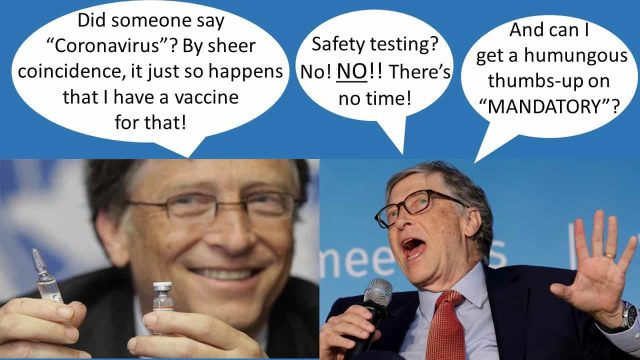
By Toby Green | UnHerd | May 9, 2022
It’s not easy being a regular multi-billionaire. Bill Gates used to be the simple guy-in-the-mansion next door, worried about virus outbreaks and global warming. Then, during the pandemic he became the point at which all conspiracy theories met.
Ever since March 2020, the memes have spread. Was Gates a mass murderer with a global depopulation agenda? Was he a “biofascist” seeking control over the world’s population through vaccine passports and microchips?
It didn’t stop there. Was the Covid-19 pandemic actually “plandemic”? Did the Microsoft founder and his acolytes create it through funding “gain of function” research in a biosecurity lab in Wuhan? Was it all war-gamed at Event 201 in October 2019?
Bill Gates has not much enjoyed being the focus of these stories for the past 18 months. He just wants to help out. He wants to solve problems so badly, he tells us early on in How To Prevent the Next Pandemic, that in February 2020, he flew from Seattle to South Africa to participate in a charity tennis match, no doubt on one of his four personal jets.
It was in South Africa that he first began to join the Covid-19 dots. The tech entrepreneur delivers the story with characteristic flair: “A couple of days after returning from South Africa, I sent an email about scheduling something for the coming Friday night: ‘We could try and do a dinner with the people involved with coronavirus work to touch base.’” Gates is happy, “everyone was nice enough to say yes — despite the timing and their busy schedules”. His work on the pandemic begins.
Now Gates is tired of all the conspiracies. He asks his critics to judge him by his actions. And the best way to do so is by reading the book: does Gates have anything sensible to say about the best way to combat future pathogenic outbreaks?
His model for the future is built on what he feels has worked over the past two years: isolate contacts, close borders, lockdown as quickly as possible, then remove restrictions slowly and cautiously. He cites Dr Anthony Fauci, who Gates says he spoke to once a month during the pandemic: “Not only should you appear to overreact at first, as Tony Fauci said, but you also have to be careful about relaxing all NPIs [non-pharmaceutical interventions] too soon.” Meanwhile, you should invest enormous sums in boosting global public health systems, vaccine production in poor and rich countries, and fund a Global Pandemic Emergency Response Unit to monitor potential outbreaks. The aim, says Gates, is to vaccinate the entire world — twice if necessary — within six months while lockdown measures restrict the spread of the new pathogen.
It all sounds so reasonable, doesn’t it? Or it might do to those who haven’t seen the footage of Shanghai’s lockdown circulating on social media, to those who can work online in relative comfort, or indeed to billionaires with comfortable gardens and libraries in which to while away those six months. With the Gates model, a little translation is in order.
The massive investment required to make this vision happen is a good starting point. Where will it come from? Gates is a well-known philanthropist, and makes much of the more than US$2 billion which the Bill and Melinda Gates Foundation have ploughed into fighting Covid-19. Yet this is a small amount compared to the US$6 billion that the US government has invested in the Moderna vaccine alone. As Gates points out, “Most of the world’s greatest talent for translating research into commercial products is in the private sector… It’s the government’s role to invest in the basic research that leads to major innovations, adopt policies that let new ideas flourish.”
Translation: taxpayers invest in developing products through government agencies, and private companies and their shareholders reap the profits. How does this work in practice? Gates does not give what we might call full disclosure. He offers the example of the antiviral Molnupiravir which “Merck and its partners developed”. It was authorised to great fanfare as a Covid treatment in November 2021.
Yet Merck did not develop this drug. It was initially developed as a veterinary drug for horses at Emory University, with a US$19 million grant from Fauci’s NIAID and funding from other sectors of the US government. Molnupiravir costs US$17.74 per dose to manufacture, according to an estimate from researchers at Harvard and King’s College London, but is being retailed to the US government for US$712 per course — a profit of 4,000%.
Another example of Gates’s eye for detail is his discussion of Remdesivir, which was approved as “Standard of Care” for Covid in the US by the Federal Drug Agency. Again, like Molnupiravir, much of the funding and institutional support for the drug originally came from the US government. Remdesivir was the baby of the drug company Gilead.
Gates describes how one study showed that “it may have a major impact in patients who aren’t yet sick enough to be in the hospital”. But other details are ignored. He doesn’t tell us that in an earlier, peer-reviewed study from China, published in the Lancet in May 2020, “Remdesivir was not associated with statistically significant clinical benefits”, and that the trial was “stopped early because of adverse events in 18 (12%) patients versus four (5%) patients who stopped placebo early”. All the same, the profits were good: while the drug cost Gilead just US$10 per dose to manufacture, it was being retailed to US taxpayers at US$3,120.
Maybe Gates knows nothing about the Lancet study. Perhaps he doesn’t know that in both of these cases, public investment has funded enormous private profits — and that in the case of one of the drugs, there’s little evidence that this was to any benefit. He’s just a software engineer after all.
For Gates, technology really does provide all the answers, as it certainly has in his own life. He believes humanity belongs online: “once people learn the digital approach, they generally stick to it”. Post-Covid, he envisages a world of flexible working, in which regular guys like him with large mansions and decent living space can languidly choose between going into the office on Wednesdays or Thursdays. The problem with Gates’s digital utopia — full of virtual spaces where 3D avatars attend business meetings — is that I suspect many of us will not want to live in it.
Gates tries to show in this book that he gets it, while at the same time demonstrating on every page that he just doesn’t. As he draws up his elaborate plans for global governance, Gates writes that he does so knowing that he hasn’t been elected. He tells us he wouldn’t want to be anyway (after all, we can surmise, if he were elected, he might be accountable).
Gracefully, Gates understands that people are angry at the huge increases in wealth disparities during the pandemic, and pledges to return his profits to “make the world a fairer place”. He recognises that poor people across the world have suffered, and are far less able to deal with lockdowns, and even acknowledges that harsh measures might not be a good idea for some of them… And yet he recently went on record as saying that “if every country does what Australia did, then you wouldn’t be calling it a pandemic”. We can, in fact, judge him by his actions, and his words: he says one thing, and funds and promotes others.
Looking forward, the outlook is bleak. Preventing pandemics in Gates-World means shutting down immediately at the “next major outbreak” — a favourite, and alarming turn of phrase. Future semi-permanent global lockdowns are baked-in as the new normal, something I warned of in the conclusion to my book The Covid Consensus. As Gates notes, the WHO have identified 1,500 new pathogens in the past 50 years, and thus the “next major outbreak” surely cannot be far off. In the past 20 years, pre-Covid, there were already three of note (SARS — 2003; Avian Flu — 2005; Swine Flu — 2009). In each case enormous fatalities were falsely predicted, and would surely have led to six month shutdowns in the Gates model.
Gates-World is one where citizens make sacrifices for his model to work. And it’s also one where class is totally ignored. Does Gates know what it was like for Angolan children to be forced to stay at home for seven months in 2020? He admits that internet connections need to be improved to make digital schooling possible — but does he understand that no IT in the world can help children of sex workers in Mumbai slums with their homework? Can he comprehend what it is like to be incarcerated in a flat with small children for months on end in New York, Shanghai or London?
Gates wants to be respected, and understood. His world is one of innovative scientists having dinner with one another. They solve the world’s problems by the pool, or near the barbecue. It’s what he likes doing best, because “I’ve had some of the best conversations of my working life with a fork in my hand and a napkin in my lap” (p4). He wants to fund more and more work leading to experiences like this, and meanwhile turn the rest of human society into a digital avatar of itself.
No doubt he means well. But you don’t need to indulge the conspiracy theories to realise that the road to hell is paved with good intentions.
Toby Green is a Professor of History at King’s College, London.
American Airlines Captain Robert Snow speaks out about his vaccine injury
Steve Kirsch | May 14, 2022
Ever wonder why so many flights are delayed or canceled? A lot of it is due to injuries caused by the vaccine mandates.
Today, there are many pilots who are vaccine injured and not saying anything, endangering the public.
Here’s what happened to one vaccine injured pilot who now has to retire because he’s unable to fly anymore.
He speaks freely, right after being released from the hospital.
And no, the CEO of American Airlines, working just 10 minutes away didn’t call or come visit him. That’s the way they treat “family” at American Airlines.
Other articles about the vaccine and pilots
I wonder if the vaccine is causing all these incidents. I’m told they are safe and effective. But that’s not what the data says.
THREE KILLED, AS PLANE CRASHES INTO MEXICAN SUPERMARKET
PLANE CRASHES ONTO A STREET IN SAN DIEGO
PILOT SUFFERS MID-AIR HEART ATTACK
CO-PILOT LANDS PLANE AFTER PILOT HAS HEART ATTACK:
TRAFFIC CONTROL HELPS PASSENGER LAND PLANE, AFTER PILOT HAS HEART ATTACK
Conspiracies about conspiracy theories
A little trip down memory lane
el gato malo – bad cattitude – may 16, 2022
My goodness, these “conspiracy theorists” certainly do have vivid imaginations, don’t they?
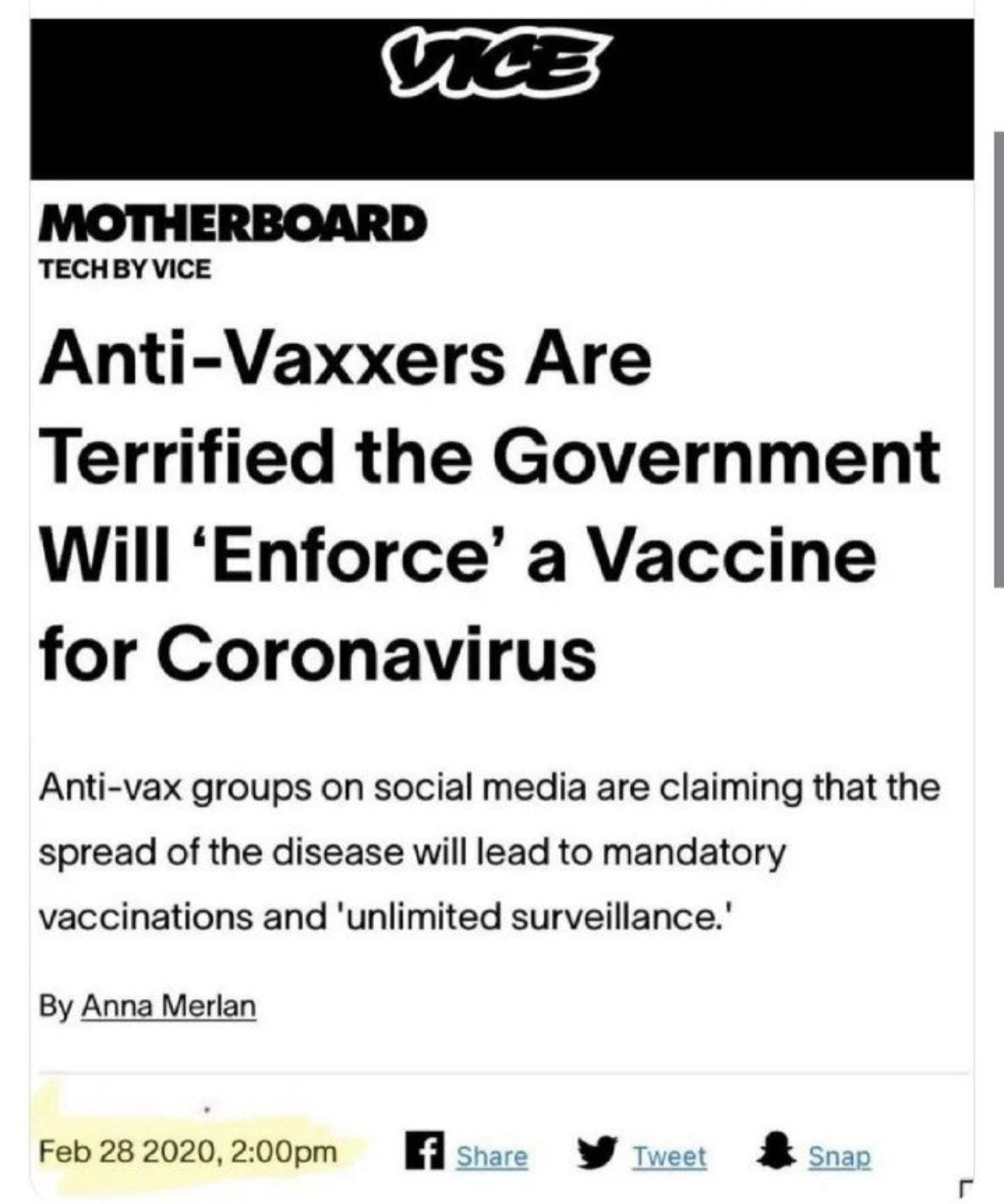
i mean, that would be terribly divisive, counter to rights, and directly antagonistic to people who just want bodily autonomy. can you even imagine public officials doing something like that?
pretty far fetched…
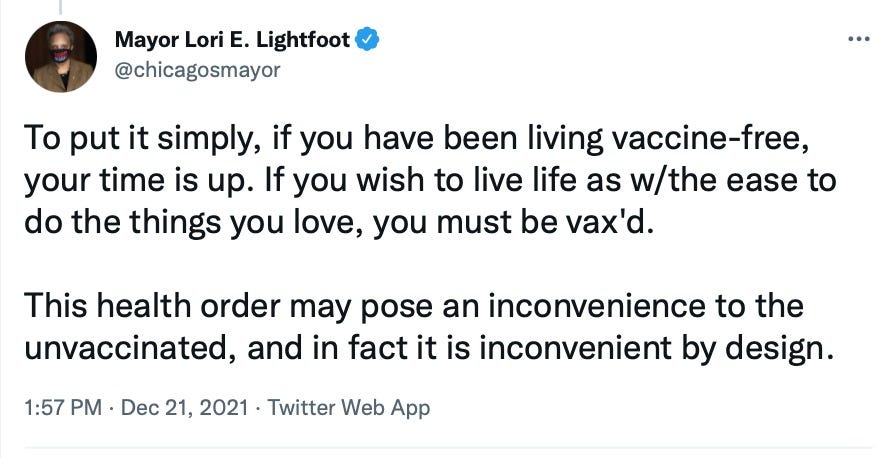
or health bodies using disease to engage in surveillance?

or governments seeking to do the same and mitigate privacy altogether?
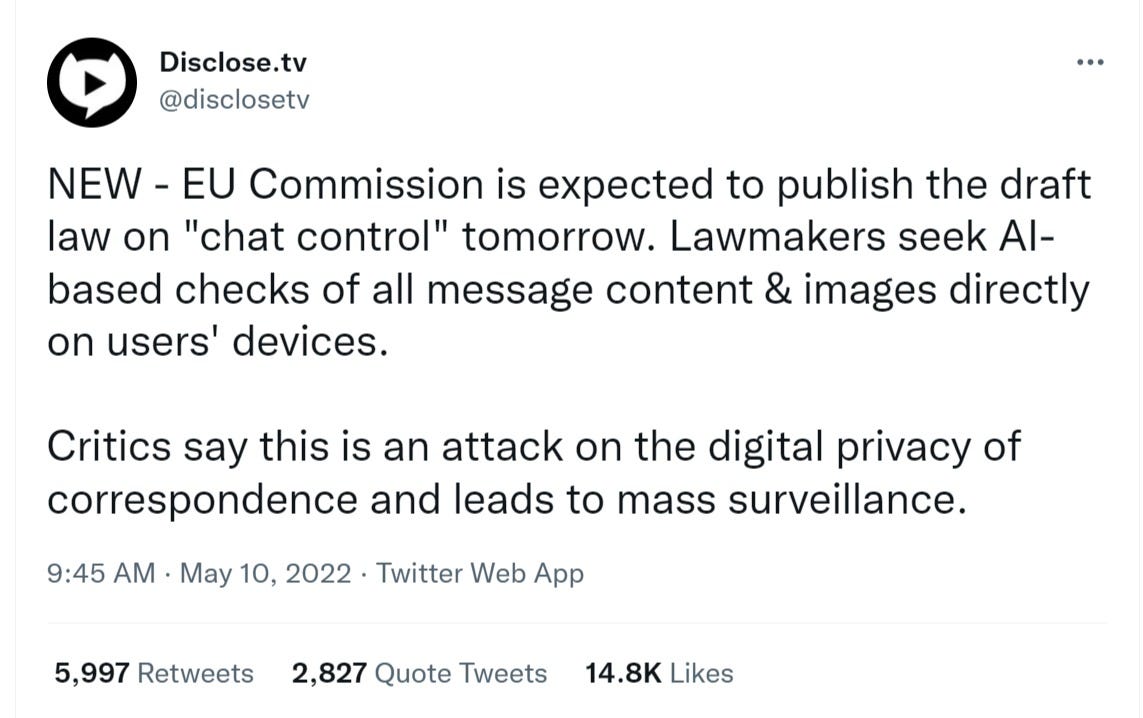
i mean, that’s just silly!
what next, some wild eyed claims that they want universal digital ID?

that they have been quietly rolling out the standards for

and making international and inescapable?
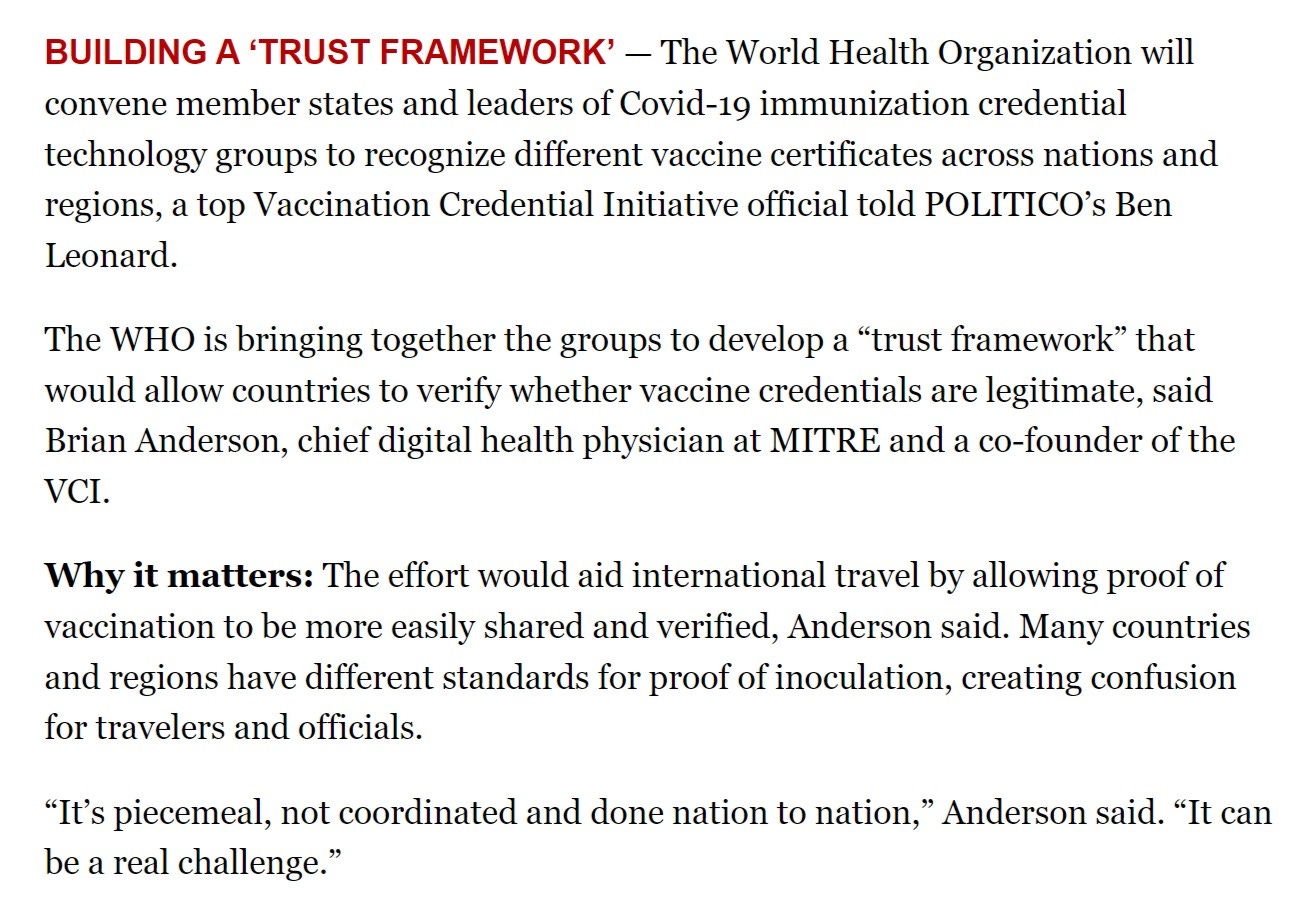
i mean, what will these prolific conspiracy boffins think up next, some sort of state run digital currencies to link to this new ID and surveillance state?
i mean, who would even suggest something like that?

federalreserve.gov/cbdc-faqs.htm
and anyhow, what’s the worst that could happen?
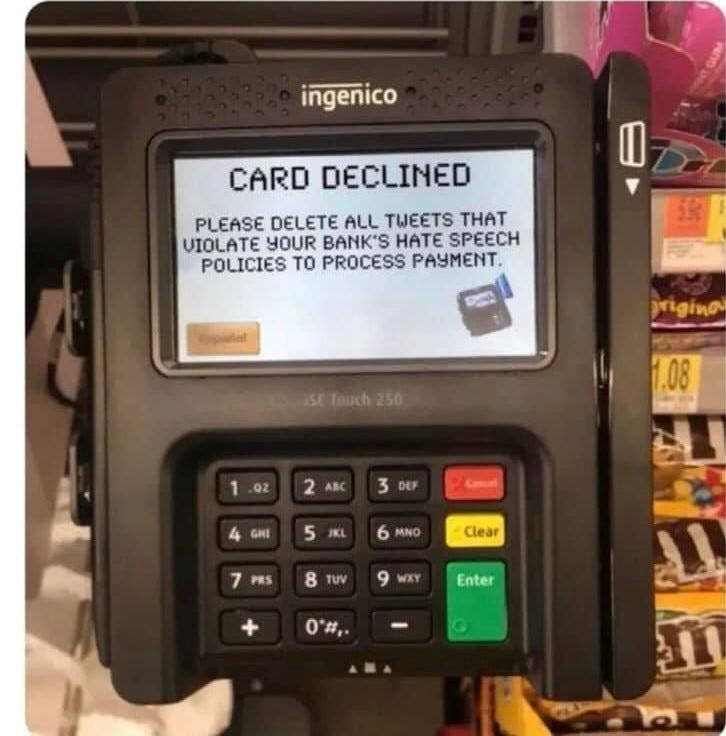
i mean, they told us this is all benign, right?
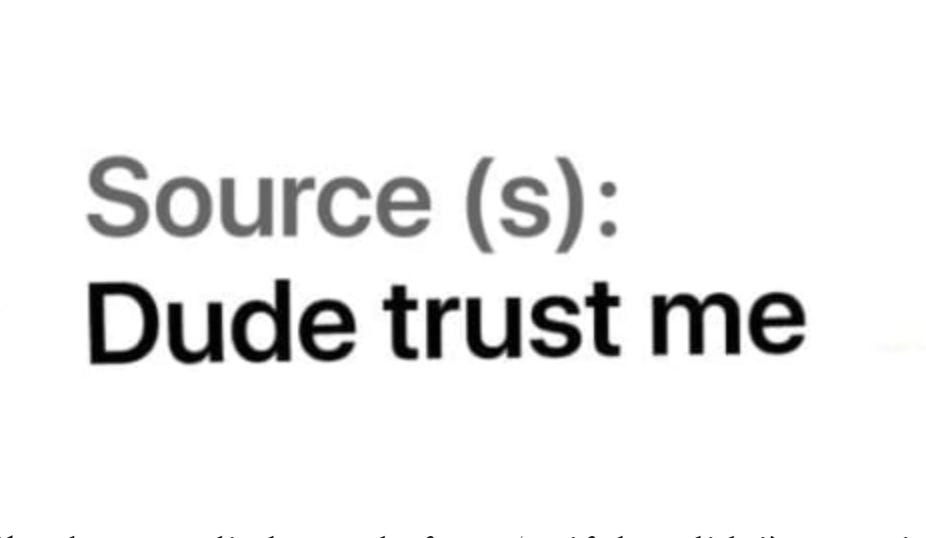
and it’s not like they ever lied to us before! (or if they did, i’m sure it was for our own good…)
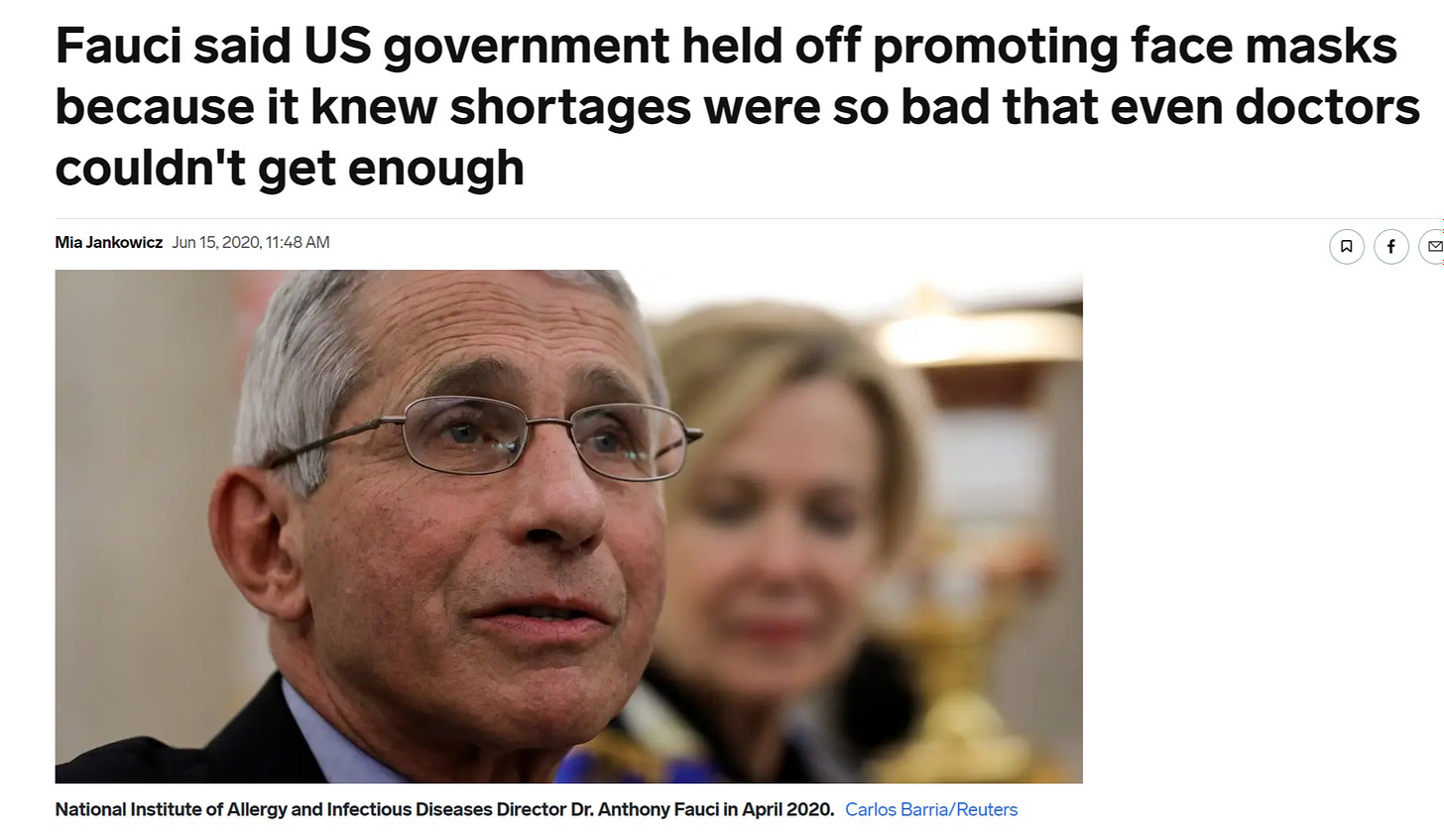
and it’s not like they are seeking to give this power to deeply compromised and captured transnational agencies with no accountability whatsoever and grant them authority over citizens who had no say in the matter…
“The Biggest Global Power Grab We Have Seen in Our Lifetimes”: How Serious is the Threat From the WHO Pandemic Treaty?
so let’s all take a breath. i’m sure you’re just overwrought and imagining things.
there are no conspiracies.
no one is out to get you, least of all some shadowy davos cabal.
and come on, if they were really trying to do this to you, i’m sure they would not just come right out and tell you in some sort of james bond villain megalomaniacal monologue.
i mean, this is real life. no one actually does that…
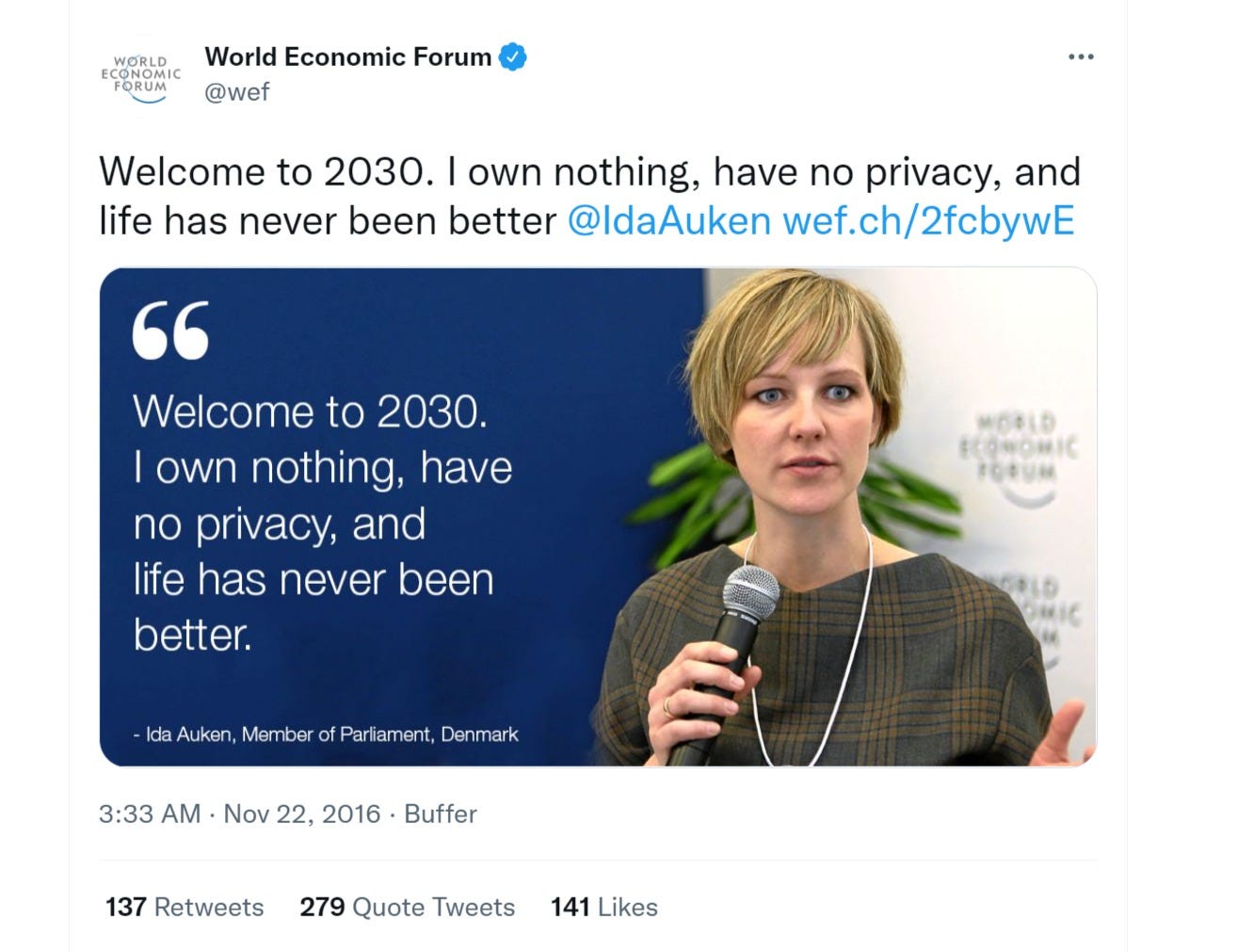
and hey, i’m sure they’ll probably manage to keep those first 2 promises.
watch out for that third one though.
i have some real doubts about it it…
Featured Video

Racist Seinfeld Dances for Joy as Bibi Unveils His New Map
or go to
Aletho News Archives – Video-Images
TV Drama Review
Japanese drama projects Japan’s wartime atrocities onto Chinese characters

Global Times | October 25, 2026
By portraying Chinese characters as perpetrators of ruthless violence while casting Japanese Self-Defense Forces (SDF) intelligence operatives as defenders, the season 2 of the Japanese drama Vivant has recently drawn criticism from Chinese netizens, who argue that its depiction turns historical reality on its head while ignoring Japan’s wartime atrocities.
The TBS drama series – a spy suspense story in which an alleged unofficial intelligence unit of the SDF operates across the globe — has attracted a passionate fanbase. Its currently airing season 2 opened with a household rating of 18.8 percent, the highest for a TV drama this year, according toa commentary article by Japanese media Toyo Keizai.
What draws attention is the portrayal of the enemies in the series, the article noted. Scenes in which the Chinese organization subjects kidnapped members of the SDF unit to brutal torture are repeated with unrelenting intensity.
It is rare for Japanese TV dramas to explicitly portray a real-life country as the enemy, the article noted.
Japanese Prime Minister Sanae Takaichi also made a reference to the drama, saying that she has been recording Vivant and hopes to binge-watch it over the year-end and New Year holidays, according to Japanese media outlets.
China’s CCTV News report on Sunday revealed that the drama features scenes in which Chinese personnel cut off the fingers of and stab Japanese intelligence operatives in the abdomen. Such acts bear striking similarities to the torture inflicted on Chinese nationals by invading Japanese troops during the World War II.
The drama distorts the truth by attributing these atrocities to modern Chinese characters. Beneath the surface, it subtly glorifies Japan’s cross-border overseas operations, blurs the functional boundaries of the SDF and implicitly promotes an expansionist narrative, per CCTV News. … continue
Blog Roll
 Aletho News
- EU facing trillion-euro debt hole while seeking more cash for Kiev
- How US, Europe, Persian Gulf states exhausted missile stockpiles, splurged billions to defend Israel
- Up in arms… Koreans reject U.S. empire’s plan to make South Korea the next Ukraine
- Iran, Turkey, Pakistan, Saudi Arabia could advance region-led security framework in Tehran: FM spox
- Netizens condemn Japanese drama for projecting Japan’s wartime atrocities onto Chinese characters
- Racist Seinfeld Dances for Joy as Bibi Unveils His New Map
- A West Bank War for Netanyahu’s Election Campaign, Could It Backfire?
- Yemen denounces European Parliament’s ‘hypocritical’ push to blacklist Ansarullah
- Qalibaf: UAE’s UN bid aims to ‘clear the runway’ for ‘Greater Israel’, whitewash genocide
- Pakistan reopens Iran border after boosting security: Report
- If Americans Knew
- An error has occurred; the feed is probably down. Try again later.
- No Tricks Zone
- Sudden Stratospheric Warming, Powerful El Niño Combination May Lead To Extreme Europe Cold, Energy Crisis!
- Two New Studies Find Thwaites Glacier Melt Cannot Be Driven By Human Activity Or A Warming Ocean
- E-Cars Reduce CO2 Emissions By Only 41% Compared To Internal Combustion Engine Vehicles
- Predictions Made By Renowned Climate Professor Over Past Decades Have Been Proven To Be Poor
- New Study Suggests Large Regions Of The Pacific Ocean Have Been Cooling For The Last 80 Years
- Germany’s Green Energy Debacle: High Energy Costs Force Kahla Porzellan to Close After 182 Years!
- New Study: 50 Years Of The Most Aggressive ‘Net Zero’ Policies Can Only Affect The Global Climate By 0.03°C
- US September “Heat” Was No Record…Many Records Set Decades Ago
- Latest European Green Energy Debacle; Portugal’s Largest Flagship Solar Park Insolvent!
- Green Energy Debacle: German Expert Professor Fritz Vahrenholt Warns Of Severe Economic And Social Consequences

