Palestinian student Nizar Issa Qaddoumi forcibly kidnapped by Israeli occupation forces
Samidoun Palestinian Prisoner Solidarity Network | August 31, 2020
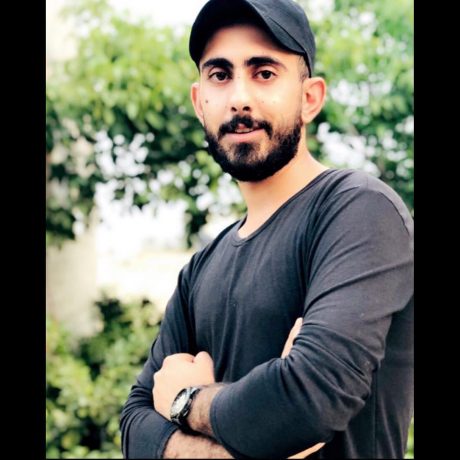
Israeli occupation forces abducted Nizar Issa Qaddoumi, 26, on the evening of Monday, 31 August, 2020, as he worked at the Al-Natour gas station in Tulkarem. Nizar, a student at Kadoorie – Palestine Technical University, is the latest Palestinian student to be seized by occupation forces in a violent kidnapping.
In the video below, Israeli occupation forces, driving a civilian van and wearing civilian clothes, drive into the gas station. When Nizar approaches them for service, they spring out of the van, attacking, grabbing and beating him over the head while brandishing handguns, presumably threatening Nizar’s Palestinian coworkers. They force Nizar into the back of the van and drive off toward an unknown location – another example of the daily injustices and violence imposed on Palestinian life by Israeli colonialism.
There are currently over 200 Palestinian university students in Israeli prisons, and Israeli occupation forces routinely invade Palestinian university campuses and students’ homes, interrogating them and imprisoning them – either in administrative detention without charge or trial, or by dragging these civilian students before military courts for participating in student activities like campaigns, book fairs and demonstrations on campus.
Samidoun Palestinian Prisoner Solidarity Network urges student organizations and people of conscience around the world to organize for the freedom of Palestinian student prisoners – and all Palestinian political prisoners held in Israeli jails by putting pressure on governments to end their support for the Israeli occupation regime and escalating the boycott of Israel and the corporations that profit from colonialism, such as HP and G4S.
UN: Israel Must Immediately Allow Entry of Fuel, Other Essential Items into Gaza
Palestine Chronicle | August 31, 2020
United Nations Humanitarian Coordinator Jamie McGoldrick today called on Israel to immediately allow entry of fuel and other essential goods into the besieged Gaza Strip to avoid a humanitarian catastrophe.
“The deterioration witnessed in recent weeks in the Gaza Strip is of grave concern,” he said in a statement, explaining that with an escalation of hostilities in the area, “Israel has limited the transfer of certain goods into the blockaded coastal enclave, reduced the permissible fishing area and prevented fuel deliveries, including the UN-facilitated fuel for Gaza’s sole Power Plant. As a result, the Gaza Power Plant ceased operations on 18 August, sharply reducing electricity provision to nearly 2 million Palestinians,” said the UN official.
“In addition, and marking a significant deterioration in the health situation, on 24 August, the first cases of COVID-19 outside the quarantine facilities were confirmed. Thus far, there are 280 known active cases, 243 of which are from community transmission.”
He added: “At present, people have access to rolling electricity supply for a maximum of four hours per day, a difficult situation at any point, but especially serious given efforts to contain the outbreak of COVID-19. The situation is hindering the provision of services in the quarantine facilities and the capacity of the health system to cope with the increased demands, such as the ability to detect new COVID-19 cases. Power outages in hospitals are having serious repercussions, with patients in intensive care, chronic and emergency cases particularly vulnerable.
“The reduction in electricity supply is also severely undermining other critical infrastructure, including the operations of all water wells, sewage pumping stations, wastewater treatment plants, and some desalination plants. The supply of clean water and wastewater treatment is impacted. There is now a high risk of sewage flooding populated areas, increased pollution into the Mediterranean Sea and along the coast, and further pollution to the aquifer.”
McGoldrick warned that following 13 years of the Israeli blockade and a dire humanitarian situation in Gaza, swift action is required to alleviate the humanitarian situation, prevent further deterioration and increase respect for international humanitarian law and international human rights law, calling on Israel “to immediately allow the resumption of fuel into the Gaza Strip, in line with its obligations as an occupying power, to ensure that the basic needs of people are met and to prevent a collapse of basic services.”
In August, Israel has cut fuel imports into Gaza since last week as part of punitive measures over the alleged launch of incendiary balloons from the strip.
Israel has also closed the Karam Abu Salem crossing with Gaza and completely closed the Strip’s fishing zone due to the alleged breach of the security truce.
Gaza, with a population of 2 million, has been under a hermetic Israeli siege since 2006, when the Palestinian group Hamas won the democratic legislative elections in occupied Palestine. Since then, Israel has carried out numerous bombing campaigns and several major wars, that resulted in the death of thousands of people.
Hezbollah vs Israel 2006: Who has upper hand 14 years on?
Middle East Observer | August 14, 2020
Senior Lebanese political analyst Nasser Qandil explores what has changed between Hezbollah and Israel over the last 14 years since the ‘July War’ or ‘The Second Lebanon War’ in 2006.
After tracing the major changes and transformations in the military balance of power between the two sides over the last 14 years, Qandil then explores the current challenges facing Hezbollah inside Lebanon, particularly regarding the deepening economic and political crises in the country.
Note: we have added our own sub-headings in the below transcript to make for easier reading
Source: Al Mayadeen News
Date: July 12, 2020
Transcript:
Hezbollah 14 years on from the July War
Nasser Qandil:
Actually, regarding (Hezbollah’s) achievement of liberation (in the year 2000) free from any conditions or negotiations, any analyst can figure out that after the year 2000, the region was involved in a race between the Resistance and (Israeli) Army of occupation in which both (sides) tried to reinforce the reality that they wanted to reflect on May 24, 2000 (i.e. just before the liberation).
Israel wanted to say that it has positioned itself on the borders with the purpose of protecting the interior (of Israel); that the era of (the war of) attrition has ended; and that it is moving into a stage where it is able to direct (its) deterrent capacity at will. In contrast, the Resistance wanted to say that Israel has humiliatingly and forcefully withdrawn (from Lebanon); and that this withdrawal is not only the beginning of a countdown of the (Israeli) entity’s capacity to hold onto (occupied) land, but also (its capacity) to go to any (new) war again as well.
Israel’s withdrawal from Gaza in 2005 and the Al Aqsa Uprising (“Al Aqsa Intifada”) certified what the Resistance was saying. (Israel’s) 2006 war on Lebanon was the contest that had to settle the previous contests and the (side) who wins this round, cements what it has said. Israel has worked on a plan, theory, mechanisms and appraisals, that is, it didn’t go haphazardly to war (in 2006). In short, Israel counted on “air warfare” theory and put it into practice in the (2006) war. However, the Resistance was aware of that, so it opted to strengthen its power on land, in order to cancel out the theory of air warfare, and to bring the enemy to the land to fight, engage in (battles) of attrition, and (ultimately) defeat it.
The Resistance was the victor. This was the outcome (of the war), because when we talk about ‘victory’ we are not referring to the historic and final defeat. Rather, we are just discussing this war (in 2006) in which the Resistance achieved victory and Israel was defeated again. As in the Lebanon war of the year 2000, or (more accurately) as reflected by the liberation in the (year) 2000, Israel lost its first pillar, that is, its ability to occupy (Lebanon) and remain in it. It also lost its second pillar in the 2006 war, which is its ability to wage war and achieve the goals (that it sets) as it wills.
After the 2006 war, the issue (between both sides) persisted. They entered a totally new and different race. The entity of the (Israeli) occupation is fighting to restore its honor and rehabilitate its image, whereas the Resistance is fighting the battle of becoming a regional power able to make the deterrence weapon (itself as) the policymaker. Since the year 2006, America put its weight behind (Israel’s goals) since Israel is not able to survive any longer without American protection and support. America went to Iraq after realizing that Israel superiority is (gradually) being eroded, and that it is important to rehabilitate its power and control through the American military presence to compensate for the deficiency in Israel’s ability that came about after Lebanon’s liberation in the year 2000 and the Al Aqsa intifada.
Host:
We all remember Condoleezza Rice and the ‘New Middle East Project’.
Nasser Qandil:
Exactly, and this was at the heart of the 2006 war. However, before this (war), America went to Iraq in order to redress the imbalance occurred after Lebanon’s liberation in 2000 and the Al Aqsa intifada, but they failed. The “July War” (2006) came as a second rehabilitation supported by American pressure, calculations and backing. It was a new failure that was added to the accumulated record of failures.
The only available alternative (choice) then was going to a great war, i.e. to topple Syria. This was like Armageddon. Nevertheless, other different battles, the Yemen war and the battle over the future of Iraq, occurred alongside the war (in Syria). They were no less important than the (war in Syria). Today, 14 years after the July War (in 2006), we can talk about facts and not about general trends only. The resistance (movements) transformed from being a resistance force into an Axis of Resistance. This becomes a fact; it is not just words. Today, when his eminence Sayyed (Hassan Nasrallah) speaks and says “I will kill you” – we’ll discuss this later – this (statement) reflects the (powerful reality) of the Axis of Resistance, from Beirut, to Palestine, to Iraq, to Yemen, to Iran and to Syria. This is the first major transformation that occurred between the years 2006 to 2020 during the heat of the several wars that raged over the map of the region.
The second (major transformation during these years): the ‘missile belt’ is now able to strike – from any point (within the Axis of Resistance) – any target in occupied Palestine (i.e. Israel). This means that as the resistance in Palestine is able to target all (areas of Israel) north of Gaza, the resistance in south Lebanon can target the entire (area of Israel) south (of Lebanon); the resistance from Iraq is even able to reach the (Mediterranean) sea; the resistance in Yemen can cover the whole territory of Palestine; and that’s besides (the missiles capabilities of) Syria and Iran.
The Host:
The entire Israeli intelligence efforts have lately been centered on the missile capabilities of the resistance.
Nasser Qandil:
This ‘(missile) belt’ has been completed; it is not a subject of discussion anymore.
The third (major) development is the entrance of the drones (UAVs). The use of this weapon is not restricted to the Lebanese front line. Israel has evidence that confirms that. How many times were drones sent by the resistance from Lebanon? How many times were the Israelis lost because they failed to track the drones sent from Gaza? (Further evidence lies in) the drones in Yemen, and the achievement of the Aramco attack (in Saudi Arabia) that the godfather of the Dimona (Israeli nuclear program) and Thomas Friedman wrote about it an important article in the New York Times. The article states that what happened in Aramco (can be) repeated on all American military bases in the Middle East, and can be repeated (in a strike) on Dimona. Moreover, one of the Israeli generals quoted by Thomas Friedman during a telephone conversation says that it seems that we must now relinquish the status of being the number one technicians in the Middle East, (and cede that status) to Hezbollah and its allies, and (we ought to) call upon our people to carry hand rifles in any coming wars in which drones are used. Henceforth, the third factor is the drones.
The fourth (major) new factor is the precision-guided missiles which formed the center of the struggle during the last two or three years of the Syrian war. The Israeli (air) raids which initially aimed at stopping the supply of weapons to the resistance (from Syria to Lebanon) turned into a specific goal (during these years) which became ‘preventing the resistance from the possibility of transforming their missiles into precision-guided ones’. Today, the Israelis speak about precision-guided missile factories and this signifies that they have surrendered to this fact.
The last issue we are ignorant of was revealed by the video published (recently) by (Hezbollah’s) military media which says “Mission accomplished”. Certainly, it is not referring to the precision-guided missiles because his eminence Sayyed (Hassan Nasrallah) has already announced clearly and publicly that ‘yes, we have enough precision-guided missiles to hit any vital Israeli military installation in occupied Palestine’. But we still don’t know what is meant by “Mission accomplished”. This will stay one of the resistance’s surprises in the coming wars.
Israel 14 years on from the July War
Nasser Qandil:
What have Israel and America achieved in return? Their situation now is similar to that in the July War (2006); they go to war today on one foot only. It was the air force in (the) July (War) that they relied upon, and it is the financial sanctions (that they rely upon) today. Did the Resistance succeed in breaking this foot? I say “Yes, and we will expand on this discussion later.
Host:
We will continue discussing why the resistance succeeded…
Nasser Qandil:
In the first section we talked about the progress achieved by the resistance (Hezbollah) from 2006 to 2020. Israel also worked (on building its power) during these 14 years. Let us see what it did.
Host: … and of course (Israel) was given a green light by the US.
Nasser Qandil:
First of all, Israel focused on the home front. Its main aim was not to draw up a plan to seize the initiative, but to face the fallout of the July War. The resistance (Hezbollah) has risen higher and higher in its level of readiness, its networking capabilities (i.e. greater integration of the Resistance Axis across the region), and its ability to wage war. Meanwhile, what did the (Israeli) entity do?
(First), the Iron Dome that (Israel) was preparing (in order to intercept) Katyusha missiles is now threatened by precision-guided missiles and drones. (The Israelis) went back to saying that they will shoot down missiles with hunting rifles!
(Second), the (Israeli) home front has further collapsed, and now in the time of Corona, it is even worse.
Third, political fragmentation, which is one of the repercussions of the July War. Since the July War, the (Israeli) entity has been mired in its inability to reestablish a historical (political) bloc capable of leading the entity politically. This fragmentation reached its peak with three (consecutive) repeats of the election.
The last point that (Israel) has discovered (over the last 14 years) is that there is no solution to is broken spirit, because we are not only talking about equipment, armies, weapons and logistical plans, we are talking about human beings, about their mental condition. The resistance (Hezbollah) is now becoming more and more confident that it can bring down the (Israeli) entity. When his eminence Sayyed (Nasrallah) comes out and says in one of his recent appearances that there is a real possibility that the (Israeli) entity will collapse without war, and that this generation is going to witness the liberation of Jerusalem… On the other hand, we find the (Israeli) entity in a state of frustration. No matter how many (Israeli) generals say “We will win. Victory is ours in the coming war. We are waiting for the right opportunity to wage war”… what are you (Israelis) waiting for? You and the Americans said: “Time is not in our favor. Yesterday’s war is better than a war today, and a war today is better than a war tomorrow.”
Host:
Who is going to achieve Israel’s goals today? Who is the principal agent? The US? Because, as you said in one of your articles, Sayyed Nasrallah’s recent speech on 7/7/2020, presents the most vivid example of the (resistance’s) ability to defeat the Israeli occupation and American hegemony. But how is he (Nasrallah) able today to combine this (military) resistance with economic resistance?
Nasser Qandil:
What I want to get to is that in one of his appearances, his eminence Sayyed Nasrallah cut to the chase and said: “The resistance (Hezbollah) has already overtaken Israel. Israel is still standing thanks to US protection.” In 1996, the Resistance discovered – and this was the secret behind the liberation in the year 2000 – that the Israelis remained (in Lebanon) because they were under the illusion that the border buffer zone (that Israel established within Lebanese territory) protects the (Israeli) entity from the missiles of the resistance. So if (Israel) realizes that the border (buffer zone) is pointless and that the entity will be targeted no matter what, it will withdraw. And this is what happened (in the year 2000).
Today, his eminence Sayyed (Nasrallah) tells us that the resistance is certain that the (Israeli) entity continues to survive only because of the American presence (in the region), and that the decisive battle with the entity is a battle to expel the Americans from the region.
Whoever analyses the (American) sanctions and the logic behind them will discover that they are not aimed at escalating the situation such that it provokes a full-scale confrontation. This is nothing but propaganda. In fact, these sanctions have direct political goals. I mean, (Lebanese) parties affiliated to the US (in Lebanon) are proposing (very high demands such as) the disarmament (of Hezbollah) and the implementation of Resolution 1559 because this is the American approach. Just as they (Americans) did in 1983 with (Lebanese) President Amine Gemayel when they told him that they were (about to attack) Syria at the same time in which they were engaged in negotiations with (Syria). Two months later, McFarlane) the special US envoy to the Middle East) was asked: “why did you back out (of the attack)? You would have put (Gemayel) in big trouble.” McFarlane answered: “if we told (Gemayel) that we were (negotiating) with Damascus, he would have beat us to it. We trick our allies to make them think that we are escalating for the sake of imposing stronger terms in the negotiations.”
What do Americans want from the Caesar Act? Why are the Americans putting pressure on Lebanon, blocking access to US dollars in the (Lebanese) market, preventing the transfer of dollars to the country, and closing lines of credit – via the Central Bank of Lebanon’s accounts -for the purchase of fuel? What do they want? The Americans are not hiding (their intentions). They told us what they want. James Jeffrey (US Special Representative for Syria Engagement) told us. Why the Caesar Act? He said in the live appearance he made in which he spoke about the Act. He said ‘we wish to go back to (the balance of power) that existed before 2011. What does he mean by “before 2011”? He means the time when “we (Americans) will acknowledge the victory of President Assad. We were not present (in Syria before 2011), but Hezbollah and Iran were not there either. We leave (Syria), but (Hezbollah and Iran must) leave too.”
So he (Jeffrey) wants to ensure the security of the (Israeli) occupying entity in southern Syria by hinting at sanctions against Russia as the main target of the Caesar Act. Syria will be hit by sanctions anyway and Iran is drowning in a sea of sanctions. Therefore, these sanctions are actually against Russia. The Caesar Act was introduced originally at the beginning of 2016 in order to reach a compromise with Russia in relation to the battle in Aleppo. However, (the Caesar Act) now aims at reaching an agreement with Russia over the terms of the withdrawal of US forces from Syria and is not aimed at (prolonging) their stay.
Second, regarding Lebanon, David Schenker (US Assistant Secretary of State for Near Eastern Affairs) publicly appeared on TV and said that Hezbollah is involved in ‘corruption, smuggling, money laundering, causing devastation, and that it is the cause of the crisis (in Lebanon)’ etc. Give it to me directly (Schenker), what do you want? He (Schenker) told us directly that “you are suffering greatly (due to the economic crisis). You have promising gas reserves in the (Mediterranean) sea, but they are in a region that is the subject of a dispute with Israel. We (the US) presented you with a plan, so accept it! So the US wants an exit strategy that provides the (Israeli) occupying entity with a security belt on the Syrian and the Lebanese fronts, and (the US seeks to achieve this) by exerting “maximum pressure on the resistance”.
———
Nasser Qandil:
This is the third pillar of the power of the Resistance. The first pillar is military capability. The second pillar is the political front, meaning the Axis of Resistance. The third pillar is economic reconstruction. Without a resistance economy, the resistance cannot speak of an ability to maintain a level of cohesion within its support base and environment. What I want to say here is that the measures and steps taken by the resistance are not new. It is not true that the resistance, being under pressure at the moment, is now discovering or searching (for solutions). This was in fact its original program. Its original program was and is ‘Openness to the East’, that (Lebanon) have multiple sources (for economic, financial, and political relations). Its original program is aimed at breaking the borders (created by) Sykes-Picot between the countries of the region to form a single (economic) market. Its original program is aimed at relying on industry, agriculture and the national currency for exchange with neighboring countries and where possible. This is the original plan of the resistance. But this plan is now being put into action. It is not a negotiating weapon to lure Americans into easing conditions. If the Americans want to cooperate they are welcome, but if they don’t we will proceed (with this plan). Either way, this plan is not subject to review. Industry and agriculture are objective needs (of Lebanon).
In terms of industry and agriculture, Lebanon … Lebanon, by the way – in the year 1960, the Iraqi market was running 60% of the Port of Beirut and 30% of Lebanese industrial production. Today, Lebanon, which used to export milk, cheese, juice, clothing and shoes to the Gulf, imports 200 million dollars worth of milk and cheese only! Thus, the revival of the agricultural and manufacturing sectors, which were destroyed by the rentier economy, was and is the original plan. We are not talking about a knee-jerk reaction.
Host:
Has the goal (behind the sanctions) become counter-productive? Because the Lebanese internal consensus over the economic resistance that Sayyed Nasrallah called for was remarkable. I want you to comment briefly because we exceeded the time allocated for this file. The Patriarch (Bechara Boutros) al-Rahi said today: “The Lebanese people today do not want any majority (group in Lebanon) to tamper with the constitution and to keep them away from (Lebanon’s) brothers and friends.” This is noteworthy as well Mr. Nasser, is it not?
Nasser Qandil:
The truth is, the speech of his Beatitude (al- Rahi), at certain points, was vague and unclear. It seemed like he was targeting the resistance by talking about neutrality and keeping Lebanon out of conflicts. However, today there may be another direction. I think the Lebanese people know that when we talk about buying oil products in Lebanese pounds… if you don’t want to buy them from Iran, then buy them from Saudi Arabia. Aren’t you friends with Saudi Arabia and the UAE? Let these countries sell us oil products in Lebanese pounds. Half of the demand for dollars in the Lebanese market is because of oil imports. We are depleting the reserves of the Central Bank of Lebanon. They will last us for five years instead of ten if we keep using them for oil imports.
His eminence Sayyed Nasrallah announced that Iran is ready to help, and since oil imports are consuming half of the budget, the resistance is proposing to remove half of the pressure on the US dollar, meaning (that the exchange rate) would return to 3000 or 4000 (Lebanese pounds per dollar) if we buy these oil products in Lebanese pounds. We are not bound to (importing) from Iran exclusively. Bring any offer from any other country.
Host:
True… for the Americans, the (economic) war was aimed at Hezbollah. However, the entirety of Lebanon is suffering the consequences of this war.
Nasser Qandil:
Here, I want to say something so we can put things in the right perspective. When the uprising began in October (2019), Pompeo and his team went beyond warnings. (Jeffery) Feltman (Former Assistant Secretary of State for Near Eastern Affairs) said before the American Congress: “Do not overestimate the influence of this uprising. Let’s not allow Lebanon to become prey for China and Russia.” He said frankly that China wants Lebanon to be a base for its 5G (technology) in the Middle East.
The Americans are backtracking from this (maximum economic pressure) approach not only because of economic (considerations). Do not be mistaken. This is because a highly powerful security message was delivered to the Americans about what the resistance might do if the situation (in Lebanon) deteriorated further.
—————
Nasser Qandil:
When someone with the great prominence, status, and figure of Sayyed Nasrallah comes out and says: “I will kill you, I will kill you, I will kill you” … These words were written down (on paper). He did not say them out of anger during his speech. He was establishing a (new) equation. He said: “You are making me choose between hunger or death. My answer is: I will kill you, I will kill you, I will kill you.” Mediators received questions asking them “what is going on? (what does Nasrallah mean here by ‘I will kill you’)” Then they got the answer. The answer might be – I do not know the answer, only the resistance knows it – but it might be in the form of strong military strike that the US and Israel would never expect. Is it the announcement of the zero hour for the expulsion of US forces from Iraq and Syria? Maybe. Is it a precision guided missile attack on the Dimona (nuclear reactor in Israel), for example? Maybe. Is it a (codeword) for opening up the (military) front in the south of Lebanon, and the Golan Heights front (from Syria) under the title of liberating the Shebaa Farms and the Golan Heights in one go? Maybe. This is the level and size (of the warning that Nasrallah directed).
The resistance will not stand idly by while its people suffer (from the deteriorating economic crisis). It will fight hunger by establishing the foundations of economic reconstruction because this is its project. This (economic reconstruction) has nothing to do with merely fighting (US) sanctions. (The resistance) found an opportunity to launch this project. Other (Lebanese parties) did not accept these proposals (before). Now it is the chance (to put them forward).
Do we want to change Lebanon’s identity by (economically) cooperating with China and giving rise eastern totalitarianism and who knows what, as some (in Lebanon) claimed? No. But does it make sense that the NATO (member) Turkey dares to go to Russia and buy S400 (missile systems), while we (Lebanese) don’t dare to buy Kalashnikov bullets that former Prime Minister Saad Hariri pledged to buy but did not dare to allocate funds for? We have 10 billion dollars’ worth of offers from China to build power plants, factories and tunnels under BOT (Build–operate–transfer) contracts, but we don’t have the courage to accept these offers because we are afraid that the US might be upset with us!
Host:
Saudi Arabia itself is now negotiating with China over avenues of cooperation…
Nasser Qandil:
Everyone is turning to China. (Check) the Boston Harbor now, all the equipment for loading, operating, and unloading are Chinese!
Host:
This all goes back to the American-Israeli concerns, Mr. Nasser.
Nasser Qandil:
This is the economic vision of the resistance. The (military) dimension (of this whole picture) is something else. The (military) dimension is the following: when they raise the bar of the financial threat, we raise the bar of the military-security threat.
Please help us keep producing independent translations for you by contributing as little as $1/month here
Meet the IDF-Linked Cybersecurity Group “Protecting” US Hospitals ‘Pro Bono’

By Whitney Webb –
UNLIMITED HANGOUT– August 27, 2020
Since the Coronavirus crisis began in earnest earlier this year, the strain on hospitals in the US and around the world has been the subject of a considerable number of media reports. However, hardly any media attention has been given to the dramatic and unsettling changes that have been made to hospital and healthcare information technology (IT) systems and infrastructure under the guise of helping the US healthcare system “cope” with the surge in data as well as an unsettling uptick in cyberattacks.
Over the past several months, 80% of healthcare institutions in the US have reported being targeted by some sort of cyberattack, ranging from minor to severe, with an uptick in phishing attempts and spam specifically. Most of these attempts have been aimed at illegally acquiring troves of patient data, including the recent hacks of hospitals in Chicago and Utah. About 20% of the hacks and cyberattacks reported by hospitals and medical facilities since March directly affected the facilities’ capacity to function optimally, with a much smaller percentage of those including ransomware attacks.
One of the reasons for the increase in the success of these attacks has been the fact that more healthcare IT workers are working remotely as well as the fact that many IT staffers have been laid off or let go completely. In several recent instances, the removal of entire hospital system IT staffs have been tied to a larger effort by the Department of Health and Human Services (HHS) to consolidate control over patient data, including Coronavirus-related data, with the assistance of secretive government contractors with longstanding ties to HHS.
The surge of cyberattacks combined with major budget cuts has made hospitals even more vulnerable as many are compelled to do more with less. As a result, there has been a renewed push for the improvement of cybersecurity at hospitals, clinics and other healthcare institutions throughout the country over the course of the Coronavirus (Covid-19) crisis.
Amid this backdrop, an odd group of “cyber threat intelligence” analysts with ties to the US government, Israeli intelligence and tech giant Microsoft have “volunteered” to protect US healthcare institutions for free and have even directly partnered with US federal agencies to do so. They have also recently expanded to offer their services to governments and social media platforms to target, analyze and “neutralize” alleged “disinformation campaigns” related to the Coronavirus crisis.
While these analysts have claimed to have altruistic motives, its members who have identified themselves publicly have notably dedicated much of their private sector careers to blaming nation states, namely Iran but also China, for hacking and, most recently, for cyberattacks related to the Coronavirus crisis, as well as the 2020 presidential campaign. These individuals and their employers rarely, if ever, make their reasons for assigning blame to state actors available to public scrutiny and also have close ties to the very governments, namely the US and Israel, that have been attempting to gin up hostilities with those countries in recent years, particularly Iran, suggesting a potential conflict of interest.
The Cyber Justice League?
Calling themselves the cyber version of “Justice League,” the Covid-19 Cyber Threat Intelligence (CTI) League was created earlier this year in March and has described itself as “the first Global Volunteer Emergency Response Community, defending and neutralizing cybersecurity threats and vulnerabilities to the life-saving sectors related to the current Covid-19 pandemic.” They now claim to have over 1,400 members hailing from 76 different countries.
According to their website, they seek “to protect medical organizations, public healthcare facilities, and emergency organizations from threats from the cyber domain” and offer their services “pro-bono” to major hospitals, healthcare and pharmaceutical companies as well as U.S. law enforcement and federal agencies. Upon their creation, they sent an “open letter to the healthcare community,” offering to volunteer “their time and efforts to mitigate [cyber] threats and protect our healthcare system.”
However, since its creation, the CTI League has offered its services to sectors entirely unrelated to healthcare systems, companies and institutions. For instance, they now offer their services to critical infrastructure systems throughout the US, including dams, nuclear reactors, chemical plants and others, according to their inaugural report and their contact form. This is particularly concerning given that there is no oversight regarding who can become a member of the League, as one must merely be approved for entrance or “vetted” by the league’s four founding members, whose conflicts of interests and ties to the US and Israeli national security states are detailed later on in this report.
In addition, the league’s team of “expert” volunteers also tackle alleged disinformation campaigns related to Covid-19. Some examples of the “disinformation” campaigns the CTI league has been investigating on behalf of its private sector and federal partners include those that “associate Covid-19 spread with the distribution of 5G equipment,” “encourage citizens to break quarantine”, and one that “incited” a “1st and 2nd amendment rally” in Texas.
Regarding their disinformation “workstream,” the CTI league states the following:
“The CTI League neutralizes any threat in the cyber domain regarding the current pandemic, including disinformation. The mission of this effort is to find, analyze, and coordinate responses to the current pandemic disinformation incidents as they happen, and where our specialist skills and connections are most useful.”
The CTI League has offered its services “pro bono” to a variety of groups in the private and public sector, which has allowed the League’s members access to the critical systems of each. For instance, they work closely with the Health Information Sharing and Analysis Center (H-ISAC), whose members include Johnson & Johnson, Pfizer, Merck, Amgen, Blue Cross Blue Shield and Athenahealth, among others. H-ISAC’s president, Denise Anderson, works closely with the National Cybersecurity and Communications Integration Center, part of the Department of Homeland Security (DHS). According to H-ISAC’s Chief Security Officer (CSO), Errol Weiss, the organization has been partnered with the CTI League since “very early on” in the Coronavirus crisis.
The CTI League also works with unspecified law enforcement partners in the US and works particularly closely with the US Cybersecurity and Infrastructure Security Agency (CISA), an independent federal agency overseen by DHS. The current CISA director, Christopher Krebs – who was previously the Director of Cybersecurity for Microsoft, told CSO Online in April that “CISA is working around the clock with our public and private sector partners to combat this threat. This includes longstanding partnerships, as well as new ones that have formed as a direct result of Covid-19, including the Covid-19 Cyber Threat Intelligence (CTI) League.”
Since they began “working with US authorities,” the CTI League has increasingly taken to assigning blame to nation states, specifically Russia, China and Iran, for various cyber-intrusions just as the US federal authorities began to do the same. In late April, for instance, the Justice Department began claiming Chinese hackers planned to target “US hospitals and labs to steal research related to coronavirus” and anonymous US officials blamed China for a hack of the Department of Health and Human Services (HHS) and COVID-19 research. Yet, no evidence tying China to the hacks was provided and only anonymous government officials were willing to imply blame in statements given to the press, suggesting that there was not enough evidence to justify going public with the accusation or to even open an official investigation against specific foreign entities.
Notably, that same week in April, CTI League’s founder Ohad Zaidenberg claimed that China, Iran and Russia “are trying to steal everything,” telling CBS News that they “can steal information regarding the coronavirus information that they don’t have, (if) they believe someone is creating a vaccine and they want to steal information about it. Or they can use the pandemic as leverage so they (can) to steal any other type of information.”
Yet, upon looking more closely at the CTI league’s membership and co-founders, particularly Mr. Zaidenberg, much of the league’s leadership has a rather dubious track record regarding past claims linking state actors to cyberattacks. In addition, they also possess rather glaring conflicts of interests that undermine the CTI League’s professed desire to protect critical health and other infrastructure “free of charge” as well as ties to foreign governments with a history of espionage targeting the United States.
ClearSky and the manufactured Iranian threat
The public face of the CTI League and its original founder is a young Israeli named Ohad Zaidenberg, who was previously an “award-winning” commander in Israeli military intelligence’s Unit 8200, a key component of Israel’s military intelligence apparatus that is often compared to the U.S.’ National Security Agency (NSA). While serving in Unit 8200, Zaidenberg specialized in acts of cyberwarfare targeting the Iranian state, serving first as a Persian analyst in the Unit before becoming commander. His current biography states that he continues to remain “focused on Iran as a strategic intelligence target” and describes him as “an authority in the operations of key Iranian APTs [Advanced Persistent Threats].”
In addition to his leading role at the CTI League, Zaidenberg is also the lead cyber intelligence researcher at ClearSky Cybersecurity, an Israeli company directly partnered with the Unit 8200-linked Checkpoint and Verint Inc., formerly known as Comverse Infosys – a company with a long history of fraud and espionage targeting the US federal government. ClearSky also collaborates “daily” with Elta Systems, an Israeli state-owned subsidiary of Israel Aerospace Industries (IAI), and was founded by Boaz Dolev, the former head of the Israeli government’s “e-Government” platform.
Aside from his work at CTI League and ClearSky, Zaidenberg is also a researcher for Tel Aviv University’s Institute for National Security Studies (INSS). Zaidenberg is specifically affiliated with the INSS’ Lipkin-Shahak Program, which is named after the former head of Israeli military intelligence and which focuses on “national security and democracy in an era of Post-Truth and Fake News.” According to the INSS website, the program works directly with the Israeli government and the IDF and is currently headed by Brigadier General (Ret.) Itai Brun, the former head of the Israel Defense Intelligence (IDI) Analysis Division.
Prior to the creation of CTI League, ClearSky – and Zaidenberg, specifically – were often cited by US mainstream media outlets as the sole source for dubious claims that “Iranian hackers” were responsible for a series of high-profile hacks and “disinformation” campaigns. In every mainstream media report that has covered ClearSky’s and Zaidenberg’s claims regarding “Iranian hackers” to date, their connections to the Israeli government and Israeli intelligence services have been left unmentioned. Also unmentioned was the fact that the only state actor that ClearSky has ever blamed for hacks or other online attacks has been Iran, suggesting that the government-linked cybersecurity firm has a rather myopic focus on the Islamic Republic.
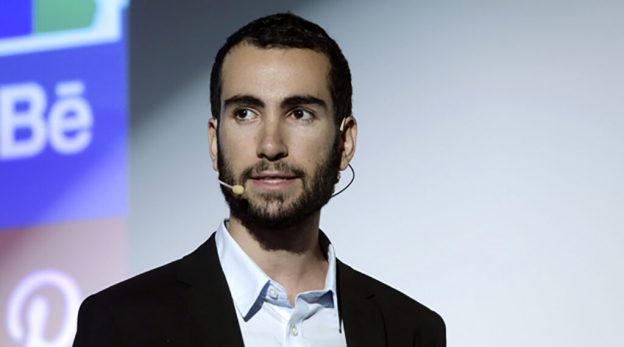
Ohad Zaidenberg
For instance, in February 2018, Forbes reported on ClearSky’s claim, citing only Zaidenberg by name, that an individual linked to Iran’s government had been responsible for an “Iranian propaganda machine” producing “fake news” and attempting to imitate BBC Persian. Zaidenberg claimed that the individual behind the three “fake news” websites, which largely published criticisms of the BBC as opposed to false news stories, is “believed to have worked for [Iran’s] National Ministry of Communications.” Based merely on the Iranian national’s “believed” (i.e. unconfirmed) work history, Zaidenberg then asserts with “medium-high certainty that the operation was funded by the Iranian government.” Zaidenberg’s history as a commander in Unit 8200 targeting Iran and his continued, self-admitted work in pursuing Iran as a “strategic intelligence target” while working at the Israeli government-affiliated ClearSky are left unmentioned by Forbes.
More recently, right before the founding of the CTI League, Zaidenberg and ClearSky were the sole source of claims that “Iranian hackers” were “exploiting VPN servers to plan backdoors” in companies around the world as well as targeting the networks of certain governments, mainly in the U.S. and Israel. ClearSky’s assertion that the hackers in question were tied to Iran’s government was solely based on their finding of “medium-high probability” that the hackers’ activities overlapped with the past “activity of an [unspecified] Iranian offensive group.” They declined to specify what the nature of the overlap was or its extent.
A clear conflict of interest
Notably, ClearSky’s February report on “Iranian hackers” targeting governments and major international companies in the US and elsewhere came right on the heels of speculation that Iran would target the US with a cyberattack following the US’ January assassination of Iranian general Qassem Soleimani, an act that was greatly influenced and allegedly prompted by Israeli intelligence. In the aftermath of the Soleimani assassination, mainstream media outlets in the US had heavily promoted the claim that Iran’s government would soon respond with a “cyberattack” as retaliation and that “financial institutions and major American corporations may be in the crosshairs.”
President Trump and Secretary of State Mike Pompeo had both threatened, at the time, to dramatically respond to any Iran-launched attack, including one launched in the cyber domain, presumably with military force. While Iran’s much-hyped “cyber retaliation” failed to materialize, ClearSky, with its dubious claims that “Iranian hackers” were targeting major corporations and governments, created the impression that Iran’s government was involved in cyberattacks against U.S. interests at this sensitive time.
ClearSky and Zaidenberg’s claims regarding Iran only intensified after the CTI League was founded, with ClearSky and Zaidenberg being the only source for the claim made earlier this year in May that Iran had been responsible for the hacking of US biopharmaceutical company Gilead (a company which boasts close links to the Pentagon). The hack itself, which was widely reported by US media, is said to have consisted of a Gilead executive receiving a single “fake email login page designed to steal passwords” and it is unknown if the attack was even successful, per Reuters, which first broke the story in May. ClearSky subsequently claimed to have single-handedly “foiled” the Gilead hack. Notably, Gilead is part of H-ISAC, which had been partnered with Zaidenberg’s CTI League weeks prior to the alleged hack.
The alleged Iranian-led hack received considerable media attention as the cyberattack was said to have targeted Gilead’s antiviral medication remdesivir, which had received a Covid-19-related emergency use authorization from the U.S. Food and Drug Administration (FDA) just a week before the hack allegedly took place. Only Zaidenberg is cited by name in the report on Iran’s alleged links to the Gilead hack, with Reuters citing two other, yet anonymous, cybersecurity researchers who told the outlet that they concurred with Zaidenberg’s assertion “that the web domains and hosting servers used in the hacking attempts were linked to Iran.”
Then, earlier this month, the FBI sent out a security alert claiming that Iranian government-aligned hackers were targeting F5 networking devices in the US public and private sector, with some media outlets citing anonymous sources tying the hackers in question to those previously identified by ClearSky. The FBI alert was issued right after an alert from CISA (which works directly with the CTI League and Zaidenberg) regarding vulnerabilities in F5 devices that did not mention the involvement of any state actors. Just a few days before the FBI alert, the director of the US intelligence community’s National Counterintelligence and Security Center, William Evanina, had alleged that Iran was “likely” to use online tactics to “discredit U.S. institutions” and “to stir up U.S. voters’ discontent.”
Aside from citing only ClearSky and Zaidenberg for claims linking Iran’s government to cyberattacks, it is also worth noting that the media reports that accused Iranian government-linked groups of committing those attacks declined to even mention the extreme extent to which Iran itself has been the subject of cyberattacks over the course of 2020. For instance, in February, a cyberattack took down an estimated 25% of Iran’s internet, with some alleging US involvement in a similar attack that had targeted Iran just months prior. More recently, a series of several mysterious fires and other acts of industrial sabotage across Iran over the past few months have been linked to Israeli intelligence operations. In some cases, Israeli officials have acknowledged the Zionist state’s role in these events.
In addition, there is the fact that top Israeli intelligence officials have attempted for years to goad the US into making the “first move” against Iran, both covertly and overtly. Indeed, for much of the last twenty years, Mossad has had access to “virtually unlimited funds and powers” for a “five-front strategy,” involving “political pressure, covert measures, proliferation, sanctions and regime change” in order to target Iran. Some Mossad officials have openly stated that part of this “five-front” strategy involves directly influencing the US’ Iran policy, including lobbying the U.S. to conduct a military strike on Iran. For instance, former Mossad director Meir Dagan, who pushed the US State Department to pursue “covert measures” and “urged more attention on regime change” in Iran while head of Mossad, is on record in 2012 stating that, in his view, the US needs to strike Iran first so Israel doesn’t have to.
Currently, Israeli officials have been relatively candid about their role in several of the recent cyberattacks that have befallen Iran as well as the fact that powerful elements of the Israeli state are trying to get the US to join a conflict against Iran before the 2020 presidential election while Trump remains in power. The effort has reportedly led to concern among EU officials that Israel’s government may be seeking to provoke an event whereby the US would engage Iran militarily.
This context highlights why solely citing a firm like ClearSky and an individual like Ohad Zaidenberg in linking a cyber attack to the Iranian government is dangerous, given that ClearSky and Zaidenberg’s ties to the Israeli national security state presents a conflict of interest. This is especially true given that Zaidenberg’s old unit in Unit 8200 is directly involved in conducting cyber attacks on Iran, like those that have been recently taking place as part of the strategy to provoke a military engagement between the US and Iran prior to the November elections.
While Iran’s government could have been involved in recent cyberattacks, especially considering the extent to which Iran has been recently targeted by cyberwarfare, using a firm tied to the very government and military intelligence apparatus actively seeking to embroil the US in a war with Iran as the sole source linking Iran to a cyberattack is not only ill advised, but dangerous and reckless.
Furthermore, given Zaidenberg’s key role in the CTI League, allowing faceless “volunteers” vetted by Zaidenberg and the league’s three other founding members (whose affiliations are discussed below) onto critical private and public networks under the guise of “aiding” their security amid the Covid-19 crisis is similarly reckless.
CTI, Microsoft & 2020
While Zaidenberg has made himself the public face and spokesperson of the CTI League, it is worth examining the other three individuals that are listed as founding members on the League’s website, if only because only these four individuals “vet” those who join the CTI League.
One of these other founding members is Marc Rogers, who began his career as a hacker and later “hacktivist” before deciding that “ethical hacking” was “more likely to have a positive outcome.” For Rogers, “ethical hacking” meant pursuing a cybersecurity career with multi-national corporations like Vodafone and Cloudfare as well as asset management firms like Asian Investment & Asset Management (AIAM).
Rogers is currently the Vice President of Cybersecurity Strategy at Okta, an enterprise identity solution platform, co-founded by former Salesforce executives and largely funded by venture capital firm Andreessen Horowitz. Andreessen Horowitz is advised by former Secretary of the Treasury and Jeffery Epstein friend Larry Summers and is also a major investor in Toka, a company closely tied to Israel’s military intelligence apparatus and led by former Israeli Prime Minister (and a close friend of Epstein’s), Ehud Barak.
Aside from Rogers and Zaidenberg, the other founding members of the CTI League are Nate Warfield and Chris Mills. Warfield is a former self-described “Grey Hat” hacker (defined as “a hacker or cybersecurity professional who violates laws or common ethical standards but without malicious intent”) who now works as a senior program manager for the Microsoft Security Response Center (MSRC). Mills also currently works for the MSRC as a senior program manager and he previously created the US Navy Computer Forensics Lab while serving in the Navy’s Cyber Defense Operations Command.
The MSRC “proactively builds a collective defense working with industry and government security organizations to fend off cyberattacks” and works within the Cyber Defense Operations Center and Microsoft’s other cybersecurity teams, including that previously overseen by Chris Krebs when he was in charge of “Microsoft’s US policy work on cybersecurity and technology issues.” Krebs, as previously mentioned, is now the head of the federal agency CISA, which oversees the protection of critical electronic infrastructure in the US, including the voting system. In addition to the above, MSRC is heavily focused on pursuing the cybersecurity needs of Microsoft customers, which includes the US government, specifically the US Department of Defense.
It is worth noting that the MSRC is also directly affiliated with Microsoft’s ElectionGuard, a voting machine software program that was developed by companies closely tied to the Pentagon’s infamous research branch DARPA and Israeli military intelligence Unit 8200 and creates several risks to voting security despite claiming to make it “safer.” The push for the adoption of ElectionGuard software in the US has been largely spearheaded by the Chris Krebs-led CISA.
Perhaps more telling, however, is that Microsoft and the MSRC have been at the center, alongside ClearSky, of claims linking Iran’s government to recent hacking events and assertions that Iranian government-linked hackers will soon target the US power grid and other critical infrastructure with cyberattacks. For instance, last year, Microsoft penned a blog post about a “threat group” it named Phosphorus, sometimes also called APT35 or “Charming Kitten”, and Microsoft claimed that they “believe [the group] originates from Iran and is linked to the Iranian government.” Microsoft did not provide more details as to why they hold that “belief,” despite the implications of the claim.
Microsoft went on to assert that the “Iranian” Phosphorus group attempted to target a US presidential campaign, which subsequent media reports revealed was President Trump’s re-election campaign. Microsoft concluded that the attempt was “not technically sophisticated” and was ultimately unsuccessful, but the company felt compelled, not only to disclose the event, but to attempt to link it to Iran’s government. Notably, the Trump campaign was later identified as the only major presidential campaign using Microsoft’s “AccountGuard” software, part of its suspect “Defending Democracy” program that also spawned NewsGuard and ElectionGuard. AccountGuard claims to protect campaign-linked emails and data from hackers.
Though it provided no evidence for the hack or its reasons for “believing” that the attack originated from Iran, media reports treated Microsoft’s declaration as proof that Iran had begun actively meddling in the US’ 2020 presidential election. Headlines such as “Iranian Hackers Target Trump Campaign as 2020 Threats Mount,” “Iran-linked Hackers Target Trump 2020 Campaign, Microsoft says”, “Microsoft: Iran government-linked hacker targeted 2020 presidential campaign” and “Microsoft Says Iranians Tried To Hack U.S. Presidential Campaign,” were commonplace following Microsoft’s statements. None of those reports scrutinized Microsoft’s claims or noted the clear conflict of interest Microsoft had in making such claims due to its efforts to see its own ElectionGuard Software adopted nationwide or the fact that the company has close ties to Israel’s Unit 8200 and 8200-linked Israeli tech start-ups.
Coincidentally, Phosphorus, as Microsoft calls them, is also the group at the center of the “Iranian hacker” allegations promoted by ClearSky and Zaidenberg, which refers to this same group by the name “Charming Kitten.” The overlap is not very surprising given Microsoft’s long-standing ties to Israel’s Unit 8200 as well as the fact that Microsoft as a company and its two co-founders, Paul Allen and Bill Gates, personally ensured the success of an Israeli intelligence-linked tech company then-led by Isabel Maxwell, Ghislaine Maxwell’s sister who boasts close ties to Israel’s national security state. It is certainly interesting that the four founding members of CTI League share ties to the same military intelligence agencies and associated corporations as well as an interest in the same group of alleged “Iranian hackers.”
While CTI League only publicly identifies the names of its four founding members, further investigation reveals that another member of the league is its program lead for combating Covid-19-related “disinformation” — Sara-Jayne Terp. Terp is a former computer scientist for the UK military and the United Nations and, in addition to her role at the CTI League, she currently co-leads the “misinfosec” (i.e. a combination of misinformation analysis and information security) working group for an organization known as the Credibility Coalition.
The Credibility Coalition describes itself as an effort to “address online misinformation by defining factors that communicate information reliability to readers” and is backed by Google’s News Lab, Facebook’s Journalism Project as well as Craig Newmark Philanthropies and the Knight Foundation. The latter two organizations also back the Orwellian anti-“fake news” initiatives called the Trust Project and the Microsoft-affiliated Newsguard, respectively.
Questionable access granted
Through claims of altruism and partnerships with powerful corporations and government agencies, the CTI League has been able to position itself within the critical infrastructure of hospitals and the U.S. healthcare system as well as attempting to expand into other key networks, such as those tied to dams and even nuclear reactors. It is truly stunning that a group whose unnamed members are “vetted” only by Zaidenberg, Warfield, Mills and Rogers, has been cleared to access critical private and public networks all because of the pandemonium caused by the Coronavirus crisis and the league’s offering of their services “pro bono.”
Notably, a considerable part of the strain that led hospitals and healthcare institutions to request the league’s services, such as budget cuts or the firings of IT staffers, were actually the result of government policy, either due to state or federal budget cuts for healthcare systems or HHS’ efforts to consolidate control over patient data flows into the hands of a few. In other words, these government policies directly led to a situation where hospitals and healthcare institutions would, out of desperation, be more likely to accept the “pro bono” offer of the CTI League than they otherwise would have been under more “normal” conditions.
Another critical fact worth pointing out is that the U.S. and Israeli intelligence communities have been seeding the narrative for over a year regarding the upcoming hacks of critical U.S. infrastructure on or around the US 2020 election, scheduled for November 3rd, by groups affiliated with the governments of Iran, Russia and/or China. As described above, many of the same groups and individuals behind the CTI League have played key roles in seeding aspects of that narrative.
Despite its massive conflict of interest, this opaque group is now nestled within much of the US’ critical infrastructure enjoying little, if any, oversight – ostensibly justified by the league’s “altruism.” As a consequence, the group’s opaqueness could easily lend itself to be used as the springboard for a “false flag” cyberattack to fit the very narrative pushed by Zaidenberg and his affiliates. From a national security perspective, allowing CTI League to operate in this capacity would normally be unthinkable. Yet, instead, this suspect organization is openly partnered with the US government and US law enforcement.
With US intelligence already having conducted such “false flag” cyberattacks through its UMBRAGE program, which allows them to place the “fingerprints” of Chinese, Russian and Iranian-affiliated hackers on cyberattacks that the U.S. actually conducts, any forthcoming cyberattack should be thoroughly investigated before blame is assigned to any state actor. Any such investigation would do well to first look at whether the CTI League was given access to the targets.
Iran calls for international pressure to force Israel to sign NPT
Press TV – August 28, 2020
Iran has urged the international community to pressure the Israeli regime into joining the Non-Proliferation Treaty (NPT).
Deputy Representative of the Islamic Republic to the United Nations Es’haq Al-e Habib says the international community must force Tel Aviv to join the NPT and allow the International Atomic Energy Agency (IAEA) to access its nuclear facilities considering the Israeli regime’s destructive role in the region.
Addressing a virtual meeting on the anniversary of the Comprehensive Nuclear-Test-Ban Treaty (CTBT) on Thursday, Al-e Habib stressed that the destructive role of the United States and Israel has prevented the realization of a Weapons of Mass Destruction (WMD) Free Zone in the Middle East.
He slammed the US’ negative role in preventing the proliferation of nuclear weapons and said with 1,054 nuclear tests, Washington has had the highest number of such tests in comparison to other countries.
He referred to the US as the possessor of the world’s largest nuclear arsenal and the only country to have used nuclear weapons, and said Washington not only has no intention to end testing nuclear weapons and join the Comprehensive Nuclear-Test-Ban Treaty (CTBT) but also continues to modernize and strengthen its nuclear arsenal.
Nuclear disarmament must remain at the top of the international community’s agenda, he said, adding that the nuclear tests must be stopped since they are against the soul of CTBT and commitment to nuclear disarmament as per the Article VI of the NPT.
Israel, which pursues a policy of deliberate ambiguity about its nuclear weapons, is estimated to have 200 to 400 nuclear warheads in its arsenal.
The regime has refused to allow inspections of its military nuclear facilities or sign the NPT.
Under Article VI of the NPT, all parties to the treaty undertake to pursue good-faith negotiations on effective measures related to nuclear disarmament and the cessation of nuclear arms race.
Pro-Israel Kamala Harris pledges not to condition US aid to Israel on human rights
MEMO | August 27, 2020
Senator Kamala Harris, the Democratic nominee for vice president, has eased the concerns of pro-Israel Jewish donors to her party, by pledging not to condition aid to Israel on its human rights record if Joe Biden is elected President.
“Joe has made it clear he will not tie security assistance to any political decisions that Israel makes, and I couldn’t agree more,” Harris is reported saying in a virtual event held with Jewish donors by the Jerusalem Post.
“As vice president, Joe Biden helped ensure unwavering support for Israel’s security,” she continued. “During the Obama-Biden administration, he was a key advocate in securing support for life-saving technologies, which I have seen.”
Vowing to put Israel first, Harris added: “I pledge to you the Biden-Harris administration will sustain our unbreakable commitment to Israel’s security, including the unprecedented military and intelligence cooperation pioneered during the Obama-Biden administration and the guarantee that Israel will always maintain its qualitative military edge.”
The threat of conditioning aid to Israel was suggested by a number of Democrat lawmakers. In July the likes of Alexandria Ocasio-Cortez and Bernie Sanders signed a letter calling for the $3.8 billion annual aid given to Israel to be made conditional on the Zionist state ending its violation of Palestinian human rights.
Let’s Talk U.S. Foreign Policy: It Is the Root Cause of Many Evils
By Philip Giraldi | Strategic Culture Foundation | August 27, 2020
As the United States sinks deeper into a multi-faceted global crisis that no politician seems able or even willing to address, one hears more and more often demands for radical change in who runs the country and to what end. Of course, Donald J. Trump offered such a dramatic shift in priorities four years ago, but he has been unable to deliver due to his own inability to execute and the ill-conceived machinations of those whom he has chosen as advisers. The Democrats for their part are offering little beyond a repeat of their 2016 pander to grievance groups in an effort to cobble together an unassailable majority based on buying off the party’s various constituencies.
But there is one area where change could come dramatically if either party were actually motivated to do something that would truly benefit the American people, and that is in the area of foreign and national security policy where the president has considerable power to set priorities and redirect both the State and Defense Departments. Unfortunately, foreign and national security policy is almost never discussed during the presidential campaigns and this time would already appear to be no exception. That means that the one thing that is a constant amidst all the smoke and mirrors is the continued bellicosity of both parties on the world stage.
The Republicans are apparently eager to “democratize” Latin America while the Democrats in particular are wedded to the “foreign interference” angle to explain their loss in 2016, with Hillary Clinton predictably advising in her Democratic National Convention speech that the public should “Vote to make sure we — not a foreign adversary — choose our president.” Indeed, the tendency to create and then demonize “foreign conspiracies” is generally supported by the establishment and its parasitical media, since it enables the billionaire oligarchs who really run the country to grow fatter while also avoiding any blame for the declining fortunes of most of the American people.
The Democrats are currently taking pains to recall the so-called “Russian interference” in 2016, and are expecting or possibly even hoping for more of the same this year. Tying Trump to Russian President Vladimir Putin is obviously perceived as a game winner, even though the just-completed investigations into the events of 2016 are at best ambiguous. Early prognostications by journalist-pundits in the foreign interference sweepstakes indicate that both China and Iran will be supporting Joe Biden while Russia wants to continue with Trump. No one bothers to explain how those countries will express their preferences or what kind of impact they could possibly have.
One thing that is certain is that both parties will continue their deference to Israel which in turn means hostility towards Iran and its few friends worldwide. The U.S. media has not reported the almost daily bombings of Syria and Gaza by Israel and even largely failed to cover how two weeks ago the United States Navy seized four Greek flagged oil tankers transporting more than a million gallons of fuel to economic basket case Venezuela, a country which is in its sad condition due to sanctions and other “maximum pressure” at the hands of Washington. The fuel was seized based on unilaterally imposed U.S. sanctions on Iranian sale or export of its own petroleum products, a move intended to strangle the Iranian economy and bring about an uprising of the Iranian people. Such a move used to be called piracy.
To be sure, the Democrats have indicated that they will rejoin the Joint Comprehensive Plan of Action (JCPOA), which Trump withdrew from under orders from top donor Sheldon Adelson in 2017, one of his first acts in office. The JCPOA is intended to monitor and restrain any possible efforts by Iran to enrich uranium to develop a nuclear weapon, which one might assume is in the U.S. interest, but one should make no mistake in thinking that re-entering the agreement signifies any softening towards Iran. Joe Biden and Kamala Harris are owned lock, stock and barrel by the Israel Lobby, which is pretty much true of most politicians from both major parties in Washington. Iran is Israel’s target and even lacking any threat to the U.S. so it will remain the American enemy of choice.
America’s efforts to demonize and punish Iran, ineptly stage managed by Secretary of State Mike Pompeo, frequently lead into the Twilight Zone. On August 17th, the United States suffered what has to be described as a humiliating defeat in the United Nations Security Council. As the Washington Post reported it, “The United States asked the council to approve an extension of the 13-year-old embargo on arms trade with Iran — something that matters greatly to Israel and U.S. Arab allies, and which most of the democratic world favors. Yet only one member of the 15-member council, the Dominican Republic, sided with Washington. Russia and China opposed the motion, while 11 countries — including Britain, France and Germany — abstained. The vote could open the way for Iran to obtain Chinese and Russian arms — for example, missiles it could employ against Israel, the UAE or U.S. ships in the Persian Gulf.”
Note particularly the reliably Zionist Post’s “newspeak” version in describing both the issue and the vote. It states that “most of the democratic world favors” an embargo on selling arms to Iran but then describes how “11 countries – including Britain, France and Germany – abstained.” And, of course, the potential threat to Israel is front and center as the reason for the embargo, an apartheid state that has nuclear weapons developed in secret after stealing both the uranium and triggers from the United States. One might also note that Iran is a signatory to the Nuclear Non-Proliferation Treaty (NPT), which Israel is not, and its nuclear related research facilities are fully open to inspection by the International Atomic Energy Agency (IAEA).
After the rebuff, Trump subsequently moved on to phase two in its attack on Iran by invoking a so-called “snap-back” provision of the JCPOA that empowers any of the signatories to the agreement to unilaterally call for renewal of the international sanctions that isolated Iran prior to 2015, when the plan of action was signed by the U.S., Britain, China, France, Germany and Russia, along with the European Union. The U.S. claimed that Iran has been cheating on its enrichment program and also that the accord’s authority is rooted in an accompanying Security Council resolution, which means that Washington can at will address the issue before that body.
Bear in mind that the U.S., though an original signatory, withdrew from the agreement, and any attempt to restore U.N. sanctions through an admittedly sleazy maneuver would be resisted by nearly all the other members of the Security Council, which is precisely what did take place last Thursday, with the Europeans producing a joint letter emphasizing that Washington has no standing on the issue as it is no longer party to the arrangement. Pompeo responded by saying that the Europeans “chose to side with the ayatollahs.”
Secretary of State Mike Pompeo, presumably supported by the president, has been angered by the Security Council’s failure to support him on either extending the arms embargo or re-imposing general sanctions, though he is probably eternally grateful for the fortitude demonstrated by the plucky little Dominican Republic. On both meetings with the Security Council Pompeo complained, using his standard line, saying that “We can’t allow the world’s biggest state sponsor of terrorism to buy and sell weapons. I mean, that’s just nuts.”
The next step by the White House was a unilateral proposal submitted in writing by the U.S. to reimpose a full range of economic sanctions on Iran in thirty days. That can only be blocked by a Security Council resolution which Washington can veto, meaning that America will again be going it alone in its not-so-secret war against Iran, further isolating the U.S. in world fora and again demonstrating that the Trump Administration has few friends anywhere in this fight but Israel and its newfound Arab associates in the Gulf. It also means that the re-imposed sanctions are unlikely to be actively enforced by anyone that matters, further suggesting that the U.S. might resort to secondary sanctions, as it has done in the past, on those who do not comply, a formula for chaos.
Well, it should seem obvious that we Americans can’t afford a foreign and national security policy that pits the United States against the rest of the world in situations where the U.S. is not actually directly threatened and does not even have a vital interest. Over the next two months, perhaps we will see some serious discussion of America’s place in the world or perhaps not. If 2016 is anything to go by, we are more likely to see a number of bromides tossed out without any real meaning behind them. We are still waiting for troops reductions and the ending of useless wars promised by Trump. We are still waiting for Hillary to concede that Russia didn’t defeat her. She did it all by herself.
Israel military plants booby trap explosives near Palestinian village

Mamoun Shtaiwi with a crate of stun grenades (C) with the child who found an explosive device (L) in Qaddum, August 25, 2020.
By Kathryn Shihadah | If Americans Knew | August 26, 2020
Ha’aretz reports that a Palestinian child discovered a box full of explosives near his home last week. It was one of at least three such boxes placed there by Israeli soldiers as a “deterrent.”
Last Wednesday night, Israeli soldiers entered the West Bank village of Qaddum around midnight to plant the explosives in the area, which sees a large amount of foot traffic. They were set to explode when touched, and camouflaged with stones and scraps of cloth.
The next day, a seven-year-old boy saw one of the boxes. He explained later, “I wanted to pick it up and play with it.” But his mother and other relatives were suspicious. They picked it up and shook it; it exploded, wounding one of them.
They found another similar box nearby and detonated it from a distance.
Another village resident reports finding a sign nearby, in Hebrew, reading, “Keep away or die; danger of death.”
The Israel Defense Forces (IDF) admitted to placing the stun grenades, adding that they were planted as a deterrent in an area where “violent riots have regularly occurred for years.”
The military spokesman maintained that, “after it was discovered that this could lead to injuries, forces worked to remove them from the area.” An investigation has been opened.
It is against international law to place armed explosives in a civilian area.
Residents of the village also noticed that a Palestinian flag in the area had been removed.
Qaddum’s claim to fame
 In recent months, videos have recorded an Israeli military bulldozer facing off against protesters; Israeli soldiers slashing tires of cars owned by Palestinians, and throwing tear gas canisters into a Palestinian home; they have also intentionally shot holes in water tanks (water is scarce for many Palestinians in the West Bank). Residents of Qaddum have been holding weekly demonstrations for nine years, protesting the closure of a main road, which had been closed to accommodate the expansion of a nearby settlement. The village has frequently made the news.
Reports of Israeli forces injuring Palestinian protesters are also numerous.
Most alarming of all is the story of nine-year-old Abdul Rahman Yasser Shteiwi, who was shot in the head during a protest last year. The bullet shattered into at least 100 pieces. The IDF at first denied using live ammunition, but it was later proven that they did, and were responsible for Abdul Rahman’s injury.
Another boy, age fifteen, was shot in the head by an Israeli soldier in January on a Thursday, when there was no protest. Experts say the shooter was only a few yards away. The IDF delayed the car taking him to the hospital for 25 minutes.
Kathryn Shihadah is staff writer for If Americans Knew. She also writes for MintPress News and blogs at Palestine Home.
Sudan PM to Pompeo: Government has no mandate to normalize with Israel
Press TV – August 26, 2020
Sudan’s Prime Minister Abdalla Hamdok has dashed America’s hopes for quick normalization with Israel, saying his government has no mandate to establish ties with Tel Aviv and any such a decision should wait until after the transitional period ends in the African country.
During talks in the capital Khartoum on Tuesday, Hamdok “clarified” to US Secretary of State Mike Pompeo that the country’s transitional period “is being led by a wide alliance with a specific agenda — to complete the transition, achieve peace and stability in the country and hold free elections,” Sudanese government spokesman Faisal Saleh said in a statement.
It “does not have a mandate beyond these tasks or to decide on normalization with Israel,” Hamdok was quoted as saying.
The Sudanese prime minister also reaffirmed the importance of separating normalization of ties from a US decision to remove Sudan’s designation as a state sponsor of terrorism, Saleh pointed out.
Sudan’s interim government took power last year after longtime leader Omar al-Bashir was overthrown by the army following mass popular protests. It is set to remain in office until elections in 2022.
Pompeo arrived in Khartoum on Tuesday to push for Sudan’s normalization with Israel, two weeks after the US brokered a highly contentious peace deal between the regime and the United Arab Emirates (UAE).
Following the talks, the US State Department said in a statement that Pompeo and Hamdok discussed “positive developments in the Sudan-Israel relationship.”
Sudan which has no formal relations with Israel has been cozying up to the regime over the past year.
In February, Sudan’s leader, General Abdel Fattah al-Burhan, the chairman of the ruling council in the country, met with Israeli Prime Minister Netanyahu in Uganda, sparking anger among politicians and the public at home, where anti-Israel and pro-Palestine sentiments run high.
After the US announced the UAE-Israel deal, Sudanese Foreign Ministry spokesperson Haidar Badawi Sadiq said in an interview with Sky News Arabic that “there is no reason for the hostility to continue between Sudan and Israel,” in comments that drew Netanyahu’s praise and raised speculation that Khartoum may be the next in line to normalize with Tel Aviv.
The Sudanese official was, however, sacked shortly afterwards over “unauthorized” comments, with Sudanese Foreign Minister Omer Ismail saying that his ministry “didn’t discuss the possibility of relations with Israel in any way.”
Palestinians have derided the UAE’s decision to normalize with Israel as “backstabbing,” with President Mahmoud Abbas warning other Arab countries against following Abu Dhabi’s lead.
Pompeo in Bahrain to talk normalization
Pompeo visited the Israeli-occupied territories before arrival in Sudan.
Later on Tuesday, Pompeo left Sudan for Bahrain as part of a tour aimed at getting more Arab countries to follow in the UAE’s footsteps.
Palestinians have denounced the agreement as a “betrayal” of their cause.
Meanwhile, there are reports that an Israeli delegation and top aides to US President Donald Trump will fly together on board an Israeli airliner directly from Tel Aviv to Abu Dhabi on Monday for talks on cementing UAE-Israel normalization deal.
Netanyahu said in a video statement that White House senior adviser Jared Kushner, national security adviser Robert O’Brien, US Middle East envoy Avi Berkowitz and other US officials will escort the Israeli delegation led by national security adviser Meir Ben-Shabbat.
A high-ranking US administration official confirmed the participation of Kushner, O’Brien and Berkowitz, and said former US Special Representative for Iran Brian Hook would also be on the flight.
Talks will focus on ways to promote Israeli-UAE cooperation in various sectors, Netanyahu added.
After Beirut blast, Israel revives tales of Hezbollah ammonium nitrate terror plots
By Gareth Porter | The Grayzone | August 26, 2020
Israeli officials have exploited the massive explosion at the Port of Beirut this August to revive a dormant propaganda campaign that had accused the Lebanese militia and political party Hezbollah of storing ammonium nitrate in several countries to wage terror attacks on Israelis.
The Israeli intelligence apparatus had planted a series of stories from 2012 to 2019 claiming Hezbollah sought out ammonium nitrate as the explosive of choice for terrorist operations. According to the narrative, Hezbollah planned to covertly store the explosive substance in locations from Southeast Asia to Europe and the US — only to be foiled repeatedly by Mossad. In each one of those cases, however, the factual record either contradicted the Israeli claims or revealed a complete dearth of evidence.
The narrative first debuted in the Israeli press after a June 2019 story in the British pro-Israel daily The Telegraph on alleged Hezbollah storage of the explosive around London. The Times of Israel introduced for the first time the much broader theme that Hezbollah planned to use the explosive for “huge, game-changing attacks on Israeli targets globally.”
Next, “new details” appeared in the Hebrew daily Yedioth Ahronoth from “unnamed Israeli intelligence officials,” disclosing how Israel had supposedly stymied ammonium nitrate-based terror plots by Hezbollah in London, Cyprus and Thailand.
Following the calamity of the Beirut explosion, the narrative story was opportunistically revived in the Israeli media, with The Times of Israel summarizing an Israeli Channel 13 report citing an “unsourced assessment” that Hezbollah “apparently planned to use the ammonium nitrate stockpile that caused a massive blast at Beirut’s port this week against Israel in a ‘Third Lebanon War’.”
A review of the supposedly open-and-shut cases in both Thailand and Cyprus, however, reveals serious questions about the evidence used to accuse Hezbollah suspects and the role of the Mossad in those cases. It also shows that an alleged Hezbollah plot involving ammonium nitrate in New York City was contrived by the FBI and Justice Department without any real evidence.
Thailand: Muddling the Issue, Bending the Law
The arrest of Hussein Atris, a dual Swedish-Lebanese citizen, in Bangkok on January 13, 2012 occurred after the Mossad received a report that a terrorist attack was due to occur in the middle of that month. The Israeli intelligence agency had given the Thai police a list of 14 or 15 suspects — all Iranian or Lebanese — to be placed under surveillance, including Atris.
But it was Atris who received the bulk of attention. After his arrest, he told police about goods he had stored in a commercial building in Bangkok. Shortly after his arrest, he was taken out of his cell to a house where he was interrogated by three Mossad agents, as was typical of Mossad operations in countries where Israel cultivated close relations with law enforcement. On January 17, Thai police visited the commercial building near Bangkok and reportedly found 4.8 tons of urea fertilizer and 40 liters (100 pounds) of ammonium nitrate.
Atris was immediately charged by the police with “possession of prohibited substances.” But in fact, the ammonium nitrate that Atris had stored in the building was not illegal; it was merely a component of frozen gel packs for sore muscles commonly bought and sold wholesale and retail all over the world.
The boxes of gel packs were stored along with electric fans, slippers and copy paper on the second floor of the building. And as Atris explained to his interrogators and to a reporter from the Swedish dailyAftonbladet who interviewed him in jail, he had been purchasing various goods in Asia and exporting them to other countries like Liberia. He had already arranged for a freighter to ship the goods he had stored there, as the chief of Bangkok metropolitan police confirmed in an interview with the New York Times.
The Mossad interrogators refused to accept the explanation by Atris and accused him of lying about his business. Further clouding the picture, police found two tons of urea fertilizer in bags labeled as cat litter on the same floor as the cold packs. But Atris told an interviewer he had never dealt with fertilizer in his business, and that he believed “it must have been placed in our storage facility by someone, probably Mossad.”
Mossad and its Thai allies were committed to the idea that Atris was a Hezbollah operative from the beginning, even though they apparently had no actual hard evidence to back it up. The claim of Hezbollah membership was nevertheless sold successfully to cooperative local and national news media. A Reuters story headlined “Thailand: Hezbollah man arrested in terror scare.” When he was brought to trial in 2013, Atris firmly denied any links to Hezbollah, and the court ultimately found that there was no evidence to support the contention by the police and Mossad that he was in any way involved with the Lebanese movement.
International press coverage of the case blurred details in a way that incorrectly suggested terrorist intent. When Atris’s case went to trial in July 2013, Agence-France Presse falsely reported that he and “unidentified accomplices” had “packed more than six tons of ammonium nitrate into bags,” thus confusing the already commercially-packaged cold packs with the urea fertilizer, which was not an illegal substance under Thai law and which he specifically denied owning. Time magazine distorted the case more seriously by referring to the bags of urea fertilizer as “chemicals being assembled into explosives… in bags labeled as kitty litter.”
In the end, Atris was convicted of “illegal possession” of ammonium nitrate, which was a banned substance under Thai law. However, the country had not intended for the provision to apply to frozen gel packs for pain relief, which are commonly traded in bulk internationally.
Despite the absence of any evidence that Atris was either a Hezbollah agent or a terrorist, the US State Department bowed to its Israeli allies and declared him to be “a member of Hezbollah’s overseas terrorist unit.”
Cyprus: The mysterious appearance of ammonium nitrate
In 2015, the Cypriot government’s prosecuted Canadian-Lebanese Hussein Bassam Abdallah for allegedly being part of a Hezbollah ammonium nitrate terrorist plot after police found 420 boxes of the fertilizer in the house where he was staying. Yet virtually no details about the case were ever released because the entire legal process took place behind closed doors. What’s more, Abdallah’s defense was never made public.
Furthermore, information from the Kuwaiti daily Al-Jarida, which Israelis have often used to disseminate propaganda into the Arab Middle East, raises serious questions about the origin of the ammonium nitrate found in the house where Abdallah was staying. The newspaper published a story citing a “private source” who said that Mossad agents had been tracking Abdallah, following his every movement and intercepting all his phone calls from Cyprus. The Mossad surveillance continued, according to the story, “until he obtained the materials and fertilizer, after which Cypriot authorities were informed [and] raided his place of residence and arrested him and seized two tons of [ammonium nitrate].…”
By reporting an apparent Mossad account that the ammonium nitrate was not at the house until just before Mossad tipped off the police, the Al-Jarida account obviously suggested that the timing of its appearance was not merely coincidental.
This was not the first time that Mossad-related evidence against one of its targets turned out to be highly suspect. Two Iranian men who were visiting Mombasa, Kenya in 2012 were charged with having buried 15 kg of the explosive RDX on a golf course. However, they had been interrogated — and one of them allegedly drugged — by three Mossad agents. Though Kenyan police had supposedly been carrying out constant surveillance on them for the entire length of their stay, no direct evidence of the Iranians ever possessing RDX came to light. That anomaly resulted in the case against the Iranians being thrown out by Kenya’s Court of Appeal , and suggested that Mossad itself had planted the explosive on the golf course.
In Abdallah’s case, the evidence also indicated the use of a classical prosecution tactic was employed to force him to admit to a Hezbollah ammonium nitrate terrorism plot: forcing a plea bargain on him by the threat of a much longer sentence if he refused to plead guilty.
After the first week of interrogation, a Cypriot security official told a journalist that Abdallah denied all charges against him and was not “cooperating” — meaning he was not admitting what both Israel and Cyprus wanted him to. Weeks later, however, following a trial closed to the public, Abdallah admitted to all eight charges against him. The semi-official Cyprus News Agency reported he had given the police a statement that the ammonium nitrate was to have been used for terrorist attacks against Jewish or Israeli interests in Cyprus. In return he was given a six-year sentence instead of the 14 years he would have received without the deal.
Abdallah’s defense lawyer, Savvas A. Angelides, pressed his client to accept the plea bargain, advancing the political interests of Cyprus as a close ally of Israel. For his part, Angelides had his eyes on a high-level national security posting in his country’s government. Sure enough, in early 2018, the lawyer was appointed Defense Minister of Cyprus.
The idea that Hezbollah obtained ammonium nitrate for use in New York City – another Israeli contention – was not supported by any evidence whatsoever. In this case, a Lebanese-American named Ali Kourani stood accused of hatching a Hezbollah terror plot. But the closest the US Justice Department could come to linking to ammonium nitrate was a statement in its criminal complaint against him.
It claimed that in May 2009, Kourani “entered China at an airport in Guangzhou, the location of Guangzhou Company-1, i.e., the manufacturer of the ammonium nitrate-based First Aid ice packs sized in connection with thwarted IJO attacks in Thailand and Cyprus.” The suggestion that a trip to Quangzhou somehow counted as evidence of an effort to procure ammonium nitrate for Hezbollah terrorism was patently absurd.
London and Germany: Mossad’s phantom Hezbollah explosives
The next apparent Israeli intel dump arrived in the form of a June 2019 story in the Telegraph UK, a right-wing Murdoch-owned daily which loyally follows Israeli propaganda lines. According to the report, in 2015, the UK MI5 intelligence service and London’s Metropolitan Police were tipped off by the Mossad about thousands of ice packs containing three tons of ammonium nitrate in warehouses in Northwest London. The Telegraph revealed that London police had arrested one man “on suspicion of plotting terrorism” but had eventually released him without charges. That detail was the giveaway that the British had come to realize that they had no evidence linking cold packs or their owner to any Hezbollah terrorist plot — contrary to the Israel narrative.
The Telegraph’s suggestion that MI5 decided not to prosecute to disrupt the threat isn’t credible, because no one was ever prosecuted. And its implication that the British government kept quiet about the episode because it was protecting the Iran nuclear deal did not apply once Trump tore up the agreement in 2018. The British government, which banned Hezbollah in February 2020, has never suggested that the Lebanese militia had been plotting to use ammonium nitrate from warehouses in the UK to carry out terrorist attacks.
According to a report this May by Israel’s Channel 12, days before Germany announced its banning of Hezbollah from the country, Mossad had gathered information on alleged Hezbollah terrorism-related activities in Germany. The supposed plotting consisted of the identification of warehouses in southern Germany where the Mossad said Hezbollah was storing ‘hundreds of kilograms” of ammonium nitrate.
After the information was presented to German intelligence and law enforcement agencies, according to the report, the German Interior Ministry announced in April 2020 that it was banning Hezbollah. It simultaneously raided four mosque associations accused of being close to Hezbollah. But German law enforcement never announced any action regarding warehouses supposedly holding ammonium nitrate, indicating that the German government found nothing that backed up the claims by Mossad.
Hoping to seize the Beirut explosion as a historic propaganda opportunity, the Israelis clearly believe they can fashion a new and more powerful narrative by knitting together false claims related to these episodes. Their objective is to achieve their longtime objective of forcing Hezbollah out of the Lebanese government by implicating it in the calamitous blast. So far, Western corporate media appears inclined to accept the baseless Israeli claims on face value. The day after the blast in Beirut, the Washington Post reported that Hezbollah “has long shown an interest in acquiring [ammonium nitrate] for use in a variety of terrorist plots.”
Lebanon to complain to UNSC about Israel border escalation
Press TV – August 2020
Lebanon says it will file a complaint with the United Nations Security Council about a recent Israeli attempt at escalation that saw the regime fire dozens of flares over the country’s border.
The country’s Supreme Defense Council announced the plan during a meeting chaired by Lebanese President Michel Aoun on Wednesday, Lebanon’s official National News Agency (NNA) reported.
Early in the day, Israel’s Channel 12 said the regime had fired more than 30 of the projectiles into Lebanon.
Lebanon’s al-Manar television network, however, described the projectiles as phosphorous shells and identified the targeted areas as the southern Lebanese towns of Houla and Mays al-Jabal.
The regime described the development as a “security-related incident.”
Israeli media initially said the firing came amid concerns over what they called a possible infiltration near Kibbutz Menara in the Upper Galilee area, located near the Lebanese border and the Israeli-occupied Syrian territory of the Golan Heights.
Neither the Lebanese army nor the country’s resistance movement of Hezbollah has, however, reported carrying out any such operation into the occupied territories.
Netanyahu’s threat
The escalation was followed by a vocal threat, with Israeli Prime Minister Benjamin Netanyahu saying in a statement, “We shall react forcefully to any attack against us.”
“I advise Hezbollah not to test Israel’s strength,” it added, alleging, “Hezbollah is once again endangering Lebanon due to its aggression.”
Hezbollah became an integral part of the Lebanese defensive structure after forcing the occupying regime into a retreat during two wars that Tel Aviv waged against Lebanon in the 2000s.
The Israeli military adventurism came as the occupied territories have been on alert over the possibility of a retaliatory attack by Hezbollah after one of its members was martyred in an Israeli act of aggression on the Syrian soil last month.
Ali Kamel Mohsen was killed during an Israeli attack near the Syrian capital of Damascus on July 20, according to a statement by Hezbollah.
Hezbollah said at the time that a response to the deadly aggression was “inevitable,” which led to the deployment of more troops by the Israeli regime to the north of the occupied territories.
Israel claimed a week later that the regime’s forces had thwarted an effort by Hezbollah resistance fighters to infiltrate into the occupied territories through Lebanon’s Tel Aviv-occupied Shebaa Farms.
The movement denied the claim. It said all Israeli reports about border clashes with the movement’s fighters were fake and served to boost the morale of Israeli forces by fabricating fictitious victories.
Featured Video
The Search for Truth: Charlie Kirk’s Assassination One Year Later
or go to
Aletho News Archives – Video-Images
From the Archives
The 9/11 “Double-Cross” Conspiracy Theory
BY LAURENT GUYÉNOT • UNZ REVIEW • SEPTEMBER 6, 2022
Is it true that “9/11 was an inside job”? Yes, insofar as Israel is “inside” the U.S. But for the 9/11 truthers who have identified Israel as the main perpetrators, “9/11 was an inside job” is at best a half-truth, and at worst an integral part of the Zionist operation, like a secondary flag sewn as a lining under the false flag of Islamism. Victor Thorn (1963-2017) wrote in his book 9/11 made in Israel: The Plot Against America (2011): “In essence, the ‘9-11 truth movement’ was created prior to Sept. 11, 2001 as a means of suppressing news relating to Israeli complicity. . . . The slogan ‘9-11 was an inside job’ was quite possibly the greatest example of Israeli propaganda ever devised.” In milder terms, it is “controlled opposition”.
A genuine truth movement would have pointed to Israel as the prime suspect from the start. From day one, it was obvious who would benefit. … continue
Blog Roll
 Aletho News
- Europe’s mounting social chaos… chickens coming home to roost for proxy war against Russia
- US-Russia Diesel Deal Becomes Massive Defeat for Ukraine
- Hormuz and the Looming Economic Catastrophe
- Dhubab offensive, media blitz and the rapid unraveling of Saudi-backed coalition’s new gambit
- Putin Conveys to Trump Iran’s Vision on Possible Conflict Resolution – Kremlin
- The Search for Truth: Charlie Kirk’s Assassination One Year Later
- ‘Harsh reality’: Iran says France seeks monopoly on power and intimidation, not peace for all
- When Will This White House Madness End?
- Huckabee aide goes to ‘unusual lengths’ to portray ‘Israel’ positively
- Trump Announces Diesel Supply Deal With Putin Following Phone Call
- If Americans Knew
- Israeli forces kill another child in Gaza – Daily Update
- Gaza ceasefire exists in name only, say more than 100 organizations
- Nearly 2 Million in Gaza Need Urgent Shelter Assistance as Winter Looms: IOM Chief Warns
- Suppressing Palestinian resistance: US charity under fire for AI monitoring of Gaza classrooms
- Thousands Are Held in Israeli Torture Camps. This Is What Happens Inside
- Israel puts Gaza’s sick, injured, newborn in peril – Daily Update
- Report claimed Mark Levin used by Israeli government to influence Trump
- Over 2,000 Gazans have died awaiting medical evacuation amid Israel’s continued siege
- How a U.S. Diplomat Suppressed and Altered Reports Critical of Israel
- 5 Palestinians Die from Israeli Strikes in Gaza as Relentless Attacks Continue
- No Tricks Zone
- New Study: 50 Years Of The Most Aggressive ‘Net Zero’ Policies Can Only Affect The Global Climate By 0.03°C
- US September “Heat” Was No Record…Many Records Set Decades Ago
- Latest European Green Energy Debacle; Portugal’s Largest Flagship Solar Park Insolvent!
- Green Energy Debacle: German Expert Professor Fritz Vahrenholt Warns Of Severe Economic And Social Consequences
- Two More Paleo Reconstructions Affirm Meters-Higher Sea Levels Across Ireland, Brazil 7000-6000 Years Ago
- New Study: Earth And Venus Surface Warmth Largely Explained By Convection And Lapse Rate, Not CO2 Or Radiation
- 2025 Nature Paper Claiming Worsening Global Drought Gets RETRACTED …Heavily Flawed
- New Study: ‘Global Drought Shows No Detectable Recent Acceleration Under Climate Warming’
- Economic Masterminds: German Socialists Suggest Taxing Productivity Gains Stemming From Using AI
- The South China Sea Has Not Been Cooperating With The Climate Change Narrative

