Prof. Seyed Mohammad Marandi is a former advisor to Iran’s nuclear negotiation team. Prof. Marandi discusses Saudi Arabia’s miscalculation in terms of attacking Yemen. Trump has trapped himself in the Iran War, and his options keep getting worse.
In my own professional life, I was not a scientist, and therefore I never much paid attention to the kinds of rewards and honors that practicing scientists pass out to each other. But at some point I became aware that there was something called the National Academy of Sciences, and that among scientists it was considered a big deal to get selected to become a member. This membership is one of those things that you cannot apply for; rather, one day you get “tapped” by some committee of super-elite gurus who invite you to come learn the secret handshake. Here’s what Wikipedia has to say about membership:
Membership of the National Academy of Sciences is an award granted to scientists that the National Academy of Sciences (NAS) of the United States judges to have made “distinguished and continuing achievements in original research”. Membership is a mark of excellence in science and one of the highest honors that a scientist can receive.
(At some point in the 2010s, the NAS got somehow consolidated with comparable “academies” of engineering and medicine, to become a combined organization going by the name of the National Academies of Science, Engineering and Medicine, or NASEM. This post only concerns the Science part of the combined entity, although I have no reason to think that the other parts are any better.)
Well, as far as I can tell, they are all morons. Also, corrupt morons.
I last wrote about the NAS in February of this year, in a post titled “Would You Trust The National Academies Of Science To Tell You How Science Works?” The occasion for that post was that something called the Federal Judicial Center had just issued a new edition of its Federal Reference Manual on Scientific Evidence. Recognizing that this subject went outside the core of its own expertise, the FJC had called on the NAS to take the main role in the drafting. In the new edition, a chapter from prior editions of the Manual titled “How Science Works” had been taken over by new authors, and substantially re-written and greatly expanded (from 18 to 61 pages). In the process, the new authors had inserted a series of howlers that not only did not fairly describe how science works, but actually got the whole process wrong by 180 degrees. I cited several examples in the February post, but this is the one that goes closest to the heart of the craziness: “While the often-stated maxim that correlation does not imply causation is true, in fact, correlation is the only means that we have of establishing causation in science.” That statement is just flatly wrong. Instead, the process for establishing causation in science operates through the falsification of alternative (“null”) hypotheses of causation. I do not know how anyone could even think to call themselves a “scientist” without basic understanding of that logical process.
And yet here was the NAS, supposedly a collection of the most elite among elite scientists, putting together a chapter of an official court Manual to tell non-scientists (lawyers and judges) “how science works,” and getting it 180 degrees wrong on the single most important point.
Which of course begs for a necessary consideration of the next question: Was this an innocent mistake by ignorant people, or was it an intentional distortion intended to further a political agenda?
Now, just last week, the National Academies have released their latest embarrassment, taking this fundamental fallacy and expanding and running with it. The event at issue was the release of a new Report called “Attribution of Extreme Weather Events and Their Impacts.” Here is the July 15 press release from NASEM, and here is another link to the body of the Report itself. The Report runs to some 175 pages, plus appendices.
The gist of the Report is that now, based on some sort of new research, we suddenly have the tools to “attribute” any extreme weather event of our choosing (hurricane, tornado, drought, flood, whatever) to “human activities.” “Human activities” in this context means the release of “greenhouse gases” into the atmosphere. With that, you can see where they are ultimately going, although this final piece is not mentioned in the Report: the basic idea is that every extreme weather event is the fault of the oil companies.
The very first line of the “Summary”reveals that they knew the conclusion before they started:
“Earth system changes driven by rising greenhouse gas concentrations from human activities are affecting characteristics of extreme weather and climate events, such as frequency and intensity.”
That’s nice. An how exactly do you know it? Here are the two fundamental questions that need to be addressed: (1) What are the alternative hypotheses that you have considered, and how have those been ruled out as the causes of the recent extreme weather events? And (2) what has been your consideration of the evidence, if any, that might contradict or undermine the hypothesis that “human activities” and increased greenhouse gas concentrations are the cause of these extreme weather events?
Get ready: In a Report of 175 pages, they don’t expend even one word to address either of those two questions.
Instead, it’s all about whatever confirming evidence they can find about correlation between extreme weather events and (slightly) increasing global temperatures. They claim to have a “foundational understanding” of the relationship between increasing greenhouse gases and extreme weather events. How they have achieved this “foundational understanding” without ever entertaining any alternative hypothesis is never mentioned. But the “foundational understanding” has supposedly been “strengthened” by the accumulation of evidence consistent with it (while deliberately ignoring all inconsistent evidence). Here is a lengthy quote from the Summary as to how the “foundational understanding” has been strengthened:
Over the past decade, advances in three key scientific pillars have continued to strengthen this foundation. First, physical understanding has matured through accumulation of observational and modeling evidence supporting long-standing theoretical expectations, so that increases in extreme heat and heavy rainfall events across much of the globe can be more confidently and precisely attributed to increasing greenhouse gas concentrations in the atmosphere. Second, the length and quality of observational data have improved in some regions with another decade of data collection . . . , new satellite-based Earth-observing missions, and the development and improvement of homogenized, high-resolution data sets. Third, climate models continue to improve in their representation of critical processes. . . .
Consideration of alternative hypotheses or potentially conflicting evidence? Hey, we don’t do that, we’re scientists!
Readers of this blog and of many skeptic websites know well that the real evidence out there is that extreme weather events are not increasing at all. How dozens of these supposedly top “scientists” from the NAS could write this Report without mentioning or discussing any of this evidence is beyond me. It’s completely humiliating for them.
I won’t try in this post to give any comprehensive set of links here to data sets showing that extreme weather events are not increasing. But, as an example, here is a page at Watts Up With That with data on hurricanes. From that page, here is a chart compiled by Ryan Maue with annual data since the early 1970s on accumulated cyclonic energy:
Can you spot the increasing trend? Neither can I. These clowns from the NAS are claiming that even though ACE has not gone up overall, and has gone down in the most recent years, they just know that whatever hurricane comes through next is the fault of Exxon. That’s the level of quality of this work.
On July 14, the day before this Report was released, a guy named Pat Parenteau, gave an interview to Politico’s E&E News on this subject. Parenteau is a long-time advisor to a law firm called Sher Edling, which is known for representing dozens of plaintiffs in lawsuits against fossil fuel producers claiming harm from climate change. The E&E News article is behind paywall, but Energy in Depth here has the key quote from Parenteau:
“A report with the kind of gravitas that the National Academies can bring will be a huge boost to the plantiffs’ cases.”
Further from EID:
The people involved in the report’s development include Michael Burger, an academic and attorney for climate plaintiffs’ firm Sher Edling, as well Delta Merner, who leads the Union of Concerned Scientists’ Climate Accountability Campaign and served on the NAS committee guiding the report’s development until January 2025. Both Burger and Merner have publicly discussed the critical relationship between attribution science and climate litigation.
The federal government needs to completely defund the NAS today, if not sooner. Also, I call on every member of the NAS to resign. If you stay in, you are complicit in this total scam.
During a military raid on the small town of Tell, southwest of Nablus, a moment of direct defiance shattered the illusion of total Palestinian submission.
Faced with relentless military incursions, land confiscation, and settler harassment and violence, local villagers and farmers refused to retreat.
In the confrontation that followed, a single Palestinian disarmed an Israeli soldier and opened fire on the invading forces near the illegal Havat Gilad settlement outpost, killing two soldiers and wounding three others.
What followed was the predictable, unyielding fury of the occupation: Israeli forces and state-backed armed settlers immediately launched a series of raids across Tell and neighboring communities, killing four Palestinians, setting fire to homes, and converting residential buildings into field interrogation centers.
In a swift collective punishment campaign, Israeli occupation troops detained over 70 Palestinians—including more than 40 in Tell alone—while expanding military incursions into Jenin, Tubas, Tulkarm, Ramallah, Hebron (Al-Khalil), Bethlehem, and Jericho.
Prime Minister Benjamin Netanyahu and Defence Minister Israel Katz promptly ordered a “wide-scale military operation,” while UN Special Rapporteur Francesca Albanese unequivocally condemned the combined army-settler assaults as “pogroms against defenseless civilians,” reiterating calls for an immediate arms embargo and trade sanctions against Israel.
Yet to understand the spark in Tell, one must understand the explosive pressure cooker that the occupied West Bank has become.
Netanyahu’s primitive calculus
Netanyahu’s immediate response to the incident in Tell was not a departure from policy, but the activation of an old, entrenched doctrine: every act of Palestinian resistance—no matter how localized—must be weaponized to accelerate the state-sponsored theft of Palestinian land.
For decades, Israel’s security apparatus has used local resistance as cover to achieve long-standing demographic and territorial ambitions. Under the current far-right coalition, this strategy has reached unprecedented levels of speed and brutality.
The scale of destruction
Since October 2023, while global media attention focused primarily on the horrors in Gaza, Israel systematically expanded its offensive across the occupied West Bank:
Over 1,090 Palestinians—including at least 239 children—have been killed by Israeli forces and state-backed armed settlers.
Over 6,800 Palestinians have been injured by live ammunition, shrapnel, and physical assaults, with settler attacks alone accounting for a surging majority of recent civilian injuries.
More than 10,000 Palestinians have been forcibly displaced due to home demolitions, violent settler rampages, and severe access restrictions. Entire Bedouin and rural communities across the South Hebron Hills and the Jordan Valley have been systematically depopulated and cleansed.
Over 11,000 Palestinians have been swept into detention through military night raids, held under arbitrary administrative detention without charge or trial.
Under Finance Minister Bezalel Smotrich—who was granted official authority over civilian affairs in the West Bank—the Israeli government declared tens of thousands of dunams of Palestinian territory as “state land,” marking the largest continuous land grabs since the Oslo Accords. Concurrently, dozens of illegal settler outposts were retroactively legalized, and thousands of new settlement housing units were advanced.
Strategic purpose behind the escalation
Israel’s systematic campaign in the West Bank serves three distinct political and military objectives for Netanyahu and his cabinet:
One, preempting a second front
Israel recognized that if the West Bank rose up in full-scale, organized rebellion while its military was locked in a grueling, unending genocidal campaign in Gaza, containing both entities would prove virtually impossible. Having failed to crush the Palestinian resistance in Gaza despite its overwhelming military force, Israel applied heavy-handed, preemptive violence in the West Bank to terrorize the population into total submission.
Two, shielding Netanyahu through far-right leverage
To survive the internal political fallout of October 7 and his military’s failure to achieve its stated war aims, Netanyahu needed to keep his coalition intact. He granted far-right ministers Bezalel Smotrich and Itamar Ben-Gvir absolute freedom to execute their ideological agenda: expanding illegal settlements, annexing Area C, arming settler militias, and repeatedly invading and altering the status quo at the Al-Aqsa Mosque compound in occupied East Jerusalem.
Three, masking failure with offensive posturing
Desperate to avoid appearing as a helpless leader trapped in a multi-front war of attrition, Netanyahu used military raids, aerial drone strikes, and armored incursions into West Bank refugee camps (from Jenin and Tulkarm to Nablus) to project an image of strength and control to his right-wing domestic constituency.
Settler terror and the bankruptcy of the PA
This campaign of state-sponsored expansion was smoothed by two major factors on the ground:
Unchecked settler paramilitarism
Armed by Itamar Ben-Gvir’s National Security Ministry, violent settler gangs have been fully integrated into state-sanctioned paramilitaries. Settlers launch routine, organized pogroms against Palestinian villages—burning homes, destroying olive groves, stealing livestock, and firing live ammunition at civilians—with the direct protection and active participation of the Israeli military.
The subjugation and inaction of the PA
The Palestinian Authority (PA) has completely abandoned its fundamental duty to protect its people. Rather than formulating a national defense strategy or providing at least symbolic leadership to resist land theft, the PA security forces continued security coordination with the occupation.
The PA actively cracked down on local resistance fighters, confiscated weapons, and suppressed public demonstrations, acting as a sub-contracted administrative force managing Palestinian subjugation on Israel’s behalf.
Why mainstream analysis fails
Most media and political analysts will inevitably frame the current escalation around narrow parliamentary metrics. They will point to upcoming Israeli elections, arguing that Netanyahu is provoking violence purely to consolidate the far-right vote, satisfy Ben-Gvir and Smotrich, and outflank his political rivals.
International human rights bodies will issue familiar warnings, humanitarian organizations like MSF will voice alarm over raids on medical facilities like Nablus Specialized Hospital, and political blocs like the European Union will issue toothless calls for “all parties to de-escalate.”
Meanwhile, the United States government continues to funnel billions of dollars in heavy weaponry to Israel, reinforcing an episode of historical complicity.
What these analyses consistently fail to grasp is the reality of Palestinian agency.
They treat Palestinians as passive victims waiting for international intervention or political shifts in Tel Aviv and Washington. But the explosion in Tell proved that the status quo of total encirclement, daily humiliation, and existential dispossession is inherently unsustainable.
The rebellion did not start where standard military analysts expected it to—it ignited in a small farming town among people who decided that fighting back was the only response left to quiet, gradual annihilation.
The West Bank will not remain silent forever; it will rise at the time and place of its people’s choosing, rendering conventional political forecasts useless.
A senior Russian foreign ministry official has called for a permanent end to the US war of aggression against Iran, saying that Washington’s plans to expand attacks must be cancelled for good.
Mikhail Ulyanov, who serves as Russia’s Permanent Representative to International Organizations in Vienna, said on Sunday that the United States has to accept that it has failed to reach its objectives by launching a military aggression against Iran.
“To suspend plans to expand strikes on Iran is not enough. Those plans must be cancelled. It is high time to recognise that this conflict has no military solution,” Ulyanov said in a post on his X account.
The comments came after reports emerged that the US has run short of military stockpiles, causing it to suspend plans for a large-scale aggression against Iran.
The reports published in the US media have pointed to pressure on stockpiles of Patriot interceptors and other defensive weapons that the US needs to fend off extensive Iranian missile and drone attacks on its military bases in the West Asia region.
That comes as US President Donald Trump has continuously threatened Iran with an escalation in attacks.
The threats and the following reports about suspension of plans for a large-scale aggression come as Iran and the US have been exchanging fire since a tentative agreement between the two that had been signed in June fell apart earlier this month over disputes surrounding the control of the Strait of Hormuz.
Iran says the US has violated the terms of the agreement by trying to interfere in the management of the Strait, which is exclusively devolved to Iran based on the terms of the agreement.
Iran’s fierce response to US attacks and its increased restrictions on transit in Hormuz have caused a fresh spike in international oil prices, further pressuring Washington and its plans for continuing the aggression.
The Iranian-allied government of Yemen has also entered into a conflict with Saudi Arabia in the past days, restricting the movement of oil tankers in the Red Sea and fueling more energy price rises in international markets.
Reports by CNN and The New York Times have pointed to dwindling munition supplies and concerns about the risk of a wider war in the West Asia region as key reasons for the US suspending plans to expand attacks on Iran.
Both news outlets have cited statements from top US government officials suggesting they have serious reservations about continuing the aggression against Iran.
India’s continued reluctance to openly challenge Washington despite the recent US attacks on Iran, including the strategic coastal city of Chabahar, has exposed the contradictions at the heart of New Delhi’s foreign policy, says an Indian journalist and foreign policy analyst.
Speaking to the Press TV website, Sanjay Kapoor, founder and editor of Hardnews magazine and president of the Editors Guild of India, said India’s approach towards Chabahar has never been independent of US policy on Iran, noting that New Delhi has consistently calibrated its engagement with the strategic Iranian port around Washington’s broader regional strategy.
“India decided to take up the Chabahar project only after then US President Barack Obama had signed the JCPOA and there was a global attempt to normalise ties with Iran,” Kapoor said.
He noted that India, like many other countries, had also severed its energy relationship with Iran after Washington instructed New Delhi to stop purchasing Iranian oil, underscoring India’s willingness to accommodate American concerns over the Islamic Republic.
“India also cut energy ties with Iran after the US told New Delhi to stop buying Persian oil. In other words, India has been mindful of US concerns on Iran,” he stated.
Kapoor said the Bharatiya Janata Party (BJP)-led government in New Delhi has simultaneously cultivated close strategic relations with Israel, a policy that has further aligned India’s foreign policy with that of Washington.
“Besides, this BJP government has been close to Israel also, which ensures that New Delhi stays close to the US and its foreign policy,” he told the Press TV website.
His remarks follow the recent US aggression against southern Iran, during which the port city of Chabahar was also targeted, raising questions over the future of India’s flagship connectivity project in the region and whether New Delhi can continue portraying the port as a strategic priority while avoiding direct criticism of US attacks on Iranian territory.
Located on Iran’s southeastern coast, Chabahar has long been regarded as India’s gateway to Afghanistan and Central Asia, allowing it to bypass Pakistan while providing Tehran with an important regional trade hub.
India has invested in developing the Shahid Beheshti terminal of the port, viewing Chabahar as a counterweight to Pakistan’s Gwadar Port under the China-Pakistan Economic Corridor (CPEC).
Deep historical ties have not translated into strategic consistency
Despite India’s cautious approach in recent years, Kapoor told the Press TV website that relations between Iran and India rest on centuries of historical, cultural and religious interaction.
He pointed out that India is home to the world’s second-largest Shia population after Iran, adding that religious links between the two countries continue to shape people-to-people relations.
He also referred to Imam Khomeini’s old ties with his hometown, Lucknow, the capital of northern India’s biggest state, Uttar Pradesh.
“There is continuous interaction between the Shia clergy in India with their counterparts in Iran and Iraq,” he noted, adding that Iran has traditionally viewed India differently from many other countries, pointing to the longstanding cultural affinity between the two civilizations.
“Iran also never saw India as a foreign country. They also perceive Kashmir in India as Iran-e-Sagheer (little Iran),” he said, referring to the Muslim-majority Himalayan region of Kashmir in northern India.
Kapoor argued that successive governments in New Delhi believed these deep-rooted ties would allow India to preserve its relationship with Tehran even while strengthening strategic cooperation with Washington.
“The Indian government under the BJP always believed that they will manage substantial ties with Iran like they managed the Chabahar Port,” he stated.
However, he maintained that New Delhi ultimately regarded alignment with the United States as the more pressing strategic priority.
“For whatever reason, they thought they had more compelling reason to align themselves with the US. They believed that Iran could wait,” Kapoor remarked.
According to the veteran journalist, India’s reluctance to publicly support Iran stems less from hostility towards Tehran than from its determination to remain aligned with Washington’s geopolitical ambitions.
“Their reluctance to support Iran openly is due to their desperation to be on the right side of the US,” he stressed.
He believes Indian policymakers expect the current regional situation to evolve and remain confident that New Delhi’s long-standing doctrine of strategic autonomy will eventually enable it to restore any damage to bilateral relations.
“They believe that what’s happening is transitory and the final outcome will look different from now. Their resort to strategic autonomy in their foreign policy will give them a chance to make up with the Iranian government,” Kapoor said.
US attacks have exposed the fragility of India’s Chabahar strategy
Kapoor said Chabahar was originally conceived as a stable alternative to Iran’s other major ports, making it particularly attractive to India when Tehran offered New Delhi the opportunity to develop the Shahid Beheshti terminal.
“Chabahar was meant to be away from the ferment that used to be in Bandar Abbas. It was expected to be stable and peaceful. That was the unique selling point of Chabahar when its terminal, Shahid Beheshti, was offered to India by the government of Iran,” he said.
However, he said the recent US attacks around the port have fundamentally altered those assumptions.
“For some strange reason, Chabahar is facing the ire of US attacks. They have misiled and bombed the port.”
Kapoor questioned New Delhi’s claim that Indian infrastructure at the port escaped damage during the attacks.
“The Indian government says Indian infrastructure has not been lost due to the attack. That’s saying a bit much,” he added.
The senior Indian journalist noted that New Delhi invested approximately $120 million in the Shahid Beheshti terminal but deliberately limited further investment because US sanctions made financing increasingly difficult.
According to Kapoor, Russian government sources have previously indicated that Moscow helped India overcome funding shortages for the project on several occasions.
Despite maintaining its presence at Chabahar for years, Kapoor argued that New Delhi never fully embraced the project.
“Despite soldiering on for many years, India always remained a reluctant partner,” he said.
Kapoor said many Iranian experts have long argued that Tehran deliberately preserved Chabahar as an opportunity for India despite having other potential partners.
“As many Iranian experts told me, Tehran had kept Chabahar for India,” he told the Press TV website. “They argue that if they had wanted, they could have given the port to Pakistan, China or even Russia.”
He said India’s strategic calculations changed significantly after the United States withdrew from Afghanistan, removing one of the principal reasons behind New Delhi’s investment in the Iranian port.
“India thought Chabahar had become untenable after the US left Afghanistan,” he said.
Rather than engaging with Afghanistan’s new Taliban-led government, Kapoor said India shifted its focus to alternative connectivity initiatives backed by Washington and several of its regional partners.
The journalist believes India’s regional priorities have increasingly shifted away from Chabahar towards the India-Middle East-Europe Economic Corridor (IMEC), a US-backed connectivity initiative linking India with Europe through the UAE, Saudi Arabia, Israeli-occupied territories and Mediterranean countries such as Greece and Italy.
“India did not want to negotiate with the Taliban and happily became part of IMEC, which promised a lot, including a seat on the G7 high table,” he stated.
Kapoor recalled that speculation briefly emerged in Indian media about reviving New Delhi’s engagement with Chabahar following the signing of a memorandum of understanding (MoU) between Tehran and Washington. However, he said those expectations quickly faded once the ceasefire broke down and US attacks on Iran resumed.
India depends on Afghanistan and Washington’s calculations
Asked whether the long-term success of Chabahar ultimately depends on Iran’s stability and sovereignty, Kapoor said New Delhi’s strategic calculations extend beyond developments inside Iran.
“Chabahar’s stability depends, in India’s estimation, on who controls Afghanistan and on how the US perceives the port,” he noted.
He explained that India’s primary motivation for investing in Chabahar was never limited to commercial interests alone but centred on gaining direct access to Afghanistan while bypassing Pakistan.
According to Kapoor, changes in the regional geopolitical landscape have complicated those calculations.
“My contention may not square with the views of others, but India would only make a pitch for Chabahar if it doesn’t elicit a hostile response from its (Persian) Gulf partners and that’s only possible if Washington is backing India to help Afghanistan as well as support against Pakistan,” he said.
He argued that Pakistan remains a central factor in India’s strategic thinking, noting that the evolving military balance in South Asia following the recent war against Iran has further complicated New Delhi’s decision-making.
“After the recent war in West Asia, there has been a shift and Pakistan is better off militarily. What happens next will impact India’s policy towards Chabahar,” he remarked.
To Kapoor, India’s future investment in the port will depend primarily on the trajectory of Iran-US relations and Pakistan’s regional position.
“To sum up, India will invest in Chabahar if the US builds working relations with Iran and Pakistan is on the defensive due to this.”
Relations with Israel carry long-term risks
Kapoor said India’s growing partnership with Israel inevitably raises questions in Iran about the future direction of bilateral relations.
“Ordinarily, the trust that India and Iran enjoy should get eroded after PM Modi was in Tel Aviv just days before the war broke out,” the Indian journalist stated.
“The moot question that Iran should ask itself is whether India is a friend or a foe,” he added, pointing to the numerous interactions between Indian and Israeli leaders in recent years.
He added that despite increasing strategic cooperation with Israel and close ties with Washington, India has so far managed to preserve working relations with Iran.
According to Kapoor, New Delhi appears confident that it can maintain relations with “both sides” without suffering major diplomatic consequences.
Iran’s Islamic Revolution Guard Corps (IRGC) spokesperson Hussein Mohebbi outlined US military losses during fifteen days of retaliatory Iranian strikes on US bases across the region, in response to US aggression on the country launched from these bases.
In remarks to Tasnim, Mohebbi detailed that Iranian strikes destroyed a range of fixed-wing aircraft, helicopters, and unmanned aerial vehicles.
US aircraft losses:
11 stationed fighter jets and helicopters
17 reconnaissance and operational UAVs
Eight intact units
Eight aerial refueling tankers
Four heavy military helicopters
One F-15 fighter jet struck inside a hardened shelter
One P-8 Poseidon maritime patrol aircraft
One C-17 Globemaster heavy transport aircraft
US radar, command infrastructure
The IRGC spokesperson said Iranian forces also inflicted significant damage on US military surveillance, air defense, and command infrastructure during the fighting, destroying multiple command-and-control centers, radar installations, air defense systems, and satellite communications assets.
Seven command-and-control centers
Six Patriot air defense radar units
Eight early warning and detection radar systems
Seven air defense missile radars, five long-range radar systems
Five specialized FPS and FPS-117 radar systems
Three air and maritime surveillance radars
Three satellite communications systems
US defense and logistics assets
Mohebbi also claimed that Iranian strikes caused extensive damage to military infrastructure at US bases, targeting aircraft shelters, drone facilities, hangars, and operational infrastructure used to support air operations.
Six MQ-9 Reaper drone hangars
Five fighter aircraft hangars and four hardened shelters
One F-15 fighter preparation hangar, one UAV hangar housing eight new drones
One P-8 aircraft hangar
Six flight and parking ramps
Four HIMARS mobile artillery rocket launchers
Four Patriots
Supply and intelligence facilities:
17 depots containing weaponry
Naval vessel components
Aircraft spare parts were destroyed
12 fuel storage tanks
One fuel dock
One aircraft carrier refueling platform
The losses also included, as per the spokesperson, six underground missile bunkers, six fighter and helicopter maintenance centers, two signals intelligence communication centers, one data intelligence hub, one artificial intelligence processing center, one Amazon data node, and one unmanned surface vehicle (USV) storage facility.
Over 200 American soldiers killed in strikes on US bases
Brig. Gen. Hossein Mohebi revealed that the US casualty figures from recent Iranian strikes were inaccurate, stressing that more than 200 American personnel were killed during Operation Nasr 2.
He described US reports on its military casualties as “an outright lie.” The IRGC spokesperson added that Iranian forces struck eight US military bases during the operation, including one facility containing 20 hangars that were destroyed.
According to Mohebi, more than 200 US personnel were killed in Operation Nasr 2, while the number of wounded was “far higher” than the reported death toll.
The spokesperson also urged the American public not to allow what he called their “dishonest military commanders” to mislead them about the extent of the losses.
He further called on the US government to allow journalists access to the strike locations so they could independently assess the damage and determine how many personnel had been killed.
It is worth noting that Iran has repeatedly said that US military bases and economic assets in the Gulf region have been used to launch acts of aggression against Iran, including strikes that have resulted in civilian casualties. In this context, Iran frames any action against such facilities as retaliation against hostile military activity originating from or enabled by those bases.
Iran’s decisive retaliatory strikes in the face of the United States’ violations have forced Washington to halt and revisit its regional strategy, Army spokesman says.
Brigadier General Mohammad Akraminia made the remarks during a televised interview on Saturday, stating that coordinated operations by the Army and the Islamic Revolution Guards Corps (IRGC), including airstrikes, missile strikes, and drone operations against US positions in Kuwait, Qatar, and Erbil, Iraq, have brought Washington’s regional strategy to a halt and forced it to alter its strategic approach.
Turning to Iran’s recent retaliatory military operations, Akraminia said the Islamic Republic launched the strikes after the United States violated its commitments under a memorandum of understanding reached last month, and attempted to establish an illegal shipping route through the Strait of Hormuz in violation of the MoU.
Over the past 15 days, he said, the operations focused on US military bases in Jordan, Kuwait, and Bahrain, describing them as among Washington’s most important military installations in the region.
According to the spokesperson, decades of US investment in regional military infrastructure, particularly after the 2003 invasion of Iraq, had made those facilities strategically significant.
However, as a result of Iran’s reprisal, many US facilities across the region have suffered damage severe enough to prevent them from carrying out their previous missions, he stated.
Akraminia cited the US Fifth Fleet in Bahrain as a case in point. “There is now virtually nothing left of this base,” he said, hailing the Iranian operations for rendering the outpost effectively unusable.
The spokesman referred to US President Donald Trump’s acknowledgement that Washington had supplied weapons to counterrevolutionary elements based in Iraq’s Kurdistan Region, but noted that Iranian strikes have robbed those elements of their operational capability and virtually destroyed the American military infrastructure in Erbil.
The official credited the success of the drone strikes among the operations to Iran’s employing a new generation of loitering munitions, citing deployment of the country’s Arash-2 drones.
‘Retaliatory deterrence’
The Army spokesperson described Iran’s military strategy in the face of the American violations as one of “retaliatory deterrence.”
He said the Islamic Republic’s objective was to raise the cost of aggression sufficiently to deter future attacks.
In the face of the retaliation, the United States has reached a strategic impasse, lacking a coherent strategy either to continue the war or bring it to an end, Akraminia said. The official cited contradictory statements by the US president as evidence of strategic confusion.
Akraminia, meanwhile, said the United States would also bear the greatest long-term strategic costs of the cycle arising out of its violations in light of the significant economic, geopolitical, and security consequences that have resulted from the Islamic Republic’s reprisal.
Elsewhere in his remarks, the spokesperson noted how the United States and the Israeli regime also failed to achieve either their declared or broader objectives during their unprovoked aggression against the Islamic Republic that took place from February 28 to April 7.
He noted that Washington’s publicly stated goals included destroying Iran’s nuclear and missile capabilities and eliminating the regional Resistance Front, besides reminding how the US president had also demanded Iran’s “unconditional surrender” during the early stages of the aggression.
According to the official, the adversaries also pursued broader objectives, including overthrowing Iran’s Islamic establishment, partitioning the country, and advancing the so-called “Greater Israel” project that features Tel Aviv’s expansionist ambitions.
None of those objectives was, however, achieved, he stated, attributing the outcome to public support, the Islamic Republic’s sagacious leadership, and the performance of the country’s Armed Forces.
“Tonight marks the 147th consecutive night of the people’s presence and support for the Islamic establishment, and this steadfastness demonstrates that the enemy has failed to accomplish its objectives,” the spokesman said, referring to unfailing presence across the country’s streets in support of the Islamic Republic and its defensive and retaliatory operations.
Author’s Note: The framing of prescription drugs as the third leading cause of death, associated with Peter Gøtzsche and Barbara Starfield, is treated here as an underestimate. When heart disease and cancer are themselves largely produced by the same profession’s pharmaceutical and dietary framework, ranking the profession third against its own products misses the arithmetic. The essay does not argue that individual doctors are malicious. It argues that the training installed by the 1910 Flexner Report was an inversion of what heals, that the Rockefeller and Carnegie foundations exported that training globally, and that a century of it has produced the epidemic of chronic disease now called the natural burden of modern life.
The essay operates in two registers. When examining establishment evidence against itself, establishment terminology appears. When stating the author’s own analytical position, terrain language governs.
This essay discusses medical topics for informational purposes. It is not medical advice.
The Prosecution
Sarah Myhill has been investigated by the United Kingdom’s General Medical Council more than thirty times across two decades, more than any doctor in the Council’s history.¹ Not one of the complaints came from her own patients. Every complaint came from other medical professionals and regulatory officials. At the 2010 interim hearing, over 800 patient support letters were submitted alongside a petition with 3,615 signatures. Tom Kark, the Queen’s Counsel acting for the government’s prosecution, described the difficulty of the case in plain terms: the problem with the Myhill cases, he said, was that all the patients had improved and all refused to give witness statements.
The prosecution’s complaint was that her patients got better.
Her practice addresses cellular metabolism through nutritional support and toxin removal. Her patients improve. Her regulator has spent twenty years trying to stop her.
What kind of medical profession prosecutes its healers? A profession whose training was designed to do the opposite of what heals. That training runs across the lifespan of every person the profession treats, from injection in infancy to intubation in the ICU at eighty-three, and it has produced the epidemic of chronic disease now called the natural burden of modern life. The pattern operates in London, Sydney, Toronto, Berlin, Tokyo, and São Paulo because the training that produces it was standardized globally from a single source.
A child has a fever of 102.4. The parent reaches for the cabinet, measures a dose from the red and white bottle, and delivers it to the child’s mouth. The doctor’s advice at the last checkup was clear: bring the fever down.
The child’s body raised the temperature to accelerate metabolic clearing. Higher body heat speeds the enzymatic processes that break down and eliminate whatever the terrain is discarding. The fever is the operation. The intervention interrupts it. The doctor did not fail to know this. The doctor was trained to do the opposite.
The inversion is not confined to fever. It structures every intervention the doctor will offer. The body cleanses through fever, discharge, inflammation, diarrhea, skin eruption; training teaches suppression of each. The body signals distress through cholesterol, glucose, blood pressure; training teaches blocking the signals. The body’s operations and the doctor’s interventions map onto each other with the precision of a mirror.
The pattern was installed deliberately and runs across the lifespan of every person the doctor will treat. The evidence assembles across five thresholds: birth, childhood, adult screening, chronic illness, and death. Applied at scale, this training produces harm at scale. The scale is now planetary.
Joy Garner’s Control Group Survey, conducted in the United States because the American vaccine exemption structure was one of the few environments in the industrialized world where a large fully unvaccinated cohort could still be found, established chronic disease in the fully unvaccinated adult population at 2.64 percent. In the vaccinated it runs at 60 percent.² Standard attributable-fraction methodology assigns 95.6 percent of chronic disease in the vaccinated population to vaccination itself.³ Cancer, heart disease, and the diagnoses that account for the majority of deaths across the industrialized world are conditions Garner counted.
This is the arithmetic behind the essay’s subtitle. Heart disease is ranked first among causes of death in every industrialized country. Cancer is second. Prescription drugs are ranked third by Peter Gøtzsche and Barbara Starfield. The ranking treats the first two categories as phenomena the doctor arrived to treat. They are not. The cholesterol hypothesis that produced the statin era, the seed oil epidemic, and the sugar substitution was invented and sustained by the same profession, and exported through the WHO and every major national dietary guideline body.⁴ The injected substrate from childhood, the screening cascades that route the healthy into oncology pipelines, and the suppression of acute clearing across the adult lifespan produce much of what is later counted as cancer. When the top two categories on the mortality list are themselves iatrogenic, ranking iatrogenic third makes no arithmetic sense. The profession is not the third leading cause of death. It is the first.
Not About Bad People
Most doctors entered medicine because they wanted to help. The individual doctor is not the argument. What was installed in the individual doctor is the argument.
The system runs on convergent opportunism, not coordination. The physician, the researcher, the regulator, the journal editor, the medical school department chair — each pursues rational self-interest within a structure whose maintenance no single actor is responsible for. Upton Sinclair named the local mechanism: a man does not understand what his salary depends on not understanding.⁵ Applied across a profession of a million practitioners, that mechanism produces a system that behaves as if it were coordinated while requiring no coordinator.
There is a category of medical practice this argument does not address: acute trauma care. Broken femurs need setting, gunshot wounds need pressure and sutures, genuine appendicitis needs surgery. These interventions support the body’s repair rather than opposing it, and this is what a critic means by “doctors save lives every day.” They do. The concern here is the other category — the management of chronic illness and the maintenance of ostensibly healthy people through screening, prescription, and intervention. This is the majority of what modern medicine does, and the majority of what it earns.
The life expectancy objection runs like this: populations in the industrialized world lived to roughly 47 in 1900 and to the high seventies today, and medicine is given the credit. The arithmetic does not support it. Most of the increase was compression at the bottom — the reduction of infant and childhood mortality, which the data traces to sanitation, nutrition, and clean water rather than to medical intervention. Life expectancy at age 65 has moved much less: from 76 in 1900 to about 85 today. American life expectancy has been declining since 2014.⁶ British, Australian, and continental European life expectancy has stagnated or reversed across the same period. Cardiovascular disease, overdose, and metabolic collapse are the categories driving the decline — domains the profession has managed with confidence for decades.
The Installation
Ignaz Semmelweis noticed in 1847 that women whose babies were delivered by doctors died at rates several times higher than women whose babies were delivered by midwives. The doctors moved between autopsies and deliveries without washing their hands. He proposed the connection and required his students to wash with chlorinated lime. Deaths in his ward fell dramatically.⁷ His colleagues rejected the finding. He was driven from his position, committed to an asylum, and died there at forty-seven, beaten by guards, according to his autopsy. A century later, Bernard Lown challenged the strict-bedrest dogma for heart attack patients and let his patients sit up in a chair at the end of the bed. His colleagues met him on the ward with Nazi salutes, chanting “Heil Hitler” at a Jewish physician for suggesting that his patients need not lie motionless for six weeks. Strict bedrest is now understood to have killed tens of millions of people worldwide. The man who challenged it received the salute.⁵ Medicine has a documented history of destroying the practitioners who correctly identify iatrogenic harm.
The mechanism that produced modern medicine’s training is documented. In 1910, Abraham Flexner, funded by the Carnegie and Rockefeller foundations, published a report evaluating American medical schools.⁸ Within two decades, the number of American medical schools fell from 162 to 66.⁹ Schools teaching homeopathy, naturopathy, and terrain-based approaches were closed. The surviving schools adopted the curriculum the foundations had specified. Rockefeller money — which was Standard Oil money — flowed to compliant institutions. The American Medical Association’s consultation clause prohibited its members from associating with practitioners outside the approved framework, creating a professional monopoly enforced by economic exclusion.
This is the anti-knowledge point. Flexner did not fill a gap in medical education. The gap did not exist. Many of the 162 schools operating in 1910 taught how the body actually heals — homeopathic, naturopathic, terrain-based traditions with functioning clinical practices and patient outcomes that outperformed the emerging pharmaceutical model. What Flexner destroyed was not ignorance but knowledge. What replaced it was not more knowledge but its inversion: a curriculum designed to suppress the body’s healing responses rather than support them. The distinction matters. A profession that lacks the knowledge to heal can be educated. A profession trained to do the opposite of what heals cannot be corrected without abandoning the training that constitutes it.
The model did not stay inside American borders. Flexner himself was commissioned by the Carnegie Foundation to conduct the same evaluation of European medical education in 1912. The Rockefeller Foundation’s International Health Division and its China Medical Board carried the template outward across the following decades, funding medical schools in England, Belgium, France, Brazil, Thailand, and China on the same pharmaceutical model, closing or defunding institutions that taught otherwise.¹⁰ The Peking Union Medical College, opened in 1921, became the pharmaceutical training center for East Asia. The World Health Organization, established in 1948, took over the export function internationally. By the middle of the twentieth century, every major medical school on the planet was training doctors on essentially the same curriculum.
John D. Rockefeller personally used homeopathic physicians for his own family throughout his life.¹¹ The man who understood terrain well enough to choose it for himself directed his foundations to fund only allopathic schools, at home and abroad. The framework that produces pharmaceutical dependency was profitable. Terrain medicine was not.
The consequences run through every medical school on the developed continents. Approximately two-thirds of American academic department chairs have financial relationships with pharmaceutical companies, a figure equivalent audits in the UK, Australia, Canada, and continental Europe have found to be broadly comparable.¹² The average medical student, whether in Boston or Manchester or Melbourne, receives roughly twenty contact hours of nutrition instruction across four years, less than one percent of classroom time.¹³ A doctor cannot teach what they were never taught. Taught that symptoms are the malfunction and that the body attacks itself, they prescribe drugs that suppress both. What the training installs is what the training produces.
Birth
The body knows how to birth. Every human being who has ever lived was produced by that process, mostly without medical management.
The training the modern obstetrician receives teaches management, extraction, and control. The process is broken into stages, each with an approved intervention. Consent is technically obtained, in labor, on a hospital bed, surrounded by people in scrubs speaking with confidence and urgency. It is not consent as most people understand the term.
Pitocin, synthetic oxytocin, is delivered by IV during the third stage of labor as a matter of routine.¹⁴ Cochrane reviews show it reduces hemorrhage rates in the overall population, but the absolute risk reduction in low-risk women is small: hundreds of women receive the drug to prevent one hemorrhage that would have occurred. Women who have experienced both physiological and pharmacological third stage describe them as fundamentally different. Natural contractions are productive. Synthetic contractions are violent and overwhelming. Sometimes the drug closes the cervix before the placenta has exited, at which point a doctor’s hand goes inside the uterus to remove the fragments manually.
Fundal massage — deep kneading pressure on the abdomen minutes after delivery — is administered by protocol despite evidence not supporting routine use; many women describe it as the most painful part of their birth. Controlled cord traction is standard. The placenta, left alone, releases in ten to thirty minutes with the mother in a state of physiological calm. Traction rushes what biology completes cleanly and can cause retained fragments that hemorrhage later.
None of these interventions is birth. Each opposes what the body is doing, delivered by a professional trained to consider the intervention a positive contribution.
Childhood
The body of a child clears through fever, discharge, rash, mucus, cough, vomiting, diarrhea, and skin eruption. Every acute episode is the terrain restoring itself. What passes through the child is the accumulated burden the child was carrying: dietary residue, environmental exposure, emotional load. The episode is not the disease. The episode is the resolution of the disease.
Training installs two responses. The first is injection: the introduction of foreign material, including heavy metals, industrial chemicals, and animal-derived proteins, into a body that has developed no method of eliminating them through the digestive tract, because the injection bypasses the digestive tract. The second is suppression: antipyretics for fever, antihistamines for discharge, topical steroids for skin eruption, antibiotics for whatever the acute episode has been diagnosed as.
The pediatric schedule delivers dozens of dose-equivalents of injected pharmaceutical products before the child reaches eighteen. The American schedule has risen from fewer than ten doses in the early 1980s to roughly seventy today. The Australian, British, and continental European schedules are broadly comparable, differing in specific brand names and timing but tracking the same trajectory over the same decades.¹⁵ Each addition is approved by national regulators who move between industry and agency.
The substrate has been photographed. Antonietta Gatti and Stefano Montanari, materials scientists at the Italian National Council of Research, examined forty-four injectable vaccines under electron microscope in 2017 and found tungsten, lead, stainless steel, bismuth, gold, silver, cerium, and rare earth alloys. Nothing on any package insert declared any of it.¹⁶ Pediatric injections had the highest particle counts: Varilrix at 2,723 particles per twenty-microliter drop, Infanrix hexa at 1,821. The body has no enzymatic machinery for breaking down these metals. The particles do not biodegrade. They lodge.
Stanley Plotkin, called an indispensable authority on vaccines by Bill Gates, testified under oath in 2018 that his early vaccine trials had used orphans, mentally disabled children in institutions, and the babies of women in prison.¹⁷ Asked whether he had ethical concerns, he indicated that this was how it had been done. The Nuremberg Code, established after the war to prevent this specific category of medical practice, was not mentioned as a limiting factor in his career.
Roman Bystrianyk pulled the mortality data from archives that had not been digitized.¹⁸ Between 1850 and 1940, measles mortality in the industrialized world fell by 98 percent — the measles vaccine was introduced in 1963. Whooping cough deaths fell from over 1,000 per million children to fewer than 10 per million between 1850 and 1950, before the pertussis vaccine was in widespread use. Scarlet fever, for which no vaccine was ever deployed, declined at the same rate. The mortality collapse was driven by sanitation, nutrition, and clean water. Medical students see charts that begin in 1950, after the decline was complete.
The child is being loaded with substances the body will spend years attempting to sequester and eliminate. When acute episodes arise as the body attempts to clear the burden, the pediatrician suppresses them. The suppression drives the material deeper. Chronic conditions emerge. What is called childhood asthma, eczema, allergy, autism is in significant part the wake of this process. This is the substrate driving Garner’s gradient: 2.64 percent is what a child’s baseline looks like when the loading does not happen. 60 percent is what happens when it does.
The Pipeline
The man at fifty-five is asymptomatic. He walks into his annual checkup because his wife asked him to. He has no complaints. The physician orders a standard panel.
The cholesterol comes back at 225. The blood pressure reads 134/82. The fasting glucose is 108. Each number crosses a threshold. Each threshold has been progressively lowered by guideline panels whose members hold financial relationships with the manufacturers of the drugs used to treat the redefined condition. In 1988, a cholesterol of 240 was considered elevated; by 2001, the threshold was 200.¹⁹ In 2003, the American Diabetes Association lowered the pre-diabetes fasting glucose threshold to 100.²⁰ In 2017, the blood pressure threshold was lowered to 130/80, converting roughly thirty million Americans into hypertensive patients overnight.²¹ British, European, Australian, and Canadian panels typically adopt the American thresholds within a year or two.
The healthy man leaves the office with three prescriptions: a statin, an ACE inhibitor, metformin. Each drug produces the next diagnosis. The statin causes muscle symptoms in 7 to 29 percent of users;²² the aches are attributed to aging, the man walks less, his bone density declines, and a bisphosphonate is prescribed — a class linked to atypical femur fractures and osteonecrosis of the jaw. The ACE inhibitor produces a persistent cough in 10 to 15 percent of patients; it is switched to an ARB, which produces dizziness, which elevates fall risk. The metformin causes gastrointestinal symptoms in up to 25 percent of patients; these are addressed with another medication or attributed to irritable bowel syndrome, which becomes its own diagnostic pathway.
Every number the man’s body produced was information. Cholesterol delivers repair material to damaged blood vessels; blocking the delivery does not repair the vessels. Elevated blood pressure indicates the body is working harder to move blood through compromised tissue; blocking the pressure does not repair the tissue. Elevated glucose indicates the terrain is not processing carbohydrates effectively; blocking the glucose does not restore the processing. Each intervention addresses the signal, introduces new material the body must now cleanse, and produces effects that become the next diagnosis. The man is progressively poisoned by his own care.
The screening industry that generated the initial three thresholds operates continuously alongside the pharmacy. The distinction it buries is between disease-specific mortality and all-cause mortality: a screening program can reduce deaths from breast cancer while total deaths remain unchanged, because the treatment kills as many people as the disease prevented. Across the major screening programs, when all-cause mortality is calculated, the benefit largely disappears.²³
Behind the arithmetic sits a reservoir. Approximately 70 percent of men in their seventies have prostate cancer at autopsy, while only about 3 percent die from it. Up to 39 percent of middle-aged women show evidence of breast cancer at autopsy; lifetime risk of dying from it is under 4 percent. Polyps sit in half of older colons. Every screening test dips into this reservoir. Every person pulled from it becomes a patient who cannot benefit from treatment, because they were never at risk.²³
PSA testing has been called a public health disaster by Richard Ablin, the researcher who discovered the antigen.²⁴ For every man whose life is extended by PSA screening, estimates suggest 30 to 100 are overdiagnosed and treated with surgery or radiation. Impotence and incontinence are the price of the overtreatment. Mammography follows the same pattern: the Cochrane review found that for every 2,000 women screened over ten years, approximately one has her life extended and ten are treated unnecessarily for conditions that would never have progressed.²⁵ The colonoscopy case was decided in 2022 when the NEJM published the NordICC trial, the first randomized controlled study of colonoscopy screening ever conducted. It followed over 84,000 people for ten years and found no significant reduction in deaths from colorectal cancer.²⁶ The CT scan produces the cancers it looks for: a 2025 analysis in JAMA Internal Medicine projected that the 93 million CT scans performed in the United States in 2023 will cause approximately 103,000 future cancers, roughly 5 percent of all new cancer diagnoses each year.²⁷
The system is sustained, in significant part, by the people it overdiagnosed. Every woman treated for a non-progressing DCIS becomes, in her own telling, a survivor. Every man whose indolent prostate cancer was cut out becomes a testimonial at the next fundraiser. They believe the screening saved their lives, and they say so — to their families, their neighbors, and their parliaments. The screening programs’ most effective advocates are the people who never had the disease being screened for. They are not lying. The framework that taught them to be grateful cannot acknowledge the mistake without dismantling itself.²³
The pipeline captures the healthy adult and converts him into a chronic patient by treating the body’s signals as the malfunction.
The count is not small, and it is not confined to one country. Approximately 40 million Americans take statins; global prescriptions run to hundreds of millions. Approximately one million prostate biopsies are performed each year in the United States alone; between 0.5 and 2 percent produce sepsis.²⁸ Nearly 500,000 American women have been diagnosed and treated for DCIS since widespread mammography began, with proportionally similar figures from the UK, Australia, and continental Europe; the majority of those cancers would never have progressed. Peter Gøtzsche estimated prescription drugs to be the third leading cause of death in the industrialized world, at approximately 200,000 attributable American deaths per year. Barbara Starfield’s broader iatrogenic estimate ran to 225,000 American deaths when unnecessary surgery, medication errors, hospital-acquired infection, and adverse drug effects were combined. Neither figure includes the deaths from heart disease and cancer whose upstream causation is the profession’s own framework. At the Gøtzsche rate, American medicine alone kills more Americans every year than the country lost in Vietnam, and more every two years than in World War II. Since 1910, at any defensible average of the annual rate, American medicine has killed more Americans than the country has lost in every war it has ever fought, combined. Applied globally, the iatrogenic death total across the century since Flexner runs into figures that no single war or genocide of the modern era approaches.²⁹
Chronic Illness
Multiple sclerosis is labeled autoimmune, incurable, and progressive. The words function together. Autoimmune assigns cause to the body itself, a self-attack whose origin cannot be investigated because it is defined as intrinsic. Incurable forecloses investigation of resolution. Progressive tells the patient what to expect and enrolls them in a lifetime of pharmaceutical management.
Hal Huggins found that MS patients who had mercury amalgams removed from their teeth showed elimination of specific protein bands in their cerebrospinal fluid that had been present before removal.³⁰ The bands were the establishment’s own laboratory markers. Their disappearance corresponded to clinical improvement. The finding was not integrated into treatment protocols. Herbert Shelton described the mechanism a century ago.³¹ The body attempts to expel accumulated toxic burden through acute symptoms; pharmaceutical intervention suppresses the symptoms and adds new toxic material; the new material triggers new symptoms, which are suppressed in turn. What medicine calls progressive disease is the predictable consequence of continuous poisoning combined with continuous suppression.
The financial architecture rewards the labeling. Chronic Care Management billing codes provide recurring monthly reimbursement for conditions expected to last at least twelve months. MS drugs cost fifty-seven to ninety-three thousand dollars per year. A 2025 JAMA Network Open study found pharmaceutical companies paid $164 million to doctors treating MS patients between 2015 and 2019, and physicians who received these payments prescribed the paying companies’ drugs at higher rates.³²
The words the doctor uses are physiologically active. A 1983 British trial divided over 400 cancer patients into three groups; two received chemotherapy, the third received saline. Among the 130 patients who believed they were receiving chemotherapy but were actually getting salt water, 31 percent developed hair loss, 35 percent nausea, and 22 percent vomiting.³³ The side effects they expected produced themselves. A meta-analysis of 130 studies covering 8,219 participants found the nocebo effect clinically significant across somatic and affective outcomes.³⁴ In 1992, a man diagnosed with metastatic esophageal cancer died within weeks of his prognosis. His autopsy found a single two-centimeter nodule on his liver. There was no metastatic spread. His doctor stated the pathological cause of death could not be determined.³⁵ The expectation killed him.
When a doctor tells a twenty-five-year-old that his condition is incurable and progressive, the doctor is administering an intervention. It has no informed consent form, no adverse event reporting system. It is delivered with authority to a patient trained since childhood to trust that authority. It measurably worsens outcomes. Neither the doctor nor the patient recognizes it as an intervention at all.
The Specialties
The inversion runs across every branch of medicine. Two specialties demonstrate it with unusual clarity.
Psychiatry invented the diseases it treats. The chemical imbalance theory of depression, offered as biological fact to millions of patients, was never demonstrated in the research literature. Kenneth Kendler, coeditor of Psychological Medicine, wrote in a 2005 editorial that the search for neurochemical explanations of psychiatric disorders had failed to produce the biological markers the field had promised.³⁶ Robert Whitaker’s investigation of American disability data found psychiatric disability rose sixfold between 1955 and 2007 — a curve that inverts what any real treatment would produce. Martin Harrow’s fifteen-year NIMH follow-up of schizophrenia patients found 40 percent of those who stopped taking antipsychotics were in recovery at fifteen years, against 5 percent of those who remained on medication. The FDA’s 2004 meta-analysis of pediatric antidepressant trials found children on the drugs showed twice the rate of suicidal thinking and behavior compared with placebo.³⁶
Dentistry runs the same inversion on the mouth. No dental school in the United States has a preventive specialty; the American Dental Association has been asked to establish one and declined. Weston Price, who chaired the ADA’s research section from 1914 to 1928, documented in the 1930s that fourteen isolated populations on traditional diets showed decay in less than one percent of teeth examined, and that the same populations one generation after the introduction of refined flour and sugar showed decay in thirty to sixty percent. Ralph Steinman’s laboratory work at Loma Linda established that teeth are hydraulic systems governed by an endocrine signal from the hypothalamus, and that sugar reverses the fluid flow, pulling debris inward through microscopic tubules. The bacteria on the tooth surface are not the cause of the cavity; they are pulled in by the reversal of the flow that should have carried them out. Silver amalgam fillings are approximately fifty percent mercury by weight and release vapor for the life of the filling. Ninety-two percent of American adults have had caries. The specialty that could prevent it does not exist because the profession that repairs it cannot fund itself by graduating dentists who advise patients to eat liver and pastured butter.³⁷
Death
Dying used to happen at home. Within living memory, most people died surrounded by family, in their own beds. The process was understood as natural — not comfortable, not painless, not medicalized.
The condition that brings the person into the ICU is often the accumulated wake of substrate delivered by the same profession decades earlier. The terminal cancer at eighty-three is not the natural end of a long life. It is the destination of a trajectory that began with the injection at age two and was compounded across the decades by pharmaceuticals administered for signals the body was sending.
Roughly half of Americans now die in hospitals or nursing facilities.³⁸ The proportions in the UK, Australia, Canada, and continental Europe are comparable. End-of-life spending absorbs between 13 and 25 percent of Medicare program costs, with equivalent audits of the NHS and Australian and Canadian systems showing similar concentrations.³⁹ Chemotherapy administered within two weeks of death — treatment that cannot extend life meaningfully and almost certainly worsens its quality — happens to a measurable percentage of cancer patients across every industrialized nation with a functioning oncology system.
The system does not have a protocol for stopping. It has protocols for doing. Intubating, resuscitating, monitoring, medicating, scanning, testing. The treatment produces complications. The complications produce further treatment. The question “should we continue treating?” is structurally difficult to ask in an environment designed around the assumption that treatment is always the answer.
The dying body is completing a process. The training the ICU physician received teaches indefinite postponement of the ending, not comfort, not honest acknowledgment, not permission to stop. The final weeks of a life become the most medically intensive and most expensive weeks of the lifespan. What is billed for is not the extension of life. It is the extension of dying.
The Tell
If the inversion were ignorance, healers would be welcomed. They are punished instead. The system’s behavior toward its healers is what distinguishes ignorance from inversion.
In 2023, Myhill was suspended for nine months for recommending ascorbic acid, cholecalciferol, iodine, and ivermectin for the condition attributed to COVID-19. The Tribunal stated that her recommendations undermined public health. Erasure from the register was rejected on the grounds that it would “deprive the public of an otherwise good doctor with over 30 years’ experience.”⁴⁰
A doctor whose patients improve. A protocol that addresses cellular metabolism rather than suppressing symptoms. Recommendations that cost pennies compared to pharmaceutical management. Investigated more than thirty times, not for harming patients, but for undermining the paradigm that requires her patients’ conditions to remain incurable.
The pattern is not new. Semmelweis was destroyed in 1847 for observing that his colleagues were killing patients. Lown was met with Nazi salutes in the 1950s. Myhill’s case is contemporary. If the training were simply incomplete, healers would fill the gap. If the pharmaceutical approach were the best available given current knowledge, alternatives would be welcomed as data emerged. Neither is what happens. Terrain medicine schools were closed by Flexner, terrain practitioners are stripped of their licenses, and the doctors whose patients improve most reliably become the doctors most reliably prosecuted. The system knows the right answer well enough to recognize its practitioners and exclude them.
The Kitchen
Every ordinary childhood illness that now fills pediatric waiting rooms was managed at home by mothers and grandmothers for centuries before the pediatrician existed. What they used is still on the shelf. Honey for the cough — in a University of Pennsylvania trial, honey outperformed dextromethorphan for nighttime cough in children over one.⁴¹ Salt water gargles for the sore throat. A warm compress on the ear; four out of five acute middle ear inflammations resolve on their own within three days, per Cochrane review.⁴¹ Ginger and garlic. Broth. Sunlight, water, rest, warmth, sleep. The kitchen holds most of the toolkit. What the toolkit does not hold, the yard and the sun do.
The mechanism is single. The terrain is the patient. The interventions are supportive: they give the terrain what it needs to complete the clearing that the symptoms represent. Fever is metabolic heat that speeds the clearing; give water and rest. Cough is the airway expelling debris; give honey and warmth. Vomiting and diarrhea are the fastest routes the body has for emptying itself; give broth and time. Skin eruptions are the terrain pushing outward; keep the skin clean and let the clearing happen.
Recovery times have not changed. A cold takes about a week. The flu takes ten days. What the pharmaceutical era added to these timelines was not speed. It added the toxicity of the intervention on top of the illness that was already going to resolve.
The kitchen table works the other way as well.
The Kitchen Table Again
The parent’s hand goes to the cabinet. The bottle is red and white. The child’s fever is 102.4. Behind the parent’s hand stands the doctor. Behind the doctor stand the medical school, the Flexner Report, the Rockefeller money that funded it, and the pharmaceutical industry that has become one of the largest industries on the planet.
The parent does not need to understand any of this in the moment. The parent needs to know one thing. The fever is the operation. The intervention interrupts the operation. Leave the child alone. Offer water. Offer rest. Do not administer the drug that opposes what the body has decided to do.
Every choice a parent makes for a child eventually becomes a choice the child makes for themselves. The child learns whether the body is trustworthy or whether the body is the enemy. That lesson accumulates across a childhood and shapes every medical decision the child will make as an adult. Multiplied across the pediatric schedule, the annual physical, the first prescription, the first surgical referral, the first diagnosis of chronic illness — by the time the person arrives in the ICU at eighty-three, the pattern is complete. The final capture is the destination of a trajectory that began with the red and white bottle.
The parent chooses. The neighbor does not. The pediatrician down the street does not. Every industrialized country’s institutions are now hostile in essentially the same way, because the training that produced those institutions came from essentially the same source. The choice remains available. It has never been popular. It is the difference between the 2.64 percent and the 60 percent. It is the difference between the profession that heals and the profession that has become the first leading cause of death.
The One-Minute Elevator Explanation
The doctor is trained to do the opposite of what heals. When the body raises a fever to clear an illness, the doctor gives a drug to lower the fever. When cholesterol rises to repair damaged blood vessels, the doctor gives a statin to block it. When the body signals distress through blood pressure or blood sugar, the doctor blocks the signals without addressing what produced them.
This is not a gap in the doctor’s education. It is the doctor’s education. In 1910, the Rockefeller and Carnegie foundations funded the Flexner Report, which closed the American medical schools teaching how the body heals and standardized every surviving school on the pharmaceutical model. The Rockefeller Foundation then exported the same template across Europe, Asia, and Latin America. Every industrialized country’s medical schools now train on essentially the same curriculum. Rockefeller himself kept homeopathic doctors for his own family.
The result runs across a lifetime. In childhood, the pediatric schedule injects dozens of doses of products that contain undeclared tungsten, lead, stainless steel, and rare earth alloys the body cannot break down. In adulthood, the annual checkup pulls asymptomatic people into pharmacy pipelines that produce the very conditions the next round of screening will identify. In chronic illness, the same profession that produced the damage names it autoimmune. In dying, the ICU postpones the ending until the bills exhaust the estate.
Joy Garner’s Control Group Survey found chronic disease in the fully unvaccinated at 2.64 percent. In the vaccinated it runs at 60 percent.
If this were ignorance, healers would be welcomed. They are not. Semmelweis was destroyed in 1847 for observing that his colleagues were killing patients. Sarah Myhill has been investigated more than thirty times, not because her patients complained but because they got better.
The doctor is not the third leading cause of death. The doctor is the first.
If you want to follow this, read Malcolm Kendrick on heart disease, Thomas Cowan on cancer and the water body of the cell, and Suzanne Humphries and Roman Bystrianyk on the mortality data.
How to Explain This to a Six-Year-Old
Your body knows how to get better when you are sick. When you get a fever, your body is making itself warmer to fix what is wrong. When you cough, your body is pushing something out. When your skin gets red and itchy, your body is sending the bad stuff outside where it can leave.
Doctors go to school for a long time. But most of what they learn is how to make the fever go away, how to stop the cough, how to make the itchy skin stop being itchy. When the body is working to get better and the doctor stops the body from working, the sickness cannot finish. So it stays.
Doctors also give shots. The shots have tiny pieces of metal in them, too small for your eyes to see. Your body knows how to clean up food and dirt. It does not know how to clean up metal. So the metal stays inside, and where it stays, the body gets sick.
Most doctors are kind people who thought they were going to help. But their school did not teach them how the body heals. They are doing what they were taught. What they were taught is not what makes you better.
When something bad happens to your body, the best thing is usually to let the body do what it knows how to do. Rest. Water. Warm blankets. Good food when you are ready. Time.
There are some doctors who know this. But the other doctors get very angry at them and try to take away their license. That is how you know the other doctors know these good doctors are right. If they were wrong, no one would care.
References
General Medical Council. Records of investigations against Dr Sarah Myhill, 2001–2023, obtained by Freedom of Information Act request and compiled at drmyhill.co.uk. The Tom Kark QC statement is drawn from the 2010 Interim Orders Panel hearing transcript.
Garner, J. Health versus Disorder, Disease, and Death: Unvaccinated Persons Are Incommensurably Healthier than Vaccinated. Control Group Survey, 2020. See also thecontrolgroup.org for methodology and state-level breakdown.
Unbekoming. “The Primary Cause: An Essay on One Impost, Three Shadows.” Lies are Unbekoming, July 2026. The attributable-fraction calculation is developed in the section titled The Numbers.
Kendrick, M. The Clot Thickens: The Enduring Mystery of Heart Disease. Columbus Publishing, 2021. Kendrick, M. The Great Cholesterol Con. John Blake Publishing, 2008. Ravnskov, U. The Cholesterol Myths. NewTrends Publishing, 2000.
Unbekoming. “The Mechanics of Stable Falsehood: An Essay.” Lies are Unbekoming, December 2025. The convergent-opportunism framework is developed in Sections IV and X, drawing on Paul Collits. The Bernard Lown case is drawn from Malcolm Kendrick’s account, cited in that essay. The Sinclair maxim is from Sinclair, U. I, Candidate for Governor: And How I Got Licked. University of California Press, 1935.
Case, A., Deaton, A. Deaths of Despair and the Future of Capitalism. Princeton University Press, 2020. See also National Center for Health Statistics, “Mortality in the United States, 2018,” NCHS Data Brief No. 355, 2020, and subsequent NCHS annual updates documenting the American life expectancy decline that began in 2014 and continued through the pre-COVID period.
Semmelweis, I. P. Die Ätiologie, der Begriff und die Prophylaxis des Kindbettfiebers [The Etiology, Concept, and Prophylaxis of Childbed Fever]. C. A. Hartleben, 1861.
Flexner, A. Medical Education in the United States and Canada: A Report to the Carnegie Foundation for the Advancement of Teaching. Carnegie Foundation Bulletin No. 4, 1910.
Brown, E. R. Rockefeller Medicine Men: Medicine and Capitalism in America. University of California Press, 1979.
Brown, E. R. Rockefeller Medicine Men: Medicine and Capitalism in America. University of California Press, 1979, Chapters 5-7 for the international export of the Flexner model. See also Farley, J. To Cast Out Disease: A History of the International Health Division of the Rockefeller Foundation (1913-1951). Oxford University Press, 2004; and Bu, L. Making the World Like Us: Education, Cultural Expansion, and the American Century. Praeger, 2003, for the China Medical Board and the Peking Union Medical College. The Carnegie Foundation commissioned Flexner’s European survey, published as Flexner, A. Medical Education in Europe. Carnegie Foundation Bulletin No. 6, 1912.
Bealle, M. A. The Drug Story: A Factological History of America’s $10,000,000,000 Drug Cartel. Columbia Publishing, 1949. Rockefeller’s use of homeopathic physicians is discussed throughout, drawing on the diaries and correspondence of the Rockefeller family physicians.
Campbell, E. G., et al. “Institutional academic-industry relationships.” Journal of the American Medical Association, 298(15): 1779–1786, 2007.
Adams, K. M., Kohlmeier, M., Zeisel, S. H. “Nutrition education in U.S. medical schools: latest update of a national survey.” Academic Medicine, 85(9): 1537–1542, 2010.
Begley, C. M., Gyte, G. M. L., Devane, D., McGuire, W., Weeks, A. “Active versus expectant management for women in the third stage of labour.” Cochrane Database of Systematic Reviews, Issue 2, 2019.
Centers for Disease Control and Prevention. Recommended Child and Adolescent Immunization Schedule, current year, compared with 1983 schedule. Historical comparison compiled by the National Vaccine Information Center. Dose counts vary by counting methodology; the figures here reflect the NVIC compilation counting all recommended pediatric doses including boosters and annual influenza injections through age eighteen.
Gatti, A. M., Montanari, S. “New Quality-Control Investigations on Vaccines: Micro- and Nanocontamination.” International Journal of Vaccines and Vaccination, 4(1): 00072, 2017.
Deposition of Stanley A. Plotkin, M.D., taken in Doe v. Doe, Court of Common Pleas, Michigan, January 11, 2018. Transcript widely available; excerpts published by Robert F. Kennedy Jr.’s Children’s Health Defense.
Humphries, S., Bystrianyk, R. Dissolving Illusions: Disease, Vaccines, and the Forgotten History. CreateSpace, 2013. See also dissolvingillusions.com for the underlying mortality graphs drawn from U.S. Vital Statistics and UK historical mortality records.
National Cholesterol Education Program. Third Report of the Expert Panel on Detection, Evaluation, and Treatment of High Blood Cholesterol in Adults (ATP III). National Institutes of Health, 2001. Compared with the 1988 ATP I guidelines.
Genuth, S., et al. “Follow-up report on the diagnosis of diabetes mellitus.” Diabetes Care, 26(11): 3160–3167, 2003.
Whelton, P. K., et al. “2017 ACC/AHA/AAPA/ABC/ACPM/AGS/APhA/ASH/ASPC/NMA/PCNA Guideline for the Prevention, Detection, Evaluation, and Management of High Blood Pressure in Adults.” Hypertension, 71(6): e13–e115, 2018.
Bruckert, E., Hayem, G., Dejager, S., Yau, C., Bégaud, B. “Mild to moderate muscular symptoms with high-dosage statin therapy in hyperlipidemic patients — the PRIMO Study.” Cardiovascular Drugs and Therapy, 19: 403–414, 2005. Higher-end figure from patient-reported outcome studies including the STOMP trial and USAGE survey.
Unbekoming. “The 12 Screenings That Manufacture the Patients They Claim to Find: An Essay on Threshold Manipulation, Overdiagnosis, Cascades, and the Markers That Aren’t What They Claim.” Lies are Unbekoming, June 2026. The disease-specific vs all-cause mortality distinction, the autopsy reservoir data, and the survivor-as-advocate mechanism are developed across the essay’s four groups. Primary sources for the autopsy reservoir figures include Welch, H. G. Should I Be Tested for Cancer? Maybe Not and Here’s Why. University of California Press, 2004; and Welch, H. G., Schwartz, L., Woloshin, S. Overdiagnosed: Making People Sick in the Pursuit of Health. Beacon Press, 2011.
Ablin, R. J. “The Great Prostate Mistake.” The New York Times, Op-Ed, March 9, 2010. Extended in Ablin, R. J., Piana, R. The Great Prostate Hoax: How Big Medicine Hijacked the PSA Test and Caused a Public Health Disaster. Palgrave Macmillan, 2014.
Gøtzsche, P. C., Jørgensen, K. J. “Screening for breast cancer with mammography.” Cochrane Database of Systematic Reviews, Issue 6, 2013.
Bretthauer, M., Løberg, M., Wieszczy, P., et al. “Effect of colonoscopy screening on risks of colorectal cancer and related death.” New England Journal of Medicine, 387(17): 1547–1556, 2022.
Smith-Bindman, R., Chu, P. W., Azman Firdaus, H., et al. “Projected lifetime cancer risks from current computed tomography imaging.” JAMA Internal Medicine, published online April 2025.
Loeb, S., Vellekoop, A., Ahmed, H. U., et al. “Systematic review of complications of prostate biopsy.” European Urology, 64(6): 876–892, 2013. See also Unbekoming, “The 12 Screenings That Manufacture the Patients They Claim to Find,” Lies are Unbekoming, June 2026, for the fuller catalog including statin utilization (Centers for Disease Control and Prevention), DCIS overdiagnosis figures (Bleyer & Welch, NEJM 2012), and the harm arithmetic across the major screening programs.
Gøtzsche, P. C. Deadly Medicines and Organised Crime: How Big Pharma Has Corrupted Healthcare. Radcliffe Publishing, 2013, for the ~200,000 US annual iatrogenic death estimate. Starfield, B. “Is US health really the best in the world?” Journal of the American Medical Association, 284(4): 483–485, 2000, for the 225,000 estimate covering combined iatrogenic causes including unnecessary surgery, medication errors, hospital-acquired infection, and adverse drug effects. US war death totals compiled from US Department of Defense casualty statistics and Congressional Research Service reports: American Revolution (~4,435), War of 1812 (~2,260), Mexican-American War (~13,283), Civil War (~620,000), Spanish-American War (~2,446), World War I (~116,516), World War II (~405,399), Korean War (~36,574), Vietnam War (~58,220), Persian Gulf War (~383), Iraq War (~4,431), Afghanistan War (~2,459). Total US war deaths across the country’s history: approximately 1.35 million.
Huggins, H. A. It’s All in Your Head: The Link Between Mercury Amalgams and Illness. Avery Publishing, 1993. The CSF protein band findings are discussed in Chapter 4.
Shelton, H. M. Human Life: Its Philosophy and Laws. Health Research, various editions from 1928. The acute-to-chronic progression mechanism is developed across Shelton’s collected works, particularly The Hygienic System series.
Bove, R., et al. “Financial Payments from the Pharmaceutical Industry to Neurologists Treating Multiple Sclerosis and Prescribing Patterns.” JAMA Network Open, 2025. Chronic Care Management billing figures from Centers for Medicare & Medicaid Services data compiled by AAFP practice analysis.
Fielding, J. W. L., Fagg, S. L., Jones, B., et al. “An interim report of a prospective, randomized, controlled study of adjuvant chemotherapy in operable gastric cancer: British Stomach Cancer Group.” World Journal of Surgery, 7(3): 390–399, 1983. See also Roytas, D. Can You Catch a Cold? Untold History and Human Experiments. Independently published, 2024, for the placebo/nocebo cancer-trial data compiled from this and related studies.
Petersen, G. L., Finnerup, N. B., Colloca, L., et al. “The magnitude of nocebo effects in pain: a meta-analysis.” Pain, 155(8): 1426–1434, 2014.
Meador, C. K. “Hex Death: Voodoo Magic or Persuasion?” Southern Medical Journal, 85(3): 244–247, 1992.
Unbekoming. “The Top 10 Myths of Modern Psychiatry: An Essay.” Lies are Unbekoming, December 2025. Primary sources include Whitaker, R. Anatomy of an Epidemic. Broadway Books, 2010; Breggin, P. R. Toxic Psychiatry. St. Martin’s Press, 1991; Harrow, M., Jobe, T. H. “Factors involved in outcome and recovery in schizophrenia patients not on antipsychotic medications.” Journal of Nervous and Mental Disease, 195: 406–414, 2007; the FDA 2004 meta-analysis of pediatric antidepressant trials; and Kendler, K. S. “Toward a Philosophical Structure for Psychiatry.” American Journal of Psychiatry, 162: 433–440, 2005.
Unbekoming. “12 Things Your Dentist Was Trained Not to Tell You: An Essay on the Profession Trained for Repair, Not Prevention.” Lies are Unbekoming, June 2026. Primary sources include Price, W. A. Nutrition and Physical Degeneration. Price-Pottenger Nutrition Foundation, 1939; Meinig, G. E. Root Canal Cover-Up. Bion Publishing, 1998; Nara, R. O., Mariner, S. A. Money by the Mouthful. Oramedics International Press, 1979; Steinman, R. R., Leonora, J. “Relationship of fluid transport through the dentin to the incidence of dental caries.” Journal of Dental Research, 50, 1971.
Cross, S. H., Warraich, H. J. “Changes in the Place of Death in the United States.” New England Journal of Medicine, 381: 2369–2370, 2019. Institutional deaths (hospital plus nursing facility) accounted for approximately half of American deaths in 2017 (29.8% hospital, 20.8% nursing facility).
Lubitz, J. D., Riley, G. F. “Trends in Medicare payments in the last year of life.” New England Journal of Medicine, 328(15): 1092–1096, 1993, for the higher end of the range. French, E. B., et al. “End-of-life medical spending in last twelve months of life is lower than previously reported.” Health Affairs, 36(7): 1211–1217, 2017, for the lower end. The range reflects genuine methodological disagreement about how end-of-life spending is measured and attributed.
Medical Practitioners Tribunal Service. Determination on Dr Sarah Myhill, 2023. Full text available through the MPTS decision archive.
Paul, I. M., et al. “Effect of honey, dextromethorphan, and no treatment on nocturnal cough and sleep quality for coughing children and their parents.” Archives of Pediatrics & Adolescent Medicine, 161(12): 1140–1146, 2007. Venekamp, R. P., et al. “Antibiotics for acute otitis media in children.” Cochrane Database of Systematic Reviews, Issue 6, 2015. Rovers, M. M., et al. “Antibiotics for acute otitis media: a meta-analysis with individual patient data.” Lancet, 368(9545): 1429–1435, 2006.
This essay draws on the framework developed across the Unbekoming library, including The Unvaccinated (2026), Medicalized Motherhood (2026), The Screening Trap (2026), Chronic Conditions (2026), Heart Disease Reconsidered (2025), and The Architecture of Deception (2025). Readers who find the argument here compelling will find the evidence developed in greater depth in those volumes.
By Tony Cartalucci – New Eastern Outlook – 29.11.2017
The United States Air Force’s 59th Medical Wing’s molecular biology branch recently was revealed to have been collecting specifically Russian RNA and synovial (connective) tissue samples, prompting fears in Russia of a possible US directed ethnic-specific bioweapons program. … continue
This site is provided as a research and reference tool. Although we make every reasonable effort to ensure that the information and data provided at this site are useful, accurate, and current, we cannot guarantee that the information and data provided here will be error-free. By using this site, you assume all responsibility for and risk arising from your use of and reliance upon the contents of this site.
This site and the information available through it do not, and are not intended to constitute legal advice. Should you require legal advice, you should consult your own attorney.
Nothing within this site or linked to by this site constitutes investment advice or medical advice.
Materials accessible from or added to this site by third parties, such as comments posted, are strictly the responsibility of the third party who added such materials or made them accessible and we neither endorse nor undertake to control, monitor, edit or assume responsibility for any such third-party material.
The posting of stories, commentaries, reports, documents and links (embedded or otherwise) on this site does not in any way, shape or form, implied or otherwise, necessarily express or suggest endorsement or support of any of such posted material or parts therein.
The word “alleged” is deemed to occur before the word “fraud.” Since the rule of law still applies. To peasants, at least.
Fair Use
This site contains copyrighted material the use of which has not always been specifically authorized by the copyright owner. We are making such material available in our efforts to advance understanding of environmental, political, human rights, economic, democracy, scientific, and social justice issues, etc. We believe this constitutes a ‘fair use’ of any such copyrighted material as provided for in section 107 of the US Copyright Law. In accordance with Title 17 U.S.C. Section 107, the material on this site is distributed without profit to those who have expressed a prior interest in receiving the included information for research and educational purposes. For more info go to: http://www.law.cornell.edu/uscode/17/107.shtml. If you wish to use copyrighted material from this site for purposes of your own that go beyond ‘fair use’, you must obtain permission from the copyright owner.
DMCA Contact
This is information for anyone that wishes to challenge our “fair use” of copyrighted material.
If you are a legal copyright holder or a designated agent for such and you believe that content residing on or accessible through our website infringes a copyright and falls outside the boundaries of “Fair Use”, please send a notice of infringement by contacting atheonews@gmail.com.
We will respond and take necessary action immediately.
If notice is given of an alleged copyright violation we will act expeditiously to remove or disable access to the material(s) in question.
All 3rd party material posted on this website is copyright the respective owners / authors. Aletho News makes no claim of copyright on such material.
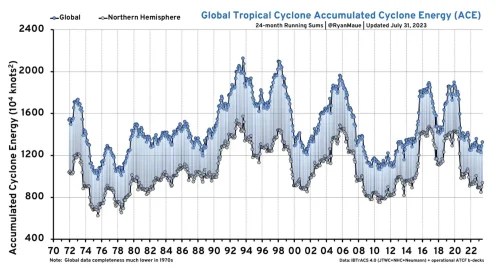


 Aletho News
