Anti-war US Senator Mike Gravel passes at 91

Former US Democratic presidential candidate and Alaska Senator Mike Gravel (AP file photo)
Press TV – June 27, 2021
Former US Senator Mike Gravel (D-Alaska), an anti-war campaigner and a regular Press TV contributor, has died at the age of 91.
The Associated Press reported on Sunday that Gravel, who served in the Senate from 1968 until 1981, died in Seaside, California this weekend. He was suffering with poor health.
Gravel ran two unsuccessful campaigns for the Democratic presidential nomination in 2008 and 2016.
He was excluded from Democratic debates during his 2008 campaign in 2007, prompting him to run as a Libertarian candidate, according to the Associated Press.
Gravel was known for his anti-war efforts in the 1970s. He spearheaded a one-man filibuster in opposition to the Vietnam-era draft, and read 4,100 pages of the 7,000-page document, known as the Pentagon Papers, into the Congressional Record, according to the AP.
The Pentagon Papers were the US military’s history of Washington’s early involvement in the Vietnam War.
Gravel was ‘voice for peace, sanity and demilitarization’
“Mike Gravel, bucked the Pentagon, the CIA and the military-industrial complex by reading the Pentagon Papers into the Senate record, thereby providing legal cover for their mass publication,” journalist Don DeBar told Press TV.
“For decades after his time in the Senate ended, he was a voice for peace, sanity and demilitarization,” added DeBar.
“If we could replace Schumer and McConnell with a pair of Mike Gravel’s, it would have a major positive impact on the entire human race. This, unfortunately, indicates how big a loss we suffer with his passing,” he stated.
Gravel was also a regular contributor to Press TV.
On the eve of the 2020 US election, Gravel told Press TV that the foundation of the election system in the United States is based on bribery.
Gravel said that “politicians are corrupt and they’re basically cowards because we have a system that is set up where you give me money to help me get elected and when I’m elected, I will vote for your economic interest, that is bribery, and that’s the foundation of our system in this country.”
Russian foreign ministry mocks ‘discovery’ of docs linked to UK navy’s Crimea incursion
RT | June 27, 2021
Sunday’s emergence of “highly-classified” documents linked to British warship’s incursion into Russian waters near Crimea, days after it occurred, amounts to a “bunch of lies” to cover it up, Russia’s foreign ministry has said.
The 50-page dossier related to the Black Sea cruise of the HMS Defender is said to have been found by a passer-by in a heap of trash behind a bus stop in Kent on Tuesday morning. The discovery, supposedly made right before the Wednesday incident when the UK destroyer sailed into Russian waters near Crimea, was publicized by London’s state broadcaster BBC, on Sunday.
The miraculous find, however, was deemed rather hard-to-believe by Russian officials. Russian FM spokeswoman Maria Zakharova took to Telegram to mock the whole affair, suggesting the sudden emergence of the documents looked like a clumsy cover-up attempt.
“In reality, London has demonstrated yet another provocative action followed by a bunch of lies to cover it up. 007 agents are not what they used to be.”
Apparently, the goldmine bus stops with highly-sensitive documents laying around should be the target for the persistent paranoia exhibited by many in the UK, instead of elusive, omnipotent ‘Russian hackers,’ Zakharova suggested.
“Now, here’s a question to the British Parliament: who needs ‘Russian hackers’ if there are British bus stops?” she asked.
The haul of documents, which supposedly emerged from the office of a senior Ministry of Defence official, reportedly described the mission of the destroyer as an “innocent passage through Ukrainian territorial waters.” The military strategists insisted they had a “strong, legitimate narrative” for the whole stunt, while reporters aboard the ship would have provided “independent verification” for it. Some officials, however, raised concerns about a possible “welcome party” to be thrown by Russia, the documents show. Avoiding the waters around Crimea, however, would be deemed to be too weak, as it would presumably give Moscow an opportunity to say the UK ship had run away.
The HMS Defender invaded Russian territorial waters off Crimea on Wednesday, triggering a response from the country’s military, which dispatched two patrol ships and warplanes to warn it off. The ship ultimately had to leave after warning shots were fired at it. The UK military was quick to deny the shooting, claiming it was a part of a planned exercise, while the destroyer merely conducted the aforementioned “innocent passage through Ukrainian territorial waters in accordance with international law.”
The damage-control attempts left the UK military red-faced again, as a video showing Russian vessels repeatedly warning and then firing warning shots at the direction of the destroyer emerged shortly after.
Fauci and the Biden Admin are purposely deceiving us about the ‘Delta variant’ threat
By Jordan Schachtel | June 24, 2021
Prominent actors within the U.S. government have been lying to the American people about COVID-19 for 18 months and counting, and their latest behavior shows that the individuals in charge of U.S. Government Science have no intention of stopping the charade anytime soon. Over time, their lies have evolved to become so common and so reckless to the point that someone with even the most rudimentary understanding of viruses can instantly debunk the lies. The latest “Delta variant” paranoia peddling has put their incompetence, deliberate spreading of falsehoods, and perpetual gaslighting of their own citizens on display for the world to see.
The Biden Administration, through lifelong government bureaucrat Anthony Fauci, is making a hard push to fear monger about the supposed dangers posed by the “Delta variant” of the virus that causes COVID-19.
A video posted from the White House account made the rounds Thursday morning, stating:
“Here’s the deal: The Delta variant is more contagious, it’s deadlier, and it’s spreading quickly around the world – leaving young, unvaccinated people more vulnerable than ever. Please, get vaccinated if you haven’t already. Let’s head off this strain before it’s too late.”
Fauci has been on a media tear this week hyping up the threat of the Delta variant.
Sometimes it’s easy to reflexively dismiss these warnings of doom and gloom as total nonsense, especially when they are in fact total, bald-faced nonsense.
(Check out this video from Ivor Cummins breaking down how the Delta variant, previously referred to as the Indian variant, is nothing more than a “political scariant.”)
First of all, it goes against all understanding of 101 concepts for a virus to mutate to become both more contagious and more deadly. If a virus becomes more contagious, it spreads faster but does not kill off its host. If a virus becomes more deadly, it doesn’t spread as fast because it has taken out its host. In fact, the best evidence we have on the Delta variant shows that it is probably less deadly than previous mutations. And it’s always good to remember that we’re talking about a disease that sports an original recovery rate well over 99%.
Second, the idea that human intervention can “head off” a strain is an idea straight out of the “COVID Zero” (the idea that you can eliminate the virus from this earth) pseudoscience playbook. Fauci and the gang are by no means brilliant minds, but they are well aware that they cannot eliminate a virus from circulation. This makes it obvious that there are several ulterior motives in play, none of which have anything to do with our health.
Outside of academic models (we all know how well those held up in the past with lockdowns, masks, etc), there is no hard evidence anywhere in the world that this Delta variant is any more or less dangerous than any other mutation of the virus. In fact, the statistics on this variant shows no particular reason for alarm. Yet the government is — let me know if this sounds familiar — baselessly making stuff up about a virus based on absolutely zero real world data.
Since the beginning of COVID Mania, the government has never been on the side of science, evidence, and data. From the infamous Gates-funded panic models and fraudulent Chinese government “science” that encouraged the world to lock down indefinitely, to the absurd mannequin “studies” about the efficacy of masks, this latest Delta variant scaremongering has once again put their lies on display for the world to see. Given the almost two years of immunity building related to the virus, the threat posed by COVID-19 at this point in time is virtually nonexistent. There never was a legitimate reason for a single restriction on our liberties, and today, the “delta variant” argument to curb our rights and transform our society is more baseless than ever before.
Re-Evaluating Mask Mandates – Part I: Science Gives Way to the “Talisman”
By Masha Krylova | C2C Journal | June 13, 2021
The health of my patient will be my first consideration; I will not use my medical knowledge to violate human rights and civil liberties, even under threat.
—World Medical Association: Declaration of Geneva, 2006
Where all men think alike, no one thinks very much.
—Walter Lippmann, 1937
We all remember when it was natural to strike up a conversation with a stranger on a street, in a mall or in a café. Sharing a smile would often start the enjoyable process from which mutual trust and understanding could flow. Seeing other people’s open faces and hearing them laugh felt contagious and energizing. A spontaneous encounter had a chance to turn into something long-lasting and meaningful.
Those times were pre-Covid-19; the pandemic has brought great upheaval to social norms. Rarely do many of us talk to strangers in public places. Communication is largely transactional – aiming a few words at a clerk behind a plexiglass shield and straining to hear the muffled reply. Laughter has become a rarity. And even if others smile at us, we hardly can tell – or know when to smile back. All we see are faces largely hidden behind masks and staring, shifting or downcast eyes.
Happily, that is beginning to change. Mask mandates are dropping left and right across the United States. As of June 8, 35 U.S. states had removed these requirements in indoor or outdoor public settings. A few U.S. governors have even prohibited local governments and school boards from countermanding such state policy. At the same time, the exposure of Anthony Fauci’s serial contradictions has loosened his grip on the American psyche – weakening the entire pro-mask side. Gathering limits are disappearing as well; the recent Indy 500 was packed with mostly unmasked auto race enthusiasts and fans are once again jamming stadiums for pro sports.
In Canada, a number of provinces are also reopening – led in speed by Alberta, where all provincial restrictions will be dropped within two weeks of 70 percent of the population receiving one dose of vaccine. That pointedly includes the mask mandate. If this occurs, and much of the rest of Canada follows suit, the summer of 2021 could end up being, if not exactly the “best summer ever” in the previous hopeful words of Alberta Premier Jason Kenney, then at least one to rekindle normal life and, perhaps, look back upon as the time when the Covid-19 pandemic was put in its grave.
These lovely sentiments – surely shared by millions of Canadians – could be dashed, however. Reopening is threatened by a number of political leaders, urged on by an entrenched medical/scientific faction, who appear almost terrified of normality’s return and whose default position is to lock down, prohibit and prevent. Ontario, for example, only re-authorized camping last Friday and recently extended its state of emergency until December. Premier Doug Ford, wrote Matthew Lau in the Financial Post, “has turned the presumption of liberty completely on its head. In Ontario there is now a presumption of government control.”
Even in Alberta, big-city mayors are suggesting they might defy the province’s mask mandate lifting. They are egged on by vocal medical experts who have formally demanded that masks remain in place until 70 percent of the population has had two vaccine doses. This may amount to something like “forever,” since vaccination curves in other countries to date have gone nearly flat at approximately 55-65 percent with even one dose. Alberta, it was reported last week, is having trouble achieving the last several percentage points leading to 70 percent with one dose.
In short, if some have their way, it could be masks for a long time. Should further new Covid-19 variants or new infectious diseases come along in the meantime, it might be masks forever.
If Canada is to enter a major political struggle over the possibility of long-term masking, then surely it is worth revisiting the basic question of whether masks actually work. And, even if masks are shown to be useful in slowing the transmission of Covid-19, the public has a right to understand whether habitual mask-wearing carries negative health effects, in order to weigh the costs against the benefits of such an intrusive long-term policy.
With those questions in mind, C2C Journal brings you this exclusive, carefully researched two-part analysis. In Part I, we review the recent history of mask requirements and discuss the initial evidence around widespread mask-wearing.
When it Began: The WHO Mask Guidance
On April 6, 2020, the World Health Organization (WHO) issued Interim Guidance on the use of facemasks against Covid-19. The organization advised only health professionals to wear medical masks or respirators and to avoid non-medical masks because the effectiveness of the latter, it stated, was not established.
Significantly for the wider population – or seemingly so – it also cautioned that “the wide use of masks by healthy people in the community setting is not supported by current evidence and carries uncertainties and critical risks.” Among these were potential self-contamination by frequent touching and re-wearing of single-use masks, breathing difficulties and a “false sense of security, leading to potentially less adherence to other preventive measures such as physical distancing and hand hygiene.”
The WHO’s April guidance was consistent with the statements of numerous public health officials worldwide. It was, for example, preceded by the official statement by Canada’s Chief Public Health Officer Theresa Tam who suggested that “putting a mask on an asymptomatic person is not beneficial, obviously if you’re not infected.”
The official advice should have been unsurprising, even though by this time millions of individuals were rushing to scour store shelves for any and all mask varieties, while others rigged up bizarre contraptions out of old diving helmets or even fish bowls, and a few were seen shuffling down aisles in full hazmat suits (real or home-fashioned). But the official advice was consistent with decades of established international guidance for the management of disease outbreaks, in which masks are recommended for those who are sick – to protect the healthy – but not ubiquitously (see, for example, the WHO’s guide of 2018, or Public Health England Principles of 2015, or the Association of Faculties of Medicine of Canada Primer on Population Health).
Physician Margaret Harris, a member of the WHO’s coronavirus response team, was quoted saying that “the mask is almost like a talisman,” making “people feel more secure and protected.” An official scientist appeared to say that mask-wearing was no longer about science, but about sorcery and emotion.
Regardless of how sound these recommendations are, they soon were thrown overboard as fears spread of “asymptomatic spreaders,” many doctors and scientists started asserting benefits to the public wearing almost any sort of mask, and governments and international organizations sought to reassure jittery populations they were taking “crucial steps” to “save lives” – which now included requiring people to wear masks in a variety of settings.
The WHO subsequently updated its mask guidance, with the most recent document issued on December 1, 2020. Citing a number of studies, this one advised the general public to wear either medical or three-layer fabric facemasks in indoor and outdoor settings where ventilation is inadequate and physical distancing is less than 1 metre. It asserted several pandemic control benefits to such practice, including reduced spread of viral respiratory droplets and reduced stigmatization towards mask-wearers (a transient phenomenon early in the pandemic). Further stated benefits included making people feel that “they can play a role in contributing to stopping spread of the virus,” encouraging proper hygiene and, finally, reducing transmission of other respiratory illnesses such as tuberculosis and influenza.

Caution to the wind: The WHO’s explicit list of negative effects from ubiquitous mask wearing was ignored by all.
The WHO’s list of disadvantages, however, had grown significantly and now also included potential headaches, facial skin problems, difficulties communicating, discomfort, improper mask disposal, poor compliance among young children and difficulties for people with developmental challenges, with chronic respiratory problems or those living in hot and humid conditions. Nor should this have been surprising either, for as we shall see it too was consistent with longstanding scientific understanding. None of these mask-associated risks, however, received a thorough airing in news and social media.
On the contrary, many governments imposed even more stringent and often duplicative requirements, like requiring masks and distancing even outdoors where ventilation was good, or masks and plexiglass barriers, or masks, face shields and distancing. Masks, meanwhile, took on novel roles as political statements or articles of faith employed by political leaders, organizations, public health figures and much of the population. People were even seen swimming with paper masks. Physician Margaret Harris, a member of the WHO’s coronavirus response team, was quoted in an NPR column saying that “the mask is almost like a talisman,” making “people feel more secure and protected.” An official scientist appeared to say that mask-wearing was no longer about science, but about sorcery and emotion.
Meanwhile, no one in the public sphere seemed willing to peruse the WHO’s December 2020 guideline in detail. Had they done so, they might have noticed two statements eerie in their juxtaposition. First, the WHO clearly recognized the serious limitations of the studies it cited about the efficacy of masking to reduce viral spread: “[The] studies differed in setting, data sources and statistical methods and have important limitations to consider notably the lack of information about actual exposure risk among individuals, adherence to mask wearing and the enforcement of other preventive measures.” Second, the WHO nonetheless insisted on universal mask usage: “Despite the limited evidence of protective efficacy of mask wearing in community settings, in addition to all other recommended preventive measures, the [guidelines development group] advised mask wearing.”
The WHO’s categorical recommendation, then, rested on admittedly shaky foundations. Over half a year has passed. One would expect there to be an ever-growing number of studies dedicated to Covid-19 and related issues, including masking. And so there has been.
Current Evidence on Mask Effectiveness
More than 300 scientific papers have been published specifically on masking during the pandemic. The best way to evaluate such a vast body of research without losing the forest for the trees is to focus primarily on literature reviews and systematic reviews (special types of scientific analysis that summarize up-to-date knowledge on a particular issue). This narrows the search to some 20 review studies (as of May 2021). Six of these provide support for universal mask wearing using epidemiological data (1, 2, 3, 4, 5 and 6). Six others offer mechanical evidence by describing material and filtration properties of masks. Two reviews are inconclusive (this and this), while the rest are less relevant (comparing medical masks to N95 masks in a healthcare setting, for example, this).
The most recent and comprehensive review is by researchers from the University of Hawaii at Manoa, Honolulu, published in April 2021. This interdisciplinary report outlines the “state-of-the-art understanding of mask usage against Covid-19” by covering the most important epidemiological data, face mask filtration mechanisms and mask recontamination and reuse.
In their epidemiological evidence the researchers cite eight publications that report a positive association between mask wearing and a reduced risk of Covid-19 infection. These studies were conducted in China, Thailand, the U.S., Germany and Canada. The Canadian evidence notably encompassed both provincial data from Ontario and nationwide data analyzing the effect of mask wearing on Covid-19 case numbers over the course of eight months. “In the first few weeks after their introduction, mask mandates are associated with an average reduction of 25 to 31% in the weekly number of newly diagnosed COVID-19 cases in Ontario,” the study concluded. It also speculated that had indoor masking been mandated by early July, there would have been 25-45 percent fewer weekly cases across the country than actually occurred.
The other studies were different in methodology and reported varying strengths of the association between mask wearing and risk reduction, ranging from 15 percent to 80 percent. The University of Hawaii team’s conclusion appears decisive: “All available epidemiologic evidence suggests that community-wide mask-wearing results in reduced rates of COVID-19 infections.”
Not All Science Is Created Equal: RCTs vs. Observational Studies
The take-home message from the above research appears unequivocal: masks work. The factual conclusion provides scientific support for the political decision to impose a public mask mandate. But for one fact: nearly all Covid-19-related epidemiological studies are either observational analyses (such as this or this), simulation studies (such as this), or a combination thereof (like the Canadian study described above). Almost none involved randomized controlled trials (RCTs).
Why does that matter?
The distinction between study types is imperative for it speaks of the quality and not simply the quantity of the available scientific evidence. Setting aside simulation studies that are hypothetical and therefore of lesser empirical value, it is important to understand the differences between RCTs and observational studies (case-control and cohort studies are two types).
The RCT facilitates an objective comparison between various types of intervention, or between treatment and non-treatment. The RCT achieves this by using the process of randomization, assigning participants randomly either to experimental or control groups. The goal of such studies is to prevent manipulation of the results and to draw, as accurately as possible, a causal relationship between an intervention, or a behaviour, and the subsequent outcome.
The link of causality cannot be achieved in observational research, which involves analyzing data gathered in natural conditions without researchers’ intervention. Although observational studies are illuminating and useful in various scenarios, they are inevitably biased. The bias occurs because such studies do not allow for direct control over confounding variables that may have an impact on the study results. For example, for one to say that “A causes B” requires ensuring that the effects of all other important variables on B have been removed or cancelled through randomization.

Through the process of randomization, RCTs are able to establish a causal link between a treatment or behaviour and an outcome. Observational studies are limited to showing correlation, or association – and thereby can be misunderstood.
This is impossible in observational studies, always leaving a chance that the observed outcome B might have been caused by a variable, or variables, other than A. Thus, observational studies, even those employing advanced statistical analyses, cannot reach conclusions stronger than establishing temporal associations between one thing and another. But association, or correlation, does not demonstrate causation. (The Canadian study cited above, for example, notes that mask mandates are “associated” with a reduction in the rate of Covid-19 infection; it does not assert a causal relationship.)
The Odd Reluctance to Conduct RCTs in Regard to Public Health Matters
Which brings us back to the 300-odd mask-related studies conducted in the Covid-19 era. Many, indeed, found associations or correlations between widespread adoption of masks and a reduction in Covid-19 case counts, or a slowing of acceleration in case counts. In an observational study like this one, however, it is reasonable to ask whether the detected reduction in Covid-19 transmission was caused by mask wearing. Could it not have been due to other preventative health measures adopted around the same time, such as improved hand hygiene, limited social interaction, physical distancing in public settings or even individuals’ general health regimen? And what about the impact of other variables such as age or race on the risk of catching the virus? Finally, could there be other, as-yet overlooked confounders that affect virus spread? Randomization is required to negate the effects of the confounding variables, known or unknown.

Correlation does not show causation: Masks may be associated with a reduced rate of Covid-19 infection, as frequently documented in observational studies, but a host of other factors could also be at work.
Because of these known limitations of observational studies, the RCT is recognized as the gold standard of clinical research practice, a rigorous tool of cause-and-effect analysis. One of the world’s leading experts in medical standards and statistics, Dr. Janus Christian Jakobsen, who is frequently cited for her systematic reviews of meta analyses, authoritatively stated:
“Clinical experience or observational studies should never be used as the sole basis for assessment of intervention effects – randomized clinical trials are always needed…Observational studies should primarily be used for quality control after treatments are included in clinical practice.” (Emphasis added.)
It is thus clear that in health-related contexts, researchers should rely on RCTs whenever possible and use observational studies to gather supplementary evidence.
The most common arguments against RCTs are that they are expensive, time-consuming and impractical for population-wide interventions. There are also understandable ethical objections against exposing healthy control groups to contagious and potentially fatal infections, in this instance attempting to determine whether unmasked people are more likely to catch Covid-19. In fact, some have asserted, in reference to the WHO, that “we should not generally expect to be able to find controlled trials” in the context of population health measures.
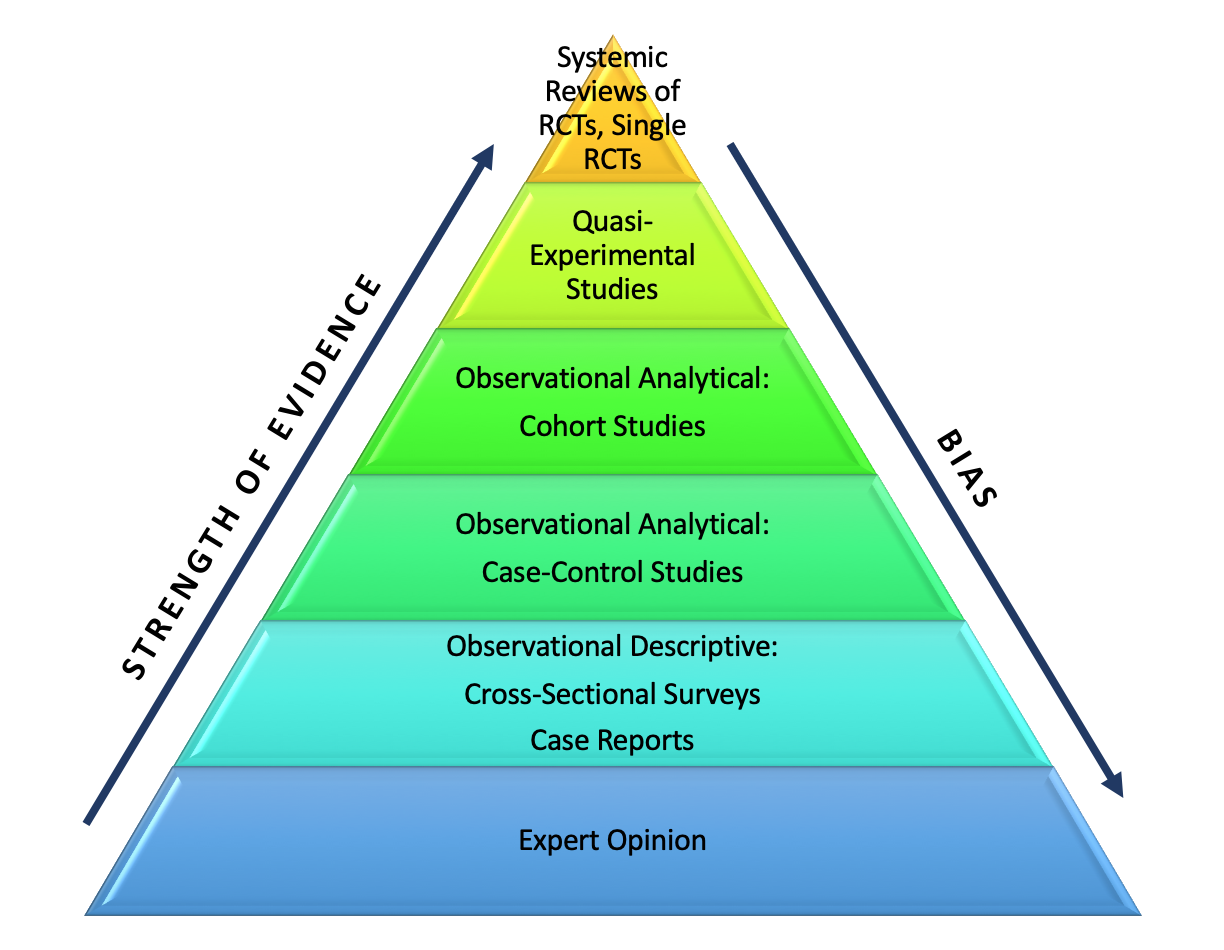
Maximum strength of evidence, minimum degree of bias: Not for nothing is the randomized controlled trial considered the “gold standard” of clinical practice. (Graphic by Masha Krylova/ C2C Journal)
Unethical and impractical? It is claimed that RCTs should not be used to study the effects of health measures on Covid-19 infection – yet numerous RCTs have examined influenza on a community-wide scale.
Still, it has been over a year since mask mandates were first imposed in many countries. Given the prodigious effort poured into seemingly anything to do with Covid-19, this should be ample time for researchers to gather resources and test mask effectiveness in a controlled experimental setting. Nor was it unheard-of prior to the pandemic to perform RCTs in healthcare and wider-population settings to evaluate the effect of mask wearing on the transmission of respiratory illnesses such as influenza (see this review of 2010) and influenza-like illness (also see this scoping review of 2020). These studies clearly overcame objections related to practicality and ethics. Why should Covid-19 be different?
The cited reviews present intriguing details: with respect to influenza, five out of six RCTs conducted in healthcare settings found no significant difference between mask-wearing and control groups. Even more important from the standpoint of the current pandemic, none of four RCTs performed in broader community settings found a significant difference between masking and remaining bare-faced. For influenza-like illnesses, the pooled data from five other RCTs as well showed a non-significant protective effect of mask wearing for avoiding either primary or secondary infection. These results appear substantial and would seem of some relevance to the current pandemic. But there is more.
End of Part I.
Coming next in Part II: Should you care whether masks are more like a sieve or a filter? Is there really no RCT-generated “gold standard” evidence regarding whether wearing masks reduces the spread of Covid-19? And is there any basis to concerns of ill effects from wearing masks?
Maria (Masha) V. Krylova is a Social Psychologist and writer based in Calgary, Alberta who has a particular interest in the role of psychological factors affecting the socio-political climate in Russia and Western countries.
All Risk. Zero Benefit. 10 Reasons to Say No to the Jab for the Young
By Abir Ballan | Trial Site News | June 26, 2021
 Here are 10 Reasons why children and young people should NOT get the COVID-19 vaccines:
- Children and young people have a mostly mild or asymptomatic presentation when infected with SARS-CoV-2. They are at near-zero risk of death from COVID-19.
- There is an unusually high rate of reported adverse events and deaths following the COVID-19 vaccines compared to other vaccines. Some adverse events are more common in the young, especially myocarditis. Where potential harm exists from an innovation and little is known about it, the precautionary principle dictates to first do no harm. Better safe than sorry.
- Medium and long-term safety data about the COVID-19 vaccines are still lacking. Children and young people have a remaining life expectancy of 55 to 80 years. Unknown harmful long-term effects are far more consequential for the young than for the elderly.
- Vaccination policies rely on expected benefits clearly outweighing the risk of adverse events from the vaccination. The risk-benefit analysis for the COVID-19 vaccines points to a high potential risk versus no benefit for children and young people.
- Transmission of SARS-CoV-2 from children to adults is minimal and adults in contact with children do not have higher COVID-19 mortality.
- It is unethical to put children and young people at risk to protect adults. Altruistic behaviors such as organ and blood donation are all voluntary.
- Several prophylactic treatments as well as the COVID-19 vaccines are available to high-risk individuals so they can protect themselves.
- Natural immunity from infection with SARS-CoV-2 is broad and robust and more effective than vaccine immunity, especially in combating variants. Children and young people are safer with natural immunity.
- There are several prophylactic (preventive) protocols and effective treatments available to children and young people with comorbidities.
- Vaccinating children and young people is not necessary for herd immunity. After a year and a half of the pandemic, most people either have pre-existing immunity from other coronaviruses, have recovered from COVID-19 or have been vaccinated.
Meet Jigsaw: Google’s Intelligence Agency
Privacy To Go | June 25, 2021
It’s no secret that Google regularly collaborates with intelligence agencies.
They are a known NSA subcontractor. They launched Google Earth using a CIA spy satellite network. Their executive suite’s revolving door with DARPA is well known.
In the wake of the January 6th Capitol event, the FBI used Google location data to pwn attendants with nothing more than a valid Gmail address and smartphone login:
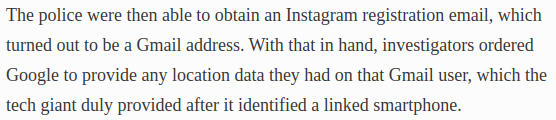
A stark reminder that carrying a tracking device with a Google login, even with the SIM card removed, can mean the difference between freedom and an orange jump suit in the Great Reset era.
But Google also operates its own internal intelligence agency – complete with foreign regime change operations that are now being applied domestically.
And they’ve been doing so without repercussion for over a decade.
From Google Ideas to Google Regime Change
In 2010, Google CEO Eric Schmidt created Google Ideas. In typical Silicon Valley newspeak, Ideas was marketed as a “think/do tank to research issues at the intersection of technology and geopolitics.“
Astute readers know this “think/do” formula well – entities like the Council on Foreign Relations or World Economic Forum draft policy papers (think) and three-letter agencies carry them out (do).
And again, in typical Silicon Valley fashion, Google wanted to streamline this process – bring everything in-house and remake the world in their own image.
To head up Google Ideas, Schmidt tapped a man named Jared Cohen.
He couldn’t have selected a better goon for the job – as a card-carrying member of the Council on Foreign Relations and Rhodes Scholar, Cohen is a textbook Globalist spook. The State Department doubtlessly approved of his sordid credentials, as both Condoleeza Rice and Hillary Clinton enrolled Cohen to knock over foreign governments they disapproved of.
Google Ideas’ role in the 2014 Ukraine regime change operation is well-documented. And before that, their part in overthrowing Mubarak in Egypt was unveiled by way of the Stratfor leaks.
More recently, the role of Google Ideas in the attempted overthrow of Assad in Syria went public thanks to the oft-cited Hillary Clinton email leaks:
Please keep close hold, but my team is planning to launch a tool on Sunday that will publicly track and map the defections in Syria and which parts of the government they are coming from.
Our logic behind this is that while many people are tracking the atrocities, nobody is visually representing and mapping the defections, which we believe are important in encouraging more to defect and giving confidence to the opposition.
Given how hard it is to get information into Syria right now, we are partnering with Al-Jazeera who will take primary ownership over the tool we have built, track the data, verify it, and broadcast it back into Syria. I’ve attached a few visuals that show what the tool will look like. Please keep this very close hold and let me know if there is anything eke you think we need to account for or think about before we launch. We believe this can have an important impact.
-Jared Cohen to State Dept. Officials, July 25, 2012
With all this mounting evidence, surely Google Ideas was decommissioned. Surely Jared Cohen was swiftly ousted from his position at one of America’s premier Big Tech darlings for crimes against humanity, right?
Of course not!
Why scrap all that hard work when you can just rebrand and shift your regime change operations to domestic targets?
Google Jigsaw – USA Psyop Edition
Google Ideas was renamed Google Jigsaw in 2015 after years of bad press and controversy – this time with an eye on performing psychological operations in the United States.
But all that experience data mining and overthrowing Middle Eastern nations wasn’t just thrown out. Rather, Jigsaw repurposed its internal psychological operations program (code-named Operation Abdullah) to instead target “right-wing conspiracy theorists,” as revealed by privacy researcher Rob Braxman.
Using a technique known as the redirect method, Jigsaw attempts to populate outbound links to dissuade potential thought-criminals from looking at wrongthink.
Make no mistake – the redirect method is about more than manipulation of search engine results. It’s one thing to manipulate the content of searches based on query strings, but to target the psychology of the searcher themselves requires an accurate psychological profile of the person doing the searching.
And Google has psych profiles in spades thanks to centralized Google logins: To Android phones, to Gmail accounts, to adjunct services like YouTube, even to children via Google Classroom.
You don’t even need to use Google’s search engine to populate them with weaponized data. In fact, search alone provides far fewer avenues for offensive metadata usage than a cell phone.
We would implore readers to take a look at Jigsaw’s site. It’s a study in how to use front-end design to creep out your visitor, as a snippet of JavaScript code ensures your cursor is tracked in a spotlight throughout your visit:

Jigsaw’s front-end design team has a clear message for you: There’s nowhere to hide.
The site also uses another bit of intelligence tradecraft known as “transferrence” – it’s a simple psychological tactic of shifting blame from yourself to your target.
The four subheaders on Jigsaw’s homepage, Disinformation, Censorship, Toxicity, and Violent Extremism demonstrate this tactic at work.
- There is no greater source of media disinformation than MSM and the information served up by Google search engines.
- Big Tech are at the forefront of destroying free speech through heavy-handed censorship, Google among them.
- Psychological manipulation tactics used by the social justice crowd doubtlessly instill toxicity in those subjected to them.
- And Google’s well-documented history of participating in bloody regime change as described in this article are textbook cases of violent extremism.
Yet Jigsaw markets itself as combating these societal ails. Of course, nothing could be further from the truth, just as Google’s former company tag-line of “Don’t Be Evil” was a similar reversal of reality.
And yes, regime change aficionado Jared Cohen is still the CEO of Google Jigsaw. In fact, Jigsaw, LLC was overtly brought back in-house as of October 2020.
In Closing
As we’ve described in previous articles, vast swaths of the State-controlled Panopticon are currently being outsourced to Big Tech companies.
Call this phenomenon a public-private partnership. Call it the Great Reset. Call it Agenda 2030, or Agenda 21, or “stakeholder capitalism,” or any of the other euphemisms dreamt up by these hapless would-be oligarchs to sell neofeudal Technocracy to the public.
Making intelligence services pseudo-independent from the State is simply a mandatory prerequisite for fully globalizing them.
Furthermore, as the Biden administration seeks to reclassify half of the country as domestic extremists, it’s no secret that companies like Google, with their vast data weaponization programs, will play a key role in identifying Public Enemy #1:
You.
There is no “silver bullet” solution to this problem. Nearly all consumer electronics can be exploited at very low levels. Even the Internet itself is a longstanding military intelligence operation.
But this doesn’t mean any action short of becoming a Luddite is meaningless!
If data is the new oil, it’s time to shut off your well:
- Abstain from using Google Mail, Docs, or Search where possible.
- Seek out alternative social media and content creation platforms.
- If your smartphone requires heavy dependence on Apple or Google for logins or closed-source apps, consider privacy-respecting alternatives.
- Familiarize yourself with common data harvesting tactics and take action where you can.
While a full list of meaningful action is beyond the purview of this post (or any single blog entry for that matter), the important takeaway here is this:
We cannot opt out of mass government surveillance. But we knowingly consent to most forms of “privatized” intelligence gathering.
Take the first step and revoke your consent.
The Scientific And Ethical Dimensions Of ‘Human Augmentation’

Principia Scientific International | June 24, 2021
Human augmentation is becoming ‘state of the art – the pinnacle of mortal man’s accomplishments’ say the scientists serving the billionaire class turning us mere peons into robots. But is it ethical or legal?
In the video below we get a flavor of what’s in store for us now most of the world has meekly complied to ceaseless lockdowns and experimental ‘vaccines’ without legal recourse. We need to shorten the lag time between conspiracy theory and truth.
video source: www.bitchute.com
After watching the video do read David Masci’s own insight into this seemingly unstoppable ‘advance’ in humanity:
The Scientific And Ethical Dimensions Of Striving For Perfection
Human enhancement is at least as old as human civilization. People have been trying to enhance their physical and mental capabilities for thousands of years, sometimes successfully – and sometimes with inconclusive, comic and even tragic results.
Up to this point in history, however, most biomedical interventions, whether successful or not, have attempted to restore something perceived to be deficient, such as vision, hearing or mobility. Even when these interventions have tried to improve on nature – say with anabolic steroids to stimulate muscle growth or drugs such as Ritalin to sharpen focus – the results have tended to be relatively modest and incremental.
But thanks to recent scientific developments in areas such as biotechnology, information technology and nanotechnology, humanity may be on the cusp of an enhancement revolution. In the next two or three decades, people may have the option to change themselves and their children in ways that, up to now, have existed largely in the minds of science fiction writers and creators of comic book superheroes.
Both advocates for and opponents of human enhancement spin a number of possible scenarios. Some talk about what might be called “humanity plus” – people who are still recognizably human, but much smarter, stronger and healthier. Others speak of “post-humanity,” and predict that dramatic advances in genetic engineering and machine technology may ultimately allow people to become conscious machines – not recognizably human, at least on the outside.
This enhancement revolution, if and when it comes, may well be prompted by ongoing efforts to aid people with disabilities and heal the sick. Indeed, science is already making rapid progress in new restorative and therapeutic technologies that could, in theory, have implications for human enhancement.
It seems that each week or so, the headlines herald a new medical or scientific breakthrough. In the last few years, for instance, researchers have implanted artificial retinas to give blind patients partial sight. Other scientists successfully linked a paralyzed man’s brain to a computer chip, which helped restore partial movement of previously non-responsive limbs. Still others have created synthetic blood substitutes, which could soon be used in human patients.
One of the most important developments in recent years involves a new gene-splicing technique called “clustered regularly interspaced short palindromic repeats.” Known by its acronym, CRISPR, this new method greatly improves scientists’ ability to accurately and efficiently “edit” the human genome, in both embryos and adults.

The new gene-splicing technique “CRISPR” greatly improves scientists’ ability to accurately and efficiently “edit” the human genome. (Credit: Getty Images)
To those who support human enhancement, many of whom call themselves transhumanists, technological breakthroughs like these are springboards not only to healing people but to changing and improving humanity. Up to this point, they say, humans have largely worked to control and shape their exterior environments because they were powerless to do more. But transhumanists predict that a convergence of new technologies will soon allow people to control and fundamentally change their bodies and minds. Instead of leaving a person’s physical well-being to the vagaries of nature, supporters of these technologies contend, science will allow us to take control of our species’ development, making ourselves and future generations stronger, smarter, healthier and happier.
The science that underpins transhumanist hopes is impressive, but there is no guarantee that researchers will create the means to make super-smart or super-strong people. Questions remain about the feasibility of radically changing human physiology, in part because scientists do not yet completely understand our bodies and minds. For instance, researchers still do not fully comprehend how people age or fully understand the source of human consciousness.
There also is significant philosophical, ethical and religious opposition to transhumanism. Many thinkers from different disciplines and faith traditions worry that radical changes will lead to people who are no longer either physically or psychologically human.
We are no longer living in a time when we can say we either want to enhance or we don’t. We are already living in an age of enhancement.
— NICHOLAS AGAR, VICTORIA UNIVERSITY
Even minor enhancements, critics say, may end up doing more harm than good. For instance, they contend, those with enhancements may lack empathy and compassion for those who have not chosen or cannot afford these new technologies. Indeed, they say, transhumanism could very well create an even wider gap between the haves and have-nots and lead to new kinds of exploitation or even slavery.
Given that the science is still at a somewhat early stage, there has been little public discussion about the possible impacts of human enhancement on a practical level. But a new survey by Pew Research Center suggests wariness in the U.S. public about these emerging technologies. For example, 68% of Americans say they would be “very” or “somewhat” worried about using gene editing on healthy babies to reduce the infants’ risk of serious diseases or medical conditions. And a majority of U.S. adults (66%) say they would “definitely” or “probably” not want to get a brain chip implant to improve their ability to process information.
And yet, perhaps ironically, enhancement continues to captivate the popular imagination. Many of the top-grossing films in recent years in the United States and around the world have centered on superheroes with extraordinary abilities, such as the X-Men, Captain America, Spiderman, the Incredible Hulk and Iron Man. Such films explore the promise and pitfalls of exceeding natural human limits.
HUMAN ENHANCEMENT IN POPULAR CULTURE
Not only is enhancement unquestionably part of today’s cultural zeitgeist, questions about humanity’s quest to move beyond natural limits go back to our earliest myths and stories. The ancient Greeks told of Prometheus, who stole fire from the gods, and Daedalus, the skilled craftsman, who made wings for himself and his son, Icarus. In the opening chapters of Genesis, the Hebrew Bible depicts a successful incident of human enhancement, when Adam and Eve ate the fruit from the tree of the knowledge of good and evil because the Serpent told them it would make them “like God.”
Of course, while Adam and Eve gained a new awareness and self-understanding, their actions also led to their expulsion from paradise and entry into a much harder world full of pain, shame and toil. This theme – that hidden dangers may lurk in something ostensibly good – runs through many literary accounts of enhancement. In Mary Shelley’s “Frankenstein” (1818), for instance, a scientist creates a new man, only to eventually die while trying to destroy his creation.
Whether these fears surrounding human enhancement are real or unfounded is a question already being debated by ethicists, scientists, theologians and others. This report looks at that debate, particularly in light of the diverse religious traditions represented in the United States. First, though, the report explains some of the scientific developments that might form the basis of an enhancement revolution.
Read the full article at www.pewresearch.org
A “Leap” toward Humanity’s Destruction
The Wellcome Trust teams up with former DARPA directors to usher in an age of nightmarish surveillance. Their agenda can only advance if we allow it.
BY WHITNEY WEBB |
UNLIMITED HANGOUT| JUNE 25, 2021
A UK nonprofit with ties to global corruption throughout the COVID-19 crisis as well as historical and current ties to the UK eugenics movement launched a global health-focused DARPA equivalent last year. The move went largely unnoticed by both mainstream and independent media.
The Wellcome Trust, which has arguably been second only to Bill Gates in its ability to influence events during the COVID-19 crisis and vaccination campaign, launched its own global equivalent of the Pentagon’s secretive research agency last year, officially to combat the “most pressing health challenges of our time.” Though first conceived of in 2018, this particular Wellcome Trust initiative was spun off from the Trust last May with $300 million in initial funding. It quickly attracted two former DARPA executives, who had previously served in the upper echelons of Silicon Valley, to manage and plan its portfolio of projects.
This global health DARPA, known as Wellcome Leap, seeks to achieve “breakthrough scientific and technological solutions” by or before 2030, with a focus on “complex global health challenges.” The Wellcome Trust is open about how Wellcome Leap will apply the approaches of Silicon Valley and venture capital firms to the health and life science sector. Unsurprisingly, their three current programs are poised to develop incredibly invasive tech-focused, and in some cases overtly transhumanist, medical technologies, including a program exclusively focused on using artificial intelligence (AI), mobile sensors, and wearable brain-mapping tech for children three years old and younger.
This Unlimited Hangout investigation explores not only the four current programs of Wellcome Leap but also the people behind it. The resulting picture is of an incredibly sinister project that poses not only a great threat to current society but to the future of humanity itself. An upcoming Unlimited Hangout investigation will examine the history of the Wellcome Trust along with its role in recent and current events.
Leap’s Leadership: Merging Man and Machine for the Military and Silicon Valley
The ambitions of the Wellcome Leap are made clear by the woman chosen to lead it, former director of the Pentagon’s DARPA, Regina Dugan. Dugan began her career at DARPA in 1996; she led a counterterrorism task force in 1999 before leaving DARPA about a year later. After departing DARPA, she cofounded her own venture capital firm, Dugan Ventures, and then became special adviser to the US Army’s vice chief of staff from 2001 to 2003, which coincided with the invasions of Afghanistan and Iraq. In 2005, she created a defense-focused tech firm called RedXDefense, which contracts with the military and specifically for DARPA.
In 2009, under the Obama administration, Dugan was appointed director of DARPA by Defense Secretary Robert Gates. Much was made over her being the first female director of the agency, but she is best remembered at the agency for her so-called “Special Forces” approach to innovation. During her tenure, she created DARPA’s now defunct Transformational Convergence Technology Office, which focused on social networks, synthetic biology, and machine intelligence. Many of the themes previously managed by that office are now overseen by DARPA’s Biological Technologies Office, which was created in 2014 and focuses on everything “from programmable microbes to human-machine symbiosis.” The Biological Technologies Office, like Wellcome Leap, pursues a mix of “health-focused” biotechnology programs and transhumanist endeavors.
Right before leaving the top role at DARPA, Dugan greenlighted the agency’s initial investments in mRNA vaccine technology, which led to DARPA’s investments in Pfizer and Moderna shortly thereafter. The DARPA scientist who lobbied Dugan to back the program, Dan Wattendorf, now works as the director of Innovative Technology Solutions at the Bill & Melinda Gates Foundation.
While Dugan’s efforts at DARPA are remembered fondly by those in the national-security state, and also by those in Silicon Valley, Dugan was investigated for conflicts of interest during her time as DARPA’s director, as her firm RedXDefense acquired millions in Department of Defense contracts during her tenure. Though she had recused herself from any formal role at the company while leading DARPA, she continued to hold a significant financial stake in the company, and a military investigation later found she had violated ethics rules to a significant degree.
Instead of being held accountable in any way, Dugan went on to become a top executive at Google, where she was brought on to manage Google’s Advanced Technology and Products Group (ATAP), which it had spun out of Motorola Mobility after Google’s acquisition of that company in 2012. Google’s ATAP was modeled after DARPA and employed other ex-DARPA officials besides Dugan.
At Google, Dugan oversaw several projects, including what is now the basis of Google’s “augmented reality” business, then known as Project Tango, as well as “smart” clothing in which multitouch sensors were woven into textiles. Another project that Dugan led involved the use of a “digital tattoo” to unlock smartphones. Perhaps most controversially, Dugan was also behind the creation of a “digital authentication pill.” According to Dugan, when the pill is swallowed, “your entire body becomes your authentication token.” Dugan framed the pill and many of her other efforts at Google as working to fix “the mechanical mismatch between humans and electronics” by producing technology that merges the human body with machines to varying degrees. While serving in this capacity at Google, Dugan chaired a panel at the 2013 Clinton Global Initiative called “Game-Changers in Technology” and attended the 2015 Bilderberg meeting where AI was a main topic of discussion.
In 2016, Dugan left Google for Facebook where she was chosen to be the first head of Facebook’s own DARPA-equivalent research agency, then known as Building 8. DARPA’s ties to the origins of Facebook were discussed in a recent Unlimited Hangout report. Under Dugan, Building 8 invested heavily in brain-machine interface technology, which has since produced the company’s “neural wearable” wristbands that claim to be able to anticipate movements of the hand and fingers from brain signals alone. Facebook showcased prototypes of the project earlier this year.
Dugan left Facebook just eighteen months after joining Building 8, announcing her plans “to focus on building and leading a new endeavor,” which was apparently a reference to Wellcome Leap. Dugan later said it was as if she had been training for her role at Wellcome Leap ever since entering the workforce, framing it as the pinnacle of her career. When asked in an interview earlier this year who the clients of Wellcome Leap are, Dugan gave a long-winded answer but essentially responded that the project serves the biotech and pharmaceutical industries, international organizations such as the UN, and public-private partnerships.
In addition to her role at Wellcome, Dugan is also a member of the Council on Foreign Relations-sponsored taskforce on US Technology and Innovation policy, which was formed in 2019. Other members include LinkedIn’s Reid Hoffman, McKinsey Institute Global Chairman James Manyika, former head of Google Eric Schmidt and President Biden’s controversial top science adviser Eric Lander.
The other executive at Wellcome Leap, chief operating officer Ken Gabriel, has a background closely tied to Dugan’s. Gabriel, like Dugan, is a former program manager at DARPA, where he led the agency’s microelectromechanical systems (MEMS) research from 1992 to 1996. He served as deputy director of DARPA from 1995 to 1996 and became director of the Electronics Technology Office from 1996 to 1997, where he was reportedly responsible for about half of all federal electronics-technology investments. At DARPA, Gabriel worked closely with the FBI and the CIA.
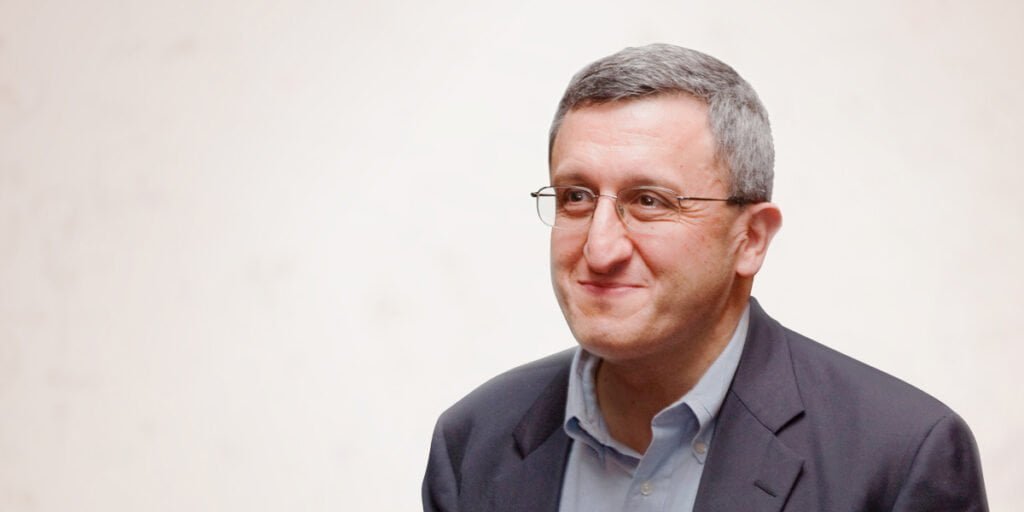
Ken Gabriel – COO of Wellcome Leap. Source: Wellcome Leap
Gabriel left DARPA for Carnegie Mellon University, where he was in charge of the Office for Security Technologies in the aftermath of September 11, 2001. That office was created after 9/11 specifically to help meet the national-security needs of the federal government, according to Carnegie Mellon’s announcement of the program. Around that same time, Gabriel became regarded as “the architect of the MEMS industry” due to his past work at DARPA and his founding of the MEMS-focused semiconductor company Akustica in 2002. He served as Akustica’s chairman and chief technology officer until 2009, at which time he returned to work at DARPA where he served as the agency’s deputy director, working directly under Regina Dugan.
In 2012, Gabriel followed Dugan to Google’s Advanced Technology and Products Group, which he was actually responsible for creating. According to Gabriel, Google cofounders Larry Page and Sergey Brin tasked Gabriel with creating “a private sector ground-up model of DARPA” out of Motorola Mobility. Regina Dugan was placed in charge, and Gabriel again served as her deputy. In 2013, Dugan and Gabriel co-wrote a piece for the Harvard Business Review about how DARPA’s “Special Forces” innovation approach could revolutionize both the public and private sectors if more widely applied. Gabriel left Google in 2014, well before Dugan, to serve as the president and CEO of Charles Stark Draper Laboratories, better known as Draper Labs, which develops “innovative technology solutions” for the national-security community, with a focus on biomedical systems, energy, and space technology. Gabriel held that position until he abruptly resigned in 2020 to co-lead Wellcome Leap with Dugan.
In addition to his role at Wellcome, Gabriel is also a World Economic Forum “technology pioneer” and on the board of directors of Galvani Bioelectronics, a joint venture of GlaxoSmithKline, which is intimately linked to the Wellcome Trust, and the Google subsidiary Verily. Galvani focuses on the development of “bioelectronic medicines” that involve “implant-based modulation of neural signals” in an overt push by the pharmaceutical industry and Silicon Valley to normalize transhumanist “medicines.” The longtime chairman of the board of Galvani, on which Gabriel serves, was Moncef Slaoui, who led the US COVID-19 vaccine development and distribution program Operation Warp Speed. Slaoui was relieved of his position at Galvani this past March over well-substantiated claims of sexual harassment.
Jeremy Farrar, Pandemic Narrative Manager
While Dugan and Gabriel ostensibly lead the outfit, Wellcome Leap is the brainchild of Jeremy Farrar and Mike Ferguson, who serve as its directors. Farrar is the director of the Wellcome Trust itself, and Ferguson is deputy chair of the Trust’s board of governors. Farrar has been director of the Wellcome Trust since 2013 and has been actively involved in critical decision making at the highest level globally since the beginning of the COVID crisis. He is also an agenda contributor to the World Economic Forum and cochaired the WEF’s Africa meeting in 2019.
Farrar’s Wellcome Trust is also a WEF strategic partner and cofounded the COVID Action Platform with the WEF. Farrar was more recently behind the creation of Wellcome’s COVID-Zero initiative, which is also tied to the WEF. Farrar has framed that initiative as “an opportunity for companies to advance the science which will eventually reduce business disruption.” Thus far it has convinced titans of finance, including Mastercard and Citadel, to invest millions in research and development at organizations favored by the Wellcome Trust.

Wellcome Trust Director Jeremy Farrar with NTI Co-Chairman Sam Nunn, who led the 2001 Dark Winter exercise. Source: NTI.com
Some of Wellcome’s controversial medical-research projects in Africa, as well as its ties to the UK eugenics movement, were explored in a December article published at Unlimited Hangout. That report also explores the intimate connections of Wellcome to the Oxford-AstraZeneca COVID-19 vaccine, the use of which has now been restricted or banned in several countries. As mentioned in the introduction, the Wellcome Trust itself is the subject of an upcoming Unlimited Hangout investigation (Part 2).
Jeremy Farrar, who was born in Singapore in 1961, had previously been director of the Oxford University Clinical Research Unit in Ho Chi Minh City, beginning in 1998. During that time, he authored numerous epidemiological research papers. He claimed in a 2014 Financial Times article that his decision to move to Vietnam was due to his disdain for conference halls full of white men. Southeast Asia was obviously a much less regulated environment for someone in the medical-research industry wishing to indulge in groundbreaking research. Although based in Vietnam, Farrar was sent by Oxford to various locations around the globe to study epidemics happening in real time. In 2009, when swine flu was wreaking havoc in Mexico, Farrar jumped on a plane to dive right into the action, something he also did for subsequent global outbreaks of Ebola, MERS, and avian flu.
Over the past year, many questions have arisen regarding exactly how much power Farrar wields over global public health policy. Recently, the US president’s chief medical adviser, Anthony Fauci, was forced to release his emails and correspondence from March and April 2020 at the request of the Washington Post. The released emails reveal what appears to be a high-level conspiracy by some of the top medical authorities in the US to falsely claim that COVID-19 could only have been of zoonotic origin, despite indications to the contrary. The emails were heavily redacted as such emails usually are, supposedly to protect the information of the people involved, but the “(b)(6)” redactions also protect much of Jeremy Farrar’s input into these discussions. Chris Martenson, economic researcher and post-doctorate student of neurotoxicology and founder of Peak Prosperity, has had some insightful comments on the matter, including asking why such protection has been offered to Farrar given that he is the director of a “charitable trust.” Martenson went on to question why the Wellcome Trust was involved at all in these high-level discussions.
One Fauci email, dated February 25, 2020, and sent by Amelie Rioux of the WHO, stated that Jeremy Farrar’s official role at that time was “to act as the board’s focal point on the COVID-19 outbreak, to represent and advise the board on the science of the outbreak and the financing of the response.” Farrar had previously chaired the WHO’s Scientific Advisory Council. The emails also show the preparation, within a ten-day period, of the SARS-CoV-2 “‘origins” paper, which was entitled “The Proximal Origin of SARS-CoV-2” and was accepted for publication by Nature Medicine on March 17, 2020. The paper claimed that the SARS-CoV-2 virus could only have come from natural origins as opposed to gain-of-function research, a claim once held as gospel in the mainstream but which has come under considerable scrutiny in recent weeks.
Shaping the presentation of an origin story for a virus of global significance is something Farrar has been involved with before. In 2004–5, it was reported that Farrar and his Vietnamese colleague Tran Tinh Hien, the vice director at the Hospital for Tropical Diseases, were the first to identify the re-emergence of the avian flu (H5N1) in humans. Farrar has recounted the origin story on many occasions, stating: “It was a little girl. She caught it from a pet duck that had died and she’d dug up and reburied. She survived.” According to Farrar, this experience prompted him to found a global network in conjunction with the World Health Organization to “improve local responses to disease outbreaks.”
An article published by Rockefeller University Press’s Journal of Experimental Medicine in 2009 is dramatically titled, “Jeremy Farrar: When Disaster Strikes.” Farrar, when referring to the H5N1 origin story stated: “The WHO people—and this is not a criticism—decided it was unlikely that the child had SARS or avian influenza. They left, but Professor Hien stayed behind to talk with the child and her mum. The girl admitted that she had been quite sad in the previous days with the death of her pet duck. The girl and her brother had fought over burying the duck and, because of this argument, she had gone back, dug up the duck, and reburied it—probably so her brother wouldn’t know where it was buried. With that history, Professor Hien phoned me at home and said he was worried about the child. He took some swabs from the child’s nose and throat and brought them back to the hospital. That night the laboratory ran tests on the samples, and they were positive for Influenza A.”
With Farrar now having been revealed as an instrumental part of the team that crafted the official story regarding the origins of SARS-CoV-2, his previous assertions about the origin of past epidemics should be scrutinized.
As the director of a “charitable trust,” Jeremy Farrar is almost completely unaccountable for his involvement in crafting controversial narratives related to the COVID crisis. He continues to be at the forefront of the global response to COVID, in part by launching the Wellcome Leap Fund for “unconventional projects, funded at scale” as an overt attempt to create a global and “charitable” version of DARPA. Indeed, Farrar, in conceiving Wellcome Leap, has positioned himself to be just as, if not more, instrumental in building the foundation for the post-COVID era as he was in building the foundation for the COVID crisis itself. This is significant as Wellcome Leap CEO Regina Dugan has labeled COVID-19 this generation’s “Sputnik moment” that will launch a new age of “health innovation,” much like the launching of Sputnik started a global technological “space age.” Wellcome Leap fully intends to lead the pack.
“Rulers” of the Gene-Sequencing Industry
In contrast to the overt DARPA, Silicon Valley, and Wellcome connections of the others, the chairman of the board of directors of Wellcome Leap, Jay Flatley, has a different background. Flatley is the long-time head of Illumina, a California-based gene-sequencing hardware and software giant that is believed to currently dominate the field of genomics. Though he stepped down from the board of Illumina in 2016, he has continued to serve as the executive chairman of its board of directors. Flatley was the first to be chosen for a leadership position at Wellcome Leap, and he was responsible for suggesting Regina Dugan for the organization’s chief executive officer, according to a recent interview given by Dugan.

Illumina Campus. Source: Glassdoor
As a profile on Illumina in the business magazine Fast Company notes, Illumina “operates behind the scenes, selling hardware and services to companies and research institutions,” among them 23andMe. 23andMe’s CEO, Anne Wojcicki, the sister of YouTube CEO Susan Wojcicki and the wife of Google cofounder Sergey Brin, told Fast Company, “It’s crazy. Illumina is like the ruler of this whole universe and no one knows that.” The report notes that 23andMe, like most companies that offer DNA sequencing and analysis to consumers, uses machines produced by Illumina.
In 2016, Illumina launched an “aggressive” five-year plan to “bring genomics out of research labs and into doctors’ offices.” Given the current state of things, particularly the global push toward gene-focused vaccines and therapies, that plan, which concludes this year, could not have been any better timed. Illumina’s current CEO, Francis DeSouza, previously held key posts at Microsoft and Symantec. Also in 2016, Illumina’s executive teams forecast a future in which humans are gene tested from birth to grave for both health and commercial purposes.
Whereas most companies have struggled financially during the coronavirus pandemic, some have seen a massive increase in profits. Illumina has witnessed its share price double since the start of the COVID crisis. The company’s $1 billion plus in profits during the last tax year was obviously helped by the quick approval of the NovaSEQ 6000 machines, which can test a large number of COVID samples more quickly than other devices. An individual machine has a hefty price tag of almost $1 million, and thus they are mostly found at elite facilities, private labs, and top-tier universities.

Jay Flatley, Executive Chairman, Illumina, speaking at World Economic Forum in Davos 2018. Source: WEF
In addition to his long-standing leadership role at Illumina, Jay Flatley is also a “digital member” of the World Economic Forum as well as the lead independent director of Zymergen, a WEF “tech pioneer” company that is “rethinking biology and reimagining the world.” Flatley, who has also attended several Davos meetings, has addressed the WEF on the “promise of precision [i.e., gene-specific] medicine.” At another WEF panel meeting, Flatley, alongside UK Health Secretary Matt Hancock, promoted the idea of making genomic sequencing of babies at birth the norm, claiming it had “the potential to shift the healthcare system from reactive to preventative.” Some at the panel called for the genomic sequencing of infants to eventually become mandatory.
Aside from Flatley as an individual, Illumina as a company is a WEF partner and plays a key role in its platform regarding the future of health care. A top Illumina executive also serves on the WEF’s Global Future Council on Biotechnology.
A New HOPE
Wellcome Leap currently has four programs: Multi-Stage Psych, Delta Tissue, 1KD, and HOPE. HOPE was the first program to be announced by Wellcome Leap and stands for Human Organs, Physiology and Engineering. According to the full program description, HOPE aims “to leverage the power of bioengineering to advance stem cells, organoids, and whole organ systems and connections that recapitulate human physiology in vitro and restore vital functions in vivo.”
Source: Wellcome Leap, https://wellcomeleap.org/hope/
HOPE consists of two main program goals. First, it seeks to “bioengineer a multiorgan platform that recreates human immunological responses with sufficient fidelity to double the predictive value of a preclinical trial with respect to efficacy, toxicity and immunogenicity for therapeutic interventions.” In other words, this bioengineered platform mimicking human organs would be used to test the effects of pharmaceutical products, including vaccines, which could create a situation in which animal trials are replaced with trials on gene-edited and farmed organs. Though such an advance would certainly be helpful in the sense of reducing often unethical animal experimentation, trusting such a novel system to allow medical treatments to go straight to the human-testing phase would also require trusting the institutions developing that system and its funders.
As it stands now, the Wellcome Trust has too many ties to corrupt actors in the pharmaceutical industry, having originally begun as the “philanthropic” arm of UK drug giant GlaxoSmithKline, for anyone to trust what they are producing without actual independent confirmation, given the histories of some of their partners in fudging both animal and human clinical trial data for vaccines and other products.
The second goal of HOPE is to open up the use of machine-human hybrid organs for transplantation into human beings. That goal focuses on restoring “organ functions using cultivated organs or biological/synthetic hybrid systems” with the later goal of bioengineering a fully transplantable human organ after several years.
Later on in the program description, however, the interest in merging the synthetic and biological becomes clearer when it states: “The time is right to foster synergies between organoids, bioengineering and immunoengineering technologies, and advance the state-of-the-art of in vitro human biology . . . by building controllable, accessible and scalable systems.” The program description document also notes the interest of Wellcome in genetic-engineering approaches for the “enhancement of desired properties and insertion of traceable markers” and Wellcome’s ambition to reproduce the building blocks of the human immune system and human organ systems through technological means.
Transhumanist Toddlers?
The second program to be pursued by Wellcome Leap is called “The First 1000 Days: Promoting Healthy Brain Networks,” which is abbreviated as 1KD by the organization. It is arguably the most unsettling program because it seeks to use young children, specifically infants from three months to three-year-old toddlers, as its test subjects. The program is being overseen by Holly Baines, who previously served as strategy development lead for the Wellcome Trust before joining Wellcome Leap as the 1KD program leader.
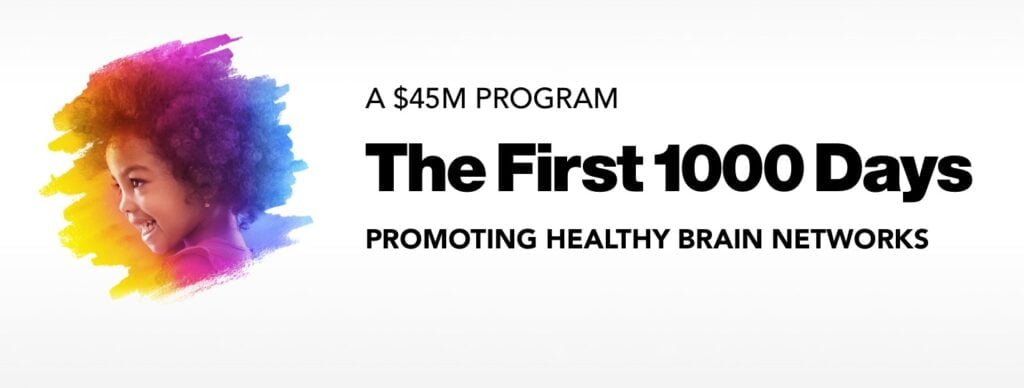
Source: Wellcome Leap, https://wellcomeleap.org/1kd/
1KD is focused on developing “objective, scalable ways to assess a child’s cognitive health” by monitoring the brain development and function of infants and toddlers, allowing practitioners to “risk-stratify children” and “predict responses to interventions” in developing brains.
The program description document notes that, up to this point in history, “our primary window into the developing brain has been neuroimaging techniques and animal models, which can help identify quantitative biomarkers of [neural] network health and characterise network differences underlying behaviours.” It then states that advances in technology “are opening additional possibilities in young infants.”
The program description goes on to say that artificial neural networks, a form of AI, “have demonstrated the viability of modelling network pruning process and the acquisition of complex behaviours in much the same way as a developing brain,” while improvements in machine learning, another subset of AI, can now be used to extract “meaningful signals” from the brains of infants and young children. These algorithms can then be used to develop “interventions” for young children deemed by other algorithms to be in danger of having underdeveloped brain function.
The document goes on to note the promise of “low-cost mobile sensors, wearables and home-based systems” in “providing a new opportunity to assess the influence and dependency of brain development on natural physical and social interactions.” In other words, this program seeks to use “continuous visual and audio recordings in the home” as well as wearable devices on children to collect millions upon millions of data points. Wellcome Leap describes these wearables as “relatively unobtrusive, scalable electronic badges that collect visual, auditory and motion data as well as interactive features (such as turn-taking, pacing and reaction times).” Elsewhere in the document there is a call to develop “wearable sensors that assess physiological measures predictive of brain health (e.g., electrodermal activity, respiratory rate, and heart rate) and wireless wearable EEG or eye-tracking technology” for use in infants and children three and under.
Like other Wellcome Leap programs, this technology is being developed with the intention of making it mainstream in medical science within the next five to ten years, meaning that this system—although framed as a way to monitor children’s brain functioning to improve cognitive outcomes—is a recipe for total surveillance of babies and very young children as well as a means for altering their brain functioning as algorithms and Leap’s programmers see fit.
1DK has two main program goals. The first is to “develop a fully integrated model and quantitive measurement tools of network development in the first 1000 days [of life], sufficient to predict EF [executive function] formation before a child’s first birthday.” Such a model, the description reads, “should predict contributions of nutrition, the microbiome and the genome” on brain formation as well as the effects of “sensimotor and social interactions [or lack thereof] on network pruning processes” and EF outcomes. The second goal makes it clear that widespread adoption of such neurological-monitoring technologies in young children and infants is the endgame for 1DK. It states that the program plans to “create scalable methods for optimising promotion, prevention, screening and therapeutic interventions to improve EF by at least 20% in 80% of children before age 3.”
True to the eugenicist ties of the Wellcome Trust (to be explored more in-depth in Part 2), Wellcome Leap’s 1DK notes that “of interest are improvements from underdeveloped EF to normative or from normative to well-developed EF across the population to deliver the broadest impact.” One of the goals of 1DK is thus not treating disease or addressing a “global health public challenge” but instead experimenting on the cognitive augmentation of children using means developed by AI algorithms and invasive surveillance-based technology.
Another unsettling aspect of the program is its plan to “develop an in vitro 3D brain assembloid that replicates the time formation” of a developing brain that is akin to the models developed by monitoring the brain development of infants and children. Later on, the program description calls this an “in-silico” model of a child’s brain, something of obvious interest to transhumanists who see such a development as a harbinger of the so-called singularity. Beyond that, it appears that this in-silico and thus synthetic model of the brain is planned to be used as the “model” to which infant and children brains are shaped by the “therapeutic interventions” mentioned elsewhere in the program description.
It should be clear how sinister it is that an organization that brings together the worst “mad scientist” impulses of both the NGO and military-research worlds is openly planning to conduct such experiments on the brains of babies and toddlers, viewing them as datasets and their brains as something to be “pruned” by machine “intelligence.” Allowing such a program to advance unimpeded without pushback from the public would mean permitting a dangerous agenda targeting society’s youngest and most vulnerable members to potentially advance to a point where it is difficult to stop.
A “Tissue Time Machine”
The third and second-most recent program to join the Wellcome Leap lineup is called Delta Tissue, abbreviated by the organization as ΔT. Delta Tissue aims to create a platform that monitors changes in human-tissue function and interactions in real time, ostensibly to “explain the status of a disease in each person and better predict how that disease would progress.” Referring to this platform as a “tissue time machine,” Wellcome Leap sees Delta Tissue as being able to predict the onset of disease before it occurs while also allowing for medical interventions that “are targeted to the individual.”

Source: Wellcome Leap, https://wellcomeleap.org/delta-tissue/
Well before the COVID era, precision medicine or medicine “targeted or tailored to the individual” has been a code phrase for treatments based on patients’ genetic data and/or for treatments that alter nucleic acid (e.g., DNA and RNA) function itself. For instance, the US government defines “precision medicine” as “an emerging approach for disease treatment and prevention that takes into account individual variability in genes, environment, and lifestyle for each person.” Similarly, a 2018 paper published in Technology notes that, in oncology, “precision and personalized medicine . . . fosters the development of specialized treatments for each specific subtype of cancer, based on the measurement and manipulation of key patient genetic and omic data (transcriptomics, metabolomics, proteomics, etc.).”
Prior to COVID-19 and the vaccine roll outs, the mRNA vaccine technology used by the DARPA-funded companies Moderna and Pfizer were marketed as being precision medicine treatments and were largely referred to as “gene therapies” in media reports. They were also promoted heavily as a revolutionary method of treating cancer, making it unsurprising that the Delta Tissue program at Wellcome Leap would use a similar justification to develop a program that aims to offer tailored gene therapies to people before the onset of a disease.
This Delta Tissue platform works to combine “the latest cell and tissue profiling technologies with recent advances in machine learning,” that is, AI. Given Wellcome Leap’s connections to the US military, it is worth noting that the Pentagon and Google, both former employers of Wellcome Leap CEO Regina Dugan and COO Ken Gabriel, have been working together since last September on using AI to predict disease in humans, first focusing on cancer before expanding to COVID-19 and every disease in between. The Delta Tissue program appears to have related ambitions, as its program description makes clear that the program ultimately aims to use its platform for a host of cancers and infectious diseases.
The ultimate goal of this Wellcome Leap program is “to eradicate the stubbornly challenging diseases that cause so much suffering around the world.” It plans to do this through AI algorithms, however, which are never 100 percent accurate in their predictive ability, and with gene-editing treatments, nearly all of which are novel and have not been well tested. That latter point is important given that one of the main methods for gene-editing in humans, CRISPR, has been found in numerous studies to cause considerable damage to the DNA, damage that is largely irreparable (see here, here and here). It seems plausible that a person placed on such a hi-tech medical treatment path will continue to need a never-ending series of gene-editing treatments and perhaps other invasive hi-tech treatments to mitigate and manage the effects of clumsy gene splicing.
Total Surveillance to Treat “Depression”
Wellcome Leap’s most recent program, launched just this week, is called “Multi-Channel Psych: Revealing Mechanisms of Anhedonia” and is officially focused on creating “complex, biological” treatments for depression.
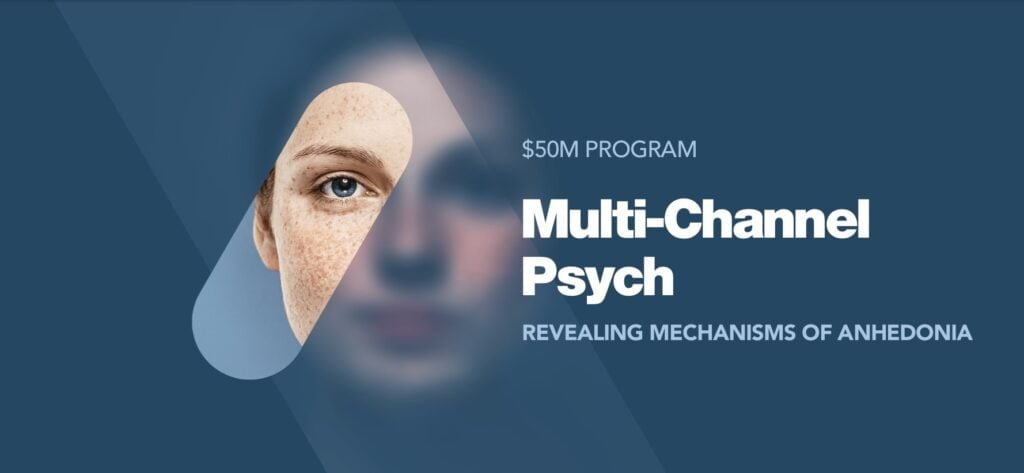
Source: Wellcome Leap, https://wellcomeleap.org/mcpsych/
Those behind Wellcome Leap frame the problem they aim to tackle with this program as follows:
“We understand that synaptic connections serve as the currency of neural communication, and that strengthening or weakening these connections can facilitate learning new behavioral strategies and ways of looking at the world. Through studies in both animal models and humans, we have discovered that emotional states are encoded in complex neural network activity patterns, and that directly changing these patterns via brain stimulation can shift mood. We also know that disruption of these delicately balanced networks can lead to neuropsychiatric illness.” (emphasis added)
They add that “biologically based treatments” for depression “are not being matched to the biology of the human beings they’re being used in,” and, thus, treatments for depression need to be tailored “to the specific biology” of individual patients. They clearly state that what needs to be addressed in order to make such personal modifications to treatment is to gain “easy access to the biological substrate of depression—i.e. the brain.”
Wellcome Leap’s program description notes that this effort will focus specifically on anhedonia, which it defines as “an impairment in the effort-based reward system” and as a “key symptom of depression and other neuropsychiatric illnesses.” Notably, in the fine print of the document, Wellcome Leap states:
“While there are many definitions of anhedonia, we are less interested in the investigation of reduced consummatory pleasure, the general experience of pleasure, or the inability to experience pleasure. Rather, as per the description above, we will prioritize investigations of anhedonia as it relates to impairments in the effort-based reward system—e.g. reduced motivation to complete tasks and decreased capacity to apply effort to achieve a goal.”
In other words, Wellcome Leap is only interested in treating aspects of depression that interfere with an individual’s ability to work, not in improving an individual’s quality or enjoyment of life.
Leap notes, in discussing its goals, that it seeks to develop models for how patients respond to treatments that include “novel or existing behavior modification, psychotherapy, medication, and neurostimulation options” while also capturing an individual’s “genome, phenome [the sum of an individual’s phenotypic traits], [neural] network connectivity, metabolome [the sum of an individual’s metabolic traits], microbiome, reward processing plasticity levels,” among others. It ultimately aims to predict the relationship between an individual’s genome to how “reward processing” functions in the brain. It implies that the data used to create this model should involve the use of wearables, stating that researchers “should seek to leverage high frequency patient-worn or in-home measurements in addition to those obtained in the clinic, hospital or laboratory.”
One of the main research areas included in the program looks to “develop new scalable measurement tools for reliable and high-density quantification of mood (both subjectively reported and objectively quantified via biometrics such as voice, facial expression, etc.), sleep, movement, reward system functioning, effort/motivation/energy levels, social interaction, caloric intake, and HPA axis output in real-world situations.” The HPA (hypothalamic-pituitary-adrenal) axis is mentioned throughout the document, and this is significant as it is both a negative and positive feedback system regulating the mechanisms of stress reactions, immunity, and also fertility in the human body. The latter is especially important given the Wellcome Trust’s ties to the UK eugenics movement. It is also worth noting that some commercially available wearables, such as Amazon’s Halo, already quantify mood, sleep, and movement.
The program’s authors go even further than the above in terms of what they wish to monitor in real time, stating, “We specifically encourage the development of non-invasive technology to directly interrogate human brain state.” Examples include “a non-invasive spinal tap equivalent,” “behavioral or biomarker probes of neural plasticity,” and “single-session neural monitoring capabilities that define a treatment-predictive brain state.”
In other words, this Wellcome Leap program and its authors seek to develop “non-invasive” and, likely, wearable technology capable of monitoring an individual’s mood, facial expressions, social interactions, effort and motivation, and potentially even thoughts in order to “directly interrogate human brain state.” To think that such a device would stay only in the realm of research is naive, especially given that WEF luminaries have openly spoken at Davos meetings about how governments plan to use such technology widely on their populations as a means of pre-emptively targeting would-be dissent and ushering in an era of “digital dictatorships.”
The focus on treating only the aspects of depression that interfere with a person’s work further suggests that such technology, once developed, would be used to ensure “perfect worker” behavior in industries where human workers are rapidly being replaced with AI and machines, meaning the rulers can be more selective about which people continue to be employed and which do not. Like other Wellcome Leap programs, if completed, the fruits of the Multi-Channel Psych program will likely be used to ensure a population of docile automatons whose movements and thoughts are heavily surveilled and monitored.
The Last Leap for an Old Agenda
Wellcome Leap is no small endeavor, and its directors have the funding, influence, and connections to make their dreams reality. The organization’s leadership includes the key force behind Silicon Valley’s push to commercialize transhumanist tech (Regina Dugan), the “architect” of the MEMS industry (Ken Gabriel), and the “ruler” of the burgeoning genetic-sequencing industry (Jay Flatley). It also benefits from the funding of the world’s largest medical-research foundation, the Wellcome Trust, which is also one of the leading forces in shaping genetics and biotechnology research as well as health policy globally.
A 1994 Sunday Times investigation into the Trust noted that “through [Wellcome Trust] grants and sponsorships, government agencies, universities, hospitals and scientists are influenced all over the world. The trust distributes more money to institutions than even the British government’s Medical Research Council.”
It then notes:
“In offices on the building’s first floor, decisions are reached that affect lives and health on scales comparable with minor wars. In the conference room, high above the street, and in the meeting hall, in the basement, rulings in biotechnology and genetics are handed down that will help shape the human race.”
Little has changed regarding the Trust’s influence since that article was published. If anything, its influence on research paths and decisions that will “shape the human race” has only grown. Its ex-DARPA officials, who have spent their careers advancing transhumanist technology in both the public and private sectors, have overlapping goals with those off Wellcome Leap. Dugan’s and Gabriel’s commercial projects in Silicon Valley reveal that Leap is led by those who have long sought to advance the same technology for profit and for surveillance. This drastically weakens Wellcome Leap’s claim to now be pursuing such technologies to only improve “global health.”
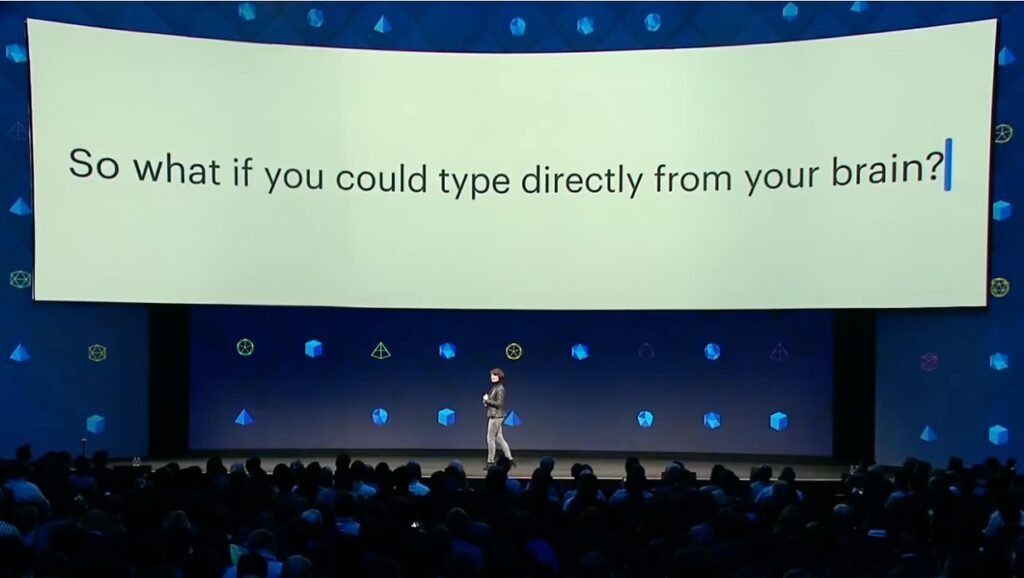
Regina Dugan’s Keynote at Facebook F8 2017. Source: YouTube
Indeed, as this report has shown, most of these technologies would usher in a deeply disturbing era of mass surveillance over both the external and internal activities of human beings, including young children and infants, while also creating a new era of medicine based largely on gene-editing therapies, the risks of which are considerable and also consistently downplayed by its promoters.
When one understands the intimate bond that has long existed between eugenics and transhumanism, Wellcome Leap and its ambitions make perfect sense. In a recent article written by John Klyczek for Unlimited Hangout, it was noted that the first director general of UNESCO and former president of the UK Eugenics Society was Julian Huxley, who coined the term “transhumanism” in his 1957 book New Bottles for New Wine. As Klyczek wrote, Huxley argued that “the eugenic goals of biologically engineering human evolution should be refined through transhumanist technologies, which combine the eugenic methods of genetic engineering with neurotech that merges humans and machines into a new organism.”
Earlier, in 1946, Huxley noted in his vision for UNESCO that it was essential that “the eugenic problem is examined with the greatest care and that the public mind is informed of the issues at stake so that much that is now unthinkable may at least become thinkable,” an astounding statement to make so soon after the end of World War II. Thanks in large part to the Wellcome Trust and its influence on both policy and medical research over the course of several decades, Huxley’s dream of rehabilitating eugenics-infused science in the post–World War II era could soon become reality. Unsurprisingly, the Wellcome Trust hosts the archive of the formerly Huxley-led Eugenics Society and still boasts close ties to its successor organization, the Galton Institute.
The over-riding question is: Will we allow ourselves to continue to be manipulated into allowing transhumanism and eugenics to be openly pursued and normalized, including through initiatives like those of Wellcome Leap that seek to use babies and toddlers as test subjects to advance their nightmarish vision for humanity? If well-crafted advertising slogans and media campaigns painting visions of utopia such as “a world without disease” are all that is needed to convince us to give up our future and our children’s future to military operatives, corporate executives, and eugenicists, then there is little left of our humanity to surrender.
Author’s note: Johnny Vedmore contributed to this report.
Featured Video

Iranians Want Revenge /Sulaiman Ahmed
or go to
Aletho News Archives – Video-Images
From the Archives
Are There 50,000 ‘Israeli-born’ Individuals Living in the UK?
By Professor David Miller | August 18, 2026
Recent disclosures by the Zionist regime show that some 2,069 British nationals were serving in the IDF as of March 2025, according to Freedom of Information (FoI) requests submitted to the occupation forces (1,686 dual British-Israeli, plus 383 multinational). We cannot tell from the figures how many of these were already settler colonists and intend to stay in the colony, and how many will return or have returned to the UK. Presumably, those returning to the UK will number far fewer than 2,000, since many are known to have become permanently residents of the colony.
Additionally, the IDF figures only provide a snapshot, and do not tell us how many have served in the Jewish supremacist military either before or after March 2025. One way into the question of how many genocidaires are living in Britain is to ask how many current British residents were born in the Zionist colony. There is data on that, as we shall see. … continue
Blog Roll
 Aletho News
- Iranians Want Revenge /Sulaiman Ahmed
- ‘Israel’ bombs Nasser Medical Complex in Khan Younis, killing 5
- The beginning of the end: Israel at the heart of America’s political civil war
- US-Israeli war on Iran cost Persian Gulf states nearly $1T in damage, lost growth: Report
- Congress probe could put ‘Israel’ in dock over Iran war: Israeli media
- Spanish public prosecutor backs US demand to extradite pro-Palestine philanthropist Fergie Chambers
- Zelensky spent over 740 days outside Ukraine while West serves as his real home
- Indian captain of Russian ‘shadow fleet’ tanker faces 10-year jail term in UK
- Europe, US face higher heating bills amid Iran war fallout
- The Leak That Arrived Right on Cue
- If Americans Knew
- These Democrats Are Bringing a Christian Case Against Israel’s War to Congress
- Netanyahu calling Trump ‘every day’ to push for renewed war on Iran
- What will big wins by Democrats actually mean for Palestine?
- What is Section 219 of the US defense bill, and what would it mean for Israel?
- Hegseth dodges impeachment after using troops and vets for cover
- Israel Bombs Lebanon’s Churches
- Israel Targets U.S. Conservatives in New Influence Operation
- Declassified FBI Files Reveal Early U.S. Counterintelligence Probe into Israeli Espionage and Smuggling Networks
- Israelis perpetrated 1,182 arson attacks in the West Bank in past 3 years
- DAILY UPDATE: Latest essential news on Palestine, Israel, & region
- No Tricks Zone
- German Authorities Start Initiative To Evaluate Public Register For Climate “Disinformation” Spreaders!
- Zonal Asymmetry of Temperature Change in the Antarctic Circumpolar Current
- New Study: The Net Fossil Fuel Contribution To Rising Atmospheric CO2 Has Been Zero For 500 Years
- Germany’s Green Energy Transition Becoming Increasingly Expensive…Another 6 Trillion Euros!
- Sudden Stratospheric Warming, Powerful El Niño Combination May Lead To Extreme Europe Cold, Energy Crisis!
- Two New Studies Find Thwaites Glacier Melt Cannot Be Driven By Human Activity Or A Warming Ocean
- E-Cars Reduce CO2 Emissions By Only 41% Compared To Internal Combustion Engine Vehicles
- Predictions Made By Renowned Climate Professor Over Past Decades Have Been Proven To Be Poor
- New Study Suggests Large Regions Of The Pacific Ocean Have Been Cooling For The Last 80 Years
- Germany’s Green Energy Debacle: High Energy Costs Force Kahla Porzellan to Close After 182 Years!

