Trump Goes Full RFK Jr., Targets Chronic Childhood Illness, Big Pharma As Campaign Pledge
By Jefferey Jaxen | July 3, 2024
In a recent video, former President Donald Trump signaled he would establish a “special presidential commission of independent minds” to determine what is causing the increase in chronic illness.
“This conversation is long overdue… it’s time to ask what’s going on” stated Trump.
Many involved in this space demanding investigation and justice for years, and even decades, have seen several opportunities pass by to ask ‘what’s going on’ with little change ever occurring.
Meanwhile, one of the major pillars of RFK Jr.’s 2024 campaign is to investigate chronic illness in children – a message that he has been consistent on through his career.
With the Democratic party currently engulfed in uncertainty, the unofficial RFK Jr. – Trump alliance found on this topic is hopeful for several reasons. It increases the percentage that something will actually get changed as more attention begins to focus on this topic. It puts Big Pharma on notice while upping the chances whoever is the next president is will carve out a space to aggressively approach chronic childhood illness by any means necessary.
Despite presidential candidates dipping their toes into this conversation, it has been parents who have carried the torch for decades seeking answers and raising awareness to the increasing chronic illness and disease that have plagued their children.
Ten days before Trump took office in 2017, he met with RFK Jr. to discuss forming a commission on vaccine safety and scientific integrity to which he would lead.
“The President-elect is exploring the possibility of forming a committee on Autism, which affects so many families; however no decision have been made at this time,” his transition team said in a statement provided to The New York Times. “The President-elect looks forward to continuing the discussion about all aspects of Autism with many groups and individuals.”
For reasons still unknown to this day, the Trump team decided not to green-light the commission which may have proven useful going into the early stages of COVID vaccine development.
Why look at vaccine safety and it’s link to chronic illness?
A formal exchange between attorneys at the Informed Consent Action Network and US Health and Human Services in 2018 states:
“… the increase in HHS’s childhood vaccine schedule over the last 30 years from 8 vaccine injections to 50 vaccine injections (plus 2 injections during pregnancy) has occurred in lockstep with the increase in the rate of autoimmune, developmental and neurological disorders in children from 12.8% to 54%. HHS has no explanation for why U.S. children today are plagued with a chronic disease and disability epidemic.”
Meanwhile, safety review periods in clinical trials for vaccines are too short, often days or weeks, to detect most chronic health conditions further hamstringing an entire body of health and research.
Why is this a campaign issue?
The economic burden of America’s chronic illness problem began to get much-needed attention with a 2018 report from the Milken Institute estimating $1.1T in direct costs and $3.7T [in indirect costs].
The COVID response torpedoed the mainstreaming and critical mobilization of the medical and research communities into the burden of chronic disease, especially among children. Closed off was this investigative avenue to the funding and national effort needed to address this problem.
One only needs to look at how the dominant culture went to war with the benefits of vitamin D, sunlight, and fresh air during the COVID response to see the lengths those from corporate media to heads of regulatory agencies will go to silence simple, lifesaving information when it protects power, control and pharmaceutical product lines.
Yet it’s not all about the shots.
An article from Politico titled, How Washington Keeps America Sick and Fat states, “the federal government has devoted only a tiny fraction of its research dollars to nutrition… Studying the relationship between diet and health is such an afterthought that Washington doesn’t even bother tracking the total amount spent each year.“
After reviewing the federal budget documents, Politico found, “the National Institutes of Health and the Agriculture Department — the two agencies that fund the majority of government-backed nutrition science — share of research dollars devoted to nutrition has stayed largely flat for at least three decades, and pales in comparison to many other areas of research.“
Pharma outspends all other industries in lobbying. Meanwhile, there is no major lobbying force behind boosting nutritional research funding. America’s sick-care, pharmaceutical product-based ‘health’ paradigm appears rooted, driven, and amplified by the lobbying efforts of corporate interests.
Profit-driven industry is happy to let accurate and beneficial information about nutrition and the harms of their products die on the vine of public awareness. Channeling their efforts more into protecting their products from much-deserved bad press and the outing of known harms into the public conversation.
For American children to thrive, these malevolent, corporate-influence cartel networks, wherever they operate within the medical, nutrition, agriculture, or environmental sectors must be splintered in a thousand pieces and scattered to the winds. Political alliances in efforts to better this situation is a much needed step forward.
How Pfizer’s Original mRNA Trial Hid a 66% Increase in Cardiovascular Death Rate Amongst the Vaccinated
PharmaFiles by Aussie17 | June 29, 2024
Thanks to Dr. Clare Craig for highlighting this clip from Dr. David White on Twitter/X today. It’s important for people to understand how Pfizer manipulated the categorization of deaths in their original trial, which led to politicians using the “safe and effective” narrative. Everyone should carefully watch this, as it not only raises concerns about Pfizer or Moderna’s mRNA vaccines but also highlights the broader corruption of medical information that prioritizes profit over safety.
Dr. David White, a retired general practitioner from the UK, masterfully breaks down the concerning aspects of the Pfizer BNT162b2 trial. He walks us through the intricate details and demonstrates how Pfizer may have “adjusted” the categorization of participant deaths to make it appear as though there were fewer cardiovascular deaths in the vaccine group than there actually were.
To recap, a total of 29 deaths from all causes were reported in the trial within six months, as published in the New England Journal of Medicine. The original trial showed that deaths were about 7% higher in the vaccine group, with 15 deaths, compared to 14 deaths in the placebo group. However, many “fact-checkers” and pharma shills “scientists” claim that this difference is not statistically significant.
This is intriguing because, according to a Lancet paper, there were 44,000 more deaths in England in 2022, driven by a sharp increase in cardiovascular deaths among the middle-aged, which rose by 33%. He wonders if cardiovascular deaths in the trial’s vaccine group were also 33% higher. This question is important because it seeks to determine if the higher death rate in the vaccinated group is related to the rise in cardiovascular deaths seen in the general population.
He walks us through four mysterious “causes of deaths” categorized in the paper:
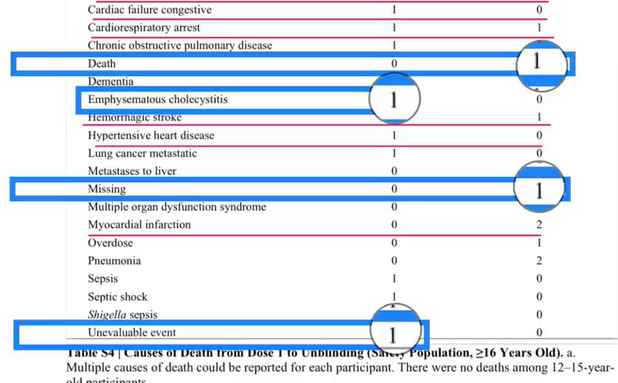
- An “Unevaluable Event” on a vaccinated death, which was found to be a sudden cardiac death confirmed via autopsy.
- A “Missing” entry categorized as a “placebo” death, which was later found to be a “vaccinated” death.
- “Emphysematous Cholecystitis,” which is a cardiovascular death but Pfizer said let’s put something that sounds really complicated and hope nobody knows its a cardiovascular death.
- “Death” for participant #10841470. First of all categorizing a “cause of death” as “Death”, are you kidding? Anyway this participant died after taking a Moderna mRNA vaccine, but was categorized as a placebo death. I wrote about this issue here.
In conclusion, after recategorizing the deaths, all-cause deaths were 15% higher in the vaccine group. There were 10 cardiovascular deaths in the vaccine group and six in the placebo group, indicating that cardiovascular deaths were 66% higher in the vaccine group.
Dr. White highlights that these figures, particularly the increased all-cause mortality in the vaccine group, clearly point to safety signals. He stresses that informed consent is a fundamental ethical principle in medicine, necessitating the open discussion of such safety concerns. It is crucial to ensure that participants are fully informed about the potential risks associated with the vaccine to maintain trust and transparency within the medical community.
Watch full video:
Is Joe Biden’s Brain Vaccine Injured?
A Midwestern Doctor | The Forgotten Side of Medicine | June 29, 2024
Story at a Glance:
• One of the most common side effects of the COVID-19 vaccination we’ve observed is cognitive impairment. This can range from brain fog to dementia, and frequently we see a rapid acceleration of pre-existing cognitive decline into Alzheimer’s disease.
• Recently large data sets have emerged which support our observations and indicate millions of people are being affected by the adverse neurological effects of the vaccines. Those datasets are summarized here.
• After Joe Biden became president, he had a rapid decline in cognitive function, leading many to say he is not the same man who assumed the presidency four years ago. Since that decline paralleled his vaccination uptake, the pertinent medical information about his case is provided here so you can assess if the two were indeed linked.
• Many other prominent Democrats have had significant vaccination injuries, including 8% of the Democratic Senators. Each of their brain injuries (3 strokes and encephalitis) and their link to vaccination are discussed here. This article particularly focuses on Dianne Feinstein’s case, because like Biden, she had pre-existing cognitive impairment which rapidly progressed after the COVID vaccines (which she forced on America) hit the market and rather than admit it, she did everything she could to cover it up until she died.
Throughout my life, I have had the experience of being able to clearly see something, and have everyone around me, including a lot of “experts,” insist that what I’m seeing does not exist, and then a few years later have my observation become generally accepted as true. This for example describes my experience with the COVID vaccines, as within a month of them being on the market, I had seen so many significant or severe injuries (and deaths) it was clear to me the shots were much more toxic than a typical pharmaceutical. Nonetheless, regardless of what I said, most of my colleagues (except those who were injured by the vaccines) would not listen to me, and it’s only now that mainstream doctors (or left-wing individuals) are beginning to accept that the vaccines were a mistake.
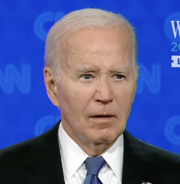 Similarly, throughout Biden’s presidency, it’s been very clear to me that Biden has progressively increasing cognitive impairment, yet with most of the left-wing individuals I am close to, every piece of evidence I’ve presented to substantiate this allegation is either written off as right-wing propaganda I am being hypnotized by or met with a bizarre excuse to account for Biden’s behavior. Likewise, many of my friends have had similar experiences when discussing this issue within their circle (e.g., to family members).
Yesterday, Biden shocked the world by having a debate performance which made it clear even to ardent Democrats that he was suffering from cognitive impairment. I, in turn, watched the entire left-wing media implicitly or overtly state that Biden was cognitively impaired and that there was panic throughout the Democrat party of him running in November, as it was both clear Biden could not win and that many other Democrats would also lose because many of their voters would not want to show up to vote for Biden and hence would not vote for the rest of the ticket.
This in turn suggests two distinct possibilities:
The first is that this debate was used to swap Biden out of the nomination after the primaries were completed (so an insider the public would never vote for could be appointed to the presidency).
The second is that most of the Democratic party (and much of the mass media) genuinely believed Biden’s cognitive issues were a “right wing conspiracy” and their responses last night were that of a state of genuine shock.
In this article, I am going to focus on the second possibility as I feel it also ties into the broader issue of vaccine injuries that has swept the Democrat party.
The Vaccine Mass Formation
Whenever you observe groups, you will often observe people defaulting to mimicking the behaviors of the group so that they can fit in and be accepted. In time, this often evolves to there being a very characteristic linguistic style and set of behaviors that emerges—which in many cases seems to be prioritized over the actual substance of what the group is about (e.g., I meet many people who claim to align with “the science” who copy the same phrases and chains of logic prominent scientists like Anthony Fauci use but simultaneously don’t understand any of the scientific points they are discussing).
Many examples of this mimicry occur. For example, I know numerous men who came out of the closest and then rapidly adopted an identical lispy and flamboyant style of speech, while in the New Age field, I’ve noticed the underlying thread they all share in common is a very distinctive style of speech which emphasizes a profound jubilation over a variety of inconsequential things they encounter. What’s remarkable about this mimicry is that you can often provide non-sensical examples of it that are fully embraced by the group (e.g., I periodically send my New Age friends random nonsense created by a New Age language generator which matches the cadence of the New Age field and frequently receive accolades from my friends). Likewise, in academia, it’s been repeatedly shown that if one produces incoherent nonsense that is written in the postmodernist style, it will often make it to publication (and likewise I’ve had a lot of fun over the years with essays from a nonsensical postmodernist language generator many take as being legitimate scholarly writings).
In turn, I’ve noticed that in some groups, this repetition or desire to belong to the group will magnify, and before long reinforce itself into cult-like behaviors that seem completely insane to an outside observer—a process which is particularly likely to happen if a nefarious individual deliberately manipulates the group to create this behavior (e.g., a shrewd marketing team, a talented dictator, or a sociopathic cult leader).
Note: while modern marketing has become remarkably effective at inducing this hypnosis (especially since marketers have the ability to broadcast the hypnotic message throughout the mass media so everyone feels pressured to conform to it), the most powerful manipulation (which is still not possible to standardize) occurs from individuals who figured out how to spiritually manipulate others. In turn, since I’ve seen those people do horrible stuff throughout my lifetime, I previously wrote an article explaining how to recognize spiritual manipulation and not be susceptible to it or the dangerous spiritual practices which accompany it.
Recently, Matthias Desmet brought the world’s attention to the mass formation hypothesis, which is essentially what happens when the concept I just described (individuals wanting to belong to a group and copying its non-verbal behaviors) becomes magnified to the point that they do completely irrational things, hallucinate things at odds with reality (e.g., seeing a face on the moon), and become willing to engage in truly horrific behavior (e.g., genociding another race or sacrificing their children to the state).
Desmet’s hypothesis became popular as it provided a potential explanation for why our leaders chose to enact a series of horrific COVID-19 policies, and continued to double-down on them regardless of how much evidence emerged showing the policies were a terrible idea. Conversely, it attracted a lot of animosity as many interpreted it as removing the responsibility from those who were clearly at fault for inflicting all of these horrors upon us (which I believe to be a misinterpretation of what Desmet argued).
In turn with the COVID vaccines, like many, I noticed there was a hypnotic fixation on them which led to the believers wanting to vaccinate as many people as possible (regardless of the human rights violations that required) and no amount of evidence being sufficient to convince them the vaccines weren’t a good idea.
One of the things I believe was the strongest proof for this was the fact that as the Democrat leadership continued to promote vaccination mandates, they also repeatedly vaccinated themselves despite numerous severe vaccine injuries occurring within their party.
Note: I also observed this with many medical professionals who continued to zealously promote vaccination despite being confronted with injuries in their patients.
Senate Vaccine Injuries
Many large surveys have found that a continually increasing portion of the country believes the vaccines are causing widespread social harms (e.g., a recent poll found a third of Americans believe the vaccines are killing people) and that a large number of people were harmed by them (e.g., one poll found 7% of Americans believe they suffered a major side effect from the vaccines and 34% believe they suffered a minor one). Because of this, in theory, if a large sample of vaccinated individuals could be identified, there should have been a number of significant injuries in them.
As it so happened, the US Senate provided that sample, as we saw numerous unusual and severe diseases emerge in the Democrats there at a far higher rate than had ever happened in the past, and more importantly, those diseases were things strongly linked to the COVID vaccines. Furthermore, those injuries only occurred in Senators who had zealously promoted the vaccines.
Note: it is likely far more injuries than those I listed here occurred within the Senate as due to the political implications of acknowledging a vaccine injury, I would not expect the Senators to publicize them. Those I have listed are simply the ones which were too overt to cover up.
John Fetterman:
John Fetterman, a freshman Pennsylvania Democratic Senator (then aged 52) on May 17, 2022, less than a month after strongly endorsing the vaccine, suffered an ischemic stroke two days before the state primary for his Senate seat. Despite significant signs of cognitive impairment since his stroke, Fetterman somehow won the primary and then the general election. Since becoming elected, Fetterman has had prolonged periods of absence from the U.S. Senate due to needing specialized medical care:
Fetterman was hospitalized for syncope (lightheadedness) for two days beginning on February 10, 2023. Two days after his release he was hospitalized again, for a severe case of major depression. For about two months, Fetterman lived and worked at the Walter Reed Army Medical Center. As part of his daily schedule at the hospital, his chief of staff arrived at 10 a.m. on weekdays with newspaper clips, statements for Fetterman to approve, and legislation to review. During his hospitalization, Fetterman co-sponsored a bipartisan rail safety bill, introduced after the derailment of a chemical-carrying train in East Palestine, Ohio, close to the border with Pennsylvania; the regulation aimed to strengthen freight-rail safety regulations to prevent future derailments.
On April 17, 2023, Fetterman returned to the Senate to chair the Senate Agriculture, Nutrition and Forestry subcommittee on food and nutrition, specialty crops, organics and research. The Washington Post said that Fetterman’s “voice stumbled at times while reading from prepared notes” during the subcommittee hearing, but “he appeared in good spirits” and communicated a message about the importance of fighting hunger.
Since that time, Fetterman has had a variety of unusual incidents suggestive of cognitive impairment (e.g., earlier this month he was speeding and crashed into someone).
Ben Luján
Ben Ray Luján is a freshman New Mexico Democratic Senator who repeatedly promoted the COVID-19 vaccines.
On January 27, 2022, Luján (then 49) was hospitalized in Santa Fe after feeling fatigued and dizzy. He was found to have had a hemorrhagic stroke from a torn vertebral artery affecting his cerebellum and was transferred to the University of New Mexico Hospital for treatment, which included a decompressive craniectomy. A statement from his office said that “he is expected to make a full recovery”. Luján returned to work at the Senate on March 3 and stated by April 21 that he was 90% recovered.
Chris Van Hollen
Chris Van Hollen is a freshmen Maryland Democrat Senator who repeatedly promoted the COVID vaccines and tackling COVID-19 “disinformation.”
On May 15, 2022, while giving a speech, he experienced a hemorrhagic stroke in the back of his head. After a hospitalization, he returned to the Senate. At the time of this injury, he was 64.
Note: while ischemic strokes are more common, we have seen cases of major blood vessels rupturing after COVID vaccinations (e.g., one of our vaccinated colleagues almost died from a ruptured aorta). We believe this is due to the the COVID vaccine damaging the lining of the blood vessels, as on autopsies, significant damage to the blood vessels is often observed (and likewise in our colleague’s case, the tissue changes observed in his aorta during the emergency repair were highly unusual). Furthermore, this damage appears to increase with time, which likely explains the roughly one year delay between vaccination and rupture in both the Senators and our colleague.
As there are 50 Democrats in the Senate, these 3 incidents represent a 6% rate of strokes occurring within roughly a year of vaccination (as the vaccines became available in early 2021). As you can see, that is much higher than the 0.083%-0.146% rate you would expect to see for these strokes but congruent with the observed vaccine injury rate.
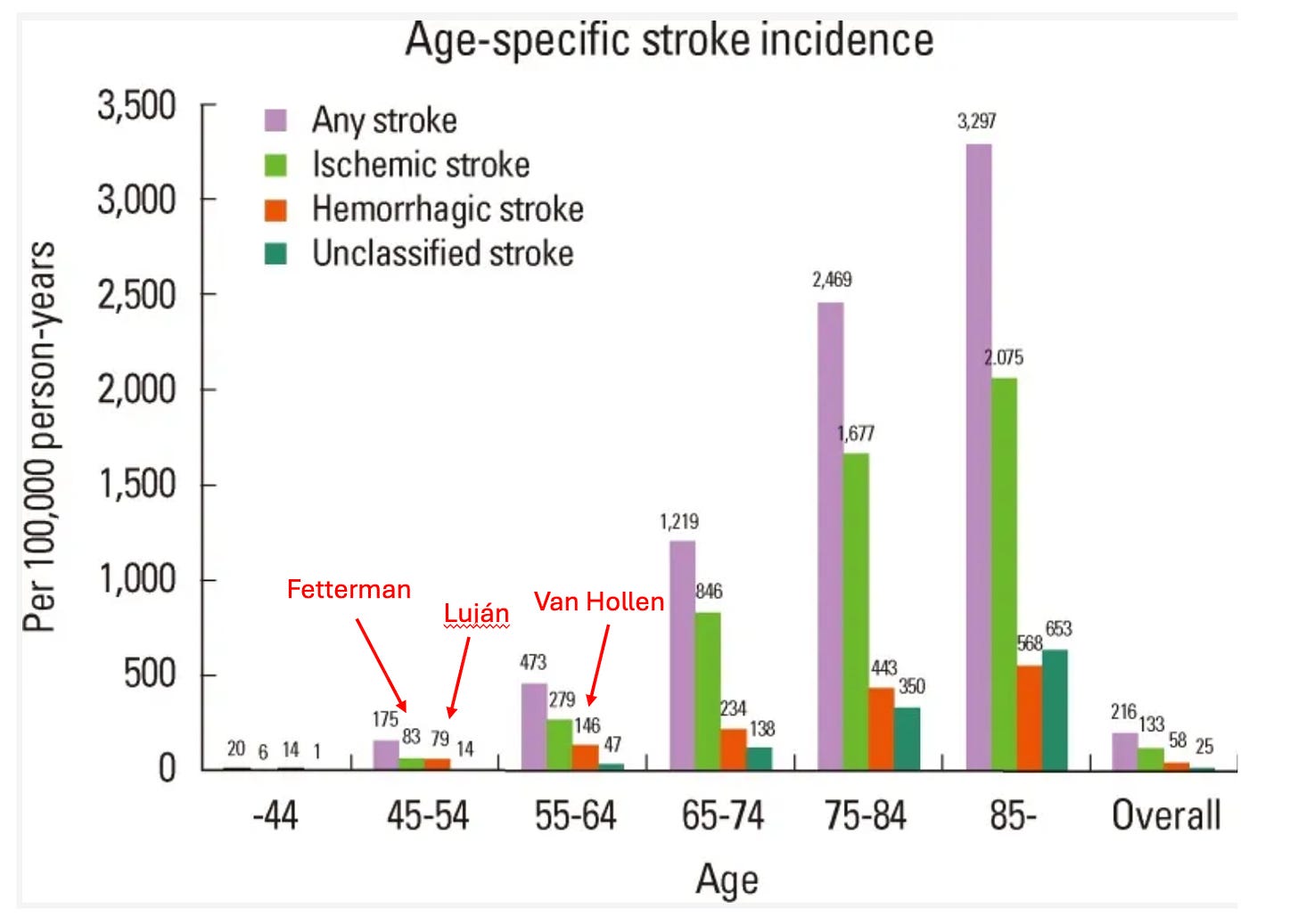
Conversely, the only other Senator I know of who had a stroke while in office was Republican Mark Kirk, who in 2012, at the age of 54, a year after assuming office, had a stroke which required a year of rehabilitation.
Dianne Feinstein
Dianne Feinstein was another aggressive promoter of COVID vaccination (e.g., she introduced a ridiculous bill to require vaccination or a negative COVID test to fly on domestic airlines). In March of 2023, Feinstein was diagnosed with shingles and hospitalized. While her office initially insisted she would be fine, it was later revealed her shingles had progressed to Ramsey Hunt Syndrome (paralysis of the face) and encephalitis (brain inflammation). As as a result, it took 10 weeks for her to return to the Senate, at which point she was clearly disabled, and her office was gradually forced to admit Feinstein had experienced some disability.
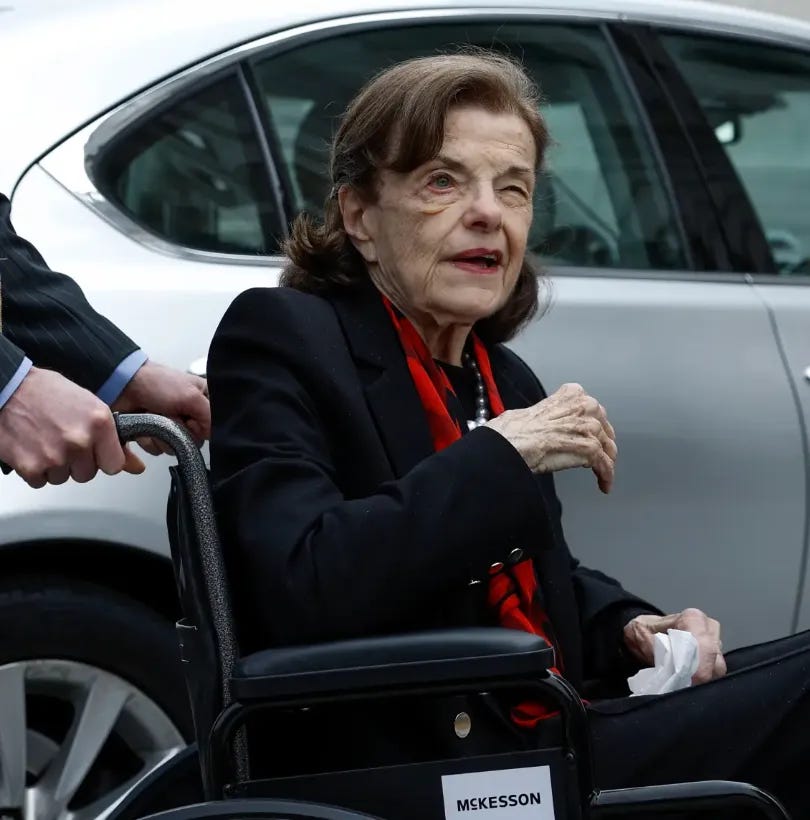
Once there, it was evident she was both physically and cognitively impaired, but she nonetheless refused to resign. A few months later, in July she ceded her power of attorney to her daughter, then in August she was hospitalized after falling in her home, and finally at the end of September she died of “natural causes,” making her one of the only Senators (and the first female one) to die while in office.
Note: her death was immediately followed by California governor Newsom appointing a replacement for her in the Senate.
What is noteworthy about her experience was how rare her conditions were. Specifically, Ramsay Hunt syndrome is estimated to affect 1 in 20,000 people per year (with it typically being seen in immunocompromised individuals), while shingles encephalitis is typically seen in 1 out of every 33,000-50,000 cases of shingles (with it again being more frequently seen in immunocompromised individuals).
Note: for individuals over 65, between 3.9 to 11.8 per 1000 experience shingles each year (which means around 1 in 500,000 develop shingles encephalitis), while less than 100 Americans die each year from it.
Conversely, from the start, shingles was one of the most common injuries linked to COVID vaccination and likewise, its more severe complications have been strongly linked to vaccination (due to the immunosuppressive effects of the vaccine). The following table is from the most comprehensive article I was able to find on the subject:
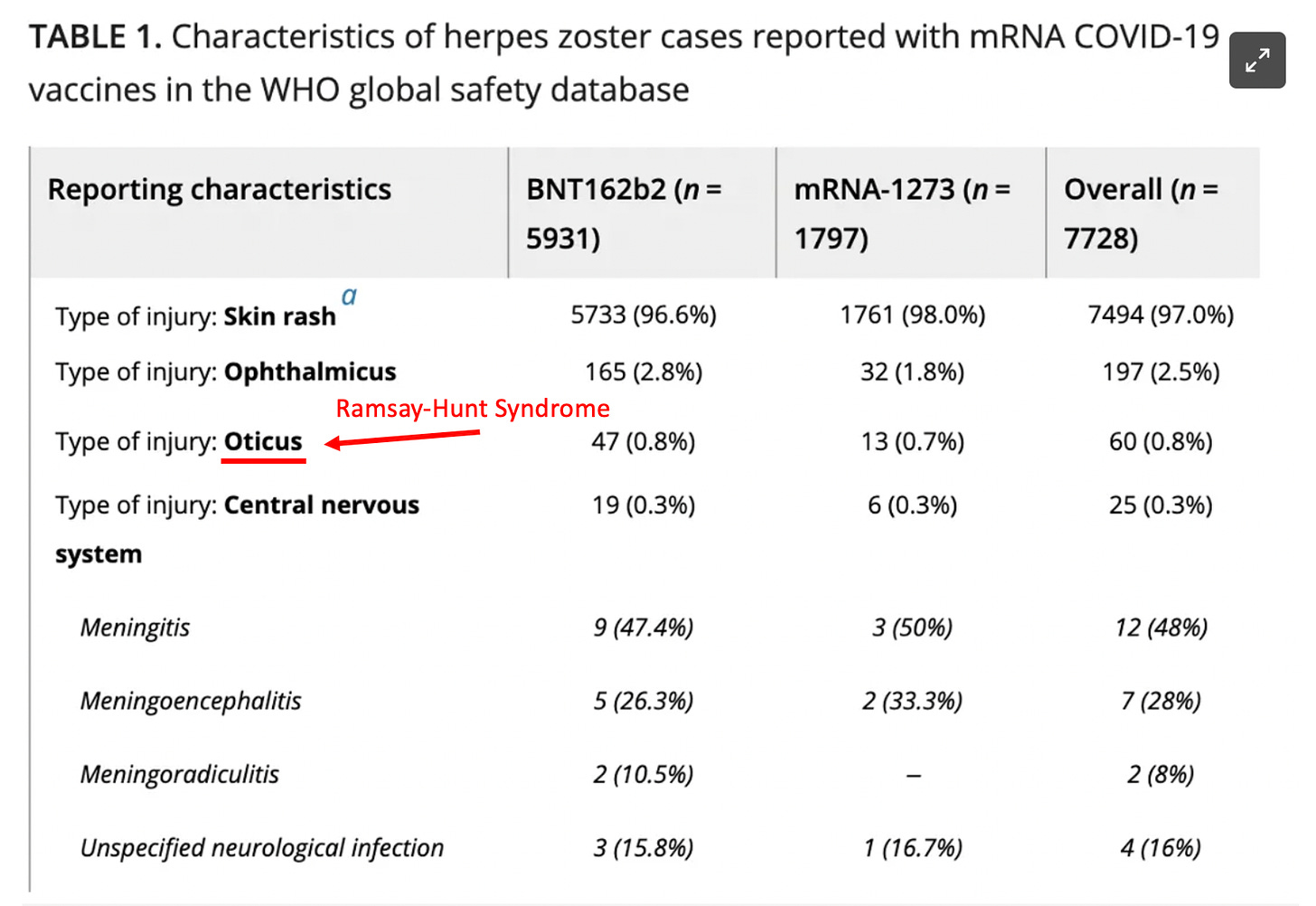
Note: Justin Bieber also recently attracted widespread public attention after he developed Ramsay Hunt Syndrome, a condition which was extraordinarily rare for his age (he had approximately a 27/1,000,000 chance of developing this condition).
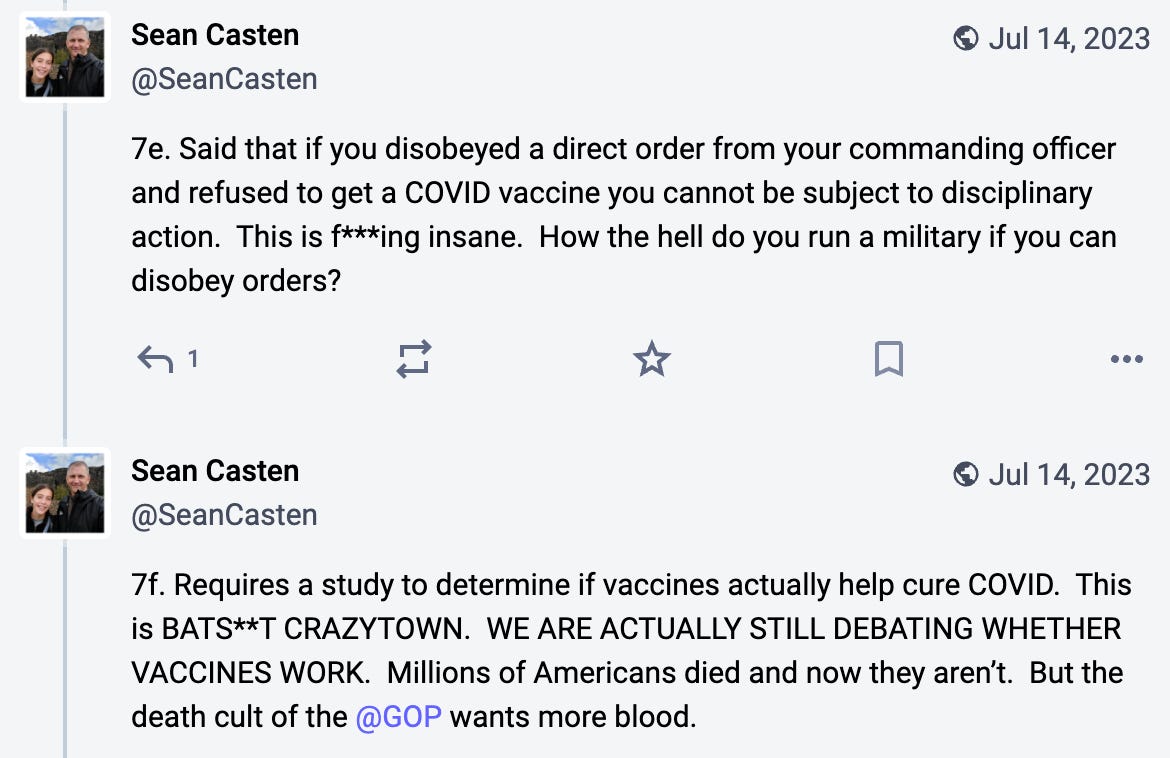
As you might expect, in the same way the COVID vaccines continually failed to work (which is why they kept on requiring more and more boosters) these injuries had no effect on the Democrats’ zeal for the vaccines. One of the saddest cases happened when Representative Castin’s 17 year old vaccinated daughter (who aggressively promoted the COVID vaccines) died suddenly and unexpectedly in her sleep from a sudden cardiac arrhythmia on June 12, 2022.
In addition to this being a cause of death linked to the vaccines (sudden cardiac death almost never happens in children), a reader calculated that (prior to the vaccines), a US Representative would be expected to have a child under 18 die once every 200 years). However, while Casten repeatedly publicly expressed his grief over his daughter’s death, that did not shake his faith in the vaccines. For example, this is something he said a year after she died:
Cognitive Impairment
Since the vaccines hit the market, we have noticed one of the most common consequences of them has either been cognitive impairment, worsening of existing cognitive impairment, or an elderly patient with cognitive impairment rapidly progressing into dementia (which is typically labeled as Alzheimer’s disease). Additionally, when we’ve looked for it, we’ve found a variety of signs of subtle neurologic injury in a large number of vaccinated adults who do not believe they have suffered complications from the vaccination.
If we take Senator Feinstein for example, at the end of 2020, the New Yorker reported that Feinstein’s colleagues and staffers were concerned Feinstein was beginning to show signs of cognitive decline which were getting harder to cover up (although others who worked with her denied this). Two years later in 2022 (after the vaccines had come out), the New York Times also covered her cognitive decline but were more explicit in acknowledging it, presumably because it had become significantly worse:
At 88, Ms. Feinstein sometimes struggles to recall the names of colleagues, frequently has little recollection of meetings or telephone conversations, and at times walks around in a state of befuddlement — including about why she is increasingly dogged by questions about whether she is fit to serve in the Senate representing the 40 million residents of California, according to half a dozen lawmakers and aides who spoke about the situation on the condition of anonymity.
On Capitol Hill, it is widely — though always privately — acknowledged that Ms. Feinstein suffers from acute short-term memory issues that on some days are ignorable, but on others raise concern among those who interact with her.
Ms. Feinstein is often engaged during meetings and phone conversations, usually coming prepared and taking notes. But hours later, she will often have forgotten those interactions, said the people familiar with the situation, who insisted that they not be named because they did not want to be quoted disparaging a figure they respect.
Some of them said they did not expect her to serve out her term ending in 2024 under the circumstances, even though she refuses to engage in conversations about stepping down.
This cognitive decline further worsened after her hospitalization. For example, shortly after she returned, when asked about her 3 month absence, she insisted she was completely fine, seemed to believe she had been working at the Senate the whole time (e.g., voting) and became confrontational when a reported suggested otherwise. To put this in context, two months later, she ceded power of attorney to her daughter, and after another two months, died.
Sadly, I do not believe Feinstein’s case is an outlier, and for that reason, I recently attempted to compile all the evidence showing vaccine cognitive decline is a very real thing. The key points I raised in that article were:
1. Friends have complained to me about cognitive impairment following vaccination, and in a few cases, shared that impairment worsened after subsequent vaccinations. Likewise, I’ve seen many signs (others have as well) that these effects are widespread in society (e.g., drivers became worse after the vaccination campaign).
2. Numerous friends reported to me that their relatives in nursing homes developed rapidly progressing dementia after vaccination and then died shortly later—something which many readers here have since shared with me also happened to their parents or spouses.
3. Both I and colleagues have noticed a variety of neurological deficits in the vaccinated. This is best demonstrated by the fact the most common symptom Pierre Kory’s vaccine injured patients come to him for is brain fog.
4. A variety of datasets support these contentions. Those include:
• The rate of motor vehicle accidents increased after the vaccination campaign.
• The Dutch detected a 18-40% increase (averaging out to 24%) in the number of adults seeing their primary doctor for memory and concentration problems following the vaccination rollout.
• A significant increase in disability has been seen throughout the Western world since the COVID vaccines came out, some of which is cognitive in nature.
• VAERS had a massive spike in cognitive disorders being reported after vaccination which was seen after the COVID vaccines hit the market.
• An Israeli survey found that 4.5% of those who received a booster developed anxiety or depression, and 26.4% who already had either then experienced an exacerbation of their condition.
• A study of 2,027,353 Koreans published three weeks ago in Nature found that vaccination resulted in a 68% increase in depression, a 44% increase in anxiety, dissociative, stress-related, and somatoform disorders.
• A more recent study of 558,017 Koreans over 65 found vaccination increased the risk of cognitive impairment by 138% and the risk of Alzheimer’s by 23%, and that this risk increased with time.
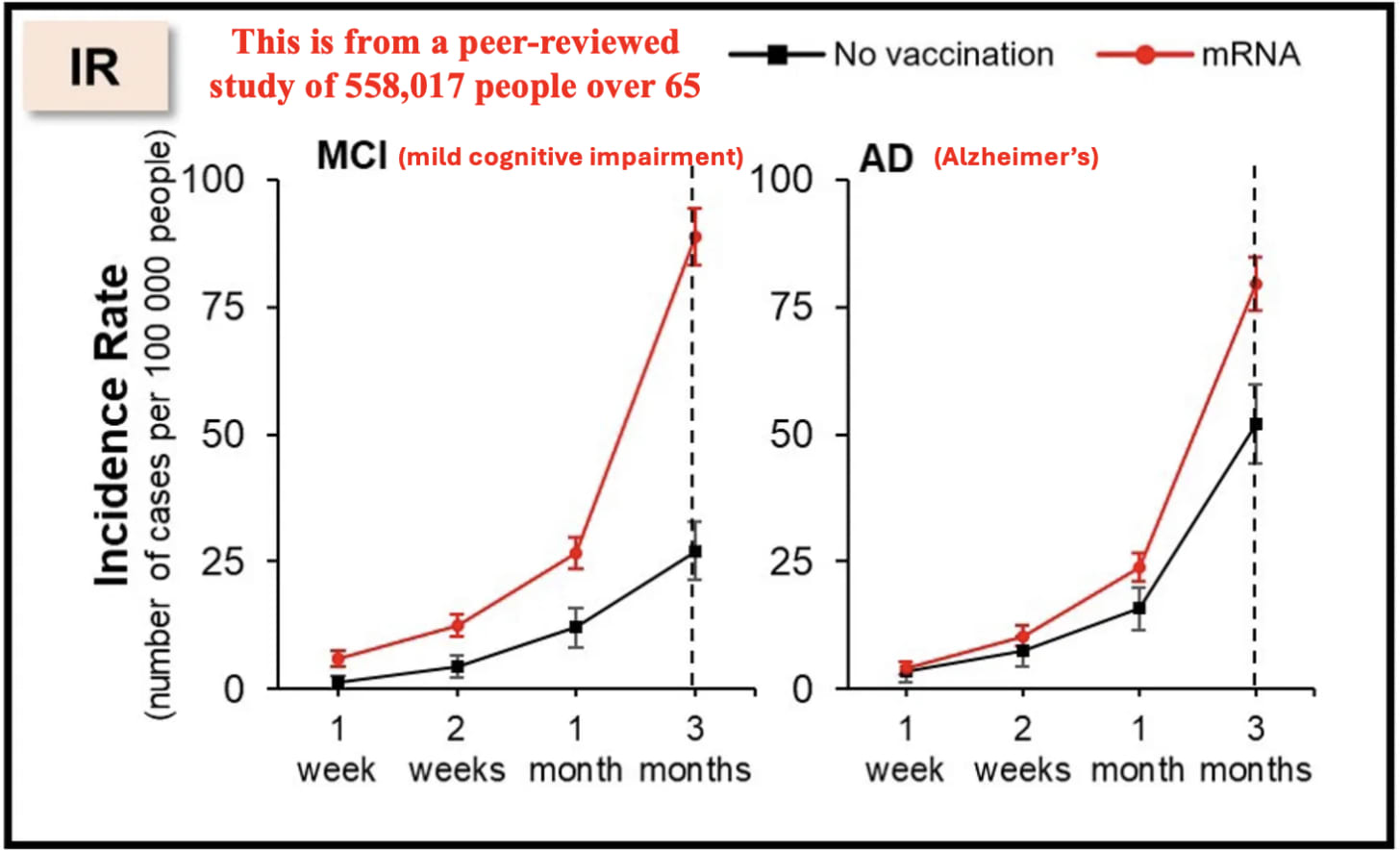
The key point with these datasets is that those increases are massive, to the point they cannot be explained by chance.
Joe Biden
During Biden’s presidency, he has aggressively promoted the mandates, and has done a variety of things which go far outside what the president typically does. These include:
• Accusing social media companies of “killing people” because they did not make a sufficiently aggressive effort to censor vaccine misinformation (which in turn his administration used to censor free speech and violate the First Amendment).
• (Erroneously) forecasting a winter of illness and death for the unvaccinated.
• Illegally mandating the vaccines on America’s workers.
• Pressuring the FDA to rapidly approve questionable COVID vaccinations, to the point its chief (and very pro-vaccine) vaccine scientists did not feel what the White House was requesting was appropriate to do—which ultimately resulted in those scientists being forced out of the approval process and the vaccines approved.
Given how strong the evidence against the COVID vaccinations actually is, I interpreted that to mean Biden genuinely believes in the vaccines, something demonstrated by the fact he’s repeatedly publicly shown himself receiving the vaccine and reported having at least three boosters.
As best as I can tell, like his colleague Feinstein, Biden’s successive vaccination appears to be correlated with a rapid cognitive decline which he nonetheless has refused to acknowledge.
To elaborate, at the time Biden ran in 2020, many including Donald Trump accused Biden of being cognitively impaired, and cited a variety of examples suggesting he may not be fit to be president (e.g., Biden rarely campaigned publicly, whenever asked aggressively refused to take a test assessing his cognitive function, and would make odd confrontational outbursts at voters who challenged him). Likewise, doctors identified reasons why Biden was potentially at higher risk for cognitive impairment (e.g., he had history of a brain aneurysm and repair in 1988, and had atrial fibrillation).
Note: one of the most common side effects of COVID vaccination is inflammation at the site of a pre-existing injury (e.g., a brain surgery). Likewise, the vaccines commonly damaged the heart and triggered conditions like atrial fibrillation.
Nonetheless, Biden was able to perform well enough during the campaign to effectively debate Trump during the 2020 presidential debate and earn a sizable portion of the vote. In contrast, one of the most common talking points I heard when I reviewed the post debate coverage was that “Biden was a very different person there and not the man who ran in 2020.”
Likewise, during Biden’s Presidency, as time has moved forward I have noticed an increasing number of gaffes. This include him mumbling words incoherently and nonsensically (something which again has worsened as time moved forward), Biden staring into space and being frozen in place while those around him move (also seen here and here), and him needing to be guided and led away by his assistants. Most importantly, when he was interviewed by a special counsel this year, they acknowledged Biden had repeated mental lapses during the interview.
Additionally, it has been my impression that his cognitive lucidity is highly variable, something demonstrated both by the fact he is sometimes relatively coherent in his speeches, but other times he is not, and that fact that he is continuously absent-minded, particularly later in the day or at night (when these sorts of issues are well known to be worse—with the medical term for it being sundowning).
Note: earlier in the Biden presidency a White House doctor shared with a close colleague that Biden had significant cognitive impairment and displayed overt dementia at night.
As a result of this, many individuals who work with the elderly and those with cognitive impairment have recognized many of the same things they’ve seen in their patients in Biden and hence feel the fact that Biden is being continually brought before the public and forced to give speeches to equate to elder abuse.
After the debates, I in turn spoke with a gifted neurologist who has a talent for diagnosing these types of conditions with limited information (e.g., no access to an MRI). They were of the opinion that Biden’s clinical picture was consistent with vascular dementia (which Biden was at risk for due to his existing medical conditions and likewise something the COVID vaccine worsens).
One point my colleague emphasized was that Biden had a stuttering disorder which has significantly worsened during his presidency and that one of the most common types of strokes frequently damage the part of the brain responsible for speech (which in turn can create a stuttering disorder) but that a progressive loss of cerebral blood flow (e.g., that seen in vascular dementia), can also cause this, especially if there is pre-existing brain damage (e.g., Biden’s existing stuttering disorder). Furthermore, in the same way that an increasing loss of blood flow can exacerbate existing brain damage, a loss of sleep (which is extremely common in a stressful job like the presidency) can as well.
Biden’s Debate
I believe Biden’s poor performance was due to him both having had his cognitive impairment continue to progress and the fact that the nighttime schedule of the debate made it impossible for his team to chose a period of high lucidity for Biden to speak to the public.
During the debate, the following jumped out at me (and many others).
1. Biden repeated overt falsehoods with certainty.
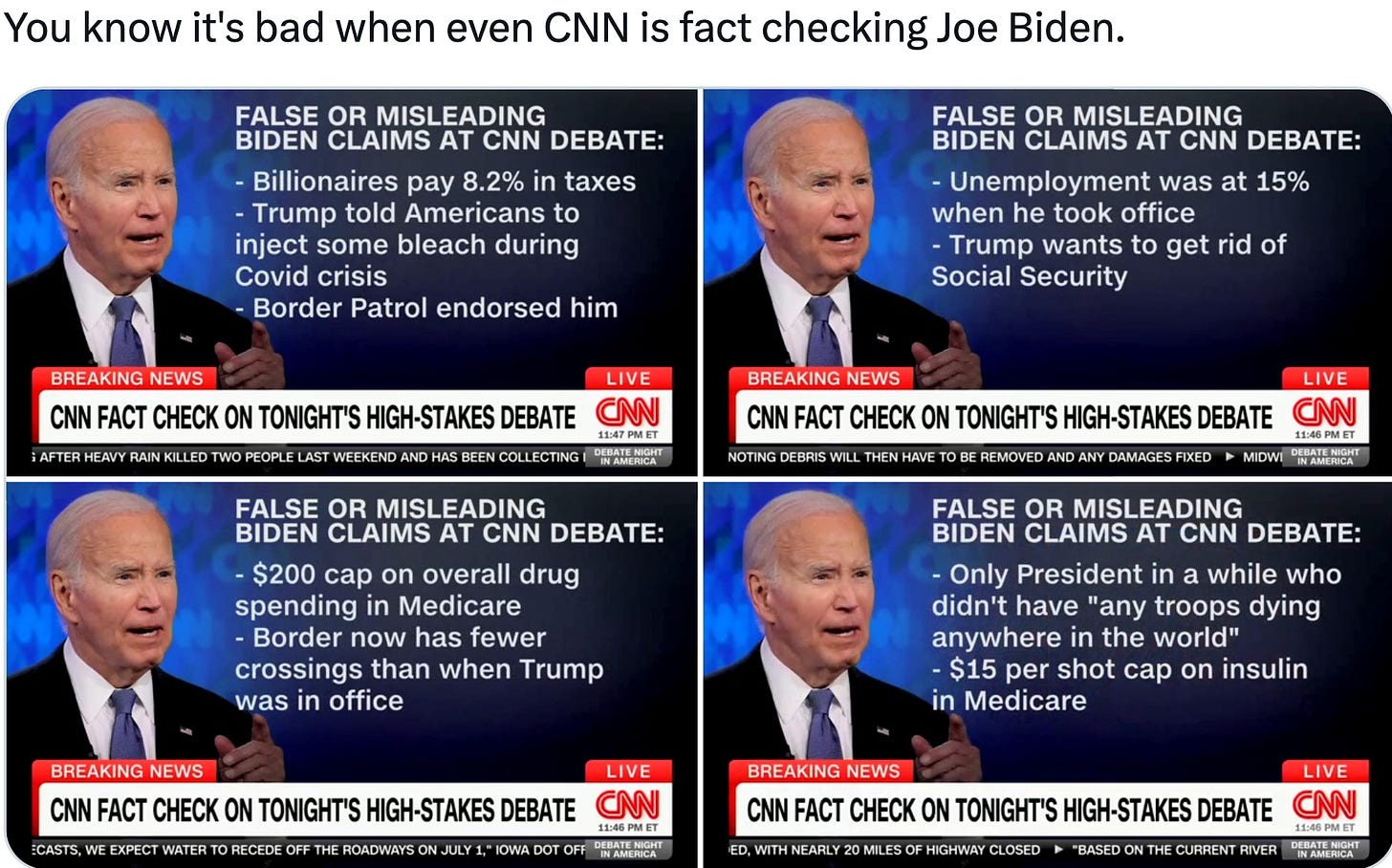
For example, early in the debate he asserted that Trump had told people to inject bleach into themselves, when Trump had in fact discussed ultraviolet light—and most of media has now acknowledged Trump never said this. In my eyes, the most important thing about this was that Biden appeared to sincerely believe most of what he said.
2. Biden repeatedly showed his disgust for both Trump and his supporters (e.g., those present on January 6th). I found this concerning because history is rife with cognitively impaired tyrants who treated their subjects unfairly due to their own (often petty) delusions.
3. Biden rarely blinked.
4. Biden’s face appeared to be mostly frozen. This is a classic symptom of Parkinson’s and also something which can resulted from a vaccine injury where a series of microstrokes can damage the facial nerve (which was corroborated by his face being asymmetrical and his smile being extremely asymmetrical).
5. Biden often seemed to stare into space for long periods of time, and in numerous cases struggled to come up with a coherent answer when it was his turn to speak (e.g., you could see on his face he was making an effort to think, or halfway through something he said he would close his eyes and pause for a while).
6. Biden missed many important points he needed to raise for his base (e.g., when talking about abortion, rather than hit the important points, he talked about the epidemic of sister-on-sister rape).
7. He had very limited mobility in his hands (e.g., he slowly raised them to make a point and then rarely moved them while he was doing so).
8. When the debate ended, he needed to have his wife help him walk off stage.
More than anything else however, he seemed to be in pain, unhealthy and really struggling through the debate. This seemed to be the primary takeaway people from both political parties took from the debate (e.g., Democrats panicked and felt demoralized, liberal pundits were in shock, and many moderates said this debate felt like elder abuse).
My own takeaway was that prior to the debates, many pundits had relentlessly promoted the message Biden was not cognitively impaired to the point that rather than them simply lying, it seemed as though they had developed a mass formation where they genuinely believed this. Because of this, there were many instances of individuals appearing to panic as their hypnosis broke and they realized that was all hogwash. In turn, the primary reason I watched the post-debate coverage is because it’s fairly rare to see a mass red-pill like this occur and the shock which coincides with it.
Note: because of how unhealthy our culture is, it’s fairly unusual for individuals over 70, let alone 80, to have normal cognitive function. In turn, since so much responsibility is placed on our leaders for positions (which require a high degree of cognitive aptitude) many have argued for putting age or term limits on our leaders—especially since people should not be making policies that will not affect them (as they will be dead once they go into effect).
Pfizer’s Fraud
Once people become strongly committed to an idea, it is remarkably difficult to get them to admit they are wrong — especially since as time progresses, they continually build upon the mental investment within their minds to their position and create mental construct after construct which is dependent upon the position being true.
In turn, I typically see one of the following break their hypnosis:
• Clear and unambiguous evidence that they were wrong being broadcast to everyone (e.g., what happened last night with the debate).
• Them directly being harmed by the lie (e.g., a pro-vax doctor getting vaccine injured). Curiously, in many cases I’ve seen people still hold onto their lie when their children are victimized by it (e.g., in addition to Representative Casten losing his daughter, I’ve seen pro-vax doctors who had multiple members of their family suffer severe vaccine injuries but still insist the COVID vaccines are necessary for their patients).
• Them realizing they were a victim of fraud. I believe the fraud angle is persuasive because it shifts the burden from them to the fraudster and hence protects their ego. Because of this, I’ve repeatedly focused on trying to prove that Pfizer committed overt fraud, as I believe once individuals become aware of it, it will make them willing to change their position (e.g., previously I discussed how Pfizer faked the data it sent to the drug regulators which indicated their vaccine was producing the proteins it was supposed to create within the body — which was a major challenge facing this experimental gene therapy).
Recently the Kansas Attorney General filed a lawsuit against Pfizer alleging that they repeatedly and systematically committed fraud with the vaccines. The key points from it were as follows:
1. Pfizer used its confidentiality agreements with the U.S. Government and others to conceal, suppress, and omit material facts relating to Pfizer’s COVID-19 vaccine, including the safety and efficacy of the vaccine.
2. Pfizer used an extended study timeline to conceal critical data – the study was repeatedly delayed, including a delay from January 2023 to February 2024 because of a late vaccination of a single study participant (out of 44,000 participants). Likewise, Pfizer promised to make its data available to researchers but never did so.
3. The FDA did not immediately make the safety and efficacy data for Pfizer’s COVID-19 vaccine available, claiming it would take 55 years, but a federal judge forced them to release 55,000 pages per month rather than 500.
4. Pfizer destroyed the vaccine control group once the FDA approved emergency use authorization in December 2020 (ultimately only 7% of the placebo group did not receive a vaccine).
Note: destroying the placebo group is a very common tactic used to conceal a high rate of injuries in a research trial.
5. In its press release announcing the emergency use authorization (EUA), Pfizer did not disclose that it had excluded immunocompromised individuals from its COVID-19 vaccine trials (whereas they later relentlessly pushed the vaccine on them).
6. Pfizer knew its COVID-19 vaccine was connected to serious adverse events, including myocarditis and pericarditis.
7. By March 2021, the United States military and Israel’s Ministry of Health (which was working hand in hand with Pfizer) detected a safety signal for myocarditis the public was never notified about. Nonetheless, Pfizer’s CEO denied a link existed.
8. In August 2021, after Pfizer obtained FDA approval through an EUA to provide its COVID-19 vaccine to 12 to 15-year-olds, Pfizer decided to study “how often” its vaccine may cause myocarditis or pericarditis in children by testing 5-16-year-olds for troponin I. Once a safety signal was detected, Pfizer’s CEO nonetheless denied it.
9. Pfizer also detected a safety signal relating to strokes. The FDA’s and CDC’s “surveillance system flagged a possible link between the new Pfizer-BioNTech bivalent COVID-19 vaccine and strokes in people aged 65 and over,” while an FDA study found that individuals 85 years or older who received both a flu vaccine and Pfizer’s COVID-19 vaccine “saw a 20% increase in the risk of ischemic stroke.”
Note: one of the original names for the vaccine was the “clot shot.”
10. Pfizer did not release the data within its adverse event database—which as of February 2021 included 158,893 adverse events and 1,223 deaths. Furthermore, Pfizer was so overwhelmed with the adverse events, they had to hire hundreds (if not thousands) of staffers to process logging those adverse events (and nonetheless had a massive backlog). Despite this, Pfizer determined no causality existed between the vaccine and any of those injuries.
11. Pfizer only tested the booster shot on 12 trial participants who were in the 65- to 85-year-old age range and did not test it on any participant older than 85.
Note: Biden is 81.
12. Pfizer did not publicly release adverse event data from its database. By February 28, 2021, Pfizer’s adverse events database contained 158,893 adverse events from 42,086 case reports, including 1,223 fatalities, although Pfizer again did not make causality findings. Pfizer was receiving so many adverse events reports that it had to hire 600 additional full-time staff and expected to hire more than 1,800 additional resources by June 2021. Pfizer had such a backlog of adverse events that it might take 90 days to code “nonserious cases” that pfizer did not know the magnitude of under-reporting.
13. Pfizer announced a study on pregnant women but omitted the fact that more than one in ten women (52) who received Pfizer’s COVID-19 vaccine during their pregnancy reported a miscarriage, many within days of vaccination. Six women who received Pfizer’s COVID-19 vaccine during their pregnancy reported premature deliveries; several babies died.
14. Pfizer’s February 18th 2021, press release also did not disclose other adverse effects on the reproductive systems of women who received Pfizer’s COVID-19 vaccine. By April 2022, Pfizer knew of tens of thousands of adverse events connected to its COVID-19 vaccine, including heavy menstrual bleeding (27,685), menstrual disorders (22,145), irregular periods (15,083), delayed periods (13,989), absence of periods (11,363) and other reproductive system effects.
15. Pfizer failed to recruit 83% of the women they had sought to study for their 4000 woman pregnancy trial, then destroyed the placebo group for the study, and still has not completed the quality control review process for it.
16. Pfizer misrepresented and concealed material facts relating to the durability of protection provided by its COVID-19 vaccine (until it was time to sell boosters).
17. Pfizer repeatedly said its COVID-19 vaccine would prevent transmission even though Pfizer knew it had never studied the effect of its vaccine on transmission. This point is important because Pfizer repeatedly gave very heavy-handed statements based on this lie (e.g., that you would kill your grandmother or endanger your community if you didn’t vaccinate) which in turn were used to justify Biden’s abhorrent mandates. Likewise, once clear evidence emerged the vaccine did not prevent transmission, Pfizer and the Biden administration continued to assert this lie to promote their product.
18. Pfizer aggressively utilized back channels to censor speech on social media that was critical of their vaccines—and likely did so in collusion with the Biden administration. The vast extent of this abhorrent conduct is contained within Alito’s dissent on the recent Supreme Court ruling relating to government censorship.
Note: the above summaries were sourced from Carl Henegahn and Kanekoa and then further modified by me.
Many learning of these points are understandably outraged. Sadly, as things like this are fairly common within the pharmaceutical industry, many of us assumed Pfizer’s talking points were lies from the start and hence are less shocked by these revelations.
Conclusion
Our country has been in an accelerating decline for decades, and I view the COVID-19 disaster as being a symptom of that decline rather than an isolated event. In turn, my hope is that as more and more shocking events happen, it can at last motivate the public and political class to begin taking things seriously and working together to fix the situation we are in rather than becoming even more polarized and simply doubling down on blaming the other side for everything that is going awry.
In the case of last night’s debate, the fact that we clearly had a cognitively impaired man struggling to lead the world’s greatest super power, beyond making waves within the United States, sends an even stronger message to the rest of the world that something is seriously wrong with America and it should no longer be treated as the sole superpower. My hope is thus that this sends a message to America’s political class that the current course we are going on is unacceptable and needs to change.
Likewise, my sincere hope is that members of the Democrat party will begin to be able to tie Biden’s “inexplicable” cognitive decline to the COVID vaccines, as many who have worked with him have noticed he is simply not the same person who assumed office four years ago, and more and more difficult to ignore signs are emerging that the Democrats made a huge mistake pushing the vaccines.
Because of this, if you have the ability to share this point within your social circle—particularly that the exact same thing happened to Dianne Feinstein (who liked Biden refused to acknowledge her impairment and instead had her staffers create a facade until she died), that would be greatly appreciated. The Democratic party is in a state of shock right now (which is when people are the most mutable), so I believe this is the best time to get that message to them.
Italian study showing a reduction in life expectancy with increased covid vaccination has been published
By Norman Fenton and Martin Neil | Where are the numbers? | June 30, 2024
In April 2024 we reported on – and analysed – an Italian study of vaccine effectiveness based on data sourced from the Italian National Healthcare System, from the province of Pescara, Italy, comprising just under one million people of all ages.
The paper describing the study has now been published in the journal Microorganisms as part of the Special Issue SARS-CoV-2/COVID-19: Infection Models, Therapeutics and Vaccines, Second Edition.
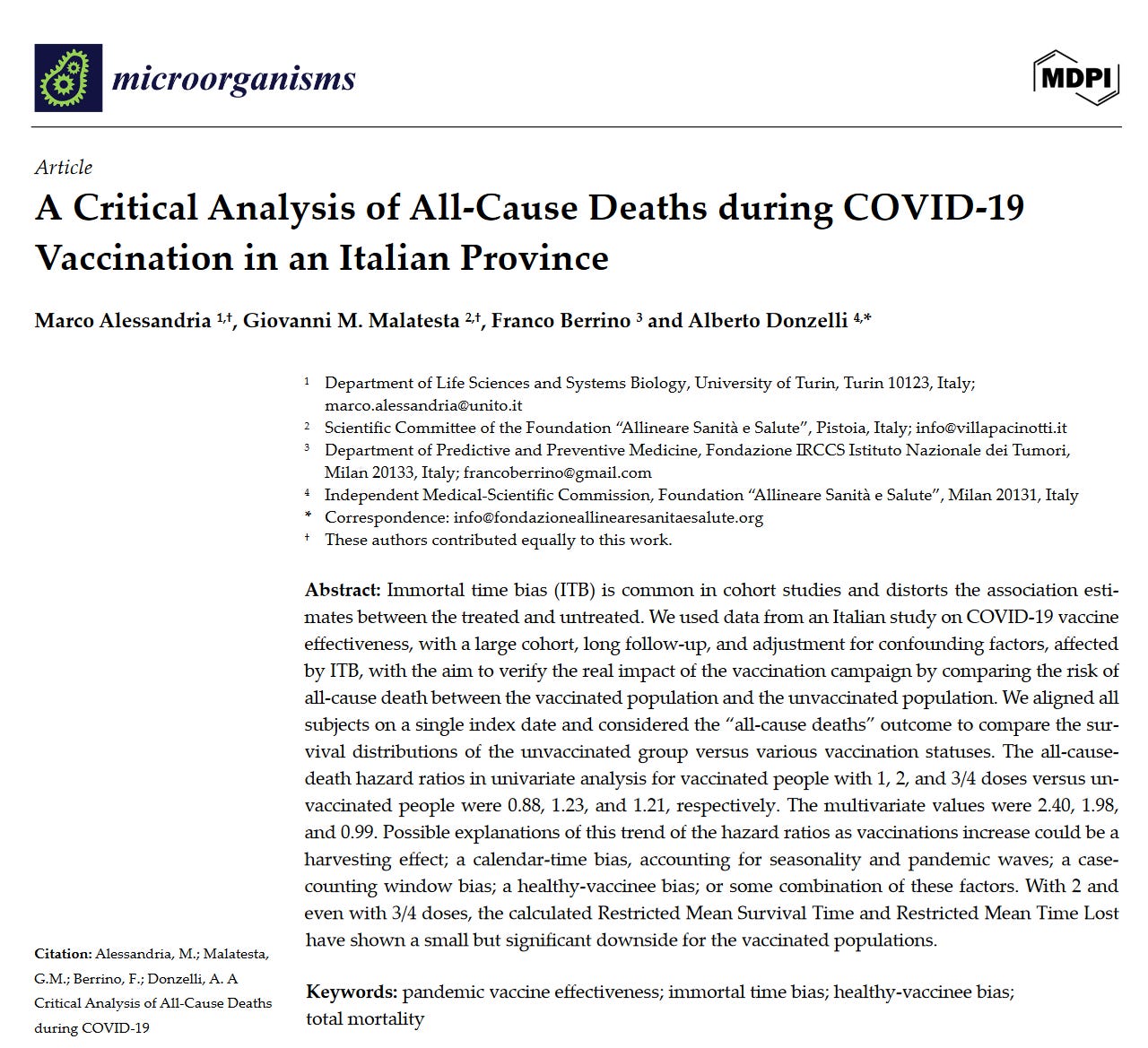
We believe this is an important paper. As we previously reported, what makes it especially interesting and exciting is that, unlike almost all observational studies of vaccine effectiveness and safety, it avoids two critical sources of bias – immortal time bias and ‘(Un)Healthy vaccinee effect’.
The study showed that, when health and age confounders are accounted for, the single and double doses of the vaccine have a detectable and negative effect on all cause mortality. We suspect that the results may even underestimate the negative effect of the vaccines because of likely vaccination status miscategorisation bias.
Given our own previous experiences of censorship and cancellation and also what happened to the recent Dutch paper that suggested the vaccines may have contributed to excess deaths, the question is: will this paper come under attack from the same pharma shills?
Journal Retracts Peer-Reviewed Study Linking COVID Vaccines to Cancer After Reuters ‘Fact Checks’ It
By Brenda Baletti, Ph.D. | The Defender | July 1, 2024
The journal Cureus last week retracted a Japanese study that found statistically significant increases in cancer mortality following COVID-19 vaccination, especially after the third COVID-19 shot.
The journal said on its website, “Upon post-publication review, it has been determined that the correlation between mortality rates and vaccination status cannot be proven with the data presented in this article.” This invalidated the results, prompting the retraction, the journal said.
Denis Rancourt, Ph.D., all-cause mortality researcher and former physics professor at the University of Ottawa in Canada, who also has published in Cureus, on X called the retraction “baseless.”
“Showing data in support of vaccine-induced cancer is not allowed: burn it,” he wrote.
EVIDENCE OF TURBO CANCER WILL NOT BE PUBLISHED
Another baseless owned editorial “retraction” of a published peer-reviewed article at @CureusMedical
Showing data in support of vaccine-induced cancer is not allowed: Burn it.
Among other problems, this suggests a dubious “business… pic.twitter.com/M4SW4c2kS1— Denis Rancourt (@denisrancourt) June 27, 2024
Other scientists also expressed frustration with the retraction.
“Unfortunately, one more scientific study that challenges the established narrative gets retracted,” Panagis Polykretis, Ph.D., a researcher at Italy’s Institute of Applied Physics at the National Research Council said in an email shared with The Defender. “One more outrageous and unjustified example of censorship takes place!”
The study, published in April, analyzed official Japanese government statistics to compare age-adjusted cancer mortality rates during the COVID-19 pandemic (2020-2022) with pre-pandemic rates.
The researchers found a 2.1% mortality increase in 2021 and a 9.6% increase In 2022.
They determined that age-adjusted death rates for leukemia, breast, pancreatic and lip/oral/pharyngeal cancers increased significantly in 2022 after a large portion of the Japanese population had received the third dose of an mRNA COVID-19 vaccine.
Overall, they found no significant cancer-related excess mortality in 2020, but a 1.1% increase in 2021 after the rollout of the first and second vaccine doses, and a 2.1% increase in 2022.
Mortality for some cancers increased by as much as 9.7%, according to the study.
The paper also discussed possible mechanisms by which multiple mRNA vaccines could influence cancer rates and called for further research into the issue.
The findings suggested the vaccines may be accelerating cancer deaths in patients with preexisting tumors, according to John Campbell, Ph.D., who discussed the study on his YouTube show.
The paper went through a “rigorous peer review process,” according to Polykretis, who detailed the retraction saga on his Substack, before Cureus accepted the paper on April 8.
Less than a month after the paper’s publication, Reuters issued a “fact check” of a social media post that cited the paper. Reuters called the analysis “flawed” and said the study “assumes without evidence that vaccines are the cause of the cancer death rates they observe.”

The “Fact Check” article also stated the paper offered no proof of “turbo cancers” — a claim the study authors don’t make.
On June 12, Graham Parker-Finger, director of publishing for the Cureus Journal of Medical Science, notified the authors about concerns with their paper, citing the Reuters Fact Check, Polykretis reported.
An “expression of concern” was posted that same day and about a month later the journal retracted the article.
The article has been viewed over 287,000 times.
Polykretis asked, since when does a scientific journal’s editorial board judge scientific studies “on the basis of poorly written, not backed by scientific data and not peer-reviewed fact-checking” articles?
M. Nathaniel Mead is co-author of the first peer-reviewed paper to provide an extensive analysis of COVID-19 mRNA vaccine trial data and post-injection injuries. Mead, whose article also was printed and then retracted by Cureus, told The Defender this latest retraction was “unfortunate but also quite revealing.”
He said:
“The Gibo et al. retraction makes it official: Even though Cureus has now published many counter-establishment narrative papers related to adverse events, it is clearly ‘unsafe’ for any authors presenting papers that expose the likely mortality risk of these gene-based prodrugs.
“As you will recall, our comprehensive ‘Lessons Learned’ review and analysis also was heavily focused on the mortality aspect. So that’s where Springer-Nature seems to be drawing the line — after they accept the paper.
“Scientists seeking to publish on mortality-related aspects of the Covid mod mRNA injections obviously need to be extra cautious when considering their publishing options. These weaponized, predatory retractions will likely continue for as long as these products remain on the market.”
Dr. John Adler at Stanford University and Dr. Alexander Muacevic at the University of Munich Hospitals co-founded Cureus in 2009 as a web-based, peer-reviewed, open-access general medical journal with low-cost barriers to publication.
The academic publishing giant Springer Nature bought Cureus in December 2022.
Springer Nature is a publishing conglomerate founded in 2015 through a merger of Nature Publishing Group, Palgrave Macmillian, Macmillan Education and Springer Science+Business Media.
The publisher generated 1.8 billion euros in 2022, showing continuous year-over-year growth since 2020.
The Defender asked the editors at Cureus and Springer Nature to comment on the retraction and the allegations of censorship.
Parker-Finger responded, “Concerns were raised following publication, so we undertook a post-publication review, in line with good publishing practice, which led us to conclude that retraction was warranted for the reasons outlined in the retraction note.”
This article was originally published by The Defender — Children’s Health Defense’s News & Views Website under Creative Commons license CC BY-NC-ND 4.0. Please consider subscribing to The Defender or donating to Children’s Health Defense.
Finland to Offer Bird Flu Vaccine Despite Lack of Safety Testing and Human Infections
By John-Michael Dumais | The Defender | June 27, 2024
Finland is set to become the first country in the world to offer bird flu vaccinations to humans, sparking a heated debate about vaccine safety and necessity.
The Finnish Institute for Health and Welfare (Terveyden ja hyvinvoinnin laitos or THL) announced plans to begin administering H5N8 bird flu vaccines to select groups as early as next week, despite the absence of human infections in the country.
The unprecedented move comes as global health experts express conflicting views on the threat posed by avian influenza. While Finnish officials cite the need for preemptive protection, critics argue the vaccination program is premature and potentially dangerous.
The Finnish announcement comes just two weeks after the European Commission Health Emergency Preparedness and Response (HERA) program announced the purchase of 665,000 doses of CSL Seqirus’ H5N8 avian influenza vaccine, with an option to acquire another 40 million doses over the next four years. HERA has already obtained 111 million doses of GSK’s bird flu vaccine.
Finland’s vaccination plan
Finland plans to offer the CSL Seqirus H5N8 bird flu vaccine to approximately 10,000 people deemed at high risk of exposure to the virus.
Mia Kontio, a health security official at THL, told STAT News that the country was awaiting the arrival of 20,000 doses, with plans to administer them “as soon as the vaccines are in the country.”
According to THL’s press release, the target groups for vaccination include:
- Fur farm workers in contact with animals.
- Poultry workers in direct contact with birds.
- Veterinarians.
- Laboratory workers handling avian influenza samples.
- Bird ringers and those caring for wild birds.
- Workers in petting zoos and aviaries.
CSL Seqirus’ vaccine received the European Union’s (EU) marketing authorization in April. The vaccine requires a two-dose series, with the second dose administered at least three weeks after the first.
“The goal is to start vaccinations in the welfare areas as soon as possible, so that the two-dose vaccination series can be offered to the vaccinated before the start of the autumn flu season,” said THL’s expert doctor Anniina Virkku.
Besides protection from bird flu, the vaccination program aims to prevent simultaneous infection with the seasonal flu virus, “which could enable the emergence of a new type of virus.”
THL noted that the vaccination program is targeted at high-risk groups and is not a blanket recommendation for the staff of facilities without contact with infected birds or animals.
‘U.S. has never had a fatal human case of bird flu’
The H5N1 strain of bird flu has caused widespread concern among government health authorities in recent years, leading to the culling of hundreds of millions of poultry globally, according to Reuters.
The virus has expanded its reach, affecting not only birds but also an increasing number of mammals, including cows in the U.S.
In 2023, Finland experienced large-scale deaths of wild birds due to bird flu virus infections, THL said. The virus also spread widely to fur farms, causing high morbidity and mortality in animals.
However, the Finnish Food Agency reported that bird flu cases in wild birds have significantly decreased in 2024 compared to the previous year.
Globally, human infections remain rare. Since December 2021, only eight cases of bird flu have been reported in humans worldwide, according to the World Health Organization.
In the U.S., three dairy workers were diagnosed with confirmed infections tied to the recent outbreak among cattle, all experiencing mild symptoms, according to STAT News.
Despite the low number of human cases, health authorities remain concerned about the virus’s potential to mutate and become more transmissible between humans.
However, Dr. Peter A. McCullough, in his Substack post on Monday argued that even if the bird flu crossed to humans, it would be less dangerous. “Increased transmissibility of H5N1 has a tradeoff of decreased virulence,” he wrote.
He said the alarming statistics on human mortality rates are from long-ago cases in Southeast Asia and that such concerns are “not appropriate” for today’s strains.
Furthermore, the U.S. “has never had a fatal human case of bird flu,” he said.
A dangerous vaccine for a disease that does not exist’
Medical freedom advocates and health experts have voiced strong objections to the rapid deployment of the bird flu vaccine.
Internist and bioweapons expert Dr. Meryl Nass pointed out that the product information for the H5N8 bird flu vaccine recently purchased by the EU — the same one being deployed in Finland — includes no clinical data for this specific vaccine strain, meaning it has not been tested in humans.
STAT News reported that the European Medicines Agency approved the H5N8 bird flu vaccine based on immunogenicity studies rather than traditional efficacy trials, as the virus isn’t currently circulating among humans.
Nass noted that scientists don’t have a clear way to measure if the vaccine protects against H5 types of bird flu and that it’s unclear whether the vaccine would work against other similar strains of the virus.
She called the product “a dangerous vaccine for a disease that does not exist.”
Nass also noted that the vaccine contains the adjuvant MF59C.1, which includes squalene, polysorbate 80 and other compounds that could cause autoimmunity.
Jessica Rose, Ph.D., a vaccine analyst and biomathematics specialist, said she has several reservations about the program. “There’s no need for this vaccine, and it poses dangers including tolerization and autoimmune reactions from molecular mimicry,” she told The Defender.
Tolerization (or immunological tolerance) occurs when the immune system becomes less responsive to a particular antigen over time, potentially reducing the vaccine’s effectiveness.
Molecular mimicry refers to similarities between vaccine components and human proteins, which could lead the immune system to mistakenly attack the body’s own tissues, potentially triggering autoimmune disorders.
Rose also said, “Intramuscular injections are never the way to deal with pathogens that enter the body via respiration.”
McCullough warned that mass vaccination could lead to a “highly prevalent pandemic” because it “promotes resistant strains of the virus in the vaccinated.”
He suggested alternative strategies, including “dilute iodine nasal sprays and gargles, oseltamivir, hydroxychloroquine and other antivirals” for prevention and early treatment.
McCullough criticized what he called “fear-mongering promulgated by the Bio-Pharmaceutical Complex,” suggesting that it is “designed to promote mass vaccination of animals and humans with lucrative pre-purchased contracts to the vaccine manufacturers” and their nongovernmental organization sponsors.
Geert Vanden Bossche, DVM, Ph.D., voiced similar concerns. He told The Defender, “Any large-scale vax program using whatever vaccine administered during a pandemic or a panzootic transmissible to humans is at risk of causing large-scale Ab-[antibody-]dependent enhancement of disease and large-scale immune escape!”
Antibody-dependent enhancement is a phenomenon where antibodies produced by the immune system in response to a vaccine or previous infection can worsen a subsequent infection. Instead of protecting against the virus, these antibodies can help the virus enter cells more easily, potentially leading to more severe illness.
Regarding Vanden Bossche’s concerns over immune escape, he made the same argument for the COVID-19 vaccines, claiming their administration during the SARS-CoV-2 outbreak caused the evolution of more transmissible and dangerous viral variants.
This article was originally published by The Defender — Children’s Health Defense’s News & Views Website under Creative Commons license CC BY-NC-ND 4.0. Please consider subscribing to The Defender or donating to Children’s Health Defense.
‘Stunning admissions’: White House pressured FDA to cut corners on COVID vaccine approvals in order to push mandates
By Brenda Baletti, Ph.D. | The Defender | June 28, 2024
The Biden administration pressured the U.S. Food and Drug Administration (FDA) to “change its procedures, cut corners, and lower agency standards,” to approve Pfizer’s COVID-19 vaccines and authorize boosters, according to a congressional report released earlier this week.
The approval was key to facilitating the Biden administration’s rollout of the fall 2021 vaccine mandates, despite safety concerns about the shots, according to the report.
“During the pandemic, politics overruled science at the government institutions entrusted with protecting public health,” Rep. Thomas Massie (R-Ky.) said in a press release announcing the report.
“The FDA abandoned its congressional directive to protect citizens from false claims and undisclosed side effects, and instead ignored its own rules to pursue a policy of promoting the vaccine while downplaying potential harms,” he added.
As a result, according to the report, “countless Americans” suffer from vaccine side effects and the FDA has lost credibility with the public.
Following the report’s release a U.S. House of Representatives Judiciary Subcommittee held a hearing Wednesday — “Follow the Science?: Oversight of the Biden Covid-19 Administrative State Response” — during which Dr. Philip Krause, former deputy director of the FDA’s Office of Vaccines Research and Review (OVRR) vaccine products provided evidence to support the report’s conclusions.
Krause testified that both he and OVRR Director Marion Gruber were relieved of their responsibilities overseeing the COVID-19 vaccines review process because the administration wanted to rush FDA approval on a faster timeline than their office could deliver and push forward the fall mandates, Vinay Prasad, M.D., MPH, reported.
The approval process was then pushed through by the director of the FDA’s Center for Biologics Evaluation and Research, Peter Marks, M.D., Ph.D., and then-Acting FDA Commissioner Janet Woodcock.
Documents obtained by Children’s Health Defense (CHD) through a Freedom of Information Act Request also showed that in early 2021, both Marks and Woodcock were aware of injuries linked to the vaccines.
Krause testified that the original timeline to complete the review process for Pfizer’s Biologics License Application (BLA) for its mRNA COVID-19 product was January 2022, but the team was already shooting to have the process completed earlier.
In early July 2021, “something had happened to completely change the opinion of Drs. Marks and Woodcock regarding the urgency of completing the BLA review,” Krause testified. “It was so important to them that they did not trust the experts who led the Office of Vaccines to do it, even with their help,” he said.
Krause told the committee that on July 19, he and Gruber were taken off the review process and Marks took it over himself.
He added:
“In this meeting, Drs. Woodcock and Marks expressed concern about the rising number of COVID cases in the US and globally, largely caused by the Delta variant and stated their opinion that, absent a license, states cannot require mandatory vaccination and that people hesitant to get an EUA authorized vaccine would be more inclined to get immunized if the product were licensed.”
Marks informed staff that the goal was to complete the review as rapidly as possible, Krause said. Pfizer’s Comirnaty COVID-19 vaccine was licensed on Aug. 23, 2021.
“As predicted by Drs. Woodcock and Marks, vaccine mandates followed immediately afterwards and were announced the same day for DoD [U.S. Department of Defense] and for New York State,” Krause said.
He said that the speed with which the mandates were implemented following authorization, “suggested that the rapid review of the vaccine was motivated more by a desire to mandate vaccines than by other public health considerations.”
Given that mandates are outside of the FDA’s purview, he added, the fact that Marks and Woodcock cited the need for mandates as a reason to speed the review “strongly implies that pressure to complete the review” more rapidly than planned came from outside of the FDA, he added.
When Krause and Gruber tried to implement a slower and more deliberative process, they were demoted, Prasad wrote.
As a result, they both left the agency at the end of 2021.
Prasad noted the mandates were issued only after the administration knew the vaccine couldn’t stop transmission and “as such, the mandates were unethical.”
“Krause’s testimony shows the Biden administration engaged in inappropriate political tampering with the FDA, and the FDA leaders — Woodcock and Marks — folded to political pressure,” he added.
Woodcock, now retired from the FDA, has since expressed regret about not doing more to respond to the concerns of the vaccine-injured, telling The New York Times she is “disappointed” in herself
Marks is still at the FDA, where Prasad said he “has been doing a bad job,” recently authorizing a product from Sarepta Therapeutics despite a failed study and a negative decision from reviewers.
Robert F. Kennedy Jr., independent presidential candidate and CHD’s chairman on leave, tweeted that Marks also made commercials for the vaccine, claiming it was safe and effective in pregnancy and for children. “Had Pfizer said that, it would have been a crime,” Kennedy said.
In his testimony, Krause also made a series of comments confirming early knowledge of myocarditis — with rates as high as 1 in 5,000 for young men in early studies — and the protection conferred by natural immunity.
He also said that he did not take a booster shot.
Chief Nerd called Krause’s comments “stunning admissions” and posted a video clip on X.
This article was originally published by The Defender — Children’s Health Defense’s News & Views Website under Creative Commons license CC BY-NC-ND 4.0. Please consider subscribing to The Defender or donating to Children’s Health Defense.
‘Epic Waste of $500 Million’: Scientists Slam HHS Funding for ‘Next-Gen’ COVID Oral and Nasal Vaccine Trials
By John-Michael Dumais | The Defender | June 24, 2024
The U.S. Department of Health and Human Services (HHS) has announced up to $500 million in funding for clinical trials of three next-generation COVID-19 vaccine candidates, including two nasal sprays and an oral pill.
The initiative, part of the $5 billion Project NextGen, aims to develop innovative vaccines that are easier to administer and provide improved protection against the SARS-CoV-2 virus.
The funding, awarded through the Biomedical Advanced Research and Development Authority (BARDA) under HHS’ Administration for Strategic Preparedness and Response (ASPR), will support Phase 2b clinical trials for Vaxart‘s oral pill vaccine (up to $453 million) and CyanVac’s (up to $40 million) and Castlevax’s ($34 million) intranasal vaccines.
Each company’s phase 2b trials will recruit 10,000 volunteers to compare the safety and efficacy of the investigational vaccine against the existing mRNA vaccines.
ASPR Assistant Secretary Dawn O’Connell said in a news release that the new vaccines “may … be easier to administer through intranasal or oral delivery.” The announcement suggests the delivery methods have the “potential to improve vaccine access.”
However, the new delivery methods also raise unique concerns, especially the nasal vaccines, which use modified viruses as vectors.
Vaccine researcher Jessica Rose, Ph.D., told The Defender that she’s concerned about vaccine shedding and the possibility of pharmaceutical companies aerosolizing their products and administering them “without public knowledge as part of a ‘vaccination’ run.”
Brian Hooker, Ph.D., Children’s Health Defense chief scientific officer, echoed Rose’s concern about potential vaccine shedding, calling it a “nightmare like other live-virus vaccine formulations.”
Hooker told The Defender that because COVID-19 mutates rapidly, “immunity will still wane precipitously” for the new vaccine candidates, just as it did with the existing mRNA vaccines.
The new vaccines are “just more ‘me too’ technologies that are late to the party for COVID-19,” he said.
UGA spins off nasal vax biotech firm
University of Georgia (UGA) vaccine development spinoff CyanVac (an affiliate of Blue Lake Biotechnology) is set to begin phase 2b clinical trials for a new nasal COVID-19 vaccine, CVXGA. The study will be conducted through BARDA’s clinical studies network.
CyanVac founder Dr. Biao He, chair of veterinary medicine at UGA, leads the team behind CVXGA. He served on a White House panel in July 2022 advising on the future of COVID-19 vaccines, where he specifically promoted nasal vaccines.
CVXGA is a Parainfluenza virus 5 (PIV5)-based vaccine that encodes the spike protein of SARS-CoV-2.
Formally known as simian virus 5, PIV5 is often referred to as canine parainfluenza virus in the veterinary field, where it is a contributing factor to kennel cough in dogs. PIV5-based vaccines have been used to prevent kennel cough, reportedly without any safety concerns.
“PIV5 is a novel intranasal vaccine vector that has been shown to replicate safely in humans in clinical trials and stimulates all three pillars of immunity — cellular, mucosal, and humoral — with minimal uncomfortable side effects,” Dr. He said in the company’s press release.
Rose cautioned that some studies (here, here and here) have associated PIV5 with human diseases such as Creutzfeldt‐Jakob disease and multiple sclerosis, but noted that later research was unable to confirm PIV5 as the cause. “More research needs to be done before this is used as a viral vector in humans,” she said.
Currently, there are no licensed vaccines for humans that contain PIV5. However, besides the CVGXA COVID-19 vaccine, PIV5 is under development for vaccines targeting various human and animal infectious diseases, including Lyme disease, respiratory syncytial virus (RSV), influenza, rabies, tuberculosis and MERS-CoV.
Castlevax promises ‘game-changing’ spike protein vax
BARDA provided Castlevax, in collaboration with the Icahn School of Medicine at Mount Sinai in New York City, $34 million for its phase 2b trial of its intranasal vaccine candidate CVAX-01 beginning in Q4 2024.
The company is projected to receive as much as $338 million from BARDA for its COVID-19 “booster” vaccine.
Castlevax calls its vaccine “a next-generation COVID-19 vaccine with game-changing potential” with a design that “holds spike protein firmly in pre-fusion conformation, leading to more efficient induction of neutralizing antibodies.” It promises to “deliver reduced rates of breakthrough infections.”
Its vaccine, NDV-HXP-S, uses a recombinant Newcastle disease virus (NDV) that expresses the spike protein. The spike protein has been modified to contain six mutations by the HexaPro (HXP) technology developed at a University of Texas (UT), Austin laboratory.
HXP promises to make the spike protein more stable compared to older mRNA vaccines, which only contain two mutations. “Human antibodies recognize and respond to Hexapro better since the spike protein is less prone to shifting shapes,” according to a UT lab researcher.
The vaccine is grown in chicken eggs, a method commonly used to produce flu vaccines.
Castlevax boasts of having “multiple COVID-19 products in Phase 2 through Emergency Use Authorization, while we’re simultaneously developing a bivalent mucosal RSV+HMPV [human metapneumovirus] vaccine and a mucosal Norovirus vaccine.”
Promises and dangers of nasal vaccines
Hooker noted that nasal vaccines can be effective. “Mucosal immunity provides defenses at the mucous membrane level through a type of antibody called secretory IgA [immunoglobin A] along with humoral IgG and IgM antibodies,” he said.
But he cautioned that due to the observed rapid mutation in SARS-CoV-2 variants, “Long-term efficacy will be nil” for these vaccines.
Live virus nasal vaccines have been used for flu for years, he said, suggesting these latest entries are “looking for entry into the ‘annual’ COVID-19 vaccination market opportunity.”
Rose pointed out that EcoHealth Alliance’s 2018 DEFUSE proposal to the Defense Advanced Research Projects Agency (DARPA) included a plan to aerosolize bat vaccines and deliver them at the mouths of caves in China.
“They hired an aerosol tech company to find the best way to administer their products,” she said.
When she saw this part of the proposal, Rose speculated the technique could readily be used to vaccinate people without their consent. “Given that everything they’ve done so far has been from questionable to illegal, I really have to wonder.”
Hooker added that the three BARDA-funded projects use live-virus vaccines that are “notoriously bad for pregnant women.”
Oral pill targets epithelial cells
Vaxart will receive up to $453 million from BARDA to develop an oral pill vaccine, which is also just entering phase 2b clinical trials.
“Vaccine delivery has relied primarily on injection for more than 150 years,” said Steven Lo, Vaxart’s CEO in the press release. “This funding from BARDA will assist us in determining whether we can bring a transformational, next-generation approach to global vaccination.”
Vaxart’s pill, VXA-CoV2-1, uses an adenovirus vector to infect epithelial cells in the lower small intestine. The vaccine delivers the genetic material to create the spike protein. The company boasts that a special coating allows the oral pill to survive the low pH in the stomach.
Adenovirus vaccines reportedly cannot make you sick, and cannot replicate or be integrated into the host body’s DNA.
Johnson & Johnson’s (J&J) and AstraZeneca’s COVID-19 vaccines also used adenovirus vectors.
The use of J&J’s vaccine was paused in April 2021 due to reports of thrombosis with thrombocytopenia syndrome (TTS), a severe blood clotting disorder. In July 2021, the FDA warned about the risk of Guillain-Barré syndrome with the J&J vaccine after approximately 100 cases were reported among 12.8 million vaccine recipients. With existing doses of the J&J vaccine having expired in May 2023, the vaccine is no longer in use.
AstraZeneca’s COVID-19 vaccine also caused blood clots, resulting in temporary pauses in its use in several countries. With declining demand, it was also removed from the market in May 2023.
Trials set ‘a horribly low bar’
The two nasal and one oral vaccine candidates are all entering phase 2b trials where their safety and efficacy will be compared to the available FDA-approved mRNA vaccines.
Hooker said that this sets “a horribly low bar for comparison given that the ‘control’ group is now subjected to the vaccine that has the worst safety profile in history.”
He underscored that the mRNA vaccines offer “extremely limited and sometimes negative efficacy, and no utility in terms of prevention of transmission,” and argued that using them as comparators for the candidate vaccines would be next to useless.
“Basically, almost anything short of a vial of arsenic would perform comparably,” he said.
“Given the low morbidity/mortality of the currently circulating COVID-19 strains, this is an epic waste of $500 million,” he said. “Their ROI [return on investment] will essentially be a bunch of sick people with vaccine injuries.”
Rose said that long-term efficacy cannot be guaranteed “based on failure of maintained efficacy in COVID-19 product prototypes. This is precisely why they keep pushing ‘boosters.’”
Hooker also questioned the review and approval process for the new vaccines. He said:
“As far as independence, safeguards and transparency, those are now gone. Not because of this particular clinical trial entry, but because of the shamfest that FDA was and still is with the EUA [emergency use authorization] and approvals granted during the plandemic.
“All the tricks that they (Dr. Peter Marks and company) pulled like trying to prevent the release of clinical trial documents, approving without human trials, the joke that is CICP [Countermeasures Injury Compensation Program], etc., really spell death for any integrity in the approvals process.”
This article was originally published by The Defender — Children’s Health Defense’s News & Views Website under Creative Commons license CC BY-NC-ND 4.0. Please consider subscribing to The Defender or donating to Children’s Health Defense.
Free Speech Legislation Gains Attention Following Supreme Court Siding with Biden in Social Media Censorship Case
By Didi Rankovic | Reclaim The Net | June 27, 2024
US House Judiciary Committee Chairman Jim Jordan has reacted to Wednesday’s ruling by the Supreme Court (SCOTUS) in the Murthy v. Missouri case, to call for new legislation that would, going forward, reinforce the rules, already contained in the First Amendment, meant to protect citizens from government-orchestrated censorship.
Jordan, whose Committee is probing alleged government-Big Tech collusion in violation of the First Amendment through the Select Subcommittee on the Weaponization of the Federal Government, noted that the US Constitution’s First Amendment is “first for a reason.”
According to the Republican congressman, free speech that this amendment protects (from government intervention) should extend to any government infringement – be it in Congress, or online.
Jordan said that while respectfully disagreeing with the SCOTUS ruling the Committee’s own oversight “has shown the need for legislative reforms.”
“While we respectfully disagree with the Court’s decision, our investigation has shown the need for legislative reforms, such as the Censorship Accountability Act, to better protect Americans harmed by the unconstitutional censorship-industrial complex,” Jordan wrote in a statement.
In other words, the increasingly pressing issue of how the government “interacts” with social platforms (because of their massive reach and therefore influence among the electorate) should be put into the hands of courts and their interpretations based on new and clear legislation to guide those decisions.
The Judiciary Committee chairman mentioned the Censorship Accountability Act – a bill that would let citizens launch legal action against federal employees suspected of colluding to suppress free speech.
Regardless of the SCOTUS decision, Jordan pledged that the Committee’s “important work will continue” – stating that the Subcommittee thus far has “uncovered how and the extent to which the Biden Administration engaged in a censorship campaign in violation of the First Amendment.”
Murthy v. Missouri – which sought to give the plaintiffs the right to pursue their legal case against the government, alleging it pressured social media to censor online user content, was thrown out by the Supreme Court in a 6-3 ruling as “lacking standing to sue.”
At the same time, the court canceled – at a particularly sensitive time, mere months before the upcoming US presidential election – an injunction that limited the way the government can “interact” with social platforms regarding a range of issues.
The collusion allegations for the most part refer to activities and communications between the government and Big Tech in the context of the previous vote that resulted in the installment of the current US administration.
Featured Video

Macgregor: We Haven’t Seen the Worst of the Iran War Yet
or go to
Aletho News Archives – Video-Images
From the Archives
15 Saudi ‘hijackers’ were CIA agents working for US: Scholar
Press TV – April 13, 2016
Fifteen of the 9/11 “hijackers” from Saudi Arabia were CIA agents working for the United States government, which was seeking to destroy the Middle East for Israel and to double the American military budget, says Dr. Kevin Barrett, an American academic who has been studying the events of 9/11 since late 2003…. continue
Blog Roll
 Aletho News
- Iran’s Plan to Shut Down AI in the Persian Gulf
- Israel seeks ‘compensation’ from Washington over Saudi F-35 sale
- Saudi crown prince seeks dialogue with Ansarullah after Yemeni blows: Report
- Damascus rejects Saudi request for Syrian fighters to counter Yemen: Report
- South Korea says will not send troops to join terrorist US war on Iran
- Russia Just Struck the Eyes of NATO’s War Machine in Ukraine
- Russia summons UK charge d’affaires over Kiev drone support
- NATO member warns bloc seeking pretext for war with Russia
- Macgregor: We Haven’t Seen the Worst of the Iran War Yet
- ‘We are not like everyone else’ laws that bind other nations do not apply to Israel, says Likud lawmaker
- If Americans Knew
- Debunking The Claim That Macklemore Has A “History Of Antisemitism”
- CPJ demands release of arrested Palestinian-US journalist near Bethlehem
- Robert Kraft: The Billionaire Friend of Netanyahu Pulling The Strings Behind the Macklemore/Ed Sheeran Blow Up
- Columbia Administered Fund Gives Big Money to Pro-Israel Groups
- Deportation Case of Palestinian Activist Salah Sarsour Tests First Amendment
- ‘We Will Not Forget’: Palestinians Mark 44 Years since Sabra and Shatila
- Why do we let Zionists decide what we can and can’t say?
- US welcomes Israeli, Iranian delegations to UN, but not Palestinians – Daily Update
- Biden’s Genocide Accomplices Targeted by New Accountability Campaign
- AIPAC’s Network Has Already Spent $67.2 Million to Shape the Midterm Elections
- No Tricks Zone
- New Study: ‘Global Drought Shows No Detectable Recent Acceleration Under Climate Warming’
- Economic Masterminds: German Socialists Suggest Taxing Productivity Gains Stemming From Using AI
- The South China Sea Has Not Been Cooperating With The Climate Change Narrative
- Energy Crisis: Germany Enters Heating Season With Historically Low Gas Reserve Fill Levels
- New Study: The Antarctic Ice Sheet Gained Mass From 2020-2024 Due To Staggering Snow And Ice Accumulation
- Study: Ocean Heating Rates From Thousands Of Years Ago ‘Dwarf’ Modern Ocean Heating Rates
- Climate Extremists Target, Attack Large-Scale Power Grid Infrastructure In Germany!
- New Study: Antarctic Ice Melt Has Contributed Less Than 1 Centimeter To Sea Level Rise In The Last 30 Years
- Fear Of Debate: Alarmist German Climate Scientist Calls On Mainstream Media To Discredit Skeptic Voices
- End-Of-August Arctic Sea Ice Extent Hasn’t Fallen In 20 Years, Official Data Show!
 Aletho News