The Childhood Vaccination Schedule – Part One: The First Vaccine – Hepatitis B
By Michael Bryant | 21st Century Wire | September 5, 2023
Introduction
As more vaccines are added to the US childhood immunization schedule it’s imperative that there be a broader public discussion about the prominence of vaccines in public health policy, what benefits they convey and a forthright assessment of the risks involved.
Though vital to both the short and long term health of children, exploratory questions, in-depth rational discussion and comprehensive analysis about vaccines are considered off-limits for the mainstream medical establishment.
In the conventional narrative it is accepted as an article of faith that vaccines are miraculous discoveries responsible for global disease eradication and are the most important medical product for disease prevention.
For today’s pediatricians promoting and implementing the childhood immunization program has become their primary duty.
It is widely believed that if we stopped, or even reduced vaccinations, we would be going back to the dark ages. Any individual that challenges this vaccine orthodoxy is seen as a heretic.
Despite the deeply ingrained belief system of the vaccine ideology a growing number of parents and health advocates are beginning to ask many of the questions which have been swept under the rug for years.
Are all of these vaccines necessary? Are they safe? Are the diseases they are supposed to prevent truly diseases of concern?
Does the claim that vaccines are responsible for reductions in disease, disability, and death from a variety of infectious diseases fit with the facts when scrutinized?
Why such an increase in the number of vaccinations through the years? Has this escalating vaccine program produced an accompanying improvement in health outcomes?
What happens if I don’t give my child all of these vaccines? What happens if I don’t give my child any of these vaccines? What happens to children who don’t get vaccinated?
These are some of the questions parents are not supposed to ask and precisely the questions that need to be addressed.
While the information presented in this series is publicly available it is denied admittance into the public discourse by means of systematic indoctrination by a compromised media apparatus and a medical establishment which has created a mystique around vaccines while persuading the public they are the holiest of all medicinal products.
As an antidote to this institutional programming we embark upon a series of articles which take a close look at each of the vaccines on the childhood schedule and the diseases they are designed to prevent.
Our series begins with an overview of the US Childhood Immunization Schedule and a detailed look at the initial shot given to infants on the first day of life- the Hepatitis B vaccine.
The United States Childhood Immunization Schedule – An Overview
In the past few decades the childhood vaccine schedule in the United States has exploded into what is now the most aggressive childhood vaccination schedule in the world. It wasn’t always this way. Most baby boomers likely had only 2 or 3 vaccinations- polio, smallpox and DTP with never more than one shot given per visit.
With the recent addition of the COVID-19 vaccines to the childhood schedule the number of recommended injections ballooned to a regimen of 72 injections of 90 antigens by age eighteen for any child that undergoes the full immunization schedule circa 2023.
To understand how this came to pass we need to understand the history of how we got here.
The first vaccine mandate in the United States was enacted in Massachusetts in 1810 and was centered on smallpox. The legislation was essentially an ad hoc law which gave local health boards the authority to require vaccination.
The first public school mandate was issued in Massachusett in the 1850’s. At that time the only vaccine of interest was for smallpox. By the end of the 1800s most states in New England had smallpox vaccine requirements for children attending public schools.
The next significant stride in vaccine recommendations and requirements for children would arrive a century later in 1954, focusing on the polio vaccine developed by Jonas Salk.
By 1955, the polio vaccine was fully licensed and through the Polio Vaccine Assistance Act Congress appropriated funds to provide federal grants for states to purchase the vaccine and for the costs of planning and conducting vaccination programs.
This Act would become the template for the utilization of federal funds to cover various costs of vaccine programs and would provide the impetus for a mass inoculation campaign for polio.
At this time there were no codified mechanisms to mandate vaccine uptake, doctors recommendations were considered just that- guidance with no strict obligation or enforcement for adherence.
In 1962 the Vaccine Assistance Act would establish a permanent mechanism to provide ongoing financial support to state and local health departments. This Act would allow the CDC to appropriate federal funds for the provision of vaccines and establish an advisory group to assist in managing vaccination programs.
To this day the 1962 Act remains one of the most important mechanisms for aligning local and state health department immunization activities with federal funds to deliver vaccines to children.
In 1964 the Advisory Committee on Immunization Practices (ACIP) was created under the US Public Health Service. Its mission was to review the science and evidence of vaccines given to children and to make recommendations on when those vaccines should be given and at what age.
The 1960s and 1970s saw a wave of new vaccines hit the market. A second type of polio vaccine was developed along with the first Hepatitis B vaccine. Measles vaccines were developed as a single vaccine and then combined with the mumps and rubella vaccines to create the “MMR” vaccine.
Paralleling the increase in the volume of vaccines came the creation of global immunization programs. In 1974 the World Health Organization established the Expanded Programme on Immunization which was designed to ”strengthen vaccine programmes, supply, and delivery, and ensure universal access to all relevant vaccines for all populations across the life course.”
These changes radically altered the business landscape of vaccine manufacturing. What was once a cottage industry of small pharmaceutical companies, individual investigators and physician scientists evolved into the mega corporations that exist today.
By 1977, the U.S. federal government had set up the Childhood Immunization Initiative which sought to increase vaccination rates in children against seven diseases (diphtheria, measles, mumps, pertussis, poliomyelitis, rubella, tetanus) for which vaccines had been developed. This began the process by which all 50 states would adopt mandatory school vaccinations.
In the 1980s, vaccines against Hepatitis B, Haemophilus influenzae type b, and pneumococcal disease were recommended for children at different ages. By 1983 the number of recommended injections had increased to 23 doses of 7 vaccines by age six.
In 1986, the National Childhood Vaccine Injury Act created a system of passive and active surveillance for cases of adverse reactions to vaccines as well as a mechanism to compensate any persons injured by vaccines.
With the passage of the 1986 Act and its implementation in 1988, a liability shield for pharmaceutical companies was created. On the heels of the 1986 Act the number of vaccines placed on the CDC schedule would escalate.
Even as the list of available vaccines was growing local and state health boards had differing opinions on when to give vaccines, which children should get them and how many should be given.
In order to standardize vaccine uptake, the first “harmonized” childhood immunization schedule was issued in 1995 by the Advisory Committee on Immunization Practices (ACIP), the American Academy of Pediatrics (AAP), and the American Academy of Family Physicians (AAFP). combining recommendations of all three national groups.
This initial schedule included diphtheria, tetanus, pertussis, measles, mumps, rubella, polio (oral), Haemophilus influenzae type b, and Hepatitis B vaccines. (The DTP and MMR vaccines were combination vaccines for diphtheria, tetanus, pertussis; and measles, mumps, rubella.)
Since then, the schedule has been adjusted as new vaccines have been developed, taken off the market or the risk profile for children changed.
Today, according to the National Conference of State Legislatures (NCSL), all 50 states have legislation requiring specific vaccines for students with exemptions varying from state to state.
These laws apply not only to children attending public schools but also to those attending private schools and day care facilities.
There are 45 states and Washington D.C. that grant religious exemptions for people who have religious objections to immunizations and 15 states which allow for philosophical exemptions.
All school immunization laws grant exemptions for medical reasons.
Six states (California, Connecticut, Maine, Mississippi, New York, and West Virginia) do not allow religious or philosophical exemptions from vaccination requirements as of 2021.
NCSL also states that the laws and regulations on vaccine requirements in all 50 states and DC follow the vaccine schedule set forth by CDC.
The trajectory of this vaccine program would result in 54 injections of 72 antigens by 2019 for US children by age eighteen who adhered to the full CDC schedule- with even more shots added as the Covid vaccines were placed on the child immunization schedule.
This dizzying array of injections in the childhood immunization schedule begins on a child’s first day of life with the Hepatitis B vaccine.
Hepatitis B – The Disease: A Case Study In Manufacturing Public Perception
The first question every parent should ask when considering the Hepatitis B vaccine is, “Does my child need a vaccine for Hepatitis B on the first day of life?”
Given the low risk of newborns acquiring the HepB infection and the ease with which pregnant mothers can be screened it’s fair to ask why a newborn would need the HepB vaccine?
Before arriving at that answer we look back at how Hepatitis B, the disease, was transformed from a relatively obscure disease which impacted a limited population into a widespread public health predicament.
The conventional characterization of Hepatitis B is as a type of viral hepatitis which causes acute and chronic liver infection. It is generally accepted that in order to contract HepB direct contact with infected blood or other body fluids is required. Transmission routes that by any standards pose little or no risk to infants.
This is in fact how public health officials characterized the disease back in 1981 when the Hepatitis B vaccine initially gained approval. The CDC’s own Fact Sheet on HepB the disease does not include newborn babies as a risk group for that disease.
The risk groups listed are, “injection drug users, homosexual men, sexually active heterosexuals, infant/children of immigrants from disease-endemic areas, sexual/household contacts of infected persons, infants born to infected mothers, health care workers and hemodialysis patients.”
What was it that changed the CDC’s earlier 1982 recommendation, which targeted only a small “at-risk” population, into a set of more aggressive policies that would result in the 1991 recommendation that all infants get three doses of HBV by 18 months of age?
And how did the HepB vaccine become compulsory for all schoolchildren in 47 states by the year 2000 even as the CDC admits that they lack proof of HepB being transmitted in a school setting?
In large part the answer to these questions lies in how the public’s perception of HepB was radically altered through orchestrated media messaging and deliberately provocative depictions of the disease by industry and public health officials. Notably the change in HepB’s image came immediately following the vaccine’s development, licensure and introduction.
In the late 1970s and early 1980s, prior to the approval of the vaccine, HepB was a disease which had little to no relevance to most Americans and nowhere to be found on the media radar. Before the Hepatitis B vaccine was developed and marketed most Americans had little reason to view the disease as a threat to their health.
New cases of HepB were quite low in the 1970’s, began to rise in the 1980’s, concurrent with the AIDS crisis, and then began to fall again in the 1990’s.
By its own admission the CDC attributed this decline to, “reduction of transmission among men who have sex with men and injection-drug users, as a result of HIV prevention efforts.”
As scientific discoveries leading to the vaccine moved forward HepB acquired a more public image.
The advent of the AIDS crisis in the early 1980s, the development of genetically-engineered pharmaceuticals in the late 1980s, and the political push for health reform in the early 1990s all led to changes in how HepB was presented to Americans.
The media, medical and scientific community would all contribute in altering the image of HepB through the 1980s and 1990s. Media outlets would often conflate HepB with HIV/AIDS in order to arouse public attention and induce fear towards this obscure disease.
Provocative headlines and stories began to surface with claims that Hepatitis B was similar to HIV and possibly worse.
The historical medical view that HepB was a disease which only impacted a narrow subset of the population was replaced by hysterical media representations that anyone could be at risk of Hepatitis B.
In her article, “Do We Really Need Hepatitis B on the Second Day of Life?”, Vaccination Mandates and Shifting Representations of Hepatitis B, history of health sciences professor Elena Conis chronicles some of this history:
“Outlets from the Philadelphia Tribune to Good Housekeeping reported that a third of people with the disease were not in any of the known risk groups. Redbook warned readers that hepatitis was “spreading fast,” and the Boston Globe noted that hepatitis was spread by sharing gum, food, toothbrushes, and razors and by body piercing. New York magazine, in a feature titled, “The Other Plague,” recounted the stories of a young woman who contracted a fatal case by getting her ears pierced, a young man who was infected when mugged at knife-point, and a woman infected at a nail salon. Frequent mention of the prevalence of asymptomatic carriers heightened the sense of an immediate health threat: in the words of the New York magazine reporter, anyone could be one of the U.S.’s 1.5 million “Typhoid Marys,” unwittingly transmitting hepatitis B to people unaware of their risk.”
Such media reports citing HepB disease statistics would normally originate with statements generated by officials at the CDC.
Most of the inflated disease statistics found in the media reports were generated in the very same ACIP Morbidity and Mortality Weekly Report (MMWR) which called for mass vaccination with hepatitis B vaccine.
In that report the CDC stated that there are an “estimated 1 million-1.25 million persons with chronic hepatitis B infection in the United States” and that, “each year approximately 4,000-5,000 of these persons die from chronic liver disease” and that, “an estimated 200,000-300,000 new [Hepatitis B] infections occurred annually during the period 1980-1991.”
To generate those statistics the CDC, in what at best would be considered duplicitous, circled back to itself citing an MMWR 1990 report as the basis for their claims. Nowhere in either report were scientific references used to support those claims.
Despite the media campaign, vaccine uptake for HepB was not rising to desired levels as vaccinating high-risk adults was proving to be difficult. This would result in a more systematic strategy at the national level.
In September of 1991 the Immunization Practices Advisory Committee (ACIP) would develop and codify a national program for the HepB vaccine- Hepatitis B Virus: A Comprehensive Strategy for Eliminating Transmission in the United States Through Universal Childhood Vaccination.
In 1992 the World Health Organization (WHO) would follow suit recommending that “all infants should receive their first dose of hepatitis B vaccine as soon as possible after birth, preferably within 24 hours, even in countries where Hepatitis B virus is of low endemicity.”
Acknowledging children were not in the at-risk group for HepB the ACIP committee lamented that “HBV transmission cannot be prevented through vaccinating only the groups at high risk of infection.”
Using this rationale they declared a blanket vaccination policy for all newborns- “a comprehensive strategy to prevent HBV infection, acute hepatitis B, and the sequelae of HBV infection in the United States.”
Earlier that year, June 11,1991 in a Boston Globe article titled, “U.S. To Urge All Children Be Vaccinated for Hepatitis B,” an official from the CDC admitted, “We do not feel that targeting adults for vaccination has worked. This will be the first time that a vaccine is recommended for children to prevent a disease that primarily occurs in adults.”
In testimony before Congress Michael Belkin summed it up neatly, “So in the CDC and ACIP’s own words, almost every newborn US baby is now greeted on its entry into the world by a vaccine injection against a sexually transmitted disease for which the baby is not at risk -because they couldn’t get the junkies, prostitutes, homosexuals and promiscuous heterosexuals to take the vaccine.”
Not to be swayed by logic, the CDC would effectuate a comprehensive HepB vaccine program and a medical product with an initial target population of drug addicts and homosexuals would become compulsory for every child in the country.
The Hepatitis B Vaccine Clinical Trials- The Devil’s In the Details
It is a near certainty that few physicians will study the details of a vaccine clinical trial found in the package inserts of each vaccine. Rarely will a pediatrician or physician initiate a conversation with a patient or parent about what those trials entailed and what else the package insert reveals.
Yet that is exactly the first place one should go to get a clear picture of the safety profile for any vaccine.
In 2017 the Informed Consent Action Network (ICAN) received a tip from a supporter that the clinical trials used by the FDA to license the two children’s HepB vaccines, Engerix-B and Recombivax HB, only reviewed safety data for a few days after injection.
ICAN was so stunned by this revelation that they assumed the supporter was making false claims. Upon reviewing the package inserts for both vaccines ICAN found the claims to be true.
The package insert for GlaxoSmithKline’s Energix-B vaccine, approved in 1989, acknowledges that the subjects were monitored for only 4 days after administration of the vaccine. By any standards 4 days of post-injection data is inadequate to assure a product’s safety. As noted by ICAN, “the review period for a vaccine given to infants and young children should be longer as neurological and developmental disorders are often discovered until the child is a few years old.”
A 2019 study authored by researchers at the FDA and Duke University confirmed ICAN’s position, stating that compared to licensing time period for adults, “data on drug efficacy and safety in children may require an additional 6 years.”
Another troubling facet of GSK’s pre-licensure clinical trials is that ENGERIX-B was administered to 5,071 healthy adults and children. Of the 13,495 doses administered in 36 clinical trials nowhere is it listed how many of those subjects were adults, how many were children and how many were infants.
As there were no specifics on how many individuals from each age group were involved the results of these trials are uninterpretable with respect to the risks of vaccinating infants.
While the trials for Energix-B were certainly less than rigorous the pre-licensure trials for Merck’s Recombivax HB vaccine might hold the dubious distinction for being the most unscrupulous and underpowered trials in the annals of the Pharmaceutical Industry.
In only three clinical studies, 434 doses of RECOMBIVAX HB, 5 mcg, were administered to a whopping 147 healthy infants and children (up to 10 years of age) who were monitored for a mere 5 days after each dose.
Along with the fact that 147 subjects is a grossly insufficient number upon which to base any determination on vaccine safety, the ages of the trial participants are not even listed. How many infants were in the study? Was there even a single newborn in the study?
Additionally, as is the case with virtually all vaccine clinical trials, neither of these two HepB trials used a proper randomized placebo-controlled clinical trial.
Beyond the untrustworthy nature of the composition and execution of these trials there is also the nagging problem with the difference between the noted outcomes of the clinical trials versus the post marketing experience.
In the clinical trials, effects are only studied for a few days immediately following vaccination, (with no true placebo), and only minor adverse reactions such as irritability, fever, diarrhea, fatigue/weakness and injection site pain are mentioned.
But in the “post marketing data”, which means post-approval injections in the general population, a laundry list of more serious adverse reactions such as Guillain-Barré syndrome, multiple sclerosis, encephalitis, thrombocytopenia, meningitis, Stevens-Johnson syndrome, tachycardia and many more are reported.
This is one of the elemental tricks the Pharmaceutical Industry uses to conceal the nature and extent of injuries which may be attributable to the shots.
More serious adverse reactions are swept under the rug by asserting that “no causal link has been established” between the injection and these reactions.
In the trials subjects are observed for only a few days and nothing is found to cause concern.
But when the general public starts reporting real world serious adverse events, these are dismissed as no long term studies are done which could establish causal relations.
ICAN’s lawyer Aaron Siri in a 9 hour deposition brought these many problems to the attention of Stanley Plotkin, the ‘Godfather of Vaccines’, who authored what is considered the bible on vaccines,
In the deposition Siri gets Plotkin to admit that the Hepatitis B vaccine (given to babies on their first day of life), has not had an adequate safety study:
Siri asked, “How long does it say that safety was monitored after each dose?”
Dr. Plotkin responded, “Five days.”
Siri responded, “Is that long enough to detect an autoimmune issue that arises after five days?”
Dr. Plotkin stated, “No.”
Siri then asked, “Was there any control group in this trial?”
Dr. Plotkin, who had just argued how important control groups are to cause and effect, answered, “It does not mention any control group, no.”
Based on the weight of the evidence ICAN is currently petitioning the FDA to withdraw the licensure of these Hepatitis B vaccines and asserts that these vaccines should never have been approved.
Given that the utility of the Hep B vaccine for toddlers is unsubstantiated and the clinical trials are at best problematic it would seem incumbent upon the manufacturers to at least provide ironclad evidence for the safety of these products.
Is this the case?
The data tell a different story.
Dangers of the HepB Vaccine- An Open Secret
In the first months of life a child’s brain and biological systems are at critical stages of development. Throughout pregnancy parents are bombarded with directives from their physician telling them a multitude of vaccinations will be essential to protect their child from the pending torrent of infectious diseases.
In addition to the medical stipulations given by their pediatrician, parents understand that they will be faced with mandates for day care and schooling as well as ever-present societal pressures. The combination of these forces create a climate of fear and coercion intended to bring about automatic compliance.
Little to no information about vaccines are volunteered at most pediatric visits. Parents are expected to obediently trust their physician and place their faith in a medical system that assiduously claims vaccinations are necessary, safe and effective. Questions challenging the utility and safety of a vaccine are typically discouraged and dismissed.
In the United States the journey into this world of mass vaccination begins on the day of birth with the Hepatitis B vaccine.
To the extent that Hepatitis B is a danger to anyone, that risk is understood to be through sexual contact or sharing needles. A sexually transmitted risk or a needle exchange risk means there is little to no chance of Hepatitis B infection for infants calling into question the fundamental rationale for this vaccine.
Less than one percent of all HepB cases occur in children under 15 years old. In North America, Europe and Australia a mere one-tenth of one percent are said to be carriers of HepB. Of adults infected, 90-95% clear the virus on their own, without intervention.
While it is thought that infants born to mothers who are infected with HepB carry a greater risk of contracting the disease, pregnant women can easily be screened for this disease if there is a concern.
Given this risk profile, as infants and young children receiving this vaccine face little to no chance of hepatitis B infection, we have to ask, Is this vaccine worth the potential risk of neurodevelopmental disorders or other adverse impacts associated with this vaccine?
The answer to those questions can be found in answering the most important question for any medical product, “Is it safe?”
From the earliest days of development and production safety concerns have dogged the various iterations of the Hepatitis B vaccine.
The original HepB vaccine, Heptavax B, manufactured by Merck Sharp & Dolme and approved by the FDA in 1981, was unlike previous vaccines in that it contained inactivated virus collected from plasma of HepB-infected donors rather than live, weakened virus or killed, denatured virus.
Maurice Hilleman hypothesized that he could make a HepB vaccine by injecting patients with Hepatitis B surface protein using three treatments of blood serum together with rigorous filtration. To obtain the necessary plasma Hilleman collected blood from gay men and intravenous drug users—groups said to be at risk for viral hepatitis.
Hilleman believed the immune system would recognize the surface proteins as foreign, and manufacture specific antibodies which would destroy these proteins. His theory went that if the patient were infected with HepB in the future the immune system would produce protective antibodies which would destroy the viruses.
On November 16, 1981, CBS Evening News reporter Dan Rather touted Hilleman’s vaccine as the “first completely new viral vaccine in 10 years,” and hailed it as, “the first vaccine ever licensed in the United States that is made directly from human blood.”
Though lauded as a revolutionary medical achievement at the time, the original plasma derived HepB vaccine was not intended for widespread use in the US due to the fact that liver cancer was relatively uncommon in the US at the time and the cost of the vaccine was seen as prohibitive.
Excitement surrounding this novel plasma vaccine soon dissipated due to a public relations problem. It came to light that the clinical trials which tested the vaccine in the 1970s had included only gay men who had been identified as being at high risk of the infection.
The approval of the serum derived vaccine had the added misfortune of coinciding with the AIDS crisis which heightened concerns over the safety of using potentially contaminated human serum in vaccines due to fears of transmission of live HepB or other blood-borne pathogens.
As gay men and injection drug users were frequent blood donors for the vaccine this brought about fears that blood plasma could be infected and the vaccine itself could become a carrier for HIV/AIDS.
These concerns of potential contamination with human viruses led to the 1986 introduction of a second hepatitis B vaccine, Recombivax-HB. This new type of vaccine, known as a recombinant vaccine, manufactured by Merck Sharp & Dolme, was the first vaccine produced using recombinant DNA technology.
The creation of this new type of vaccine entailed inserting the gene of the HepB virus protein envelope into yeast cells, eliminating the risk of viral contamination from using human serum to produce the vaccine.
Frank E. Young, FDA Commissioner at the time, heralded this development as yet another medical marvel declaring, “This vaccine opens up a whole new era of vaccine production. These techniques should be able to be extended to any virus or parasite to produce other vaccines that normally cannot be propagated in the laboratory.”
Noting that the plasma-derived vaccine had annual sales of only $45 million, Edward E. Penhoet, president of Merck’s collaborator Chiron Corp., suggested that the new recombinant HepB vaccine would be more profitable for Merck as genetically engineered vaccines are “cheaper to produce” than those derived from human blood.
By 1989, a second recombinant hepatitis B vaccine, Engerix-B manufactured by The SmithKline Beecham Company, was approved for use in the U.S.
While the new HepB vaccines tempered anxieties surrounding the previous plasma-based vaccines a different set of problems materialized in the manufacturing processes and with certain ingredients in the HepB recombinant vaccines.
A 2005 French study, Multiple sclerosis and hepatitis B vaccination: Adding the credibility of molecular biology to an unusual level of clinical and epidemiological evidence, highlighted issues with HepB virus polymerase contamination asserting, “We reviewed evidence showing that hepatitis B vaccine HBV has a marked potential to induce auto-immune hazards, neurological as well as non-neurological. We emphasized that for a drug used as a prevention, HBV was remarkable by the unusual frequency, severity and variety of its hazards.”
The authors came to the stark conclusion that, ‘‘the principle of precaution’’ should urgently be applied [with] regard to the tiny benefit (if any) of large HepB vaccination in low-endemic countries. In addition, the benefit/ratio of this costly prophylaxis should be seriously re-assessed even in countries where the frequency of HepB is higher.”
Soon issues surrounding genetically modified yeast proteins used in the HepB vaccines cropped up.
Links to yeast-containing vaccinese and autoimmune disease were observed, creating concerns that the genetically engineered yeast in the HepB vaccines may cause children with an allergy to yeast to react severely to the vaccine.
Bioinformatics and epidemiological evidence link the yeast protein found in the Hepatitis B vaccines to numerous autoimmune disorders. Part of the study’s stark conclusion was, “Vaccine makers have refused to perform such checks, resulting in devastating consequences.”
The Hepatitis B Foundation warned, “The vaccine may not be recommended for those with documented yeast allergies or a history of an adverse reaction to the vaccine.”
The CDC’s Pinkbook on Hepatitis B identified another potential problem with latex packaging in the vaccines observing, “Some presentations of HepB vaccines contain latex, which may cause allergic reactions.”
As the first dose of the HepB vaccine is recommended and usually given on the day of birth this presents a conspicuous problem. How is it possible to know if a newborn has an allergy to yeast or latex or any of the other vaccine ingredients?
While certainly not insignificant, even more alarming safety concerns than yeast and latex allergies have been identified with certain ingredients found in the HepB vaccine.
Until the early 2000s the original gene based HepB vaccines, Recombivax and Engerix, contained the mercury preservative thimerosal, a mercury- and thiosalicylate-containing organic compound with antiseptic, bactericidal, and fungicidal properties. Certain exposures to thimerosal are known to be toxic to the central nervous system, kidneys, liver, spleen, and bone marrow. Some believe that even the tiniest amounts of methylmercury, found in thimerosal, carry a risk of adverse neuropsychological outcomes.
A 2016 longitudinal study of the relationship between Thimerosal-containing hepatitis B vaccination and developmental delays made an assessment that, “During the decade in which Thimerosal-HepB Vaccines (T-HBVs) were routinely recommended and administered to US infants (1991–2001), an estimated 0.5–1 million additional US children were diagnosed with specific delays in development as a consequence of 25 μg or 37.5 μg organic Hg from T-HBVs administered within the first 6 months of life.”
The study added, “[This] study provides compelling new evidence to confirm and extend previous epidemiological studies finding a significant relationship between organic Hg exposure from Thimerosal-containing childhood vaccines and the subsequent increased risk of a diagnosis for specific delays in development.”
A 2018 cross-sectional study published in the International Journal of Environmental Research and Public Health strongly suggested that the 1990s-era thimerosal-containing HepB vaccine caused considerable harm to children concluding, “This cross-sectional study provides new evidence consistent with and extends the results from previous epidemiological and biological studies on the adverse effects of Hg exposure from Thimerosal-containing childhood vaccines. This study supports a significant about nine-fold increase in the risk of adverse effects as measured by receipt of special education services among boys receiving infant Thimerosal-containing hepatitis B vaccination.”
The study added to the chorus of voices demanding thimerosal be removed from all vaccines given to pregnant women and children.
The Food and Drug Administration (FDA) Modernization Act of 1997 called for the FDA to review and assess the risk of all mercury-containing food and drugs.
In 1999 the FDA determined that, “under the recommended childhood immunization schedule, infants might be exposed to cumulative doses of ethylmercury that exceed some federal safety guidelines established for ingestion of methylmercury, another form of organic mercury (Ball et al., 2001). In July 1999, the American Academy of Pediatrics (AAP) and the U.S. Public Health Service (PHS) issued a joint statement recommending the removal of thimerosal from vaccines as soon as possible.”
The statement also recommended, “a temporary suspension of the birth dose of hepatitis B vaccine for children born to low-risk mothers until a thimerosal-free alternative became available.”
Merck responded by making a new vaccine available immediately, gaining FDA approval for its thimerosal-free Recombivax HB vaccine on August 27, 1999 with distribution beginning in September.
SmithKline Beecham reformulated its thimerosal-free Engerix-B which the FDA approved in 2000.
Neal Halsey, M.D., director of the Institute for Vaccine Safety, assured the public the new Engerix-B contained only trace amounts of thimerosal (<1 mcg), which will “have no clinically relevant effects making it equivalent to a thimerosal-free product.”
While recommending newborns and infants up to the age of six months avoid vaccinations with thimerosal the CDC still allowed those over the age of six months to receive the thimerosal-containing HepB vaccines.
Even as thimerosal was being phased out of children’s vaccines, safety concerns surrounding ingredients in the Hepatitis B vaccine persisted. Disturbing reports relating to aluminum adjuvants found in the vaccines emerged and continue to this day.
In a 2008 article in Mothering magazine pediatrician Robert Sears sounded alarm bells about the dangers of vaccinations which contained aluminum adjuvants.
While embarking upon an inquiry to see if anyone had actually tested and scientifically assessed “safe” levels of injected aluminum he discovered an FDA document on aluminum toxicity which warned:
“Aluminum may reach toxic levels with prolonged parenteral administration [i.e., injected into the body] if kidney function is impaired. Research indicates that patients with impaired kidney function, including premature neonates [i.e., babies], who received parenteral levels of aluminum at greater than 4 to 5 micrograms per kilogram of body weight per day, accumulate aluminum at levels associated with central nervous system and bone toxicity. Tissue loading [i.e., toxic buildup in certain body tissues] may occur at even lower rates of administration.”
A second document produced by the American Society for Parenteral and Enteral Nutrition (ASPEN) also emphasized a daily limit of 4 to 5 mcg of aluminum per kilogram (2.2 lbs) of body weight for babies being fed an IV solution containing aluminum.
While neither of these documents mentioned vaccines specifically, both the ASPEN group and the FDA agreed that all injectable solutions for children should be limited to a maximum amount of 25 mcg of aluminum within a 24-hour period.
The FDA’s Code of Federal Regulations explicitly states, “The aluminum content of large volume parenteral (LVP) drug products used in total parenteral nutrition (TPN) therapy must not exceed 25 micrograms per liter ([micro]g/L).”
The unsettling fact regarding the HepB vaccine in regards to aluminum is that each dose, given at birth, 2 months and 6 months, is laced with 250 mcg of aluminum– far exceeding the recommended safe levels for large volume parenteral (LVP) drug products.
In a 2011 study Canadian scientists Professor Christopher Shaw and Dr. Lucija Tomljenovic asked the question, Aluminum Vaccine Adjuvants: Are they Safe?
The answers they discovered are worth quoting at length:
“Aluminum is an experimentally demonstrated neurotoxin and the most commonly used vaccine adjuvant. Despite almost 90 years of widespread use of aluminum adjuvants, medical science’s understanding about their mechanisms of action is still remarkably poor.
Experimental research, however, clearly shows that aluminum adjuvants have a potential to induce serious immunological disorders in humans. In particular, aluminum in adjuvant form carries a risk for autoimmunity, long-term brain inflammation and associated neurological complications and may thus have profound and widespread adverse health consequences.”
…
“Given that multiple aluminum-adjuvanted vaccines are often given to very young children (i.e., 2 to 6 months of age), in a single day at individual vaccination sessions, concerns for potential impacts of total adjuvant-derived aluminum body burden may be significant. These issues warrant serious consideration since, to the best of our knowledge, no adequate studies have been conducted to assess the safety of simultaneous administration of different vaccines to young children.” [Bold Added]
In a 2013 study, Aluminum in the Central Nervous System: Toxicity in Humans and Animals, Vaccine Adjuvants, and Autoimmunity, Shaw and Tomljenovic concluded, “In young children, a highly significant correlation exists between the number of pediatric aluminum-adjuvanted vaccines administered and the rate of autism spectrum disorders. Many of the features of aluminum-induced neurotoxicity may arise, in part, from autoimmune reactions, as part of the autoimmune/inflammatory induced by adjuvants (ASIA) syndrome.”
UK Professor Christopher Exley, known as Mr. Aluminum, has devoted much of his life to studying the dangers of aluminum, with a particular focus on the use of aluminum adjuvants in childhood vaccines.
With numerous studies and papers to his credit Exley is particularly recognized for his discovery which proved that cells known to populate a vaccine injection site actually take up aluminum adjuvant into their cell bodies.
Accompanying this finding was his pioneering revelation that antigens and adjuvants are taken up as separate particles. Both discoveries have implications for the possible role of aluminum adjuvants in instigating serious adverse events distant from the vaccine injection site.
Multiple studies have aligned with Exley’s findings that the intramuscularly injected aluminum vaccine adjuvant is absorbed into the systemic circulation and travels to different sites in the body such as the brain, joints and the spleen where it accumulates and is retained for years post-vaccination.
Cui Bono?
According to statistics, Hepatitis B causes death in fewer than one quarter of one percent of those infected. It is a near certainty that even that rate is an overestimate since deaths of hepatitis B infected drug addicts and alcoholics is more likely due to their habits which destroy their liver and other vital organs and not the disease.
In 1986, five years before the CDC began pushing for vaccination of all newborns, the US had documented fewer than 280 cases of hepatitis B infection in children under age 14. Newborns are probably the least likely human beings on the planet at risk of actually getting hepatitis B.
Given that most infants are not at risk for Hepatitis B in the United States and given the copious documentation linking the Hepatitis B vaccine to various pathologies (here, here and here) we return to the question: Why the fanatical push for universal HepB vaccination for children?
If we look at the HepB childhood vaccination program from a perspective of health and “saving lives” we are confronted with a world of contradictions and manipulations- none of it makes sense.
If looked at it through the lens of power, money and control everything makes perfect sense.
A 2005 letter written by Dr. Marc Girard to the Director General of the World Health Organization referenced a correspondence he had with an Indian colleague, Dr J. Puliyel, on the false data being disseminated by the WHO about the epidemiology of hepatitis B in India.
This exchange gives us insight into the processes by which a once non-existent threat is turned into a public health crisis and the motives behind this.
Girard noted that, “the mechanisms of the deception described by Dr Puliyel were exactly comparable to those I observed in my own country — and of course with the same results: a plea of “experts” to include hepatitis B vaccination in the national vaccination program, in spite of its costs and, its unprecedented toxicity.” [Emphasis added]
Dr. Girard went on to state: “It is blatant that in the promotion of the hepatitis B vaccination, the WHO has never been more than a screen for an undue commercial promotion, in particular via the Viral Hepatitis Prevention Board (VHPB), created, sponsored and infiltrated by the manufacturers.
In Sept 1998, while the dreadful hazards of the campaign had been given media coverage in France, the VHPB met a panel of “experts”, the reassuring conclusions of which were extensively announced as reflecting the WHO’s position: yet some of the participants in this panel had no more “expertise” than that of being employees of the manufacturers.” [Emphasis added]
Girard also drew attention to a 1997 interview published in the French journal Sciences et Avenir in which GlaxoSmith Beecham’s business manager admitted, “We started increasing the awareness of the European Experts of the World Health Organization (WHO) about Hepatitis B in 1988. From then to 1991, we financed epidemiological studies on the subject to create a scientific consensus about hepatitis being a major public health problem. We were successful because in 1991, WHO published new recommendations about hepatitis B vaccination.”
This cynical admission by one of the primary manufacturers of the Hepatitis B vaccine offers a glimpse into how the time honored strategy of problem-reaction-solution is applied in the Pharmaceutical Industry
The disease itself is seen as superfluous, all that is necessary is to create the perception that there is a widespread public health crisis which requires a heroic and international medical intervention in the form of a vaccine which, curiously, was already in production leading into the “crisis.”
Such a frank admission reinforces the facts surrounding the history of Hepatitis B, there was little to no problem with this disease until after the vaccine became available and for marketing reasons they had to change the image of the disease.
Tracing the breadcrumbs of the entire production of the Hepatitis B vaccine campaign a pattern emerges which appears to be a non-medical agenda that leads to the reliable predictor-follow the money.
For years vast amounts of financial and political capital were invested in the Hepatitis B vaccine as well as enormous amounts of resources allocated towards research and development. Each new HepB vaccine was hailed as a medical wonder.
Despite these efforts the medical industry couldn’t get people to take the vaccine which meant meager returns on these enormous investments.
To solve this dilemma, and address the sunk costs, the pharmaceutical industry, through its cadre of captured policy makers, invented regulations fashioned to make the vaccines compulsory thusly creating a captured customer base and guaranteeing revenue.
The “at-birth” vaccines have the added benefit, from the manufacturers perspective, of providing “vaccine training wheels” for new parents, conditioning them for a steady routine of immunization appointments.
The 12 million doses of Hepatitis B vaccine administered to children each year in the US alone represents a substantial annual income stream for vaccine manufacturers.
The NY Times reported that the average cost to fully vaccinate a child to the age of 18 in a private doctor’s office soared from $100 in 1986 to $2,192 by 2014.
To get every dose of every recommended vaccine in a private pediatricians office circa 2023 that cost now exceeds a staggering $3,000.
Heading into the 21st century the commercialization of vaccines has expanded into a colossal and profitable global enterprise, and according to International Monetary Fund chief Kristalina Georgieva, vaccine policy is now one of the most important drivers of global economic policy.
A Final Word
In two separate hearings in 1999 Michael Belkin, whose daughter died of Sudden Infant Death Syndrome (SIDS) immediately after receiving a Hepatits B vaccine dosage, called the HepB vaccine policy a ”bureaucratic vaccination program that is on auto-pilot flying into a mountain” and accused CDC bureaucrats of “hav[ing] a vested interest in the status quo.”
Mr. Belkin’s conclusions merit reciting in full:
-
Newborn babies are not at risk of contracting the hepatitis B disease unless their mother is infected.
-
Hepatitis B is primarily a disease of junkies, gays, and promiscuous heterosexuals.
-
The vaccine is given to babies because health authorities couldn’t get those risk groups to take the vaccine.
-
Adverse reactions out-number cases of the disease in government statistics.
-
Nothing is being done to investigate those adverse reactions.
-
Those adverse reactions include numerous deaths, convulsions and arthritic conditions that occur within days after
-
Hepatitis B vaccination. The CDC is misrepresenting hypothetical, estimated disease statistics as real cases of the disease.
-
The ACIP is recommending new vaccines for premature infants without having scientific studies proving they are safe.
-
The U.S. vaccine recommendation process is hopelessly compromised by conflicts of interest with vaccine manufacturers, the American Academy of Pediatrics and the CDC.
While Mr. Belkin was addressing the Hepatitis B vaccination specifically as an injection which may present risks for health complications, the risks of toxicity and adverse reactions for all vaccines is a question that demands far more rigorous scrutiny than has been provided to date.
We hope that this series will provide a framework for a long overdue assessment of this highly contentious medical issue.
Our next installment takes a look at the Rotavirus vaccine.
CDC’s New ‘Wild to Mild’ Ad Campaign Hypes Flu Vaccines for Kids, Pregnant Women
John-Michael Dumais | The Defender | September 8, 2023
The Centers for Disease Control and Prevention (CDC) this week launched a new “Wild to Mild” ad campaign to “tame skepticism about flu vaccines,” CNN Health reported.
The campaign, which will run on the radio and social media platforms starting this week, targets pregnant women and parents of young children “because vaccination rates are down in both of those high-risk groups,” said CNN.
Experts who spoke with The Defender, however, questioned the efficacy of flu vaccines and cautioned about their potential harms.
The CDC ads feature cute animal images, including one that depicts a tiger (“a ferocious animal”) and a kitten (“something that’s not scary”) designed to promote the idea that the flu vaccine, rather than preventing influenza altogether, will inhibit severe symptoms and yield a milder course of the illness.
The CNN article cited CDC data showing flu vaccination rates for pregnant women are down more than 16% since 2019 and 7% for children under 18. “That means more than 3.7 million people were unprotected during pregnancy over the past winter” along with “an estimated 32 million children,” CNN reported.
Erin Burns, M.A., associate director for communications for the Influenza Division at the CDC, told CNN the progress made to vaccinate pregnant women after the 2009 H1N1 pandemic has been “completely wiped out in the years since COVID-19.”
Focus groups run by the CDC showed that “most of the pregnant women had no intention of getting a flu vaccine and no awareness of the benefits it could bring them or their baby,” Burns said.
Dr. William Schaffner, infectious disease specialist at Vanderbilt University and a member of the CDC’s Advisory Committee on Immunization Practices, told CNN that “something was amiss” if doctors were not adequately informing pregnant women about the risks of the flu.
“Women who get influenza who are pregnant may have rates of complication that rival that of senior citizens,” Schaffner said, adding “They [doctors] have to get these messages out to women who come to them right now.”
Burns said mothers in focus groups found it “extremely motivating” when health educators explained that antibodies induced by flu shots could transfer to their babies and protect them after birth.
While seniors tend to understand their higher risk from the flu and therefore keep up with their shots, moms need more nudging, CNN reported.
Ad campaign tempers expectations about respiratory vaccines
According to CNN, Burns said the CDC felt cautious about claiming flu vaccines could attenuate illness, but since deepening its vaccine surveillance network, it found “strong and growing evidence” that the vaccine could “blunt a bout with the flu” and reduce doctor visits.
Schaffner said comparing the effectiveness of the flu vaccine to vaccines designed to eradicate diseases like measles, polio and whooping cough confuses people about what flu shots can do.
“With these respiratory viruses,” he said, “the vaccines aren’t very good at preventing milder disease. [But] we have to say … ‘here’s the benefit.’”
According to the CDC, all flu vaccines for the 2023-2024 season will be quadrivalent (i.e., targeting four different strains).
“Most will be thimerosal-free or thimerosal-reduced vaccines (91%), and about 21% of flu vaccines will be egg-free,” states the CDC website.
Hundreds of peer-reviewed studies show that thimerosal is a developmental neurotoxin.
The CDC is recommending the flu and respiratory syncytial virus, or RSV, vaccines this fall for everyone, and also the COVID-19 vaccine or booster for people 6 months and older.
‘Basically, it does not work’
The CDC states that flu vaccine effectiveness can vary, citing studies over the past 10 years showing between 19% and 54% effectiveness. The major factors influencing vaccine effectiveness are a person’s age and health and how well the vaccines match the circulating virus strains.
Dr. Meryl Nass told The Defender the CDC claims that flu shots reduce flu severity “cannot be relied on” when the shots “fail to work to prevent infection.”
Nass pointed to four studies the CDC uses to support its new contention that flu shots reduce flu severity even if they do not prevent flu. “All four published studies have CDC authors, so the CDC cites itself to make this claim.”
Two of the papers, published in the journal Vaccine in 2018 and 2021, said Nass, start by acknowledging that the effect of influenza vaccination on influenza severity remains uncertain.
Dr. Anthony Fauci, former head of the National Institute for Allergy and Infectious Diseases, in a paper published in January with co-authors Dr. David M. Morens and Jeffery K. Taubenberger, M.D., Ph.D., said that vaccines for respiratory diseases are “decidedly suboptimal” and that new types of vaccines need to be developed.
“’Wild to Mild’ is a propaganda strategy to throw up against the facts,” Nass said, “that efficacy is often poor, that flu shots have never been shown to prevent deaths and that even Fauci has now admitted this.”
Commenting on the campaign, Dr. Peter McCullough told The Defender, “In the last several years the estimated vaccine efficacy of the influenza vaccine was statistically insignificant. Basically, it does not work.”
‘No data’ on safety of flu shots for pregnant women and their babies
According to Nass, in the past flu shots were not approved for pregnancy.
“They used to be labeled ‘Category C,’ which meant ‘no data in pregnancy,’” she said. “That system of specifying the pregnancy risk was junked to make way for verbiage instead.”
As an example of this “verbiage,” Nass referred to the U.S. Food and Drug Administration’s (FDA) risk summary for the flu vaccine FLULAVAL, which states:
“All pregnancies have a risk of birth defect, loss, or other adverse outcomes. In the U.S. general population, the estimated background risk of major birth defects and miscarriage in clinically recognized pregnancies is 2% to 4% and 15% to 20%, respectively.
“There are insufficient data on FLULAVAL in pregnant women to inform vaccine-associated risks.”
The flu vaccines’ effect on lactation also is unknown, according to Nass. “Despite CDC recommending use in pregnancy for well over 10 years, they just have not looked,” she said.
According to the FDA, “Data are not available to assess the effects of FLULAVAL on the breastfed infant or on milk production/excretion.”
Brian Hooker, Ph.D., senior director of science and research at Children’s Health Defense and co-author of “Vax-Unvax: Let the Science Speak,” reviewed a 2021 study published in JAMA Network on flu vaccination during pregnancy.
The retrospective cohort study reviewed live births in Nova Scotia, Canada, from 2010-2014, with a follow-up in 2016. The authors concluded that “maternal influenza vaccination during pregnancy was not significantly associated with an increased risk of adverse early childhood health outcomes.” But, according to Hooker, the study failed to consider several key points.
The first shortcoming was that diagnoses considered in the study were based on emergency visits and hospitalizations only, not outpatient settings such as practitioner offices, where most diagnoses are made.
To support his criticism of this diagnostic bias, Hooker noted the study found only 1.1% cases of asthma while for the overall Canadian population, the asthma rate was 9.5%.
The study also inaccurately reported on the rates of ear infections in unvaccinated versus vaccinated groups, with the latter experiencing significantly higher rates.
The study showed a significant association between lower respiratory infection in babies for mothers vaccinated in the third trimester versus unvaccinated mothers, but “these results were summarily ignored by the study authors,” Hooker said.
Finally, the study’s “control diagnosis,” which it defined as “all-cause injuries,” showed a significantly higher incidence for children whose mothers were vaccinated, which, Hooker said, “casts a shadow of doubt on any conclusions made from this study.”
Hooker expressed concern that physicians would use the study to provide a “false assurance of safety” to pregnant women considering the flu vaccine.
Nass said the majority of claims filed and compensated in the National Vaccine Injury Compensation Program (NVICP) — which has paid out over $4 billion to date — are for injuries from the flu vaccine.
NVICP is part of the 1986 National Childhood Vaccine Injury Act. It was passed to exempt vaccine manufacturers from product liability, based on the legal principle that vaccines are “unavoidably unsafe” products.
John-Michael Dumais is a news editor for The Defender. He has been a writer and community organizer on a variety of issues, including the death penalty, war, health freedom and all things related to the COVID-19 pandemic.
This article was originally published by The Defender — Children’s Health Defense’s News & Views Website under Creative Commons license CC BY-NC-ND 4.0. Please consider subscribing to The Defender or donating to Children’s Health Defense.
5th Circuit Upholds Injunction Against Government Censorship
We got a big win Friday in Missouri v. Biden: Appellate Court Forbids White House, CDC, Surgeon General, and FBI from Censoring Americans Online
By Aaron Kheriaty, MD | Human Flourishing | September 10, 2023
Here’s my five-minute summary and reaction to the appellate court’s decision on Friday upholding the central provisions in our injunction against the government. (I’ll post the full interview soon when it’s available.)
The unanimous three-judge panel ruled: “The White House, the Surgeon General, the CDC, and the FBI likely coerced or significantly encouraged social-media platforms to moderate content, rendering those decisions state actions. In doing so, the officials likely violated the First Amendment.” The appeals court thereby confirmed that for last several years, our Federal government has been systematically violating the highest law of the land—the United States Constitution—by censoring the protected speech of hundreds of thousands of ordinary Americans tens of millions of times. News of the ruling was front page above-the-fold yesterday in The New York Times and The Washington Post, suggesting that the legacy media cannot ignore this issue any longer.
Not all the defendants in the suit were enjoined by the appellate court’s decision, which focused on the White House, the Surgeon General, the CDC, and the FBI. This is not, however, an indication that the other agencies named as defendants, such as CISA, are free to engage in censorship of protected speech. It simply means that at this early stage of limited discovery the appellate court did not think we have presented sufficient evidence to meet the very high legal bar required for a preliminary injunction. Although the injunction focuses on four agencies, the entire federal government is now on notice: any future communications between government officials and big tech are subject to subpoena and scrutiny in our case. If those come from any of the four enjoined agencies, those officials may now be subject not only to civil liabilities but to criminal penalties as well.
The ruling also confirmed that not only coercion but even “significant encouragement” by government officials to modify content is a form of unconstitutional censorship. The judges ruled that evidence we presented demonstrated both coercion and significant encouragement.
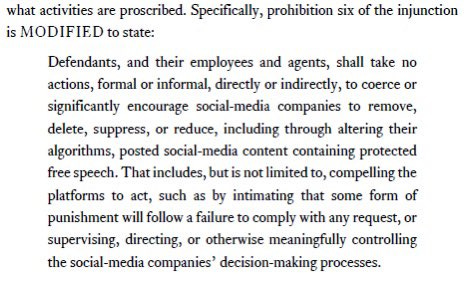
Contextualizing the scope of the violations of constitutional rights in our case, the judges noted that there are virtually no prior free speech cases of this scope and magnitude: “The Supreme Court has rarely been faced with a coordinated campaign of this magnitude orchestrated by federal officials that jeopardized a fundamental aspect of American life. Therefore, the district court was correct in its assessment—’unrelenting pressure’ from certain government officials likely ‘had the intended result of suppressing millions of protected free speech postings by American citizens.’ We see no error or abuse of discretion in that finding.”
The CIA’s Continued Secrecy on Chile and JFK
By Jacob G. Hornberger | FFF | September 8, 2023
On August 31, the Nation magazine published an article entitled “Chile: The Secrets the US Government Continues to Hide,” which details the CIA’s continued steadfast insistence on keeping its records secret that relate to the agency’s 1970-1973 efforts to bring regime change to Chile.
The CIA’s continued secrecy, of course, brings to mind the agency’s equally steadfast insistence on keeping its JFK-assassination related records secret into perpetuity.
The CIA, needless to say, cites the two magic words — “national security” — to justify its continued secrecy in both events.
I suggest that two other words are the real reason for the CIA’s continued secrecy in both events: “criminal cover-up.”
After all, the JFK assassination took place 60 years ago and the Chilean coup took place 50 years ago. The notion that the release of CIA assassination-related and coup-related records would threaten “national security,” no matter what definition is used for that ridiculous, meaningless term, is laughable to the extreme.
Actually, the Chilean coup bears a relationship to the JFK assassination. That’s because the national-security establishment’s mindset toward its regime-change operation in Chile reflected its mindset toward its regime-change operation in Dallas. My hunch is that those still-secret records relating to Chile would provide further circumstantial evidence pointing toward the reasons for the operation in Dallas.
In 1970, Chilean voters delivered a plurality of vote to Salvador Allende in the presidential election. Since Allende had not received a majority of votes, the election was thrown into the hands of the Chilean congress.
U.S. officials deemed Allende a grave threat to U.S. national security, on two grounds: that he was a socialist but, more important, that he was befriending the communist world, including Cuba and the Soviet Union, something that Kennedy had done as well in his famous Peace Speech at American University a few months before he was assassinated.
The CIA embarked on a campaign of bribing the members of the Chilean congress to vote against Allende (which, of course, is somewhat ironic given the fierce U.S. reaction to supposed Russian involvement in U.S. elections).
At the same time, the U.S. national-security establishment made plans for a Chilean military takeover. What’s interesting is that the CIA did not assassinate Allende. Instead, it convinced the Chilean national-security establishment that Allende posed a grave threat to Chilean national security and, therefore, that the Chilean national-security establishment had a moral duty to violently prevent Allende from assuming the presidency.
That’s a very important and very revealing point, one that undoubtedly comes across loud and clear in those still-secret CIA records relating to the Chile coup. The point reveals the U.S. national-security establishment’s conviction that it had the moral duty to violently remove JFK from power in order to protect America from a president whose policies, they concluded, posed a grave risk to “national security.” (See FFF’s book JFK’s War with the National Security Establishment: Why Kennedy Was Assassinated by Douglas Horne.)
Much to the chagrin of the U.S. national-security establishment, however, the commanding general of Chile’s armed forces, Gen. Rene Schneider, opposed the idea of a coup. His position was that the Chilean constitution did not permit a coup as a way to remove a democratically elected president from office. He said that Chileans would have to wait until the next election.
Therefore, the CIA simply orchestrated a violent kidnapping of Schneider which left him dead from gunshot wounds on the streets of Santiago. Ironically, the CIA’s kidnapping and assassination of this innocent man boomeranged because the Chilean congress, faced with tremendous anger over Schneider’s murder among the Chilean citizenry, rejected the CIA’s bribes and installed Allende into power.
Three years later, however, the U.S. national-security establishment prevailed in its efforts and helped military strongman Gen. Augusto Pinochet violently take over the reins of power. By the end of the war between the executive and national-security branches of the government, Allende was dead, just as Kennedy was ten years before.
With the full support of the Pentagon and the CIA, Pinochet’s henchmen rounded up some 60,000 innocent people and proceeded to torture and/or rape most of them. They also killed or disappeared around 3,000 of them.
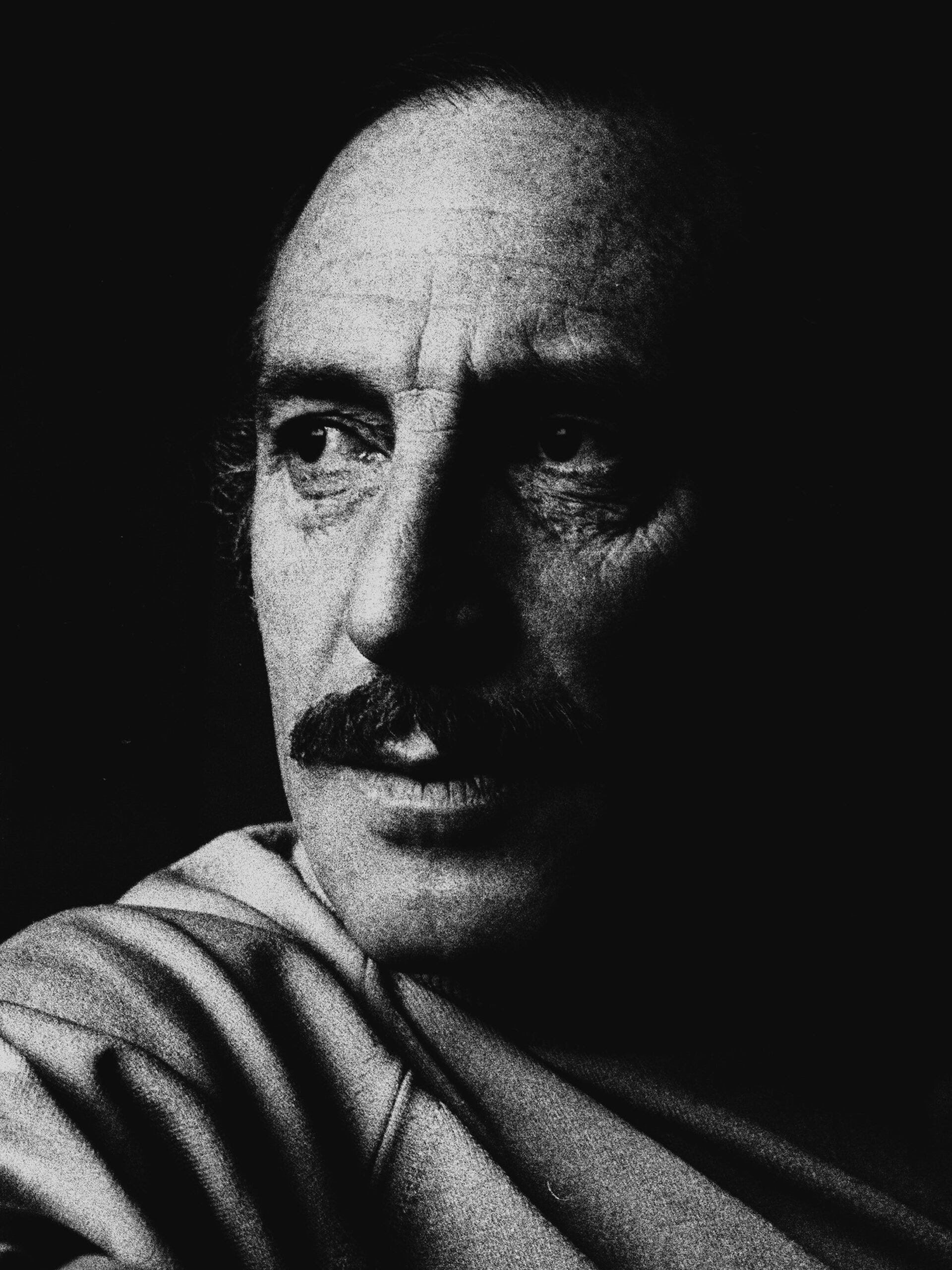
Orlando Letelier
Among those rounded up was Orlando Letelier, a highly respected man who had served in the Allende administration as ambassador to the United States, minister of foreign affairs, minister of the interior, and minister of defense. After being tortured in captivity, world pressure forced Pinochet to release him.
Letelier moved to Washington, D.C., where he joined a leftist think tank and began lobbying against the Pinochet regime. Pinochet and his national-security establishment deemed Letelier to be a grave threat to Chilean “national security.”
On September 21, 1976, Letelier was killed by a car bomb on the streets of Washington, D.C., along with his young assistant Ronni Moffitt.
It was determined that Pinochet’s secret Gestapo-like internal police force, which was called DINA and which worked with the CIA, had orchestrated and carried out the Letelier assassination. Among those convicted of the crime was a DINA agent named Michael Townley, who was a U.S. citizen.
As part of what was clearly a sweetheart deal, Townley pled guilty in U.S. District Court as part of a plea bargain with U.S. officials. Get this: He was sentenced to only ten years in jail for what amounted to the cold-blooded murder of two innocent people. To put that in perspective, compare it to the 22-year jail sentence that a U.S. District Judge recently meted out to a man convicted of simply participating in the January 6 protests. Townley was also given immunity from prosecution in Chile for another national-security assassination in which he had allegedly been involved.
But that’s not all. After serving only 62 months in jail, get this: He was admitted into the federal witness protection program! That meant that the feds gave him a secret identity and let him live a normal life somewhere in the world.
The Letelier assassination has always been blamed on Pinochet. Is it possible that the CIA, working with DINA, was also embroiled in that assassination, on grounds of “national security”? My hunch is that those records relating to Chile that the CIA steadfastly continues to keep secret would help provide an answer to that question, which, needless to say, would be a good reason for wanting them to kept secret.
Approaching 35,000 Incremental Homicides and Traffic Fatalities in 2020-2022 Compared to 2018-19 Baseline Average
BY STEVE SAILER • UNZ REVIEW • SEPTEMBER 9, 2023
A friend asked how many incremental deaths have there been due to the Floyd Effect? 3,000?
Nah, it’s more like 36,000 according to a simplistic methodology that takes CDC death counts for homicides and motor vehicle accidents for the years 2020-2022 and compares them them to how many there would have been if the average of 2018-19 had been maintained for the first three years of the 2020s. I come up with 2020 to 2022 having seen 36,042 additional Deaths of Exuberance (killings and car crashes) than if the death toll had stayed at the same annual rate as in 2018-2019.
That’s a pretty big number.
These 36,000 incremental deaths are divided pretty equally into extra homicides and extra traffic fatalities. And they are are about equally split into incremental black deaths and incremental all other deaths.
| The Floyd Effect | ||||||
| Homicide Deaths | ||||||
| Year | Period | Total | Black | White | Hispanic | Asian |
| 2018 | Pre | 18,830 | 9,469 | 5,460 | 3,045 | 263 |
| 2019 | Pre | 19,141 | 9,951 | 5,176 | 3,122 | 292 |
| 2020 | Post | 24,576 | 13,493 | 6,143 | 3,920 | 289 |
| 2021 | Post | 26,031 | 14,313 | 6,215 | 4,453 | 313 |
| 2022 | Post | 24,830 | 13,225 | 5,975 | 4,480 | 310 |
| Total 2018-19 | 37,971 | 19,420 | 10,636 | 6,167 | 555 | |
| Total 2020-22 | 75,437 | 41,031 | 18,333 | 12,853 | 912 | |
| Avg 2018-19 | 18,986 | 9,710 | 5,318 | 3,084 | 278 | |
| Avg 2020-22 | 25,146 | 13,677 | 6,111 | 4,284 | 304 | |
| Incr in Avg Deaths / Year | 6,160 | 3,967 | 793 | 1,201 | 27 | |
| % Incr in Avg | 32% | 41% | 15% | 39% | 10% | |
| Incremental Deaths 2020-22 vs. 2018-19 Avg | 18,481 | 11,901 | 2,379 | 3,603 | 80 | |
| Share of Incremental | 64% | 13% | 19% | 0% | ||
|
Motor Vehicle Accident Deaths |
||||||
| Year | Period | Total | Black | White | Hispanic | Asian |
| 2018 | Pre | 39,404 | 6,140 | 25,095 | 6,123 | 837 |
| 2019 | Pre | 39,107 | 6,196 | 24,770 | 6,165 | 824 |
| 2020 | Post | 42,339 | 7,882 | 25,402 | 7,059 | 790 |
| 2021 | Post | 46,980 | 8,583 | 27,805 | 8,143 | 932 |
| 2022 | Post | 46,009 | 7,815 | 27,234 | 8,422 | 979 |
| Total 2018-19 | 78,511 | 12,336 | 49,865 | 12,288 | 1,661 | |
| Total 2020-22 | 135,328 | 24,280 | 80,441 | 23,624 | 2,701 | |
| Avg 2018-19 | 39,256 | 6,168 | 24,933 | 6,144 | 831 | |
| Avg 2020-22 | 45,109 | 8,093 | 26,814 | 7,875 | 900 | |
| Incr in Avg Deaths / Year | 5,854 | 1,925 | 1,881 | 1,731 | 70 | |
| % Incr in Avg | 15% | 31% | 8% | 28% | 8% | |
| Incremental Deaths 2020-22 vs. 2018-19 Avg | 17,562 | 5,776 | 5,644 | 5,192 | 210 | |
| Share of Incremental | 33% | 32% | 30% | 1% | ||
| Homicide + Road Deaths | ||||||
| Year | Period | Total | Black | White | Hispanic | Asian |
| 2018 | Pre | 58,234 | 15,609 | 30,555 | 9,168 | 1,100 |
| 2019 | Pre | 58,248 | 16,147 | 29,946 | 9,287 | 1,116 |
| 2020 | Post | 66,915 | 21,375 | 31,545 | 10,979 | 1,079 |
| 2021 | Post | 73,011 | 22,896 | 34,020 | 12,596 | 1,245 |
| 2022 | Post | 70,839 | 21,040 | 33,209 | 12,902 | 1,289 |
| Total 2018-19 | 116,482 | 31,756 | 60,501 | 18,455 | 2,216 | |
| Total 2020-22 | 210,765 | 65,311 | 98,774 | 36,477 | 3,613 | |
| Avg 2018-19 | 58,241 | 15,878 | 30,251 | 9,228 | 1,108 | |
| Avg 2020-22 | 70,255 | 21,770 | 32,925 | 12,159 | 1,204 | |
| Incr in Avg Deaths / Year | 12,014 | 5,892 | 2,674 | 2,932 | 96 | |
| % Incr in Avg | 21% | 37% | 9% | 32% | 9% | |
| Incremental Deaths 2020-22 vs. 2018-19 Avg | 36,042 | 17,677 | 8,023 | 8,795 | 289 | |
| Share of Incremental | 49% | 22% | 24% | 1% |
Yes, it would have been simpler to just compare 2020-22 to the three years 2017-19, but the CDC made a methodological change between 2017 and 2018 in going from four races to six races (splitting Pacific Islanders out from Asians and adding “multiracial). So I just used the CDC’s data from 2018 onward to make an apples to apples comparison of 2020-22 to 2018-19.
Second, I didn’t bother adjusting for the modest population change during these years.
Third, the Floyd Effect didn’t begin on January 1, 2020, like I assume, but on May 25, 2020. Motor vehicle accident deaths weren’t up much in 2020 compared to previous years before Floyd Day. But black homicide deaths, after falling quite a bit in 2018 with the end of the Ferguson Effect under the Sessions Justice Department, began to creep upward again partway through 2019 and were rising in early 2020 before covid and also during early covid, before exploding in the last week of May during the first of the Mostly Peaceful Protests.
 But graphing weekly data of black deaths, there’s no doubt that the Floyd Effect is closely linked to the demise of George Floyd and the subsequent cultural revolution. As you may recall, the “racial reckoning” was in all the papers at the time.
So, the fairest estimate of incremental deaths due to the Floyd Effect in 2020-2022 might be “approaching 35,000.” The Floyd Effect is no doubt continuing to pile up more incremental deaths in 2023, although homicides appear to be dropping (but are still well above the 2018-2019 rate).
Approaching 35,000 is quite a few deaths, especially among fairly young people with a lot of life expectancy left. It’s very similar to American deaths in the Korean War of 36,516, and more than five times the total deaths in the Iraq and Afghanistan Wars combined.
[Note: In CDC data, “homicides” refer to homicide victimizations not homicide perpetrations.]
Breast Cancer in Women Under 50 on the Rise — Could Cellphones Play a Role?
By Suzanne Burdick, Ph.D. | The Defender | September 6, 2023
Early-onset breast cancer is on the rise in younger women in the U.S., according to two new peer-reviewed studies, leading some experts to wonder if cellphone use could be at least partially to blame.
The authors of an Aug. 16 study in JAMA Network Open looked at the health data from 2010 to 2019 of more than half a million people in the U.S. under 50 who reported having some kind of early-onset cancer.
They concluded breast cancer in 2019 had the highest incidence rate, with 12,649 new cases reported that year.
Meanwhile, the authors of a study published Sept. 5 in BMJ Oncology looked at worldwide cancer trends from 1990-2019. Breast cancer was responsible for the largest number of cases and associated deaths among younger people, with rates of 13.7 cases and 3.5 deaths per 100,000 people, they said.
Devra Davis, Ph.D., MPH, a toxicologist and epidemiologist who for more than 40 years has studied trends in cancer and who published more than 200 peer-reviewed articles, said she found the reports “very troubling.”
Davis is the president of Environmental Health Trust (EHT), a scientific research and education nonprofit, and founding director of the Board on Environmental Studies and Toxicology of the U.S. National Research Council at the National Academy of Sciences.
She told The Defender, “A trend in cancer cannot prove what is causing it. The trend is simply a fact. So the fact is that cancer among younger Americans, particularly women, is on the rise.”
Indeed, the American Cancer Society in 2022 estimated there were 47,550 cases of breast cancer in U.S. women younger than 50.
“But,” Davis added, “there’s clear compelling evidence that electromagnetic fields [EMFs] accelerate the growth of breast cancer cells.”
EMFs can accelerate growth of breast cancer cells
“We have known for nearly 30 years that EMFs can accelerate the growth of MCF-7 breast cancer cells,” Davis said. “There’s no debate about that.”
According to Davis, MCF-7 is an estrogen receptor-positive cancer cell that has been cultured for many years and is used as a standard assay in the laboratory.
Davis said prior research showed radiofrequency (RF) radiation emitted by cellphones moves easily through fat and fluid — “and the breast is nothing but fat and fluid,” she said.
Additionally, a 2020 peer-reviewed study found that excessive smartphone use “significantly increased” the risk of breast cancer, with those using cellphones for more than 4.5 minutes before bedtime having a 5.27-fold increased risk of breast cancer compared to those using a smartphone for less time.
The study authors said:
“To the best of our knowledge, we are the first to find that excessive smartphone use significantly increased the risk of breast cancer, particularly for participants with a smartphone addiction, who maintained a close distance between the breasts and smartphone, and who had the habit of smartphone use before bedtime.”
Staring at a cellphone screen before bedtime can also suppress the natural release of melatonin, a hormone that plays a role in sleep.
Melatonin appears to protect against breast cancer, Davis said. “We know this most especially from studies of blind women because blind women naturally have very high levels of melatonin and they have half the rate of breast cancer of sighted women,” she said.
Some research, however, suggests more thorough studies must be done before the link between melatonin and decreased risk of breast cancer can be proven.
Davis and several co-authors in February 2023 published a review of the latest science on pediatric health, EMFs and RF radiation in which they noted that RF radiation can act like an endocrine disruptor:
“It appears that non-ionizing RFR has all the classic hallmarks of endocrine disruptors that affect reproduction, development of the hypothalamic-pituitary-gonadal axis (HPG) and alter normal male and female reproductive endpoints.”
According to Davis, endocrine disruptors can cause “a host of biological consequences, including breast cancer.”
EHT in 2020 collaborated with the Massachusetts Breast Cancer Coalition to create an educational module for K-12 schools on the health impacts of daily RF radiation exposure and ways to reduce one’s exposure, Davis said.
‘We’re going to see a whole cluster of young people with breast cancer’
According to Davis, there have been at least five case reports of women developing breast cancer tumors where they routinely kept their cellphones in their bras.
One of the case report’s authors, Dr. John West, is a former breast surgeon who more than a decade ago predicted there would be an uptick in breast cancer cases.
West told CBS News in Nov. 2012, “If there is a risk and we don’t find out about it for five or ten years from now, we’re going to see a whole cluster of young people with breast cancer.”
West and his co-authors in 2013 published their case report of four women who carried their smartphones in their bras for up to 10 hours a day for several years, and who “developed tumors in areas of their breasts immediately underlying the phones.”
“These cases,” West and his co-authors said, “raise awareness of the lack of safety data of prolonged direct contact with cellular phones.”
In 2016, West wrote a book about breast cancer prevention, “Prevent, Survive, Thrive: Every Woman’s Guide to Optimal Breast Care,” with a chapter entitled, “Your Bra: A No-Phone Zone.”
That same year, Dr. Otis W. Brawley, the ACS’ former chief medical officer, highlighted the potential link between cellphone radiation and cancer in a May 27, 2016, press release citing the National Toxicology Program (NTP) multi-year $30 million study showing “clear evidence” that RF radiation is associated with cancer and DNA damage. He said:
“For years, the understanding of the potential risk of radiation from cell phones has been hampered by a lack of good science. This report from the National Toxicology Program (NTP) is good science.”
Brawley said the NTP’s report “marks a paradigm shift in our understanding of radiation and cancer risk.”
But the “paradigm shift” Brawley referenced never took hold after the U.S. Food and Drug Administration (FDA) in 2020 dismissed the NTP study.
According to Davis, the FDA’s rejection of the NTP study was “deeply flawed” and “deeply hypocritical.”
The FDA in 1999 requested the NTP study cellphone radiation, she said. FDA officials were intimately involved in reviewing the study design plans.
“Then when the results came out and some people didn’t like it, the FDA began to trash talk their own study,” Davis said.
To this date, the FDA still claims there is not enough scientific evidence to link cellphone use to health problems, including cancer.
Breast cancer is the most common type of cancer worldwide, excluding non-melanoma skin cancer, with 2.26 million cases in 2020 noted by the World Health Organization.
Suzanne Burdick, Ph.D., is a reporter and researcher for The Defender based in Fairfield, Iowa. She holds a Ph.D. in Communication Studies from the University of Texas at Austin (2021), and a master’s degree in communication and leadership from Gonzaga University (2015). Her scholarship has been published in Health Communication. She has taught at various academic institutions in the United States and is fluent in Spanish.
This article was originally published by The Defender — Children’s Health Defense’s News & Views Website under Creative Commons license CC BY-NC-ND 4.0. Please consider subscribing to The Defender or donating to Children’s Health Defense.
World is ‘laughing at’ the US – Alaska governor
© AFP / Mandel Ngan
RT | September 9, 2023
The US government’s decision to cancel oil and gas drilling licenses and forbid further drilling will “hobble” the country’s economy and makes no sense except to advance the green agenda, Alaska Governor Mike Dunleavy has declared.
President Joe Biden’s administration on Wednesday canceled seven ten-year oil and gas drilling licenses granted to the Alaska Industrial Development and Export Authority (AIDEA) by former President Donald Trump. Biden’s Department of the Interior followed up this decision by issuing a proposal to forbid future leases on more than 40% of the National Petroleum Reserve in Alaska.
Biden said that these two measures “will help preserve our Arctic lands and wildlife,” adding on Saturday that he would “continue to take bold action to meet the urgency of the climate crisis and to protect our lands and waters for generations to come.”
Speaking to Fox News on Thursday, Dunleavy said that “this makes absolutely no sense from any perspective unless your goal is to drive up the cost of oil and gas so much that it makes certain renewables cheaper.”
Dunleavy, a Republican, claimed that Russia, China, Saudi Arabia, and Iran are “laughing” at Biden’s energy policy.
“They’re laughing together at the United States of America,” the governor said. “I can’t find anywhere in, really the history of nation-states or empires, where they worked at hobbling themselves to such a degree that’s happening currently with this administration. So 2024 can’t come soon enough for most of us.”
Gasoline prices have soared under Biden, reaching a record average high of just over $5 per gallon last June, up from around $2 when the president took office.
Prices began to rise when Biden signed an executive order in January 2021 banning new oil and gas licenses on federal land, and spiked as the conflict in Ukraine rocked global energy markets. Ahead of last year’s midterm elections, Biden attempted to stabilize gasoline prices by draining the US’ strategic petroleum reserve, and by unsuccessfully lobbying the Saudi-led Organization of Petroleum Exporting States to cut production.
The AIDEA argues that Biden has no legal right to rescind existing drilling licenses and told Fox News that it intends to challenge the decision in court.
Dr. Pierre Kory: New York Times Guide to Fall Vaccine Shots Is ‘Disinformation’
By Michael Nevradakis, Ph.D. | The Defender | September 6, 2023
The New York Times on Sept. 1 published a “guide to fall vaccine shots,” which included recommending the general public get COVID-19, flu and RSV (respiratory syncytial virus) vaccines, and infants 6 months and older receive COVID-19 shots this fall.
Written by Times senior writer David Leonhardt, the guide warns about rising COVID-19 cases and the approaching flu season, before offering, “The good news is that there are vaccines and treatments that reduce risks from all major viruses likely to circulate this season.”
According to the Times, “This year, we should take a broader approach,” rather than “obsess over COVID.”
Peter Hotez, M.D., Ph.D., dean of the National School of Tropical Medicine at the Baylor College of Medicine — described by the Times as a “vaccine expert” — echoed that appeal. “It’s not only COVID you have to think about,” he said.
Hotez, Nirav Shah, M.D., J.D., principal deputy director of the Centers for Disease Control and Prevention (CDC), and other public health officials and experts quoted by the Times recommended Americans prepare for the upcoming fall and winter by getting the trio of COVID-19, flu and RSV vaccines.
None of these experts, however, addressed any of the potential safety risks posed by these vaccines.
Medical and public health experts who spoke with The Defender took a different view and questioned the Times’ guide, citing concerns about the safety and efficacy of vaccines for respiratory illnesses.
“Vaccines against respiratory illnesses have failed miserably,” said cardiologist Peter McCullough M.D., MPH. “America is wary of vaccines at this point, wanting to get on with life free of menacing vaccines, and are willing to seek early treatment, which is always the best way to handle infections, vaccinated or not.”
Pediatrician Dr. Liz Mumper, president and CEO of the Rimland Center for Integrative Medicine, told The Defender, “There have been no studies examining the effects of giving RSV vaccine, flu vaccine and COVID vaccine at the same time.”
“If you follow the advice in The New York Times article,” Mumper said, “be aware that your child will be part of post-marketing experimentation.”
Times still pushing vaccine propaganda
According to the Times, “The best defenses against COVID haven’t changed: vaccines and post-infection treatments,” which are “especially important for vulnerable people, like the elderly and immunocompromised.”
The federal government is “on track” to approve updated COVID-19 shots, designed to combat recent variants, in mid-September, the Times reported. Once they are available, “all adults should consider getting a booster shot.”
“COVID can still be nasty even if it doesn’t put you in the hospital,” the Times states. “A booster shot will reduce its potency.”
Hotez resurrected a claim heard often during 2021 and 2022, telling the Times, “Overwhelmingly, those who are being hospitalized are unvaccinated or undervaccinated.”
Experts who spoke with The Defender disagreed.
Harvey Risch, M.D., Ph.D., professor emeritus and senior research scientist in epidemiology (chronic diseases) at the Yale School of Public Health, citing data from U.K. Public Health, said, “All-cause deaths ages 18+ are disproportionately among vaccinated people, whether one, two or three doses, compared to unvaccinated people.”
“The statistic quoted by Dr. Hotez is false,” Risch said.
Brian Hooker, Ph.D., senior director of science and research for Children’s Health Defense (CHD) said, “The new booster simply hasn’t been tested to affirm any assertion of protection. The original trials on children were laughable as they looked at antibody titers rather than actual disease prevention.”
McCullough told The Defender, “The COVID-19 vaccines have been a safety debacle with record cases of myocarditis, blood clots, stroke, and all-cause mortality.”
Despite the injury and mortality reports and the Times’ admission that the risk of COVID-19 to young children is “very low,” Shah nonetheless recommended children as young as 6 months of age get the COVID-19 booster shots this fall.
“Do you want to see your grandpa … [and] grandma?” Shah asked in the Times. “Are you really sure you’re not going to give COVID to them?”
Experts who spoke with The Defender refuted Shah’s advice.
Dr. Pierre Kory, president and chief medical officer of the Front Line COVID-19 Critical Care Alliance (FLCCC), said “There is no medical justification for a healthy 6-month-old or older child to be vaccinated for COVID-19,” adding:
“There is so little data available on the safety of the COVID-19 vaccine in children that to give blanket recommendations like Shah is doing creates an unnecessary risk to children’s health.
“We simply do not know enough about the COVID-19 vaccines to make such broad recommendations. Additionally, COVID-19 is highly treatable in children and poses very little risk to a healthy child.”
Mumper told The Defender, “Any official who advocates that children take a vaccine to protect grandparents has not read the medical literature carefully.” She said, “After doing a deep dive on the risks and benefits of COVID vaccines in children, I remain steadfastly opposed to their use in healthy children,” adding:
“Any immunity from COVID shots is short-lived and follows a period of immune suppression. Very worrisome adverse events like inflammation of the heart, triggering autoimmunity, interfering with autonomic functions and reproductive toxicity are well described in the medical literature.”
Not all countries following suit
Some countries began limiting COVID-19 vaccination for children last year. In April 2022, Denmark ended its blanket COVID-19 vaccination recommendation, including for children.
Now, Denmark recommends “booster-vaccination” only for people “aged 50 years and above and selected target groups.”
Earlier in 2022, public health authorities in Sweden and Norway opted not to recommend COVID-19 vaccines for children between the ages of 5 and 11.
Sweden now recommends COVID-19 vaccination only for those 50 and above (18 and above for high-risk groups), while Norway is still only recommending COVID-19 vaccines for those 65 and older (and as young as 5 for high-risk groups).
In March of this year, the World Health Organization (WHO) said healthy children and adolescents ages 6 months to 17 years have a “low disease burden” and are therefore low priority for vaccination.
In June, Australian public health officials said Moderna’s COVID-19 vaccine is “no longer available” for children under 12, and in January, U.K. public health authorities ended their booster program for those under 50.
COVID vaccine recommendations ‘not science, not medicine, not public health’
Dr. Meryl Nass, an internist and member of CHD’s scientific advisory committee, told The Defender that while public health authorities and the media continue to recommend COVID-19 vaccines, none of them have been fully licensed in the U.S., as all such vaccines are available under Emergency Use Authorization (EUA) only.
In May 2022, the U.S. Food and Drug Administration (FDA) said that COVID-19 vaccines for kids under 6 would not have to meet the agency’s 50% efficacy threshold required to obtain an EUA.
CDC data released in September 2022 showed that more than 55% of children between 6 months and 2 years old had a “systemic reaction” after their first dose of the Pfizer-BioNTech or Moderna COVID-19 vaccines.
“The CDC, criminally, claims the (authorized) vaccines are ‘safe and effective,’” Nass said, adding:
“That is a term of art that is only allowed to be used for licensed vaccines and drugs. No licensed COVID-19 vaccine is available in the U.S. Public health is supposed to balance benefit and risk.
“This is not science. Not medicine. Not public health.”
Flu vaccines have demonstrated ‘declining efficacy’
According to the Times, “The most immediate step worth considering involves R.S.V.” On Sept. 5, the CDC issued a health advisory warning of rising RSV cases in parts of the U.S., particularly among children and babies.
Last month, the CDC signed off on the first-ever monoclonal antibody vaccine Beyfortus for the prevention of RSV, for babies up to 8 months old.
Also last month, the FDA approved an RSV vaccine for pregnant women, despite concerns raised by some medical experts about premature births identified during clinical trials. In May, the FDA approved Pfizer’s Abrysvo and GlaxoSmithKline’s Arexvy RSV vaccines for people 60 and older.
The Times quoted Ashish Jha, M.D., MPH, former White House COVID-19 adviser and now dean of Brown University’s School of Public Health, who said, “If you’re 60 or over, you don’t want to get into November without having an RSV vaccine.”
And though there is no RSV vaccine approved for administration to children, the Times said that “parents may want to ask their pediatrician” about monoclonal antibody treatment for children under 8 months of age.
According to Hooker, “the RSV vaccine given to pregnant women could not even make a 20% threshold for protection (as specified by the FDA) against lower respiratory RSV infection.”
Supporting the push for the flu vaccine, the Times and experts such as Jha said, “The flu officially kills about 35,000 Americans in a typical year,” but “the flu’s toll would be lower if more people got a vaccine shot,” noting that “In recent years, less than half of Americans have done so.”
Jha added, “We underestimate the impact that respiratory viruses have on our population. The flu can knock people out for weeks, even younger people.” Jha pointed out that flu can make heart attacks and strokes more common as well.
Kory, however, told The Defender that the COVID-19 vaccines have made people more susceptible to other respiratory illnesses, like the flu and RSV:
“In my practice, we treat many vaccine-injured patients who are now more susceptible to the flu, RSV and many other viruses. The COVID vaccines cause many to present as if they have an autoimmune disease and now respond with more severe symptoms to common viruses like the flu.”
Risch, meanwhile, said, “Traditional flu vaccines are considered to be safe for most people” and may be a “reasonable” option for them, but “this should be discussed with one’s healthcare provider.”
“The flu vaccines seem to have had declining benefit over the last 10-15 years, to the point now that they may confer only a 30% benefit,” Risch added.
And according to Hooker, “The flu shot is also notoriously bad at protection against the flu and there are very few data regarding this season’s flu shot efficacy.”
‘Ludicrous’ public health messaging
Shah’s recommendation that children as young as 6 months get a COVID-19 shot this fall follows in a long line of questionable advice and claims disseminated by public health officials, some of which were later contradicted.
In a May 2021 MSNBC interview, Dr. Anthony Fauci, then-head of the National Institute of Allergy and Infectious Disease (NIAID), said:
“Although you don’t like to see breakthroughs, the fact is, this is one of the encouraging aspects about the efficacy of the vaccine. It protect you completely against infection. If you do get infected, the chances are that you’re going to be without symptoms, and the chances are very likely that you’ll not be able to transmit it to other people.”
Fauci’s statements, however, failed to account for the many examples of breakthrough infections with severe symptoms and hospitalization.
After years of official “safe and effective” claims, in YouTube’s new “medical misinformation” policy introduced Aug. 15, “Claims that any vaccine is a guaranteed prevention method for COVID-19” are prohibited. Fauci’s videos from 2021, notably, are still up on YouTube.
In April 2020, Fauci said that remdesivir will become the “standard of care” for treating COVID-19. But numerous victims of COVID-19 hospital protocols prescribed by the CDC have come forward in recent months claiming that remdesivir was administered without permission of the patients or their families and contributed to further injury or death.
Similarly, former CDC Director Rochelle Walensky said in March 2021 “Our data from the CDC today suggests … that vaccinated people do not carry the virus, don’t get sick … can’t transmit it to others.” She doubled down on these statements during a House Select Subcommittee on the Coronavirus Pandemic hearing in June, asserting that her statement “was generally accurate.”
Hooker said these statements were “obviously patently false, as the vaccines distributed in the U.S. at that time [in 2021] were not tested for transmission and there was evidence of ‘breakthrough’ infections even in the clinical trials.”
“This obviates any protection to ‘Grandma and Grandpa’ through children getting vaccinated against COVID-19,” Hooker added.
Also in 2021, Walensky recommended wearing pantyhose over a mask to ensure a tight fit.
Nass called such public health messaging “ludicrous,” noting that Walensky’s pantyhose recommendation “quickly disappeared” because it “had connotations the CDC was not willing to deal with.”
Kory criticized the Times’ fall vaccine guide, characterizing it as an example of “disinformation.”
“The New York Times is carrying the disinformation that continues to come from the CDC and other government health agencies,” he said. “This is one of the reasons that the public continues to lose trust in the media and our government.”
As a result, public health officials “create a mockery of how medical and scientific evidence is used to inform patient care decisions and public health policy,” Kory said.
Other experts who spoke with The Defender suggested taking vitamins to boost one’s immune system, rather than a series of vaccinations.
“For the immune system to defend against respiratory viruses, all people should take daily vitamin D to achieve blood levels of 50 or greater,” Risch said. “This is typically 5,000 units per day for a 150-lb person, but can be adjusted up or down according to body weight.”
“Serious RSV infections generally occur only in the youngest young and the oldest old. People in these categories should discuss this with their doctors,” he added.
Michael Nevradakis, Ph.D., based in Athens, Greece, is a senior reporter for The Defender and part of the rotation of hosts for CHD.TV’s “Good Morning CHD.”
This article was originally published by The Defender — Children’s Health Defense’s News & Views Website under Creative Commons license CC BY-NC-ND 4.0. Please consider subscribing to The Defender or donating to Children’s Health Defense.
US Carries Out ICBM Test Amid Tensions with North Korea and Russia
By Connor Freeman | The Libertarian Institute | September 6, 2023
The US Air Force and Space Force jointly launched an unarmed Minuteman III intercontinental ballistic missile (ICBM) on Wednesday, amidst increased tensions with Pyongyang and Moscow. Air Force Global Strike Command carried out the test firing from the Vandenberg Space Force Base in California.
“These test launches demonstrate the readiness of [US] nuclear forces and provide confidence in the lethality and effectiveness of the nation’s nuclear deterrent,” said Space Launch Delta 30 vice commander Col. Bryan Titus.
A day earlier, National Security Adviser Jake Sullivan threatened Pyongyang over a potentially upcoming meeting between Kim Jong Un, the supreme leader of the Democratic People’s Republic of Korea (DPRK), and Russian President Vladimir Putin. “[This] is not going to reflect well on North Korea and they will pay a price for this in the international community,” Sullivan said.
National Security Council spokesman John Kirby claimed “arms negotiations” between the two nations are “actively advancing.” Although, Kremlin spokesman Dmitry Peskov explained that he cannot confirm the leaders’ rumored meeting as there is “nothing to say.” The US has already pledged $113 billion backing Kiev in its proxy war with Moscow.
The latest US miliary aid package for Kiev includes depleted uranium tank ammunition which is radioactive and toxic, it has been linked to cancer as well as birth defects where it has been used such as during the Iraq War. Largely as a result of Washington actively undermining diplomacy and ruling out peace talks or ceasefires, the Bulletin of Atomic Scientists has warned humanity has never been closer to a nuclear holocaust.
Former Defense Intelligence Agency officer Rebekah Koffler told Fox News Digital that “Washington is signaling to Moscow that it’s nuclear deterrent is combat ready should Putin decide to resort to nuclear warfare whether on the battlefield in Ukraine or outside of it… the risk of unintentional escalation due to misinterpretation of each other’s intentions is now heightened.”
Last Friday, Moscow put its nuclear Sarmat missile on “combat duty.” In 2022, Putin remarked that the advanced ICBM will “reliably ensure the security of Russia from external threats and make those, who in the heat of aggressive rhetoric try to threaten our country, think twice.”
Since 2022, massive joint US-South Korean live fire war games have resumed and, in response, the DPRK has launched more than 100 missiles. Last week, hours after the US flew bombers in separate joint air drills with Tokyo and Seoul, North Korea test fired two short-range “tactical” ballistic missiles.
During the Joe Biden administration, tensions have soared on the Korean peninsula as a result of Washington’s myriad war games which have seen the White House deploy armed Reaper drones, nuclear capable bombers, and aircraft carriers. In July, a US nuclear-armed submarine docked in South Korea for the first time since 1981.
Featured Video

The Search for Truth: Charlie Kirk’s Assassination One Year Later
or go to
Aletho News Archives – Video-Images
From the Archives
The 9/11 “Double-Cross” Conspiracy Theory
BY LAURENT GUYÉNOT • UNZ REVIEW • SEPTEMBER 6, 2022
Is it true that “9/11 was an inside job”? Yes, insofar as Israel is “inside” the U.S. But for the 9/11 truthers who have identified Israel as the main perpetrators, “9/11 was an inside job” is at best a half-truth, and at worst an integral part of the Zionist operation, like a secondary flag sewn as a lining under the false flag of Islamism. Victor Thorn (1963-2017) wrote in his book 9/11 made in Israel: The Plot Against America (2011): “In essence, the ‘9-11 truth movement’ was created prior to Sept. 11, 2001 as a means of suppressing news relating to Israeli complicity. . . . The slogan ‘9-11 was an inside job’ was quite possibly the greatest example of Israeli propaganda ever devised.” In milder terms, it is “controlled opposition”.
A genuine truth movement would have pointed to Israel as the prime suspect from the start. From day one, it was obvious who would benefit. … continue
Blog Roll
 Aletho News
- Dhubab offensive, media blitz and the rapid unraveling of Saudi-backed coalition’s new gambit
- Putin Conveys to Trump Iran’s Vision on Possible Conflict Resolution – Kremlin
- The Search for Truth: Charlie Kirk’s Assassination One Year Later
- ‘Harsh reality’: Iran says France seeks monopoly on power and intimidation, not peace for all
- When Will This White House Madness End?
- Huckabee aide goes to ‘unusual lengths’ to portray ‘Israel’ positively
- Trump Announces Diesel Supply Deal With Putin Following Phone Call
- MEP blasts ‘Euro-Gestapo’ for lecturing Russia on democracy
- Syria May Send Troops to Saudi Arabia Amid War with Ansar Allah
- UK whines about losing billions to ‘Putin tax’
- If Americans Knew
- Gaza ceasefire exists in name only, say more than 100 organizations
- Nearly 2 Million in Gaza Need Urgent Shelter Assistance as Winter Looms: IOM Chief Warns
- Suppressing Palestinian resistance: US charity under fire for AI monitoring of Gaza classrooms
- Thousands Are Held in Israeli Torture Camps. This Is What Happens Inside
- Israel puts Gaza’s sick, injured, newborn in peril – Daily Update
- Report claimed Mark Levin used by Israeli government to influence Trump
- Over 2,000 Gazans have died awaiting medical evacuation amid Israel’s continued siege
- How a U.S. Diplomat Suppressed and Altered Reports Critical of Israel
- 5 Palestinians Die from Israeli Strikes in Gaza as Relentless Attacks Continue
- Report: Ceasefire Slows Killing but Leaves Devastation Intact
- No Tricks Zone
- New Study: 50 Years Of The Most Aggressive ‘Net Zero’ Policies Can Only Affect The Global Climate By 0.03°C
- US September “Heat” Was No Record…Many Records Set Decades Ago
- Latest European Green Energy Debacle; Portugal’s Largest Flagship Solar Park Insolvent!
- Green Energy Debacle: German Expert Professor Fritz Vahrenholt Warns Of Severe Economic And Social Consequences
- Two More Paleo Reconstructions Affirm Meters-Higher Sea Levels Across Ireland, Brazil 7000-6000 Years Ago
- New Study: Earth And Venus Surface Warmth Largely Explained By Convection And Lapse Rate, Not CO2 Or Radiation
- 2025 Nature Paper Claiming Worsening Global Drought Gets RETRACTED …Heavily Flawed
- New Study: ‘Global Drought Shows No Detectable Recent Acceleration Under Climate Warming’
- Economic Masterminds: German Socialists Suggest Taxing Productivity Gains Stemming From Using AI
- The South China Sea Has Not Been Cooperating With The Climate Change Narrative

