UK plans to designate Yemen’s Houthis as terrorists risk disaster warns aid agencies
MEMO | April 3, 2022
The British government’s plans to designate Yemen’s Houthi movement as a terrorist group risk worsening the humanitarian crisis in the country, leading aid agencies have warned in a letter to cabinet ministers.
According to a report yesterday by The Guardian, 11 British aid agencies, including Save the Children, Care, the International Rescue Committee and Islamic Relief sent the letter upon being informed that Home Secretary Priti Patel was pushing for the designation under the Terrorism Act as part of a review of British policy in Yemen.
There are fears that the move, described as a “blunt tool” could hamper aid efforts in the country, already on the brink of famine, as international banks and companies that import food, medicines and fuel could be impacted by terrorism laws, especially as the Houthi-led, de-facto government based in Sanaa control the most densely populated areas in the north.
“The likely ‘chilling effect’ on banks and other commercial actors could prove catastrophic for the millions of Yemenis already at risk from hunger, conflict and disease,” the letter stated.
“Grain importers and banks told humanitarian agencies they are unsure if they will be able to continue supplying Yemen if the UK proceeds with proscription of Ansar Allah,” the aid agencies explained, referring to the formal name of the Houthi group.
“[If] banks were to refuse transfers because of UK proscription, this would likely have a serious impact on remittances, which are a lifeline for 500,000 Yemeni families. Up to one in 10 Yemenis rely on remittances to meet their essential needs. They are the biggest source of foreign exchange into the country, making up 20% of the country’s GDP. More than 100,000 Yemenis living in the UK would no longer be able to support their loved ones.”
However, the plans have received the support of some of the Gulf states, especially Saudi Arabia and the UAE who have been hit by cross-border attacks by the Houthis. Both are joint-leaders of the Arab coalition which militarily intervened in the country in 2015 at the request of the internationally-recognised Yemeni government following the fall of Sanaa to the Houthi forces and their military allies the year before.
Last year the Houthis were listed as a Foreign Terrorist Organisation towards the end of former US President Donald Trump’s administration, which was condemned by human rights groups at the time who warned it could further exacerbate the humanitarian crisis. However, President Joe Biden formally delisted the movement amid announcements that the US would end its support for the Saudi-led war. Earlier this year, Biden said he would consider relisting the Houthis as a terrorist group and it has become a source of tensions between Washington and its Gulf allies, Saudi and the UAE.
European energy crisis looms amid Russia-Ukraine tensions
Global Times | April 3, 2022
With Russia’s ruble payment for natural gas taking effect on Friday, the clock is ticking for Europe to grapple with the looming gas cutoff threat which would not only make the bloc face an unprecedented full-blown energy crisis but could also create a ripple effect throughout its manufacturing, logistics, and other services sectors, undercutting European GDP by about 1 to 2 percent and even lead to a political crisis, analysts predicted.
Moscow said gas will continue flowing with payments for supply from April 1 due to be paid by the end of the month or early May, giving respite to Europe whose leaders insist they will not comply with the ruble payment decree by Russian President Vladimir Putin. Analysts said the choices left for the bloc are limited, as the alternative LNG shipment from the US cannot cover demand in the short term and Europe is also severely lacking in LNG-receptive infrastructures.
These dire consequences seem to be very ironic, as Washington stands to pocket huge profits from the Russia-Ukraine conflict, while the interests of its European allies are compromised or even sacrificed, observers said, pointing out that Europe could become one of the biggest victims of the US advancing its global hegemony.
Putin announced that the ruble payment for natural gas purchases for “unfriendly” countries took effect on Friday. Under the new rule, foreign buyers will need to open special ruble and foreign currency accounts with Russia’s Gazprombank JSC to handle payments.
If account payments are not made, Russia will consider it a default on the part of buyers, and halt supply, Reuters reported.
European leaders have rejected paying with the ruble, which they said violates existing contracts. While Baltic country Lithuania said on Saturday that it has fully abandoned Russian gas imports, other European countries have yet to make clear what their stance or back-up plans are.
According to a Bloomberg report, European buyers are “looking for clarity on how the new system will work.” The German government was reportedly studying details, Denmark condemned the move, and French Ecology Minister Barbara Pompili said she didn’t see the request as a breach of contract as companies would still be able to pay in euros.
While the political wrestling would linger and European leaders may align to bolster their hard political stance against Russia, analysts predicted that there may be some easement on actual practices.
For example, some European countries may apply for exemptions via the EU mechanism, or there may be “some difference” between governments’ tough stance and how EU energy firms handle the payment, Cui Hongjian, director of the Department of European Studies at the China Institute of International Studies, told the Global Times on Sunday.
Looming energy crisis
Russia accounts for over 40 percent of Europe’s total natural gas supply and 50 percent of the coal supply used in Europe. The European natural gas price reportedly jumped 34 percent after the ruble payment decree.
Analysts warned that a further hike in natural gas prices could drive up living costs for ordinary Europeans, further heaping up inflation pressure and even intensifying political crises.
According to Investec Bank, the UK’s cap on energy prices could spike by another 50 percent in October to more than 3,000 pounds per household, driven by fears about disruptions to the European gas supply.
EU economic heavyweight Germany, which relies heavily on Russian energy imports, has seen its March energy price rise 129.5 percent than that of February. In March, German consumers’ spending for household energy and fuels grew by 22.5 percent year-on-year, according to data released by the Federal Statistical Office of Germany.
Germany declared an early warning in its national gas emergency plan on Wednesday, urging its people to cut their energy consumption. The country’s energy-intensive sectors including steelmaking, papermaking, and logistics have reportedly felt the pinch. Some operations have had to be suspended as they cannot afford the skyrocketing energy price.
According to media reports, there are three stages in Germany’s emergency plan, and the final stage is only activated when “there is exceptionally high demand for gas or significant disruption to gas supply, with all market-based measures implemented and supply still insufficient.”
“When the final stage is triggered as energy crisis snowballs, energy consumption will prioritize civilian use, and supply for industrial use could be totally halted in that case, exerting a devastating effect not only on Germany but also the European economy – which has been battered by the pandemic,” Cui warned, while estimating that such energy crises could erase Europe’s GDP expansion by around 1 to 2 percentage points.
It is projected that the EU economy will grow by 4 percent in 2022, according to a report issued by European Commission on February 10, before signs of an energy crisis manifested.
Cui said a curb on industrial production also weighs on fiscal government income, which matters to social welfare, resulting in a vicious circle that may even threaten the European bloc’s political stability.
No way out
A possible alternative to Russia’s natural gas is to import LNG from the US. Lin Boqiang, director of the China Center for Energy Economics Research at Xiamen University, told the Global Times on Sunday that US LNG shipment is not “an immediate solution” as the plan cannot be implemented within the next few months due to soaring gas price and limited facilities to accommodate shipment.
In March, the US and Europe struck a major LNG deal, under which the US will provide the EU with at least 15 billion additional cubic meters of LNG by the end of the year. “From a realistic point of view, US LNG shipments are also unable to fully cover the gap left by Russia’s natural gas imports, not to mention higher logistical costs,” Lin said.
US exporters have shipped record volumes of LNG to Europe for three consecutive months, as prices increased10 times more than a year ago, another Reuters report said.
According to a study by energy research institute Aurora Energy Research, it would cost between 60 and 100 billion euros filling up gas shortage from non-Russian sources.
Pakistani PM calls early election
Samizdat | April 3, 2022
Pakistani Prime Minister Imran Khan has called for an early election after a vote of no confidence against him was unexpectedly canceled by the parliament’s deputy speaker on Sunday.
Khan PTI’s party effectively lost its majority in the National Assembly last week when seven MPs from its coalition partner decided to join the opposition’s ranks.
The PM’s rivals insisted that this had given them a real chance of ousting Khan, who has been in office since 2018.
But the parliament’s deputy speaker Qasim Khan Suri canceled the no-confidence motion brought by the opposition in a surprise move, citing “foreign interference.”
Khan, who claims there is a US-led “international conspiracy” to remove him from power, then delivered a televised address to the nation, saying it should “prepare for election.”
“You will decide the future of this nation, not the corrupt or the foreigners,” he said.
“Buying people through money” has been the reason for the current crisis, Khan said, advising those allegedly trying to depose him to “put that money in something better.”
Pakistani President Arif Alvi has dissolved the parliament after a motion by Khan. According to the country’s laws, a general election will take place within the next 90 days.
The leader of the opposition PPP party Bilawal Bhutto Zardari has claimed that the government has “violated the constitution” by rejecting the no-confidence vote.
The “united opposition” is going to stage a sit-in at the National Assembly until the vote on Khan’s future takes place, he said, while also promising to challenge the decision in court.
Islamabad had summoned the American envoy to the country earlier this week after media reports claiming that Assistant Secretary of State Donald Lu told the Pakistani ambassador to the US that “relations with Pakistan cannot improve” as long as Khan was in power, but the country would be “forgiven for its mistakes” if the PM were ousted through a no-confidence vote.
How the Medical Establishment Covers Up the Harms of Adding Fluoride to Drinking Water
By Robert Carnaghan | The Daily Sceptic | April 1, 2022
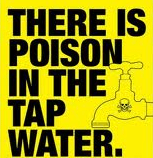 The addition of a fluoride, such as hexafluorosilicic acid or disodium hexafluorosilicate, to public water supplies has been recommended in a joint statement by the four Chief Medical Officers of the U.K. The Government’s Health and Care Bill, which has reached its final stages in Parliament, includes a small section to facilitate water fluoridation, which is now expected to be spread throughout the U.K.
Although water is already fluoridated in a few parts of the U.K. (mainly Birmingham), for nearly forty years no new schemes have been implemented since local opposition has managed to defeat them all. The Government is now determined to impose its wishes.
A recent press release said that “higher levels of fluoride are associated with improved dental health outcomes”, and that the “Health and Care Bill will cut bureaucracy and make it simpler to expand water fluoridation schemes”. The Bill’s explanatory notes state: “Research shows that water fluoridation is an effective public health intervention to improve oral health for both children and adults and reduces oral health inequalities.”
For about 70 years it has been claimed that fluoridation reduces dental decay, and that it is safe. Although there is abundant evidence showing that in fact it is neither effective nor safe, the proponents of fluoridation have long had the advantage of far greater funding than that available to sceptics.
Trials of fluoridation started in 1945 in the U.S. and Canada but, before any had been completed, and without any comprehensive health studies, fluoridation was endorsed as safe and effective by the U.S. Public Health Service. The American Dental and Medical Associations soon added their approval, as later did their equivalents in the U.K.
The original trials were studied by Dr. Philip Sutton in Australia who graduated with honours in Dental Science. Asked to examine them, he found they were of low quality, full of errors and omissions.
In Austria, Rudolf Ziegelbecker also studied the original fluoridation trials and found they did not show what had been claimed. Professor Erich Naumann, Director of the German Federal Health Office, said of him: “Your results have been accepted everywhere in Germany with the greatest interest and have increased the grave doubts against drinking water fluoridation.” Prof. Naumann added: “It is regrettable that the existing data on water fluoridation had not been examined earlier using mathematical-statistical methods. Otherwise the myth of drinking water fluoridation would have already dissolved into air long ago.”
In the U.K., pilot schemes started in the mid-1950s in four areas, all of which sooner or later abandoned the practice: Andover (1955-58), part of Anglesey (1955-92), Kilmarnock (1956-62), and Watford (1956-89). In 1957, Dr. Geoffrey Dobbs wrote in New Scientist that they “are now officially described as demonstrations of the benefits of fluoridation, not experiments, so the results are a foregone conclusion” and their purpose quite openly “promotional”. He added that the studies would gain enormously in value if those responsible were willing to submit them to impartial scientific assessment.
When the UK pilot studies started, it was officially stated that they should include “full medical and dental examinations at all ages”, but no medical examinations were done, and neither short-term nor long-term possible harms were explored. This lack of concern continues, with a general failure in fluoridated countries to monitor fluoride exposure or side effects.
In 2000, a major report by the Centre for Reviews and Dissemination at the University of York concluded that, despite many studies over 50 years, “We were unable to discover any reliable good-quality evidence in the fluoridation literature world-wide”. Even among the 26 better studies on fluoridation and tooth decay, not one was evaluated as “high quality, with bias unlikely”.
In 2015, a Cochrane review added: “There is very little contemporary evidence, meeting the review’s inclusion criteria, that has evaluated the effectiveness of water fluoridation for the prevention of caries.”
When Israel ended fluoridation in 2014-15, partly because of health concerns, its Ministry of Health pointed out that WHO data indicated no significant difference in the level of tooth decay between countries that fluoridate and those that do not fluoridate.
A trial in Hastings in New Zealand was apparently so successful that it was widely reported as a classic case of the benefit of fluoridation, with tooth decay reduced by at least half. However, when New Zealand passed freedom-of-information legislation, two university researchers were able to access the original records, which revealed that the published results were fraudulent. One of those involved in running the trials was asked for an explanation but he did not even try to justify the published results.
Not only is there a great absence of good quality evidence that fluoridation significantly reduces tooth decay, there has, especially in recent years, been growing evidence that it is harmful.
In 2006, a major report by the U.S. National Research Council said that fluoride exposure is plausibly associated with neurotoxicity, gastrointestinal problems, endocrine problems and other ailments. It was also unable to rule out an increased risk of cancer and of Down’s syndrome in children.
In 2017, a team of experts in Chile, supported by the Medical College of Chile, concluded that fluoridation is ineffectual and harmful.
Fluoride occurs naturally in a few water supplies, but so does arsenic. A recent study from Sweden shows an increased prevalence of hip fracture in post-menopausal women associated with long-term exposure to natural fluoride at levels in water in the same range as used in some parts of the U.K. for artificial fluoridation.
About half a century passed before the declassification of hundreds of U.S. Government documents provided clues to the real reason for fluoridation. Much meticulous research by an award-winning investigative journalist, Christopher Bryson, resulted in his thoroughly documented book, The Fluoride Deception, showing beyond doubt the extensive fraud involved.
Bryson’s research revealed the strong connection between fluoridation and the Manhattan Project to create the first atomic bombs. Huge amounts of fluorine were used to extract the isotope of uranium needed. Workers suffered hundreds of chemical injuries, mostly from the gas uranium hexafluoride.
In 1943 and 1944, farmers reported workers made ill, crops blighted and livestock injured, with some cows so crippled they could not stand. When the war was over, farmers in New Jersey sued DuPont and the Manhattan Project for fluoride damage. In response the Government mobilised officials and scientists to defeat the farmers.
In 1946, the United States had begun full-scale production of atomic bombs, and the New Jersey farmers’ legal action was seen as a threat, because of the potential for enormous damages and a public relations problem, with more trouble likely if they won. The farmers’ legal action was blocked by the Government’s refusal to reveal how much hydrogen fluoride DuPont had vented into the atmosphere.
Dr. Harold Hodge defended the nuclear programme against the legal threat from farmers. He had the idea of calming the public’s fears by talking about the usefulness of fluorine in tooth health. In January 1944, a secret conference on fluoride metabolism took place in New York. Organised by President Roosevelt’s science adviser, James Conant, documents from it are among the first that connect the atomic bomb programme to water fluoridation and to the Public Health Service.
Manhattan Project scientists were ordered to help the contractors. They also played a prominent role in the fluoridation of the public water supply in Newburgh, New York, an experiment that began in May 1945. In 1947 the U.S. Atomic Energy Commission took over from the Manhattan Project.
Dr. Harold Hodge, the Project’s senior wartime toxicologist, became the leading promoter of fluoridation. He announced it was so safe that it would take a massive dose of fluoride to cause harm. (Some 25 years later, in 1979, he quietly admitted in an obscure paper that he had been wrong.)
A Committee to Protect Our Children’s Teeth was formed, with powerful links to U.S. military-industrial interests and their determined effort to escape liability for fluoride pollution. The aim was to transform the public image of fluoride from that of a dangerous pollutant to a beneficial prophylactic medicine.
This aim was achieved with the help of Edward Bernays, an expert in the use of psychological techniques to achieve “manipulation of the organised habits and opinions of the masses” and “the engineering of consent”. Bernays advised the avoidance of debate: fluoridation was to be presented as indisputably beneficial; only the ignorant could object to it.
Reviews of Bryson’s book included one in the scientific journal Nature, noting that he “raises the stakes by reporting a great deal of relevant and often alarming research”, and describing the book as “thought-provoking and worthwhile”.
Publishers Weekly wrote: “Bryson marshals an impressive amount of research to demonstrate fluoride’s harmfulness, the ties between leading fluoride researchers and the corporations who funded and benefited from their research, and what he says is the duplicity with which fluoridation was sold to the people.”
Chemical & Engineering News stated: “We are left with compelling evidence that powerful interests with high financial stakes have colluded to prematurely close honest discussion and investigation into fluoride toxicity.”
Bryson found that, while the American Dental Association had previously opposed fluoridation, it changed its tune after receiving a large donation from an industrialist with a stake in the commercial use of fluoride.
A study of workers at a chemical company in Cleveland was used to promote the idea that fluoride reduces tooth decay. It said workers exposed to fluoride had fewer cavities than those not exposed to it. The report helped to shift public opinion. The secret version of the report, discovered decades later, stated that most of the men had few or no teeth, and that corrosion affected such teeth as they had.
As early as 1951 a confidential gathering of State Dental Directors in the U.S. was advised by Dr. Frank Bull, “We have told the public it works, so we can’t go back on that”. If it was difficult then, it must be very difficult now for prestigious dental and medical organisations to admit that the assurances of effectiveness and safety they have given for so long were at best mistaken and at worst fraudulent.
Among the various methods used to suppress adverse evidence and dissent have been mocking, silencing, sacking and denigration of scientists who threatened the official story. One of the earliest to suffer was Dr. George Waldbott, an eminent U.S. physician who was viciously maligned after reporting fifty cases of people made ill by fluoridated water, as established by double-blind tests.
Dr. John Colquhoun, a former supporter of fluoridation in New Zealand, was Chief Dental Officer for Auckland when he discovered and reported that fluoride was damaging children’s teeth. This was not what the authorities wanted to hear and he was sacked.
Dr. William Marcus was Senior Science Adviser in the Office of Drinking Water in the Environmental Protection Agency. He was sacked when he warned that research by the famous Battelle Institute showed that some forms of cancer could be caused by fluoride.
Dr. Phyllis Mullenix was the Chief Toxicologist at the prestigious Forsyth Dental Center, who discovered that fluoride is a neurotoxin that can adversely affect the brain. Following publication of her peer-reviewed study, U.S. Government pressure resulted in her being sacked and the institute’s toxicology department closed.
Often those whose research gave results unfavourable to fluoridation found that medical journals were hostile. Dr. Albert Schatz was a co-discoverer of streptomycin, the first effective drug for tuberculosis. When he found that infants in Chile had much higher death rates in fluoridated areas he sent a report in 1965 to the editor of the Journal of the American Dental Association who returned it unread.
The reluctance of many medical journals to publish adverse findings on fluoride resulted in the foundation of the International Society for Fluoride Research and its quarterly journal Fluoride. However, MEDLINE, the bibliographic database published by the U.S. National Library of Medicine, declined to index the peer-reviewed journal’s contents.
Dr. Richard Foulkes chaired a committee that recommended fluoridation in British Columbia. Later, a friend urged him to do his own research, after which he changed his mind and said: “My initial belief was based on information given to me by those in authority rather than on the basis of my examination of the facts.”
Dr. Hardy Limeback was Head of Preventive Dentistry at the University of Toronto when in 1999 he apologised for having promoted fluoridation. “I did not realise the toxicity of fluoride,” he said. “I had taken the word of the public health dentists, the public health physicians, the USPHS, the USCDC, the ADA, the CDA that fluoride was safe and effective without actually investigating it myself”.
It used to be claimed that fluoride works on the teeth from within and therefore that pregnant mothers should take fluoride for the sake of unborn children’s teeth. Now it is said that fluoride’s main effect is from the outside (topical, not systemic). Therefore, there is no need to imbibe it.
Water fluoridation is a blunderbuss that hits far more than the intended target. About a third to a half of fluoride that is ingested remains in the body where it accumulates, not only in the teeth and bones but also in the kidneys, pineal gland and the cardiovascular system. Kidney patients are particularly at risk from fluoridation.
The dose of fluoride a person gets in water is haphazard since people consume widely differing amounts. Bottle-fed babies get very much more fluoride than breast-fed ones, and the American Dental Association conceded in 2006, with little publicity, that “using water that has no or low levels of fluoride” should be considered when preparing formula milk for infants. However, neither an ordinary water filter nor boiling can remove fluoride.
Recent research also finds that fluoride damages children’s brains. For example, studies show a loss of IQ and increased symptoms of ADHD in offspring when pregnant women are exposed to fluoride at doses commonly experienced in fluoridated communities in Canada.
Leading scientists concerned about fluoride’s toxicity, and willing to speak out, include Dr. Philippe Grandjean (Harvard University: “Fluoride is causing a greater overall loss of IQ points today than lead, arsenic or mercury”); Dr. Kathleen Thiessen (“The principal hazard at issue from exposure to fluoridation chemicals is IQ loss”); Professor David Bellinger (Harvard Medical School: “It’s actually very similar to the effect size that’s seen with childhood exposure to lead”); Professor Bruce Lanphear (“Fluoride exposure during early brain development diminishes the intellectual abilities in young children”); and Dr. Howard Hu (“Fluoride is a developmental neurotoxicant at levels of exposure seen in the general population in water-fluoridated communities”).
No less important is the fact that fluoridation is treatment without consent. People without the resources needed to obtain alternative supplies of water for drinking and cooking are chemically treated, in effect compulsorily.
For more information see Fluoride Free Alliance U.K., Fluoride Action Network and Stop Fluoridation U.K.
FDA Weighing Moderna Vax for Kids 6 and Under, But Experts Say Trials Inadequate
The Defender | April 1, 2022
Moderna last week said it will seek Emergency Use Authorization (EUA) for its COVID-19 pediatric vaccine, after announcing its two-dose regimen reduced cases of symptomatic disease by 43.7% in children 6 months to 2 years old and by 35.7% in children ages 2 to 6.
The company said its Phase 2/3 KidCOVE study of its mRNA-1273 in children “successfully met its primary endpoint.”
However, as Politico reported Wednesday, and as experts told The Defender, some doctors and scientists question whether Moderna’s clinical trial data will be sufficient for the U.S. Food and Drug Administration (FDA) to grant EUA for the vaccine.
Experts cited the trials’ low efficacy rates, small sample size and reliance on a research workaround called immunobridging as weaknesses that could hinder Moderna’s case.
“Given the other data that surrounds it, I don’t know that it’s a slam dunk that the FDA will move forward in terms of releasing it for emergency use,” Peter Hotez, professor of pediatrics and molecular virology and microbiology at the Baylor College of Medicine, told Politico.
“We’re still learning about the relationship between virus-neutralizing antibodies and effectiveness,” Hotez said, adding the FDA might need to raise its standards.
Experts also raised questions about the risk-benefit ratio of the COVID vaccines for an age group with a statistically insignificant risk of severe illness.
The FDA recently tabled Pfizer’s petition for EUA of its pediatric vaccine for infants and children 6 months to age 5, citing insufficient data on a third dose for children 2 to 4 years old.
Small trials hide injuries, experts say
Moderna’s trial was designed to analyze the safety, immunogenicity and tolerability of two vaccine doses in healthy children who were administered two 25-microgram doses 28 days apart, according to Clinical Trials Arena.
The sample size was small. Approximately 6,700 children were enrolled in the trial’s 6-and-under age group, including about 4,200 children between the ages of 2 and 6 and 2,500 children between 6 months and 2 years.
The trial also encompassed children in the 6- to 12-year-old age group, bringing the total to nearly 11,700 children.
According to Dr. James Campbell, professor of pediatrics and physician-scientist at the Center for Vaccine Development and Global Health at the University of Maryland School of Medicine, adult vaccine trials typically look at larger sample sizes.
Campbell, who tackled dosage studies for children for the Moderna study, said, “Instead of having 30,000 to 45,000 people — half who get the vaccine and half the placebo — we’re enrolling more like a few thousand in each of these age groups.”
Toby Rogers, Ph.D., an expert in statistics and how they relate to vaccine trials, told The Defender that 6,700 participants makes for an undersized trial.
“Researchers would call this ‘intentionally undersized to hide harms,’” Rogers said. “And this is a standard trick that pharmaceutical companies do.”
For the Moderna study, there were about 3,350 participants each in the treatment and placebo groups. An adverse event such as myocarditis might happen one out of 5,000 times, Rogers said.
“If you have only 3,300 in the treatment group, you are unlikely to see that particular harm in the clinical trial,” he said. “And, if you do see it in the treatment group, the company has ways to kick that person out of the trial.”
Rogers added:
“Say you experience myocarditis and you call the hospital at midnight and get in the car and go to the hospital, you get kicked out of the trial because you are breaking their protocols. They want you to call their doctors and not the hospital. They do that pretty regularly.”
In context, trials for the polio vaccine had a million participants.
“And now we have trials that are coming in with just a few thousand participants. It’s bad faith. This is just the tip of a large iceberg,” Rogers said.
Moderna trials show vaccine fails to meet FDA 50% efficacy standard for EUA products
Moderna’s claim that two shots of its vaccine reduced cases of symptomatic disease by 43.7% in children 6 months to 2 years old and by 35.7% in children ages 2 to 6 means the vaccine falls below the FDA’s 50% efficacy threshold for EUA products.
“No one would argue that 40 percent protection is great,” Dr. Chandy John, a pediatrician at Indiana University, told The Atlantic.
According to Politico, Moderna officials said the regimen met a metric called immunobridging, meaning the pediatric doses produced the same immune response that’s been seen in young adults.
Bridging studies are used in lieu of duplicating large-scale efficacy trials. Researchers extrapolate efficacy results from one population to predict drug efficacy in another population, according to Bernard Fritzell in a paper published in Developing Biological Standards.
In practice, using immunobridging means that pediatric vaccine researchers looked at an older group from a previous trial, who received a different dose of a vaccine with different ingredients, and decided what level of antibodies in that group were enough to ward off COVID.
They then looked at the younger children’s group to see how many of those participants had that same level of antibodies — a process that is not predictive of an individual’s ability to fight off infections, Rogers said.
Rogers added:
“So moving forward, into this mythical future, we predict that this many kids with antibodies will be protected. If this was a legitimate way to do science, you’d never have to do clinical trials in kids, because you could just immunobridge from any population under the sun whenever you wanted to. If you get a clinical trial with zero effect, you are going to finesse it with immunobridging.”
Dr. Meryl Nass, an internal medicine physician with expertise in anthrax and bioterrorism and member of the Children’s Health Defense (CHD) scientific advisory committee, also criticized the practice.
“The term ‘immunobridging’ is simply a fancy way of saying we are going to use antibody titers instead of actual cases of disease prevented as our benchmark,” Nass told The Defender.
“And we will compare the antibody level in one age group to that in another, and if they are comparable, we will say the vaccine works in the new age group,” Nass said.
Nass said the FDA began accepting surrogate markers of efficacy in vaccines years ago for vaccines intended for rare conditions in which there were not sufficient cases to determine actual efficacy in the real world.
Nass said:
“This is simply not the case with COVID. There is plenty of COVID going around. For Moderna to claim the FDA should authorize its vaccine in babies and preschool children because the vaccine led to high antibody levels, when its real-world efficacy (and only against mild symptoms) was only 40% is a bad joke.
“The efficacy level tells you that antibody levels are a poor surrogate for efficacy and should therefore be ignored. Other parts of the immune system contribute to immunity besides neutralizing antibodies.”
Dr. Elizabeth Mumper, pediatrician, CEO of The RIMLAND Center and member of CHD scientific advisory committee, echoed Nass’ concerns.
“Emergency Use Authorization typically demands a 50% threshold of efficacy for approval,” said Mumper.
“Here, Moderna tries to get around their less-than-50% efficacy results by using a concept called immunobridging, meaning to show that children develop the same immune antibody response as young adults,” Mumper said.
“However, there are problems with assuming antibody response numbers correlate with clinical outcomes.”
Moderna also admitted its study was unable to assess the vaccine’s efficacy against severe disease, hospitalization or death for ages 6 and younger, as participants’ infections were mild or moderate.
The only adverse events the study reported were fevers — 15% of children had fevers higher than 100.4 degrees and 1 in 500 experienced a fever higher than 104 degrees.
Moderna did not disclose if any of the children who participated required hospitalization as a result of the fevers. It did reveal that adverse reactions were more frequently reported after the second dose.
Trials’ short duration, plus evolving variants raise questions
Critics also cited the study’s short duration, though Moderna said it will continue to monitor its participants for 12 months.
“Long-term adverse effects of the vaccine remain an open question,” said Stephanie Seneff, Ph.D., senior research scientist at MIT’s Computer Science and Artificial Intelligence Laboratory.
“Are we prepared to booster children every three or four months, since the protection from the vaccine is short-lived?” Seneff asked.
The Omicron variation affected the Moderna’s efficacy rates in children, an outcome the company claimed was “as expected.”
But the fact that the virus continues to mutate at a fast rate and the fact that kids 6 and younger are at low risk from COVID makes the vaccine’s use in healthy children questionable, Hamid A. Merchant, subject leader in pharmacy at the University of Huddersfield, UK, said in the Journal of Pharmaceutical Policy and Practice.
Merchant said:
“Currently deployed COVID vaccines were designed using the variant that was prevalent in early 2020 and the virus has significantly mutated since then; the breakthrough cases from [the] recent Omicron outbreak is a good example of the rapidly evolving nature of this virus.”
Research in the UK indicates more than 85% of children ages 5 to 11 years have already contracted COVID and have acquired natural immunity, Merchant added.
Kids at low risk of severe disease
Politico reported that even though the 5-and-under age group was more likely to be hospitalized for Omicron, children in this age group account for only 0.1% of the deaths from COVID and 3% of COVID cases in the U.S., according to CDC’s own data.
“According to data from most countries, practically no children under the age of 5 have died from COVID,” Nass said. “In the UK and Wales, over two years of the pandemic, only one child without comorbidities (a chronic illness) died from COVID.”
Nass added:
“While CDC claims over 1,000 children have died with COVID, CDC responded to a FOIA request from Informed Consent Action Network that it does not collect and analyze data on healthy children who have died from COVID in the U.S.
“This is hard to believe, but since the New York Times revealed that CDC hides the bulk of the data it collects on COVID, in part to avoid providing tinder to ‘antivaxxers’ regarding poor vaccine efficacy, it may be that CDC did in fact choose not to look at such data.”
A Johns Hopkins’ study that monitored 48,000 children under 18 who were diagnosed with COVID showed there were zero deaths in those without comorbidities. Another study in Nature came to much the same conclusion.
“Infants and toddlers do surprisingly well with Omicron,” Mumper said, adding:
“We know they have fewer ACE2 receptors in their noses, which may be protective. We know they have cross-protection from other infant viruses. We know the jab-generated B cell-specific spike protein antibody response is a very specifically targeted response, and not as broad as the natural symphony of well-orchestrated immune responses children usually mount.”
Rogers this week wrote the harms from COVID vaccines are catastrophic, and benefits are questionable:
“There are now 44,975 [Vaccine Adverse Event Reporting System] reports of adverse events in children following Covid shots, a few of which led to deaths. These reports likely understate harms by a factor of 41 to 100.”
Nass also called out the issue of risk versus benefit for the young age group:
“If we are vaccinating kids to protect grandma, which a Moderna official suggested, it should be noted that that is not considered ethical under U.S. law. You cannot vaccinate kids, and have them take a risk for a marginal benefit to themselves because you are hoping to provide a great benefit to adults.”
Apparently, the majority of parents agree. The Hill reported only 25% of children ages 5 to 11 are vaccinated, even though the FDA authorized vaccines for their age group last October.
“I hope the FDA holds Moderna’s feet to the fire and demands very robust results,” Mumper said.
“The basic concept is: First do no harm. If a baby’s background risk with COVID is not significantly changed by an mRNA jab, then the shot is not justified. If the jab just prevents mild to moderate infections, is it necessary or desirable?”
UN Human Rights Council adopts resolutions against Israel’s human rights violations in Syria’s Golan
Press TV – April 2, 2022
The United Nations Human Rights Council has adopted a resolution denouncing Israel’s human rights violations against the people in Syria’s occupied Golan Heights, calling on the Tel Aviv regime to stop its repressive measures.
The Geneva-based council endorsed the resolution at its 49th regular session on Friday,urging Israel to comply with the relevant UN resolutions.
In a separate resolution, the council renewed its condemnation of illegal Israeli settlements in the occupied Palestinian territories, including East al-Quds, and Syria’s Golan Heights.
The UN body also called for an immediate end to Israel’s continued occupation and illegal settlement activities in the occupied Arab territories.
In another resolution on the right of the Palestinian people to self-determination, the council “reaffirmed the Palestinian people’s right to live in freedom, justice, and dignity and the right to their independent State of Palestine.”
During the session, Hussam Edin Aala, Syria’s permanent envoy to the UN in Geneva, said Israel continues its violations of international law and human rights with the full support of the United States.
He further called on the Human Rights Council to hold Israel responsible for these violations.
In 1967, Israel waged a full-scale war against Arab territories, during which it occupied a large swathe of Golan and annexed it four years later – a move never recognized by the international community.
In 1973, another war broke out; and a year later a UN-brokered ceasefire came into force, according to which Tel Aviv and Damascus agreed to separate their troops and create a buffer zone in the Heights. However, Israel has over the past several decades built dozens of illegal settlements in Golan in defiance of international calls for the regime to stop its illegal construction activities.
In a unilateral move rejected by the international community in 2019, former US president Donald Trump signed a decree recognizing Israeli “sovereignty” over Golan.
Last December, Israel announced that it intends to double the number of its illegal settlements in the Golan, despite an earlier resolution adopted by the UN General Assembly demanding the regime’s full withdrawal from the occupied territory.
Nevertheless, Syria has repeatedly reaffirmed its sovereignty over Golan, saying the territory must be completely restored to its control.
The United Nations has also time and again emphasized Syria’s sovereignty over the territory.
Israel also occupied East al-Quds, the West Bank and the Gaza Strip during the Six-Day Arab-Israeli War in 1967. It later had to withdraw from Gaza.
Nearly 700,000 Israelis live in illegal settlements built since the 1967 occupation of the Palestinian territories of the West Bank and East al-Quds.
All the settlements are illegal under international law. The United Nations Security Council has condemned the settlement activities in several resolutions.
Palestinians want the West Bank as part of a future independent state with East al-Quds as its capital.
US reveals another huge batch of military aid to Ukraine
Samizdat | April 2, 2022
The US will be sending an additional $300 million in military aid to Ukraine, Pentagon press secretary John Kirby announced on Friday.
He added that the package will include laser-guided rocket systems, switchblade tactical drones which are capable of taking out armored vehicles, Puma surveillance drones, armored Humvees, ammunition, night-vision devices, machine guns, communications equipment, medical supplies, and other items.
“This decision underscores the United States’ unwavering commitment to Ukraine’s sovereignty and territorial integrity in support of its heroic efforts to repel Russia’s war of choice,” Kirby said.
The secretary explained that the Ukraine Security Assistance Initiative allows the US government to procure supplies and equipment directly from defense industry contractors, rather than taking it from the Defense Department’s own stockpiles.
The US has so far committed over $2.3 billion in security assistance to Ukraine since Russia launched its military operation in the country last month.
Earlier, UK Defence Secretary Ben Wallace announced that Britain and its partners agreed to send more lethal aid to Ukraine after a conference involving 35 countries, explaining that Ukrainian soldiers need different weapons depending on the tactics on the ground.
Last month, US President Joe Biden signed a government spending bill that approved $13.6 billion in military and humanitarian aid for Ukraine, while some members of the Senate demanded the US spend even more to assist the country.
Pakistani PM commends India
Samizdat | April 2, 2022
Pakistani Prime Minister Imran Khan has complimented regional rival India for maintaining an “independent foreign policy” amid US and allied pressure to adopt a harsher stance toward Russia.
Speaking Friday after accusing Washington of “interference” in Pakistan’s internal affairs, Khan went on to praise New Delhi’s unwillingness to go along with a barrage of sanctions and economic restrictions against Moscow.
“They protect their independent foreign policy which is centered on its people,” he said, as cited by local media. “No country is respected unless it stands on its own two feet.”
Facing a no-confidence vote on Sunday after losing his parliamentary majority following multiple defections from his party, Khan’s remark was quickly denounced by political opponents, with the leader of the opposition National Assembly, Shehbaz Sharif, blasting him for talking up the policy approach of Pakistan’s top adversary.
“His recurring praise for [Indian Prime Minister] Narendra Modi’s foreign policy is an insult to the sacrifices of valiant Kashmiris braving Hindutva,” he tweeted, referring to a Muslim-majority population in northern India and a form of Hindu nationalism. “Among other things, the damage done to our foreign policy is incalculable,” Sharif added.
Khan, however, quickly shot back, saying that his rivals believe his “statements will anger America” and that “Pakistan cannot survive without its support.”
“They [the United States] order us. They say that if the no-confidence motion does not become successful, there will be consequences for Pakistan,” the PM went on, arguing that his administration will not join the “bloc politics to achieve the same objectives” against Russia.
The Pakistani leader previously said a “foreign country” was seeking to remove him from office and is driving the no-confidence vote, openly naming that nation as “America,” ostensibly by accident, during a televised address on Thursday. The government also summoned the acting US envoy in Islamabad over the alleged political meddling on Friday, which it denounced as “blatant interference.”
Khan previously praised India’s “independent” policy in late March, stating that his own country, like New Delhi, would not “bow” to Western pressure to join the sanctions spree against Moscow. Despite international pressure and criticism for staying neutral, India adopted a pragmatic approach and continued purchasing Russian oil, even at a discount, to ensure the country’s own energy security.
Post office social media surveillance program found to be illegal
By Christina Maas | Reclaim The Net | April 1, 2022
A review conducted by the Postal Service Office of Inspector General found that the Postal Service surveillance program iCOP exceeded its legal authority by surveilling Americans during protests between 2018 and 2021.
In 2021, Yahoo News reported the existence of the secret program, prompting outrage from lawmakers and constitutional experts who noted the program operated without oversight from Congress. Soon after the Yahoo News’ report, Congress requested the Inspector General’s office to launch an investigation into iCOP (Internet Covert Operations Program).
“We determined that certain proactive searches iCOP conducted using an open-source intelligence tool from February to April 2021 exceeded the Postal Inspection Service’s law enforcement authority,” the March 25, 2022, Inspector General report stated.
“Furthermore, we could not corroborate whether other work analysts completed from October 2018 through June 2021 was legally authorized.”
According to Yahoo News, iCOP used sophisticated technology, including facial recognition, to compile reports on protesters. It ran keywords searches for terms such as “protest” on online platforms to collect speech about protests that had nothing to do with the Postal Service’s work.
The House Oversight Committee chair, Rep. Carolyn Maloney said the Inspector General report proves there was cause for concern over iCOP’s activities.
“The Oversight Committee requested this report because of our significant concerns about intelligence activities conducted by the Postal Service Inspection Service’s analytics team related to First Amendment activity,” Maloney said in a statement to Yahoo News. “The Inspector General’s audit makes clear that the committee’s concerns were justified, and that the use of open-source intelligence by the analytics team ‘exceeded the Postal Inspection Service’s law enforcement authority.’”
The report concluded that the Postal Service exceeded its legal authority in monitoring protesters, and stressed iCOP’s activities should have a “postal nexus.”
“However, the keywords used for iCOP in the proactive searches did not include any terms with a postal nexus. Further, the postal nexus was not documented in 122 requests and 18 reports due to a lack of requirements in the program’s procedures. These issues occurred because management did not involve the Postal Inspection Service’s Office of Counsel in developing iCOP or its procedures.”
Featured Video

Trump asks Iran not to retaliate after he strikes Pickaxe Mountain
or go to
Aletho News Archives – Video-Images
Book Review & Summary
Calling of an Angel: The True Story of Rene Caisse and an Indian Herbal Medicine Called Essiac (1988)
Dr. Gary L. Glum – 30 Q&As – Book Review & Summary
Lies are Unbekoming | October 17, 2026
On June 10, 1975, Dr. Chester Stock, a vice president at Memorial Sloan-Kettering Institute for Cancer Research, wrote to a Canadian nurse named Rene Caisse: “Enclosed are test data in two experiments indicating some regressions in sarcoma 180 of mice treated with Essiac.” The sentence sat in a letter from one of the world’s largest private cancer research centers, concerning an herbal tea an elderly English woman had learned from an Ojibwa medicine man at a northern Ontario mining camp in the 1890s. The tests were terminated the following year after Sloan-Kettering admitted, in sworn affidavit three years later, that they had prepared the injectable solution improperly from the dried material supplied — freezing and thawing the herb rather than boiling it as Rene had instructed. By the time Calling of an Angel was published in 1988, Rene Caisse had been dead for a decade, having treated thousands of cancer patients across fifty-six years in her Bracebridge, Ontario kitchen, never charging a fee, and refusing every offer — from Memorial Sloan-Kettering, the National Cancer Institute, Merck, Parke Davis, and private corporations dangling contracts up to $1 million — to release her formula before the medical establishment admitted her remedy had merit. … continue
Blog Roll
 Aletho News
- Trump asks Iran not to retaliate after he strikes Pickaxe Mountain – w/ Prof. Marandi
- Vice President J.D. Vance’s Deceptive ‘Antiwar’ Campaign Speech
- Iran: Palestinians’ rights must not be compromised in Gaza’s future; US, Israel to blame for Hormuz situation
- Ongoing tales of Syrian chemical weapons
- Moscow blasts UN for ignoring torture of Russian POWs
- Millions of Books Could Have Been Destroyed in Lebanon During Israeli Bombings
- Moscow warns of ‘hunt for Russians’
- Calling of an Angel: The True Story of Rene Caisse and an Indian Herbal Medicine Called Essiac (1988)
- South Korean Assistance to the U.S. in the War with Iran: Between Allied Duty and National Interests
- Pharma- and Gates-Funded GAVI Seeks to Assure Parents
- If Americans Knew
- Israeli soldiers debunk Israel’s talking points
- In West Bank, Israeli settlers are totally out of control – Daily Update
- NPR investigation finds evidence of widespread fraud at mall kiosks tied to Israeli skincare brand
- Tucker Carlson exposes Israeli Lies about the Oct 7th attack, Charlie Kirk, and the U.S.
- Israel has detained thousands of Palestinian children since Oct 7th – over half spent time in solitary, many uncharged
- Israeli Analysis: Is Netanyahu Planning an ‘October Surprise’ Attack Before Israel’s Election?
- Israeli settlers brutally attack Palestinians and Washington Post female photographer, 65
- Words Have Changed, Occupation Continues: The Reality of the Gaza Ceasefire
- Gaza’s child amputees are growing faster than their prosthetics allow
- Israel keeps Palestinians struggling just to survive–Daily Update
- No Tricks Zone
- New Study Suggests Large Regions Of The Pacific Ocean Have Been Cooling For The Last 80 Years
- Germany’s Green Energy Debacle: High Energy Costs Force Kahla Porzellan to Close After 182 Years!
- New Study: 50 Years Of The Most Aggressive ‘Net Zero’ Policies Can Only Affect The Global Climate By 0.03°C
- US September “Heat” Was No Record…Many Records Set Decades Ago
- Latest European Green Energy Debacle; Portugal’s Largest Flagship Solar Park Insolvent!
- Green Energy Debacle: German Expert Professor Fritz Vahrenholt Warns Of Severe Economic And Social Consequences
- Two More Paleo Reconstructions Affirm Meters-Higher Sea Levels Across Ireland, Brazil 7000-6000 Years Ago
- New Study: Earth And Venus Surface Warmth Largely Explained By Convection And Lapse Rate, Not CO2 Or Radiation
- 2025 Nature Paper Claiming Worsening Global Drought Gets RETRACTED …Heavily Flawed
- New Study: ‘Global Drought Shows No Detectable Recent Acceleration Under Climate Warming’

