Science Crushes Rolling Stone’s Claimed Link Between COVID and Climate
By H. Sterling Burnett | ClimateRealism | December 11, 2020
Rolling Stone this week added its voice to a number of media outlets, like Phys.org and Business Insider, falsely asserting a connection between climate change and COVID-19. In reality, if a modestly warming Earth has any impact on viruses and pandemics, it is to make them less likely and less severe.
In the article, “How Climate Change Is Ushering in a New Pandemic Era,” the author writes, “[a] warming world is expanding the range of deadly diseases and risking an explosion of new zoonotic pathogens from the likes of bats, mosquitoes, and ticks.” The article is long on assertions, touching anecdotes, and personal stories but short on facts and scientific evidence.
Transmissible diseases like the flu and the coronavirus are far more prevalent and deadly during the late-fall, winter, and early spring, when the weather is cold and damp, rather than in the summer months when it is warm and dry. That is the primary reason that flu season runs from fall through early spring, and then peters out. Similarly, colds are called colds because they are less common in the summer, as well.
Historically, we know that the Black Plague arose and ran rampant in Europe and elsewhere during the Little Ice Age.
Chapter 7 of the Non-governmental International Panel on Climate Change’s report of Climate Change Reconsidered: Biological Impacts details the results of dozens of peer-reviewed studies and reports showing premature deaths from illness and disease are far more prevalent during colder seasons and colder climate eras rather than during warmer seasons and warmer climate eras.
In 2010, BBC health correspondent Clare Murphy analyzed mortality statistics from the UK’s Office of National Statistics from 1950 through 2007 and found, “For every degree the temperature drops below 18C [64 degrees Fahrenheit], deaths in the UK go up by nearly 1.5 percent.”
U.S. Interior Department analyst Indur Goklany studied official U.S. mortality statistics and found similar results. According to official U.S. mortality statistics, an average of 7,200 Americans die each day during the months of December, January, February, and March, compared to 6,400 each day during the rest of the year.
In an article published in the Southern Medical Journal in 2004, W. R. Keatinge and G. C. Donaldson noted, “Cold-related deaths are far more numerous than heat-related deaths in the United States, Europe, and almost all countries outside the tropics, and almost all of them are due to common illnesses that are increased by cold.”
More recently, in a study published in the peer-reviewed medical journal Lancet in 2015, researchers examined health data from 384 locations in 13 countries, accounting for more than 74 million deaths—a huge sample size from which to draw sound conclusions. The researchers found cold weather, directly or indirectly, killed 1,700% more people than hot weather. No, that is not a typo – 1,700% more people die from cold temperatures than warm or hot temperatures.
And Rolling Stone’s assertion that climate change will cause vector-borne diseases to spread to new regions is refuted by the vast body of scientific literature detailed in Chapter Four of Climate Change Reconsidered II: Fossil Fuels.
Studies from throughout the world repeatedly find any link between global warming and the spread of malaria, Dengue fever, West Nile virus, and other vector-borne diseases, are either grossly overstated or outright false.
For example, a 2010 study in the peer-reviewed science journal Nature compared historical and contemporary maps of the range and incidence of malaria and found endemic/stable malaria is likely to have covered 58% of the world’s land surface around 1900 but only 30% by 2007. They report, ‘even more marked has been the decrease in prevalence within this greatly reduced range, with endemicity falling by one or more classes in over two-thirds of the current range of stable transmission.’ They write, ‘widespread claims that rising mean temperatures have already led to increases in worldwide malaria morbidity and mortality are largely at odds with observed decreasing global trends in both its endemicity and geographic extent.’
Also, in a 2008 article in the Malaria Journal, Pasteur Institute of Paris professor Paul Reiter wrote:
“Simplistic reasoning on the future prevalence of malaria is ill-founded; malaria is not limited by climate in most temperate regions, nor in the tropics, and in nearly all cases, ‘new’ malaria at high altitudes is well below the maximum altitudinal limits for transmission, [continuing] future changes in climate may alter the prevalence and incidence of the disease, but obsessive emphasis on ‘global warming’ as a dominant parameter is indefensible; the principal determinants are linked to ecological and societal change, politics and economics.”
The COVID-19 pandemic is scary enough without pop-media outlets like Rolling Stone hyping unwarranted fears of a link to climate change. Rolling Stone should stick to what it does best, covering music and pop culture. When it comes to science, Rolling Stone is about as knowledgeable and authoritative as Madonna.
H. Sterling Burnett, Ph.D. is managing editor of Environment & Climate News and a research fellow for environment and energy policy at The Heartland Institute.
UN’s call for ‘climate emergency’ is an invitation to misery in developing countries
By Vijay Jayaraj – Global Warming Policy Forum – 14/12/20
A declaration of climate emergency (as per UN’s emission reduction requirements) will dent the developmental goals and increase energy prices. Besides, it will also result in the tax payers funded transition to a less reliable energy system, a recipe for a potential economic collapse.
A precursor to the 2021 COP26 meeting in the UK
Speaking at the Climate Ambition Summit to mark the 5th anniversary of the Paris Agreement, UN chief Antonio Guterres implored, “Today, I call on all leaders worldwide to declare a State of Climate Emergency in their countries until carbon neutrality is reached.”
He further clarified that,
We need meaningful cuts now to reduce global emissions by 45 per cent by 2030 compared with 2010 levels. This must be fully reflected in the revised and strengthened Nationally Determined Contributions that the Paris signatories are obliged to submit well before COP26 next year in Glasgow.”
UK Prime Minister Boris Johnson committed 11.6 billion pounds of UK’s overseas aid to support green technology. Pakistan’s prime minister Imran Khan pledged not to build any new coal plants in the country.
Support for the UN leader’s call also came from the Chinese President Xi Jinping. He said China will cut down carbon dioxide emissions per unit of GDP by over 65% by 2030, in comparison to 2005. Given its status as the leading coal consumer and empowerer of fossil fuel technology in other developing countries, it remains to be seen how President Xi will reconcile his 65% commitment with Beijing’s fossil ambitions and energy intensive industries.
Speaking at the same event (virtually), the Indian Prime Minister Narendra Modi said that India will reduce emission intensity by 21% in comparison to the 2005 levels. Earlier this year, Modi had indicated that the country is aiming to reduce its carbon footprint by 30% to 35% and increase the use of natural gas, without setting a deadline for the same.
Even as per its ambitious scenario to reduce emissions, India will not be able to achieve a 45 percent reduction in CO2 emissions compared to 2010 levels without compromising on its aggressive energy policy that has enabled the country to achieve an energy surplus in recent years.
Studies on the relationship between GDP and energy growth indicate that “It is very difficult to reconcile reductions in carbon dioxide emissions with continued economic growth, especially in poor and medium rich countries,” as most of the world’s primary energy comes from fossil fuels.
A call for 45 percent reduction in carbon dioxide emission will be suicidal for the energy sectors in the developing world, most of which depend on coal, oil, and Natural gas. 84% of the world’s primary energy comes from Fossil fuels (2019) and just 11% coming from Renewables. Though the share of fossil fuels in global energy consumption may appear to be reducing by a small margin each year, the absolute value of consumption keeps increasing each year.
Despite the rapid addition of renewable technology globally, the year-on-year change in primary energy consumption value for both renewable and fossil sources were almost the same in 2019, i.e., an increase consumption of around 960 TWh for both the sources. The actual fossil fuel consumption has technically increased and will continue to increase in future, as developing economies are wary of falling back into the dark ages of energy poverty.
Riding on the renewable energy myth
Developing nation’s precaution with green transition has a reason. Gueterres claimed that “Renewable energy is getting less expensive with every passing day.” But the claim is disputed, at least as per the current state of renewable technology, their backup mechanisms, and the evidence from the existing green grids.
Data from renewable energy dominated states like California and from countries like Germany and UK, show that excessive investment and dependency on renewable energy has actually resulted in increased electricity prices.
Renewable energy like wind and solar, which in many instances is installed with subsidies from taxpayer’s money, ends up charging the taxpayer more for their electricity use, thus technically costing the taxpayer not once but twice.
A ‘green’ Covid recovery will imperil developing countries
Gueterres insisted that, “the recovery from COVID-19 presents an opportunity to set our economies and societies on a green path in line with the 2030 Agenda for Sustainable Development.”
He is not alone in suggesting a marriage of COVID-19 recovery stimulus and green energy transition. The World Economic Forum’s Great Reset program suggests the same, with global leaders like Justin Trudeau already endorsing it.
Developing countries are unlikely to join this call for green transition, despite Xi’s tall pledges. India, for example, is likely to become the most populous country in the world by 2030 and it will have to risk millions of poor people falling back into the extreme poverty category if it were to amend its commitments to Paris agreement as per Gueterres’ suggestions.
With COVID-19 lockdowns adversely impacting the country’s economy (a negative growth in GDP and a long road to arrive at pre-COVID-19 levels), it is unlikely that the country’s leadership will commit to any significant CO2 reduction targets before the COP26 meetings in the UK.
India’s Economic Survey 2018-2019 categorically stated, “While there has been a tremendous increase in renewable energy capacity, fossil fuels, especially coal, would continue to remain an important source of energy.” The survey added, “Further, considering the intermittency of renewable power supply, unless sufficient technological breakthrough in energy storage happens in the near future, it is unlikely that thermal power can be easily replaced as the main source of energy for a growing economy such as India.”
This is likely the reason why Prime Minister Modi refused set a deadline for India’s proposed 30-35% reduction in emissions. India had recently doubled its mining exploration activity by implementing about 400 new projects. The mining sector is considered important to the country’s ambition to become a USD 5 Trillion economy. According to India’s Central Electricity Authority, 50% of India’s electricity generation in 2030 will continue to come from coal.
Does climate alarm justify extreme calls for energy transition?
Despite the heightened focus on emission reduction commitments, the elephant in the room has been the science used for justifying these emission reductions in first place.
During his speech, Gueterres asked “Can anybody still deny that we are facing a dramatic emergency?” Well he may be right! This is indeed a “dramatic” emergency, not a scientific one!
If we were to assess the key indicators that determine quality of life, it is evident that many of those metrics have improved drastically since the industrial revolution, despite the contrasting storyline portrayed in the mainstream media.
Life expectancy (age to which a new born baby is expected to survive), access to clean drinking water, access to affordable and reliable electricity, access to nutritious food at affordable prices, agricultural crop productivity per acre and farmer incomes are some of the key metrics that show us that the world has improved a lot, especially in the past 3 decades. We are not in a climate emergency!
The only reasoning provided for a future climate catastrophe is the temperature projections from computer climate models, collectively known as CMIP (Coupled Model Intercomparison Project). The UN uses the most recent versions of CMIP (5 & 6) to frame climate policy decisions and the mainstream media and academic institutions regard these models as the gold standard in climate forecasting.
The models are designed to forecast future temperatures, based on greenhouse gas emission scenarios. This is how the UN predicts future temperatures and the reason why Gueterres has called for an emission reduction. But the models are hypersensitive to emissions and thus have been faulty since inception.
Recent research has shown “that climate models overstate atmospheric warming”. The warming projected by these models have been found to be 4 to 5 times faster than the actual temperature observations on ground. Even if the developing nations refuse to commit to UN’s carbon neutrality initiative, there won’t be a significant impact on the climate.
So, the call by Gueterres is not only pseudo-scientific in its climate assumptions but also dependent on unreliable and unaffordable green energy. The call for emission reduction will be economically damaging and to a severe extent in the developing countries.
Moreover, it completely excludes the possibility of economies becoming stronger in the future, potentially making them more resilient, thus developed enough to adapt to climatic challenges. The prescribed reduction mechanisms and the war on fossil fuels could actually stifle their ability to mitigate and adapt to future temperature changes.
It will be interesting to see how Xi, Modi and others in developing world put their commitments into practice, and how it will impact the current energy forecasts which project an increasing reliance on fossil fuel in their respective economies.
Why this campaign of terror?
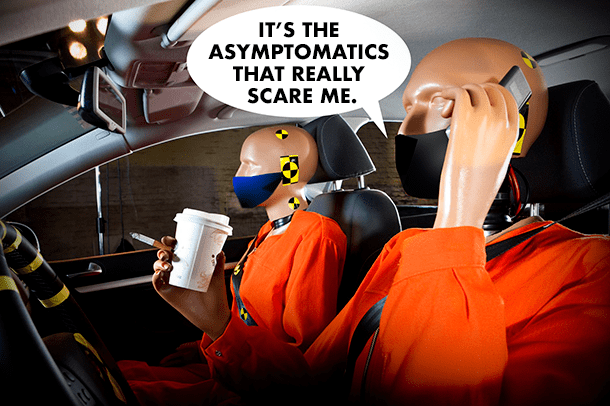
Never outside war time have populations been subjected to such outrageous assault and battery by government propaganda machines
By Gillian Dymond | OffGuardian | December 13, 2020
In the morning, the world is as the world should be. The sun rises, as predicted for this part of England in early December, at around twenty past eight. Shortly after this, I get up, go through the usual morning routines, have a quick breakfast, wash up, and am at my computer by ten o’clock. The hours pass unexceptionably until lunchtime. And then I can no longer put off the trip to the shops.
Going to the shops is something I do as little as possible nowadays. Once I might have walked in and out of the nearby town centre several times in a day, without thinking twice: but that was when I could move from home to street seamlessly, with no jarring transition between here and there.
Now it’s different. Now, beyond the protective confines of our home lies a parallel universe, a place of outlandish rituals and dogmas, where grotesquely masked figures pass each other warily on the street or, in the supermarket, lurk out-of-touch behind symbolic plastic screens. Instead of muzak, as I follow the prescribed route between the aisles, disembodied voices warn of death and disease, order me to protect myself and others by maintaining distance and keeping my plague-ridden exhalations to myself.
“We’re in this together!” they proclaim.
In less than a year some malign necromancy has transformed the fearless social beings who once thronged shops and cafés in the run-up to each Christmas into an infestation of dangerous, outsized germs: or, if scrupulous examination of the facts has left you confident that “the novel coronavirus” is no more threatening to moderately healthy people than the nastier brands of flu, into the crazed adherents of some apocalyptic cult.
Since I have spent the past nine months scrupulously examining the facts, the eyes now peering out at me over the inadequate face-covering of that woman beating a hasty retreat behind the cans of tuna as I approach are, it seems to me, those of a poor, unhinged lunatic. But then, I am an unbeliever. I do not wear the mask of allegiance. Marked out by the lanyard around my neck, I do my shopping as quickly as possible, and hurry back to the embattled sanity of domestic life.
Yes, even here embattled: for as the onslaught of propaganda continues without remission, only complete divorce from the outside world can afford protection. Fortunately, since the arrival of the computer I am beyond the reach of programmed television, but in order to wake to the accompaniment of pleasant but undemanding music, I used to put up with the intermittent smattering of adverts on Classic FM. Now that government has become the media’s most lucrative source of income, however, this is no longer tolerable. Who wants to be roused abruptly from sleep by inane incantations of “Hands! Face! Place!”, sometimes repeated twice within five minutes ?
“It’s just an actor!” my husband pleads with me, as I hurl execrations, and worse, at the radio. But whether it comes from actors or health ministers, the brain-washing stinks. “Don’t you just long for a nice commercial about sofas?” a friend asks mournfully, as we discuss the incremental take-over of advertising slots by the government’s ‘nudge unit‘. Even bona fide adverts from the likes of Boots and the big supermarkets are made nauseous by mealy-mouthed assurances of “safe” shopping. The only kind of safe shopping I long for is shopping safe from constant reminders of The Virus: shopping unmasked and convivially mingling; the chance to browse unimpeded in bookshops, and linger socially-undistanced over cups of coffee in a crowded café.
Why this campaign of terror, you have to ask? Why, in the midst of a genuine pandemic, would anyone need to be reminded unceasingly that death is dogging their footsteps? That at any moment The Virus, wafted abroad by some super-spreader passed fleetingly in the street, might be insinuating itself into one’s body – or, worse, that we ourselves, infected but unaffected, might be silently contaminating a loved-one?
The short answer is, they wouldn’t. In a genuine pandemic, this constant mental battering would be superfluous. If the Black Death were raging outside my door, government would know full well that they didn’t have to fork out millions to convince me to stay inside; more likely, they would have to pay me to leave the house.
Yet this government has bought the mass media lock, stock and barrel, at vast expense, with the sole purpose, it seems, of hammering home a message of impending doom. Instead of calming our fears with facts and rational arguments, they have seen fit to flood the airwaves with slogans calculated to maintain panic; with disingenuous appeals to the emotions; with out-of-context death counts, wilful obfuscation of the difference between cases and infections, a criminally dodgy PCR test and graphs and computer models (rubbish in, rubbish out) carefully selected to emphasise the worst possible eventualities.
And not content to cow us into submission with a constant diet of skewed and incomplete information, they have unleashed the army’s 77 Brigade to troll social media exchanges and snuff out any lingering dissent – or, as the government prefer to call it, “misinformation“. The aim can only be to induce maximum public terror in the face of a virus which, without all this deceptive ballyhoo, would hardly have been noticed by the population at large.
Why are they doing this? Surely, by now, they must be aware that increasing numbers of highly esteemed and experienced scientists contest policies which are killing vastly more people than they are saving, and which will go on killing well into the future!
True, non-scientists could get lost in all the reams of conflicting information churned out since we were first put on terror alert back in February and March, but one question is both fundamental and easily answered: are excess mortality figures for this year significantly above average? Only a huge and sustained divergence from the norm would indicate the presence of a new disease deadly enough to justify the extraordinary measures the government have taken.
The Euromomo charts for the UK show no such anomaly. In Northern Ireland there has never been any substantial increase in deaths overall. In Wales, too, mortality has hardly diverged from the normal range. Scotland had a well-above-average peak in the spring, but since then has remained almost entirely within the bounds of normality. Even populous England, despite a death rate which soared sharply to a great height in March before falling equally sharply back by the middle of June, has spent most of the year chugging along below the “substantial increase” line, with the usual increase as winter approaches. A further chart at Covid-19 in Proportion? shows that,
Levels of mortality in 2019/2020 are very similar to those suffered in 1999/2000
Definitely not the Black Death, then, nor even the 1918 influenza. In fact, one of the world’s premier epidemiologists, John Ioannidis, has long been assuring us that the infection fatality rate of Covid-19 is comparable with that of a bad flu. His early estimate, in March, of a case fatality rate in the general population of between 0.05% and 1.0%, as indicated by the outbreak on the cruise ship Diamond Princess – a conclusion for which the eminent professor was, hilariously, censored by the non-scientists at YouTube.
Yet now we are being told that only mass vaccination against this fairly run-of-the-mill virus will allow us to return to any semblance of normal life. By special dispensation, millions of doses of insufficiently tested vaccine are already in the pipeline, with a guarantee of no come-back for Big Pharma or for doctors turning a blind eye to the precept “First to do no harm”, should those treated be hit with damaging repercussions on their health or, indeed, on life itself.
We are told that we should all accept the suspect panacea regardless, in order to beat “this dreadful virus”: it’s quite safe – honest, you’ve got my word for it, says Matt Hancock. Yet, side-effects apart, there is no assurance that the Pfizer vaccine, received with jubilation on 8th December by its first grateful recipient, will be effective in preventing either the disease or its transmission: and even if it does turn out to offer initial protection, this may last for as little as three months, so presumably regular repeat injections will be required.
What? Repeat injections! Are the young and healthy facing a lifetime of booster shots against a disease that is dangerous almost exclusively to the old and sick? And if this isn’t crazy enough, we are being told that, even while being turned into human pin-cushions, we will probably need to go on wearing masks and holding our friends and family at arm’s length well into the future: a future, it is hinted, of health passports and routine mass surveillance, if we wish to travel on public transport or generally engage in life beyond our doorstep.
This, it seems, will be the New Normal – but not to worry! After all, you’re already masking up automatically when you leave the house, aren’t you, and following the one-way footsteps on the pavement as a matter of course? And if it becomes too much of a nuisance to carry your proof of vaccination around with you, well, we should soon be able to offer you the trouble-free alternative of an implanted microchip, to cover all eventualities: health; finance; your social credit score …
Sometimes I think it would be better to be one of the masked zombies. Trusting, obedient, they live in a world which, though threatening, they understand and accept. It is real to them. They know, unquestioningly, that a dreadful plague has been visited upon us, a plague which threatens to wipe out the species: and they know that if they wear their masks faithfully, wash their hands a thousand times a day and steer clear of other human beings, they will be doing their bit to save the nation, and, eventually, be granted the supreme unction of a vaccine; after which, they believe, everything will go back to normal – perhaps with a few more bicycle lanes and wind farms, and somewhat fewer jobs – but hey! – what will that matter, when the nice, compassionate government is promising us all a Universal Basic Income?
For the rest of us, it’s not so simple. The rest of us must live in a world where our own perceptions are remorselessly challenged by the prevailing lie. Guided by rational thought processes and the evidence, we know that we are at no more risk from Covid-19 this year than we were in previous years from one of the more aggressive strains of influenza, but as soon as we venture into the outside world, everything contradicts our inner reality: and though we may not participate actively in the masquerade, we are condemned to a perpetual state of cognitive dissonance, compelled to acquiesce silently in the grand illusion being played out all around us, under the direction of the government.
And to what end ?
If it were ever possible to put the enormities which have taken place since last March down to mere blundering, it certainly is not now. The argument that the government has simply blundered, and is now trying to save face by digging itself in deeper does not wash. Nor does the line about saving the NHS. The NHS has regularly survived winter flu seasons which saw beds lined up in corridors and staff rushed off their feet.
Besides, the Nightingale hospitals were quickly whisked into existence: and if the amount of money poured by the government into fear porn and the purchase of dud PCR tests and hastily concocted vaccines had been diverted into more beds, plus better pay for nurses and other non-administrative staff, the lesson might at last have been learned, and future winters made less chaotic.
It was obvious from the start to anyone with a basic education who bothered to check the facts that closing down the economy would be more damaging to life and limb than any virus. Why was this not also obvious to a prime minister with a PPE degree from Oxford, who is surrounded by whole cohorts of colleagues and advisers armed with equally prestigious qualifications?
Even granting an initial surge of panic when faced with hysterical predictions from the Imperial College fortune-telling team, it would have been possible to withdraw in fairly good order after the first lockdown, when many scientists were already saying that the danger had been exaggerated, that the virus was now endemic, and widespread natural immunity was in sight.
Why didn’t our government seize the opportunity, in June, to give themselves a pat on the back, announce that the lockdown had worked, and ease us all back into rationality via an interval of sensible voluntary precautions, as practised in Sweden?
Given a modification of the propaganda, the country would have believed them. When adroitly handled by the Behavioural Insights Team the country, it appears, will believe anything.
Why, then, insist on sticking to the advice of SAGE, and continuing to give credence to the serially failed speculations of Neil Ferguson, rather than attending to the more balanced suggestions offered by Carl Heneghan and Sunetra Gupta?
Instead, the government chose to fan the flames of fear with an intensification of propaganda and orders to mask up, extending the reign of unjustified terror into the autumn, when the annual onset of respiratory diseases began to fill up hospital beds, and allowed the death counts and lockdowns to resume. One by one, those small businesses which survived the first onslaught are giving up the ghost, and it seems that our rulers will not rest content until every last man, woman and child in Britain has been thrown into the linked arms of corporate and state dependency.
What price conspiracy “theories” now? What we are dealing with are facts.
As countries throughout the world commit consensual suicide to a rousing chorus of “Build Back Better!”, what makes more sense? To shake the head in puzzlement, that so many nations, with one accord, should not only have made exactly the same mistakes earlier this year, but are now insisting, in unison, on entrenching the evils that have been unleashed?
Or to contemplate the possibility that a network of powerful supranational agencies – banks, corporations, NGOs – have for some time been collaborating to direct the course of world events through placemen and beneficiaries in local and national governments and their attendant bureaucracies, and that “the novel coronavirus” is being used to achieve the final push into an era of artfully camouflaged “global governance”: an era where policies devised by centralised, unelected committees are handed down to elected heads of state in the shells of what were once independent nations, and passed on by them to regional mayors and administrators for implementation and enforcement.
I caught the Asian flu in 1957. So did my mother: the only time I ever knew her to take a couple of days off work. The infection swept through the country, and tens of thousands died. In 1968 the Hong Kong flu passed me by, but once again the death toll was in the tens of thousands.
On neither occasion was it considered necessary to destroy millions of lives and livelihoods by closing the country down, nor was any attempt made to terrorise its inhabitants. Covid-19 is no more lethal than either of those previous infections – less so, unless you actually believe that all those currently described as dying “with Covid”, or dying within 28 days of testing positive, actually died from Covid. Never before have such destructive policies been inflicted on the nation in a futile attempt to wipe out a virus. Never before, outside war time, has the population of the UK been subjected to such outrageous assault and battery by a government propaganda machine.
Draw what conclusion you will. I’m off to feed the ducks. They don’t do anti-social distancing, and they don’t wear masks.
Reid Sheftall MD – Comprehensively Decoding the Viral Issue, Pt 1 of 2
Ivor Cummins | December 11, 2020
Super-smart Reid Sheftall MD has worked it all out – period. Here is part 1 of our comprehensive conversation – no stones unturned!
Note our Covid Chronicles Movie Kickstarter is here – please help us to make this most crucial movie – a time capsule for the future of our children! https://www.kickstarter.com/projects/…
If no like Kickstarter, can donate here and message “CHRONICLES”: https://www.tinyurl.com/IvorCummins
Virus Avoidance Is Not the Whole of Life
By Jenin Younes | American Institute of Economic Research | December 11, 2020
Lest you were hopeful that some semblance of normal life will return in 2021, either due to the development of vaccines or the pandemic fizzling out on its own, the New York Times and 700 epidemiologists have news for you. An article that appeared in the paper on December 4, 2020, entitled “How 700 Epidemiologists are Living Now, and What They Think is Next,” with the subheading “They are going to the grocery store again, but don’t see vaccines making life normal right away,” reveals that most in the profession, or at least the vast majority of those interviewed for the piece, believe that masks and some form of social distancing should continue for years, if not forever.
As an aside, I wonder how these scientists believe groceries arrive at their doorsteps, if not by another human being whose safety is, apparently, less worthy of consideration.
While a minority of epidemiologists interviewed for the article believe that “if highly effective vaccines were widely distributed, it would be safe for Americans to begin living more freely this summer,” these relative optimists are vastly outnumbered by those who think that life should not return to normal for many years, if ever. Indeed, only one third of the 700 plan to “return to more activities of daily life” once vaccinated. The others intend to severely restrict travel, gather only in small groups with close relatives, work from home at least part time, avoid crowded places, and wear a mask, all indefinitely, because they are concerned about the efficacy of a vaccine, as well as issues with respect to distribution and reluctance to get it.
One epidemiologist declares that “[b]eing in close proximity to people I don’t know will always feel less safe than it used to.”
I may not have a background in psychology or psychiatry, but I am fairly confident that before March of 2020, this mentality would have been recognized as some form of ailment of the mind warranting intervention. These epidemiologists implicitly embrace the principle that virus avoidance is a singularly important goal. If not life’s sole priority, it is certainly among its most crucial objectives.
This is a dogma that should be resoundingly rejected. As I (and many others) have written before, there is no reason to assign SARS-CoV-2 a special status as a killer virus, or to view it as significantly worse than many other of the world’s problems that typically go largely unnoticed by educated professionals in the developed world. Over the past year, around 1.5 million deaths worldwide have been attributed to SARS-Cov-2. On average, 1.35 million people die in traffic accidents, 1.7 million people die of AIDS, and 1.4 million of tuberculosis, each year (We know that the counter to this — that if we did not take extreme mitigation measures, the virus would spiral out of control and bodies would be falling in the streets — is not borne out by the reality).
Back to our 700 epidemiologists. Unfortunately, because of their profession – expertise in the incidence, distribution, and control of disease within a population– there is a danger that their ideas will be endowed with undeserved authority. Although not expressly stated, that is, presumably, the article’s objective: to encourage readers to conclude that, if this is what the experts are doing, perhaps I should, too. That is why the Times did not run an article about how 700 lawyers or baseball players or receptionists are living now.
I urge readers not to pay attention to the ideas propagated in that article. These epidemiologists are no better equipped to weigh the competing values that inform how one chooses to live during the coronavirus era than individuals are to make their own choices. To the contrary, we should entirely discount these epidemiologists’ opinions on the topic, as it appears that immersion in the world of infectious disease control has robbed them of perspective.
If you are under 70 and in reasonably good health, there is no reason to rearrange your existence and sacrifice activities that are crucial to your happiness and flourishing in the name of virus avoidance unless, perhaps, that was your lifestyle prior to 2020. And if the concern is others, one could devote resources to saving some of the twenty-five thousand people succumbing to starvation each day or the million children who die annually of malaria, with considerably less disruption to one’s life. It is puzzling that these epidemiologists, so concerned with the spread of coronavirus, have not chosen to devote their time and money to these causes.
Thankfully, more and more people appear to be reaching the same conclusion (including many of the politicians who have been exhorting people to stay home and shaming them for refusing to do so), as evidenced by the fact that only four percent fewer Americans traveled long distances for Thanksgiving than they did last year, and there has been increased resistance to illogical, disruptive measures such as closures of schools, playgrounds, and outdoor dining.
Of course, we are far from triumphing over the oppression inflicted upon us by politicians and so-called experts, but refusing to give into their absurd dictates is the only path to victory. The more of us who reject the idea that avoiding the coronavirus should inform virtually every aspect of life, the harder it will be for these epidemiologists to achieve their goal of making the new normal last forever.
Jenin Younes is a graduate of Cornell University and New York University School of Law. Jenin currently works as an appellate public defender in New York City.
The Sixth Carbon Budget
By Paul Homewood | Not A Lot Of People Know That | December 10, 2020
 The Committee on Climate Change, the quango headed up by our old friend John Gummer, has just published its latest cunning plan to bankrupt the UK. The Sixth Carbon Budget lays out how we should meet our decarbonisation targets, with specific emphasis on the period 2032-2037.
For the first time they have included estimates of what all of this might cost us in the 2030s. Dressed up in percentages of GDP, talk of green jobs and claims of the economic growth it will all spawn, the CCC have attempted to obscure how much we are all actually going to have to fork out.
They reckon that their plan will involve spending around £50bn annually by 2030, which equates to nearly £2000 for every home in the country. But, as we shall see, even that figure is based on some highly optimistic (some would argue unrealistically so) assumptions.
They say that the £50bn could be marginally offset by savings on electric cars. But it turns out that these are based on a combination of Enron style accounting, and absurdly fanciful assumptions about falling prices of electric cars.
There is, of course, much jam promised tomorrow, or more precisely 2050, when half of us will be dead. But it’s not what might happen in thirty years time that matters to people, it’s the here and now.
But what will all of this mean to the man in the street?
As we already know, the sale of conventional petrol and diesel cars will be banned from 2030. According to the CCC, Battery Electric Vehicles (BEVs) currently cost a third more than conventional cars, typically a premium of £6400.
However, the CCC grandly assume that by 2030 BEVs will cost no more; all of this on the basis that the cost of BEV batteries will drop by two thirds in the next ten years, for which there is not the slightest evidence. Of course, if BEVs do become a lot cheaper, drivers will be queuing up to buy them, and the government won’t need to ban conventional cars!
The CCC also dishonestly include something called “carbon costs” in their running costs for petrol/diesel cars, which amounts to £200 a year per car, or £7bn for the country as a whole. There is, of course, no such a thing as a “cost of carbon”, which is included only to make low carbon alternatives appear more competitive.
When these factors, along with doubts about the second hand value of BEVs, are taken into account, most of the CCC’s fictional savings disappear. All the more significant, because those drivers who are forced to use public chargers are already finding their cars to be dearer than petrol ones to run.
We then come to heating our homes, with proposals that sales of gas boilers are banned by 2033. For most homes this will mean replacement with air source heat pumps, which typically cost around £10,000 to install and require thousands more to be spent on insulation if they are to work effectively.
Quite where ordinary families are expected to get this money from is not explained! To make matters worse, because electricity costs five times as much as natural gas in terms of energy, householders will find that their heating bills double as well.
And if we choose to carry on using our old gas boilers? Simples – we will have a stonking carbon tax added to our gas bills instead.
Not only are we expected to pay thousands out to meet carbon targets, but we are also told we must eat a third less red meat and dairy produce, drive our cars less and take fewer flights. Not that we will be able to afford any of these pleasures after the CCC have done with us.
Eating less meat and dairy will of course cause great damage to British farming, as well as pushing up food bills for poorer families.
And how will we actually power all of these new electric cars and heat pumps? By 2035, we will need nearly twice as much electricity as now, two thirds of which will be coming from wind and solar power, according to the CCC. This is four times the amount of power they generate now.
And when the wind does not blow and the sun does not shine? We will have to fall back on gas power stations, with the proviso that they can capture and store the carbon dioxide produced, even though nowhere in the world has managed to do this at scale.
Central to the case for wind power, is that the cost of offshore wind has fallen so much that it is now competitive. However, independent experts, who have looked at the published accounts of companies building these wind farms, maintain that these so-called falling costs are illusory, and that the real costs could be triple those of conventional power generators. If they are right, this would add another £20bn a year to the CCC’s plan.
No longer are these plans decades in the future. Within the space of a very few years, people will begin to experience the financial pain inflicted on them by these proposals, if they are allowed to go ahead.
And all for what?
The UK only accounts for 1% of global emissions, so whatever we do will have no effect at all on the climate. Meanwhile, despite COVID, this year China has continued to build new coal power stations, increasing its generating capacity by 3%. In the last two year’s the rise in China’s emissions of carbon dioxide has exceeded our total emissions.
Featured Video
New positive ivermectin evidence
or go to
Aletho News Archives – Video-Images
From the Archives
Fanatical Followers of the Covid Regime: A Jim Jones-Style Cult?
By Professor Roger Watson and Dr. Niall McCrae | The Daily Sceptic | November 15, 2021
As scholars at leading British universities over recent decades, we witnessed the replacement of critical thinking and debate by narrative: facts are discrimination and scientific method is imperialism; truth, instead, is derived from ‘progressive’ values. This educational trend may be a major contributory factor to the ease in which society has been inculcated to the Covid ‘new normal’ of masking, testing, and repeated doses of vaccines for a disease of similar risk to severe influenza.
One doesn’t need much critical reasoning to observe the flawed logic of some vaccination enthusiasts, such as people who respond to experiencing any side effects, however debilitating, by saying “at least I know it’s working”, or, after contracting the disease despite their promised inoculation (over 90% effective, according to initial drug company claims), “I’d have been worse off without the jab.” … continue
Blog Roll
 Aletho News
- EU Council Advances Chat Control 2.0 Scanning Proposal
- Ex-Greek MEP files complaint against Israeli spyware firm over alleged Pegasus surveillance
- Troubling ideas throughout the Torah, Talmud, Mishneh Torah and Tanya
- ‘Grave, alarming’: Iran mission on Trump’s UNGA ‘annihilation’ threats
- Najaf airport to reopen to Iranian flights within 24 hours: Ambassador
- From ‘How Will This End For Iran’ to ‘When America Walks Away’: A tale of two Economist covers
- Tehran blasts ‘baseless’ speculation linking Iran to alleged bomb plot at UK air base
- The Rise And… Rise Of ‘Color Revolutions’
- The Coming GOP Bloodbath?
- Arctic Scare Stories Melt Away
- If Americans Knew
- Netanyahu Asked UAE Leader to Deny Report on Oct. 7 Warning in Secret Visit, Sources Say
- CNN Chief Int’l Correspondent Clarissa Ward on Journalists in Gaza
- Democratic Party Consultants Surround Troy Jackson with Pro-Israel Donors
- Christian Leader Responds To Netanyahu’s Claims Regarding Palestinian Christians
- In Gaza, ‘Whoever Survives the Bombing Won’t Survive the Rubble’
- Israel kills more Palestinians, amid push to resettle Gaza – Daily Update
- Israel forces Gazans to live in constant peril – Daily Update
- Deconstructing Netanyahu’s pants-on-fire UN rant – Daily Update
- Trump betrayed voters with his campaign lies and prioritized a foreign country once he took office
- Netanyahu calls Israel’s war in Gaza ‘opposite of genocide’ in UN speech to near-empty hall
- No Tricks Zone
- New Study: Earth And Venus Surface Warmth Largely Explained By Convection And Lapse Rate, Not CO2 Or Radiation
- 2025 Nature Paper Claiming Worsening Global Drought Gets RETRACTED …Heavily Flawed
- New Study: ‘Global Drought Shows No Detectable Recent Acceleration Under Climate Warming’
- Economic Masterminds: German Socialists Suggest Taxing Productivity Gains Stemming From Using AI
- The South China Sea Has Not Been Cooperating With The Climate Change Narrative
- Energy Crisis: Germany Enters Heating Season With Historically Low Gas Reserve Fill Levels
- New Study: The Antarctic Ice Sheet Gained Mass From 2020-2024 Due To Staggering Snow And Ice Accumulation
- Study: Ocean Heating Rates From Thousands Of Years Ago ‘Dwarf’ Modern Ocean Heating Rates
- Climate Extremists Target, Attack Large-Scale Power Grid Infrastructure In Germany!
- New Study: Antarctic Ice Melt Has Contributed Less Than 1 Centimeter To Sea Level Rise In The Last 30 Years

