My initial encounter with the mental health system has had a lasting impact on my life. At the age of 22, my first post-undergraduate job took me to a children’s psychiatric hospital, where I worked with children between the ages of 5 and 10.
These children, many of whom were victims of abuse and neglect, were placed on a cocktail of mind & mood-altering drugs to manage their behavior. Despite clear signs of acute stress, they were assigned pseudoscientific labels such as Oppositional Defiant Disorder, ADHD, and Bipolar Disorder, and subsequently treated with the latest psychiatric medications.
It became clear to me that the main goal was to numb and sedate the children, with the intention of reducing behavioral issues and making them more manageable. Lethargy, excessive sleep, and emotional numbness were considered secondary; the absence of aggression was viewed as a successful treatment outcome.
Unfortunately, the path to sedation often led to worsening mood, increased aggression, ticks, akathisia, and other disturbing side effects. Shockingly, many of these adverse drug reactions were misinterpreted as symptoms of their supposed “mental illness.”
The prevailing belief was that they needed their “medicine” to balance their brain chemicals. Disregarding their behavior as a result of their living conditions or natural post-trauma responses was overshadowed by the declaration of a mental illness.
Recalling that period in my life, nights were restless for me, haunted by distressing images of young children suffering with horrific side effects from their prescribed “medicine.”It weighed heavily on my conscience, knowing that I was part of a system that would inevitably return these same children to environments marked by abuse, often worse off than when they arrived.
What would happen to these kids? What is the implication of labeling them as mentally ill when it was clearly their environment that was the problem?
The duration of their stay in the psychiatric hospital was relatively brief, typically spanning 7-10 days for “stabilization” before being sent back home. For many of these kids, it became a disheartening pattern – a revolving door in and out of the hospital until they were eventually discharged to a residential facility.
What troubled me even more was the emotional detachment exhibited by the staff. I often found myself wondering if others shared my concerns.
Were there others struggling with sleepless nights as I did?
How could a psychiatrist rationalize such treatment as humane?
I questioned the bystanders—the nurses, social workers, and counselors on staff—did anyone else share my reservations and question the ethics of this approach?
What about the human condition can allow seemingly good people to accept this as safe and ethical care?
What I uncovered was a diffusion of responsibility among the staff—an acceptance that they had no authority and the doctor must possess greater knowledge. There was an uncanny ability to deny reality. Many staff members seemed to assume that there must be a valid medical reason necessitating these drugs for the children.
Some held onto the belief that a complex medical treatment was at play, where the doctor, armed with advanced knowledge of biochemistry, was meticulously fine-tuning the dosage of a medication to enhance a child’s life. I recall saying “like a mad chemist?”
The concept of mental illness as a brain disorder was widely accepted.
I began to question the evidence supporting these practices. It struck me that many staff members knew little beyond what they were told, yet they were entirely comfortable accepting it as unquestionable truth.
There appeared to be little motivation to challenge the authority or a seeming lack of concern about the veracity of the information. This lack of critical inquiry and complacency deeply troubled me and became an enduring source of concern.
After moving on from the hospital and continuing my education with the ultimate aim of becoming a clinical psychologist, I realized that the psychiatric treatment I had observed with children in the hospital was unfortunately the norm in most community settings.
Children, teens, and adults alike were often assigned pseudoscientific labels and placed on multiple drugs, with little evidence of substantial help. This was mental health care. The predominant approach seemed to revolve around offering various methods of numbing or sedation.
The typical “treatment” involved assigning a diagnose, adjustments to dosages, the addition of new drugs, or discontinuation of existing ones, all within the framework of managing, rather than believing in, any form of recovery. The prevailing attitude was that, being deemed mentally ill, genuine recovery was not a realistic expectation—only ongoing management. Working in some of these settings proved to be a soul-crushing experience.
Many readers may be all too familiar with mental health treatment in the United States, but the focus here isn’t on the system itself. Instead, the question at the heart of this article is about human nature: How can seemingly rational and compassionate professionals reconcile endorsing such a treatment as ethically sound?
What does this reveal about human nature?
This has been a persistent question for me over decades. How can fellow human beings become so disconnected from the suffering of others? How can intelligent doctors endorse the notion of a “chemical imbalance,” witness the decline of their patients, and continue justifying the treatment?
Why do bystanders choose not to act?
Indeed, let’s confront the reality: the entire psychiatric drug movement can be characterized as a form of mass experimentation on the human brain. The profound implications and consequences of this approach warrant serious reflection and examination.
Not on the experiment itself… but what it demonstrates about humanity.
What is Sociopathy?
A sociopath, clinically referred to as someone with Antisocial Personality Disorder (ASPD), is an individual characterized by a pervasive pattern of disregard for the rights of others, coupled with a lack of empathy and remorse.
Sociopathy is marked by deceitfulness, impulsivity, irritability, aggressiveness, and a consistent failure to conform to societal norms. These people can exhibit a charming and manipulative demeanor, enabling them to navigate social situations adeptly while lacking genuine emotional connections. They may engage in deceitful or criminal behavior without experiencing guilt or remorse, displaying a persistent pattern of exploiting others for personal gain.
The term sociopath is used interchangeably with psychopathy and antisocial personality disorder.
What distinguishes a sociopath from the general population is the striking inability to experience fundamental human emotions, most notably empathy, guilt, and remorse. There exists a profound detachment from the typical spectrum of human feelings, and, notably, some sociopaths may derive pleasure from the suffering or exertion of control over others.
This absence of moral and emotional anchors can lead to a disturbing capacity for manipulation and exploitation, as sociopaths navigate social interactions with a calculated and often self-serving perspective, void of the emotional connections that guide typical human behavior.
An early Radically Genuine Podcast episode explored this topic: Episode 25 titled “The Sociopath Next Door”: Listen here
The central theme of the episode was to educate the listener on the prevalence of sociopathy in society and its implications, revealing how 4% of the general population meets the criteria for this condition. This translates to approximately 1 out of every 25 people, a far more common occurrence than many realize.
Importantly, not every sociopath fits the stereotype of a mass murderer or repeat offender. Instead, sociopaths can be found in various roles of power and authority within our society. Some may choose careers in politics, medicine, or leadership positions in Fortune 500 companies, while others could be working at your local grocery store. The recognition of this broader spectrum highlights the need for a nuanced understanding of sociopathy and its potential impact across diverse facets of daily life.
I am not suggesting that every medical professional involved in psychiatric practices is a sociopath, but rather recognizing that a percentage of individuals in all fields exhibit sociopathic traits, while others may display characteristics such as deference to authority, adherence to established rules, and a fear of acting outside the norms defined by their profession.
When individuals in positions of power, wielding both financial and political influence, have the ability to shape the narrative, it becomes clear how detrimental medical practices could persist and thrive.
This realization has shaped my understanding of the perpetuation of harmful practices. I’ve dispelled the illusion that all human beings invariably act in each other’s best interests. History has consistently demonstrated that people often prioritize their own self interest when confronted with moral dilemmas. Embracing this recognition has been instrumental in fostering a more realistic perspective on human behavior and motivations, especially within the context of challenging ethical considerations.
In fact, we are compelled to confront the reality that a contemporary movement exists, expressing a strong aversion for human beings and propagating the belief that the majority of us are mere parasites to them, consuming resources without providing any inherent value.
Transhumanism
Transhumanism is the position that human beings should be permitted to use technology to modify and enhance human cognition and bodily function, expanding abilities and capacities beyond current biological constraints.Ultimately, by merging man and machine, science will produce humans who have vastly increased intelligence, strength, and lifespans; a near embodiment of gods.
Transhumanist perspectives include the notion that human life is expendable in the pursuit of scientific advancements and innovation. This philosophical stance raises ethical considerations about the balance between technological progress and the preservation of human dignity, prompting a broader societal conversation about the potential consequences and moral implications of prioritizing scientific pursuits over the inherent value of human life.
The conflict between spiritual or religious beliefs and transhumanist ideologies encapsulates a profound clash of worldviews. On one side, individuals rooted in spirituality or religious traditions prioritize the sanctity of life, viewing it as divinely ordained and deserving of respect and preservation.
In contrast, transhumanists advocate for the enhancement and transcendence of human limitations through technological means, sometimes challenging traditional notions of mortality and the human experience. This dichotomy raises complex questions about the ethical boundaries of scientific intervention, the nature of existence, and the role of spirituality in shaping our understanding of humanity.
When Virtue Becomes a Blindspot
I genuinely believe that most individuals who support psychiatric medications perceive it as an inherently virtuous and compassionate act. The primary care doctors, nurse practitioners, and countless frontline psychiatrists prescribing medications daily are not inherently malevolent. Similarly, the parents who trust medical advice and diligently administer prescribed pills to alleviate their children’s suffering do so with the best intentions.
This belief is grounded in the recognition that, when someone is facing considerable distress, seeking solutions to ease their pain is inherently humane. Take persistent anxiety as an example, a condition that can be profoundly debilitating. Attempting to decrease anxiety to improve quality of life, on the surface, is reasonable.
Yet, beneath the surface lies a trust that these drugs, influencing the brain in ways that nobody could fully comprehend, will yield only positive outcomes. It’s a belief that suggests essential aspects of human nature and our inherent design are flawed. It suggests that a medical doctor can modify this experience by utilizing synthetic chemical compounds produced in a factory, with the expectation that this pharmaceutical will enhance the human experience.
These convictions are deeply ingrained in our culture, to the extent that people often reject contrary evidence when confronted with it. The reality, however, is that these chemical compounds seldom, if ever, result in a positive transformation of the human experience.
In some cases, these compounds lead to worsening conditions, while others find themselves in a state of numbness and sedation. Despite facing debilitating side effects, individuals endure them, driven by the idea that they themselves are fundamentally flawed—a supposed design error necessitating the intervention of these chemical compounds.
In the face of persistent suffering and worsening conditions brought on by the use of psychiatric drugs, I’ve observed mental health professionals attributing the decline to a “mental illness” rather than recognizing the consequences of the ongoing experiment on the patient’s brain.
This constitutes a form of brainwashing, a mass conditioning that persists for various complex reasons. Sociopaths, driven by a lack of empathy and fueled by a desire for profit and control, vehemently strive to maintain their position of authority and exploit the vulnerable for financial gain. Concurrently, the underlying transhumanism movement persistently conducts perverse experiments on human beings in an attempt to advance the human condition. Throughout history, there are also the bystanders who, for various reasons, allow these unethical practices to persist.
Lessons in Conformity
It runs deep. Our education system, spanning from grade school to medical school, often places a heavy emphasis on rote learning at the expense of fostering critical analysis and ethical considerations. The prevailing culture of standardized testing and rigid curricula tends to prioritize memorization of facts and figures rather than nurturing a deeper understanding of concepts and encouraging thoughtful inquiry.
Unfortunately, the result is a learning environment produces students who excel at regurgitating information but may lack the skills for independent thinking or ethical decision-making. Particularly in fields like medicine, where ethical considerations are paramount, the absence of dedicated education on ethics can have profound consequences.
In the realm of healthcare within a free society, an unquestioning deference to authority can prove particularly perilous. When individuals blindly trust medical professionals or institutional directives without engaging in critical scrutiny, it opens the door to harmful medical practices and compromises patient well-being.
The ethos of a free society demands an active and informed citizenry, especially in matters as personal and crucial as healthcare. Excessive deference in the medical realm can result in a lack of accountability and transparency, permitting harmful practices to persist. To safeguard the principles of individual health and autonomy, it is imperative for individuals to question medical authority, advocate for informed decision-making, and actively participate in shaping the ethical standards of healthcare delivery.
Indeed, it is a slippery slope. Without fostering critical analysis and ethical decision-making, we run the risk of relinquishing our medical freedom and blindly surrendering to medical authority.
Forced medical interventions without consent represent a blatant violation of free will and personal freedom, striking at the very core of individual autonomy. In a society that values personal agency and the right to make decisions about one’s own body, coercive medical practices undermine the fundamental principles of freedom. Such interventions strip individuals of their right to give informed consent, turning medical care into a tool of control rather than a service that respects individual choices.
The imposition of medical procedures without consent not only disregards the principle of bodily autonomy but also erodes the trust between individuals and the healthcare system. In a free society, respecting the sovereignty of personal decisions in matters of healthcare is paramount, and any breach of this principle threatens the foundation of individual freedom and self-determination.
If we relinquish the right to make informed medical decisions, we risk placing authority in the hands of individuals who may not prioritize our well-being. Sociopaths, lacking empathy and driven by personal gain, could exploit such a vacuum of autonomy for their own agendas.
Furthermore, a transhumanistic agenda, seeking to merge human biology with technology, might capitalize on the absence of individual decision-making, potentially leading to the imposition of radical medical interventions without regard for personal values or consent. Safeguarding the right to make our own medical choices becomes a crucial defense against potential abuses of power, ensuring that decisions about our health remain aligned with our individual beliefs and values rather than dictated by those who may not have our best interests at heart.
In April 2021 I had my AstraZeneca jab, ‘doing the right thing’ to protect myself and my family. I was a full-time teacher, fully fit: gym and swim three times a week. That Friday night I had a severe headache and tiredness.
By Monday morning, I couldn’t dress because of vertigo, nausea and migraines. By Thursday, my employer suggested I go to A&E as I’d been absent. A&E were concerned about my blood pressure and clots given that I’d had AZ. I was sent home and told to rest. I continued to be unable to work or function. In early May the GP sent for an ambulance from the surgery as my heart rate was 150 bpm at rest.
In the High Dependency Unit, I was asked after nine hours if I’d taken drugs as it was abnormal to have a heart rate and blood pressure like mine. I answered no and was discharged. Four days later I was back there via an ambulance, having blacked out trying to have a shower. The doctors were alarmed by my BP and HR again and gave me an analgesic. I was discharged.
I returned eight more times by ambulance with a racing heart rate, unable to breathe, pressure on my chest, gastroesophageal reflux, nausea, migraines, pins and needles, inability to control my temperature, slurred speech and vertigo. Despite all these symptoms, and being admitted with an irregular ECG I was told, ‘It’s stress. Go home with beta-blockers and we’ll arrange a heart echo and tape.’ The nurse said, ’This is wrong, you’ve pressure on your chest.’ Unable to breathe on beta-blockers, I was told by a GP: ‘It’s asthma, we’re not referring you, just use an inhaler.’ The hospital rang, said, ‘Your heart fell below 39 bpm. If this happens again call 999.’ The GP responded, ‘Just reduce beta-blockers.’
The hospital advised me to have Pfizer as my second jab. When I questioned this, I was told, ‘Do you want to die from Covid? You’re sick but you’ll be sicker if you catch it.’
In July 2021 I had my second jab. I experienced pins and needles but was told ‘You’re fine’ by the dispensing chemist. Two hours later my face swelled. That night I had to prop pillows under my back to breathe. I felt every nerve ending on my left side and my arm went dead. The metallic taste in my mouth was followed by a swollen tongue and an inability to swallow. My eyes were yellow. My heart raced.
The GP called and said ‘Come off the beta-blockers.’ My blood pressure dropped, I collapsed and an ambulance paramedic said, ‘It’s an SVT’. (Supraventricular tachycardia is a condition where your heart suddenly beats much faster than normal.) I was referred to a heart hospital. A cardiac nurse said, ‘You’re stressed, you need to go back to work and have CBT.’ (Cognitive behavioural therapy or ‘talking therapy’.) A later test showed ectopic beats and tachycardia. No phone call nor follow-up.
A gastroenterologist said, ‘I think you’re burping for attention, try Gaviscon.’ An allergy consultant said, ‘You’re struggling, it could be histamine.’ By now I couldn’t swallow properly, burped incessantly and struggled with speech/co-ordination/brain fog and living.
I fought to be referred to a long Covid clinic reluctantly by a GP. The clinic sent a link to an app and I had one online breathing session. That was it. I have paid thousands for referrals, private physio, holistic care just to get some semblance of a life back.
I was rejected by the benefits system by a phone call assessment in which they said, ‘Well, you concentrated for the assessment, so you can work.’ This was even though I broke down several times and asked for breaks. The small amount of ESA (employment and support allowance) I claimed in September 2021 was stopped as I missed a call from them.
The mental torture of being rejected by the NHS system, denied any help – financial or otherwise – and being branded a liar or fantasist by the very system that abused me, is as cruel as the broken body and devasting, life-changing symptoms the jab has left me with.
I now live with my parents. A one-night stay in April 21 turned into 20 months and full-time care. I lost my flat as I couldn’t work. I lost my job by September 2021 as I couldn’t dress, wash or eat independently. I couldn’t breathe, walk or function.
These injections have destroyed my life, my body and to some degree my soul. I’m lucky I had somewhere to go; someone to call an ambulance; someone to financially support me, to feed me and take care of me. Thousands haven’t and I understand the suicide rate is high. I am not surprised. It is the lack of empathy and understanding, and the brandishing of people as ‘liars and fantasists’ by the very system that abused us, that is as cruel as the initial violence itself.
I don’t know my future, but I do know this has been a cruel, abusive and life-altering ‘experiment’ on my body and mind. My message would be to support victims, at least believe them. This IS happening.
Further and better particulars have emerged about the green billionaire-funded course run by the Oxford Climate Journalism Network (OCJN), which has to date attracted over 400 participants from around the world. It recently signed up Marco Silva, the climate ‘disinformation’ specialist employed by BBC Verify. To “hit closer to home”, course participants are told to pick a fruit such as a mango and discuss why it wasn’t as tasty as the year before due to the impact of climate change. Noted climate hysteric Saffron O’Neill has been a past speaker and she is on record as speculating on the need for “fines and imprisonment” for expressing scepticism about “well supported” science. There is something very disturbing about a climate activist from a State-reliant broadcaster attending a course funded by narrative-driven billionaires with a speaker who has suggested that sceptical climate scientists and writers be locked up in prison.
As the Daily Sceptic disclosed, the OCJN six-month course is run by the Reuters Institute, which is funded by the Thomson Reuters Foundation. Direct funding for the course, which started last year, has been provided by the Laudes Foundation and the European Climate Fund, the latter heavily supported by Extinction Rebellion funder Sir Christopher Hohn. Immersion in the correct political narrative surrounding climate collapse, the so-called ‘settled’ science, and the need for extreme Net Zero measures, whatever the cost, is the order of the day. It would appear that the aim of the OCJN is to insert constant fearmongering messages into media stories, as global elites press ahead with a collectivist Net Zero political agenda.
In a recently published essay, two OCJN organisers give chapter and verse as to how this is being directed on the course. It is designed to allow climate journalists to “move beyond their siloed past” into a strategic position within newsrooms “combining expertise with collaboration”. The “pick your mango” strategy is designed to make climate change “less abstract” and delegates are told to pick a “beloved fruit or activity that everyone in your country or region seems to care about, and seems to capture attention when impacted by climate change”.
“Less abstract” is one way of summing up this pseudoscientific hogwash. ‘Infantile’ might be better. None of it is based on a scintilla of scientific proof. Much the same can be said for a presentation by Dr. Friederike Otto who uses computer models to claim her green billionaire-funded World Weather Attribution (WWA) team can attribute individual bad weather events to human-caused climate change. Following Otto’s presentation, attendees are reported to have shown a “massive jump in self-confidence” when attributing individual weather to the long-term climate change.
The distinguished science writer Roger Pielke Jnr. is scathing about weather attribution calling it a new “cottage industry”, adding that the need to feed the climate beast leads to a knock-on effect of creating incentives for researchers to produce studies with links to climate – “no matter how tenuous or trivial”. At the BBC, weather attribution has always been very popular. Writing in a WWA guide for journalists, the former BBC Today editor Sarah Sands says attribution studies have given us “significant insight into the horseman of the climate apocalypse”. Former OCJN attendee, Ben Rich, the BBC’s lead weather presenter, has used the “science” of climate attribution “to help explain to audiences when and how scientists can link extreme weather to climate change”.
None of this ludicrous propaganda can be questioned since the science is deemed to be ‘settled’. Geography lecturer Dr. Saffron O’Neill has taken climate hysteria to a new level with a demand that journalists should not use photos of people enjoying themselves on beaches during summer heat waves. She recently told theGuardian that such images “can hold the same power” as photos of the tanks in Tiananmen Square and smoke billowing from the Twin Towers. After a session with O’Neill, audience members said that “news outlets and photo agencies can and should think ahead of time about how they photograph the risks of hot weather”. And of course if anyone disagrees with O’Neill and her version of the “well supported” science, it is time for fines and prison. The last suggestion was published in Carbon Brief, the activist blog financed by the European Climate Fund. As it happens, Carbon Brief is represented on the OCJN Advisory Board through its editor Leo Hickman.
The OCJN is far from the only billionaire foundation-funded operation trying to spread climate alarm and hysteria throughout the general population. Climate Central targets local media with ready-to-publish stories about significant landmarks disappearing beneath rising sea levels. It recently gulled the Mirror into running a notably silly story about much of London disappearing beneath the waves within 80 years. Covering Climate Now (CC Now) is an off-shoot of the Columbia Journalism Review and is backed by the Guardian. It claims to feed over 500 media operations with pre-written climate stories. Both these operations rely on heavy financial support from a small cluster of green billionaire funds.
The links between these operations spreads far and wide. One of the partners of CC Now is Reuters, the news agency connected to the OCJN through its Reuters Institute. Not everyone is happy with Reuters’ connections to operations such as CC Now that make no secret of a desire to promote a hard-line Net Zero narrative and suppress opposition to it. Neil Winton worked for 32 years at the agency covering science in his time. Politicians and lobbyists are in the process of dismantling our way of life, he notes. If we are going to give up our civilisation, at the very least we ought to have an open debate. “Journalists need to stand up and be counted. The trouble is this requires bravery and energy, and an urge to question conventional wisdom,” he said.
And, he might have added, avoiding the naughty step of Dr. Saffron O’Neill.
Chris Morrison is the Daily Sceptic’s Environment Editor.
The illusory truth effect, also dubbed the illusion of truth or reiteration effect, refers to our inclination to accept false information as accurate when exposed to it repeatedly. When evaluating the truth, individuals often gauge information based on its alignment with their existing knowledge or its familiarity. The former is a logical process, as people naturally compare new information with their established truths. Through repetition, statements become more easily processed compared to novel, unrepeated information, leading individuals to perceive the reiterated conclusion as more truthful.
For decades, a uniform message about antidepressant drugs has been consistently delivered to physicians, and by extension, to the public. Specific advertising tactics have been utilized to target the general population.
Antidepressant drugs correct an underlying deficiency in brain chemicals associated with low mood.
Antidepressant drugs are safe and effective because they have been approved by the Federal Drug Administration (FDA). Any adverse reactions are rare and benefits outweigh the risks.
Antidepressant drugs have decades of evidence demonstrating they are superior to placebo in clinical trials.
Antidepressant drugs should be combined with a Cognitive Behavioral Therapy and if therapy is not available the drugs by themselves are just as effective.
Antidepressant drugs can be utilized across a spectrum of psychiatric presentations, including anxiety, obsessive-compulsive disorder, Post-Traumatic Stress Disorder (PTSD), general stress, grief, and eating disorders.
99% of medical professionals and a majority of mental health professionals continue to embrace these five assertions as truths. In actuality, they are blatant falsehoods—deceptive proclamations carefully propagated by pharmaceutical companies to boost their product sales. How did this happen?
History of “Antidepressants”
The history of antidepressants traces back to a serendipitous discovery in the 1950s. Initially developed to find a cure for tuberculosis, chemists experimented with surplus rocket fuel from World War II stockpiles. Two chemicals, iproniazid, and isoniazid, showed promise for destroying bacteria. Although the intended tuberculosis cure failed, researchers observed varying effects on patients’ mental states and behavior. The initial drugs had significant adverse effects and high toxicity, necessitating strict regimens and limiting their use. Yet, the concept of influencing mood and behavior by targeting specific brain chemicals with pharmaceuticals emerged.
The Serotonin Hypothesis & SSRI’s
The concept linking clinical depression to deficient serotonin activity in the brain dates back over 50 years, with the initial proposal by British psychiatrist Alec Coppen in 1967. In his review, Coppen considered various factors, including noradrenaline, excess cortisol secretion, and electrolyte disturbances, as potential causes. During Coppen’s time, direct investigation of neurochemistry in the living human brain wasn’t feasible.
Support for the serotonin hypothesis largely came from the effects of antidepressant drugs, like monoamine oxidase inhibitors and tricyclic antidepressants, which were shown to enhance serotonin action in animal experiments. Coppen cautioned, however, that these drugs’ actions might be therapeutic maneuvers unrelated to the root causes of most depression cases.
For centuries, depression was viewed as a malady of the soul, a consequence of hardship. However, a pivotal shift occurred over 50 years ago when scientists, seeking to unravel the biological roots of mood, started conceptualizing depression as a brain disease. This shift coincided with the discovery of biogenic amines, particularly noradrenaline and serotonin (5-hydroxytryptamine, 5-HT), as brain transmitters. This breakthrough paved the way for pharmaceutical companies to create Selective Serotonin Reuptake Inhibitors (SSRI’s) aimed at alleviating the profound suffering of severe depression by increasing the availability of serotonin.
SSRIs mainly target the serotonin transporter (SERT) in the brain, with minimal impact on dopamine transporter (DAT) and norepinephrine transporter (NET). Inhibiting serotonin (5-HT) binding to SERT boosts 5-HT concentration in the synaptic cleft, theoretically improving depression symptoms. Yet, recent systematic reviews have found no correlation between brain 5-HT levels or activity and depressive symptoms. The serotonin hypothesis was never proven.
Drug Manufacturers Design Clinical Trials to Produce Favorable Results
Many consumers are unaware that the U.S. Food and Drug Administration (“FDA”) does not test drugs in the approval process. Instead, drug manufacturers test their drugs and submit their own results to the FDA for review. Hoping to convince the FDA and investors of the safety and effectiveness of their new drug, manufacturers go to great lengths to report positive results in clinical trials.
Several strategies manufacturers use to design clinical trials to make their drugs look better than they are:
Test your drug against a treatment that either does not work or does not work very well.
Test your drug against too low a dose of the comparison drug because this will make your drug appear more effective.
Test your drug against too high a dose of the comparison drug because this will make your drug appear less toxic.
Publish the tests of a single multicenter trial many times because this will suggest that multiple studies reached the same conclusions.
Publish only that part of a trial that favors your drug, and bury the rest of it.
Fund many clinical trials, then publish only those that make your product look good.
While the FDA asks for raw data from clinical trials, it lacks resources to independently verify drug manufacturers’ submitted work for accuracy.
Examining the history of SSRIs, it becomes evident that drug manufacturers faced challenges in demonstrating their drug’s superiority over placebos. To overcome this hurdle, they utilized the aforementioned strategies to expedite the approval and market presence of their drugs.
Ghost Writing & Hidden Harms
A study published in the Journal of Clinical Epidemiology revealed that a third of meta-analyses of antidepressant studies were written by pharma employees and that these were 22 times less likely than other meta-studies to include negative statements about the drug.
Researchers examined documents from 70 double-blind, placebo-controlled trials of two common types of antidepressants—selective serotonin reuptake inhibitors (SSRI) and serotonin and norepinephrine reuptake inhibitors (SNRI)—and found that the occurrence of suicidal thoughts and aggressive behavior doubled in children and adolescents who used these medications.
They discovered that some of most the useful information was in individual patient listings buried in the appendices. For example, they uncovered suicide attempts that were passed off as “emotional liability” or “worsening depression” in the report itself. This information, however, was only available for 32 out of the 70 trials.
Additionally, another research group reported that after reanalyzing the data from Study 329, a 2001 clinical trial of Paxil funded by GlaxoSmithKline, they uncovered exaggerated efficacy and undisclosed harm to adolescents.
Selling Lies
Drug companies employ extensive advertising, targeting both physicians and consumers, to propagate neuroscientific theories about mental illness. These campaigns aim to persuade doctors and patients that their products possess a clear, objective, and scientific connection to the symptoms they purportedly treat.
In American popular culture, the prevailing perception of mental illness is often simplified—an individual strolling down the street, life seemingly fine, until an abrupt chemical imbalance arises out of the blue. Through direct-to-consumer advertising, drug companies have crafted a straightforward marketing approach, easily comprehensible to the public and readily communicable by physicians. The chemical imbalance lie was born.
This theory significantly fueled the emergence of biological psychiatrists, transforming the psychiatry profession. It shifted the focus from therapies and managing severe mental illness to legitimizing psychiatrists as medical doctors who treat patients’ organic diseases. Similar to internists addressing insulin shortages in diabetics, psychiatrists began addressing serotonin deficiencies in depressed patients. Depression was no longer seen as just a natural response to stress, there was now an underlying biological factor which was the cause of the depression.
Pharmaceutical companies found an expanded customer base by normalizing depression and aligning with the psychiatric medical establishment. This allowed them to broaden the diagnosis criteria and market their drugs to a significantly larger audience. They further enlisted academics from prestigious institutions to endorse their drugs at national conferences and produce papers on the drugs’ effects, essentially turning them into paid spokespeople. The outcome: billions in annual sales and a considerable expansion of psychiatry’s role in American society.
For an expanded look at the corruption I highly recommend this article from Mad in America: Read here
Infiltrate Primary Care & Influence Guidelines
In recent years, there has been growing concern about the infiltration of drug companies into primary care centers, notably to promote psychiatric drugs. Pharmaceutical companies often establish strategic partnerships with healthcare providers, offering educational materials, financial incentives, and even sponsored events to influence prescribing patterns. It is now believed that more than 80% of antidepressant drugs are prescribed in primary care.
Pediatricians, burdened by time constraints, find themselves at a heightened risk of pathologizing normal reactions and succumbing to the pressures of overdiagnosing clinical depression. What’s more troubling is that these diagnoses often rely on biased screening measures, conveniently developed by the very pharmaceutical industry that profits from the sale of these drugs.
If you’re curious about the potential reasons behind the American Academy of Pediatrics’ inclination to amplify the number of children identified as depressed, as well as their willingness to misrepresent scientific literature by overestimating the effectiveness of antidepressant drugs and downplaying their potential risks, it’s worth examining their major donors.
The American Foundation for Suicide Prevention receives 63% of its funding from industry. The major donors include: Pfizer, Lilly, Johnson & Johnson, Sanofi, Mallinckrodt pharmaceuticals, Bristol Myers Squibb and other pharmaceutical companies. If you examine the top 10 list of donors (unknown amount of funding) these other companies, foundations and organizations have major ties to the pharmaceutical industry.
Primary care doctors, constrained by time pressures, are increasingly compelled to adhere to industry-established guidelines that advocate antidepressant drugs as frontline, effective, and safe interventions for a range of psychiatric presentations.
How to Reclaim Truth
Advocate for informed consent. It is your legal and ethical right to comprehend the risks and benefits.
Reframe the narrative around psychiatric drugs. Let’s call them what they are – drugs, not medicine.
Educate your primary care doctors. They weren’t trained to address mental health issues and are unknowingly perpetuating pharmaceutical marketing misinformation. They are operating beyond their boundaries of competence.
Challenge the notion of a chemical imbalance. Depression is not a “brain disease.” Dispel these myths to foster a more accurate understanding of mental health.
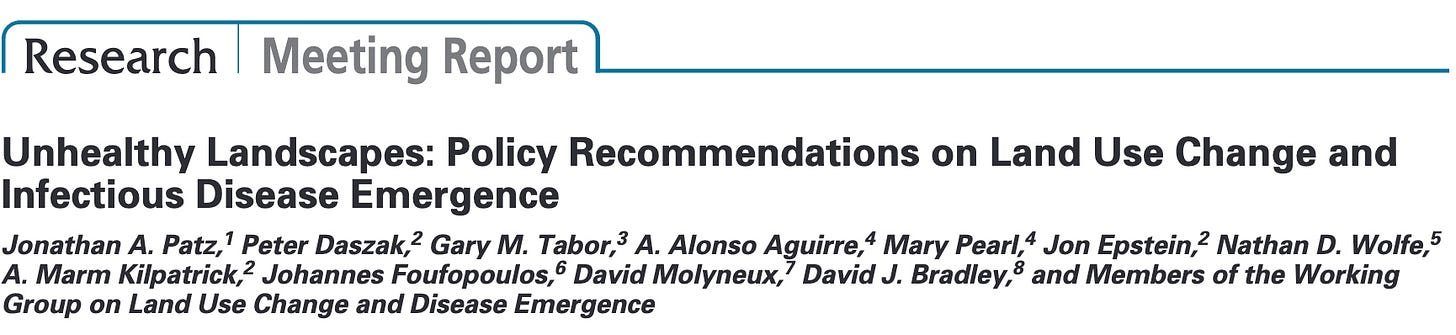
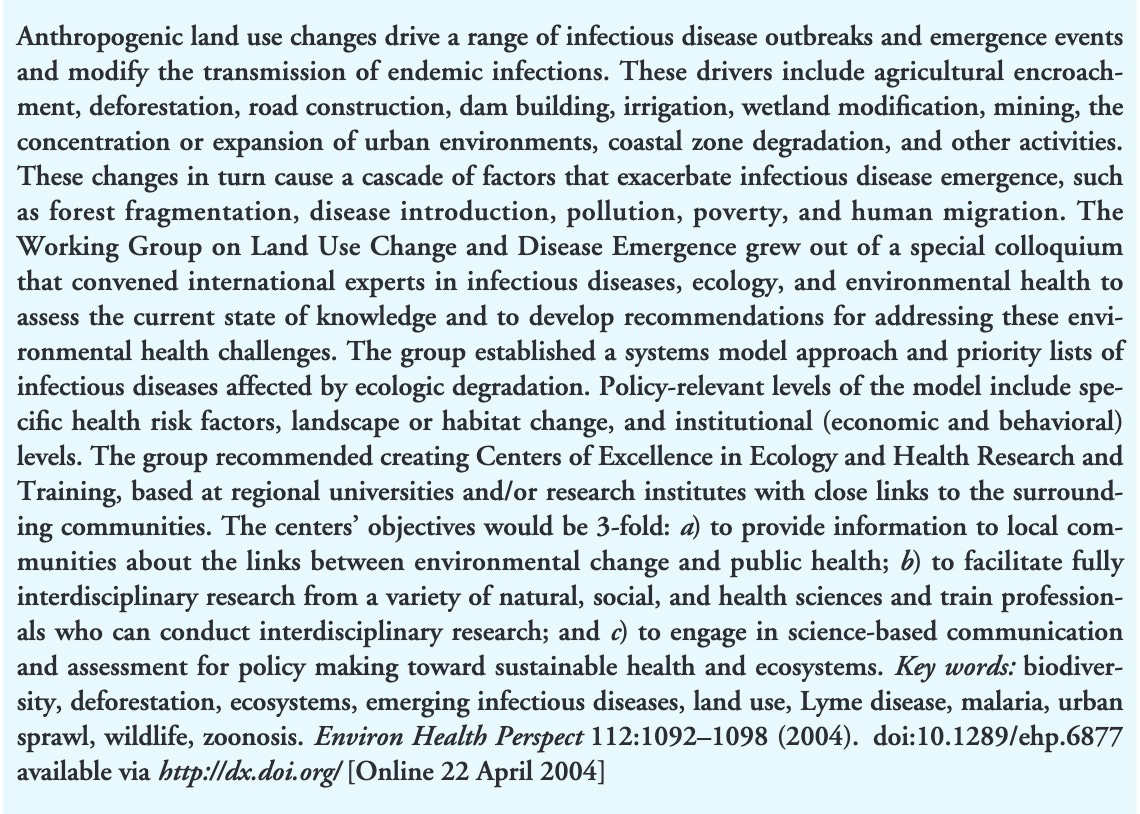
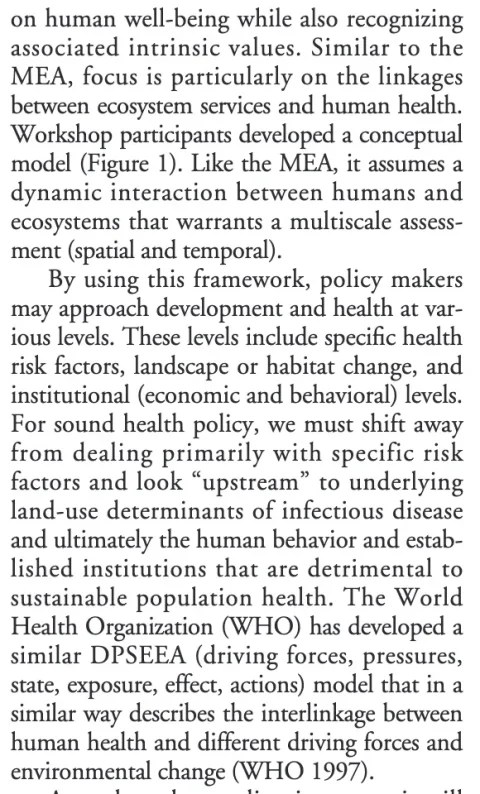
I just pulled out some of the high-sounding claptrap in this article, below, to give you its flavor. You can see how a small cadre of immoral ‘scientists’ funded by an evil cabal can create an “intellectual” infrastructure to justify stealing land in the name of pandemic prevention.
The alternative climate reality that the U.K. Met Office seeks to occupy has moved a step nearer with news that a group of its top scientists has proposed adopting a radical new method of calculating climate change. The scientific method of calculating temperature trends over at least 30 years should be ditched, and replaced with 10 years of actual data merged with model projections for the next decade. The Met Office undoubtedly hopes that it can point to the passing of the 1.5°C ‘guard-rail’ in short order. This is junk science-on-stilts, and is undoubtedly driven by the desire to push the Net Zero collectivist agenda.
In a paper led by Professor Richard Betts, the Head of Climate Impacts at the Met Office, it is noted that the target of 1.5°C warming from pre-industrial levels is written into the 2016 Paris climate agreement and breaching it “will trigger questions on what needs to be done to meet the agreement’s goal”. Under current science-based understandings, the breaching of 1.5°C during anomalous warm spells of a month or two, as happened in 2016, 2017, 2019, 2020 and 2023, does not count. Even going above 1.5°C for a year in the next five years would not count. A new trend indicator is obviously needed. The Met Office proposes adding just 10 years’ past data to forecasts from a climate model programmed to produce temperature rises of up to 3.2°C during the next 80 years. By declaring an average 20-year temperature based around the current year, this ‘blend’ will provide ”an instantaneous indicator of current warming”.
It will do no such thing. In the supplementary notes to the paper, the authors disclose that they have used a computer model ‘pathway’, RCP4.5, that allows for a possible rise in temperatures of up to 3.2°C within 80 years. Given that global warming has barely risen by much more than 0.2°C over the last 25 years, this is a ludicrous stretch of the imagination. Declaring the threshold of 1.5°C, a political target set for politicians, has been passed based on these figures and using this highly politicised method would indicate that reality is rapidly departing from the Met Office station.
Using anomalous spikes in global temperature, invariably caused in the short-term by natural variations such as El Niño, is endemic throughout mainstream climate activism. ‘Joining the dots’ of individual bad weather events is now the go-to method to provoke alarm. So easily promoted and popular is the scare that an entire pseudoscience field has grown up using computer models to claim that individual weather events can be attributed to the actions of humans. ‘Weather’ and ‘climate’ have been deliberately confused. Climate trends have been shortened, and the weather somehow extended to suggest a group of individual events indicates a much longer term pattern. Meanwhile, the use of a 30-year trend dates back to the start of reliable temperature records from 1900, and was set almost 100 years ago by the International Meteorological Organisation. It is an arbitrary set period, but gives an accurate temperature trend record, smoothing out the inevitable, but distorting, anomalies.
By its latest actions, the Met Office demonstrates that the old-fashioned scientific way lacks suitability when Net Zero political work needs to be done. Trends can only be detected over time, leading to unwelcome delays in being able to point to an exact period when any threshold has been passed. Whilst accepting that an individual year of 1.5°C will not breach the Paris agreement so-called guard-rail, the Met Office claims that its instant indicator will “provide clarity” and will “reduce delays that would result from waiting until the end of the 20-year period”. The Met Office looks forward to the day when its new climate trend indicator comes with an IPCC ‘confidence’ or ‘high likelihood’ statement such as, “it is likely that the current global warming level has now reached (or exceeded) 1.5°C”. In subsequent years, this might become, “it is very likely that the current global warming level exceeded 1.5°C in year X”.
Why is this latest proposal from the state-funded Met Office junk science-on-stilts? A variety of reasons include that climate models have barely an accurate temperature forecast between them, despite 40 years of trying. Inputting opinions that the temperature of the Earth might rise by over 3°C in less than 80 years is hardly likely to improve their accuracy. There are also legitimate questions to be asked about the global temperature datasets that record past temperatures. Well-documented poor placing of measuring devices, unadjusted urban heat effects and frequent retrospective warming uplifts to the overall records do not inspire the greatest of confidence. At its HadCRUT5 global database, the Met Office has added around 30% extra warming over the last few years.
During the COVID-19 pandemic, politicians, scientists and media organizations vilified unvaccinated people, blaming them for prolonging the pandemic and advocating policies that barred “the unvaccinated” from public venues, businesses and their own workplaces.
But a peer-reviewed study published last week in Cureusshows that a key April 2022 study by Fisman et al. — used to justify draconian policies segregating the unvaccinated — was based on the application of flawed mathematical risk models that offer no scientific backing for such policies.
Dr. David Fisman, a University of Toronto epidemiologist was the lead author of the April 2022 study, published in the Canadian Medical Association Journal (CMAJ), which the authors said showed that unvaccinated people posed a disproportionate risk to vaccinated people.
Fisman has worked as an adviser to vaccine makers Pfizer, Seqirus, AstraZeneca and Sanofi-Pasteur. He also advised the Canadian government on its COVID-19 policies and recently was tapped to head up the University of Toronto’s new Institute for Pandemics.
Fisman told reporters the key message of the study was that the choice to get vaccinated is not merely personal because if you choose to be unvaccinated, you are “creating risk for those around you.”
The press ran with it.
Headlines like Salon’s, “Merely hanging out with unvaccinated puts the vaccinated at higher risk: study,” Forbes’ “Study Shows Unvaccinated People Are At Increased Risk Of Infecting The Vaccinated” or Medscape’s “My Choice? Unvaccinated Pose Outsize Risk to Vaccinated” proliferated in more than 100 outlets.
The Canadian Parliament used the paper to promote restrictions for unvaccinated people.
However, in the new study published last week, Joseph Hickey, Ph.D., and Denis Rancourt, Ph.D., show that Fisman’s “susceptible-infectious-recovered (SIR)” model, used to draw his conclusions, had a glaring flaw in one of its key parameters — contact frequency.
When they adjusted that parameter to account for real-world data, the model produced a variety of contradictory outcomes, including one showing that segregating unvaccinated people can increase the epidemic severity among the vaccinated — the exact opposite of what Fisman et al. purported to show
Hickey and Rancourt, researchers at Canada’s Correlation: Research in the Public Interest, concluded that without reliable empirical data to inform such SIR models, the models are “intrinsically limited” and should not be used as a basis for policy.
The Canadian researchers attempted to publish their paper in CMAJ, where Fisman had published his original study, but the editor — a collaborator of Fisman’s — refused even to review it.
The open-access version of CMAJ also declined to publish the article even after it received favorable peer reviews.
In a letter sent, with supporting documentation, to the CMAJ and the Canadian Medical Association, Hickey and Rancourt recounted the “tedious saga” whereby the journal editors “concocted a multitude of ancillary and unnecessary objections, apparently intended to be insurmountable barriers” to publishing their study.
They later published the study in the peer-reviewed journal Cureus.
Rancourt tweeted a link to the study results along with a montage of pandemic-era media clips scapegoating unvaccinated people.
The latest rigorous peer-reviewed science has now proven that these (video clip) despicable global-parasite pronouncements were wrong (=disinformation), and were therefore evil given the widespread harm caused… MEDIA NOTICE ABOUT THE ACTUAL SCIENCE: https://t.co/FrXJGWaCsF h/t… pic.twitter.com/xyV8ksCtiH
SIR models were commonly used as the basis for pandemic policies, often with fatal flaws research has since shown.
Fisman et al. designed their study to measure the impacts of segregating two groups — vaccinated and unvaccinated people — applying a SIR model to predict whether the unvaccinated pose an undue risk to the vaccinated during a severe acute respiratory viral outbreak, based on variable degrees of mixing among the groups.
However the model, Hickey and Rancourt wrote, failed to consider the impacts of that segregation on “contact frequencies,” a key parameter in predicting epidemic outcomes.
Instead, it assumed contact frequencies among the majority (vaccinated) and socially excluded (unvaccinated) groups would be equal and constant, which “is not realistic,” Hickey told The Defender.
In other words, the model assumed the two groups would be separated, yet living the same parallel existence — socializing, working, shopping and coming into contact with others in exactly the same ways.
But in the real world, segregation meant the unvaccinated were barred from many public places, so their contact frequencies were severely curtailed.
Hickey and Rancourt implemented the SIR model again, testing for a degree of segregation that ranged from zero to complete segregation and allowing the contact frequencies for individuals in the two groups to vary with the degree of segregation.
When they ran the model using the more realistic estimation of how different segregation policies might generate different contact frequencies among the two groups, “we found the results are all over the map,” Hickey said.
By segregating unvaccinated people from the vaccinated majority, he said, “You can have an increase in the attack rate among vaccinated people or you can have a decrease.”
“Negative epidemiological consequences can occur for either segregated group, irrespective of the deleterious health impacts of the policies themselves,” they wrote.
Hickey said the variable outcomes were very sensitive to the values of the parameters in the model, namely infectious contact frequency.
But he said, in the real world there are no reliable measures for contact frequency, and without reliable measures for model inputs, the model is essentially meaningless.
They concluded that the degree of uncertainty is so high in such SIR models that they cannot reasonably inform policy decisions.
“It’s a policy based on nothing basically,” Hickey said.
“We cannot recommend that SIR modelling be used to motivate or justify segregation policies regarding viral respiratory diseases, in the present state of knowledge,” the study concluded.
‘Fisman’s Fraud’
Modeling had a major impact on the pandemic response in Canada and globally, statistician Regina Watteel, Ph.D., who chronicled the impact of the Fisman paper in her book “Fisman’s Fraud: the Rise of Canadian Hate Science,” told The Defender.
As a key figure in modeling the pandemic in Canada, Fisman “was involved in Canada’s pandemic response at all levels,” she said.
He was also influential as a public figure, making numerous disparaging comments about “anti-vaxxers” from early on and advocating policies like vaccine passports and school closures long before he received a major grant from the Canadian Institutes of Health Research for his SIR modeling study.
Fisman was open in interviews about the fact that the point of the 2022 study was to “undermine the notion that vaccine choice was best left to the individual,” Watteel said.
The 2022 modeling paper didn’t just present mathematical results, the authors also made political claims.
“The choice of some individuals to refuse vaccination is likely to affect the health and safety of vaccinated people in a manner disproportionate to the fraction of unvaccinated people in the population.
“Risk among unvaccinated people cannot be considered self-regarding, and considerations around equity and justice for people who do choose to be vaccinated, as well as those who choose not to be, need to be considered in the formulation of vaccination policy.”
Fisman publicly advocated for vaccine mandates and passports and told reporters the impetus behind the modeling study was not a scientific question of the effects of segregation on infection rates, but the political question of, “What are the rights of vaccinated people to be protected from unvaccinated people?”
A few days after the study was published, the parliamentary secretary to the Ontario Ministry of Health used the study to defend proposed travel restrictions, Watteel showed in her book.
As a result, she wrote, it “has generated a massive trail of misinformation.”
Watteel concurred that Fisman et al.’s study was based on bad modeling. She added that by omitting publicly available current data that contradicted the data they presented in the article, the study was actually “fraudulent.”
Fisman et al. published the paper during the so-called Omicron surge, which was dominated by infections among the fully vaccinated. By spring 2022, people who were boosted had disproportionately more infections than others, according to data on the government of Ontario COVID-19 website and reproduced in Watteel’s book.
However, none of that publicly available data was included in the study.
“Fisman et al. concocted a model to generate the results they wanted, completely omitting any reference to readily available real-world data that contradicted their results (falsification). They went on to state the contrived results as facts (data fabrication) and then proceeded to inform public policy based on the fabricated results.
“The researchers continued to push the false narrative long after numerous scientists rebuked the findings and provided evidence of the findings’ falsity. This indicates a willful misrepresentation and misinterpretation of research findings.”
CAMJ editor, Fisman colleague, blocks review of Correlation article
Hickey told The Defender when they submitted their paper critiquing SIR models like Fisman’s to CAMJ in August 2022, editor Matthew Stanbrook, M.D., Ph.D. — who also works at the University of Toronto and has collaborated with Fisman on academic articles, grants and courses — rejected the article without even sending it for peer review.
Hickey and Rancourt appealed the decision and requested Stanbrook recuse himself. The journal suggested they resubmit their study to the open-access version of CAMJ, which they did. It was rejected without going through peer review.
They appealed that decision and the paper was sent for review. A few months later, they received two positive reviews with requested corrections. They responded to the reviews and made corrections to the paper, expecting publication.
The journal then informed them there had been a “technical error” and the journal — which is supposed to have an entirely transparent peer-review process — had failed to send them concerns from anonymous internal editors and an anonymous statistician.
Hickey told The Defender :
“It is their policy that the reviewers’ names are public and that the review reports and the revision, like the responses by the author, all that stuff is public. That’s the policy. There’s no escaping that.
“And yet what do they do? They use anonymous internal people to put barriers up and make pretexts to not publish even in the face of positive reviews.”
Those anonymous comments included a suggestion that they should use Fisman’s flawed mathematical analysis, Hickey said. The authors responded to those comments in what they have now also posted on their website as a stand-alone article.
Months later, they requested an update on the journal’s plans for the article and were informed that the journal decided the article would not be suitable for its audience and suggested they instead publish in a modeling journal.
All of their collected critiques of Fisman’s 2022 paper are also collected on the Correlation website.
Brenda Baletti Ph.D. is a reporter for The Defender. She wrote and taught about capitalism and politics for 10 years in the writing program at Duke University. She holds a Ph.D. in human geography from the University of North Carolina at Chapel Hill and a master’s from the University of Texas at Austin.
London – A leading expert in mosquito-borne diseases is fiercely critical of Professor Dame Jenny Harries, head of the UK Health Security Agency, calling her recent pronouncements on mosquito-transmitted diseases “entirely fictional” and “shameless”.
Professor Harries was quoted in the media as saying that rising temperatures will make such diseases common in the UK by 2040 because the Asian Tiger Mosquito – which can transmit dengue, chikungunya, zika, yellow fever and other viral diseases – will become established throughout Britain. Dengue will eventually become endemic in London, it is claimed.
But Professor Paul Reiter, retired professor of Insects and Infectious Diseases at the Pasteur Institute in Paris, and a leading specialist in this field, has ridiculed her claims:
“The natural range of the Tiger mosquito, an Asian species, extends from the tropics to regions where mean January temperatures are around minus ten degrees Celsius. Northern strains are able to survive because in late summer, as days grow shorter, the eggs they lay are dormant and remain unhatched until spring arrives”.
Since the late 1970s, there has been rapid global spread of the Tiger mosquito, to the United States, Latin America, Europe and several African countries, probably mainly via the global trade in used tyres. Professor Reiter says that it is beyond doubt that this has nothing to do with temperature.
Professor Reiter has also lambasted fearmongering about the return of malaria, noting that this was once a major cause of death in many parts of England, even during the period that climatologists call the Little Ice Age:
“Shakespeare mentions malaria – “the ague” – thirteen times, so it was clearly once common here. The disease began to decline – for a multitude of reasons – in the mid-nineteenth century, despite the upward trend in global temperatures.”
Net Zero Watch director Andrew Montford said:
“This is not the first time we have seen the Civil Service misleading the public in this way. Science is being misused to generate fear and to “nudge” us in a desired direction. This kind of shameful disinformation brings the Civil Service into disrepute.”
Acclaimed filmmaker Mikki Willis documented the disinformation campaign that discredited ivermectin around the world. Now updated and rebranded, the movie exposes their wicked tactics.
Covid may be fading faster than last week’s sunburn (likely to make way for the “next pandemic”), but the war on ivermectin rages on. And it’s no wonder, as we continue to discover its efficacy against increasing numbers of viral illnesses and now, even cancers. Of course, the more ivermectin threatens these insanely lucrative markets, the more enemies it racks up. (If you thought the Covid market was massive, in the end, cancer may be even bigger – the global chemotherapy market alone is expected to reach $330 Billion by 2029.)
Mikki Willis is a bestselling author, investigative filmmaker, and now, a friend. (He also used to be an old lefty/progressive like me – emphasis on the “used to be.”) In 2020, he released the first installment of his documentary series, Plandemic. The micro-budget documentary was watched and shared by over one billion people world-wide, making it the most seen independent movie in history. Plandemic 2: Indoctornation, set a streaming world-record with 2 million viewers attending the online premiere. Plandemic 3: The Great Awakening, was released in June of 2023 and is being hailed by critics as, “the most important movie of this era.” Note that the Plandemic trilogy can be seen for free at PlandemicSeries.com.
More relevant to my cause is that last year, Mikki released a short but powerful documentary detailing how ivermectin, the now infamous Nobel Prize-winning medication, had been slandered during the COVID pandemic. Well, a lot has happened in the year since, so Mikki has masterfully updated the film and rebranded it The War on Ivermectinto selflessly help support my book with explosive new clips and critical legal developments.
Peter Gøtzsche reviewed every randomised mammography screening trial ever conducted for the Cochrane Collaboration. Cochrane’s headline is that, assuming a 15% mortality reduction, one woman in 2000 avoids dying of breast cancer over ten years. Ten are overdiagnosed and treated. Two hundred experience false alarms.
But that headline assumes the reduction. When Gøtzsche looked only at the trials with adequate randomisation — the higher-quality ones — the reduction disappeared. No effect on breast cancer mortality. No effect on all-cause mortality.
This is the Cochrane finding, published in the establishment’s own database of systematic reviews.
No woman being asked to consent to a mammogram this week knows it.
That is why the new Unbekoming paperback exists. … continue
This site is provided as a research and reference tool. Although we make every reasonable effort to ensure that the information and data provided at this site are useful, accurate, and current, we cannot guarantee that the information and data provided here will be error-free. By using this site, you assume all responsibility for and risk arising from your use of and reliance upon the contents of this site.
This site and the information available through it do not, and are not intended to constitute legal advice. Should you require legal advice, you should consult your own attorney.
Nothing within this site or linked to by this site constitutes investment advice or medical advice.
Materials accessible from or added to this site by third parties, such as comments posted, are strictly the responsibility of the third party who added such materials or made them accessible and we neither endorse nor undertake to control, monitor, edit or assume responsibility for any such third-party material.
The posting of stories, commentaries, reports, documents and links (embedded or otherwise) on this site does not in any way, shape or form, implied or otherwise, necessarily express or suggest endorsement or support of any of such posted material or parts therein.
The word “alleged” is deemed to occur before the word “fraud.” Since the rule of law still applies. To peasants, at least.
Fair Use
This site contains copyrighted material the use of which has not always been specifically authorized by the copyright owner. We are making such material available in our efforts to advance understanding of environmental, political, human rights, economic, democracy, scientific, and social justice issues, etc. We believe this constitutes a ‘fair use’ of any such copyrighted material as provided for in section 107 of the US Copyright Law. In accordance with Title 17 U.S.C. Section 107, the material on this site is distributed without profit to those who have expressed a prior interest in receiving the included information for research and educational purposes. For more info go to: http://www.law.cornell.edu/uscode/17/107.shtml. If you wish to use copyrighted material from this site for purposes of your own that go beyond ‘fair use’, you must obtain permission from the copyright owner.
DMCA Contact
This is information for anyone that wishes to challenge our “fair use” of copyrighted material.
If you are a legal copyright holder or a designated agent for such and you believe that content residing on or accessible through our website infringes a copyright and falls outside the boundaries of “Fair Use”, please send a notice of infringement by contacting atheonews@gmail.com.
We will respond and take necessary action immediately.
If notice is given of an alleged copyright violation we will act expeditiously to remove or disable access to the material(s) in question.
All 3rd party material posted on this website is copyright the respective owners / authors. Aletho News makes no claim of copyright on such material.




 Aletho News
 Aletho News