Knowing your potential risk for developing cancer can help you weigh the risks against the benefits of different tests for your situation. According to the American Cancer Society,1 more than 16.9 million people in the U.S. have a history of cancer. At least 1.9 million new cases will be diagnosed in 2022, which does not include a diagnosis of carcinoma in situ (noninvasive cancer).
The society estimates 609,360 people will die from cancer in 2022, which is about 1,670 deaths per day. The four most common types include lung, breast, prostate and colorectal cancer. One of the screening tests commonly prescribed to rule out colorectal cancer is a colonoscopy.
Colorectal cancer can start in the colon or in the rectum but the two types are grouped together since they have many of the same characteristics.2 The society estimates that in 2022 there will be 106,180 new cases of colon cancer diagnosed and 44,850 new cases of rectal cancer. Although it remains the third leading cause of cancer-related deaths in men and women, the rate has been dropping for several decades.3
According to the Colorectal Cancer Alliance,4 the five-year survival rate has been rising and there are more than 1 million colorectal cancer survivors alive in the U.S. Knowing your risk factors and making lifestyle changes to prevent the development of colorectal cancer are the basis of the most recently published Rapid Recommendation of The BMJ initiative.5
In Many Cases Routine Colonoscopies Are Unnecessary
The 2019 practice guidelines published in The BMJ6 recommend physicians use a tool to estimate an individual’s potential risk for developing colorectal cancer in the next 15 years. The team recommends that only those who have a risk of 3% or greater should undergo screening tests.
Current guidelines recommend screening for everyone over the age of 50, without regard to their individual risk. At the age of 50, this is typically less than 3%.7 The international panel reviewed scientific evidence and research data to evaluate the risks versus the benefits of colonoscopies.
They found their recommendations could accurately be applied to healthy people from 50 to 79 years who expected to live another 15 years. The Centers for Disease Control and Prevention recommends colorectal cancer screening for those over 50.8
Using data from across the U.S., they found the number who were up to date with their screening went up 1.4% from 2016 to 2018, representing an additional 3.5 million people.
In addition to asking if screening made a difference in health outcomes, The BMJ initiative team also attempted to differentiate the type of testing best used to screen for colorectal cancer.9 They recommended that those with a 3% risk or greater over the following 15 years could choose from one of four screening options.
The first was a fecal immunochemical test (FIT) done every year, or every two years depending upon their risk factors. Patients may also choose a single sigmoidoscopy or, the weakest recommendation from the team, a single colonoscopy.
Possibility of Cancer Compared to Screening Hazards
From their examination of the evidence, the team believed a yearly FIT, sigmoidoscopy or colonoscopy could reduce the incidence of cancer while a FIT every two years may not have an effect on incidence over 15 years. They wrote:
“Based on benefits, harms, and burdens of screening, the panel inferred that most informed individuals with a 15-year risk of colorectal cancer of 3% or higher are likely to choose screening, and most individuals with a risk of below 3% are likely to decline screening. Given varying values and preferences, optimal care will require shared decision making.”
The team determined that the risks associated with colorectal cancer screening outweighed the benefits in many cases. For instance, the risk of death from a colonoscopy from one source was 1 in 16,318 procedures evaluated.10 In the same analysis, the researchers also found 82 suffered serious complications.
Colonoscopies Are Not Risk Free
Although a colonoscopy is supposed to help find early tumor growth, one study reported a 17% rate of missed diagnosis.11 Other risks associated with a colonoscopy include worsening stool patterns and contributing to the growth of colorectal polyps or tumors.
Perforation of the colon during the exam has an incidence of 0.2% to 5% and is widely recognized as a serious complication associated with a high morbidity and mortality rate.12 The risk of perforation rises with the age of the patient and the presence of two or more other health conditions. One study showed 51.9 people per 1,000 whose colons were perforated died within the first 14 days.13
Dysbiosis may occur after using harsh laxatives to prepare for a colonoscopy. A study published in Cell14 suggested even a short-term course of laxative use could trigger an immune response. Research on an animal model15 found treatment eliminated one family of beneficial gut bacteria and allowed another to flourish. Even two weeks after completing the laxatives the bacteria showed reduced diversity.
Many experts agree you should opt for the lightest level of sedation possible, or none at all, as full anesthesia increases risks. Those who have sleep apnea, are obese, have high blood pressure or diabetes are at increased risk from the anesthesia.16 Across the U.S. 34.4% of those undergoing a colonoscopy used anesthesia.17
The use of anesthesia was associated with a 13% increased risk of experiencing complications within 30 days of the procedure and specifically associated with an increased risk of perforations of the colon and/or a stroke. The risk of complications varied by area, with those in the Northeast reporting an increase of any complication of 12%, but among those performed in the West this increased to 60%.
Researchers who conducted one study found an increased risk of aspiration pneumonia.18 Another19 sought to determine if the procedure could be successfully completed without any sedation. Patients were given the option of undergoing a colonoscopy without premedication and then evaluated immediately following the procedure, two and five days later.
The researchers asked about the severity of pain and willingness to consider the procedure again without sedation. When questioned, only 5% experienced no pain; 41% had mild pain; 34% reported moderate pain and 20% said they experienced severe pain. However, despite the level of pain experienced, 73% were willing to repeat it without sedation and only 18% said they would request sedation the next time.
Equipment Contamination Another Risk of Colonoscopies
A real risk of undergoing an endoscopy of any nature is chance of improper sterilization of the flexible scope. David Lewis, Ph.D., and I discuss this in the short video above. One issue is the inability to thoroughly clean the inside of the scope.
Lewis describes a problem that he states is commonly experienced by physicians. During the examination the physician may be unable to see through the scope and is unsuccessful in the attempt to flush it using the air/water channel as it is clogged with human tissue from a past exam.20 The scope must be retracted and another one used.
Since endoscopes have sensitive equipment attached, they cannot be heat sterilized. Unfortunately, manufacturers have not been made to produce a scope with the ability to be heat sterilized. As Lewis points out:21 “We can put a Rover on Mars, surely we can build a flexible endoscope that we can put in an autoclave.”
These expensive tools are not disposable but require sterilization between each patient. Lewis reports that up to 80% of hospitals are sterilizing the flexible endoscopes with glutaraldehyde (Cidex). On testing, he finds this has complicated the process as it does not dissolve tissue in the endoscope but rather preserves it.
When sharp biopsy tools are run through the tube, patient material from past testing is scraped off and potentially carried into your body. This is why it’s important to find a clinic or hospital that uses peracetic acid to thoroughly sterilize the equipment by dissolving proteins found in the flexible endoscopes. Before scheduling any endoscopic examination call to ask how the equipment is sterilized between patients.
Tailor Lifestyle Choices to Reduce the Risk of Colon Cancer
Like many other types of cancer, colorectal cancer is often preventable. Research suggests only 5% to 10% of all cancer cases are due to genetic defects, while the rest are linked to environmental and lifestyle factors.22 The Mayo Clinic writes that one-third of the most diagnosed cancers in the U.S. could be prevented through diet and nutrition alone, i.e., with plenty of fresh fruits and vegetables.23
The extent that diet contributes to cancer death varies by the type of cancer, which researchers find is associated by as much as 70% in the case of colorectal cancer.24 For example, long-term exposure to chlorinated drinking water can increase the risk of leukemia, colorectal cancer and bladder cancer.
There are several strategies you can use to lower your risk of developing this potentially deadly disease as it is impacted by your diet, vitamin D levels, exercise and alcohol intake.
In January 1813, the frigate USS Essex became the first U.S. Navy warship to round Cape Horn at the end of South America and into the eastern Pacific. For months the Essex cruised the South Seas and captured a dozen armed British whalers. After Captain Porter arrived in Nuku Hiva, he established America’s first overseas colony that he named Madisonville, after President James Madison. A small Fort Madison with four guns was constructed on a nearby hill to become America’s first overseas naval base. This effort began with the dispatch of an American frigate to combat British piracy in the Pacific, but devolved into an effort to establish a naval base and engage in senseless tribal wars.
_____________________________________
“The Nuku Hiva Campaign, Marquesas Islands, Polynesia, 1813–14”; Naval History and Heritage Command; Samuel Cox; June 2021; https://www.history.navy.mil/about-us…
The Russian military has already detailed the president’s son’s implication in a massive, clandestine biological weapons and pharmaceutical research program in Ukraine’s biological laboratories involving US government agencies, big pharma, the Ukrainian military and a number of Western ‘charitable’ and ‘health-related’ foundations.
‘The main focus of the research projects involving Pentagon military contractor Black & Veatch and Metabiota, the Hunter Biden investment fund-linked biotech company, were concentrated around quarantine infections that could damage nations’ agricultural sectors, Igor Kirillov, the chief of Russia’s Radiation, Chemical and Biological Defense Troops has indicated.
“Take note of the report for the US military by Black & Veatch and Metabiota. In accordance with this document, ‘veterinary projects’ with the code ‘TAP’ were implemented simultaneously with the ‘UP’ series projects in Ukraine. Their main focus was economically significant quarantine infections, capable of causing damage to the agriculture of individual nations and entire regions, such as galanders, African and classical swine fever, highly infectious pathogenic avian influence, and Newcastle Disease,” Kirillov said in a briefing Thursday in Moscow.
The Pentagon appeared particularly interested in African swine fever, according to the Russian MoD’s analysis, with the pathogen studied under two separate projects.
“The TAP-3 project is aimed at studying the spread of the African swine fever pathogen through wild animals, under which the migration routes of wild boars in Ukraine were studied. Under the TAP-6 project, this process was scaled up to the countries of Eastern Europe,” Kirillov explained.
The RCBD Troops commander specified that the research into populations of carriers of potentially dangerous zoonotic infections was conducted by scientists from the University of Florida’s Emerging Pathogens Institute in areas of western and central Ukraine, as well as territories bordering both Russia and Belarus.
This research has not been without its poisonous ‘fruit’, Kirillov indicated, pointing to the worsening pathological situation as it relates to African swine fever across Eastern Europe, as detailed by World Organization for Animal Health data, which has found that since 2014, disease outbreaks have been recorded in the Baltic states (more than 12,000 cases), and Poland (13,000+ cases), with economic losses from the outbreaks estimated at over 2.4 billion euros ($2.44 billion US).
Metabiota Used as Arm of the Pentagon
Kirillov said that the Biden-linked Metabiota stands out even among the other Western government and corporate actors involved in dubious biological research in Ukraine.
“The available materials indicate that this company served as a cover for solving tasks that were dubious from the point of view of international law and used by the US political elite to carry out non-transparent financial activities in various regions of the world,” Kirillov said.
“To give a specific example, Metabiota was involved in the response to the Ebola epidemic in West Africa. The activities of the company’s employees raised questions from the World Health Organization in terms of their compliance with biosafety requirements,” the senior officer said, pointing to a report by an international group of experts who took part in the fight against the Ebola virus in Sierra Leone in 2015. The report indicated that in addition to failing to comply with regulations on treating patients, Metabiota workers concealed the Pentagon’s involvement in the work, effectively allowing the biotech company to be used as an arm of the Defense Department, which sought to isolate highly virulent strains of the Ebola virus among the infected and deceased and to export these strains back to the United States.
“The Pentagon contractor’s heightened interest in the Ebola virus is not accidental: the disease is known to be among the most pathogenic for human beings. During the outbreak that began in 2014, 28,000 people fell ill, with 11,000 dying, for a lethality rate of about 40 percent,” Kirillov emphasized.
The Russian military, he said, has also recovered documents detailing Metabiota’s plans to work with the Science and Technology Center in Ukraine, the Kiev-headquartered international intergovernmental organization with offices across the former Soviet space, to study the Ebola virus on Ukrainian territory. Kirillov presented a slide with an image of a funding request for the diagnosis of dangerous pathogens, including Ebola, in Ukraine, with the research expected to take place at the Mechnikov Anti-Plague Institute in Odessa.
“Taking into account that the disease is not endemic, and, moreover, has never been recorded in Ukraine, questions naturally arise as to why such studies are needed and their true purpose,” the commander said.
At Thursday’s briefing, Kirillov also revealed that the RCBD Troops were able to recover a key conceptual document on the activities of the Defense Threat Reduction Agency (DTRA) for the period from 2005 to 2016.
The detailed 150 page document, prepared by a group of US experts, “contains information on the assessment of the effectiveness of healthcare systems, veterinary medicine and biosecurity,” in Ukraine, and serves as a “conceptual document for further planning of the Pentagon’s military-biological activities in the country, including conclusions on the implementation of its main directions,” Kirillov said.
Quoting from the document, the officer indicated that the Pentagon was aware that Ukraine had no legislation in place regarding the control of highly dangerous pathogens, and that there were “significant gaps” in its biosecurity, with funding insufficient for biological laboratories to respond effectively to public health emergency.
The report showed that the DTRA was aware of numerous gross safety violations at the Eastern European country’s biological facilities, from non-locking fencing systems to broken or deactivated pathogen access control systems, lack of alarm systems, etc.
The document positively accessed the DTRA’s own role in Ukraine, boasting its success in transporting Ukraine’s national collection of microorganisms to the United States, as well as the implementation of projects studying dangerous and economically significant infections.
“The appendix to the documents contains ambiguous comments regarding the Ukrainian biothreat reduction program’s sponsors and executors who have nothing to do with biosecurity issues. Specifically, the Soros Foundation is mentioned,” Kirillov said.
Bundeswehr’s Crimean Congo Fever Research
“As we have already noted, Ukraine and other nations in the post-Soviet space have become a biological weapons testing ground not only for the United States, but also for their allies in the NATO bloc, particularly Germany,” Kirillov indicated as he presented new information about the German military’s biological activities in the Eastern European country.
According to the Radiation, Chemical and Biological Defense Troops’ analysis, Bundeswehr specialists paid special attention to the causative agent of the Crimean Congo fever, engaging in research screening the susceptibility of Ukrainians to the disease through the generalization of demographic, epidemiological and clinical data to try to identify new regional virus genotypes and select strains that cause latent clinical forms of the disease.
Krillov said that that a study of Crimean Congo fever’s natural foci was conducted under the guise of ‘improving Ukraine’s epidemiological surveillance’ at the Kiev-based Institute of Veterinary Medicine, and the aforementioned Mechnikov Anti-Plague Institute.
“… Pay special attention to lethal cases of infection with the Crimean-Congo fever, as this will allow us to isolate virus strains from the deceased with maximum pathogenicity and virulence for human beings,” Kirillov said, quoting from a recovered report.
The disease has a lethality rate of up to 30 percent, and requires lengthy, costly treatment and prevention measures.
Tick-Borne Infection Research
Kirillov also provided new details on US microbiologists’ research into tick-borne infections, with this work funded by the DTRA within the framework of projects UP-1 and UP-8. A separate, additional project studying ixodid ticks, hosts of a number of dangerous infections, including Crimean Congo fever, tularemia and West Nile virus, was implemented by scientists from Texas A&M University. The ticks were collected mostly from regions of southeastern Ukraine, with natural foci for infection similar to neighboring Russian territory, according to Kirillov’s information.
Coincidentally, the officer said, this work “coincided with a rapid increase in the incidence of tick-borne borreliosis among the Ukrainian population, as well as an increase in the number of ticks in a number of Russian regions bordering Ukraine.” The Russian MoD and scientists are investigating the matter, according to Kirillov.
Captured Ukrainian Servicemen Suffering From Range of Illnesses
Kirillov also provided new data on the state of the health of Ukrainian servicemen who laid down their arms and surrendered to Russian forces in the course of the ongoing conflict. A significant percentage are suffering from diseases, he said.
“33 percent of surveyed servicemen were ill from hepatitis A, over four percent had renal syndrome, 20 percent had West Nile virus. These figures are significantly higher than the average [for Ukraine]. Given the fact that these diseases were actively studied by the Pentagon in the framework of its Ukrainian projects, there is reason to believe that personnel of the Ukrainian Armed Forces were involved in experiments as volunteers to assess tolerance to dangerous infectious diseases,” Kirillov said.
“According to available information, during inpatient treatment of Ukrainian Armed Forces personnel at medical institutions, the absence of a theraputic effect to the introduction of antibacterial drugs has been recorded. High concentrations of antibiotics, including sulfonamides and fluoroquinolones, have been detected in their blood,” the officer said.
“This may indicate the prophylactic use of antibiotics and the training of personel to carry out tasks in conditions of biological contamination, for example, the causative agent of cholera, which indirectly confirms information held by the Russian Ministry of Defense on the planned use of biological agents by Ukrainian special forces,” Kirillov concluded.
The Biden administration recently announced a plan to ban “conversion therapy” and dismantle barriers to “gender-affirming care” for transgender-identifying children and adolescents. A few days later, Congresswoman Pramila Jayapal introduced the “Transgender Bill of Rights” on Capitol Hill which sought to legislate what the Biden Administration proposed to impose by executive order.
On this issue, the Democratic Party assumes the mantle of righteousness. Who could oppose “life-saving” “gender-affirming care”? Who supports “conversion therapy”, which the Biden administration described as “a discredited and dangerous practice that seeks to suppress or change the sexual orientation or gender identity of LGBTQI+ people”?
The reality diverges sharply from the loaded language the Biden Administration deploys, lifting terms directly from the most radical trans activists occupying positions at the outermost extreme of an ongoing debate between different factions of gender clinicians.
The dispute over how best to treat gender-questioning children that the Biden Administration seeks to resolve by enshrining “gender-affirming care” and stigmatising “conversion therapy” boils down to whether or not clinicians regard the children in their care as exceptions to everything we know about child development, human biology, sexual orientation, and more. Attending closely to the language of the activists with whom the Biden Administration has sided provides a masterclass in how to manipulate language to normalise risky and invasive medical intervention on a class of people — children — who are widely understood to be unable to provide consent in other contexts.
For exploratory providers, a child’s transgender identification is the beginning of a clinical inquiry that will travel through the individual patient’s biography, their social context, and the templates the culture at large offers that young patients use to make sense of suffering. Nothing magical or transformative happens when a patient experiences gender dysphoria or expresses a transgender identity. Children and adolescents remain children and adolescents. Clinical practice does not overthrow itself when a young patient changes her pronouns.
For affirmative clinicians, on the other hand, the declaration of a transgender identity and the desire for a particular gender presentation suffice. That’s what affirmation means: no further inquiry required. A transfer of loyalty takes place when affirmative clinicians are confronted with “trans” children and adolescents: clinicians’ sense of responsibility shifts from the patient in front of them to the patient’s transgender “alter”. Doctor and patient then collude to slice and drug the patient’s body into compliance with the new identity regime.
Across the Atlantic, countries such as Sweden, Finland, and the United Kingdom are stepping back and shifting away from hormones and surgeries and toward exploratory psychotherapy as evidence of harm mounts. It’s remarkable that the United States government has chosen this moment to double down, without reference to serious inquiries underway at home and abroad.
Rather than bending the arc of history toward justice, the Biden administration has put the full force of the federal government behind a treatment model that amounts to little more than an unregulated medical experiment on vulnerable children and adolescents. Don’t let the language of civil rights fool you.
To understand gender affirmation and the people who push it, we need to take a closer look at their belief in the utterly exceptional “transgender” child. What do affirmative clinicians believe about such a patient, who arrives in their office with a label firmly affixed? Affirmative care starts not with a question or a clinical assessment but with a moral imperative: validate the patient’s transgender identity.
Presented with a “transgender” patient, what else matters? Does a patient’s age or developmental stage matter? What about his or her sex or sexual orientation? What parts of a patient’s life story — or medical history — stand out?
Gender clinicians such as Johanna Olson-Kennedy prefer to talk about gender-questioning three-year-olds as “people”. And they are people. But when we talk about three-year-olds as “people”, rather than toddlers, important information gets lost, with consequences. When we talk about “people”, we think adults. We think autonomy. When we talk about “toddlers,” we think: tiny humans who need constant care and guidance, who cannot be trusted to brush their teeth or cross an empty street, much less start down a medical pathway.
That’s the reason Olson-Kennedy talks about “people” when she’s referring to toddlers. The ideas that underpin gender-affirming care lose their moral force when translated from “people know who they are” to “toddlers know who they are”.
What about sex and sexual orientation? As recently as the mid-2000s, medical providers understood cross-sex identification in childhood and adolescence to be a normal stage of homosexual development, resolving in the majority of cases as the child moved through adolescence and became comfortable with his or her sexual development and sexual orientation. Long before the concept of gender identity took root, the idea of being “born in the wrong body” resonated with many young gays and lesbians — not to mention medical providers, who viewed homosexuals as “inverts” in need of psychological or surgical “correction”.
Affirmative providers overlook, downplay, or outright deny the overrepresentation of same-sex attracted youth among youth seeking transition. But clinicians who rate the “gender presentation” of “transgender” preschoolers on a scale from stereotypical girl (fitted, sparkly, frilly) to stereotypical boy (baggy, sporty) inevitably sweep up children whose rejection of gender stereotypes is rooted in their same-sex orientation. Affirmative providers such as Diane Ehrensaft argue that “prototransgender youth use [same-sex] sexual identity as a stepping-stone toward their transgender true gender self”, a rhetorical move that overwrites the connection between homosexual development and gender dysphoria, and equates accepting your same-sex sexual orientation with pursuing irreversible medical interventions.
Much like their views on same-sex attraction as a “stepping stone” toward a young person’s “transgender true gender self”, affirmative providers treat just about any mental health comorbidities as secondary to gender dysphoria. Suicide attempts, psychotic episodes, anorexia nervosa, depression, anxiety, autism, obsessive-compulsive disorder, experiences of sexual abuse and trauma, and substance abuse aren’t taken as reasons to question or delay transition but instead are treated as evidence for the need to accelerate transition.
In order to grease the skids, affirmative providers have invented or adapted a wide range of new medical concepts, all of which operate to obscure what they do from the public and from providers themselves, scrambling the complex clinical presentations they need to parse — and manipulating patients, parents, and policymakers. These concepts include “wrong puberty”, “sex assigned at birth”, “reconstructive surgeries”, and “internalised transphobia”.
Reconceptualising patients as “wrongly sexed” (thus in need of reconstructive relief) and giving allegiance over to the patient’s transgender “alter” over the physical patient and her social and medical history skew clinical assessments and lower clinicians’ barriers to providing experimental medical interventions. Girls become “boys”, not in reality, but in the way gender clinicians talk about reality. Elective double mastectomies on girls become “reconstructive chest surgery” on “boys”. Exploratory therapy to understand where distress over sex and gender originates becomes “conversion therapy,” something no ethical clinician would practice. Drastic, life-altering medical interventions — such as “pausing” puberty and all the cognitive, physical, and emotional development that goes along with it — become conceptualised as non-interventions on the one hand, “life-saving” on the other. In any case, language becomes detached from reality, skewing risk analysis.
This language of determined identities and autonomous “people” speak to the way affirmative clinicians see their role: deferring to patient self-identification and facilitating hormonal and surgical interventions to bring patients’ bodies in line with how they want to “wear their gender”, Meanwhile, activists inside the medical profession push for policy changes to lower the age at which minors can consent to transition — a priority of the forthcoming guidelines from the World Professional Association for Transgender Health — and remove requirements for parental assent. California legislators are on the verge of passing a bill that would equate denial of “gender-affirming care” with child abuse, a move advocates say would turn California into a “sanctuary state” for trans-identifying children.
Ask for stronger evidence or stricter safeguarding measures and you’ll get an earful about suicide and self harm: affirmation is a “matter of life and death.” (Never mind that researchers had to cook bad survey data at extremely high temperatures in order to make such dire claims.)
Affirmative clinicians frequently compare gender dysphoria to endocrine conditions such as diabetes. Take Johanna Olson-Kennedy, dismissing the need to explore the causes of a young person’s distress over gender: “I don’t send someone to a therapist when I’m going to start them on insulin”. Never mind that medical providers can test for diabetes (and monitor whether the treatment is working), while relying on patient testimony to initiate medical transition. Never mind that untreated diabetes kills. Analogies to cancer also abound, especially when clinicians need to justify serious risks like permanent loss of fertility and the very real possibility that patients will lead shorter, sicker lives after medical transition. Ask clinicians and they’ll tell you that gender dysphoria, like cancer, is a life-threatening condition. In the absence of supporting evidence, this is emotional extortion, nothing more.
Affirmative clinicians evade the possibility of regret and detransition. They prefer to talk about “gender fluidity” or “gender journeys”— “journeys” that may include puberty blockers, cross-sex hormones, and elective double mastectomies. Journeys that could not and should not have been avoided, in other words.
Affirmative providers also cleave to a narrow set of explanations about why patients experience regret and detransition, pinning regret and detransition on lack of social support for the patient’s transgender identification. By placing the blame on factors outside the medical system, providers avoid the suggestion that regret and detransition may be the result of inadequate evaluation or inappropriate medical interventions. This interpretation also keeps patients firmly within the ideological framework that underlies affirmative care. Under this framework, a patient remains “really transgender”, even if external factors conspire to keep the patient from living out that identity. Even if the patient disavows their transgender identity entirely.
***
If affirmative providers’ belief in the exceptional “transgender” child bears out, we can make a strong case for affirmation. But if this belief is merely an article of faith, nothing more, clinicians risk doing serious harm to their patients under the banner of affirmation. In other words, if gender-dysphoric children and adolescents are truly exceptions to everything we know about identity formation, child and adolescent development, how humans make sense of distress and their susceptibility to social influence, the role of sexual orientation in gender dysphoria, and more, then affirmation may be the right approach.
But what if supporters of gender-affirming care are wrong?
What if children who identify as transgender are just that: children? What if they hurt, like other children? What if they’re trying to figure themselves out and learn how to navigate the strange world they live in, like other children?
What’s changed are the ideas and expectations that we’ve raised children on and the way we’ve turned them loose in an online world whose terrain no one has mapped. Many of these children have grown up with extended experiences of online disembodiment. They may not be free to run around outside with their friends but they’re free to roam the darkest corners of the Internet. Who knows what strangers and strange ideas they encounter there.
These children have grown up hearing a very new and confusing set of fairy tales about gendered souls that can end up in the ‘wrong bodies’. Adults who should know better — adults who do know better — have made these children impossible promises.
Children who identify as trans aren’t sages. They aren’t sacred. They haven’t been endowed with wisdom beyond their years. It’s not fair to treat them as exceptions to the safeguards we place around children, so that when they grow up and change their minds and ask why we let them do this, we say: You wanted it. You asked for it. You were so sure. What else could we have done?
There’s a way in which everything that touches trans must be exceptional — the children, the stakes, the feelings, the possibility of knowing anything for sure — because if these kids aren’t exceptional, then we threw everything we knew out the window. We didn’t ‘help’ exceptional children but harmed ordinary ones, struggling with ordinary challenges of development, sexual orientation, identity, meaning, and direction.
Many have suspected and even found research to indicate vaccines are being used secretly for population control. Bill Gates even alludes to this arrogantly in several of the videos he appears in. But how long has this been going on, and who is advancing this agenda.
When those with a hidden agenda exercise massive political and legally sponsored influence over the health of entire populations to advance that agenda, then is is not for the benefit of the masses, but instead for the benefit of those who would gain financially or through the accumulation and consolidation of power!
We have seen a massive increase of sterility in America over the last several generations, and the accelerating rise in sterility coincides with the steady increase in the amount of vaccinations we receive and the massive increase of GMO’s in our diet. America is the most vaccinated country on this planet … with the fastest increasing infertility rate! So where does coincidence leave off, and fact come in?
It seems that America is not the only target of this subterfuge and this has been happening for quite some time. So lets delve into: The Tyranny of Days Gone By …
We who follow this topic constantly hear of the tens of thousands paralyzed, and the countless deaths associated with massive global vaccination programs sponsored by the UN, WHO, and other entities such as the Gates Foundation. Yet these programs continue unabated and accelerate (especially in third world countries). We also suspect population control to be a serious motive behind this massive push to vaccinate the world … and our suspicions ring true.
The attached article was first published in 1995 covering a United Nations, World health Organization (WHO) program that had been underway for several years at that time. Please read it and learn of the tyranny that has been going on for well over a generation (and possibly much longer). Is there any reason to believe it is not continuing today … and at an accelerated rate?
There are those in this world who would play God, without our consent or knowledge …
By James A. Miller – Human Life International – June/July 1995
During the early 1990s, the World Health Organization (WHO) had been overseeing massive vaccination campaigns against tetanus in a number of countries, among them Nicaragua, Mexico, and the Philippines. In October 1994, HLI received a communication from its Mexican affiliate, the Comite’ Pro Vida de Mexico, regarding that country’s anti-tetanus campaign. Suspicious of the campaign protocols, the Comite’ obtained several vials of the vaccine and had them analyzed by chemists. Some of the vials were found to contain human chorionic gonadotrophin (hCG), a naturally occurring hormone essential for maintaining a pregnancy.
hCG and Anti-hCG Antibodies
In nature the hCG hormone alerts the woman’s body that she is pregnant and causes the release of other hormones to prepare the uterine lining for the implantation of the fertilized egg. The rapid rise in hCG levels after conception makes it an excellent marker for confirmation of pregnancy: when a woman takes a pregnancy test she is not tested for the pregnancy itself, but for the elevated presence of hCG.
However, when introduced into the body coupled with a tetanus toxoid carrier, antibodies will be formed not only against tetanus but also against hCG. In this case the body fails to recognize hCG as a friend and will produce anti-hCG antibodies. The antibodies will attack subsequent pregnancies by killing the hCG which naturally sustains a pregnancy; when a woman has sufficient anti-hCG antibodies in her system, she is rendered incapable of maintaining a pregnancy.(1)
HLI reported the sketchy facts regarding the Mexican tetanus vaccines to its World Council members and affiliates in more than 60 countries.(2) Soon additional reports of vaccines laced with hCG hormones began to drift in from the Philippines, where more than 3.4 million women were recently vaccinated. Similar reports came from Nicaragua, which had conducted its own vaccination campaign in 1993.
The Known Facts
Here are the known facts concerning the tetanus vaccination campaigns in Mexico and the Philippines:
* Only women are vaccinated, and only the women between the ages of 15 and 45. (In Nicaragua the age range was 12-49.) But aren’t men at least as likely as young women to come into contact with tetanus? And what of the children? Why are they excluded?
* Human chorionic gonadotrophin (hCG) hormone has been found in the vaccines. It does not belong there — in the parlance of the O.J. Simpson murder trial, the vaccine has been “contaminated.”
* The vaccination protocols call for multiple injections — three within three months and a total of five altogether. But, since tetanus vaccinations provide protection for ten years or more, why are multiple inoculations called for?(3)
* WHO has been actively involved for more than 20 years in the development of an anti-fertility vaccine utilizing hCG tied to tetanus toxoid as a carrier — the exact same coupling as has been found in the Mexican-Philippine-Nicaragua vaccines.(4)
The Anti-Fertility Gang
Allied with the WHO in the development of an anti-fertility vaccine (AFV) using hCG with tetanus and other carriers have been UNFPA, the UN Development Programme (UNDP), the World Bank, the Population Council, the Rockefeller Foundation, the All India Institute of Medical Sciences, and a number of universities, including Uppsala, Helsinki, and Ohio State.(5) The U.S. National Institute of Child Health and Human Development (part of NIH) was the supplier of the hCG hormone in some of the AFV experiments.(6)
The WHO begain its “Special Programme” in human reproduction in 1972, and by 1993 had spent more than $356 million on “reproductive health” research.(7) It is this “Programme” which has pioneered the development of the abortificant vaccine. Over $90 million of this Programme’s funds were contributed by Sweden; Great Britain donated more than $52 million, while Norway, Denmark and Germany kicked in for $41 million , $27 million, and $12 million, respectively. The U.S., thanks to the cut-off of such funding during the Reagan-Bush administrations, has contributed “only” $5.7 million, including a new payment in 1993 by the Clinton administration of $2.5 million. Other major contibutors to the WHO Programme include UNFPA, $61 million; the World Bank, $15.5 million; the Rockefeller Foundation, $2.5 million; the Ford Foundation, over $1 million; and the IDRC (International Research and Development Centre of Canada), $716.5 thousand.
WHO and Philippine Health Department Excuses
When the first reports surfaced in the Philippines of tetanus toxoid vaccine being laced with hCG hormones, the WHO and the Philippine Department of Health (DOH) immediately denied that the vaccine contained hCG. Confronted with the results of laboratory tests which detected its presence in three of the four vials of tetanus toxoid examined, the WHO and DOH scoffed at the evidence coming from “right-to-life and Catholic” sources. Four new vials of the tetanus vaccine were submitted by DOH to St. Luke’s (Lutheran) Medical Center in Manila — and all four vials tested positive for hCG!
From outright denial the stories now shifted to the allegedly “insignificant” quantity of the hCG present; the volume of hCG present is insufficient to produce anti-hCG antibodies.
But new tests designed to detect the presence of hCG antibodies in the blood sera of women vaccinated with the tetauns toxoid vaccine were undertaken by Philippine pro-life and Catholic groups. Of thirty women tested subsequent to receiving tetanus toxoid vaccine, twenty-six tested positive for high levels of anti-hCG! If there were no hCG in the vaccine, or if it were present in only “insignificant” quantities, why were the vaccinated women found to be harboring anti-hCG antibodies? The WHO and the DOH had no answers.
New arguments surfaced: hCG’s apparent presence in the vaccine was due to “false positives” resulting from the particular substances mixed in the vaccine or in the chemicals testing for hCG. And even if hCG was really there, its presence derived from the manufacturing process.
But the finding of hCG antibodies in the blood sera of vaccinated women obviated the need to get bogged down in such debates. It was no longer necessary to argue about what may or may not have been the cause of the hCG presence, when one now had the effect of the hCG. There is no known way for the vaccinated women to have hCG antibodies in their blood unless hCG had been artificially introduced into their bodies!
Why A Tetanus Toxoid “Carrier”?
Because the human body does not attack its own naturally occurring hormone hCG, the body has to be fooled into treating hCG as an invading enemy in order to develop a successful anti-fertility vaccine utilizing hCG antibodies. A paper delivered at the 4th International Congress of Reproductive Immunology (Kiel, West Germany, 26-29 July 1989) spelled it out: “Linkage to a carrier was done to overcome the immunological tolerance to hCG.”(8)
Vaccine Untested by Drug Bureau
After the vaccine controversy had reached a fever pitch, a new bombshell exploded; none of the three different brands of tetanus vaccine being used had ever been licensed for sale and distribution or registered with the Philippine Bureau of Food and Drugs (BFAD), as required by law. The head of the BFAD lamely explained that the companies distributing these brands “did not apply for registration.”(9) The companies in question are Connaught Laboratories Ltd. and Intervex, both from Canada, and CSL Laboratories from Australia.
It seemed that the BFAD might belatedly require re-testing, but the idea was quickly rejected when the Secretary of Health declared that, since the vaccines had been certified by the WHO — there they are again! — there was assurance enough that the “vaccines come from reputable manufacturers.”(10)
Just how “reputable” one of the manufacturers might be is open to some question. In the mid-`80s Connaught Laboratories was found to be knowingly distributing vials of AIDS-contaminated blood products.(11)
Epilogue
At this juncture, evidence is beginning to appear from Africa.(12) HLI has called for a Congressional investigation of the situation, inasmuch as nearly every agency involved in the development of an anti-fertility vaccine is funded, at least in part, with U.S. Monies.
NOTES:
(1) “Abortifacient vaccines loom as new threat,” HLI Reports, November 1993, pp. 1-2.
(2) World Council Reports, 28 November 1994, pp. 4-5.
(3) A call placed by this writer on 5 May 1995 to the Montgomery County (Maryland) Health Department, Epidemology Division — Infectious Diseases — Adult Immunizations, elicited the following information:
Q. For how long a time does the tetanus vaccination offer protection?
A. 10 years.
Q. Have you ever heard of any adult requiring three tetanus vaccinations within a 3 or 4 month time period, and a total of 5 vaccinations in all within a year or so?
A. Whaaaat! Never. No way!
Reports from the Philippines appear to confirm the 10-year immunity afforded by tetanus toxoid vaccinations: prior to the campaigns begun in 1993, the so-called booster shots were given only every 10 years.
(4) More than a score of articles, many written by WHO researchers, document WHO’s attempts to create an anti-fertility vaccine utilizing tetanus toxoid as a carrier. Some leading articles include:
“Clinical profile and Toxicology Studies on Four Women Immunized with Pr-B-hCG-TT,” Contraception, February, 1976, pp. 253-268.
“Observations on the antigenicity and clinical effects of a candidate antipregnancy vaccine: B-subunit of human chorionic gonadotropin linked to tetanus toxoid,” Fertility and Sterility, October 1980, pp. 328-335.
“Phase 1 Clinical Trials of a World Health Organisation Birth Control Vaccine, ” The Lancet, 11 June 1988, pp. 1295-1298. “Vaccines for Fertility Regulation,” Chapter 11, pp. 177-198, Research in Human Reproduction, Biennial Report (1986-1987), WHO Special Programme of Research, Development and Research Training in Human Reproduction (WHO, Geneva 1988).
“Anti-hCG Vaccines are in Clinical Trials,” Scandinavian Journal of Immunology, Vol. 36, 1992, pp. 123-126.
(5) These institutional names are garnered from the journal articles cited in the previous footnote.
(6) Lancet, 11 June 1988, p. 1296.
(7) Challenges in Reproductive Health Research, Biennial Report 1992-1993, World Health Organization, Geneva, 1994, p. 186.
(8) G.P. Talwar, et al, “Prospects of an anti-hCG vaccine inducing antibodies of high affinity…(etc),” Reproductive Technology 1989, Elsevier Science Publishers, 1990, Amsterdam, New York, p. 231.
(9) “3 DOH vaccines untested by BFAD,” The Philippine Star, 4 April 1995, pp. 1, 12.
(10) “BFAD junks re-testing of controversial shot,” Manila Standard, 7 April 1995; “DOH: Toxoid vaccines are safe,” The Philippine Star, 7 April 1995.
(11) “Ottawa got blood tainted by HIV.” Ottawa Citizen, 4 April 1995.
(12) A nearly two-year old communique from Tanzania tells a familiar story: tetanus toxoid vaccinations, five in all, given only to women aged 15-45. Nigeria, too, may have been victimized; see The Lancet, 4 June 1988, p. 1273.
James A. Miller is a special correspondent for Human Life International. This article was originally published in HLI Reports, Human Life International, Gaithersburg, Maryland; June/July 1995, Volume 13, Number 8.
As we move past the COVID era, the devastating effects of lockdowns are becoming apparent, from the current mental health crisis, to substance abuse spikes and developmental delays in infants.
The US may owe the world huge compensation for the damage caused by the Covid-19 pandemic, Vyacheslav Volodin, the speaker of the Russian State Duma, said on Wednesday. He cited remarks made by the chair of The Lancet commission on the disease, who suggested the SARS-CoV-2 virus may have originated from an American research program.
Speaking in Madrid last month, economist Jeffrey Sachs called the current situation “a mess” and blamed diminishing American leadership for it, identifying the pandemic as one of the US failures. He said he was convinced that the virus “came out of US lab biotechnology” as opposed to evolving naturally, citing his experience with the authoritative British medical magazine.
Volodin asserted that the US government would not comment on Sachs’ remarks because President Joe Biden is “afraid that the world will know the truth about the true culprit of the pandemic.”
He added that the suffering of millions of people who contracted the virus, including the many who passed away, and the economic crisis caused by the pandemic were the US’ responsibility. “The US must compensate the damage to all nations affected,” he demanded.
The Russian official added that the US should “stop and declassify” its “military bioweapons research,” referring to the chain of biolabs scattered across the world that receive funding from the Pentagon’s Defense Threat Reduction Agency. The US says they are used to detect emerging pathogens, but some countries, including Russia and China, believe they may be used for clandestine military research.
Sachs himself called his remark “provocative” and lamented that the theory “is not being investigated, not in the United States, not anywhere,” despite evidence that warrants such a probe. “They don’t want to look underneath the rug too much,” he said.
The theory that Covid-19 started as a leak from a Chinese lab in Wuhan was popularized by the US government under President Donald Trump, who stated that Beijing should pay compensation for its supposed guilt. The Chinese government and Trump’s political opponents at home angrily rejected the idea. Major US tech companies even suppressed the lab leak theory as “disinformation” on their online platforms.
The censorship was reversed under President Joe Biden’s administration, which accused Beijing of failing to subject its microbiology research to international scrutiny. The outbreak was first detected in the Chinese city of Wuhan, which hosts a top biosecurity lab that has extensive records of doing research funded by American grants.
The World Health Organization conducted a probe into the origins of Covid-19 and concluded last February that the virus most likely came from an animal host.
I gave the following testimony to the legislature of New Brunswick, Canada, in August 2019 to explain why they were suddenly being asked to impose vaccine mandates. It is chock full of useful information about this subject that few people know. Enjoy.
… I am a veteran of the vaccine war in the US, and today I feel compelled to speak about what I saw in that war. Legislators were forced to change their votes to revoke vaccine exemptions and rescind the historic right to consent to medical procedures. The vaccine war is a dirty war, in which platitudes about protecting the most vulnerable are invoked by the same pharmaceutical companies that paid $2.7 billion in criminal penalties in the US between 2012 and 2015. The vaccine industry generates enormous profits (estimated 10-40%), benefits from a government-guaranteed market, and receives almost total liability protection. No other industry can rival these benefits. And this industry’s rapacious desire to grow and guarantee its Canadian market is the reason we are here today.
Let me add context to this discussion by noting that in 2014, the NY Times said it cost $2200 to fully vaccinate one child. At that price, it cost $163 billion dollars to fully vaccinate every US child.
May I apologize at the outset for using mostly US data? I provide Canadian and New Brunswick information when available.
On the other hand, the industry does not want to shoulder the considerable expense of developing, testing and licensing new vaccines–over 100 of which are in development–without a government guarantee that they will be purchased.
Vaccines are being developed for everything from acne to cancers.
Vaccine mandates guarantee a vaccine market, now and in the future. Mandates put in place today will enforce the uptake of vaccines on the currently required list, plus other vaccines yet to be added.
Industry Challenges
In 2019, the vaccine industry faces threatening legal challenges:
Facing these challenges, in 2019 the vaccine industry seized its opportunity from a prolonged US measles outbreak. A flawless PR campaign conducted for the industry helped ram through legislation for enforced vaccine mandates in the US, and now the industry is repeating the strategy in Canada.
Is New Brunswick, Canada prepared for a significant reduction in the number of children who attend public school?
2. You have been assured that “Vaccines are safe and effective.”
It has a reassuring ring, but conveys nothing. In fact, each vaccine is very different from every other. Generally, we know something (but not enough) about the benefit, but only a little about the harms of different vaccines. According to the Institute of Medicine, “The process of anticipating, detecting, and quantifying the risks of rare adverse events following immunization presents an enormous challenge.” Like drugs, each is appropriately used when the benefit outweighs the risk. Because vaccines are given to healthy people to prevent disease, they should be even safer than drugs.
The initial effectiveness of the different childhood vaccines ranges from about 40% to 93%. Immunity then wanes over time.
Here is a big problem at the heart of vaccine safety assessment: adverse event information is cloaked in secrecy, withheld from physicians and the public by public health agencies. Undesirable results are massaged or falsified until they appear acceptable. Because this is hard to believe, I will give you 3 important examples of CDC’s data manipulation.
1. Thomas Verstraeten was a young physician on a CDC fellowship who in 1999 studied the statistical relationship between cumulative amounts of thimerosal (mercury) infants received from vaccines and neurological illnesses. His results–including that children exposed to the highest levels of mercury from vaccines after birth had 7 times the level of autism as children not exposed–were so disturbing that CDC convened a private meeting of vaccine experts to discuss and manage them. No reporters or members of the public were permitted, but a copy of the meeting transcript was leaked. (I have provided you with an unpublished abstract obtained by FOIA showing some of Verstraeten’s data before it was massaged to remove the effect of mercury. His published 2003 paper says, “No consistent significant associations were found between thimerosal (mercury) containing vaccines and neurodevelopmental outcomes.” I also gave you a letter from physician Congressman Bill Weldon to Dr. Julie Gerberding, director of the CDC about this data manipulation. The issue is unresolved. Merck was later found to have misled the public about when it removed thimerosal from infant vaccines.
Despite strong evidence of scientific misconduct in these 3 CDC cases, the papers published in top medical journals with these manipulated data have never been retracted from the medical literature. Instead, they provide foundational support for the safety of the MMR vaccine and for the safety of mercury in vaccines. The fraudulent papers pollute the medical literature, making it impossible to discern the true adverse effects of vaccines.
It is very difficult to link an adverse reaction to a vaccination unless it occurs soon afterward. In general, late adverse reactions are only identified as caused by vaccines if they occur many times more often than expected.
The National Academy of Sciences was chartered by Congress in 1863 to provide expert advice to government. Congress requested the National Academy of Sciences’ Institute of Medicine to conduct a series of vaccine safety studies to inform vaccine policy.
“While few health problems are clearly associated with vaccines and some putative associations can be rejected based on evidence, in the majority of cases evidence was inadequate to accept or to reject a causal relationship… Confidence in vaccine safety requires more than surveillance and reporting in real time. In light of the paucity of strong conclusions about possible vaccine side effects, continued and selective investment in epidemiologic and other investigations into the risks of immunization will be necessary… About the best one can do is to estimate, based on the evidence, the probability that the frequency of an adverse event is less than a specified, low level. This may be enough for the physician who weighs the public health and personal health benefit against a very low risk, but not enough to satisfy a wary parent.
Continued, candid, and open communication is also an essential ingredient to a successful vaccine safety regime. This means more than the experts explaining the benefits and risks to parents and families. It means listening carefully to the anxieties and doubts, staying true to the strength of evidence without exaggeration or misrepresentation, and reporting fully and fairly on scientifically sound investigations into possible adverse events.“
1300 cases of narcolepsy were caused by the 2009 swine flu Pandemrix vaccine. This particular side effect was able to be linked to the vaccine because millions of people were vaccinated simultaneously, the narcolepsy that developed was severe and required intense medical attention, the rate of narcolepsy was 10-16 times higher than expected, and vaccine oversight had been increased to evaluate new pandemic vaccines. Canadians received a virtually identical vaccine (Arepanrix) but it was manufactured in a different facility, and by chance alone the Canadian version did not cause narcolepsy.
3. Is New Brunswick undergoing a crisis of vaccine-preventable disease?
The answer is no. And if there was a crisis, Bill 39 would not wait to go into effect until 2021.
UPDATE: On August 15, 2019 CDC changed most of its Vaccine Information Statements (which must be provided to parents before vaccines are given, according to the 1986 National Childhood Vaccine Injury Act) eliminating many of the warnings associated with each vaccine. The MMR Vaccine Information Statement no longer says, “Some People Should Not Get this Vaccine.” The purpose for the changes appears to be to restrict the indications for medical exemptions, and create a federal standard to be applied by states that pass legislation like California’s.
Although it is not usually acknowledged, vaccination is not a one-size-fits-all procedure. According to the Mayo Clinic, “Human antibody response to measles vaccine is highly variable in the population.”Females have more adverse reactions than males. Gender and race influence the response. As does heredity.
Families that have experienced a serious vaccine reaction are right to be concerned about additional vaccinations and the safety of sibling vaccination, for their family is probably at higher than average risk of a reaction. What goes unreported is that many unvaccinated children are themselves a vulnerable group, and should not be vaccinated. However, there are no existing standards for doctors to use to determine the risk of vaccination to most children. So medical exemptions have been improvised, and are generally hard to come by.
4. Herd Immunity is undermined by high rates of vaccine failures
The Quebec measles epidemic I mentioned demonstrates that even a vaccination rate over 95% didn’t prevent a large measles outbreak. Herd immunity rates are based on statistical modelling, and are only projections. The reason that 50% of measles cases occurred in vaccinated children is primary or secondary vaccine failure. Primary vaccine failure means the vaccine never produced immunity, while secondary failure means the immunity was lost over time.
For most vaccines, primary and secondary failures go unnoticed, because children are not being exposed to most of these infections. The infections children do get exposed to are pertussis and influenza, and then vaccine failure is obvious–because most cases of pertussis and many of influenza occur in fully vaccinated children.
5. Do unvaccinated children put immunocompromised children at risk?
The fact is that immunocompromised children are not dying from vaccine preventable diseases, and few are getting them, with the exceptions of influenza, pertussis and varicella–because vaccines for these 3 infections provide limited immunity.
Fewer than one American dies yearly from measles, mumps, rubella, polio, or diphtheria. On average, one Canadian dies from whooping cough (pertussis). Ten Canadian children die from influenza. One American child dies yearly from varicella (chickenpox).
You are looking at 11 child deaths per year in Canada. Would vaccinating every child fully against whooping cough, varicella and influenza prevent these deaths? Remember, most whooping cough and varicella patients are fully vaccinated. And while the immunity generated in young children from flu shots varies yearly, it is usually less than 50%.
Herd immunity cannot be achieved for whooping cough or influenza because neither vaccine is adequate. Pertussis vaccine immunity wanes so quickly that little protection is left after 3-4 years. Transmission to others can occur before you realize you have influenza or pertussis. Even if 100% of Canadians were vaccinated, these diseases would continue to circulate within the vaccinated and the unvaccinated population.
Varicella cannot be eradicated both because the vaccine is not optimal (85% efficacy), waning occurs, and because the virus stays in your body permanently after vaccination or infection. Most immunocompromised children who develop varicella infections do so from virus already resident in their bodies. The claim that vaccine exemptions put immunocompromised children at risk was invented by PR firms, with no evidence behind it. In fact, immunocompromised children are at more risk from the shedding of live viruses in vaccines by other children who were recently vaccinated.
6. Sufficient population immunity appears to exist
While vaccination rates reported in New Brunswick are low, non-medical exemption rates are also low: 2%. The likeliest explanation for lack of epidemics despite low recorded vaccination rates is inadequate recordkeeping.
In Maine, with similar demographics, vaccination rates for each of the required vaccines is about 95%. Exemption rates vary by vaccine. Only 1% of US children receive no vaccines. Up to 25% receive some, but not every available vaccine.
7. Should we be concerned about vaccine quality and origin?
Vaccines are biologics. According to the FDA, “Most biologics are complex mixtures that are not easily identified or characterized.” Translation: vaccines contain unknown substances, unknown even to the FDA and Public Health Agency of Canada. This makes them challenging to regulate. The FDA relies on vaccine manufacturers to provide accurate data about each step in the manufacturing process. When a problem occurs during manufacturing, the FDA expects to be told and expects the manufacturer to recall affected lots of vaccine when necessary. I have provided you information on 5 vaccine recalls or other issues in Canada since 2012.
The FDA usually redacts information about the locations where vaccine ingredients are manufactured. I am under the impression that at present, US vaccine products are made in Europe and North America.
Large multinational pharmaceutical companies, such as Sanofi, which has vaccine manufacturing facilities in both India and China, are manufacturing vaccines in underdeveloped nations. China and India each have over 20 vaccine manufacturers. It is probably only a matter of time before vaccines manufactured in countries known for inadequate government monitoring of pharmaceuticals are being used in Canada and the US.
“In July, China experienced its “worst public health crisis in years” as stated by South China Morning Post. Chinese vaccine maker Changsheng Biotechnology was found to have fabricated production and inspection records and to have arbitrarily changed process parameters and equipment during its production of freeze-dried human rabies vaccines. Furthermore, substandard diphtheria, pertussis, and tetanus (DPT) vaccines produced by Changsheng Biotechnology were administered to 215,184 Chinese children; and 400,520 substandard DPT vaccines produced by Wuhan Institute of Biological Products were sold in Hebei and Chongqing. On July 25, China’s drug regulator launched an investigation into all vaccine producers across the country. Fifteen people from Changsheng Biotechnology, including the chairman, have been detained by Chinese authorities. This latest vaccine scandal follows on from a series of fake and substandard food and drugs issues in China. As a result, many parents have lost faith in the vaccine system.”
8. Influenza, and the Fluad vaccine
Influenza is a disease that affects from 3-20% of the population yearly. There were 6515 reported influenza deaths in the US in 2017, during the decade’s worst outbreak. CDC uses mathematical models to estimate influenza deaths, and the estimates include deaths from other heart and lung conditions, in people who had influenza. These estimates usually range from 30-50,000 deaths yearly, related to influenza. Ninety percent of influenza deaths occur in those over age 65. While most people over 65 receive annual flu vaccines in the US, this age group is less likely to develop immunity from the vaccine, compared to younger people. Overall, flu vaccine effectiveness averages about 40%, according to the CDC.
Each year, influenza vaccines are newly made to contain the dominant strains predicted for that season. Because of the need to make different products each year, and make them rapidly available for each flu season, they are not tested to the same extent as other vaccines. Clinical trials to test for safety are not required for yearly changes to flu vaccines. Effectiveness trials are impossible to do prior to mass use. Yearly flu vaccines are “grandfathered in,” although they are checked for manufacturing defects.
Possible reasons this occurred include the revolving door between vaccine manufacturers and regulators, the abbreviated safety testing of flu vaccines, and the liability protection given to manufacturers by governments. The episode provides a warning that regulators’ first priority may not always be the public’s welfare.
The response of elders to flu vaccines is particularly poor. Two strategies are being tried to enhance vaccine immunity in this age group. The first involves using higher concentrations of antigens in the vaccines. The second involves using novel adjuvants, which are substances that provide increased stimulation to the immune system. Potentially this can improve immunity, but it might increase inflammation and autoimmune illnesses.
The Fluad vaccine is the only influenza vaccine in Canada and the US to contain a novel, immune-boosting adjuvant. The adjuvant is called MF59 C1. Originally produced by an Italian company, the adjuvant-containing flu vaccine was licensed for elders only, in Italy, in 1997. It was not licensed in the US until 2015, for elders only, presumably because they were less likely to experience complications from the vaccine’s additional immune stimulation. I have been unable to find unbiased literature on the MF59 adjuvant or the Fluad vaccine, as all the research has been sponsored by its manufacturers (Sclavo, then Chiron, then Novartis, and now Sequirus).
Fluad was licensed for elders in Canada in 2011. The government of Ontario’s fact sheet on the vaccine makes clear that by 2016 it was still not known whether the excess immune stimulation it provides actually improved protection against the flu:
“How well does the Fluad® vaccine protect against influenza? Influenza vaccines may decrease hospitalizations and deaths among elderly individuals. According to the product monograph, Fluad® produces a higher immune response in elderly individuals when compared to other influenza vaccines without an adjuvant. The higher immune response may indicate that Fluad® works better than unadjuvanted vaccines, although this is not known for certain.”
Nor is it known how safe the adjuvanted vaccine is. It causes about 15% more local reactions than nonadjuvanted flu vaccines, but we don’t know if it causes more serious, or later onset, adverse reactions.
“Severe reactions are rare, but several of the reviewed studies were too small to detect clinically significant but rare adverse events. In particular, the safety information is limited for ATIV (adjuvanted trivalent influenza vaccines) in children with immunodeficiencies and other chronic illnesses… There are insufficient data to assess whether ATIV (adjuvanted flu vaccine) is more effective than UTIV (unadjuvanted flu vaccine) or LAIV (live attenuated flu vaccine) in practice or to make an informed risk-benefit analysis.”
The reviewers also noted that the European Medicines Agency (EMA) failed to license the vaccine for European children in 2012. The EMA report found a number of problems with the single pivotal clinical trial of Fluad in children. Furthermore, the EMA report states, “The current application, although related to a product developed more than 15 years ago and authorized for use in the elderly, includes only one study addressing clinical vaccine efficacy.” The report concludes, “The overall benefit-risk balance of Fluad Paediatric is negative.”
Despite a) the lack of evidence of benefit, b) limited and c) unreliable safety information, d) rejection in Europe, and e) no evidence of any other country using it for children, f) let alone use in infants–in 2015 the Public Health Agency of Canada (PHAC) licensed Fluad pediatric for use in infants and babies aged 6 months to 2 years.
It seems that Canada’s youngest children have been selected to serve as the unwitting guinea pigs in a massive immune stimulation experiment of this novel-adjuvanted vaccine.
What was the PHAC thinking? Will Canadian children serve as experimental subjects, without their parents’ knowledge, for additional vaccines selected for them by their public health agency?
Public health officials use the mass media, medical professionals and the levers of government to encourage, exhort and cajole vaccinations. Their conduct with the Fluad pediatric vaccine has shown they must not be given the power to compel.
As the U.S. Food and Drug Administration continues to release Pfizer’s clinical trial documentation,1 we’re finding more and more evidence that very little has been done on the up-and-up, and the COVID jab trials may be among the most fraudulent in medical history.
Can All Serious Adverse Effects Be Written Off?
Importantly, Pfizer classified almost all severe adverse events that occurred during its Phase 3 trials as unrelated to the injection. As reported by The Defender, June 21, 2022:2
“The latest release by the U.S. Food and Drug Administration (FDA) of Pfizer-BioNTech COVID-19 vaccine documents reveals numerous instances of participants who sustained severe adverse events during Phase 3 trials. Some of these participants withdrew from the trials, some were dropped and some died.
The 80,000-page document cache includes an extensive set of Case Report Forms (CRFs) from Pfizer Phase 3 trials conducted at various locations in the U.S., in addition to other documentation pertaining to participants in Pfizer-BioNTech vaccine trials in the U.S. and worldwide …
The CRFs included in this month’s documents contain often vague explanations of the specific symptoms experienced by the trial participants. They also reveal a trend of classifying almost all adverse events — and in particular severe adverse events (SAEs) — as being ‘not related’ to the vaccine.”
The Defender article includes 11 examples3 of trial participants who experienced severe adverse effects that were classified as “unrelated” to the experimental gene transfer technology they’d received just days or weeks earlier.
A 2,566-page document4 catalogues the serious adverse events and six deaths that occurred during the trial. These events were all classified as “toxicity level 4,” which is the most serious, yet none of them were deemed related to the injection.
This simply isn’t believable. It’s completely unrealistic, especially when serious events occur in multiple participants. A handful of examples of Level 4 adverse events listed in this document — all of which were written off as “not related” to the mRNA injection — include:5
Acute respiratory failure
Cardiac arrest
Brain abscess
Adrenal carcinoma (adrenal cancer)
Chronic myeloid leukemia (blood and bone marrow cancer)
The six deaths reported were listed as being caused by arteriosclerosis, cardiac arrest, hemorrhagic stroke and myocardial infarction.6 Many participants also dropped out or were excluded from the trial due to serious side effects involving the heart, cardiovascular system, cancer, stroke, hemorrhage and neurological impacts.
Examples of Level 3 Adverse Events
Most Level 3 adverse events were also dismissed as unrelated to the shot. As reported by The Defender, only a “small number” were listed as being related to the injection. Examples of Level 3 side effects include:7
Deafness/hearing loss
Tachycardia (disruption of the normal electrical impulses that control your heart rate — the very problem that underlies most cases of “sudden adult death syndrome” or SADS)
Ventricular arrhythmia (abnormal heart rhythm that makes the lower chambers twitch rather than pump — another underlying cause of SADS)
Neutropenia (low neutrophil level in your blood; neutrophils are a type of white blood cell made by your bone marrow that fight infections by destroying viruses and bacteria)
Vertigo
45% Experienced One or More Adverse Events
Another document8 that raises suspicions of bias is one admitting that “40% to 45% of participants who received BNT162b1 and BNT162b2 across age groups and across dose levels reported one or more AEs [adverse events] from Dose 1 through 28 days (i.e., 1 month) after Dose 2.”
BNT162b2 was the candidate injection that went on to receive Emergency Use Authorization (EUA) from the FDA. Among those who got the highest dose (30 micrograms) of BNT162b2, 50% of younger participants 25% in the older age group reported one or more adverse events.
The most common adverse events were nervous system disorders, followed by musculoskeletal and connective tissue disorders. Yet despite high rates of side effects across dose levels, this document also insists that “most AEs were considered by the investigator as not related to study intervention.”
During the open-label period of the study, 12,006 participants were followed for a minimum of six months, and among those, 28.8% reported at least one adverse event at some point during that follow-up, and 2.1% reported one or more severe adverse events.
Incidence Rate in Treatment Group FAR Higher Than Placebo
As reported by The Defender :9
“The review provides data for participants from dose 3 … to the data cutoff date. The severe adverse event incidence rate (IR) was 6.0 per 100 PY (patient-years), with specific conditions reported including pulmonary embolisms, thrombosis, urticaria, a cerebrovascular accident and COVID-19 pneumonia.
Here, the review adds that the IR for original placebo participants who had at least 1 life-threatening AE from Dose 3 to the data cutoff date was 0.5 per 100 PY.
Only one such life-threatening event, an instance of anaphylactoid reaction, was considered to be related to the vaccination. Other life-threatening, serious adverse events included cardio-respiratory arrest, gastrointestinal necrosis, deep vein thrombosis and pulmonary embolism …
Notably, according to the review, ‘all … events of facial paralysis were considered by the investigator as related to study intervention.” [Editor’s note: these specifically refer to events that occurred during the open-label follow-up period when BNT162b2 Dose 3 or Dose 4 was offered to both placebo and initial treatment groups.]
Young Children Have Extremely Low Risk of Death From COVID
In the end, we all know what happened. Despite all the evidence to the contrary, Pfizer concluded the shot was safe and effective for everyone and the FDA went along with it. The vaccine manufacturers and the FDA have decided it isn’t even worth invoking the precautionary principle for the very youngest of children, which is nothing short of reprehensible, criminal maleficence.
In mid-June 2022, against strong objections from physicians, scientists and researchers, the FDA’s vaccine advisory panel — the Vaccines and Related Biological Products Advisory Committee (VRBPAC) — unanimously agreed to grant EUA to both Pfizer’s and Moderna’s COVID shots for infants and young children.10,11
Pfizer’s EUA is for a three-dose regimen (3-microgram shots) for children 6 months to 5 years old, while Moderna’s EUA is for a two-dose regimen (25-microgram shots) for children 6 months to 6 years.
According to the U.S. Centers for Disease Control and Prevention,12 an estimated 75% of American children ages birth to 11 already have some level of immunity, having been exposed to one of the several variants that have come into circulation over the past two-plus years.
This immunity level alone makes EUA for COVID shots questionable. CDC data also prove young children have a very low risk of hospitalization and death from COVID, which makes the EUAs even more questionable.
Data13 published in mid-March 2022 suggest babies and young children under the age of 4 have had a peak hospitalization rate for COVID of 14.5 per 100,000. That peak occurred after Omicron became predominant. The hospitalization rate for the Delta variant in this age group was 2.9 per 100,000.
In all, since March 2020, a total of 2,562 infants and young children (6 months to 4 years) have been hospitalized WITH COVID. Of those, 2,068 had COVID listed as the primary reason for admission (84.7% of the total), and only 624 required ICU admission.
The median length of hospital stay was 1.5 days (range: one to three days). Of the 2,562 children with suspected COVID infection, 16 of them (0.6%) died in the hospital. Death certificate data push that number a bit higher. The Vaccine Reaction notes,14 “According to death certificate data,15 202 deaths have been attributed to COVID-19 among children 6 months to 4 years of age through May 11, 2022.”
While any death is tragic, it’s worth noting that 923 (35.8%) of the children hospitalized with suspected COVID also had one or more underlying medical conditions.16 We don’t know for sure, but it’s quite possible that those who died with a COVID diagnosis actually died from whatever underlying condition was present or had brought them to the hospital in the first place.
What I’m trying to say is that 16 to 202 deaths over two-plus years aren’t cause for panic, and that’s true even if COVID was the primary cause of those deaths. The likelihood of your child getting injured by the mRNA shot is undoubtedly significantly greater than their risk of dying from COVID.
Jab More Likely to Put You in the Hospital Than Keep You Out
The same is true for adults, by the way. A June 2022 analysis17,18 of Pfizer and Moderna trial data found the shots are more likely to put you in the hospital than keep you out of it. As reported by The Daily Sceptic :19
“A new paper20 by BMJ Editor Dr. Peter Doshi and colleagues has analyzed data from the Pfizer and Moderna COVID vaccine trials and found that the vaccines are more likely to put you in hospital with a serious adverse event than keep you out by protecting you from COVID.
The pre-print (not yet peer-reviewed) focuses on serious adverse events highlighted in a WHO-endorsed ‘priority list21 of potential adverse events relevant to COVID-19 vaccines.’ The authors evaluated these serious adverse events of special interest as observed in ‘phase III randomized trials of mRNA COVID-19 vaccines’ …
Dr. Doshi and colleagues found that the Pfizer and Moderna mRNA COVID-19 vaccines were associated with an increased risk of serious adverse events of special interest of 10.1 events per 10,000 vaccinated for Pfizer and 15.1 events per 10,000 vaccinated for Moderna …
When combined, the mRNA vaccines were associated with a risk increase of serious adverse events of special interest of 12.5 per 10,000 vaccinated … The authors note that this level of increased risk post-vaccine is greater than the risk reduction for COVID-19 hospitalization in both Pfizer and Moderna trials, which was 2.3 per 10,000 participants for Pfizer and 6.4 per 10,000 for Moderna.
This means that on this measure, the Pfizer vaccine results in a net increase in serious adverse events of 7.8 per 10,000 vaccinated and the Moderna vaccine of 8.7 per 10,000 vaccinated.”
Doshi’s team wasn’t the first to reanalyze Pfizer’s trial data. The Canadian COVID Care Alliance has also published a clear and easy-to-read summary22 of the Pfizer trial results, and the many questions raised by it. As noted by Dr. Robert Malone:23
“The bottom line is that the Pfizer Phase 3 trial which was used by NIAID [the National Institutes of Allergy and Infectious Diseases], FDA and CDC to justify the emergency use authorization is pretty much a junk clinical trial which was inappropriately halted long before it even got close to meeting the intended follow up period, did not provide a sufficiently long follow up analysis of vaccination-associated adverse events, and in which the control group was intentionally eliminated.
This resulted in basically erasing any opportunity to ever get to the bottom of what the major true risks of the Pfizer mRNA inoculations were. In terms of more minor risks, the study was not powered (not big enough) to evaluate those.”
FDA and CDC Have Neglected Important Duties
Doshi and his coauthors also note the FDA also watered down results by including “thousands of additional participants with very little follow-up, of which the large majority had only received one dose.”
They then further diluted the appearance of risk by counting only the number of people affected rather than counting the total number of individual adverse events. This makes a big difference, as twice as many people in the treatment group reported multiple serious adverse events, as compared to the placebo group.
The FDA and CDC have both also failed to produce promised follow-up investigations. In July 2021, now a full year ago, the FDA said it would investigate four “potential adverse events of interest following Pfizer vaccination,” namely pulmonary embolism, acute myocardial infarction, immune thrombocytopenia and disseminated intravascular coagulation, but to date, no update has been issued.
Similarly, in early 2021, the CDC published a protocol on how to use proportional reporting ratios to detect signals in the U.S. Vaccine Adverse Event Reporting System (VAERS), but no study or report showing what that protocol might have found has ever been published.
As it turns out, the CDC hasn’t been looking for safety signals in VAERS — not with the proportional ratios protocol or any other. So, while they’ve publicly claimed they haven’t seen any signals of concern, the reason they haven’t seen any signals is very simple: They never looked at the data!24
That’s how ridiculous things are now. When a drug company or health agency claims they haven’t found a problem, you actually have to ask them, “where, when, how and how often did you look?” But of course, virtually no one would ever ask such questions because they would assume these agencies are competent, which of course is a false assumption.
Their Fraudulent Behavior Could Be Their Undoing
As you probably know, the makers of the COVID shots are indemnified against legal liability for any injuries and all deaths stemming from their products. No one is able to sue them for damages.
The only way to hold them responsible is to prove they’ve committed fraud. This would remove their liability immunity. As detailed at the beginning of the article, their consciously choosing to miscategorize adverse events during the initial trials and concealing the harms should be a slam dunk to convict them of fraud.
But there is also another fact they concealed: There’s evidence showing they knew the mRNA doesn’t stay in the injection site but, rather, distributes throughout the body,25 and this too could be a smoking gun that proves fraud. If convicted of fraud, Pfizer, Moderna and Janssen would likely face liabilities in the trillions of dollars in damages.
When I exposed Merck’s Vioxx scandal in 1999 in this newsletter, before they even released their drug on the market, I thought that was huge. Their drug killed more than 60,000 people, and they could have been liable for $25 billion in damages, but their clever lawyers reduced it to $5 billion.
Well, that catastrophe is a drop in the bucket compared to the COVID scam, which has likely killed between 600,000 and 750,000 Americans, disabled as many as 5 million, and injured an estimated 30 million Americans in one way or another.26,27 That’s just the estimated toll in the U.S., so you can imagine what the global numbers might be. It’s a catastrophe of unprecedented proportions. A June 2022 survey by Steve Kirsch also found:28
6.6% of COVID jabbed respondents suffered heart injury (about 10 million Americans, based on the national vaccination rate)
6.3% had to be hospitalized for their side effects (another 10 million Americans)
9.2% of those who took the jab had to seek medical help for their injury, which translated over the whole country would be about 18 million doctor’s visits
People who got the shot were more likely to die from COVID than the unvaccinated
2.63% of the responders had lost someone in their household to COVID infection, and 2.03% had lost someone in their household to the COVID jab
Expect Depopulation
Whether intentional or not, mounting evidence now indicates the COVID-19 injections will result in depopulation through premature death and adverse effects on fertility in women and men alike. I’ve previously discussed the risk of pregnancy loss and infertility in women who get the shot, as the mRNA has an affinity for accumulating in the ovaries29 (as well as the adrenals, liver and bone marrow).
Research30,31 from Israel now also reveals the shot deteriorates sperm count and sperm motility in men for about three months. Considering the multidose mRNA shots are recommended at three-month intervals, you can see how this can really decimate a man’s prospects of fathering a child.
Fertility has been on a steady decline for decades in most parts of the world,32 but the worldwide COVID jab campaign may massively speed that up. Germany recently released data showing a 10% decline in birth rate during the first quarter of 2022.33
Other countries are also seeing a drop in birth rate, nine months after the start of the mass vaccination campaign against COVID. Between January and April 2022, Switzerland’s birth rate was 15% lower than expected, the U.K.’s was down by 10% and Taiwan’s was down 20%.34
What punishment could possibly be appropriate for company heads and health agency leaders responsible for causing massive depopulation worldwide through products that were based on fraudulent science and fictional claims? I doubt if there’s enough money in the world to set that right.
Future Trials To Be Skipped Altogether
As if matters weren’t already beyond horrible, the FDA is considering allowing manufacturers to reformulate their COVID injections in perpetuity without conducting any additional clinical trials!35 In other words, they’d allow drug companies to change the mRNA and/or other ingredients without any safety or efficacy testing whatsoever. As reported by Toby Rogers, Ph.D., in a June 27, 2022, article in The Defender :36
“FDA released a briefing document37 in connection with this scheme to end science as we know it in connection with future COVID-19 shots … The briefing document is 18 pages of text, 1.5 line spacing, with just 19 references — 9 of which are pre-prints or from the CDC’s in-house newsletter Morbidity and Mortality Weekly Report (MMWR) which means they are not peer-reviewed.
Any true believer in The Narrative(TM) could have written this in a few hours. To base the entire future of COVID-19 shots on this glorified undergrad term paper is madness …
The core argument of the briefing document is hilarious (or rather, it would be hilarious if it was not a plan to permanently institutionalize genocide and hide the evidence). In several places the FDA argues (colloquialisms mine):
1. These COVID-19 shots work great … Boosters too, total home run, the Israelis even have 10-weeks of data showing that they might help old people. What more evidence could you want?
2. Okay, well, it depends on what you mean by ‘work.’ These shots do not stop infection, transmission, hospitalization, or death, even though that’s why we licensed them. Any protection wears off fairly quickly, but It’s Not Our Fault(TM) because This Wily Virus(TM) mutates too fast and no one told us that it would ever mutate.
3. So these shots must be reformulated but we cannot possibly ask Lord Pharma to do proper clinical trials ever again because we already know that these shots work great (see point #1)!”
In short, the FDA argues that since there are time constraints, evaluation of effectiveness must rely on “measures other than actual health outcomes.” In other words, whether the shots actually lower your risk of severe illness, hospitalization and death will have no bearing.
The only measure they’ll take into account is whether or not the jab triggers a rise in antibody levels, which has never been proven to be beneficial. If anything, the increase in COVID antibodies actually increases your risk of infection. This also means that as long as antibody levels are through the roof, the death rate could be just about anything, because it’s not part of the safety equation.
Faith in Magic Has Officially Replaced Science
As noted by Rogers,38 “The ‘Future Framework’ is a plan to base the entire COVID-19 vaccine program on magical thinking rather than science.” Indeed, Dr. Deborah Birx recently confirmed that the whole vaccine push has been based in faith in magic.39
June 23, 2022, Birx answered questions from the House Select Subcommittee on the Coronavirus Crisis. Rep. Jim Jordan, R-Ohio, asked whether the government was lying or guessing when they stated that vaccinated individuals couldn’t catch or spread COVID. At first, she claimed she didn’t know, but when pressed, she replied, “I think it was hope that the vaccine would work in that way.”40
So, the government issued mandates and made unequivocal, absolute statements that were not allowed to be questioned because they HOPED the shots would work a certain way — all while insisting they were the ones following and trusting the science and anyone who questioned their logic was a dangerous nut job. Let that sink in. Hope is literally the diametrical opposite of science.
It’s an Insiders’ Plot
As explained by Rogers, the same old players are behind this brazen attempt to eliminate the need for clinical trials: CDC staffers, academics who are in the pockets of Bill Gates and the NIAID, the drug companies themselves and the World Health Organization. Rogers writes:41
“I did not understand until just yesterday (as I started to write this article) that this entire ‘Future Framework’ is actually coming from the WHO. The Bill & Melinda Gates Foundation is the biggest voluntary contributor to the WHO. So Gates is likely directing the play.
Gates requires that WHO use the McKinsey consulting firm so this is probably a McKinsey operation (and McKinsey also works for Pharma so this is a huge conflict of interest). As Naomi Wolf points out, the involvement of the WHO also raises troubling questions about the influence of the Chinese Communist Party over this process.
As far back as January, the WHO/Gates/McKinsey junta realized that these shots were terrible and so they decided to use that as an opportunity to seize even more power and control.
The WHO set up a Technical Advisory Group on COVID-19 Vaccine Composition (TAG-CO-VAC) to implement these Orwellian ‘Future Frameworks’ across the developed world to lower manufacturing costs for Pharma and avoid bothersome health data that might hurt profits. All the messaging we have seen from the FDA and leaked to the press was initially developed and released by TAG-CO-VAC.”
No doubt, we live in unprecedented, precarious times. Logic, reason, science and sanity itself has been tossed aside by those who claim the right to make decisions for all mankind. If the FDA goes forward with this “Future Framework” scheme, the only safe assumption is that COVID shots will become more and more dangerous.
Worse, we can expect other vaccines and drugs to be allowed on the market without clinical trials as well. It truly could change the science of medicine as we know it.
Of course the WHO also wants to seize control over health care worldwide, which would eliminate medical rights everywhere. It’s a nightmare scenario with no end in sight as of yet. All we can do is continue to push back, to inform ourselves, to speak out, share facts and data, and refuse to comply with unscientific recommendations based on little more than hope in fabricated conclusions.
Google is the largest and most used search engine in the world with a desktop market share of over 85%!
Data from Google Trends shows a marked increase in people searching for “death after vaccine” immediately after Covid-19 injections were rolled out around the world.
Google Trends provides insights into the popularity of certain search terms within a given timeframe and locality. According to Google:
Google Trends provides access to a largely unfiltered sample of actual search requests made to Google. It’s anonymized (no one is personally identified), categorized (determining the topic for a search query) and aggregated (grouped together). This allows us to display interest in a particular topic from around the globe or down to city-level geography.
The Covid-19 injection roll out began in January 2021 (with trials being run for months before). Data from Google Trends suggests that searches for terms such as “death after vaccine”, “vaccine chest pains”, “vaccine side effects”, “vaccine pain” and “vaccine vomiting” increased at almost the exact same time.
An increase in searches for the term “death after vaccine” could be interpreted as being due to people looking specifically for that kind of data. However, it could also be due to people knowing someone who died shortly after getting injected and looking for more information.
VAERS (the Vaccine Adverse Events Reporting System) provides further corroboration for this hypothesis. The reporting system has received almost 30,000 reports of death following Covid injections since December 14, 2020. (And it is important to keep in mind that vaccine adverse events are not required to be reported. In fact, they are criminally underreported, and many physicians are uneducated on how to use the platform).
According to a recent article on Children’s Health Defense:
VAERS data released Friday by the Centers for Disease Control and Prevention show 1,314,594 reports of adverse events from all age groups following COVID-19 vaccines, including 29,162 deaths and 241,226 serious injuries between Dec. 14, 2020, and June 24, 2022.
Noteworthy is that “death after vaccine” wasn’t the only term that saw an increase in searches. So did “vaccine chest pains”, “vaccine side effects”, “vaccine pain” and “vaccine vomiting”.
Quite likely a majority of Americans would agree that it is wrong for the government or police to torture someone, though some would surely accept the “ticking time bomb” exemption, where a detainee is withholding information that could save many lives. It is in fact illegal to torture someone as well as it being morally wrong. Indeed, it could constitute a crime against humanity or a war crime depending on circumstances. The United States, which has signed the United Nations Convention Against Torture and is bound by it, has thereby accepted legal sanctions to back up the view that torture is never permissible. Under US law, torture committed by “government officials and their collaborators upon a person restrained by the government is a felony punishable by up to 20 years in federal prison, and its fruits are inadmissible in all courts.” Given that background, one is astonished to learn that some in the government have not taken the obligation seriously. To be sure, the US has been quick to react when lower ranking officials, contractors and ordinary soldiers have reportedly been involved in torturing prisoners, as occurred with Abu Ghraib prior to 2004, but the higher one goes up the ladder of power the less do laws apply to even the most egregious misbehavior.
It has long been known that the Central Intelligence Agency (CIA), in the wake of 9/11, resorted to torture in its overseas “black” prisons, but details of what took place and anything that would stand up in court as evidence has been difficult to discern as it has been easy for the Agency to shroud its more nefarious deeds through claims of protecting “states secrets.” But now some more details have emerged. The news that former Donald Trump appointed CIA Director Gina Haspel during her tour overseeing a prison in Thailand in 2002 personally observed at least one terrorist suspect being tortured by waterboarding, which simulates being drowned repeatedly until a confession is obtained. Waterboarding was used by the Japanese on prisoners of war in the Second World War and was subsequently considered to be torture, a war crime.
The new information came from one of the creators of the Agency’s “enhanced interrogation techniques” program, psychologist James E. Mitchell, who was testifying in a May pretrial hearing at Guantanamo Prison relating to the treatment of Saudi al-Qaeda linked terrorist suspect Abd al-Rahim al-Nashiri, who has been accused of being complicit in the bombing of the USS Cole in 2000 that killed 17 American sailors. Al-Nashiri, who was shipped to Gitmo in 2006 and who has been waiting sixteen years for his trial, could face the death penalty if he is convicted. His defense is seeking to demonstrate that the evidence against him was obtained by torture and should therefore be inadmissible.
Al-Nashiri was subjected to four months of waterboarding as well as to what have been described as “other coercive techniques” during his questioning in Thailand. According to testimony, the hooded interrogators repeatedly slammed al-Nashiri’s head into a wall and forced him naked into a small confinement box. When he briefly went on a hunger strike due to his treatment he was fed rectally. It is not known how frequently Gina Haspel, the senior officer in charge of the base, observed the torture, which she allegedly watched but did not participate in, but she drafted up the classified cables detailing what had occurred and what information had been developed. Oddly, al-Nashiri was freely answering the questions from the interrogators, who recommended that the extreme measures be stopped, but CIA Headquarters insisted that the torture continue in the belief that nothing is “true” until it is verified under torture. Rather than resigning to demonstrate her disagreement, Haspel allowed the process to continue, which is why in part some of her former Agency colleagues regularly refer to her as “Bloody Gina.”
Videotapes were made of the torture but they were subsequently destroyed. Haspel participated in the November 2005 destruction of hundreds of hours of recordings contained on 92 tapes showing at least two interrogations of Abu Zubaydah and al-Nashiri. She did so while serving as chief of staff to the Director of the National Collection Service Jose A. Rodriguez Jr. At her Senate confirmation hearing as Director in 2018, she said “I would also make clear that I did not appear on the tapes.” Rodriguez, who made the decision to destroy the tapes, also reportedly determined how to handle a suspected terrorist detainee Gul Rahman. Rahman was chained, nearly naked, to a concrete floor for an extended time and then froze to death. There was an internal CIA investigation but no officer on-site nor at the Agency headquarters was punished – let alone prosecuted. In fact, Rodriguez, who was in charge of the detention site, received a $2,500 bonus for his “consistently superior work.”
The Agency currently regards the existence of the black prisons and the procedures used to elicit information as a “state secret” even though the existence of the sites is widely known and has been reported on extensively. After serving as Director of Central Intelligence Haspel retired from CIA in January 2021. She currently works for a major Washington law firm King & Spalding L.L.P., a typical transition for senior officials who are able to exploit the revolving door between government and the private sector. She reportedly is part of the firm’s Government Matters practice where she “advise[s] clients on cybersecurity and information technology, among other issues.”
Every instance of torture by the federal government or its agents is by law a separate felony. Beyond that, what went on in the Agency’s black overseas prisons is shocking even in a Washington where no crime is too low to be contemplated by the governments we have unfortunately placed into power. Some might object that Gina’s actions amounted to oversight of a dreadful necessity, but there is something particularly loathsome about a powerful Administration intelligence officer finding time to watch the horrors performed on a suspect who undoubtedly was not afforded any due process before he arrived in his cell to be experimented on by a team of modern-day Torquemadas.
The unfortunate fact is the Gina Haspel is not alone. She committed what are undeniably felonies and now enjoys a well-paid sinecure with a law firm that deals extensively with the government. One might recall similar trajectories relating to the former CIA Director George Tenet who lied America into a war with Iraq that is regarded as the greatest foreign policy failure since the Second World War. He was rewarded with a professorship at Georgetown. And then there is his partner in crime Paul Wolfowitz, he of the fabricated intelligence, who was named head of the World Bank only to subsequently step down after an unacceptable sexual relationship with a subordinate whom he rewarded with promotions was exposed. He is now a Senior Fellow at the neocon affiliated American Enterprise Institute think tank. George and Paul just might consider how the Nuremberg Trials regarded starting a war of aggression as “the ultimate war crime.” And they might suggest a bit of retrospection from their friends George Bush, Doug Feith, Scooter Libby, and Condi Rice, all of whom have been complicit in the same infamy. And then there is Donald Trump’s assassination of Iranian General Qassem Soleimani based on a lie that he was seeking to kill Americans. They are all doing quite well, thank you, either still active or ensconced in highly respected retirement positions, shielded by their wealth and power.
As long as there is no accountability in Washington the farce of government “of the people, and for the people” will continue. That a government can use the “secrets privilege” to conceal and avoid any consequences when killing people without any due process is despicable. If you use government resources to murder someone, you should be tried and go to prison. If you start a war through deliberate lying, you should stay in prison forever. Those who make the decisions to commit crimes are wired into the system and are in a sense bullet-proof, while the public has been completely brainwashed and the beat goes on. Another recent story tells how the CIA was apparently planning to kill currently imprisoned journalist Julian Assange in London. It reportedly included scenarios for a possible shoot-out in the heart of the city, the ramming of Russian diplomatic vehicles and the disabling of any airplane that might be involved in an escape attempt. Who came up with that one? It dates back to 2010, when the noted constitutional lawyer Barack Obama was president. Didn’t he or his advisers know that murder is against the law?
Philip M. Giraldi, Ph.D., is Executive Director of the Council for the National Interest, a 501(c)3 tax deductible educational foundation (Federal ID Number #52-1739023) that seeks a more interests-based U.S. foreign policy in the Middle East. Website is councilforthenationalinterest.org, address is P.O. Box 2157, Purcellville VA 20134 and its email is inform@cnionline.org.
It’s become a near-weekly occurrence. Somewhere in some state, the FBI will announce that they’ve foiled yet another terrorist plot and saved lives. However, as the data shows, the majority of these cases involve psychologically diminished patsies who’ve been entirely groomed, armed, and entrapped by FBI agents. Simply put, the FBI manufactures terror threats and then takes credit for stopping them.
While many of these cases have garnered attention and been exposed in the alternative media, a recent case out of Oklahoma sets a new low for FBI and exposes how insidious these plots can be.
Through the hundreds of ‘foiled terror plots’ the FBI has ‘busted’ over the years, many of them have been focused on people of Middle Eastern descent or people associated with ISIS or al-Qaeda. This time, in the case of Jerry Drake Varnell, the 23-year-old diagnosed schizophrenic, accused of attempting to bomb a bank, the FBI fomented terror from a right wing dialogue.
In a June meeting with the agent, according to FBI documents, Varnell described himself as a believer in “Three Percenter” ideology, a right-wing group claiming to be committed to standing against and exposing corruption and injustice.
According to federal documents, Varnell drove what he believed was a stolen van containing a 1,000-pound ammonium nitrate bomb on Saturday morning to blow up an Oklahoma City bank. Vile, indeed.
However, if we backtrack just a bit, to when the FBI began grooming their would-be right-wing militia terrorist, the vileness comes directly from the government.
“The FBI knew he was schizophrenic,” Varnell’s parents declared on Wednesday in an open letter bravely published by NewsOK.
“Underneath his condition, he is a sweet-hearted person and we are extremely shocked that this event has happened. However, what truly has us flabbergasted is the fact that the FBI knew he was schizophrenic. The State of Oklahoma found him mentally incompetent and we, his parents have legal guardianship over him by the Court. These documents are sealed from the public, which is why no news media outlet has been able to obtain them. The FBI clearly knew that he was schizophrenic because they have gathered every ounce of information on him.”
Yet they knowingly continued to groom him, despite the clear immoral implications.
When they began grooming him, according to the family, the FBI knew that Varnell was declared mentally unfit to live by himself and that he was a paranoid schizophrenic. Without their criminal informant and the FBI tactics playing mind games with this vulnerable man, the idea of him committing an act of terror would have likely never materialized.
“What the public should be looking at is the fact that the FBI gave our son the means to make this happen. He has no job, no money, no vehicle, and no driver’s license, due to the fact that he is schizophrenic and we; his parents do everything we can possible to keep him safe and functional….. He has suffered through countless serious full-blown schizophrenic delusional episodes and he has been put in numerous mental hospitals since he was 16 years old. The FBI came and picked him up from our home, they gave him a vehicle, gave him a fake bomb, and every means to make this happen none of which he had access to on his own.”
The parents noted that during the setup, they suspected something was going on and Jerry’s father told the informant to stay away from their son. However, according to the parents, the informant “continued to sneak onto our residence. The FBI paid him to continue this operation and I believe they have cleared his criminal record.”
Because they knew Varnell had severe mental disabilities, the FBI should have had stopped their plans to do this and immediately sought an option of hospitalization. However, they pressed on.
Knowing a sane person would likely never attempt to blow up a bank, the FBI deliberately targeted a severely delusional and mentally ill person. This is wrong on so many levels. Will the next mass murderer they groom come directly from a mental institution?
“The FBI should have filed conspiracy on our son and had him committed to a mental institution. They should not have aided and abetted a paranoid schizophrenic to commit this act. There are many more facts that I will not make public that will support my son and the disturbing acts made by the FBI.
I realize that many will say my son could have found another person to commit this act. Yet, any person that has access to the materials and the state of mind necessary to bomb a building would not have any need for a schizophrenic who has no resources to contribute.”
Clifford and Melonie Varnell, Jerry’s parents make a powerful point. No one — other than the FBI — would’ve attempted to get a schizophrenic man with nothing to contribute to do their bidding as it would most likely be a futile effort — unless you are the FBI looking for an easy patsy to keep fear alive.
David Steele, a 20-year Marine Corps intelligence officer, the second-highest-ranking civilian in the U.S. Marine Corps Intelligence, and former CIA clandestine services case officer, had this to say about these most unscrupulous operations:
“Most terrorists are false flag terrorists, or are created by our own security services.In the United States, every single terrorist incident we have had has been a false flag, or has been an informant pushed on by the FBI. In fact, we now have citizens taking out restraining orders against FBI informants that are trying to incite terrorism. We’ve become a lunatic asylum.”
By Jamal Kanj – Intifada-Palestine.com – January 14, 2011
Israel’s survival kit is: perpetuate conflict, insecurity to rationalize collective hate and finally playing victim.
Devoid of conflict, Israel implodes internally; without hate, Zionism loses its justification; and playing eternal victim to continue blackmailing the West. Absence of this holy trinity, Israel ceases to exist.
From its inception, the house of Zion has mastered exploiting adversarial powers to advance Israel’s cause. For instance, their influence over the Democratic Party in the US began with President Truman’s bid for 2nd term election in 1948.
Responding to strong opposition from Secretary of State General George Marshall and Department experts urging against recognition of Israel, President Truman replied: “I’m sorry gentlemen but I have to answer to hundreds of thousands [Jewish voters] who are anxious for the success of Zionism. I do not have hundreds of thousands of [voting] Arabs among my constituents”
Zionists influence over liberal American politics was matched with the doctrinal school of Conservative theoreticians aligning the Republican Party’s platform with Israel’s objectives. The Neoconservative Zionists, coined Zioncons, invented the “Clash of Civilization” concept to fight Israel’s wars. … continue
This site is provided as a research and reference tool. Although we make every reasonable effort to ensure that the information and data provided at this site are useful, accurate, and current, we cannot guarantee that the information and data provided here will be error-free. By using this site, you assume all responsibility for and risk arising from your use of and reliance upon the contents of this site.
This site and the information available through it do not, and are not intended to constitute legal advice. Should you require legal advice, you should consult your own attorney.
Nothing within this site or linked to by this site constitutes investment advice or medical advice.
Materials accessible from or added to this site by third parties, such as comments posted, are strictly the responsibility of the third party who added such materials or made them accessible and we neither endorse nor undertake to control, monitor, edit or assume responsibility for any such third-party material.
The posting of stories, commentaries, reports, documents and links (embedded or otherwise) on this site does not in any way, shape or form, implied or otherwise, necessarily express or suggest endorsement or support of any of such posted material or parts therein.
The word “alleged” is deemed to occur before the word “fraud.” Since the rule of law still applies. To peasants, at least.
Fair Use
This site contains copyrighted material the use of which has not always been specifically authorized by the copyright owner. We are making such material available in our efforts to advance understanding of environmental, political, human rights, economic, democracy, scientific, and social justice issues, etc. We believe this constitutes a ‘fair use’ of any such copyrighted material as provided for in section 107 of the US Copyright Law. In accordance with Title 17 U.S.C. Section 107, the material on this site is distributed without profit to those who have expressed a prior interest in receiving the included information for research and educational purposes. For more info go to: http://www.law.cornell.edu/uscode/17/107.shtml. If you wish to use copyrighted material from this site for purposes of your own that go beyond ‘fair use’, you must obtain permission from the copyright owner.
DMCA Contact
This is information for anyone that wishes to challenge our “fair use” of copyrighted material.
If you are a legal copyright holder or a designated agent for such and you believe that content residing on or accessible through our website infringes a copyright and falls outside the boundaries of “Fair Use”, please send a notice of infringement by contacting atheonews@gmail.com.
We will respond and take necessary action immediately.
If notice is given of an alleged copyright violation we will act expeditiously to remove or disable access to the material(s) in question.
All 3rd party material posted on this website is copyright the respective owners / authors. Aletho News makes no claim of copyright on such material.

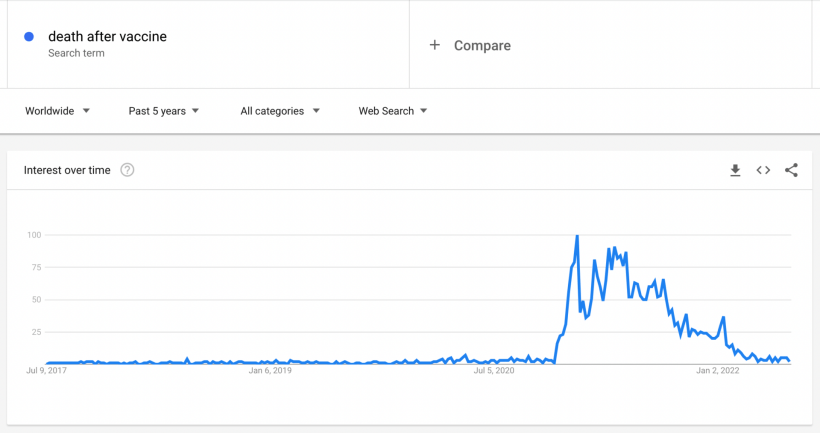
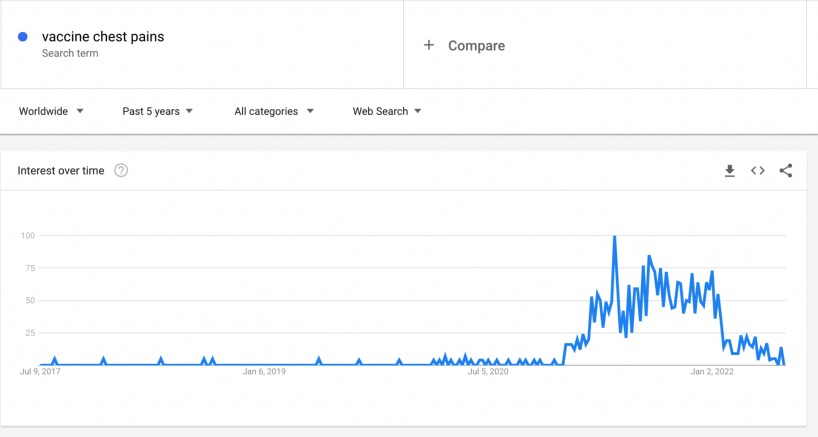
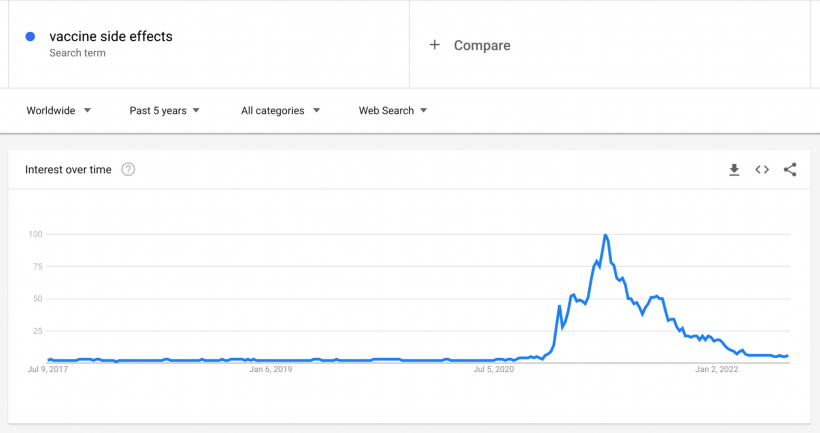
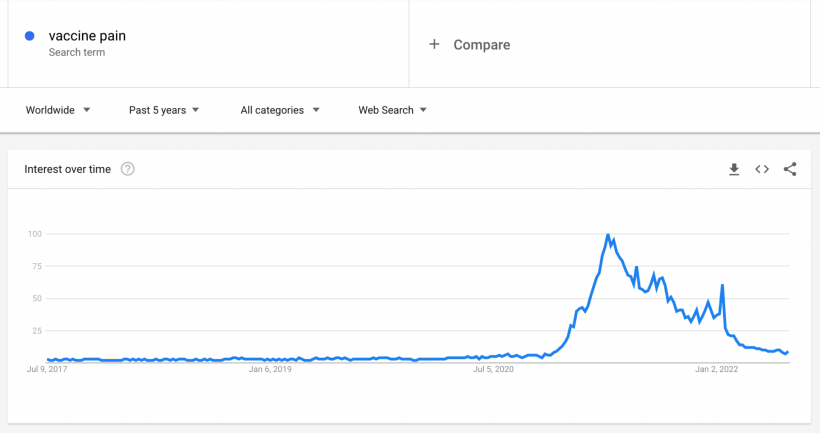
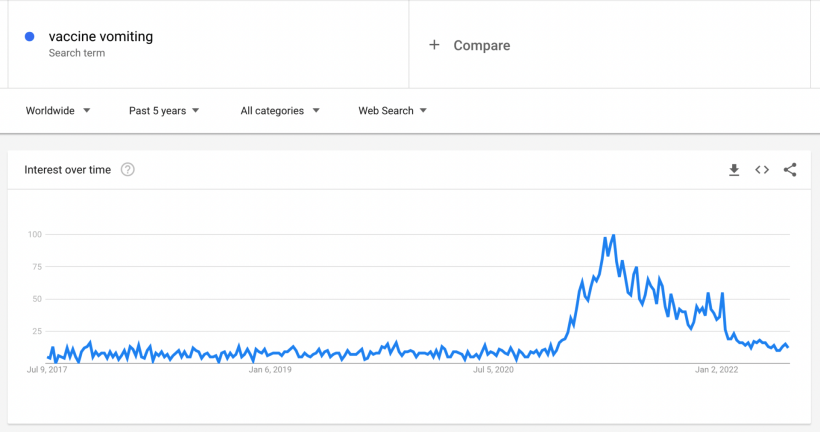


 Aletho News
