Detritus from Joe Biden’s administration doesn’t just amount to the obvious—inflation and deficit spending, regulations and wars. There’s also been a more subtle shift off of these failures, affecting who has power in our country and how they’ll use it in the future.
Nowhere is the shift less noticed or more definite than in the world of humanitarianism, which has been enriched these past three years by the previous administration’s proxy wars. Since 2022—when the Biden White House responded to Russia’s invasion of Ukraine by neither escalating nor defusing but prolonging—a network of humanitarian non-profits has grown up around the conflict. This network has fed off the deaths of Ukrainians and the piling on of debt for future Americans through its operators’ deep contacts with the United States government and its outgrowths.
This network is worth investigating on its own. But with the advent of the second Trump Administration which is looking to wind down the war, its players appear to be pivoting from Ukraine to the Middle East: from ginning up funds for an endless proxy war to ginning them up for a repeat of the Global War on Terror.
Listed first of all these organizations isRazom, a Ukrainian-American non-profit active since 2014. Its president, Dora Chomiak, is a Princeton and Columbia graduate who served in the 1990s as a Director of Regional Media Programs for George Soros’ newly-founded Open Society Institute. Under Chomiak’s leadership, Razom has a spot at the World Economic Forum, a regular Soros haunt. It also has a strong presence at Bard College, a major accepter of Ukrainian refugees which recently received a $500 million endowment pledge from Soros, whose second wife directs the Bard Graduate Center.
Razom also has government and university contacts. Samantha Power, the outgoing director of USAID, the government agency responsible for foreign aid, has been a featured speaker at Razom-hosted events, and so has the U.S. State Department’s Special Representative for Ukraine’s Economic Recovery, Penny Pritzker. Columbia University, which has received extensive donations from Soros as well as tax exemptions from Washington, hosts regular pro-Ukrainian events at its Harriman Institute, where Chomiak serves on the board.
Another prominent member of UNCN’s network is Help Ukraine, founded by Brian Mefford, who also founded Wooden Horse Strategies, which by its own description is “a Kyiv-based consulting firm focusing on USAID and EU project development and evaluation, risk analysis, due diligence, political strategy and strategic communications” that “provides clients with both Ukraine and regional insight that achieves results for their projects, businesses and policy objectives.” In 2023, Wooden Horse Strategies was listed by Russian officials as under contract with Ukraine’s Science and Technology Center to help carry out “the United States’ military biological programs in Ukraine.”
This claim isn’t verifiable, but it is verifiable that Ukraine’s Science and Technology Center contracted with Wooden Horse Strategies to combat “disinformation” about the Ukrainian war effort. Mefford was also reliably identified as an attendee at a 2022 Washington summit on the conduct of the war sponsored by “private sector cyber security and intelligence operators and CIA venture capital firm In-Q-Tel,” which, according to its CEO, has seen over thirty of its portfolio companies “deplo[y]” their technologies “as part of Western efforts to support Ukraine.
These players, in other words, are not the Salvation Army. They’re highly plugged into government-funded universities and intelligence agencies as well as the U.S. Department of State. This positions them to be indirect or direct recipients not just of defense and university grants but of staggering amounts of formal humanitarian aid. “Since February 2022,” according to a Congressional Research report released on January 6, 2025, “Congress has appropriated more than $46 billion in emergency funds for accounts solely or partially managed by USAID to address the war in Ukraine” including for “humanitarian assistance.” This is on top of $65.9 billion in direct military assistance in the same period.
It’s not clear, as this report notes, where funds raised and spent this fast actually went. But almost surely some of them percolated directly or indirectly to the organizations which help make up the UNCN. Now, with the Trump administration opposed to further involvement in Ukraine, at least one of UNCN’s players appear to be mobilizing to get funding for a different foreign cause.
This player is Sarah Adams, Chief of Operations for UNCN from January 2022 to January 2024 and an institutional operator par excellence. At the start of her career, Adams worked for a pharmaceutical company with links to Pfizer and in the 2010s she was a CIA analyst abroad, including in Libya. She serves as a Program Analyst for the United States Department of the Air Force in Tampa.
Currently, though, on conservative podcasts like Shawn Ryan’s and Tudor Dixon’s on which she appears, Adams presents herself as a former CIA agent and whistleblower cut from MAGA’s mold: an ex-soldier sounding the alert on jihadi infiltrations. She makes the case for a unified global movement of pre-planned Al Qaeda “wave” attacks which represent a clear and present danger to the United States. Not surprisingly, in the wake of the January 1 terrorist attack in New Orleans, Adams’s supporters claimed validation for her—despite the fact that the attacker was an American-born resident of Texas and a Deloitte employee radicalized online.
Adams claims to be going up against Pentagon pushback when she makes her warnings, despite the fact that she’s employed by the Air Force, which is run from the Pentagon. But the Pentagon’s history of firing employees who dissent, among them decorated Space Force Colonel Matthew Lohmeier, renders this claim extremely dubious. Journalist Max Blumenthal has pointed out other inconsistencies as well. Not only are “Adams’ sources [for her claims] unnamed,” they’re also uncited outside of her constant references to “we.” In only the first fifteen minutes of her appearance on The Shawn Ryan Show, Adams cites “open source” information, i.e. information from publicly available sources or that she got “on the ground”; doesn’t link to those sources (outside of a terrorist training video); and then makes broad claims. One is that Al Qaeda activities in Europe are a planned operation for revenge against America for its interfering in the Middle East. Another is connecting threatened Al Qaeda attacks on America to the October 7 attack against Israel, implying that combating one means combating the other.
The way Adams phrases her warnings reinforces the confusion. She sounds either like she’s not confident in her own material, or that she’s patronizing her audience by talking down. “But it’s just, um, al Qaeda has all these waves of attacks planned, okay” is her way of describing a clear and present threat to Americans. About terrorist trainees: “Remember their life is they train all the time so if that’s all you’re doing all day long, I mean, you’re gonna get really competent at it and then they have different emotions behind it too and, you know, different beliefs, and the religion behind it too, which makes you more devout.” She calls a Pentagon communication to her a “nastygram.” She says (jokingly? not?) that Shawn Ryan’s head of production looks like a terrorist and that she “could have [his address] by the end of the day if I really wanted it.” This doesn’t sound like an experienced veteran delivering a serious warning. It sounds like a self-promoter with a strange side.
When it comes to questions about her analysis or sources, Adams is not tolerant. When I pushed back on X with “total respect” about whether the issue of the Taliban targeting a French Afghani in France was relevant, as Adams claimed, to “all of us,” she responded before blocking me:
One reason Adams may take this attitude is that engaging with American conservatives isn’t really what she wants to be doing; it’s a means to an end. One of her supporters explained to me on X: “Sarah’s focusing on raising attention with ‘the right’ (even though they typically lack nuance) because they’re still national security focused, while Left leaning westerners tend not to [be].” This ally, James Griffin, runs a website titled “Analytica Camillus.” It pairs broad sloganeering (“Morality in Ruthlessness”; “You may not be interested in war but war is interested in you”) with intricately plotted maps of counteroffensives in Ukraine.
All of this raises a question: if Muslim terror tactics have been such clear threats and created such humanitarian calamities, why did self-identified experts in war and humanitarianism like Adams and Griffin spend years focusing on Ukraine and only pivot to Islamism as a new Donald Trump presidency loomed? One answer is that these pivots—from the Russia threat to Muslim terror, from Kosovo to Iraq—have been happening for three decades, executed by the same connected institutional operators in the name of the same general principles applied to different situations based on which administration is in the White House.
These general principles are security and humanitarianism, a double rhetorical punch that has justified the foreign interventions that have created unprecedented non-and-for-profit boondoggles since the 1990s. Tellingly, Adams describes herself as 10% warlord, 90% humanitarian, or a warrior in the name of humanitarian ideals, and neither her pairing of war and human rights nor the profits that accrue from that pairing are new. An early beneficiary was George Soros, whose Open Society Foundations picked up in the Balkans where NATO left off, and who has been heavily invested in Ukrainian companies. The Iraq and Afghanistan wars were also a boondoggle for non-profits as well as for business ventures to “build up” the region America had decimated by players like the Pritzker Family; one of whose members, Thomas Pritzker, set up North America Western Asia Holdings in partnership with a former undersecretary of Defense in the George W. Bush and Barack Obama administration to pursue those opportunities in 2011.
A humanitarian-crusader thru-line also runs through the careers of government officials responsible for these crusades. Biden USAID director Samantha Power made her name in the 1990s with a Pulitzer Prize winning book urging American intervention in the name of human rights and later stage-managed the intervention in Libya, where Sarah Adams served as a CIA analyst. Biden’s Secretary of State Anthony Blinken, a key backer of humanitarianism up to his last days in the State Department, had a father, another humanitarian, who was a key supporter of the NATO expansion off of our 1990s Balkans interventions which began our long cool down with Russia. Both Power and Blinken also advanced their career off of or in support of the Iraq War. This was the ultimate in humanitarian-security politics gone wrong. It was justified by links between Muslims (Saddam Hussein and Al Qaeda) that later proved conflationary and that are uncomfortably similar to the links Sarah Adams is currently making between different Muslim groups.
Other prominent supporters of these policies like Aayan Hirsi Ali, operating out of non-profits inside government-funded universities, want Americans to take the same broad-brush approach to national security as Sarah Adams does. But they expand the threats even further, broadcasting a new humanitarian and security crusade against Marxism, Islamism, the Chinese Communist Party, and Vladimir Putin. Tellingly, Hirsi’s husband, Niall Ferguson, an institutionally-connected booster of American interventionism and humanitarianism since a dozen years before the Iraq War, has recently become a Trump supporter, self-professedly dancing at Mar-a-Lago not too long ago.
Arguably, these humanitarian-military crusades—the ones which fund people like Sarah Adams, Brian Mefford, and Dora Chomiak, and which open investment opportunities for the Pritzkers and George Soros—are the most durable beneficiaries of America’s post-Cold War deep state apparatus. Quietly since 1995 and loudly since 2001, there has literally not been a year when we weren’t engaged in one of these missions, empowering contractors and non-profits abroad while encouraging surveillance at home.
Today’s latest sales pitch for a new crusade by Ukraine War pushers is something believers in small government and individual liberties should push back against. Profits in the name of war-linked humanitarianism are suspect to begin with. But when they threaten our liberties and our finances, they’re anathema to American interests.
Is US taxpayer money fueling George Soros’ global influence? Let’s find out.
US conservative think tank the Heritage Foundation claimed in 2017 that George Soros’ Open Society Foundations (OSF) had been made “the main implementer of USAID’s aid” since at least 2009.
But the Soros-USAID collaboration began much earlier. A 1993 USAID document shows the agency signed an agreement with the Soros Foundations’ Management Training Program to train 30 “professionals” from Bulgaria, Estonia, Poland, Romania and Slovakia.
In the late 1990s and early 2000s, a series of color revolutions shook Eastern Europe, with George Soros’ network of NGOs playing a central role in the unrest.
In 2003–2004, Soros’ International Renaissance Foundation partnered with USAID to support Ukraine’s ‘Orange Revolution’. Prior to that, the US spent $54.7 million in 2003 and $34.11 million in 2004 on “democracy programs” in Ukraine through various agencies, including USAID.
The US legal watchdog Judicial Watch revealed in April 2018 that USAID sponsored Soros’ globalist agenda in Guatemala. In total, OSF reportedly spent around $100 million fomenting unrest in Latin America between 2015 and 2018.
In October 2018, the watchdog obtained documents indicating that USAID partnered with Soros to fund radical left-wing activists in Albania. In 2016, USAID reportedly allocated $9 million to a campaign overseen by Soros’ East West Management Institute.
To illustrate the scale of funds managed by Soros-linked initiatives, in 2024, then-President Joe Biden requested nearly $30 billion for USAID in 2025.
President Trump has promised to “make a decision” on USAID’s future after getting rid of the “radical lunatics” running it after DOGE chief Elon Musk said it was time for the “criminal” agency “to die.” Russia banned Washington’s long-favored soft power tool in 2012. Here’s why.
Russia knew about the US Agency for International Development’s “criminal” nature long before Elon Musk’s epiphany.
USAID was expelled from the country after post-election street protests in Moscow verging on an attempted color revolution, with the agency accused of using its grant network to try to influence politics and civil society after the 2011-2012 Russian parliamentary and presidential elections.
USAID’s mission in Russia was narrowed to political influence operations in the 2000s, including funding for civil society groups like the Golos election watchdog, the Memorial and Moscow Helsinki Group rights organizations, and others.
These organizations engaged in increasingly sharp criticism of the Russian government prior to the US aid agency’s ouster, helping to radicalize a portion of the population toward more pro-Western opposition views through the popularization of their positions.
20 Years of ‘Democracy Promotion’
USAID first entered Russia in 1992, immediately after the USSR’s collapse, and spent nearly $3 bln over 20 years on ‘democracy, human rights and civil society promotion’ programs.
In reality, USAID’s work in the 90s was aimed at cheerleading the gutting of Russia’s social and economic system during the painful transition to a market economy, and meddling in politics in support of liberal, pro-West politicians against conservative, populist and neo-communist forces.
Nowhere was this more evident than during the 1993 constitutional crisis and the 1996 elections, which saw radical opposition to liberal reforms crushed and the voting rigged, with USAID-backed “independent media,” publishing houses and NGOs cheering on the processes.
The US amassed a literal journalistic empire during its stay in Russia. Up to the year 2000 alone, its National Press Institute held 2,300 briefings and seminars attended by over 57,000 journalists, provided training for 2,700 media specialists, management and consulting services for 84 newspapers, and support for other print, TV and internet media.
On the economic front, USAID provided “technical advisory services and material support” for the infamous voucher privatization scheme. This program cemented immense wealth transfers worth hundreds of billions of dollars from the state to private and foreign coffers.
In the 90s, USAID ambitiously outlined 14 “strategic objectives” for Russia, from fiscal, monetary, social service and energy reforms to US “joint ventures,” civil and legal training, environmental programs and even women’s reproductive health.
Political stabilization and the maturing of the modern post-Soviet Russian state ultimately sealed USAID’s fate.
But perhaps the greatest damage done by USAID to Russia has been in its backyard, where billions of dollars spent over the past 35 years helped to put neighbors on a path to NATO and EU membership, and literally rewrite history books to cast Russia as an enemy. Nowhere has this effort paid off more than in Ukraine.
Vaccinated children have a 170% higher chance of being diagnosed with autism compared to unvaccinated children, according to a new peer-reviewed study.
The study also found that vaccinated children had a 212% greater likelihood of developing a range of other neurodevelopmental disorders, including attention-deficit/hyperactivity disorder (ADHD), epilepsy/seizures, brain inflammation and tic and learning disorders.
According to the study, the childhood vaccination schedule is likely a significant contributor to the higher rate of autism and neurodevelopmental conditions in vaccinated children.
The study of 47,155 9-year-old children enrolled in the Florida Medicaid program since birth was published on Jan. 23 in Science, Public Health Policy and the Law.
Karl Jablonowski, Ph.D., senior research scientist for Children’s Health Defense, said the paper “is unignorable simply by the soundness of its methods.”
“The sheer hazards associated with severe childhood diseases is jaw-dropping,” Jablonowski said.
The paper’s authors — Anthony R. Mawson and Binu Jacob of the Mississippi-based Chalfont Research Institute — hypothesized that:
Childhood vaccination is associated with autism and other neurodevelopmental disorders.
Increasing numbers of vaccinations lead to a higher risk of autism.
Vaccinated preterm babies are at greater risk of neurodevelopmental disorders than unvaccinated babies.
The study’s findings confirmed the authors’ hypotheses. Experts said the results of the study cast doubt on government claims that vaccines are not linked to autism.
“The vaccine propaganda campaigns operated by our regulatory agencies, pharmaceutical companies, and legacy media continue to claim that the link between vaccines and autism has been ‘debunked,’” said epidemiologist Nicolas Hulscher. He said the findings of this study “completely dismantle” this narrative.
Jablonowski noted that the study was based solely on government data. He said:
“The government has had this data for decades, professing safety while simultaneously refusing to study safety. The facade of U.S. government public health is crumbling, revealing a culprit in chronic disease in this country: willful ignorance.”
The authors of the study noted that government-sponsored studies have not compared health outcomes in vaccinated versus completely unvaccinated children. Mawson and Jacob told The Defender they hope the government will initiate such studies.
Childhood vaccination schedule likely factor in increased autism diagnoses
The study found that, across all metrics, vaccinated children had a higher rate of neurodevelopmental disorders compared to those who remained unvaccinated. According to the findings:
The relative risk of developing a neurodevelopmental disorder grew as the number of doctor’s visits that included vaccinations increased. Children with just one vaccination visit were 1.7 times more likely to have been diagnosed with autism compared to those who were unvaccinated.
Children with 11 or more vaccination visits were 340% more likely to be diagnosed with autism compared to unvaccinated children and 89% more likely to be diagnosed with autism compared to children with one vaccination visit.
Vaccinated children who were born preterm were 258% more likely to be diagnosed with at least one neurodevelopmental disorder, compared to children born preterm who remained unvaccinated. Nearly 40% of vaccinated preterm children were diagnosed with such a disorder, compared to 15.7% of those who were unvaccinated.
Vaccinated children were 419% more likely to be diagnosed with encephalopathy (brain inflammation), 525% more likely to develop tic disorders and 581% times more likely to have a learning disability, compared to unvaccinated children.
Among children born preterm who were subsequently vaccinated, the risk of brain inflammation and learning disabilities grew by 612% and 884%, respectively.
“While the connection between receipt of vaccines and autism has been of grave concern to many parents, this study makes it clear that even in the absence of an autism diagnosis, children’s brains are being damaged,” said biologist Christina Parks, Ph.D.
Autism prevalence has grown from 1 in 1,000 children in the 1990s to 1 in 36, according to the Centers for Disease Control and Prevention (CDC). The study’s authors noted this increase is commonly attributed to greater awareness of autism-related symptoms and higher exposure to toxic chemicals.
However, the authors said their results suggest the childhood vaccination schedule may also be a key factor behind the sharp increase in autism diagnoses.
“The geographically widespread increases in ASD [autism spectrum disorder] and ADHD suggests a role for an environmental factor to which virtually all children are exposed. One such factor is routine childhood vaccinations,” the study noted.
The authors cited figures showing that the number of vaccines included in the CDC’s latest U.S. childhood schedule increased nearly threefold compared to the 1983 vaccination schedule.
“Although vaccination is said to be safe and effective for the great majority of children, a legitimate question is whether the expanded schedule could be contributing in some way to rising rates of NDDs [neurodevelopmental disorders],” the study stated.
“Any planned additions to the childhood vaccination schedule should be delayed until research to determine the safety of its impact on children’s overall health is completed,” Mawson and Jacob said.
Results indicate childhood vaccination schedule ‘needs a complete overhaul’
According to the study, the impact of vaccination on children born preterm has not been sufficiently examined.
“The possibility of adverse effects of vaccination on preterm infants may have been obscured by the primary importance placed on vaccinations for preventing neonatal infections,” the study said.
A peer-reviewed study published earlier this month found that preterm infants who received their routine 2-month vaccinations had a 170% higher incidence of apnea compared to unvaccinated babies.
The study also noted that while studies have often attempted to connect rising autism rates to specific vaccines, there has been less research exploring a possible link between the cumulative childhood vaccination schedule and autism.
“A link between vaccination and ASD could be due to the cumulative impact of all preceding vaccinations rather than to a specific vaccine alone,” the study said. “ASD and other NDDs could be triggered by the last vaccination administered or by one or more of a series of vaccinations.”
“There is an urgent need for research to identify biological mechanisms and potential causal relationships between individual vaccines, combinations of vaccines, and other potential factors associated with neurodevelopmental disorders,” Mawson and Jacob said.
Hulscher said the study suggests that the current “CDC hyper-vaccination schedule needs a complete overhaul.” He added, “Not only is it likely contributing to the autism and chronic disease epidemics, but almost all of the vaccines were licensed without proper long-term, placebo-controlled trials.”
Parks said the study’s results reinforce the importance of parental choice.
“However, there were some findings that parents may find comforting,” Parks said. “While preterm infants are extremely vulnerable to encephalopathy and seizures, if parents chose not to vaccinate them, they were statistically no more likely to develop neurodevelopmental disorders than normal-term infants.”
According to a September 2024 CDC report, vaccination rates among children born in 2020 and 2021 were lower than those for children born in 2018 and 2019. Hulscher said that an increasing number of Americans are becoming aware of the risks of childhood vaccination.
“The American public is becoming increasingly aware of the real risks of vaccines,” Hulscher said. He attributed the growing mistrust to “the COVID-19 mRNA injection debacle that killed, injured, or permanently disabled millions of people.”
Hulscher said the study’s results “warrant further study by the new U.S. administration.”
Claims by public health agencies and in top medical journals that childhood vaccination prevents millions of deaths annually are based on flawed epidemiological models, according to a paper published today by Correlation, a Canadian nonprofit research organization.
The author, all-cause mortality expert Denis Rancourt, Ph.D., argues these claims are based on “tentative and untethered models of epidemiological forecasting” that produce “unlikely results.”
The models depend entirely on invalid estimates of vaccine efficacy and disease prevalence and virulence, none of which are based on real-world data concerning actual deaths, according to Rancourt.
They also fail to account for other complex factors contributing to child mortality — particularly in low-income countries, where most of these millions of infant lives are purportedly saved. These factors include nutritional deficiency, toxic exposures and poverty.
Rancourt also found that, contrary to public health claims, there are no examples in all-cause mortality data of a drop in infant or child mortality temporally associated with the rollout of a childhood vaccination program.
In the paper, Rancourt develops an alternative model using yearly all-cause infant mortality. He estimates that childhood vaccination campaigns since 1974 may have been associated with approximately 100 million vaccine-related deaths.
However, he emphasizes that any true estimate of mortality would also have to account for other factors, such as the shifting political and economic dynamics that drive poverty and its associated health problems.
Children’s Health Defense Senior Research Scientist Karl Jablonowski said, ”Rancourt points out serious flaws in mainstream debates over childhood vaccination that are premised on errors in generalization and lead to childlike black-and-white thinking when it comes to vaccine safety.”
Jablonowski said the paper clearly demonstrates that claims vaccines have saved millions of lives globally, “hang on a few impossible assumptions.” Those include:
That no human can die from a vaccine (directly or indirectly).
That children who die from a “vaccine-preventable” pathogen were otherwise perfectly healthy.
That we understand how diseases spread in all contexts.
That all children have the same health, diet, exercise habits, access to clean water, toxin and environmental exposures, genetic disposition, etc., as the clinical trial participants.
That clinical trials accurately represent the risks and benefits of the vaccine.
That once a vaccine is developed, all other medical interventions suddenly stop working.
Rancourt said he began writing the paper to demonstrate the “ludicrous theoretical modelling exercises” behind the spectacular claims of reduced infant mortality from mass vaccination programs.
“But what I discovered is that the longstanding industry of administering vaccination programmes to save infants in low-income countries from death is scientifically baseless and a fraudulent enterprise that removes resources and attention away from urgently needed development to correct ongoing mass neocolonial exploitation,” he said.
‘Garbage in, garbage out’
Many top researchers have raised public concerns about epidemic modeling, particularly in research that serves the pharmaceutical industry.
Dr. John Ioannidis has pointed out that “epidemic forecasting has a dubious track record,” which became particularly evident during the COVID-19 period. Models can easily be compromised or skewed if they use poor data, incorrect assumptions, lack epidemiological information or fail to consider all dimensions of a given problem.
This, combined with the fact — highlighted by former editors of both The Lancet and The BMJ — that medical journals have become “an extension of the marketing arm of pharmaceutical companies” has led to the proliferation of forecasting models that don’t meet even the most basic standards for modeling, Rancourt said.
In recent years, epidemiologic modelers have published many papers claiming to estimate mortality averted through childhood vaccination.
Rancourt argued these models share two fatal flaws: They are based on unreliable assumptions of vaccine efficacy and they “guesstimate” deaths avoided using disease models not anchored in real-world data.
The safety and efficacy numbers for these models always come from clinical trials, which he says are “systemically unreliable” in assessing efficacy and fail to evaluate safety.
The trials are, “overwhelmingly controlled by an industry making large profits from the vaccines, and this industry has amply, historically, consistently and repeatedly demonstrated its willingness to act fraudulently at the expense of endangering the public,” Rancourt wrote.
Also, the trials themselves introduce several biases. For example, trials are conducted with healthy children, but vaccines are administered to children with multiple vulnerabilities, particularly in low-income countries.
The trials also don’t test the vaccines against true placebos, don’t monitor children long-term for safety issues, and don’t test against disease prevention or safety in the real world.
Second, they rely on “guesstimates” of deaths averted — estimating how many children didn’t die because they got the vaccine — based on isolated models for disease contagion that aren’t validated by real-world research.
Most importantly, they fail to account for the fact that childhood mortality rates are affected by a wide range of factors — including underlying health conditions, poor nutrition and access to care — beyond simply whether a child is vaccinated or not.
“I argue that the proverbial computing term ‘garbage in, garbage out’ pre-eminently applies in these circumstances,” Rancourt said.
Breaking down claims that vaccination has saved 154 million lives since 1974
To illustrate his points, Rancourt analyzed a recent study funded by the World Health Organization (WHO) and published in The Lancet by Andrew J. Shattock, Ph.D., and colleagues.
The study concluded that “Since 1974, vaccination has averted 154 million deaths, including 146 million among children younger than 5 years of whom 101 million were infants younger than 1 year.”
Rancourt calculated this would be the equivalent of 5.7% of global deaths annually, or a 20% reduction in global infant mortality.
Rancourt said it would be a “fantastic” medical achievement. “Some might reasonably call it unbelievable.”
In addition to the WHO funding, the Vaccine Impact Modelling Consortium — funded by the Bill & Melinda Gates Foundation and the Gates-backed Gavi, the Vaccine Alliance — provided the models. Members of the research team also receive funding from the Centers for Disease Control and Prevention, the Wellcome Trust and other organizations with financial and political interests in promoting mass vaccination.
For The Lancet study, Shattock estimated deaths avoided by vaccination using only theoretical models for how disease spreads — with no attention to context. And then used efficacy rates from vaccine clinical trials to estimate how many children who would have gotten sick and died don’t because vaccines are present.
The study repeats that model for each of the nine vaccines it considered to arrive at the number of lives saved.
The study also estimated the numbers based on the assumption that, otherwise, infant mortality would have remained constant between 1974 and 2024. However, in reality, infant mortality had been dropping before that, which the model should have accounted for.
The study “collapses on examination of its premises,” Rancourt wrote.
The problem of poverty
Perhaps the most glaring issue, Rancourt said, is that models touting high numbers of lives saved by vaccines fail to account for the reality that child mortality is influenced by many complex factors, particularly in low-income countries.
For example, the WHO states that the measles vaccine has the greatest impact on infant mortality, accounting for most lives saved from all vaccines. However, deaths from measles are typically related to malnutrition. Mortality and morbidity rates from infectious diseases like measles decline with improved living standards.
Malnutrition also makes children more vulnerable to environmental toxins — including vaccines, Rancourt noted.
In other words, malnutrition, including of the mother, makes a child highly vulnerable to death from a wide range of infections that don’t occur or aren’t fatal in well-nourished children living in healthy environments.
Low-income countries not only lack funding for public health, Rancourt said, but vaccination campaigns divert resources away from other health priorities like clean water and basic health services.
Vaccination programs increase infant and child mortality
Contrary to repeated claims that vaccines save millions of lives, Rancourt’s analysis of the relationship between vaccine rollouts and infant mortality rates suggests the opposite — that these programs have contributed to increased infant and child mortality.
Rancourt correlated changes in the global infant mortality rate with major vaccine rollouts between 1980-1999 and 1999-2015. During those periods, global infant mortality rates were declining, but the rate of decline slowed after the vaccine rollouts.
The deceleration became more marked in about 1992, when the hepatitis B and pneumococcal conjugate vaccines were introduced, even in low-income countries.
Had the decline in infant mortality continued at the same rate from the period before vaccine rollouts, there would have been 100 million fewer infant deaths. Instead, the rate of decline in mortality slowed precisely when the rollouts happened.
All researchers modeling the benefits of vaccination missed or disregarded this evident temporal correlation, Rancourt said.
Rancourt’s findings corroborate observational studies, including those showing the introduction of the diphtheria-tetanus-pertussis vaccine in low-income countries led to a spike in infant mortality among vaccinated babies.
However, Rancourt cautioned that he was presenting the simplest possible model. A true estimate would have to adjust for the benefits of improving living conditions. It would also have to account for the impacts of “aggressive so-called globalization” in the 80s and 90s that facilitated the global expansion of industry, global vaccination campaigns and industrial agriculture, which all had varied and significant impacts on low- and middle-income countries.
Rancourt concluded the overwhelming cause of high infant mortality is extreme poverty associated with severe malnutrition and exposure to toxic living environments.
Ever since Tel Aviv’s 1948 creation, much has been said and written about ‘Greater Israel’ – the notion Zionism’s ultimate end goal is the forcible annexation and ethnic cleansing of vast swaths of Arab and Muslim lands for Jewish settlement, based on Biblical claims this territory was promised to Jews by God. The mainstream media typically dismisses this concept as antisemitic conspiracy theory, or at most the fringe fantasy of a minuscule handful of extremist Israelis.
In reality, as The Guardianadmitted in 2009, the idea of a Greater Israel has long-appealed to “religious and secular right-wing nationalists” alike at a state and public level in Tel Aviv. They have the shared objective of “[seeking] to fulfill divine commandments about the ‘beginning of redemption’, as well as create ‘facts on the ground’ to enhance Israel’s security.” The outlet acknowledged this motivation was a key contemporary driving force in mainstream Zionist entity politics, which “effectively turned the Palestinians into aliens on their own soil.”
The Nationhas described the push to establish Greater Israel as “the central ideological goal” of Benjamin Netyahu’s Likud Party, which has dominated Israeli politics in recent decades. In July 2018 too, the Zionist entity passed the “Nation State of the Jewish People” law. It enshrines “the development of Jewish settlement as a national value.” Meanwhile, the state is legally obligated “to encourage and promote” the “establishment and consolidation” of settlements, in illegally occupied territory.
A proposed map of ‘Greater Israel’
This is based on the Jewish people’s “exclusive and inalienable right” to territory as far away from present Israel as Saudi Arabia. Old Testament terms such as “Judea and Samaria” are also employed. Markedly, this text is absent from the legislation’s official English translation. Zionist entity chiefs may not have wanted to make their irredentist, settler colonial ambitions quite so obvious at the time. Fast forward to today though, and Zionists at every level are wholly unabashed about their grand expansionist plans in West Asia.
The Syrian government’s fall has raised all manner of questions, concerns, and uncertainties locally and internationally. Can the country survive in its present form? Will Western-backed ‘former’ ultra-extremists be able to run a government? May the Iran-led Axis of Resistance, which inflicted such harm to the Zionist entity and its Western puppet masters throughout 2023/4, be under threat? The list goes on. But one thing is certain – Israel is seeking to profit handsomely from the chaos. If successful, the results will be revolutionary.
‘Defensive Position’
On December 8th, a triumphant, smart-casual-bedecked Benjamin Netanyahu made a public address from an Israeli Occupation Force observation point, in the illegally-occupied Golan Heights. Taking personal credit for Bashar Assad’s ouster, he hailed “a historic day” for the region, which offered “great opportunity.” The Israeli leader bragged that the Zionist entity’s “forceful action against Hezbollah and Iran” had “set off a chain reaction” of upheaval, showing no sign of abating. Nonetheless, he warned of “significant dangers”.
One of those hazards, Netanyahu declared, was “the collapse of the Separation of Forces Agreement from 1974.” This largely forgotten accord was signed by Damascus and Tel Aviv following the 1973 Yom Kippur War. Both sides agreed not to mount hostile military operations of any kind against one another from their shared Golan Heights border. Perhaps surprisingly, it was scrupulously adhered to for 50 years. Now, though, Assad’s fall has sparked a Syrian military withdrawal from the area, and, in turn, the IDF is moving in.
Netanyahu announced orders had been given to the IOF to push deep into the demilitarized zone created by the Agreement, which is legally and historically Syrian territory. He claimed this was merely a “temporary defensive position until a suitable arrangement is found.” Yet, ever since, it has become increasingly unambiguous that for the Zionist entity, Assad’s departure not only greenlights the tearing up of longstanding diplomatic agreements, but the entire map of West Asia as we know it.
For the time being, the IOF has captured strategically invaluable Mount Hermon, Syria’s tallest mountain, from which Damascus can be seen just 40 miles away. Concurrently, hundreds of Zionist entity airstrikes have obliterated what remained of Syria’s military infrastructure, leaving the country completely defenseless from any and all incursions by air, land, and sea. The stage is plainly set for a major escalation and attempt by Israel to absorb further territory, at its behest. Who or what could stop them?
IOF militants unfurl an entity flag on Mount Hermon
On December 10th 2024, while testifying at his long-running trial for industrial scale corruption in office, Netanyahu used the occasion to hint strongly at Assad’s defeat heralding a major reshaping of the region afoot. “Something tectonic has happened here, an earthquake that hasn’t happened in the 100 years since the Sykes-Picot Agreement,” the Israeli leader said, referencing the 1916 treaty under which Britain and France carved up the Ottoman Empire.
In an ironic twist, destruction of the Sykes-Picot Agreement, which divided West Asia into artificial boundaries under Western colonial rule, was a regular feature of ISIS propaganda. The group cited the pact as a symbol of Western oppression against Islam, presenting its demise as a religious duty. With figures associated with ISIS now taking charge in Damascus, that vision could now be achieved, a prospect both serving Israel’s long-term goals, and aligning with Netanyahu’s long-standing ambitions.
‘Living Room’
In recent weeks, Israeli media has undergone a significant tonal shift. Historically, even critical Israeli news outlets and journalists have been careful to frame the Zionist entity’s most egregious actions – ranging from military operations against neighboring countries to settlement expansion and land confiscation – in terms of “security” and “defense”. However, in the days leading up to Tel Aviv’s invasion of Lebanon on October 1st 2024, The Jerusalem Post published a strikingly candid explainer guide for its readers, enquiring, “Is Lebanon part of Israel’s promised territory?”
The outlet leaned on a Brooklyn-based Rabbi to “graciously” explain in detail how, based on multiple passages in Jewish scripture, “Lebanon is within the borders of Israel,” and Jews are therefore “obligated and commanded to conquer it.” The article was subsequently deleted after mass backlash and condemnation. But lessons from the debacle evidently weren’t learned in some quarters.
On December 4th – four days before the Syrian government’s fall – The Times of Israel published an op-ed on how “Israel’s exploding population” urgently required “Lebensraum”, a notorious German concept meaning “living room”, typically associated with the Nazis. The piece noted the Zionist entity’s population was projected to grow to 15.2 million by 2048, meaning Tel Aviv’s territory rapidly needed to be greatly expanded – perhaps not to the size of Russia, but certainly considerably.
This extremist rant was likewise purged from the web, due to widespread public outcry and mockery. Yet, since Assad’s fall, the term “Greater Israel” abounds readily in Zionist media, and seizure of territory from Tel Aviv’s neighbors is openly and eagerly discussed on primetime entity TV. Geopolitical analyst and founder of The Cradle Sharmine Narwani tells MintPress News that in a sense, the blatant nature of these discussions is a welcome development, as it lays bare Tel Aviv’s most extreme ambitions. However, she warns, attempts to expand the entity’s borders could backfire in catastrophic ways:
“The good news is, Israel has completely dropped all its masks. The bad news is it will go for land grabs everywhere. But this will be done opportunistically, and without much forethought or strategic planning. In the end, which country besides the US will be able to support Israel publicly? Tel Aviv will corner itself because the dominant Western discourse and EU law are still premised on human rights and ‘rules’. Allowing Israel these land grabs will also sink the Western-led global order.”
‘Primary Target’
Academic David Miller concurs the Zionist mask is off once and for all. Gravely, he tells MintPress News, “the fact that the CIA backed regime in Damascus is openly saying it is no threat to Israel is another indication regime change in Syria is a planned attempt to destroy the Axis of Resistance, and finally genocide all Palestinians.” Furthermore, he believes the writings of Zionism’s founder Theodore Herzl make clear seizing Lebanese and Syrian territory was Israel’s plan all along.
This malign objective, Miller adds, was echoed in many statements of countless prominent Zionists over decades, and “even codified and published as the Yinon Plan.” Little-known today, this extraordinary document was published in February 1982 in Hebrew journal Kivunim, under the title “A Strategy for Israel in the 1980s”. Its title is derived from author Oded Yinon, a shadowy former Israeli Foreign Ministry official and advisor to Zionisty entity leader Ariel Sharon.
Some sources claim the Yinon Plan provided a precise blueprint for major future events in West Asia, such as the illegal 2003 Anglo-American invasion of Iraq, Syrian dirty war, and rise of ISIS. It may be an exaggeration to suggest the Plan precisely portended all these developments, but nonetheless, much of the document’s contents are eerily prescient. Moreover, while many of its proposals failed to subsequently materialise, we are left to ponder whether they may now do so in future.
For example, the Plan noted there was significant potential for “domestic trouble” to erupt in Syria between “the Sunni majority and the Shiite Alawi ruling minority” – the latter constituting a “mere 12% of the population” – to the extent of “civil war”. While Damascus’ “strong military regime” was considered formidable, Yinon declared “the dissolution of Syria into ethnically or religiously unique areas” and destruction of its military power should be “Israel’s primary target” on its Eastern front, “in the long run”.
The Plan envisaged similar outcomes for other countries in Israel’s immediate vicinity. Lebanon was to be broken up into “five provinces” along religious and ethnic lines, partition “[serving] as a precedent for the entire Arab world.” Yinon wrote, “this state of affairs will be the guarantee for peace and security in the area in the long run,and that aim is already within our reach today.” Four months later, the Zionist entity invaded Beirut, carrying out ethnic cleansing, massacres, and land theft along the way.
Israel’s June 1982 invasion of Lebanon
Once the Zionist entity’s immediate neighbors were neutralized, Iraq was to be crosshaired “later on”. Baghdad, “rich in oil” while “internally torn” between its Sunni and Shiite population, was “guaranteed as a candidate for Israel’s targets.” Its destruction was “even more important for us than that of Syria,” due to its “power” and strength relative to other regional adversaries. Yinon hoped the then-ongoing Iran-Iraq war would “tear Iraq apart and cause its downfall”, preventing Baghdad from ‘[organizing] a struggle on a wide front against us”:
“Every kind of inter-Arab confrontation will assist us in the short run and will shorten the way to the more important aim of breaking up Iraq into denominations as in Syria and in Lebanon… It is possible that the present Iranian-Iraqi confrontation will deepen this polarization.”
‘Permissive Approach’
Yinon also considered it a “political priority” to regain control of the Sinai peninsula, over which the Zionist entity had fought its Arab neighbors since inception, before relinquishing all claims to the region to Egypt under the March 1979 Camp David accords. He slammed these peace agreements, and looked forward to Cairo “[providing] Israel with the excuse [emphasis added] to take the Sinai back into our hands,” due to its vast “strategic, economic and energy” value:
“The economic situation in Egypt, the nature of the regime and its pan-Arab policy, will bring about a situation after April 1982 in which Israel will be forced to act directly or indirectly in order to regain control over Sinai… for the long run. Egypt does not constitute a military strategic problem due to its internal conflicts and it could be driven back to the post 1967 war situation in no more than one day.”
We are now well-past April 1982. In the intervening time, successive Israeli governments have demanded Egypt allow the IOF to relocate Gaza’s population to the Sinai. Netanyahu is particularly taken with the prospect. In the immediate wake of October 7th 2023, official Israeli government and Zionist think tank policy papers openly advocated driving Palestinians into the neighbouring desert. It has been reported entity officials begged the US to pressure Cairo into allowing this mass displacement.
For the Zionist entity, this strategy’s appeal is self-evident. On top of emptying Gaza for settlement, forcing Palestinians into Sinai would inevitably create mass chaos and tensions there, which could in Yinon’s phrase provide “the excuse” for Tel Aviv to militarily occupy the region, in the manner of the West Bank. Just as a “temporary defensive position until a suitable arrangement is found” of course, as Netanyahu said of the IOF’s brazen creation of a prospective beachhead on Mount Hermon.
In December 2024, Haaretz observed Netanyahu was “angling for a legacy as the leader who expanded Israel’s borders”, and “wants to be remembered as the one who created Greater Israel.” Simultaneously, neoconservative Brookings Institute vice president Suzanne Maloney wrote for Empire house journal Foreign Affairs that the incoming Trump administration “will surely take a permissive approach to Israeli territorial ambitions.” After all, recent developments showed “a maximalist military approach yields spectacular strategic dividends along with domestic political benefits” for the Zionist entity.
We must hope, as Sharmine Narwani prophesied, Netanyahu’s megalomaniacal reveries of Greater Israel are just that, and come to nothing. Despite understandable mass anti-imperialist mourning over the Assad government’s demise, Tel Aviv faces a panoply of intractable internal problems. Contrary to claims of Tel Aviv’s population “exploding”, tens of thousands of dual-citizenship residents are routinely fleeing due to Resistance attacks, while its economy has perhaps permanently been relegated to the doldrums, the entity entirely dependent on US financial largesse to endure.
A leading neoconservative for most of the last half century has released a comprehensive series of recommendations on Middle East policy for the new Trump administration nearly all of which are ideas that Israeli Prime Minister Benjamin Netanyahu and his Likud Party would happily embrace.
The 16-page report, entitled “Deals of the Century: Solving the Middle East,” is published by the Vandenberg Coalition, which was founded and chaired by Elliott Abrams, who has held senior foreign policy posts in every Republican administration since Ronald Reagan (except George H.W. Bush’s), including as Special Envoy for Venezuela and later for Iran during Trump’s first term.
Created shortly after former President Biden took office, the Coalition has acted as a latter-day Project for the New American Century, a letterhead organization that acted as a hub and platform for pro-Likud neoconservatives, aggressive nationalists, and the Christian Right in mobilizing public support for the “Global War on Terror,” the 2003 invasion of Iraq, and the move away from a two-state solution to the Israel-Palestine conflict, particularly under the George W. Bush administration in which Abrams served as Special Assistant to the President and Senior Director for Near East and North African Affairs, surviving a number of purges of leading neoconservatives in that administration after the Iraq occupation went south.
The new report predictably calls for the new administration to “use all elements of [U.S.] national power” to prevent Iran, “the greatest threat to American interests in the Middle East and the cause of most of the region’s security problems,” from acquiring a nuclear bomb. It describes Israel as “our cornerstone ally in the region” to which Washington should provide all “the weapons it needs [to] help it win the war and prevent wider escalation.”
The recommendations also call for Washington to maintain its military presence in both Iraq and Syria, to suspend all aid to the Lebanese Armed Forces (LAF) “until it demonstrates a willingness to oppose Hezbollah, accelerate U.S. arms sales and broaden intelligence cooperation with the UAE,” and enhance military and security cooperation with Saudi Arabia provided it “pivot[s] away from China and Russia.”
It also calls for the Saudis to “increase [its] foreign direct investment commitments in U.S industries,” and “cease public statements” critical of Israel and supportive of Iran. “…[En]hanced cooperation with Saudi Arabia,” the report insists, “should be contingent on their being unequivocal about what side they are on.”
Washington should also designate Iraq’s Iran-backed Popular Mobilization Forces (PMF) and related militias as Foreign Terrorist Organizations (FTO) and stop engaging with them politically, and work with Yemen’s Saudi-backed Presidential Leadership Council against the Houthis whose designation as an FTO by the Trump administration last week was applauded in the report. On the new government in Syria, the report says that ongoing sanctions, which helped cripple the country’s economy, should not be lifted “unless the new government proves to be a responsible actor,” although it does not describe what that would mean in any detail.
Aside from Iran’s status as Enemy Number One in the report, special scorn was reserved for Qatar, which has played a central role in mediating between Israel and Hamas regarding the fate of Israelis held in Gaza and Palestinians detained in Israel. Similar contempt is reserved for the Palestinian Authority headed by Mahmoud Abbas, for various U.N. agencies, notably “the nefariousness [sic] UNRWA,” which has worked with Palestinian refugees and their families across the Middle East for more than 70 years, and for senior UN human rights officials who deal with the Israel-Palestine conflict in particular. Washington “should immediately cease all funding to UNRWA” and also to UNIFIL, the U.N. peacekeeping force deployed along the Lebanese-Israeli border unless its troops are given the authority and demonstrate the will to confront Hezbollah forces in the area.
As for Qatar, it “has worked to undermine U.S. interests by cooperating with Iran and sheltering terrorist groups like Hamas,” according to the report. “With much better friends like the Saudis, Washington no longer needs to tolerate destabilizing Qatari behavior,” and thus should move U.S. Central Command’s forward headquarters out of Qatar’s Al Udeid Air Base and revoke Doha’s “Major Non-Nato Ally status unless its behavior changes.” That status should be conferred on the UAE instead, according to the report, provided that it “reduce [its] reliance on Russian and Chinese vendors” of military equipment.
The report, which describes the politics of the Biden administration in the Middle East on more than one occasion as “appeasement,” mainly of Iran, reminds the reader that Trump declared only last month that “the Middle East is going to get solved,” a phrase that undoubtedly inspired the report’s title: “Deals of the Century: Solving the Middle East.” While the report says it was the product of a “working group of Middle East experts,” no names other than Abrams, Gabriel Scheinemann, and Daniel Samet, the latter two neoconservatives from the Alexander Hamilton Society, appear in the report. Normally, reports by letterhead organizations list their contributors.
In presenting what it calls “key American interests in the Middle East,” the report puts “preventing Iran from developing n nuclear weapon at the top of the list” but also expresses alarm at Chinese Communist Party inroads in the region, noting that CCP is Washington’s “key global adversary.” In an echo of the Global War on Terror, Washington, it says, should also “deny jihadi terrorists a safe haven,” a reference in part to the necessity, its authors feel, to retain U.S. forces in Syria and Iraq.
But “America’s alliance with Israel is central to U.S. interests in the region, given that it promotes American values within the Middle East and provides the first line of defense against Iranian aggression.” Moreover, Washington should try to expand the Abraham Accords, and “the Palestinian question must not impede Israel’s normalization with Arab and Muslim countries or otherwise compromise its security.” Washington must “ensure Israel has the tools to defend itself.”
Yet another interest is to expand access of our allies and partners in Europe and elsewhere to the region’s energy supplies, according to the report.
To increase pressure on Iran, Washington should not only reinstate a Trump’s “ maximum pressure” campaign, but include within it convincing Britain, France, and Germany to “snapback sanctions” against Tehran at the U.N. Remarkably perhaps, it offers the possibility of a new nuclear agreement that would “forbid Iranian uranium enrichment beyond the small amounts need for a civilian nuclear program,” something that the 2015 JCPOA, which Trump withdrew from in 2018, actually accomplished before Trump, under the influence of neoconservatives like Abrams, withdrew from in 2018. If a deal can be reached, according to the report, it should be dealt with as a treaty; that is, made subject to a 2/3 majority vote in the Senate.
With respect to the Palestinians in the wake of the last 15 months of war in Gaza, “American policy toward the Palestinians must prioritize the security of Israel and our Arab partners.” Washington “must impose standards for good governance. The U.S. should “allow an Arab trusteeship to control Gaza after the war.” In words that must warm Netanyahu’s heart, the report notes “the weakness and incompetence of the PA mean it cannot govern Gaza,” and “Israel will need to maintain security control to prevent Hamas from rebuilding but should not and does not wish to govern Gaza itself.”
Abrams has a long history with both Palestine and Gaza, notably during the Bush administration. After Hamas was an unexpected election victor over its rival Fatah in the 2006 elections – which were hailed as the freest and fairest elections in the Arab world at the time – Abrams and other senior officials encouraged the mounting of an armed coup against Hamas led by Fatah’s local leader and Abrams’ favorite Muhammad Dahlan which, in turn, sparked a brief civil war in the enclave in which Hamas emerged victorious and stronger than ever. After the fiasco, Dahlan moved to the UAE, and there has been much speculation that he stands to play a key role on behalf of the Emirates if the kind of “Arab trusteeship” alongside Israeli security forces is established as recommended by the report.
Perhaps the most novel recommendation is based on the report’s contention that Iran’s non-state allies in the region typically use non-combatants as human shields — an apparent endorsement of Israel’s defense of its bombing of apartment houses, schools and other buildings in Gaza and Lebanon during the past 15 months that have killed well over 46,000 people, most of them women and children. “The United States should propose a Security Council resolution that states the use of human shields is a crime under international law and that those who use human shields are responsible for the civilian deaths in which they result,” the report advised.
Jim Lobe is a Contributing Editor of Responsible Statecraft. He formerly served as chief of the Washington bureau of Inter Press Service from 1980 to 1985 and again from 1989 to 2015.
On 30th April 2014 a Swedish meteorologist caused shock waves to reverberate across the international community of climate scientists. This was not because he had made a major discovery, nor had he been involved in a scientific scandal. But what he had done was to commit the cardinal sin of joining the sceptical Global Warming Policy Foundation (GWPF). The reason why to some this was so shocking was because he wasn’t just any old Swedish meteorologist; he was Professor Lennart Bengtsson, the former head of research at the European Centre for Medium-Range Weather Forecasts before becoming its director until 1990. He had then moved on to become director of the Max Planck Institute for Meteorology in Hamburg. Amongst his many accolades he had been awarded the Milutin Milankovic Medal in 1996, the René Descartes Prize for Collaborative Research in 2005, and the 51st International Meteorological Organization Prize of the World Meteorological Organization in 2006. In 2009 he was made an honorary fellow of the Royal Meteorological Society in recognition of his contribution to meteorology.
Only a fortnight later the same Swedish meteorologist caused an aftershock by resigning from the same foundation. The self-appointed guardians of scientific truth at DeSmog will tell you that it was because he hadn’t quite realised what a shower of reprobates he had joined and so he quickly learned to regret his actions. However, this is what Bengtsson said in his resignation letter:
“I have been put under such an enormous group pressure in recent days from all over the world that has become virtually unbearable to me. If this is going to continue I will be unable to conduct my normal work and will even start to worry about my health and safety. I see therefore no other way out therefore than resigning from GWPF… Colleagues are withdrawing their support, other colleagues are withdrawing from joint authorship etc. I see no limit and end to what will happen. It is a situation that reminds me about the time of McCarthy. I would never have expecting anything similar in such an original peaceful community as meteorology. Apparently it has been transformed in recent years.”
Bengtsson’s censorious colleagues seemed quick to prove his point by denouncing his accusation that they had denounced him. Gavin Schmidt, for example, dismissed his reference to McCarthyism as being “ridiculous”, suggesting instead that it was the brave scientists such as himself who were the real victims of a witch hunt.
Appalling though it may seem that Professor Bengtsson should have been treated this way, he cannot claim to have not seen it coming. Earlier that same year a paper, in which he had the temerity to suggest that the projected warming was unlikely to be anywhere near as bad as others had maintained, was rejected by the scientific journal Environmental Research Letters on the basis that his findings were “less than helpful“. By way of clarification, the peer reviewer concerned added the reproof, “actually it [the paper] is harmful as it opens the door for oversimplified claims of ‘errors’ and worse from the climate-skeptic media side“. When Bengtsson and others, such as meteorologist Hans von Storch, condemned the rejection as scandalous, the journal’s publisher was eager to play down the comments made by the peer reviewer, claiming instead that the paper simply did not meet the journal’s high standards. Yes, that old chestnut.
What Bengtsson had in fact been subjected to is prosocial censorship. It is a form of censorship in which work is rejected, and individuals cancelled, not because the work is substandard or flawed, but because it threatens to undermine a cherished ideology or someone else’s concept of societal safety and harmony. Such censorship is never portrayed as such, of course; the reason given is always that the individual(s) concerned were peddling substandard work leading to harmful misinformation.
For example, if you were to be an Emeritus Professor of Risk with an international reputation for expertise in forensic statistics, but you then produced work that called into question government figures that seemed to be misrepresenting the severity of a pandemic or the safety and effectiveness of vaccines, you could expect your career to be cancelled on the basis that you are peddling harmful misinformation.
If, for example, you were to be a consultant psychiatrist and psychotherapist with more than fifteen years of experience pioneering psychotherapy for patients with gender dysphoria, but you then dared to say that everything in your professional experience had led you to the inescapable conclusion that transgender activists were guilty of promoting inappropriate physical interventions to deal with a basically psychological problem, then you could expect to be denounced as “the most evil dangerous Nazi Psychiatrist in the world” — and a transphobe for good measure.
If, for example, you were a physicist at CERN with a bright future ahead of you, but were then to suggest that the unbalanced gender representation within your field had nothing to do with patriarchy and everything to do with inherent gender traits, then you could expect to be vilified as a misogynist and ostracised by your fellow scientists.
And if, for example, you were to be a prominent climate scientist who had pointed out that self-censorship was rife within your field and that it was responsible for the absence of papers published in prominent journals that quantify both the climatic and non-climatic causations of wildfires, then you could expect the likes of the Grantham Institute’s Bob Ward to bleat that “Unfortunately, his bogus narrative has predictably been seized upon by the opponents of action to tackle climate change“. Worse still, none other than Professor Ken Rice (think poor man’s Sabine Hossenfelder) would be moved to refer to you as if you are now dead to them:
“Given that there can be preferred narratives within scientific communities, it is always good for there to be people who are regarded as credible and who push back against them. Even if you don’t agree with them, they can still present views that are worth thinking about. In my view, Patrick used to be one of those people.” [His emphasis]
Oh, the shame of it all!
In the above examples, the common narrative is one of a previously respected expert who had sadly fallen from grace because they couldn’t help themselves and had allowed their toxic opinions to compromise their ability to stick to the truth. As a consequence, they instantaneously transform into incompetent bad actors who are a danger to society, heartily deserving of prompt and emphatic prosocial censorship.
To be clear, these are not isolated examples. A recent research paper published in The Proceedings of the National Academy of Sciences argued that both self-censorship and the prosocial censorship of colleagues are commonplace within the sciences — and the problem is only getting worse. Some of the figures make for grim reading:
A recent national survey of US faculty at four-year colleges and universities found the following: 1) 4 to 11% had been disciplined or threatened with discipline for teaching or research; 2) 6 to 36% supported soft punishment (condemnation, investigations) for peers who make controversial claims, with higher support among younger, more left-leaning, and female faculty; 3) 34% had been pressured by peers to avoid controversial research; 4) 25% reported being “very” or “extremely” likely to self-censor in academic publications; and 5) 91% reported being at least somewhat likely to self-censor in publications, meetings, presentations, or on social media.
There are, however, trends to be observed. Censorship is more of a problem in the social sciences than within STEM faculties. Women are keener to censor than are their male colleagues. And whilst right-leaning academics are more likely to engage in self-censorship, the left-leaning are far more likely to approve of the prosocial censorship of a colleague. Since prosocial censorship biases both the selection and promotion of staff members, it follows that the system is currently structured in such a way as to entrench the preponderance of left-leaning academics in senior positions. Worse still, the appetite for prosocial censorship is greater within the ranks of the PhDs than it is within faculty staff, suggesting that – to borrow a turn of phrase favoured by climate scientists – the problem is baked in for the future.
As the terminology suggests, those who advocate prosocial censorship will often do so for what they perceive to be the best of possible motives. Most commonly, the intention is to prevent research from being appropriated by “malevolent actors to support harmful policies and attitudes”. Sometimes the research is considered too dangerous to pursue, and in many other cases the censorship is aimed at protecting vulnerable groups. However, no matter how well-intended, the censorship comes with many obvious risks, the clearest of which is the possible suppression of the truth in the cause of a ‘greater good’.
At its most petty, all that may be at stake is one person’s reputation at the expense of a competitor. At its most extreme, prosocial censorship could involve a “wilful blindness of authorities” covering up a heinous crime for fear of offending a section of society, or for fear of giving encouragement to a right-wing that is assumed to be looking for any excuse to destabilise. Somewhere in the middle are the concerns harboured by the climate sceptic. Whilst we understand that science is not supposed to operate by consensus, we would, nevertheless, like to believe that an emergent consensus is the result of a developing common knowledge, rather than the result of social engineering enabled by prosocial censorship. Unfortunately, knowing that Professor Bengtsson’s experiences are far from unique does nothing to encourage such a belief. And, when all is said and done, that is the greatest shame of all. Prosocial censorship may seem a good idea, but it isn’t in the least bit desirable when it undermines the integrity of a discipline and causes widespread distrust amongst the wider community.
One goal of this channel is to teach people that much of what they learned in school and from news media is false. A good example is propaganda that Italian leader Benito Mussolini was a dictator. This is false, Italy’s dictator during World War II was Victor Emmanuel III who appointed Mussolini as prime minister in 1922 then dismissed and arrested him in 1943. He was king of Italy and part of European royalty so was excused from blame for bloody events. His commoner henchman Benito Mussolini was deemed responsible and characterized as an evil dictator. Victor Emmanuel was never charged with war crimes and this axis dictator remained king of Italy until 1946 when he retired to live in luxury in British held Alexandria.
The biggest scientific con of the century is finally being exposed. But will any politicians or government officials ever be held responsible for the carnage they unleashed on Americans?
In early 2020, when the Covid pandemic was starting to ravage America, federal bureaucrats and politicians rushed to suppress any suggestion that the pandemic originated from a Chinese government lab bankrolled by US government agencies. Key Biden administration officials effectively exonerated the Chinese government even though the Chinese completely stonewalled any outside investigation into the origin of the Covid virus, as the Wall Street Journal recently revealed in a front-page scoop.
The FBI’s top expert concluded that the virus leaked from the lab but he was derailed by the Biden administration, blocked from presenting his evidence at a key White House meeting in August 2021. Three scientists at the National Center for Medical Intelligence, part of the Pentagon’s Defense Intelligence Agency, concluded that Covid leaked from a lab but they were muzzled. The Inspector General is conducting an investigation to determine why those experts were silenced. The Department of Energy also concluded that Covid originated in a lab. In September 2023, a senior CIA analyst told a Congressional committee that six key CIA analysts had been bribed by the agency to abandon their conclusion that Covid originated in a lab leak.
The Chinese government first admitted that a pandemic had broken out in the city of Wuhan in early 2020. Though the Chinese military-affiliated Wuhan Institute of Virology had been experimenting with bats for years, the Chinese government insisted the new virus came from a nearby marketplace. But the lead scientists involved with bat research had all been struck down by Covid-19 symptoms shortly before the Chinese government denied any responsibility. There was a deluge of circumstantial evidence quickly linking the new virus to the lab.
The outbreak of Covid-19 spurred one of the most brazen cover-ups in modern US history. The National Institute for Health had been financing gain-of-function research at the Wuhan Institute of Virology. That type of research seeks to genetically alter organisms to enable the spread of viruses into new species. Such research is extremely dangerous; as MIT professor Kevin Esvelt asked in 2021, “Why is anyone trying to teach the world how to make viruses that could kill millions of people?” The risks were compounded because the Wuhan Institute had a very poor safety rating. Two years earlier, the State Department confidentially “warned other federal agencies about safety issues at Wuhan labs studying bat Covid,” but the public disclosure of that alert was delayed until 2022.
In January 2020, top federal scientists recognized that the pandemic could obliterate their reputations. Dr. Francis Collins, the director of the National Institutes for Health, wrote in an email that “a swift convening of experts in a confidence-inspiring framework is needed or the voices of conspiracy will quickly dominate, doing great potential harm to science and international harmony.” The “conspiracy” was the facts of the matter.
Anthony Fauci, the chief of the National Institute for Allergy and Infectious Diseases (NIAID), speedily enlisted a handful of trusted scientists to gin up a paper supposedly “proving” that the virus could not have originated in the lab. A top NIAID scientist accepted the task of debunking the lab-leak story because, as he emailed a colleague, “Tony doesn’t want his fingerprints on origin stories.” The Lancet, one of the most respected medical journals in the world, enlisted in the cover-up with an op-ed by 27 scientists who proclaimed: “We stand together to strongly condemn conspiracy theories suggesting that Covid-19 does not have a natural origin.” Maybe the same scientists also sent an addendum to NIH: Keep giving us grant money or your reputation will “swim with the fishes.”
Further “proof” was provided by a torrent of accusations of racism against anyone who publicly suggested that the virus originated in a Chinese lab. The State Department’s Global Engagement Center added a federal fist to the debate, pressuring Twitter to suppress hundreds of thousands of accounts (including thousands of average Americans) in early 2020 for the crime of suggesting that Covid originated in a lab. Bureaucrats secretly decided that wildly exaggerated forecasts of pandemic mortality made the First Amendment null and void.
If Covid-19 had been initially recognized as the result of one of the biggest government boondoggles in history, it would have been far more difficult for American politicians and government scientists to pirouette as saviors as they seized sway over daily life.
The virus that the NIH financed provided push-button dictatorial power to politicians at every level of government. In the name of saving lives, politicians entitled themselves to destroy an unlimited number of livelihoods. Most governors responded to Covid-19 by dropping the equivalent of a Reverse Neutron Bomb — something that destroys the economy while leaving human beings unharmed. But the only way to assume people were uninjured was to presume that their lives were totally detached from their jobs, bank accounts, mortgage and rent payments, and friends and family.
A virus with a 99+% survival rate spawned a 100% presumption in favor of despotism. From the start of the pandemic, many people who swore allegiance to “science and data” also believed that absolute power would keep them safe. Doubters became dissidents who deserved to be covertly silenced.
Shutdown advocates appealed to science like righteous priests invoking God and the Bible to sanctify scourging enemies. But the “science” was often farcically unreliable. Mandatory mask mandates became the new version of the Emancipation Proclamation. Fauci and other top officials deceived Americans into believing that cloth masks offered far more protection than they delivered. Do Americans finally recognize that the federal government was the biggest source of disinformation during the pandemic?
A century ago, historian Henry Adams declared that politics has “always been the systematic organization of hatreds.” Covid-19 policies were so disruptive in part because politicians intentionally sought to maximize fear and rage against anyone who refused to submit to any dictate. After the efficacy of the Covid-19 vaccines collapsed, Biden responded by dictating that a hundred million American adults must get injected based on his personal decree.
A few weeks later at a CNN town hall, Biden derided vaccine skeptics as murderers who only wanted “the freedom to kill you” with Covid. A few months later, a Rasmussen poll found that 59% of Democratic voters favored house arrest for the unvaccinated, and 45% favored locking the unvaxxed into government detention facilities. Almost half of Democrats favored empowering the government to “fine or imprison individuals who publicly question the efficacy of the existing Covid-19 vaccines on social media, television, radio, or in online or digital publications.” But hatred proved to be as ineffective as the Pfizer vaccine when it came to fighting Covid-19.
Fauci, who was also Biden’s chief medical advisor, justified Covid mandates because average citizens “don’t have the ability” to determine what is best for them. But Congressional investigations revealed that Fauci was at the center of string-pulling to shirk responsibility for the Wuhan debacle.After Sen. Ted Cruz (R-TX) suggested prosecuting Fauci for false testimony on bankrolling “gain-of-function” research, Fauci howled that his critics are “really criticizing science because I represent science. That’s dangerous.” But not nearly as dangerous as vesting vast power in secretive federal agencies.
On September 20, 2023, the Biden administration belatedly banned the Wuhan Institute of Virology from receiving any US government research funding for 10 years as punishment for its unauthorized gain-of-function experiments on bat coronaviruses. But why did the Biden administration omit the same condemnation and similar prohibitions from any American scientist, institute, or government officials that had any role in this debacle?
Instead of Tony Fauci bobbleheads, the slogan “Your Government at Work” superimposed atop a million American caskets captured the reality of Covid-19.
Fifteen of the 9/11 “hijackers” from Saudi Arabia were CIA agents working for the United States government, which was seeking to destroy the Middle East for Israel and to double the American military budget, says Dr. Kevin Barrett, an American academic who has been studying the events of 9/11 since late 2003…. continue
This site is provided as a research and reference tool. Although we make every reasonable effort to ensure that the information and data provided at this site are useful, accurate, and current, we cannot guarantee that the information and data provided here will be error-free. By using this site, you assume all responsibility for and risk arising from your use of and reliance upon the contents of this site.
This site and the information available through it do not, and are not intended to constitute legal advice. Should you require legal advice, you should consult your own attorney.
Nothing within this site or linked to by this site constitutes investment advice or medical advice.
Materials accessible from or added to this site by third parties, such as comments posted, are strictly the responsibility of the third party who added such materials or made them accessible and we neither endorse nor undertake to control, monitor, edit or assume responsibility for any such third-party material.
The posting of stories, commentaries, reports, documents and links (embedded or otherwise) on this site does not in any way, shape or form, implied or otherwise, necessarily express or suggest endorsement or support of any of such posted material or parts therein.
The word “alleged” is deemed to occur before the word “fraud.” Since the rule of law still applies. To peasants, at least.
Fair Use
This site contains copyrighted material the use of which has not always been specifically authorized by the copyright owner. We are making such material available in our efforts to advance understanding of environmental, political, human rights, economic, democracy, scientific, and social justice issues, etc. We believe this constitutes a ‘fair use’ of any such copyrighted material as provided for in section 107 of the US Copyright Law. In accordance with Title 17 U.S.C. Section 107, the material on this site is distributed without profit to those who have expressed a prior interest in receiving the included information for research and educational purposes. For more info go to: http://www.law.cornell.edu/uscode/17/107.shtml. If you wish to use copyrighted material from this site for purposes of your own that go beyond ‘fair use’, you must obtain permission from the copyright owner.
DMCA Contact
This is information for anyone that wishes to challenge our “fair use” of copyrighted material.
If you are a legal copyright holder or a designated agent for such and you believe that content residing on or accessible through our website infringes a copyright and falls outside the boundaries of “Fair Use”, please send a notice of infringement by contacting atheonews@gmail.com.
We will respond and take necessary action immediately.
If notice is given of an alleged copyright violation we will act expeditiously to remove or disable access to the material(s) in question.
All 3rd party material posted on this website is copyright the respective owners / authors. Aletho News makes no claim of copyright on such material.



 A leading neoconservative for most of the last half century has released a comprehensive series of recommendations on Middle East policy for the new Trump administration nearly all of which are ideas that Israeli Prime Minister Benjamin Netanyahu and his Likud Party would happily embrace.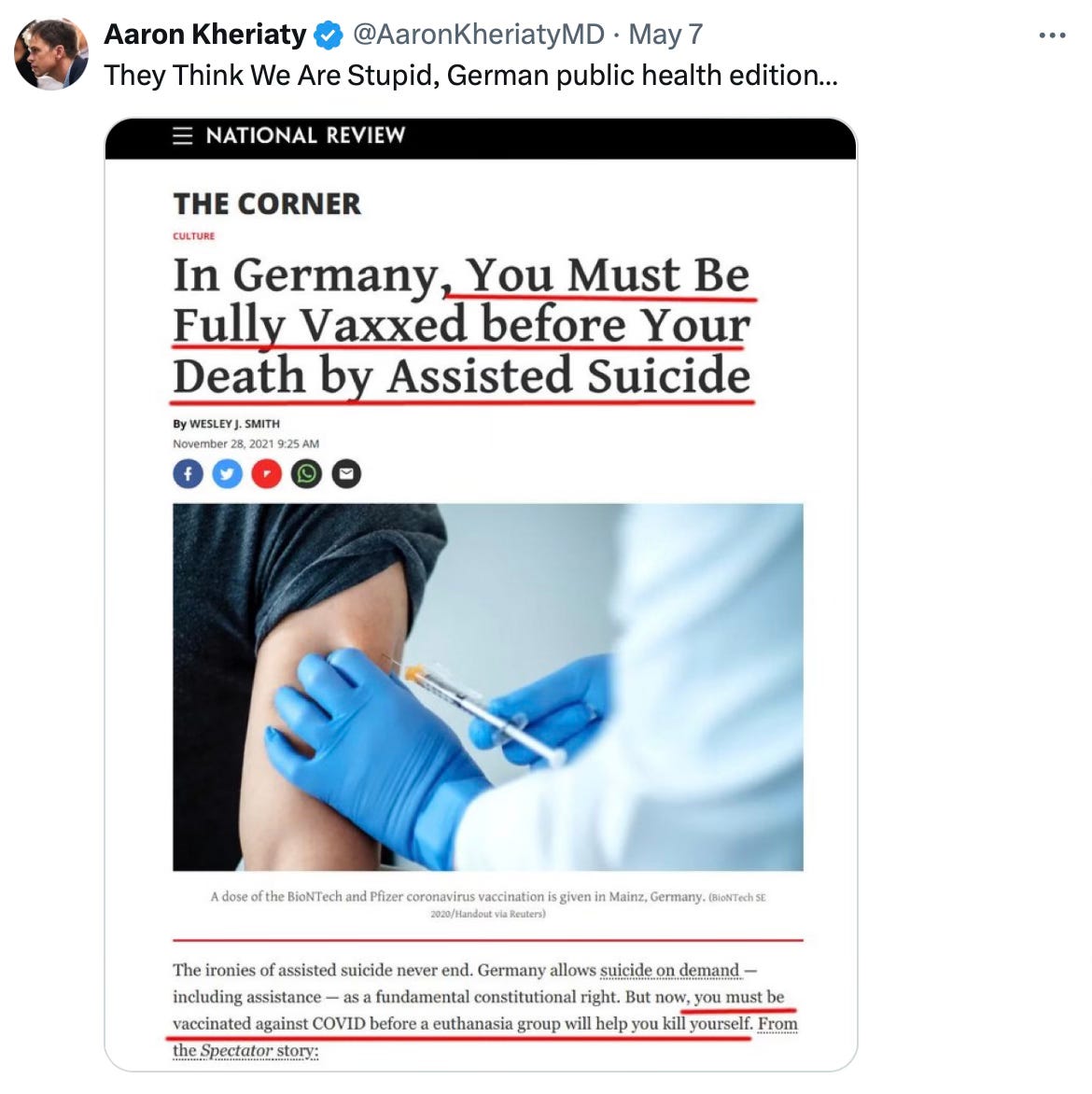
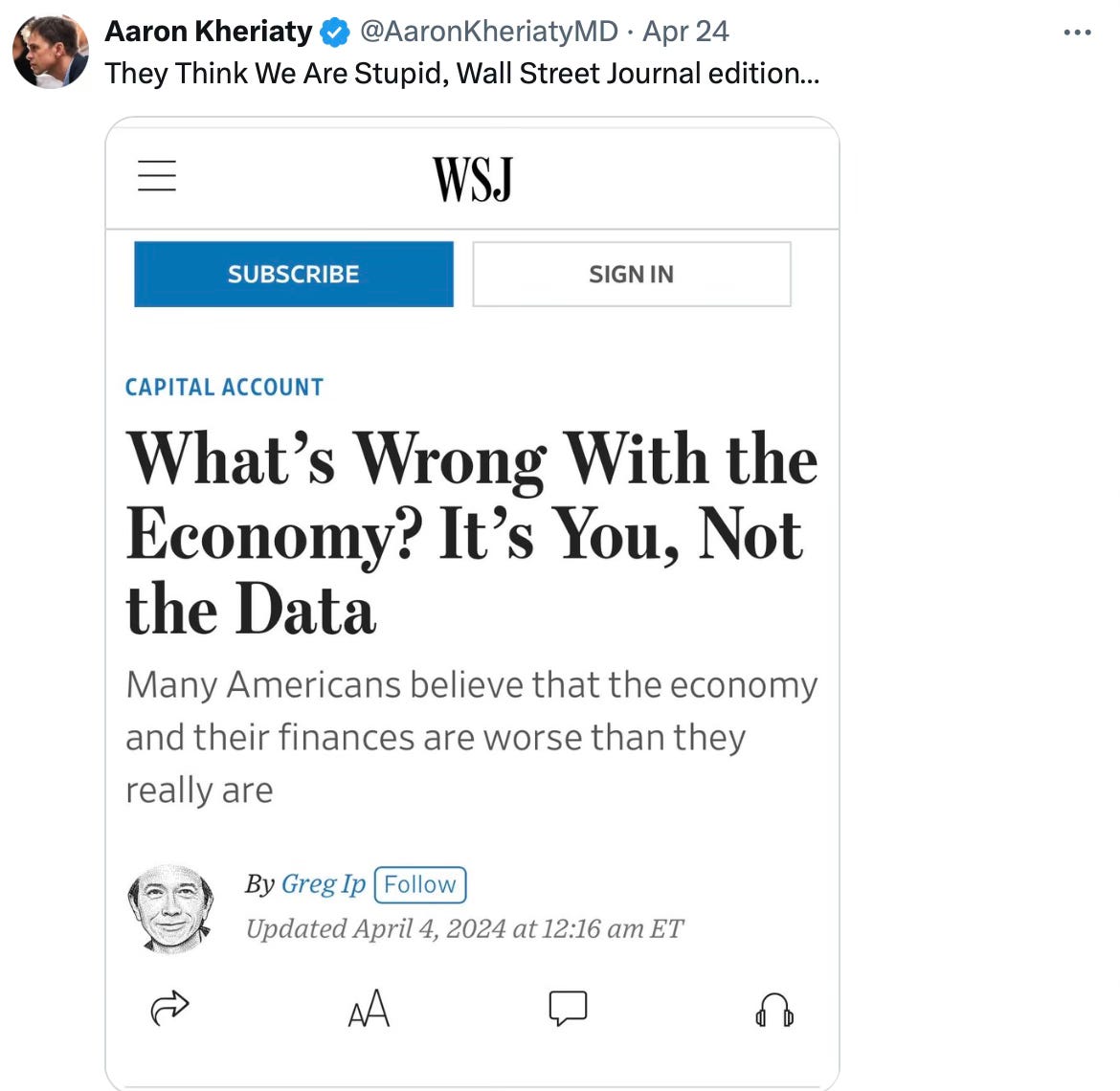
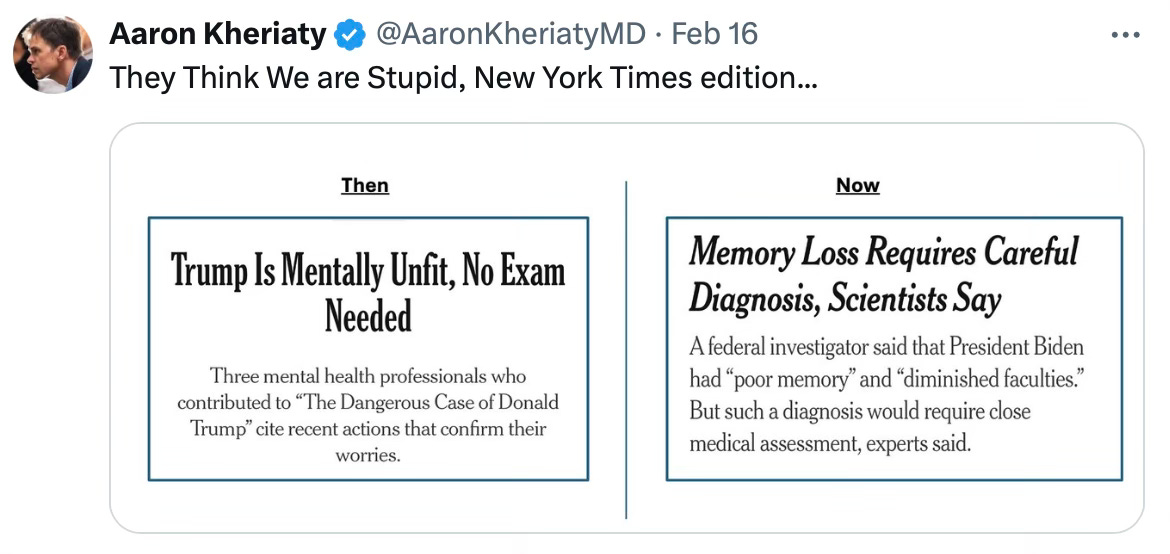
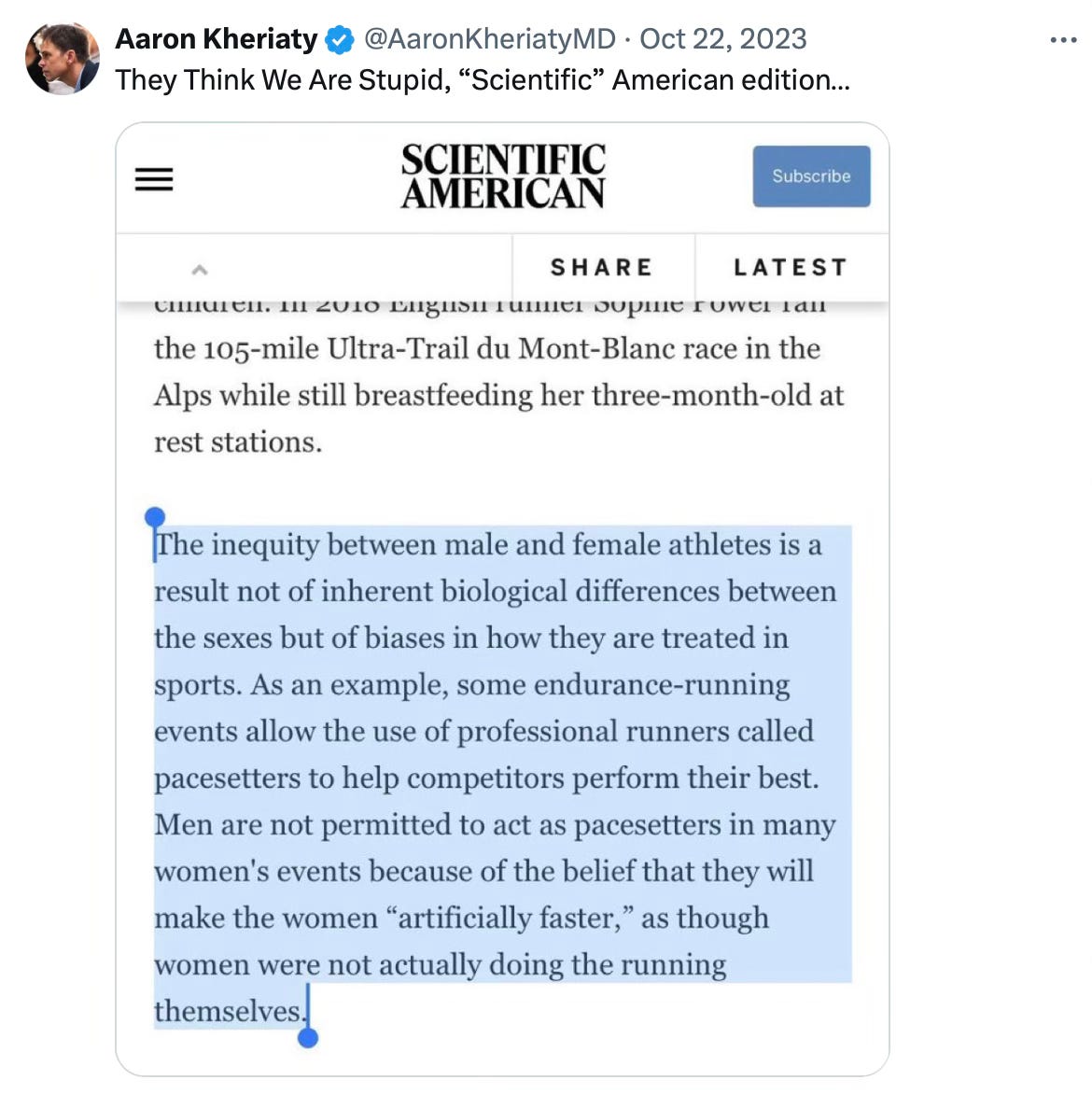
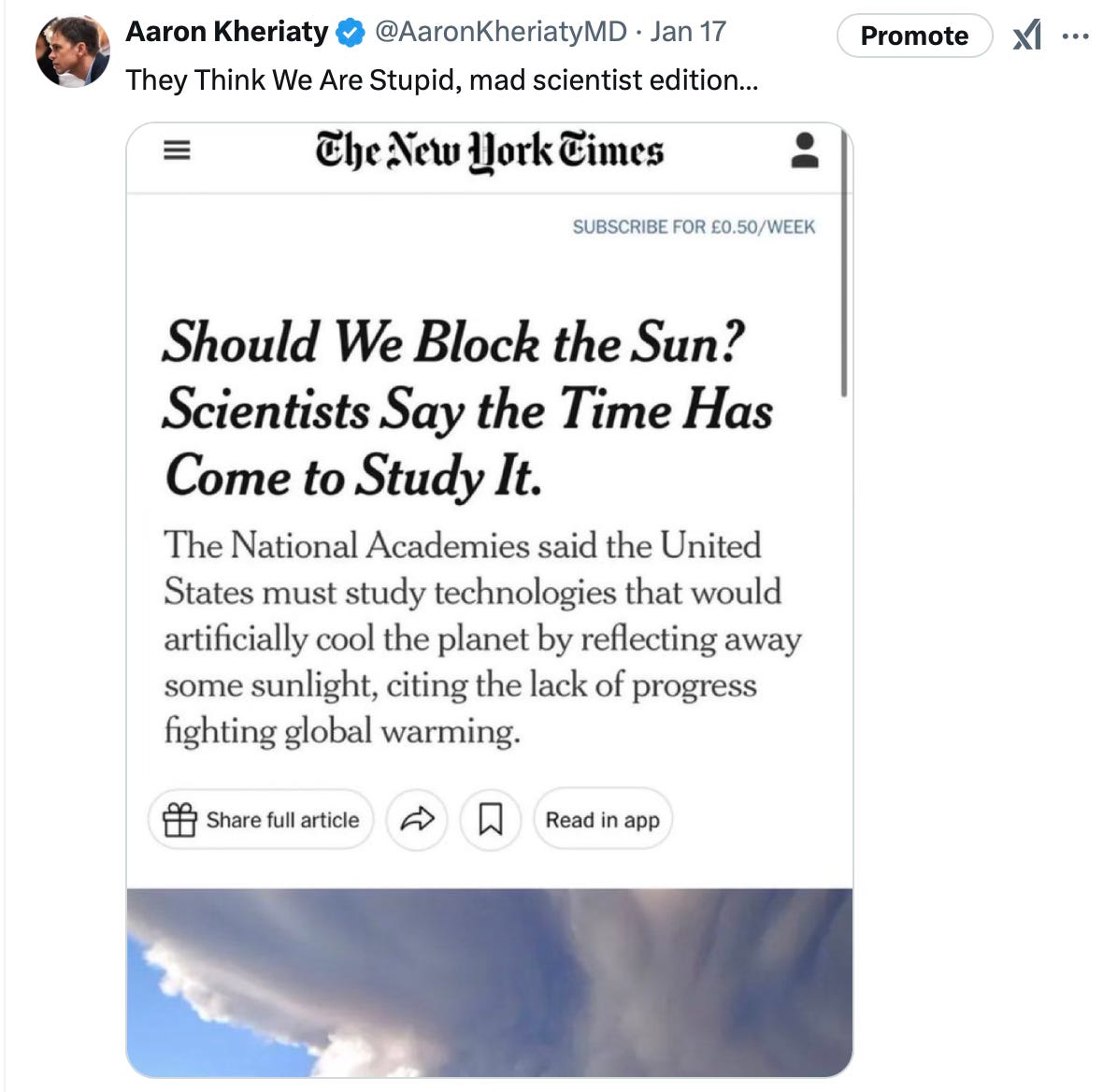
 • The Anglo-American War on France
 Aletho News
 Aletho News