According to Kaiser Health News (KHN),1 the COVID-19 pandemic has been a real boon to Pfizer. Not only has it yielded “outsize benefits” in terms of profits, but it has also “given the drugmaker unusual weight in determining U.S. health policy.”
“Based on internal research, the company’s executives have frequently announced the next stage in the fight against the pandemic before government officials have had time to study the issue, annoying many experts in the medical field and leaving some patients unsure whom to trust,” KHN reporter Arthur Allen writes, adding:2
“When last year Bourla suggested that a booster shot would soon be needed, U.S. public health officials later followed, giving the impression that Pfizer was calling the tune.
Some public health experts and scientists worry these decisions were hasty, noting, for example, that although boosters with the mRNA shots produced by Moderna and Pfizer-BioNTech improve antibody protection initially, it generally doesn’t last.
Since January, Bourla has been saying that U.S. adults will probably all need annual booster shots, and senior FDA officials have indicated since April that they agree … The company’s power worries some vaccinologists, who see its growing influence in a realm of medical decision-making traditionally led by independent experts …
When President Biden in September 2021 offered boosters to Americans — not long after [Pfizer CEO Albert] Bourla had recommended them — Dr. Paul Offit, director of the Vaccine Education Center at Children’s Hospital of Philadelphia … wondered, ‘Where’s the evidence you are at risk of serious disease when confronted with COVID if you are vaccinated and under 50?’
Policies on booster recommendations for different groups are complex and shifting, Offit said, but the CDC, rather than Bourla and Pfizer, should be making them. ‘We’re being pushed along,’ he said. ‘The pharmaceutical companies are acting like public health agencies.’”
The fact that a vaccine-pusher like Offit — infamous for claiming a baby can safely tolerate 10,000 vaccines at once3 — is questioning and pushing back against Pfizer’s influence over health policy reveals just how brazen, unethical and potentially dangerous that is.
Massive Profits Made From Useless Products
According to Allen, Pfizer’s revenue in 2021 was $81.3 billion4 — approximately double that of 2020 — and the COVID shot accounted for $36.78 billion5 of that. For comparison, Lipitor, Pfizer’s previous top selling statin, generates roughly $2 billion a year,6 while their strep vaccine, Prevnar 13 rakes in $6 billion a year.7
Its mRNA gene transfer injection against COVID now dominates 70% of the U.S. and European markets, and Paxlovid, Pfizer’s COVID drug, has become a standard treatment choice in hospitals. This, despite researchers finding Paxlovid (molnupiravir) causes severe rebound and supercharges mutations.
In a rational scenario, that finding would have put a stop to its use, but no. In an official health advisory8 to the public, issued May 24, 2022, the U.S. Centers for Disease Control and Prevention first warns that Paxlovid is associated with “recurrence of COVID-19 or ‘COVID-19 rebound,’” and then in the very next sentence stresses in bold print a narrative supporting its use and enriching Pfizer with instructions saying:
“Paxlovid continues to be recommended for early- stage treatment of mild to moderate COVID-19 among persons at high risk for progression to severe disease.”
Allen also notes that, during an investor call, a Pfizer official highlighted reports of Paxlovid’s failure, but spun it into “good news” for investors, as patients may require multiple courses!9 Obviously the objective has long ago shifted from helping humans to raping them for as much profit as possible.
Similarly, while Pfizer’s COVID jab clearly doesn’t prevent infection or spread, and Americans are rejecting the shots in growing numbers — 82.2 million doses had expired and were chucked in the trash as of mid-May 202210 — the U.S. government still went ahead and ordered another 105 million doses at the end of June 2022.
These are intended for a fall booster campaign, at a cost to taxpayers of $3.2 billion.11 The U.S. is actually paying about 50% more for each of these new jab boosters this time around — $30.47 per dose compared to $19.50 per dose paid for the first 100 million doses.
The U.S. government has also promised to purchase another 20 million courses of Paxlovid, at an eye-watering cost of $530 per five-day course. Basically, Pfizer is being financially rewarded for producing products that are useless at best and dangerous at worst, and we’re all paying for it. In case you’re curious, that is another $10.6 billion transferred from U.S. taxpayers to Pfizer.
Future Boosters Won’t Undergo Human Clinical Trials
After you likely thought it couldn’t ever get any worse, KHN also touches on, but doesn’t delve into, the fact that Pfizer suggested they skip human trials as they move forward with jabs that are reformulated for newer variants. If this strikes you as crazy, you’d be right. It’s sheer madness, but the U.S. Food and Drug Administration — a clearly captured agency — has already surreptitiously agreed to this egregious miscarriage of science.
How this wicked scheme, known as the “Future Framework,”12 was adopted by the FDA without formal vote is explained by Toby Rogers, Ph.D. — a political economist whose research focus is on regulatory capture and Big Pharma corruption13 — in the video above. He also explained it in a June 29, 2022, Substack article:14
“Yesterday [June 28], the FDA’s Vaccines and Related Biological Products Advisory Committee approved a bivalent COVID-19 shot with the Wuhan strain and the Omicron variant … Wait, hold up, I thought the FDA was voting on the Future Framework yesterday?
The policy question was whether reformulated COVID-19 shots would be treated as new molecular entities (which they are) in which case they should be subject to formal review or whether reformulated shots would be treated as ‘biologically similar’ to existing Covid-19 shots and be allowed to skip clinical trials altogether.
Apparently the FDA did not have the votes to just pass this as a policy question. If you ask anyone whether reformulated mRNA represents a new molecular entity, well of course it is, so that would require formal regulatory review.
What the FDA did instead was to smuggle the policy question in disguised as a vote about reformulated ‘boosters’ for the fall.
In essence, the FDA just started doing the Future Framework (picking variants willy nilly, skipping clinical trials) and essentially dared the committee members to turn down a booster dose — knowing that all of the VRBPAC members are hand-picked because they’ve never met a vaccine they did not like.
So of course only two people on the committee had the courage to turn down a booster dose — even though it was based on this preposterous process (that was never formally adopted) where there was literally no data at all … By stealth, the FDA replaced a system based on evidence with a system based entirely on belief.”
Countries Held to Ransom
In 2021, secret details of Pfizer’s contracts came to light, showing they are essentially holding countries hostage to nonnegotiable demands for payment in full AND freedom from liability.15
In late February 2021, The Bureau of Investigative Journalism reported16 that Pfizer was demanding countries put up sovereign assets as collateral for expected vaccine injury lawsuits resulting from its COVID-19 jab.
Several countries, including Brazil, Chile, Colombia, the Dominican Republic and Peru, agreed to this demand, putting up bank reserves, military bases and embassy buildings as collateral. In short, theses governments are guaranteeing Pfizer will be compensated for any expenses resulting from injury lawsuits against it, so the company won’t lose a dime if its COVID shot injures people.
Shockingly, these terms are binding even if those injuries are the result of negligent company practices, fraud or malice!
In October that same year, Public Citizen published the secret contracts17,18 between Pfizer and Albania, Brazil, Colombia, Chile, Dominican Republic, the European Commission, Peru, the U.S. and the U.K., further revealing the extent to which these countries handed power over to Pfizer. In almost all scenarios, Pfizer’s interests come first.
For example, government purchasers must acknowledge that the effectiveness and safety of the shots are completely unknown, all while indemnifying Pfizer against any and all financial liability. This is the ultimate corporate maleficence, using their leverage to force the kill shot down these countries’ throats and avoiding any personal responsibility for damages.
Even if Pfizer eventually is convicted of fraud in the U.S. and loses all its liability protection from the COVID jabs because of it, that judgment would not impact these foreign contracts. These countries sold their souls to Pfizer and have absolutely no recourse but to pay even if the shots kill everyone.
The contracts for at least four countries also secure Pfizer’s intellectual property rights even if the company is found to have stolen intellectual property rights of others. In such case, the government purchaser becomes the liable party. As explained by Public Citizen :19
“For example, if another vaccine maker sued Pfizer for patent infringement in Colombia, the contract requires the Colombian government to foot the bill. Pfizer also explicitly says that it does not guarantee that its product does not violate third-party IP, or that it needs additional licenses.
Pfizer takes no responsibility in these contracts for its potential infringement of intellectual property. In a sense, Pfizer has secured an IP waiver for itself. But internationally, Pfizer is fighting similar efforts to waive IP barriers for all manufacturers.”
Equally shocking is that countries are forced to follow through on their vaccine orders even if other drugs or treatments emerge that can prevent, treat or cure COVID-19.20 Is it any wonder, then, that governments around the world have suppressed the use of safe and effective outpatient drugs like hydroxychloroquine and ivermectin?
If these drugs were allowed to be used and could be proven to work, the COVID injections would be completely unnecessary and their emergency use authorization would disappear, yet governments are on the hook for hundreds of millions of doses.
Pfizer Has ‘Habitual Offender’ Track Record
The fact that Pfizer has behaved like a criminal who works out a cover story for a planned murder before committing it is not surprising, considering its history. Pfizer, has been sued in multiple venues over unethical behavior, including unethical drug testing and illegal marketing practices.21
In his 2010 paper,22 “Tough on Crime? Pfizer and the CIHR,” Robert G. Evans, Ph.D., Emeritus Professor at Vancouver School of Economics, described Pfizer as “a ‘habitual offender,’ persistently engaging in illegal and corrupt marketing practices, bribing physicians and suppressing adverse trial results.”
Between 2002 and 2010 alone, Pfizer and its subsidiaries were fined $3 billion in criminal convictions, civil penalties and jury awards. They are recurrent criminal felons. None of these convictions has deterred their nefarious behavior.
In 2011, Pfizer agreed to pay another $14.5 million to settle federal charges of illegal marketing,23 and in 2014 they settled federal charges relating to improper marketing of the kidney transplant drug Rapamune to the tune of $35 million,24 as well as $75 million to settle charges relating to its testing of a new broad spectrum antibiotic on critically ill Nigerian children.
As reported by the Independent25 at the time, Pfizer sent a team of doctors into Nigeria in the midst of a meningitis epidemic. For two weeks, the team set up right next to a medical station run by Doctors Without Borders and began dispensing the experimental drug, Trovan. Of the 200 children picked, half got the experimental drug and the other half the already licensed antibiotic Rocephin.
Eleven of the children treated by the Pfizer team died, and many others suffered side effects such as brain damage and organ failure. Pfizer denied wrongdoing. According to the company, only five of the children given Trovan died, compared to six who received Rocephin, so their drug was not to blame.
The problem was they never told the parents that their children were being given an experimental drug. What’s more, while Pfizer produced a permission letter from a Nigerian ethics committee, the letter turned out to have been backdated. The ethics committee itself wasn’t set up until a year after the trial had already taken place. Pfizer’s rap sheet also includes bribery, environmental violations, labor and worker safety violations and more.26
Wolves in Sheep’s Clothing
Now, despite Pfizer being one of the least ethical drug companies, we’re told to trust them with our very lives, and the lives of our precious children. They’re going to put out booster shots this fall that have undergone absolutely no testing whatsoever, and we’re to simply throw caution to the wind because Pfizer — which has no liability whatsoever — says so.
In 2014, Pfizer faced a surge of lawsuits that accused it of hiding known side effects of its anticholesterol drug Lipitor.27 They got off scot-free that time, as a federal judge dismissed thousands of cases alleging the drug caused Type 2 diabetes.28,29 But at least they had liability and could be sued.
When it comes to the COVID jabs, injured patients and family members of those killed by it won’t even have the ability to sue for damages, as governments around the world have indemnified them completely, and it looks as though they might not even be liable even if they’re found guilty of fraud. But we will have to see what the courts rule on that one. Still, that any nation would agree to a contract like that is just mindboggling.
It’s hard to tell who’s more deserving of punishment — Pfizer or the equally captured federal agencies, the FDA and the CDC, that go along with them and do nothing to protect the lives of the youngest members of our society. Clearly, it’s up to us to protect ourselves and our loved ones, because wolves in sheep’s clothing are ruling the roost — they’re making all the decisions, and captured agencies are simply doing their bidding.
Media. It surrounds us. We live our lives in it and through it. We structure our lives around it. But it wasn’t always this way. So how did we get here? And where is the media technology that increasingly governs our lives taking us? This is the story of The Media Matrix.
In the beginning, there was the word. The spoken word, that is.
This word, the written word, didn’t come along for countless generations.
And this word, the printed word, didn’t come along for thousands of years after that.
In fact, we’ve only had the movable type printing press for about 600 years, but without it our world would be unrecognizable.
From the Renaissance to the Reformation, from the fall of feudalism to the rise of capitalism, from the Scientific Revolution to the Industrial Revolution, from the way we order our thoughts to what we choose to think about, nothing survived the printing revolution intact.
Our world is the world that the printing press has created.
And that world started with this. [Holds up mirror.]
VOICEOVER: Media. It surrounds us. We live our lives in it and through it. We structure our lives around it. But it wasn’t always this way. So how did we get here? And where is the media technology that increasingly governs our lives taking us? This is the story of The Media Matrix.
PART ONE: THE GUTENBERG CONSPIRACY
You see, in the Middle Ages, mirrors—especially curved mirrors—were fiendishly difficult to make.
And pilgrim badges—elaborately designed lead or pewter plates with a curved mirror in the middle—were even more difficult to make. But in fifteenth-century Germany, they were in hot demand.
It all goes back to the year 800, when Emperor Charlemagne gifted four holy relics from Jerusalem to the Cathedral in Aachen in modern-day Germany: the swaddling clothes and loin cloth of Jesus, Mary’s robe, and the cloth that held John the Baptist’s decapitated head. The relics were thought to have miraculous restorative powers. And so, after the Black Death of 1349, they were removed from the Cathedral’s golden shrine and put on display for the public once every seven years, attracting tens of thousands of pilgrims from across Christendom.
Soon, the belief developed that a curved mirror could be held up to the relics to capture their miraculous powers and bring them back to the pilgrims’ home in whatever far-flung land they hailed from.
Now, the mirror was not a mirror like the ones we’re used to today. It was a pilgrim badge and it was one of the few mass-manufactured items of the Middle Ages. They were lucrative products to make. So lucrative, in fact, that the goldsmiths and stamp cutters of Aachen couldn’t keep up with the demand.
Enter Johannes Gutenberg. Born around the turn of the fifteenth-century to a wealthy family in Mainz, in modern-day Germany, Gutenberg—whose father was a companion of the ecclesiastical mint—had a background in goldsmithing, coinmaking and metalwork.
Arriving in Strasbourg in 1434, he thought to put his skills to work on a profitable venture: creating badges for the next Aachen Pilgrimage in 1439. There was only one problem: he didn’t have the capital to make the badges himself. So he entered into a cooperative with three business partners, each of whom ponied up a portion of the money required for Gutenberg to start producing the mirrors.
But just as the pilgrimage approached and it looked like the inventor was going to make a tidy profit for himself and his business partners, the Black Death struck again. An outbreak of the plague ravaged the Upper Rhine Valley in 1438, postponing the pilgrimage by a year. Gutenberg had already produced a number of the mirrors, but his capital was running out. And so he set his sights on a new venture—one so audacious, so revolutionary that he made his partners sign a contract swearing them to secrecy before he would let them in on it.
In fact, so secret was this project that the only reason we know anything at all about it is because one of the business partners died and his brother tried to take his place in the cooperative. But after the surviving partners refused to let him in on the plot, the would-be co-conspirator sued Gutenberg in Strasbourg court.
The court documents that survive are themselves cryptic—referring to the “adventure and art” of “the work” that Gutenberg and his partners were engaged in, but never specifying what that work was, exactly. We know that it involved presses fastened with screws and engraved “forms” supplied by a local goldsmith, that some quantity of metal had been purchased for the venture, that the work was expected to take five years and—above all—that the object of this undertaking be kept a secret.
Gutenberg and his partners had quite literally entered into a conspiracy.
And that conspiracy, resulted in this. Now this may not look like much to you . . . and you’d be right. This is a pencil sharpener. But the Gutenberg movable type printing press that it’s modeled after? Now that truly was a work of art. In fact, there’s a solid argument to be made that it was one of the most important inventions in human history.
There were many existing ideas and technologies that went into Gutenberg’s creation: the screw press, the manufacture of paper, the idea of woodblock printing, the development of ink. But it took years of careful experimentation to solve the puzzle of how to create a perfect print every time.
At first glance, it seems straightforward. The type is arranged in a rectangular container and then beaten with ink balls. The paper is placed in a leather-covered frame called a “tympan” and covered by a frisket. The tympan is then laid on the type and fed into a screw press, which is turned to press the type onto the paper.
Simple, right? Hardly.
In fact, every part of the printing process involved years of laborious experimentation: finding the right paper to print on, finding the right moisture levels for the paper to absorb the ink, finding the right way to dry the paper, finding an ink that wouldn’t run off the metal type, finding the right alloy for casting the type, and on and on and on. Each problem tested the limits of medieval technology and the limits of Gutenberg’s own skill and ingenuity.
And the result was nothing short of a revolution.
How so?
Here, look at this manuscript. What do you see?
If you lived before Gutenberg, you saw a page of text. A totality. A clump of information. But Gutenberg saw something different. His core insight was that a page of text was not a thing in itself, but a collection of letters that could be broken apart and rearranged into any other collection of letters.
From that deceptively simple observation came this. The printed page. Mechanically produced, perfectly identical characters that could be arranged into any configuration the printer desires to create any text imaginable.
And that insight birthed the modern world.
It birthed the era of mass communication. Pre-Gutenberg, there were no books, no pamphlets, no newspapers. In fact, in the 50 years before Gutenberg, all the scribes in all of Europe struggled to produce 20,000 laboriously hand-copied manuscripts. In the 50 years after Gutenberg? The printers that sprung up around the continent churned out 12 million printed books.
It birthed mass manufacture. Beyond pilgrim badges, there were very few mass-produced items in medieval life. Clothes, tools, shelter, manuscripts—everything was handmade. The book accustomed the medieval mind to the idea of identical, mechanically produced objects. And the printing press—with its mechanically perfect type—prefigured the advances of industrial production.
It birthed the Scientific Revolution. The widespread publication of data, the collection of knowledge in widely available reference books, the ability to exactly reproduce illustrations—things that we take completely for granted today—were a revelation when they appeared in the fifteenth-century and created the conditions for the rise of the empirical method.
It birthed the Reformation. We all know it was Luther and his 95 theses nailed to the church door that launched the Reformation, but it was the printing press that allowed Luther’s ideas to spread so far, so fast. (And, bonus fact: Those theses were addressed to the Archbishop of Mainz, birthplace of Gutenberg’s press.)
The printing press even birthed the nation-state.
INTERVIEWER: Yes, now how would you describe the the impact of the invention of the printing press? Give us some instances of what happened as a consequence of this
MARSHALL MCLUHAN: It created almost overnight what we call a nationalism, what in effect was a public. The old manuscript forms were not sufficiently powerful instruments of technology to create publics in the sense that print was able to do. Unified, homogeneous reading publics.
Everything that we prize in our Western world in matters of individualism, separatism and of a unique point of view and private judgment; all those factors are highly favored by the printed word and not really favored by other forms of culture like radio or earlier even by manuscript.
But this stepping up of the fragmented, the private—the individual, the private judgment, the point of view—all in fact our whole vocabularies underwent huge change with the arrival of such technology.
The world that Gutenberg was born into was this world: the real world. If you learned anything at all about this world, you probably learned it from experience, or at least from someone who had that experience.
But the world that Gutenberg left behind was a world of mass communication. Books were no longer a rare and valuable thing, and it was increasingly likely that your information about the world came from someone you never met, someone who may have been long dead.
The movable type printing press didn’t just change the way people communicated; it changed what they communicated about.
In a very real sense, the printing press invented “the news.”
Before Gutenberg, “the news” was whatever you managed to gather from your neighbours, what you learned from travelers passing through your village, what you heard the town crier yelling through the streets or, at best, what you yourself read in the occasional proclamation or edict from the authorities.
But after the printing press, the news was for the first time collected, organized, printed on a regular basis and distributed far and wide.
In 1605, the world’s first newspaper was published in Strasbourg—the same city where Gutenberg was making his mirrors for the Aachen pilgrimage a century-and-a-half prior—and soon everyone and their dog was printing a newsletter or a pamphlet or a newspaper or a tract. And these ideas were spreading around the world like they never had before.
For the first time, someone could be reading the exact same news as someone in the next town over . . .
JAMES EVAN PILATO OF MEDIAMONARCHY.COM: . . . or someone on the other side of the planet . . .
. . . at the exact same time.
The printing press united people like never before and the result was an explosion in the spread of ideas, the likes of which would not be experienced again for centuries.
But not everyone was excited about this free flow of information. Entrenched power structures of medieval society—the crown, the church, the feudal lords—had persisted for centuries by controlling information and suppressing dissent. But as the barriers to new ideas collapsed, so did the old feudal order.
It’s no surprise, then, that wherever the printing press traveled, wherever the new cadre of printers and booksellers set up shop, the censors were not far behind. When Lutheran books began appearing in England in 1520, Cardinal Wolsey was quick to declare that anyone caught with the texts would be subject to heresy laws. Not to be outdone, King Henry VIII’s proclamation “Prohibiting Erroneous Books and Bible Translations” of 1530 afforded him the power to try readers of these “blasphemous and pestiferous” books in his own dreaded Star Chamber.
Parliament dissolved the Star Chamber in 1641, but they weren’t about to give up censorship of the press. They just wanted to take the power for themselves, and that’s exactly what they did. The Licensing Order of 1643 outlawed the printing, binding, or sale of books, except by persons licensed under authority of Parliament.
This prompted John Milton to write the Areopagitica, still recognized today as one of the most influential and passionate defenses of freedom of speech in history:
“Who kills a man kills a reasonable creature, God’s image; but he who destroys a good book, kills reason itself, kills the image of God, as it were in the eye.”
But even the loftiest language of Milton had little effect in swaying the censors. The Licensing Order was not overturned for half-a-century, when the Parliament chose not to renew the act.
Those in positions of power had good reason to fear the printing press. Gutenberg’s invention turned their world on its head. Suddenly, people who had been kept apart and largely in ignorance of the world around them had been brought into a community of readers; a gigantic societal conversation began, empowering radicals who sought to overturn the order that had existed for centuries and helping them to spread their dangerous new ideas faster and farther than they ever could have with pen and paper.
Perhaps it’s no surprise, then, that these new ideas would come to their dramatic fruition in one of the most literate places on the planet: colonial America.
By the end of the 18th century, literacy rates in the colonies were upwards of ninety percent, and there were 180 newspapers being published on the Eastern Seaboard, twice as many as in England, a country with twice the population.
The colonists’ appetite for books and learning was celebrated far and wide. In 1772, the Reverend Jacob Duché wrote of the colonies: “Almost every man is a reader. [. . .] The poorest laborer upon the shores of the Delaware thinks himself entitled to deliver his sentiment in matters of religion or politics with as much freedom as the gentlemen or scholar [. . .] such is the prevailing taste for books of every kind.”
Just four years later, in 1776, Thomas Paine would publish Common Sense, a 47-page pamphlet that was to take those colonies by storm. In the first three months of its publication, a staggering 120,000 copies of the book had been sold; by the end of the year, it had sold 500,000 copies, or one pamphlet for every five men, women and children in the colonies. To put that in perspective, adjusted for population, Common Sense would be the thirteenth best-selling book of all time.
But this wasn’t any ordinary bestseller. This was a revolution.
At the beginning of 1776, before Common Sense, the average colonists believed themselves to be Englishmen engaged in a civil war; after Common Sense, they were revolutionaries engaged in a War for Independence. And that war was waged on the power of the printed word. That is the power of print.
The pen may be mightier than the sword, but the printing press is mightier than entire armies.
By the end of the nineteenth century, a new creature had emerged to capitalize on this new instrument of power: the press baron.
In America, William Randolph Hearst . . . that is, William Randolph Hearst inherited the San Francisco Examiner from his wealthy father, built it up into the biggest paper in town and plowed the profits into the purchase of the New York Journal. With the Journal and a growing number of dailies across the country under his belt, Hearst became a full-fledged press baron, taking on Joseph Pulitzer’s New York World in a circulation war, pioneering the eye-catching layouts and sensational stories that would come to define his brand of yellow journalism, and helping to gin up support for the Spanish-American War, among many other dubious causes.
In England, Alfred Harmsworth picked up the yellow journalism idea from Hearst and Pulitzer and used it to build his own press empire around The Daily Mail. From a lower caste of British society, Harmsworth found himself in the center of political power in Britain, using his influence to gin up public hatred of the Huns ahead of World War I, becoming director of propaganda for the government in 1918 and earning himself the title of Lord Northcliffe in the process.
In a sense, the Lord Northcliffes and the William Randolph Hearsts and the other press barons of that era were the end stage of the Gutenberg Revolution. The invention that had given a voice to the masses and started a conversation that would topple institutions, dethrone monarchs and reorder empires had now catapulted people at the fringes of power into its very heart. With the power of the press, these men were able to sway the minds of entire nations of people.
Naturally, the old tension between the ruling elite and the masses, empowered by the press, was still there. But censorship hadn’t proven to be an effective tool for keeping the masses in ignorance. There had to be another way.
That way, it turned out, was another conspiracy.
On February 9, 1917, Oscar Callaway, a US Representative from Texas’ 12th District, exposed that conspiracy in the Congressional record:
“In March, 1915, the J. P. Morgan interests, the steel, ship-building, and powder interests, and their subsidiary organizations, got together 12 men high up in the newspaper world and employed them to select the most influential newspapers in the United States and sufficient number of them to control generally the policy of the daily press of the United States. [. . .] They found it was only necessary to purchase the control of 25 of the greatest papers. The 25 papers were agreed upon; emissaries were sent to purchase the policy, national and international, of these papers; an agreement was reached; the policy of the papers was bought, to be paid for by the month; an editor was furnished for each paper to properly supervise and edit information regarding the questions of preparedness, militarism, financial policies, and other things of national and international nature considered vital to the interests of the purchasers.”
The news was extraordinary, but it almost didn’t get reported at all. Callaway had not been given time to make his charges on the floor of the House; instead, they were “buried in the Record.” It wasn’t until another congressman demanded a full congressional investigation into the charges that the newspapers even bothered to cover the story at all.
Perhaps it is no surprise that the Gutenberg conspiracy ended up here, at the Morgan conspiracy. That a revolutionary step toward freeing man from the bonds of ignorance was met with a revolutionary counteraction designed to place those chains around him all the more tightly. That, at the zenith of the print revolution, the oligarchy finally found a way to control the free flow of information.
Ironic, then, that within the space of a few short years, the print revolution that Gutenberg had started was about to be overturned by another technology.
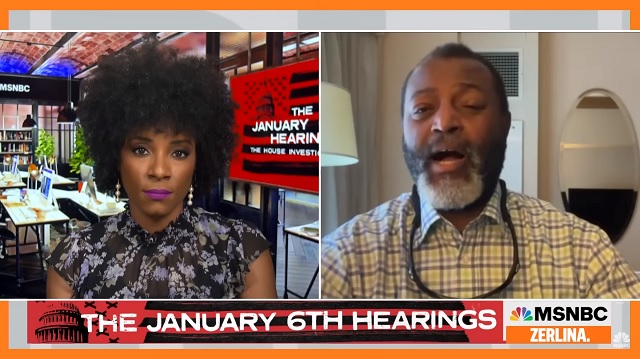
MSNBC regular Malcolm Nance, who has spent 36+ years in US intelligence, told Zerlina Maxwell on Wednesday night that around 30% of the country are white extremists and they’re part of an “insurgency” that “we may have to fight.”
“Here is the United States — to characterize that to understand what kind of terrorism we might be dealing with, you have to label it as white extremism because we have 30% of the population of the United States who no longer believe in the democratic norms that we established in the founding of the country. Let’s just be honest about that. The January 6 uprising was an attempt to overthrow American democracy. And we have now learned from the hearing that Donald Trump intended to go there to march down to the well of the House of Representatives and essentially be crowned as a king,” [Nance said.]
Anchor Zerlina Maxwell asked, “You call what is happening an insurgency. We have heard that term in foreign wars recently in Iraq. Talk about why you apply the term insurgency to what you see here as a persistent and ongoing threat of domestic extremists?”
Nance said, “I was reading their forums. I was reading their own intelligence about what they intended to do. It was pretty clear at that point that they were going to try to either overthrow the government or they were going to settle in for a long-term series of destabilizing actions using a political party, the Republican party, as their political base and then using violence, threat of violent extremism as a way to manifest change in the street. So remove politics from the halls of power and change politics through violence on the street. This is called an insurgency. The insurrection that happened on January 6 that was one event. An insurgency is a chain of events. It’s common knowledge. A year and a half ago, when I was calling this an insurgency, people were saying, that’s crazy, this isn’t an insurgency, this isn’t like Iraq, it’s not like Libya, it’s not like Syria. Well, it is. And it’s well on its way. It’s closer to the beginnings of the Irish Republican Army. You know Irish Republicanism, where now the Republican Party is Sinn Fein, and it’s just a matter of seeing who comes up as the original Irish Republicans in this story and starts carrying out acts of violence to affect change. So we are well on our way to a multi-year campaign that we are already two years into this campaign where we may have to fight them. The ‘they’ in my title and the ‘they’ in my title is those who want to kill Americans are your neighbors.”
Here we have a US intelligence analyst, who has admitted previously to torturing hundreds of people on behalf of the DC regime, suggesting that white Americans who voted for Trump are part of a terrorist “insurgency” that needs to be put down with force and he’s preparing MSNBC viewers to fight (and presumably kill) their neighbors.
Back in April, Nance went over to western Ukraine to show his support for the Azov Battalion and joined the Ukrainian military’s foreign legion. He claimed he was fighting on the “frontlines.” He came back late last month and released his new book two weeks later.
“America is primed for a possible explosive wave of terrorist attacks and armed confrontations that aim to bring about a Donald Trump led dictatorship,” the description continues.
Dear colleagues at the WHO, I think the time has come to admit that the mass vaccination program that you have been proposing in an attempt to put an end to the COVID-19 pandemic has been a complete failure. At the beginning of this year, I’ve been urging you to open a scientific debate on the potential risks of mass vaccination with these vaccines – in the midst of a pandemic. I’ve never received a response to that request. But shortly thereafter one of the most renowned vaccinologists on this planet wrote me an email saying; ‘vaccinating with these vaccines would only breed new variants. But that it wouldn’t make sense for me to go against the mainstream because nobody would listen to me anyway, and hopefully that second-generation vaccines would solve the problem.’
So, I wanted to let you know that it is not because you are the WHO, that you can afford to ignore the opinion of people who have long-standing expertise – in all of the different disciplines involved in this pandemic: virology, immunology, vaccinology, evolutionary biology, epidemiology, zoonoses, etc. Whereas, some of us have been predicting that mass vaccination with these vaccines in the midst of a pandemic would inevitably lead to the expansion of more infectious variants, your leading scientists have been preaching the simplistic mantra that the more we vaccinate the less the virus will replicate, and the lower the likelihood that new variants will emerge. Now, the consequences of these simplistic and erroneous viewpoints is that today we are dealing with dominant circulation of Omicron, the most infectious SARS-CoV-2 variant that we have seen so far, and probably the most infectious virus that we have seen so far.
So, given the fact that we are now dealing with a number of variants that are circulating and a multitude, of course, of sub-variants, and that infection rates are going through the roof, and that also we are already most likely having a number of animal populations that are serving as a reservoir for the virus, the likelihood that viral variants are now recombining and building reassortments within one and the same host is becoming increasingly likely. So, what that means is that it will become increasingly difficult to trace the origin of new variants, and that it will be even more challenging to predict the characteristics of those new variants in terms of infectiousness, in terms of virulence, pathogenicity, and also in terms of resistance to vaccinal antibodies or to vaccines in general.
But what is very clear is that if those new variants are to survive on a background of high population-level immune pressure, then those variants will need to be more infectious – like, for example, the Omicron variant. The Omicron variant, however, is offering a very nice opportunity, because Omicron has acquired a substantial level of resistance to the vaccinal antibodies, and that means that the vaccinal antibodies are less likely to outcompete the innate antibodies, which is very good news, because we know that innate antibodies can protect against SARS-CoV-2. This has been repeatedly reported in the literature. We also know that innate antibodies can be trained, and therefore they can even improve their recognition and protection against the virus. Innate antibodies can be trained just like other innate immune effectors can be trained, by repeated exposure to what we call pathogen-associated molecular patterns. This is, in fact, nicely shown by the data published by the UK Health Security Agency, previously Public Health England – where they have shown that basically with aging and also with more exposure to the pathogen, the number of cases in the unvaccinated people was dramatically reduced, and even to an extent such that vaccine efficacy, or we should say, in the population, vaccine effectiveness, would become negative. There is also increased evidence, or increasing evidence, that training of innate antibodies as a result of natural infection can enhance the abrogation of the infection, and that training of adaptive immunity – particularly the induction of T-cell memory, also as a result of natural infection – can enhance the abrogation of disease.
Thanks to the increased resistance of Omicron to vaccinal antibodies, the innate antibodies are set free and can now enable the vaccinees to eliminate the virus, to control viral transmission, and to lead to a dramatic decrease in the viral infection rate, just like healthy unvaccinated people are doing. So, in other words, the resistance to Omicron means, in fact, that we are freeing up a huge capacity of sterilizing immunity in vaccinees because the vaccinees are, in fact, regaining full functionality of their innate immune antibodies. That, of course, will lead to herd immunity because herd immunity requires that you induce a type of immunity that can sterilize the virus, that can dramatically diminish transmission. This would also mean: by freeing up this huge capacity of sterilizing immunity in the vaccinees – after certainly a very important incline of infectious cases – we would have a rapid decline of this wave. And we would also have a rapid decline of disease cases, and even more importantly and more dramatically, of severe disease. Now we know with (moderate) disease, when you recover from disease, you develop acquired immunity, which is long-lived and will protect you. And the few cases of severe disease, we have, of course, to treat – that is what we’ve always said.
It is important to realize that, in fact, Omicron is more or less serving, indeed, as a live attenuated vaccine, and that this is a unique opportunity. The fact that we free up the sterilizing capacity in the vaccinees, thanks to the increased level of resistance of Omicron to the vaccinal antibodies – those are no longer capable of outcompeting the innate antibodies – we may have a unique opportunity to achieve herd immunity, or to start building herd immunity. And so, it is very, very important that we leave people alone, and that we leave the children alone, and that we let the virus spread. And so, we shouldn’t have any vaccination against this Omicron variant, and we shouldn’t have lockdowns.
If we are now going to vaccinate against Omicron, we are going to take away this window of opportunity for the population to generate herd immunity, thanks to freeing up our innate antibodies. And what we are going to do is in fact we would build against antibodies, against the spike protein of Omicron, and particularly against the receptor-binding domain of this Omicron spike protein.
We know that this receptor-binding domain has already undergone a number, or several, important mutations. So, if we put again full pressure on this domain, there is a high likelihood that we are now going to promote variants that will be able to use a receptor that is different from ACE-2 to enter into the cell. And we know that SARS-CoV-2 can do that because it has already been described that SARS-CoV-2 can use receptors other than ACE-2 to enter into the cell. But so far this way of entering – this alternative way of entry into the cell – has not been the preferred way for the virus for entering the cells. But it would only take probably one or two mutations for the virus to make these alternative receptors the preferred receptors for viral entry.
By doing mass vaccination against Omicron, we may be putting enough immune pressure on viral infectiousness to give variants that are capable of entering into the cell through an alternative receptor – to give them a competitive advantage, and so, to provide them with a fitness advantage so that they can now become dominant in the population. What this means is pretty catastrophic, because this would mean that basically we end up with a situation where we have antibodies that still strongly bind to the virus, to the receptor binding domain, but that can no longer neutralize the virus because the virus is now using another domain to enter into the cell, a domain which is different from the domain that is blocked by the antibodies.
Such a situation is in fact, a textbook example, for how you provoke antibody-dependent enhancement of the disease. So, this would mean that such a situation, the virus covered with strongly binding antibodies but not being able to neutralize the virus, would basically lead, or would be similar, to a situation where the virus has acquired a higher level of virulence. This would be – this situation would really, really, really be at risk of provoking the kind of disastrous consequences that I have been warning against at the beginning of this year. And we know that industry is already gearing up for mass vaccination against Omicron. And, as this, according to my humble opinion, could potentially be – with a high likelihood – a real disaster. We must prevent such a thing from happening.
So in order to – or I would say unless – unless immediate action is taken to prevent this, it is clear that decision-makers in your organization, the WHO, will be held responsible, accountable, and liable for the dramatic consequences that this biological experiment on human beings could possibly entail. So I hope that this time you will take my warning very seriously into consideration.
‘People are getting bad advice and we can’t say anything.’
By Marty Makary M.D., M.P.H. and Tracy Beth Høeg M.D., Ph.D. | Common Sense | July 14, 2022
The calls and text messages are relentless. On the other end are doctors and scientists at the top levels of the NIH, FDA and CDC. They are variously frustrated, exasperated and alarmed about the direction of the agencies to which they have devoted their careers.
“It’s like a horror movie I’m being forced to watch and I can’t close my eyes,” one senior FDA official lamented. “People are getting bad advice and we can’t say anything.”
That particular FDA doctor was referring to two recent developments inside the agency. First, how, with no solid clinical data, the agency authorized Covid vaccines for infants and toddlers, including those who already had Covid. And second, the fact that just months before, the FDA bypassed their external experts to authorize booster shots for young children.
That doctor is hardly alone.
At the NIH, doctors and scientists complain to us about low morale and lower staffing: The NIH’s Vaccine Research Center has had many of its senior scientists leave over the last year, including the director, deputy director and chief medical officer. “They have no leadership right now. Suddenly there’s an enormous number of jobs opening up at the highest level positions,” one NIH scientist told us. (The people who spoke to us would only agree to be quoted anonymously, citing fear of professional repercussions.)
The CDC has experienced a similar exodus. “There’s been a large amount of turnover. Morale is low,” one high level official at the CDC told us. “Things have become so political, so what are we there for?” Another CDC scientist told us: “I used to be proud to tell people I work at the CDC. Now I’m embarrassed.”
Why are they embarrassed? In short, bad science.
The longer answer: that the heads of their agencies are using weak or flawed data to make critically important public health decisions. That such decisions are being driven by what’s politically palatable to people in Washington or to the Biden administration. And that they have a myopic focus on one virus instead of overall health.
Nowhere has this problem been clearer—or the stakes higher—than on official public health policy regarding children and Covid.
First, they demanded that young children be masked in schools. On this score, the agencies were wrong. Compelling studies later found schools that masked children had no different rates of transmission. And for social and linguistic development, children need to see the faces of others.
Next came school closures. The agencies were wrong—and catastrophically so. Poor and minority children suffered learning loss with an 11-point drop in math scores alone and a 20% drop in math pass rates. There are dozens of statistics of this kind.
Then they ignored natural immunity. Wrong again. The vast majority of children have already had Covid, but this has made no difference in the blanket mandates for childhood vaccines. And now, by mandating vaccines and boosters for young healthy people, with no strong supporting data, these agencies are only further eroding public trust. … Full article
In a video message, Dr. Geert Vanden Bossche begs parents not to have their children vaccinated against COVID under any circumstances. “If you do, it could mean their death sentence.”
Full transcript:
“My name is Geert Vanden Bossche. I am a vaccinologist. I have worked in the vaccine industry for many, many years. I am trained as a virologist, having worked for many years not only in the vaccine industry but also with Gavi and the Bill & Melinda Gates Foundation.
Today I want to talk about your children.
I beg you, I really beg you, do not vaccinate your children against COVID.
I will do my best to explain as best I can why this would be dramatic.
I’m not even going to talk about the fact that there’s no need to vaccinate children against COVID. And that there are too many and too dangerous side effects.
I’m going to talk about how these vaccines affect children’s immune systems. I am not exaggerating when I say that these vaccines could be a death sentence for your child.
Innate Antibodies
Let me explain how these vaccines will damage your child’s innate immune system.
First, and these are facts and data that you can check, we have never, really ever used a viral vaccine other than live attenuated vaccine. During childhood, we never use any vaccine other than live attenuated vaccine. And there’s a good reason for that.
This has everything to do with the innate or innate antibodies in the child. A child is equipped with a special kind of antibodies, innate antibodies. And those antibodies are only present for a limited time during childhood, then they disappear.
Kick-off immune system
These innate antibodies have an extremely important function. They help the child to kick-off his own immune system. The only way it can do this properly is thanks to its innate antibodies. What do these antibodies do?
First, the innate antibodies can neutralize the virus. And not just COVID but all kinds of viruses. Viruses are everywhere and people are continuously exposed to them.
But more importantly, by binding to the live virus, the innate antibodies learn to give proper instructions to the immune system to recognize not only the viruses it faces, but many other viruses as well. And that is important because the innate antibodies will disappear over time. So the immune system has to be trained to recognize viruses later in life, when the innate antibodies are no longer there.
But that’s not all. By binding to viruses, the innate antibodies will prevent your innate immune system from recognizing self-components. These are components of the child’s own body that should not be recognized.
What Happens When You Vaccinate Your Child?
What Happens When You Vaccinate Your Child? Then the vaccine creates antibodies, which will bind strongly to the virus and they will displace the innate antibodies. The innate antibodies are then no longer able to bind to the virus.
“Infertility: A Diabolical Agenda,” is the fourth vaccine-related documentary by Dr. Andrew Wakefield. It tells the story of an intentional infertility vaccine program conducted on African women, without their knowledge or consent.
While it’s been brushed off as a loony conspiracy theory for years, there’s compelling evidence showing it did, in fact, happen, and there’s nothing to prevent it from happening again.
The Backstory
As explained in the film, the World Health Organization began working on an anti-fertility vaccine, led by Dr. G.P. Talwar in New Delhi, India, in the 1970s, “in response to perceived overpopulation.” For 20 years, the WHO’s Task Force on Vaccines for Fertility Regulation worked with population control in mind.
In 1993, the WHO finally announced a birth-control vaccine had successfully been created to help with “family planning.”1 The paper trail reveals that by 1976, WHO researchers had successfully conjugated, meaning combined or attached, human chorionic gonadotropin (hCG) onto tetanus toxoid, used in the tetanus vaccine. As a result, when given to a woman, she develops antibodies against both tetanus and hCG.
HCG is a hormone produced by cells surrounding the growing embryo. These hormone-producing cells protect and support embryonic growth and eventually form the placenta.
As explained in the film, hCG is the first signal that tells the woman’s body she’s pregnant. In response to this signal, her ovaries then produce a second hormone, progesterone, which maintains the pregnancy to term.
By combining hCG with tetanus toxoid, it causes this crucial pregnancy hormone to be attacked and destroyed by your immune system, as it’s now misperceived as an invading pathogen. Since hCG is destroyed, progesterone is never produced and, hence, the pregnancy cannot be maintained.
So, if you’re already pregnant when taking this witches’ brew, it will likely result in a spontaneous abortion, and if you’re not already pregnant, you won’t be able to get pregnant, as this crucial pregnancy hormone is under constant attack by your immune system. Repeated doses prolong these effects, effectively rendering you sterile.
The WHO Has Been in the Depopulation Business for Decades
As detailed in a Scientific Research paper published in 2017,2 “WHO publications show a long-range purpose to reduce population growth in unstable ‘less developed countries.’”
In other words, the WHO’s longstanding policy has been to support depopulation in third world countries, and they’ve studied depopulation strategies in India, Bangladesh, Pakistan, Nigeria, Mexico, Indonesia, Brazil, The Philippines, Thailand, Egypt, Turkey, Ethiopia and Colombia for decades.3
While creating an anti-fertility vaccine for those who really don’t want children is one thing, using deception to lure girls and young women into taking it is another entirely. As it turns out, the WHO is not above using deception and trickery to shut down fertility in populations they deem unworthy of reproduction.
The Great Deception
The central figures of the film are two Kenyan gynecologists, Drs. Wahome Ngare, and the late Stephen K. Karanja. Both state in the film that infertility is now the biggest gynecological problem in Africa. In recent years, there’s been a significant increase in women losing their pregnancies and couples who cannot conceive.
“I have seen the tears. They lose their identity. You die inside,” Antoninah Mutinda says. She knows, because she’s one of the African women whose fertility has been mysteriously impacted. After her third miscarriage, she was tested and found to have extremely high anti-hCG antibodies. She now suspects the tetanus vaccine she was given may be the culprit.
The anti-fertility vaccine was rolled out in the mid-‘90s, but despite support from the Kenyan leadership and “elite groups,” it was not popular among Kenyan women, who were concerned about the potential for abuse. They worried it might be disguised as a regular tetanus vaccine program.
Their concerns were valid because, as it turns out, this had already happened. In 1995, the Catholic Women’s League of the Philippines won a court order halting a UNICEF tetanus program that was using tetanus vaccine laced with hCG. Three million women between the ages of 12 and 45 had by that time already been vaccinated. Anti-hCG-laced vaccines had also been found in at least four other countries.
Undeterred by bad press, that same year, 1995, the Kenyan government launched a WHO tetanus campaign under the guise of eradicating neonatal tetanus. There were telltale signs that something was wrong, however, because it was already standard practice to vaccinate pregnant women against tetanus. Now, the WHO insisted women who weren’t pregnant needed the shot as well, in case they were to become pregnant.
Karanja learned of the deceptive anti-fertility campaigns in other countries during a medical conference in 1995, and became immediately suspicious of the tetanus campaign in his own country. Karanja convinced leaders of the Catholic church — one of the largest health care providers in Kenya — to test the tetanus vaccine being given, to make sure there was no foul play.
Without explanation, the WHO suddenly abandoned the campaign. Alas, 19 years later, in 2013, they were back. All girls and women, 15 to 49 years of age, were instructed to get vaccinated with a series of five injections, six months apart. This, it turns out, is the exact schedule required for the anti-fertility vaccine to produce sterility. Regular tetanus prevention requires only one injection every five to 10 years, and under no circumstance would you need five of them.
Vaccines Test Positive for Anti-hCG
The Catholic Church decided to test the vaccines, and collected three sample vials directly from clinics during the 2014 campaign. The samples were then sent to three independent laboratories for testing. As feared, they found hCG in them. Another six vials were then collected, and tested by six independent labs. This time, half were found to contain hCG.
At this point, the Catholic Church went public, urging girls and women to not comply with the vaccination campaign. In an effort to settle the dispute, an investigative committee was formed, consisting of three representatives selected by the Catholic bishops, and three government officials.
It was agreed that the nine vials already collected would be retested, along with 52 samples from a distributor who sells tetanus vaccine to the Kenyan government. This time, a more precise type of test, high performance liquid chromatography (HPLC), was chosen.
Dr. Nicholas Muraguri, director of medical services for the Kenyan government, contracted agriQ Quest to perform this testing. However, he urged them to test samples provided directly by him rather than the vials previously agreed upon. AgriQ Quest decided to analyze both batches.
The vials that tested positive for hCG using enzyme-linked immunosorbent assay (ELISA), still tested positive using HPLC, but none of the samples provided by Muraguri tested positive.
A Decades’ Long Cover-Up
Shockingly, the government then demanded agriQ Quest “alter their report to indicate that they were safe to be administered.” When agriQ Quest refused, the government, the WHO and UNICEF responded by launching a public attack, accusing the Catholic Church of “peddling misinformation.”
And, since the only samples found to contain hCG were those provided by the Church, the government accused them of tampering with the vials in an effort to undermine confidence in the vaccine.
An added twist here is that the vials that tested positive had the same batch numbers as vials that tested negative. Only later did agriQ Quest discover that these negative vials had fake labels on them. They were not, in fact, from the same lots as those that tested positive. They weren’t even made by the same manufacturer.
AgriQ Quest also claims they can prove the positive samples were not tampered with, because they did not test positive for hCG in general. The test clearly shows the hCG was conjugated with tetanus toxoid, and this cannot occur by simply adding hCG to a vial of tetanus vaccine.
The conjugation — the chemical linking or bonding — of hCG to the tetanus toxoid can only occur during the manufacturing process. This is the smoking gun that proves the neonatal tetanus vaccine campaign was a cover for a population control campaign.
Muraguri also lied when he claimed the Kenyan government had only one supplier of tetanus vaccine. As it turns out, there were two. Biological E. Limited provided a regular tetanus vaccine, while the hCG-positive batches came from Serum Institute of India — the same country where most of the WHO’s anti-fertility research had been conducted.
Both Ngare and Karanja paid a steep price for their vigilance. The medical board called them for disciplinary action. Karanja was issued a gag order, and since 2014 was not allowed to speak publicly about vaccines in Kenya. He broke that gag order for this film. April 29, 2021, Karanja died, allegedly from COVID infection.
A Truly Diabolical Agenda
Speaking for millions of women just like her, Mutinda, who has now struggled with infertility for years, says:
“To imagine there’s a system somewhere, that some people somewhere are behind my inability to carry pregnancy to term, that is a diabolical agenda!”
Before his untimely death, Karanja shared a message with the world, through the makers of this film:
“When they are through with Africa, they’re coming for you.”
Knowing your potential risk for developing cancer can help you weigh the risks against the benefits of different tests for your situation. According to the American Cancer Society,1 more than 16.9 million people in the U.S. have a history of cancer. At least 1.9 million new cases will be diagnosed in 2022, which does not include a diagnosis of carcinoma in situ (noninvasive cancer).
The society estimates 609,360 people will die from cancer in 2022, which is about 1,670 deaths per day. The four most common types include lung, breast, prostate and colorectal cancer. One of the screening tests commonly prescribed to rule out colorectal cancer is a colonoscopy.
Colorectal cancer can start in the colon or in the rectum but the two types are grouped together since they have many of the same characteristics.2 The society estimates that in 2022 there will be 106,180 new cases of colon cancer diagnosed and 44,850 new cases of rectal cancer. Although it remains the third leading cause of cancer-related deaths in men and women, the rate has been dropping for several decades.3
According to the Colorectal Cancer Alliance,4 the five-year survival rate has been rising and there are more than 1 million colorectal cancer survivors alive in the U.S. Knowing your risk factors and making lifestyle changes to prevent the development of colorectal cancer are the basis of the most recently published Rapid Recommendation of The BMJ initiative.5
In Many Cases Routine Colonoscopies Are Unnecessary
The 2019 practice guidelines published in The BMJ6 recommend physicians use a tool to estimate an individual’s potential risk for developing colorectal cancer in the next 15 years. The team recommends that only those who have a risk of 3% or greater should undergo screening tests.
Current guidelines recommend screening for everyone over the age of 50, without regard to their individual risk. At the age of 50, this is typically less than 3%.7 The international panel reviewed scientific evidence and research data to evaluate the risks versus the benefits of colonoscopies.
They found their recommendations could accurately be applied to healthy people from 50 to 79 years who expected to live another 15 years. The Centers for Disease Control and Prevention recommends colorectal cancer screening for those over 50.8
Using data from across the U.S., they found the number who were up to date with their screening went up 1.4% from 2016 to 2018, representing an additional 3.5 million people.
In addition to asking if screening made a difference in health outcomes, The BMJ initiative team also attempted to differentiate the type of testing best used to screen for colorectal cancer.9 They recommended that those with a 3% risk or greater over the following 15 years could choose from one of four screening options.
The first was a fecal immunochemical test (FIT) done every year, or every two years depending upon their risk factors. Patients may also choose a single sigmoidoscopy or, the weakest recommendation from the team, a single colonoscopy.
Possibility of Cancer Compared to Screening Hazards
From their examination of the evidence, the team believed a yearly FIT, sigmoidoscopy or colonoscopy could reduce the incidence of cancer while a FIT every two years may not have an effect on incidence over 15 years. They wrote:
“Based on benefits, harms, and burdens of screening, the panel inferred that most informed individuals with a 15-year risk of colorectal cancer of 3% or higher are likely to choose screening, and most individuals with a risk of below 3% are likely to decline screening. Given varying values and preferences, optimal care will require shared decision making.”
The team determined that the risks associated with colorectal cancer screening outweighed the benefits in many cases. For instance, the risk of death from a colonoscopy from one source was 1 in 16,318 procedures evaluated.10 In the same analysis, the researchers also found 82 suffered serious complications.
Colonoscopies Are Not Risk Free
Although a colonoscopy is supposed to help find early tumor growth, one study reported a 17% rate of missed diagnosis.11 Other risks associated with a colonoscopy include worsening stool patterns and contributing to the growth of colorectal polyps or tumors.
Perforation of the colon during the exam has an incidence of 0.2% to 5% and is widely recognized as a serious complication associated with a high morbidity and mortality rate.12 The risk of perforation rises with the age of the patient and the presence of two or more other health conditions. One study showed 51.9 people per 1,000 whose colons were perforated died within the first 14 days.13
Dysbiosis may occur after using harsh laxatives to prepare for a colonoscopy. A study published in Cell14 suggested even a short-term course of laxative use could trigger an immune response. Research on an animal model15 found treatment eliminated one family of beneficial gut bacteria and allowed another to flourish. Even two weeks after completing the laxatives the bacteria showed reduced diversity.
Many experts agree you should opt for the lightest level of sedation possible, or none at all, as full anesthesia increases risks. Those who have sleep apnea, are obese, have high blood pressure or diabetes are at increased risk from the anesthesia.16 Across the U.S. 34.4% of those undergoing a colonoscopy used anesthesia.17
The use of anesthesia was associated with a 13% increased risk of experiencing complications within 30 days of the procedure and specifically associated with an increased risk of perforations of the colon and/or a stroke. The risk of complications varied by area, with those in the Northeast reporting an increase of any complication of 12%, but among those performed in the West this increased to 60%.
Researchers who conducted one study found an increased risk of aspiration pneumonia.18 Another19 sought to determine if the procedure could be successfully completed without any sedation. Patients were given the option of undergoing a colonoscopy without premedication and then evaluated immediately following the procedure, two and five days later.
The researchers asked about the severity of pain and willingness to consider the procedure again without sedation. When questioned, only 5% experienced no pain; 41% had mild pain; 34% reported moderate pain and 20% said they experienced severe pain. However, despite the level of pain experienced, 73% were willing to repeat it without sedation and only 18% said they would request sedation the next time.
Equipment Contamination Another Risk of Colonoscopies
A real risk of undergoing an endoscopy of any nature is chance of improper sterilization of the flexible scope. David Lewis, Ph.D., and I discuss this in the short video above. One issue is the inability to thoroughly clean the inside of the scope.
Lewis describes a problem that he states is commonly experienced by physicians. During the examination the physician may be unable to see through the scope and is unsuccessful in the attempt to flush it using the air/water channel as it is clogged with human tissue from a past exam.20 The scope must be retracted and another one used.
Since endoscopes have sensitive equipment attached, they cannot be heat sterilized. Unfortunately, manufacturers have not been made to produce a scope with the ability to be heat sterilized. As Lewis points out:21 “We can put a Rover on Mars, surely we can build a flexible endoscope that we can put in an autoclave.”
These expensive tools are not disposable but require sterilization between each patient. Lewis reports that up to 80% of hospitals are sterilizing the flexible endoscopes with glutaraldehyde (Cidex). On testing, he finds this has complicated the process as it does not dissolve tissue in the endoscope but rather preserves it.
When sharp biopsy tools are run through the tube, patient material from past testing is scraped off and potentially carried into your body. This is why it’s important to find a clinic or hospital that uses peracetic acid to thoroughly sterilize the equipment by dissolving proteins found in the flexible endoscopes. Before scheduling any endoscopic examination call to ask how the equipment is sterilized between patients.
Tailor Lifestyle Choices to Reduce the Risk of Colon Cancer
Like many other types of cancer, colorectal cancer is often preventable. Research suggests only 5% to 10% of all cancer cases are due to genetic defects, while the rest are linked to environmental and lifestyle factors.22 The Mayo Clinic writes that one-third of the most diagnosed cancers in the U.S. could be prevented through diet and nutrition alone, i.e., with plenty of fresh fruits and vegetables.23
The extent that diet contributes to cancer death varies by the type of cancer, which researchers find is associated by as much as 70% in the case of colorectal cancer.24 For example, long-term exposure to chlorinated drinking water can increase the risk of leukemia, colorectal cancer and bladder cancer.
There are several strategies you can use to lower your risk of developing this potentially deadly disease as it is impacted by your diet, vitamin D levels, exercise and alcohol intake.
As we move past the COVID era, the devastating effects of lockdowns are becoming apparent, from the current mental health crisis, to substance abuse spikes and developmental delays in infants.
We have a list of 691 lot numbers for the C-19 injections. The list was leaked from CDC and contains valid lot numbers, NDC codes, manufacture and expiration dates. The adverse events and deaths per lot number show very strange patterns of data over time. It’s as if a “cliff” has occurred in March 2021 – did the manufactures change the formulations or is there some other explanation?
By Mahdi Darius NAZEMROAYA | Strategic Culture Foundation | 30.03.2015
The United States and the Kingdom of Saudi Arabia became very uneasy when the Yemenese or Yemenite movement of the Houthi or Ansarallah (meaning the supporters of God in Arabic) gained control of Yemen’s capital, Sanaa/Sana, in September 2014. The US-supported Yemenite President Abd-Rabbuh Manṣour Al-Hadi was humiliatingly forced to share power with the Houthis and the coalition of northern Yemenese tribes that had helped them enter Sana. Al-Hadi declared that negotiations for a Yemeni national unity government would take place and his allies the US and Saudi Arabia tried to use a new national dialogue and mediated talks to co-opt and pacify the Houthis.
The truth has been turned on its head about the war in Yemen. The war and ousting of President Abd-Rabbuh Manṣour Al-Hadi in Yemen are not the results of «Houthi coup» in Yemen. It is the opposite. Al-Hadi was ousted, because with Saudi and US support he tried to backtrack on the power sharing agreements he had made and return Yemen to authoritarian rule. The ousting of President Al-Hadi by the Houthis and their political allies was an unexpected reaction to the takeover Al-Hadi was planning with Washington and the House of Saudi. … continue
This site is provided as a research and reference tool. Although we make every reasonable effort to ensure that the information and data provided at this site are useful, accurate, and current, we cannot guarantee that the information and data provided here will be error-free. By using this site, you assume all responsibility for and risk arising from your use of and reliance upon the contents of this site.
This site and the information available through it do not, and are not intended to constitute legal advice. Should you require legal advice, you should consult your own attorney.
Nothing within this site or linked to by this site constitutes investment advice or medical advice.
Materials accessible from or added to this site by third parties, such as comments posted, are strictly the responsibility of the third party who added such materials or made them accessible and we neither endorse nor undertake to control, monitor, edit or assume responsibility for any such third-party material.
The posting of stories, commentaries, reports, documents and links (embedded or otherwise) on this site does not in any way, shape or form, implied or otherwise, necessarily express or suggest endorsement or support of any of such posted material or parts therein.
The word “alleged” is deemed to occur before the word “fraud.” Since the rule of law still applies. To peasants, at least.
Fair Use
This site contains copyrighted material the use of which has not always been specifically authorized by the copyright owner. We are making such material available in our efforts to advance understanding of environmental, political, human rights, economic, democracy, scientific, and social justice issues, etc. We believe this constitutes a ‘fair use’ of any such copyrighted material as provided for in section 107 of the US Copyright Law. In accordance with Title 17 U.S.C. Section 107, the material on this site is distributed without profit to those who have expressed a prior interest in receiving the included information for research and educational purposes. For more info go to: http://www.law.cornell.edu/uscode/17/107.shtml. If you wish to use copyrighted material from this site for purposes of your own that go beyond ‘fair use’, you must obtain permission from the copyright owner.
DMCA Contact
This is information for anyone that wishes to challenge our “fair use” of copyrighted material.
If you are a legal copyright holder or a designated agent for such and you believe that content residing on or accessible through our website infringes a copyright and falls outside the boundaries of “Fair Use”, please send a notice of infringement by contacting atheonews@gmail.com.
We will respond and take necessary action immediately.
If notice is given of an alleged copyright violation we will act expeditiously to remove or disable access to the material(s) in question.
All 3rd party material posted on this website is copyright the respective owners / authors. Aletho News makes no claim of copyright on such material.


 Aletho News