Bill Gates wants to build a dystopia
By Toby Green | UnHerd | May 9, 2022
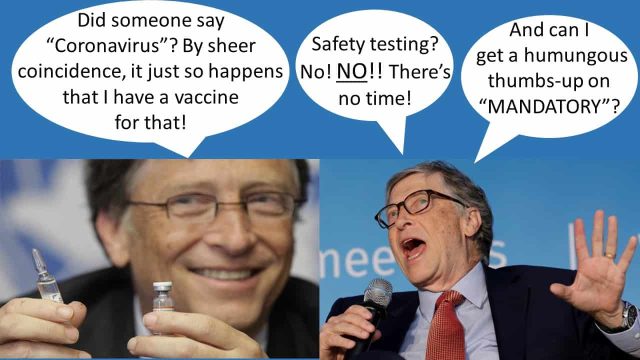
It’s not easy being a regular multi-billionaire. Bill Gates used to be the simple guy-in-the-mansion next door, worried about virus outbreaks and global warming. Then, during the pandemic he became the point at which all conspiracy theories met.
Ever since March 2020, the memes have spread. Was Gates a mass murderer with a global depopulation agenda? Was he a “biofascist” seeking control over the world’s population through vaccine passports and microchips?
It didn’t stop there. Was the Covid-19 pandemic actually “plandemic”? Did the Microsoft founder and his acolytes create it through funding “gain of function” research in a biosecurity lab in Wuhan? Was it all war-gamed at Event 201 in October 2019?
Bill Gates has not much enjoyed being the focus of these stories for the past 18 months. He just wants to help out. He wants to solve problems so badly, he tells us early on in How To Prevent the Next Pandemic, that in February 2020, he flew from Seattle to South Africa to participate in a charity tennis match, no doubt on one of his four personal jets.
It was in South Africa that he first began to join the Covid-19 dots. The tech entrepreneur delivers the story with characteristic flair: “A couple of days after returning from South Africa, I sent an email about scheduling something for the coming Friday night: ‘We could try and do a dinner with the people involved with coronavirus work to touch base.’” Gates is happy, “everyone was nice enough to say yes — despite the timing and their busy schedules”. His work on the pandemic begins.
Now Gates is tired of all the conspiracies. He asks his critics to judge him by his actions. And the best way to do so is by reading the book: does Gates have anything sensible to say about the best way to combat future pathogenic outbreaks?
His model for the future is built on what he feels has worked over the past two years: isolate contacts, close borders, lockdown as quickly as possible, then remove restrictions slowly and cautiously. He cites Dr Anthony Fauci, who Gates says he spoke to once a month during the pandemic: “Not only should you appear to overreact at first, as Tony Fauci said, but you also have to be careful about relaxing all NPIs [non-pharmaceutical interventions] too soon.” Meanwhile, you should invest enormous sums in boosting global public health systems, vaccine production in poor and rich countries, and fund a Global Pandemic Emergency Response Unit to monitor potential outbreaks. The aim, says Gates, is to vaccinate the entire world — twice if necessary — within six months while lockdown measures restrict the spread of the new pathogen.
It all sounds so reasonable, doesn’t it? Or it might do to those who haven’t seen the footage of Shanghai’s lockdown circulating on social media, to those who can work online in relative comfort, or indeed to billionaires with comfortable gardens and libraries in which to while away those six months. With the Gates model, a little translation is in order.
The massive investment required to make this vision happen is a good starting point. Where will it come from? Gates is a well-known philanthropist, and makes much of the more than US$2 billion which the Bill and Melinda Gates Foundation have ploughed into fighting Covid-19. Yet this is a small amount compared to the US$6 billion that the US government has invested in the Moderna vaccine alone. As Gates points out, “Most of the world’s greatest talent for translating research into commercial products is in the private sector… It’s the government’s role to invest in the basic research that leads to major innovations, adopt policies that let new ideas flourish.”
Translation: taxpayers invest in developing products through government agencies, and private companies and their shareholders reap the profits. How does this work in practice? Gates does not give what we might call full disclosure. He offers the example of the antiviral Molnupiravir which “Merck and its partners developed”. It was authorised to great fanfare as a Covid treatment in November 2021.
Yet Merck did not develop this drug. It was initially developed as a veterinary drug for horses at Emory University, with a US$19 million grant from Fauci’s NIAID and funding from other sectors of the US government. Molnupiravir costs US$17.74 per dose to manufacture, according to an estimate from researchers at Harvard and King’s College London, but is being retailed to the US government for US$712 per course — a profit of 4,000%.
Another example of Gates’s eye for detail is his discussion of Remdesivir, which was approved as “Standard of Care” for Covid in the US by the Federal Drug Agency. Again, like Molnupiravir, much of the funding and institutional support for the drug originally came from the US government. Remdesivir was the baby of the drug company Gilead.
Gates describes how one study showed that “it may have a major impact in patients who aren’t yet sick enough to be in the hospital”. But other details are ignored. He doesn’t tell us that in an earlier, peer-reviewed study from China, published in the Lancet in May 2020, “Remdesivir was not associated with statistically significant clinical benefits”, and that the trial was “stopped early because of adverse events in 18 (12%) patients versus four (5%) patients who stopped placebo early”. All the same, the profits were good: while the drug cost Gilead just US$10 per dose to manufacture, it was being retailed to US taxpayers at US$3,120.
Maybe Gates knows nothing about the Lancet study. Perhaps he doesn’t know that in both of these cases, public investment has funded enormous private profits — and that in the case of one of the drugs, there’s little evidence that this was to any benefit. He’s just a software engineer after all.
For Gates, technology really does provide all the answers, as it certainly has in his own life. He believes humanity belongs online: “once people learn the digital approach, they generally stick to it”. Post-Covid, he envisages a world of flexible working, in which regular guys like him with large mansions and decent living space can languidly choose between going into the office on Wednesdays or Thursdays. The problem with Gates’s digital utopia — full of virtual spaces where 3D avatars attend business meetings — is that I suspect many of us will not want to live in it.
Gates tries to show in this book that he gets it, while at the same time demonstrating on every page that he just doesn’t. As he draws up his elaborate plans for global governance, Gates writes that he does so knowing that he hasn’t been elected. He tells us he wouldn’t want to be anyway (after all, we can surmise, if he were elected, he might be accountable).
Gracefully, Gates understands that people are angry at the huge increases in wealth disparities during the pandemic, and pledges to return his profits to “make the world a fairer place”. He recognises that poor people across the world have suffered, and are far less able to deal with lockdowns, and even acknowledges that harsh measures might not be a good idea for some of them… And yet he recently went on record as saying that “if every country does what Australia did, then you wouldn’t be calling it a pandemic”. We can, in fact, judge him by his actions, and his words: he says one thing, and funds and promotes others.
Looking forward, the outlook is bleak. Preventing pandemics in Gates-World means shutting down immediately at the “next major outbreak” — a favourite, and alarming turn of phrase. Future semi-permanent global lockdowns are baked-in as the new normal, something I warned of in the conclusion to my book The Covid Consensus. As Gates notes, the WHO have identified 1,500 new pathogens in the past 50 years, and thus the “next major outbreak” surely cannot be far off. In the past 20 years, pre-Covid, there were already three of note (SARS — 2003; Avian Flu — 2005; Swine Flu — 2009). In each case enormous fatalities were falsely predicted, and would surely have led to six month shutdowns in the Gates model.
Gates-World is one where citizens make sacrifices for his model to work. And it’s also one where class is totally ignored. Does Gates know what it was like for Angolan children to be forced to stay at home for seven months in 2020? He admits that internet connections need to be improved to make digital schooling possible — but does he understand that no IT in the world can help children of sex workers in Mumbai slums with their homework? Can he comprehend what it is like to be incarcerated in a flat with small children for months on end in New York, Shanghai or London?
Gates wants to be respected, and understood. His world is one of innovative scientists having dinner with one another. They solve the world’s problems by the pool, or near the barbecue. It’s what he likes doing best, because “I’ve had some of the best conversations of my working life with a fork in my hand and a napkin in my lap” (p4). He wants to fund more and more work leading to experiences like this, and meanwhile turn the rest of human society into a digital avatar of itself.
No doubt he means well. But you don’t need to indulge the conspiracy theories to realise that the road to hell is paved with good intentions.
Toby Green is a Professor of History at King’s College, London.
American Airlines Captain Robert Snow speaks out about his vaccine injury
Steve Kirsch | May 14, 2022
Ever wonder why so many flights are delayed or canceled? A lot of it is due to injuries caused by the vaccine mandates.
Today, there are many pilots who are vaccine injured and not saying anything, endangering the public.
Here’s what happened to one vaccine injured pilot who now has to retire because he’s unable to fly anymore.
He speaks freely, right after being released from the hospital.
And no, the CEO of American Airlines, working just 10 minutes away didn’t call or come visit him. That’s the way they treat “family” at American Airlines.
Other articles about the vaccine and pilots
I wonder if the vaccine is causing all these incidents. I’m told they are safe and effective. But that’s not what the data says.
THREE KILLED, AS PLANE CRASHES INTO MEXICAN SUPERMARKET
PLANE CRASHES ONTO A STREET IN SAN DIEGO
PILOT SUFFERS MID-AIR HEART ATTACK
CO-PILOT LANDS PLANE AFTER PILOT HAS HEART ATTACK:
TRAFFIC CONTROL HELPS PASSENGER LAND PLANE, AFTER PILOT HAS HEART ATTACK
Conspiracies about conspiracy theories
A little trip down memory lane
el gato malo – bad cattitude – may 16, 2022
My goodness, these “conspiracy theorists” certainly do have vivid imaginations, don’t they?
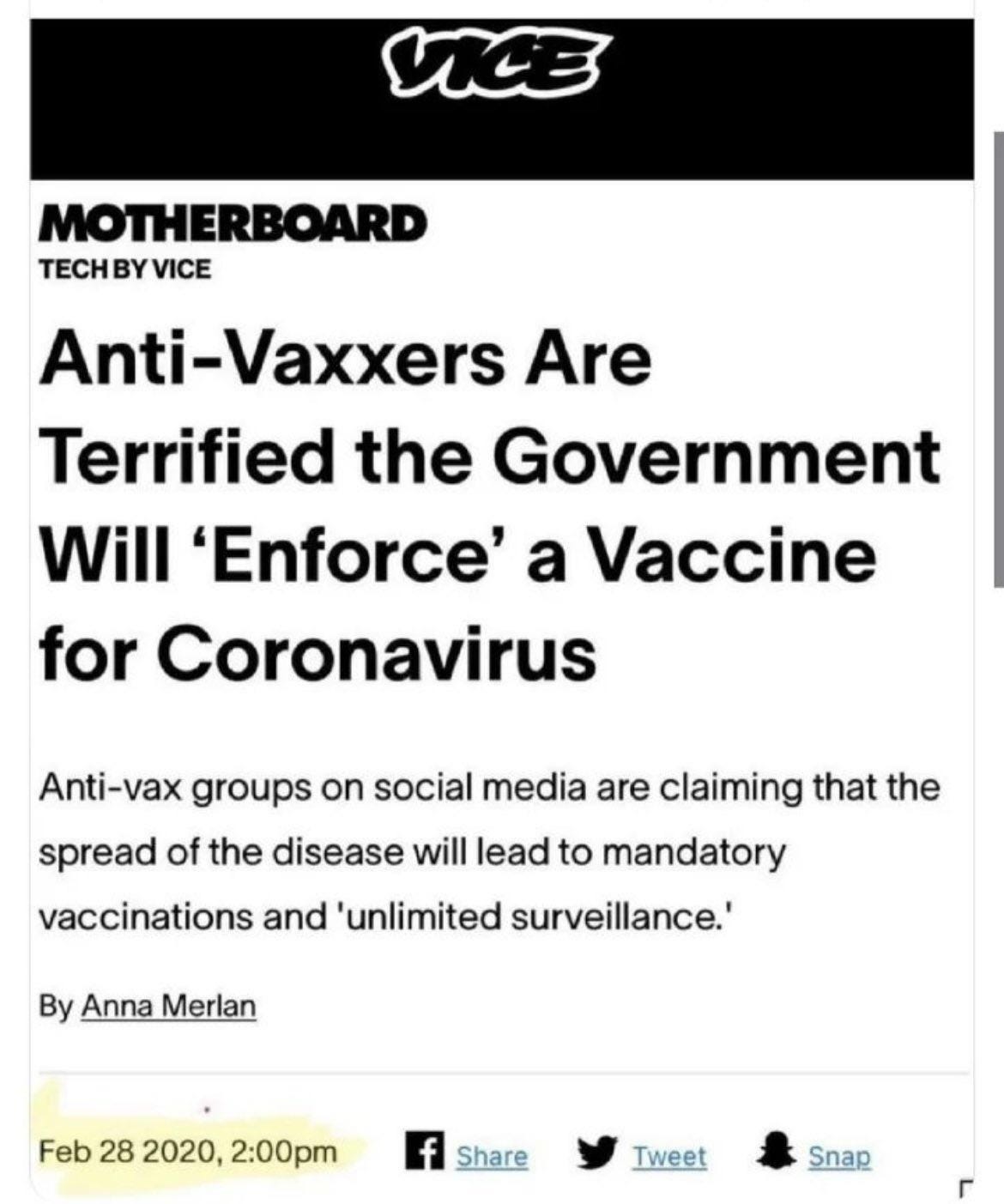
i mean, that would be terribly divisive, counter to rights, and directly antagonistic to people who just want bodily autonomy. can you even imagine public officials doing something like that?
pretty far fetched…
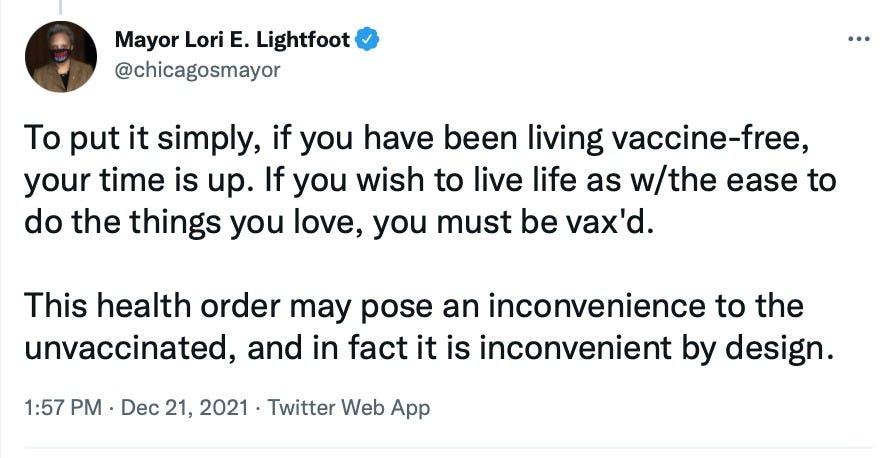
or health bodies using disease to engage in surveillance?
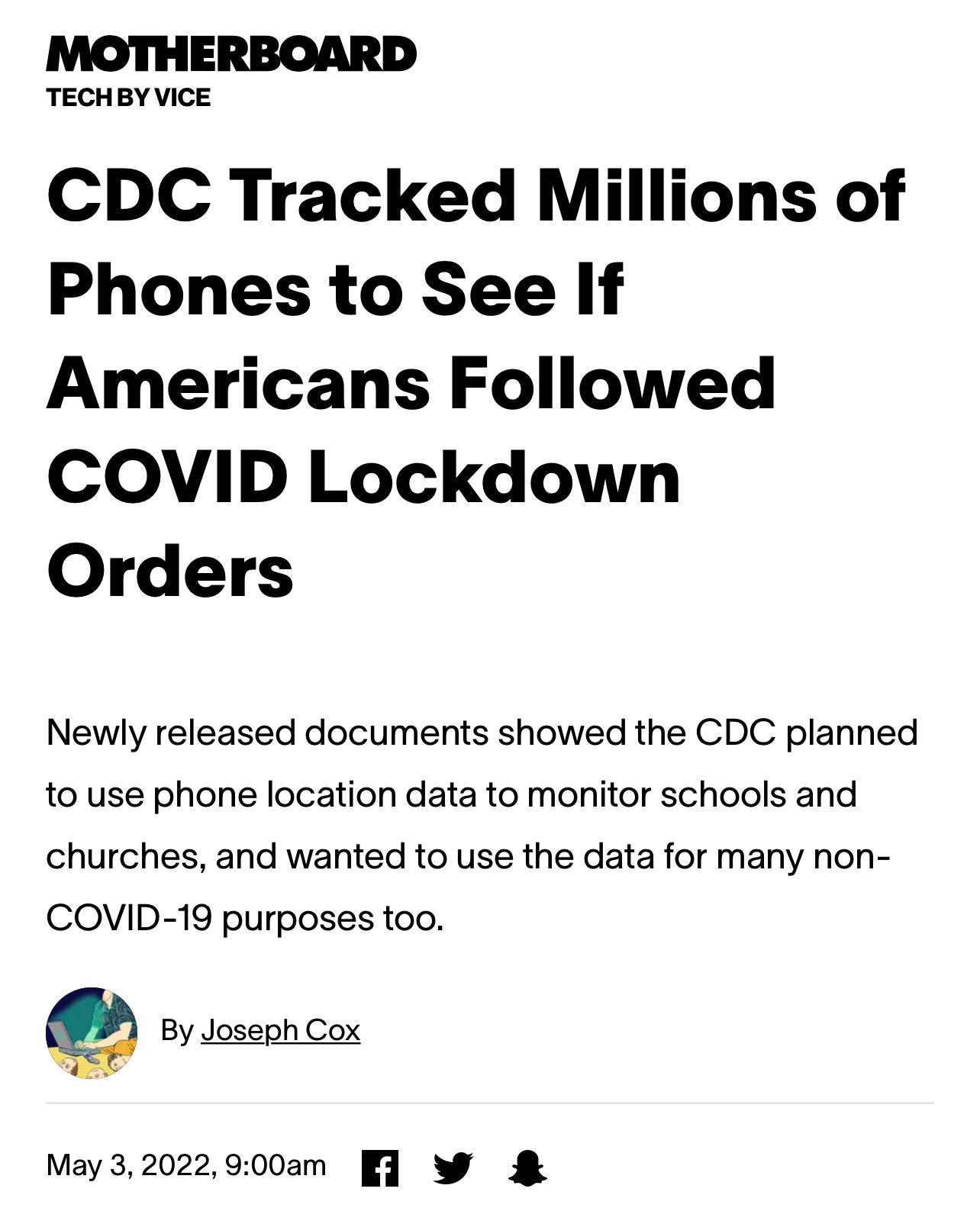
or governments seeking to do the same and mitigate privacy altogether?
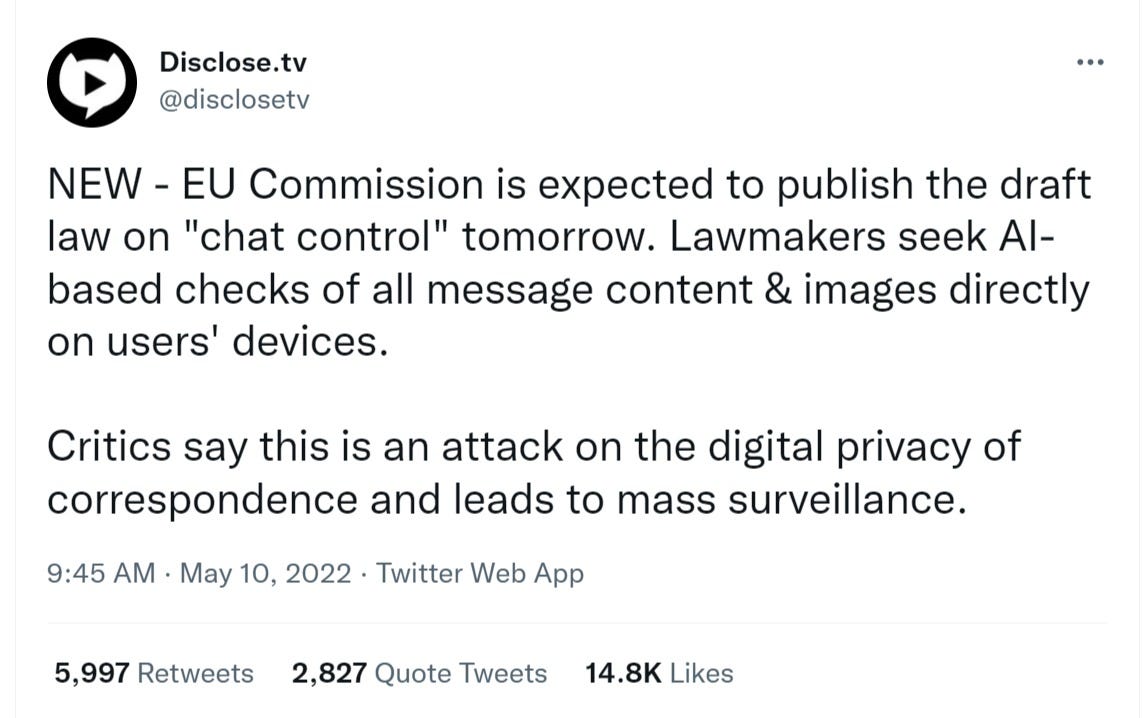
i mean, that’s just silly!
what next, some wild eyed claims that they want universal digital ID?
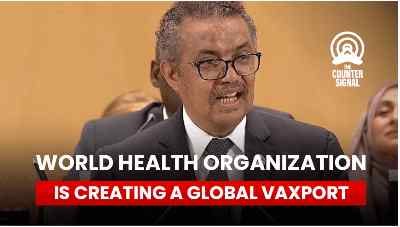
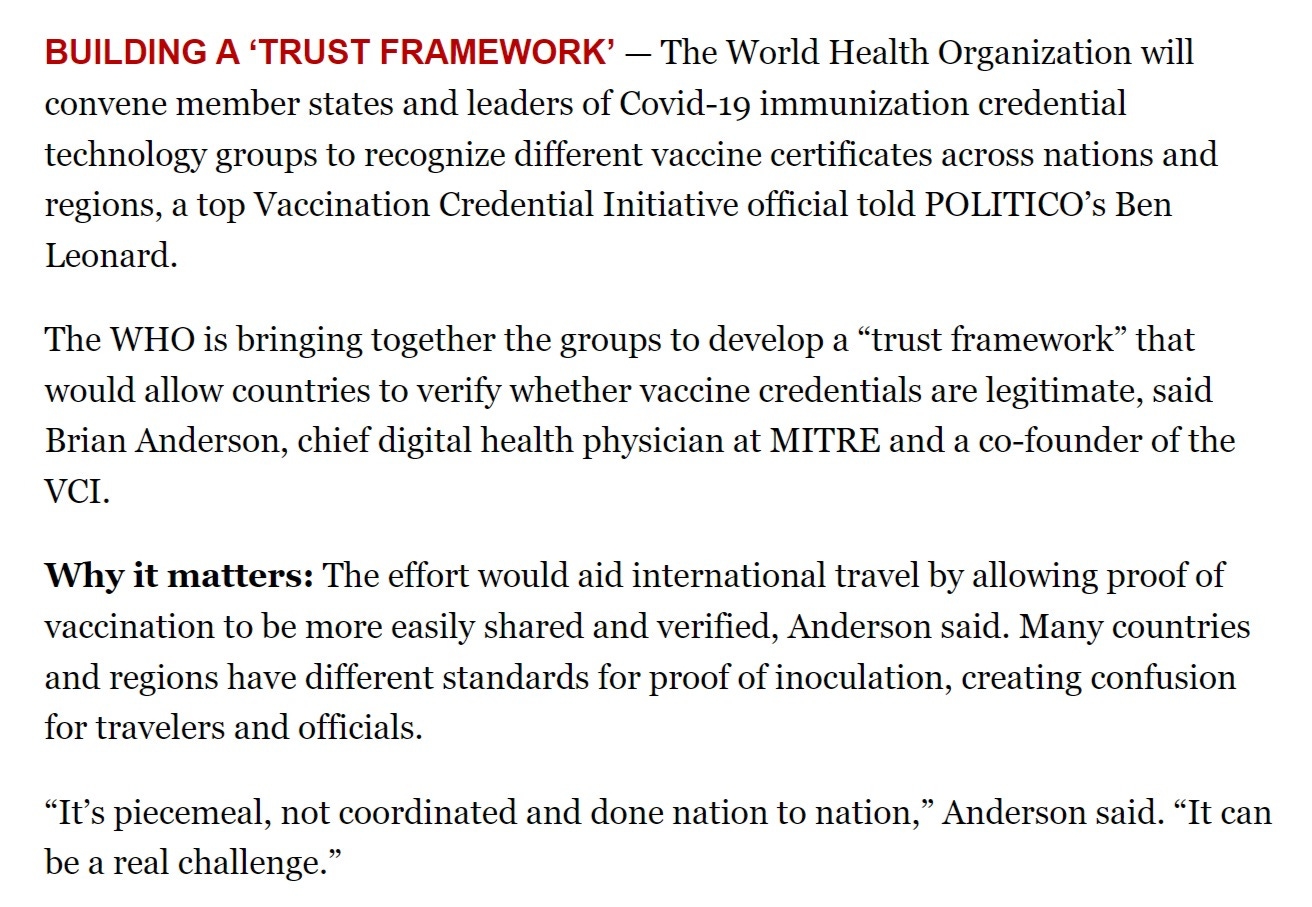
that they have been quietly rolling out the standards for

and making international and inescapable?
i mean, what will these prolific conspiracy boffins think up next, some sort of state run digital currencies to link to this new ID and surveillance state?
i mean, who would even suggest something like that?

federalreserve.gov/cbdc-faqs.htm
and anyhow, what’s the worst that could happen?
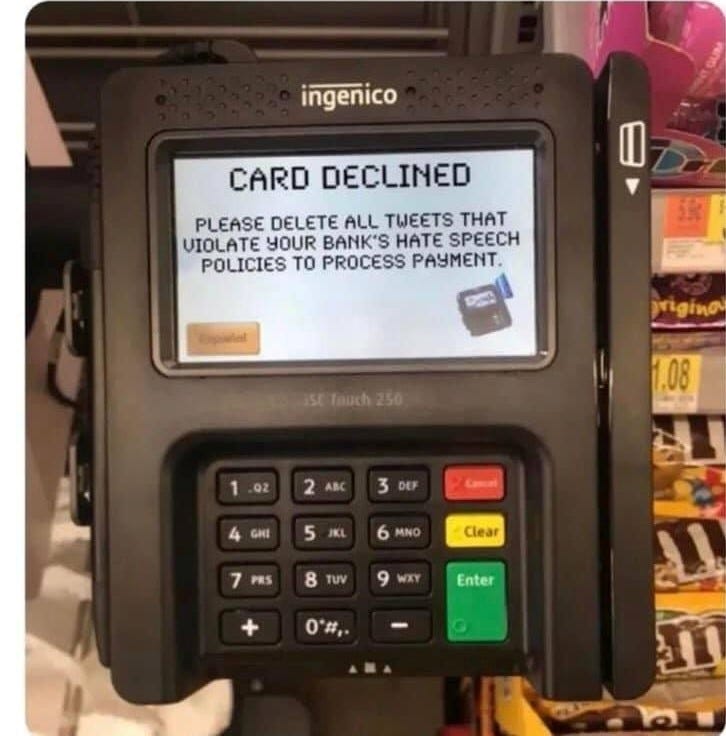
i mean, they told us this is all benign, right?
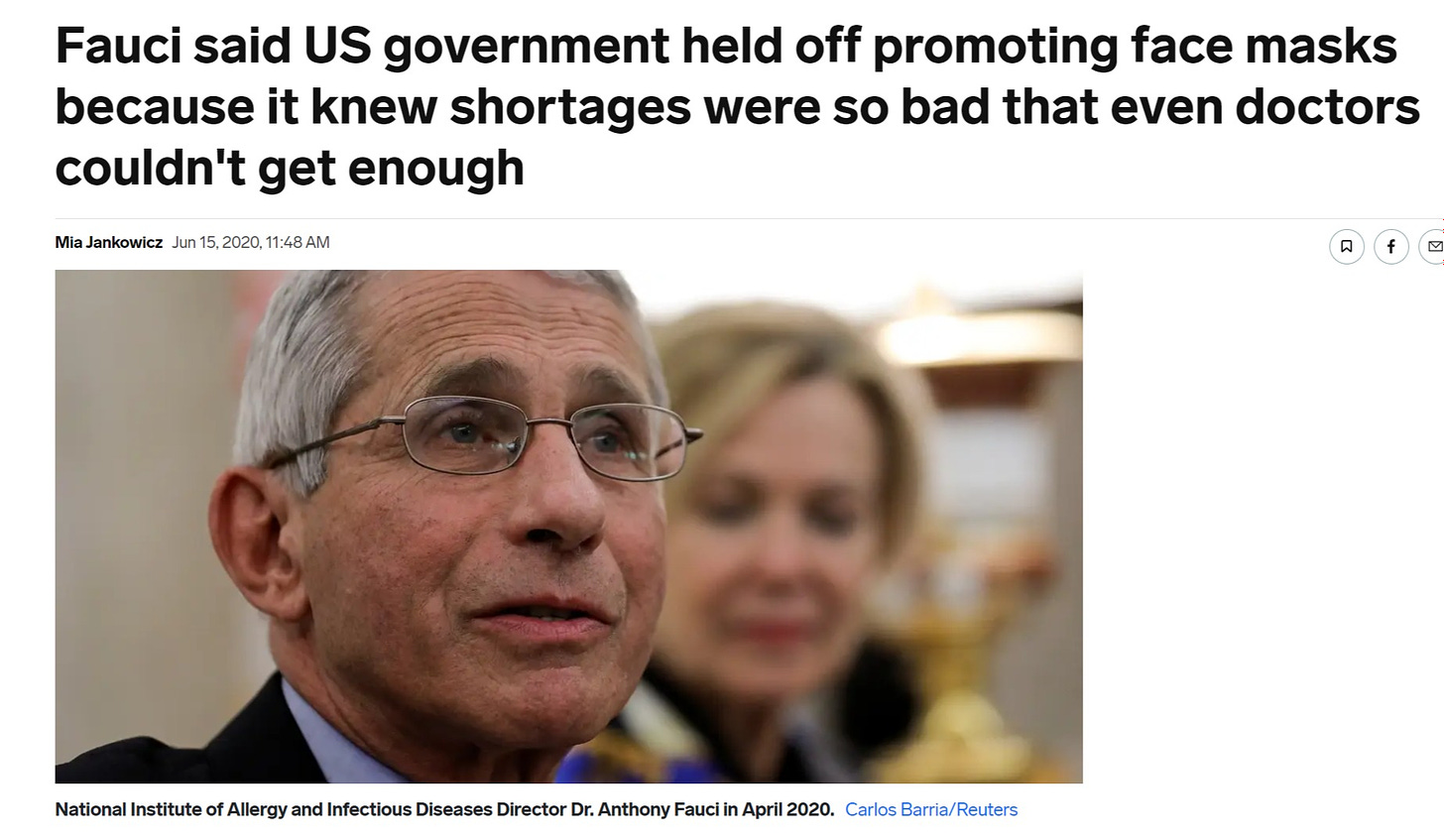
and it’s not like they ever lied to us before! (or if they did, i’m sure it was for our own good…)
and it’s not like they are seeking to give this power to deeply compromised and captured transnational agencies with no accountability whatsoever and grant them authority over citizens who had no say in the matter…
“The Biggest Global Power Grab We Have Seen in Our Lifetimes”: How Serious is the Threat From the WHO Pandemic Treaty?
so let’s all take a breath. i’m sure you’re just overwrought and imagining things.
there are no conspiracies.
no one is out to get you, least of all some shadowy davos cabal.
and come on, if they were really trying to do this to you, i’m sure they would not just come right out and tell you in some sort of james bond villain megalomaniacal monologue.
i mean, this is real life. no one actually does that…
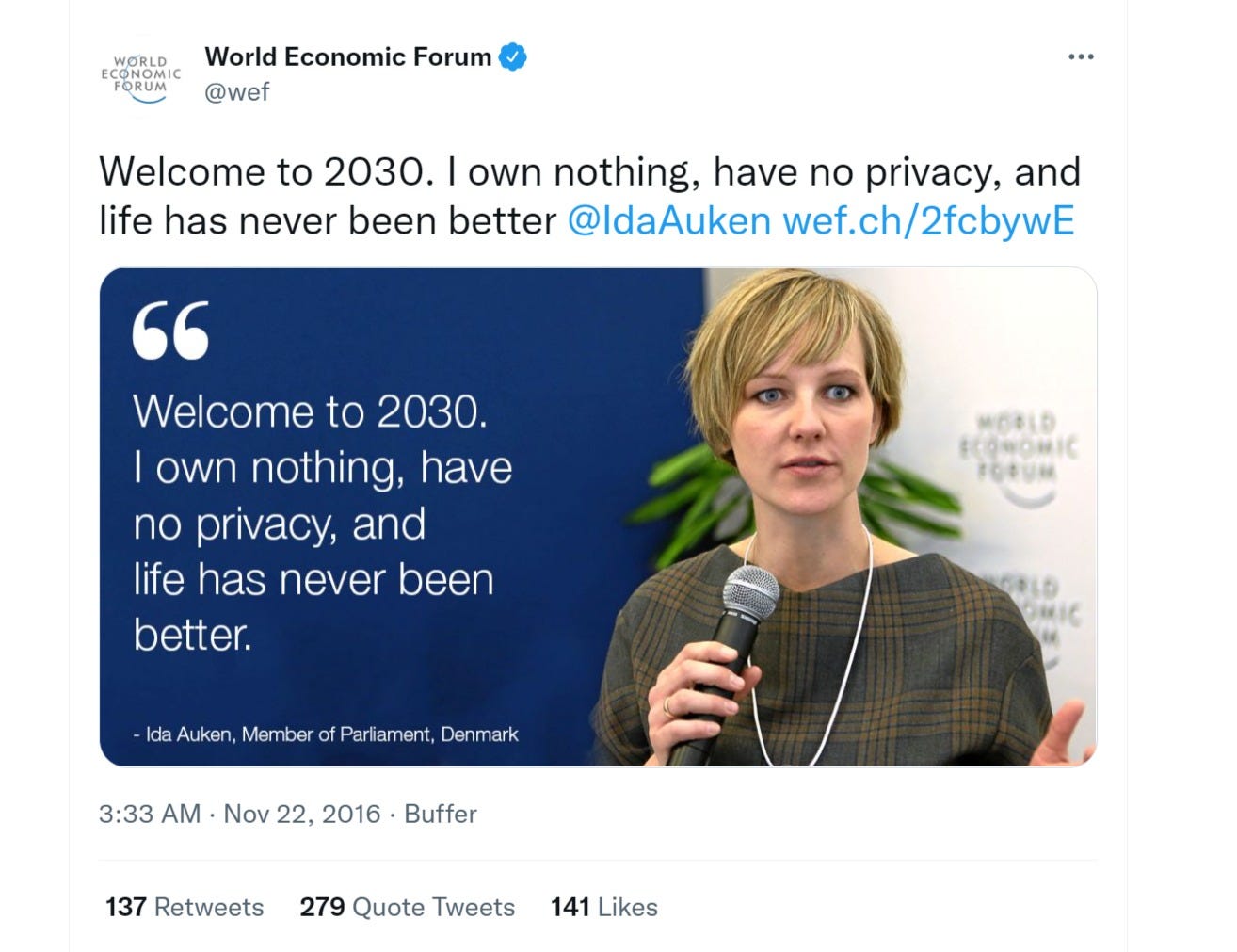
and hey, i’m sure they’ll probably manage to keep those first 2 promises.
watch out for that third one though.
i have some real doubts about it it…
Data From Iceland and Australia Confirm: Vaccine Effectiveness Is Overstated
By Noah Carl | The Daily Sceptic | May 16, 2022
Back in March, I wrote a post noting that excess mortality data from Europe and Israel were hard to reconcile with claims of 95% vaccine effectiveness against death. However, I also noted that some countries data were consistent with very high vaccine effectiveness against death.
The two examples I gave were Australia and Iceland – both countries with very high vaccination rates. By the end of 2021, each country had double-vaccinated 77% of its population, compared to only 70% in the U.K. and only 63% in the U.S. (see below).
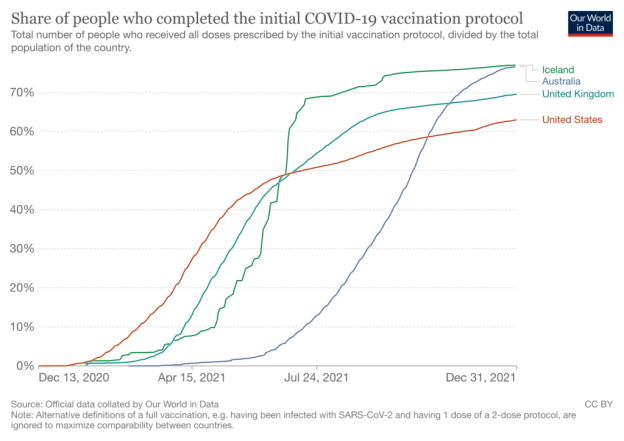
At the time I wrote the post, Iceland had only seen a minor uptick in excess mortality, while Australia had not seen any at all – despite both countries experiencing major outbreaks in the winter/spring of 2022. If countries like Germany, the Netherlands and Israel had seen deadly post-vaccination waves, why hadn’t Iceland and Australia? That was the puzzle.
It appears that ‘puzzle’ is now solved – we just needed to wait for more data. The latest figures from Iceland and Australia show sizeable upticks in excess mortality. First, let’s look at Iceland:
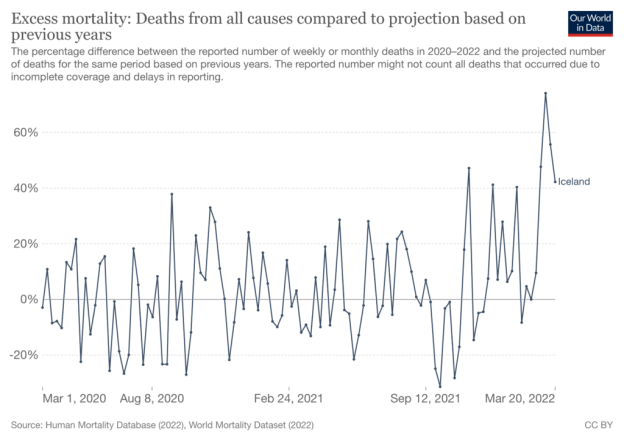
After bouncing around the zero mark for the first two years of the pandemic, excess mortality jumped to 74% in the first week of March. And it has now been above zero for eleven of the last thirteen weeks. Next, let’s consider Australia:
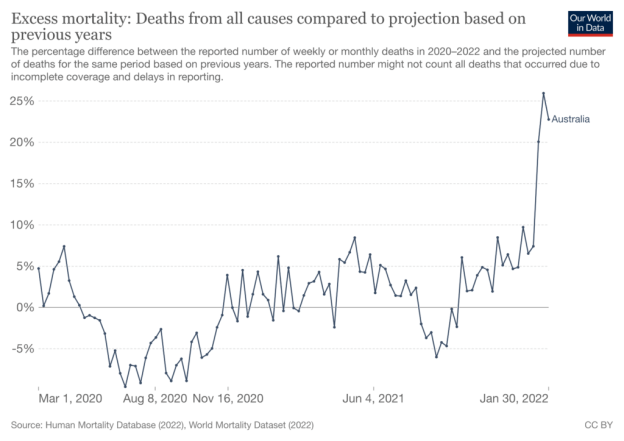
Over the first two years of the pandemic, excess morality averaged roughly zero – dipping lower in the summer and rising higher in the winter. Yet since the start of October, it has been consistently positive, jumping to 26% in the third week of January.
It should be noted: these upticks in excess mortality are not as large as those seen in European countries during 2020 and 2021.
However, they indicate that even very high vaccination rates are not sufficient to prevent mortality from rising when there’s a major outbreak. And they cast further doubt on claims that the vaccines are 95% effective against death. If they were 95% effective against death, excess mortality should hardly have risen at all in Iceland and Australia.
Given that 77% of the entire population was double vaccinated before the latest outbreaks began (and that’s the entire population, not just over 16s), you’d have to believe that excess mortality would have been many, manty times higher in the absence of vaccination to rescue the claim of 95% effectiveness against death.
What’s probably true instead is that the vaccines do reduce mortality from Covid – but not by 95%.
Investigation Launched After ‘Mystery’ Surge in Deaths of Newborn Babies
By Paul Joseph Watson | Summit News | May 16, 2022
Health authorities in Scotland have launched an investigation after a mystery surge in deaths of newborn babies, the second time the phenomenon has been recorded in the space of six months.
A report by the Herald newspaper highlights the “very unusual” spike in deaths of babies, with the alarm being raised after 18 infants died within four weeks of birth in March.
That same control limit was also breached in September last year, when 21 neonatal deaths were reported, the first time this had occurred since records began.
“The neonatal mortality rate was 5.1 per 1,000 live births in September and 4.6 per 1,000 in March, against an average of 1.49 per 1000 in 2019,” reports the newspaper.
Public Health Scotland (PHS) said the deaths could not have been down to chance, while the cause behind the previous spike in September also “remained a mystery.”
The report notes that vaccination uptake has increased in expectant mothers and that COVID infections during pregnancy are associated with a higher chance of premature birth, but found no “direct link” between COVID surges and the deaths.
PHS Scotland says COVID infections “did not appear to have played a role” in the September spate of deaths.
Edinburgh University’s Dr. Sarah Stock said, “The numbers are really troubling,” but admitted she didn’t know the cause of the deaths.
No sympathy for widows from the vaccine zealots
By Laura Perrins | TCW Defending Freedom | May 16, 2022
DEAR reader, I’m going to tell you something and you are not going to like it. People don’t care about you. Deep down, deep, deep down, people who don’t know you don’t really care about you. Not really. Not in any way that matters.
As many readers will know, all last week Mark Steyn interviewed victims of the Covid vaccine. They include widows whose husbands were killed by the vaccine, and survivors who were left with life-changing injuries from the vaccine. If you haven’t watched them, please do try to catch up on YouTube, or at Mark’s website.
As I sat through these testimonies, what struck me was the quiet dignity of the widows and survivors. They were all articulate and dignified. Some were careful to say they were not anti-vax; they just wanted to be listened to, their loss acknowledged and adequately compensated for by a government that forced them to take this vaccine. (And once we look at the propaganda and emotional blackmail it was coercion.)
Some other disgusting journalist took issue with Mark interviewing these victims, saying he was ‘exploiting’ them. Nothing could be further from the truth. The only reason Mark Steyn ended up with these interviews is because every other media outlet ignored them. The government ignored them, the vaccine manufacturers ignored them and the media, who usually would be all over stories like this, ignored them.
There was no rage or anger but plenty of bemusement, bewilderment and hurt as to why and how these victims could be treated like this. The most repeated phrase was that the victims were not scared about getting Covid themselves, but they did not want to spread it to others, they were told to get the vaccine, and they wanted to do the ‘right thing’.
At this point, I felt genuine pity for them. They trusted the government, they trusted the mainstream media and they were injured for it. I especially felt for Charlotte Wright whose husband, Dr Stephen Wright, had died leaving sons aged seven and one.
Those boys, Izaac and Elijah, will grow up without their father because he took a vaccine he did not need. Those boys were told, Daddy is not coming home, ever. To lose a father is bad enough. To lose a father because your government coerced him to have a vaccine is an outrage. Not even to compensate the family is evil.
We now know the vaccines do not stop transmission. As such, why healthy people who had no underlying conditions were told to take them should be subject to a public inquiry. In fact, the population were not just told to take them – they were shamed, bullied and threatened with dismissal from their jobs and civil society itself if they didn’t take them. Leading commentators – Andrew Neil, Piers Morgan, Claire Cohen – advocated for a system of apartheid and punishment for ‘vaccine refuseniks.’ These vaccine victims didn’t stand a chance.
At one point I did seriously consider getting the vaccine. I had just the baby and the government propaganda was seeping even into our No BBC house. I also worried about my husband. I worried that one of us would catch Covid and die leaving the four kids. It didn’t make any sense, but everyone breaks sometimes. Everyone. Luckily, a friend called me and told me to pull myself together and that I stood a much greater chance of being injured by the vaccine than Covid. So that moment passed.
Which brings me back to people not caring. When I considered getting this vaccine, what also stopped me is that for all the talk of ‘do the right thing’, I knew that if my husband died from it, no one other than close family and friends would care. Ultimately Matt Hancock was not going to call at my door and say, Don’t worry you are not going to starve to death even though your husband has died.
If I got injured and couldn’t drive, which would devastate the workings of the family, Claire Cohen wasn’t going to rock up and say, Don’t worry, I’ll do the school run. Childless Andrew ‘Punish refuseniks’ Neil certainly wasn’t going to take the baby if I could barely carry him. Neil had his house in the South of France to retreat to – so shut up and take your vaccine.
Ultimately, these people don’t care. They don’t care because they have never once recognised the injuries caused by the vaccine they so passionately advocated for. They don’t care because from my viewpoint they have never once written about it, or had the victims on their shows.
The same goes for the ordinary public. The bottom line is we all have a limited supply of sympathy and empathy to go around, and if we felt every loss we couldn’t get out of bed. But to advocate in such strong terms for a vaccine that has killed and injured people – that was morally abhorrent.
The vaccine cajolers, Part 5: Nudging and eavesdropping
By Paula Jardine | TCW Defending Freedom | May 15, 2022
This is the fifth instalment of Paula Jardine’s six-part investigation into the planning behind ensuring vaccine acceptance and countering vaccine ‘hesitancy’. You can read Part 1 here, Part 2 here, Part 3 here and Part 4 here.
THE starting point for universal vaccination is that virtually everyone is (indeed, needs to be) a suitable recipient. This has proved the case for the Covid-19 vaccines even though they are still technically under emergency use authorisations pending the completion of clinical trials, and even though the disease is a serious mortality risk for only a minority of the older demographics.
This presumption is at odds with the fallout from the 1976 landmark US judgment in Reyes v Wyeth Laboratories. The parents of a child who was paralysed by polio caused by the Sabin oral polio vaccine she had been given sued the manufacturer and won. In affirming the decision the Federal Court of Appeal said the manufacturer had a duty to market and inform potential customers of the dangerous vaccine and that this duty was heightened since the manufacturer had knowledge of the vaccine’s harmful potential.
In the wake of the case the US Centers for Disease Control (CDC) added a ‘duty to warn’ clause to all its vaccine purchase contracts which required that ‘vaccines be administered only after an individualised medical judgment by a physician, or after “meaningful warnings related to the risks and benefits of vaccination” were provided in understandable language.’
Today the CDC advocates what it calls ‘medical provider vaccine standardisation’, saying offering vaccination should be a default option at patient visits. Ideally, the vaccine is available to be administered then and there, for the sake of convenience, and lest upon further reflection there be a change of mind.
Informed consent guidelines require that an explanation of both the risks and the benefits is provided, that the decision is voluntary and is not influenced by pressure from medical staff or others. Vaccine confidence literature, however, suggests the trusted health care practitioner’s role is to influence decisions by presenting vaccine-positive information so that patients or parents will choose vaccination. Safe and effective is the familiar mantra.
The World Health Organisation technical advisory group on behavioural insights and sciences for health have considered the ways in which vaccination decisions can be influenced. They say that ‘anticipated regret’ – when people expect that an unpleasant outcome would lead them to wish they had made a different decision – ‘shows promise as a predictor of intentions and behaviour’. They go on to suggest that ‘leveraging regret’ is a strategy that can be used ‘to tackle motivational barriers to vaccine acceptance and uptake’.
Dr Heidi Larson, a professor of anthropology, risk and decision science, who set up the ‘Vaccine Confidence Project’ at the London School of Hygiene and Tropical Medicine but is not a member of the behavioural insights advisory group, offers the same advice saying, ‘Regret is an important dimension in conversations with parents, but the important thing is to shift the anticipated regret towards how they might feel if their child is not vaccinated and becomes seriously ill or even dies from a vaccine preventable disease rather than being more focused on the potential side effects of the vaccine.’
Another strategy that this advisory group has recommended to help increase vaccine uptake is to emphasise the social benefits (or disadvantages of not) such as being able to stay in the workforce or provide for your family. Lisa Fazio, a psychologist who participated in the US National Institutes of Health (NIH) Covid communications expert group, also recommends leveraging altruism. What was required for Covid vaccines, she said, was ‘a call to action beyond “getting” the vaccine for yourself, but using emotions via an aspirational approach. The call to action is something that is elevated and aspirational and focused on the benefits and that sense of normalcy. The call to action is not getting a vaccine that is available to you. The call to action is, “Protect your family, protect your loved ones. Help the world get past this crisis”.’
Another pitch offered by yet another NIH adviser, Paul Slovic, a psychologist who studies risk perception, was that being vaccinated could help people feel that they’re taking back control. ‘One of the things that makes Covid scary is that it’s difficult to control,’ said Slovic. ‘It’s invisible, people can carry and transmit the disease without showing symptoms, and there are limited treatment options. People have profound discomfort with uncertainty, and so offering the vaccine in the context of regaining control could be quite powerful.’
Persuasion isn’t left on its own to do the work. The 2019 Global Vaccination Summit endorsed behavioural nudging to increase uptake: ‘Interventions which focus directly on supporting individual behaviour and making vaccination as easy and convenient as possible have more impact than interventions attempting to modify attitudes and beliefs. In other words, “nudging” and behaviourally-informed strategies can trigger vaccine confidence.’
The idea behind nudging (though a doubtful science) is that it works to increase uptake by making people feel as though they are making a free choice. ‘Offer a default option that’s determined by experts, with an opt-out possibility. This retains people’s sense of freedom, but default architecture will guide them into the experts’ recommendations.’
The Covid-19 vaccination campaign in the UK used this presumptive approach by inviting people to vaccination appointments rather than asking people to request them. It may have been the fear/urgency factor that worked. But that does not lessen the manipulative intent.
Regardless, anyone trying to sell you an investment product by inflating past performances, failing to ascertain its suitability for you as an individual, and using manipulative talk while providing insufficient information for you to make an informed decision in order to make a quick sell, would be deemed to have engaged in unethical practice. Depending on the nature of the misinformation, it could even be illegal.
Vaccines are biological pharmaceutical products, and in the case of mRNA Covid vaccines gene transfer therapies, ones that permanently and irreversibly alter the physiology of healthy people. Having claimed that the case for universal vaccination is a moral one, for the greater good, the strategies employed in pursuit of coverage targets to increase uptake have been and are to varying degrees ethically suspect.
As Covid vaccination uptake figures show, most people do accept vaccines but, despite all the nudging and the hard sell, the 100 per cent coverage that is meant to deliver a disease-free utopia remains elusive. Demand generation at that level would require universal uncritical acceptance of vaccines.
Larson likened people exercising their right to refuse the medical procedure of vaccination to an epidemic requiring crisis management. The various vaccine confidence projects describe their aim as helping populations become more resilient against what they call rumours or misinformation, a nebulous category of anything that might threaten the War on Microbes, that cause people to reject vaccination.
‘We need to be more sophisticated and to build strong transnational networks to pick up rumours and misinformation early and surround them with accurate and positive information in support of vaccination,’ said Larson, chillingly.
The World Economic Forum (WEF) provided the Vaccine Confidence Project with research assistance to support its Covid vaccination work. In the six months from November 2020, NetBase Quid technology was used to ‘scrape’ online forums and social media for conversations about vaccines “to get a deep understanding of the obstacles to vaccine adoption, barriers to building trust and the communication strategies that move people to action”.
No fewer than 66 million conversations were identified and analysed to provide insights on how to target communications for Covid vaccines. It enabled a market segmentation of messaging, microtargeting different messages for different audiences.
The vaccine cajolers, Part 4: Rewriting history
This is the fourth instalment of Paula Jardine’s six-part investigation into the planning behind ensuring vaccine acceptance and countering vaccine ‘hesitancy’. You can read Part 1, published on Wednesday, here, Part 2, published on Thursday, here, and Part 3, published yesterday, here.
TCW Defending Freedom – May 14, 2022
WHEN Unicef launched the Child Survival Revolution in 1983, it openly acknowledged that infectious childhood diseases in industrialised countries had ceased to be a serious threat before vaccines were introduced, thanks primarily to improvements in sanitation and nutrition.
Later, something resembling a bait and switch took place in traditionally accepted scientific thinking on this empirical observation. The US Centers for Disease Control (CDC) now brands the central role played by improved sanitation and nutrition an anti-vaccination myth, and largely credits vaccines for the reduction in disease burden instead. This amounts to a misrepresentation, an untrue statement of a material fact that is being used to inflate the past performance of vaccines. It would count as unlawful mis-selling in other commercial contexts.
The World Health Organisation (WHO) says: ‘Immunisation is a global health and development success story, saving millions of lives every year.’ It puts the number of lives saved annually at between 3.5million and 5million.
Yet, perversely, universal vaccination may be masking health and mortality problems that arise from the vaccines as, by definition, there’s no control group for comparison. Igor Chudov analysed the 2021 statistics from Florida: ‘What I found is that in 2021, parents of newborns in Florida were much more “vaccine hesitant”, for reasons obvious to my readers, and therefore childhood vaccinations decreased from 93.4 per cent previously to only 79.3 per cent in 2021. During the same time, “all cause” infant mortality under one year of age in Florida also DECREASED by 8.93 per cent.’ (his emphasis)
Chudov’s findings chime with those of Australian physician Dr Archie Kalokerinos who investigated a doubling of the infant mortality rate in Aborigine communities in the 1970s on behalf of the Northern Territories government. He discovered the death rate rose after they began vaccinating malnourished Aborigine children. In some communities, every second child was injured or died.
A 2016 meta-analysis of studies into the DTP vaccine, against diphtheria, tetanus and pertussis (whooping cough) found it increases female mortality rates. Court cases in the US in the 1970s linked it with Sudden Infant Death Syndrome. The CDC calls this association ‘one myth that won’t seem to go away’. Disturbingly in this context, the extent of DTP vaccination coverage is a metric used to monitor access to primary health care and is used by the vaccine alliance GAVI as an equity measure.
A 2021 vaccination impact study led by Professor Neil Ferguson of Imperial College London made the great claim that vaccine campaigns in low and middle income countries had saved a total of 23million children’s lives over the past two decades, and projected that this figure will increase to 37million by 2030. But as with any honest cost-benefit analysis, Ferguson’s estimates need to be offset against another statistic. GAVI itself acknowledges that vaccination campaigns had, until a decade ago, negligently added to the chronic infectious disease burden in the developing world: ‘In 2000, roughly 39 per cent of all healthcare-related injections administered globally were delivered with reused disposable or inadequately sterilised syringes, which resulted in an estimated 23 million people infected annually with hepatitis B, hepatitis C and human immunodeficiency virus (HIV).’
It took a decade to reduce these incidental infections to near zero by using disposable syringes.
The official line from the WHO is that people have become complacent: vaccines are such a successful intervention that the public have forgotten how serious and how deadly the diseases were. To keep people compliant with national immunisation schedules and hit WHO vaccination coverage targets, practitioners are told to tell parents ‘better safe than sorry’.
The example that is used to generate sufficient anxiety or fear is measles, a highly transmissible virus which remains a leading cause of death in parts of Africa and Asia. The CDC insists that getting the vaccine is safer than getting the disease yet provides no statistics to illustrate the relative risk.
According to the UK-based Vaccine Knowledge Project, ‘in high income regions of the world such as Western Europe, measles causes death in about 1 in 5,000 cases, but as many as 1 in 100 will die in the poorest regions of the world. Worldwide, measles is still a major cause of death, especially among children in resource-poor countries.’ One US-based website aimed at public health students and practitioners ignores the nuance, putting the risk of death from measles at 1 in 500 while selectively setting it against a one in a million chance of an allergic reaction to the MMR and ignoring the risk of all the other potential adverse reactions on the US government’s official table of measles vaccine injuries.
A measles mortality map produced by the US government in 1890, seventy years before the vaccine was introduced and before the improvements in sanitation, water quality and nutrition occurred, shows geographical differences in death rates that indicate other underlying factors contributing to measles deaths. The greatest of these risk factors was shown to be malnutrition, as the body’s demand for vitamin A increases in response to a measles infection. Likewise people whose diets are lacking in animal protein, vitamin A’s primary dietary source, are at the greatest risk of death or serious complications.
In countries where malnutrition is a problem, the antibody response to measles vaccines can be boosted by giving vitamin A supplements. Protein malnutrition is amongst the leading causes of death in many places where measles mortality remains high.
Global demand for vaccines drops sharply
Free West Media | May 14, 2022
Chinese biotech firm Kexing Holdings has made a fortune selling Sinovac’s Chinese vaccine. A few days ago, however, it became known that the bonus payments were withheld and most of the workforce has been laid off. Exports of Chinese vaccines (Sinovac, Sinopharm, CanSino) were 97 percent lower in April than in September 2021.
The Chinese outlet Caitong News reported, citing Kexing employees, that the company made a profit of 82 billion yuan (around 11.6 billion euros) last year. At the same time, the company announced that the year-end bonus payment for the past year would be “postponed”.
Shortly thereafter, Kexing suddenly announced massive layoffs. According to Kexing officials, the company has given staff two options: resign themselves and collect an indefinite severance pay, or take indefinite leave. In the latter case, with 80 percent of Beijing’s minimum wage as compensation.
According to the report, Kexing (Sinovac) has already laid off up to 70 percent of its staff. After the last wave of layoffs was completed in April of this year, the year-end bonuses were then distributed to the remaining employees on April 25. There is no statement or justification for the layoffs by Kexing. However, according to Japanese media reports, China’s vaccine exports have fallen sharply.
Thus, Nikkei Asia, citing UNICEF, reported that the vaccine against Covid-19, which is manufactured by three Chinese companies Sinopharm, Sinovac and CanSino, exported a total of 6,78 million doses in April this year. This is a drop of 97 percent compared to the peak exports in September 2021.
Massive drop in exports also for other Covid jabs
Global demand for vaccines has fallen sharply this year. Not only the exports of Chinese vaccines have fallen sharply due to their ineffectiveness against the Omicron variant.
Exports of Moderna’s and Pfizer’s mRNA drugs are also down 57 and 71 percent, respectively, compared to September last year, according to the report. Pfizer’s exports are nevertheless still eight times those of the three Chinese companies combined.
In South Africa, vaccine production has been grinding to a halt due to the fact that there are no orders.
Vaccine production in Africa almost halted
In South Africa, for example, the pharmaceutical company Aspen, which produces its own filling of the vaccine from Johnson & Johnson and sells it under the name Aspenovax, reported that there were no orders.
“It is feared that the production of the vaccine in South Africa will have to end. There is simply no demand for it. Not a single order has come in for weeks,” German daily Süddeutsche Zeitung reported.
The risk is “very high that the company will actually stop producing Johnson & Johnson vaccines,” the head of the African health authority (African Centers for Disease Control and Prevention) is quoted as saying in the report. Only around 12 percent of the population in Africa have been vaccinated twice. About 40 percent of the vaccine doses shipped to Africa were not used.
The over-supply of free Covid-19 vaccine doses — donated by high-income countries — had closed the gap that Aspen was meant to fill in the market.
According to another German daily, the Tagesanzeiger, millions of BioNTech vaccine doses will have to be disposed of in June.
The comparatively young population of Africa is hardly affected by Corona and faces completely different challenges, such as malaria or the impending starvation catastrophe. Against the background of the threat of starvation or an infection with malaria, which affects millions of people and kills hundreds of thousands every year, there is simply no room for media hysteria around the Corona virus.
Featured Video
Houthis Don’t Have to Conquer Saudi Arabia to Make It Pay
or go to
Aletho News Archives – Video-Images
From the Archives
Newly Released FBI Docs Shed Light on Apparent Mossad Foreknowledge of 9/11 Attacks
By Whitney Webb | MintPress News | May 17, 2019
NEW YORK — For nearly two decades, one of the most overlooked and little known arrests made in the aftermath of the September 11 attacks was that of the so-called “High Fivers,” or the “Dancing Israelis.” However, new information released by the FBI on May 7 has brought fresh scrutiny to the possibility that the “Dancing Israelis,” at least two of whom were known Mossad operatives, had prior knowledge of the attacks on the World Trade Center. … continue
Blog Roll
 Aletho News
- MEP blasts ‘Euro-Gestapo’ for lecturing Russia on democracy
- Syria May Send Troops to Saudi Arabia Amid War with Ansar Allah
- UK whines about losing billions to ‘Putin tax’
- Baghaei to Rubio: Distorted narratives cannot erase US record of broken commitments
- Houthis Don’t Have to Conquer Saudi Arabia to Make It Pay
- MOE: Nearly 22,000 Students and Education Workers Killed
- Guterres in Islamabad: Genocide, cowardice, and the cage of Imran Khan
- Johnson, Marandi say Yemen holds upper hand over Saudi Arabia
- False flags won’t save aggressors, Iran FM spokesman says
- The Makkah Pact Enters Into Force: The End of American Dominance or Its New Form?
- If Americans Knew
- Report claimed Mark Levin used by Israeli government to influence Trump
- Over 2,000 Gazans have died awaiting medical evacuation amid Israel’s continued siege
- How a U.S. Diplomat Suppressed and Altered Reports Critical of Israel
- 5 Palestinians Die from Israeli Strikes in Gaza as Relentless Attacks Continue
- Report: Ceasefire Slows Killing but Leaves Devastation Intact
- Country Music Singer Zach Bryan Breaks Attendance Record at Robert Kraft’s Gillette Stadium While Wearing ‘Free Palestine’ Shirt for Second Night in a Row
- Three years of death and devastation: Israel’s war on Gaza in pictures
- Why Hamas believed the status quo was more dangerous than its 7 October gamble
- Debunking Israel’s latest list of ‘terrorist’ journalists in Gaza
- In Gaza, focus is on survival, “every step is a struggle” – Daily Update
- No Tricks Zone
- New Study: 50 Years Of The Most Aggressive ‘Net Zero’ Policies Can Only Affect The Global Climate By 0.03°C
- US September “Heat” Was No Record…Many Records Set Decades Ago
- Latest European Green Energy Debacle; Portugal’s Largest Flagship Solar Park Insolvent!
- Green Energy Debacle: German Expert Professor Fritz Vahrenholt Warns Of Severe Economic And Social Consequences
- Two More Paleo Reconstructions Affirm Meters-Higher Sea Levels Across Ireland, Brazil 7000-6000 Years Ago
- New Study: Earth And Venus Surface Warmth Largely Explained By Convection And Lapse Rate, Not CO2 Or Radiation
- 2025 Nature Paper Claiming Worsening Global Drought Gets RETRACTED …Heavily Flawed
- New Study: ‘Global Drought Shows No Detectable Recent Acceleration Under Climate Warming’
- Economic Masterminds: German Socialists Suggest Taxing Productivity Gains Stemming From Using AI
- The South China Sea Has Not Been Cooperating With The Climate Change Narrative

