Pilpul for Beginners

By Gilad Atzmon | May 18, 2020
Americans may be surprised to learn from Alan Dershowitz that their constitution is far more intrusive and oppressive than what they and their forefathers have believed for generations. The law ‘scholar’ declared yesterday that “you have no (constitutional) right to not be vaccinated.”
Watch Video: You Have NO RIGHT to NOT be Vaccinated” – Alan Dershowitz:
One possible explanation for Dershowitz’s peculiar constitutional ‘interpretation’ is that some parts of the American constitution were actually written in Yiddish, Hebrew and Aramaic. As such, their meaning is only accessible to a small privileged segment within the American population, one that amounts to 2% or less.
But there is a far better explanation that shines light into the ‘reasoning’ offered by Dershowitz.
In a spectacularly brave Huffpost article titled What Is Pilpul , And Why On Earth Should I Care About It? author David Shasha writes, “ Pilpul is the Talmudic term used to describe a rhetorical process that the (Jewish) sages used to formulate their legal decisions… It is a catch-all term that in English is translated as ‘Casuistry’.”
The English word ‘casuistry’ is defined as: “the use of clever but unsound reasoning, especially in relation to moral questions; sophistry.”
Dershowitz, is a pilpul master. He often employs peculiar reasoning in relation to moral questions especially when it comes to his own morality and conduct.
Shasha writes of the history of pilpul tradition that “the Ashkenazi rabbis were less concerned with promulgating the Law transmitted in the Talmud than they were with molding it to suit their own needs. Pilpul was a means to justify practices already fixed in the behaviors of the community by re-reading the Talmud to justify those practices.”
Pilpul, as described, is not about understanding of the law and its meaning but about the deliberate miss- interpretation of the law so it fits with one’s core interests.
Shasha points out that “even though many contemporary Jews are not observant, pilpul continues to be deployed. Pilpul occurs any time the speaker is committed to ‘prove’ his point regardless of the evidence in front of him. The casuistic aspect of this hair-splitting leads to a labyrinthine form of argument where the speaker blows enough rhetorical smoke to make his interlocutor submit. Reason is not an issue when pilpul takes over: what counts is the establishment of a fixed, immutable point that can never truly be disputed.”
Pilpul is basically a legalistic exercise that is removed from truthfulness, ethical thinking or even logic. What we see from Dershowitz is a dramatic pilpul-ization of the American legal culture and ethos.
“In this context,” Shasha continues, “the Law is not primary; it is the status of the jurist. Justice is extra-legal, thus denying social equality under the rubric of a horizontal system. Law is in the hands of the privileged rather than the mass.”
In a pretty accurate description of Dershowitz’ modus operandi Shasha writes, “Pilpul is the rhetorical means to mark as ‘true’ that which cannot ever be disputed by rational means.”
Shasha, obviously had Dershowitz in mind when he wrote his Huffpost article. But Dershowitz is not the only one. In Shasha’s article Noam Chomsky is equally guilty of pilpulism. “The contentiousness of the Middle East conflict is intimately informed by pilpul. Whether it is Alan Dershowitz or Noam Chomsky, both of them Ashkenazim who had traditional Jewish educations, the terms of the debate are consistently framed by pilpul. What is most unfortunate about pilpul — and this is something that will be familiar to anyone who has followed the controversies involving Israel and Palestine — is that, since the rational has been removed from the process, all that is left is yelling, irrational emotionalism, and, ultimately, the threat of violence.”
I agree with Shasha. The Middle East conflict has been reduced into a pilpul battle ground between Zionists and their Anti Zionist Zionist twins. The question for Americans is whether Pilpul, a Jewish Ashkenazi litigious practice that is removed from truthfulness, ethics and reason should interfere with American’s constitutional rights, way of living, politics, culture, spirit and vaccination policies.
Two Trailblazing COVID-19 Researchers Dead in a Month
By Robert Bridge | Strategic Culture Foundation | May 17, 2020
Academia does not really have a reputation for being riddled with violence and sudden unexplained deaths. Yet at the peak of the Covid-19 pandemic, two young pioneering researchers from the same obscure field of study met with mysterious ends.
Outside of academic circles, Dr. James Taylor and Dr. Bing Liu were relative unknowns. Inside of the scientific community, however, the two had achieved something like rock-star status. And now, within a period of 30 days, both young men are dead at a time when their talents are needed most.
James Taylor, 1979-2020
Let’s first consider the life and work of James Taylor, who passed away on April 2 at the age of 40. Anyone hoping to learn details about the cause of death of this remarkable man will be disappointed; to date, no information has been made available to the public.
“The cause of James’ death is not yet known, and given how overwhelmed the medical profession is in Baltimore, we may never know,” stated the website of Galaxy Project, using the coronavirus as an excuse for not being able to dig deeper into the death of a colleague. “Given how quickly this overtook him it is very unlikely to have been COVID-19.”
Until any additional information is forthcoming with regards to the cause of death, it seems reasonable to ask whether Taylor was involved in any projects or activities that may have made him a potential target of foul play. A cursory look at his Twitter page indicates there were some impassioned discussions just prior to his premature passing that warrant consideration. Before jumping into those discussions, however, a few words about his professional background are necessary.
According to his obituary on the Johns Hopkins University website, Taylor was “a trailblazer in computational biology and genomics research,” who made a significant contribution as a “scientist, teacher, and colleague.”
Taylor’s breakout moment in the scientific community, however, came with the creation of Galaxy, a cloud-based system that has been described as “the first comprehensive data analysis resource in Life Sciences.” According to its website, Galaxy provides an open platform that aims to make computational biology accessible to scientists, mostly those who are involved in genomics research, a major field of study when it comes to the development of drugs and vaccines.
And it is on this particular point that Taylor became engaged in debate just days before his death. On March 19, the researcher asked a seemingly innocuous question on his Twitter page: “Can we talk about genomic data sharing for #covid19 #SARSCoV2 research?”
Judging by the feedback, the question proved to be a loaded one. Taylor’s question revealed the frustration being felt by other research groups, like NCBI and Nextstrain, which were attempting to retrieve the genomic characteristics of Covid-19 but were running into hurdles. Taylor’s colleagues, Anton Nekrutenko and Sergei Kosakovsky Pond, expressed similar concerns regarding those roadblocks one month earlier in a paper entitled, ‘No more business as usual: agile and effective responses to emerging pathogen threats require open data and open analytics.’
“The current state of much of the Wuhan pneumonia virus (COVID-19) research shows a regrettable lack of data sharing and considerable analytical obfuscation,” Nekrutenko and Kosakovsky Pond wrote. “This impedes global research cooperation, which is essential for tackling public health emergencies, and requires unimpeded access to data, analysis tools, and computational infrastructure.”
Here is proof of something that many people have long suspected about the world of academia: it is ruthless and self-serving just as much as any profit-seeking corporation. Not only are academics fiercely protective of their work, which is perfectly understandable, they are also not blind to the potential for financial gain that comes from their labors. But I digress.
Judging by his social media activity, it seems that James Taylor’s main beef was with GISAID, a German-based platform that stands for Global Initiative on Sharing All Influenza Data. This private and public organization, which also partners with the governments of Singapore and the United States, has acquired much of the genome data for many diseases, including that of Covid-19, information that would be critical in the development of drugs and vaccines.
In a follow-up tweet, Taylor complained that GISAID “has much more data… but onerous restrictions on data use and sharing, in particular does not allow sharing any sequence data.” This was followed by the comment that GISAID’s restrictions on using its data are “a real impediment to rapid, collaborative data analysis including our efforts to make transparent, reusable and reproducible analysis pipelines for outbreak analysis.”
At the same time Taylor was chastising GISAID for supposedly not sharing its sequence data on Covid-19, GISAID was boasting on its website about its transparency. So where is the truth? Judging by the comments on James Taylor’s Twitter feed, it would seem GISAID was not completely forthcoming with its data.
Dave O’Connor, for example, a virologist at the University of Washington (Madison), remarked on Taylor’s Twitter thread, “I doubt if many people, if any, people who contributed data to GISAID did so with the intention of it being siloed.”
Dr. Melissa A. Wilson, a prominent evolutionary and computational biologist from Arizona State University, also expressed dismay at the failure to share critical genome data that could assist in helping researchers discover a cure for Covid-19.
In her tweet, dated March 23, Wilson directed a question to Taylor, asking: “Where are we storing data so it is accessible?”
At this point the reader may be asking, ‘OK, so what. What significance is there to a group of researchers having trouble getting access to the genome structure of the coronavirus?’ The problem is that it could mean the difference between being able to develop a vaccine for the disease and not.
Here it should be mentioned that on October 18, 2019, Johns Hopkins University, together with the World Economic Forum and the Bill and Melinda Gates Foundation, hosted Event 201, a high-level exercise that imagined how the public and private sector would coordinate in the event of a pandemic. The event so closely mirrored the outbreak of Covid-19 just two months later that Johns Hopkins released a statement denying that it had made a “prediction” about the pandemic.
Moreover, on the question of producing vaccines to fight against Covid-19, Johns Hopkins appears to be an ardent supporter.
“I would imagine we are going to get a massive vaccination program going in place,” revealed Andrew Pekosz, Johns Hopkins Bloomberg School of Public Health Professor, in an interview with Bloomberg. “The vaccines that are currently in the lead… are ones that are going to be given by injection.
“It looks like vaccines are going to be the game changer here…”
The question that must be asked is whether James Taylor was somehow working at cross-purposes to other organizations that are, for example, in the race to develop a vaccine against Covid-19. Or, alternatively, did the 40-year-old renowned researcher die a natural death at the very moment the quest for a vaccine against the coronavirus had become the central focus for researchers, pharmaceutical companies and his very alma mater?
Dr. Bing Liu, 1982-2020
On May 2, Liu, a 37-year-old assistant professor at the University of Pittsburgh School of Medicine (UPSM), was found dead with multiple gunshot wounds at his townhouse in an upscale suburban neighborhood of Pittsburgh. Another victim, identified as Hao Gu, was found dead in his car near Liu’s home with what police say was a self-inflicted gunshot wound to the head.
Just four days after the double murder, Ross Township Police said they believe the apparent murder-suicide was the result of a “lengthy dispute regarding an intimate partner.”
“We have found zero evidence that this tragic event has anything to do with employment at the University of Pittsburgh, any work being conducted at the University of Pittsburgh and the current health crisis affecting the United States and the world,” said Detective Sgt. Brian Kohlhepp.
What makes this case particularly compelling is that, according to a homage page on the UPSM website, “Bing was on the verge of making very significant findings toward understanding the cellular mechanisms that underlie SARS-CoV-2 infection and the cellular basis of the following complications.”
The other remarkable detail is how closely aligned Bing Liu and James Taylor’s academic resumes were. Both academics were involved in the obscure field of computational systems biology, as well as machine-learning techniques to better predict the behavior of biological species.
The lives of the two academics crossed paths due to their mutual affiliation with the prestigious Carnegie Mellon University, also located in Pittsburgh. There, Liu worked as a postdoctoral fellow in the department of computer science, while Taylor delivered seminars there on his Galaxy program. If by chance Taylor was unfamiliar with Liu’s prolific body of academic work that would probably have changed after Liu’s purportedly breakthrough research on the Covid-19 was released. That magical moment was not to be, of course, due to Liu’s premature and very tragic death.
With regards to the purported murder-suicide, the details are sketchy. First, the mainstream media is portraying the murder as the result of a “lengthy dispute regarding an intimate partner.” Yet local media reported that Liu and his wife had no children and mostly kept to themselves. Of course that doesn’t mean that the two men were not competing for the affections of some other woman. However, with the married Liu on the verge of making a major breakthrough on the coronavirus front, it would seem that he would have very little time for any ‘extracurricular activities.’
In any case, it remains unclear how the two men knew each other, while a possible motive for the murder also remains a mystery, the Post-Gazette reported. Neighbors did not report hearing any gunshots at the time of the killings.
Finally, there are problems with the choice of murder weapon, in this case a firearm. Since both Liu and his alleged killer were not U.S. citizens, this opens up the question as to how Hao Gu was able to acquire a firearm. It is illegal – although certainly not impossible – for non-citizens to purchase firearms in the United States.
So what we are left with, at a time when the world is desperately searching for a way to combat Covid-19, is the legacy of two trailblazing researchers who were both working towards ways of better understanding the disease. Although we may never know the true story behind each man’s untimely death, the likelihood of two renowned researchers – with almost identical professional backgrounds – dying a month apart at a time when both were making headway against the pandemic must certainly rank far less than the chances of someone actually succumbing to Covid-19. The deaths of Bing Liu and James Taylor deserve far greater scrutiny by the mainstream media.
Biological Warfare and Covid19
By Gilbert Doctorow | May 17, 2020
In the ‘fake news’ exchanges between China and the USA, the question of whose biological warfare lab may have developed and lost control over the coronavirus has figured prominently, although most intelligence agencies seem to agree that the virus had natural causes and was not manufactured by humans anywhere.
At the same time, it seems to me that no one is talking about how nations having cutting edge experience in biological warfare can apply that knowledge to combatting the virus. In Western media there is one tiny exception that is not properly drawn out and explained: namely the mention that the US Army is contributing to efforts of private pharmaceutical concerns to develop a vaccine.
Meanwhile, the fact that the Russian military is being brought into action on the Covid19 front hardly figures in Western coverage, except as related to the Russian mercy mission to Lombardy, when giant Russian freight aircraft brought in equipment and military medics to assist the vastly overwhelmed Italian medical establishment to cope with the tide of infected, ailing and dying. At that point there were some snide comments to the effect that the Russians were in Italy on an intelligence gathering mission, not truly humanitarian in motivation.
It escaped mention in the media, though surely did not escape notice in our intelligence services that the Russian mission to Italy was a powerful demonstration of what Russia’s military has learned in the domain of biological warfare. Italian journalists expressed their amazement at the specialized motorized equipment that the Russians brought to disinfect the towns, from streets to building by building, often using for interior work not chemicals but oxygen as the sanitizing agent.
If Britain, for example, has any similar insights in combatting biological agents at its Porton Down facility (so well publicized by the Skripal case), then we have heard nothing about these capabilities being harnessed for combatting the ongoing pandemic.
I make the foregoing remarks about Russia’s very special knowledge in the realm of biologicals because it is a possible additional reason why the country so far has an astonishingly low mortality rate compared to most countries in Western Europe and the USA. Perhaps from the same pool of knowledge, it would appear that the Russians are getting much better results with their use of ventilators to treat the worst affected cases of Covid19.
We have heard a lot about ventilators in the past two months everywhere in Europe and the USA. They were said to be in grave shortage in New York as the epidemic approached its peak there. What no one has talked much about is how capable our medical practitioners have been to achieve life-saving results with these devices. If I am not mistaken, there was mention several weeks ago that 88% of those put on ventilators in New York died. Here in Belgium it appears to be more than 50% die.
Does it have to be that way, or is it the lack of know-how in using these sophisticated devices to treat Covid19 that explains these shocking results? A very interesting program on Russian television several weeks ago indicated that they have been experimenting with the gas mixtures used in ventilators, in particular with the volume of helium versus oxygen to find the right balance whereby the oxygen is not blocked by the virus but in turn purges the virus from the lungs and allows the oxygen levels in the blood to return to levels sustaining life. We do not hear a peep about these issues in the Belgian media, for example.
If I may sum up, when the crisis passes and our journalists and civic activists begin their assessment of what has gone wrong in Western Europe to allow the levels of mortality to reach the shocking levels we have seen, let us hope attention will be given to the questions I have raised here, as well as to the issue I discussed yesterday: why our national governments did not open their checkbooks and order the urgent construction of dedicated state of the art hospitals to treat coronavirus patients well apart from the normal hospital establishments which were overtaken by the virus and ceased to perform their essential services for the non-infected population in oncology, in cardio-vascular medicine and the like. The Russians and the Chinese have done precisely that.
©Gilbert Doctorow, 2020
[If you found value in this article, you should be interested to read my latest collection of essays entitled A Belgian Perspective on International Affairs, published in November 2019 and available in e-book, paperback and hardbound formats from amazon, barnes & noble, bol.com, fnac, Waterstones and other online retailers. Use the “View Inside” tab on the book’s webpages to browse.]
Operation Warp Speed vaccine czar oversaw infamously BOTCHED vaccine for swine flu
By Helen Buyniski | RT | May 16, 2020
US President Donald Trump’s bid to rush a coronavirus jab to market by the end of 2020 has worried some Americans, even before he named it “Operation Warp Speed” and appointed the developer of a failed swine flu vaccine to run it.
Nearly a third of Americans might refuse a vaccine for the novel coronavirus, according to a poll conducted earlier this month by Civic Science. The percentage has likely gone up since then, as the 2,900 respondents to that survey gave their answers before Trump announced on Friday that the 12-to-18-month timeline for vaccine development – already unheard-of in the pharmaceutical industry – would be stepped up with an eye toward rolling out a shot by the end of the year.
It’s not just the shockingly abbreviated timetable that has Americans worried about their safety regarding the proposed vaccine – the head of the initiative already has one botched jab under his belt, and he’s invested (literally) in several of the vaccine candidates under development.
GlaxoSmithKline vaccine chairman Moncef Slaoui was appointed by Trump on Thursday to run the task force his administration is calling Operation Warp Speed. Slaoui spent 30 years with GSK, which is one of dozens of pharmaceutical companies working on a vaccine; he’s also earned close to half a million dollars as a director of Moderna, currently tapped as one of the leading candidates in the vaccine race. Watchdog groups like Public Citizen have already raised alarms about his conflicts of interest, but that’s the least of his problems.
As chief of vaccines at GSK, Slaoui oversaw the development of the disastrous Pandemrix vaccine for swine flu, a shot that was rushed to market without proper testing in the midst of a 2009 epidemic, during which public health officials were shrieking about enormous death tolls that never materialized, with some claiming the death toll would rival the 1918 influenza pandemic (sound familiar?).
The result of the hasty approval process was an unsafe, ineffective shot that left over a thousand recipients permanently brain-damaged, some 80 percent of them children. Forty percent of NHS staffers were vaccinated under false pretenses, told the shot was safe and effective. The UK government was forced to pay out millions of pounds in compensation, as GSK had refused to supply the drug to governments until it was indemnified against lawsuits.
Pandemrix was never approved for use in the US, and it’s possible Trump is unaware his vaccine czar was involved in the sordid debacle. However, the US has had a similar policy of indemnifying vaccine manufacturers in place since 1986, meaning any damage caused by an unsafe coronavirus vaccine will come out of Uncle Sam’s pocket.
GSK’s checkered past isn’t exactly a secret stateside. The firm had the dubious distinction of paying out in 2012 what was the largest fine ever paid by a pharmaceutical firm, after admitting to what the Justice Department called “the biggest healthcare fraud in history,” shelling out $3 billion as punishment for, among other things, concealing the deadly side effects of its diabetes drug Avandia.
Of course, GSK is hardly the only drug company cutting corners. Moderna, the favorite to “win” Operation Warp Speed, has never brought a vaccine to market before, and the mRNA vaccine it is developing is a type that’s never been approved for use in humans. Worse, the company is actually skipping animal trials completely, with its chief medical officer Tal Zaks insisting that he didn’t think the intermediate step – carried out to avoid subjecting humans to unnecessary harm – was necessary.
Several other companies are also skipping animal trials in their rush to cross the finish line first and score what is likely to be a very lucrative contract to vaccinate seven billion people – that’s at least in the words of Bill Gates, who despite a lack of public health credentials has an apparent leverage at the World Health Organization through sheer financial muscle.
However, even the most jab-happy scientists have cautioned against rushing a coronavirus shot to market. Tropical disease specialist Peter Hotez, who worked on a shelved vaccine for SARS – another coronavirus – testified before Congress that the SARS vaccine effort ended badly for the experimental animals. Many fell victim to a condition called “immune enhancement” in which they developed a severe and often fatal version of the disease they’d just been vaccinated against when exposed to the virus anew.
“I understand the importance of accelerating timelines for vaccines in general, but from everything I know, this is not the vaccine to be doing it with,” Hotez told Reuters in March. The “record” for vaccine development is four years, he said, advising against rolling out any vaccine without monitoring for adverse effects for at least a year.
Mainstream media presents “vaccine hesitancy” as the province of science-hating conspiracy theorists. But while many vaccines are life-saving, it’s not difficult to understand those Americans who are willing to wait for a proven safe jab instead of jumping on board Trump’s Operation Warp Speed express. With the current record-breaking pace of testing, it may not be long before we learn which of the vax poll respondents are the wisest (and the healthiest).
Helen Buyniski is an American journalist and political commentator at RT. Follow her on Twitter @velocirapture23
Iran’s fuel shipment to Venezuela guaranteed by its missile power
Press TV – May 16, 2020
Iran is shipping tons of gasoline to Venezuela in defiance of US sanctions on both countries in a symbolic move guaranteed by Tehran’s missile prowess.
Unconfirmed reports and tanker monitoring groups suggest that at least five Iranian-flagged tankers are transporting fuel to Venezuela through the Atlantic Ocean despite the US sanctions on both Tehran and Caracas.
Iran has intentionally hoisted its own flag over the huge tankers which are navigating through the Atlantic before the eyes of the US Navy.
Iran is shipping large consignments of gasoline to Venezuela even though the US would try to intercept the shipments and seize the tankers.
There are unconfirmed reports that the US Navy has deployed its USS Detroit (LCS-7), USS Lassen (DDG-82), USS Preble (DDG-88), and USS Farragut (DDG-99) to the Caribbean along with its patrol aircraft Boeing P8-Poseidon for possible encounter with the Iranian vessels.
However, analysts say it is very unlikely that the US makes such a mistake, as it would have serious repercussions for the Trump administration ahead of the November elections.
The US would not dare to seize the Iranian vessels especially after Iran’s reaction to a similar move by the United Kingdom, a close ally of Washington.
Iran also has the upper hand thanks to its missile power, which was shown to the US in the IRGC’s retaliatory missile attacks on the Ain al-Assad Airbase in Iraq, which accommodated American troops.
The US was also reminded of the Islamic Republic’s missile prowess following the recent successful launch of Nour-1 military satellite, which reached its orbit using the Qased satellite carrier. Some Western analysts claim the satellite achievements are a prelude to Iran’s program to develop intercontinental ballistic missiles (ICBMs).
Confident about its missile capabilities, Iran is going on with the gasoline shipment to its ally in Latin America, mocking the US sanctions on the oil sectors of both countries.
The US seems to be between the rock and hard place. While it is unlikely for Washington to dare to intercept the tankers, if they reach their destination safe and sound, it may tarnish the “superpower” forever.
The fuel shipment also shows Iran’s success in turning into an exporter of gasoline after years of importing the fuel.
A senior official in US President Donald Trump’s administration told Reuters on Thursday that the United States was considering measures against Iran in response to the fuel shipment.
The official said Washington has a “high degree of certainty” that the Venezuelan government is paying Iran in gold for the fuel.
If these claims are confirmed, the “fuel for gold” exchange is also a great achievement for the Islamic Republic amid the US’ maximum pressure policy, which deprives the country’s economy of billions of dollars’ worth of oil revenues.
There are reports that Iran is receiving nine tons of gold in exchange for the fuel its ships transport to Venezuela. Under the cruel sanctions imposed by the US after its withdrawal from the 2015 nuclear deal in 2018, nine tons of gold can be a very precious asset for the Iranian economy.
However, we must still wait and see whether the US administration would let the Iranian tankers go and strip Washington of its “superpower” title, or it would dare to intercept the vessels and endanger Donald Trump’s campaign ahead of the November elections.
Earlier in the day, Iranian government spokesman Ali Rabiei said Venezuela and Iran are both independent states that have had and will continue to have trade relations with each other.
“We sell goods and buy goods in return. This trade has nothing to do with anyone else. We have to sell our oil and we have ways to do it,” Rabiei said in reaction to reports of the fuel shipment to the Latin American country.
See also:
US interception of Iran vessel to Venezuela would be ‘completely illegal
US threatens ‘consequences’ if ICC acts on Israel’s war crimes

RT | May 16, 2020
Arguing that Palestine doesn’t “qualify as a sovereign state” and that the International Criminal Court lacks jurisdiction over Israel, US Secretary of State Mike Pompeo has threatened “consequences” for any “illegitimate” probes.
Following his trip to Israel this week, Pompeo issued a brief statement, denouncing the ongoing efforts by the ICC to investigate allegations of war crimes against Palestinians, including the use of live ammunition against protesters, the demolition and shelling of civilian homes and infrastructure, and forcible relocations as part of Israel’s settlement projects in the occupied territories.
“The United States reiterates its longstanding objection to any illegitimate ICC investigations,” wrote Pompeo, blasting the ICC as “a political body, not a judicial institution,” and arguing that is has no “jurisdiction over Israel, which like the United States, is not a party to the Rome Statute that created the Court.”
“We do not believe the Palestinians qualify as a sovereign state, and they therefore are not qualified to obtain full membership, or participate as a state in international organizations, entities, or conferences, including the ICC.”
While Palestine has yet to achieve fully recognized statehood, the quasi-governmental Palestinian Authority was accepted into the ICC in 2015. The US signed the Rome Statute in 2000, but it was never formally ratified by the Senate. Israel, too, was an early signer to the statute, but also never finalized its membership in the organization.
“If the ICC continues down its current course, we will exact consequences.”
Washington repeatedly threatened the ICC with sanctions in the past as the US itself also scrutiny in the investigation of alleged war crimes and crimes against humanity committed by Afghan government forces, the Taliban, American troops and intelligence operatives.
Phrenology is back, wrapped up with facial recognition in a 21st century pre-crime package
By Helen Buyniski | RT | May 15, 2020
The focus of US policing is shifting from enforcement to prevention as mass incarceration falls out of favor. ‘Pre-crime’ detection is the hot new thing, accomplished through analysis of behavior and…facial features?
Researchers at the University of Harrisburg announced earlier this week that they had developed AI software capable of predicting – with 80 percent accuracy! – whether a person is a criminal just by looking at their face.
“Our next step is finding strategic partners to advance this mission,” the press release stated, hinting that a New York Police Department veteran was working alongside two professors and a PhD candidate on the project.
That statement had been pulled by Thursday after controversy erupted over what critics slammed as an attempt to rehabilitate phrenology, eugenics, and other racist pseudosciences for the modern surveillance state. But amid the repulsion was an undeniable fascination – fellow facial recognition researcher Michael Petrov of EyeLock observed that he’d “never seen a study more audaciously wrong and still thought provoking than this.”
Purporting to determine a person’s criminal tendencies by examining their facial features implies evildoers are essentially “born that way” and incapable of rehabilitation, which flies in the face of modern criminological theory (and little details like “free will”). While the approach was all the rage in the late 19th and early 20th centuries, when it was used to justify eugenics and other forms of scientific racism, it was relegated to the dustbin of history post-World War II.
Until now, apparently. Phrenology and physiognomy – the “sciences” of determining personality by examining the size and shape of the head and face, respectively – are apparently enjoying a comeback. A January study published in the Journal of Big Data made similar criminological claims about its AI “deep learning models,” boasting one program demonstrated a shocking 97 percent accuracy in using “shape of the face, eyebrows, top of the eye, pupils, nostrils and lips” in order to ferret out criminals.
The researchers behind that paper actually named “Lombroso’s research” as their inspiration, referring to Cesare Lombroso, the “father of modern criminology” who believed criminality was inherited and diagnosable by examining physical – specifically facial – characteristics. Nor were they the first to turn AI algorithms loose on identifying “criminal” characteristics – their paper cites a previous effort from 2016, which apparently triggered a media firestorm of its own.
It might be too soon for the public to embrace discredited racist pseudoscience repackaged as futuristic policing tools, but given US law enforcement’s eager adoption of “pre-crime,” it’s not unimaginable that this tech might find its way into their hands.
US authorities have never been more determined to save would-be offenders from themselves, rolling out two pre-crime surveillance programs in the past year alone. The Disruption and Early Engagement Program (DEEP) purports to intervene with “court ordered mental health treatment” and electronic monitoring against individuals anticipated to be “mobilizing toward violence” based on their private communications and social media activity, while the Health Advanced Research Projects Agency (HARPA)’s flagship “Safe Home” project, uses “artificial intelligence and machine learning” to analyze data scraped from personal electronic devices (smartphones, Alexas, FitBits) and provided by healthcare professionals (!) to identify the potential for “neuropsychiatric violence.” To maximize their effectiveness, Attorney General William Barr has called for Congress to do away with encryption.
The risks of pre-crime policing are enormous. Algorithmically-selected “pre-criminals” are very likely to be set up to commit crimes in order to “prove” the programs work, as has happened with the US’ sprawling “anti-terrorism” initiatives. A 2014 investigation found the FBI had entrapped nearly every “terrorism suspect” it had prosecuted since 9/11, and that pattern has continued into the present.
Meanwhile, facial recognition algorithms are up to 100 times more likely to misidentify black and Asian men than white, and the misidentification rate for Native Americans is even higher, according to a NIST study.
The Harrisburg University researchers attempt to push such concerns aside, insisting their software has “no racial bias” – everyone is phrenologically analyzed on an equally pseudoscientific basis. Surely we can trust an NYPD officer to avoid racism. It’s not like 98 percent of those arrested for violating social distancing in Brooklyn in the last two months were black, or anything – it was 97.5 percent.
Given the frenzy of police-state wish-fulfillment – from babysitter-drones to endless lockdowns – that has accompanied the Covid-19 pandemic, these researchers probably thought they could slip in a sleek modernized version of century-old pseudoscience. Totally understandable!
Still too soon? Wait a few years…
Helen Buyniski is an American journalist and political commentator at RT. Follow her on Twitter @velocirapture23
Obamagate Shows Biden Is Inadequate in Challenging Trump
By Paul Antonopoulos | May 16, 2020
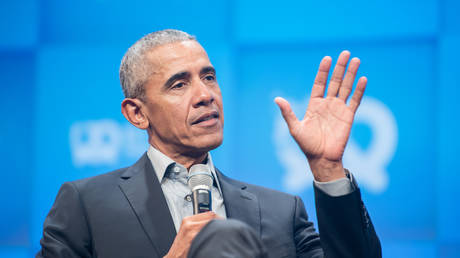
Former U.S. President Barack Obama is coming under increasing pressure, led by what President Donald Trump is calling “Obamagate.” This comes as Mexico has requested to finally clarify the affair with the secret sale of American weapons to Mexican drug cartels. Mexico is asking for the case to be clarified after almost ten years.
In this secret operation conducted by the Bureau of Alcohol, Tobacco, Firearms and Explosives, weapons from the U.S. were sold to Mexican drug cartels. The U.S. claimed that about 2,000 automatic weapons were sold to Mexicans so that the Barack Obama administration could follow their path to the drug cartels. Instead, these weapons were used in massacres. Mexican authorities are now seeking answers from the United States.
In addition to selling weapons to Mexican drug cartels, Obama is responsible for a lot of global upheaval on the world stage – primarily the so-called “Arab Spring” that should be more accurately described as the “Arab Winter” as it brought death and destruction across the Arab world.
The sale of these weapons to Mexican drug cartels is another ugly legacy of Obama’s rule that liberals like to view as one of the best periods of American history. Let’s not forget that in 2009 Obama won the Nobel Peace Prize for his apparent “extraordinary efforts to strengthen international diplomacy and cooperation between people.”
The majority of U.S. media will most likely try and find appropriate excuses so they can minimize Obama’s role in these scandals. It is completely clear that the battle over who will be in the White House in the next four years is now taking focus on the Obama era as opposed to Trump’s mishandling of the coronavirus pandemic that has claimed the lives of over 80,000 Americans and infected more than 1.3 million people.
With endless tweets by Donald Trump dedicated to Obama over the past few days, it is as if the presidential battle in November will be fought between him and Obama, and not Democrat сandidate Joe Biden.
The reason for Trump’s many tweets against the former president was because of Obama’s private conversation that was leaked to the public in which he criticized the suspension of the investigation against Trump’s former national security adviser Michael Flynn, while he called Trump’s fight against the coronavirus epidemic a “chaotic disaster.”
The American president started tweeting on the morning of May 10 and stopped late in the evening, making over a hundred tweets against Obama. This exchange between Obama and Trump is not common in American politics as former presidents usually do not interfere in the politics of their successors. However, there are suggestions that Obama still has connections to the deep state and is actively undermining Trump.
Obama, who openly admitted he would remain active in politics and wished he could contend for a third term, could be exerting influence through Hillary Clinton and Biden. It is likely Obama is becoming more public as Trump’s opponent Biden is proving inadequate and incapable of defeating Trump.
The battle between Obama and Trump started with the announcement that the Ministry of Justice is terminating the investigation against former Trump national security adviser Michael Flynn. Flynn, who was probably the shortest-serving national security adviser in history, was sacked at the beginning of his term on charges of lying to Vice President Mike Pence about talks with the Russian ambassador to Washington. His removal triggered a chain of failed investigations and campaigns against Trump and his alleged links to Russian interference during the U.S. presidential election, which also ended in a failed impeachment.
In private conversations that leaked to the public, Obama described Flynn’s acquittal as a threat to the rule of law.
Trump also retweeted statements from CIA agent Buck Sexton, in which he accused Obama of sabotaging the Trump administration in the first days of his term. Sexton also called former FBI Director Andrew McCabe “a dishonorable partisan scumbag who has done incalculable damage to the reputation of the FBI and should be sitting in a cell for lying under oath”
Trump then continued with accusations on Twitter and said that Obama committed “the biggest political crime in American history, by far!” and ended briefly with “Obamagate.”
As for the affair with the secret operation of selling weapons to Mexican drug cartels, journalists of Forbes in 2011 wondered whether that operation would become Obama’s “Watergate,” and it appears that it very well could be. Obama’s attempts to smear Trump has not only backfired, but it could have very serious legal ramifications against him and others in his administration.
Interview with a COVID-19 survivor
“It felt like a global tidal wave of human sorrow”
Mickey Z. – World News Trust – May 14, 2020
“At my lowest points, the unsettling realization came to me that given the ferocity and rapidity of change with this virus, a further plunge could mean that I might not survive. Indeed, I felt so close to total suffocation that there seemed little room for further decline. I was determined to fight my way through this, but at the same time, I calmly prepared myself mentally for any eventuality.”
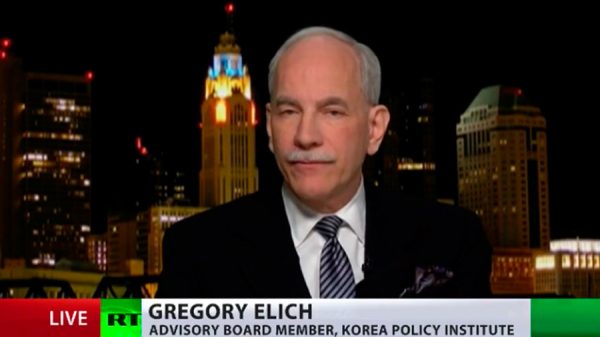
These are the words of my friend, Gregory Elich. They’re not uncommon during this pandemic but I believe his story must be shared within the current climate of uncertainty, misinformation, and division. My goal is not to “set the record straight.” Rather, Greg agreed to this interview because we both saw value in reminding folks of the harsh human realities that exist beyond the headlines, debates, and confusion.
This interview is about one person but his harrowing tale encapsulates much of what’s still going on across the globe. Like Greg, I live alone and I often ponder the logistics of a simple question: What happens if I get sick during the lockdown?
Questions like this highlight what I talked about in a recent article, e.g. the importance of focusing on what is within our control. Therefore, no matter where we stand on the ideological spectrum, we must never forget our shared humanity. Beneath the partisan politics, conflicting theories, and medical contradictions are vulnerable human beings trying to survive — emotionally, financially, and physically. I’m very grateful Greg got through this and has agreed to tell us a little about it.
For the record, I met Greg in 2004 when we were both featured speakers at a large political event in Santa Cruz, California. In the ensuing years, we’ve stayed in touch, wrote blurbs for each other’s books, and developed a strong friendship. I reached out to him via e-mail in early May to do this interview. It went a little something like this:
Mickey Z.: When did you first experience COVID-19 symptoms?
Gregory Elich: I became infected in early March, at a time when it was nearly impossible to get tested. My state, Ohio, followed CDC guidelines to determine where to direct limited testing capacity. Initially, testing was restricted to those who had recently been abroad or to those who had contact with someone who had tested positive for COVID-19. Since virtually no one could get tested, there was practically no way one could have contact with anyone testing positive. Later on, the guidance was adjusted so that testing was limited to healthcare workers and hospitalized people showing symptoms.
Under the circumstances, all that could be done was to test me for normal type A or type B flu. Had either test produced a positive result, it would have ruled out COVID-19. The results of those tests were negative.
MZ: Do you feel confident you would’ve tested positive for COVID-19?
GE: I believe so. This virus is like nothing I’ve ever experienced, and my symptoms closely matched those that have been reported. Naturally, since it was not possible to get tested, I am not included in the statistics. At that time I was reading about so many others who, like me, were repeatedly stymied in their efforts to get tested, regardless of how sick they were. I suspect there are millions of people who were in the same situation.
MZ: It’s interesting that the final count will never truly be known and how this fact will be used by a wide range of groups as evidence for whatever their angle on the pandemic may be. How would you respond to someone who wouldn’t want to list you among the COVID-infected or would doubt such status?
GE: Obviously, I cannot prove it, unless someday I can get tested for antibodies. The reader can judge from the description of my experience whether or not to believe that I was infected with COVID-19. However, my case is irrelevant to the larger argument about the overall impact of the virus. My experience does not alter the fact that a great many people who were seriously ill were unable to get tested. Also, a great many people who died were not counted, since the dead aren’t typically tested for COVID-19. Because the virus interferes with the passage of oxygen to the bloodstream, it can wreak havoc in a variety of organs. In particular, cardiac arrest is not uncommon. COVID-19 can bring death in a variety of ways. It concerns me that policy decisions are being made based on flawed statistics that undercount the true extent of the pandemic in this country.
MZ: Back to you and the illness, how did it manifest for you?
GE: I’ve never been so sick in my life. The experience people have with this virus ranges from being asymptomatic on one end, to life-threatening at the other. I’d say mine fell right in the middle and would be labeled as mild or moderate. The terms are relative, of course, as there was nothing in this ordeal that seemed quite so gentle to me.
The first two days, my only symptom was an intense headache beyond anything I had ever experienced before. On the third day, the dry coughing began. Nonstop coughing fits would come and go in cycles, usually lasting around two to three hours, interspersed with approximately equally long periods where the coughing was sporadic.
On the fourth day, I started feeling short of breath. As the days went on, the dry coughing worsened, as did the shortness of breath. Physically, I felt completely wiped out, and I spent almost all of my time lying down. I had to put an increasing amount of effort into each breath, which was wearing.
From the second week onward, the coughing fits intensified, with the longest one lasting around 35 consecutive hours.
Because I have sleep apnea, I have a continuous positive airway pressure (CPAP) machine. On several days, I used my CPAP machine during the daytime so that I wouldn’t have to work as hard to get enough oxygen.
While the CPAP helped to reduce the amount of effort I had to put into breathing, it did not change the fact that I was struggling. It was impossible to take a deep or even a moderate breath. My lungs felt constricted, and the sensation I had was that only the top third of my lungs were taking in air. That probably wasn’t literally the case, but the overall capacity was certainly limited.
MZ: Would the sleep apnea be considered an underlying risk for something like COVID-19?
GE: There is no evidence that sleep apnea is a risk factor. I think it is important to point out, though, that the exhaust from a CPAP mask is spectacularly effective at spreading the virus. So if anyone becomes infected by COVID-19 who uses a CPAP and lives with others, it is essential to sleep in a separate room.
MZ: Did the symptoms fluctuate?
GE: That was the oddest thing about the sickness. My condition was like a roller coaster. I could never tell if I was improving or not. There were two periods where I had three straight days where I seemed to be improving, and I thought I was on my way to recovery. In both cases, within the span of one or two hours, my condition plunged so rapidly and so steeply that it was alarming. I suddenly found myself feeling on the verge of suffocating, and I was gasping for air. All I could do was focus on putting all of my energy into each intake of air, inadequate though it was. The experience is worse than one could imagine, and the thought occurred to me that this would be a horrible way to die. During those periods, the CPAP was of no use, as trying to force air into my lungs when the capacity just wasn’t there only magnified the feeling of suffocation.
I read an article by a doctor who described the fluctuation perfectly. He said that when patients with COVID-19 crash, they crash very quickly and crash very hard. “Each patient is a ticking time-bomb,” he added, “and then — suddenly — they are gasping for air with plummeting oxygen levels and a plummeting blood pressure.”
MZ: Did you consider going to the hospital?
GE: The hospitals were overwhelmed. Respirators and ventilators were in short supply, as were personal protective equipment (PPE) for medical personnel. State officials were urging people not to go to the emergency rooms, lest they infect others. State officials were emphasizing that what little equipment and PPE was available needed to be reserved for those patients in the most severe condition. They advised that infected people should work through their doctors to determine when or if hospitalization was needed. In this situation, one has to consider the broader social need. Had I gone on my own to the hospital, I may have deprived someone who was in greater need, with perhaps lethal consequences for that person.
MZ: How did that play out for you?
GE: I had two tele-appointments with my doctor. I asked my doctor what sign I should watch for that should trigger me to call about arranging a trip to the hospital. He told me the key to judge by would be if I was sitting in a chair and by standing up, I was so out of breath I couldn’t take another step. That would be the way of determining if I needed a respirator or ventilator. As he pointed out, unless one needs a respirator or ventilator, there is no treatment for the virus that a hospital can offer.
MZ: This must have been hard to accept knowing how volatile your symptoms were.
GE: At my lowest points, the unsettling realization came to me that given the ferocity and rapidity of change with this virus, a further plunge could mean that I might not survive. Indeed, I felt so close to total suffocation that there seemed little room for further decline. There was no way to know what the next hour would bring. I was determined to fight my way through this, but at the same time, I calmly prepared myself mentally for any eventuality.
MZ: Was the doctor able to offer any long-distance help?
GE: At my first tele-appointment, my doctor prescribed an inhaler, codeine cough medicine, and an antibiotic to ward off pneumonia. On the second tele-appointment, I was prescribed more codeine cough medicine and prednisone to reduce inflammation in the lungs. These helped, although the cough medicine proved ineffective during my worse coughing fits.
MZ: Was the medicine delivered to you or were there times you could venture out to the pharmacy?
GE: I go to a small family-owned drug store, so it was possible to make special arrangements. I certainly did not want to infect anyone there, so I waited until I was in one of my milder cycles. Then I called the pharmacy and arranged a set time to show up at their parking lot. Once there, I remained about 100 feet from the door. At the prearranged time, one of the pharmacists came out and set my bag on the ground. Once she was back inside, I went and picked it up. On my way home, I mailed them a check.
MZ: We’ve all heard about the 14-day incubation period. How long were you feeling ill?
GE: I was sick for around six weeks. It lasted so long that it was difficult for me to imagine being well again. But I did recover, and now I am just so happy to be alive and healthy!
MZ: It’s so jolting to have a specific face put on something as abstract as a “pandemic.” I hope that’s what we’ve accomplished here, in a way. Before we wrap up, is there anything else you feel compelled to share or say about your experience in particular or this entire crisis, in general?
GE: I am grateful to my cousin and several friends who phoned me and/or e-mailed me on a daily or near-daily basis. Their support substantially raised my spirits and made it much easier to cope.
My experience was nothing compared to that of many others. I can’t imagine what it must be like for those who need to go on a respirator or ventilator.
Amid my sickness, my sleep doctor sent out a mass e-mail, evidently to all of his patients. His message included a photo of his wife and a note that she has been on a ventilator for one week with no sign of improvement. He asked everyone to pray for her. I could imagine the anguish and desperation that drove him to send that e-mail. Looking at his wife’s photo, she was so young. I couldn’t stop crying, thinking of what my sleep doctor was going through emotionally and what his wife was going through physically.
It may sound odd, but during my illness, I felt directly connected to every human being across the world who was struggling with COVID-19. That feeling was most intense when I wasn’t entirely sure what my fate would be, but it continues to this day. The virus has brought so much death, suffering, and struggle. It felt like a global tidal wave of human sorrow.
As far as my general feeling about the entire crisis, that can best be summed up by simply stating that human life should come first.
MZ: After such an experience — one that could be accurately described as near-death — do you feel any palpable changes in your daily mindset or perspective?
GE: I’m not sure I’d describe it as a near-death experience, in that I never reached the point where I needed a respirator or ventilator. However, had there been a further decline at a crucial moment, I think I would have been at the edge.
At any one moment, there was no way I could predict which direction I would go, so it was close enough to set me thinking.
What surprised me was being able to calmly face the possibility of death. Aside from that, striving for achievement seemed to lose importance, and the experience only reinforced my belief in the importance of treating others with kindness and respect. I would also add that the support I received from my cousin and friends only reemphasized that in life all we really have that matters is each other.
Actually, I am still sorting through my feelings and this may take some time to fully work through.
***
Gregory Elich is a Korea Policy Institute associate and on the Board of Directors of the Jasenovac Research Institute. He is also a member of the Solidarity Committee for Democracy and Peace in Korea. His website is https://gregoryelich.org Follow him on Twitter at @GregoryElich or @GElich_music
Mickey Z. can be found on Instagram here. He is also the founder of Helping Homeless Women – NYC, offering direct relief to women on the streets of New York City. To help him grow this project, CLICK HERE and make a donation right now. And please spread the word!
FBI no longer trusted? ODNI says spies will take over US election security briefings
RT | May 15, 2020
The Office of the Director of National Intelligence (ODNI) has reassigned the job of counter-intelligence briefings to US political campaigns and candidates from the FBI, presumably over the misconduct during the 2016 election.
Going forward, all intelligence-based threat briefings to “candidates, campaigns and political organizations” will be provided by the National Counterintelligence and Security Center, the acting head of ODNI Richard Grenell announced on Friday.
The announcement went almost unnoticed in Washington until pointed out by filmmaker Mike Cernovich, who said it amounted to “a polite way of saying that the FBI is no longer trusted.”
Donald Trump Junior confirmed that interpretation, saying that the FBI and other institutions has been “corrupted at the top and need a thorough cleaning before they gain back the trust Americans once bestowed upon them.”
The change is but the latest reform Grenell has pushed through at the ODNI since he took over as acting chief in February. It follows last week’s revelations that the FBI sought to entrap President Donald Trump’s first national security adviser Michael Flynn after the 2016 election, first getting him fired from the White House and then improperly prosecuted for perjury.
Previously, the DOJ inspector-general found that the FBI sought to spy on the Trump campaign in 2016 while using counterintelligence “defensive briefings” as cover, and obtained four FISA warrants to do so based mainly on the fraudulent “pee tape” dossier compiled by British spy Christopher Steele on behalf of Hillary Clinton and the Democrats.
At the time, the FBI, CIA and the ODNI provided fuel and cover for Democrat accusations that Trump had “colluded” with Russia to win the election, which have since been shown as entirely unfounded.
The FBI and Department of Homeland Security will still work with the intelligence community to “identify and integrate threat information,” but the task of briefing candidates and campaigns will be entrusted to NCSC Director Bill Evanina, overwhelmingly confirmed by the Senate earlier this month.
Evanina “will act swiftly to deliver the timely and thorough assessments to those affected by potential malicious influence,” the ODNI said, describing the change as an “important improvement and simplification” of the current process.
Congressman John Ratcliffe (R-Texas) has been nominated to take over as permanent ODNI director, but his Senate confirmation is still pending.
Senate Foreign Relations Committee to vote on $38 billion package to Israel

Prime Minister Netanyahu meeting with Senate Foreign Relations Committee Chairman Robert Menendez in January 2014. (Jerusalem Post )
By Alison Weir | If Americans Knew | May 15, 2020
While millions of Americans are out of work due to the coronavirus, the Senate Foreign Relations Committee is poised to vote for a 10-year package to give Israel $38 billion.
The vote was scheduled for Wednesday May 14th, but the committee meeting was postponed. Phone calls and emails to the committee asking when the vote will be taken have not been returned. (There don’t appear to have been any public announcements or media reports that the vote had been scheduled.)
The legislation is a top priority for AIPAC (the American Israel Public Affairs Committee),
The bipartisan bill – S.3176 – was introduced by an Israel lobby favorite, Marco Rubio (R-FL). It is cosponsored by 19 Republicans and 18 Democrats, despite the fact that Israel has a long record of human rights violations.
A related bipartisan bill was passed by the House of Representatives on July 23, 2019, H.R.1837. The House suspended the rules and passed the bill with a voice vote. The House bill was introduced by another Israel lobby favorite, Rep Ted. Deutch (D-FL-22), and has 150 Republican cosponsors and 142 Democratic cosponsors.
U.S. media have largely failed to tell Americans about this legislation.
Voters wishing to give their opinion on the legislation can reach the members of the Senate Foreign Relations Committee by phoning the Capitol switchboard (202-225-3121) and asking for each Senator by name. An operator will connect callers to the Senator’s office, where they can leave a message.
The AIPAC website features a video of an AIPAC official describing their work to procure aid for Israel even during a time of financial devastation to the US:
Featured Video
Weaponized Journalism: 2021 Sayer Ji Interview with NPR
or go to
Aletho News Archives – Video-Images
From the Archives
How Rothschild Banking Clan Uses Its Vast Wealth to Influence World Events and Control Governments

By Ilya Tsukanov – Sputnik – 15.09.2024
How powerful is the Rothschild banking family? How did they amass their fortune? Just how rich are they? Do they secretly control the world? Sputnik explores. … continue
Blog Roll
 Aletho News
- Dockworkers launch global strike against Israeli and US military shipments
- Europe facing gas price shock – Gazprom chief
- Ukraine continues recruiting people with disabilities
- Weaponized Journalism: 2021 Sayer Ji Interview with NPR
- Beyond Netanyahu: what Israel’s election means for Palestinians
- Lithuania plans universal conscription
- Lies, Damn Lies, and Ukraine News
- Financial Times rejects Nordic demands to correct Putin call story – media
- The Case for Less Unity in Europe
- Ukraine expands minority rights under EU pressure – but Russians remain excluded
- If Americans Knew
- An error has occurred; the feed is probably down. Try again later.
- No Tricks Zone
- Germany’s Green Energy Transition Becoming Increasingly Expensive…Another 6 Trillion Euros!
- Sudden Stratospheric Warming, Powerful El Niño Combination May Lead To Extreme Europe Cold, Energy Crisis!
- Two New Studies Find Thwaites Glacier Melt Cannot Be Driven By Human Activity Or A Warming Ocean
- E-Cars Reduce CO2 Emissions By Only 41% Compared To Internal Combustion Engine Vehicles
- Predictions Made By Renowned Climate Professor Over Past Decades Have Been Proven To Be Poor
- New Study Suggests Large Regions Of The Pacific Ocean Have Been Cooling For The Last 80 Years
- Germany’s Green Energy Debacle: High Energy Costs Force Kahla Porzellan to Close After 182 Years!
- New Study: 50 Years Of The Most Aggressive ‘Net Zero’ Policies Can Only Affect The Global Climate By 0.03°C
- US September “Heat” Was No Record…Many Records Set Decades Ago
- Latest European Green Energy Debacle; Portugal’s Largest Flagship Solar Park Insolvent!

