While Gaza dominates the UN, these are the people keeping it alive
By Ramzy Baroud | MEMO | September 30, 2026
When I first saw footage of Gaza doctor Munir al-Bursh and his family kneeling beside the white-shrouded body of his son, surrounded by mourners, I thought it was an old video. It was not.
My conclusion, however, was understandable. In December 2023, only months after the start of the Israeli genocide in Gaza, the al-Bursh family was targeted in an Israeli attack. Dr. Munir, director-general of Gaza’s Ministry of Health, was wounded. So were other members of his family. His daughter, Jinan, only 13, was killed.
That same day, Gaza’s beloved doctor was back at work, joining the many doctors across the Strip trying to save lives as Israel’s killing machine claimed them by the thousands.
Alas, the latest footage was not old footage resurfacing. It was a new coffin, a new funeral, another child buried by the same family. This time, the attack took place during what some in the media continue to call the ‘Gaza ceasefire.’
On September 19, an Israeli drone strike killed al-Bursh’s eldest son, Basir, outside a tent west of Jabaliya refugee camp.
“We were together side by side,” the grieving father recalled. Basir had warned him: “The Israelis are targeting both of us.” Moments later, his son stepped outside the tent and was killed.
One can be forgiven for confusing Gaza’s present with its recent past. The scenes emerging today are almost indistinguishable from those that preceded the so-called ceasefire of October 2025. The sequence repeats itself with terrible familiarity: Israeli strikes, shelling and sniping; Palestinians killed; the bereaved carrying their dead through Gaza’s destroyed streets, searching among the ruins for somewhere to bury them.
Al-Bursh’s story is part of this terrible continuum, but its significance extends beyond his personal loss. Throughout the genocide, he and other Palestinian doctors became Gaza’s de facto spokespeople. They counted the dead and wounded, documented hunger and destruction, and chronicled the collapse of the medical system from within its hospitals.
In the process, they became Gaza’s highest moral authority, more credible than politicians or self-proclaimed leaders.
And the world listened. Gaza’s doctors forged a bond with global civil society that no political institution could manufacture.
Perhaps that helps explain the staggering price Gaza’s medical community has been made to pay. According to the World Health Organization, more than 1,700 healthcare workers have been killed since 2023, amid at least 920 attacks on healthcare.
Dr. Hussam Abu Safiya, like Dr. al-Bursh, became a symbol of that medical resistance. The director of Kamal Adwan Hospital remained at his post through siege and repeated Israeli attacks before Israeli forces detained him in December 2024. He remains imprisoned without charge or trial, amid reports from his lawyer of beatings and deteriorating health.
Dr. al-Bursh, meanwhile, remains steadfast despite repeated blows that would have broken many others. His wife, too, embodies sumud, the Palestinian tradition of steadfastness nurtured at home and passed from one generation to the next.
Even in the immediate aftermath of his son’s killing, al-Bursh continued warning about Gaza’s collapsing healthcare system. Indeed, hospitals have been forced to suspend scheduled surgeries and outpatient services, while severe shortages of fuel, medicines and equipment continue.
“The limited quantities of fuel reaching the enclave barely keep health facilities alive,” al-Bursh warned a day after his son’s murder.
His statement came as world leaders gathered thousands of miles away, in New York, for the 81st session of the United Nations General Assembly.
And once again, Palestine echoed through speech after speech, though this time the language carried a new urgency.
Spanish Prime Minister Pedro Sánchez condemned “the genocide that Netanyahu continues to perpetrate in Gaza.” UN Secretary-General António Guterres described Israel’s mass extermination as involving “a scale of killing and destruction unlike anything I have witnessed” during his tenure. Even French President Emmanuel Macron called Gaza “a spectacle that shames us all,” asking: “What is our credibility worth if we remain inactive on Gaza?”
Then came Israeli Prime Minister Benjamin Netanyahu.
Dozens of delegates walked out as he approached the podium, leaving row upon row of empty seats, while protests continued outside the UN. Netanyahu responded by calling those who departed “moral cowards.”
One might pause here and speak of tides turning, currents changing and a world slowly loosening the decades-long grip of Israel and its American benefactor.
But Gaza does not have the luxury of time. While the words reverberate through the halls of the United Nations, children are still killed in front of their families. Mass funerals remain part of Gaza’s daily rhythm.
Approximately 1.7 million people remain displaced, many under inadequate shelter, without sufficient clean water or sanitation. Hospitals remain crippled. And above this landscape of ruin, the drones still circle.
Between today and the next UN General Assembly lies an entire year—365 days in which those words can either acquire meaning or become yet another entry in the long archive of speeches on Palestine. However, there is time for rhetoric to become policy: for sanctions to be imposed, boycotts activated, meaningful aid delivered and those responsible for war crimes held accountable.
Until then, Dr. Munir al-Bursh and thousands of Gaza’s men and women will continue to hold the fort amid shattered hospitals, destroyed homes and an exhausted population.
Their resilience is extraordinary. But Gaza cannot be expected to endure simply because it has proved capable of enduring.
In New York, Palestine is spoken of from the podium. In Gaza, Palestinians are still being carried to their graves.
It is time to close the distance between words and action, once and for all.
New Report: “Scholasticide and Genocide in Gaza: Assessment, Testimonies and Legal Analysis”
Palestinian Center for Human Rights – September 28, 2026
In cooperation with the Centre for Palestine Studies at SOAS University London and Friends of Palestinian Universities, the Palestinian Centre for Human Rights (PCHR) has released a new report, “Scholasticide and Genocide in Gaza: Assessment, Testimonial and Legal Analysis,” documenting Israel’s systematic destruction of Gaza’s educational system and examining how this policy forms an integral part of Israel’s ongoing three-year genocide against Palestinians in the Gaza Strip.
The report demonstrates that Israel’s attacks on education in Gaza, including on UNRWA educational faciltiies and staff, go far beyond the destruction of schools and universities or the killing of Palestinian teachers. They constitute a comprehensive policy aimed at dismantling the educational, intellectual, social and cultural foundations necessary for the continued existence and development of Palestinian society.
Drawing on dozens of testimonies and affidavits collectd by PCHR field researchers and lawyers in Gaza, alongside PCHR’s extensive documentation, open-source material, United Nations reports, academic research and relevant international jurisprudence, the report identifies five interconnected patterns of scholasticide: the killing of students, teachers and academics; causing serious bodily and mental harm to them; destroying of educational facilities; obstructing the establishment alternative educational structures; and imposing genocidal conditions that prevent students from accessing education.
By July 2026, PCHR had documented the killing of approximately 20,051 students, more than 830 teachers and educational staff, and over 194 scholars, academics and researchers. Nearly the entire educational infrastructure in in Gaza has been extensively damaged or destroyed, while hundreds of thousands of students have endured prolonged interruption of their education amid displacement, starvation, bombardment, loss of family members, destruction of homes, lack of electricity and internet access, and the collapse of essential services.
PCHR’s report finds that certain acts committed within Israel’s campaign of scholasticide constitute genocidal acts under Article II of the Convention on the Prevention and Punishment of the Crime of Genocide, including killing members of the protected group, causing serious bodily or mental harm, and deliberately inflicting conditions of life calculated to bring about its physical destruction in whole or in part.
The report further highlights the long-term impact on Palestinian children and young Palestinians, including psychological harm, educational loss, diminished future opportunities and intergenerational trauma. Israel’s erasure of the educational infrastructure and broader civilian life in Gaza does not only constitute an attack on the rights of the present generation but also on the future generations.
Education has historically played a central role in sustaining Palestinian identity, knowledge, social cohesion and cultural continuity, particularly in the context of prolonged displacement and occupation. Israel’s destruction of universities, schools, libraries, academic records and cultural institutions therefore carries consequences far beyond the loss of physical infrastructure. It seeks to sever Palestinians from their history and intellectual life, diminish their capacity to rebuild their society, and deprive future generations of the means to learn, develop and participate fully in their community.
PCHR stresses that the destruction of Gaza’s education system did not begin on 7 October 2023. For decades, Palestinian schools, universities and educational institutions have been subjected to attacks, restrictions and destruction during successive Israeli military operations. The unprecedented scale of destruction since October 2023 however represents the culmination and intensification of this longstanding pattern.
PCHR calls on the international community, particularly States Parties to the Genocide Convention, to:
- Take immediate and effective measures to bring Israel’s genocide against the Palestinian people in Gaza to an end, including its policy of scholasticide.
- Ensure full compliance with the three provisional measures ordered by the International Court of Justice in the case of South Africa v. Israel.
- Impose a comprehensive arms embargo on Israel and halt all military, financial and other assistance that may contribute to the commission of international crimes.
- Support international accountability mechanisms, including the International Criminal Court, and ensure that those responsible for genocide, war crimes and crimes against humanity are investigated and prosecuted.
- Take concrete measures to protect Palestinian students, teachers, academics and educational institutions and guarantee the restoration of the right to education in Gaza.
- Provide sustained support for the reconstruction of Gaza’s schools, universities, libraries and educational infrastructure, while ensuring that reconstruction does not substitute for accountability.
- Address the long-term psychological, educational and developmental consequences suffered by Palestinian children and young people and ensure their access to rehabilitation, mental-health support and inclusive education.
EU Council Advances Chat Control 2.0 Scanning Proposal
By Ken Macon | Reclaim The Net | September 28 2026
EU’s Council is again pushing for the new chat control regulation to allow the bloc’s police to order internet companies to scan people’s private communications for illegal content in “parts of a service” for a period of time, rather than having to obtain a warrant to target a specific suspect.
This is one of the three key points from a note (PDF) prepared for the sixth and potentially final trilogue on the legislation, also known as Chat Control 2.0, that is to take place on Tuesday, 29 September. The document, dated September 18, was leaked from the Council and is marked as a “presidency note.”
The Council, the European Parliament (EP) and the European Commission (EC) will be negotiating behind closed doors, with the latter represented by Commissioner for Internal Affairs Magnus Brunner.
The other two key points are that the Council believes limiting searches to specific suspects would “not generate any added value compared to the possibilities already existing under criminal law,” and that it wants the scope of the new rules to remain broad, covering not only known illegal photo and video content, but also new material, and “the solicitation of children.”
The note is based on previous discussions and reveals that the EP is willing to accept an approach that requires search plans, but with the caveat that they must be “targeted” and subject to review by judicial or independent administrative authorities.
The Council, however, wants searches to be authorized in “parts of a service or, where possible, to individual users,” and that the search plan would have to include the technologies used and other relevant safeguards, again subject to review.
The note reveals that the Council also wants to make sure that any mechanism to review and possibly suspend searches “should operate in a manner that does not deter providers from carrying out own-initiative searches.”
As a last resort, the Council will ask member states if they would be willing to drop “own-initiative searches or detection orders on non-public content” from the scope of the regulation – but only if no other compromise can be found “providing at least for the same level of effectiveness as the current voluntary practice.”
Former German member of the European Parliament for the Pirate Party Patrick Breyer has no doubt that what is being proposed is “mass surveillance by another name,” and that the goal of the Council, Commission and some member states is to “permanently normalize mass surveillance across Europe.”
Breyer said that the proposal to scan “parts of a service” would in reality mean that “every user in the EU” would be subject to this.
And, he noted, this is not a new system that would replace the old one, but would rather exist in parallel with it. The old system, meanwhile, “is a proven disaster,” the former MEP said, revealing that in Germany, over half of investigations target minors for “consensual sexting” while 75 percent of flagged chats are “not actionable.”
The Council’s own legal service has in the past said that scanning an entire service or parts of it is “highly probable” to be found “general and indiscriminate” surveillance, and therefore unlawful.
Ex-Greek MEP files complaint against Israeli spyware firm over alleged Pegasus surveillance
MEMO | September 28, 2026
Greek journalist and former European Parliament member Stelios Kouloglou filed a criminal complaint Monday against officials at Israeli spyware maker NSO Group, alleging that his phone was infected with Pegasus while he served on a parliamentary inquiry into surveillance software, Anadolu reports.
The complaint was submitted to the Athens prosecutor’s office, Greek public broadcaster ERT reported. Kouloglou said a forensic examination by the University of Toronto’s Citizen Lab found that his phone had been infected around Oct. 21, 2022, and again on March 6 and 7, 2023.
At the time, he was a substitute member of the European Parliament committee investigating the use of Pegasus, Predator and similar spyware. The complaint said the infections coincided with significant phases of the committee’s work.
Kouloglou alleges the spyware could have given those responsible access to communications, contacts, documents, location information and data related to his political work. The complaint seeks an investigation into alleged breaches of communications privacy, unauthorized access to data and violations of personal data law.
Speaking after filing the complaint, Kouloglou said surveillance was an issue affecting all citizens and expressed hope that Greek prosecutors would investigate the case.
His lawyer, Zacharias Kesses, said no action had previously been taken despite the allegations being known.
Troubling ideas throughout the Torah, Talmud, Mishneh Torah and Tanya
The future of the planet depends on uprooting Jewish supremacy

By Nahida Exiled Palestinian | September 28, 2026
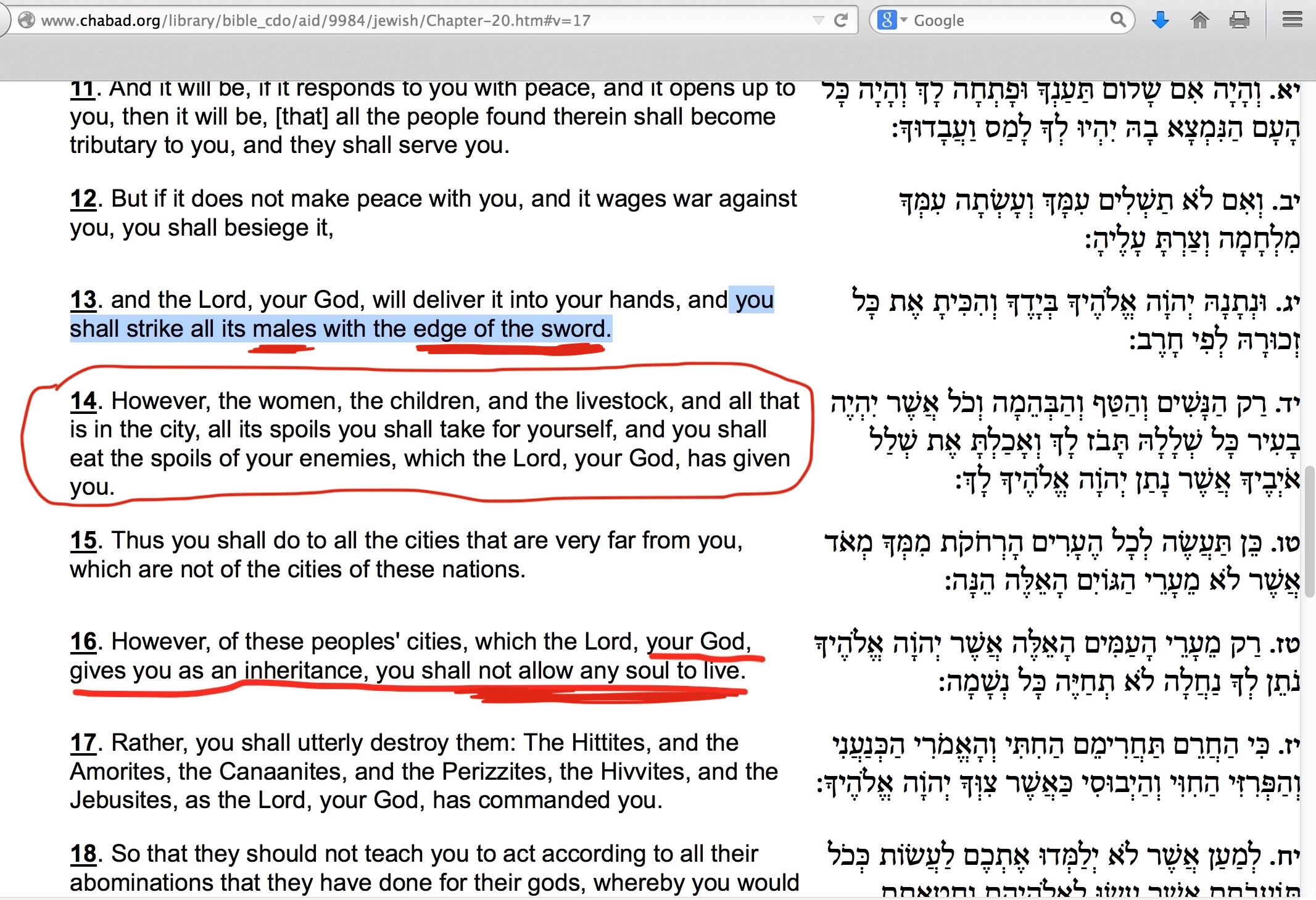
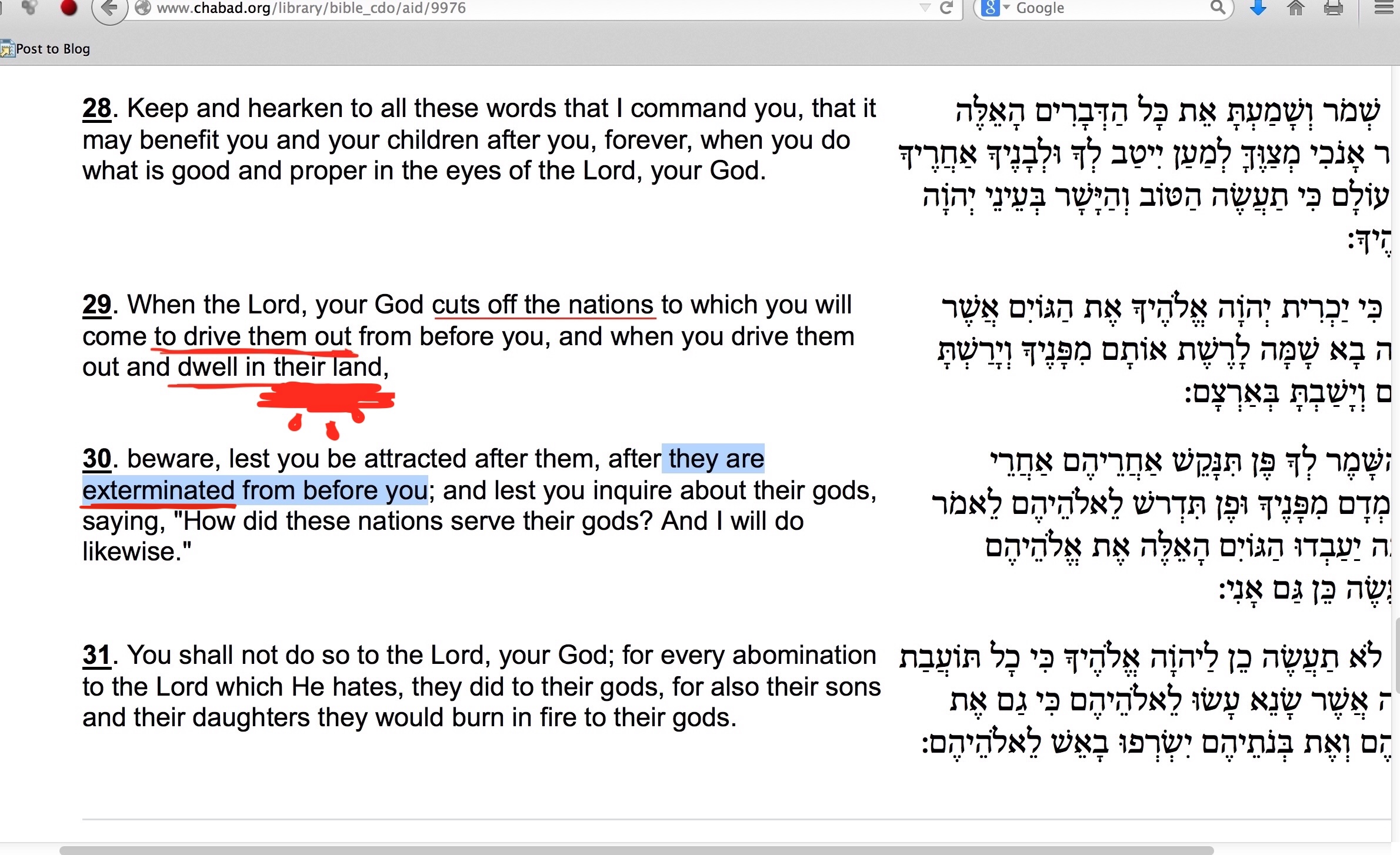
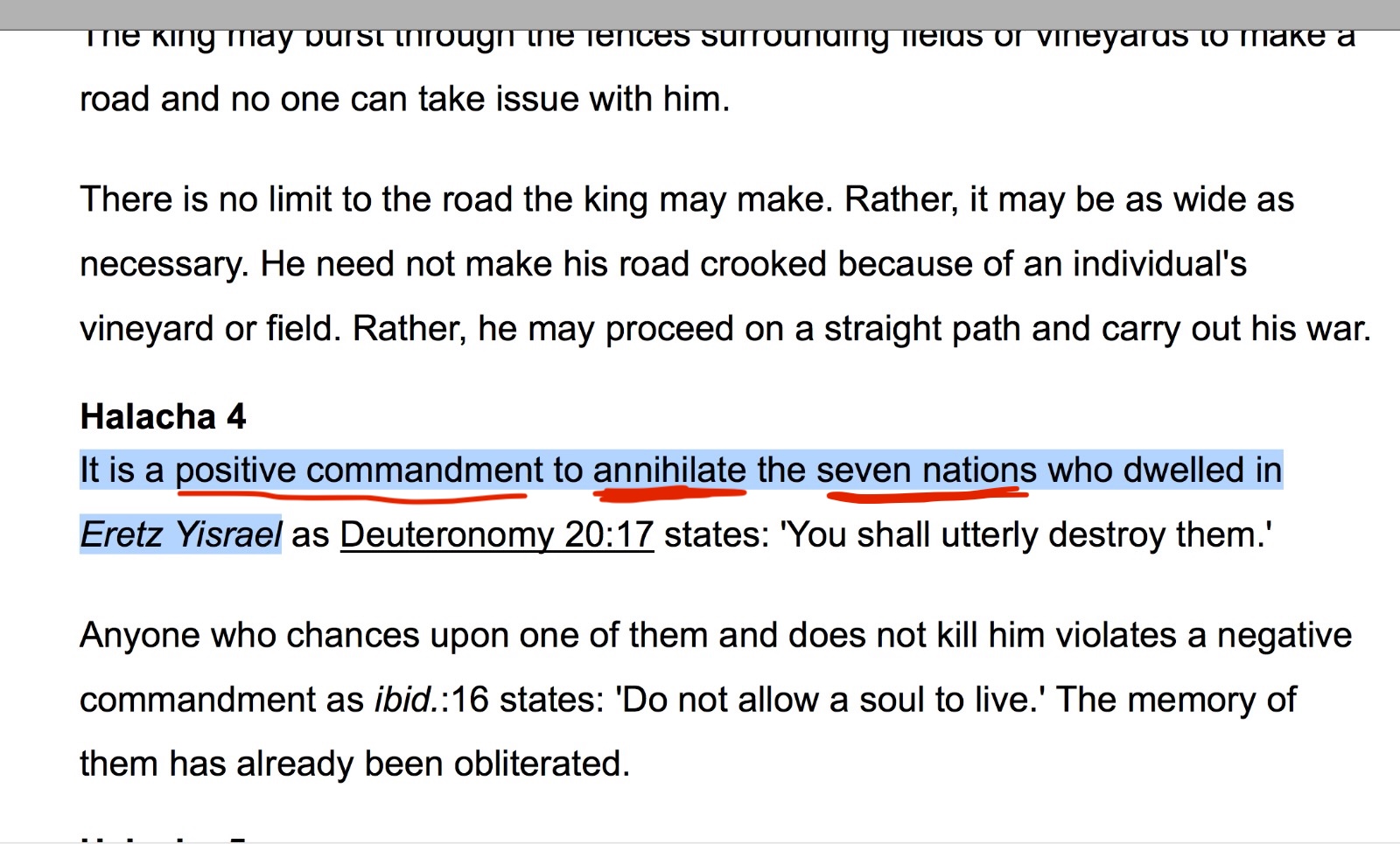
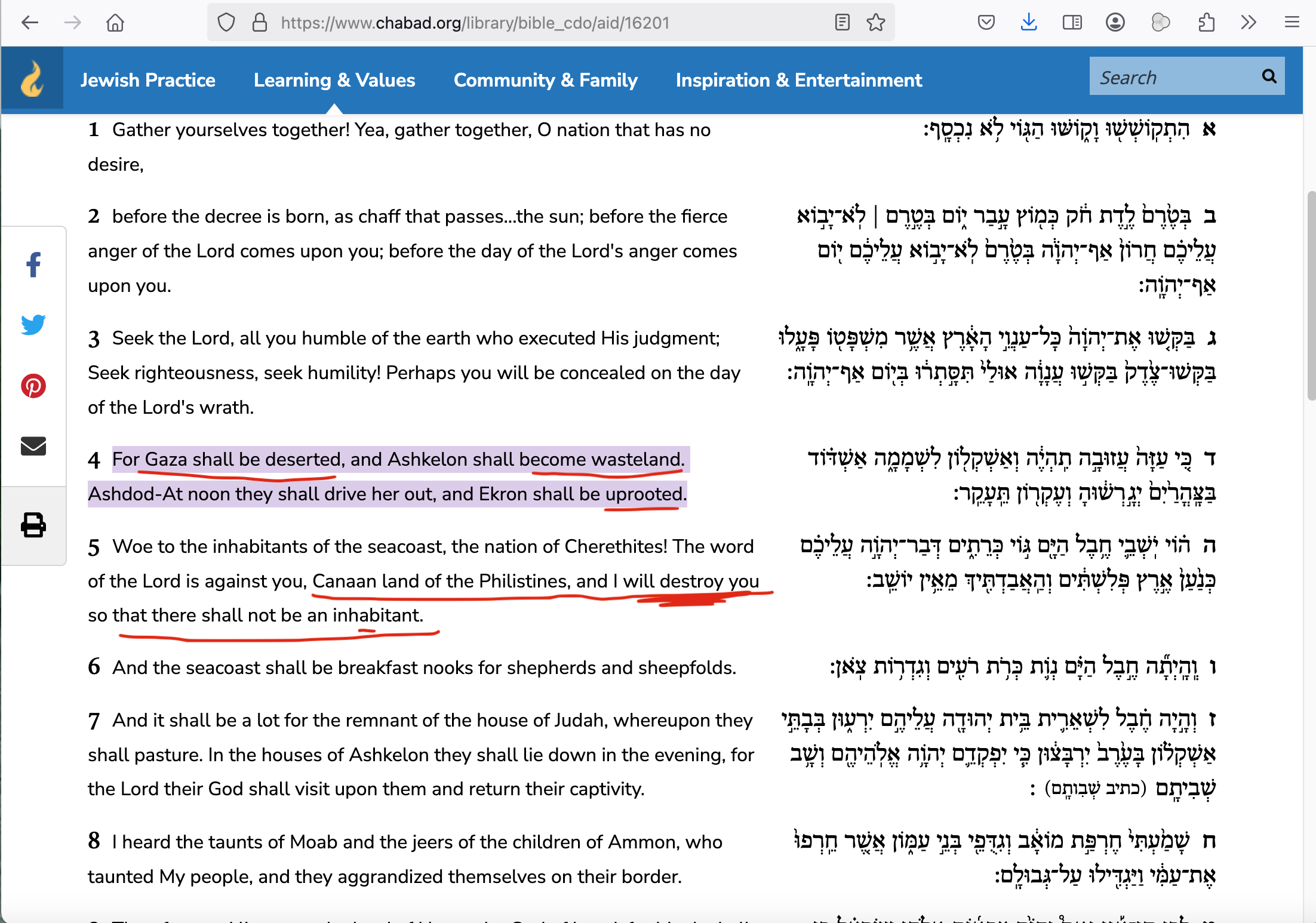
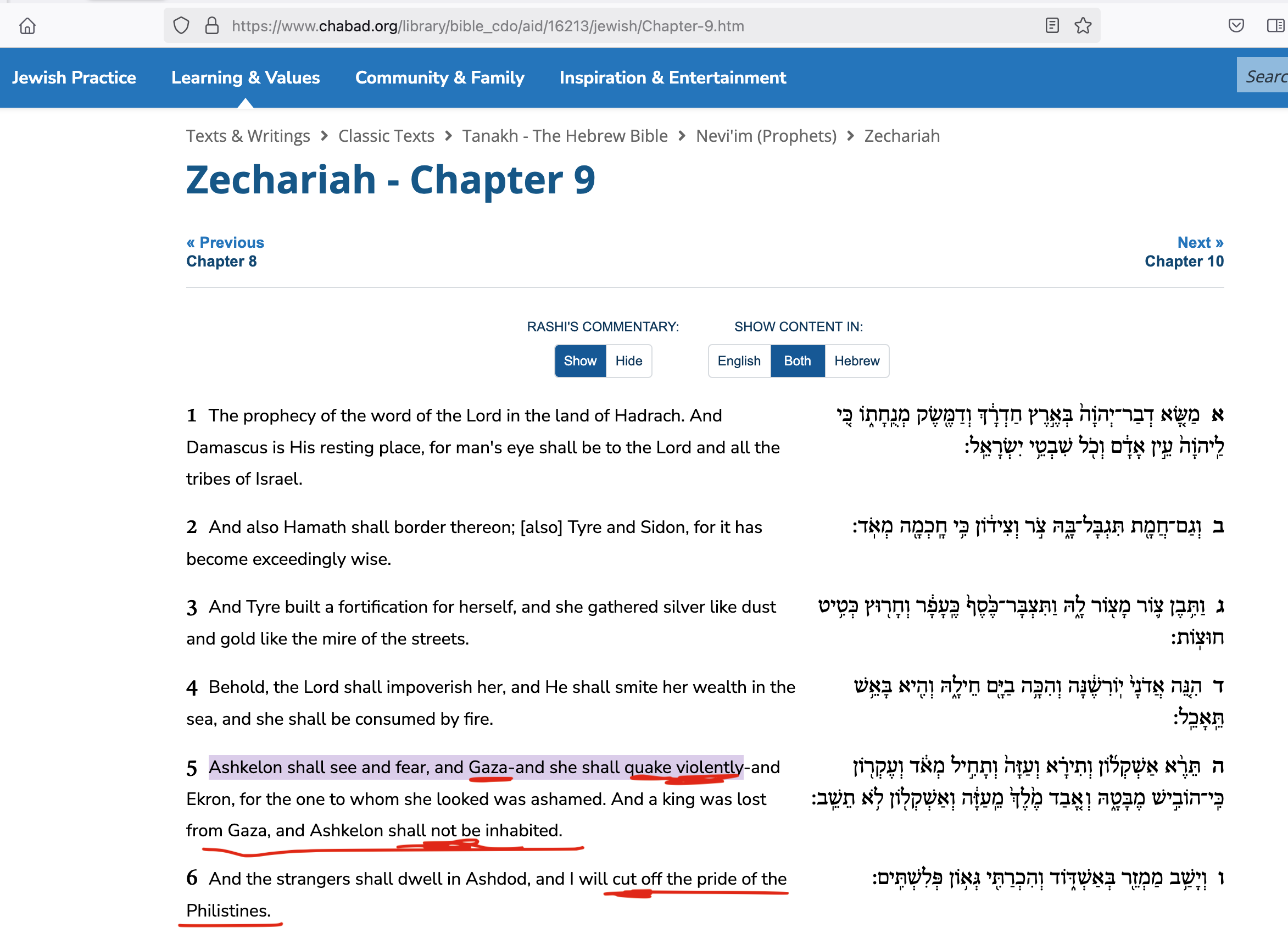
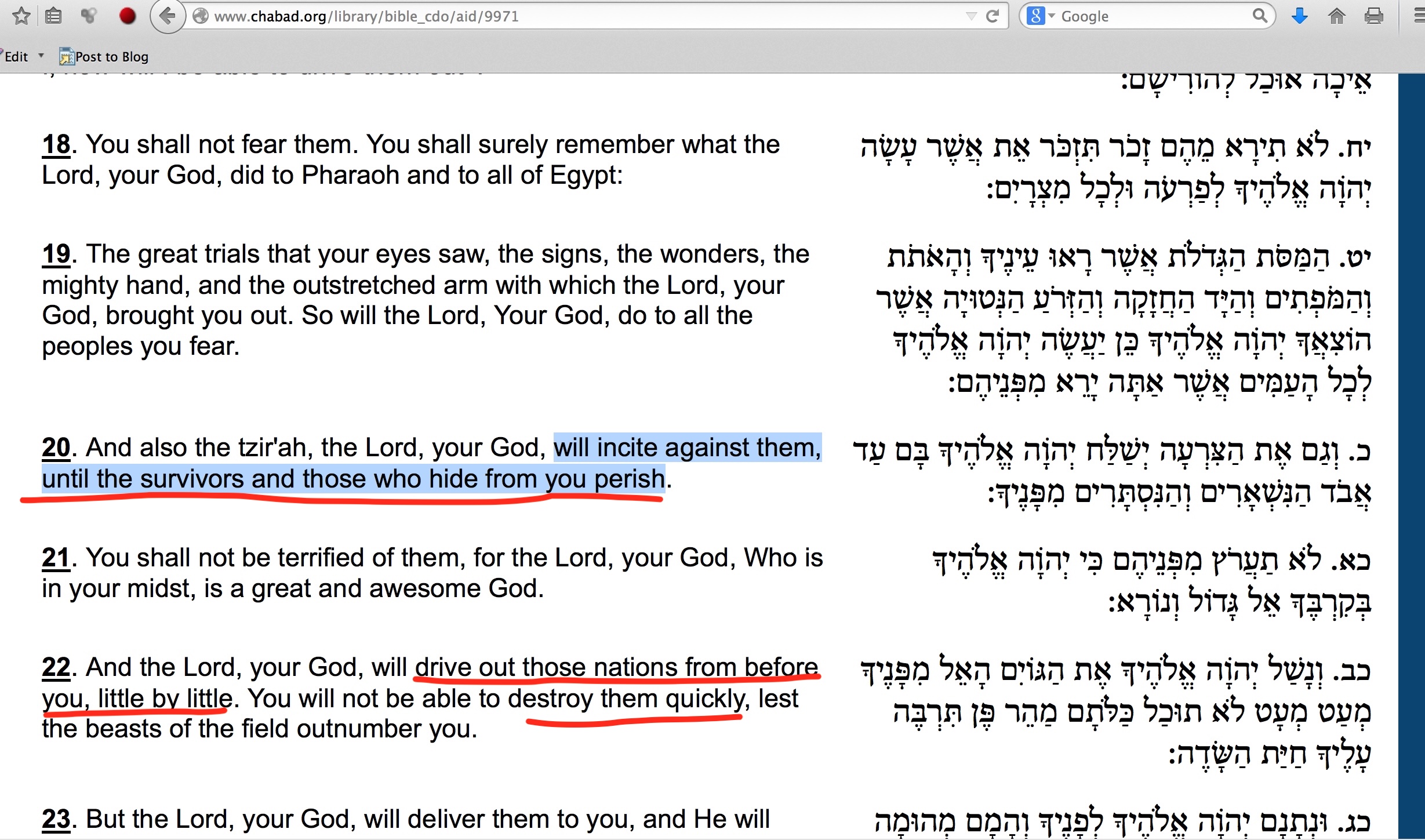
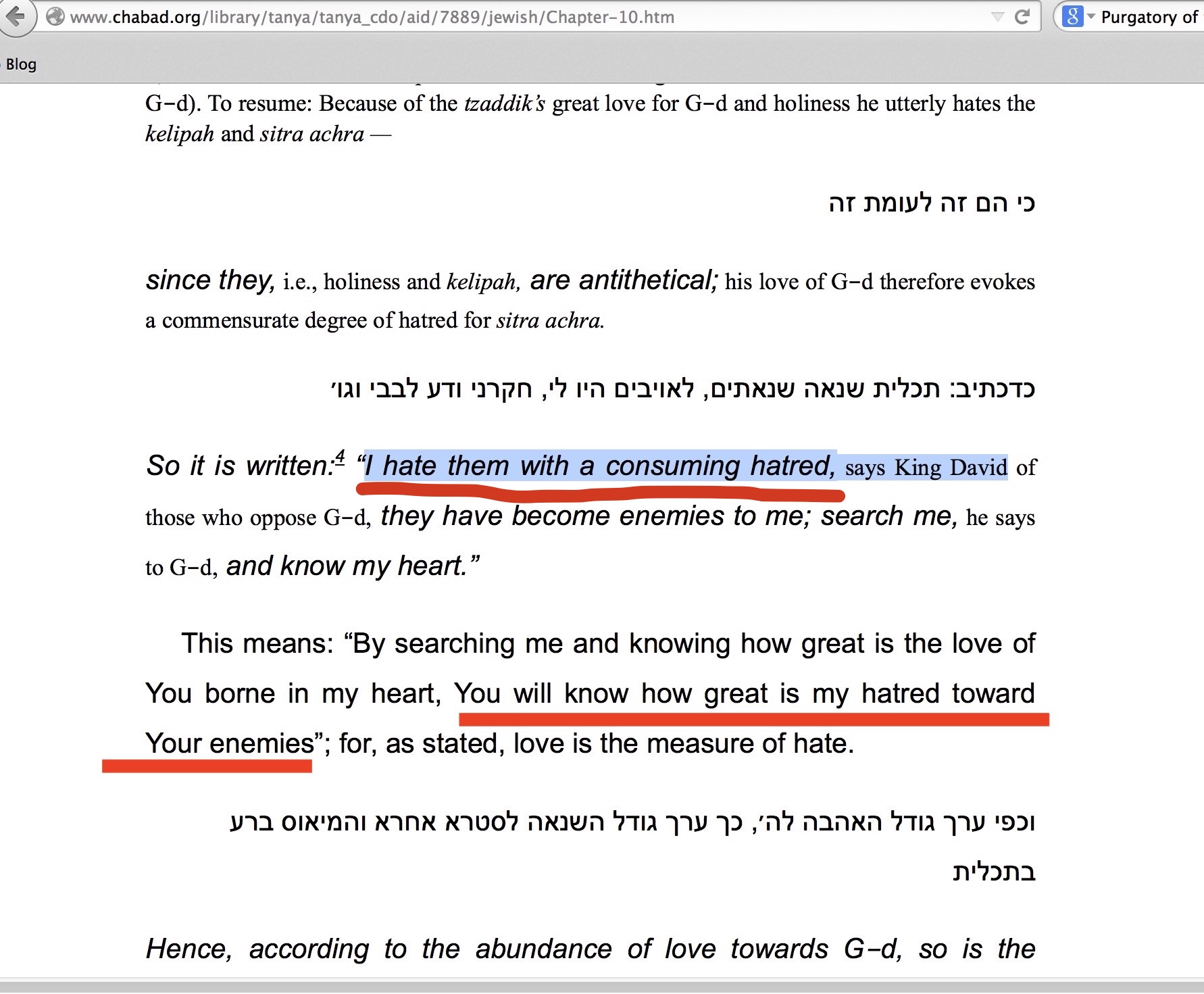
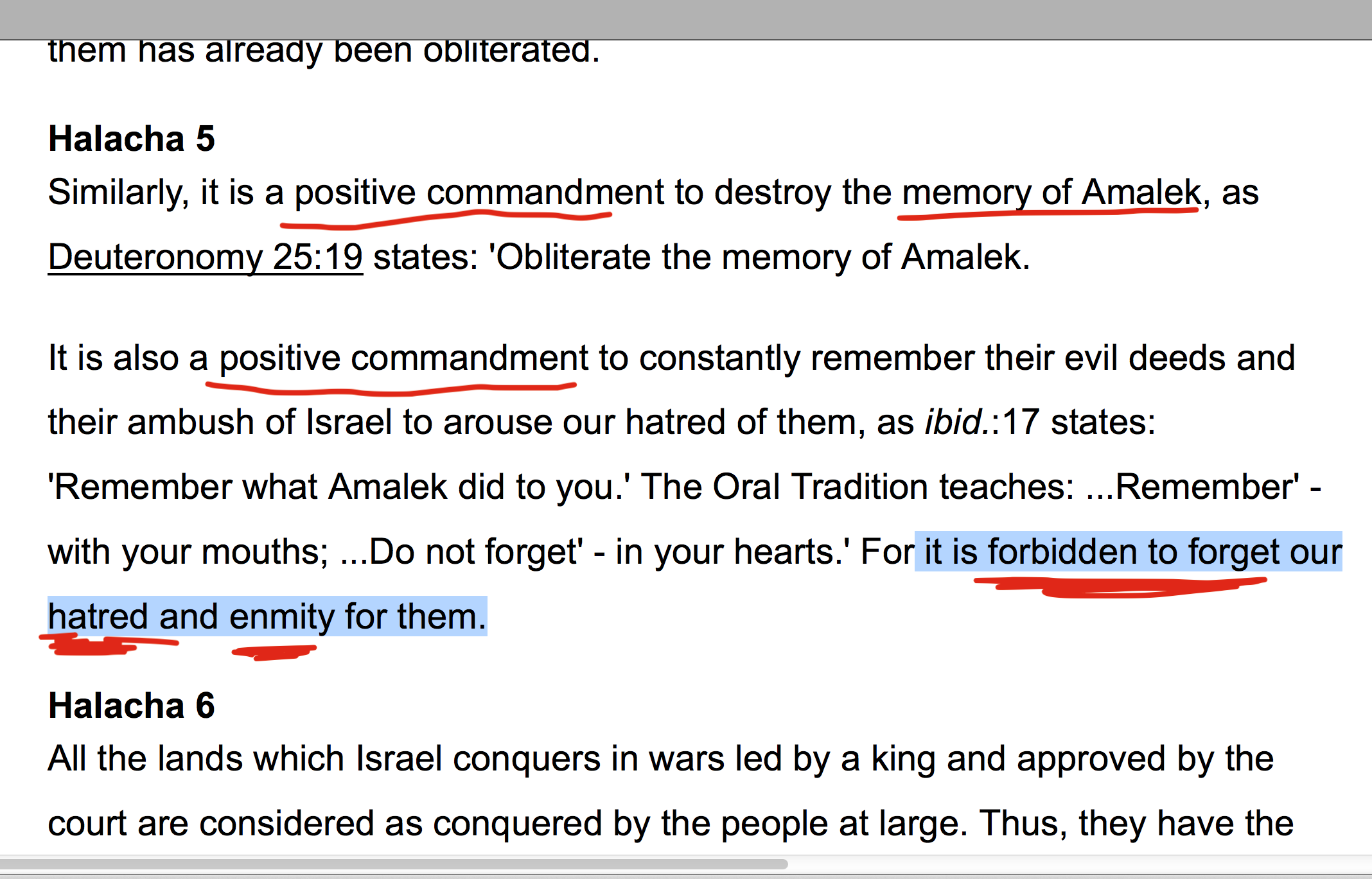
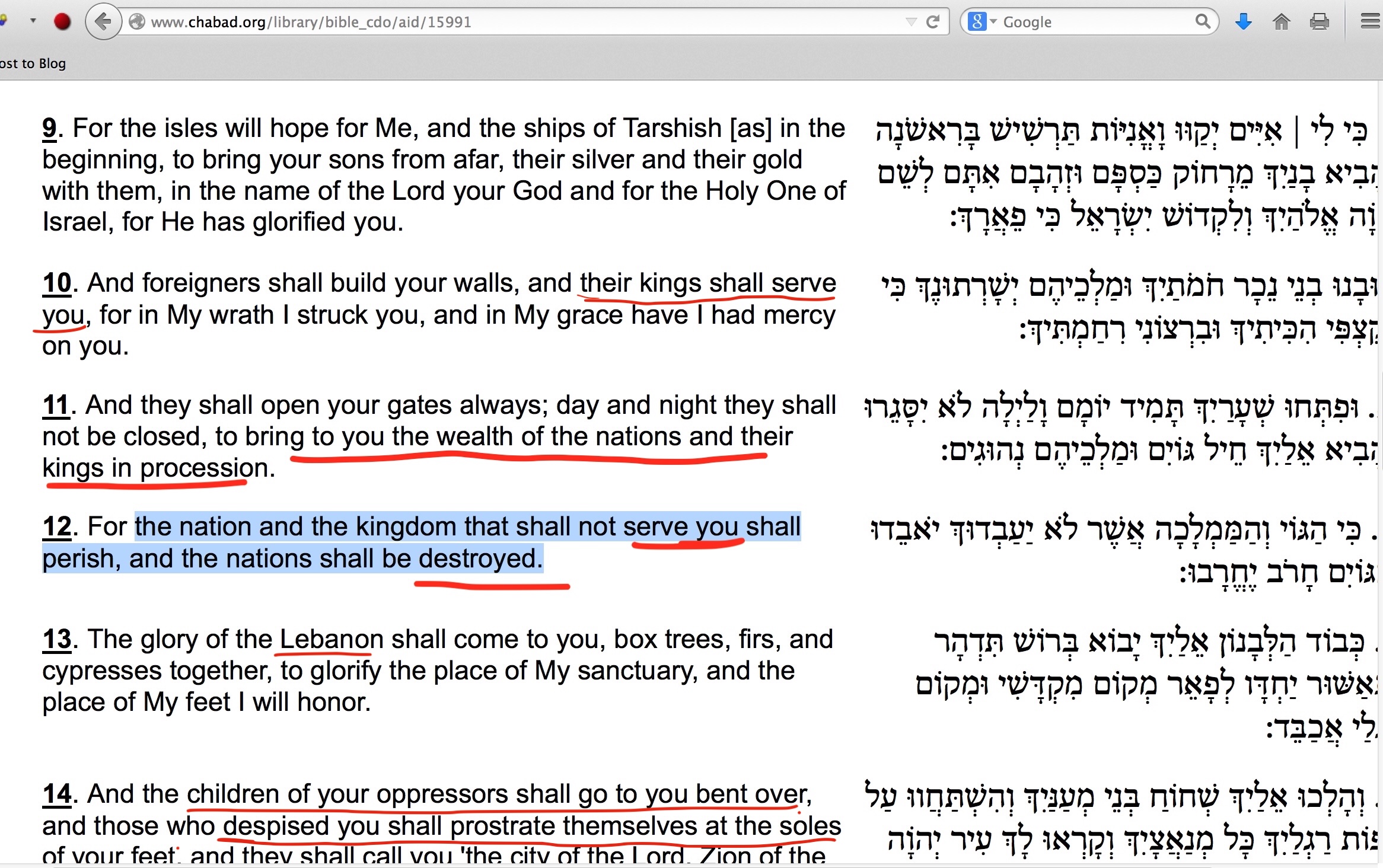
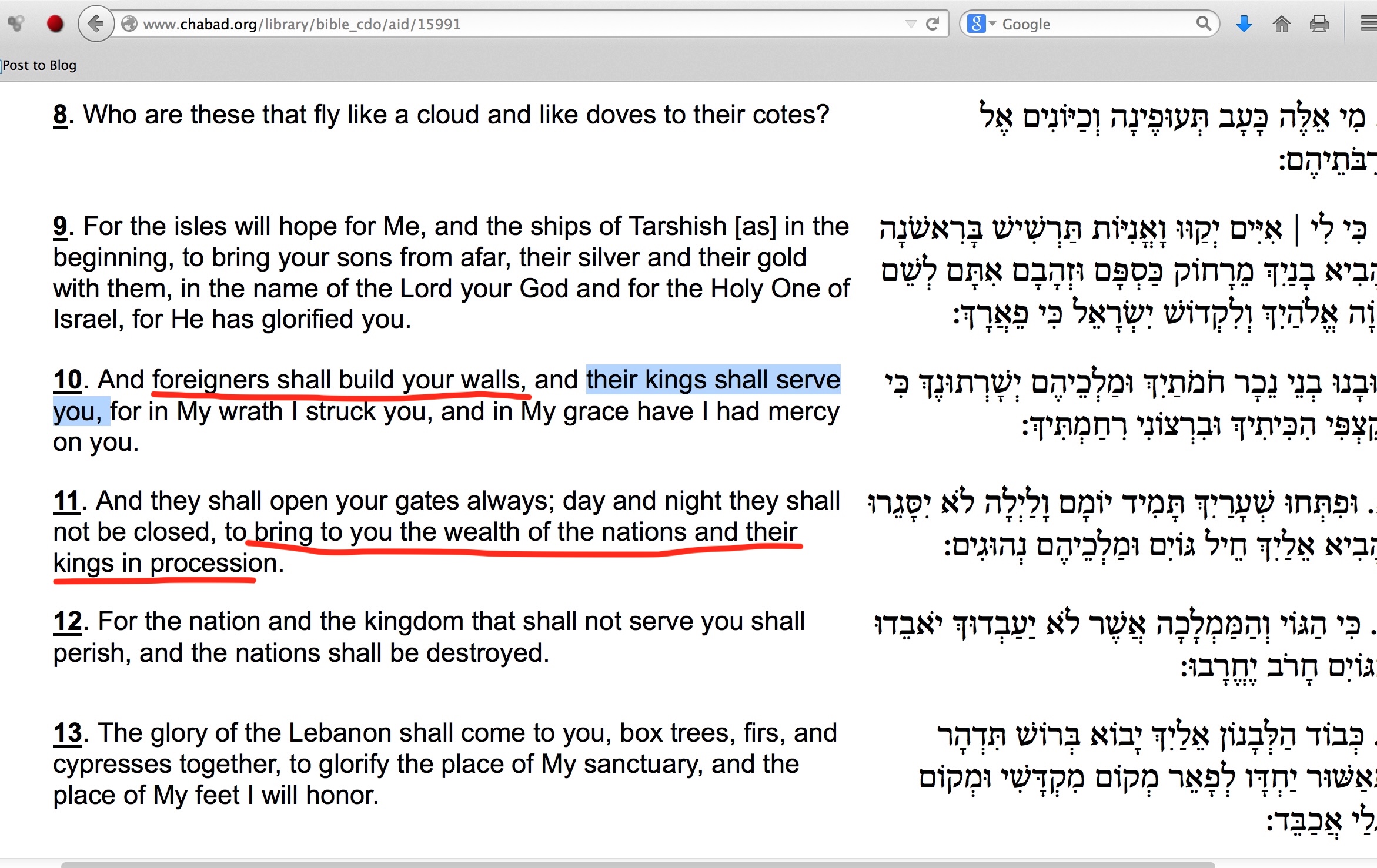
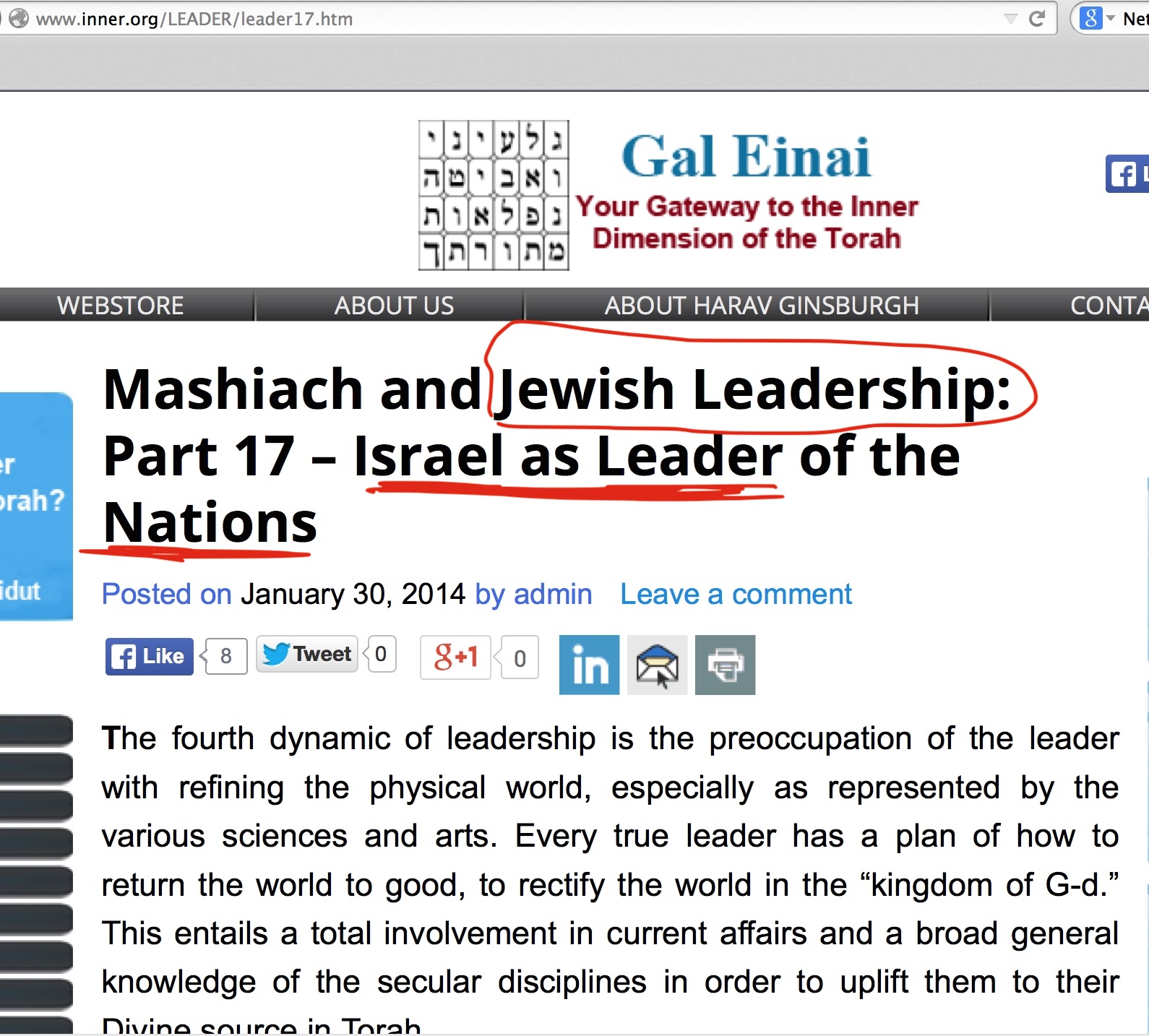
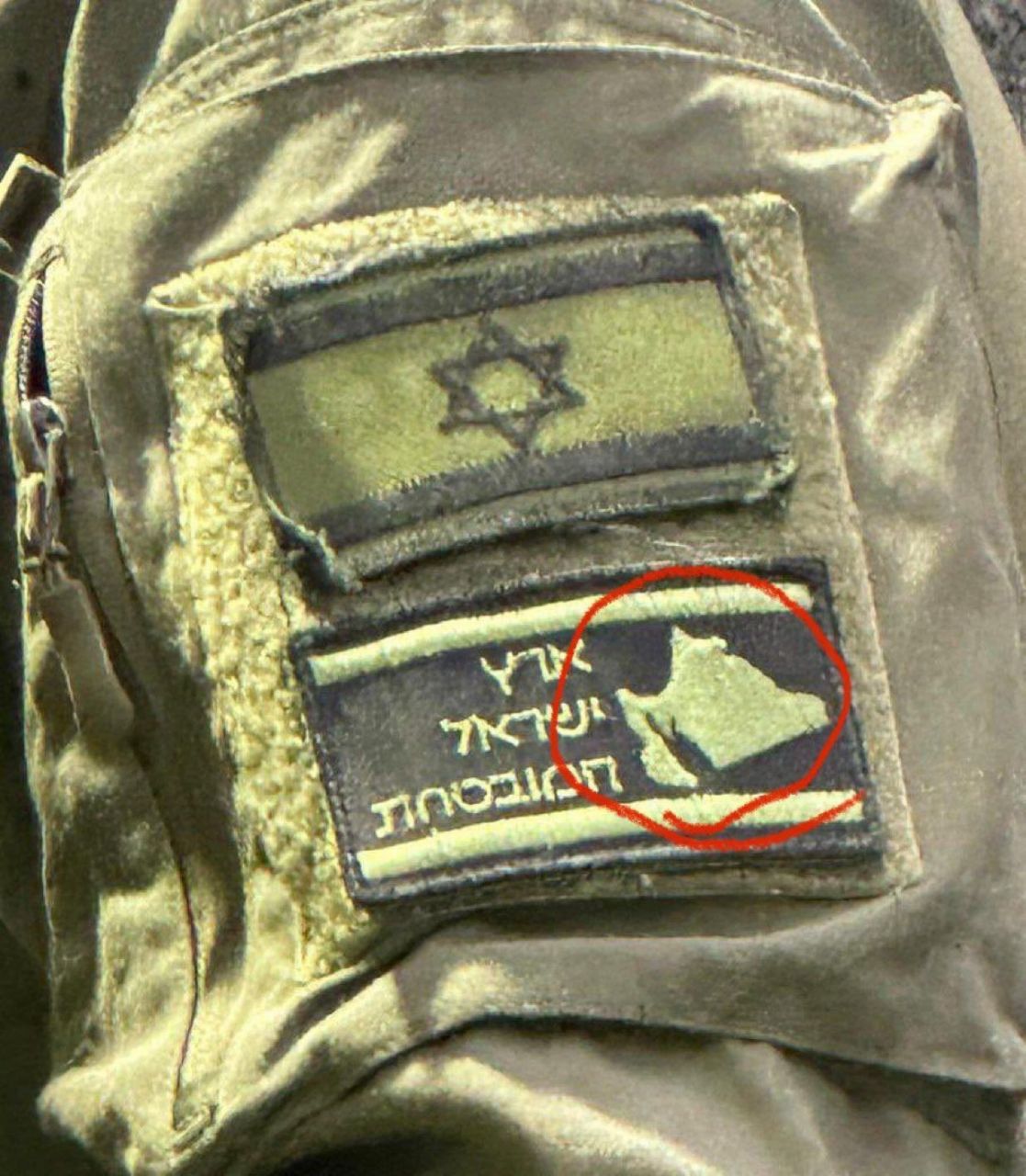
There is no running away from the fact that there are extremely troubling ideas throughout the Torah, Talmud, Mishneh Torah and Tanya.
Ideas like “choseness”, “promised land”, “return to Zion”, “building the temple”, “tikkun olam”… etc come from no other than Torah itself, soaked in supremacy, dominance aspiration, deception and mass-killing.
We can no longer hide our heads in the sand, pretending not to know, pretending not to see.
Jewish anti-Zionists should move on now, and use all their activism outside the Palestine solidarity movement, direct their work towards their people where serious discussions happen, plans are drawn, funds are raised, weapons are shipped and is genocide plotted and enacted. They should work with their own Jewish communities to try to get them out of the mess of supremacy and genocide they got themselves into.
Instead of wasting their time denying any links between Judaism and Zionism, instead of throwing their energy on controlling the Palestinian discourse, and instead of relentlessly monitoring us, Semite Palestinians lest we slip and “conflate Zionism with Judaism”or say something “antisemitic”, that may offend a Jew, Anti-Zionist Jews should change course and adopt a different role to play.
They should shift their activism within, try to effect change within their own Jewish communities who by vast majority are still supporting the Genocide with all their wealth, their leverage, all their influence and all their might.
They should leave us Palestinians to lead our Liberation Movement, and to narrate our authentic, untamed, unfiltered, unkosherised story without censoring, blacklisting, slandering or intimidation.
The future of the planet depends on the uprooting of Jewish supremacy, deception, hatred and violence from their ideology, and joining the human race as equals not as “chosen”.
Failing to confront the elephant in the room would end up in a World Nakba, like nothing we have ever seen before.
This is a WARNING, a mere WARNING of a brewing global disaster, I see in the horizon, and I am praying that together we would be able to prevent before it’s too late.





Pro-Palestine protesters arrested outside UK’s ruling Labour Conference in Liverpool
MEMO | September 27, 2026
British police on Sunday arrested two demonstrators during a pro-Palestine protest outside the ruling Labour Party’s annual conference in Liverpool, Anadolu reports.
Protesters gathered outside the conference venue, with several holding homemade signs expressing support for Palestine Action, a group banned by the UK government.
Police officers moved to arrest an elderly man who was sitting beneath a tree, before making a second arrest involving a protester holding a sign supporting the banned group.
A spokesperson for Defend Our Juries, which organized the protest, said it had hoped the new prime minister, Andy Burnham, “would do the sensible thing and bin the ban on Palestine Action given the weight of public pressure to do so and the escalating amount of resources required in enforcing it.”
Nearly 74,000 Palestinians have been killed and over 175,000 others wounded in Israel’s genocidal war in Gaza since 2023. The offensive has also destroyed around 90% of the enclave’s infrastructure.
Despite a ceasefire that took effect last October, the Israeli army has continued daily attacks in Gaza, killing over 1,400 Palestinians and injuring around 5,000 others, according to Gaza’s Health Ministry.
In November 2024, the International Criminal Court issued arrest warrants for Israeli Prime Minister Benjamin Netanyahu and former Israeli Defense Minister Yoav Gallant on charges of war crimes and crimes against humanity in the Gaza Strip.
Merz regime wants ‘secret police’ – opposition
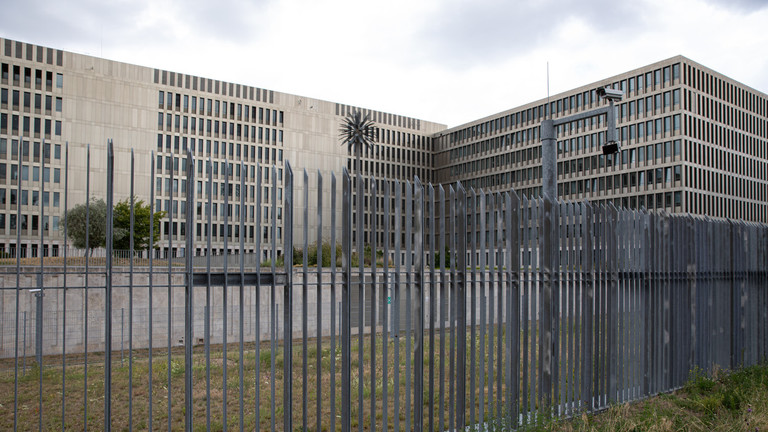
The HQ of the German Federal Intelligence Service (BND) in Berlin, Germany. © Global Look Press / Michael Kuenne
RT | September 24, 2026
Germany’s opposition lawmakers have accused Chancellor Friedrich Merz’s government of seeking to create a “secret police” by dramatically expanding the powers of the country’s intelligence agencies.
The accusations came during the first parliamentary debate on the reform on Thursday, with lawmakers from the Alternative for Germany (AfD), the Left and the Greens raising concerns over surveillance and fundamental rights. The government argues that the changes are needed to counter growing security threats.
Under a reform approved by the cabinet last month, the BND foreign intelligence agency and the BfV domestic security service would gain broader operational powers, allowing them to move beyond primarily gathering and analyzing information.
Among the proposed changes, the BND could sabotage foreign companies, penetrate foreign IT systems and disable weapons deemed a threat to Germany. The BfV, meanwhile, could secretly enter homes and access computers and mobile phones under certain circumstances.
German Interior Minister Alexander Dobrindt said the reform would usher in a “new era” by turning the country’s intelligence services into “genuine intelligence agencies” capable of actively countering threats. He said Germany must bring its services to the level of its European partners.
AfD MP Gottfried Curio branded the proposed overhaul of the BfV “Stasi 2.0,” referring to East Germany’s notorious secret police, and called the reform a “coup against the rule of law.” The AfD, however, supports granting the BND greater operational powers.
The BfV has itself been locked in a legal battle with the AfD. In 2025, the agency designated Germany’s most popular party a “confirmed right-wing extremist” organization, but a Cologne court in February barred it from applying that classification while the case proceeds.
The ruling came months before the AfD scored major gains in regional elections. It won 43.8% in Saxony-Anhalt earlier this month and 38.3% in Mecklenburg-Western Pomerania on Sunday.
Green MP Konstantin von Notz said granting the BfV such extensive powers would be a “grave mistake” and questioned whether parts of the reform would survive scrutiny by the Constitutional Court. He nevertheless backed giving the BND greater powers.
Left Party MP Clara Buenger went further, warning that the BfV could become a “new German secret police.”
“Fundamental rights are being trampled on here,” she said, arguing that the agency would gain powers traditionally reserved for police.
The debate comes as Merz’s government braces for growing AfD influence at the regional level. The Telegraph and Die Welt reported in July that Berlin was developing a “secret plan” to counter potential “obstructionism” by regional authorities, allowing the federal government to bypass them in a crisis.
The German government wants the intelligence reform to take effect at the beginning of 2027. It still requires approval from both the Bundestag and Bundesrat.
Israeli settlers terrorize West Bank Palestinians with state-provided drones: Report

The Cradle | September 25, 2026
Israeli settler gangs are using drones to terrorize Palestinians across the occupied West Bank, harassing families and guiding armed raids that have killed Palestinians, The New Arab (TNA) reported on 25 September.
“When herders left their homes in the morning, the drones would pursue and shadow them; if they approached certain areas, settlers would gather to attack and drive them away. Eventually, the drones began monitoring residents inside their homes around the clock, and there was nothing anyone could do to stop them,” Rabie Abu Naim, a displaced resident of Al-Khalayel, east of Ramallah, told TNA.
Settlers later rigged the drones with speakers blaring abuse and orders to leave, and drones were also used to drop tear gas on targeted communities, as violent assaults wounded many until terrified families fled, the report said.
Abu Naim also pointed to the killing of a boy and a young man in Al-Mughayyir days ago, saying drones “played a major role” in a raid that began with a drone tracking a flock of sheep, after which settlers moved in to steal the animals while shielded by the Israeli army, which “killed the two victims in cold blood during the incident.”
In Mikhmas, shepherd Mohammed Abu Siyam told TNA that settlers sent a drone after his 19-year-old son, Nasrallah, and other young men searching for livestock stolen from the village in February.
With the drone watching their every move, armed illegal settlers lay in wait for the young men, then opened fire, killing Nasrallah and wounding others.
Another Palestinian living in Hajjah, near Qalqilya, told TNA that settler drones fly so close to village homes that families fear the machines will crash through their windows, leaving residents under constant watch and feeling that “privacy is non-existent, and everyone feels constantly threatened.”
Illegal Israeli settlement councils have recently begun arming settlers with drones to film, scout, and watch the areas around outposts, building on earlier Israeli funding that equipped outposts with drones as part of a so-called security package.
Palestinians, meanwhile, are barred from owning drones even for their work, and the Israeli army has arrested numerous Palestinian photojournalists over the past three years for having them, citing a military order that has banned Palestinians from possessing the devices since 2017.
Israeli occupation forces have also raided toy shops across West Bank cities dozens of times, confiscating every drone on the shelves, including those made for children, and threatening shop owners with arrest if they sell them.
In May, OCHA documented settlers using drones to chase residents of Arab al-Mleihat, a community since emptied.
Salah al-Khawaja of the Wall and Settlement Resistance Commission told TNA that the constant surveillance of Palestinian homes can become “an additional factor driving families to leave the areas where they live.”
Big tech hands in its DSA censorship reports to the EU
RT | September 24, 2026
The EU has published a wide range of reports detailing what social media companies like TikTok and Meta are doing to comply with its Digital Services Act (DSA). The reports detail the extreme censorship needed to stay on Brussels’ good side.
Under the European Commission’s “voluntary Code of Conduct on Disinformation,” the largest online platforms operating in the EU are required to submit biannual reports explaining their efforts to combat so-called “disinformation.” Although adherence to the code is described as “voluntary,” those who do not comply are subject to fines under the DSA, which came into force in 2023.
The commission published reports by Meta, TikTok, Google, Twitch, and more than two dozen other platforms on Wednesday. Each report spans hundreds of pages, and details the speech restrictions and censorship policies put in place at the behest of the EU.
These include restrictions on political speech surrounding elections, which the EU has mandated in every major European vote since 2024, under the pretext of fighting “Russian interference.” According to documents released by the US House Judiciary Committee earlier this year, these measures have almost always been used “to disadvantage conservative or populist political parties.”
In its report, TikTok admitted that it removed more than half a million posts concerning elections in Bulgaria, Cyprus, Denmark, Hungary, Malta, Portugal, and Slovenia this year. RT has covered the EU’s efforts to interfere in the Bulgarian and Hungarian elections in depth, and found that TikTok came under particularly intense pressure from Brussels, after its failure to implement sufficiently draconian restrictions during Romania’s presidential election in 2024.
Each report is hundreds of pages long, and every major social media company admitted that they now defer to EU-approved “fact-checkers” to police content on their platforms. Meta explained that it now automatically down-ranks content flagged by fact-checkers, while YouTube stated that it has trained AI models to pre-emptively remove content it thinks would fall foul of these groups.
Multiple reports specify that the platforms themselves must pay the fact-checkers’ salary. These fact-checkers flagged more than 14 million posts on Facebook in the first six months of this year alone.
Every social media platform devoted a chapter in its report to the Russia-Ukraine conflict, with Facebook noting that all posts on the conflict are subject to monitoring for “disinformation and misinformation” by pro-EU fact-checkers.
Russian media outlets are banned from Facebook, while Ukrainian outlets are free to operate, and Kiev is permitted to fundraise on the platform.
Despite mentioning “disinformation” more than a dozen times, the DSA does not define the term.
Refaat Al-Areer Was The Canary In The Coal Mine In Israel’s War On The Truth

By Justin K.P. | The Dissident | September 23, 2026
Three years ago today, Refaat Al-Areer, the well-respected Palestinian academic, poet, and commentator, was murdered, along with multiple members of his family, for telling the truth about Israel’s genocide in Gaza and atrocity propaganda used to manufacture consent for it.
The Zionists wanted Al-Areer silenced because he was one of the first media figures to expose the now well-documented fact that Israel issued the Hannibal Directive on October 7th and killed its own people, and because he was debunking Israeli atrocity propaganda used to justify the Gaza genocide, such as the mass rape hoax.
The Zionist propagandist Bari Weiss put a target on Al-Areer, taking a joke he made about the claim of Hamas “baking a baby in an oven”- a proven hoax– out of context to make it look like he supported it, when in reality he was mocking how absurd the hoax claim was.
Because of this smear campaign, Al-Areer was labeled as an “Amalekite” by IDF terrorists and murdered in a targeted strike “along with his brother Salah and one of his children (Mohammed); his sister Asmaa and three of her children (Alaa, Yahia, and Mohammed); and a neighbor.”
Later, his “daughter, grandson and son-in-law” were murdered in another targeted Israeli strike.
This was not an isolated incident; Refaat Al-Areer served as the canary in the coal mine for Israel’s ensuing war on the truth.
Following the targeted murder of Refaat Al-Areer, Israel murdered hundreds of Palestinian journalists, including high-profile ones including Anas Al Sharif, Hossam Shabat, and Ismail al-Ghoul.
Like in Al-Areer’s case, these targeted IDF murders often included targeting of journalists’ family members.
The Palestinian Journalists Syndicate documented that “the targeting of journalists’ families has become a systematic and repeated pattern during 2023, 2024 and 2025, killing about 706” family members “of journalists in the Gaza Strip” adding that “The effects of these crimes are not limited to human losses, but extend to deep psychological traumas among journalists who lost their children, wives or parents, the disintegration of families and the loss of a sense of security, the forcing of journalists to flee or temporarily stop working, the journalist with a harsh sense of guilt, within the framework of an organized psychological war, and the Freedoms Committee confirms that this psychological dimension is an integral part of the system of repression”.
These Israeli murders were not confined to only Gaza.
Israel targeted and killed multiple journalists exposing its ethnic cleansing campaign in South Lebanon, including the well-known reporter Amal Khalil, as well as attempting and failing to kill the British reporter, Steve Sweeney.
Israel also committed the largest single documented murder of journalists in recent history in Yemen, killing over 30 journalists and media workers after targeting the Sanaa-based newspapers Al-Yaman and 26 September.
And Israel’s war on the truth has extended past the direct targets of its genocidal wars.
Israel’s lobby has done everything it can to destroy freedom of speech in its Western sponsor countries, to ensure arms and funding will continue to flow to Israel.
This includes having an endless list of Israel-critical journalists and activists being arrested in the UK over bogus terrorism charges, as well as having the non-violent direct action group Palestine Action proscribed as a terrorist organization in league with ISIS.
It also includes having the U.S. sanction Francesca Albanese, the UN’s special rapporteur for Palestine, for her factual report exposing the Gaza genocide, and trying to deport legal residents who protested against Israel’s genocide.
Refaat Al-Areer was murdered for telling the truth about Israel and its genocidal propaganda, and was one of the first victims in Israel’s wide-scale war on the truth.
Massachusetts Wants Mental Health Visits, Why Does Government Use ‘Health’ to Enter Our Homes & Families?
By Jefferey Jaxen | September 22, 2026
In our modern era, there is an uncomfortable political magnetism that continually compels government to want inappropriate inclusion into our personal lives.
The medical and health aspects are the preferred vectors for this addict-like state behavior.
Massachusetts Governor Maura Healey just announced over $2M in funding for the state to conduct home mental health checks on every mother and their newborn in the state.
Why? Because Lindsay Clancy killed her kids. At least that was the excuse Healey used.
The move dovetails with the expanding public-health police powers from Pennsylvania Governor Josh Shapiro’s proposed Department of Health rules (warrantless entry into homes and schools for “disease control measures,” including non-infectious “conditions”).
These cyclical impulses for bureaucrats to want unjust inclusion into our families and homes, in the name of health, must be examined for what they really are.
In 2016 the Scottish government made headlines with its ‘named person’ scheme dubbed the ‘snoopers charter’ by thinking citizens at time. It aimed to assign a government agent to every newborn to ‘safeguard’ the welfare.’
It was delayed when the Supreme Court ruled that the plan breached Human Rights laws and was eventually withdrawn in a complete humiliation to the government.
During that same year, then-MSNBC host Melissa Harris Perry echoed Scotland’s energy. Discussing public education, Harris Perry said, “We have to break through our kind of private idea that kids belong to their parents or kids belong to their families.”
For years states have been attempting to ram through legislation to eliminate parental choice to vaccinate children often at any age. The current era of gender transitioning has seen the unholy alliance of the education and medical systems collaborate to detach children from parental consent.
The Covid pandemic was another wild-eyed excuse for state behavior to once again display this addictive impulse.
In 2020, Executive Director of the World Health Organization Dean Ryan suggested entering people’s homes, removing and isolating family members if they tested positive.
Despite the stated good intentions the state uses as the excuse to enter homes, inspect families and gain undue access to our lives, the end result is an attempted redirect into a broke medical system with limited tools.
Dangerous gender hormones and surgery, vaccinations with questionable safety profiles and SSRI medication are the only answers government can offer.
To allow sacred inclusion into each of our lives is the most personal choice we can make. Our health decisions and those of our children are even more precious and personal. Government has no place to enter unannounced for any excuse.
Pfizer Gave $500,000 to Groups That Lobbied to End Religious Exemption in Massachusetts
By Henrick Karoliszyn, DSW | The Defender | September 21, 2026
Pfizer paid $500,000 to two nonprofits that later signed a letter urging Massachusetts lawmakers to eliminate the state’s religious exemption from mandatory childhood school vaccinations, according to the company’s own public grant disclosures and a legislative letter reviewed by The Defender.
The drugmaker’s “US Medical, Scientific, Patient and Civic Organization Funding Report” for fiscal year 2024, posted on Pfizer’s transparency website, lists a $400,000 payment to the American Society for Meningitis Prevention (ASMP) for “Policy Efforts for comprehensive Meningococcal Meningitis Vaccination.”
The same report lists a $100,000 payment to the March of Dimes Foundation in 2024, categorized as a “Vaccine Policy Campaign Maternal Immunization.”
More than a year later, both organizations’ names appear among roughly two dozen signatories on a June 1 letter to the Massachusetts House Committee on Ways and Means urging lawmakers to advance House Bill 2554 (H.2554).
The bill would “remove the non-medical exemption from required school vaccines and enhance data collection and sharing to better track immunization rates,” according to the letter.
Patti Wukovits and Alicia Stillman, ASMP’s co-executive directors, and Chloe Schwartz, March of Dimes’ director of its maternal and infant health initiative, signed on behalf of their organizations.
Massachusetts currently allows parents to opt their children out of school vaccination requirements on religious grounds. The bill would eliminate that option, leaving only medical exemptions.
ASMP separately describes itself as focused on educating young people and parents about meningococcal meningitis. The March of Dimes has publicly credited Pfizer as an “inaugural supporter” of its vaccine-education campaign, describing a partnership that supports work encouraging adherence to the vaccine schedule recommended by the Centers for Disease Control and Prevention.
Neither organization has publicly addressed the timing of the donations relative to their support for H.2554.
Pfizer’s disclosure does not indicate the money was earmarked specifically for opposing Massachusetts’ religious exemption. The stated purposes are broader vaccine-policy campaigns tied to meningococcal disease and maternal immunization.
The ASMP and the March of Dimes did not respond to requests for comment from The Defender.
Critics call Massachusetts bill a ‘dangerous attack’
As of September 2026, bill-tracking records show that H.2554 was positively reviewed and referred onward, consistent with the coalition letter’s own reference to the bill having “recently reported favorably out of the House Committee on Health Care Financing.”
The bill’s supporters, including the Massachusetts Medical Society, argue that eliminating nonmedical exemptions would raise vaccination rates — as it has in California, Connecticut, Maine and New York, which eliminated religious exemptions — and reduce the risk of school-based disease outbreaks amid rising exemption rates.
Opponents, including Health Action Massachusetts, call the bill a “dangerous attack on religious freedom and educational access” that would force families who decline vaccination on religious grounds to homeschool their children, including children with special needs, regardless of circumstance.
Drugmakers should be required to define financial ties to lobbying groups
Pharmaceutical industry funding of advocacy groups is not a new practice.
But critics argue it allows companies with a direct financial stake in vaccination mandates to shape public health policy through intermediary organizations rather than lobbying directly.
Gail Seiler, president of Betrayal Project USA, said drugmakers should clearly define their financial ties to advocacy groups that go on to lobby for vaccines.
“When pharmaceutical companies provide substantial funding to organizations that then advocate for public policies affecting the use of those companies’ products, the public deserves complete transparency about those financial relationships,” Seiler told The Defender.
Parental consent for childhood vaccinations is also at issue, Seiler said.
“No parent should be forced to justify a deeply personal medical decision for their child to a corporation, lobbying organization, school system or government official,” she told The Defender. “Informed consent cannot exist without the freedom to say no.”
William M. Snyder, an attorney with Protat Snyder Law, called the financial arrangement “another example of Pfizer using its funds to enable non profits to lobby states to eliminate vaccine exemptions.
Bethany Clark of the Kentucky Medical Freedom Coalition told The Defender that monetary arrangements pharmaceutical companies have with larger organizations make it harder for local ones to have an impact.
“It does raise questions about how much influence corporations have over legislation,” Clark said.
“As a grassroots organization, it’s difficult to see our efforts to pass pro-medical freedom bills or stop bad legislation and wonder if our seeming inability to move the needle in the last few sessions has anything to do with the deep pockets of organizations with a lot of money at stake in the outcome of that legislation.”
Pharma financing vaccine mandate lobbyists should set off ‘every ethics alarm’
Dr. Chris Flowers extended a critique of the funding structure itself. He told The Defender :
“It does not matter whether the product is a vaccine, a software license, or a building material. When the seller finances the advocacy that would force the public to buy it, the conflict is structural.
“Mandates plus manufacturer funding of the mandate campaign is a combination that should set off every ethics alarm. Paying the messengers who then demand a mandate for your product is not philanthropy. It is sales.”
“Religious exemptions exist so the state cannot conscript every family into a commercial market,” Flowers added.
Pfizer and its defenders counter that funding patient- and disease-advocacy groups is standard industry practice disclosed for exactly this kind of scrutiny, and that the grants funded general vaccine-policy work.
Pfizer did not respond to a request for comment from The Defender.
This article was originally published by The Defender — Children’s Health Defense’s News & Views Website under Creative Commons license CC BY-NC-ND 4.0. Please consider subscribing to The Defender or donating to Children’s Health Defense.
Featured Video

Benoit Paré: OSCE Whistleblower: The Ukraine War – Narratives vs. Reality
or go to
Aletho News Archives – Video-Images
New Book
The Food Book — First Edition, 2026, Paperback
Lies are Unbekoming | November 18, 2026
 Traditional food was food. Not organic food. Not slow food. Not wellness food. Food. Bone broth was food. Raw milk was food. Fermented vegetables were food. Butter was food. Eggs were food. Honey was food. Liver was food.
Weston Price travelled from 1931 to 1936 across fourteen populations — Swiss villagers in the Lötschental valley, Gaelic communities in the Outer Hebrides, Inuit in Alaska, Native Americans in northern Canada, Māori in New Zealand, Masai in Kenya, Melanesians in the South Pacific, Peruvian Indians in the Andes. He photographed their faces. He measured their dental arches. He weighed their vitamin and mineral intake. He published the results in 1939 in Nutrition and Physical Degeneration. The pattern was consistent across every population. The generation raised on ancestral foods had broad faces, straight teeth, strong bone structure, and virtually no chronic disease. The generation raised on refined flour, refined sugar, and canned goods did not.
What has not been treated at book length, until now, is the whole shelf — the twenty works that, taken together, describe what the traditional kitchen was, what industrial food replaced it with, and what the body does when the replacement runs for a century.
The Food Book reads twenty of those works as a single library: Weston Price and Sally Fallon on the tradition that was lost; Francis Pottenger on what cooking does to a species over four generations; Sandor Katz on fermentation as an ecology; William Dufty on the two-and-a-half-century history of refined sugar; William Campbell Douglass on raw milk; James DiNicolantonio on the inversion of the salt argument; Max Gerson on cancer; Ulric Williams on medicine as a cartel; William Engdahl on seed sovereignty; Stephen Harrod Buhner on what plants do, chemically, that pharmaceuticals disrupt. … continue
Blog Roll
 Aletho News
- ‘Same fraudulent script’: Iran slams US biological and chemical weapons claims as recycled Iraq-style deception
- Tom Friedman’s Deceptive Attempt to Lure Democrats to Escalate the Iran war
- Russia Warns of Response if Nuclear Deployment Limits Near Its Borders Are Lifted
- Putin is Partly Right on NATO
- The trillion-dollar question: Why can’t machines replace soldiers?
- UK Military Admits Carrying Out Cyberattacks Against Russia
- The Food Book — First Edition, 2026, Paperback
- Benoit Paré: OSCE Whistleblower: The Ukraine War — Narratives vs. Reality
- UK forced to admit ordering backdoor access to Apple users’ data
- It’s not about China or national security. It’s about which foreign entity is allowed to spy on Americans
- If Americans Knew
- An error has occurred; the feed is probably down. Try again later.
- No Tricks Zone
- Argentina’s Perito Moreno Glacier Joins Antarctica and Arctic In Defying Doomsday Melt Claims
- New Study: Barents Sea Temperatures Were Warmer And Sea Ice Less Extensive In The 1700s Than Today
- German Authorities Start Initiative To Evaluate Public Register For Climate “Disinformation” Spreaders!
- Zonal Asymmetry of Temperature Change in the Antarctic Circumpolar Current
- New Study: The Net Fossil Fuel Contribution To Rising Atmospheric CO2 Has Been Zero For 500 Years
- Germany’s Green Energy Transition Becoming Increasingly Expensive…Another 6 Trillion Euros!
- Sudden Stratospheric Warming, Powerful El Niño Combination May Lead To Extreme Europe Cold, Energy Crisis!
- Two New Studies Find Thwaites Glacier Melt Cannot Be Driven By Human Activity Or A Warming Ocean
- E-Cars Reduce CO2 Emissions By Only 41% Compared To Internal Combustion Engine Vehicles
- Predictions Made By Renowned Climate Professor Over Past Decades Have Been Proven To Be Poor

