- Ambulance calls for life-threatening emergencies ranged from a steady 2,000 calls per day until the vaccine rollout, from then it rose to 2,500 daily and calls have stayed at this level since.
- The surveillance systems designed to spot a safety problem have all flashed red, but no one’s looking.
- Payments for Personal Independent Payments (PIP) for people who have developed a disability and cannot work, have rocketed with the vaccine rollout and have continued to rise ever since.
- The trial data showed that one in eight hundred injected people had a serious adverse event, meaning the risk of this was twice as high than the chance of preventing a Covid hospitalisation.
- There were just over 14,000 excess deaths in the under 65-year-olds before vaccination, from April 2020 to the end of March 2021. However, since that time there have been over 21,000 excess deaths in this age group alone.
- There were nearly two extra deaths a day in the second half of 2021 among 15 – 19-year-old males, but potentially even more if those referred to the coroner were fully included.
International Community Faces Acid Test on Gaza

By Stuart Littlewood | Dissident Voice | October 23, 2023
I never thought I’d live to see a British prime minister warmly embracing a war criminal and genocidal thug like Netanyahu, go swanning around a hotel (the King David) which was used as the Jerusalem headquarters of the British Mandate aúthority and blown up by Jewish terrorists in 1946, killing 91 and wounding 45, then tell Netanyahu: “We want you to win.”
Win what, exactly? And who’s “we”? Certainly not the man-in-the-street in Britain. No, it’ll be that band of brainwashed Ziofreaks in Westminster who have shamed us for over a century.
And they (the Ziofreaks, not “we”) want Israel to win its dirty 75-year campaign of terror, illegal military occupation, dispossession, annexation, ethnic cleansing and extreme cruelty against the harshly oppressed Palestinians who are trying to defend their homeland.
I was even more infuriated to see queues of lorries carrying desperately needed aid held up for days at Gaza’s Rafah crossing into Egypt by the Israelis’ refusal to let them enter the mangled hell-hole they’ve created in the packed enclave. I hear they even bombed the crossing to make sure nothing could move.
Bypass Israel if necessary and deliver aid by sea
If the UN and the high and mighty powers wanted to, they could bypass Israeli and Egyptian cruelty and bring aid to Gaza by sea. They should have done so as soon as Israel slapped its illegal blockade on Gaza in 2006 following Hamas’s inconvenient election win. As it is, unarmed privateers have been left to try to break the siege.
In February 2003 British surgeon David Halpin chartered a small Danish cargo vessel, MV Barbara, filled her with important humanitarian items and sailed from Torquay to Ashdod, a port on the Israeli coast close to Gaza where the cargo was transferred by road into Gaza without too much trouble.
In 2008 two humanitarian vessels actually got through to Gaza. Their success in breaking the siege, and their safe arrival and departure, was due to the intervention of the British Foreign Office. Before the peace activists set sail, they asked the British government “to ensure the freedom boats’ safe and uninterrupted passage to Gaza considering these are international waters and Palestinian territorial waters”. Any attempt to stop the boats would surely infringe the right to freedom of movement to and from Gaza, and seriously breach the International Covenant on Economic, Social and Cultural Rights, to which Israel is a party.
The minister in charge of Middle East affairs Kim Howells later admitted that “FCO officials spoke to Israeli officials in advance of the trip and Israel allowed the boats peacefully into Gaza.”
Nearly three years later, as Gaza Freedom Flotilla II prepared to sail, Israel was determined not to let the boats reach their destination because safe arrival would drive a coach and horses through Israel’s control-freakery. This prompted the following statement by flotilla organizers to the UN Human Rights Council:
“We are determined to sail to Gaza. Our cause is just and our means are transparent. To underline the fact that we do not present an imminent threat to Israel nor do we aim to contribute to a war effort against Israel, thus eliminating any claim by Israel to self-defense, we invite the HRC or any other UN or international agency to come on board and inspect our vessels at their point of departure, on the high seas, or on their arrival in the Gaza port. We will – and must – continue to sail until the illegal siege of Gaza is ended and Palestinians have the same human and national rights those of us sailing enjoy.” – Steering Committee of the International Coalition for Gaza Freedom Flotilla II.
In the end Flotilla II didn’t sail. In all, five shipments were reportedly allowed access prior to the 2008–09 Gaza War, but after that everything was blocked by Israel.
In May 2010 the Mavi Marmara took part in a flotilla of ships operated by activist groups from 37 countries with the intention of directly confronting the Israeli blockade. While en route and in international waters Israeli Naval Forces communicated to them that a naval blockade around the Gaza area was in force and ordered the ships to follow them to Ashdod port or be boarded. The ships declined and were boarded in international waters.
Reports from journalists on the Mavi Marmara and from the UN claimed that Israeli gunboats opened fire with live rounds before boarding the ship. Passengers tried to repell the boarding parties of Israeli commandos, and in the violent clash that followed nine were killed and a tenth died four years later of his wounds. Several dozen more were injured, some seriously. Israel claimed 10 of its troops were injured, one seriously.
The UN’s official report found Israel’s blockade of Gaza to be legal, but other UN experts, reporting to the Human Rights Council, disagreed and found it was a violation of international law.
A UN fact-finding mission, investigating the assault on the Mavi Marmara, declared that “no case can be made for the legality of the interception” and they therefore found that the interception was illegal and constituted collective punishment of the people living in the Gaza Strip and thus to be illegal and contrary to Article 33 of the Fourth Geneva Convention. It could not even be justified even under Article 51 of the Charter of the United Nations [the right of self-defence].
The Centre for Constitutional Rights also concluded that the Israeli blockade of the Gaza Strip was illegal under international law and amounted to collective punishment. “The flotilla did not seek to travel to Israel, let alone ‘attack’ Israel. Furthermore, the flotilla did not constitute an act which required an ‘urgent’ response, such that Israel had to launch a middle-of-the-night armed boarding… Israel could also have diplomatically engaged Turkey, arranged for a third party to verify there were no weapons onboard and then peacefully guided the vessel to Gaza.”
Craig Murray, an internationally recognized authority on these matters, was Head of the Maritime Section of the Foreign and Commonwealth Office and responsible for giving political and legal clearance to Royal Navy boarding operations in the Persian Gulf following the Iraqi invasion of Kuwait. He said that Israel had tried to justify previous fatal attacks on neutral civilian vessels on the High Seas in terms of enforcing an embargo under the legal cover given by the San Remo Manual of International Law Applicable to Armed Conflicts at Sea. “San Remo only applies to blockade in times of armed conflict. Israel is not currently engaged in an armed conflict, and presumably does not wish to be. San Remo does not confer any right to impose a permanent blockade outwith times of armed conflict, and in fact specifically excludes as illegal a general blockade on an entire population.”
At the same time UN Security Council resolution 1860 (2009) emphasised “the need to ensure sustained and regular flow of goods and people through the Gaza crossings” and called for “the unimpeded provision and distribution throughout Gaza of humanitarian assistance, including of food, fuel and medical treatment”.
But when MEP Kyriacos Triantaphyllides put a question to the EU Commission this was their reply:
After the organisation of a flotilla heading to Gaza in May 2010, the Quartet, of which the EU is a member, stated that all those wishing to deliver goods to Gaza should do so through established channels, so that their cargo can be inspected and transferred via land crossings into Gaza. It also stated that there was no need for unnecessary confrontations and that all parties should act responsibly in meeting the needs of the people of Gaza….
The Commission stands by this line. A flotilla is not the appropriate response to the humanitarian situation in Gaza. At the same time, Israel must abide by international law when dealing with a possible flotilla. The EU continues to request the lifting of the blockade on Gaza, including the naval blockade.
It might have been scripted in Tel Aviv and not by anyone with Christian principles. The “established channel” for delivering goods to Gaza is of course the time-honoured route by sea, which is protected by maritime and international law and therefore entirely appropriate.
There’s nothing “provocative” about unarmed vessels with humanitarian cargoes using it. The organizers had offered their cargoes for inspection and verification by a trusted third party to allay Israel’s fears about weapon supplies. They should not have to deal with a belligerent regime that was (and still is) cruelly waging a starvation war on women and children. Anyone suggesting they must do so seeks to legitimize the blockade, which we all know to be illegal and a crime against humanity.
And where are the UN when a rogue nation – also a UN member – shows contempt for their maritime Convention?
By 2018 Her Majesty’s Government had abandoned all pretence of upholding the Law of the Seas or even pursuing its 2008 policy of intervening to obtain advance clearance from the Israeli authorities. The Foreign Office appeared to have joined the Zionist conspiracy to legitimise the Gaza blockade and support Israel’s control-freakery.
Lord Ahmad for the Government, answering a written question in the House of Lords, said: “Embassy officials discussed the travelling flotilla with the Israeli authorities on 6 June… the Foreign and Commonwealth Office advises against all travel to Gaza including the waters off Gaza.”
The waters off Gaza are international waters where neutral civilian vessels are entitled to free passage under the UN Conventional on the Law of the Seas. Why shouldn’t unarmed aid boats be able sail there unmolested? Is the Law of the Seas now dead? Is Britain no longer committed to keeping the sea lanes open to innocent shipping? And why is the UN not upholdings its own Convention?
In particular, what happened to the diplomacy of 2008? Why didn’t our Government arrange advance clearance as before? Or were they, by any chance, colluding to thwart this mercy mission?
In reply to a question from myself, Alister Burt, minister for the Middle East at that time, said: “Delivery of aid should be co-ordinated with the UN and Israeli and Egyptian Governments. We expect Israel to show restraint and fully respect international law. If wrongdoing has taken place we expect those responsible to be held to account…. We remain deeply concerned about restrictions on movement and access in Gaza, and the impact that this is having on the humanitarian situation. We have frequent discussions with the Israeli Government about the need to ease restrictions on Gaza. We call on Israel, the Palestinian Authority and Egypt to work together to ensure a durable solution for Gaza.”
As if Israel ever respected international law or had ever been held to account.
So here we have a horrific humanitarian crisis where the population of Gaza (nearly half of whom are children) are badly injured, starving and bombed out of their homes, with few if any public services still functioning and with aid waiting outside and prevented from entering by Israel.
This is an acid test for the United Nations and the international community who need to show their real worth and recover the respect they have carelessly lost over the years.
They are drinking in the Last Chance saloon and this is possibly their final opportunity to prove that the world has, after all, developed moral sensibilities and emerged from the caveman era. All it takes is a mercy flotilla of ships belonging to few UN member states, not privateers, to bring the Middle East issue to a head so the root causes can finally be dealt with in accordance with international law.
In short, the lives of 2.3 million innocent, incarcerated Gazan cannot be left in the hands of a psychopath like Netanyahu. Nor can the Israelis be allowed to dictate the wider future of the Holy Land they have defiled.
UK Government Caught Surveilling Social Media of Teaching Assistants and Librarians
By Christina Maas | Reclaim The Net | October 23, 2023
A startling revelation indicates that the UK government has substantially amplified its surveillance of the online activity of educators. Ranging from leading education experts to teaching assistants and librarians earning modest salaries, the magnifying glass of surveillance closely monitors posts critiquing education policies. The discovery was made by The Observer, revealing that the Department for Education is keeping extensive records of such posts, something that we’ve previously covered.
This revelation highlights the burning issues of free speech and censorship, causing widespread disquiet among the educational community. The surveillance of educators’ online activity portrays a scenario where dissent or criticism of government policy is not only surveilled but also cataloged, potentially affecting the educators’ professional careers.
Educators across the UK have demonstrated a wave of shock and anger in response to the discovery. Many have submitted Subject Access Requests [SARs], a Right to Access provision within the General Data Protection Regulation, requiring the Department of Education to disclose the information it holds under their names. These educators found file lengths spanning up to 60 pages, documenting their tweets and comments opposing the government’s policies and criticizing the schools inspectorate, Ofsted.
Nikki Cleveland, a higher-level teaching assistant and primary school librarian, was astounded to find that even her tweets concerning issues such as inadequate funding for school libraries and criticisms of Ofsted had been flagged and stored by the Department. Her discovery has only raised her cynicism towards the government and the Department of Education, questioning their apathy towards the challenges schools face daily.
This disturbing surveillance operation extends to more than just educators. Jon Biddle, a primary school teacher and English lead, reported that “dozens of other teachers” he knew had also discovered their accounts were under scrutiny. The scope and depth of this surveillance has led to growing skepticism about the Department’s priorities and resource allocation.
Cases have also surfaced of the Department attempting to silence voices critical of government policy. Early years specialists Ruth Swailes and Aaron Bradbury have previously faced attempts from the Department to cancel their conference due to their earlier critiques. Similarly, Dr. Mine Conkbayir, a renowned early childhood author, was allegedly threatened with funding withdrawal for a conference she was scheduled to keynote, due to her criticisms. As she recounts, the Department also attempted to curtail her talk duration and verify her speech contents, pulling the strings of academic dialogue.
In response to these revelations, the Department has chosen to remain largely opaque, stating that it would not be appropriate to comment on individual cases.
The Double Standard Applied by the Covid Inquiry
When Taking Evidence from John Edmunds and Carl Heneghan Yesterday Inquiry Reveals its Bias
BY KIERAN SAXON | THE DAILY SCEPTIC | OCTOBER 20, 2023
The contrast between the evidence sessions of Prof. John Edmunds (London School of Hygiene and Tropical Medicine, SAGE modeller) and Prof. Carl Heneghan at the Covid Inquiry yesterday was absolutely shocking and raises huge questions about the professionalism of the Inquiry.
The King’s Counsel in the morning spent hours questioning Edmunds in a friendly, at times obsequious manner, as he explained how misunderstood the modelling was, how it wasn’t needed to justify lockdowns – as the indicative Basic reproduction number (R0) and Indicative Fatality Rate (IFR) were enough – to justify earlier and harder lockdown measures. Yet, according to Edmunds, the modelling would still be needed in the future. Truly an “all things to all men modelling” – useful when needed to justify future lockdowns, yet hides in the corner when retrospectively scrutinised and compared with real-world data. Three key flaws in the Covid modelling have been highlighted:
- Over-estimation of the effect of mandatory NPIs versus under-estimation of the effect of voluntary NPIs.
- Over-estimation of ICU per hospitalised rates, where the Imperial College team doubled the rate of hospitalised patients going into ICU to 30% based on flawed data from China.
- Failure to take into account the impact of prior and innate immunity in the population, especially children and the asymptomatic.
These aren’t flaws that can be explained away by saying the scenarios changed with the reality of lockdowns. For example, ICU rates are unaffected by shelter-in-place orders and school closures.
The dangerous implication here is that the Covid Inquiry is lining us up for future restrictions based on indicative RO and IFR, a lockdown hair-trigger switch that gives more authority to the modellers.
The soft-ball questioning and praise from the Inquiry continued as the discussion moved to Summer 2020, circuit breakers and the elision from “flatten the curve” to “zero Covid”.
Then the Inquiry moved on to the Downing Street Summit, where other voices – counsel highlighting as the ‘let it rip’ brigade – were invited at short notice. The big reveal was that Angela McLean, who has replaced Sir Patrick Vallance as Chief Scientific Officer, referred to Carl Heneghan as a “f*ckwit” in a contemporaneous WhatsApp chat, while Edmunds challenged Heneghan’s epidemiological knowledge. In my view, the Inquiry raising the point in this way is indicative of a lack of professionalism.
The Inquiry was also keen to include another pet villain – Doctor Death – the sobriquet applied by McLean to refer to Rishi Sunak, for the perceived crime of pushing for Eat Out to Help Out to reinvigorate the pub and restaurant industry, and providing a much needed moral boost to the nation.
The questioning continued for hours, covering the narrative classics of Long Covid, why the Vaccine rollout should have been broader, etc., all carried out in a cosy relationship included Baroness Hallett’s freely-given praise for Edmund, Ferguson and the whole modelling team.
By contrast, the interrogation of Carl Heneghan started out with a blatant attempt to undermine his credentials, strongly re-buffed by Carl, setting a tone for the only adversarial evidence session I have seen at this Inquiry so far. Any discussion that strayed from the narrative was met with aggressive and hostile demands for ‘yes/no’ answers.
Counsel objected to Carl’s answer rightly pointing out the danger of lockdowns to care homes, as he wanted to concentrate on focused protection and the misrepresentation of it by Counsel as hermetically sealing up the old and vulnerable. The minimum of critical thinking could have told Counsel that it was about reducing risk where it was highest, rather than across the board.
Carl was challenged on his views on the Great Barrington Declaration (GBD) – he broadly agreed with it, he explained, but didn’t sign at the time as he needed more evidence on the details as you would expect, before Counsel dived into the Downing Street conference call.
Carl was challenged on his definition of ‘Endemicity’ on that call (presumably Edmunds’ gotcha epidemiological point), with Counsel demanding that the spread of infection be “broad and predictable” for it to qualify as endemic, when seasonal spikes shown on a graph means it wasn’t. This was rebuffed in a strong response from Prof. Heneghan, emphasising the seasonal pattern of endemic respiratory viruses and the variability of testing data and evidence on the ground.
Carl’s response to being challenged on the “f*ckwit” comment was dignified and professional, indicating it signified a lack of professionalism from the author as well as a lack of willingness to engage in debate, and an assumption of certainty where there was great uncertainty. He further pointed out that the entire lockdown response was driven by modelling and failed to take into account empirical data or the reality on the ground. Counsel scuttled along to that favourite fallback of the lockdown zealots – Long Covid – where Carl educated the Inquiry by telling it there was no greater risk of lingering disease from Covid than from any other seasonal respiratory disease.
At this point, Counsel decided to end the very short proceedings, presumably to shield the carefully constructed narrative to live another day.
It was hard not to notice the stark contrast in the attitude and approach to the two witnesses and it raises further serious questions on the ability of this long and expensive public inquiry to professionally and impartially challenge the decision making that led to lockdowns.
Kieran Saxon is a member of UsForThem.
Former ambassador and Assange advocate Craig Murray detained under UK terror laws
By Kit Klarenberg · The Grayzone · October 17, 2023
On the morning of October 16, counter-terror police in Glasgow Airport detained journalist, whistleblower, human rights campaigner, and former British diplomat Craig Murray upon his return from Iceland. After grilling him intensively about his political beliefs, officers seized Murray’s phone and laptop.
Murray, a proud Scottish nationalist, flew back to Glasgow after several days in Reykjavik, where he attended a popular Palestine solidarity event, and also met with high-ranking representatives of the Assange Campaign, which raises awareness about the plight of WikiLeaks founder Julian Assange. Once his travel documents were processed at passport control, the officer informed him he would be detained for questioning. They then led him to a small backroom to be grilled by three nameless British counter-terror agents.
Murray told The Grayzone that British police warned him he would be committing a criminal offense and would be prosecuted if he refused to answer questions, answered untruthfully, deliberately withheld information, or refused to provide passcodes for his electronic devices. After his phone and laptop were seized for analysis, the interrogation began.
“First, they grilled me about the private Assange Campaign meeting,” Murray told The Grayzone. “You might think they would ask who was there, but they didn’t,” he said, adding, “my guess is they somehow knew already.”
Instead, “all the questions were financial,” Murray says. According to the former British ambassador, officers wanted to know “whether I get money for my contributions to the Campaign, if I get paid by WikiLeaks, Don’t Extradite Assange, even Julian’s family.”
“The answer each time was ‘no,’” Murray says, explaining: “My sources of income and where my money comes from were of particular interest to the officers.”
The one-time diplomat’s popular personal blog was also of interest to the officers, who reportedly demanded Murray tell them whether anyone else had access to it or could publish content on the platform, and if anyone other than himself authored any of its posts.
Strangely, Murray said he was not asked about a single article published on his website. Equally puzzling, he remarked, were the questions about the Palestine solidarity event he attended.
Officers apparently wanted to know why Murray had attended in the first place — “a strange question to ask of someone attending a protest,” he told The Grayzone. Nonetheless, he made it clear that he had gone because he was friends with one of the speakers, a former Icelandic interior minister.
Police reportedly also demanded details on the content of various speakers’ addresses at the event — information which Murray says he could not offer as he doesn’t speak Icelandic. When asked if he planned to attend any similar pro-Palestine events in Britain, he told them, “probably.”
“The weirdest question was, ‘how do I judge whether to share a platform with someone or not?’” Murray says, adding: “I do so based on who’s organizing the event.”
In this particular case, Murray continued, “it was [the] Palestine Solidarity Committee, so I was confident I was in safe hands.” Still, it struck the former ambassador as a bizarre line of questioning.
“My lawyer has never heard of such a question being asked during interrogations before,” Murray said, adding that “they speculate police have a surveillance photo of me in the proximity of someone they consider a ‘terrorist.’”
“I’ve no idea who that could be,” the outspoken human rights campaigner admitted. But, as he quickly observed: “If you attend a rally where 200,000 people are present, you can’t know who everyone is!”
Murray has since consulted with lawyers, who informed him that according to Section 7 of the 2000 Terrorism Act — the draconian legislation under which he was subjected to the intensive questioning — he would be legally entitled to consult a lawyer if the interrogation lasted longer than an hour.
‘A sledgehammer to crack a nut’
Once the hour of questioning was up, the officers sent him on his way, but failed to return his phone or laptop. “I’m used to the idea of British and American spies having my computers,” Murray said.
On a trip to Germany at the end of 2022, two laptops belonging to Murray were stolen in separate locations. The second laptop happened to have been a locally-bought replacement for the first. He believes the thefts were “probably” carried out by “security services,” an interpretation reinforced by the fact the first laptop was stored in a bag containing a large sum of cash, along with vital heart medicine. The culprits inexplicably ignored the former, while pocketing the latter.
When probed by counter-terror cops about the contents of his laptop, Murray says he openly disclosed that device contained copies of leaked private emails of Stewart McDonald, a hawkish, deep state-connected Scottish National Party.
But “I’m not worried about any content on there,” he explained, so “it’s not a problem they have it.”
“I told the officers I pitied whichever poor bastard has to wade through McDonald’s emails,” he joked.
“Interestingly,” Murray notes, “one of them volunteered in response that the contents of seized digital devices are sifted electronically, rather than an individual going over the whole contents.”
“Presumably, algorithms run by keyword searches do the legwork, and whatever that throws up is studied and shared with different agencies,” he speculates.
Murray’s lawyers are now looking into the stop, with an eye on whether his interrogators told him the truth before his questioning began.
This April, British counter-terror police detained the French publisher and political activist Ernest Moret, who had led large protests in Paris against the neoliberal reforms of President Emmanuel Macron. Moret was detained under the same powers as Murray, then arrested when he refused to hand over passcodes to his electronic devices. He was ultimately held in British custody for almost 24 hours.
In July, a damning report by Britain’s terror legislation watchdog concluded the officers who detained Moret had made “exaggerated and overbearing” threats when they claimed that he would never again be able to travel overseas if he didn’t disclose information, as he’d be listed as a terrorist in international intelligence databases. The report also found police grilled him illegitimately regarding legally privileged conversations he had with his lawyer during the interrogation.
Schedule 7 is “powerful” and “must therefore be exercised with due care,” the reviewer said, before ultimately comparing police’s usage of the legislation to interrogate Moret to “using a sledgehammer to crack a nut”:
“This was an investigation into public order for which counter-terrorism powers were never intended to be used,” the report noted, concluding “the rights of free expression and protest are too important in a democracy to allow individuals to be investigated for potential terrorism merely because they may have been involved in protests that have turned violent.”
But when it comes to carrying out political detentions, the legislation in question is not the only one in British officers’ arsenal.
Absent from the report was any reference to Schedule 3, Section 4 of Britain’s 2019 Counter-Terrorism and Border Act, which was used to authorize the detention of this journalist at London’s Luton Airport this May. The provision grants authorities sweeping powers to delve into the personal and professional affairs of dissidents. According to Murray, British counter-terror cops appear to have approached him using “the same playbook” they employed with me.
Under the 2019 Counter-Terrorism and Border Act, which has been harshly criticized by the UN, an individual can be said to be serving “hostile” foreign powers without even knowing or intending to — or the powers in question being aware they are. This Orwellian precept was reinforced by London’s new National Security Act, which was passed in July 2023.
Anyone who has agitated the British national security state and plans on traveling to the UK may want to be careful what they keep on their devices. As one of Ernest Moret’s interrogators boasted to him, Britain is “the only country where authorities can download and keep information from private devices” forever.
Iran: UN Security Council sanctions on missile-related activities end
Press TV – October 18, 2023
The Iranian Foreign Ministry has announced that the Islamic Republic, as of October 18, will no longer be subject to any restriction with regard to its ballistic missile-related activities and transfers by the United Nations Security Council.
The Ministry said in a statement on Wednesday that the entire restrictions imposed on the Islamic Republic’s ballistic missile-related activities and its associated services and technology have “unconditionally” ended.
The termination came into force on October 18, eight years after the 2015 Iran nuclear deal with major world powers, officially known as the Joint Comprehensive Plan of Action (JCPOA).
“As of today, 18 October 2023, the last part of unjustly imposed restrictions by the United Nations Security Council on missile-related activities and its associated services and technology to/from Islamic Republic of Iran, including asset freeze and financial restrictions on certain Iranian individuals and entities, terminated unconditionally,” the statement said.
“According to the provisions of 2231 UNSC Resolution, termination of these restrictions, does not require any resolution, statement or any other action in the context of the UNSC and occurred automatically,” it added.
The Iranian Foreign Ministry also said cooperation in all military and defense areas would be carried out, without any restriction, based on the needs and discretion of the Islamic Republic of Iran, within the framework of bilateral contracts with other countries.
Pointing to the provisions of UNSCR 2231, the statement noted, “In accordance with paragraph 3 of Annex B, Iran is no longer ‘called upon’ by the Security Council ‘not to undertake any activity related to ballistic missiles.”
The Foreign Ministry said the Islamic Republic, by recalling the provisions of the UN charter, in particular article 25 as well as provisions of UNSCR 2231, emphasizes the commitments of all member states to effectuate the termination of the above-mentioned restrictions at the national level.
“Iran expects all States to modify and revise, in the case of existence, any relevant restriction or sanction, according to their domestic legal system,” it added.
The statement underlined that any measure, at the national or regional level, aiming at imposing sanctions or restrictions on defensive engagements and cooperation of the Islamic Republic of Iran, is in contradiction with the termination of restrictions of UNSCR 2231, and that Tehran reserves its right to take appropriate measures to secure its national interests.
“The defense doctrine of the Islamic Republic of Iran has always been on the basis of domestic capabilities and capacities, and deeply rooted in resistance and power of Iranian Nation. Unconventional arms and weapons of mass destruction has no place in the defense doctrine of the Islamic Republic of Iran,” the statement said.
“Moreover, the Islamic Republic of Iran will continue to take necessary measures to strengthen its defense capabilities in order to protect its sovereignty, independence, and territorial integrity against any aggression and to counter the menace of terrorism in the region,” it added.
Stressing that the Iranian military capabilities, including ballistic missiles, are exclusively for self-defense, the statement said, “The Islamic Republic of Iran continues to insist that all sanctions and restrictive measures introduced and applied against Iran, including those imposed under the pretext of its nuclear program, have been baseless, unjust and unlawful.”
Last month, the three European signatories to the JCPOA — the UK, Germany, and France — said they plan not to terminate their anti-Iran sanctions, including ballistic missile bans, arguing that Iran has been in non-compliance with the deal since 2019.
Iran halted some of its JCPOA commitments in 2019, a year after the US unilaterally walked out of the deal and after the EU failed to offer any compensation for the US withdrawal.
Iran said at the time the reduction of its commitments was in accordance with the deal, which allows parties to dishonor commitments should other parties do the same.
West ‘stomps’ on Russian-drafted resolution for Gaza ceasefire
The Cradle | October 17, 2023
A Russian-drafted resolution for a humanitarian ceasefire in Gaza failed to pass at the UN Security Council (UNSC) on 16 October.
China, Russia, Gabon, Mozambique, and the UAE voted in favor of the resolution, while the US, UK, France, and Japan voted against it. Albania, Brazil, Ecuador, Ghana, Malta, and Switzerland all abstained from voting.
The text of the resolution called for an immediate humanitarian truce, the release of prisoners, access to aid, and the safe evacuation of civilians.
Vassily Nebenzia, Russia’s Permanent Representative to the UN, condemned the UNSC failure to pass the resolution and slammed the “selfish intention of the western bloc,” which he said “basically stomped” on international calls for de-escalation and an end to violence.
He added that the resolution was needed to respond to the “unprecedented exacerbation” of the calamity inside the Gaza Strip, where Israel has continued to bomb 2.2 million Palestinians trapped inside and prevent the entry of humanitarian aid.
Washington’s representative, Linda Thomas-Greenfield, denounced the resolution for failing to condemn “Hamas terrorism.”
“By failing to condemn Hamas, Russia is giving cover to a terrorist group that brutalizes innocent civilians. It is outrageous, hypocritical, and indefensible. We cannot allow this Council to unfairly shift the blame to Israel and excuse Hamas for its decades of cruelty,” she said.
The failed resolution came the same day Russian President Vladimir Putin held phone calls with the presidents of Iran, Syria, Egypt, and the Palestinian Authority (PA) and Israeli Prime Minister Benjamin Netanyahu.
“The Israeli side was in particular informed of the essential points of telephone correspondences that took place today with the leaders of Palestine, Egypt, Iran, and Syria,” the Kremlin said in a statement.
Close to 3,000 Palestinians have been killed and about 10,000 wounded due to Israel’s indiscriminate bombing of civilian infrastructure in the Gaza Strip.
The Rafah crossing with Egypt, the only entry for humanitarian aid to Gaza, has remained shut despite multiple reports of an agreement between Egypt and Israel, which Tel Aviv has denied.
“The process of opening the crossing is a joint Palestinian-Egyptian process, subject to clear working mechanisms, and requires prior coordination, which has not happened until now [due to] lack of coordination, in addition to the intense bombing to which the crossing was subjected by the Israeli occupation forces,” Salama Marouf, director of the media office of the Hamas-led government in Gaza, said on Tuesday.
Israel has bombed the aid route several times over the past few days, including on 16 August.
Any talk of truce “comes in the context of the psychological warfare waged by the Israeli occupation,” Marouf added.
Dozens And Dozens Of Doctors Team Up To Fight “Chilling Attack” On The Freedom Of Speech Of Senior Doctor

Dr Aseem Malhotra with his father Prof Kailash Chand OBE, who he believes died from a sudden cardiac arrest due to the Pfizer vaccine.
By JJ Starky | The Stark Naked Brief | October 16, 2023
In June, a group of doctors, some of whom are general practitioners (GPs), initiated legal action against the General Medical Council (GMC). The basis of their claim was the GMC’s alleged failure to address misinformation about the Covid vaccines.
The doctors, who prefer anonymity – cowards – delivered a pre-action protocol letter to the GMC, signalling their intent to pursue legal action. Earlier in January, this group had urged the regulator to assess Dr. Aseem Malhotra’s suitability to practice medicine, citing his alleged “prominent dissemination of misinformation regarding Covid-19 mRNA vaccines.”
Dr. Malhotra, a renowned cardiologist, activist, and author, boasts over half a million Twitter followers, with his latest content primarily centering around the safety, or the lack there of, of the Covid vaccines.
Prior to receiving an official denial from the GMC, the doctors contended in an April letter that the regulator should determine if Dr. Malhotra’s professional conduct had been compromised by his alleged “anti-Covid-19 vaccine stance”. They stressed that inaction could jeopardise patient safety and public trust in both the medical field and the GMC.
Professor Trish Greenhalgh, an Oxford University GP, highlighted the GMC’s reluctance to tie perceived “anti-vaccine statements” to direct harm inflicted upon a patient. She emphasised the expansive reach of “misleading statements” in the era of social media, necessitating a reevaluation of the definition of “harm” in this context.
To defray the legal expenses for challenging the GMC, the group embarked on a fundraising campaign, collecting a reported £5,000.
Dr. Malhotra defended his stance, citing a commitment to evolve his position in line with new evidence. He mentioned his own early vaccination with the Pfizer vaccine and efforts to combat vaccine hesitancy, but stressed his belief that the mRNA vaccines present serious risks while noting their approval despite the absence of long-term safety data.
Earlier today, Doctors For Patients UK, the UK Medical Freedom Alliance, and Health Advisory & Recovery Team, issued a press release in response to the Good Law Project.
(It constitutes a bit of an ass-whopping in my opinion so I dare not summarise it. Here it is in its entirety):
Dear Editor
We, the undersigned doctors, and the campaign groups Doctors for Patients UK, UK Medical Freedom Alliance and HART, wish to publicly state our support for Dr Aseem Malhotra, a well-published academic and cardiologist who has been a popular commentator on medical and public health matters in the UK media for many years. We condemn the actions of a group of (mostly anonymous) doctors, supported by the Good Law Project (GLP), in seeking to silence and punish Dr Malhotra for speaking out about his concerns about the safety of Covid-19 vaccines. This is a serious and chilling attack on the freedom of speech of a senior doctor.
Dr Malhotra is the son of the late BMA stalwart and NHS campaigner, Dr Kailash Chand. Following the unexpected death of his father from previously undetectable heart disease, Dr Malhotra made public statements highlighting his concerns that his father’s Covid-19 vaccinations were a causal factor in his death.
Despite initially endorsing and promoting the Covid-19 vaccines on ITV’s Good Morning Britain on 5th February 20212 he is now calling for an immediate suspension of the novel mRNA Covid-19 vaccines and a full investigation into their adverse effects, for reasons detailed in the 2-part, peer-reviewed paper he wrote, published in September 2022 in the Journal of Insulin Resistance. This is entirely in line with his duty as a responsible doctor, to protect the British public from the harm which he believes his family have suffered and to uphold the fundamental principle of medical ethics to “First do no harm”.
Dr Malhotra presented his concerns to the All-Party Parliamentary Group (APPG) on Vaccine Damage, on 20th October 2022 at Portcullis House, Westminster. His impassioned call to prioritise patient safety resulted in a group of anonymous doctors reporting him to the General Medical Council (GMC) for ‘high-profile promotion of misinformation about Covid-19 mRNA vaccines’, demanding they investigate his fitness to practice. When the GMC refused to carry out a Fitness to Practice (FtP) investigation, Dr Matt Kneale, a junior doctor in the group, instructed The Good Law Project (GLP) to begin crowdfunding for a legal action against the GMC’s decision, and launched a judicial review against the GMC in the High Court.
Dr Malhotra is a senior cardiologist, a well-established commentator and campaigner on public health issues, and a long-standing advocate for patient safety. His previous campaigns have raised awareness about heart disease, obesity, the harms of sugar, and corruption within the pharmaceutical industry. As an ambassador for the Academy of Medical Royal Colleges, he was the lead author in this joint initiative with the BMJ to tackle the harms of overprescribing and unnecessary medical interventions. It is a mark of Dr Malhotra’s high regard for medical ethics that he felt compelled to speak publicly about his new and growing concerns of a link between Covid-19 vaccines and heart damage, despite initially endorsing the mRNA jabs.
It is deeply unsettling that the GLP, an entity funded primarily by the public, would turn its legal machinery toward silencing an ethical doctor. This is especially troubling given the organisation’s stated commitment to transparency and a better world. Rather than exerting legal force to silence professionals, should they not focus instead on compelling the full release of the Covid-19 vaccine trial data? The absence of such vital information from public and medical scrutiny is not just a lapse; it’s a serious breach of trust and a blow to patient safety.
By contesting the GMC’s decision to support Dr Malhotra’s right to free speech and not to carry out a formal FtP investigation (on the grounds that his statements were not sufficiently egregious to merit action), the legal action supported by the GLP risks undermining the resolve of medical professionals to speak candidly on serious health issues, a move that would have profound consequences for patient safety and the ethical practice of medicine.
The GLP challenge against the GMC decision is misconceived, misguided, and threatens doctors’ individual right to free speech and proper scientific debate on matters relating to protecting the public from dangerous products. It is deeply regrettable in a democratic society that instead of being applauded for his courage in raising the alarm, Dr Malhotra is being persecuted in this way.
Thousands of doctors worldwide and in the United Kingdom11 share Dr Malhotra’s reasonable concerns regarding Covid-19 vaccine safety. Many have spoken out on this issue, including the eminent US cardiologist, Dr Peter McCullough, who called for an immediate withdrawal of these products in a speech made in the EU Parliament on 13 September 2023. The undersigned doctors and organisations are aware of multiple harms associated with the Covid-19 vaccines; among them frontline doctors who have reported vaccine-associated injuries and deaths in their own patients.
The list of signatories and co-signatories is something to behold:
- Dr Ayiesha Malik, MBChB, MRCGP (2014)
- Dr Clare Craig BM BCh, FRCPath
- Dr Elizabeth Evans, MA, MBBS, DRCOG
- Lord Moonie, MBChB, MRCPsych, MFCM, MSc, House of Lords, former Parliamentary Under-Secretary of State 2001-2003, former Consultant in Public Health Medicine
- Professor Angus Dalgleish, MD, FRCP, FRACP, FRCPath, FMedSci, Professor of Oncology, University of London; Principal, Institute for Cancer Vaccines & Immunotherapy
- Professor John A Fairclough, BM BS, BMed Sci, FRCS, FFSEM(UK), Professor Emeritus, Honorary Consultant Orthopaedic Surgeon
- Dr Ali Ajaz, MBBS, BSc, MRCPsych, PGCert, Consultant Forensic Psychiatrist
- Dr Victoria Anderson, MBChB, MRCGP (2016), MRCPCH (2013), DRCOG, General Practitioner
- Dr Lucy Apps, MBBS, MRCGP, General Practitioner
- Dr Michael Bazlinton, MBChB, MRCGP, DCH, General Practitioner
- Dr Mark A Bell, MBChB, MRCP(UK), FRCEM, Consultant in Emergency Medicine
- Dr Gill Breese, BSc, MBChB, DTM&H, DFFP, General Practitioner
- Dr Emma Brierly, MBBS, MRCGP, General Practitioner
- Dr Rachel Brown, MBChB, LLM, CFMP, MRCPsych
- Mr John Bunni, MBChB (Hons), Dip Lap Surg, FRCS [ASGBI Medal], Consultant Colorectal and General Surgeon
- Dr Selena Chester, MBBS, Medical Practitioner
- Dr David Cartland, MBChB, BMedSci, General Practitioner
- Mr Ian F Comaish, MA, BM BCh, FRCOphth, FRANZCO, Consultant Ophthalmologist
- Dr Phuoc-Tan Diep, MBChB FRCPath. Consultant Histopathologist
- Dr Jonathan Eastwood, BSc, MBChB, MRCGP, General Practitioner
- Dr Jonathan Engler, MBChB, LLB
- Dr Bob Gill, MBChB, MRCGP, General Practitioner
- Dr Catherine Hatton, MBChB, General Practitioner
- Dr Tony Hinton, MBChB, FRCS, Consultant Surgeon
- Dr Rosamond Jones, MBBS, MD, FRCPCH, retired Consultant Paediatrician
- Dr Tim Kelly, MBBCh, BSc, Hospital Doctor
- Dr Caroline Lapworth, MBChB, General Practitioner
- Dr Theresa Lawrie, MBBCh, PhD, Director, Evidence-Based Medicine Consultancy Ltd, Bath
- Dr Andrew Lees, MB BS, MRCGP, DCH, retired General Practitioner
- Mr Malcolm Loudon, MB ChB, MD, FRCSEd, FRCS (Gen Surg). MIHM, VR, Consultant Surgeon
- Dr Imran Malik, MBBS, MRCP (2006), MRCGP (2007), General Practitioner
- Dr Fiona Martindale, MBChB, MRCGP, General Practitioner
- Dr Janet Menage, MA, MBChB, retired General Practitioner
- Dr Alan Mordue, MBChB, FFPH, retired Consultant in Public Health Medicine & Epidemiology
- Dr Campbell Murdoch, MBChb, General Practitioner and PCN Clinical Director, Somerset
- Dr Greta Mushet, MBChB, MRCPsych, retired Consultant Psychiatrist in Psychotherapy
- Dr Angela Musso, MD, MRCGP, DRCOG, FRACGP, MFPC, General Practitioner
- Dr Sam McBride, BSc (Hons) Medical Microbiology & Immunobiology, MBBCh BAO, MSc in Clinical Gerontology, MRCP(UK), FRCEM, FRCP(Edinburgh), NHS Emergency Medicine & geriatrics
- Mr Ian McDermott, MBBS, MS, FRCS(Orth), Consultant Orthopaedic Surgeon
- Dr Geoffrey Maidment, MBBS, FRCP, retired Consultant Physician
- Dr Fairoz Miller, BSc, MBBCh, MRCP (1999), MRCGP (2016), General Practitioner
- Dr Alistair J Montgomery, MBChB, MRCGP, DRCOG, retired General Practitioner
- Dr Sarah Myhill, MBBS, Dip NM, retired GP, Independent Naturopathic Physician, UKMFA Director of Medical Ethics
- Dr Dean Patterson, Consultant Cardiologist and General Physician, MBChB, FRCP
- Dr Jessica Robinson, Bsc (Hons), MBBS, MRCPsych, MFHom
- Dr Susannah Robinson, MBBS BSc MRCP MRCGP General Practitioner
- Dr Jon Rogers, MB ChB (Bristol), MRCGP (1981), DRCOG (1980), retired General Practitioner
- Mr T. James Royle, MBChB, FRCS, MMedEd, Colorectal and General Surgeon
- Dr Magdalena Stasiak-Horkan, MBBS, DCH, MRCGP (2003-2017), General Practitioner
- Dr Rohaan Seth, BSc, MBChB, MRCGP (2012), retired General Practitioner
- Dr Jannah van der Pol, iBSc, MBBS, MRCGP, General Practitioner
- Dr Helen Westwood, MBChB (Hons), MRCGP, DCH, DRCOG, General Practitioner
- Dr Lucie Wilk, BSc, MD, FRCPC (2013), Consultant Rheumatologist
You can find a full copy of the press release here.
Currently working on a new exposè concerning the coordinated attempt to tarnish “conspiracist” celebrities. It is, however, proving to be more time-consuming than I originally expected. I should have it up in the next few days.
The hounding of an inspirational headmaster who spoke out on Covid
By Sally Beck | TCW Defending Freedom | October 12, 2023
Headmaster Mike Fairclough was the darling of primary school education after creating an unorthodox forest school in a council estate in Eastbourne, East Sussex. Alongside the usual lessons, from 2004 Mr Fairclough provided an extraordinarily rich rural curriculum that you would never expect in a state school. He leased 120 acres of marshland opposite West Rise school, the site of a former Bronze Age settlement. The children learned how to build fires and how to whittle wood with knives to make arrows. They learned fly fishing, how to skin rabbits and pluck pigeons. They tended beehives, sheep and even water buffalo.
Mr Fairclough won the admiration of his peers, and in 2015, the Times Educational Supplement ‘Primary School of the Year’ award. Dame Judith Hackitt, chairman of the Health & Safety Executive, said more school head teachers should be following Fairclough’s example. The underperforming school’s Ofsted rose from ‘Satisfactory’ to ‘Good’ and for 19 years, West Rise thrived. The number of pupils doubled from 179 to 360, as did the number of staff from 30 to 60.
Mr Fairclough enjoyed a good relationship with his staff and his local authority East Sussex County Council but resigned last month after a witch hunt using anti-terrorism legislation left him feeling a broken man. In his resignation letter he said: ‘I feel that I have been discriminated against, harassed, and bullied for exercising my right to lawful free speech and for expressing my philosophical belief in the importance of critical thinking, free speech, and safeguarding children.
‘As a headteacher, I have had a legal duty to safeguard children against harm. My professional field of expertise is child development and education. I have publicly shared my opinion that lockdowns harm children, that I disagree with masking children, and that I feel that the risks from the Covid vaccines for children outweigh any possible benefits. It has therefore been entirely reasonable and relevant for me to express my lawful opinions on these matters in the interest of safeguarding children against harm.’ Other heads agreed privately but 50-year-old Mr Fairclough, a father of four, was the only headteacher of 20,000 in the UK to say so publicly.
‘I first started to lose heart during the pandemic,’ he said. ‘The fear of Covid trumped learning, so children weren’t sitting next to each other and couldn’t share resources. Some schools were having children learning outside in the cold, so they weren’t able to concentrate, and it felt like adults’ fear of dying, which was irrational because we were told early that we were at minimal risk of dying of Covid, meant they were using children in their care as human shields. That made me think that the Department for Education weren’t really bothered about kids at all.’
His lawful response put him under scrutiny at the highest levels. Mr Fairclough found out through freedom of information (FOI) that he had been monitored by the government’s Counter-Disinformation Unit (CDU) and their Department for Counter Extremism, although he was cleared of any wrongdoing by East Sussex County Council.
Some people objected to his negative views on vaccinating children against Covid, opinions expressed outside the school setting, on social media and in podcasts. They fell into four main points, all of which are hard to challenge:
· Healthy children were at low risk of serious illness from Covid. (Office of National Statistics figures show that just six under-tens died between January 2020 and May 2021. They do not say whether the children had underlying health problems. For context, around 1,000 children die on the roads each year.)
· Covid vaccines posed known and very serious risks. (Potentially fatal myocarditis, and pericarditis, inflammation of the heart, are known risks.)
· A child can still catch Covid and spread Covid when vaccinated. (Covid vaccinations were not recommended by the Joint Committee on Vaccination (JCVI) for under-16s, a decision overridden by the chief medical officers in England, Wales, Scotland, and Northern Ireland.)
· There was no long-term safety data, trials do not finish until this year, and the potential risks outweighed any benefit.
Mr Fairclough said: ‘I tried to communicate with parents who were undecided in a way that didn’t make me sound like I’m mad. I do think there are some in the freedom movement who say things in a way that doesn’t endear themselves to people with a different view.’
In the end 89.4 per cent of five to 11-year-olds remained unvaccinated although the numbers are hard to find and are not reported by the BBC.
So, who complained about this popular and effective headmaster? The first investigation was launched in June 2021. It was made by a group of retired NHS workers on Twitter (now X) whose mission it was to find anyone in education who appeared to be antivax and anti-lockdown. Mr Fairclough does not know who made the second complaint but the third was made by a concerned group of parents and teachers. ‘No parent came to me,’ Mr Fairclough said. ‘I have an open-door policy and they know they can talk to me at any time. I don’t know exactly which staff complained, but I have my suspicions. There was a small group within the school who did not agree with me although most were aligned with my thinking.’
It was December 1 2022 when the third complaint arrived, reported under the Prevent duty, the government initiative that requires all education providers to safeguard learners from extremist ideologies. Mr Fairclough was also reported to the DfE’s Counter-Extremism Division and was being framed as an extremist and potential terrorist, an intimidating move by the local council that left Mr Fairclough traumatised. He was signed off suffering with stress. He said: ‘I found sleeping difficult. I kept dreaming about what was happening and woke up thinking about it. I’m not a terrorist, all I was doing was discussing the alterative narrative.’
We know utopia does not exist and Mr Fairclough had his run-ins. ‘It wasn’t that I never fell out with parents. Say for example they felt like a teacher hadn’t dealt with a bullying issue, then of course they would come in and kick off and I’d have to look into the matter. But what surprised me with the resignation is that even parents that I’d had that kind of fractious relationship with have actually contacted me personally to say, “we’re really gutted that you’re not here any more”. That surprised me. I thought at least one would say good riddance.’
His absence has sent the school into freefall. An Ofsted report carried out in July, seven months after he was signed off, saw West Rise downgraded from ‘Good’ to ‘Requires Improvement’.
Our education system is increasingly focused on learning by rote rather than teaching critical thinking, a skill Mr Fairclough thinks is essential. He said: ‘Education is highly political under the Conservative government, it’s all about acquisition of knowledge to be retained and regurgitated for a memory test on the other side.’
His unusual approach had the full support of parents, the Health and Safety Executive, Ofsted and the media. Some of his pupils gained places at the local agricultural college and now run their own herds in the Sussex South Downs. A number entered media in film, art, and drama, mainly thanks to his ‘Room 13’, where children could go and have complete creative autonomy.
He is not sure what comes next, but he is sure of one thing: advocating for children cost him his much-loved career in our inverted world. He said: ‘Critical thinking and lawful free speech are not dangerous; they go hand in hand in safeguarding children. Open debate on important matters is the bedrock of any democratic society and no one should be pursued for speaking out.’
Mr Fairclough is not giving up on free speech and is crowdfunding to take his former employer to court. You can donate here.
He hopes his future will include writing more books like Wild Thing, which is about how embracing childhood traits into adulthood can lead to happiness. He recently started a Substack which you can see here.
Featured Video
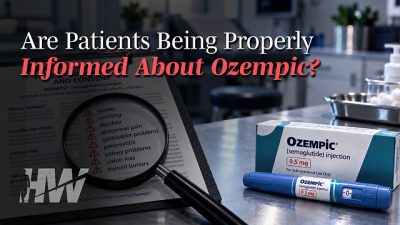
ARE PATIENTS BEING PROPERLY INFORMED ABOUT OZEMPIC?
or go to
Aletho News Archives – Video-Images
New Book
Breast Cancer: Before You Consent
A new Unbekoming paperback
Lies are Unbekoming | September 18, 2026
Peter Gøtzsche reviewed every randomised mammography screening trial ever conducted for the Cochrane Collaboration. Cochrane’s headline is that, assuming a 15% mortality reduction, one woman in 2000 avoids dying of breast cancer over ten years. Ten are overdiagnosed and treated. Two hundred experience false alarms.
But that headline assumes the reduction. When Gøtzsche looked only at the trials with adequate randomisation — the higher-quality ones — the reduction disappeared. No effect on breast cancer mortality. No effect on all-cause mortality.
This is the Cochrane finding, published in the establishment’s own database of systematic reviews.
No woman being asked to consent to a mammogram this week knows it.
That is why the new Unbekoming paperback exists. … continue
Blog Roll
 Aletho News
- The Truth About the Trump Shootings with Ken Silva
- ARE PATIENTS BEING PROPERLY INFORMED ABOUT OZEMPIC?
- US lawmaker blocks $2.8 billion weapons sale to Israel: Report
- Yemeni army claims responsibility for strikes on sensitive sites in Saudi capital, Aramco facilities in Yanbu
- Iran Judiciary issues indictments against 159 US, Israeli officials for assassination of Leader, commanders
- Turkiye revokes Iranian bank license under US sanctions campaign
- US-Denmark Agreement on Greenland Is ‘PR Stunt’ Ahead of Midterms
- Araghchi: Military intervention cannot create security; coercion cannot bring peace
- Fraud Squared
- Breast Cancer: Before You Consent
- If Americans Knew
- Inside Gaza’s death trap of collapsing, bombed-out buildings
- The everyday items Israel bans from Gaza every day
- Inside the siege, the ruined buildings of Gaza – Daily Update
- Debunking The Claim That Macklemore Has A “History Of Antisemitism”
- CPJ demands release of arrested Palestinian-US journalist near Bethlehem
- Robert Kraft: The Billionaire Friend of Netanyahu Pulling The Strings Behind the Macklemore/Ed Sheeran Blow Up
- Columbia Administered Fund Gives Big Money to Pro-Israel Groups
- Deportation Case of Palestinian Activist Salah Sarsour Tests First Amendment
- ‘We Will Not Forget’: Palestinians Mark 44 Years since Sabra and Shatila
- Why do we let Zionists decide what we can and can’t say?
- No Tricks Zone
- 2025 Nature Paper Claiming Worsening Global Drought Gets RETRACTED …Heavily Flawed
- New Study: ‘Global Drought Shows No Detectable Recent Acceleration Under Climate Warming’
- Economic Masterminds: German Socialists Suggest Taxing Productivity Gains Stemming From Using AI
- The South China Sea Has Not Been Cooperating With The Climate Change Narrative
- Energy Crisis: Germany Enters Heating Season With Historically Low Gas Reserve Fill Levels
- New Study: The Antarctic Ice Sheet Gained Mass From 2020-2024 Due To Staggering Snow And Ice Accumulation
- Study: Ocean Heating Rates From Thousands Of Years Ago ‘Dwarf’ Modern Ocean Heating Rates
- Climate Extremists Target, Attack Large-Scale Power Grid Infrastructure In Germany!
- New Study: Antarctic Ice Melt Has Contributed Less Than 1 Centimeter To Sea Level Rise In The Last 30 Years
- Fear Of Debate: Alarmist German Climate Scientist Calls On Mainstream Media To Discredit Skeptic Voices
 Aletho News