We see unprecedented use of ‘unprecedented’ today. Yes, it applies to putting entire nations under house arrest. Yes, it applies to the near-universal wearing of masks (more accurately muzzles). Yes, it applies to needing a passport to be normal. But perhaps the entire phenomenon we are experiencing is not unprecedented.
Let us look back in time to 380, when Rome became the superspreader of Christianity by making it their empire’s official religion. Within 100 years the Roman Empire collapsed but despite the death of its host, Christianity survived and for over 1000 years the head of the Catholic Church was the most powerful figure in all of Europe.
Most rulers of nations, then and now, have one core raison d’être, which is to protect us from other versions of themselves. But the Catholic Church would tolerate no other versions. Its Pope reigned supreme, having spiritual authority over kings, dukes, princes and local overlords. As the Lord’s Prayer tells us “…thy kingdom come, thy will be done, on earth as it is in heaven.” Your local priesthood conveyed the will to be done on earth, working hand in glove with the local lord, whose temporal power was recognised by God’s official mouthpiece, the Pope.
You may ask how the church came to have and maintain such power. The answer is simple: faith and fear.
They had agents throughout the land, with a church in every town. The priest class, from archbishops down to parish priest, were the most highly-educated and respected sector of society. The priesthood was a sought-after secure profession, and people had faith in the truth of what the priest told them. It was often sound advice they could find nowhere else. The church had a near monopoly on education, with part of the core curriculum being God and creation, Jesus and miracles, sin and salvation, as well as good deeds, forgiveness, and useful guidance. Most priests were good people, people of faith, and following their advice was the passport to Heaven.
Then there is the fear. The devil can manifest anywhere in the world, tempting people to stray from the path of righteousness. The devil can be lurking unseen within any one of us, prompting urges that God wants us to supress. We must be on our guard from those he may have corrupted. We must follow the priest’s advice to avoid the fearsome prospect of Hell.
Believers knew that if they behaved badly during their 50 or so years of this existence, they would suffer a miserable and horrific existence in Hell, forever – like eternity. What a terrifying prospect! This was the picture the church taught and most people absolutely believed what they were told by the highly educated priests. Bastards, born out of wedlock, were a product of sin and not welcome in society. Those who missed church on Sunday were avoided. Just speaking with these dangerous people could infect one with sinful thoughts.
Not all the ‘common’ people bought into the church’s teachings or went to priests for advice on things spiritual or material. Some chose a more direct spiritual interface with the living world. Many were women who also practiced unlicensed healing, whether through herbs or ‘occult’ practices invoking natural energies of the earth and human body. Tens of thousands of these women were burned, drowned or tortured to death as witches, for their deviant beliefs.
Of course, being a God-fearing church goer did not stop people from being sinners but at least you were trying and could confess your sins to the priest, do some penance and be forgiven. Without that escape clause, the ungodly sinner was doomed to Hell.
Those who wrote or spoke publicly in contradiction of the church’s teachings were guilty of heresy and their books burned and banned, as well as the heretic at times. To speak disrespectfully of things holy was considered blasphemy, punishable as a serious crime, occasionally warranting death. This unfortunate situation still prevails in many Islamic nations, with a religion 600 years younger than Christianity.
The Christian church does not have the power it once held over the minds of those in so-called Western cultures. There are still some who believe in a God who created the Universe in a few days and did it all for the benefit of humankind, before throwing us out of the Garden of Eden. Most, if not indoctrinated early, instinctively reject the idea that we are born with the burden of sin and can only find spiritual truth and salvation through the son of God, whom we crucified. The spiritual credibility of the church has not been helped in recent years by the paedophile scandals surrounding its priesthood.
Today we are witnessing a new “religion” taking hold and this one has nothing to do with spirituality, yet has spread faster than any before. It has gripped the minds of billions across the planet and is also powered by faith and fear, with an enemy as invisible as Hell and the Devil himself. Curiously, it has had its greatest success to date in the ‘West,’ perhaps filling the fear vacuum that has been created in the world’s traditionally Christian cultures.
Today’s priesthood is embodied in the medical industry, staffed by highly trained professionals with secure careers, for whom the public has high regard. Just as we once needed priests to act as intermediaries to God, we now need trained doctors as intermediaries to our bodies and guardians of our health. Many people are sadly out of touch with their mortal frame and have unquestioning faith in doctors knowing best – the high priests of health.
The medical establishment does not like competition for its services, doing whatever it can to ban or denigrate healing practices other than their own, whether herbs or naturopathy, prayer or acupuncture, homeopathy or reiki. Theirs is the only true path to health, and all other routes are portrayed as fraught with danger.
We do not know how well organised Christians were before the Romans assimilated them – before Christian belief was standardized and regulated at the Council of Nicaea. We do know that before the healing profession was dominated by the World Health Organisation, The Centre for Disease Control, and the Global Alliance for Vaccines and Immunisation, there was full medical freedom of choice for the individual. In 1880 there were more homeopaths in the USA than allopathic doctors, while mechanics earned more than either of them. It is no accident that the WHO, CDC, and GAVI are largely funded by the pharmaceutical industry, and headed by their chosen men and women. They have become today’s equivalent of the Vatican during its 1000 years of dominance. They claim a monopoly on truth and woe betide those who question or counter it.
Notable physicians, respected virologists, vaccine designers, even a Nobel Prize winner have countered the official narrative and lost their positions, been discredited and denounced. They are denied any further involvement in the hospitals, clinics and practices spread across the land as thickly as were early chapels, churches and cathedrals. Popular speakers, performers and entertainers have had their bookings cancelled for refusing to be vaccinated, or for questioning the push to global vaccination. We could view these outspoken characters as being excovidicated from the medical and media establishments.
It takes a lot of faith to accept being injected with a partially tested new-concept mRNA injection. Taking the second jab could be seen as one’s baptism into the Covidian Church. Like it or not, it is an affirmation and commitment. And unlike the splashing of holy water and utterance of sacred words, it may be difficult to decouple our immune system from the one implanted by Big Pharma. This new system will need an upgrade every 6 months to keep your internal software up to date. Where have we heard this before? What will system crashes look like?
Just as going to church does not prevent God-fearing folk from sinning, taking the injection does not prevent Covid-fearing folk from getting the virus, or from spreading it. But, we are told, if the case is bad enough to need hospitalisation, the sufferer will be less likely to die. Considering that the Covid survival rate, before vaccination began, was over 99.9%, how much the vaccine increases it is, perhaps, a moot point.
In today’s somewhat free society, it is okay to declare that the Queen is a shape-shifting lizard, okay to accuse the Bush family and their associates of taking down the three towers (the twins and WTC 7); okay to accuse Hilary Clinton of running a paedophile ring and drinking an extract of tortured children.
It is decidedly NOT okay to counter the narrative of the BIG PHARMA’ three – to suggest that Covid-9 is not an existential threat; to recommend tested known treatments for it; to disclose that natural immunity is widespread and better than jabs; to publicise the hundreds of thousands of documented adverse reactions to the injection. Those who question or counter the narrative on any level are guilty of (forgive me) ‘blaspharmy.’ Thou shalt not speak against the trinity of the CDC, WHO and GAVI.
Instead of burning books today, they ‘burn’ the online platforms of those who question or challenge the narrative of Big Pharma. YouTube channels are shut down without warning, with all their content removed from view – troves of information that was approved and online for years. Twitter accounts are terminated. Much like the bad old Soviets used to remove people from official photos when they fell out of favour, today Wikipedia entries of repeat blaspharmers can be erased, with Google searches relegating links to 20th places. This all may be more ‘climate-friendly’ than burning books, but does immense harm to the free flow of ideas, the emergence of truth, and the connected feedback loops that power positive evolution.
The parallel has been made with the Papal precedent. There is much of positive value to gain from Christian teachings but they are not and never were the only source of spiritual and moral guidance. Neither is the medical establishment the only viable source of sound and effective advice on healing and health. It’s biggest player, Big Pharma, does exceedingly well out of poor health.
We are at a unique and yes, unprecedented turning point in the story of our species. Do we remain independent human beings, able to freely associate and communicate with each other, how and where it suits us? Do we remain able to choose what we eat, and travel by the means of our choice, all while having primary responsibility for our health and well-being?
Or do we welcome being merged with outside agencies, starting with one that manages our vital immune system with regular injections? Vaccine passports, once established, would (for greater ease) morph into a body implanted chip and soon also serve as door key, passport, credit card, wallet, bus/train ticket, bar tab, membership card – and desirable citizen monitor.
We know how once wild animals were so attracted by regular food and a roof that domestication became possible. Are we sacrificing the last vestiges of personal freedom and privacy to become part of a digitally managed body of people? What are the consequences of this? We do not know, but the ‘religious’ suppression of opposition to its rapid implementation does not bode well. Technology has and can make our lives easier without being under central control by coercive bodies, sometimes headed by psychopathic personalities.
If it looks like an externally managed future is being forcibly rammed down our throats that could well be because it is. What can we do about it? The most powerful tool we have is mass non-compliance, which begins with each and every one of us, including small businesses, and those big ones with customer interests at heart. If enough employers, employees, diners, care workers, café goers, hospitality staff, shoppers and so forth refuse to pretend there is an existential killer on the loose, the scheme will immediately fall apart. And that’s another article…
In a recent viral tweet, the anti-Brexit campaigner Jolyon Maugham criticised the Government’s initial Covid strategy (which, as we know, was later ditched in favour of lockdowns).
I’m no defender of the Government’s response to the pandemic, but it’s hard to imagine a more wrong-headed criticism than this. Indeed, it’s impressive how many fallacies Maugham managed to pack into 280 characters.
First: “Herd immunity”. As the authors of the Great Barrington Declaration have tirelessly pointed out, describing any response to the pandemic as a ‘herd immunity strategy’ is like describing a pilot’s plan to land a plane as a ‘gravity strategy’. Given that Covid cannot be eliminated, herd immunity will eventually be reached, regardless of what we do.
The goal of any plan to address Covid, write Kulldorff and Bhattacharya, “should be to minimise disease mortality and the collateral harms from the plan itself, while managing the build-up of immunity in the population.”
Second, the implication of Maugham’s tweet is that the Government’s initial strategy was motivated by Conservative ideology, and that the alternative – lockdown – is what’s backed by science.
Yet, as I and others have pointed out, it’s actually lockdown that deviates substantially from the pre-Covid consensus. Indeed, the UK’s pandemic preparedness plan does not even mention the term. And in 2019, the WHO classified “quarantine of exposed individuals” as “not recommended under any circumstances”.
Given that the first lockdown was implemented by a communist one-party state, and that subsequent lockdowns were imposed with almost no prior discussion, it would make more sense to say lockdown was motivated by ideology.
Third, the virus does not “target” working class and poorer people, while leaving Etonians and bankers unscathed. It is not some pathogenic agent of class warfare.
If “target” is taken to mean “infect”, then the virus targets people who aren’t immune to it. And if “target” is taken to mean “kill”, then it would be most accurate to say the virus targets the old and the immunocompromised. After all, these groups account for the overwhelming majority of deaths.
Now, it’s true that death rates have been higher in working class occupations, as I noted in a previous post. But this is far more plausibly due to lockdown than to the Government’s initial strategy, which was in any case abandoned in March of 2020.
As the art critic J. J. Charlesworth quipped, “There was never any lockdown. There was just middle-class people hiding while working-class people brought them things.” Middle-class people like Jolyon Maugham, I might add.
On July 28, the Wall Street Journal ran our article “Why Is the FDA Attacking a Safe, Effective Drug?” In it, we outlined the potential value of the antiparasitic drug ivermectin for Covid-19, and we questioned the FDA’s vigorous attack on ivermectin. Many people praised us and many criticized us. We had clearly covered a sensitive subject. It didn’t help that one of the studies we referenced was retracted shortly before we submitted our article. Within hours of learning that fact, we sent a mea culpa to the Journal’s editors. They acted quickly, adding a note at the end of the electronic version and publishing our letter. It’s important to address two criticisms of our work. The first is that we exaggerated the FDA’s warning on ivermectin. The second is that Merck’s stance on ivermectin proved that even the company that developed ivermectin thought that it doesn’t work for Covid-19.
First, we didn’t exaggerate the FDA’s warning on ivermectin. Instead, the agency changed its website after our article was published, probably to reflect the points we made. Second, Merck had two incentives to downplay ivermectin’s usefulness against the novel coronavirus. We’ll explain both points more fully.
Ivermectin was developed and marketed by Merck & Co. while one of us (Hooper) worked there years ago. Dr. William C. Campbell and Professor Satoshi Omura were awarded the 2015 Nobel Prize for Physiology or Medicine. They earned it for discovering and developing avermectin. Later Campbell and some associates modified avermectin to create ivermectin. Merck & Co. has donated four billion doses of ivermectin to prevent river blindness and other diseases in areas of the world, such as Africa, where parasites are common. The ten doctors who are in the Front Line Covid-19 Critical Care Alliance call ivermectin “one of the safest, low-cost, and widely available drugs in the history of medicine.” Ivermectin is on the WHO’s List of Essential Medicines and ivermectin has been used safely in pregnant women, children, and infants.
Ivermectin is an antiparasitic, but it has shown, in cell cultures in laboratories, the ability to destroy 21 viruses, including SARS-CoV-2, the cause of Covid-19. Further, ivermectin has demonstrated its potential in clinical trials for the treatment of Covid-19 and in large-scale population studies for the prevention of Covid-19.
Contradicting these positive results, the FDA issued a special statement warning that “you should not use ivermectin to treat or prevent Covid-19.” The FDA’s warning, which included language such as, “serious harm,” “hospitalized,” “dangerous,” “very dangerous,” “seizures,” “coma and even death,” and “highly toxic,” might suggest that the FDA was warning against pills laced with poison. In fact, the FDA had already approved the drug years ago as a safe and effective anti-parasitic. Why would it suddenly become dangerous if used to treat Covid-19? Further, the FDA claimed, with no scientific basis, that ivermectin is not an antiviral, notwithstanding its proven antiviral activity.
Interestingly, at the bottom of the FDA’s strong warning against ivermectin was this statement: “Meanwhile, effective ways to limit the spread of COVID-19 continue to be to wear your mask, stay at least 6 feet from others who don’t live with you, wash hands frequently, and avoid crowds.” Was this based on the kinds of double-blind studies that the FDA requires for drug approvals? No.
After some critics claimed that we overstated or overreacted to the FDA’s special warning, we reviewed the FDA’s website and found that it had been changed, and there was no mention of the changes nor any reason given. Overall, the warnings were watered down and clarified. We noticed the following changes:
The false statement that “Ivermectin is not an anti-viral (a drug for treating viruses)” was removed.
“Taking a drug for an unapproved use can be very dangerous. This is true of ivermectin, too” was changed to the less alarming “Ivermectin has not been shown to be safe or effective for these indications.” (Indications is the official term used in the industry to denote new uses for a drug, such as new diseases or conditions, and/or new patient populations.)
The statement, “If you have a prescription for ivermectin for an FDA-approved use, get it from a legitimate source and take it exactly as prescribed,” was changed to, “If your health care provider writes you an ivermectin prescription, fill it through a legitimate source such as a pharmacy, and take it exactly as prescribed.” This more clearly acknowledges that reasonable physicians may prescribe ivermectin for non-FDA-approved uses, such as Covid-19.
The ending statement about masks, spacing, hand washing, and avoiding crowds was replaced with one that recommended getting vaccinated and following CDC guidelines.
The reasonable statement “Talk to your health care provider about available COVID-19 vaccines and treatment options. Your provider can help determine the best option for you, based on your health history” was added at the end.
The new warning from the FDA is more correct and less alarming than the previous one.
In a statement from February, Merck, the company that originated and still sells ivermectin, agreed with the FDA that ivermectin should not be used for Covid-19. “We do not believe that the data available support the safety and efficacy of ivermectin beyond the doses and populations indicated in the regulatory agency-approved prescribing information.”[2]
To some, this appeared to be a smoking gun. Merck wants to make money, they reason, and people are interested in using ivermectin for Covid-19, therefore, Merck would warn against such usage only if the scientific evidence were overwhelming. But that’s not how the pharmaceutical industry works.
Here’s how the FDA-regulated pharmaceutical industry really works.
The FDA judges all drugs as guilty until proven, to the FDA’s satisfaction, both safe and efficacious. By what process does this happen? The FDA waits for a deep-pocketed sponsor to present a comprehensive package that justifies the approval of a new drug or a new use of an existing drug. For a drug like ivermectin, long since generic, a sponsor may never show up. The reason is not that the drug is ineffective; rather, the reason is that any expenditures used to secure approval for that new use will help other generic manufacturers that haven’t invested a dime. Due to generic drug substitution rules at pharmacies, Merck could spend millions of dollars to get a Covid-19 indication for ivermectin and then effectively get zero return. What company would ever make that investment?
With no sponsor, there is no new FDA-approved indication and, therefore, no official recognition of ivermectin’s value. Was the FDA’s warning against ivermectin based on science? No. It was based on process. Like a typical bureaucrat, the FDA won’t recommend the use of ivermectin because, while it might help patients, such a recommendation would violate its processes. The FDA needs boxes checked off in the right order. If a sponsor never shows up and the boxes aren’t checked off, the FDA’s standard approach is to tell Americans to stay away from the drug because it might be dangerous or ineffective. Sometimes the FDA is too enthusiastic and these warnings are, frankly, alarming. Guilty until proven innocent.
There are two reasons that Merck would warn against ivermectin usage, essentially throwing its own drug under the bus.
Once they are marketed, doctors can prescribe drugs for uses not specifically approved by the FDA. Such usage is called off-label. Using ivermectin for Covid-19 is considered off-label because that use is not specifically listed on ivermectin’s FDA-approved label.
While off-label prescribing is widespread and completely legal, it is illegal for a pharmaceutical company to promote that use. Doctors can use drugs for off-label uses and drug companies can supply them with product. But heaven forbid that companies encourage, support, or promote off-label prescribing. The fines for doing so are outrageous. During a particularly vigorous two-year period, the Justice Department collected over $6 billion from drug companies for off-label promotion cases. Merck’s lawyers haven’t forgotten that lesson.
Another reason for Merck to discount ivermectin’s efficacy is a result of marketing strategy. Ivermectin is an old, cheap, off-patent drug. Merck will never make much money from ivermectin sales. Drug companies aren’t looking to spruce up last year’s winners; they want new winners with long patent lives. Not coincidentally, Merck recently released the clinical results for its new Covid-19 fighter, molnupiravir, which has shown a 50% reduction in the risk of hospitalization and death among high-risk, unvaccinated adults. Analysts are predicting multi-billion-dollar sales for molnupiravir.[3]
While we can all be happy that Merck has developed a new therapeutic that can keep us safe from the ravages of Covid-19, we should realize that the FDA’s rules give companies an incentive to focus on newer drugs while ignoring older ones. Ivermectin may or may not be a miracle drug for Covid-19. The FDA doesn’t want us to learn the truth.
The FDA spreads lies and alarms Americans while preventing drug companies from providing us with scientific explorations of existing, promising, generic drugs.
David R. Henderson is a Senior Fellow with the American Institute for Economic Research.
He is also a research fellow with the Hoover Institution at Stanford University and emeritus professor of economics with the Naval Postgraduate School, is editor of The Concise Encyclopedia of Economics.
David was previously the senior economist for health policy with President Reagan’s Council of Economic Advisers.
***
Charles L. Hooper is President and co-founder of Objective Insights, Inc. He is also the author of Would the FDA Reject Itself? (Chicago Park Press, 2021), currently available as an ebook on Apple Books and Amazon Kindle. A paper version is forthcoming.
Prior to forming Objective Insights in 1994, he worked at Merck & Co., Syntex Labs, and NASA.
He is a former visiting fellow at the Hoover Institution at Stanford University.
His experience is in decision analysis, economics, product pricing, forecasting, and modeling.
On the July 19th 2021, England removed almost all its legal mandates that required healthy people to wear face coverings in community settings. Scotland, Wales and Northern Ireland, however, opted to retain their mask mandates, as did London on its public transport system. Ominously, the Government’s Covid strategy for this winter includes the prospect of a ‘Plan B’ that could see the return of compulsory face masks in indoor settings in England. After a few months of bare-faced normality, how will the general public react to future directives to muzzle up?
Smile Free – a campaign group seeking the permanent removal of all mask mandates – urges each person to consider the responses to the following six questions before deciding whether to hide your face again.
Q1. Do masks help reduce viral spread?
Although some studies claim otherwise, the real-world evidence strongly suggests that masking the healthy does not significantly reduce the spread of respiratory viruses for neither the wearer nor others. Key reasons for this lack of efficacy are likely to include the improper use and storage of masks in the real world and the growing recognition that SARS-CoV-2 (the virus responsible for COVID-19) is spread via microscopic aerosol particles that are far too small to be kept at bay by face coverings.
Q2. Will wearing a mask cause me any physical harm?
Q3. Do masks cause any social or psychological harms?
The social and psychological consequences of hiding our faces from other people are profound. Humans are social animals. We need to interact with others and communicate to sustain our wellbeing. Face coverings are dehumanising, inhibiting all forms of emotional expression and social interaction. Individuality minimised, identity hidden, the masked population appear broadly the same as they trudge along in their social vacuums. The impact of a masked population on children is even more problematic, denying them access to facial expressions that are so crucial for their emotional development.
Q4. Will wearing a mask help to reassure others who are anxious?
Most definitely not. Acting as a crude, highly visible reminder that danger is all around, face coverings are fueling widespread anxiety. Fear is underpinned by a perception of threat and being masked is a blatant indicator that we are all bio-hazards. Furthermore, continuing to wear masks while we gradually try to return to normality will act to keep fear going, as the wearer may attribute their survival to the mask rather than conclude that it is now safe to return to everyday activities. To recommend face coverings as a source of reassurance is akin to insisting people wear a garlic clove around their necks to reduce their fear of vampires.
Q5. Under the law, do I have a ‘reasonable excuse’ not to wear a mask?
In general terms, if wearing a mask is likely to cause you ‘severe distress’, or put you ‘at risk of harm or injury’, you are legally exempt. Mental health problems (such as anxiety, depression, and paranoia) and physical health problems (such as asthma and other respiratory difficulties) are sufficient and lawful reasons not to wear a face covering. Furthermore, you are not obliged to disclose your specific reason for exemption to anybody other than an official enforcement officer (usually a police officer); any other person who challenges you about not wearing a face covering is likely to be acting unlawfully and thereby risking prosecution. Indeed, a service provider has been fined £7000 under the Discrimination Disability Act for denying access to a woman without a mask.
Q6. Do I risk being fined if I don’t wear a mask?
While it is possible that a fine could be imposed for not complying with a mask mandate, such an event seems rare. Thus, in the four-month period June-to-September 2020, only 89 fines were issued (61 on public transport, 28 in retail settings) across the whole of England and Wales. Furthermore, if you are unfortunate enough to receive a fine and decide to contest it in Court, it is highly likely you will succeed; according to figures produced by the Crown Prosecution Service, all charges under the Coronavirus Act have either been withdrawn in Court or quashed after innocent people were wrongfully indicted.
In conclusion, mandating masks for healthy people in their communities is irrational, counterproductive, unethical and ultimately unenforceable. To help continue the fight against legal requirements to wear face coverings, please consider joining our Smile Free campaign.
Dr. Gary Sidley is a retired clinical psychologist with over 30 years’ experience working for the NHS.
A deleted government report exploring how to make the public alter its behavior to accept the new ‘green economy’ reveals how COVID-19 restrictions have created a population with a “deep set reverence” for authority and a “powerful tendency to conform.”
The report was inadvertently published by the British government before being hastily pulled down, but numerous journalists were able to retrieve its contents.
The document explored how to weaponize behavioral psychology to ‘nudge’ the public into supporting measures and adopting behavior without them explicitly knowing they’re being manipulated.
The investigation found that the same techniques the government used to force people into accepting lockdown could be used to make them change their lifestyles in the name of preventing climate change.
Under the heading “principles for successful behaviour,” the paper noted;
“Government statements, actions and laws powerfully shape perceptions of normative and acceptable behaviour. For instance, even with public criticism being high, many still perceived government approval as the yardstick for safe behaviour during COVID-19 ‘we’re allowed to do this now [so must be safe]…’. This reveals, for many, a deep set reverence for legitimate government authority, regardless of one’s personal political views.”
While PR stunts such as having officials vaccinated live on television worked to convince people of the narrative, elite hypocrisy (public officials violating lockdown rules) was found to cause significant damage to public trust.
“Perceived hypocrisy can do a lot to undermine efforts to build public engagement and support. This was observed during the COVID-19 pandemic when prominent authority figures broke guidelines, leading to measurable reductions in public compliance as well as shifting attitudes.”
“Green politics has similar deep-seated reputational issues with elite hypocrisy,” notes Breitbart. “A common feature of climate change summits has been high-profile attendees arriving by private or government jet, a disconnect between word and deed that seems unlikely to vanish in the near term.”
The paper concluded that people can be rather easily “nudged” into changing their behavior in response to government announcements and “have a powerful tendency to conform.”
The investigation also found that even if enforced changes to lifestyle are not wanted by the public, most tend to fall in line with the new status quo rather quickly anyway.
The report was prepared by the Behavioural Insights Team (BIT), a quasi-government body that was part of the effort to use “totalitarian” and “unethical” methods of instilling fear into the population as a means of scaring them into complying with lockdown rules.
A related group, the Scientific Pandemic Insights Group on Behaviours team, warned at the start of the first lockdown that a “substantial number of people still do not feel sufficiently personally threatened [by Covid-19].”
“The perceived level of personal threat needs to be increased among those who are complacent, using hard-hitting emotional messaging,” the group added, leading to numerous lurid propaganda campaigns that exaggerated the threat of COVID to bully the public into total submission.
In summary, the public is largely unthinking, compliant and docile and can be made to go along with just about anything so long as they’re bombarded with the right propaganda.
Kevin Galalae has published his research in a document titled: PCR Tests and the Depopulation Program. He concludes “the coronavirus blamed for countless deaths real and imagined is a political fiction. The symptoms attributed to Covid are caused by a deliberate three-pronged attack on our health and lives by our own national and international authorities.”
The deliberate three-pronged attack is summarised as follows:
damage the epithelium of the nasopharyngeal cavity with PCR test swabs to bring down the immune defences that protect our brain
create a closed loop between the mouth and the nose, thus between outgoing and incoming air, by forcing us to wear face masks throughout the day
increase damage to the brain by subjecting us to chemicals and neurotoxins that could never reach the brain had they not destroyed the blood-brain barrier
Kevin Galalae is a Canadian human rights activist, author, journalist and historian. He has authored numerous books including Killing Us Softly: The Global Depopulation Policy. As an activist, Galalae has many notable accomplishments including matters in the United Kingdom, European Union and United Nations and is an ardent defender of a free World Wide Web.
Galalae is also an expert on the topic of the global depopulation policy – also known as Agenda 21, Agenda 2030 or population control. His biography makes interesting reading and, as downloaded from The EveryDay Concerned Citizen, is attached below.
The creator of the PCR test, Dr. Kary Mullis, has stated clearly and on many occasions that the results of the PCR tests can be easily misinterpreted to mean anything. The PCR testing methodology does not distinguish if positive results are infectious.
Given their invasive nature and the fact that they were never meant for diagnostic but for research purposes, why are they being used as often as possible on the same individuals and on as many people as possible? “Well, now I know how the system is misusing them!” Galalae exclaims and gives his explanation, with links to scientific research, in his twelve-page document: PCR Tests and the Depopulation Program (see attached below).
“The long swab inserted into the nasopharyngeal cavity all the way to the roof of the nose … damages the fascicles of the olfactory nerve, which, as it turns out, has dire consequences for human health and lifespan because the olfactory nerve is one of only two windows in the cranium through which viruses and bacteria can move from nose to brain, thus can cross the blood-brain barrier, the other one being the trigeminal nerve.” – PCR Tests and the Depopulation Program
The olfactory nerve contains sensory nerve fibres relating to the sense of smell. It is the only cranial nerve that has stem cells – called olfactory ensheathing cells – which enable it to continually regenerate throughout life. They are the cells that protect the olfactory nerve and aid its regeneration in case of damage through age or injury. These cells are so unique that doctors have recently begun using them to successfully repair spinal cord injuries and to treat brain diseases.
Additionally, the olfactory ensheathing cells assist in innate immunity because they are phagocytic and, as such, ingest bacteria. The innate immune system includes all our body’s first line defences such as the physical barriers lining the nose, throat, lungs and gut, as well as the skin. Innate immunity provides broad protection and is quick to react to any threat. The olfactory ensheathing cells are thus a crucial part of the protection provided to the brain.
For adults aged between 57 and 85 years, once the olfactory ensheathing cells lose their ability to regenerate the chance of dying within five years is four times higher.
The PCR tests serve two important roles for the depopulation program.
In the short-term, by repeatedly damaging the olfactory nerve with nasal swabs the incidence of viral and bacterial infections is rapidly raised. This helps governments create and sustain the impression of a pandemic. The more people are tested the more people are damaged and left defenceless against various infections that are then mislabelled en masse as Covid infections. And, by simply raising the number of cycles in the thermal cycler the authorities get the percentage of positive results they want.
“And in the long-term, by periodically damaging the olfactory nerve it will lose its ability to regenerate and this helps governments prematurely kill countless people ages 57 to 85, the very age groups governments of the developed world want dead to ease the old-age burden and prevent economic collapse.” – PCR Tests and the Depopulation Program
The trigeminal nerve is a nerve responsible for sensation in the face and motor functions. If the test swab is inserted at the wrong angle and it touches this nerve it can affect the sense of taste and even sight.
“But even inserted at the correct angle, the mucosa of the nasopharyngeal cavity is damaged irrespective of the angle at which the swab is inserted at so long as it is inserted as deeply and rotated as vigorously as required by the PCR testing procedure, especially when the swabs are designed to do as much damage as possible by having serrated tips capable of scratching and damaging as much epithelium as possible” – PCR Tests and the Depopulation Program
Ethylene oxide, a well-known cancer-causing substance, is used to sterilize the PCR test swabs. “And since the swabs smear this mutagenic chemical on the mucosa of the nose, which is hypersensitive, it damages our health in unknown ways.” – PCR Tests and the Depopulation Program
Face Masks
“By mandating mask wearing indoors and outdoors, knowing that exhaled air contains numerous bacteria and viruses, the planners are subjecting billions of people to inhale pathogens that the body exhaled from the respiratory tract … Hundreds of studies show that the inside of surgical masks contain greatly increased loads of bacteria and fungi after prolonged wearing and are a source of contamination not only for those wearing them but also for those around them.” – PCR Tests and the Depopulation Program
The latest and most comprehensive study has found that mask wearing by the general population leads to: a drop in oxygen; fatigue; rise in carbon dioxide; respiratory impairment; headache; and, temperature rise and moisture under the mask.
How do the test swabs and masks work together towards the same aim?
Galalae surmises that the test swabs damage the immune defences of the brain leaving it exposed to pathogens. And then, the masks subject the brain to asphyxiation by depriving it of oxygen and bombarding it with carbon dioxide. The respiratory center of the brain – which controls minute-to-minute breathing – begins to malfunction and as a result, people have trouble breathing. “The breathlessness (dyspnoea) associated with Covid is therefore not due to lung lesions but to damage to neural processing, thus due to brain damage.” – PCR Tests and the Depopulation Program
Chemicals And Toxins
“The general population has been subjected to an onslaught of dangerous chemicals through hand sanitisers, whose use medical authorities have mandated for the most mundane activities ever since the plandemic has been started. Methanol is probably the most dangerous and most often found chemical in hand sanitisers … It is known to cause metabolic acidosis, visual disturbances and neurological deficit.” – PCR Tests and the Depopulation Program
Galalae then goes on to explain how the adult population is subjected to neurotoxins – most likely isodecanes and mycotoxins – hidden in body care products, food and drinks (especially beer).
Summary
Galalae ends with “this explains, among other things,” and he lists a number of points the below being a few of them, why:
incidences of illness increase as PCR testing increases;
the pathology attributed to Covid is so wide-ranging and so far removed from any other viral infection of the respiratory tract;
the pandemic disappears and reappears;
vaccine passports are only given to people who are either vaccinated or have had positive PCR tests, but never to those who show that they have naturally acquired antibodies; there is no pharmacological treatment for Covid; and,
governments continue to insist on subjecting as many people as possible as often as possible to an intrusive medical test that can be easily done by analysing saliva.
The unrelenting opposition to using ivermectin to treat and prevent COVID-19 is stronger than ever. This has resulted from a gigantic increase in demand for IVM by much of the public.
Despite big media tirades against IVM, the truth about its effectiveness (together with failure of COVID vaccines) has reached the public through many articles on alternative news websites and truth-tellers on countless podcasts. Its success has forced Big Pharma to create expensive copies of it.
Monthly IVM prescriptions increased 72 percent from 39,864 in 2019 to 68,428 in 2021 (through May). Just when COVID vaccination started to be pushed in January 2021 prescriptions hit a high of 97,192. A number of medical specialties greatly increased off-label use of IVM for fighting COVID in this period: anesthesiology, 1,319%; pulmonology, 1,167%; cardiology, 741%, for example. Strong support by physicians for IVM to cure and prevent COVID.
And in my book Pandemic Blunder I made the case with data that using cheap, safe and effective generics like IVM and hydroxychloroquine would save 80% or more of COVID deaths. Esteemed physician Peter McCollough later said 85%. For the US, that means some 600,000 lives could have been saved, and globally over 4 million lives. Meanwhile, hundreds of thousands of people worldwide have also died from COVID vaccines, the failed solution to the pandemic.
Merck, a maker of IVM, is getting much positive press coverage for its forthcoming prescription oral antiviral (molnupiravir). It is designed to replace IVM that they cannot make big money from. FDA will soon give it emergency use authorization because of the emerging clarity that COVID vaccines do NOT work effectively or safely.
That the Washington Post says that what Merck has created is the “first covid-fighting pill” illustrates how awful big media has been in ignoring the proven benefits of the IVM and HCQ generics. And ignoring the many failures of COVID vaccines. In its October 2 front-page story on the new Merck pill, it did not even mention IVM or present any data showing IVM as proven even more effective than the new expensive drug tested on only hundreds of people for a short period.
In contrast, IVM has been used successfully on hundreds of thousands of people to treat and prevent COVID.
Speaking as someone who is using IVM as a prophylactic, here is what I have seen in recent times. Though getting a prescription for it is very difficult and stressful it can be done through a number of websites. But then the battle just begins. Many pharmacies, especially big chain ones, will not fill IVM prescriptions if there is any evidence that it is being used to fight COVID.
And then you will likely discover, as I did, that virtually no pharmacy (typically small community ones) that will fill such prescriptions has any IVM. That’s right. There is a national shortage of IVM because of huge demand in recent months and because US makers have not escalated production.
Probably, millions of vaccine resisters are using IVM, especially those resisting booster shots.
Can you still get it? Yes, and even without a prescription. It will have to come from India, with many makers of IVM. It can take many weeks to get it. But the cost is a tiny fraction of what US pharmacies have been charging when they did have it in stock. Rather than $4 or $5 for a 3 mg pill, you can buy 12 mg pills for way under $1 a pill.
But there is more to the IVM story.
There is absolutely no doubt whatsoever that there is massive medical science data showing absolute reliable data that IVM is safe and effective for both treating and preventing COVID. This is what should be a bold large headline in newspapers if we had honest big media: IVM SAFE AND EFFECTIVE ALTERNATIVE TO COVID VACCINES.
But instead, there is a constant barrage of articles and statements from government agencies asserting IVM should not be used to fight COVID. They argue it is unsafe and ineffective. Both are lies aimed solely at protecting the mass vaccination effort and the profits of big drug companies. And now protecting the new Big Pharma market for antiviral pills.
FDA has issued very strong warnings against using IVM for COVID. Nothing it has said follows the true science and mountains of data supporting safe and effective IVM use. Like other IVM opponents, it has conflated personal IVM use with the use of IVM products designed for animals.
This is even more infuriating. Merck, despite being a maker of IVM discredited its use for COVID by irresponsibly stating, “We do not believe that the data available support the safety and efficacy of ivermectin beyond the doses and populations indicated in the regulatory agency-approved prescribing information.”
Clearly, Merck, Pfizer and other vaccine makers are developing their own oral antivirals to directly compete with the cheap and effective IVM. These antivirals, unlike cheap generic IVM, would be patented so expensive pills could be sold worldwide. They will find some ingenious ways to copy IVM but make enough changes to get patents.
Already, Merck has begun production of its new pill to be taken twice daily for five days. Even more significant: The US government has made an advance purchase of 1.7 million treatment courses for $1.2 billion! That is over $700 per treatment. So much more profitable than making IVM. Forget the billions of dollars spent on vaccines that are injuring and killing many people.
I am confident in predicting that as more and more bad news about the ineffectiveness and dangerous side effects of COVID vaccines become increasingly known to more of the public, the big drug companies will increasingly switch from vaccines to prescription antiviral medicines. This is what smart corporate business strategic planning is all about. With Merck, it has already started. And FDA, CDC and NIH will go along with this strategic switch.
This will preserve a trillion-dollar market for pharmaceutical companies. How the government and public health establishment weasel word their switch from COVID vaccines to antiviral pills will be a marvelous magical trick to watch. Do you think that they will admit that millions of people worldwide have lost their health and lives from vaccine use? Of course not. Expensive antiviral pills will simply be sold as a better solution.
Be clear about the science explaining why IVM and HCQ have worked. They both (along with zinc) interfere at the earliest stage of COVID infection with viral replication. Stops infection in its tracks. They work as prophylactics for the same reason. If you keep a modest amount of IVM and HCQ in your body (and take zinc, vitamins C and D, and quercetin) any virus that enters your body can be stopped before major viral replication. The new prescription medicines coming from Merck and other Big Pharma are designed to serve the same function as the cheap generics.
This is the big truth coming to fruition: All the emerging information on COVID vaccine ineffectiveness and dangerous and often lethal side effects is forcing a major strategic shift to antivirals.
Congressman Louie Gohmert has recently made a number of solid observations about IVM:
“Almost 4 billion doses of ivermectin have been prescribed for humans, not horses, over the past 40 years. In fact, the CDC recommends all refugees coming to the U.S. from the Middle East, Asia, North Africa, Latin America, and the Caribbean receive this so-called dangerous horse medicine as a preemptive therapy. Ivermectin is considered by the World Health Organization (WHO) to be an ‘essential medicine.’ The Department of Homeland Security’s ‘quick reference’ tool on COVID-19 mentioned how this life-saving drug reduced viral shedding duration in a clinical trial.”
“To date, there are at least 63 trials and 31 randomized controlled trials showing benefits to the use of ivermectin to fight COVID-19 prophylactically as well as for early and late-stage treatment. Ivermectin has been shown to inhibit the replication of many viruses, including SARS-CoV-2. It has strong anti-inflammatory properties and prevents transmission of COVID-19 when taken either before or after exposure to the virus.”
“Ivermectin also speeds up recovery and decreases hospitalization and mortality in COVID-19 patients. It has been FDA approved for decades and has very few and mild side effects. It has an average of 160 adverse events reported every year, which indicates ivermectin has a better safety record than several vitamins. In short, there is no humane, logical reason why it should not be widely used to fight against the China Virus should a patient and doctor decide it is appropriate to try in that patient’s case.” And that small number of adverse events pales in comparison to hundreds of thousands for COVID vaccines.
A new, comprehensive report noted that 63 studies have confirmed the effectiveness of IVM in treating COVID-19. This is a great website to see positive IVM data.
And consider what former Director of Intellectual Property at Gilead Pharmaceuticals, Brian Remy, said about the necessity of implementing Ivermectin. “It is simple – use what works and is most effective – period. Ivermectin used in combination with other therapeutics is a no-brainer and should be the standard of care for COVID-19.
Not only would this be good for business and help avoid the criticism and bad PR, and potential civil/criminal liability for censorship, scientific misconduct, etc. for misrepresentation of Ivermectin and other generics, but most importantly it would save countless lives and end the pandemic for good.” Amen.
Want even more positive facts? Consider the India experience. In India’s deadly second pandemic surge, Ivermectin obliterated their crisis. Within weeks after adopting IVM cases were down 90%. Those states with more aggressive IVM use were down more dramatically. Daily cases in Goa, Uttarakhand, Uttar Pradesh, and Delhi were down 95%, 98%, 99%, 99%, respectively.
And appreciate this: Dr. Kory and the FLCCC published a narrative review in May 2021, showing the massive effectiveness of IVM against COVID-19 in reducing death and cases. They concluded that it must be adopted globally immediately. Yet big media without respect for public health waged war against IVM. Now it is going crazy in support of the expensive Merck antiviral pill.
To sum up: The IVM story is far from over. We now have a pandemic of the vaccinated. From all over the world the fractions of people said to have died from COVID who were fully vaccinated are very high, often 80 percent. Many people with breakthrough COVID infections die. Blame those deaths on the vaccines. Big media suppresses all the negative information on the vaccines and all the positive information on IVM.
This double whammy is pure evil.
It is designed to pave the way for the new, expensive generation of antiviral pills once the medical and public health establishments backtrack from their vaccine advocacy and coercion.
About the author: Dr. Joel S. Hirschhorn, author of Pandemic Blunder and many articles on the pandemic, worked on health issues for decades. As a full professor at the University of Wisconsin, Madison, he directed a medical research program between the colleges of engineering and medicine. As a senior official at the Congressional Office of Technology Assessment and the National Governors Association, he directed major studies on health-related subjects; he testified at over 50 US Senate and House hearings and authored hundreds of articles and op-ed articles in major newspapers. He has served as an executive volunteer at a major hospital for more than 10 years. He is a member of the Association of American Physicians and Surgeons, and America’s Frontline Doctors.
Sometimes it pays to step back in history to understand exactly how something monumental was created. This is the story of how one Big Lie turned our world upside down and ruined the lives of millions of people.
Hard to believe that one Big Lie could have created all the pandemic controls, especially lockdowns, school closings and quarantines, that devastated our lives, our economy and our society. But it happened.
A very powerful, influential person told the world in early 2020 that the new China virus that leads to COVID-19 infection was especially lethal. It quickly pushed a fast, enormous response to protect public health. Was the truth was being told? It was not. There was an exaggeration of the new virus lethality for the entire population.
In truth, it was only severe for the oldest age category. Helped by corrupt data from CDC, overstatement of COVID lethality continues today to maintain public fear.
But first it is important to discuss the meaning of critically important terms. What the Big Lie was all about had to do with the fatality or death rate of what early in 2020 was seen as an invading new virus coming from China. How should we think about the fatality rate of a virus?
Terminology
One simple and correct way is how many people die from the infection caused by the virus: the Infection Fatality Rate (IFR). But another possible way would be to invoke the Case Fatality Rate (CFR); the fraction of documented cases of people with the virus that resulted in death.
How can you know how many people are infected? A lot of testing would be necessary. For our COVID pandemic there has been, surprisingly, very little wide blood testing across the whole population. Many people with infections have no symptoms or just mild ones and do not seek testing or medical attention. The CDC has done a terrible job of getting good data on infection numbers.
As to cases ascribed to COVID, there are reasons why that number surely underestimates how many people are really infected. Why? Because only some people, usually with symptoms, get tested and if found positive become a case. On the other side, the PCR test method most widely used has often been implemented in a way to get false positive results.
Mainly because the number of cycles the test is run is far too high (above 25) and picks up fragments of the virus (or any coronavirus) that does not document real COVID infection. Thus, the CFR is not a reliable or accurate measure of the real death rate despite widely published case numbers.
Key Moment In History
During a March 11, 2020 hearing of the House Oversight and Reform Committee on coronavirus preparedness, Dr. Anthony Fauci, director of the National Institute of Allergy and Infectious Disease, put it plainly: “The seasonal flu that we deal with every year has a mortality of 0.1 percent,” he told the congressional panel, whereas coronavirus is “10 times more lethal than the seasonal flu,” per STAT news. [0.1 percent also expressed as .001]
He also said: “The bottom line: It is going to get worse.” And this: “The stated mortality, overall, of [the coronavirus], when you look at all the data including China, is about 3 percent.”
That figure of 3 percent, far from reliable, is 30 times greater than the figure given for the seasonal flu. Fauci exaggerated to create a crisis. Simply by implying great lethality for everyone infected by the new COVID virus.
And it should be noted that CDC has found the flu IFR ranged from 0.1 percent (the figure cited by Fauci) to 0.17 percent [.0017] from 2014 to 2019, because seasonal deaths vary significantly.
What Fauci said put the country, with the help of big media, into convulsions. It created the foundation for authoritarian contagion controls driving a spike into the lives of Americans. Fauci intentionally created the pandemic by creating fear.
New York City Analysis
An interesting analysis was made for IFR for New York City at the height of the pandemic in May 2020. It illustrates how both death and infection data can be fine-tuned to get an IFR. As to deaths, blood testing found that 19.9 percent of people had antibodies indicating infection, yielding a number of 1,671,351 infected. As to deaths from COVID, there were three components: 13,156 confirmed, 5,126 probable, and 5,148 excess for a total of 23,430, that may have overstated deaths.
Probable meant likely COVID death but not confirmed through testing. Excess meant the number above expected seasonal baseline level. Using the total deaths divided by total infected produces an IFR of .014. Higher than the usual quoted flu value [.001] for the height of the pandemic in high density New York City.
And without consideration of variations among most vulnerable groups. A high rate of fatality for elderly people would cause a deceptive high value for IFR for the entire population.
Deaths certainly have declined significantly in the past year and more (even as high transmissivity delta variant has probably maintained high levels of infections). Why? Because of far better actions in hospitals and because infected people have surely learned a lot about home treatments to catch COVID infection early after initial symptoms and possibly a positive test. Cutting the deaths in half for the same number of infected people results in an IFR of .007, probably a more realistic figure for today.
World Health Organization
At an October 2020 meeting of the World Health organization, Dr Michael Ryan, the Head of Emergencies revealed that they believe roughly 10 percent of the world has been infected with Sars-Cov-2. This is their “best estimate.” This figure was based on the average results of all the broad seroprevalence (blood) studies done around the world. The message was that the virus is nothing as deadly as everyone predicted.
At the time the global population was roughly 7.8 billion people, if 10 percent have been infected that is 780 million infections. The global death toll then attributed to Sars-Cov-2 infections was seen as 1,061,539. That’s an infection fatality rate of roughly or 0.14 percent [.0014]. Consistent with seasonal flu and the predictions of many experts from around the world. And inconsistent with the dire picture given by Fauci.
Great Analysis
Now consider the detailed analysis “Public Health Lessons Learned From Biases in Coronavirus Mortality Overestimation” by Ronold B. Brown published in August 2020. He has doctoral degrees in public health and organizational behavior.
Here are highlights from this article that focused on what Fauci said.
“The validity of this estimation could benefit from vetting for biases and miscalculations. The main objective of this article is to critically appraise the coronavirus mortality estimation presented to Congress.”
[What Fauci said] “helped launch a campaign of social distancing, organizational and business lockdowns, and shelter-in-place orders.”
“Previous to the Congressional hearing, a less severe estimation of coronavirus mortality appeared in a February 28, 2020 editorial released by NIAID [Fauci’s department] and the Centers for Disease Control and Prevention (CDC). Published online in the New England Journal of Medicine (NEJM.org), the editorial stated: ‘…the overall clinical consequences of Covid-19 may ultimately be more akin to those of a severe seasonal influenza (which has a case fatality rate of approximately 0.1 percent).’
Almost as a parenthetical afterthought, the NEJM editorial inaccurately stated that 0.1 percent is the approximate case fatality rate of seasonal influenza. By contrast, the World Health Organization (WHO) reported that 0.1 percent or lower is the approximate influenza infection fatality rate, not the case fatality rate.“
Brown correctly hit the key semantic issue: CFR versus IFR.
“IFRs are estimated following an outbreak, often based on representative samples of blood tests of the immune system in individuals exposed to a virus. Estimation of the IFR in COVID-19 is urgently needed to assess the scale of the coronavirus pandemic.“ [Now, over a year later this has not happened.]
Brown correctly emphasized “it is imperative to not confuse fatality rates [CFR and IFR] with one another; else misleading calculations with significant consequences could result.” [That is exactly what Fauci engineered.]
Brown said the 1 percent figure in the testimony was consistent with the “coronavirus CFR of 1.8-3.4 percent (median, 2.6 percent) reported by the CDC.” [As I write this data in The Washington Post shows a CFR of 1.6 percent. This substantiates that the health care system has made progress in curbing COVID deaths. But this current CFR is still 16 times higher than the IFR figure for the seasonal flu. IFR remains the issue.]
Now Brown gets to the heart of the problem: “A comparison of coronavirus and seasonal influenza CFRs may have been intended during Congressional testimony, but due to misclassifying an IFR as a CFR, the comparison turned out to be between an adjusted coronavirus CFR of 1 percent and an influenza IFR of 0.1 percent.”
[Did Fauci, the widely lauded expert, not know what he was doing? Hard to believe this. If he knew, then we have the explanation for the Big Lie.]
By May 2020 “it was clear that the coronavirus mortality total for the season would be nowhere near 800,000 deaths inferred from the 10-fold mortality overestimation reported to Congress [emphasis added].
Even after adjusting for the effect of successful mitigation measures that may have slowed down the rate of coronavirus transmission, it seems unlikely that so many deaths were completely eliminated by a nonpharmaceutical intervention such as social distancing, which was only intended to contain infection transmission, not suppress infections and related fatalities.”
As to getting good data to determine IFR, Brown noted: “A revised version of a non–peer-reviewed study on COVID-19 antibody seroprevalence in Santa Clara County, California, found that infections were many times more prevalent than confirmed cases.
As more serosurveys are conducted throughout the country, a nationally coordinated COVID-19 serosurvey of a representative sample of the population is urgently needed, which can determine if the national IFR is low enough to expedite an across-the-board end to restrictive mitigating measures.”
[In other words, with systematic blood testing, if we have an IFR for COVID similar to the IFR for the seasonal flu, then the many disruptive and costly actions by the public health establishment are not justified. And they never were! ]
Another Analysis
The title of this September 2020 article by Len Cabrera is “Mistake or Manipulation.” An initial point made was: “A review of the early events mentioned in Dr. Brown’s paper and the lack of any corrections to the record suggest that the misstatement [by Fauci] before Congress was not a mistake.” If not a mistake, then it was intentional.
This point was dead on: “In his testimony, Dr. Fauci claimed the mortality of flu was 0.1 percent and that the case fatality rate of COVID was 3 percent but could be as low as 1 percent with asymptomatic cases. This is an apples-to-oranges comparison of the flu’s infection fatality rate (IFR) to COVID-19’s case fatality rate (CFR).”
And this critical point was made: “All cases are infections, but not all infections are confirmed cases, so the number of infections always exceeds the number of cases, making IFR less than CFR.” In other words, if the number of deaths is the same, then a lower denominator for calculating CFR compared to that for getting the IFR results in a higher number for CFR.
Are we to believe that the esteemed Fauci did not know this? Or is it reasonable to conclude that Fauci knew exactly what he was doing, namely using some simple data to create a pandemic crisis that required massive authoritarian government actions? Fauci set the stage for his wait-for-the-vaccine pandemic strategy that he sold to President Trump.
This required that the government establish blocks to wide use of the safe, cheap, effective and FDA approved generic medicines already found to cure COVID in early 2020, namely ivermectin and hydroxychloroquine. Details about these early treatment protocols are given in Pandemic Blunder.
Here is another point made: “A careful viewing of the testimony suggests the line [COVID being 10 times worse than flu] was not a mistake.
Dr. Fauci was specifically asked if COVID was less lethal than H1N1 or SARS. Rather than refer to his own NEJM article saying SARS had a case fatality rate of 9-10 percent (3 to 10 times worse than COVID), Dr. Fauci said, “Absolutely not… the 2009 pandemic of H1N1 was even less lethal than regular flu… this is a really serious problem that we have to take seriously.”
He repeated that COVID’s “mortality is 10 times that [of influenza]” and concluded with, “We have to stay ahead of the game in preventing this.”
This also was a prescient view: ”This was a perfect series of switches: IFR to CFR, voluntary isolation for the sick to mandatory isolation for everyone, two weeks to flatten the curve to indefinite lockdown until there’s a vaccine. (If you think it will be voluntary, you’re not paying attention.)”
Add this to the quest for truth: “A study in France looked at all-cause mortality data from 1946 to 2020 and concluded that ‘SARS-CoV-2 is not an unusually virulent viral respiratory disease pathogen” because there is no significant increase in mortality. Of the deaths in 2020, the study said, ‘unprecedented strict mass quarantine and isolation of both sick and healthy elderly people, together and separately, killed many of them.’”
Here is the article’s correct conclusion: “Sadly, many politicians were duped and went along with the recommendations for lockdowns and masks that followed from Dr. Fauci’s 10-times-deadlier testimony. Don’t expect them to admit their mistakes, either. Perhaps the only thing harder for a politician than telling the whole truth is admitting a mistake.”
What Is The Truth?
If you listen to many experts, you hear this truth based on CDC data: 99.8 or 99.9 percent of people across all ages who get infected by COVID do not die. That means that the IFR overall is .001 or .002. In other words, not so terribly worse than the flu IFR, but it does vary with age.
In September 2020 these CDC age related data were reported:
Updated survival rates and IFR by age group:
0-19: 99.997 percent, IFR .003 percent
20-49: 99.98 percent, IFR .02 percent
50-69: 99.5 percent, IFR .5 percent
70+: 94.6 percent, IFR 5.4 percent
Note that through age 49 the IFR is less than the average for flu of 0.1 percent, but higher for older people. And only for the 70+ group is the IFR more than 10 times greater. In other words, only for the oldest group is what Fauci said in his congressional testimony accurate. What if Fauci had said something in tune with that reality? The vaccine program he pushed should have focused on the elderly, not the entire population.
From the important recent report “COVD-19: Restoring Public Trust During A Global Health Crisis” are age data and COVID CFR [through Feb. 16, 2021]. Note these are Case Facility Rate data, meaning that the figures are very exaggerated because the number of infected are very much higher than the number of cases: probably 100 million more infections than cases. Thus, the total across all age groups of 1.701 percent, [.01701] should be corrected to .289 percent [.00289]; this is about three times higher than the cited flu IFR, not the 10 times higher given by Fauci. And it would be much lower for the less than 70 population.
A very recent article said this: “While estimates of COVID-19’s infection fatality rate (IFR) range from study to study, the expert consensus does indeed place the death rate at below 1 percent for most age groups.” Fauci did indeed overhype COVID for all but the very elderly. This supports the view of the eminent Dr. Peter McCollough that a wise COVID vaccine strategy would have been to target the elderly, not the entire population.
The widely acclaimed medical researcher John P. Ioannidis of Stanford University has examined IFR for COVID in considerable detail,
In October 2020 he said this: “The infection fatality rate of COVID-19 can vary substantially across different locations and this may reflect differences in population age structure and case-mix of infected and deceased patients and other factors. The inferred infection fatality rates tended to be much lower than estimates made earlier in the pandemic.”
At that time, he said:” Across 51 locations, the median COVID-19 infection fatality rate was 0.27 percent (corrected 0.23 percent).” Higher than the Fauci quoted value for the flu (0.1 percent), but not 10 times greater.
A new report from the defense department gives data on 5.6 million fully vaccinated Medicare participants age 65 and older. There were 161,000 recent breakthrough COVID infections and the IFR was 0.021. It noted an IFR for this group of0 .12 (about five times greater) during the March to December 2020 period when there was far less effective hospital care and no mass vaccination.
Both IFRs for elderly Americans are greater than the quoted typical flu value, but far from a very lethal viral infection.
Recently, it was reported that according to CDC work “More than 39 million Americans have been diagnosed with coronavirus infection since the pandemic started in 2020.” Using that figure, that may be too low because only 1.4 million blood samples were tested, together with the current CDC value of about 700,000 COVID fatalities results in an average IFR of 0.018.
Why is 39 million infected people low? Because many medical experts have said that there are probably some 100 million Americans with natural immunity resulting from COVID infection.
The key word to question in what CDC did is “diagnosed.” In other words, people who were tested and found positive. But clearly a large fraction of asymptomatic and mildly symptomatic people did not get tested. So, what if you add 100 million to the 39 million figure and then use that as the denominator, with 700,000 deaths in the numerator, and calculate the IFR?
You get an IFR of 0.005. Not ten times higher than the flu value cited by Fauci in his congressional testimony [actually 3 times higher than the high end of flu IFR values].
Podcaster Jack Murphy, who founded Liminal Order, deduced that because the CDC said there were twice as many people who were infected with COVID, then it automatically meant that the lethality rate must be cut in half, commenting that the virus that had killed 646,000 Americans in the last 19 months is “far less lethal than already known.”
Murder Motivation
To accept the entire argument for a Big Lie it is necessary to explain the motivation for Fauci to intentionally tell the public that the new China virus was extremely lethal. So much worse than seasonal flu. So awful that extreme government action was needed.
It is relevant to note that in January 2017 Fauci warned the Trump administration, in a public talk, that no doubt there would be a “surprise outbreak” of a new infectious disease pandemic. “The thing we’re extraordinarily confident about is that we’re going to see this in the next few years,” he said. He got what he wanted.
Maybe all the talk about a “plandemic” was spot on. And maybe Fauci had insights because he was funding the work at the Wuhan Laboratory to develop extremely toxic viruses.
What Fauci said about high lethality set in motion an onerous set of government actions justified on the basis of protecting public health. Why would anyone want to overstate the lethality of the new COVID-19 virus? It was the only way to use onerous pandemic control and management methods that Fauci favored. It was necessary to set in motion a COVID vaccine program. Most of all, his strategy was used to create very high levels of FEAR in the public so that they would accept his favored government actions.
Understand this. Fauci is not a trained public health expert, nor a trained epidemiologist or virologist. He was a plain physician who over many decades as a top NIH bureaucrat accumulated enormous power. He never did what true public health experts have an ethical obligation to do. That is to tell the public both the positives and negatives of public health policies and actions.
The point is this: By pushing the need for pandemic actions to address a very lethal virus a host of government actions produced so much economic, social and personal hardships and dislocations. And many analyses have concluded that more Americans died from the government actions than from the COVID virus.
Perversely, pandemic public health actions actually harmed public health. But with widespread mainstream media support Fauci got away with everything.
Hundreds of thousands of Americans died unnecessarily. Fauci is guilty of criminally negligent homicide stemming from his initial and very public overstatement of the lethality of the COVID virus. Those who have screamed for his prosecution have a valid case.
With his power he created policies that created data to support this lethality claim. One big action was to create a testing protocol using the PCR technology in ways that created very high case levels. The inventor of that technology said it was inappropriate for diagnosing the viral infection. Millions of COVID cases resulted from running PCR equipment at very high cycle rates [high than 25]. Meanwhile the government never did widespread blood testing to get data for knowing the IFR.
The other major way to keep up public support for pandemic controls was to ensure high numbers of COVID deaths. This was done through directives on how death certificates should be filled out and through financial incentives for hospitals to certify deaths as COVID ones.
Recent analysis that in March 2020 CDC changed guidelines on how death certificates were to be filled out. Different than the procedure used for 17 years prior to this change.
This study found a COVID fatality figure of 161,392 with the new reporting versus 9,684 for the older procedure. There is little doubt that COVID death data, even accounting for some overcounting because of people dying not from any COVID influence, have been too high. This means that IFR data have been too high.
The combination of false high levels of cases and deaths helped maintain public fear of a very lethal virus. That is not correct for nearly all people younger than 70 years old.
Conclusions
To sum up: COVID was intentionally over hyped by Fauci as a very deadly disease to justify the most extreme public health actions. This was the Big Lie. Most valid data now show COVID lethality is similar to that for seasonal flu for the vast majority of people. But accepting that truth would not have justified the array of excessive government actions used for the false pandemic.
Yes, many people have died from COVID, but deaths have been overreported and infections underreported. And most deaths – at least 85% – could have been prevented by using generic medicines, such as ivermectin. There is no doubt that a great many people die with COVID but not FROM COVID, also arguing for a low IFR. At one point CDC said that only 6% of deaths resulted only from COVID, making the IFR much lower than the flu IFR.
Finally, recognizing the true lower IFR for COVID the whole rationale for mass vaccination collapses, especially in view of very high levels of adverse effects and deaths from the vaccines themselves.
Which makes perfect sense if you appreciate that the COVID IFR is now similar to the flu IFR for most people. Especially if you recognize that CDC has found the flu IFR ranged from 0.1 percent (the figure cited by Fauci) to 0.17 percent from 2014 to 2019.
Understanding that the lethality of COVID is far from the terrible picture painted by Fauci at the very beginning of the pandemic is key to weighing the risk/benefit ratio when deciding to get vaccinated. For most people the risk from the vaccine is greater than the benefit. Only the elderly have a good reason to get the shot.
Some 81 percent of COVID deaths are for people over 65. As has been pointed out by many people, the average age of most COVID deaths for elderly victims have been consistently higher than average life expectancy ages.
A new article has made important observations. The main one is that countries with low vaccination levels have been doing better than those with mass vaccination programs, like the US. The results are consistent with a widely accepted understanding that the vaccines do not effectively stem virus infection or transmission. More vaccination equated to more viral spreading.
The new study ended with advice to learn “to live with COVID-19 in the same manner we continue to live a 100 years later with various seasonal alterations of the 1918 Influenza virus.”
Dr. Joel S. Hirschhorn is the author of Pandemic Blunder and many articles on the pandemic, worked on health issues for decades. As a full professor at the University of Wisconsin, Madison, he directed a medical research program between the colleges of engineering and medicine. As a senior official at the Congressional Office of Technology Assessment and the National Governors Association, he directed major studies on health-related subjects; he testified at over 50 US Senate and House hearings and authored hundreds of articles and op-ed articles in major newspapers. He has served as an executive volunteer at a major hospital for more than 10 years. He is a member of the Association of American Physicians and Surgeons, and America’s Frontline Doctors.
We seek answers from the so-called “authorities” about what defines Covid Misinformation…
Also I will blow the lid on the publicly released TVNZ emails leading to my sacking as a TV show presenter.
It’s unscripted comedy at it’s best!
I noticed your pumpkin spice horse dewormer meme on Facebook. I didn’t react because none of the emojis captured the mixture of sadness, disappointment, and surprise I felt upon seeing it.
I am dismayed to see that you, as scientifically literate as you are, fell for the pharmaceutical corporations’ smear campaign against a Nobel-Prize–winning medication. If someone as intelligent, savvy, and rational as you could be deceived by such a brazenly undisguised disinformation campaign, what hope is there for the stupefied masses?
That said, I believe you are intellectually honest enough to consider the possibility that exceedingly lucrative lies are being peddled by the media, self-appointed mouthpieces, celebrities, politicians, and agencies lavishly paid for and wielded by BigPharma. And I would hope you would want to investigate to determine the truth for yourself rather than religiously Trusting The Science™ and attendant sound bytes being shoveled down our gullets every conscious moment.
Recall the escalating levels of duplicity, corruption, and malevolence depicted over the course of Breaking Bad—and multiply that cumulative nefariousness a thousandfold. Then add a few trillion dollars of captive, globally mandated profits, and you’ll begin to grasp why the Pharmaceutical Drug Cartel has harnessed every available mechanism of mass formation to induce hypnosis, coerce compliance, and mute the voices of scientists and medical professionals who persist in speaking the truth at grave risk to their livelihoods, reputations, and lives.
The fox is guarding the henhouse, the wolf is howling incessantly about his trustworthiness, the snake is strangling any roosters who sound the alarm, and the coyote is stringing barbed wire around the farm. Meanwhile, the Stockholm Syndrome–afflicted hens are gobbling up their feed, clucking proudly about their beloved guards, echoing every talking point, and furiously defending the predators against those who remain skeptical about their motives.
Getting back to ivermectin. As The Dude would say, “New shit has come to light.”
You probably heard the viral hit piece about the Oklahoma hospital turning away gunshot victims due to an influx of people overdosing on horse dewormer paste. You may not have heard the hospital issued a statement refuting that lie, which included the following:
“NHS Sequoyah has not treated any patients due to complications related to taking ivermectin. This includes not treating any patients for ivermectin overdose.
“All patients who have visited our emergency room have received medical attention as appropriate. Our hospital has not had to turn away any patients seeking emergency care.”
Rolling Stone was forced to issue a retraction, albeit still laden with biased language reinforcing the original unsubstantiated claims about ivermectin.
Perhaps you also heard about the Mississippi Health Department alert claiming “at least 70% of the recent calls [to the Mississippi Poison Control Center] have been related to ingestion of livestock or animal formulations of ivermectin.”
I suspect you didn’t know that, too, was bunkum. It was actually 2 percent. And out of that 2 percent (eight people), just four called with questions about ingestion of the livestock form of ivermectin—and only one was advised to seek care.
Thanks to the tenacious detective work of investigative reporters Mary Beth Pfeiffer and Linda Bonvie as described in this exposé, the New York Times, the Washington Post, The Guardian, and the Associated Press were all forced to issue corrections. (Incidentally, Mary Beth was subsequently locked out of her Twitter account for performing actual journalism instead of toeing the propaganda line.)
The New York Times appended its correction two weeks after the original article was published, casually noting, “An earlier version of this article misstated the percentage of recent calls to the Mississippi poison control center related to ivermectin. It was 2 percent, not 70 percent.”
The bogus 70-percent figure was then used by the FDA to launch its viral “You are not a horse” tweet, which raked up 23.7 million views in two days. How many of those people know that campaign was based on fallacious information? How many of those people care that they were ingesting and spreading lies about an exceptionally safe drug responsible for saving billions of lives since its genesis?
Still trust Big Media/Big Tech/the Ministry of Truth?
These are far from isolated examples of deceit. There are myriad instances of unabashed deception occurring in the pharma-funded media and technosphere. You’re right in that bots are a concern, but not in the way the propagandists are telling you. Rather, BigPharma fabrications of supposedly personal anecdotes are being propagated verbatim across thousands of social media accounts, and influencers are being paid to prop up a methodically crafted yet eminently fragile narrative that cannot survive unimpeded speech.
Also by the award-winning Mary Beth Pfeiffer, this heavily documented article dispels many of the falsehoods about ivermectin BigPharma has been cropdusting the public mind with. Here is another overview of the scientific literature by Dr. Colleen Huber, NMD.
A PubMed search of ivermectin currently returns 9,085 results. Do you think there would be more than 9,000 peer-reviewed journal articles on a horse dewormer? Antibiotics are used by veterinarians, too—who in their right mind would deny the efficacy of antibiotics for humans because of that?
Add COVID to the ivermectin PubMed search, and you get 296 results as of this writing—many documenting the extraordinary potential and success of treating COVID patients with ivermectin.1
In addition to inspecting the peer-reviewed literature, I recommend watching videos by credible scientists and medical professionals who are following the ethical demands of their profession and genuinely trying to discover the facts rather than serving as propaganda dissemination machines.
Dr. Mobeen Syed, for instance, examines the peer-reviewed literature and often draws helpful illustrations to walk viewers through the findings at a granular level. His videos are aimed at medical students, but because of that, he tends to delve deeper into the science than most. Here is Dr. Syed’s YouTube channel. You won’t find his videos on ivermectin there, though, because, as I hope you now realize, there is a media/Big Tech blackout on scientific facts that interfere with their disinformation campaigns. You can find those videos by going to his Odysee channel and typing “ivermectin” into the search. This video on Ivermectin in Action offers a quick overview to help you understand how it can be used to combat SARS-CoV-2.
This real-time analysis of more than 1,000 studies compares the effectiveness of different medications for early treatment. Ivermectin presently has the most studies (63) after hydroxychloroquine (294), and the pooled effects indicate ivermectin resulted in a 66-percent improvement in symptoms. Studies focusing on the use of ivermectin in combination with zinc, vitamin D, vitamin C, and other components of many early-treatment protocols suggest even higher efficacy levels.
This probably goes without saying, but hydroxychloroquine was subjected to the same slanderous tactics for the same reasons as ivermectin, and there are plenty of
An unwitting Goldstein, Trump played right into BigPharma’s strategy to discredit hydroxychloroquine by praising it—giving Trump Derangement Syndrome (a psychological disorder manufactured by and spread to tremendous monetary benefit and turnkey mass control by the media) sufferers the best and only reason they needed to dismiss it. They have been trained to plug their ears, cover their eyes, scream at the top of their lungs, and stamp their feet the instant any one of the Deplorables opens his mouth. One of the most effective instruments in the plutocracy’s toolkit, TDS has been brandished to misdirect the public for years, and it continues to work its magic despite Trump’s declining relevance, the embers of which the media will continue to fan as long as it pays dividends—just as Goldstein’s detested image is deployed in culturally unifying activities such as Two Minutes Hate:
In this undercover exposé featuring a Health & Human Services whistleblower, you’ll see that medical professionals at this federal facility are being threatened with loss of their jobs if they prescribe ivermectin to COVID patients (@ 10:44):
Think about this for a moment—why wouldn’t the public, the media, governments, health agencies, and everyone in the world be ecstatic about the possibility of an exceptionally cheap drug with more than four billion doses administered since 1998 and four decades’ worth of clinical data proving its safety and efficacy having the potential to save the lives of those who contract a disease people have been living in terror of for nearly two years now? What kind of contorted, harlequin world are we living in where lifesaving early-treatment protocols are being maligned as a threat? Don’t you find that suspicious?
If, after honestly examining the extensive scientific evidence demonstrating the value of ivermectin as a therapeutic against COVID—uncolored by the blinding biases that have been implanted in your consciousness to deter you from questioning, thinking for yourself, and researching the claims made in press releases issued from on high and regurgitated by talking heads, bots, and the unthinking public—you do come to realize they’ve been lying to you about ivermectin, ask yourself, What else are they lying about? Why would you believe anything they say, including their relentless efforts to demolish all who have the moral fortitude, intellectual prowess, and chutzpah to reveal the Big Lies being inflicted on the eagerly submissive populace?
And then consider this—what kind of next-level psychopaths would purposely sully the reputation of a drug that has the potential to drastically reduce mortality rates in COVID-19 patients? Again I ask, Why would you trust their credibility on any other aspect of the narrative they’ve concocted to drag us toward their rapacious and tyrannical ends?
Are you with me? Instead of permitting those malefactors to define your perception of reality, unplug from the Matrix (television, newspapers, radio, mainstream sources), detox from social media, and start conducting your own independent research outside the confines of what Big Brother allows you to see.
Scientific inquiry requires transparency, freedom from fear of reprisal, the liberal exchange of ideas, and encouragement of the pursuit of scientific truth—none of which are present in today’s COVID-1984 climate.
I realize this lengthy letter may seem like an overblown reaction to a meme intended to serve as light humor. When you understand that the vilification of a lifesaving medication has likely caused innumerable unnecessary deaths and will continue to do so if we serve as purveyors of such lethal smears, you might begin to fathom why I am responding this way.
If you want to understand the full scope of the mass subterfuge that has been staged since the beginning of this fiasco, you’ll need to venture off the trodden path and into the forest, where the free exchange of information is still permitted. You’ll need to shed the psychological barriers the cult leaders have installed to make you fear transgressing the perimeters they’ve defined for your mind.
They’ve lied about the people questioning the narrative. The people out here, in the forest, are nothing like what you’ve been bamboozled into believing. I am one of them. We are scientists; doctors; nurses; medical professionals; psychotherapists; professors; engineers; journalists; attorneys; writers; artists; musicians; filmmakers; truckers; teachers; construction workers; retirees; and creatives, independent thinkers, researchers, laborers, and ordinary folks of all stripes and colors. Some are Nobel Laureates; one knowingly risked a Nobel Prize.
You will find we share many of your values—especially your respect for science, your commitment to truth, your critical thinking skills, and your concern for humanity. It is for all those reasons and many more that we are standing against this new religion masquerading as science, its self-appointed priests, their colluders, and the tyranny they are facilitating.
People of every political persuasion and philosophy can be found here. What unites us above the superficial partisan partitions is a sincere desire for truth, justice, and freedom to prevail. We are anti-propaganda, anti-oppression, anti-censorship, and anti-corruption—basically, we are aligned with those who have opposed totalitarianism throughout history.
I understand it can be unnerving departing from the comfort zone mapped out for you, but it is also exceptionally liberating to take ownership of your own knowledge and to begin awakening from the mass psychosis that has befallen the globe.
You will be astonished at how evident the puppet strings become on others once you’ve severed your own. You will be able to observe the puppetry from afar, with a clarity of vision that renders the manipulation laughably apparent. And you will have freed your mind from their control, having begun the arduous yet infinitely rewarding process of recovery from menticide.
If you have questions about any aspect of the COVID narrative, please don’t hesitate to ask. While you will need to follow your own path to discovery, I can point you to resources I have found helpful along the way. I have invested thousands of hours’ worth of research into nearly every aspect of this phenomenon, having gotten well over a year’s head start. Yes, you have a lot of catching up to do when it comes to deprogramming from the Covidian cult beliefs and discovering the genuine science that has been censored, but you can also benefit from hindsight and the revelations that have emerged in the meantime.
For example, this well-documented crib sheet covers 30 basic facts you may be unaware of due to BigPharma/Big Media/Big Tech’s suppression efforts.
Here are a few Einstein quotes to inspire you on your journey of discovery:
“Science can flourish only in an atmosphere of free speech.”
“The important thing is not to stop questioning. Curiosity has its own reason for existence.”
“Unthinking respect for authority is the greatest enemy of truth.”
“A man should look for what is, and not for what he thinks should be.”
“The world is in greater peril from those who tolerate or encourage evil than from those who actually commit it.”
Finally, understand that I am saying all this because I respect and care for you. I have faith in your integrity, critical thinking skills, reasoning capacities, and willingness to explore content untainted by dubious funding and conflicts of interest.
I firmly believe that if you detach from the immersive, mind-controlling mainstream media; start reading and listening to the voices of the thousands of silenced scientists, medical professionals, and other individuals of profound knowledge and conscience speaking out; and start formulating your own conclusions based on scientific evidence instead of the illogical and constantly fluctuating baby food taradiddles being spooned into the public’s gaping mouth, the scales will fall from your eyes and you will recognize the catastrophic depth and breadth of the fraud that has been wreaked on the world. When that happens, you will switch allegiance from the tyrants to the people, adding your talents to the growing phalanx of conscientious objectors doing everything within our capacity to resist the totalitarian technocratic dystopia the compliant have been sleepwalking toward like hens to the fox.
Aspirin is one of those drugs that has been around forever. It is commonly used as a pain reliever, anti-inflammatory, and blood thinner. Surprisingly it may also have benefits in treating COVID.
A paper in Anesthesia and Analgesia published last spring titled, “Aspirin use is associated with decreased mechanical ventilation, intensive care unit admission, and in-hospital mortality in hospitalized patients with coronavirus disease 2019.”
This was a retrospective, observational study of adult patients admitted to multiple hospitals in the U.S. between March and July 2020, in the early days of COVID. The primary outcome addressed by the researchers from George Washington University was the need for mechanical ventilation, which then, and still now, carries an extremely high chance of never leaving the ICU alive.
This was not a gold standard randomized prospective clinical trial. That would not be feasible in this situation since study patients were already hospitalized and critically ill. Remember in the early days, one needed to be extremely ill before even being admitted to the hospital rather than being sent home until sick enough to return and go straight to the ICU.
But the results were impressive. As reported last week by the Jerusalem Post,
The team investigated more than 400 COVID patients from hospitals across the United States who take aspirin unrelated to their COVID disease, and found that the treatment reduced the risk of several parameters by almost half: reaching mechanical ventilation by 44%, ICU admissions by 43%, and overall in-hospital mortality by 47%.
Why would aspirin be helpful for COVID, a respiratory disease? What if COVID is more than simply a lung disease or pneumonia? COVID is actually thought to be a microvascular disease causing blood clots, as described in the medical journal Circulation,
Although most patients with coronavirus disease 2019 (COVID-19) present with a mild upper respiratory tract infection and then recover, some infected patients develop pneumonia, acute respiratory distress syndrome, multi-organ failure, and death. Clues to the pathogenesis of severe COVID-19 may lie in the systemic inflammation and thrombosis observed in infected patients. We propose that severe COVID-19 is a microvascular disease in which coronavirus infection activates endothelial cells, triggering exocytosis, a rapid vascular response that drives microvascular inflammation and thrombosis.
Note the thrombosis aspect, blood clots forming in the lungs and elsewhere in the body. Aspirin, as a blood thinner, reduces the risk of blood clots, explaining its potential benefit for COVID.
For the same reason, the American Heart Association recommends,
If you have had a heart attack or stroke, your doctor may want you to take a daily low dose of aspirin to help prevent another. Aspirin is part of a well-established treatment plan for patients with a history of heart attack or stroke.
Add the appropriate caveat, which I would echo, “You should not take daily low-dose aspirin on your own without talking to your doctor. The risks and benefits vary for each person.”
How did aspirin get its start? Over 3,500 years ago, willow bark, known as “nature’s aspirin,” was used as a painkiller and antipyretic by ancient Egyptians and Greeks, and in a chemical synthesis by a Bayer chemist in 1897.
Aside from pain relief, it was found to have anti-platelet and anti-cancer effects. It’s also on the World Health Organization’s list of essential medicines, along with another familiar drug, ivermectin. The Harvard-based physicians’ health study in the 1980s found that low-dose aspirin reduced the risk of heart attack by 44 percent.
A recently published Israeli study found, “Aspirin use is associated with better outcomes among COVID-19 positive patients.” This included a lower likelihood of infection, disease duration, and hospital survival. In other words, aspirin works as both a preventative and as a treatment.
Aspirin is another potential therapeutic, along with hydroxychloroquine and ivermectin, which is inexpensive, readily available, and relatively safe, and could save countless lives when used appropriately for COVID. An editorial in Anesthesia and Analgesia described aspirin for COVID as, “An old, low-cost therapy with a strong rationale.” And right on cue, it’s time for aspirin-bashing to commence.
At the same time as these papers showing potential benefits of aspirin for COVID hit the news, the U.S. Preventative Services Task Force, on Oct. 12, posted draft recommendations saying that, “Once people turn 60 years old, they should not consider starting to take aspirin because the risk of bleeding cancels out the benefits of preventing heart disease.” What curious timing.
Certainly, aspirin has potential side effects including an increased risk of bleeding. All medications have side effects and one can even die from drinking too much water. It always comes down to medical decision-making, balancing risks and benefits, in consultation with one’s healthcare provider.
The media wasted no time in using the suddenly released and new aspirin recommendations at the same time as news reports on aspirin benefits for COVID hit the news.
NBC reported, “Most adults shouldn’t take daily aspirin to prevent heart attack, panel says.” The New York Times echoed, “Daily low-dose aspirin no longer recommended by doctors, if you’re healthy.” Healthline went further, “Doctors warn daily aspirin use can be dangerous.” Driving or walking across the street can be dangerous too.
Sound familiar? How many adults have been taking low-dose aspirin daily for many years, based on the decades-old Harvard study? I have as I have a family history of cardiovascular disease and my internist and I agree that the benefits outweigh the risks, despite the new recommendations.
Similarly how many patients have been taking hydroxychloroquine for years or decades for arthritis or lupus, without dying from the drug as Fox News crank Neil Cavuto warned last year? How many take ivermectin to prevent parasitic infections? Now we can add aspirin to the list of once safe and effective medications — that’s now on par with cyanide or strychnine.
It seems the medical establishment and the media want to squash any potential COVID therapeutic, especially the inexpensive ones, instead pushing vaccines and extremely pricey medicines like Merck’s new $712 COVID drug.
The media described ivermectin as horse dewormer or animal paste, seemingly unaware that it is an FDA-approved medication for human use and was once honored with a Nobel Prize. Watch Joe Rogan put CNN’s medical mouthpiece, Dr. Sanjay Gupta, in a virtual chokehold until he tapped out and admitted to CNN’s irresponsible reporting and lying about ivermectin.
Aspirin also has non-medical uses including as a stain remover, garden enhancer, and dandruff remedy. I would love to hear President Trump mention the potential benefits of aspirin for COVID and see the news headlines of Trump recommending people ingest detergent, fertilizer, or shampoo to treat COVID.
Welcome to simple aspirin, the media’s new horse dewormer.
Brian C. Joondeph, M.D., is a physician and writer.
The drug-induced nipple secretions of trans women are as good as mothers’ breast milk for babies, the University of Sussex Hospitals NHS Trust claimed in a letter to campaigners made public in a report by British think tank the Policy Exchange on Sunday.
The healthcare trust’s medical director, Rachel James, argued that the off-label prescription drug cocktail men transitioning to female take in order to produce milk was “similar to the natural hormones which encourage lactation to develop when the baby is newly born.”
“The evidence which is available demonstrates that the milk is comparable to that produced following the birth of a baby,” James wrote in the letter, sent to Children of Transitioners last August.
Biological men who wish to lactate must first take hormones to grow milk glands and then take high doses of either domperidone or metoclopramide to stimulate milk production. Neither drug is approved for this use, though they are occasionally prescribed off-label to biological women who have trouble lactating.
However, domperidone’s own manufacturer, Janssen, warns patients the drug “may cause unwanted side effects affecting the heart in a breastfed baby” and “should be used during breastfeeding only if your physician considers this clearly necessary.” … continue
This site is provided as a research and reference tool. Although we make every reasonable effort to ensure that the information and data provided at this site are useful, accurate, and current, we cannot guarantee that the information and data provided here will be error-free. By using this site, you assume all responsibility for and risk arising from your use of and reliance upon the contents of this site.
This site and the information available through it do not, and are not intended to constitute legal advice. Should you require legal advice, you should consult your own attorney.
Nothing within this site or linked to by this site constitutes investment advice or medical advice.
Materials accessible from or added to this site by third parties, such as comments posted, are strictly the responsibility of the third party who added such materials or made them accessible and we neither endorse nor undertake to control, monitor, edit or assume responsibility for any such third-party material.
The posting of stories, commentaries, reports, documents and links (embedded or otherwise) on this site does not in any way, shape or form, implied or otherwise, necessarily express or suggest endorsement or support of any of such posted material or parts therein.
The word “alleged” is deemed to occur before the word “fraud.” Since the rule of law still applies. To peasants, at least.
Fair Use
This site contains copyrighted material the use of which has not always been specifically authorized by the copyright owner. We are making such material available in our efforts to advance understanding of environmental, political, human rights, economic, democracy, scientific, and social justice issues, etc. We believe this constitutes a ‘fair use’ of any such copyrighted material as provided for in section 107 of the US Copyright Law. In accordance with Title 17 U.S.C. Section 107, the material on this site is distributed without profit to those who have expressed a prior interest in receiving the included information for research and educational purposes. For more info go to: http://www.law.cornell.edu/uscode/17/107.shtml. If you wish to use copyrighted material from this site for purposes of your own that go beyond ‘fair use’, you must obtain permission from the copyright owner.
DMCA Contact
This is information for anyone that wishes to challenge our “fair use” of copyrighted material.
If you are a legal copyright holder or a designated agent for such and you believe that content residing on or accessible through our website infringes a copyright and falls outside the boundaries of “Fair Use”, please send a notice of infringement by contacting atheonews@gmail.com.
We will respond and take necessary action immediately.
If notice is given of an alleged copyright violation we will act expeditiously to remove or disable access to the material(s) in question.
All 3rd party material posted on this website is copyright the respective owners / authors. Aletho News makes no claim of copyright on such material.
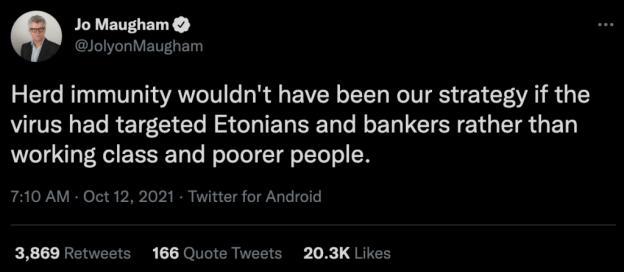
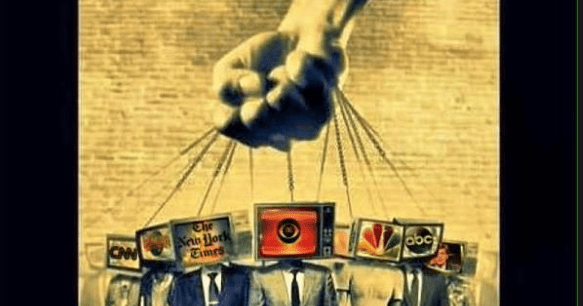



 Aletho News
 Aletho News