How Climate Trickery Infiltrated the American Geophysical Union
11 presentations – based on private, agenda-driven research – were delivered to the world’s largest gathering of climate scientists.
By Donna Laframboise | Big Picture News | July 6, 2020
I’ve been writing about a far-fetched climate fairy tale that was repackaged and re-positioned – with the result that it now gets taken seriously by supposedly serious scientists (see here and here).
How did this happen? First, billionaire climate activists hired consultants to produce a brand new climate analysis. Because, you know, the world doesn’t have enough climate research, what with governments spending billions on it every year.
This custom research was conducted by a team of noticeably young people. One is still working on his doctorate. Two others were doctoral students at the time. The lead scientist had earned his geobiology PhD seven years earlier. The lead economist had earned his, in sustainable development, a mere three years earlier.
This team produced a 2014 report titled Risky Business: The Economic Risks of Climate Change in the United States. It features a graphic that wildly misrepresents the scientific literature.
Six months after that report appeared, fully 11 presentations based on it were delivered at the world’s largest annual gathering of earth scientists – the American Geophysical Union’s December 2014 conference.

click for source
The first presenter was Kate Gordon. But she isn’t an earth scientist. She’s a lawyer. And a trained community activist. And the Risky Business Project’s founding director. Who’s considered “a leader in the national ‘green jobs’ movement.”
At the time she delivered her AGU presentation, she was employed by The Next Generation, which describes itself as a “political consulting and issue advocacy firm, specializing in progressive and environmental candidates and causes.”
So a professional activist was invited to give a talk to earth scientists. That talk, according to its abstract, told people the Risky Business Project had conducted “groundbreaking new analysis.” After employing “methodological innovations,” she said, it had arrived at “novel insights.”
The thing about lawyers is they can make even a dumpster of stinky trash sound sublime.

Risky Business lead scientist Robert Kopp; click for source
Presentations #2, #8, #9 and #10 were delivered by Risky Business lead scientist Robert Kopp. He was then associate director of Rutgers University’s Institute of Earth, Ocean & Atmospheric Sciences. Which sounds eminently respectable.
So why does the abstract of his first AGU talk tell people that
Projected sea-level rise for 2100 under RCP 8.5 would likely place $80-$160 billion of current property in New York below the high tide line… it would likely increase average annual storm damage by $2.6-$5.2 billion… [bold added]
without mentioning the salient point that the hypothetical climate scenario known as RCP8.5 represents an implausible vision of the future?
Why does the abstract for Kopp’s second presentation mischaracterize RCP8.5 as a “moderately-high business-as-usual emissions scenario”? (italics mine)

Risky Business economist Amir Jina, click for source
Presentations #3, #6, and #11 were delivered by Amir Jina, an economist who earned his PhD in sustainable development that same year. Presenting at the AGU’s premiere event, his talks relied on a background document he himself had coauthored with Kopp and other members of the Risky Business squad.
The background document runs to 206 pages – and mentions RCP8.5 approximately once a page – for a total of 196 times. Outrageously, it declares:
RCP 8.5 is a reasonable representation of a world where fossil fuels continue to power relatively robust global economic growth, and is often considered closest to the most likely “business-as-usual” scenario absent new climate policy by major emitting countries. [bold added; see page numbered 14 (p. 18 of the PDF)]
Say, what? Remember how I’ve described RCP8.5 recently? An implausible hallucination predicated on:
1. the burning of more coal than some people think even exists
2. the abrupt reversal of longstanding population trends
3. a slowdown in technological innovation (which has, instead, been accelerating for decades)
Yeah, that all sounds realistic.
Please observe what has happened here. Private, agenda-driven money (aka billionaire climate activists Tom Steyer, Michael Bloomberg, and others) hired consultants who hired a handful of young researchers keen to make a name for themselves.
Those researchers produced a new, hefty, custom climate analysis. Which was privately published (rather than appearing in its entirety in a peer-reviewed scientific journal).
This research took the absurd seriously. It insisted an outlier climate scenario was reasonable. Neglecting to say by whom, it claimed RCP8.5 was often considered to be closest to the most likely scenario.
The hope was that other people would fall for this sleight of hand. The hope was that other people would join the parade and promulgate this fiction.
In the words of climate analyst Roger Pielke Jr.:
There is no hidden conspiracy, all of this is taking place in plain sight and in public…We have a well-funded effort to fundamentally change how climate science is characterized…This effort has been phenomenally successful.
The AGU helped make this happen. When it extended invitations to a professional activist, an individual employed by a consultancy being paid by climate activists, and doctoral students funded by those same climate activists, it legitimized this corruption of science.
LINKS:
- Part 1 of this discussion: How the Ugliest Climate Fairy Tale Won
- Part 2: Fooling Us With Climate Trickery
- my investigation was sparked by a series of articles written by Roger Pielke Jr., including How Billionaires Tom Steyer and Michael Bloomberg Corrupted Climate Science
- here’s the list of the 11 AGU presentations (posted on the website of the consultancy, Rhodium Group)
- the slick, privately-published, 56-page Risky Business report can be downloaded here
- the 206-page, privately commissioned and privately published background document, American Climate Prospectus: Economic Risks in the United States, can be downloaded here.
- this Berkeley News article, dated August 2014 (after the June 2014 release of both the American Climate Prospectus (version 1.0) report and the Risky Business report), describes Amir Jina as “a doctoral student at Columbia University.”
 In 2014, D.J. Rasmussen was on the Rhodium Group’s payroll, as a “scientific research associate.” 5.5 years after he delivered presentation #5 to the AGU, he’s still working on his PhD. (It’s worth noticing that his advisor is activist scientist Michael Oppenheimer.) Rasmussen’s private website has been updated, but in 2019 its official photo indicated a markedly youthful individual.
- Earlier this year, Tom Steyer withdrew his candidacy for US president. His personal website describes him as an activist. It prominently features a quote from the Washington Post: “Steyer has played a critical behind-the-scenes role in helping shape the country’s national energy policy.” A billionaire who boasts about his behind-the-scenes manipulations. How demoralizing for individual voters.

BOUNTYGATE: Scapegoating Systemic Military Failure in Afghanistan
By Scott Ritter | Consortium News | July 5, 2020
On the morning of Feb. 27, Beth Sanner, the deputy director of national intelligence for mission integration, arrived at the White House carrying a copy of the Presidential Daily Brief (PDB), a document which, in one form or another, has been made available to every president of the United States since Harry Truman first received what was then known as the “Daily Summary” in February 1946.
The sensitivity of the PDB is without dispute; former White House Press Secretary Ari Fleischer once called the PBD “the most highly sensitized classified document in the government,”while former Vice President Dick Cheney referred to it as “the family jewels.”
The contents of the PDB are rarely shared with the public, not only because of the highly classified nature of the information it contains, but also because of the intimacy it reveals about the relationship between the nation’s chief executive and the intelligence community.
“It’s important for the writers of the presidential daily brief to feel comfortable that the documents will never be politicized and/or unnecessarily exposed for public purview,” former President George W. Bush observed after he left office, giving voice to a more blunt assessment put forward by his vice president who warned that any public release of a PDB would make its authors “spend more time worried about how the report’s going to look on the front page of The Washington Post.”
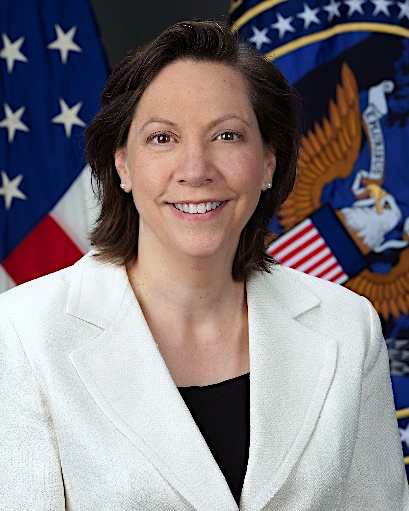
Beth Sanner
Sanner’s job was the same for those who had carried out this task under previous presidents: find a way to engage a politician whose natural instincts might not incline toward the tedious, and often contradictory details contained in many intelligence products. This was especially true for Donald J. Trump, who reportedly disdains detailed written reports, preferring instead oral briefings backed up by graphics.
The end result was a two-phased briefing process, where Sanner would seek to distill critical material to the president orally, leaving the task of picking through the details spelled out in the written product to his senior advisors. This approach was approved beforehand by the director of national intelligence, the director of the CIA and the president’s national security advisor.
Sanner, a veteran CIA analyst who previously headed up the office responsible for preparing the PDB, served as the DNI’s principal advisor “on all aspects of intelligence,” responsible for creating “a consistent and holistic view of intelligence from collection to analysis” and ensures “the delivery of timely, objective, accurate, and relevant intelligence.”
If there was anyone in the intelligence community capable of sorting out the wheat from the chaff when it came to what information was suited for verbal presentation to the president, it was Sanner.
No copy of the PDB for Feb. 27 has been made available to the public to scrutinize, nor will one likely ever be.
However, based upon information gleaned from media reporting derived from anonymous leaks, a picture emerges of at least one of the items contained in the briefing document, the proverbial “ground zero” for the current crisis surrounding allegations that Russia has paid cash bounties to persons affiliated with the Taliban for the purpose of killing American and coalition military personnel in Afghanistan.
Links Between Accounts
Sometime in early January 2020 a combined force of U.S. special operators and Afghan National Intelligence Service (NDS) commandos raided the offices of several businessmen in the northern Afghan city of Konduz and the capital city of Kabul, according to a report in The New York Times. The businessmen were involved in the ancient practice of “Hawala.” It is a traditional system for transferring money in Islamic cultures, involving money paid to an agent who then instructs a remote associate to pay the final recipient.
Afghan security officials claim that the raid had nothing to do with “Russians smuggling money,” but rather was a response to pressure from the Financial Action Task Force (FATF), an international body established in 1989 whose mission is, among other things, to set standards and promote effective implementation of legal, regulatory and operational measures for combating money laundering and terrorist financing.
This explanation, however, seems more of a cover story than fact, if for no other reason than that the FATF, in June 2017, formally recognized that Afghanistan had established “the legal and regulatory framework to meet its commitments in its action plan,” noting that Afghanistan was “therefore no longer subject to the FATF’s monitoring process.”
The joint U.S.-Afghan raid, according to the Times, was not a takedown of the Halawa system in Afghanistan—a virtually impossible task—but rather a particular Halawa network run by Rahmatullah Azizi, a one-time low-level Afghan drug smuggler-turned-high profile businessman, along with a colleague named Habib Muradi.
Azizi’s portfolio is alleged by the Times, quoting a “friend,” to include serving as a contractor for U.S. reconstruction programs, managing undefined business dealings in Russia, which supposedly, according to unnamed U.S. intelligence sources quoted by the Times, included face-to-face meetings with officers from Russian Military Intelligence (GRU), and serving as a bagman for a covert money laundering scheme between the Taliban and Russia.
Some thirteen persons, including members of Azizi’s extended family and close associates, were rounded up in the raids. Both Azizi and Muradi, however, eluded capture, believed by Afghan security officials to have fled to Russia.
Based in large part on information derived from the interrogation of the detainees that followed, U.S. intelligence analysts pieced together a picture of Azizi’s Halawa enterprise—described as “layered and complex”, with money transfers “often sliced into smaller amounts that routed through several regional countries before arriving in Afghanistan.”
What made these transactions even more interesting from an intelligence perspective, were the links made by U.S. analysts between Azizi’s Halawa system, an electronic wire transfer, a Taliban-linked account, and a Russian account that some believed was tied to Unit 29155 (a covert GRU activity believed to be involved with, among other activities, assassinations). The transactions had been picked up by the National Security Agency (NSA), the U.S. intelligence agency responsible for monitoring communications and electronic data worldwide.
The discovery of some $500,000 in cash by U.S. special operators at Azizi’s luxury villa in Kabul was the icing on the cake—the final “dot” in a complex and convoluted game of “connect the dots” that comprised the U.S. intelligence community’s assessment of the alleged Russian (GRU)-Taliban-Azizi connection.
The next task for U.S. intelligence analysts was to see where the Russian (GRU)-Taliban-Azizi connection took them. Using information gathered through detainee debriefings, the analysts broke down money Azizi received through his Halawa pipeline into “packets,” some comprising hundreds of thousands of dollars, which were doled out to entities affiliated with, or sympathetic to, the Taliban.
According to Afghan security officials quoted by the Times, at least some of these payments were specifically for the purpose of killing American troops, amounting to a price tag of around $100,000 per dead American.
The game of “connect the dots” continued as the U.S. intelligence analysts linked this “bounty” money to criminal networks in Parwan Province, where Bagram Air Base—the largest U.S. military installation in Afghanistan—is located. According to Afghan security officials, local criminal networks had carried out attacks on behalf of the Taliban in the past in exchange for money. This linkage prompted U.S. intelligence analysts to take a new look at an April 9, 2019 car bomb attack outside of Bagram Air Base which killed three U.S. Marines.
This information was contained in the PDB that was given to Trump on Feb. 27. According to standard procedure, it would have been vetted by at least three intelligence agencies—the CIA, the National Counterterrorism Center (NCC), and the NSA. Both the CIA and NCC had assessed the finding that the GRU had offered bounties to the Taliban with “moderate confidence,” which in the lexicon used by the intelligence community means that the information is interpreted in various ways, that there are alternative views, or that the information is credible and plausible but not corroborated sufficiently to warrant a higher level of confidence.
The NSA, however, assessed the information with “low confidence,” meaning that they viewed the information as scant, questionable, or very fragmented, that it was difficult to make solid analytic inferences, and that there were significant concerns or problems with the sources of information used.
Floating in the Bowl
All of this information was contained in the PDB carried into the White House by Sanner. The problem for Sanner was the context and relevance of the information she carried. Just five days prior, on Feb. 22, the U.S. and the Taliban had agreed to a seven-day partial ceasefire as prelude to the conclusion of a peace agreement scheduled to be signed in two days’ time, on Feb. 29.
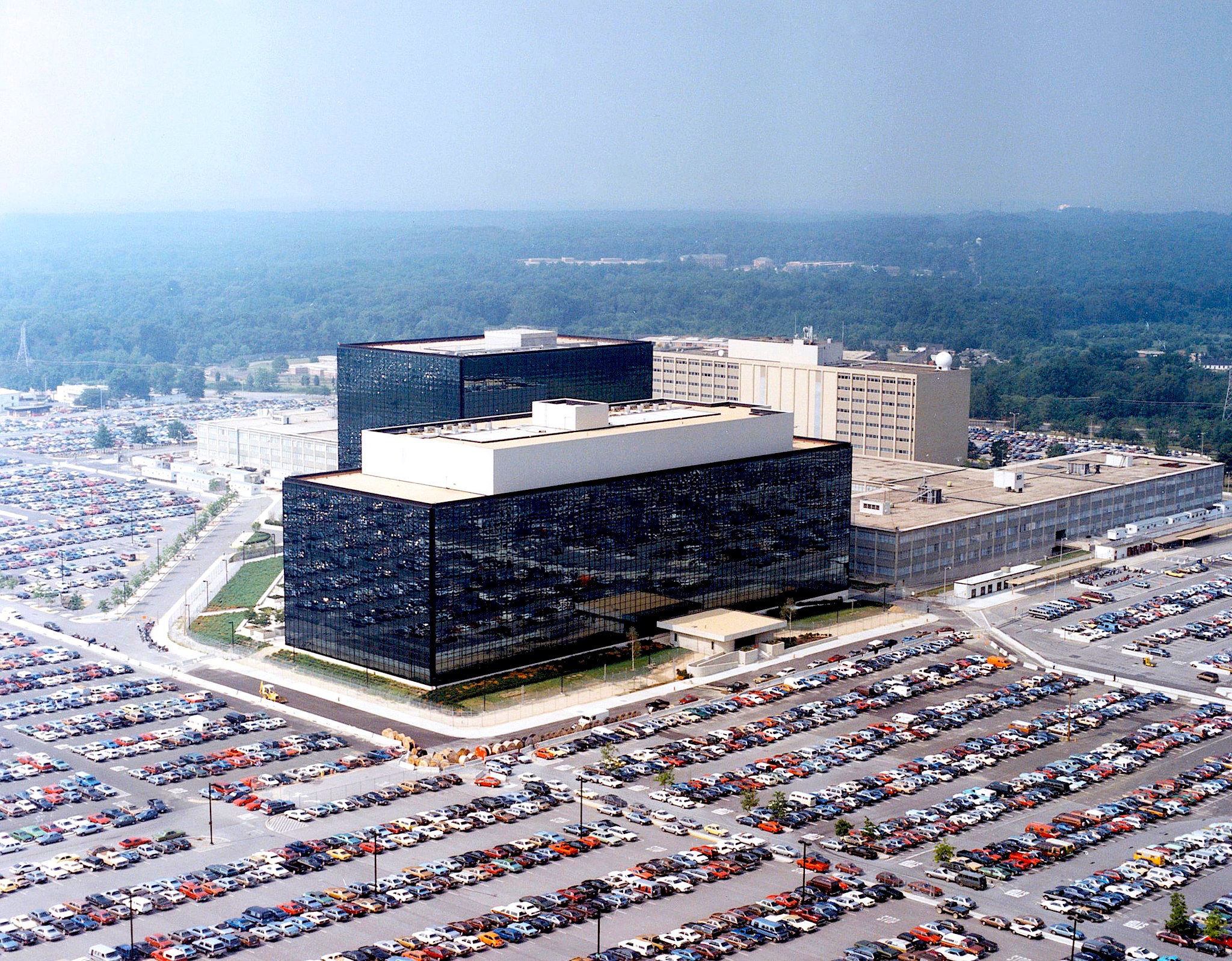
NSA HQ, Fort Meade, Maryland. (Wikimedia Commons)
The U.S. Representative for Afghanistan Zalmay Khalilzad, was in Doha, Qatar, where he was hammering out the final touches to the agreement with his Taliban counterparts. Secretary of State Mike Pompeo was preparing to depart the U.S. for Doha, where he would witness the signing ceremony. The information Sanner carried in the PDB was the proverbial turd in the punchbowl.
The problem was that the intelligence assessment on alleged Russian GRU “bounties” contained zero corroborated information. It was all raw intelligence (characterized by one informed official as an “intelligence collection report”), and there were serious disagreements among the differing analytical communities—in particular the NSA—which took umbrage over what it deemed a misreading of its intercepts and an over reliance on uncorroborated information derived from detainee debriefs.
Moreover, none of the intelligence linking the GRU to the Taliban provided any indication of how far up the Russian chain of command knowledge of the “bounties” went, and whether or not anyone at the Kremlin-let alone President Vladimir Putin-were aware of it.
None of the information contained in the PDB was “actionable.” The president couldn’t very well pick up the phone to complain to Putin based on a case drawn solely from unverified, and in some cases unverifiable, information.
To brief the president about an assessment which, if taken at face value, could unravel a peace agreement that represented a core commitment of the president to his domestic political base—to bring U.S. troops home from endless overseas wars—was the epitome of the politicization of intelligence, especially when there was no consensus among the U.S. intelligence community that the assessment was even correct to begin with.
This was a matter which could, and would, be handled by the president’s national security advisors. Sanner would not be briefing the president in person on this report, a decision that Trump National Security Adviser Robert O’Brien agreed with.
Blaming Russia
Ending America’s nearly 19-year misadventure in Afghanistan had always been an objective of President Trump. Like both presidents before him whose tenure witnessed the deaths of American service members in that hard, distant and inhospitable land, Trump found himself confronting a military and national security establishment convinced that “victory” could be achieved, if only sufficient resources, backed by decisive leadership, were thrown at the problem.
His choice for secretary of defense, James “Mad Dog” Mattis, a retired Marine general who commanded Central Command (the geographical combatant command responsible for, among other regions, Afghanistan) pushed Trump for more troops, more equipment, and a freer hand in taking on the enemy.
By the Fall of 2017, Trump eventually agreed to the dispatch of some 3,000 additional troops to Afghanistan, along with new rules of engagement, which would allow greater flexibility and quicker response times for the employment of U.S. air strikes against hostile forces in Afghanistan.
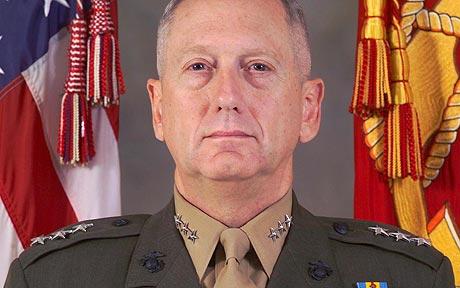
Mattis: Got what he wanted
It took little more than a year for the president to come to grips with a reality that would be reflected in the findings of Special Inspector General for Afghanistan Reconstruction John Sopko, that there had been “explicit and sustained efforts by the U.S. government to deliberately mislead the public…to distort statistics to make it appear the United States was winning the war when that was not the case.”
In November 2018, Trump turned on “Mad Dog”, telling the former Marine General “I gave you what you asked for. Unlimited authority, no holds barred. You’re losing. You’re getting your ass kicked. You failed.”
It was probably the most honest assessment of the War in Afghanistan any American president delivered to his serving secretary of defense. By December 2018 Mattis was out, having resigned in the face of Trump’s decision to cut American losses not only in Afghanistan, but also Syria and Iraq.
That same month, U.S. diplomat Khalilizad began the process of direct peace talks with the Taliban that led to the Feb. 29 peace agreement. It was a dispute over Afghan peace talks that led to the firing of National Security Advisor John Bolton. In September 2019—Trump wanted to invite the Taliban leadership to Camp David for a signing ceremony, something Bolton helped quash. Trump cancelled the “summit”, citing a Taliban attack that took the life of an American service member, but Bolton was gone.
Taking on Failure
One doesn’t take on two decades of systemic investment in military failure that had become ingrained in both the psyche and structure of the U.S. military establishment, fire a popular secretary of defense, and then follow that act up with the dismissal of one of the most vindictive bureaucratic infighters in the business without accumulating enemies.
Washington DC has always been a political Peyton Place where no deed goes unpunished. All president’s are confronted by this reality, but Trump’s was a far different case—at no time in America’s history had such a divisive figure won the White House. Trump’s anti-establishment agenda alienated people across all political spectrums, often for cause. But he also came into office bearing a Scarlet Letter which none of his predecessors had to confront—the stigma of a “stolen election” won only through the help of Russian intelligence.
The “Russian interference” mantra was all-pervasive, cited by legions of anti-Trumpers suddenly imbued with a Cold War-era appreciation of global geopolitics, seeing the Russian Bear behind every roadblock encountered, never once pausing to consider that the problem might actually reside closer to home, in the very military establishment Trump sought to challenge.
Afghanistan was no different. Prior to stepping down as the commander of U.S. forces in Afghanistan in September 2018, Army General John Nicholson sought to deflect responsibility for the reality that, despite receiving the reinforcements and freedom of action requested, his forces were losing the fight for Afghanistan.
Unable or unwilling to shoulder responsibility, Nicholson instead took the safe way out—he blamed Russia.
Scapegoating
“We know that Russia is attempting to undercut our military gains and years of military progress in Afghanistan, and make partners question Afghanistan’s stability,” Nicholson wrote in an email to reporters, seemingly oblivious to the history of failure and lies being documented at that moment by Sopko.
In March 2018 Nicholson had accused the Russians of “acting to undermine” U.S. interests in Afghanistan, accusing the Russians of arming the Taliban. But the most telling example of Russian-baiting on the part of the general occurred in February 2017, shortly after President Trump was inaugurated. In an appearance before the Senate Armed Services Committee, Nicholson was confronted by Sen. Bill Nelson, a Florida Democrat and ardent supporter of the U.S. intervention in Afghanistan.
“If Russia is cozying up to the Taliban—and that’s a kind word—if they are giving equipment that we have some evidence that the Taliban is getting…and other things that we can’t mention in this unclassified setting? And the Taliban is also associated with al-Qaida? Therefore Russia is indirectly helping al-Qaeda in Afghanistan?” Nelson asked.
“Your logic is absolutely sound, sir,” was Nicholson’s response.
Except it wasn’t.
Russia has a long and complicated history with Afghanistan. The Soviet Union invaded Afghanistan in 1979, and over the course of the next decade fought a long and costly war with Afghan tribes, backed by American money and arms and a legion of Arab jihadis who would later morph into the very al-Qaeda Sen. Nelson alluded to in his question to General Nicholson.
By 1989 the Soviet Empire was winding down, and with it its disastrous Afghan War. In the decade that followed, Russia was at odds with the Taliban government that arose from the ashes of the Afghan civil war that followed in the wake of the withdrawal of Soviet forces.
Moscow threw its support behind the more moderate forces of the so-called Northern Alliance and, after the al-Qaeda terror attacks on the U.S. on Sept. 11, 2001, was supportive of the U.S.-led intervention to defeat the Taliban and bring stability to a nation that bordered the Central Asian Republics of the former Soviet Union, which Russia viewed as especially sensitive to its own national security.
Realized US Was Losing the War
Fourteen years later, in September 2015, Russia was confronted by the reality that the U.S. had no strategy for victory in Afghanistan and, left to its own devices, Afghanistan was doomed to collapse into an ungovernable morass of tribal, ethnic and religious interests that would spawn extremism capable of migrating over the border, into the former Soviet Central Asian Republics, and into Russia itself.
Russia’s concerns were shared by regional countries such as Pakistan and China, both of which faced serious threats in the form of domestic Islamist extremism.
The capture of the northern Afghan city of Konduz, followed by the rise of an even more militant Islamist group in Afghanistan known as the Islamic State-Khorassan (IS-K), both of which occurred in September 2015, led the Russians to conclude that the U.S. was losing its war in Afghanistan, and Russia’s best hope was to work with the prevailing side—the Taliban—in order to defeat the threat from IS-K, and create the conditions for a negotiated peace settlement in Afghanistan.
None of this history was mentioned by either Gen. Nicholson or Sen. Nelson. Instead, Nicholson sought to cast Russia’s involvement in Afghanistan as “malign”, declaring in a Dec. 16, 2016 briefing that:
“Russia has overtly lent legitimacy to the Taliban. And their narrative goes something like this: that the Taliban are the ones fighting Islamic State, not the Afghan government. And of course … the Afghan government and the U.S. counterterrorism effort are the ones achieving the greatest effect against Islamic State. So, this public legitimacy that Russia lends to the Taliban is not based on fact, but it is used as a way to essentially undermine the Afghan government and the NATO effort and bolster the belligerents.”
Absent from Nicholson’s comments is any appreciation surrounding the creation of IS-K, and the impact it had on the Taliban as a whole.
The formation of IS-K can be causally linked to the disarray that occurred within the internal ranks of the Taliban in the aftermath of the death of Mullah Omar, the founder and moral inspiration of the organization. The struggle to pick a successor to Omar exposed a Taliban fractured into three factions.
One, representing the mainstream faction of the Taliban most closely linked to Mullah Omar, wanted to continue and expand upon the existing struggle against the Government of Afghanistan and the U.S.-led coalition, which supported and sustained it in an effort to re-establish the Emirate that ruled prior to being evicted from power in the months after the terror attacks of 9/11.
Another, grounded in the ranks of Pakistani Taliban, wanted a more radical approach which sought a regional Emirate beyond the borders of Afghanistan.
A third faction had grown tired of years of fighting and viewed the passing of Mullah Omar as an opportunity for a negotiated peace settlement with the Afghan government. IS-K emerged from the ranks of the second group, and posed a real threat to the viability of the Taliban if it could motivate large numbers of the Taliban’s most fanatic fighters to defect from the ranks of the mainstream Taliban.

Mujahideen who fought Soviets, Aug. 1985 (Wikimedia Commons)
For the Russians, who witnessed the growing potency of the Taliban as manifested in its short-lived capture of Konduz, the biggest danger it faced wasn’t a Taliban victory over the U.S.-dominated Afghan government, but rather the emergence of a regionally-minded Islamist extremist movement that could serve as a model and inspiration for Muslim men of combat age to rally around, allowing the violent instability to fester locally and spread regionally for decades to come. The mainstream Taliban were no longer viewed as a force to be confronted, but rather contained through co-option.
In a statement before U.S. troops in December 2016, then-President Barack Obama openly admitted that “the U.S. cannot eliminate the Taliban or end violence in that country [Afghanistan].” Russia had reached that conclusion more than a year prior, following the Taliban capture of Konduz.
A year before Obama made this announcement, Zamir Kabulov, Russia’s special representative to Afghanistan, noted that “Taliban interests objectively coincide with ours” when it came to limiting the spread of the Islamic State in Afghanistan, and he acknowledged that Russia had “opened communication channels with the Taliban to exchange information.”
For its part, the Taliban was at first cold to the thought of cooperating with the Russians. A spokesperson declared that they “do not see a need for receiving aid from anyone concerning so-called Daesh [Islamic State] and neither have we contacted nor talked with anyone about this issue.”
Many of the Taliban leadership had a history of fighting against the Soviets in the 1980s and were loath to be seen as working with their old enemies. The rise of IS-K in Afghanistan, however, created a common threat that helped salve old wounds, and while the Taliban balked at any overt relationship, the Russians began a backchannel process of discreet diplomatic engagement. (Kabulov had a history of negotiations with the Taliban dating back to the mid-1990’s).
By November 2018 this effort had matured into what was called the “Moscow Format”, a process of diplomatic engagement between Russia and Afghanistan’s neighbors which resulted in the first-ever dispatch of a Taliban delegation to Moscow for the purpose of discussing the conditions necessary for peace talks to be held about ending the conflict in Afghanistan.
When President Trump terminated the U.S.-Taliban peace negotiations in September 2019, it was the “Moscow Format” that kept the peace process alive, with Russia hosting a delegation from the Taliban to discuss the future of the peace process.
The Russian involvement helped keep the window of negotiations with the Taliban open, helping to facilitate the eventual return of the U.S. to the negotiating table this February, and played no small part in the eventual successful conclusion of the Feb. 27, 2020 peace agreement—a fact which no one in the U.S. was willing to publicly acknowledge.
Bad Intelligence
The Intelligence Collection Report that found its way into the Feb. 27 PDB did not appear in a vacuum. The singling out of the Hawala network operated by Rahmatullah Azizi was the manifestation of a larger anti-Russian animus that had existed in the intelligence collection priorities of the U.S. military, the CIA and the Afghan NDS since 2015.
This animus can be traced to internal bias that existed in both U.S. Central Command and the CIA against anything Russian, and the impact this bias had on the intelligence cycle as it applied to Afghanistan.
The existence of this kind of bias is the death knell of any professional intelligence effort, as it destroys the objectivity needed to produce effective analysis.
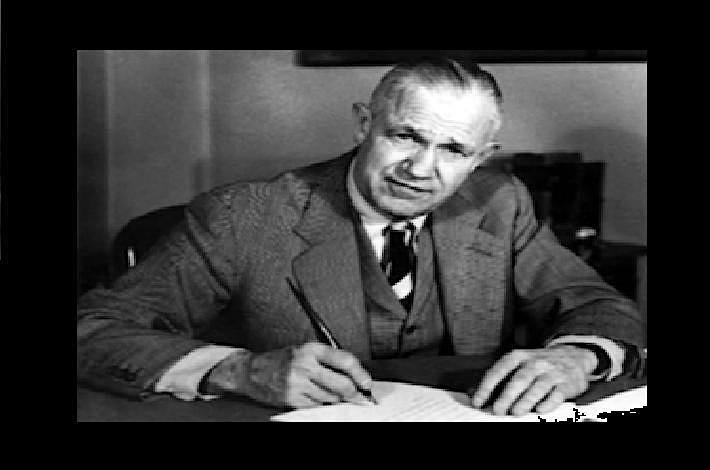
Sherman Kent
Sherman Kent, the dean of U.S. intelligence analysis (the CIA’s Center for Intelligence Analysis is named after him), warned of this danger, noting that while there was no excuse for policy or political bias, the existence of analytic or cognitive bias was ingrained in human condition, requiring a continuous effort by those responsible for overseeing analytical tasks to minimize.
Kent urged analysts “to resist the tendency to see what they expect to see in the information,” and “urged special caution when a whole team of analysts immediately agrees on an interpretation of yesterday’s development or a prediction about tomorrow’s.”
Part of a Litany of Intel Failures
The nexus of theory and reality was rarely, if ever, achieved within the U.S. intelligence community. From exaggerated Cold War estimates of Soviet military capability (the “bomber” and “missile” gaps), the underestimation of Viet Cong and North Vietnamese military capability, a failure to accurately predict the need for, and impact of, Gorbachev’s policies of reform in the Soviet Union, the debacle that was Iraqi WMD, a similar misreading of Iran’s nuclear capability and intent, and the two decade failure that was (and is) the Afghanistan experience, the U.S. intelligence community has a track record of imbuing its analysis with both political and cognitive bias—and getting it very, very wrong about so many things.
The Russian bounty story is no exception. It represents the nexus of two separate analytical streams, both of which were amply imbued with policy bias; one, representing America’s anger at not being able to control the fate of Russia in the aftermath of the collapse of the Soviet Union, and the second, America’s total misread of the reality of Afghanistan (and the Taliban) as it related to the Global War on Terror (GWOT).
For the first decade or so, these streams lived separate but equal lives, populated by analytical teams whose work rarely intersected (indeed, if truth be told, the Russian/Eurasian “house” was frequently robbed of its best talent to feed the insatiable appetite for more and better “analysis” driven by the GWOT enterprise.)
The election of Barack Obama, however, changed the intelligence landscape and, in doing so, initiated processes which allow these two heretofore disparate intelligence streams to drift together.
Under President Obama, the U.S. “surged” some 17,000 additional combat troops into Afghanistan in an effort to turn the tide of battle. By September 2012, these troops had been withdrawn; the “surge” was over, with little to show for it besides an additional 1,300 U.S. troops killed and tens of thousands more wounded. The “surge” had failed, but like any failure rooted in Presidential policy, it was instead sold as a success.
That same year the Obama administration suffered another policy failure of similar magnitude. In 2008, Russian President Vladimir Putin swapped places with Prime Minister Dmitri Medvedev, and when Obama took office, his team of Russian experts, led by a Stanford professor named Michael McFaul, sold him on the concept of a “reset” of U.S.-Russian relations, which had soured under eight years of the Bush Presidency.
But the “reset” was decidedly one-sided—it placed all of the blame for the bad blood between the two nations on Putin, and none on two successive eight-year presidential administrations, led by Bill Clinton and George W. Bush, which saw the U.S. expand the NATO alliance up to Russia’s borders, abandon foundational arms control agreements, and basically behave like Russia was a defeated foe whose only acceptable posture was one of acquiescence and subservience.
This was a game Russia’s first President, Boris Yeltsin, only seemed too happy to play. His hand-picked successor, Vladimir Putin, however, would not.
With Medvedev installed as president, McFaul sought to empower Medvedev politically—in effect, to give him the “Yeltsin” treatment—in hopes that an empowered Medvedev might be able to muscle Putin out of the picture.
For any number of reasons (perhaps most important being Putin had no intention of allowing himself to be so squeezed, and Medvedev was never inclined to do any squeezing), the Russian “reset” failed. Putin was reelected as president in March 2012. McFaul’s gambit had failed, and from that moment forward, U.S.-Russian relations became a “zero sum game” for the U.S.—any Russian success was seen as a U.S. failure, and vice versa.
In 2014, after watching a duly elected, pro-Russian Ukrainian president, Viktor Yanukovych, removed from office by a popular uprising which, if not U.S. sponsored, was U.S. supported, Putin responded by annexing the Russian-majority Crimean peninsula and supporting pro-Russian secessionists in the breakaway Donbas region of Ukraine.
This action created a schism between Russia and the U.S. and Europe, resulting in the implementation of economic sanctions against Russia by both entities, and the emergence of a new Cold War-like relationship between Russia and NATO.
In 2015 Russia followed up its Ukraine action by dispatching its military into Syria where, at the invitation of the Syria government, it helped turn the tide on the battlefield in favor of Syria’s embattled president, Bashar al-Assad, against an assortment of jihadist groups.
Overnight, the intelligence backwater that had been Russian/European affairs was suddenly thrust front and center on the world stage and, with it, into the heart of American politics. The McFaul school of Putin-phobia suddenly became dogma, and any academic who had published a book or article critical of the Russian president was elevated in status and stature, up to and including a seat at the table in the senior-most decision-making circles of the U.S. intelligence community.
The Russians were suddenly imbued with near super-human capability, up to and including the ability to steal an American presidential election.
After the failure of the Obama surge in Afghanistan, and the withdrawal from Iraq at the end of 2011 of all U.S. combat troops, the mindset throughout the Central Command area of operations was “stability.” This was the command guidance and pity the intelligence analyst who tried to raise a red flag or inject a modicum of reality into the intelligence enterprise whose mission it was to sustain this sense of stability.
Indeed, when the Islamic State roared out of the western deserts of Iraq to establish itself in eastern Syria, dozens of CENTCOM intelligence analysts officially complained that their senior management was purposefully manipulating the analytical product produced by CENTCOM to paint a deliberately misleading “rosy” picture of truth on the ground out of fear of angering the Commanding General and his senior staff.
For anyone who has spent any time in the military, the importance of command guidance, whether written or verbal, when it comes to establishing both priorities and approach, cannot be overstated. In short, what the general wants, the general gets; woe be the junior officer or analyst who didn’t get the memo.
By 2016, the commander of U.S. forces in Afghanistan, Gen. Nicholson, wanted to see Russians undermining U.S. policy objectives in Afghanistan. The poisonous culture that existed inside CENTCOM’s intelligence enterprise was only too happy to comply.
The corruption of intelligence at “ground zero” ended up corrupting the entire U.S. intelligence community, especially when there was a systemic desire to transfer blame for the failure of U.S. policy in Afghanistan anywhere other than where it belonged—squarely on the shoulders of U.S. policy makers and the military that did their bidding.
And there was a beefed-up Russia/Eurasia intelligence apparatus looking for opportunities to foist blame on Russia. Blaming Russia for U.S. policy failure in Afghanistan became the law of the land.
The consequences of this political and cognitive bias is subtle, but apparent to those who know what to look for, and are willing to take the time to look.
Following the leak to The New York Times about the Russian “bounty” intelligence, members of Congress demanded answers about the White House’s claim that the information published by the Times (and mimicked by other mainstream media outlets) was “unverified.”
Rep. Jim Banks, who sits on the Armed Services Committee as one of eight Republican lawmakers briefed by the White House on the substance of the intelligence regarding the alleged Russian “bounties”, tweeted shortly after the meeting ended that, “Having served in Afghanistan during the time the alleged bounties were placed, no one is angrier about this than me.”
Bank’s biography notes that, “In 2014 and 2015, he took a leave of absence from the Indiana State Senate to deploy to Afghanistan during Operations Enduring Freedom and Freedom’s Sentinel.”
Banks’ timeline mirrors that offered by a former senior Taliban leader, Mullah Manan Niazi, who told U.S. reporters who interviewed him after the Russian “bounty” story broke that “the Taliban have been paid by Russian intelligence for attacks on U.S. forces—and on ISIS forces—in Afghanistan from 2014 up to the present.”

Niazi: shady character (ToloNews/YouTube)
Niazi has emerged a key figure behind the crafting of the “bounty” narrative, and yet his voice is absent from The New York Times reporting, for good reason—Niazi is a shady character whose acknowledged ties to both the Afghan Intelligence Service (NDS) and the CIA undermine his credibility as a viable source of information.
Officials, speaking anonymously to the media, have stated that “the bounty hunting story was ‘well-known’ among the intelligence community in Afghanistan, including the CIA’s chief of station and other top officials there, like the military commandos hunting the Taliban. The information was distributed in intelligence reports and highlighted in some of them.”
If this is true, and some of this information found its way into the intelligence report referred to by Rep. Banks, then the U.S. intelligence community has been selling the notion of a Russian bounty on U.S. troops since at least 2015—coincidentally, the same time Russia started siding with the Taliban against IS-K.
Seen in this light, claims that Bolton briefed President Trump on the “bounty” story in March of 2019–nearly a full year before the PDB on it was delivered to the White House—don’t seem too far-fetched, except for one small detail: what was the basis of Bolton’s briefing? What intelligence product had been generated at that time which rose to a level sufficient enough to warrant being briefed to the president of the United States by his national security advisor?
The answer is, of cours–none. There was nothing; if there was, we would be reading about it with enough corroboration to warrant a White House denial. All we have is a story, a rumor, speculation, a “legend” promoted by CIA-funded Taliban turncoats that had seeped itself into the folklore of Afghanistan enough to be assimilated by other Afghans who, once detained and interrogated by the NDS and CIA, repeated the “legend” with sufficient ardor to be included, without question, in the intelligence collection report that actually did make into a PD–on Feb. 27, 2020.
There is another aspect of this narrative that fails completely, namely the basic comprehension of what exactly constitutes a “bounty.”
“Afghan officials said prizes of as much as $100,000 per killed soldier were offered for American and coalition targets,” the Times reported. And yet, when Rukmini Callimachi, a member of the reporting team breaking the story, appeared on MSNBC to elaborate further, she noted that “the funds were being sent from Russia regardless of whether the Taliban followed through with killing soldiers or not. There was no report back to the GRU about casualties. The money continued to flow.”
There is just one problem—that’s not how bounties work. Bounties are the quintessential quid pro quo arrangement—a reward for a service tendered. Do the job, collect the reward. Fail to deliver—there is no reward. The idea that the Russian GRU set up a cash pipeline to the Taliban that was not, in fact, contingent on the killing of U.S. and coalition troops, is the antithesis of a bounty system. It sounds more like financial aid, which it was—and is. Any assessment that lacked this observation is simply a product of bad intelligence.
The Timing
Whoever leaked the Russian “bounty” story to The New York Times knew that, over time, the basics of the story would not be able to stand up under close scrutiny—there were simply too many holes in the underlying logic, and once the totality of the intelligence leaked out (which, by Friday seemed to be the case), the White House would take control of the narrative.
The timing of the leak hints at its true objective. The main thrust of the story was that the president had been briefed on a threat to U.S. forces in the form of a Russian “bounty,” payable to the Taliban, and yet opted to do nothing. On its own, this story would eventually die out of its own volition.
On June 18, the U.S. fulfilled its obligation under the peace agreement to reduce the number of troops in Afghanistan to 8,600 by July 2020. By June 26, the Trump administration was close to finalizing a decision to withdraw more than 4,000 troops from Afghanistan by the fall, a move which would reduce the number of troops from 8,600 to 4,500 and thus pave the way for the complete withdrawal from U.S. forces from Afghanistan by mid-2021.
Both of these measures were unpopular with a military establishment that had been deluding itself for two decades that it could prevail in the Afghan conflict. Moreover, once the troop level had dropped to 4,500, there was no turning back—the total withdrawal of all forces was inevitable, because at that level the U.S. would be unable to defend itself, let alone conduct any sort of meaningful combat operations in support of the Afghan government.
It was at this time that the leaker chose to release his or her information to The New York Times, perfectly timed to create a political furor intended not only to embarrass the president, but more critically, to mobilize Congressional pushback against the Afghan withdrawal.
On Thursday, the House Armed Services Committee voted on an amendment to the National Defense Authorization Act which required the Trump administration to issue several certifications before U.S. forces could be further reduced in Afghanistan, including an assessment of whether any “state actors have provided any incentives to the Taliban, their affiliates, or other foreign terrorist organizations for attacks against United States, coalition, or Afghan security forces or civilians in Afghanistan in the last two years, including the details of any attacks believed to have been connected with such incentives”—a direct reference to the Russian “bounty” leak.
The amendment passed 45-11.
This, more than anything else, seems to have been the objective of the leak. The irony of Congress passing legislation designed to prolong the American war in Afghanistan in the name of protecting American troops deployed to Afghanistan should be apparent to all.
The fact that it is not speaks volumes to just how far down the road of political insanity this country has travelled. On a weekend where America is collectively celebrating the birth of the nation, that celebration will be marred by the knowledge that elected representatives voted to sustain a war everyone knows has already been lost. That they did so on the backs of bad intelligence leaked for the purpose of triggering such a vote only makes matters worse.
Scott Ritter is a former Marine Corps intelligence officer who served in the former Soviet Union implementing arms control treaties, in the Persian Gulf during Operation Desert Storm, and in Iraq overseeing the disarmament of WMD.
CIA Project MK-ULTRA

Retiring director of the CIA Allen Dulles (centre) with US President John F Kennedy and Dulles’ CIA replacement John A. McCone in Washington, DC. in early 1960s. Picture: AP
By Larry Romanoff • Unz Review • July 2, 2020
CIA Project MK-ULTRA
The United States government funded and performed countless psychological experiments on unwitting humans, especially during the Cold War era, perhaps partially to help develop more effective torture and interrogation techniques for the US military and the CIA, but the almost unbelievable extent, range and duration of these activities far surpassed possible interrogation applications and appear to have been performed from a fundamental monstrous inhumanity. To simply read summaries of these, even without the details, is almost traumatising in itself.
In studies that began in the late 1940s and early 1950s, the US Military began identifying and testing truth serums like mescaline and scopolamine on human subjects, which they claimed might be useful during interrogations of Soviet spies. These programs eventually expanded to a project of vast scope and enormous ambition, centralised under the CIA in what would come to be called Project MK-ULTRA, a major collection of interrogation and mind-control projects. Inspired initially by delusions of a brainwashing program, the CIA began thousands of experiments using both American and foreign subjects often without their knowledge or against their will, destroying countless tens of thousands of lives and causing many deaths and suicides. Funded in part by the Rockefeller and Ford foundations and jointly operated by the CIA, the FBI and the intelligence divisions of all military groups, this decades-long CIA research constituted an immense collection of some of the most cold-blooded and callous atrocities conceivable, in a determined effort to develop reliable techniques of controlling the human mind.
MK-ULTRA was an umbrella for a large number of clandestine activities that formed part of the CIA’s psychological warfare research and development, consisting of about 150 projects and sub-projects, many of them very large in their own right, with research and human experimentation occurring at more than 80 institutions that included about 50 of America’s best-known colleges and universities, 15 or 20 major research Foundations including Rockefeller, dozens of major hospitals, a great many prisons and mental institutions, and many chemical and pharmaceutical companies. At least 200 well-known private scientific researchers were part of this program, as were many thousands of physicians, psychiatrists, psychologists and other similar. Many of these institutions and individuals received their funding through so-called “grants” from what were clearly CIA front companies. In 1994 a Congressional subcommittee revealed that up to 500,000 unwitting Americans were endangered, damaged or destroyed by secret CIA and military tests between 1940 and 1974. Given the deliberate destruction of all the records, the full truth of the MK-ULTRA victims will never be known, and certainly not the death toll. As the inspector general of the US Army later stated in a report to a Senate committee: “In universities, hospitals and research institutions, an unknown number of chemical tests and experiments … were carried out with healthy adults, with mentally ill and with prison inmates.” According to one government report, “In 149 separate mind-control experiments on thousands of people, CIA researchers used hypnosis, electroshock treatments, LSD, marijuana, morphine, benzedrine, mescaline, seconal, atropine and other drugs.” Test subjects were usually people who could not easily object – prisoners, mental patients and members of minority groups – but the agency also performed many experiments on normal, healthy civilians without their knowledge or consent.

The project was under the direct command of a Dr. Sidney Gottlieb and received undisclosed but almost unlimited millions of dollars for hundreds of experiments on human subjects at hundreds of locations across the United States, Canada and Europe, the eventual budget for this program apparently having exceeded $1 billion per year. The evil in some of these MK-ULTRA documents is almost palpable, one such document from 1955 stating openly of a search for “substances which will cause (temporary or) permanent brain damage as well as loss of memory”. Part of the intent was to develop “techniques that would crush the human psyche to the point that it would admit anything”. In a US government memo from 1952, a program director asked, “Can we get control of an individual to the point where he will do our bidding against his will and even against fundamental laws of nature, such as self-preservation?” It also listed the wide range of horrid abuses to which the victims would be subjected. These people were not bashful about their intent.
The mechanics included primordial sex programming for women in attempts to eliminate learned moral convictions and stimulate primitive sexual instinct devoid of inhibitions, to create a kind of sex machine – the ultimate prostitute for diplomatic espionage. Several researchers have claimed the sexual appetite of these women was developed in young girls their formative years through constant incest with a government employee who had been deliberately developed as a father figure to the girls. In part, these programs involved conditioning the human mind through torture, with one portion of this program intended to train special agents as fearless terrorists lacking self-preservation instincts and who would willingly commit suicide if caught. They even experimented with electronic implants, inaudible sounds, messages embedded in the subconscious mind, mind altering drugs and much more. One portion of this extensive operation involved an attempt to create an assassins program, to learn if it were possible to kidnap a national in another country, conduct hypnosis and other techniques, then return them home to assassinate their leaders.
Another part of the CIA mind-control project was aimed at finding a “truth serum” to use on spies. Test subjects were given LSD and other drugs, often without their knowledge or consent, and some were tortured. Many people died – or were killed – as a result of these experiments, and an unknown number of government employees working on these projects were murdered for fear they would tell what they had seen, perhaps the best-known being Frank Olson whose death I have described elsewhere. The project was steadfastly denied by both the government and the CIA, but was finally exposed after investigations by the Rockefeller Commission. When this information became known, the US government paid many millions of dollars to settle the hundreds of claims and lawsuits that resulted. There exists much evidence that these programs had never been terminated.
Many early interrogation studies were conducted by the Cornell University Medical School under the direction of a Dr. Harold Wolff who requested from the CIA any information regarding “threats, coercion, imprisonment, deprivation, humiliation, torture, ‘brainwashing’, ‘black psychiatry’, and hypnosis, or any combination of these, with or without chemical agents”. According to Wolff, the research team would then: “… assemble, collate, analyze and assimilate this information and will then undertake experimental investigations designed to develop new techniques of offensive/defensive intelligence use … Potentially useful secret drugs [and various brain damaging procedures] will be similarly tested in order to ascertain the fundamental effect upon human brain function and upon the subject’s mood …”. He further, and rather chillingly, wrote, “Where any of the studies involve potential harm of the subject, we expect the Agency to make available suitable subjects and a proper place for the performance of the necessary experiments.”
Among the many other prominent universities and institutions participating in this travesty was Tulane University where both the CIA and the US military had funded what appeared to be very large-scale programs of trauma-based mind control experiments on children. In 1955, the US Army reported on studies in which their researchers had implanted electrodes into the brains of mental patients to assess the effects of LSD and a host of other untested drugs. It was at Tulane that some of the earliest sensory-deprivation experiments were conducted, isolating individuals in these chambers where they would be helplessly hallucinating for as long as one week at a time while being injected with drugs and bombarded them with taped messages, to see if individuals could be “converted to new beliefs”. These were all helpless victims who had no idea of what was happening to them. There is a long list of other famous American universities and hospitals that participated in similar human destruction, all of which have carefully santised their histories.

Another CIA Operation called Midnight Climax consisted of a network of CIA locations to which prostitutes on the CIA payroll would lure clients where they were surreptitiously plied with a wide range of substances including LSD, and monitored behind one-way glass. Several significant operational techniques were developed in this theater, including extensive research into sexual blackmail, surveillance technology, and the possible use of mind-altering drugs in field operations. In the 1970s, as another part of its mind control program, the CIA conspired with Eli Lilly and Company to produce one hundred million doses of the illegal drug LSD, enough to send almost everyone in the United States on a trip. No explanation was ever given as to what the CIA did with a hundred million doses of acid but, since much of this activity was exported, reviewing international political events during this period may bring interesting possibilities to mind.
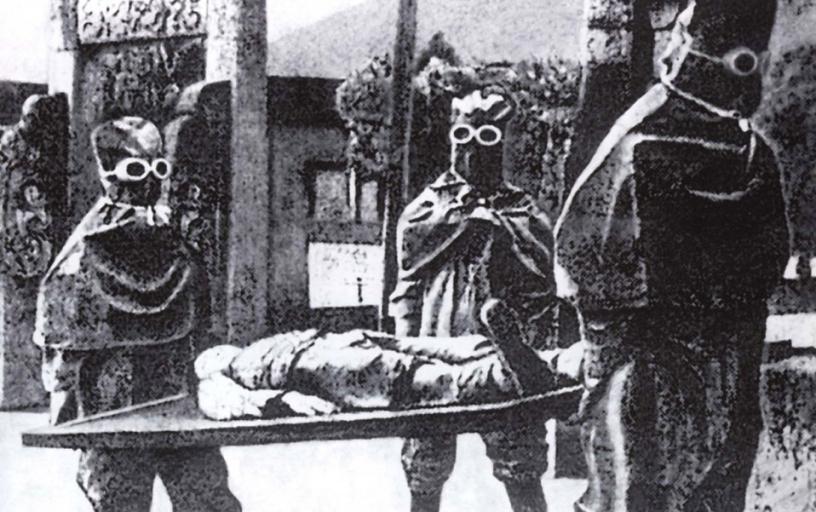
As already noted, MK-ULTRA and its brethren grew out of Operation Paperclip in which more than 10,000 Japanese and some German scientists of all stripes were smuggled into the US after the Second World War, to provide the government with information on torture and interrogation techniques. It isn’t widely known but, as part of Operation Paperclip, the CIA recruited for MK-ULTRA Shiro Ishii, the head of Japan’s Unit 731 which conducted some of the most horrendous human atrocities in history, including the live vivisection of children. It also imported at the same time at least ten thousands of the staff from Unit 731, housed them on US military bases and gave them full immunity from prosecution for their war crimes and crimes against humanity. It is for this reason no Japanese faced trial for their crimes: they were all in America, contributing their skills to MK-ULTRA. The CIA also imported some Germans who had performed human experimentation. It also isn’t widely-known, but this entire project had its birth not in the US but at The Tavistock Institute of Human Relations in the UK, an institute with an exceptionally cold-blooded past. I will return to Tavistock in later chapters.
The CIA leadership had concerns about discovery of their unethical and illegal behavior, as evidenced in a 1957 Inspector General Report, which stated: “Precautions must be taken not only to protect operations from exposure to enemy forces but also to conceal these activities from the American public in general. The knowledge that the agency is engaging in unethical and illicit activities would have serious repercussions in political and diplomatic circles”.
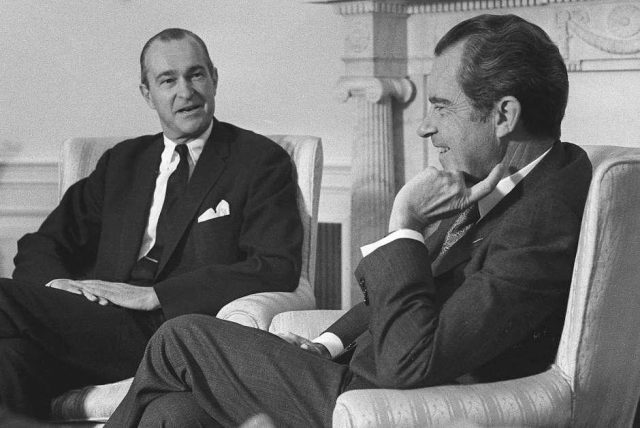
Ex CIA official Richard Helms (left), shown with President Richard Nixon in 1973, helped launch the program in the 1950s.
The CIA’s MK-ULTRA activities continued until well into the 1970s when CIA director Richard Helms, fearing that they would be exposed to the public, ordered the project terminated and all of the files destroyed. However, a clerical error had sent many documents to the wrong office, so when CIA workers were destroying the files, some of them remained and were later released under a Freedom of Information Act request by investigative journalist John Marks. Nevertheless, because the records have almost all been destroyed, the numbers and identities of the victims will never be known.
The Stanford Research Institute
The Stanford Research Institute (SRI) describes its mission as “creating world-changing solutions to make people safer, healthier, and more productive.” Wikipedia tells us the trustees of Stanford University established SRI in 1946 as “a center of innovation to support economic development in the region”. I have no evidence that SRI has made anyone safer or more productive and, whatever the original purpose of this institution, supporting economic development of the region wouldn’t appear to have been very high on the list. From my research, there are few institutions in America that have had their histories more thoroughly sanitised than SRI. Certainly all references to participation in the CIA’s MK-ULTRA and other inhuman projects have evaporated from the narrative. In August of 1977, the Washington Post exposed some of these projects; there were likely many more.
One of SRI’s past activities involved contracts awarded by the CIA and the US Navy to research and develop long-distance mind control using radio waves. The CIA had already funded MK-ULTRA projects at Honeywell for “a method to penetrate inside a man’s mind and control his brain waves over long distance”. In the 1960s, then-Director of the CIA, Richard Helms, was excited about what was termed “biological radio communication”, and the Washington Post published concrete evidence that electronic mind control was a major object of study at SRI at the time. The theory was that extremely low frequency electromagnetic waves from the brain could be used to control individual subjects, sometimes called “empaths”, a great many of whom (inexplicably) were drawn from L. Ron Hubbard‘s Church of Scientology.

From the reports, the CIA was so excited about the possibilities in these experiments at SRI that a great many millions of dollars were diverted to these projects, augmented by parapsychology experiments simultaneously undertaken at Fort Meade by the NSA. Medical oversight for this enormous range of experiments was under the control of yet another CIA pervert, Dr. Louis Jolyon West, then a professor of psychiatry at UCLA, one of the most notorious CIA mind-control specialists in the country. It is difficult to avoid the conclusion that these people were all crazy, since the CIA, NSA and even INSCOM and military intelligence (and of course the Church of Scientology) all cooperated with SRI in research that included Tarot cards, the channeling of spirits, communing with demons, and more.
But according to SRI itself, Dr. West’s work included not only radio waves and parapsychology, but the creation of dissociative personalities “that enabled the subjects of mind-control conditioning to adapt to trauma”. West referred to these people as “changelings” who produced alternate but actually schizophrenic insane mental states (multiple induced personalities) to permit them to deal with what was termed “prolonged environmental stress”, i.e. forced drug injections, physical, mental and sexual abuse, and psychic programming, all usually utilising large dosages of LSD, Gottlieb’s chemical of choice. There is adequate documentation that many individuals who were subjected to this CIA-sponsored “research”, developed multiple personalities, many of which were forcibly induced at a young age. There are documented stories by a few survivors who tell of enormous abuse of every kind being inflicted upon them from four or five years of age, and of having to deal with the terror of what appeared to be many different people living inside their minds. Dr. Jolyon West became a kind of research expert in these dissociative states and much of his work for the CIA’s MK-ULTRA program centered on their creation. The records reveal success in creating amnesia, false memories, altered personas, pseudo-identities, and much more, all horrifying and tragic to the individuals involved, all from West’s research in methods to “disrupt the normally integrative functions of personality”, and render people totally subject to remote control.
 When West died in 1999, the New York Times, again true to form, published a delightful obituary written by a Philip J. Hilts, who described West as “a charismatic leader in psychiatry”, a man whose work “centered on people who have been taken to the limits of human experience, like ”brainwashed” prisoners of war, kidnapping victims and abused children”, without bothering to mention that West’s supposed centering on these people did not mean he was caring for them, but that he created those conditions. West was in fact the man who was doing the brainwashing and abusing of children, not repairing their damage. Hilts told us West once witnessed an execution and was forever after against the death penalty for prisoners. It would seem unfortunate he wasn’t against a death penalty for his own victims. The NYT tells us West was “a colorful figure, an alive person”. How nice. All obituaries tend to be complimentary when written by family or friends, though when the compliment-only obituaries are written by the primary news media that has a powerful effect on whitewashing, air-brushing and re-writing history – which would certainly be the intent of the New York Times. Nothing else could account for the glowing description.
I must digress for a moment to discuss a condition generally referred to as Multiple Personality Disorder or Dissociative Personality Disorder, a condition in which a person develops several distinct personas or personalities within his or her mind, generally totally closed off from each other, and most often created as a defense mechanism to protect a vulnerable mind from destruction due to horrors it has experienced. In simple terms, a tortured mind that witnesses and experiences unspeakable horrors, events too terrible to live with, will create an additional personality in which this mind will live, closing off the other from consciousness. It is the horrors themselves, consisting of every manner of physical and sexual abuse, torture, drug and electroshock treatment, perhaps witnessing the deaths or killings of other children, that force the creation of these multiple personas, this apparently being quite easy to accomplish when done to children at a young age.
Amnesia between these multiple personalities is total: When functioning in one persona, the individual (in this case, the child) has no knowledge of the existence of the others and functions as would a totally different person. The walls between these different personas are built of steel. The purpose of creating these multiple personalities is that the “physician” can control them, can evoke any one of them at any time, and can in a real sense “design” each one, creating for it false memories, histories, attitudes, behavior patterns, loyalties, moralities, everything, and especially obedience. To understand this, you can loosely think of a person under hypnosis, acting out and following to the letter various post-hypnotic suggestions, and with total amnesia later. Many psychiatrists have claimed this is not very difficult to accomplish in practice; the theory and methods have been well proven.
In fact, one thread that ran through all facets of Gottlieb’s MK-ULTRA program, and stated clearly in an MK-ULTRA document from 1955, was a search for “substances that will produce total amnesia and loss of memory [even at the cost of] permanent brain damage” in individuals who had been thus conditioned by CIA psychiatrists, the amnesia including not only the actions performed by their alternate personalities but the very fact of their ever having been programmed.
An Army of Sexually Abused Children Hidden by the Feds

You can already see the military and espionage potential of such persons when groomed from childhood to early adulthood by this method. The alternate personas can be couriers of information, that information residing in a hidden persona and not available to the conscious knowledge of another and able to be recalled only by an agent at the receiving end. One persona could be a drug courier, or an assassin trained not only to kill remorselessly but to willingly commit suicide if caught. Another persona, and one in which Gottlieb and his men specialised, was the creation of a Lolita, a child sexual pervert without morals or inhibitions, whose entire training and purpose are in the art of appealing sexually to men, to compromise them in preparation for blackmail or even to kill them if the compromise fails. In effect, a robot who will unhesitatingly follow any commands or instructions. And the method for forcing the creation these programmable multiple personalities lies in abuse of the child. Physical and sexual abuse, torture, pain, electroshock, drug treatments, and not only personally experiencing but also witnessing unspeakable horrors to others, will automatically create the fertile field of multiple personalities the physician can now program.

The CIA not only learned these lessons well, but promulgated and taught them to many other of their compliant dictator-puppets throughout the world. One such example, a man who learned these lessons well and wasted no time in practicing them, was P.W. Botha whom US President Ronald Reagan installed as Dictator-President of South Africa in the early 1980s. Botha learned his lessons perfectly, and had no difficulty creating precisely a multiple-persona robot army that would obey him without hesitation or question, and self-destruct upon failure. As part of his creation of horrors, he would gather young children and let them watch his men cutting off the ears, noses, and limbs of civilians who challenged his rule. But Botha was most famous for rounding up 10 year old boys, killing their parents in front of them, raping young women while they watched, then recruiting them to fight in his army. Instant multiple personalities. The CIA trained more than one such leader.
Hypnotism too, was a major portion of the CIA’s program of mind control. George Estabrooks was an expert on hypnotism, which he oddly equated with the creation of multiple personalities, almost insisting they were two sides of the same coin. Perhaps they are; I have no idea. Estabrooks had apparently utilised his version of hypnosis to “program” US government agents, though on what basis the record is unclear. However, he was quoted as having said, “The key to creating an effective spy or assassin rests in splitting a man’s personality, or creating multipersonality, with the aid of hypnotism … This is not science fiction. I have done it.”
The following is an extract from a document I received, but I was unable to confirm the source. With recognition to the original author, I present it here as I received it.
“In his published works, Estabrooks candidly stated that what was needed is a subject suffering from Multiple Personality Disorder (MPD), which he said “could already exist within the subject or be created by the therapist”. In all cases, however, the condition is created by severe trauma – so severe in fact that the traumatic episode cannot be integrated into the experiences of the core personality. Far and away the most common cause of MPD is early childhood abuse, usually inflicted by a parent or other adult guardian. As Dr. Frank Putnam stated in 1989: “I am struck by the quality of extreme sadism that is reported by most MPD victims. Many multiples have told me of being sexually abused by groups of people, of being forced into prostitution by family members, or of being offered as sexual enticement to their mother’s boyfriends. After one has worked with a number of MPD patients, it becomes obvious that severe, sustained, and repetitive child abuse is a major element in the creation of MPD.”

When the abuse is of an extreme nature, the natural human reaction is to build a wall around such experiences, so to speak, by creating a separate and distinct personality to deal with future episodes of abuse. Once the core personality is split, it is then possible to control one or more of the [alternative personalities] that have been created, without the conscious knowledge of the main personality. This, according to Estabrooks, creates the ‘Super Spy’, willing to follow orders unquestioningly without even being aware that he is doing so.
Estabrooks wrote that: “everyone could be thrown into the deepest state of [this kind of] hypnotism by the use of what [I] termed … no holds barred, deliberate disintegration of the personality by psychic torture … The subject might easily be left a mental wreck but war is a grim business.” He also said that children made especially good subjects because they were “notoriously easy to hypnotize” or, as another writer so perfectly said, “Which is to say, children are particularly vulnerable to abuse and have more of a tendency to dissociate traumatic experiences, thereby creating [alternate] identities that can be later exploited and controlled.”
Another CIA document dated January 7, 1953, deals at length with one medical practitioner reporting to his colleagues on some of his successes, at one time boasting that with his access to congressional offices he was able to call in dozens of young women to take part in a brief “experiment” in hypnosis, to then have sexual intercourse with all of them, then introduce total amnesia so they had no recollection of anything happening. He described another example of hypnotising one young woman clerk and telling her that another young woman was an evil foreign agent who meant to kill her, and she apparently picked up and fired an unloaded gun (which she believed to be loaded) in obedience to his commands to kill. She had complete amnesia after the event. He described yet another event where he hypnotised another young woman and had her steal Top Secret files, remove them from the building and give them to a complete stranger on the street.
The trauma-induced multiple personalities, hypnosis included, were the largely unknown but major portion of MK-ULTRA and, as you will see, certainly the most depraved and deadly.

Returning to the SRI, in what was sometimes called “Stargate Research”, done entirely with a military biotechnology focus, the American Institutes of Research (AIR) in Washington was also involved in researching and evaluating what was called “remote viewing” or the potential use of psychic phenomena (ESP) in military and domestic applications. For all of this, declassified government files disclosed the vastness of several series of mind control and behavior modification experiments conducted in prisons, mental hospitals and campuses from 1950 through the early 1970s, with about 45 institutions and laboratories engaged in this secret and inhumane brain research, of which SRI was an integral part.
The idea of mind control was front and center in many CIA programs during this period, most involving political subterfuge and all generally designed to serve American geopolitical ambitions until well after the Vietnam war. For many years, SRI was described as being a “hive of covert political subterfuge”, and there exist a great many reasons to suspect that the small floods of terror that suddenly emerged in California during this time, all had their origins in the CIA’s MK-ULTRA programs and SRI. For one, the CIA operated a desperately secret mind-control program at the Vacaville Prison in California, using drugs like LSD, EM mind control machines and more, all with funds secretly channeled through SRI. Dr. Karl Pribram, director of the Neuropsychology Research Laboratory, was a strong proponent of these mind control machines, stating, “I certainly could educate a child by putting an electrode in the lateral hypothalamus and then selecting the situations at which I stimulate it. In this way I can grossly change his behavior.” The magazine Psychology Today lavishly praised Pribram at the time as “The Magellan of Brain Science.”

The CIA and US military had engaged in substantial behavioral modification experiments involving children for decades, with most of this activity having been deeply buried, the accounts sanitised and the records destroyed. In one such reported case, Drs. Sidney Malitz, Bernard Wilkens and Harold Esecover conducted experiments, this time funded by both the CIA and the Public Health Service, on 100 psychiatric patients, using various drugs and other mind-control and psycho-surgical techniques, after which all 100 patients received lobotomies and were then discarded. Many similar tests and experiments occurred at the Bordertown juvenile reformatory in New Jersey, a horrid site of many CIA behavior-modification and mind-control experiments on children, largely perpetrated by a Dr. Carl C. Pfeiffer of Emory University.
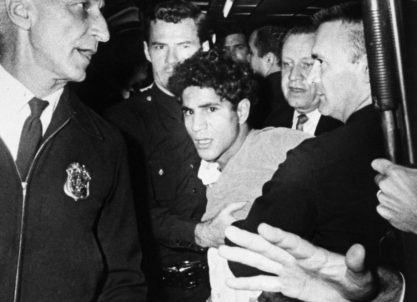
A frightening side note to these experiments is the persistent claims and in some cases considerable evidence that some famous individuals in America’s past were victims of these MK-ULTRA experiments. They include the “unabomber” Ted Kaczynski, Sirhan Sirhan – who shot Robert Kennedy, and Lee Harvey Oswald – the man who supposedly killed US President John Kennedy. Oswald’s long-time superior was claimed to have been an MK-ULTRA specialist as were a number of other CIA Black Operations hitmen, several of whom died in questionable circumstances only a few days prior to their giving testimony against the CIA for these same operations.

Many Americans are at least vaguely familiar with Theodore Kaczynski, popularly known as the “Unabomber”, who engaged in a bombing campaign in the US from the late 1970s to the early 1990s, but few were aware of the truth of his circumstances and motivation, the media having dismissed him simply as “an anarchist”. The truth is rather more complex and much more politically threatening. Kaczynski was a genius, entering Harvard at age 16, earning a Ph.D. in mathematics with a thesis so complex even his professors couldn’t understand it. One member of his dissertation committee stated that there might have been perhaps only ten people in America who could either understand or appreciate its exotic complexity. Kaczynski was a full professor at age 25. The CIA recruited him and a few dozen other brilliant young minds at Harvard for their MK-ULTRA program, subjecting them to what we might generously term “ethically questionable experiments” in mind control and behavior modification, much of it without their knowledge. We will never know all the details, but Kaczynski was dosed for several years with massive amounts of LSD, MDMA – a drug commonly called ‘ecstasy’ today, and other psychotropic drugs. The minds of these students were destroyed, as were their lives, and Kaczynski, no longer able to function in society, moved into a small hut deep in the mountains to live out his life alone with his pain. Rather than being an anarchist, Kaczynski’s bombing campaign was both a cry for help and a quest for revenge. The US government has never acknowledged their role in this case, nor in the others mentioned above. There are many dark secrets lurking here.

For those who can remember the 1970s there is much evidence that organisations like the Symbionese Liberation Army emanated directly from these CIA/SRI programs, many of the individuals involved having been residents and test subjects at the infamous Vacaville Prison. These included people like Donald DeFreeze, otherwise known as Cinque, who was the leader of the SLA and famous for the Patty Hearst kidnapping, Patty also having been ‘programmed’ during her captivity with drugs, torture, and a regimen of what was politely termed the “persuasive coercion” methods developed by West. It emerged that Patty Hearst was almost a textbook example of the multiple dissociative personalities which West became so adept at creating. For those who don’t know, Patty Hearst was the granddaughter of the famous American publisher William Randolph Hearst, who, when she was a 19-year old student in Berkeley, California, was abducted by this group, held captive and apparently programmed, became part of the group and was implicated in several crimes including bank robberies. She was freed after two years and spent many more years in painful psychiatric de-programming.
Jim Jones — The People of the Temple

There was also the bizarre episode of The Peoples Temple and its leader Jim Jones, best known for the events of November 18, 1978, when the entire mass of this cult moved to a site in Guyana and about 1,000 people died in a mass murder/suicide in their settlement called Jonestown. This is an enormously complicated event, and one where the official story changed so many times and had so many holes that nobody ever knew what to believe. I have not researched much of this story. but I would make four points here: one that Jones apparently obtained many of his cult members from a mental institution closely associated with CIA drug research; two that the few survivors of the group testified to daily drug injections and “programming”; three that some published photos of the death site displayed boxes and boxes of many kinds of medication and syringes, and four that there existed a distinct web of associations and contacts in this group that included the CIA and a considerable number of the usual suspects mentioned throughout this chapter. All in all, much opportunity to feed suspicious minds.
There is actually considerable evidence it was Gottlieb and his MK-ULTRA group that may have been responsible for much of the programming of people like Sirhan Sirhan and Ted Kaczynski, and it is more than likely that Gottlieb’s group was also responsible for the conception and programming of the “Zebra murderers” that resulted in a sudden wave of nearly 300 senseless, savage and random killings lacking any semblance of motivation, that swept California during the late 1960s and early 1970s. These, and many of the serial killing sprees that plagued California for the better part of a decade, all had patterns too similar to be coincidence, all linked to too many of the same people and institutions, including the CIA’s Vacaville Prison mind control labs, to be considered random events. All killings had similar patterns with the killers (young black men) consistently described by witnesses as appearing to be “zombies”, lifeless, expressionless, and emotionless, simply killing and fleeing. Students, shop clerks, people strolling down the street or waiting for a bus, others in a laundromat or at a pay phone, with many victims not only being shot several times but often hacked with a machete as well, the killers then simply running off. Neither the murders nor the victims had anything in common; all appeared to be random and without provocation or motive. The murders caused widespread panic in many parts of California. One group of killers, four young men, were eventually caught when a member of the group revealed details to the police. No cause or motivation was ever discovered, but suspicion centered firmly on the CIA and Gottlieb’s psycho-narcotic programming since this was precisely the kind of result the program was designed to produce.
In one case, an elderly woman and her husband were walking down a street when a young woman who approached them suddenly and with an astonishing acceleration of motion, pulled out a knife and sliced the woman’s throat wide open to the bone. The young woman then, with her middle-aged female companion, walked to their car, a blue BMW convertible, and calmly drove away. The young assailant was not found but the police did locate and question her companion who, after a few phone calls, was inexplicably released without charge. This attack was as unmotivated and senseless as all the others, with a conclusion by informed observers that the young woman’s programming had been accidentally activated and did what it was programmed to do, and that the companion was her CIA handler, which explained the telephone calls and release.
During the early 1970s, these Lords of Chaos turned California into a killing ground. We had the Zodiac Killer, the Hillside Strangler, the Freeway Killer, the Death Angel Manchurian Candidates and more, all apparently themselves programmed victims of MK-ULTRA, Project CHATTER and Project AL CONSTRAN. Many of the reports by witnesses take this form:
“On the evening of June 25, 1988, … received a phone call. When he answered, just as in the movie ‘The Manchurian Candidate’, he appeared to go into a kind of trance. Even though it was his day off, he put on his security guard uniform then loaded a 357 magnum revolver and walked out the door. He went directly to his guard post at a warehouse in Concord, CA, where he killed two people and wounded 5 others as in a turkey shoot. The killings were totally unprovoked and he was described by witnesses as not only expressionless during the attack on innocent people, but “like a zombie” and “in some kind of trance”. “He was looking at me, but he was looking through me.” The police said that when they arrested him, his only statement was “May the Force Be with You”.”
There were many such incidents in California during this period, with all the signs and similarities of a virus contagion. If we think of a flu epidemic, the infection begins slowly, then rapidly reaches an apogee, a sort of crisis point of great public concern, then almost suddenly abates and disappears. This was very much the case with these inexplicable violent murders and savage attacks that had never before occurred anywhere; they began, progressed rapidly to an epidemic of senseless random “zombie” killings, then suddenly stopped, never to occur again. It was this pattern, combined with the knowledge of the CIA’s mind control programs, that led many to believe this wave of bizarre activity was the result of CIA mind control experiments, and certainly there was much circumstantial evidence to support these conclusions.
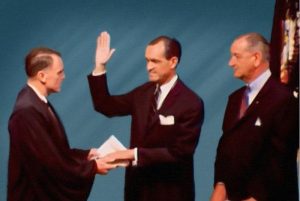
If there were not so much documentation and evidence to support all of this, it would seem to be some kind of horrible, perverted nightmare or a screenplay for a horror movie. But it’s not a nightmare. It’s real, and this is likely the main reason that CIA Director Helms suddenly ordered the total destruction of all CIA MK-ULTRA records as soon as the program was accidentally discovered.

In Sid Gottlieb’s group there were also scientists who implanted electrodes into human and other brains in yet more mind-control experiments, even done on children as young as four or five years of age, all with the intention of creating a perfect ‘Manchurian Candidate’, as well as erasing memories and creating artificial ones and, of course, total control of the individual. This research into electrode implants was funded by the CIA and MK-ULTRA, in conjunction with the Office of US Naval Research, and mostly supervised by our famous Dr. West. In fact, West began what was called the “UCLA Violence Project” at the Vacaville Prison where Donald Defreeze was apparently programmed. The projects received a great deal of funding, as I recall.
Dr. José Manuel Rodríguez Delgado

Some of the CIA experiments included electrode insertion with a simultaneous release of drugs or chemicals directly into the brain. A Dr. José Manuel Rodríguez Delgado was the CIA front man for much of this work. Delgado was a professor of physiology at Yale University, famed for his research into mind control through electrical stimulation of regions in the brain, using a combination radio transceiver which both stimulated and monitored the victim’s E.E.G. brain waves which were then used to control behavior. It was Delgado who created the implantable devices that released controlled amounts of a drug into specific brain areas which were meant to effect total control of an individual in conjunction with the radio signals. One of the most well-known of his experiments was with a bull. Delgado would step into the ring with a bull that had one of the receivers implanted in its brain; the bull would charge, Delgado would press a button, and the bull would stop. The video of this can still be seen today.
But Delgado didn’t stop with bulls, since his purpose lay with human control. For his subjects, the CIA provided him with research facilities at mental hospitals where he had available many dozens of patients exhibiting various mental disorders into whose brains he would implant electrodes and drug release mechanisms, and ‘conduct research’ into human control. At first, Delgado found it necessary to use connecting wires but soon learned to use radio signals to effect human remote control just as with the bull, controlling individuals in the same manner as we use remote-control toys today. One of his human experiments was with a young girl about 16 years of age, with video still available today of Delgado prompting various emotional states and actions by his remote radio-control mechanisms. He was able, at the press of a button, to alter her mental and emotional state from pleasantly relaxed to furiously pounding on a wall. In another experiment, he had a boy of ten or eleven years exhibiting an astonishing range of normal and bizarre behavior, all at the push of the same buttons. At one moment, the boy is speaking normally and at the next he is totally confused about his identity, uncertain if he is a girl or a boy. At another press of the button, the boy returns to normal. There was no reason to assume any of Delgado’s victims provided informed consent, and there is much reason to assume at least hundreds if not thousands of victims since he had at his disposal an unlimited number of helpless subjects provided him by the CIA from orphanages, prisons, mental institutions and other sources. As you will see in one example later, the CIA also effectively kidnapped children from their families under the guise of necessary treatment for a medical condition.
To give you some indication of the workings of this man’s mind, the HRV Canada website provided this gem of a quote from Delgado:
“We need a program of psychosurgery for political control of our society. The purpose is physical control of the mind. Everyone who deviates from the given norm can be surgically mutilated. The individual may think that the most important reality is his own existence, but this is only his personal point of view. This lacks historical perspective. Man does not have the right to develop his own mind. This kind of liberal orientation has great appeal. We must electrically control the brain. Someday armies and generals will be controlled by electric stimulation of the brain.”

There was also another famous American in the person of John Cunningham Lilly, a neuroscientist and psychoanalyst who specialised in researching for the CIA “the nature of consciousness”, among other things. One of his specialties was mind control through sensory deprivation, a condition he enhanced through his creation of the use of isolation tanks, often in combination with various psychedelic drugs – Gottlieb’s favorite. Apparently his combination of sensory deprivation and hallucinogenic compounds could work wonders in programming individuals. Not lacking imagination, Lilly was the man who conceived and developed the concept of implanting electrodes and transceivers into the brains of dolphins, controlling them with radio signals, then strapping powerful mines or bombs onto their bodies and compelling them to swim toward enemy ships where the bombs would be detonated by remote control. The perfect disguise, since everyone knows dolphins are friendly. The US made good use of this in Vietnam.

There was also a Dr. John Gittinger who was Sidney Gottlieb’s protege and who developed an astonishing complex of personality and psychological tests that were apparently quite accurate in guiding the CIA in determining the best approach toward manipulating and compromising individuals, including turning patriots into spies, as well as converting housewives, nurses, and high-priced fashion models into very effective espionage prostitutes, killers, and so much more. Gittinger was so successful the CIA built him a special party room walled with one-way mirrors where CIA psychologists could watch these compromised people at work. Gittinger was apparently a “specialist” at making his victims lose touch with external reality, no doubt in conjunction with Gottlieb’s LSD. He also was apparently quite expert at identifying those individuals who could be easily hypnotised, those who would quickly go into a trance compared to those who would not, and also those who would faithfully comply with any and all post-hypnotic suggestions and experience total amnesia afterward. Perfect assassins.

Gittinger applied his “personality” tests to at least 30,000 people, since he had files on at least that many, so this was not a trivial exercise for the CIA. And, since this was the CIA, he was especially interested in deviant personalities, or those that could be made deviant, those with vices or with weaknesses that could be further programmed, especially to become traitors, and those who would be most susceptible to the influence of psychedelic drugs. He worked closely with Harris Isbell, who ran the MK-ULTRA, mind-control drug program at the Lexington, Kentucky detention hospital, who would send him hundreds of people who could be pushed to “uncontrollable urges”, especially of a sexual or a murderous nature. Or both. This was one main use of the party room with the one-way mirrors. Ironically, it was Gittinger who inadvertently put the wheels in motion for the impeachment and resignation of then-US President Richard Nixon. When Daniel Ellsberg released the Pentagon Papers, John Ehrlichman, Nixon’s personal assistant, arranged for the CIA to break into the office of Ellsberg’s psychiatrist to obtain a copy of Gittinger’s personality and emotional test on this man, meant to be used by the CIA “as a kind of psychological road map to compromise Ellsberg”, just as they did in exploiting the weaknesses of so many others. Unfortunately, the burglars bungled the job.
There was one documented story of an American nurse who, after completing her training by Gottlieb and Gittinger, “had volunteered her body for her country”, and who was being programmed as the personal Mata Hari of a particular Russian diplomat and either get him to defect to the US or to become so compromised they could blackmail him into becoming an American spy. And, when necessary, “terminate” him. A great many of these encounters with what were called “recruitment targets” occurred in the room with the one-way mirrors and all recorded on film, one part of the sexual technology developed in the CIA safe houses in San Francisco as part of Operation Midnight Climax. Gottlieb’s Technical Services staff apparently amassed quite a wealth of experience and an abundance of “volunteers” in these sexual entrapment operations, claiming, “We had women ready – call them a stable”, who were quite adept at not only seduction but all manner of sexual activity and murder for the national security of their country.
Another portion of this same program designed to control individuals totally, “I was sent to deal with the most negative aspects of the human condition. It was planned destructiveness. First, you’d check to see if you could destroy a man’s marriage. If you could, then that would be enough to put a lot of stress on the individual, to break him down. Then you might start a minor rumor campaign against him. Harass him constantly. Bump his car in traffic. A lot of it is ridiculous, but it may have a cumulative effect.” The theory, according to Gittinger’s personality tests, was that the creation of sufficient stress from destructive personal loss, combined with other programming including the application of psycho-chemical drugs, would either turn an enemy or render him totally neutralised.
The CIA did all of these not only in America, but around the world, using Gittinger’s personality profiles to identify those military and other leaders in nations the US wanted to control. The psychological testing, combined with all the other dirty tricks of the trade, and certainly including the nurses, housewives and models who could be persuaded to develop “uncontrollable urges” to “volunteer her body for her country”, greatly assisted the US government in placing into power those who could be counted on to obey their colonial master. South Korea and Japan are two good examples of this, as are many countries in Latin America. The CIA, with the immense assistance of Gottlieb and Gittinger, could always spot those “who were most likely to succumb”.
 Even magic played a part in Gottlieb’s version of the world. In the 1950s, John Mulholland, whose real name was John Wickizer, was perhaps the most famous magician in the US, highly regarded for his abilities both on stage and in close quarters. It was those latter talents that interested Gottlieb so much that he contracted Mulholland to Project MK-ULTRA, on a long-term basis to create a comprehensive training program for CIA agents. The plan was to train agents in the field to mix and surreptitiously deliver drugs, chemical agents and lethal poisons to victims, to covertly exchange information, to steal, to dispose of evidence, and generally learn all the useful tricks of the conjuring trade. Mulholland eventually produced a CIA Manual of Trickery and Deception that is still classified as Top Secret 60 years later, though a watered-down version has been published and is available. Gottlieb’s prime interest appeared to revolve around the delivery of poisons and lethal toxins to those the CIA wanted to eliminate, and to do so without detection, but Mulholland’s manual apparently went far beyond this, focusing on sabotage, the mass distribution of pathogens, and much more. It even contained separate sections on sleight-of-hand methods for male and female agents and for operatives working in pairs.
While the less evil projects of MK-ULTRA had already been revealed more than 20 years prior, the truly horrific part of MK-ULTRA, the portion related to the torture-based programming of children, managed to escape attention primarily because the CIA destroyed all documentation of the projects and because the victims had been so effectively and successfully programmed. It was almost an accident of fate that revealed these darker secrets.
MKUlLTRA victims – Claudia Mullen Testimony from HRC on Vimeo.
In March of 1995, the US government was conducting sessions of the President’s Advisory Commission on Human Radiation Experiments, with a large panel of scientists and physicians gathered to hear testimony on the US military’s long-running projects of conducting nuclear explosions near populated areas to determine the effect of nuclear radiation on an unsuspecting public. It was at one of these sessions that Claudia Mullen appeared, bringing with her an acquaintance of like experience, and delivering to the assembled committee a litany of documentation on a vast CIA program that was conducted on American children from the 1950s to the 1970s. Claudia and her associate delivered their information to an increasingly shell-shocked and “visibly shaken group of scientists” on the MK-ULTRA program that subjected countless thousands of children to years-long processes of cold-blooded and inhuman abuses, describing trauma-based mind control programming meant by the CIA to mold these children into “Manchurian Candidates – spies, assassins and sexual blackmailers”. The Commission, to its credit, did indeed investigate, and determined that the CIA had conducted at least 4,000 such separate experiments that involved nearly 25,000 children victims. Given the vastness of the program and the number of institutions and scientists / physicians involved, many observers suspect the total of child victims may be far greater.
Gottlieb had conceived and organised a vast network in both the US and Canada, of experiments on small children that involved maintaining them in captivity, with each child being constantly “programmed” into adulthood. Many of these children were taken from parents or guardians at a young age for the express purpose of programming them over a period of ten or more years. Other were taken from orphanages and at least some were apparently kidnapped off the street by Gottlieb’s men while others were actually “purchased” from uncaring parents, foster parents or guardians. Through leaked and unclassified documents, we are finally able to put some of the pieces together, with some of the surviving victims now coming forward to tell their stories. The US government and the CIA still attempt denials which are now largely disbelieved, and so resort to the courts to declare an absence of liability on the grounds of national security – the final refuge of a government of cowards.
 Karen Wiltshire was one such survivor, one of the few able to prove her victimisation by obtaining her medical files from Johns Hopkins University where her father had worked in the Applied Physics Lab. Karen had been taken from her parents and placed in a children’s home at Johns Hopkins, her parents apparently having been told her institutionalisation was necessary due to a rare heart defect. Karen was incarcerated at Johns Hopkins from 1961 through 1970, was constantly fed LSD, given electroshock treatments, encountered repeated trauma and sexual abuse, and subjected to what she called “other strange experiments”. She said she gradually understood one of the purposes of her incarceration was that she was being “trained to eliminate emotions and feelings by using assorted torture and other techniques”. She was one of Gottlieb’s Manchurian Candidate children.
When Karen finally began to recall this deeply-buried portion of her past and actually obtained documentation and proof to confirm her memories, the US government told her she was the only child who had had those experiences, but in her search for the truth of her own life, Karen encountered many others who, as children, had experienced a similar fate. Karen said, “The plan was to pay off a few token victims and blow the rest off.”, and that Pentagon sources had told her since that they wanted at all costs to avoid disclosure of these stories. Karen’s case is important because she not only opened this Pandora’s box for herself, but assisted many others in obtaining confirming evidence of their own similar experiences in this section of Gottlieb’s Chamber of Horrors. Karen died before she would see the result of her intense, years-long effort to learn the truth but she did manage to open a door for many other of Gottlieb’s child victims. The story I want to tell you is of Carol Rutz, one person whom Karen helped, and who did live to see some results. The paragraphs that follow are Carol’s story taken from a public speech she gave some years ago. I have sorted and reorganised her comments and edited them for brevity and flow. The words are still hers, but only those indicated by quotation marks are precise quotes.
Gottlieb’s Chamber of Horrors
We will now turn to the story of another survivor named Carol Rutz, who not only eventually recalled her entire sordid CIA past but wrote a book describing her ordeal. She says so many people have contacted her since the release of her book, telling her that until they read of her experiences “they thought they were alone and crazy”. As it happens, they were neither.
Carol begins by saying, “As a survivor of CIA program MK-ULTRA, I began my intense search to document some of the mind control experiments that I became part of. Through a series of FOIA requests to various departments of the government, and exhaustive research, I have amassed an incredible amount of material that … validates my personal experiences.” She continues:
“The CIA bought my services from my grandfather in 1952 starting at the tender age of four. He loaded me up with my little suitcase while my mom was giving birth to my younger sister. On that day I was driven to Detroit where I boarded an aircraft to New York to a facility funded by the CIA to do covert experiments. My first plane ride ended in a nightmare that was to haunt me for the next 45 years. I became a human experiment – part of their search for a way to take control of a man’s mind. During the course of these experiments they created [alternate personalities] to do their bidding – “Manchurian Candidates” is an appropriate term.
Over the next twelve years, I was tested, trained, and used in various ways. All the programming that was done to me by the CIA was to split my personality making me a compliant slave. It was trauma-based, using things like electroshock, hypnosis, sensory deprivation, and drugs. Later the trauma wasn’t necessary, only hypnosis accomplished with implanted triggers and occasional tune-ups that took place at Wright Patterson Air Force Base not far from my home … other types of trauma were used to make me complain and split my personality (to create multiple personalities for specific tasks). Each [alternate personality] was created to respond to a post-hypnotic trigger, then perform an act and (I would) not remember it later.” During the first few days of my experiments, they used truth serum as well as electric shock to identify [the alternate personalities] [then] residing within me. They used visualization techniques to create alters for their own nefarious purposes.”
Carol mentioned a book by Dr. Colin Ross, titled, “Bluebird: Deliberate Creation of Multiple Personality by Psychiatrists”, stating that his book “documents those doctors who were working under MK-ULTRA government contracts for the specific purposes of breaking the mind and rebuilding it. These doctors, and I use that term loosely, were looking for children who had the ability to disassociate from reality for their projects. I fit the bill.”

Carol says that Sidney Gottlieb, the Director of the CIA’s Technical Services Staff that ran MK-ULTRA, was directly and heavily involved with her abuse and her programming. She said one part of her was like “a baby part” that Gottlieb would bottle-feed, hold and nourish, in part of a program to bond her to him in what she describes as “setting up an internal dichotomy where I thought I depended on him for nourishment – food, drink, love etc.” In reference to Gottlieb, Carol said further, “When he died in 1999, my programming immediately started to deteriorate. It was very difficult to manage and allow the opposing feelings of love and hate for this man. Part of me loved him as a father and other parts of me felt hatred and contempt.”
“During the experiments on me, electrodes were inserted into sleeve guides and my brain was probed while someone in the room recorded what was being said. Dr. Penfield told them my brain was like a tape recorder and he just needed to take me back in time. He did this by touching different spots in my brain. They kept recording the memories induced from images in my past and later Sid Gottlieb used them for future programming sessions. Detectable energy flashes were being picked up and a recording was made assuring the doctors that they indeed were working with different parts of my personality, separate and apart from the me that they would eventually reawaken.”
 Carol said further that some of what she experienced was what she called “general programming” within the main “control personality”, and after that, Gottlieb and his men would work on her other personalities. She said, “One of my child [alternate personalities] was trained sexually in order to compromise men of power so they could be blackmailed at a later date.” According to her, she experienced a great deal of sexual programming, that “eliminated all learned moral conviction from the survivor, so that the function can be carried out without inhibition, [and that included] child pornography, prostitution, and sexual training used for the benefit of a handler for blackmail or personal use.”
Claudia Mullen, to whom I’ve referred above, described very similar experiences during her childhood years as a CIA captive. In her testimony, she said in part:
“I was taught to talk to older men and encouraged to become friendly with older men and eventually, when I was old enough, I was sent out into what they called the operational field, and I would be photographed with government and agency officials (CIA), doctors who were consulted, heads of universities and private foundations – all under the chance that if the government funds started dwindling, they wanted to be able to blackmail or coerce the men into making sure the projects continued. That was the ultimate goal. The projects had to continue at all costs. They had to train a certain amount of young females to go around, and I was sent to a camp in Maryland for three weeks when I was nine years old, and that was my first training on how to sexually please men. I was through a training course, like a seminar.”
Carol said “Another (alternate personality) was created and told it was a robot to store information”, and that there was also “a trained killer, a sleeping assassin”, that would feel no fear and would have been trained in the use of some sorts of weapons or other methods of killing. Another part was “self-destruct programming installed in the event a survivor would start remembering. It was used to prevent them from going public.” She said another part of the self-destruct program was related to assassinations if the survivor were captured, and that in every case there would exist a total amnesia between and among the various personalities.
She wrote that she obtained one government document dated November 21, 1951 issued some months before she was first experimented on, in which the CIA made sure that this project would never be made known. “The document says, “It would be necessary to be exceedingly careful about thorough cloaking of the undertaking. I would not want anyone here in the (deleted) except (deleted) and myself to know about it … Funds necessary for the support of the work would carry no identification and raise no questions. Even internally in the CIA, as few individuals as possible should be aware of our interest in these fields and of the identity of those who are working for us.”
Another of the CIA documents Carol obtained from 1951 specifically stated that “experimental studies … would be conducted and that special attention will be given to dissociative states… Such states can be induced and controlled to some extent with hypnosis and drugs … The experimenters will be particularly interested in dissociative states, and an attempt will be made to induce a number of states of this kind … Learning studies will be instituted in which the subject will be rewarded or punished for his overall performance and reinforced in various ways with electric shock etc. In other cases drugs and psychological tricks will be used to modify his attitudes. Our work and the work of others indicate that there is a strong possibility that total amnesia or an almost total amnesia will follow the use of our technique as a general rule.”
Carol also referenced another government document, this one from 1954, obtained from a FOIA request and listing some of the areas of focus of this program. I will list here a few of these that Carol noted, but first note that the document begins by specifying firmly that these experiments are “Practical [and not] theoretical research being conducted … The nature of this research to include 20 specific problems.”
- Can we in a matter of an hour, two hours, one day, etc., induce an [hypnotic] condition in “an unwilling subject” to such an extent that he will perform an act for our benefit? (Long range).
- Could we seize a subject and in the space of an hour or two by post-hypnotic control have him crash an airplane, wreck a train, etc.? (Short, immediate activity)
- Can we by [sleep induction] and [hypnosis] techniques force a subject (unwilling or otherwise) to travel long distances, commit specified acts and return to us or bring documents or materials? Can a person acting under post-hypnotic control successfully travel long distances?
- Can we guarantee total amnesia under any and all conditions?
- Can we devise a system for making unwilling subjects into willing agents and then transfer that control to untrained agency agents in the field by use of codes or identifying signs or credentials?
Once again, under normal circumstances this would sound like either a terrifying nightmare or the script for a B-Grade movie, if not for the government documents testifying to planning and executing precisely such programs and experiments, and if not for the individuals who are now recalling precisely these experiences in great detail as well as the names and faces of the men who perpetrated them. And once again, none of this has ever been faced by any portion of the US government or its agencies, nor by the hundreds or thousands of physicians who participated in these outrageous travesties on small children, nor by the renowned American educational and medical institutions that also eagerly participated. None of this has been dealt with appropriately by the American media and, most of all, not by the US Congress who conducted a brief whitewashing session and then buried this entire matter as deeply as possible.
I think this is one of the good places among many to state, and just so it doesn’t go unsaid, that Americans are in no position whatever to point fingers at other nations about supposed human rights violations when these same Americans have skeletons like this in their own closet that none of them have the courage to face.
The CIA’s Holocaust of Small Children – and Canada’s Crime of the Century
Before the Second World War, the Catholic church in Canada, at least in the Province of Quebec, was the de facto operator of orphanages and by the end of the war had some 200,000 children occupying their facilities with government subsidies. The church conceived a plan for enrichment by re-classifying all their orphanages as mental institutions because the government subsidy at the time was several times greater per child per month for the latter than the former. The scheme was approved by Quebec’s then Premier, Maurice Duplessis, and the children would forever be known as “The Duplessis Children”. Naturally, after the re-classification, all the children’s records were permanently amended to categorise each as mentally retarded or suffering from some other mental illness. That was bad enough, but the orphanages / institutions were hell for the children prior to the shuffle, and deteriorated substantially afterward. The Catholic church has been famous for a very long time for its cruelty to children, as the recent decades of revelations of child sexual abuse have indicated, but there was much more. The Catholic nuns were renowned for their meanness, cruelty and both physical and sexual abuse of both boys and girls, as much in their schools and orphanages as elsewhere, but in those days “God’s work” and those performing it were almost beyond question or criticism. After the reshuffling and recategorising of the children as mentally defective, they were in many cases treated like animals. Many children, on reaching the age of 14 or 15, made valiant efforts to escape, many succeeding and the rest being severely punished.
Prior to the time of this event, the CIA had already been involved for many years in a wide array of torture, extremely harsh interrogations, attempts at mental programming, and much more. At the time, Dulles’ greatest complaint had been about not having “enough human guinea pigs to try these extraordinary techniques”. With God’s help, his concerns would soon evaporate. Dulles had already made arrangements with Ewen Cameron of the Allan Memorial Institute and McGill University in Montreal to conduct some of the CIA’s most reprehensible experiments, many of these involving children, on essentially healthy patients seconded by subterfuge from local hospitals to take up residence in what was in fact Cameron’s private torture clinic. Dulles was to boast later that “Canada’s Allen Memorial Hospital is a good source for human guinea pigs.” Following on this success, and shortly after recruiting Gottlieb to head his MK-ULTRA project, Dulles held some secret meetings with Catholic church officials and Maurice Duplessis to arrange CIA access to the vast supply of these newly-retarded children for many of the mind-control and human programming experiments.
It was only in the late 1980s and early 1990s that some of the child victims of this decades-long CIA-sponsored travesty began to come to light, and the public outrage was palpable. Naturally, God is not subject to trivia like torts or lawsuits, and in any case the church quickly circled the wagons and to this day denies anything and everything. The Canadian government was not so fortunate, having in the end to pay many tens of millions of dollars – an actual pittance, in real terms when compared to the huge numbers of victims and the extensive periods of their subjection to the inhumanities they encountered. The CIA was sued too, but blamed the Canadian government in entirety, in no small part dealing from the strength of sexual videos the CIA agents had been clever enough to make of Canadian government and church officials engaged in multiple sexual acts with many of these same small children. Being thus compromised, Canada had to foot the bill by itself. Not only that, but Duplessis had formed better relationships with the CIA than did Canada’s Federal Government, and so the CIA essentially exonerated the province of Quebec entirely, leaving the country’s national government to pay all the bills and take most of the heat. It was cleverly done.
But not finished, and perhaps never to be finished. Many of the victims are still coming forward, and many are demanding to this day a full public enquiry into all aspects of this immense tragedy that were never explored. One of these “loose ends” is a mass graveyard of 800 acres the church fondly refers to as “the pig sty” that contains by most reports well over 2,000 small bodies. Many who were children inmates of these orphanages have consistently reported as one of their tasks the carrying of bodies to be dumped in this graveyard, more than a few reporting having performed this task 60 to 80 times each. No records were maintained, at least none that the Catholic church cares to release. There was much more, so many tales consistently revealing the horrors of Dracula’s castle inflicted on such tiny and innocent lives, tales of drug and deprivation experiments, brutality, torture, sexual abuse of every description, and more. Gottlieb and his perverted, god-forsaken crew actually tortured and killed thousands of small children, and nobody in the Government of Quebec or in Canada’s Parliament has had the courage to open this Pandora’s box of little bodies that made such a powerful contribution to Gottlieb’s Medal of Honor. As a country, Canada has fewer sins than most, but those it does have, are so reprehensible your heart will bleed and make you ashamed to be a Canadian. And the Province of Quebec is a coward to the depths of its roots in refusing to face this immense tragedy and provide closure to so many thousands of irretrievably-damaged lives. No Canadian – and I mean NO Canadian, will ever have the moral right to point a finger at any other country on the topic of human rights.
This despicable program was run not only with the active participation of the Catholic church in Quebec and Canada, but with the full knowledge and complicity of the Vatican itself. Some victims have individually written hundreds of letters to Vatican officials, the petitions going back many decades, in attempts to find support for investigation and closure, but to no avail. They are ignored. Everyone at all levels of government in both the US and Canada, in the vast worldwide organisation of the Catholic church, the College of Physicians and Surgeons, and most especially in the mass media, have circled the wagons to protect the guilty and to prevent the full truths from ever becoming known. The records have probably all been destroyed, along with the lives. Some of the truths did emerge on small radio programs, with victims describing in graphic and horrific terms the stories of how small children were tortured, killed, then thrown into the pig sty. There were certainly tens of thousands of small children who suffered Gottlieb’s inhumanities and perhaps more than 100,000. Many died then, and many more have died since, taking their stories to the grave.
The victims still alive describe terrors of LSD or similar mind-altering drugs, physical beatings, tortures of so many kinds, of being confined in chains and of repeated whippings while being collared like a dog, interminable sleep deprivation, lobotomies, long-term ice-cold baths, sexual abuse of every kind, murders, and so many other crimes of depravity that shock the conscience. They were subjected to unbelievably-cruel and frequent high-voltage electro-shock therapy, injections of mind-altering drugs so powerful the children needed first to be restrained in strait-jackets. There are confirmed reports of “children from broken homes who were sold for money on the black market and shipped out, some in cardboard boxes, on ocean-going vessels headed for foreign ports.” Those children who were most defenseless, those to whose aid nobody would ever come, received the worst treatment and ended in the pig sty. There was nothing done in Germany by the Nazis that came even close to what Gottlieb and the CIA did in Canada, and Canada was by far the smallest part of Gottlieb’s crimes.
And, in fact, at least some of the perpetrators of Operation Paperclip, those war criminals imported by Dulles into the US from Japan and Germany, were inserted into these portions of Gottlieb’s MK-ULTRA programs, with repeated stories and even some photos appearing to confirm that Mengele himself attended some of these sessions. And yet nobody was ever held accountable. One source noted that the Saint Michel Archange Hospital in Quebec was notorious as a place where many Duplessis orphans disappeared in Gottlieb’s secret CIA experiments. The institution’s 1949 yearbook contains photos of a man with a stunning similarity to Josef Mengele, which might not be a complete surprise because it was with the help of the Vatican’s “rat line” that Mengele escaped Germany and traveled to the US – where he apparently roamed freely for quite some time before the media and the public made him too hot for the CIA to handle and he was transshipped to Central America with US government funding. Oddly, the reporter discussed the photo with officials of the Jewish Holocaust Memorial Centre in Montreal, only to have it dismissed with the comment, “So what if it’s Mengele?” I guess it depends on whose ox is being gored.
One victim’s lawyer stated that the evidence all indicated the Catholic church made a deal with the CIA, with the full knowledge of the Quebec government “to turn over perfectly healthy children in return for money, giving the doctors the ability to experiment at will since we were all considered insane.” One CIA psychiatrist labeled the children as “defectives anyway” and, in an article titled, “The Ethnic Cleansing of the ‘Mentally Unfit”, a eugenicist used the opportunity to campaign for sterilisation to prevent mothers from “filling the cradle with degenerate babies”. Gottlieb’s MK-ULTRA horrors in Canada were what some called “a program of organized psychiatric genocide.”
The Sleep Room’s Missing Memories
Another part of the CIA’s secret MK-ULTRA program of brainwashing and mind-control was transplanted to Canada to avoid US liability, and was initially unknown even to the Canadian government. A Dr. Ewan Cameron of the Allan Memorial Institute in Montreal, Canada, and working at McGill University, conducted some of the most reprehensible of the CIA’s experiments, many of these on children. In 1957, with CIA funding and under Gottlieb’s supervision, Dr. Cameron began MK-ULTRA Subproject 68, experiments that were designed to first “de-pattern” individuals, erasing their minds and memories – reducing them to the mental level of an infant – and then to “rebuild” their personality in a manner of his choosing. These experiments constituted a human catastrophe that permanently and totally stripped many hundreds of Canadian people of their identities.
To have a private and secret facility, Cameron used CIA money to convert some horse stables behind the Institute into an elaborate isolation and sensory deprivation chamber in which he kept patients locked for weeks at a time. His methods involved subjecting uninformed mental and other patients to “modern torture involving massive electroshock therapy, drug injections, continual doses of LSD, and chemically-induced comas meant to destroy patients’ memories of themselves and their families. These drug-induced comas would last for as long as 90 days, during which Cameron applied numerous and repeated high-voltage electric shocks, often administering many hundreds of shocks per person, at thirty to forty times the normal power.”
Cameron also experimented with various paralytic drugs and induced insulin comas in his subjects by giving them large injections of insulin, twice a day for up to two months at a time. He would then perform what he called “psychic driving” experiments on the subjects, first attaching football helmets to the heads of the test subjects for sensory deprivation, then repetitively playing recorded statements through speakers implanted in the helmets. The patients could do nothing but listen to these messages, played non-stop for weeks at a time. In one case, Cameron forced a person (whose mind had already been vacated by means of sensory deprivation and electroshock) to listen to a message without interruption for 101 days. Patients who had entered the institute for minor problems such as anxiety or postpartum depression, suffered enormously from Cameron’s actions, many having lost all memory of parents and family, and suffering permanent incontinence. Many became virtual vegetables.
Arlene Tyner wrote of the story of one victim:
“Gail Kastner, now in her 60s, did not discover Ewen Cameron’s experiments were the cause of her “wasted life” until reading a newspaper story in the Montreal Gazette in 1992. She sued the Canadian government and Montreal’s Royal Victoria Hospital in 1999 after the government rejected her claim for damages. A “brilliant student whose domineering father checked her into the institute for depression,” Kastner says that Cameron’s electroconvulsive “depatterning” treatments and insulin-induced comas for five weeks at a time are responsible for a life of screaming nightmares, recurring seizures, loss of memory, and long-term regression to an infantile state. Her husband, son and twin sister could not tolerate her bizarre behavior, i.e. “wetting the living-room carpet, thumb-sucking, babytalk and wanting to be bottlefed.” Abandoned by her own family, she was rescued from homelessness by the Jewish Family Service.”
Many of the victims were drawn from children that had been placed in Cameron’s care, and most were sexually abused as part of the experimentation and “therapy”, many of them being used sexually by several men in one session. One of the children was filmed numerous times performing sexual acts with high-ranking federal government officials, in a scheme set up by Gottlieb’s MK-ULTRA team to blackmail the officials to ensure further funding for the experiments. Massive lawsuits ensued when the existence of this project became public. It should be noted that Dr. Cameron had been a member of the Nuremberg Tribunal that judged harshly and severely punished human experiments less evil than his own. But in fact Cameron, as well as Gottlieb, and as well as the related perverts at Fort Detrick and Edgewood, patterned these experiments in part on what they had learned from the Germans, then greatly embellished them.
In the 1980s, the CIA and the US State Department launched a vicious public counterattack on the Canadian government for questioning the propriety of CIA activities. In press briefings, interviews and Court pleadings, the CIA repeatedly stated that Canada funded Cameron too, and the atrocities were therefore Canada’s fault. One US Attorney claimed, “We’re going to wrap the Canadian Government financing of Cameron right around their necks”. Initially, the Canadian government intended to file charges against US and the CIA at the International Court of Justice at the Hague, but the Americans so bullied Canada into submission that the matter was whitewashed and forgotten.
The CIA was also responsible for many LSD experiments conducted in a mental hospital in Weyburn, Canada, which is where the word “psychedelic” originated. According to former staff members, the CIA supplied the hospital with enormous amounts of LSD because it wanted to learn the effects on individuals of large and repeated doses of this drug. The hospital has since been closed, and all records appear to have been destroyed, but both hospital staff and patients were often used in these experiments and over time the Weyburn hospital acquired a deeply sinister reputation. I was personally aware of the existence of that hospital during my youth, as were a great many of us, and all spoke only in hushed tones of the horror stories that sometimes leaked out of that institution.
The effects of sensory deprivation came to light from a series of quite innocent experiments conducted in Canada at McGill University by a Dr. Donald Hebb who had paid a group of his own psychology students to remain isolated in a room, deprived of all senses, for an entire day, in an attempt to determine a link between sensory deprivation and the vulnerability of cognitive ability. Hebb was described as “a gifted man whose ingenuity revolutionized psychology as a science”, and who was nominated for a Nobel Prize, though I’m not certain the prize would have been a fitting recognition for his work. On September 6,2012, the McGill Daily published an article by Juan Camilo Velasquez titled,”MK-ULTRA Violence”, which confirms that on June 1, 1951 “a secret meeting [was held] in the Ritz Carlton Hotel … to launch [an] effort led by the CIA to fund studies on sensory deprivation”, this being a meeting attended by Hebb who had to understand what was happening, and that these “studies” would inevitably lead to “techniques of psychological torture and interrogation”, with Dr. Ewen Cameron a few years later completing what Hebb had begun. The article continued:
“Cameron’s research was based on the ideas of “re-patterning” and “re-mothering” the human mind. Dr. Cameron wanted to de-pattern patients’ minds with the application of highly disruptive electroshock twice a day … patients would be put into a state of prolonged sleep for about ten days using various drugs, after which they experienced an invasive electroshock therapy that lasted for about 15 days. But patients were not always prepared for re-patterning and sometimes Cameron used extreme forms of sensory deprivation as well. Following the preparation period and the de-patterning came the process of “psychic driving” or re-patterning … in which Cameron would play messages on tape recorders to his patients … up to half a million times.
The experiments done at McGill were part of the larger MK-ULTRA project led by Sidney Gottlieb of the CIA … compiled all the research into a torture manual called the KUBARK Counterintelligence Interrogation Handbook. Yes, a “torture manual” that would eventually define the agency’s interrogation methods and training programs throughout the developing world. The Kubark, which is nowadays readily available, cites the experiments conducted at McGill as one of the main sources of its techniques for sensory deprivation. An excerpt from the instructions to CIA interrogators reads, “Results produced only after weeks or months of imprisonment in an ordinary cell can be duplicated in hours or days in a cell which has no light, which is sound-proofed, in which odors are eliminated, et cetera”. In essence, the psychological paradigm taken by the CIA would not have been possible without Hebb and Cameron’s research on sensory deprivation and psychic driving.”
You will recall John Cunningham Lilly whom I briefly discussed earlier, he of the exploding dolphin fame, and how his combination of sensory deprivation and hallucinogenic compounds could work wonders in programming individuals. Lilly too, learned well from Hebb and Cameron.

In the Spring of 2016 the UK media (BBC, Telegraph, Mirror) revealed that former patients of Aston Hall, a children’s hospital in Derbyshire, had begun coming forward with claims that the hospital’s head physician, a Dr. Kenneth Milner, had been carrying out similar experiments on them in the early 1970s. The stories have all been consistent, the women claiming that as children they were regularly stripped naked and tied down, then subjected to various drug experiments, most often enduring forced sexual intercourse as well. Apparently one of the drugs commonly administered to the children was sodium amytal, which is a strong barbiturate often used clinically to circumvent inhibitions. It appears at least 100 children and perhaps a great many more – most being 10 to 12 years old at the time – were regularly and repeatedly used for a range of drug experiments involving high dosages of various anti-psychotics and anesthetics. Many report having been placed in a straitjacket prior to receiving the injections. Complaints of experiments and abuse apparently began against the hospital and Dr. Milner from multiple sources more than 20 years ago, but the authorities neglected to investigate. I have suspicions, and some firm indications, that Australia experienced similar atrocities which also await uncovering.
It appears increasingly possible the CIA was either outsourcing experiments or at least working in cooperation with institutions in countries other than Canada. On this note, I would add my strong suspicions that the most horrid experiments, those that have not yet come to light, were outsourced to Haiti and Puerto Rico. It is not a secret that the US has used Haiti for decades as a private biological laboratory and, since that small nation has been under the absolute control of the US and deprived by design of an effective media voice, the US military and the CIA have been able to conduct operations there without reservation or inhibition.
The Death of Harold Blauer
Drug experiments were high on Gottlieb’s agenda from the very first days of his appointment, his main handicap being a lack of supply of available victims. As part of a strategy to solve this shortage, he first went to the obvious sources of helpless victims as in prisons, mental hospitals, orphanages, military hospitals and other institutions, but supplies appeared modest for his needs. Gottlieb then, with Dulles’ assistance, enlisted the help of all sections of the military, the CDC and Health Departments and other sources to arrange victims from ordinary civilian patients, and especially those in private hospitals and psychiatric clinics since they would be the most likely to accept experimental treatment without intelligent challenge and whose testimony would be least likely to be accepted without question when things went wrong – as they often did.
One such event was perhaps Gottlieb’s first murder, that of a famous American tennis pro named Harold Blauer who was visiting a private psychiatrist for depression following a divorce. Gottlieb, through the auspices of the US military, had arranged highly secretive and classified contracts with many such private psychiatrists to conduct drug studies without the knowledge of the patients, the chemicals in question being partially examined for their value as mass bio-warfare weapons for the military as well their more narrow potential with the CIA. In the case of Blauer, he was injected with increasingly large doses of a highly-toxic mescaline derivative, the last shot being an astonishingly huge overdose that killed him almost instantly. Of course, the cover-up was extreme and successful for a time, his medical records having been not only tampered with, but completely rewritten to describe Blauer as schizophrenic and insane, and attributing his death to “a weak heart”. It was only after 30 years that the truth leaked out and a court awarded Blauer’s family some $700,000 in damages for his death, the CIA and military denying and protesting to the very end until the leakage of classified documents exposed the facts.
This was a template Gottlieb and the CIA would follow for decades, inflicting death on an unknown but certainly very large number of individuals, the events always carefully planned without loose ends and with plausible deniability. There is a very distinct trail of at the very least hundreds, and very possibly thousands, of curious, questionable, suspicious and unexplained deaths that followed Gottlieb and his group around America and the world, for at least two decades. One, as related below, was the death of Frank Olson, in whose murder Gottlieb took a more active role, personally administering an overdose of LSD then initiating psychiatric treatment and finally Olson’s murder at the hands of Lashbrook, another conspiracy that was finally revealed only after many decades of denial. Since Helms had virtually all the MK-ULTRA records destroyed, the world will never know the sum of Gottlieb’s gruesome inhumanities.
The Life and Death of Frank Olson

Frank Olson was a scientist who had been working on the CIA’s MK-ULTRA Project, involved in experiments to assess the efficacy of certain bacterial strains on human beings, including the US military’s use of biological pathogens. But the CIA expanded far beyond lab experiments and progressed to testing these pathogens as part of an interrogation program, using “expendable” human subjects – Korean prisoners of war, apprehended foreign espionage agents, and even CIA agents who were suspected of disloyalty. Olson had the very highest security clearance and had been a witness to many programs and experiments in the US, the UK and Europe, but had never seen the direct results of his work. Then one summer, he visited a CIA “safe house” in Germany and the UK’s Frankenstein House at Porton Down where he witnessed “terminal interrogations”, men tortured and drugged until they died in agony from the weapons he had made. He had also been a part of the mass experiment in Pont St. Esprit, France, where the CIA had arranged to administer LSD to a whole town. Olson also claimed he had seen documented proof of US government use of biological weapons in North Korea during the Korean war – as the US had also done in China.
Olson began having serious problems with his conscience and had been expressing moral misgivings about his work. He told colleagues he was disturbed about CIA torture-to-death interrogations in Germany and the use of bacteriological warfare on North Korea. He became increasingly vocal in his criticisms of these projects, and it was this that sealed his fate. CIA director Allan Dulles decided Olson was a dangerous whistleblower and a security risk. At that point, Olson resigned his job, and a few days later he was dead. Gottlieb had personally administered a huge overdose of LSD to Olson, then arranged for ‘psychiatric’ counseling from his right-hand man Lashbrook. Olson was in a hotel room with Lashbrook, who claimed he killed himself by running across the room, throwing himself through a plate-glass window, and falling ten stories to his death. The CIA’s initial story was that Olson’s death had simply been a tragic “accident” by a distressed individual, and for 22 years the family believed the official narrative. Then, in a US Congressional investigation into CIA atrocities and crimes, a declassified document contained information about a CIA agent who had been given LSD without his knowledge, and then escorted to New York in the company of another agent, where he committed suicide by jumping from a window. His family immediately recognised the circumstances of their father’s death and began a detailed investigation. In the end, the CIA admitted responsibility, the Olson family was invited to the White House to meet with President Johnson who apologised and agreed to pay the family $750,000 in compensation – on the condition that they cease all further investigation and never try to determine any further facts about the Olson death.
But the family didn’t cease their investigation, and finally had Olson’s body exhumed and examined. The forensic pathologist determined that Olson had suffered a severe blow to the head before he fell from the window. Many of the discrepancies surrounding his death were finally made fully public, and it was eventually revealed that Olson had been ordered killed by CIA Director Allen Dulles, and was executed by Gottlieb and Lashbrook, that the death was neither an accident as first claimed, nor a suicide as in the later story, but a deliberate murder to prevent the man from disclosing secrets of CIA crimes to the media. And in particular, the US government was fearful their use of biological weapons in North Korea would become public knowledge. It was only in 2012 that all investigations were completed, and the family has since filed a massive lawsuit against the CIA and the US government for Olson’s murder. Later transcripts revealed that the family was invited to meet with President Johnson in a bid to stave off “a devastating PR problem”, and the money paid to the family was intended only to purchase their silence. But Olson’s son was never satisfied with the official explanation and spent two decades researching the events of his father’s death. Interestingly, the two people who were primarily responsible for the cover-up of the truth of Olson’s death were Dick Cheney and Donald Rumsfeld who would later become, respectively, George Bush’s Vice-President and his Secretary of Defense.
 In the eyes of the CIA, Olson’s death was such a “perfect murder” that its method was described in detail in their secret Assassination Manual which was later made public, and Israel’s Mossad used the Olson case study in training for their assassinations unit as a perfect example of “deniable assassination”. But Olson’s story is more complicated than this one death. During the decades of investigation, former CIA director William Colby had offered Olson’s family some detailed truths about the death, but the day before a meeting with the Olsons, Colby was found dead in the lake near his home. He had apparently been interrupted during dinner alone, with a half-finished meal and glass of wine still on the table, and disappeared into the lake. The official ruling was death by drowning, though no explanation was made as to how or why this might have occurred.
The CIA’s biological experiments included not only their facility at Camp Detrick which was the primary US facility for chemical and biological warfare, but considerable work in the UK at a similar bio-weapon facility at Porton Down, a location that carried its own dark secrets involving the espionage agents of both nations. The UK had recruited a Dr. Basson from South Africa and Vladimir Pasechnik who had headed the Soviet bioweapons program in Russia, as well as UK scientist Dr. Larry Ford. These men, in conjunction with the CIA, were developing genetically altered diseases that would affect only groups with similar DNA characteristics, their weapons research including the Bubonic Plague, anthrax and other fatal pathogens. Another scientist involved was the Harvard University doctor Don Wiley, who was one of America’s noted HIV researchers and who had only then identified the properties of the HIV virus that make it infectious and how it avoids destruction by the antigens in the human immune system. Wiley was troubled by his success because, as he noted, the dark side of the discovery was that the same information could be used to change relatively benign viruses into mass killers.
Not long after all of these events, all of the men involved were dead. Olson had been killed earlier. Dr. Ford was killed by a shotgun blast that was ruled a suicide. Pasechnik died of an apparent stroke, and Wiley died in 2001 from an apparently accidental fall off a bridge into a river. Many more of these scientists were found dead, all in suspicious circumstances that appeared to involve government-level cover-ups, and all ruled to be either natural deaths or suicides. In all of these cases, as time passes and unclassified documents become available, each death in turn often proves to have been the deliberate killing by the CIA and MI6 of people who knew too much and could not be depended upon to remain silent.
CIA Project MK-DELTA
MK-ULTRA also had a foreign component under the code name of MK-DELTA which was a similar program with similar intent, but with the horrifics inflicted surreptitiously on unwitting citizens of other countries. Often, a CIA agent would strike up a conversation with a stranger at a sidewalk cafe somewhere in Europe, offer to buy the person a drink, and spike it with a huge dose of LSD as practice for disabling foreign diplomats or heads of state in future clandestine operations. A great many lives were ruined in this way, many of them by Gottlieb personally. And it wasn’t only individuals; Gottlieb and the US military were also interested in the mass deployment of drugs and their accompanying insanity. Here are two stories of many:
Stanley Glickman
A young American artist named Stanley Glickman was sitting at a sidewalk cafe in Paris in 1952 when another friendly American began a conversation and brought Glickman a drink that was heavily spiked with LSD. The overdose was too much, and triggered a frightening psychotic episode. Glickman went into convulsions, suffered wild hallucinations, and had to be hospitalised. But that must have been part of the plan because he was taken to a local hospital where American doctors were apparently awaiting his arrival and where he claimed to have suffered substantial physical, mental and sexual abuse that included re-injections of LSD. He claimed that after his collapse at the cafe, one of the first actions by the American doctors was to insert a metal catheter into his penis and administer violent electro-shocks there, as well as repeatedly injecting him with additional hallucinogenic drugs. By the time of his release from the hospital, Glickman had suffered a mental breakdown from which he never recovered. He never painted again and his life remained in ruins.
But when the news began to break about the CIA’s MK-ULTRA program and details emerged from Congressional hearings, Glickman realised he had been one of the victims and, perhaps more importantly, he was able to conclusively identify Gottlieb as the man who had spiked his drink and who had supervised the ‘mind control’ torture in the Paris hospital. He filed a lawsuit, which the CIA and the US government obstructed and delayed for 16 years, until Glickman died. But his sister carried on the lawsuit and it finally reached the courts. As luck would have it, Gottlieb was in the US at the time, having returned from his home in India to the US for medical treatment. However, immediately prior to his having to testify in court, Gottlieb died suddenly in the hospital, with the New York Times cryptically stating his family “refuses to disclose the cause of his death.” Gottlieb was apparently being treated for minor pneumonia when he “suddenly lapsed into a coma” from which he never recovered. You can imagine the fun conspiracy theorists had with this one.
It gets better. The trial proceeded without Gottlieb, but then suddenly the judge – who was clearly anti-CIA and was clearly heading for a substantial judgment against the government and Gottlieb’s estate – suddenly died of a claimed ‘heart attack’ in a gym near the courthouse on the day prior to issuing his judgment. The US government immediately claimed authority to appoint a new judge to the case, and did so, with this new judge oddly enough being the same judge who had dismissed this same case two years earlier, claiming it to be nonsense. Naturally, he ruled against Glickman. Case closed. But there was more that emerged later, with Glickman’s hospital records proving that two of the Paris doctors tending to him (along with Gottlieb) had for some time been engaged in Gottlieb’s LSD experiments on individuals. Perhaps there will be another chance for Glickman to receive some posthumous closure. In the meantime, we can perhaps content ourselves with the delicious prospect it was the CIA itself who silenced Gottlieb lips forever.
The Great French Bread Experiment
A 65-year-old mystery was finally solved by investigative journalists. In 1951, almost the entire population of the town of Pont-Saint-Esprit in Southern France were driven to mass hysteria and insanity, hallucinations and suicide. A great many people died and dozens were put into strait jackets and sent to mental asylums, in one of the world’s most bizarre mysteries. Many people tried to fly out of windows or from roofs of buildings. One man shouted “I am a plane” before jumping out of a second-floor window and breaking his legs. One man tried to drown himself, screaming that his belly was being eaten by snakes. An 11-year-old boy tried to strangle his grandmother. Another saw his heart escaping through his feet and begged a doctor to put it back. Time magazine wrote at the time: “Among the stricken, delirium rose: patients thrashed wildly on their beds, screaming that red flowers were blossoming from their bodies, that their heads had turned to molten lead”. In the end, most everyone either died or was committed to a mental institution. For decades it was assumed that the local bread had been unwittingly poisoned with a psychedelic compound, speculating that the largest local baker had unwittingly contaminated his flour with ergot, a hallucinogenic mould that sometimes infects rye grain. But a journalist uncovered evidence that the tragic event resulted from a covert experiment by the CIA and the US Army’s top-secret Special Operations Division, where CIA operatives peppered local food with massive amounts of LSD as part of a mind control experiment.
As I wrote earlier, by 1950 the US military and CIA had already produced well-developed plans to ‘outsource’ the field testing of various pathogens to other nations, friend and enemy alike, with much of the surreptitious testing of LSD and other hallucinogens conducted in Europe and Asia under the code names of “Project Third Chance” and “Project Derby Hat”. For Pont St. Esprit, the CIA sent scientists from Sandoz, the supplier of the LSD, to concoct a plausible story as to the cause. The CIA concocted and executed many such plans to infect many locations both in the US and in foreign countries with a wide variety of pathogens. The journalist referred to above, was investigating the death of Frank Olson, the CIA biochemist we have already met, and discovered transcripts of a conversation between a CIA agent and a Sandoz pharmaceutical official who mentioned the “secret of Pont-Saint-Esprit”, explaining that it was not caused by mould but by LSD. Two colleagues of Olson further confirmed that that the Pont-Saint-Esprit incident was part of a mind control experiment run by the CIA and US army, having sprayed LSD into the air throughout the town as well as contaminating local bread and other food products. The final proof was in a White House document sent to members of the Rockefeller Commission during its investigation of CIA abuses. The document contained the names of those employed by the CIA for this job, and made direct reference to the “Pont St. Esprit incident”, and the culprit was of course none other than Gottlieb.
Americans Once Again Facing Their Crimes
One of the more enduring propaganda myths about America, one that virtually envelops the national consciousness and makes every citizen so proud to be an American, is the one about how “We’re not perfect and there are some dark patches in our past, but what makes us special is that we recognize these evils, we come to grips with them and we fix them.” This fierce determination is of course aided immeasurably by a free press that exposes sins without fear or favor, so that all is revealed, debated and dissected, leaving the entire population fully informed. The discovery of CIA Project MK-ULTRA was not different in any respect. The Americans did indeed have media exposure – that revealed perhaps a few hundred, mostly minor, instances of illegalities out of the several hundred thousand horrors that actually occurred.

There were indeed Congressional hearings, prior to which almost all incriminating documents had already been destroyed, and at which hearings everybody lied. There was the almost obligatory admission that “at least one person died” during these transgressions, but with the provision that he probably expired not from the programs themselves but “from related medical causes”. Then, like the tail end of a flu epidemic, the topic one day simply disappeared from sight. The nation, having achieved its catharsis and absolution from all the media hype, could now re-envelop itself in national pride, secure in the knowledge its halo was still intact and that Americans were still superior to all other beings. Of course, one element in this tragic scandal – as in all others prior – was that nothing real actually happened. Nothing changed and nobody was punished. All the culprits, the murderers, the torturers, the inhuman monsters who planned and perpetrated this decades-long series of horrors on hundreds of thousands of innocent people, simply walked free. Gottlieb retired from the CIA with a medal and a huge pension, with all other participants doing something similar. And that was the end. The countless thousands whose lives were destroyed, were simply abandoned to their fate. Case closed. Nothing else to see here. Time to move on. I think it worth mentioning that in 2001, in testimony before the US Congress, CIA Director George Tenet said, “I would turn our gaze from the past. It is dangerous, frankly, to have to keep looking over our shoulders.” I wonder why.

The Boston Globe published an article by Stephen Kinzer who wrote in part: “Release of the long-delayed US Senate report on CIA abuses should make Americans proud …”, stating it is “reasonable” for Americans to be proud when reading this report since other countries abuse people and lie about it, but it is only America that publishes reports of its crimes.” And when details of abuses are published, they become hard to deny. This defective genius then tells us that the Senate report will “serve as an example to other countries wrestling with the challenges of facing their past”, and that admitting their wrongdoing “is a sign of strength and maturity”. He tells us, “It is better to come clean than to leave questions of responsibility hanging forever”. As we will so often see, it is only Americans, in their vast delusion of ‘goodness’, who are so able to to convert a vice to a virtue; shame and repugnance suddenly transforming into rationalisation and self-adoration. “Yes, we were bad, but because we admit we were bad, that makes us good again. And most especially it makes us even better than, and morally superior to, other nations who don’t admit they were bad. And this moral superiority absolves us from all our sins and our god smiles on us once again.” It doesn’t seem to have occurred to our Mr. Kinzer that he should maybe forget about setting an example to other countries “wrestling with the challenges of facing their past” and focus on facing his own nation’s past.
Another fact that isn’t well-known is that by 1950, CIA teams were running secret chemical tests, including the use of LSD, on North Korean prisoners of war hoping to achieve mind control, amnesia, or both, and all with the active cooperation of the “gold standard” FDA. With the active promotion of LSD among university students and others, an enormous public fire-storm of protest forced Sandoz to recall all the LSD it had shipped to the US, but “the FDA would not back down from its involvement in LSD research and its cooperation with the MK-ULTRA program. Instead, it moved to set up a joint FDA-NIMH body known as the Psychomimetic Advisory Committee and put at least one of the CIA’s grant-recipient foxes in charge of the henhouse when it named Harris Isbell to the new committee.”
Sidney Gottlieb
Sidney Gottlieb was a Jewish-American chemist who joined the CIA in his early 30s and within two years was appointed by Allen Dulles the designer and head of the agency’s vast and top-secret MK-ULTRA program, which was initiated to explore mind control, human programming, assassination and much more. Gottlieb was an expert in poisons, especially those with psycho-active effects and quickly became known as “The Black Sorcerer” and “The Dirty Trickster”. It was Gottlieb, with virtually unlimited CIA financing who initiated a truly massive program involving psycho-active drugs, psychic driving, the most evil portions of psychiatry and psychology, and a great many lethal poisons, to research and develop “techniques that would crush the human psyche to the point that it would admit anything”. Torture, “terminal interrogations” and a sickeningly-wide array of inhuman infliction, were all part of MK-ULTRA under Gottlieb.
He not only created, managed and directed this decades-long human abomination but played an active part in its activities. It was Gottlieb who personally overdosed Frank Olson on LSD, and it was Gottlieb’s right-hand man who rendered Olson unconscious and threw him out the 13th-floor window of his hotel room, to rid the CIA of a potential whistle-blower. It was Gottlieb who arranged the cooperation with the similarly-perverted animals at the UK’s Porton Down, where they executed their ‘terminal interrogations’ safely away from American soil, and where Frank Olson witnessed such horrors that he planned to leave the CIA and go public with his knowledge.
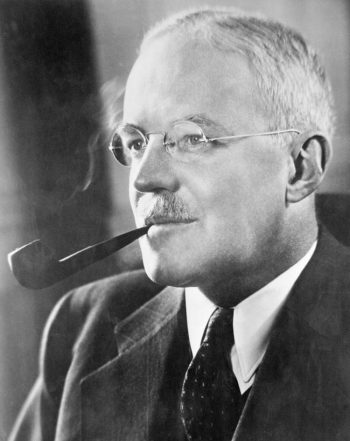
It was Gottlieb who traveled to the Congo with poisoned toothpaste which he delivered personally to Larry Devlin, the CIA’s station chief, to administer to Prime Minister Patrice Lumumba, though Devlin managed to kill him by other means. It was Gottlieb, acting through Allen Dulles on orders from US President Eisenhower to “eliminate” Lumumba and thus open the country to American business. It was Gottlieb who hatched the hundreds of plans to assassinate Cuba’s Fidel Castro, especially including all the poison-related attempts, such as cigars, wet suits and fountain pens. It was Gottlieb who arranged for Iraq’s General Abdul Karim Qassim’s handkerchief to be contaminated with botulinum in yet another assassination attempt. He developed poisoned cigarettes intended for Jamal abd an-Nasir of Egypt. He regularly traveled with his diplomatic bag containing CIA-developed bio-toxins designed to mimic a disease endemic to that area, or with specifically-cultured lethal viruses.
It was Gottlieb who planned and financed the activities of Dr. Ewen Cameron in Canada in his so-called psychic driving experiments that totally destroyed the lives of so many people and in the end cost the Canadian government tens of millions of dollars in compensation. It was Gottlieb who was responsible for the thousands of Duplessis children who were tortured and killed, and who financed Dr. Harris Isbell in his research experiments in human psychiatric programming. Isbell is best known for once giving huge doses of LSD to a group of men for 77 days in succession, and for “testing” more than 800 toxic chemical compounds on captive victims for Gottlieb. It was Gottlieb, working with Defense Secretary Robert Mcnamara, who helped to conceive and execute the massive torture and human experimentation program in Vietnam known as Phoenix Program, with teams of CIA operatives performing a wide range of Gottlieb’s torture and other experiments followed by executions. Gottlieb also planned and financed much of the human experimentation by Lauretta Bender, Albert Kligman, Eugene Saenger and Chester Southam, and no doubt a great many more.
It was Gottlieb, being so fascinated with the mind-control potential psychotropic and hallucinogenic compounds, who was responsible for the contamination of food and the aerosol spraying of a lethally-potent LSD compound in the village of Pont-Saint-Esprit, France in August, 1951, that caused a powerful mass psychosis that left nearly the entire village population either dead or permanently confined to mental institutions. Gottlieb was so enthralled with the prospects of hallucinogens that he arranged with the pharma company Eli Lilly to produce one consignment of more than one hundred million doses of LSD.
Gottlieb designed and approved the sexual-related programs of the CIA, like Operation Midnight Climax and so many more, many of which involved the effective capture of female children or young women, subjected them to years of physical, sexual and psychological abuse, then turned them loose as robotic tools. Gottlieb arranged for many ‘safe houses’ where his programmed women would lure victims to be unwittingly fed large doses of LSD and engage in all manner of inhuman activity besides sex. There have been recurring stories, apparently credibly documented, of the walls of these houses covered with photos of naked and handcuffed women being whipped and tortured. Gottlieb was an inhuman predator, one of the worst kind. He deliberately sought out and typically selected for his thousands of test subjects and victims, children, prisoners, poor people, petty criminals, and the mentally ill, since they were “the least likely to be taken seriously should they have the temerity to complain” about being drugged, abused and tortured by US government officials.
It was Gottlieb, or his group, responsible for much of the programming of people like Sirhan Sirhan and Ted Kaczynski, and it is likely that Gottlieb’s group was also responsible for the conception and programming of the “Zebra murders” that resulted in a sudden wave of nearly 100 senseless random murders lacking any semblance of motivation, that swept California during the late 1960s and early 1970s. These, and many of the serial killing sprees that plagued California for the better part of a decade, all had patterns too similar to be coincidence, all linked to too many of the same people and institutions to be considered random events.
Although involved in designing and executing some of the CIA’s most covert and deadly – and obscenely inhuman – missions, Gottlieb did not appear to be the least bit troubled by the immoral dimensions of his work. He testified to a Senate Committee that though his MK-ULTRA activities might “sound harsh in retrospect”, and that some might call them murder, they were justified as issues of national security.
And Tim Wiener, writing his obituary in the New York Times (March 10, 1999), identifies Gottlieb simply as “the man who brought LSD to the CIA”, telling us he was “a genius” who was only “striving to explore the frontiers of the human mind for his country”, while at the same time “searching for religious and spiritual meaning in his life”. According to Wiener, Gottlieb “spent his later years caring for dying patients”, in a pretty village in the foothills of the Blue Ridge mountains, noting that the CIA awarded Mr. Gottlieb the Distinguished Intelligence Medal. John Marks, too, having written a book on the subject, stupidly claimed Gottlieb was “unquestionably a patriot, a man of great ingenuity” who never performed his actions “for inhumane reasons”, but instead “He thought he was doing exactly what was needed. And in the context of the time, who would argue?” So, just “a loyal servant of American government”. Wiener did note that with his experiments on unwitting subjects, Gottlieb violated the Nuremburg standards under which the same Americans executed Nazi doctors for crimes against humanity, but he failed to note that Gottlieb was certainly much more of a monster than the Nazis ever produced, that his crimes were also against humanity and were more extensive in scope, duration and degree than anything done in Germany. However, instead of being prosecuted and executed, Gottlieb was rewarded with praise and medals. Such is the hypocrisy of America. And of NYT columnists.
I have not been able to research one aspect of this to my complete satisfaction, but the results are sufficient to state that Project MK-ULTRA appears to have been almost in entirety a Jewish program. Gottlieb was Jewish, as were most of the individuals I could identify as being project leaders or sub-leaders, people like Dr. John Gittinger, Harris Isbell, James Keehner, Lauretta Bender, Albert Kligman, Eugene Saenger, Chester Southam, and so many more. Likewise, many of the individuals conducting these human “experiments” at America’s top colleges and universities, hospitals, research foundations and mental institutions, were virtually all Jews, as were almost all of the physicians and psychiatrists whom I have been able to identify.
I would add something to this. The creation of MK-ULTRA coincided with the importation of the 500,000 German POWs to the US from Germany. You may or may not know of Eisenhower’s Death Camps where it is now proven (thanks to James Bacque’s ‘Other Losses‘) that the American military, following orders from its NWO masters, killed between 10 million and 14 million Germans in US concentration camps in Germany – in the years after the war ended, from about 1944 to 1948. About one million were shot dead, the remained worked and starved to death. The photos that many of us have seen of huge piles of severely emaciated dead bodies that were purported to be Jews killed by the Germans were in fact of Germans killed by the Americans, and almost certainly on orders from a group of European Jews. Eisenhower issued orders that any German civilians attempting to bring food to these prisoners would be shot on sight, and many were. It was during this time that the 500,000 German POWs were transferred to the US from these camps in Germany on the stated pretense of “being able to better feed them”. With my best efforts over years, I have been unable to locate any credible documentation of these prisoners ever having left the US. The American government claims they were all shipped back to Germany in 1948, but there is no evidence to support this claim and the neither the International Red Cross, who were in charge of all such movements, nor US military records, nor anyone else, has any record of any Germans returning to anywhere in Europe from the US.
This coincides with the transfer to the US of Shiro Ishii’s entire Unit 731 staff who were tasked with experiments similar and related to MK-ULTRA, and also with the creation of the US CDC which, unknown to most Americans, was (and I believe still is) a unit of the US military and not a civilian health organisation. In fact, the CDC functions as the US military’s distributor of biological pathogens, among other things, and many of Ishii’s staff were seconded to the CDC on its formation. This all leads to the conclusion that the German POWs in the US were all used as ‘experimental material’ somewhere under the overall MK-ULTRA umbrella and that all died.
I have written a separate article on this latter topic, which I recommend you read. It ties together very closely with the topic of this essay.
https://www.unz.com/lromanoff/prisoner-of-war-camps-in-america/
Larry Romanoff i s a retired management consultant and businessman. He has held senior executive positions in international consulting firms, and owned an international import-export business. He has been a visiting professor at Shanghai’s Fudan University, presenting case studies in international affairs to senior EMBA classes. Mr. Romanoff lives in Shanghai and is currently writing a series of ten books generally related to China and the West. He can be contacted at: 2186604556@qq.com.
Featured Video

or go to
Aletho News Archives – Video-Images
Book Review
The Maidan Killings and the False-Flag Case
By Freddie Ponton | 21st Century Wire | September 5, 2026
Before the killings that helped bring down Ukraine’s president in February 2014, American diplomats were discussing who should enter its government. In a leaked telephone call, senior State Department official Victoria Nuland told US ambassador Geoffrey Pyatt, “I think Yats is the guy,” referring to opposition leader Arseniy Yatseniuk. Washington had clear preferences and was working to advance them. Later that month, Yatseniuk became prime minister.
Ivan Katchanovski’s The Maidan Massacre in Ukraine examines the violence that preceded that transfer of power. Drawing on television footage, witness testimony, forensic examinations and Ukrainian court proceedings, he argues that elements of the opposition shot protesters and police in a false-flag operation. His case centres on evidence of protesters being shot from opposition-controlled locations, including Hotel Ukraina, overlooking the killing ground. … continue
Blog Roll
 Aletho News
- What changes with Lula or Flávio?
- Britain leads Western media’s demise through ‘fear porn’ narrative
- The Maidan Killings and the False-Flag Case
- Georgia’s Largest Healthcare System Will Fire Employees Who Refuse Flu Vaccine
- The Five-Year Fuel Crisis: Why the World Economy Is Paying for a War It Thinks Is Ending
- Trump’s Big Bluff on Iran
- Swiss scammed out of millions by Ukraine-linked call centers – media
- Germany facing potential ‘violent conflict’ with Russia – spy chief
- Ukraine’s EU neighbors reject new plea from Kiev – Politico
- British Transport Police Facial Recognition Trial Scanned 926,912 People With Zero Arrests
- If Americans Knew
- “We See Our Homes Now From A Satellite, Like Strangers”
- Watch “Gaza: Doctors Under Attack”, originally censored by BBC
- NAZA: Israeli embassies in UK and US promote rival documentary to challenge Gaza genocide allegations
- David Ellison appoints Israeli to lead merged Paramount-Warner studios
- Turkish Red Crescent helps elderly Gaza man walk again after Israel confiscates his prosthetic limb
- Four Palestinians Killed in Israeli Attacks in Gaza
- Two Palestinian youths killed and village razed as Israeli attacks on West Bank continue
- Two more Christian women victims of Israeli raids on Gaza
- Cruelty, Deprivation, Indignity: A Journalist’s 22 Months in Israeli Prison
- New IDF Website Frames Slain Gaza Journalists as Terrorists
- No Tricks Zone
- Latest European Green Energy Debacle; Portugal’s Largest Flagship Solar Park Insolvent!
- Green Energy Debacle: German Expert Professor Fritz Vahrenholt Warns Of Severe Economic And Social Consequences
- Two More Paleo Reconstructions Affirm Meters-Higher Sea Levels Across Ireland, Brazil 7000-6000 Years Ago
- New Study: Earth And Venus Surface Warmth Largely Explained By Convection And Lapse Rate, Not CO2 Or Radiation
- 2025 Nature Paper Claiming Worsening Global Drought Gets RETRACTED …Heavily Flawed
- New Study: ‘Global Drought Shows No Detectable Recent Acceleration Under Climate Warming’
- Economic Masterminds: German Socialists Suggest Taxing Productivity Gains Stemming From Using AI
- The South China Sea Has Not Been Cooperating With The Climate Change Narrative
- Energy Crisis: Germany Enters Heating Season With Historically Low Gas Reserve Fill Levels
- New Study: The Antarctic Ice Sheet Gained Mass From 2020-2024 Due To Staggering Snow And Ice Accumulation


.jpg)